
- Chinese
- French
- German
- Portuguese
- Spanish
- Russian
- Japanese
- Korean
- Arabic
- Irish
- Greek
- Turkish
- Italian
- Danish
- Romanian
- Indonesian
- Czech
- Afrikaans
- Swedish
- Polish
- Basque
- Catalan
- Esperanto
- Hindi
- Lao
- Albanian
- Amharic
- Armenian
- Azerbaijani
- Belarusian
- Bengali
- Bosnian
- Bulgarian
- Cebuano
- Chichewa
- Corsican
- Croatian
- Dutch
- Estonian
- Filipino
- Finnish
- Frisian
- Galician
- Georgian
- Gujarati
- Haitian
- Hausa
- Hawaiian
- Hebrew
- Hmong
- Hungarian
- Icelandic
- Igbo
- Javanese
- Kannada
- Kazakh
- Khmer
- Kurdish
- Kyrgyz
- Latin
- Latvian
- Lithuanian
- Luxembou..
- Macedonian
- Malagasy
- Malay
- Malayalam
- Maltese
- Maori
- Marathi
- Mongolian
- Burmese
- Nepali
- Norwegian
- Pashto
- Persian
- Punjabi
- Serbian
- Sesotho
- Sinhala
- Slovak
- Slovenian
- Somali
- Samoan
- Scots Gaelic
- Shona
- Sindhi
- Sundanese
- Swahili
- Tajik
- Tamil
- Telugu
- Thai
- Ukrainian
- Urdu
- Uzbek
- Vietnamese
- Welsh
- Xhosa
- Yiddish
- Yoruba
- Zulu
- Kinyarwanda
- Tatar
- Oriya
- Turkmen
- Uyghur





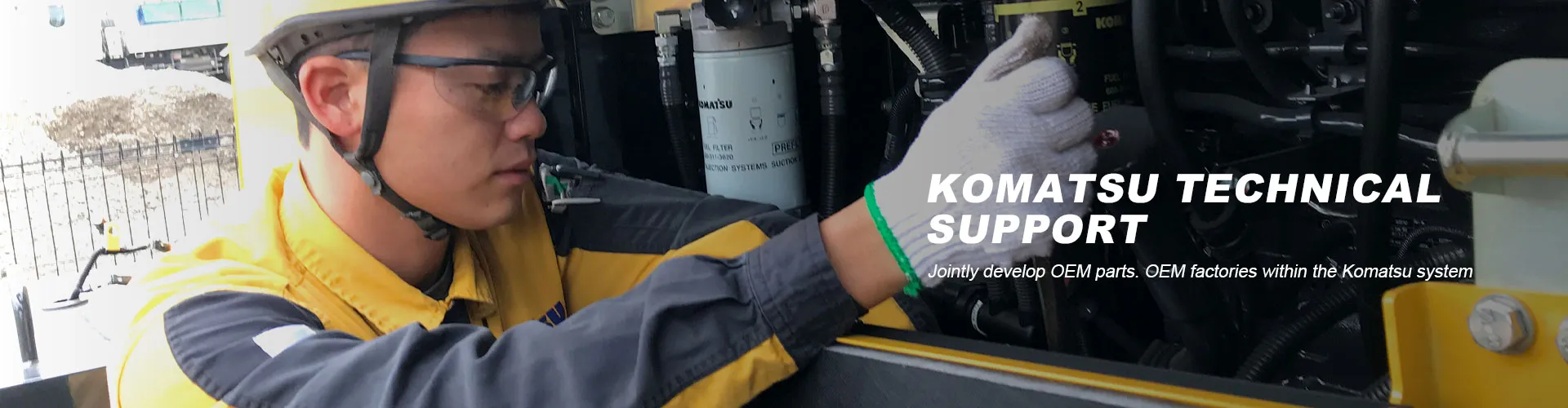
Komatsu track roller
When you hear 'Komatsu track roller', most guys in the yard picture that hefty, forged steel wheel running inside the track link. It seems simple enough—just a roller, right? That's the first mistake. The real story isn't just the part itself; it's about the entire undercarriage ecosystem, the brutal forces at play, and the surprisingly complex supply chain that keeps these machines moving. I've seen too many projects stall because someone treated a track roller as a commodity item, ordering the cheapest alternative without understanding the load cycles or the metallurgy. It's a bearing, a seal, and a heat-treated shell taking several tons of impact, every minute, for thousands of hours. Getting it wrong doesn't just mean a faster wear-out; it can cascade into sprocket and track link damage, turning a $2,000 part into a $20,000 undercarriage overhaul. That's where the practical knowledge separates from the catalog spec sheets.
The Anatomy of Failure: More Than Just Wear
Let's talk about failure modes, because that's where you learn. A worn flange is obvious. But what about the subtle ones? I recall a D375 dozer in a mining operation where the Komatsu track roller seals failed prematurely, not from age, but from constant immersion in a slurry of fine, abrasive clay. The standard labyrinth seal just ingested it. The fix wasn't a better roller from another brand; it was understanding the application and specifying a different seal kit from the get-go, one with a more aggressive multi-lip design. The OEM spec was a starting point, not a bible. This is where having a supplier who understands context is critical. A company like Jining Gaosong, which operates within the Komatsu system as an OEM supplier, gets this. They've seen these scenarios. Their role isn't just to box and ship a part; it's to know that a roller for a PC360 excavator in a demolition yard faces different shocks than one on a WA500 wheel loader in a quarry.
Another classic is the internal bearing spall. You don't see it until there's play or noise, and by then, the roller body might be scored. We tried a batch of third-party rollers on a fleet of PC200s once. The price was attractive, maybe 40% lower. The hardness was there on the surface, but the core material and the bearing tolerances were off. They lasted about 1800 hours before we started getting irregular, catastrophic bearing seizures. The cost of downtime and replacement labor wiped out any savings ten times over. It was a hard lesson that the manufacturing process for a genuine track roller involves precision forging and specific heat treatment curves that aren't easily replicated.
This ties into the whole OEM vs. aftermarket debate. A pure aftermarket part might mimic dimensions, but it often misses on material science and assembly precision. A supplier that is an OEM product supplier within the Komatsu system, like Jining Gaosong Construction Machinery Co., Ltd., bridges a crucial gap. They have access to the genuine production lines and quality standards, but they can also operate with the flexibility to address specific market shortages. Their website, https://www.takematsumachinery.com, outlines this dual role clearly. They're not just a warehouse; they're a channel that understands the original engineering intent, which is vital for a component under this much stress.
On the Ground: Sourcing and Logistics Realities
Here's a practical headache: lead times. You need a set of rollers for a Komatsu D65. The local dealer might be out of stock, with a 12-week backorder from Japan. The machine is down. This is the exact parts supply challenges in certain countries that a company in their position helps solve. I've been in situations where we had to cannibalize a less critical machine to keep a primary revenue-earner running. It's inefficient and costly. Having a reliable third-party source that still deals in OEM-spec parts is a lifeline. They can often tap into different regional inventory pools or production schedules that the main dealer network can't.
But you have to be careful. Third-party can mean a lot of things. Some are just brokers with no technical knowledge. The useful ones are those with engineering liaison. For instance, when a new roller design supersedes an old one, does your supplier know why? Was it a seal upgrade? A change in the flange profile to reduce track guide wear? A good supplier will have that bulletin and can explain it. I've found that the description for Jining Gaosong, stating they are also a third-party sales company for Komatsu, hints at this deeper integration. It suggests they have the formal relationship and technical communication lines to get these updates, not just a pile of parts in a shed.
Logistics is another layer. A track roller is heavy. Shipping a set internationally is a major cost factor. A supplier with experience in export to challenging regions knows how to crate them properly to prevent shipping damage (yes, I've received rollers with bent flanges from poor handling), and how to navigate customs for heavy machinery parts. It's an unglamorous but critical part of the job. The ability to reliably get the right part to a port in West Africa or a mine in South America is as valuable as the part's hardness rating.
The Cost Equation: Total Cost of Ownership
Procurement departments love to focus on unit price. In the field, we think about total cost over the machine's life. Let's break down a Komatsu track roller cost. There's the purchase price. Then there's installation labor (pressing out pins, handling the track). Then there's the risk cost: if it fails early, what's the downtime cost per day? What's the potential collateral damage to other undercarriage components? A genuine or OEM-spec roller from a trusted pipeline might have a higher upfront cost, but it aligns with the machine's designed wear intervals. You're planning maintenance, not reacting to crises.
I did a rough calculation once on a fleet of five excavators. Using a suspect aftermarket roller saved $800 per machine on the initial purchase. Over 10,000 hours, we averaged 30% shorter roller life and had two incidents of secondary damage from premature failures. The savings turned into a net loss of over $15,000 for the fleet when you factored in extra labor and downtime. The math almost always favors the quality part for core load-bearing components. This is the value a specialist supplier brings—they help you avoid that false economy by providing parts that meet the original durability targets.
This is why the model of a company that is both an OEM producer and a third-party seller makes sense. They aren't incentivized to push the absolute cheapest option; their reputation hinges on the part performing as expected. Their business, as noted on their site, is built on solving supply challenges, not creating new ones through part failure. For a site manager or fleet owner, that alignment of interests is everything.
Beyond the Roller: System Thinking
You can't talk about rollers in isolation. They are in constant dialogue with the track chain, the sprocket, and the idler. A mismatched hardness between the roller flange and the track link guide can accelerate wear on both. I remember a case where we installed new OEM rollers but reused very worn track links. The sharp, worn edges on the link guides acted like lathe tools, machining into the new roller flanges. We killed a $5,000 set of rollers in 500 hours. The lesson was brutal: always inspect the entire track chain when replacing rollers. Sometimes, a package deal on rollers, links, and maybe the sprocket is the truly economical move.
This gets into the advisory role. Does your parts supplier ask about the condition of the other components? Do they provide wear measurement charts or guidelines? The best ones do. They act as consultants. When you engage with a source like https://www.takematsumachinery.com, you're ideally not just getting a sales quote; you're tapping into their system-wide knowledge of Komatsu undercarriages. They should be asking about your machine model, application hours, and material you're working in.
Another detail is the lubrication. Some rollers are greased, some are sealed and lubricated for life. Knowing the service interval—or if it's even serviceable—is key. I've seen mechanics try to force-grease a sealed roller, blowing out the seals instantly. The part number and the supplier's documentation should make this clear. A supplier embedded in the OEM system will have the correct technical data sheets to prevent these field errors.
Final Thoughts: Trust and Provenance
At the end of the day, sourcing a critical component like a track roller boils down to trust and provenance. You need to know where the part truly came from, who made it, and what standards were followed. In a global market flooded with look-alikes, that's harder than it sounds. Certificates can be faked. Packaging can be copied. The most reliable signal is the supplier's long-term relationship with the OEM and their reputation among contractors.
A company like Jining Gaosong Construction Machinery Co., Ltd. presents a compelling case by explicitly stating its OEM supplier status within Komatsu's system. That's a claim that can be verified and carries weight. It means their production is audited, their materials are sourced to a spec, and their quality control is part of a larger, reputable system. Their additional role as a third-party sales arm directly addresses the real-world pain point of availability.
So, when you next need a Komatsu track roller, look past the simple image of a steel wheel. Think about the forces, the system, the logistics, and the total cost. Then choose a supply partner that demonstrates an understanding of all those layers, not just one with the lowest price on a webpage. The machine's uptime depends on it.
Related Products
Related Products
Best Selling Products
Best Selling Products-
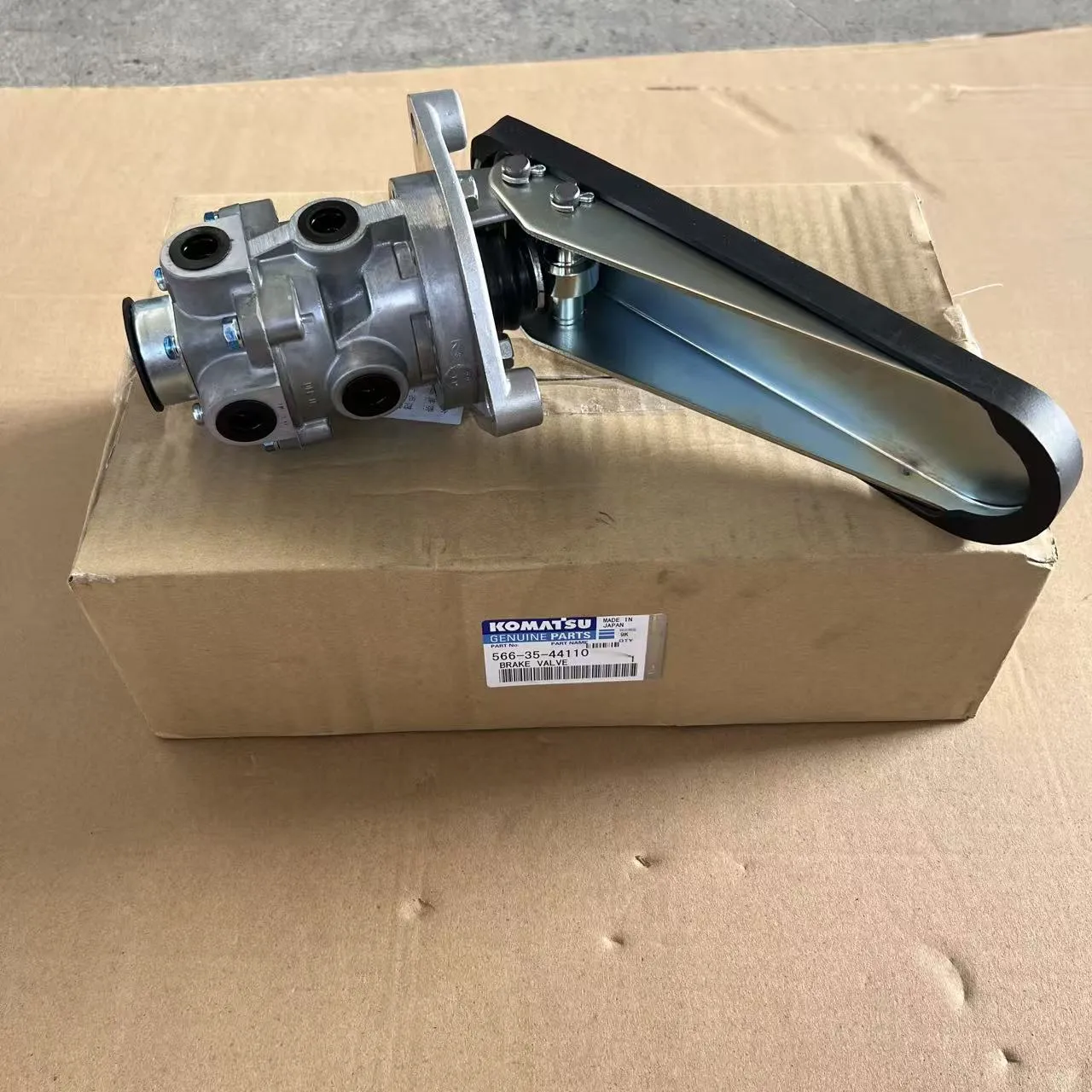 Komatsu Dump Truck Original HD785-5 Brake Valve 566-35-44110
 -
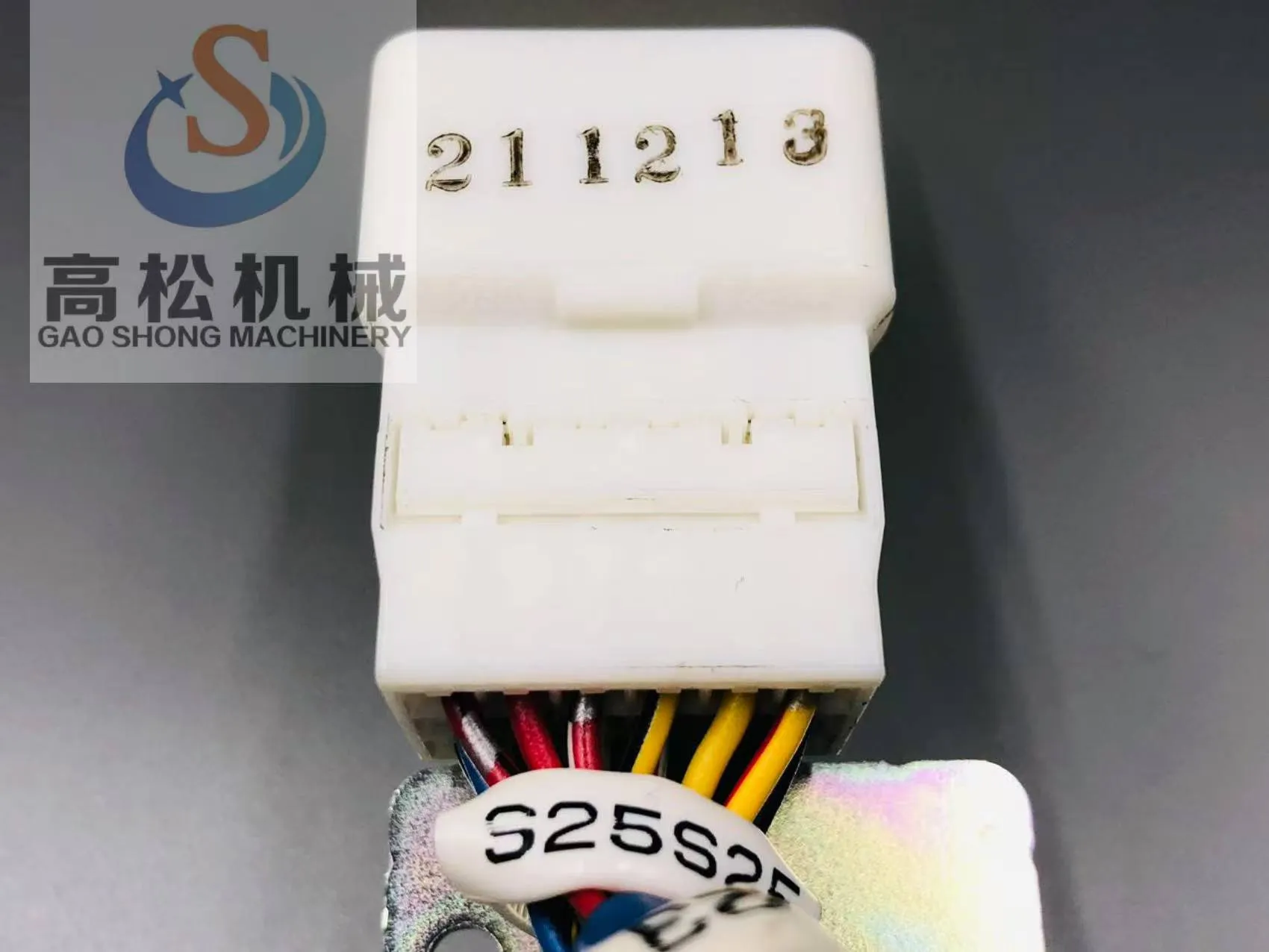 Factory wholesale of low-price 22U-06-22370 switch assemblies, suitable for Komatsu PC300LC, PC340LC, PC380LC construction machinery parts
 -
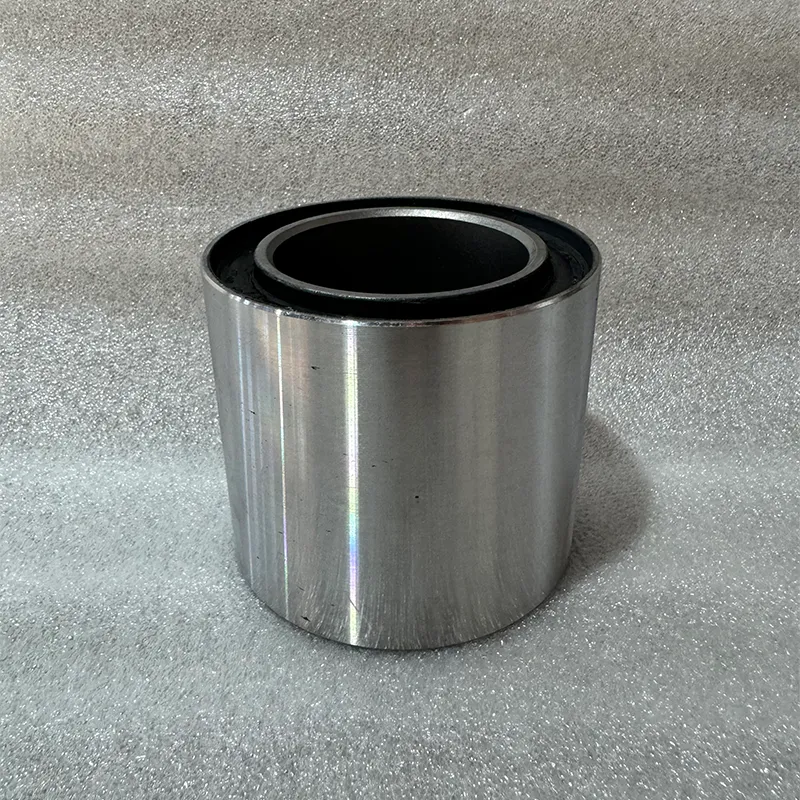 Original komatsu WA900-3 pad 569-14-41130
 -
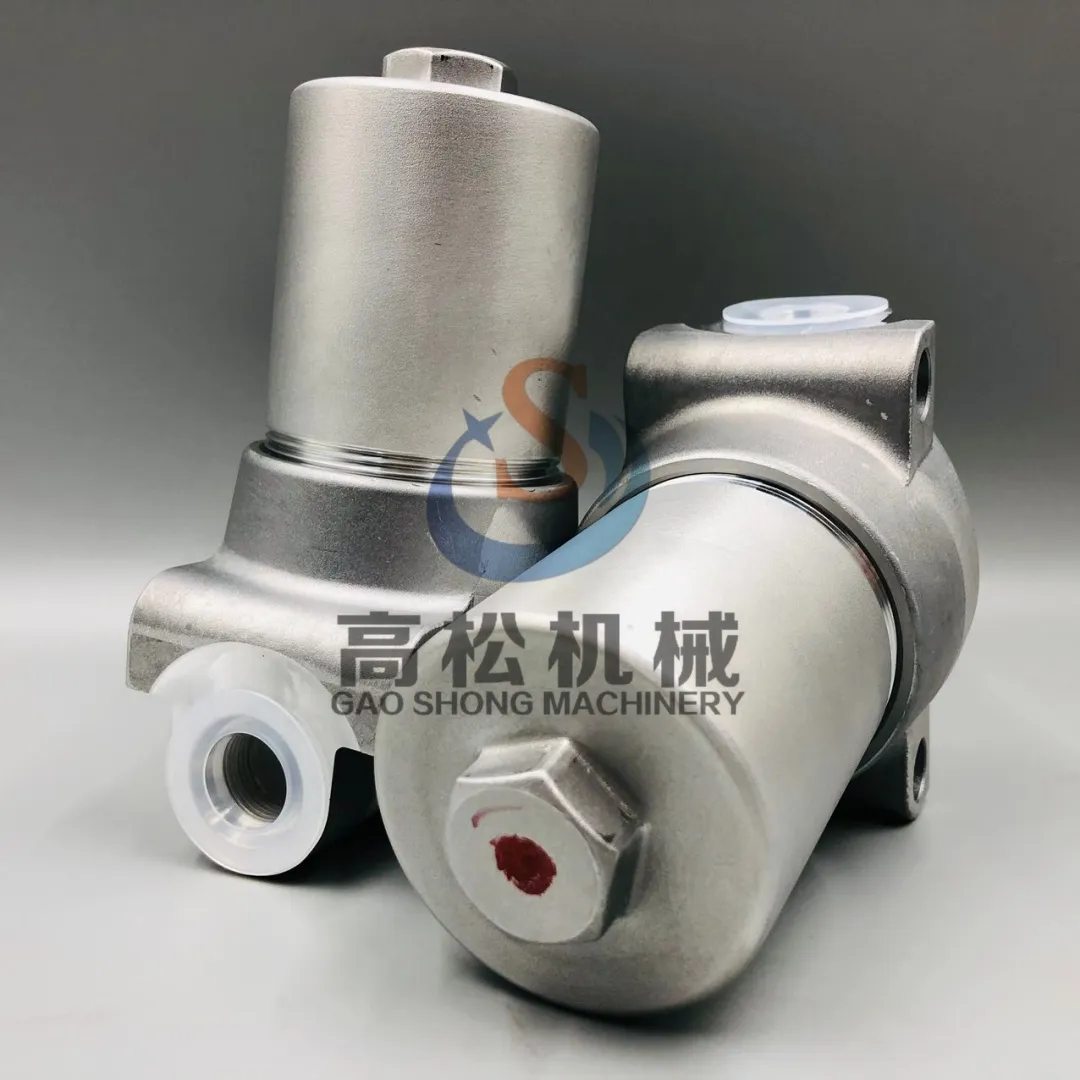 20Y-62-51681Filter Assembly 20Y-62-51681 – KOMATSU
 -
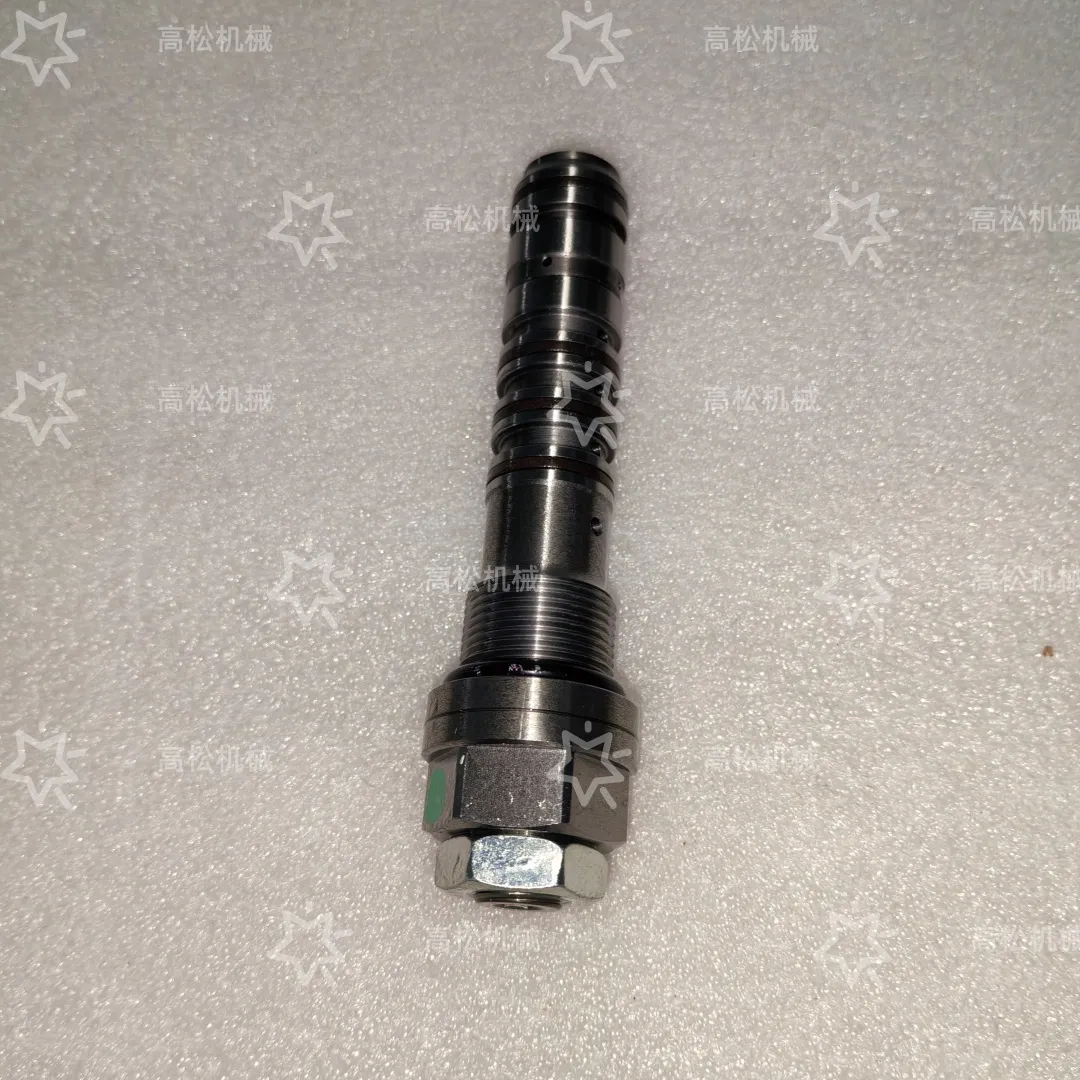 EXCAVATOR 708-2G-03720 7082G03720 VALVE ASSEMBLY 0.4KG for PC300 PC350 PC360 PC390 PC390LL CONSTRUCTION MACHINERY PARTS
 -
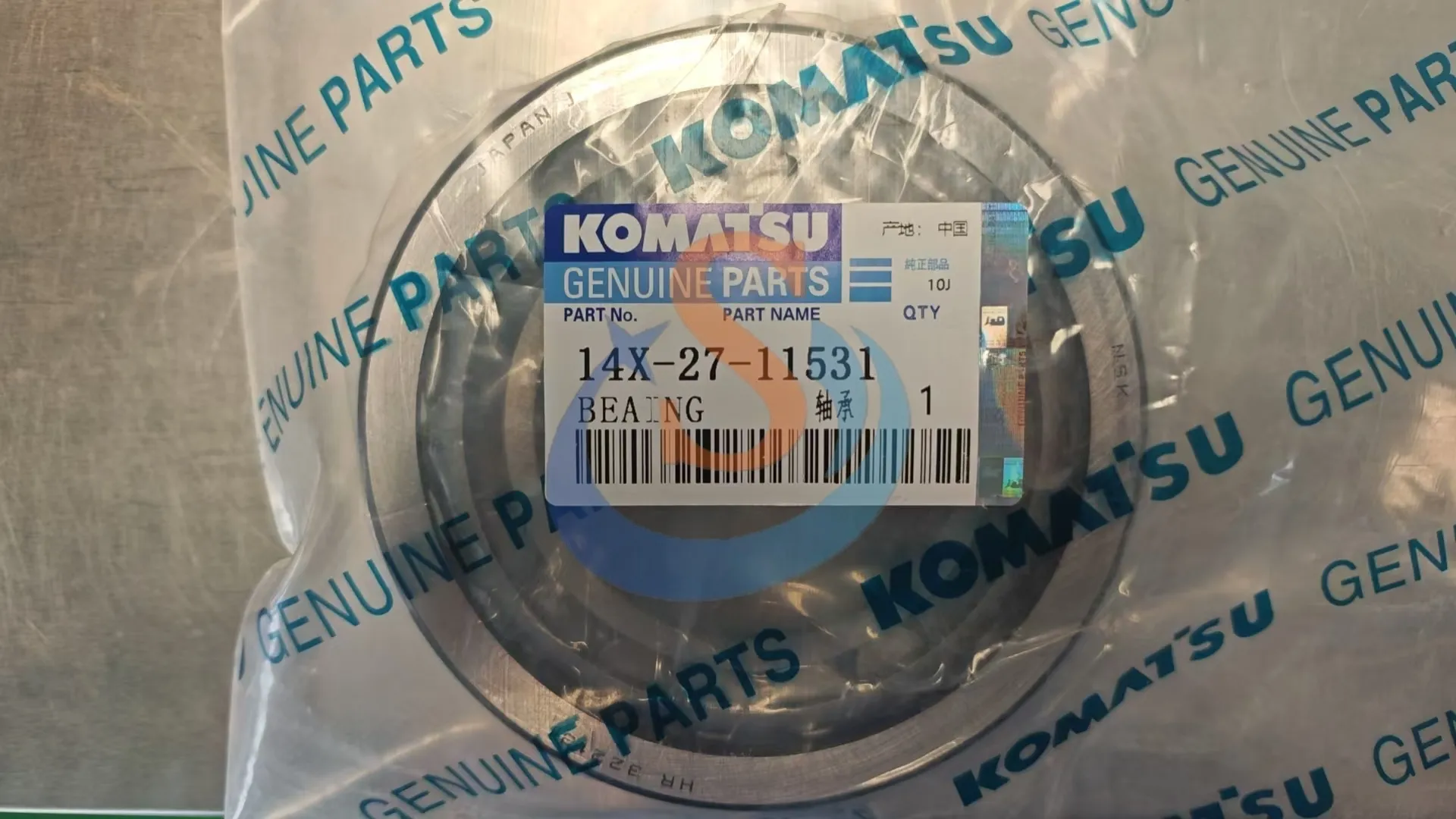 14X-27-11531,BEARING,D65P,D65EX,D65WX
 -
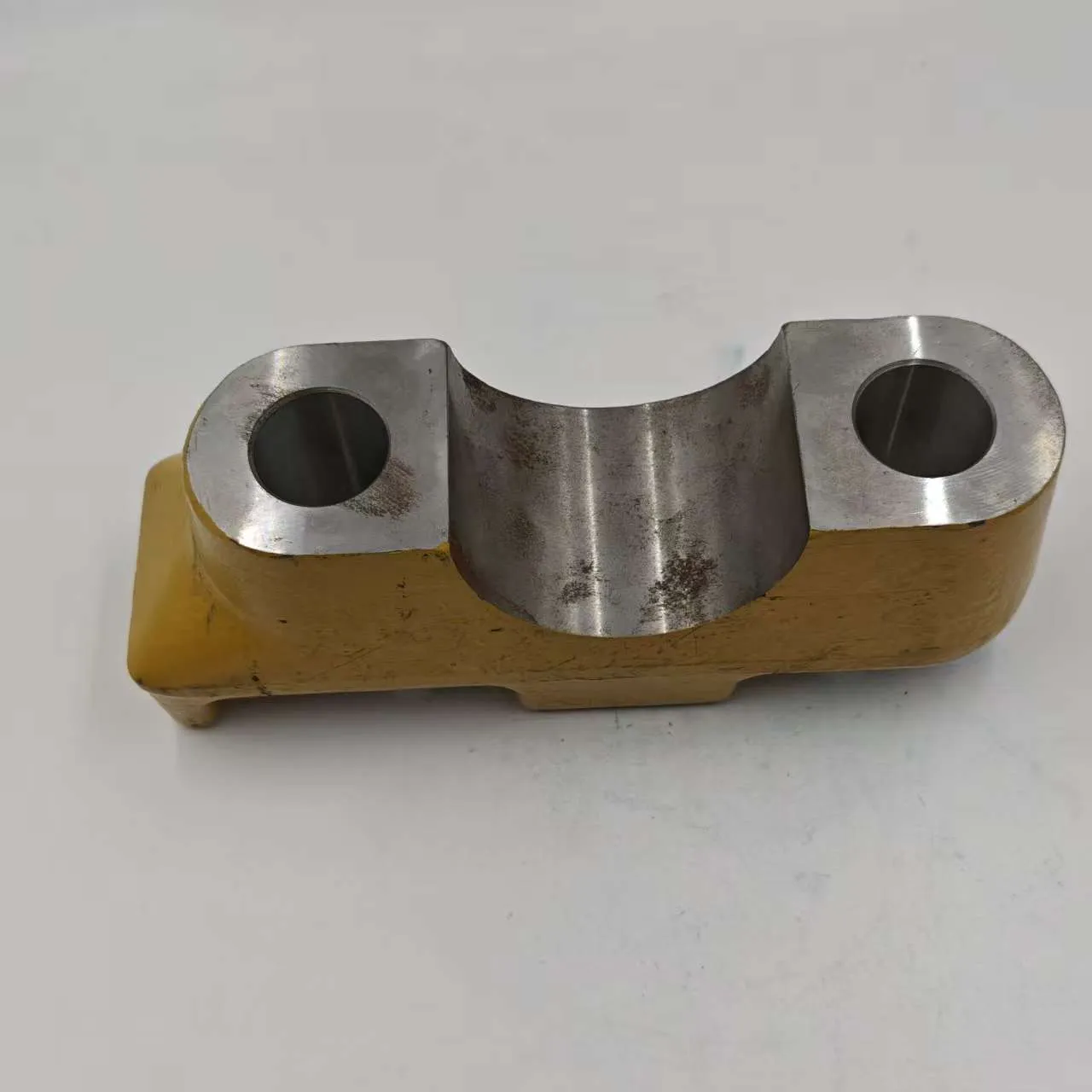 Cap 195-30-62141 for Komats Dozer D375A
 -
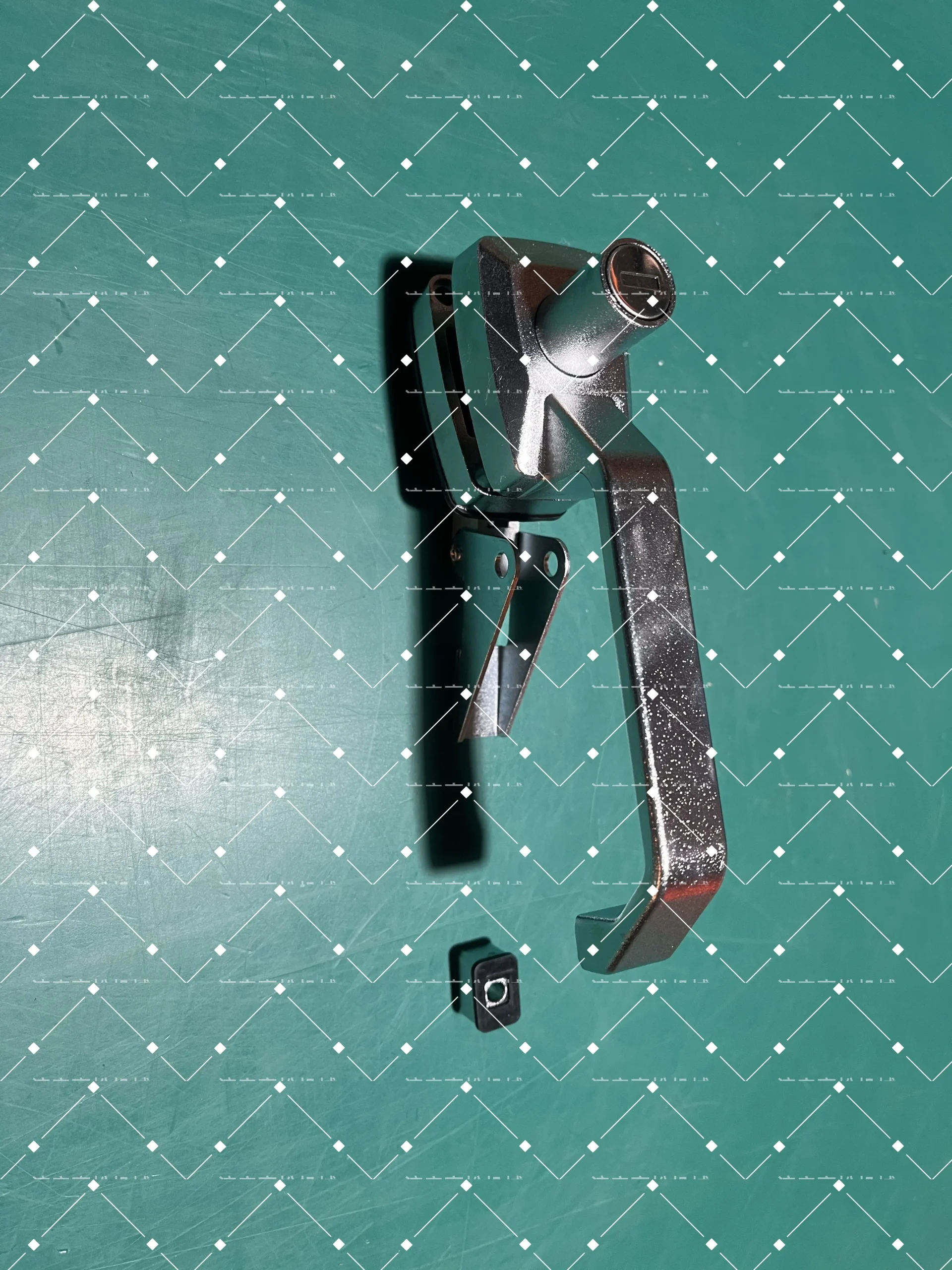 198-Z11-3710 Komatsu Handle Assembly
 -
 21N-26-33240Komatsu original factory accessories
 -
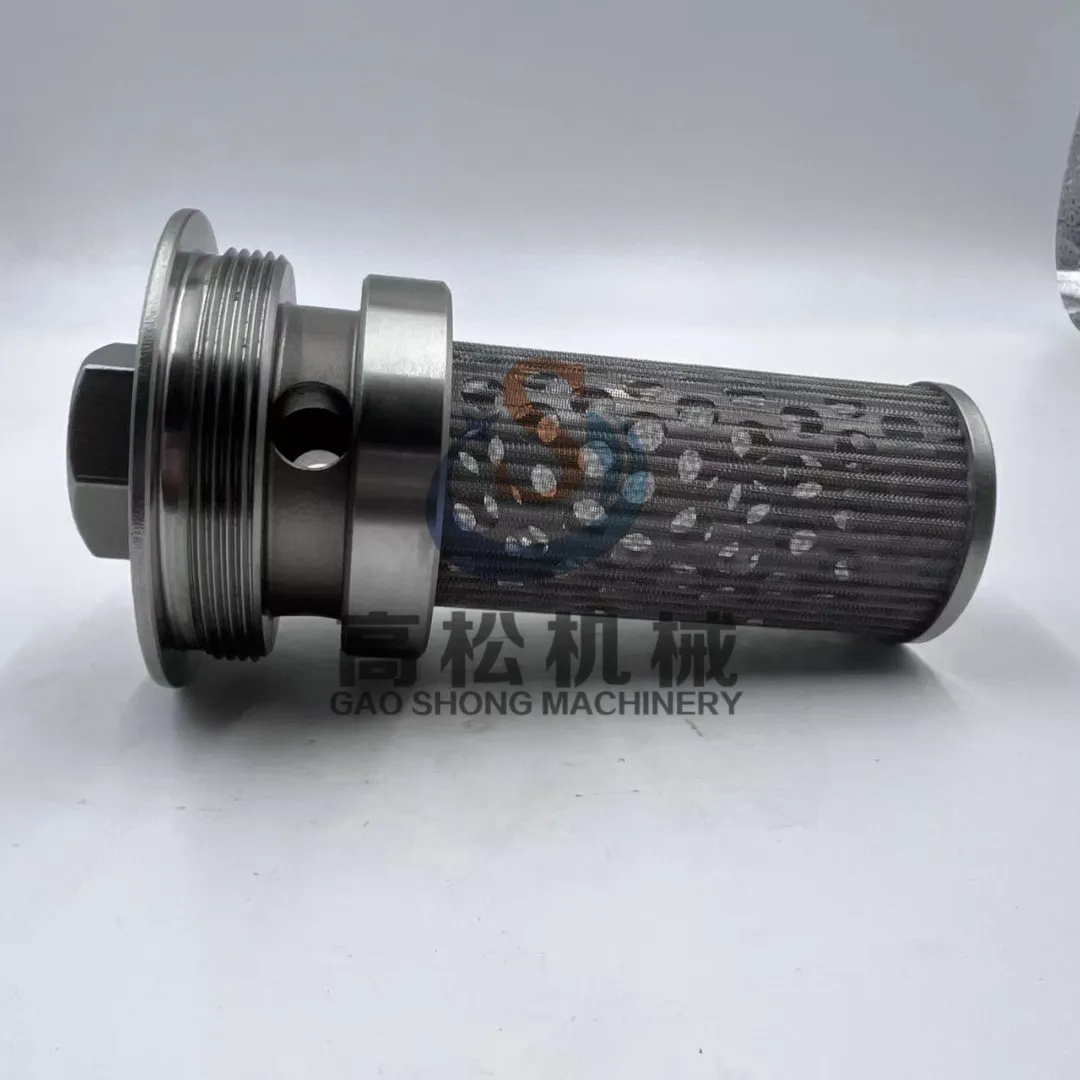 Komatsu 195-04-11150 Strainer 195041150
 -
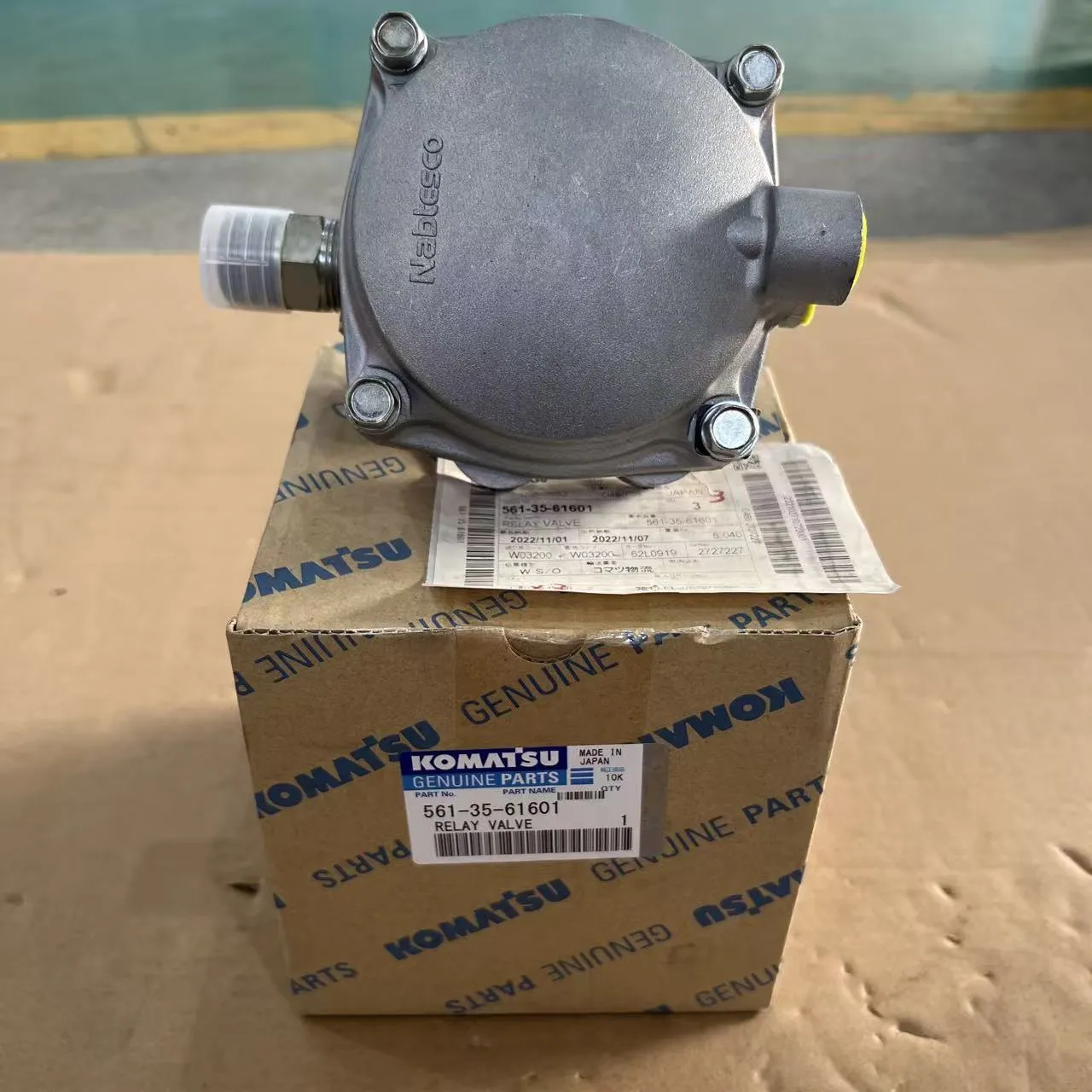 RELAY VALVE ASS’Y 561-35-61601 – KOMATSU
 -
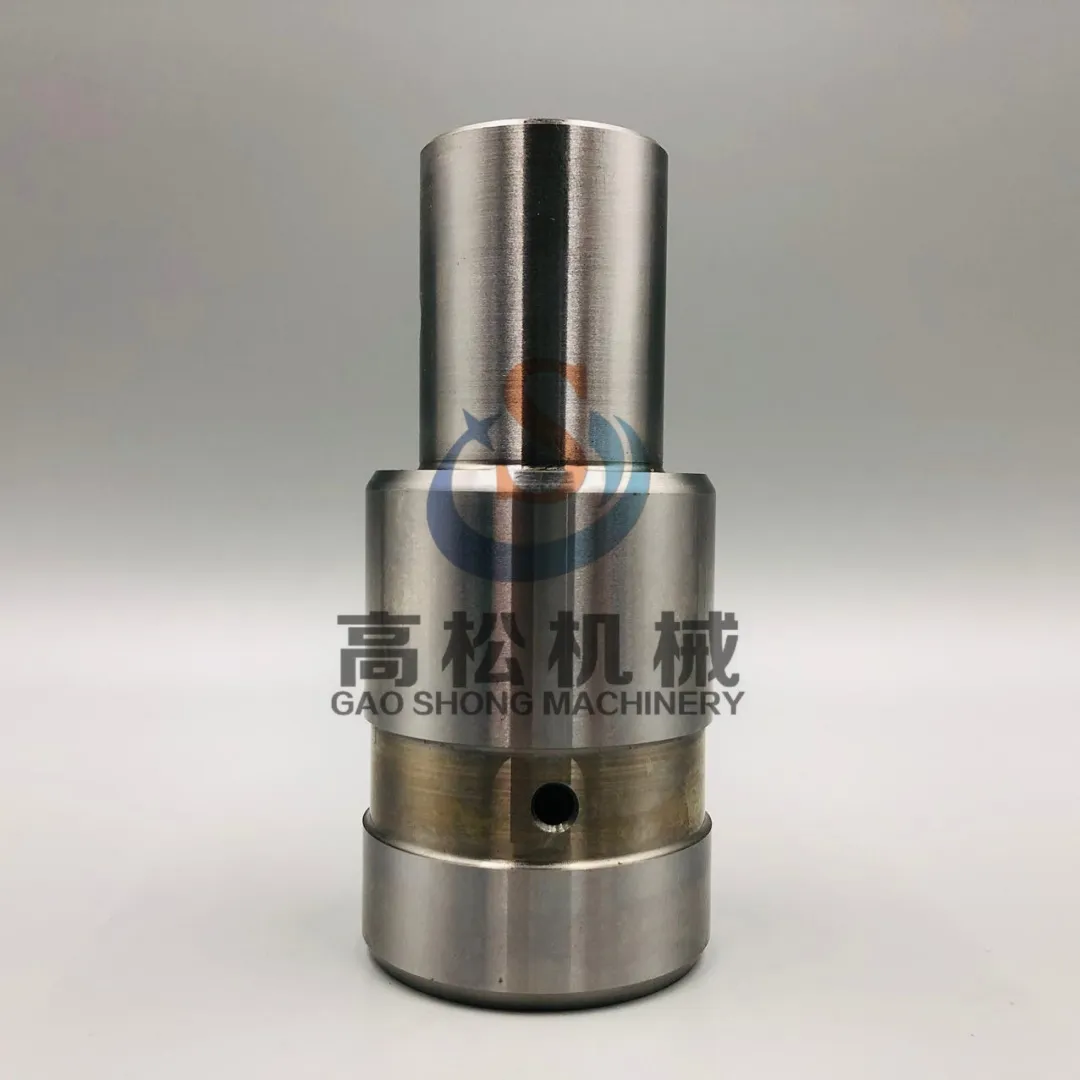 komatsu 6240-61-4630 shaft komatsu original