
- Chinese
- French
- German
- Portuguese
- Spanish
- Russian
- Japanese
- Korean
- Arabic
- Irish
- Greek
- Turkish
- Italian
- Danish
- Romanian
- Indonesian
- Czech
- Afrikaans
- Swedish
- Polish
- Basque
- Catalan
- Esperanto
- Hindi
- Lao
- Albanian
- Amharic
- Armenian
- Azerbaijani
- Belarusian
- Bengali
- Bosnian
- Bulgarian
- Cebuano
- Chichewa
- Corsican
- Croatian
- Dutch
- Estonian
- Filipino
- Finnish
- Frisian
- Galician
- Georgian
- Gujarati
- Haitian
- Hausa
- Hawaiian
- Hebrew
- Hmong
- Hungarian
- Icelandic
- Igbo
- Javanese
- Kannada
- Kazakh
- Khmer
- Kurdish
- Kyrgyz
- Latin
- Latvian
- Lithuanian
- Luxembou..
- Macedonian
- Malagasy
- Malay
- Malayalam
- Maltese
- Maori
- Marathi
- Mongolian
- Burmese
- Nepali
- Norwegian
- Pashto
- Persian
- Punjabi
- Serbian
- Sesotho
- Sinhala
- Slovak
- Slovenian
- Somali
- Samoan
- Scots Gaelic
- Shona
- Sindhi
- Sundanese
- Swahili
- Tajik
- Tamil
- Telugu
- Thai
- Ukrainian
- Urdu
- Uzbek
- Vietnamese
- Welsh
- Xhosa
- Yiddish
- Yoruba
- Zulu
- Kinyarwanda
- Tatar
- Oriya
- Turkmen
- Uyghur






komatsu track parts
When most people hear 'Komatsu track parts,' they immediately think of the big, obvious stuff: the track shoes, the links, maybe the rollers. That's surface-level. The real game, and where a lot of money gets left on the table or wasted, is in the interplay of those components and the less glamorous bits that hold the system together. It's not just about replacing what's broken; it's about understanding why it broke and sourcing the piece that fits the puzzle without causing two more to fail next month. A lot of outfits just chase the cheapest price per part, and that's a shortcut to a machine sitting idle again far too soon.
The OEM vs. Aftermarket Reality Check
Let's be clear: genuine Komatsu parts have a specific engineering tolerance and material composition. For critical wear items like bushings and pins in the track chain, that matters immensely. I've seen aftermarket pins that looked identical but wore out 40% faster because the hardening process was off. The machine didn't know the difference until the track started throwing itself off every other week.
But here's the nuance—going 100% OEM for everything isn't always feasible or smart, especially for older models or in regions with supply chain hiccups. That's where the value of a specialized supplier in the Komatsu ecosystem comes in. A company like Jining Gaosong Construction Machinery Co., Ltd. occupies a interesting space. They position themselves as an OEM product supplier within Komatsu's system and a third-party sales channel. In practice, what that meant for us on a project in Southeast Asia was this: we couldn't get a genuine track roller flange for a D375 dozer through standard channels without a 12-week lead time. A local dealer offered a questionable aftermarket alternative. Gaosong, through their network at https://www.takematsumachinery.com, provided a Komatsu-spec part from their OEM pipeline in about three weeks. It solved the immediate crisis without compromising the assembly's integrity.
The key takeaway isn't that one source is universally better. It's that having access to a hybrid supplier who understands both the sanctity of OEM specs and the practical urgency of field operations is a massive advantage. They're not just box-shifters; they're solving what they call parts supply challenges in certain countries. That's a real pain point they're addressing.
Undercarriage Wear Patterns Tell a Story
Diagnosing track issues isn't a parts-swapping exercise. You have to read the wear. Excessive wear on one side of the track shoe grouser? That's rarely a shoe problem. It's a tell-tale sign of a misaligned idler or a failing track roller frame. Replacing the shoes alone is like putting a new bandage on an infected wound.
I recall a PC800 excavator where the customer kept complaining about rapid track link wear. They'd replaced the links twice. When we got on site, we found the sprocket was actually a re-manufactured unit with a tooth profile that was subtly wrong. It was chewing through the links. The fix wasn't more links; it was the correct sprocket. The supplier conversation then shifts from we need track links to we need a sprocket for serial number XYZ, and can you verify the tooth profile against the OEM diagram? A competent parts partner will ask those follow-up questions.
This is where the rubber meets the road. A good parts supplier, whether OEM-affiliated like Gaosong or a top-tier aftermarket, will have technical data and cross-sections. They should be able to discuss wear patterns and suggest inspecting adjacent components. If they just take the order for the part number you give them, you're on your own.
The Sealing & Hardware Nightmare
Nobody gets excited about O-rings, seals, and bolts. Until they fail. Assembling a track group with subpar seals on the track roller is a guaranteed rebuild in short order. Contamination gets in, grease gets out, and the roller seizes. We learned this the hard way years ago by using a generic seal kit on a mid-life rebuild. The seals lasted about 300 hours before we saw grease leakage and metal dust.
For these consumables, the provenance is critical. Many of the OEMs themselves source these from specialized manufacturers. A supplier embedded in the Komatsu system often has access to these same sub-tier manufacturers or can provide the exact Komatsu-packaged seal. It's a small cost item with a massive impact on total lifecycle cost. When browsing a site like Takematsumachinery, I'm always looking to see if they break out these components or just focus on the big iron. The detail matters.
Sourcing for Legacy Machines
The real test for any parts supplier is the obsolete or legacy machine. Finding a proper track link assembly for a Komatsu D155A from the 80s is a scavenger hunt. Here, the pure OEM channel might have officially discontinued the part. The aftermarket is flooded with copies of varying quality.
A third-party sales company within the Komatsu sphere can be a lifesaver here. Their network often includes NOS (New Old Stock) inventories from other regions or relationships with factories that still have the tooling for limited runs. We sourced a set of link assemblies for a D65E dozer this way. They weren't new in the 2024 sense, but they were genuine, unused Komatsu stock from a warehouse in another territory, provided through a partner like Gaosong. It kept a productive machine running for several more years. The alternative was a sketchy aftermarket set or a prohibitively expensive custom fabrication.
Cost vs. Value: The Total Calculation
The initial price tag is just one line item. You have to factor in machine availability (downtime cost), fitment time, and the wear impact on connected components. A cheap, out-of-spec track bushing can accelerate sprocket wear, turning a $500 savings into a $15,000 repair bill down the line.
My rule of thumb now is tiered. For core load-bearing components in the track chain and final drive path, I lean heavily on OEM or OEM-authorized sources. For non-critical structural plates, some guards, or even certain bolts, a verified high-quality aftermarket part is perfectly acceptable. The role of a hybrid supplier is to help you navigate that tiering reliably. They can provide the OEM part where it's non-negotiable and suggest a vetted, cost-effective alternative where the risk is low. Their value is in that judgment and their access to both streams.
It comes down to this: Komatsu track parts aren't a commodity. They're a system. Treating them as such requires a parts strategy that's just as nuanced. It's not about brand loyalty alone; it's about technical fidelity and operational reality. Finding partners who get that duality—like those operating in that OEM/third-party space—is what separates a fleet that runs from a fleet that's always being repaired.
Related Products
Related Products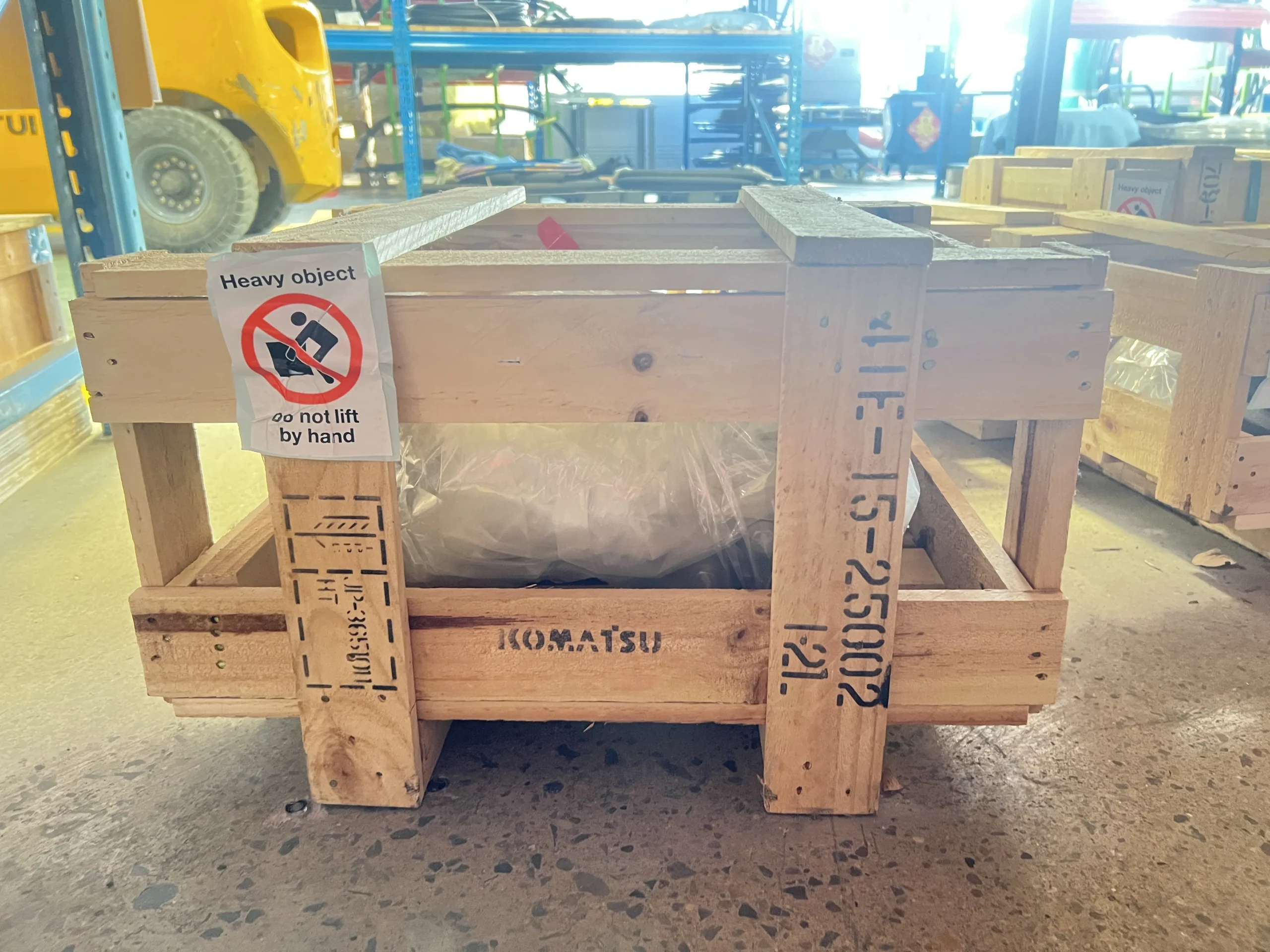
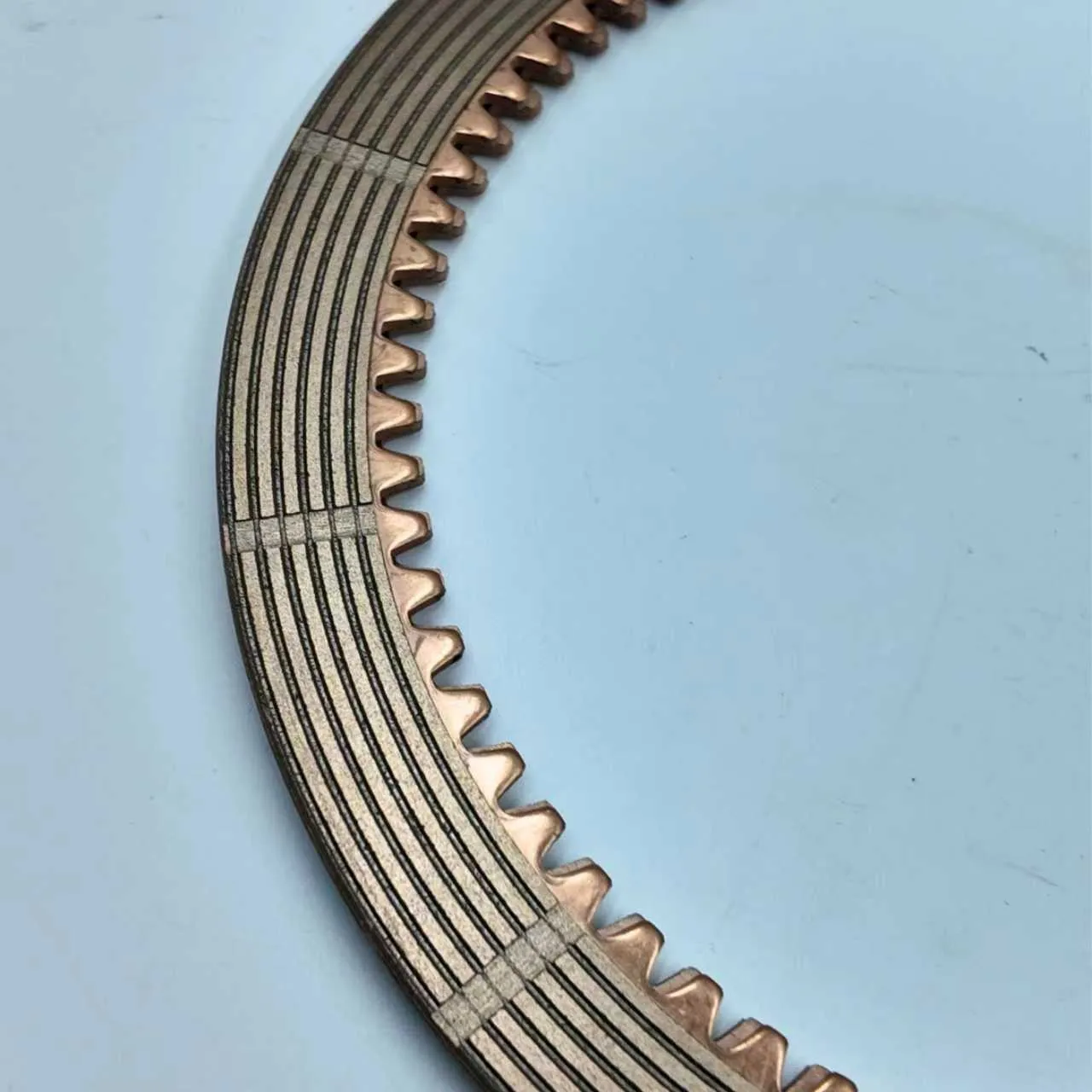
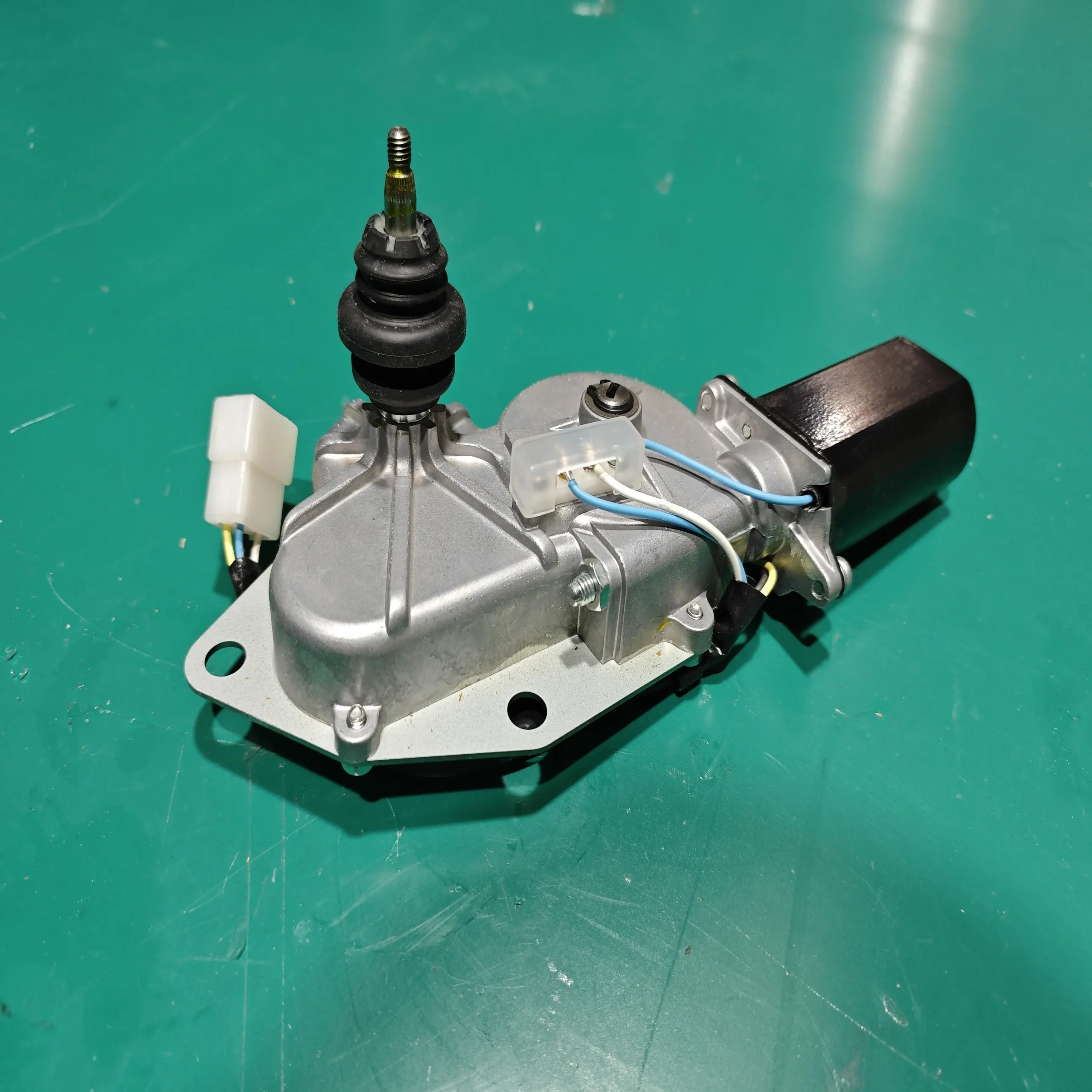
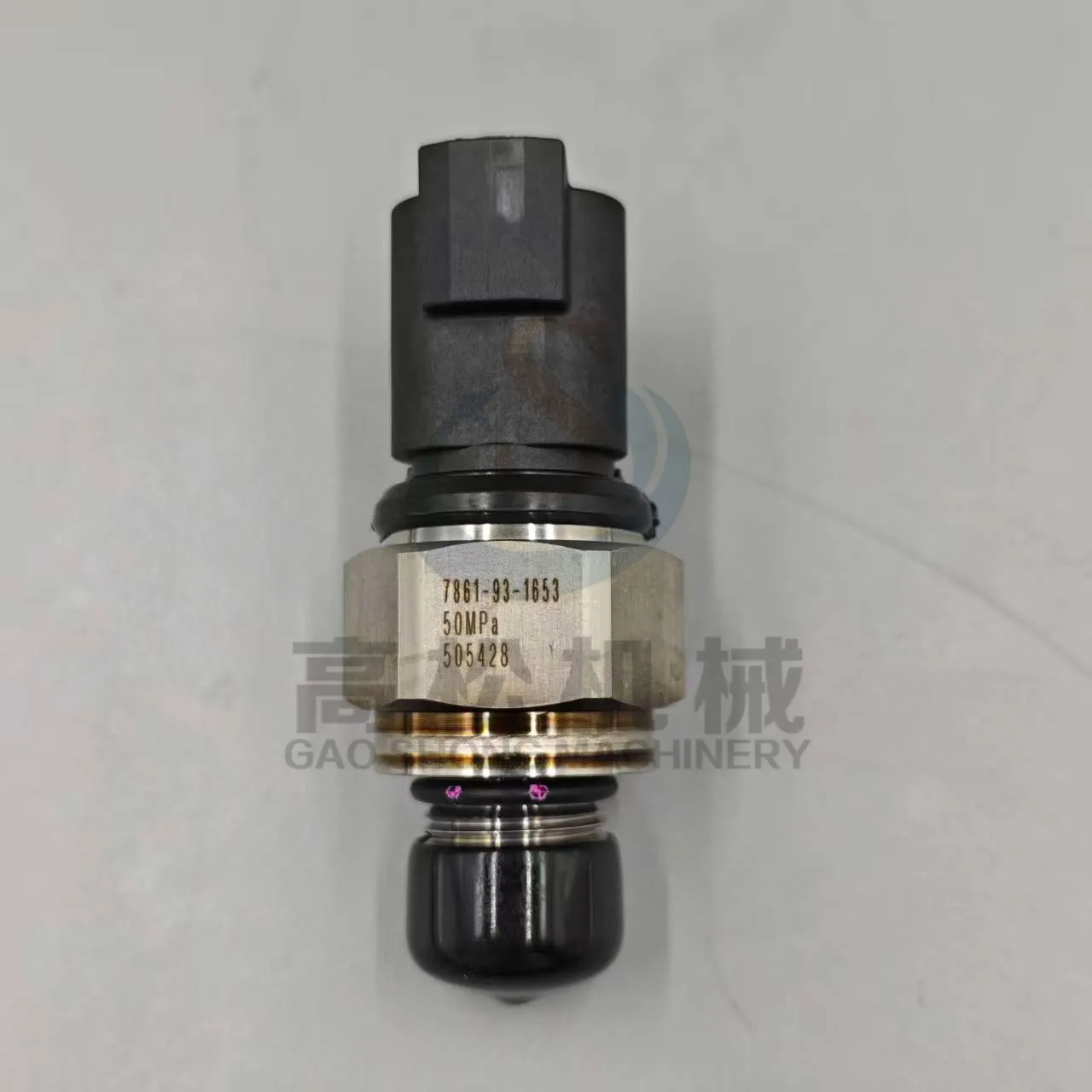

Best Selling Products
Best Selling Products-
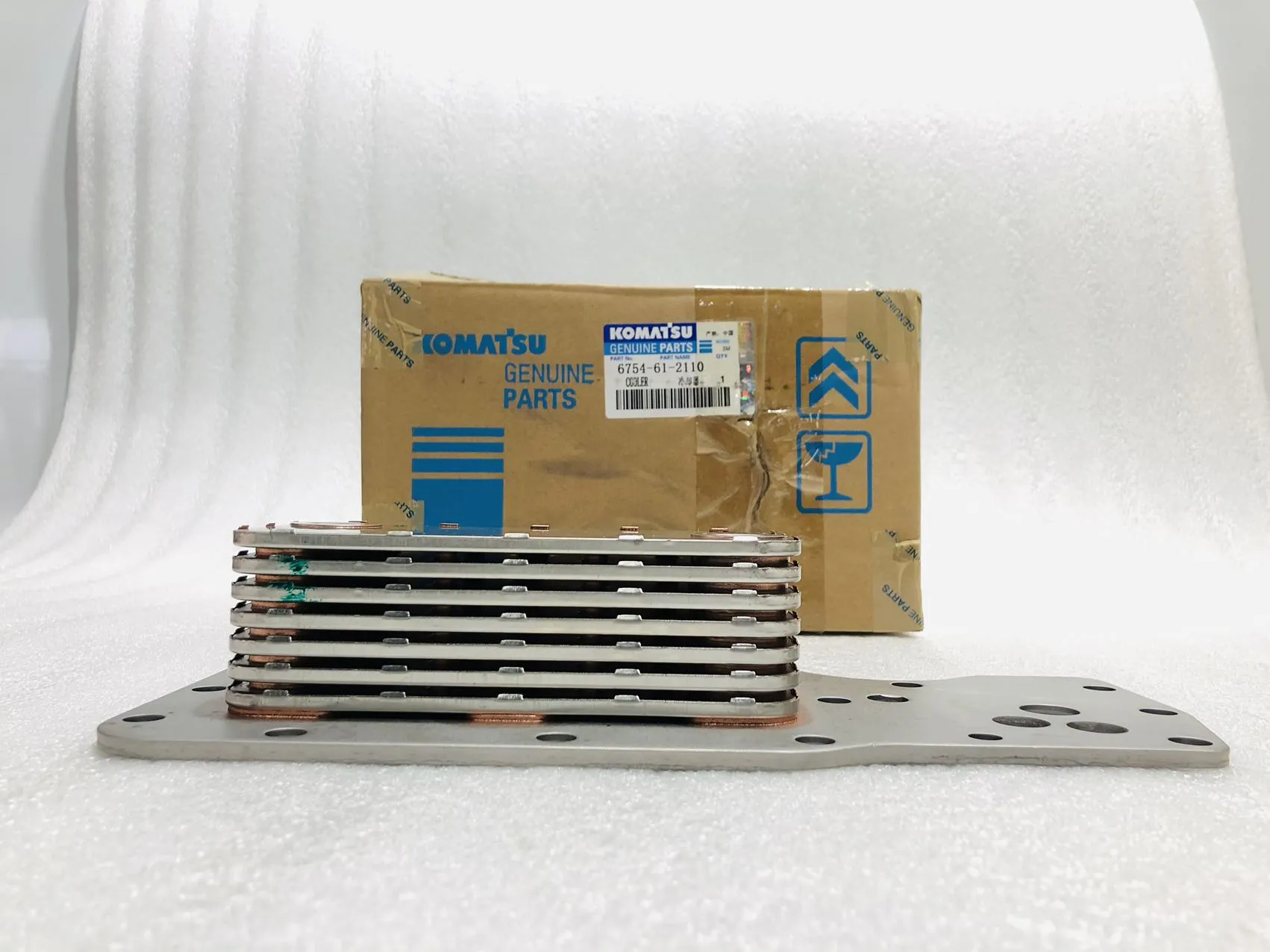 Oil Cooler Core 6240-61-2110 6240-61-2111 for Komatsu Engine SA6D170E-3A SAA6D170E-5A SAA6D170E-7 Excavator PC1250SP-8R
 -
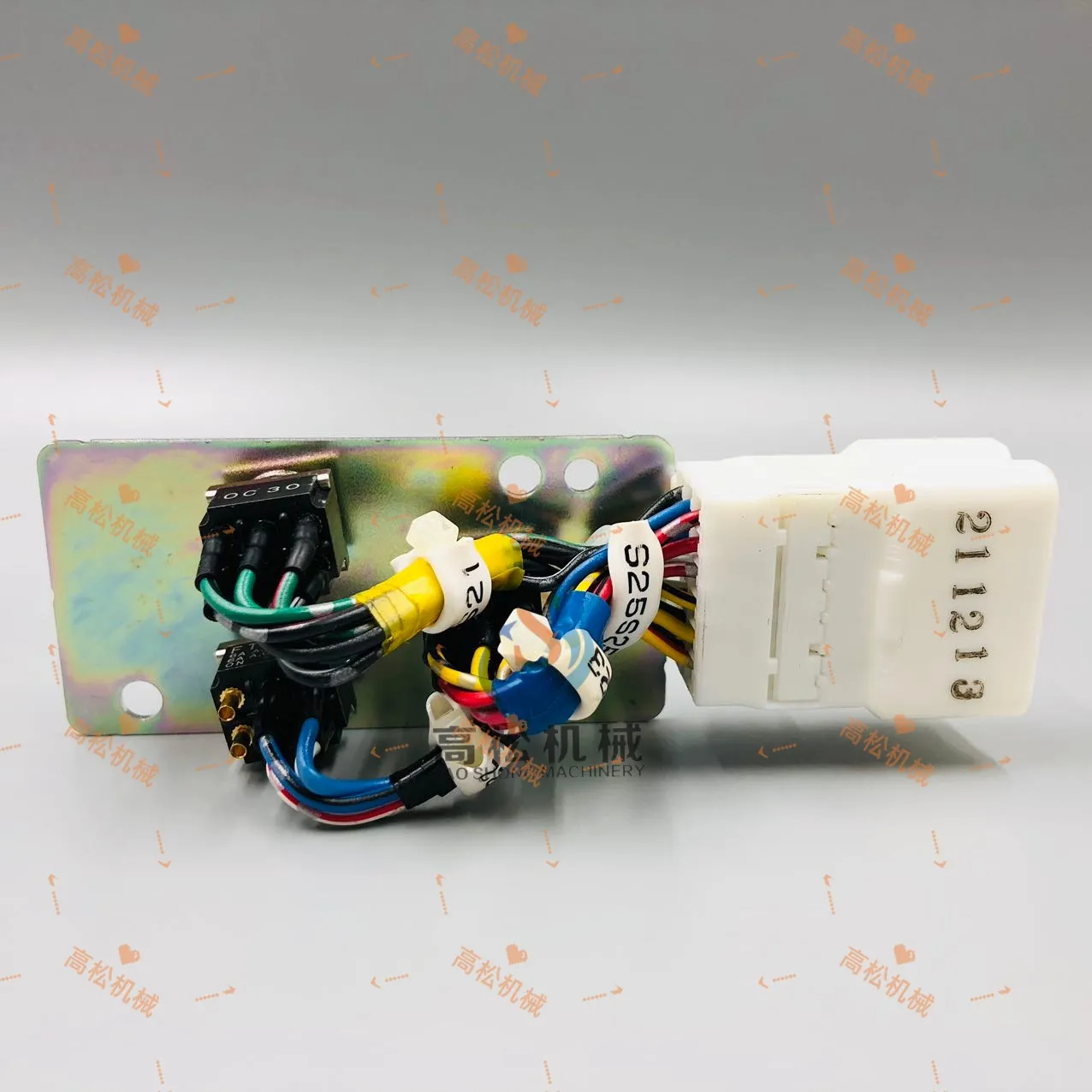 22u-06-22370 Komatsu PC228us-3 SWITCH ASS’Y submit for PC200LL, PC220LL, PC228, PC228US, PC270, PC270LL, PC300, PC300HD, PC300L, PC340, PC350, PC380
 -
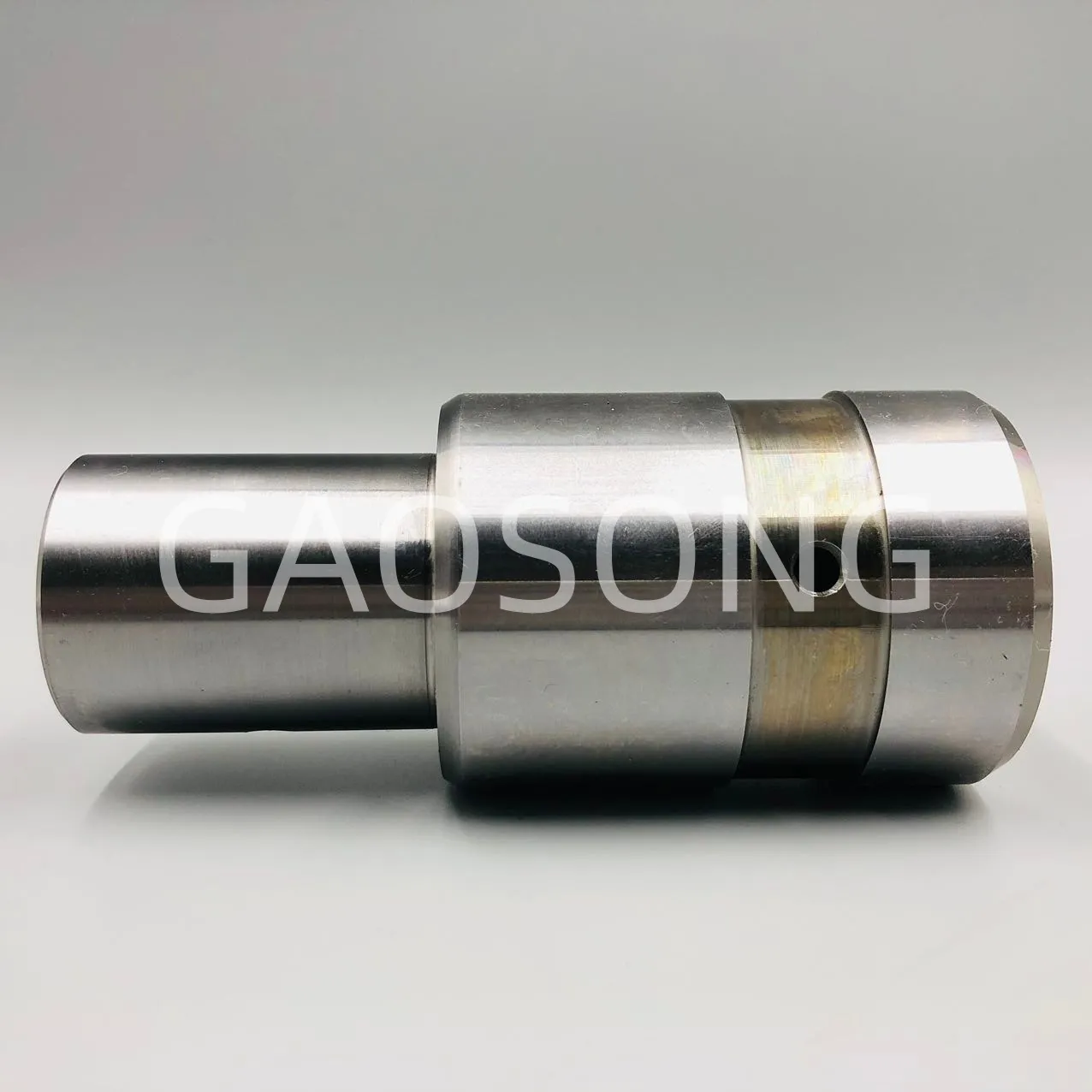 SHAFT 6240-61-4630 – KOMATSU
 -
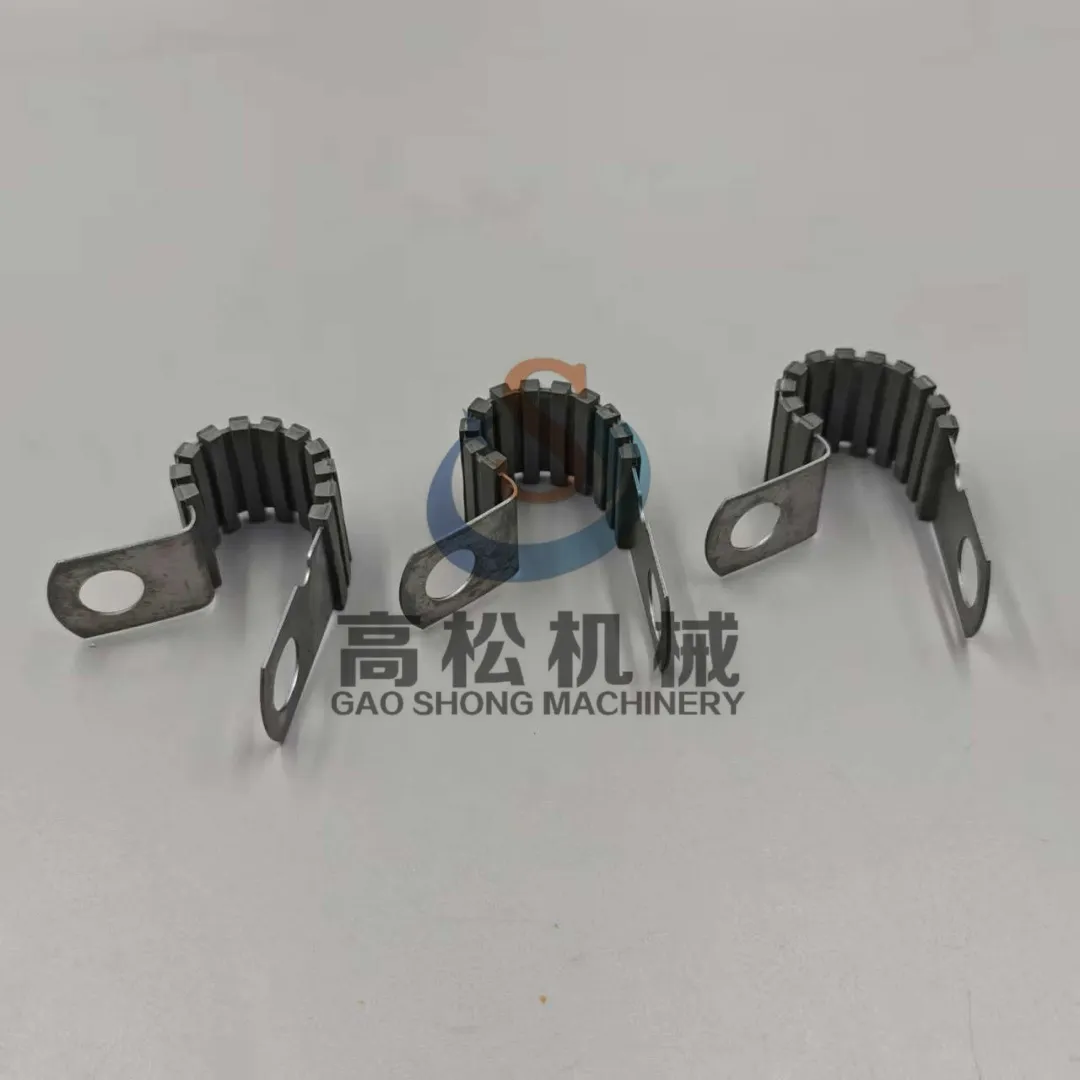 600-051-2180 Clip (Komatsu)
 -
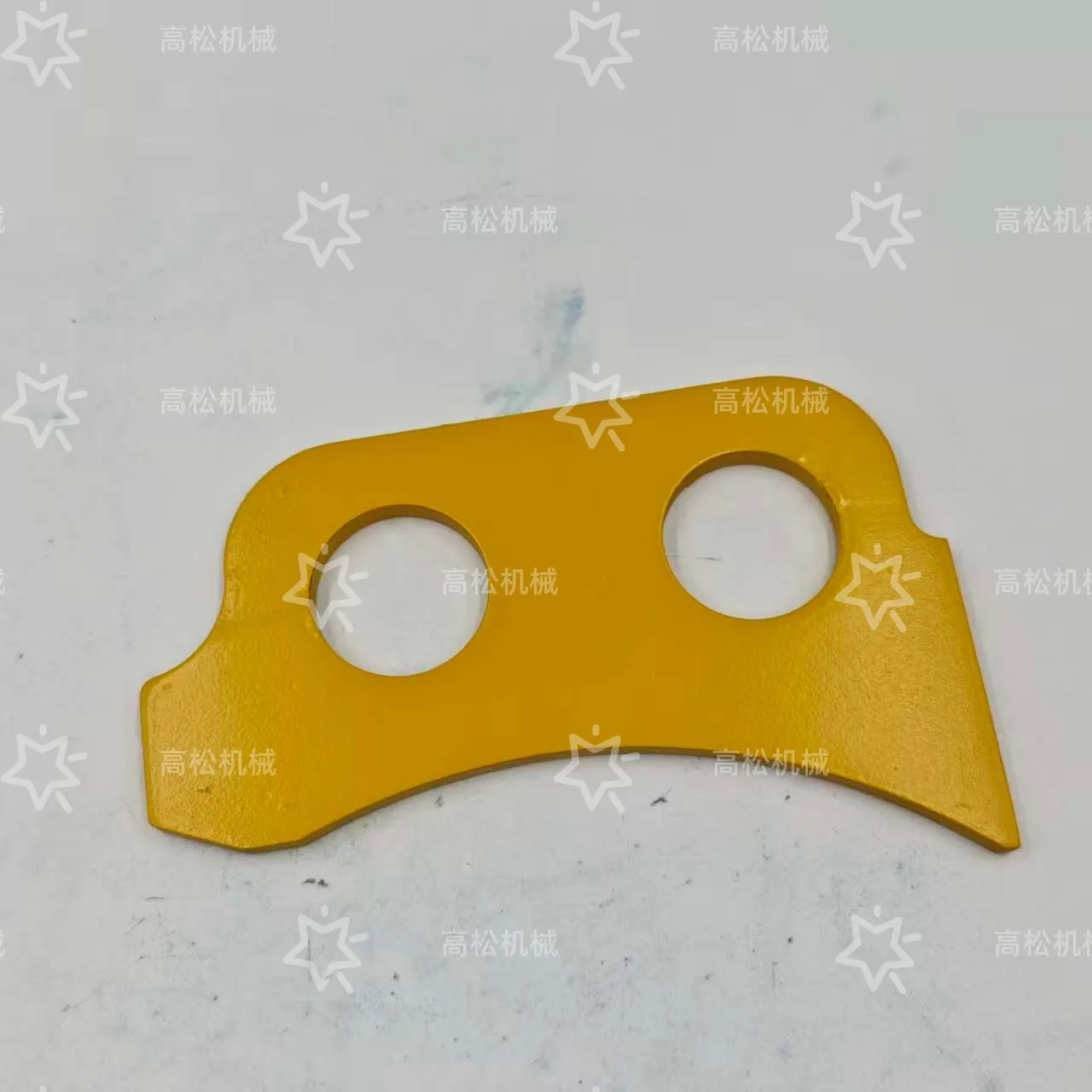 PLATE 195-71-74260Komatsu parts
 -
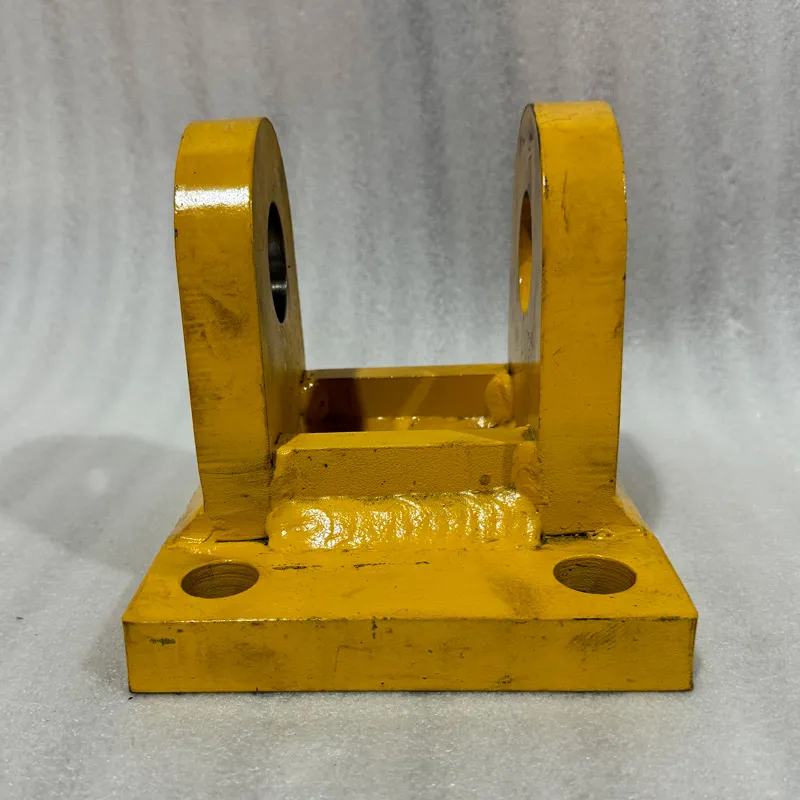 Original komatsu GD661A-1 Pull Rod 238-46-11810
 -
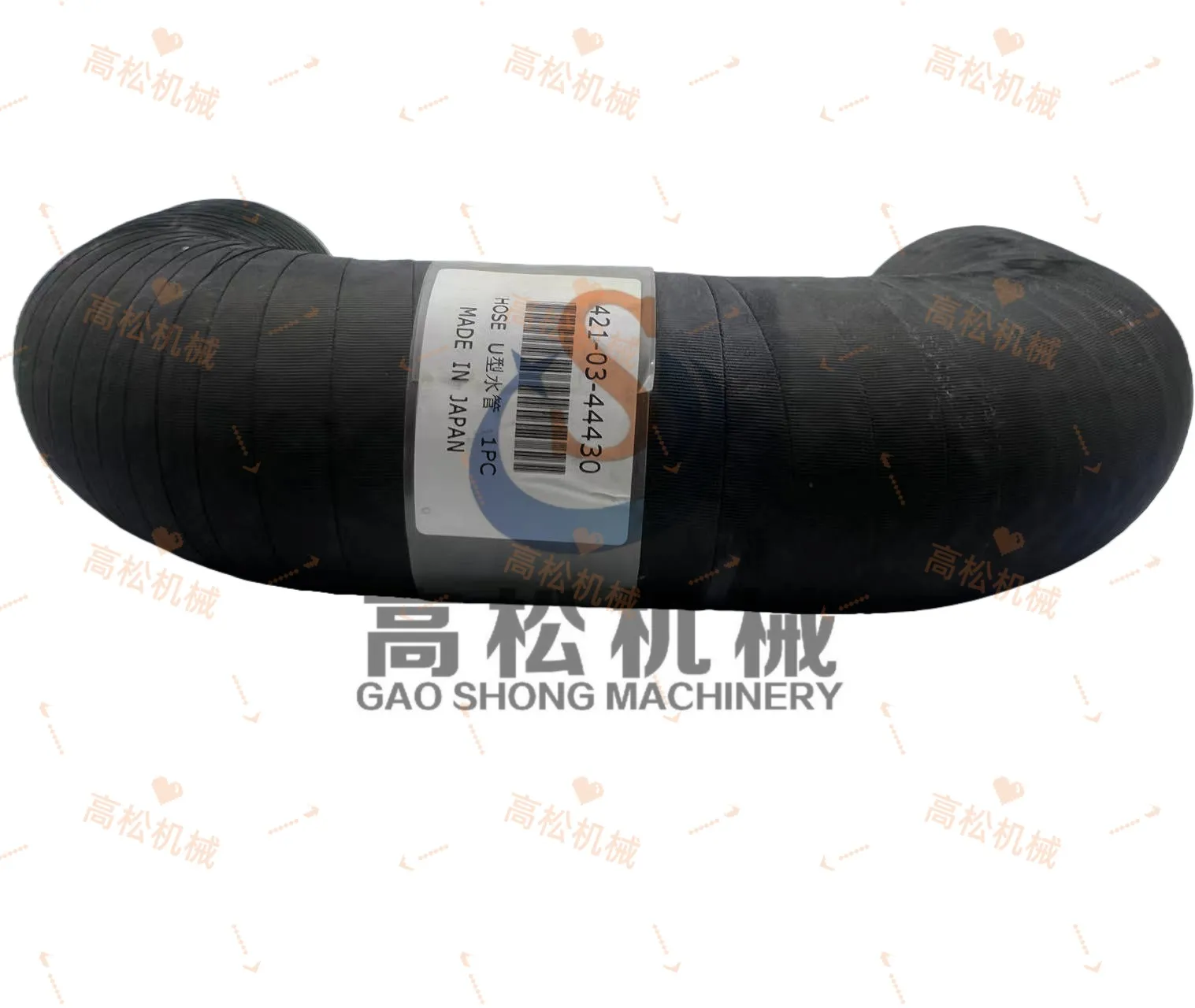 421-03-44430 HOSE WA480-6 S/N H60051 – H60462 RADIATOR Construction Machines Excavator Hose 421-03-44430 For WA380 WA450 WA470 WA480 Radiator
 -
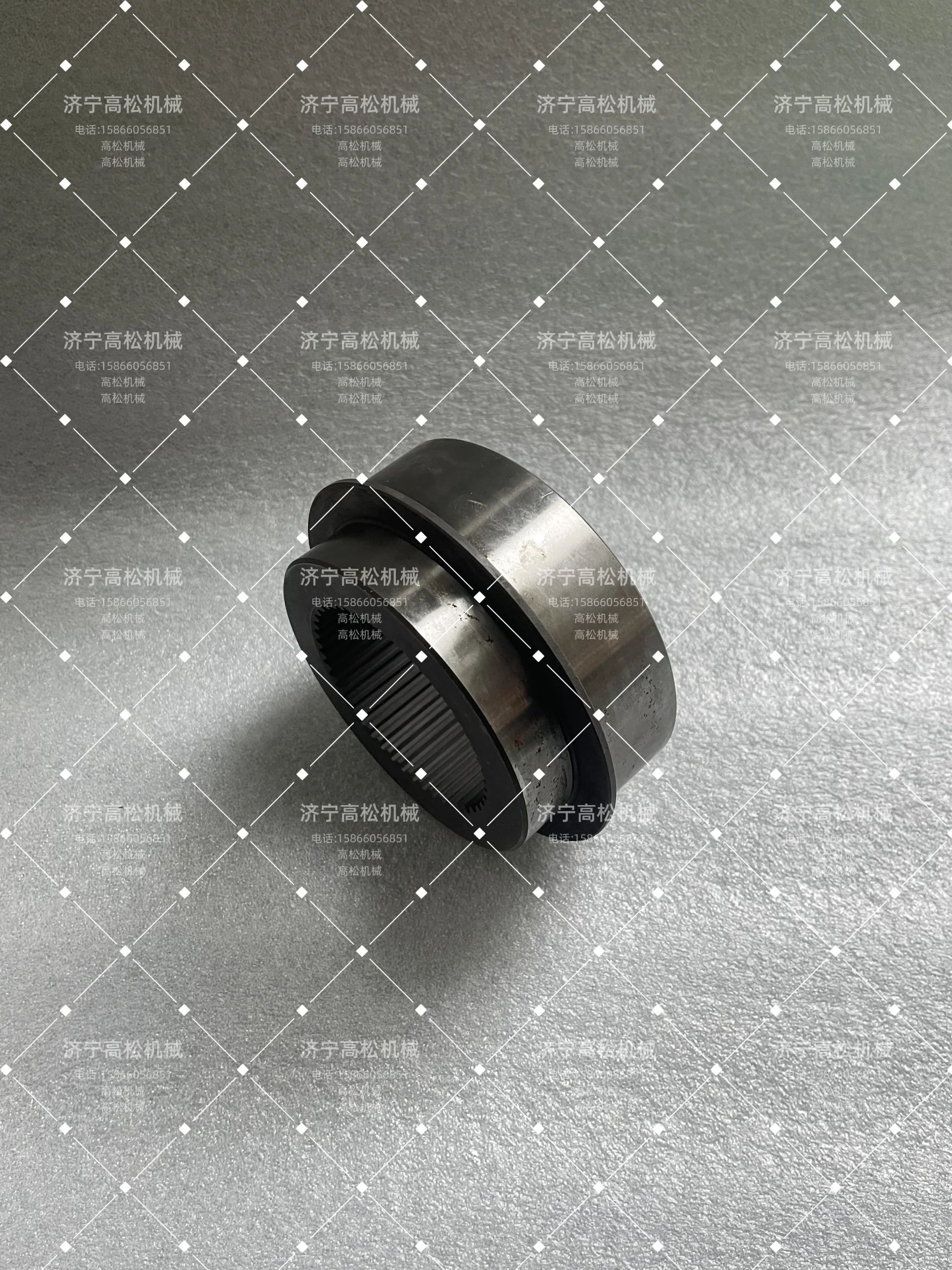 195-15-82570 Komatsu Spacer
 -
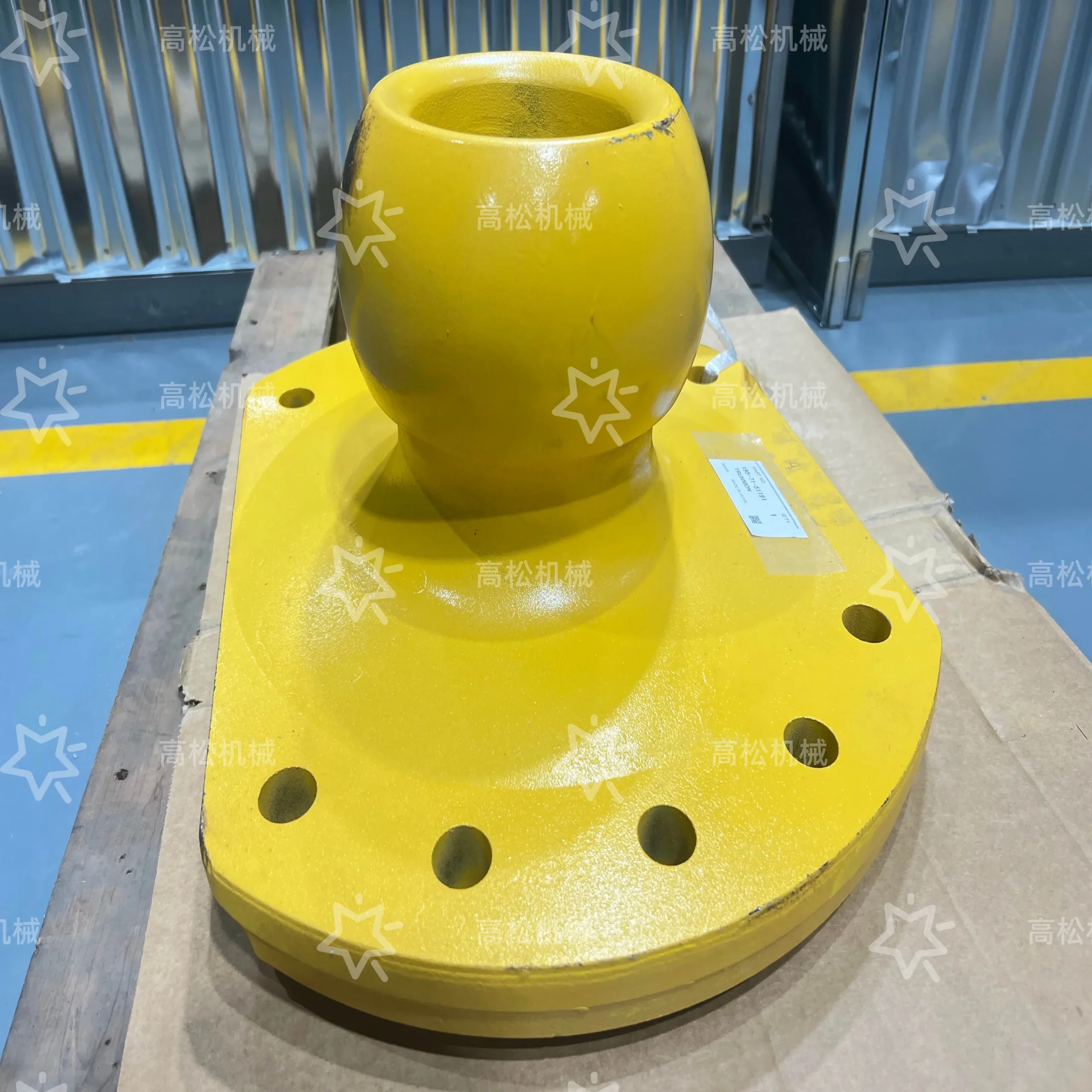 195-71-51191 TRUNNION – THIS TRUNNION HELPS MAINTAIN THE BALANCE OF THE MACHINE
 -
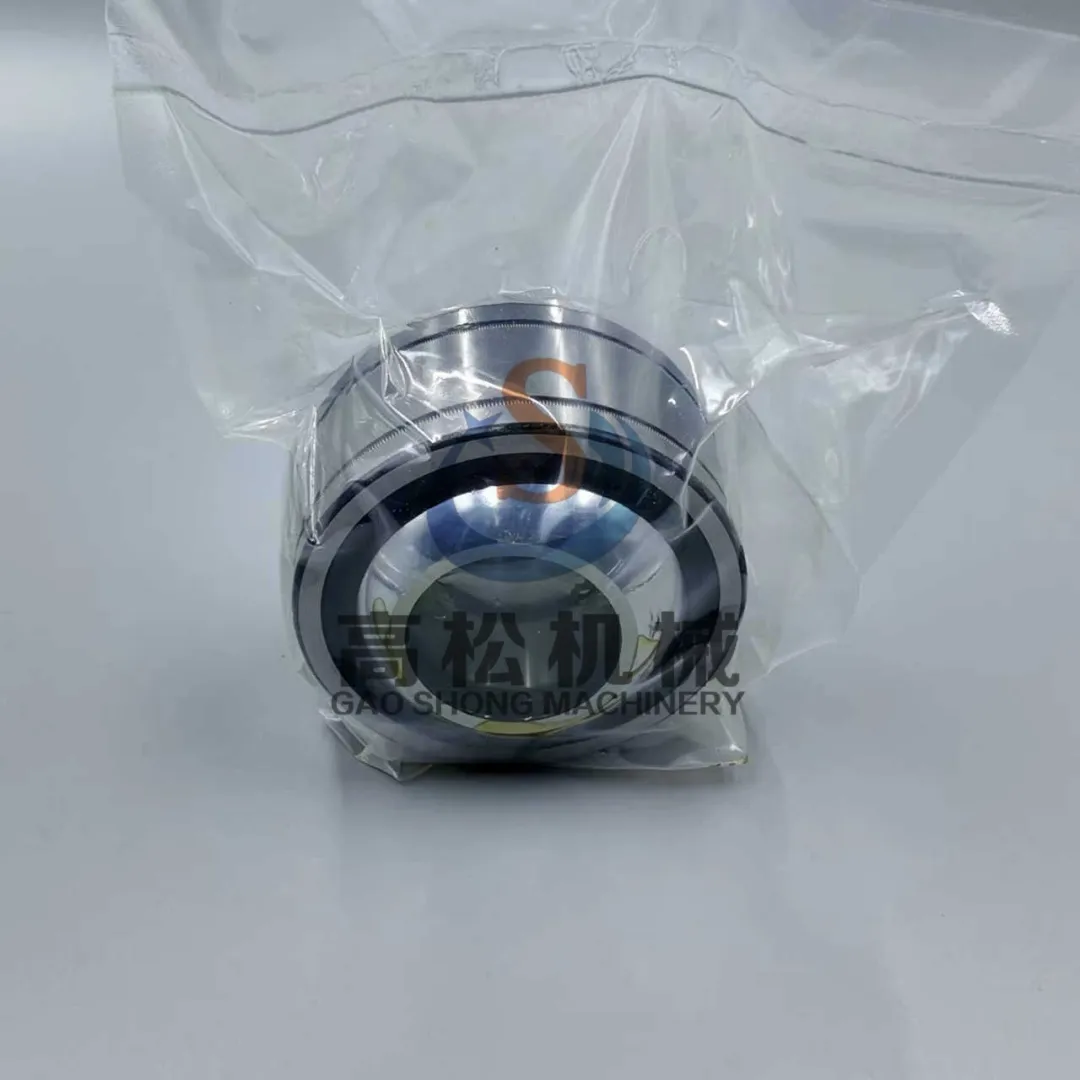 BUSHING 07137-04006 – KOMATSU Part
 -
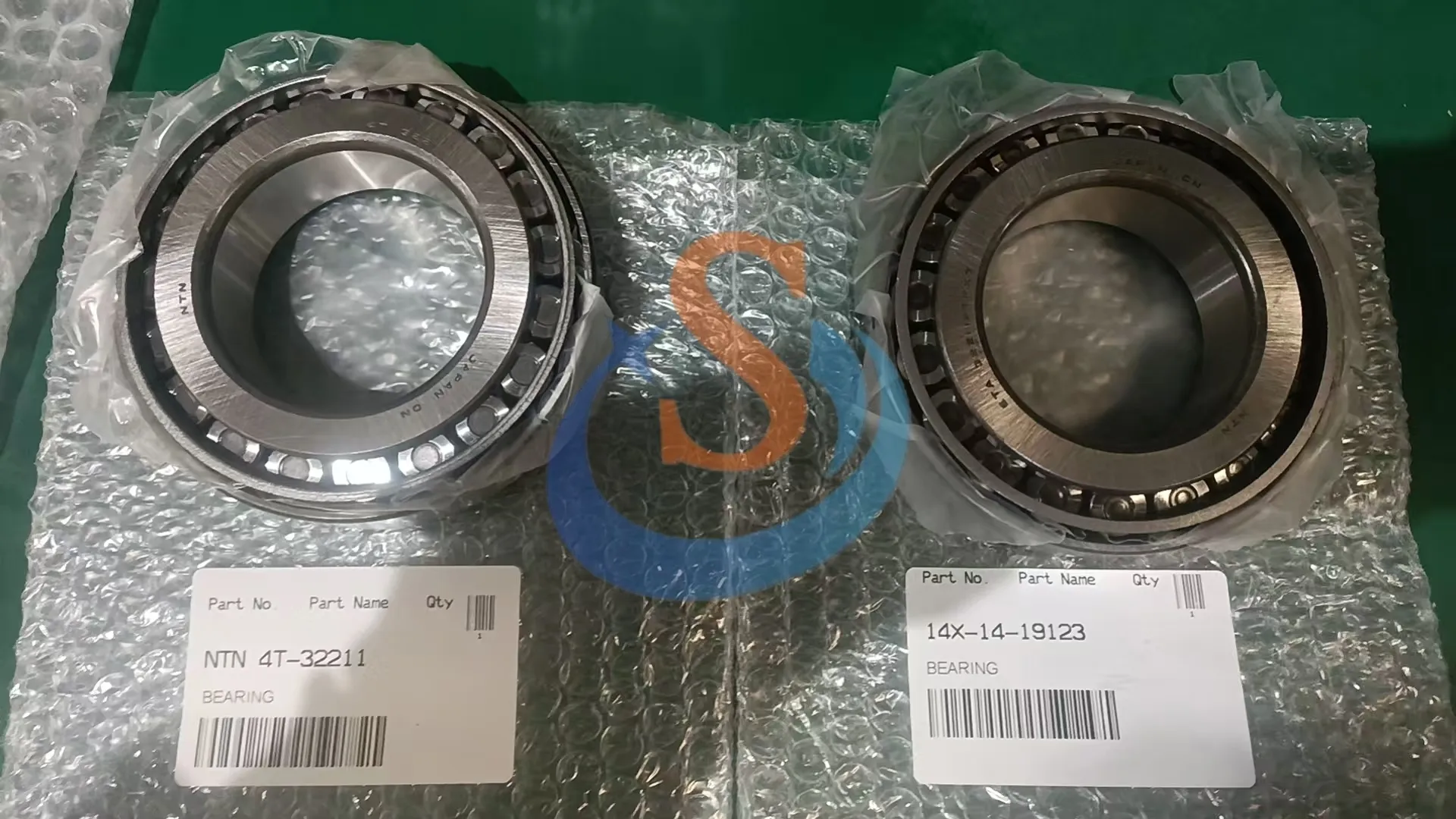 14X-14-19123 BEARING WA380/WA430/WA400
 -
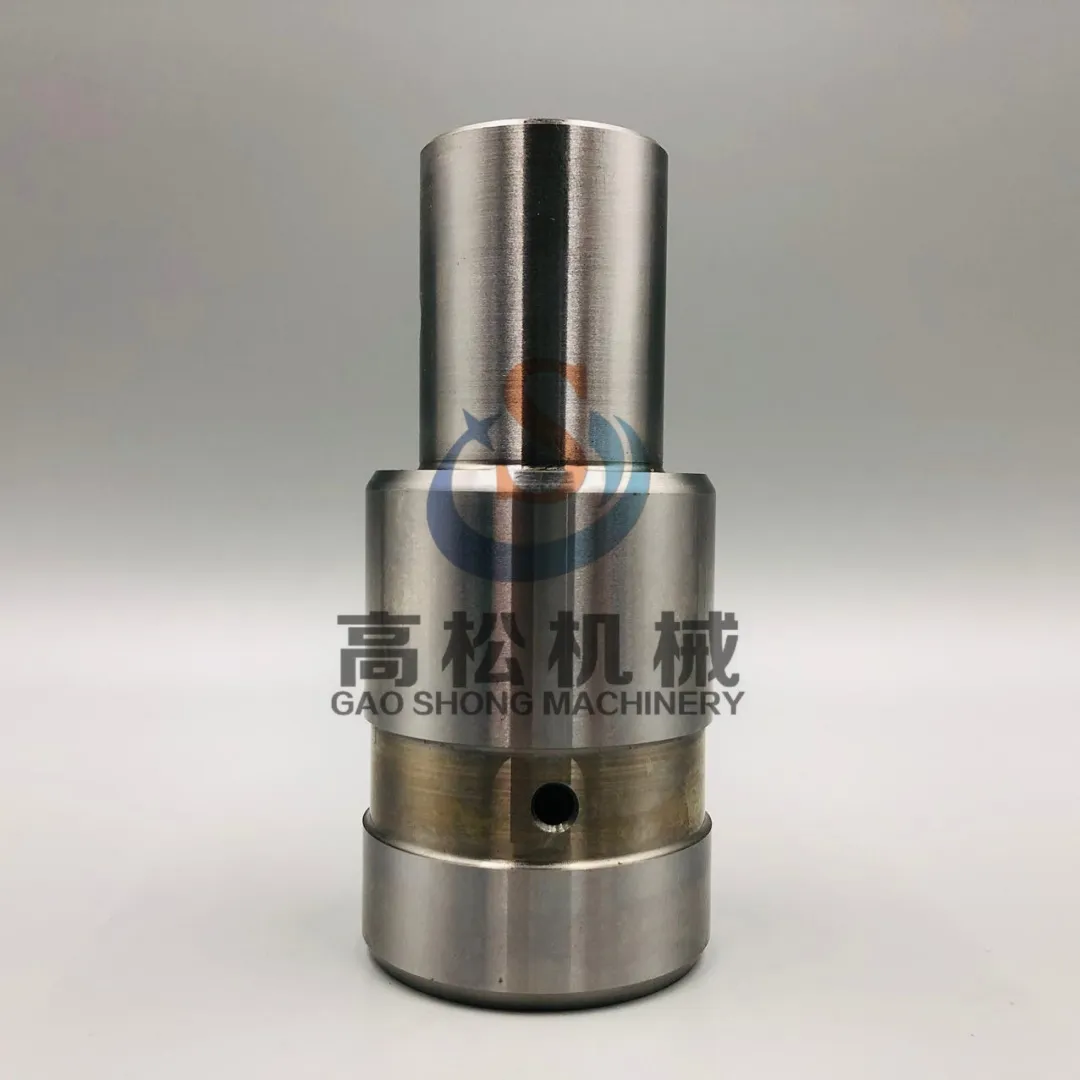 komatsu 6240-61-4630 shaft komatsu original