
- Chinese
- French
- German
- Portuguese
- Spanish
- Russian
- Japanese
- Korean
- Arabic
- Irish
- Greek
- Turkish
- Italian
- Danish
- Romanian
- Indonesian
- Czech
- Afrikaans
- Swedish
- Polish
- Basque
- Catalan
- Esperanto
- Hindi
- Lao
- Albanian
- Amharic
- Armenian
- Azerbaijani
- Belarusian
- Bengali
- Bosnian
- Bulgarian
- Cebuano
- Chichewa
- Corsican
- Croatian
- Dutch
- Estonian
- Filipino
- Finnish
- Frisian
- Galician
- Georgian
- Gujarati
- Haitian
- Hausa
- Hawaiian
- Hebrew
- Hmong
- Hungarian
- Icelandic
- Igbo
- Javanese
- Kannada
- Kazakh
- Khmer
- Kurdish
- Kyrgyz
- Latin
- Latvian
- Lithuanian
- Luxembou..
- Macedonian
- Malagasy
- Malay
- Malayalam
- Maltese
- Maori
- Marathi
- Mongolian
- Burmese
- Nepali
- Norwegian
- Pashto
- Persian
- Punjabi
- Serbian
- Sesotho
- Sinhala
- Slovak
- Slovenian
- Somali
- Samoan
- Scots Gaelic
- Shona
- Sindhi
- Sundanese
- Swahili
- Tajik
- Tamil
- Telugu
- Thai
- Ukrainian
- Urdu
- Uzbek
- Vietnamese
- Welsh
- Xhosa
- Yiddish
- Yoruba
- Zulu
- Kinyarwanda
- Tatar
- Oriya
- Turkmen
- Uyghur






Komatsu track chain
When you hear 'Komatsu track chain', most guys immediately think of hardness, tensile strength, or maybe just the OEM part number. That's the surface. The real story, the one that determines whether your dozer runs smooth for 10,000 hours or grinds itself to a halt prematurely, is in the nuances of metallurgy, heat treatment consistency, and how the damn thing actually beds in on the job site. There's a common trap: assuming all chains built to the same drawing are equal. They're not. I've seen identical-looking links from different batches wear at wildly different rates, and that's where the real knowledge—or costly mistakes—happen.
The OEM Blueprint and the Manufacturing Reality
Working within the Komatsu system, you get a deep respect for their engineering. The specifications for a Komatsu track chain are exhaustive. But being an OEM product supplier means you're living in the space between that perfect blueprint and the gritty reality of production. It's not just about hitting a Rockwell C number; it's about how you achieve it across every single link, every single pin. The heat treatment curve, the quenching medium temperature, even the ambient humidity in the plant can introduce variations that the spec sheet doesn't cover. Our role at Jining Gaosong is to bridge that gap, ensuring the product leaving the line matches not just the dimensional tolerances but the intended performance character Komatsu designed.
I recall a situation a few years back where we had a batch that passed every lab test—hardness, microstructure, magnetic particle inspection—but field reports started trickling in about premature pin boss wear. The spec was met, but the application wasn't satisfied. It turned out the carburizing depth was at the very lower limit of the tolerance. In lab conditions, it held. Under high-impact, abrasive loading in a mining pit, it didn't. That was a lesson in reading between the lines of the specification. You have to build to the spirit of the design, not just the letter.
This is precisely the value of a company like ours. As noted on our site, Jining Gaosong Construction Machinery Co., Ltd., we operate as both an OEM supplier and a third-party sales channel. This dual role is critical. It means we see the chain from the furnace to the final undercarriage assembly, and then we get the feedback from the field when it's caked in mud and bearing 50-ton loads. That feedback loop is irreplaceable for driving manufacturing corrections that a pure sales outfit would never see.
Solving the Supply Chain Puzzle in the Field
The theory is one thing. The reality in certain markets—say, remote mining operations in Africa or infrastructure projects in Southeast Asia—is another. Official parts distribution can be a nightmare, with lead times stretching into months. That's where the third-party sales part of our mission at Jining Gaosong comes into sharp focus. We're not just selling an alternative; we're providing a continuity solution. The goal is to deliver a track chain that doesn't force a fleet manager to choose between a long downtime and a substandard product.
We helped a contractor in a country facing severe parts embargoes (I won't name it, but those in the industry can guess). Their D375 dozers were down, and the project was bleeding money. The official channel was blocked. We supplied a full set of chains and rollers, but the key wasn't just the shipment. It was providing the full pack: the assembly torque specs for the master link, the recommended initial tension after 50 hours of run-in, and even advice on how to modify their track washing routine for the local, highly abrasive soil. The chain performed, but the support around it made the difference.
This isn't about undercutting the official network. It's about pragmatism. Komatsu builds magnificent machines, but global logistics and politics don't always cooperate. Our job is to be that reliable, knowledgeable plug-in the system sometimes needs, ensuring machines stay productive with parts that uphold the integrity of the brand's performance.
The Devil's in the Details: Pin & Bush Interface
If you want to judge the quality of a track chain, don't just look at the link. Focus on the pin and bush interface. This is the heart of the system, the rotating joint that takes all the punishment. A common failure point isn't the pin breaking; it's premature wear or seizing due to improper hardening profile or inadequate lubrication channel design.
We once evaluated a competitor's equivalent chain for a PC700. On paper, dimensions matched. But when we sectioned the bush, the hardness gradient was all wrong. It was case-hardened too shallowly. Under load, the core would deform slightly, altering the clearance and accelerating seal failure. Once the abrasive grit gets in, it's a death spiral. A proper Komatsu design has a deep, consistent hardness that maintains that critical roundness under bending stress.
This is where our OEM manufacturing discipline is non-negotiable. We machine the lubrication galleries to the exact geometry, which isn't just a hole—it's a specific path that ensures grease is forced into the entire load zone during each rotation. Getting that wrong means the pin runs dry in spots, leading to catastrophic galling. It's a detail you only learn by building them and then tearing down failed units to see what went wrong.
Run-In: The Most Overlooked Phase
Here's a practical truth no catalog will tell you: a new track chain is at its most vulnerable in the first 100 hours. The surfaces, though hardened, need to wear in microscopically to achieve optimal load distribution. I've seen crews install a new chain, tension it to the manual's new chain spec, and then go straight into high-speed travel or heavy sideload digging. That's a great way to create premature spalling on the link rails and roller paths.
The correct procedure is almost an art. After initial assembly, you run the machine lightly for a shift, re-tension. Do it again after the next full day. You're allowing the components to find their seat. The tension will drop noticeably as everything beds in. If you don't follow this, you set in high-stress points that become the nucleation sites for cracks later. It sounds basic, but in the rush to get a machine back to work, this step is skipped more often than not, costing thousands in reduced component life.
We make it a point to drill this into our clients, especially when supplying a full undercarriage set. It's part of the service. Sending a part out the door is easy. Ensuring it reaches its full service life is where the real value is delivered, and it builds the trust that Takematsu Machinery is known for in the regions we serve.
When Compatible Isn't
The market is flooded with Komatsu-compatible chains. Some are decent, many are dangerous junk. The difference often isn't in the steel grade—many can source similar alloys—but in the process control. Forging temperature, the rate of cooling after forging, the tempering time. These process parameters are where corners are cut to save cost.
A failure we analyzed recently was on an excavator. The aftermarket chain links developed cracks originating from the inside radius of the pin boss. Metallurgy showed excessive grain growth from overheating during forging. The part was brittle. It passed a static load test, but the dynamic, cyclical loading on the machine caused a fatigue failure. The machine owner saved 30% on the chain but faced a $15,000 bill for a damaged final drive and track frame when it let go.
Our position as an OEM-aligned supplier forces a different calculus. We're not just making a compatible part; we're producing to a validated process that Komatsu's own quality audits monitor. That's the assurance. It’s not marketing; it’s a tangible, auditable production reality that translates directly to predictability in the field. For a fleet manager, predictability is worth more than a slight upfront discount every single time.
So, when you're next sourcing a Komatsu track chain, look past the price and the shiny finish. Ask about the forging process. Ask for a hardness traverse report. Ask about the origin of the steel. The answers will tell you if you're buying a component or a future problem. Our entire operation at Jining Gaosong is built to provide those answers upfront, solidifying that critical link between the factory floor and the tough conditions where the product has to perform.
Related Products
Related Products

Best Selling Products
Best Selling Products-
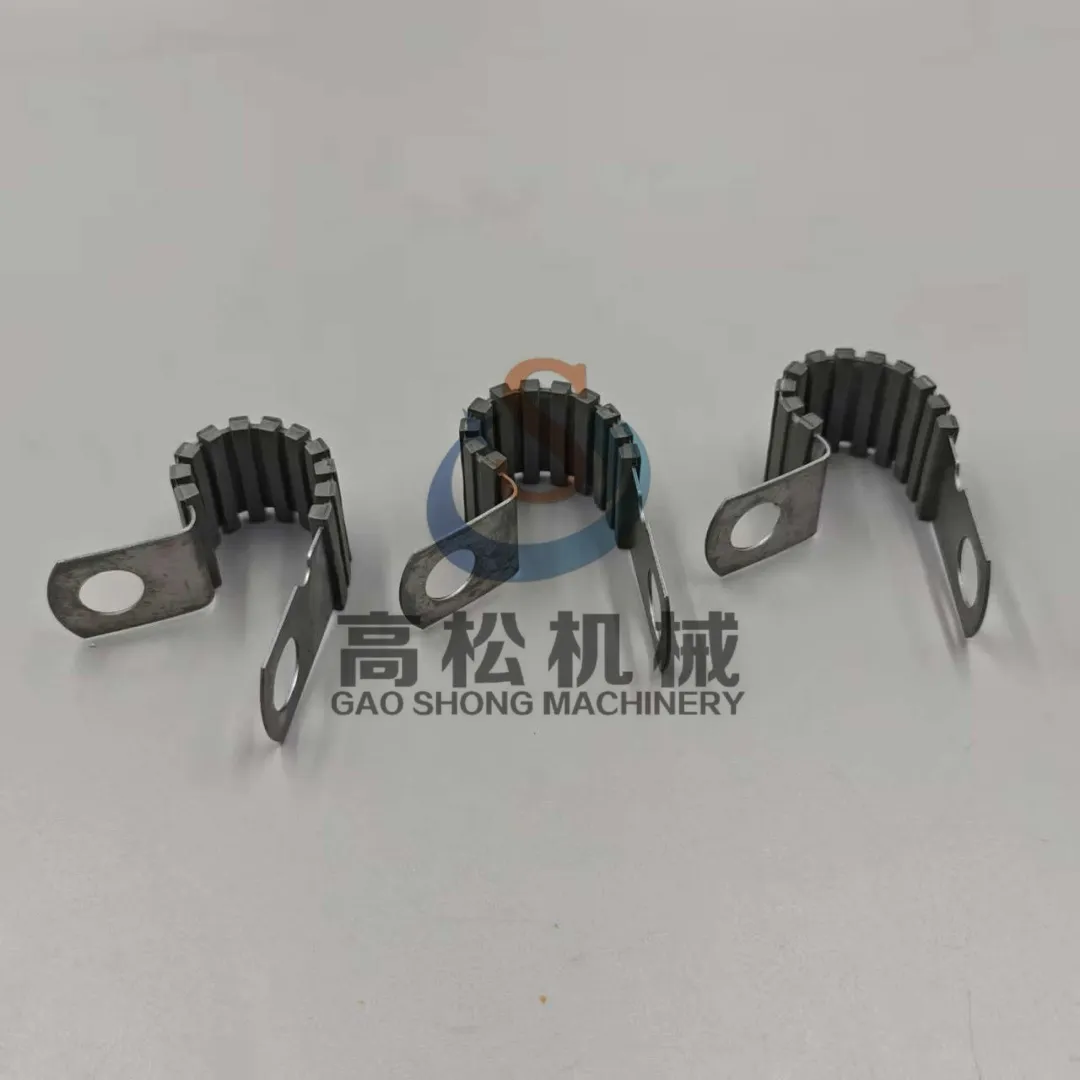 600-051-2180 Clip (Komatsu)
 -
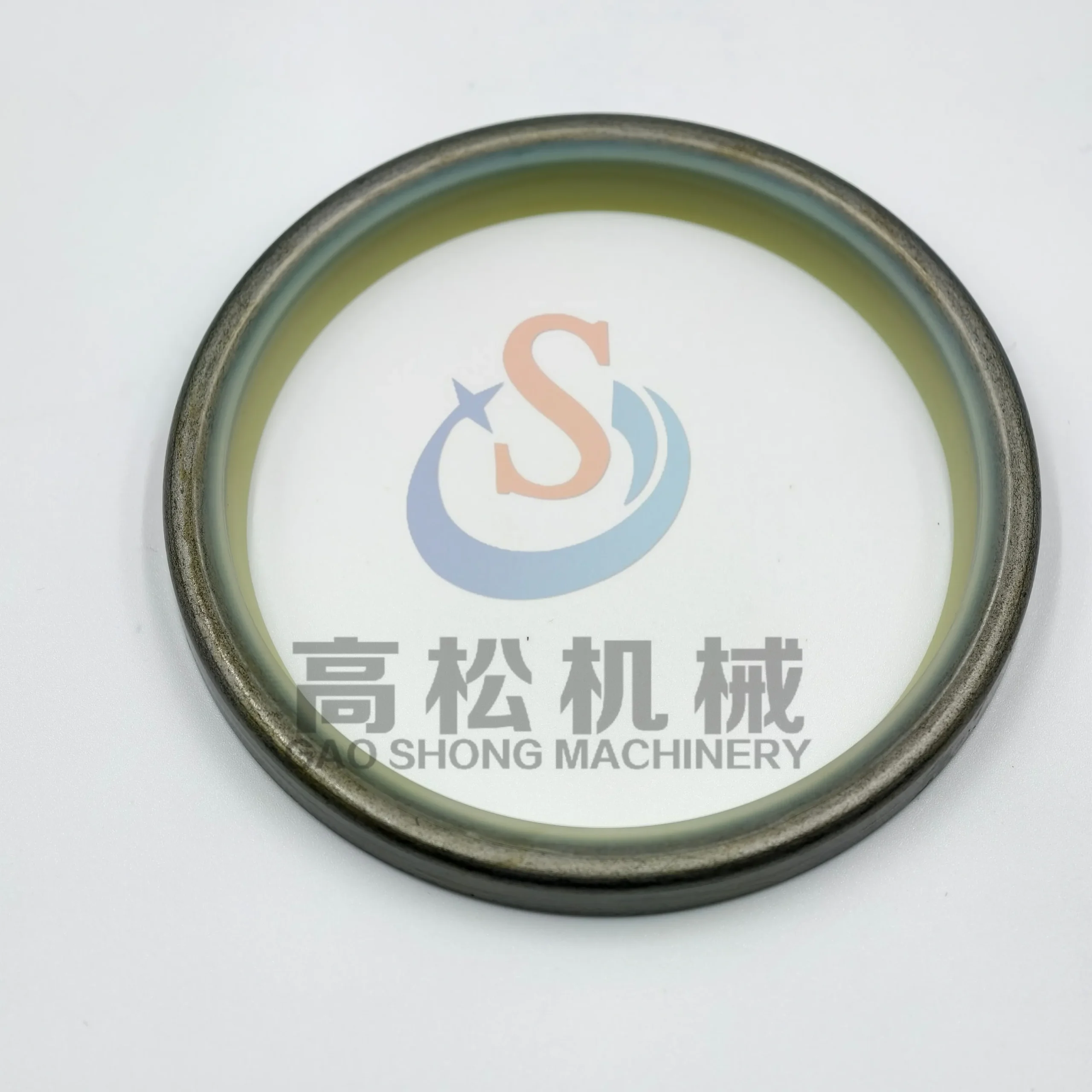 17M-50-24360 Seal (Komatsu)
 -
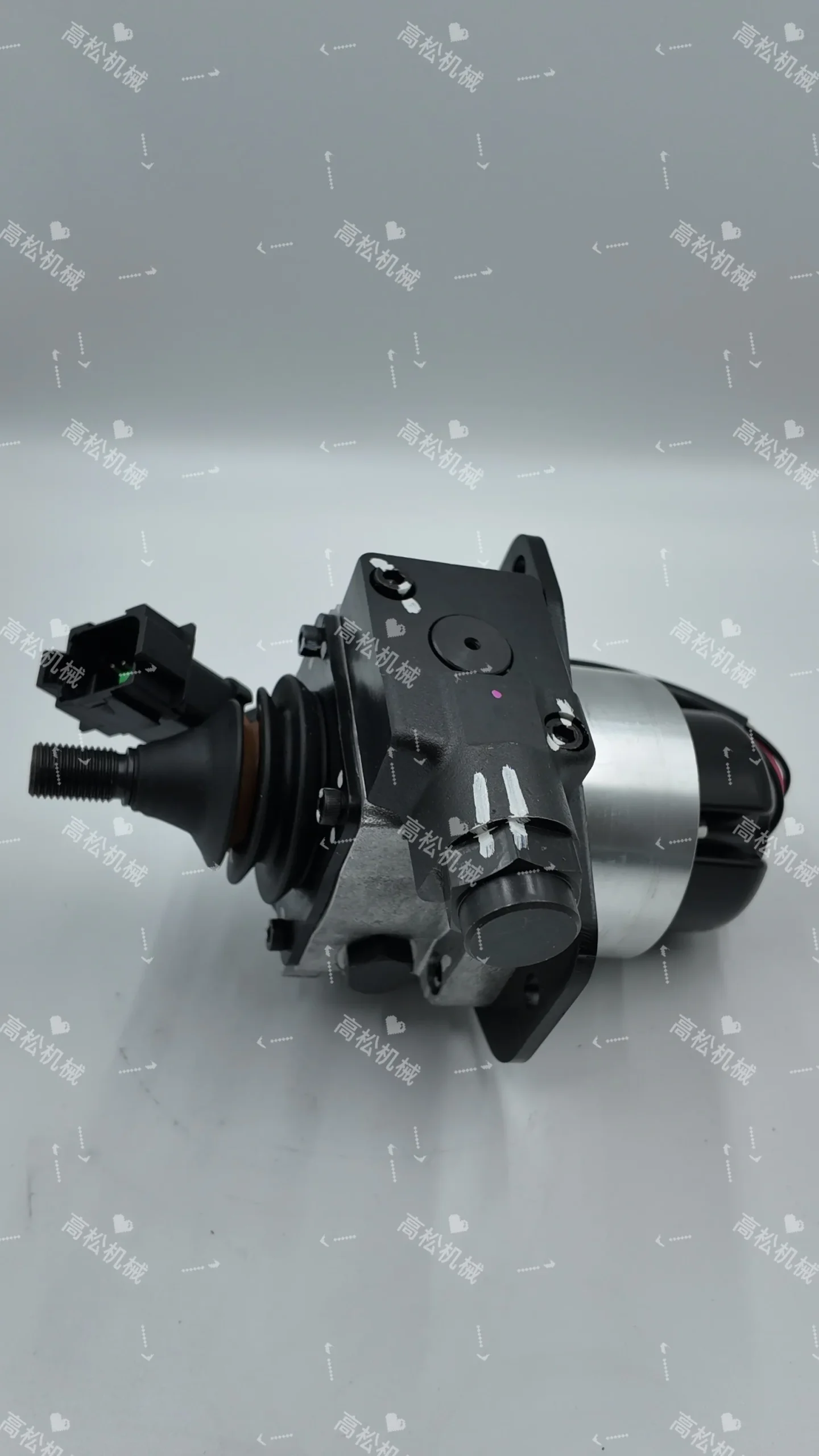 IMIFAFTAbT 702-16-02290 702-16-02210 Lever Assembly Fits for Komatsu D65EX-16 D65PX-16 D65WX-16 D275A-5R D155AX-6 Bulldozer
 -
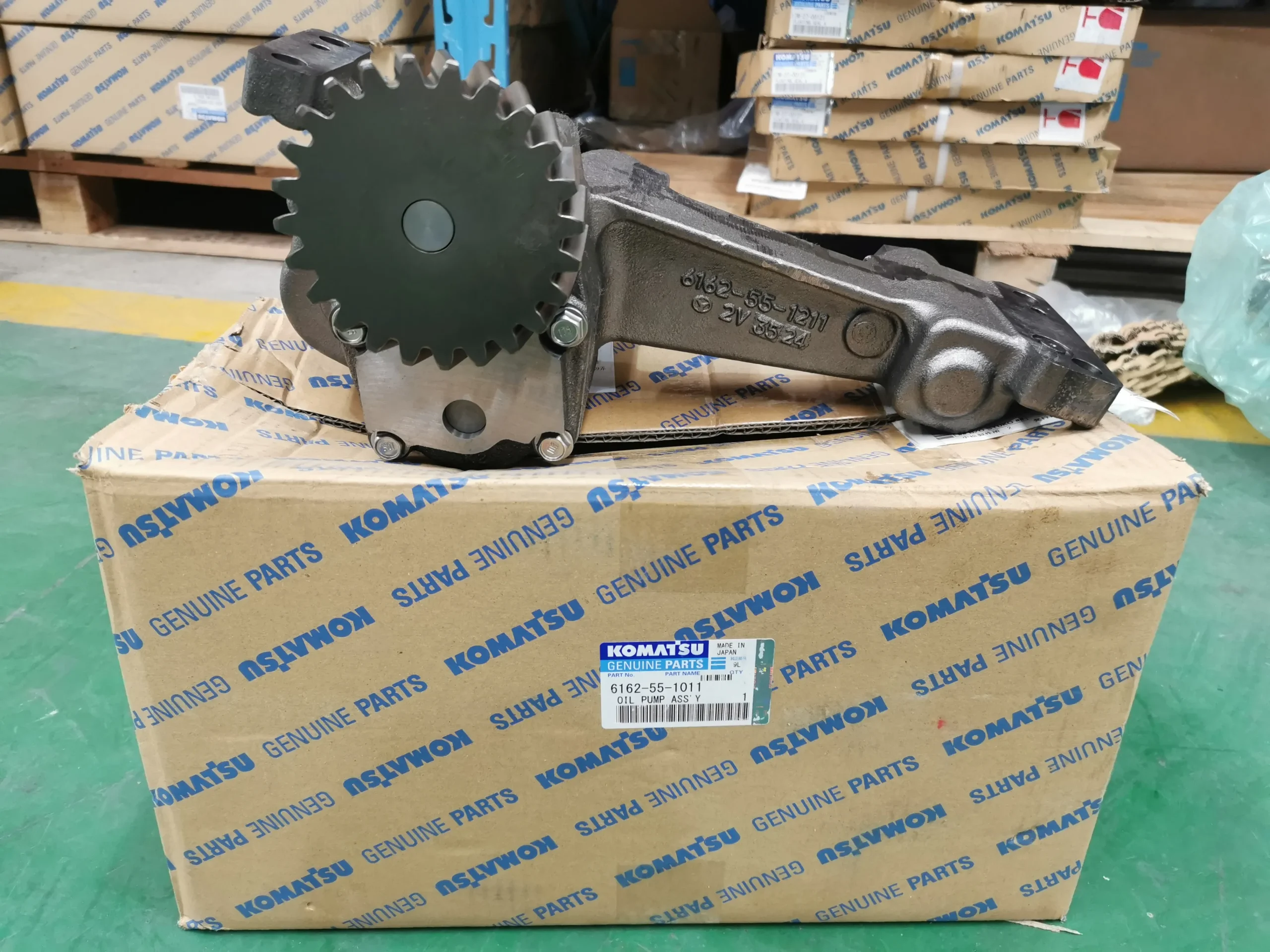 S6D170E-2A Oil Pump 6162-55-1011
 -
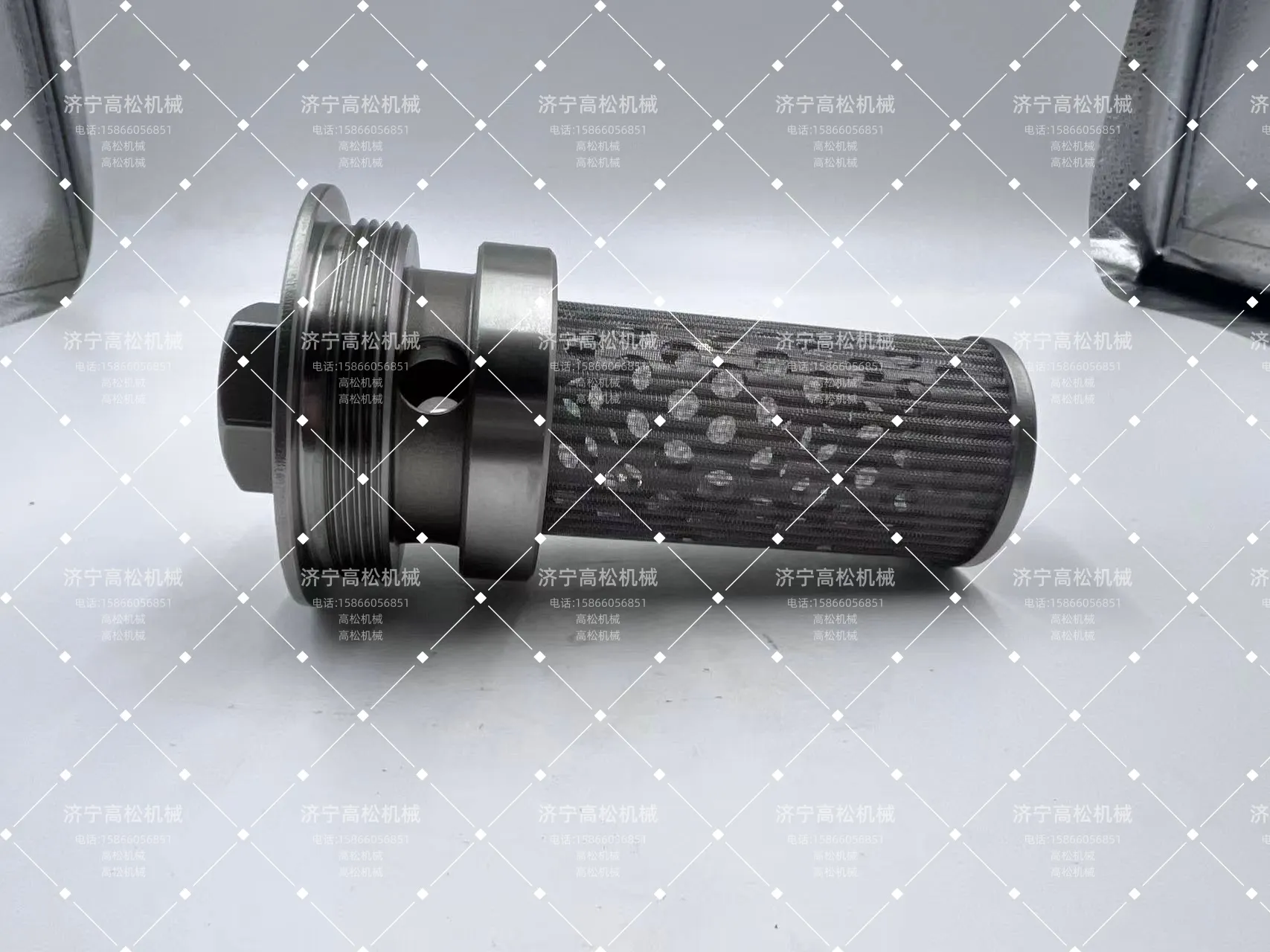 Original Brand New Filter element 195-04-11150 Filter Suitable for…
 -
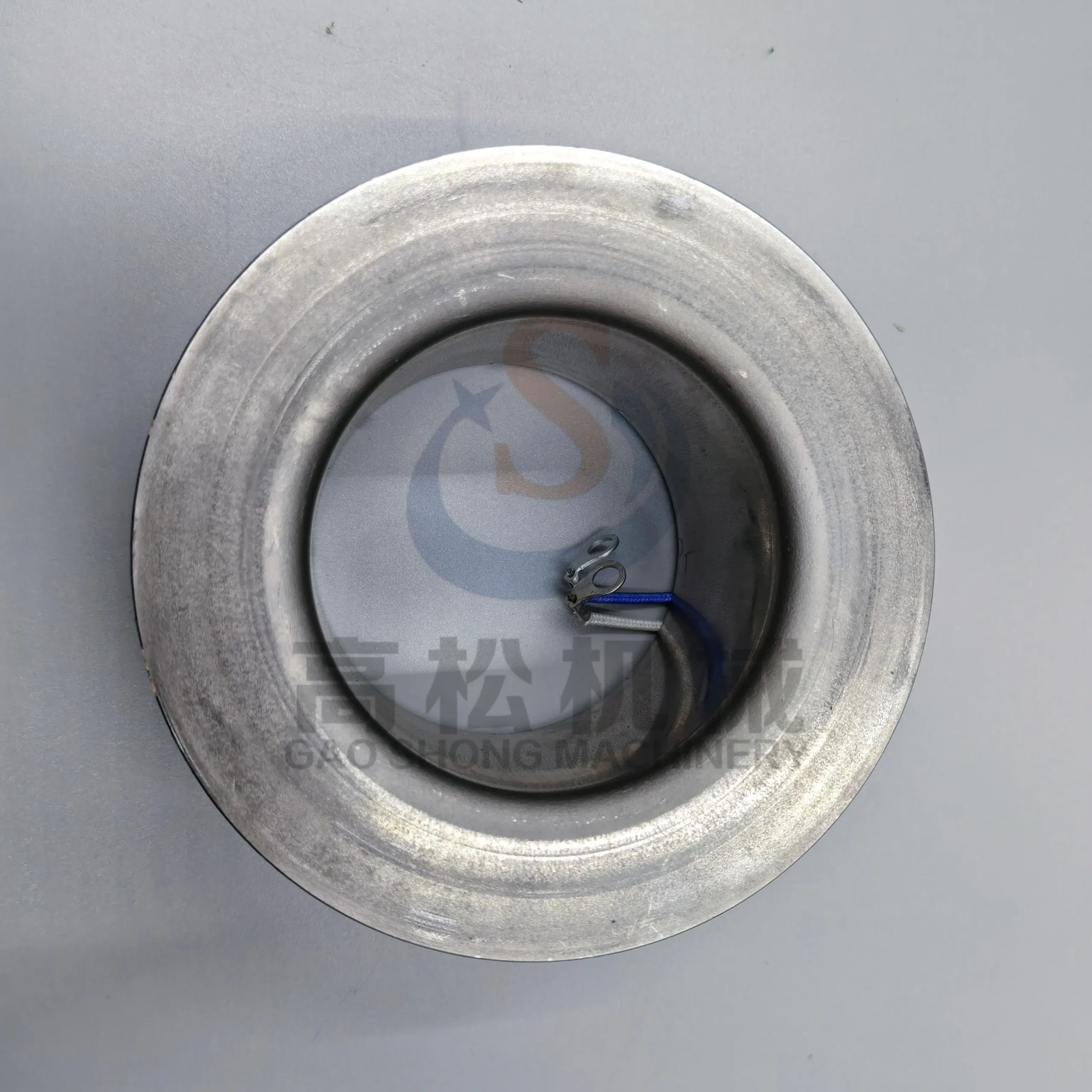 KD0-35120-0250 Komatsu Coil Assembly
 -
 144-15-22881 Komatsu Seal Ring
 -
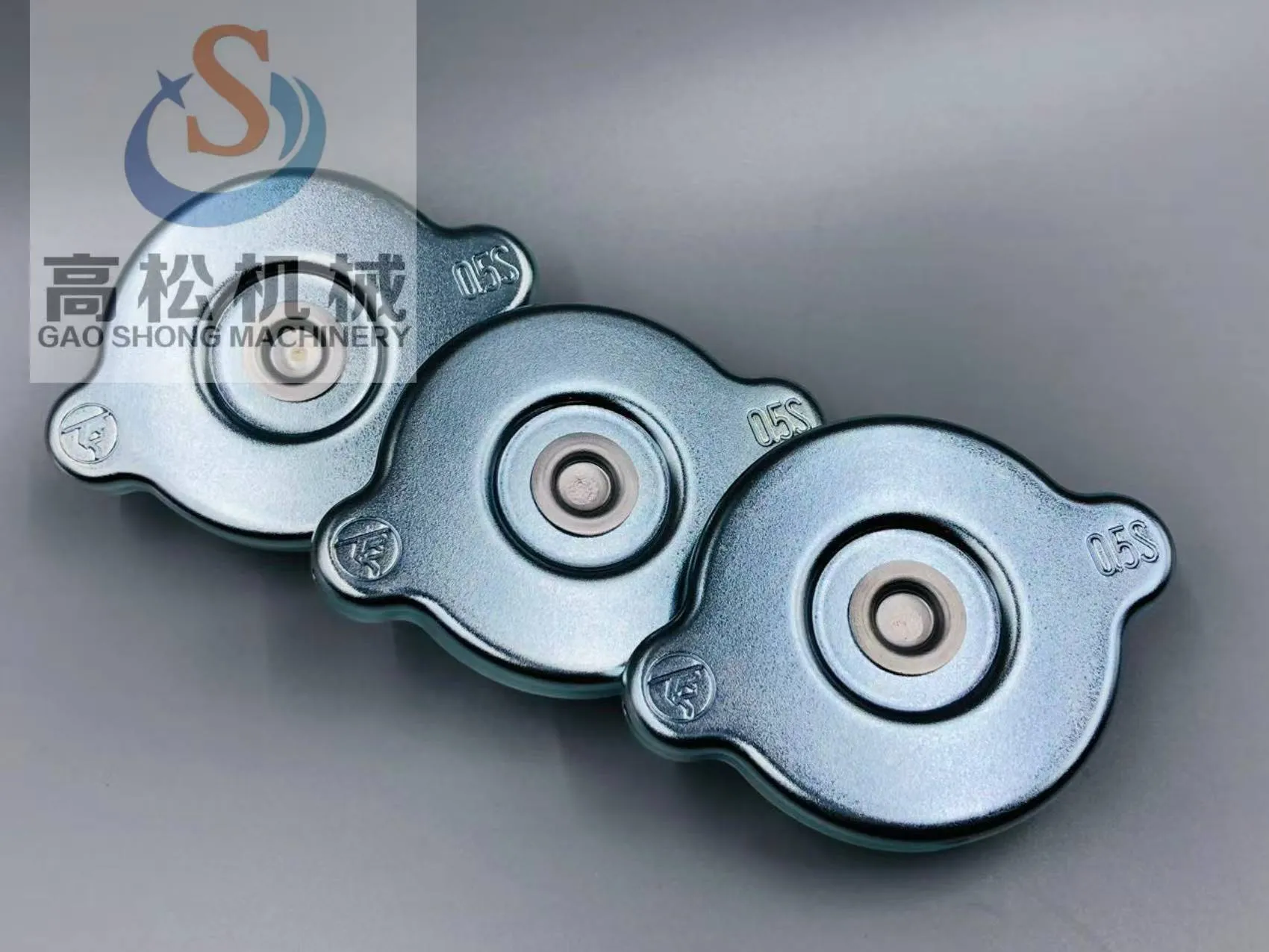 Cap of excavator radiator 20y-03-22110 for pc200-8 pc200-7
 -
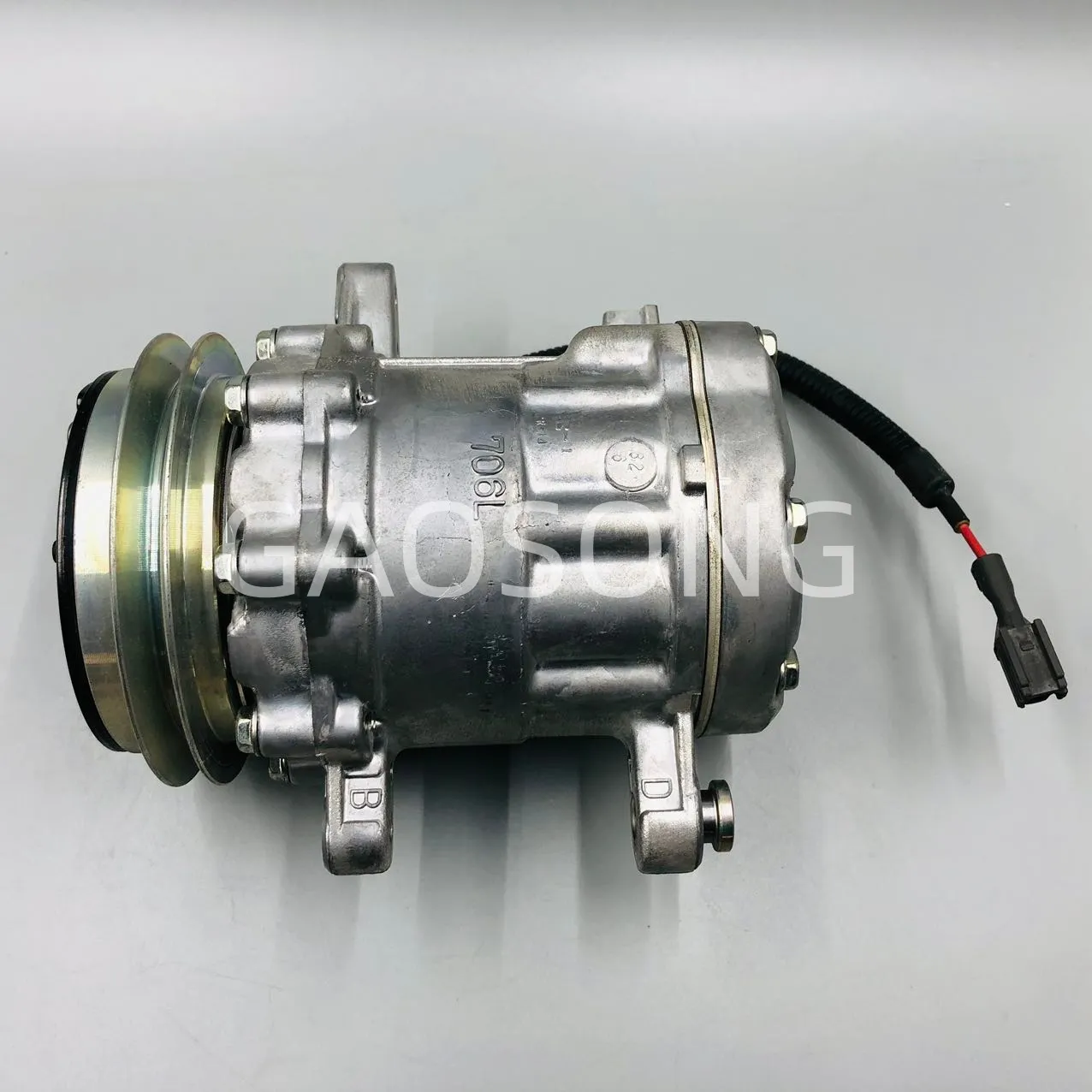 22L-979-2200 • COMPRESSOR-Komatsu Original Factory
 -
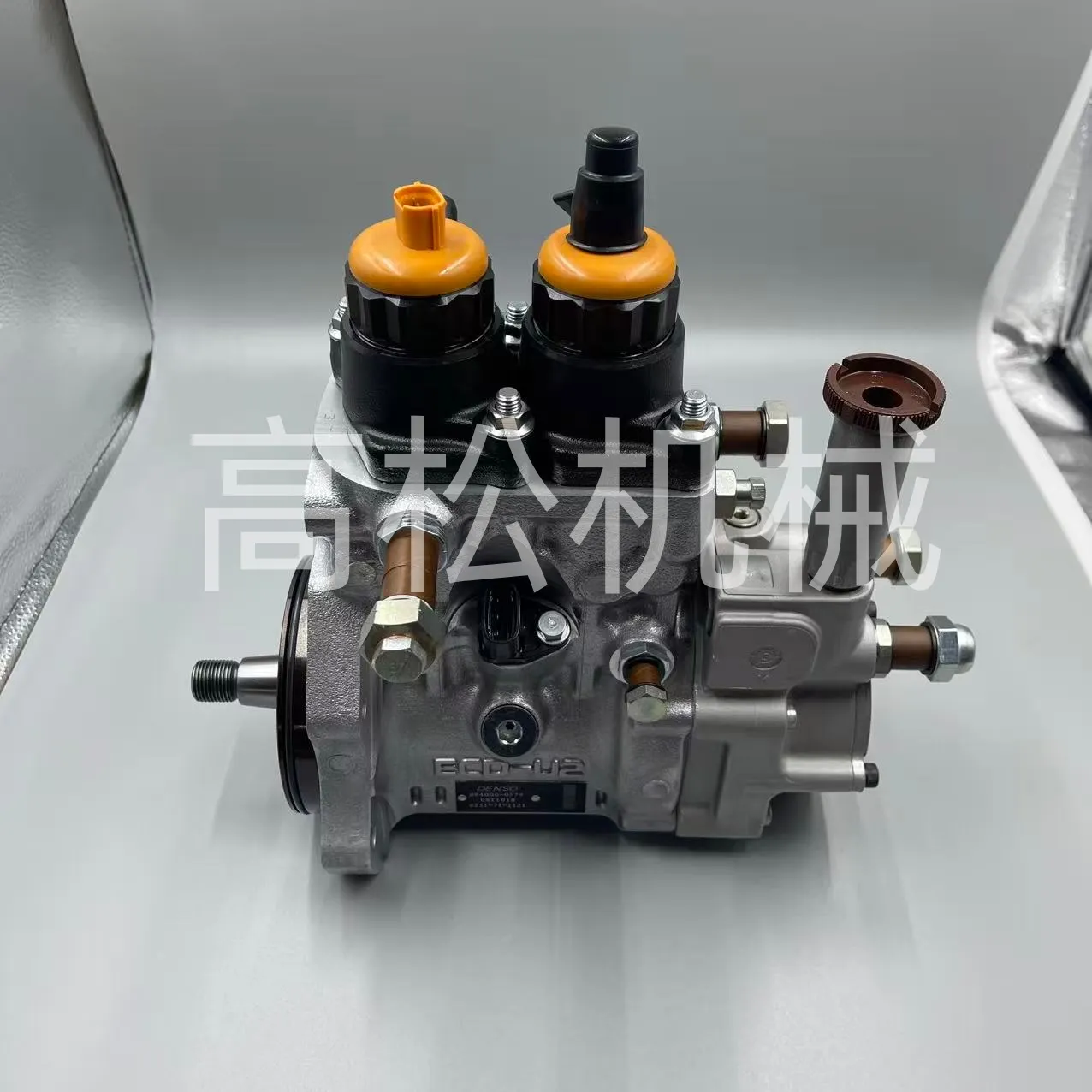 6251-71-1121 Pump Assembly, Fuel Injection-Komatsu Original Factory
 -
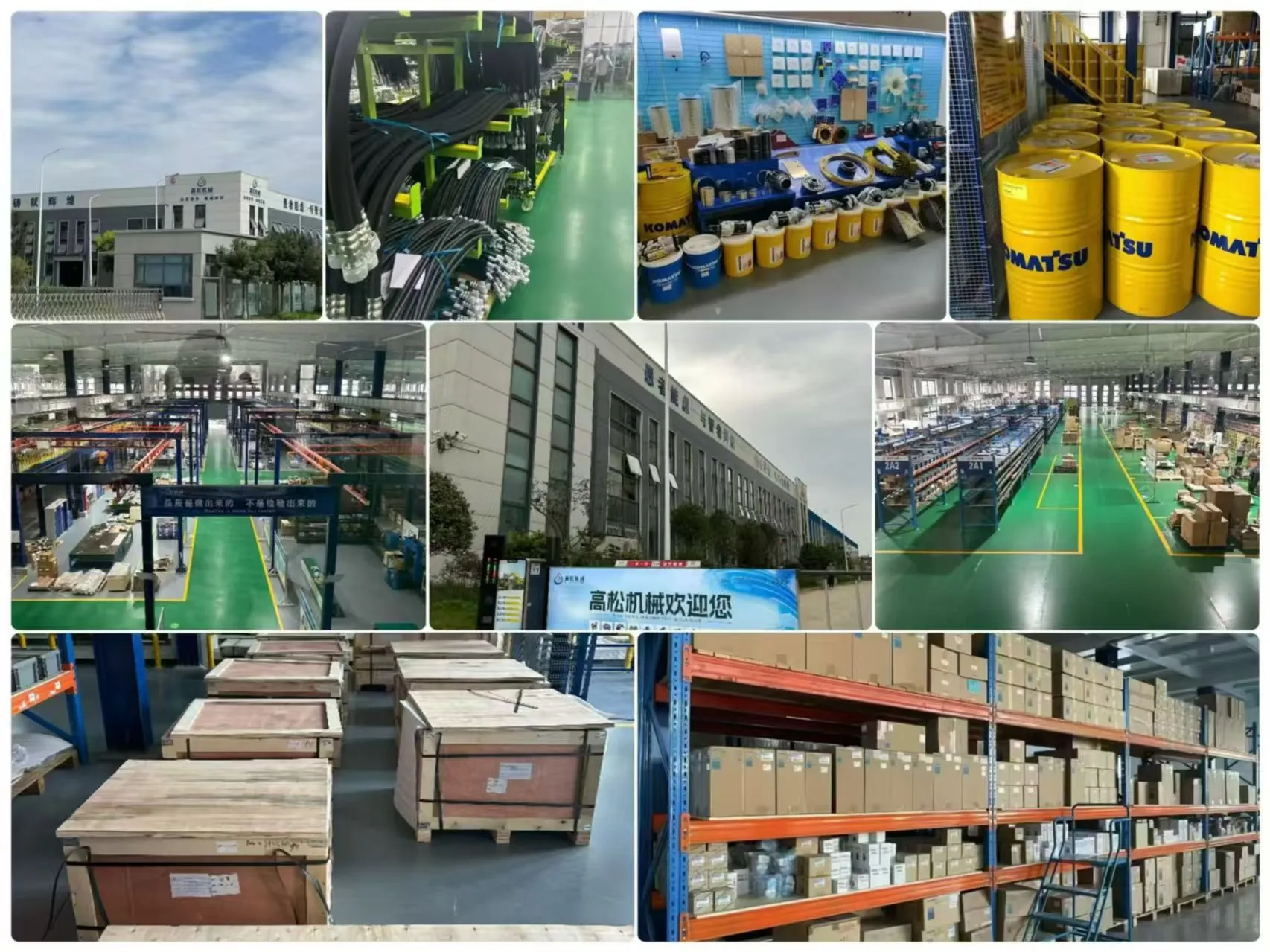 CORE ASSEMBLY 6506-21-5921, myKomatsu
 -
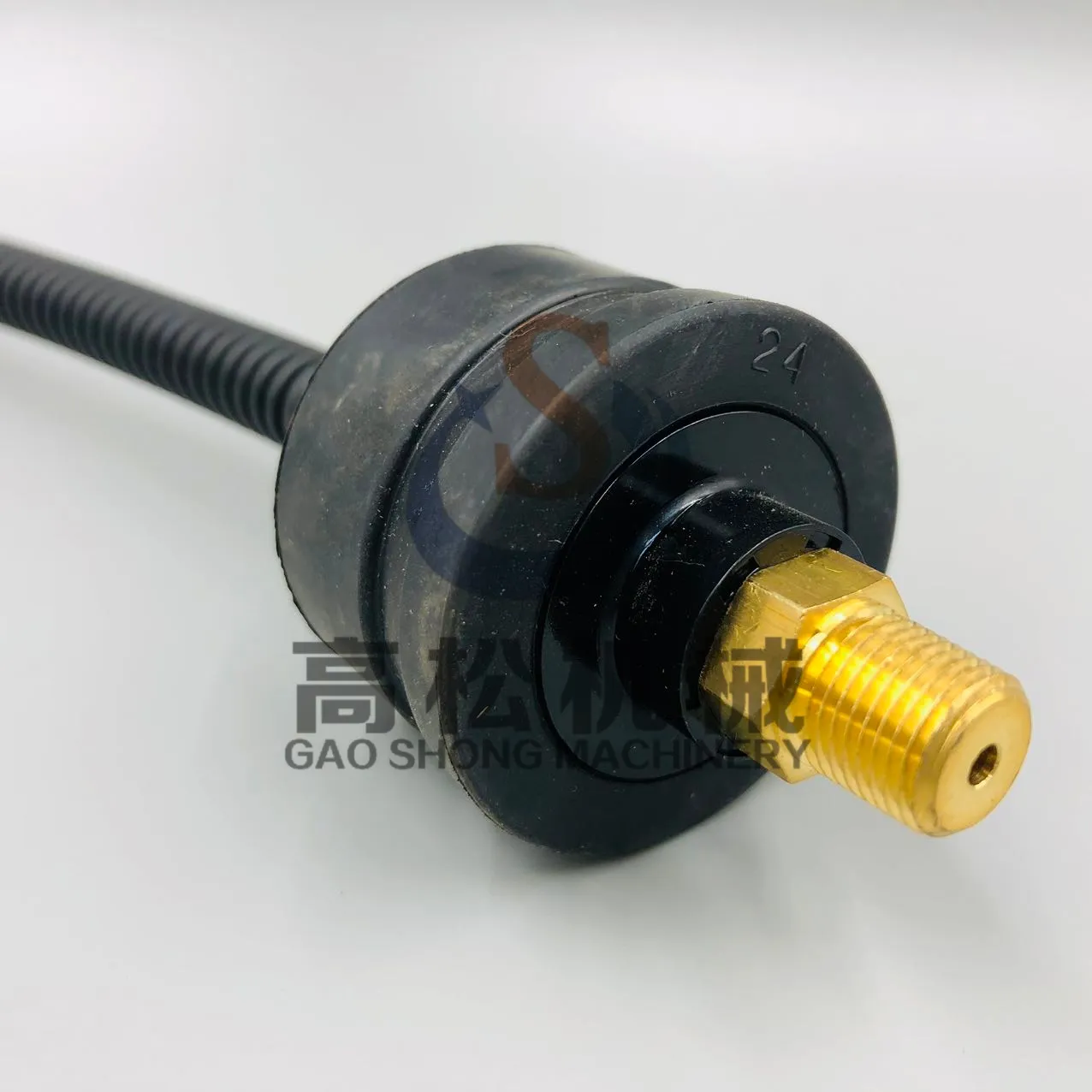 7861-93-1430Komatsu Sensor, Dust Indicator