
- Chinese
- French
- German
- Portuguese
- Spanish
- Russian
- Japanese
- Korean
- Arabic
- Irish
- Greek
- Turkish
- Italian
- Danish
- Romanian
- Indonesian
- Czech
- Afrikaans
- Swedish
- Polish
- Basque
- Catalan
- Esperanto
- Hindi
- Lao
- Albanian
- Amharic
- Armenian
- Azerbaijani
- Belarusian
- Bengali
- Bosnian
- Bulgarian
- Cebuano
- Chichewa
- Corsican
- Croatian
- Dutch
- Estonian
- Filipino
- Finnish
- Frisian
- Galician
- Georgian
- Gujarati
- Haitian
- Hausa
- Hawaiian
- Hebrew
- Hmong
- Hungarian
- Icelandic
- Igbo
- Javanese
- Kannada
- Kazakh
- Khmer
- Kurdish
- Kyrgyz
- Latin
- Latvian
- Lithuanian
- Luxembou..
- Macedonian
- Malagasy
- Malay
- Malayalam
- Maltese
- Maori
- Marathi
- Mongolian
- Burmese
- Nepali
- Norwegian
- Pashto
- Persian
- Punjabi
- Serbian
- Sesotho
- Sinhala
- Slovak
- Slovenian
- Somali
- Samoan
- Scots Gaelic
- Shona
- Sindhi
- Sundanese
- Swahili
- Tajik
- Tamil
- Telugu
- Thai
- Ukrainian
- Urdu
- Uzbek
- Vietnamese
- Welsh
- Xhosa
- Yiddish
- Yoruba
- Zulu
- Kinyarwanda
- Tatar
- Oriya
- Turkmen
- Uyghur






Komatsu tire protection chains
When you hear 'Komatsu tire protection chains', the first image is often just heavy steel links thrown over a giant tire. That's the biggest misconception. It's not a universal shield; it's a system whose effectiveness lives or dies by the match between the chain, the operating environment, and, crucially, the installation and maintenance protocol. Many buyers, even seasoned ones, fixate on the Komatsu part number and the price per set, overlooking the fact that the chain is a wear item with a performance curve that's anything but linear.
The OEM Reality and the Aftermarket Gap
Working with an entity like Jining Gaosong Construction Machinery Co., Ltd. (you can find their portal at https://www.takematsumachinery.com) gives you a clear view of the supply chain layers. As an OEM product supplier within the Komatsu system, they have access to the genuine design specs—the exact alloy composition, link hardness, and weld integrity that Komatsu engineers specified for their machines. This is critical because a tire protection chain isn't just about abrasion resistance; it's about impact absorption without shattering, and flexibility without deforming permanently.
The challenge they often help solve, as a third-party sales channel, is availability. In remote mining sites in certain regions, waiting for a full OEM shipment through standard channels can mean weeks of downtime. Here, their role shifts from just supplying a part to providing a continuity solution. But this introduces a key judgement call for the end user: when is genuine OEM critical, and when can a high-quality, spec-matched alternative keep you running? For Komatsu tire protection chains in severe, high-impact rock faces, I lean heavily towards the genuine article. The cost of a failed chain taking out a $50,000 tire is too high.
I recall a site in Western Australia where a contractor tried to mix and match chains from a different supplier on a Komatsu HD785-7. The pitch and link thickness were almost identical. The result? Accelerated, uneven wear on the tire sidewall because the chain satin' and tension were off by a few millimeters. It created a hot spot. That's the subtlety you're paying for with the OEM-spec chain from a trusted supplier.
Installation: Where Theory Meets Grease and Swearing
No amount of perfect metallurgy matters if the installation is botched. The manuals have diagrams, but they don't convey the sheer physicality of it. You need the right sequence, the right tensioning tools—often a come-along and a proper spreader bar—and a crew that understands the clocking of the cross chains. The goal is a uniform tension that makes the whole assembly rotate as a single, rigid shell on the tire.
A common pitfall is overtightening the side chains in a cold climate. You put them on snug in the morning chill, and as the machine works and the tire heats up, the metal expands. That snug fit becomes a stress point, leading to premature link fatigue or even a broken connector. I've learned to leave a specific amount of slack—call it two fingers' width—in freezing conditions, a nuance you won't find in a book.
Then there's the break-in period. New chains shouldn't be thrown into a full-load, high-speed haul cycle immediately. They need a gentle, say, 4-6 hour break-in on lighter duty to let the links seat themselves and wear off the sharpest edges. Skipping this is like not running in a new engine. You'll see metal filings everywhere, and the chain life drops by maybe 20% right off the bat.
Monitoring and the Point of No Return
Chains don't fail suddenly; they telegraph their distress. The trick is knowing what to listen and look for. The first sign is often a change in sound—a deeper, more metallic clunk on impact instead of a dull thud. That usually means links have worn thin and are taking a set, losing their elasticity. Regular weekly inspections for stretched or elongated links are non-negotiable. Once a link elongates beyond 3-4% of its original length (we carry calipers for this), its load-bearing capacity plummets.
Another critical check is for cracked or opened weld points on the connector links. These are the high-stress points. Using a wire brush to clean off mud and a simple magnifying glass can reveal hairline cracks. If you find them, that section of chain is done. There's no repair, only replacement. Trying to re-weld it in the field alters the heat treatment and creates a brittle zone that will fail catastrophically.
The economic decision is always: when to pull them? It's not when they're fully worn, but when the cost-per-hour of operation starts to spike. If a $15,000 set of chains protects $200,000 worth of tires over 3000 hours, but the protection efficiency drops sharply after 2500 hours, you're gambling that last 500 hours. Most cost-conscious sites I've worked with have a strict, meter-based replacement schedule, not a run it till it breaks philosophy.
Environmental Specifics and Chain Selection
Komatsu tire protection chains aren't a one-type-fits-all product. The chain pattern for loose, abrasive overburden is different from the pattern for solid, sharp-edged rock. In muddy conditions, a tighter pattern can pack with clay, becoming a solid, unbalanced mass that vibrates the hell out of the machine. You need a more open design to allow for self-cleaning.
I made a mistake once in a coal operation with high clay content. We used a heavy-duty, closed-ring chain designed for granite. Within two shifts, the wheels were caked with 200kg of compacted clay, throwing the balance off and straining the final drives. We switched to a more open rock basket style chain. The protection against the coal wasn't as absolute, but the trade-off for continuous operation and reduced driveline stress was worth it. It's a balancing act.
This is where a supplier's expertise is key. A good technical rep from a company like the one mentioned won't just sell you the chain for your Komatsu 930E; they'll ask about the material, the gradient, the average haul distance, and the ambient temperature. Their value is in guiding that selection to maximize uptime, not just move units.
The Unspoken Cost: Under-carriage Wear
Something rarely discussed in the brochures is the secondary wear chains impose. That rigid, rotating mass on the tire? It transmits more vibration and impact shock through the entire machine. You'll see accelerated wear on bogie wheels, pivot shafts, and even suspension cylinders over time. It's an accepted trade-off, but it must be factored into the total cost of ownership.
We started tracking this on a fleet of Komatsu 860s. Machines running chains consistently showed a 15-20% faster wear rate on lower roller flanges compared to machines on the same site without chains. The solution wasn't to remove the chains—the tire cost was higher—but to adjust our undercarriage inspection intervals and budget for more frequent component replacement. It changed our lifecycle cost model.
This is the holistic view a practitioner needs. The chain isn't an isolated accessory; it's a system component that changes the machine's dynamics. When Gaosong or similar suppliers talk about being part of the Komatsu system, this depth of understanding is what it should imply—knowing how one part affects the whole machine's wear profile.
Final Thoughts: A Tool, Not a Magic Bullet
So, where does this leave us with Komatsu tire protection chains? They are an excellent, often essential, tool for severe service. But they demand respect and understanding. They are not a fit and forget item. Their value is entirely dependent on correct selection from a knowledgeable source, meticulous installation, disciplined monitoring, and timely replacement.
The relationship with a supplier that understands both the OEM standards and the gritty realities of field operations, like the role Jining Gaosong describes, is invaluable. It bridges the gap between the perfect engineering drawing and the dusty, demanding reality of the pit. Their job, and ours, is to ensure that when we bolt on that set of chains, we're getting the full potential of the protection they were designed to offer, without creating a cascade of new problems. It's a constant process of observation, adjustment, and professional judgement. There's no autopilot.
Related Products
Related Products

Best Selling Products
Best Selling Products-
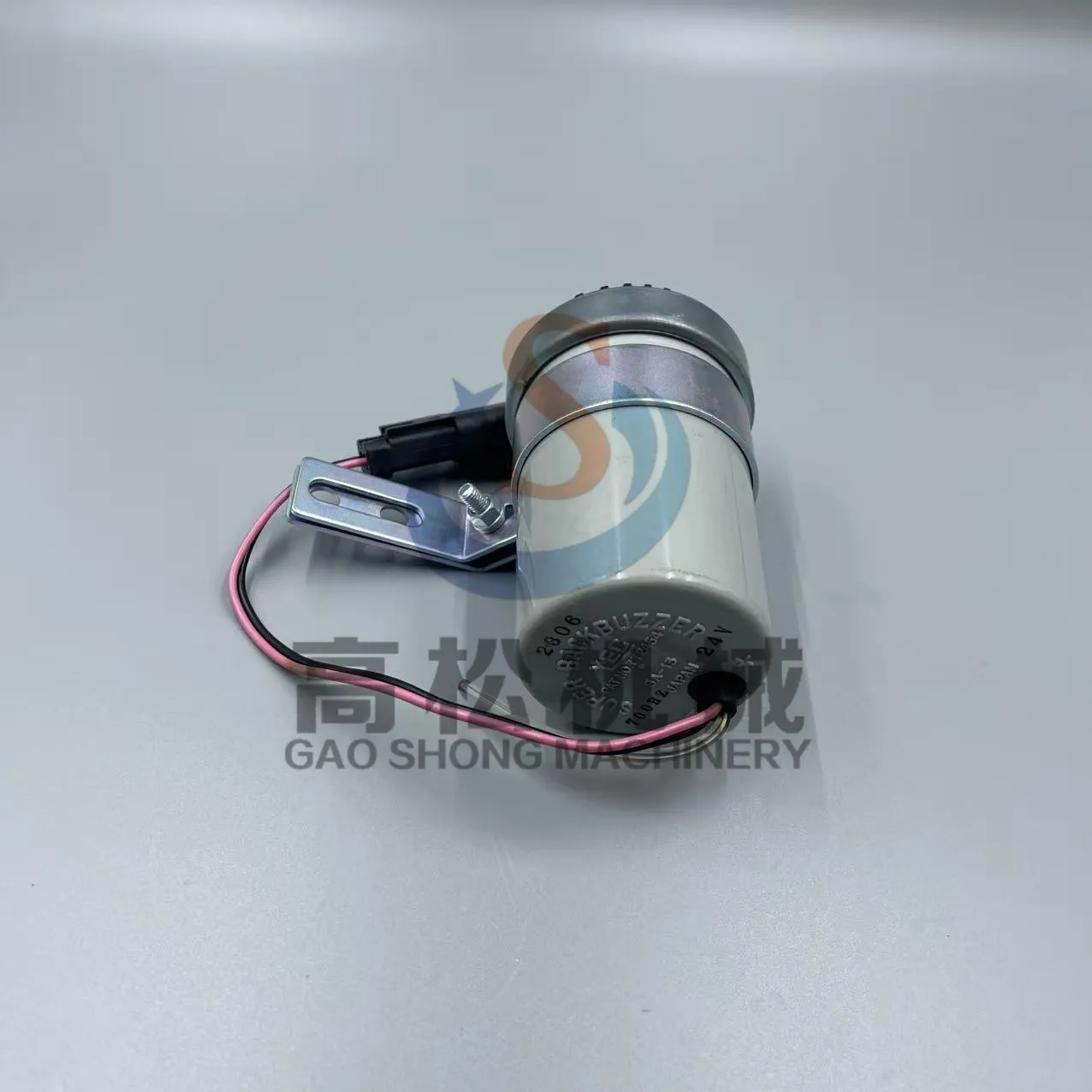 BUZZER 198-06-56570 – KOMATSU
 -
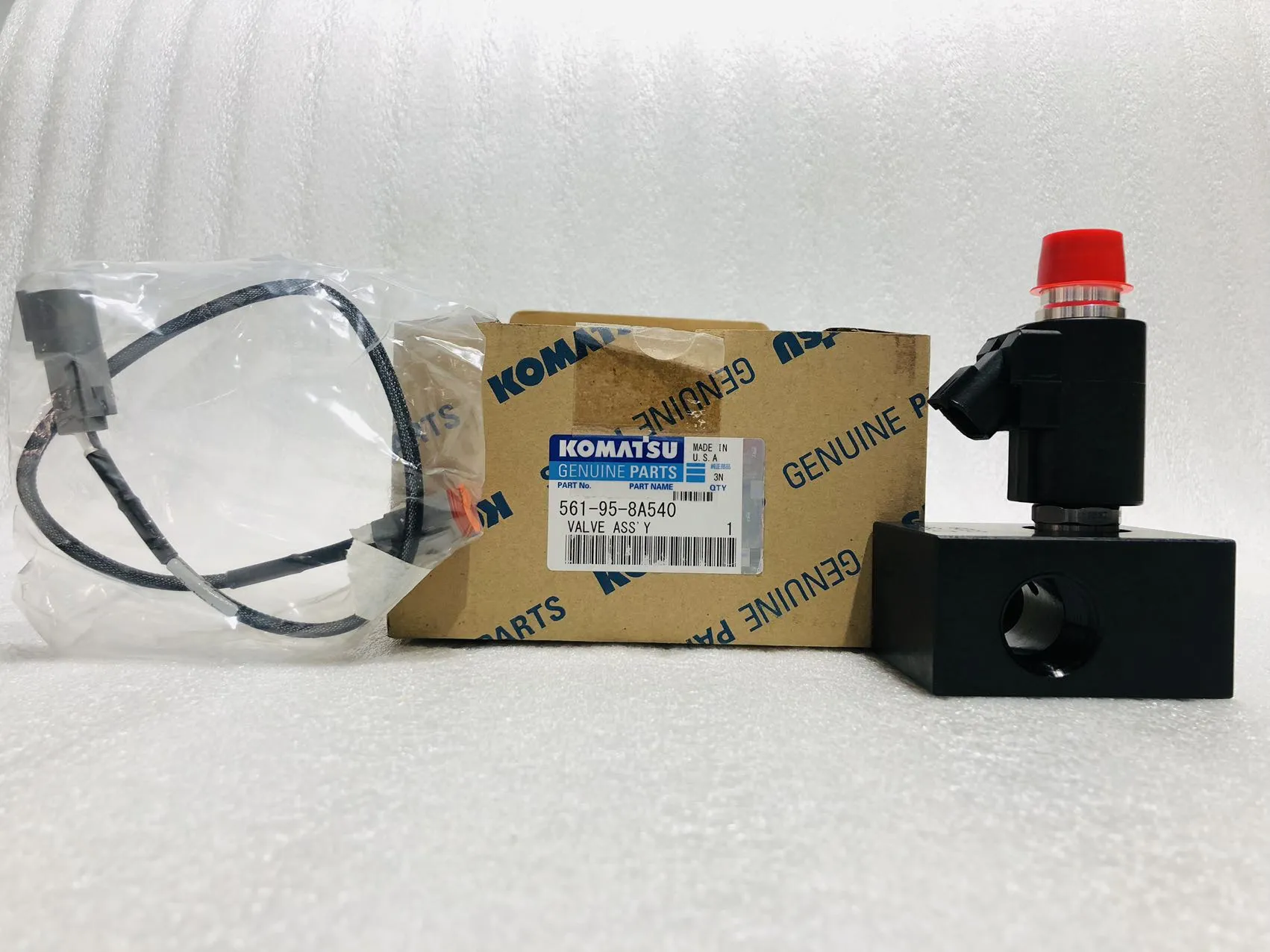
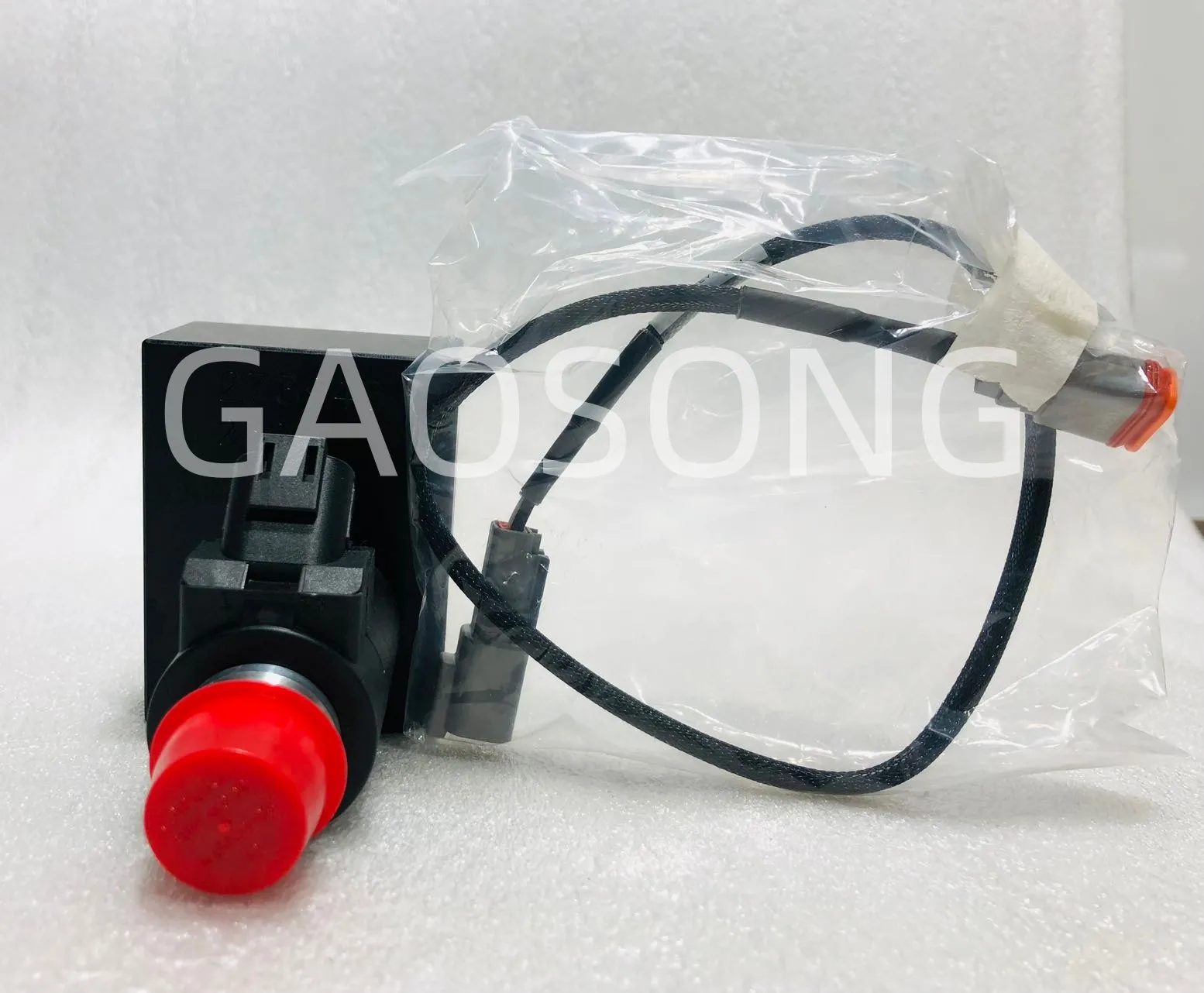 561-95-8A540 • VALVE ASSEMBLY,VENT-Komatsu Original Factory
 -
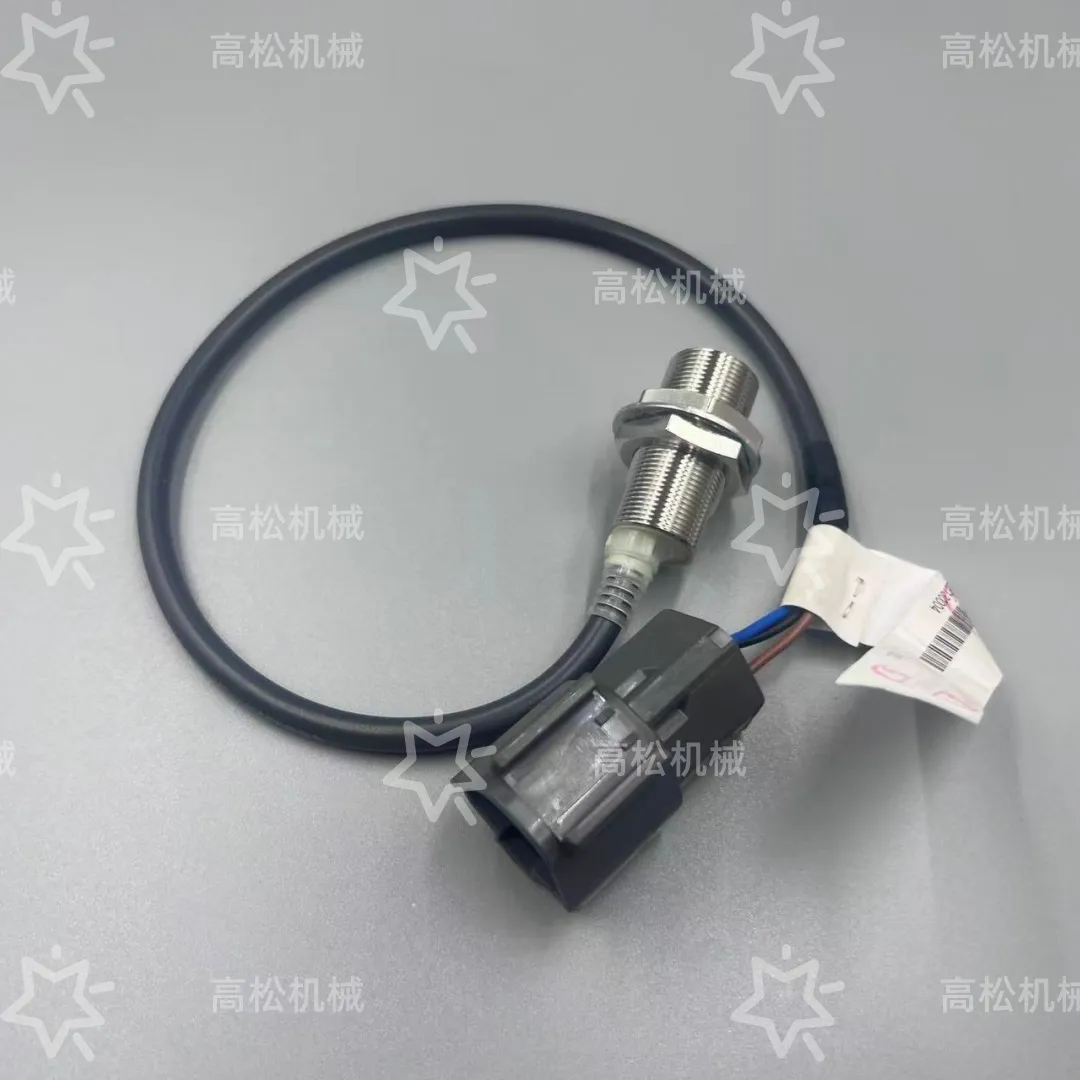 235-45-33410 SENSOR,SHIFT POTENTIO – Komatsu
 -
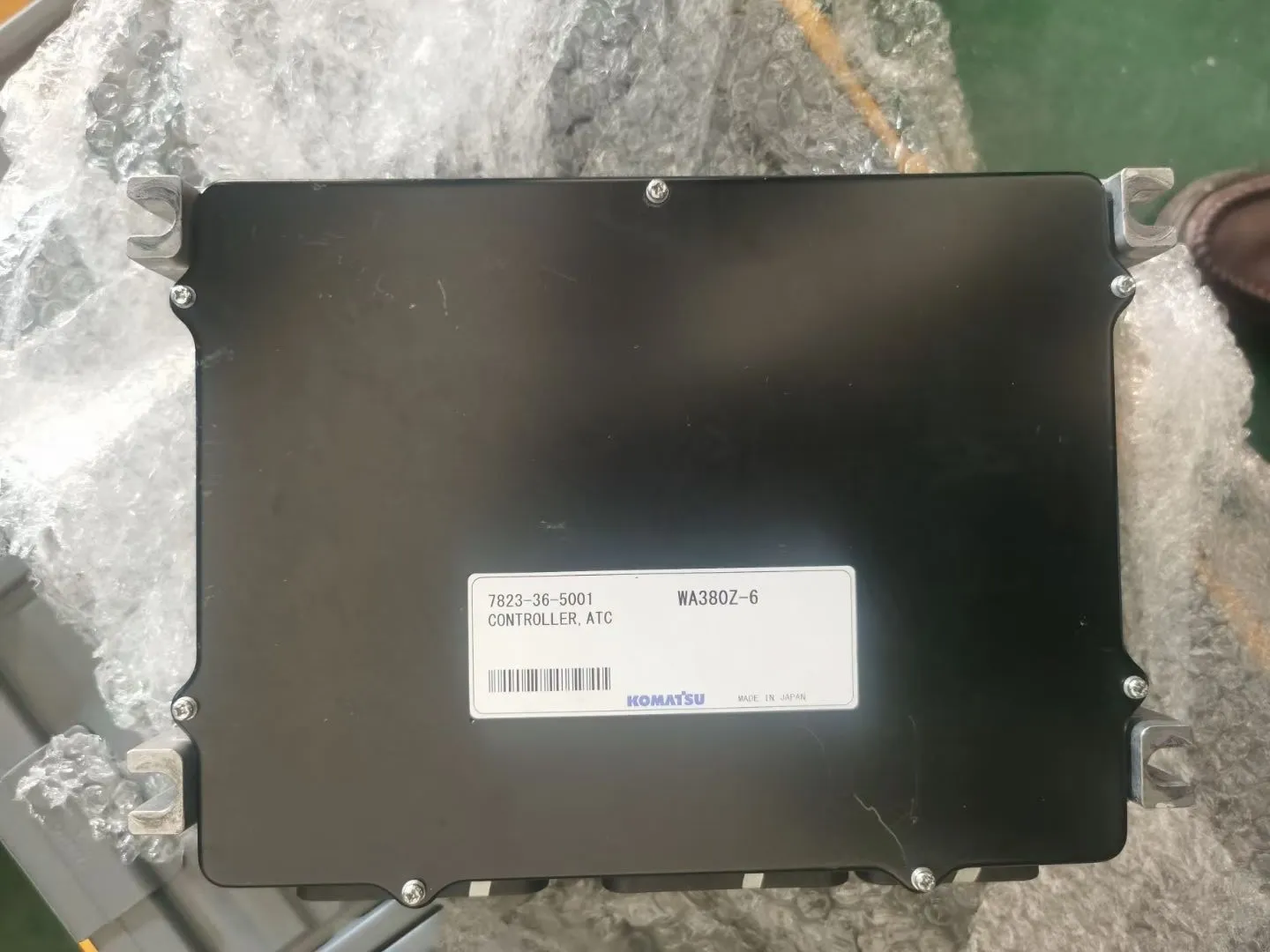 WA380Z-6 Controller 7823-36-5001
 -
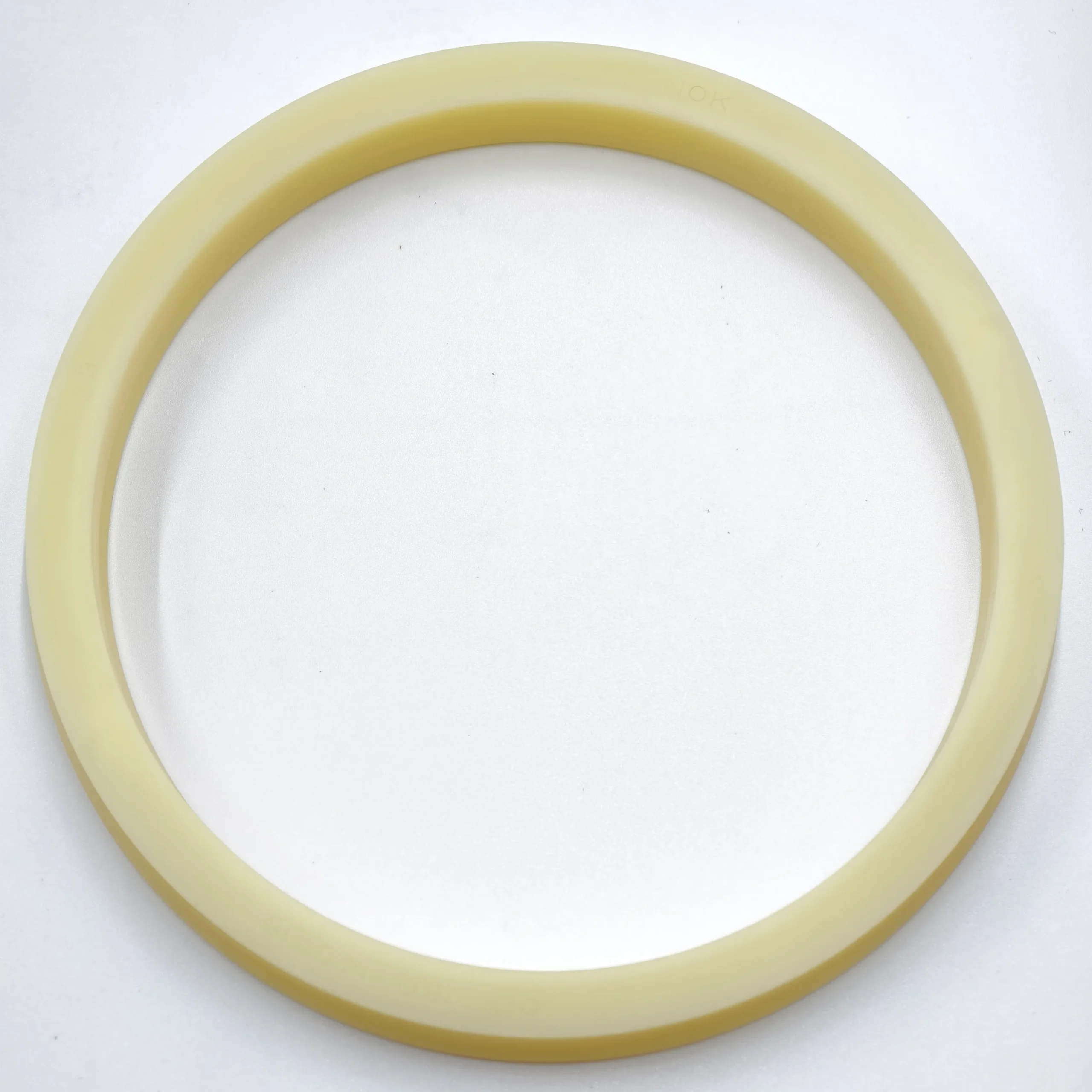
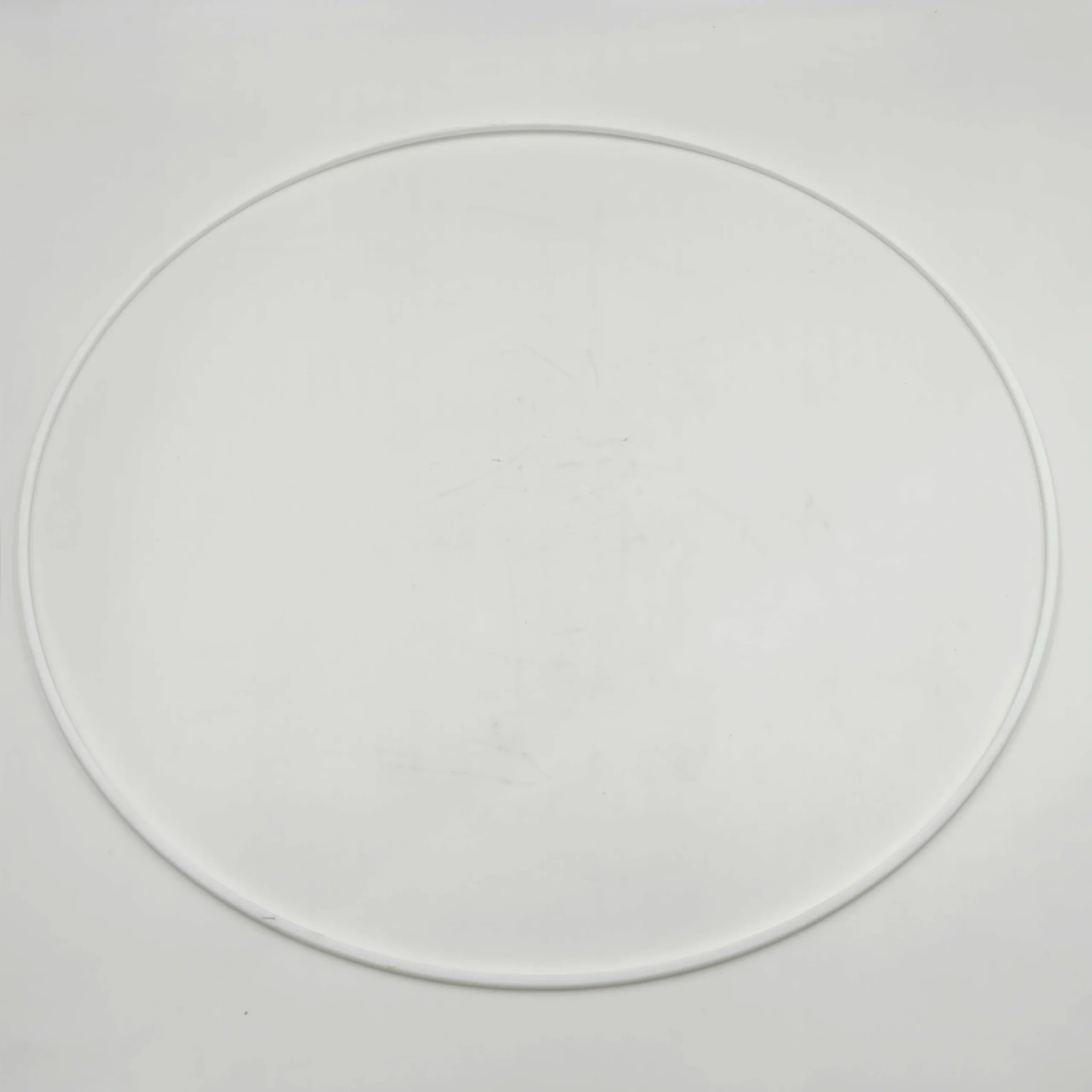 Seal Ring 195-15-39220 1951539220 For Komatsu Wheel Loaders WA500-6 WA700-1 Komatsu Dump Trucks HD985-5 HD785-7
 -
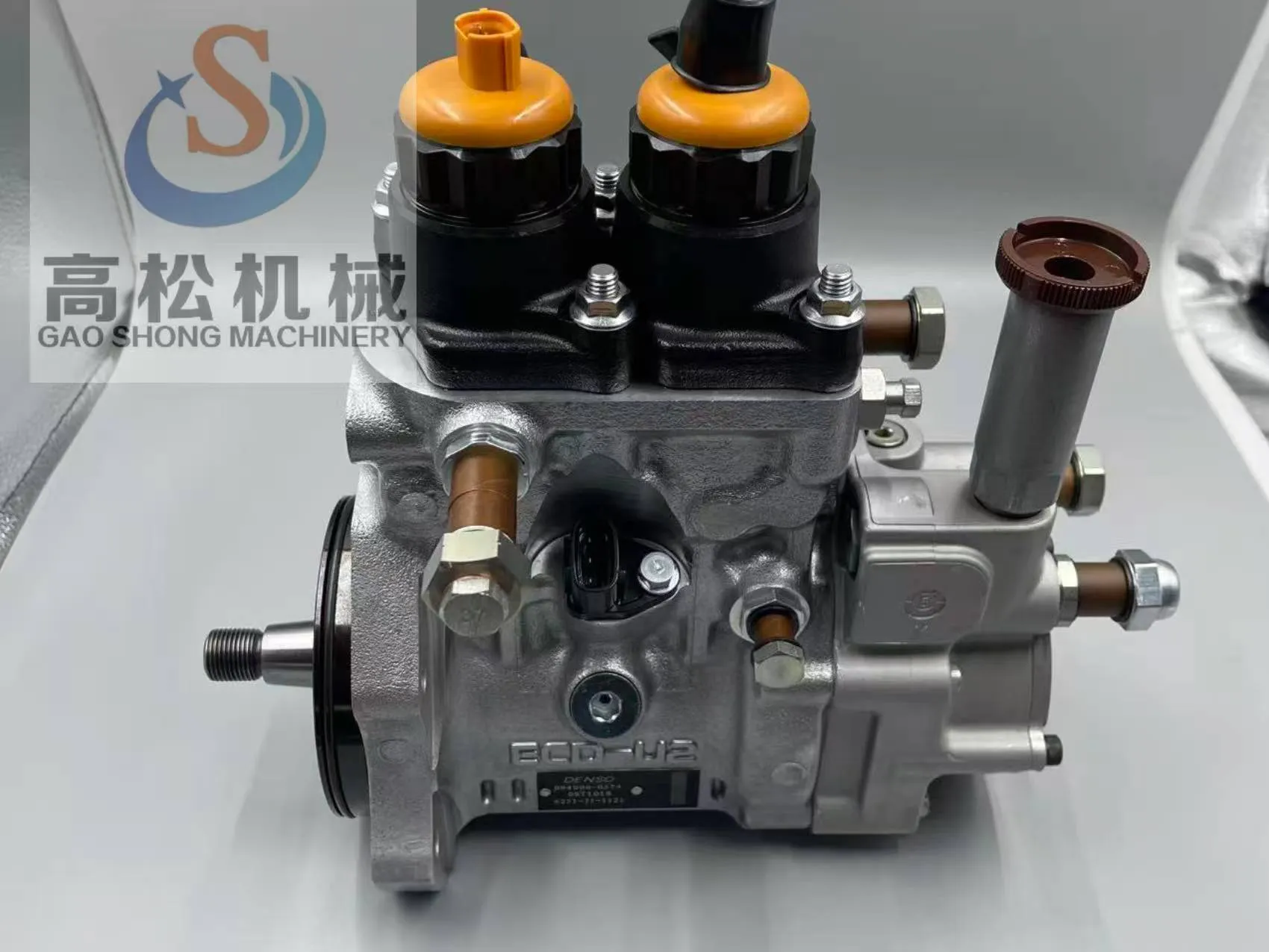 Pc450-8 pc400-8 high pressure fuel pump 6251-71-1121 spare parts for excavators
 -
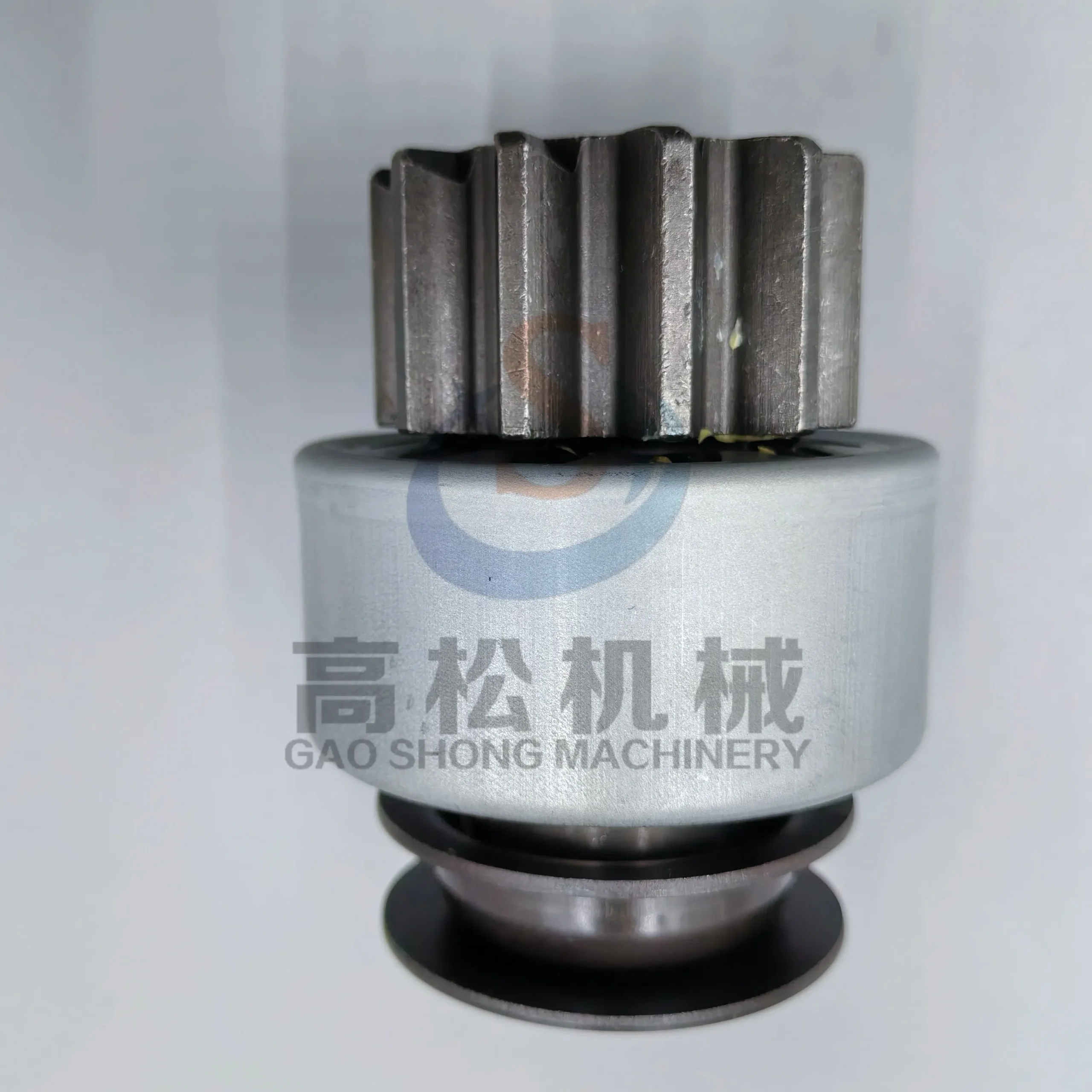 KD0-23500-1024 Komatsu Clutch Assembly
 -
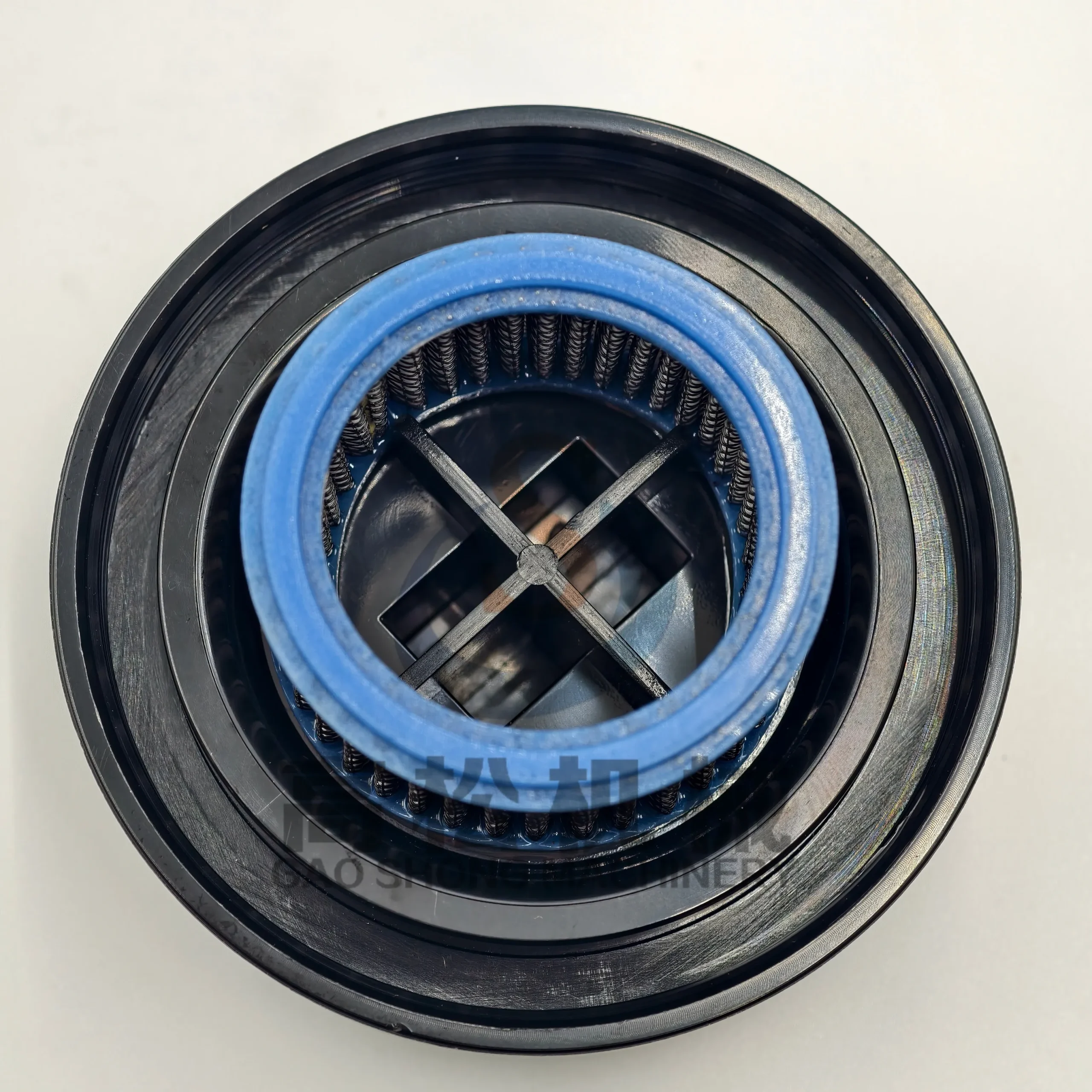 21T-04-31170 Komatsu fuel tank filter vent pipe
 -
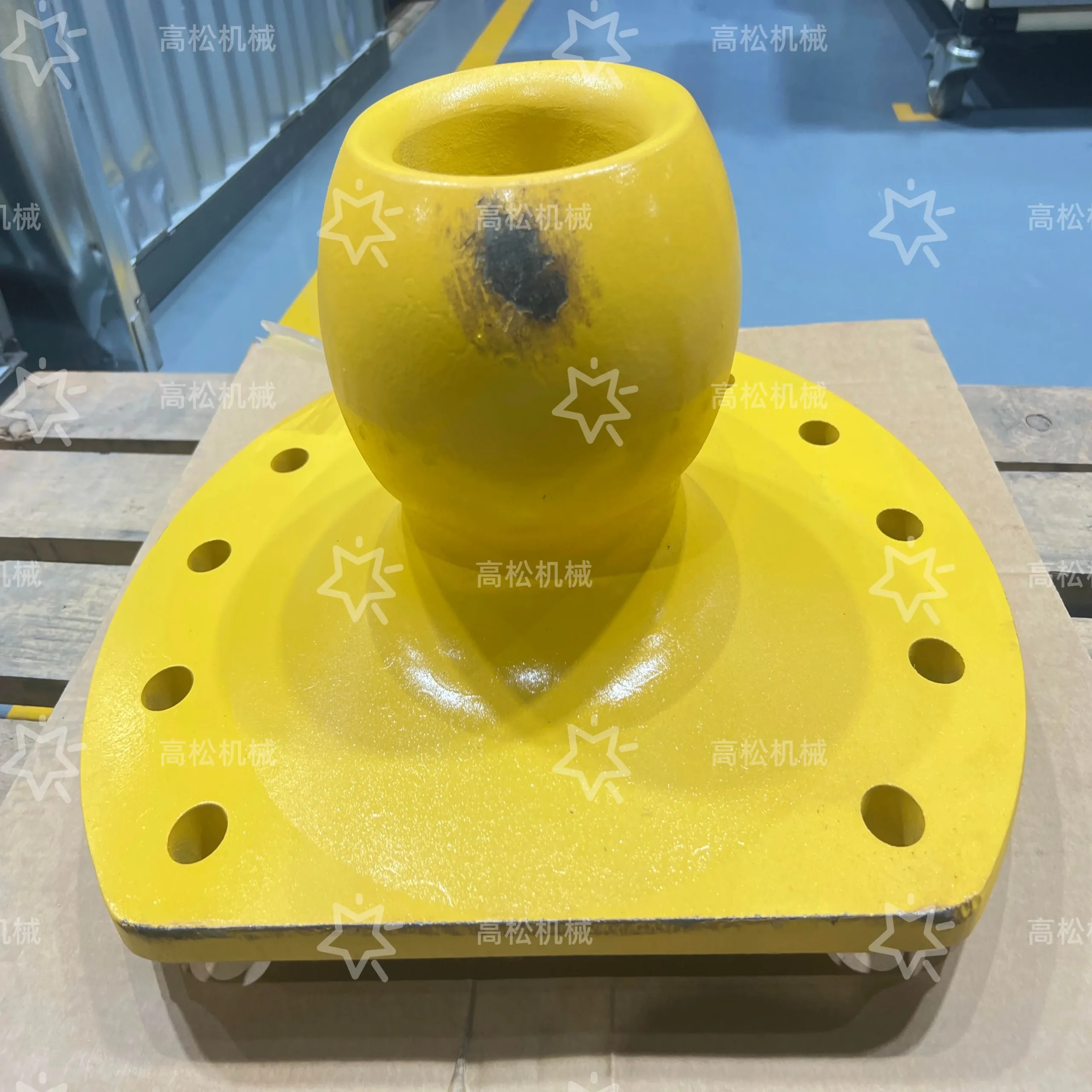 195-71-51191Trunnion 195-71-51191 for Bulldozer D375A-1/3/5/6
 -
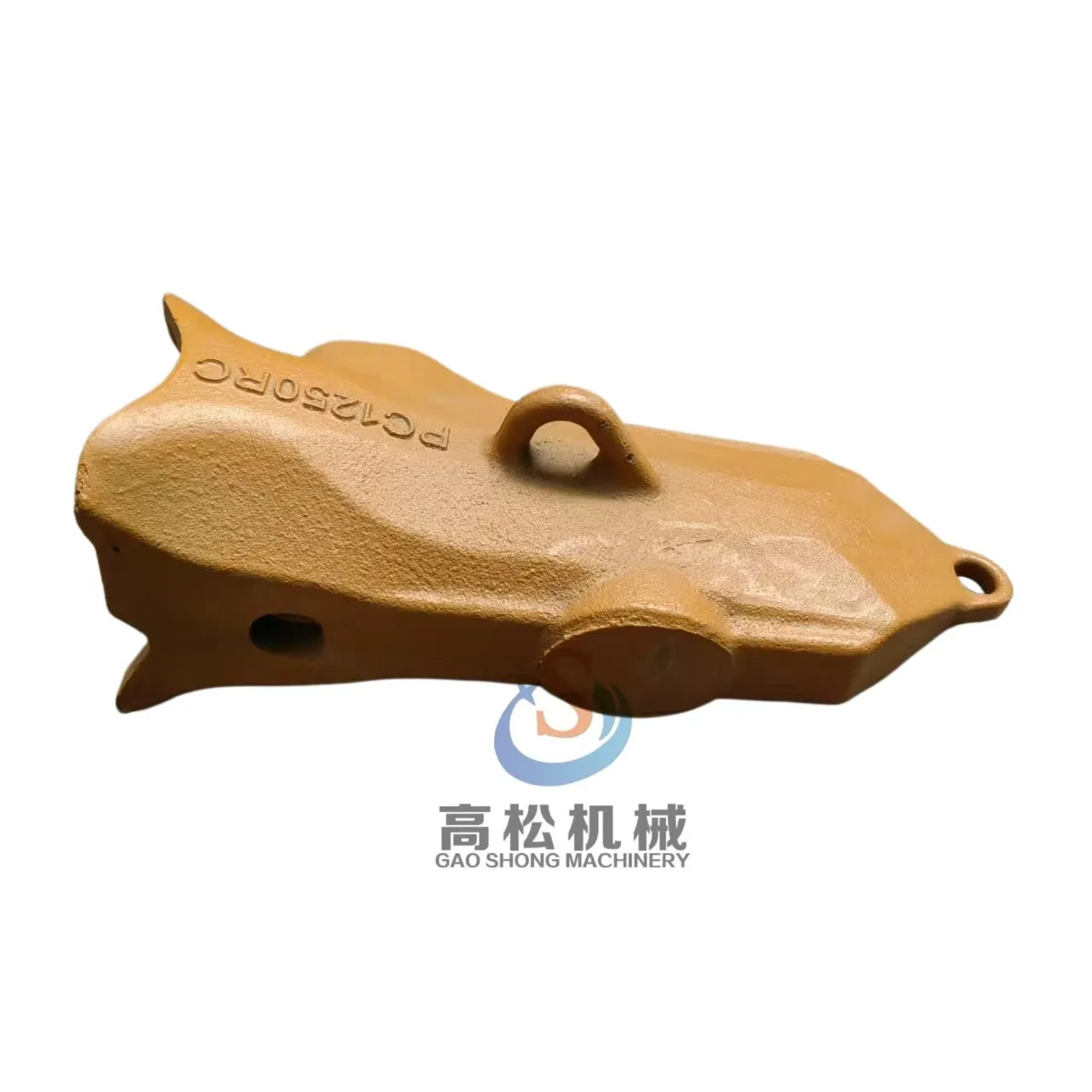 PC1250-8 Bucket Tooth 21N-70-37721 XS115RC
 -
 14Y-21-13242 Chainsaw Drive Sprocket Kit Alloy Steel 7-Tooth for…
 -
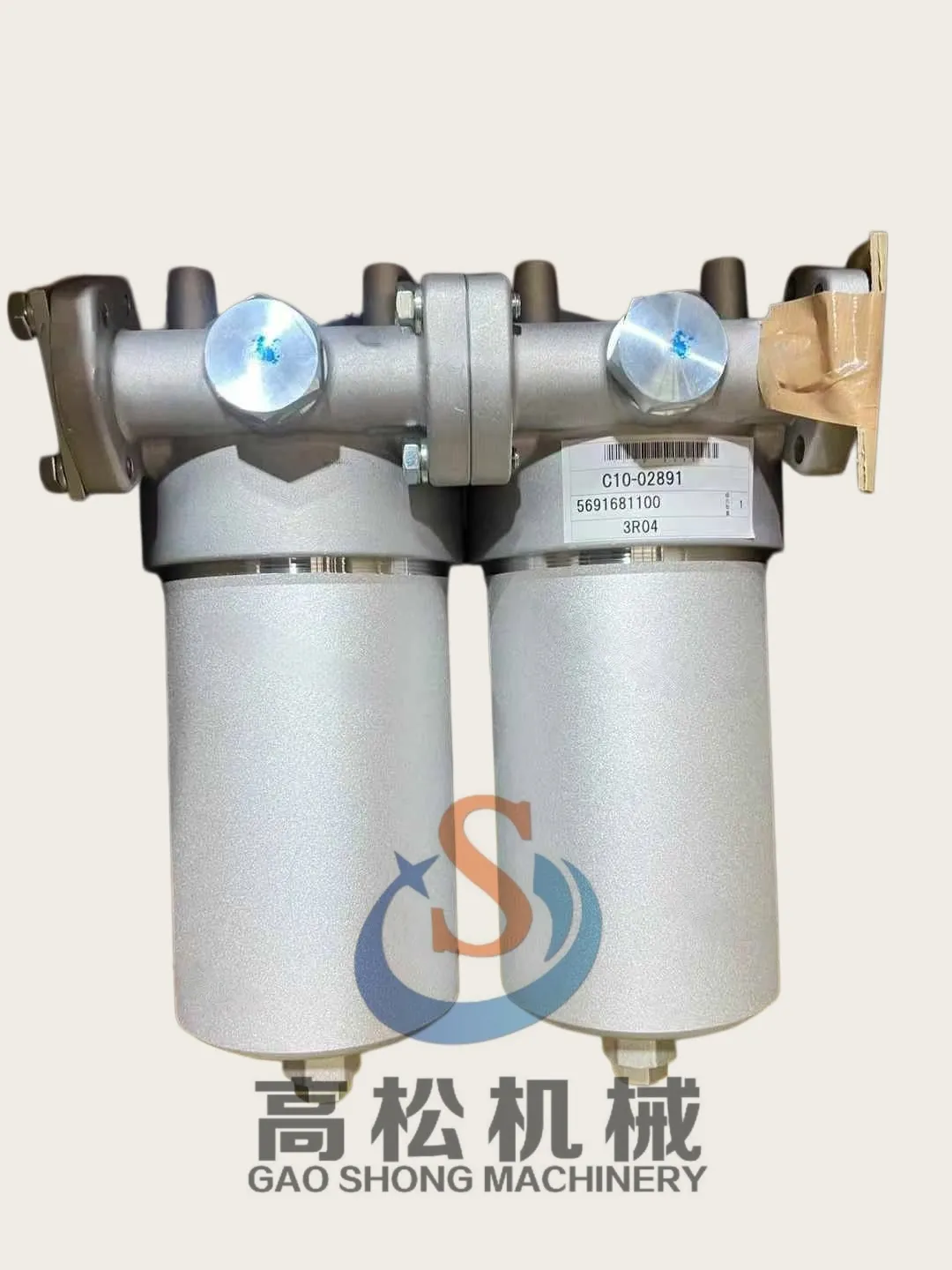 OIL FILTER ASS’Y 569-16-81100 425-16-21240 427-16-21120 569-16-81160 HD325-7 HD325-7R HD405-7 HD405-7R HD605-7 HD785-7 HD605-7E1 HD605-8 HD785-7 HYDRAULIC TANK ASS’Y (TRANSMISSION OIL FILTER¤ INNER PARTS) TRANSMISSION OIL FILTER
Related Search
Related Search- OEM AND ORIGINAL KOMATSU JOINT 17M-71-21380
- OEM AND ORIGINAL KOMATSU GUARD 17M-27-41390
- Komatsu parts
- l&t komatsu pc200 spare parts
- OEM AND ORIGINAL KOMATSU TUBE 569-02-81134
- OEM AND ORIGINAL KOMATSU BRAKE CHAMBER 561-35-61400
- OEM AND ORIGINAL KOMATSU SHAFT 195-12-42121
- 195-15-00070
- 195-27-34340
- 6245-51-8150