
- Chinese
- French
- German
- Portuguese
- Spanish
- Russian
- Japanese
- Korean
- Arabic
- Irish
- Greek
- Turkish
- Italian
- Danish
- Romanian
- Indonesian
- Czech
- Afrikaans
- Swedish
- Polish
- Basque
- Catalan
- Esperanto
- Hindi
- Lao
- Albanian
- Amharic
- Armenian
- Azerbaijani
- Belarusian
- Bengali
- Bosnian
- Bulgarian
- Cebuano
- Chichewa
- Corsican
- Croatian
- Dutch
- Estonian
- Filipino
- Finnish
- Frisian
- Galician
- Georgian
- Gujarati
- Haitian
- Hausa
- Hawaiian
- Hebrew
- Hmong
- Hungarian
- Icelandic
- Igbo
- Javanese
- Kannada
- Kazakh
- Khmer
- Kurdish
- Kyrgyz
- Latin
- Latvian
- Lithuanian
- Luxembou..
- Macedonian
- Malagasy
- Malay
- Malayalam
- Maltese
- Maori
- Marathi
- Mongolian
- Burmese
- Nepali
- Norwegian
- Pashto
- Persian
- Punjabi
- Serbian
- Sesotho
- Sinhala
- Slovak
- Slovenian
- Somali
- Samoan
- Scots Gaelic
- Shona
- Sindhi
- Sundanese
- Swahili
- Tajik
- Tamil
- Telugu
- Thai
- Ukrainian
- Urdu
- Uzbek
- Vietnamese
- Welsh
- Xhosa
- Yiddish
- Yoruba
- Zulu
- Kinyarwanda
- Tatar
- Oriya
- Turkmen
- Uyghur






Komatsu thermostat
When you hear 'Komatsu thermostat', most guys immediately think of that brass and plastic housing sitting in the upper front of the engine. It's just a temperature regulator, right? That's the first mistake. In my years dealing with Komatsu equipment, especially through channels like Jining Gaosong Construction Machinery Co., Ltd., I've learned it's rarely about the thermostat itself, but about everything that interacts with it. The real story is in the systemic failures and supply chain headaches it represents.
The OEM Illusion and On-Ground Reality
Working with an OEM supplier within the Komatsu system, such as Gaosong, reveals a gap. The official catalog lists a part number, say 20Y-60-11310. You order it, you get a pristine box. But install it on a PC300-8 in a high-dust quarry, and the failure pattern changes from the manual. The wax pellet might be fine, but the jiggle valve gets clogged with a different composite of abrasive dust within 400 hours. The OEM spec assumes a 'standard' operating environment that simply doesn't exist globally.
This is where the third-party role, like their work at takematsumachinery.com solving parts challenges, becomes critical. They see the failures that never make it back to the main engineering reports. I've had cases where we replaced three genuine Komatsu thermostats on an excavator in Egypt before realizing the issue wasn't the component's opening temperature, but a slight mismatch in the housing flange thickness from a previous, non-OEM cylinder head repair. The thermostat was sealing poorly, causing a slow coolant bleed and air pockets that led to erratic temperature spikes.
The takeaway? Never diagnose a thermostat in isolation. The first step is always a pressure test of the cap and a physical check of the mating surface on the engine block. A 0.5mm warp can mimic a stuck-closed thermostat. We learned this the hard way after blaming a batch of parts, only to find our measurement protocol was flawed.
Material Science and the Forgotten Details
Let's talk brass versus composite. Older Komatsu models used a full-brass thermostat housing. Robust, but prone to galvanic corrosion if the coolant mix was off. Newer ones use a composite plastic top. Lighter, cheaper, but sensitive to over-torquing during installation. The service manual says 25 N·m. In a hurry, a mechanic with an impact wrench can easily double that, creating a hairline crack that leaks only under full operating pressure. You see the coolant loss, blame the water pump, and miss the real culprit.
The wax pellet quality is another hidden battlefield. A genuine Komatsu thermostat uses a specific paraffin blend with a very precise volume expansion coefficient. Aftermarket units sometimes get the opening temperature right (82°C or 88°C), but the rate of opening is wrong. It opens too slowly, causing a temperature overshoot the ECU logs as a minor anomaly, or too quickly, leading to constant minor cycling that wears out the seal. This is the kind of detail you only appreciate after tracking engine management data logs over time, comparing performance between a true OEM part and a 'meets spec' alternative.
I recall a fleet of HD785-7 trucks where we used a well-regarded aftermarket thermostat. Engine temps stayed 'in the green', but fuel efficiency dropped by 3%. It took us months to correlate it. The aftermarket stat was opening about 5°C later than specified, causing the engine management to run a slightly richer mixture for longer than optimal. The thermostat worked, but it made the engine less efficient. That's the level of nuance we're dealing with.
Supply Chain Pragmatism and Field Solutions
The stated mission of companies like Jining Gaosong – being an OEM supplier and a third-party solver – is exactly what the field needs. In certain countries, getting that genuine 20Y-60-11310 can take 12 weeks. Operations can't stop. The pragmatic solution isn't always a perfect replica. Sometimes, it's about finding a compatible cross-reference from another quality manufacturer that matches the flow rate and opening characteristics, and then perhaps machining an adapter ring. The goal is to restore function and protect the engine, not just fill a parts bin with OEM boxes.
We once supported a client in a remote region who had a failed thermostat on a Komatsu WA470. The local dealer had no stock. Instead of airfreighting the part at immense cost, we worked with our contacts to source a compatible Stant unit from a local automotive supplier. We then had a local machine shop replicate the flange gasket. The key was verifying the bypass port diameter and the vent hole (jiggle valve) location. It ran for over two years until the next major service. This is the real-world value of flexible supply chains.
However, this approach requires deep technical knowledge. You can't just match the diameter and temperature. You must consider the bypass flow design. Some Komatsu engines use a full-bypass system when the stat is closed; others use a modulated bypass. Installing the wrong type can lead to warm-up issues or cavitation in the water pump. This is where the expertise of a specialized third-party supplier proves its worth—they've navigated these pitfalls before.
Diagnostic Pitfalls and the Human Factor
The most common diagnostic error is assuming a thermostat is stuck open because the engine warms up slowly. But a missing or degraded lower radiator hose insulator can cause the exact same symptom. The coolant gets cooled by airflow on the hose before it even reaches the radiator. Always feel the hose. If it's cold while the upper hose is hot after warm-up, the thermostat is likely doing its job, and you have a radiator or flow issue.
Another trap: over-reliance on scan tools. Modern Komatsu machines will throw a code for engine overheat. The natural reaction is to check the cooling system, starting with the thermostat. But I've seen faulty fuel injection timing cause chronic overheating that was initially blamed on a repeatedly failing thermostat. The engine was running too hot internally, overwhelming a correctly functioning cooling circuit. Replacing the thermostat did nothing. The fix was a pump recalibration.
The installation moment is critical. A tiny piece of old gasket material left on the block, a speck of sealant that breaks off and blocks the jiggle valve—these cause immediate comebacks. The best practice is to clean the mating surface to bare metal, use a dry, proper gasket (no sealant unless specified), and hand-tighten the bolts in a crisscross pattern before final torque. It sounds basic, but 80% of premature failures I've seen trace back to installation error, not part failure.
Looking Forward: Integration and Data
The future of a component like the Komatsu thermostat isn't in the metal or wax. It's in integration. We're already seeing stats with embedded sensors that feed direct temperature data to the ECM, moving beyond the simple bimetal switch in the housing. This allows for more precise fan control and fuel mapping. For a supplier, this means the part is no longer a passive mechanical device but an active electronic component. The challenges of supply, compatibility, and diagnostics will shift accordingly.
For operations relying on older fleets, the mechanical thermostat will be a staple for decades. The focus should be on quality sourcing, precise installation, and systemic diagnosis. Partners who understand both the OEM blueprint and the harsh realities of the field, like those providing solutions through platforms such as takematsumachinery.com, become invaluable. They bridge the gap between the drawing board and the dirt.
So, next time you have a temperature issue, don't just swap the thermostat. Look at the housing, the hoses, the history, and the data. That small component is a nexus point for the entire cooling system's health. Getting it right requires more than a part number; it requires context, which is the one thing you can't order from a catalog.
Related Products
Related Products

Best Selling Products
Best Selling Products-
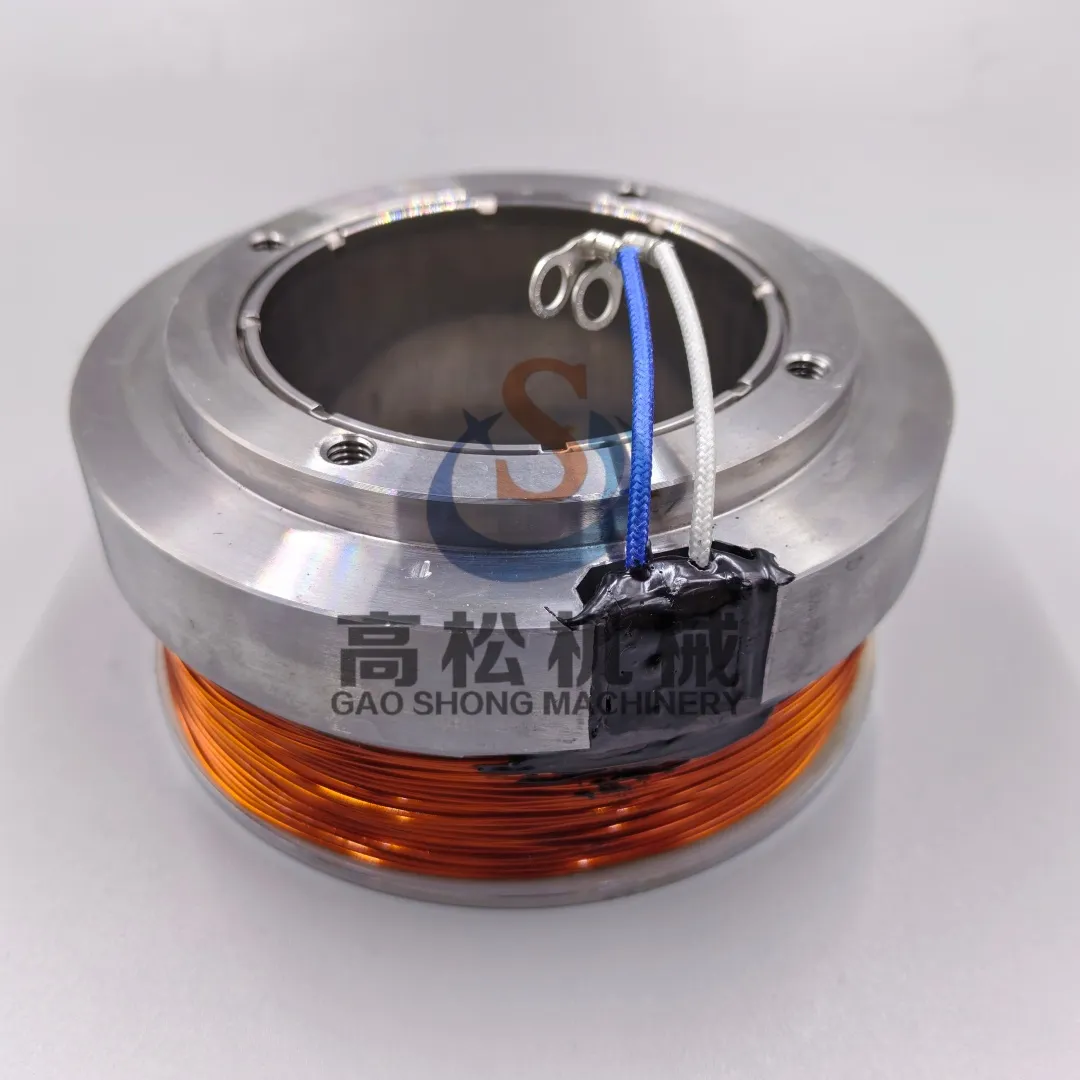 KD0-35120-0250 FIELD COIL ASS’Y (Komatsu)
 -
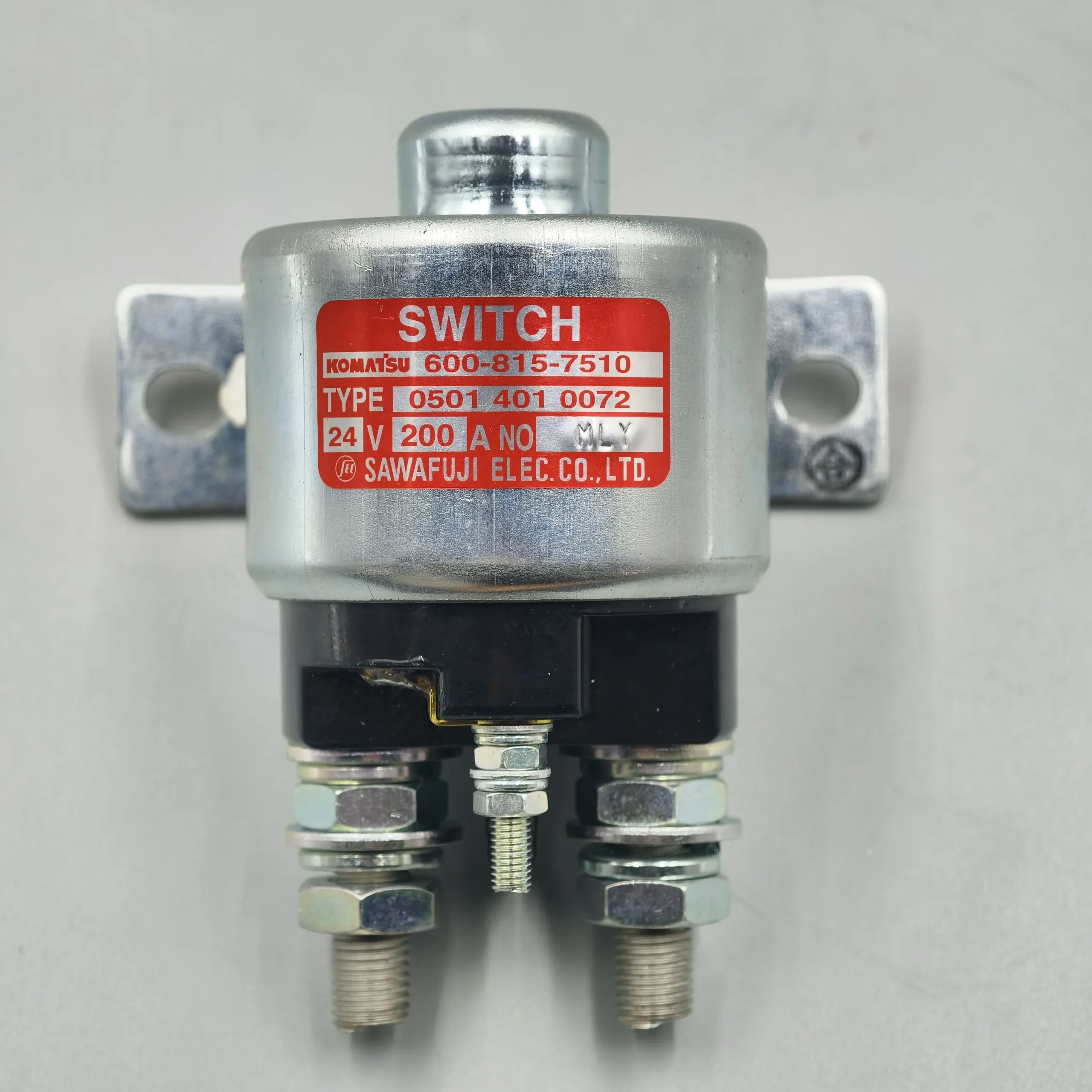 Accessories D375A-5 Switch Heater 600-815-7510 6008157510
 -
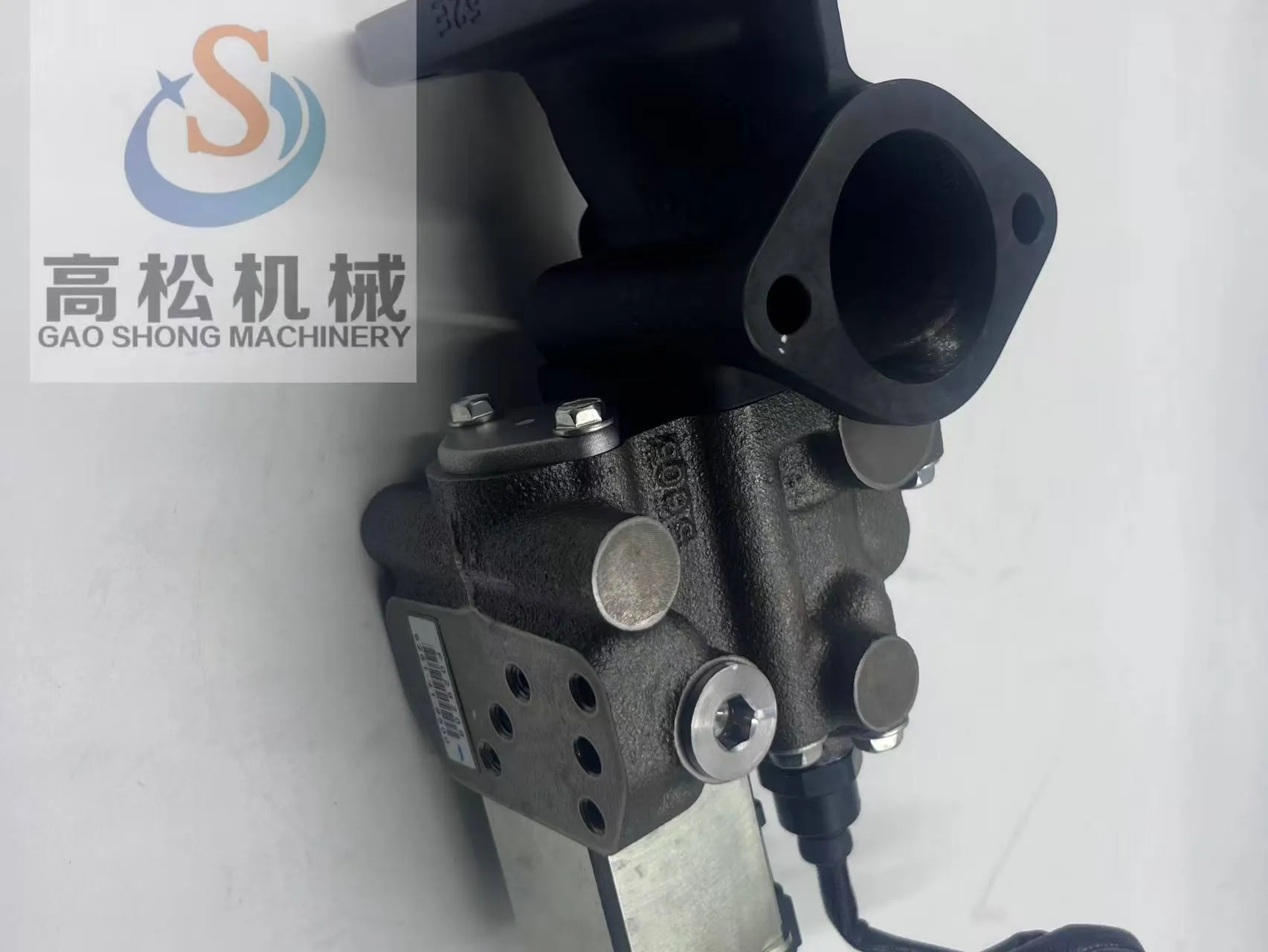 Dump truck HD465-7 valve assembly 6261-41-9500 6261419500
 -
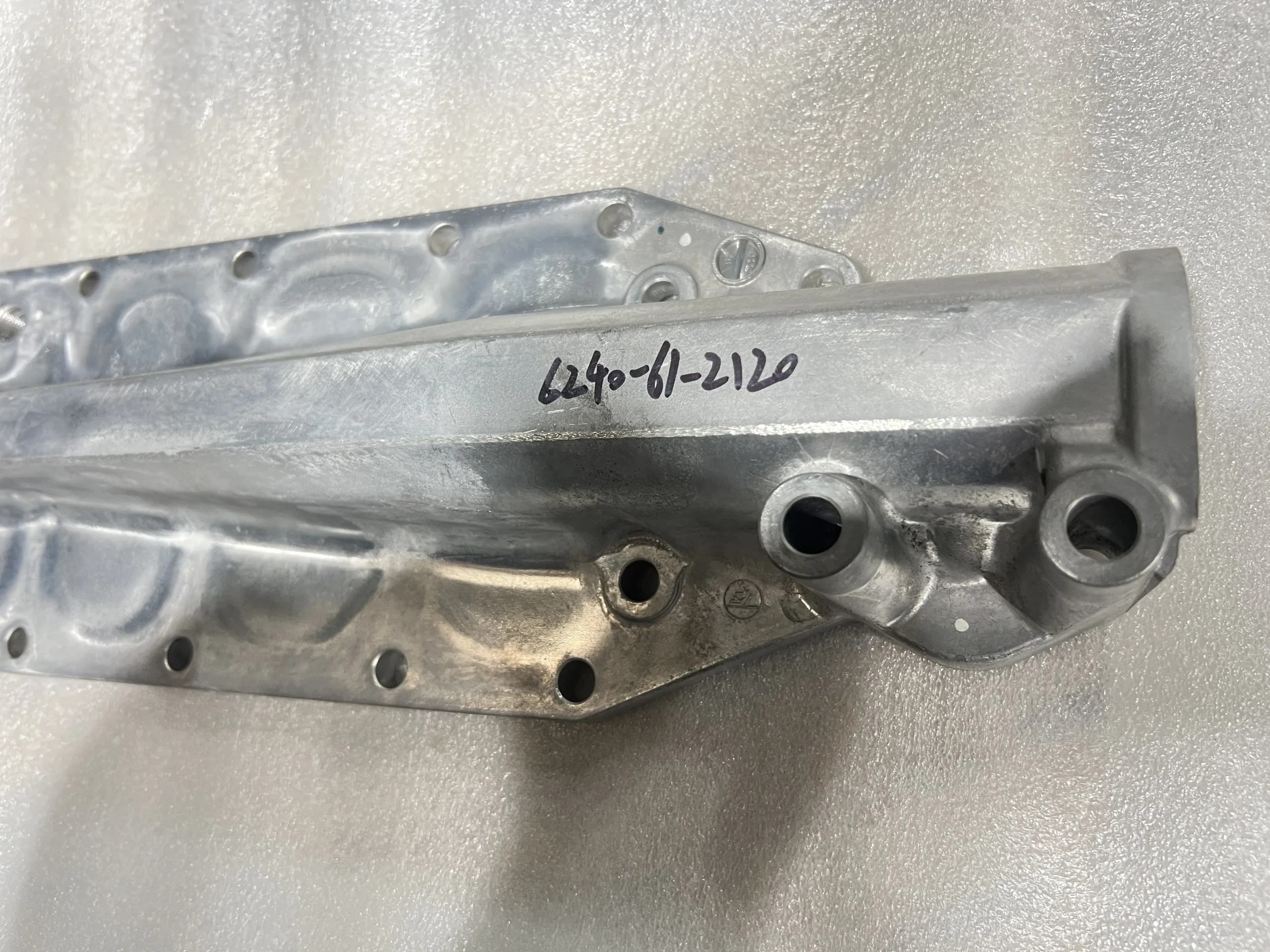 COVER 6240-61-2120 for ENGINE SA6D170E
 -
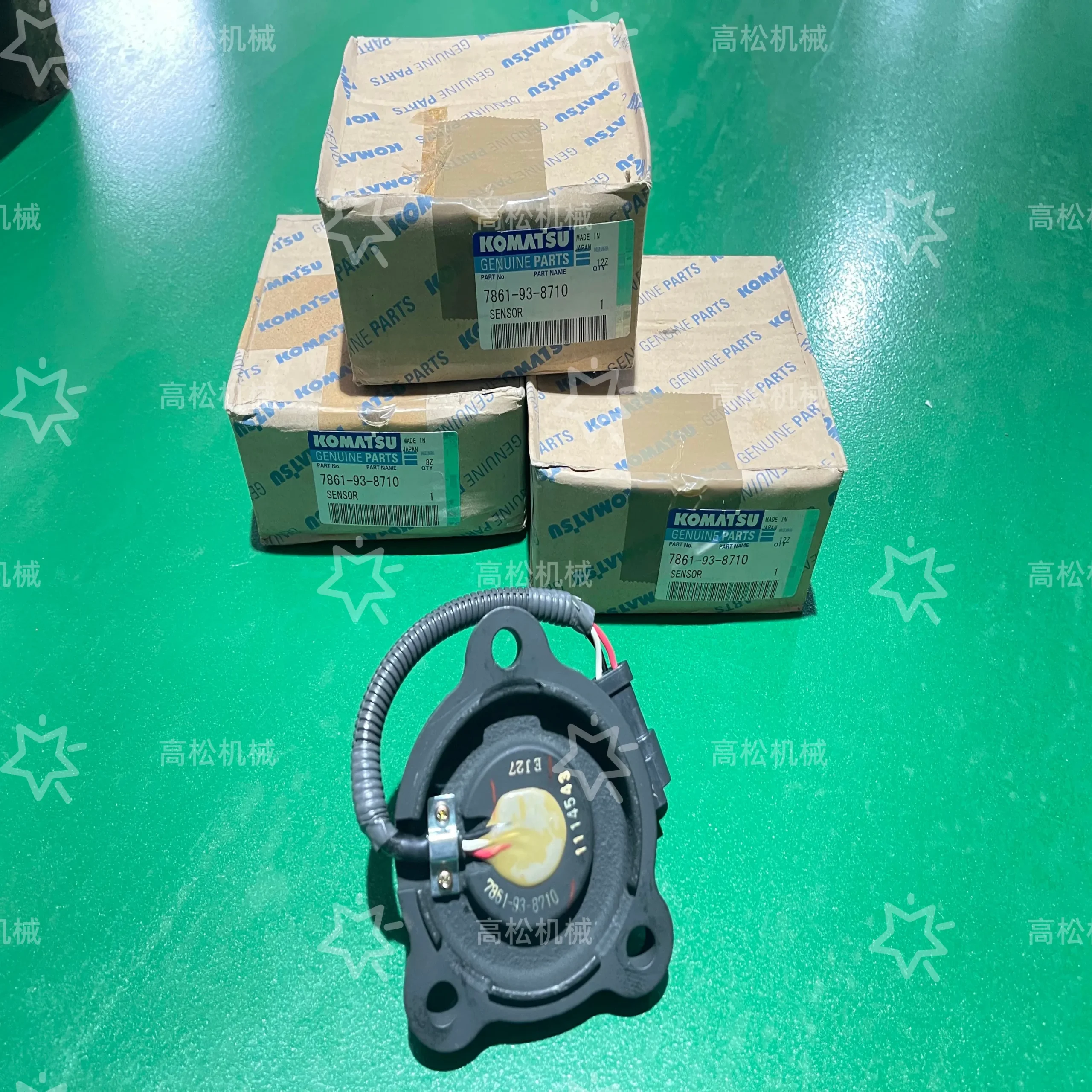 Steering Angle Sensor 7861-93-8710 Compatible with Komatsu HD325-7 HD405-7 HD465-7E0 HD605-7E0 HD785-7 HM300-1 HM300-2 HM350-2 HM400-2 PC228US-3N-W1 PC228USLC-3N-W1 PC58UU-3-N PC78MR-6-N
 -
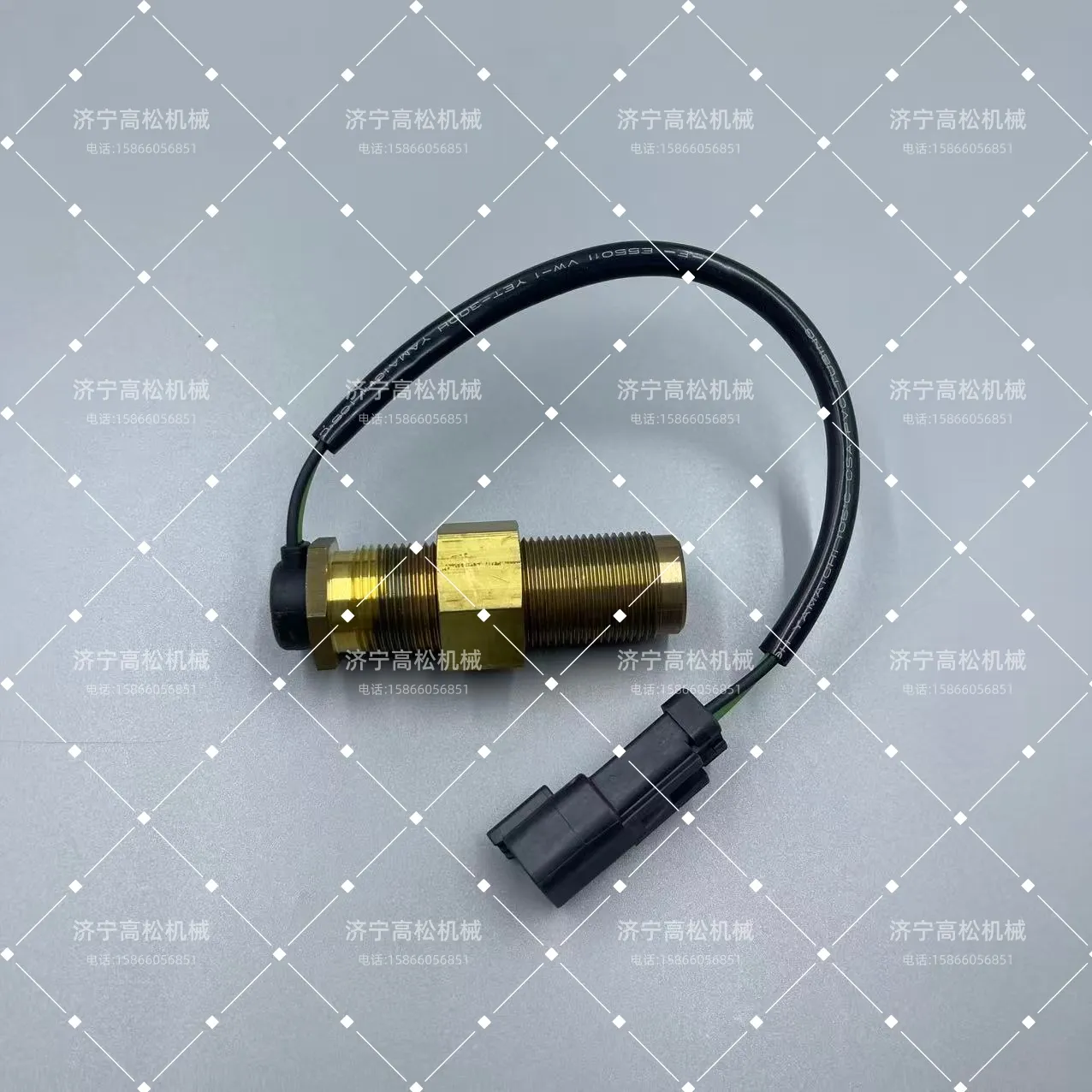 Revolution Sensor 7861-93-2330 for Bulldozer D85EX-15
 -
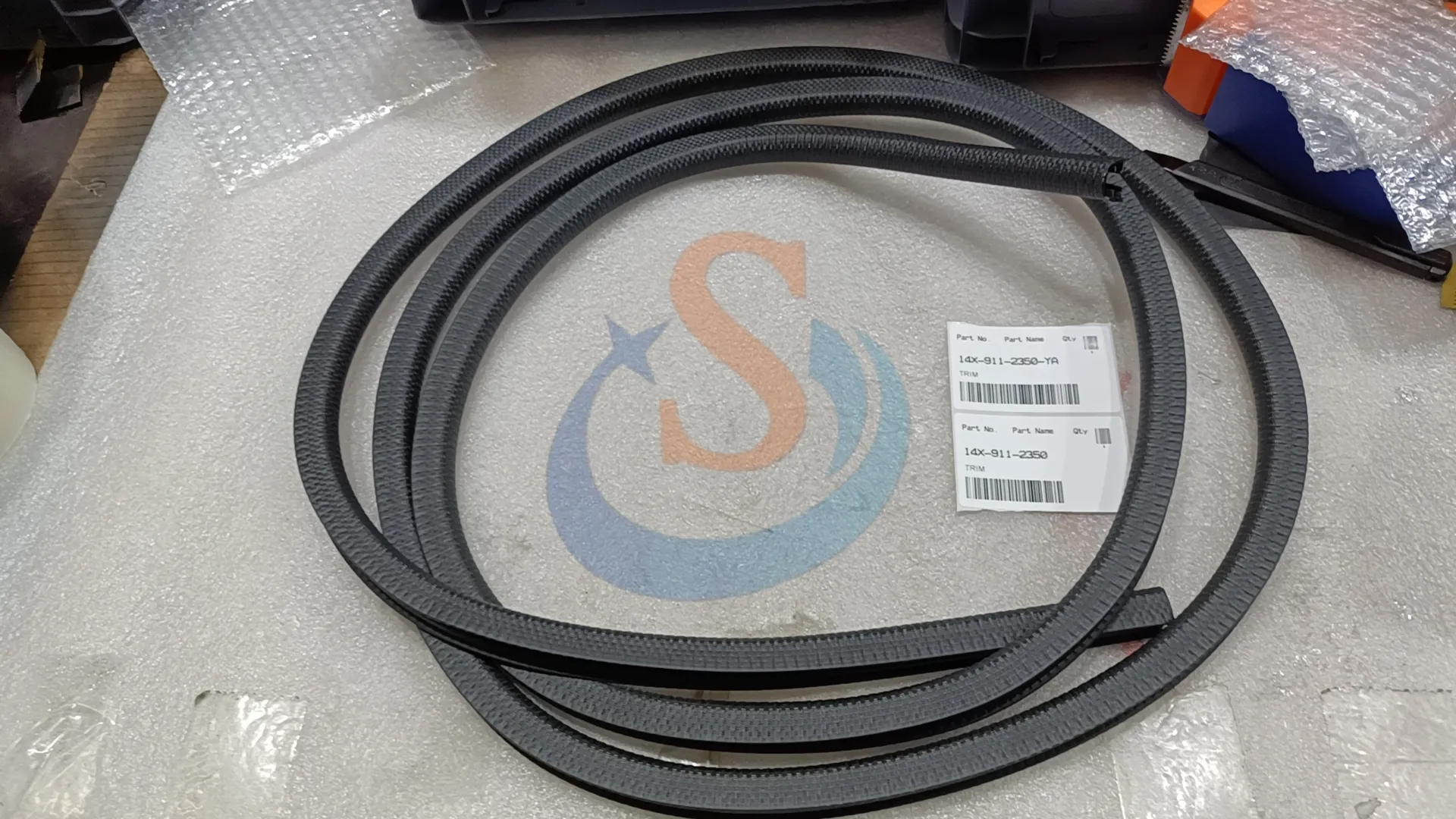 14X-911-2350,TRIM,D68ESS,D65PX,D155A,D375A
 -
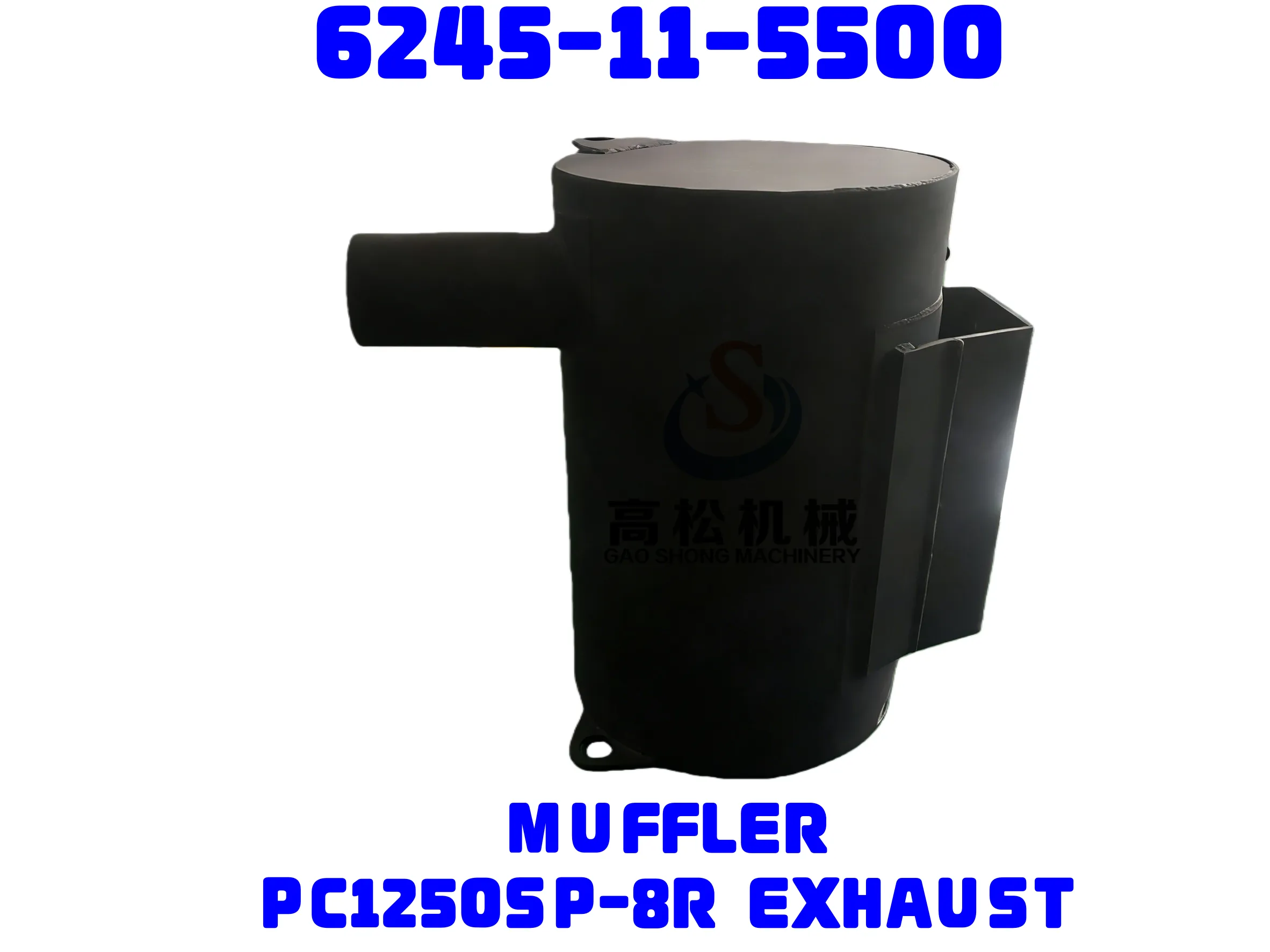 Muffler Silencer 6245-11-5500 for Komatsu Engine 6D170E-5 Excavator PC1250-8 PC1250-8R PC1250LC-8 PC1250SP-8 PC1250SP-8R
 -
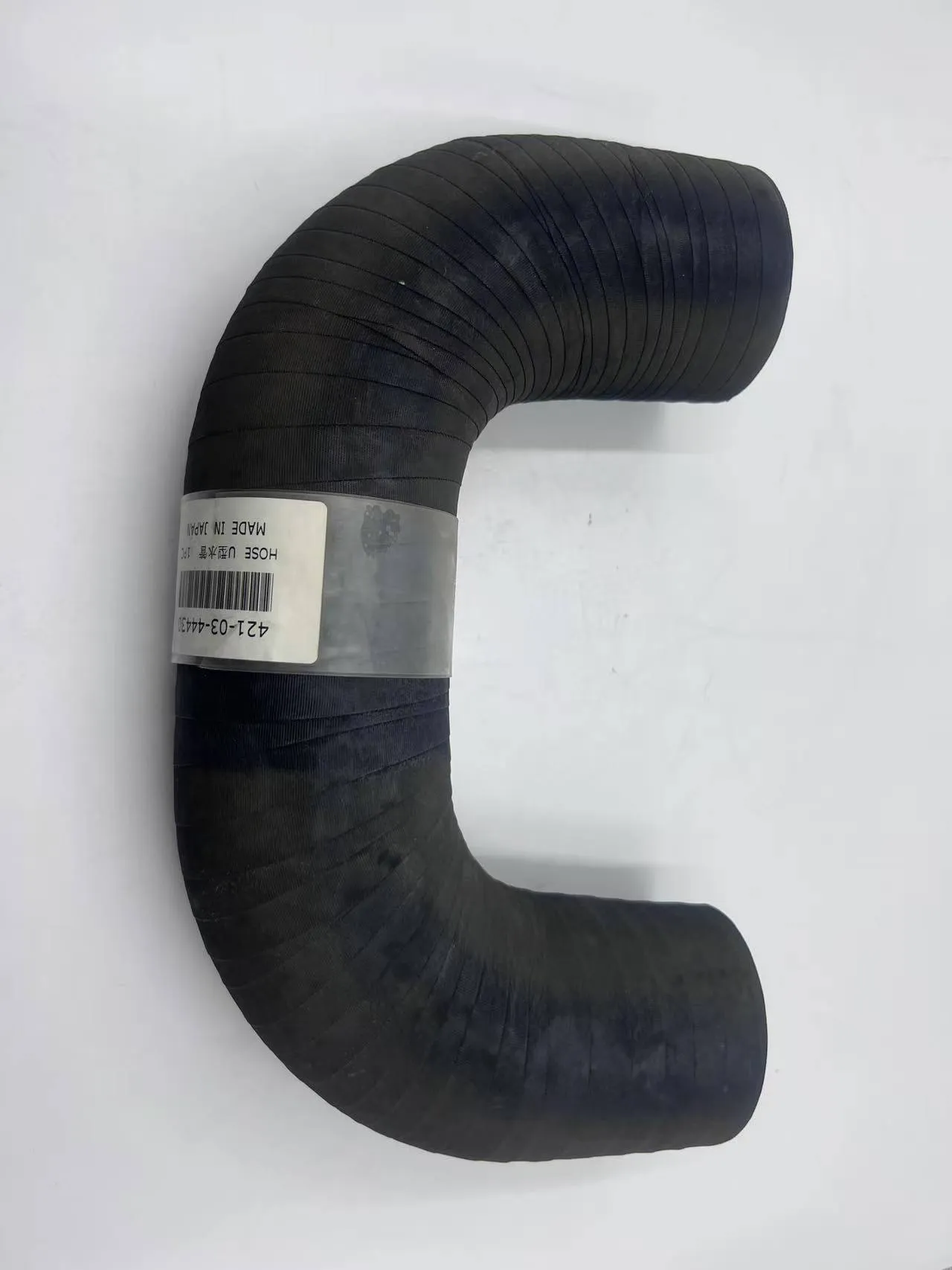 421-03-44430 • HOSE Applicable: Komatsu WA loader series
 -
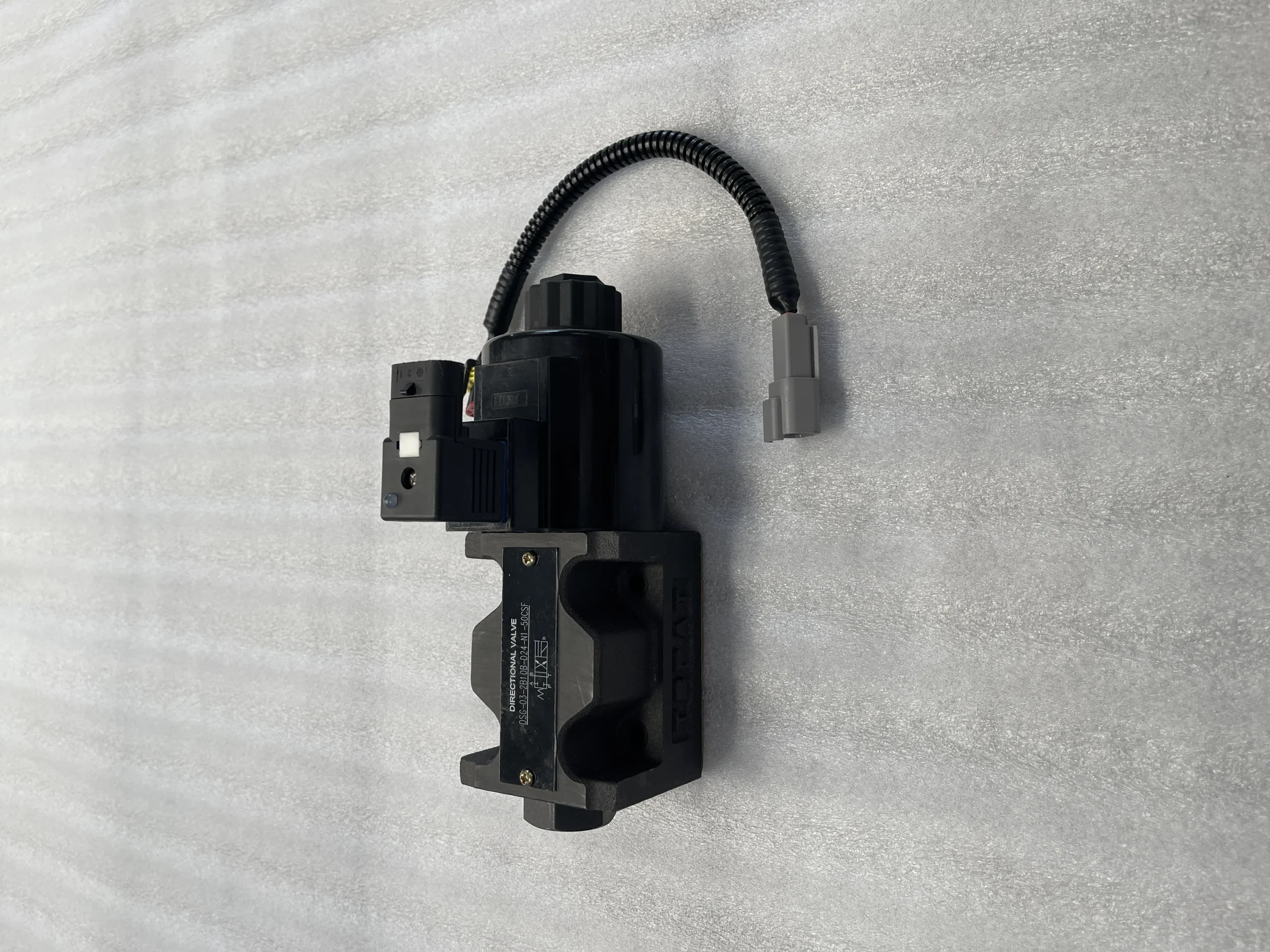 HD785-7 Electromagnetic Valve 561-43-8A881
 -
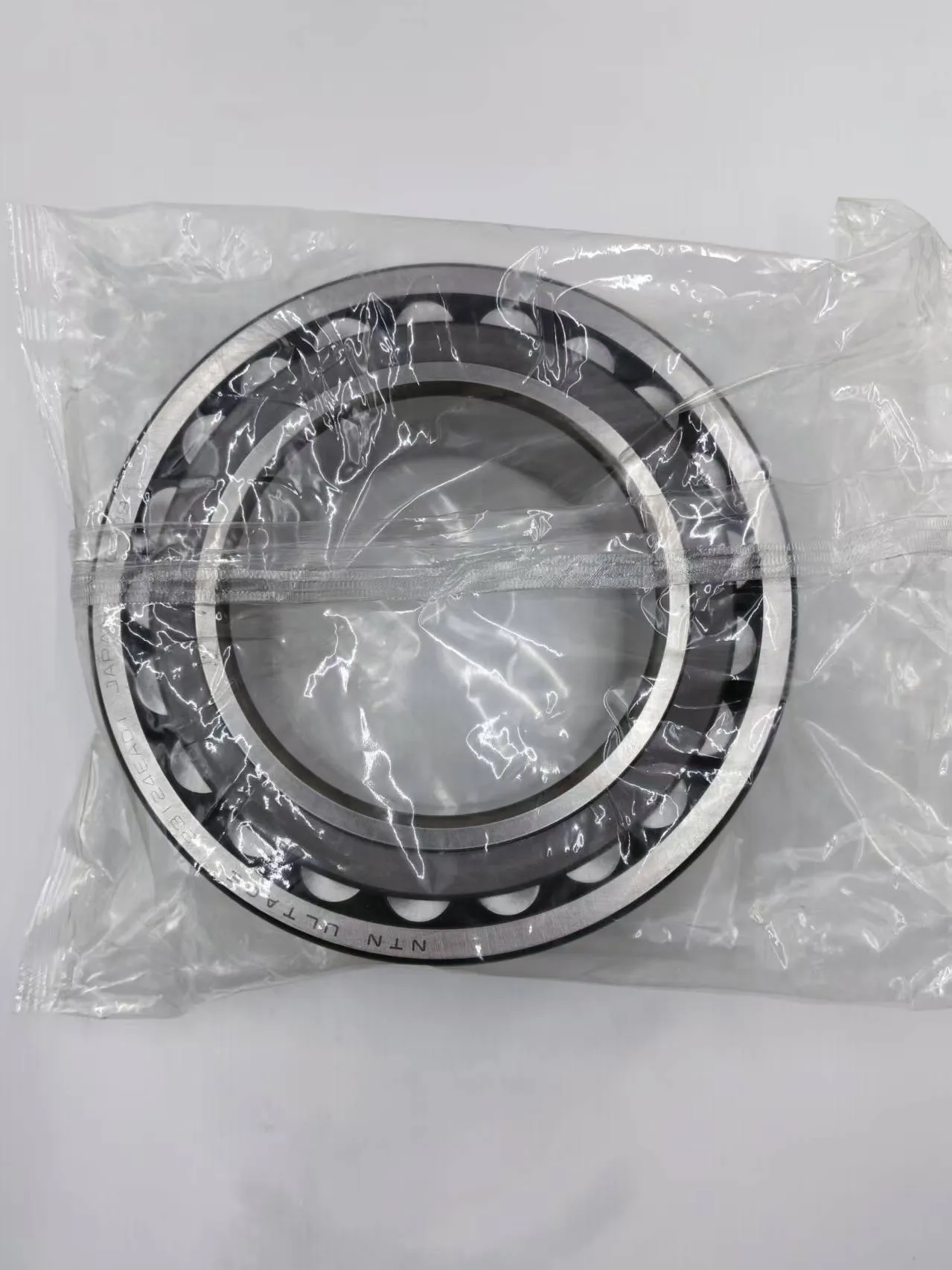 208-26-71530 Bearing for Komatsu PC450 PC460 PC500 Excavator Swing Drive Bearing Reducer Bearing
 -
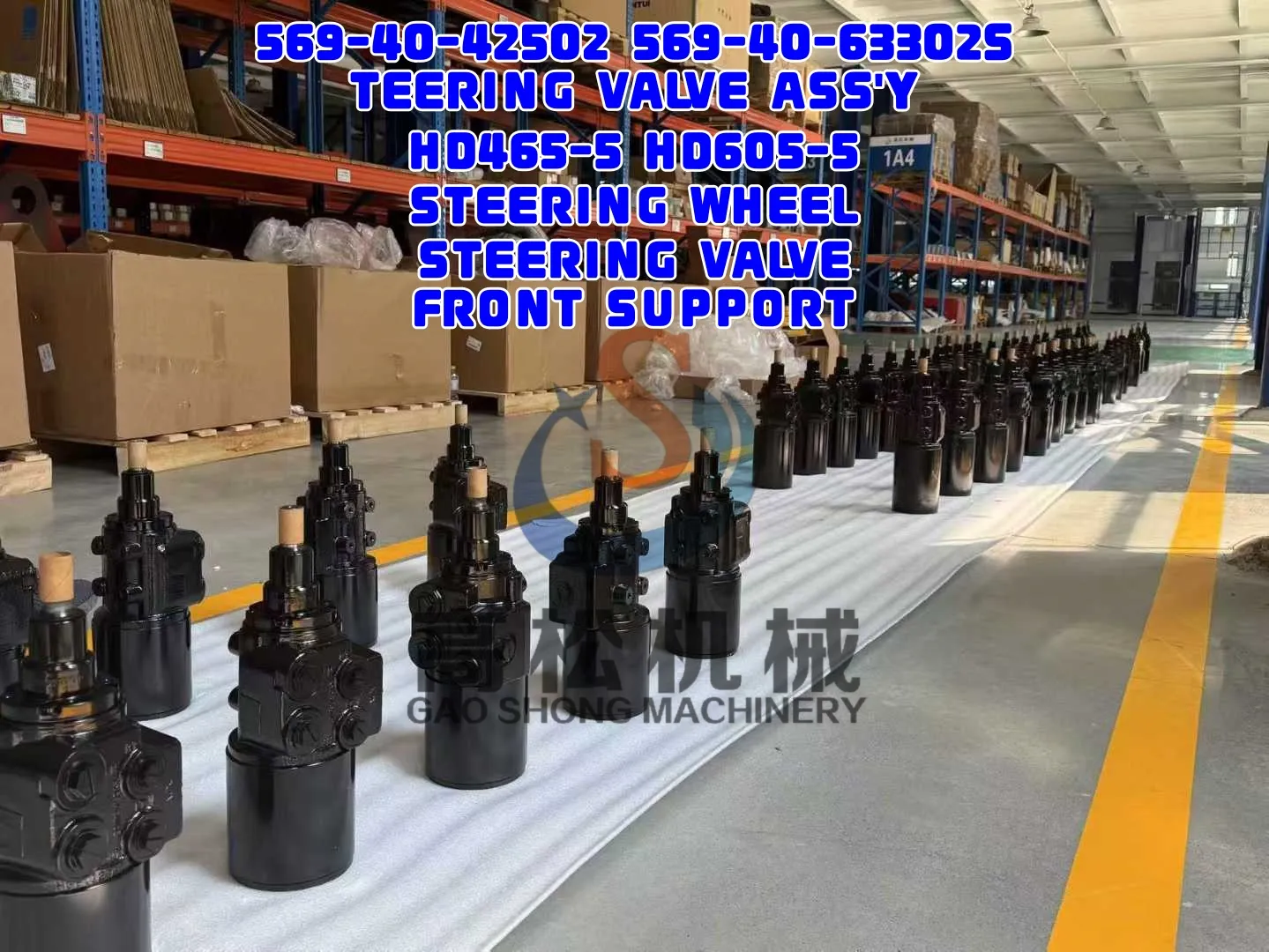 HD465-7-komatsu-part-569-40-42502 569-40-63302 STEERING VALVE ASS’Y HD465-5 HD465-7 HD605-7 HD605-5 FRONT SUPPORT (STEERING VALVE MOUNTING PARTS) STEERING WHEEL STEERING VALVE