
- Chinese
- French
- German
- Portuguese
- Spanish
- Russian
- Japanese
- Korean
- Arabic
- Irish
- Greek
- Turkish
- Italian
- Danish
- Romanian
- Indonesian
- Czech
- Afrikaans
- Swedish
- Polish
- Basque
- Catalan
- Esperanto
- Hindi
- Lao
- Albanian
- Amharic
- Armenian
- Azerbaijani
- Belarusian
- Bengali
- Bosnian
- Bulgarian
- Cebuano
- Chichewa
- Corsican
- Croatian
- Dutch
- Estonian
- Filipino
- Finnish
- Frisian
- Galician
- Georgian
- Gujarati
- Haitian
- Hausa
- Hawaiian
- Hebrew
- Hmong
- Hungarian
- Icelandic
- Igbo
- Javanese
- Kannada
- Kazakh
- Khmer
- Kurdish
- Kyrgyz
- Latin
- Latvian
- Lithuanian
- Luxembou..
- Macedonian
- Malagasy
- Malay
- Malayalam
- Maltese
- Maori
- Marathi
- Mongolian
- Burmese
- Nepali
- Norwegian
- Pashto
- Persian
- Punjabi
- Serbian
- Sesotho
- Sinhala
- Slovak
- Slovenian
- Somali
- Samoan
- Scots Gaelic
- Shona
- Sindhi
- Sundanese
- Swahili
- Tajik
- Tamil
- Telugu
- Thai
- Ukrainian
- Urdu
- Uzbek
- Vietnamese
- Welsh
- Xhosa
- Yiddish
- Yoruba
- Zulu
- Kinyarwanda
- Tatar
- Oriya
- Turkmen
- Uyghur






Komatsu switch
When you hear 'Komatsu switch', most guys in the yard immediately think of that little black box on the dashboard, the one that always seems to fail right before a big job. That's the common view, and it's not entirely wrong, but it's also where the first mistake happens. Reducing it to just a spare part number on a list misses the point. In my experience, especially dealing with older PC models or machines operating in harsh environments, the switch is often the symptom, not the disease. The real story is about the electrical load, the vibration isolation, and, frankly, the quality of the replacement you can actually get your hands on in time. I've seen too many 'quick fixes' with generic switches that last three months and then take out a control module with them. That's where the headache really begins.
The OEM vs. Aftermarket Reality Check
Let's talk sourcing. If you're running a fleet, the official Komatsu channel is the dream. But the reality on the ground, particularly in some regions in Africa or parts of Southeast Asia, is that the lead time can be a project killer. You're staring at a D61 idle because a simple Komatsu switch for the ripper control is back-ordered for eight weeks. This is the gap that creates an entire ecosystem. Companies step in to fill it, but the variance in quality is staggering.
I remember a job in Indonesia, a PC300-8 where the swing brake release switch was acting up. We got a local 'equivalent'. It fit, it worked... for about 40 hours. Then the machine started throwing random codes for the swing motor pressure sensor. Took us two days of diagnostics to trace it back to a voltage leak from that cheap switch messing with the sensor's reference signal. The cost of downtime dwarfed the part savings. That's the classic false economy.
This is where a supplier's position matters. A company that is an OEM product supplier within the Komatsu system, like Jining Gaosong Construction Machinery, has a different starting point. They're not just a random parts shop; they're inside the system. When they say they help solve parts supply challenges in certain countries, it's not marketing fluff. It means they understand the specs and tolerances from the inside, and their third-party sales role is about bridging that availability gap without bridging a quality chasm. You can check their approach at their portal, Takematsu Machinery. It's not about undercutting Komatsu; it's about providing a viable, reliable alternative when the primary pipeline is clogged.
Diagnosis: Don't Just Swap It
Before you even order the part, the diagnosis is key. A failing Komatsu switch rarely just dies. It gives hints. Intermittent operation is the big one. The horn works when the machine is cold but not after an hour of work? That's heat affecting the internal contacts. You need to feel the switch, literally. Does the toggle have the right resistance, or does it feel mushy? Listen for the click. A faint, scratchy sound instead of a firm snap is a dead giveaway of contact wear.
Voltage drop tests across the switch terminals under load are your best friend. A new switch might show a 0.1V drop. A tired one will show 0.8V or more, and that's enough to cause all sorts of gremlins in a modern machine's low-voltage control circuits. I've wasted hours chasing 'ECU faults' that were just a high-resistance path through a worn-out safety start switch.
And then there's the connector. Half the problems I've 'solved' by replacing a switch were actually problems in the connector block—corroded pins, backed-out terminals, cracked insulation. You swap the switch, jiggle the harness, and the problem seems fixed. A month later, it's back. Now you've blamed a good new part. Always, always check the mating connector and at least a foot of wire back for chafing.
The Compatibility Minefield
Here's a nuance that catalogs don't always show. A switch for a Komatsu WA320-5 wheel loader might look identical to one for a WA320-6. The part number suffix changes by one digit. Can you use it? Maybe. But the -6 might have a different resistor value integrated for the monitoring system. The machine might still function, but the dashboard warning light might stay on, or the telemetry system might report a fault. Is that acceptable? On a remote site, maybe. For a fleet with strict compliance, no.
This is where the knowledge of a specialized supplier is critical. They deal with these cross-reference nuances daily. A general-purpose auto parts store won't. When I needed a transmission cutoff switch for an old PC220-3, the official part was long obsolete. A supplier with deep system knowledge knew which later-model switch had the same electrical characteristics and thread size, even though the housing shape was different. We had to modify the bracket, but the electrical function was perfect. That's problem-solving, not just parts selling.
Working with a partner like Jining Gaosong, who operates as both an OEM supplier and a third-party solver, you're tapping into that kind of practical database. They see the patterns of what fails, what works as a substitute, and where you absolutely must have the genuine article. Their company focus on solving supply challenges means they're incentivized to get you the right part that works, not just the first part that fits.
Failures and Lessons from the Field
My most expensive lesson with a switch wasn't even on a Komatsu. It was on a competitor's machine, but the principle is universal. We had a recurring failure of a hydraulic fan control switch. We kept replacing it with the same OEM part. It kept failing every 200 hours. We blamed vibration, then voltage spikes. Finally, after the fourth failure, we looked deeper. The root cause was a failing fan motor drawing locked-rotor amperage that was triple the normal load every time it started. The inrush current was welding the contacts inside the Komatsu switch-sized relay (it was a similar component) shut. We were treating the symptom. The real fix was a new fan motor and a properly sized relay. The switch was the canary in the coal mine.
I apply that lesson to every switch failure now. Is it the switch, or is the switch being murdered by something else? A plunger-style travel alarm switch that keeps breaking? Check the mounting bracket for flex. A push-button that sticks? Look for moisture ingress or contaminant buildup from operator gloves. The part is simple; the reason for its failure often isn't.
This is the unglamorous, gritty side of maintenance that separates a parts changer from a technician. It's why having a supply partner who gets this context is valuable. When you call them with a repeated failure, a good one will ask about the symptoms and the application, not just read you a part number and a price. They might say, Yeah, we've seen that on a few PC360s in sandy conditions, you might want to check the seal on the valve block connector nearby. That's gold.
Wrapping It Up: A Pragmatic View
So, what's the takeaway on the humble Komatsu switch? Don't trivialize it. It's a precision electromechanical component in a brutal environment. Sourcing matters immensely—the right quality for the right application at the right time. Sometimes that's a genuine Komatsu part, sometimes it's a high-grade OEM-approved alternative from a specialist who knows the difference.
The landscape of parts supply is fragmented. The value of a company that sits in both the OEM and the solution-provider spaces, like Jining Gaosong Construction Machinery, is that they navigate that fragmentation from a position of technical knowledge. They're not just moving boxes; they're helping keep machines running when the standard channels are stretched thin. You can see their angle on their site, takematsumachinery.com.
In the end, it's about minimizing downtime with reliable components. Your switch choice is a small decision that has outsized consequences. Order the wrong one, or a bad one, and that little black box will remind you just how important it really is. Pay attention to the details, understand the failure mode, and choose your suppliers based on their depth of knowledge, not just their depth of inventory. That's what keeps the iron moving.
Related Products
Related Products

Best Selling Products
Best Selling Products-
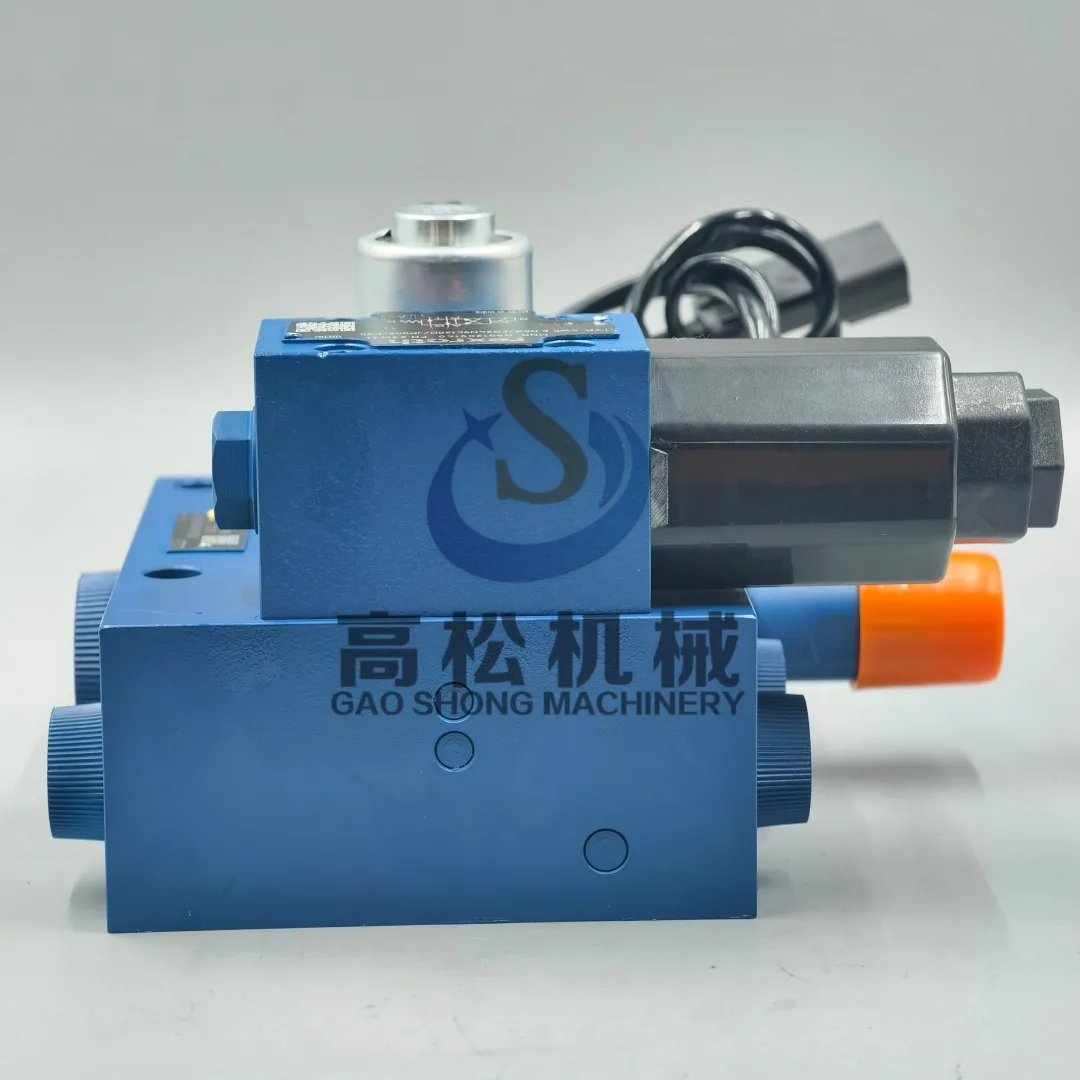 Original VALVE ASS’Y 56B-43-12402 for DUMP TRUCKS HD325 HD605
 -
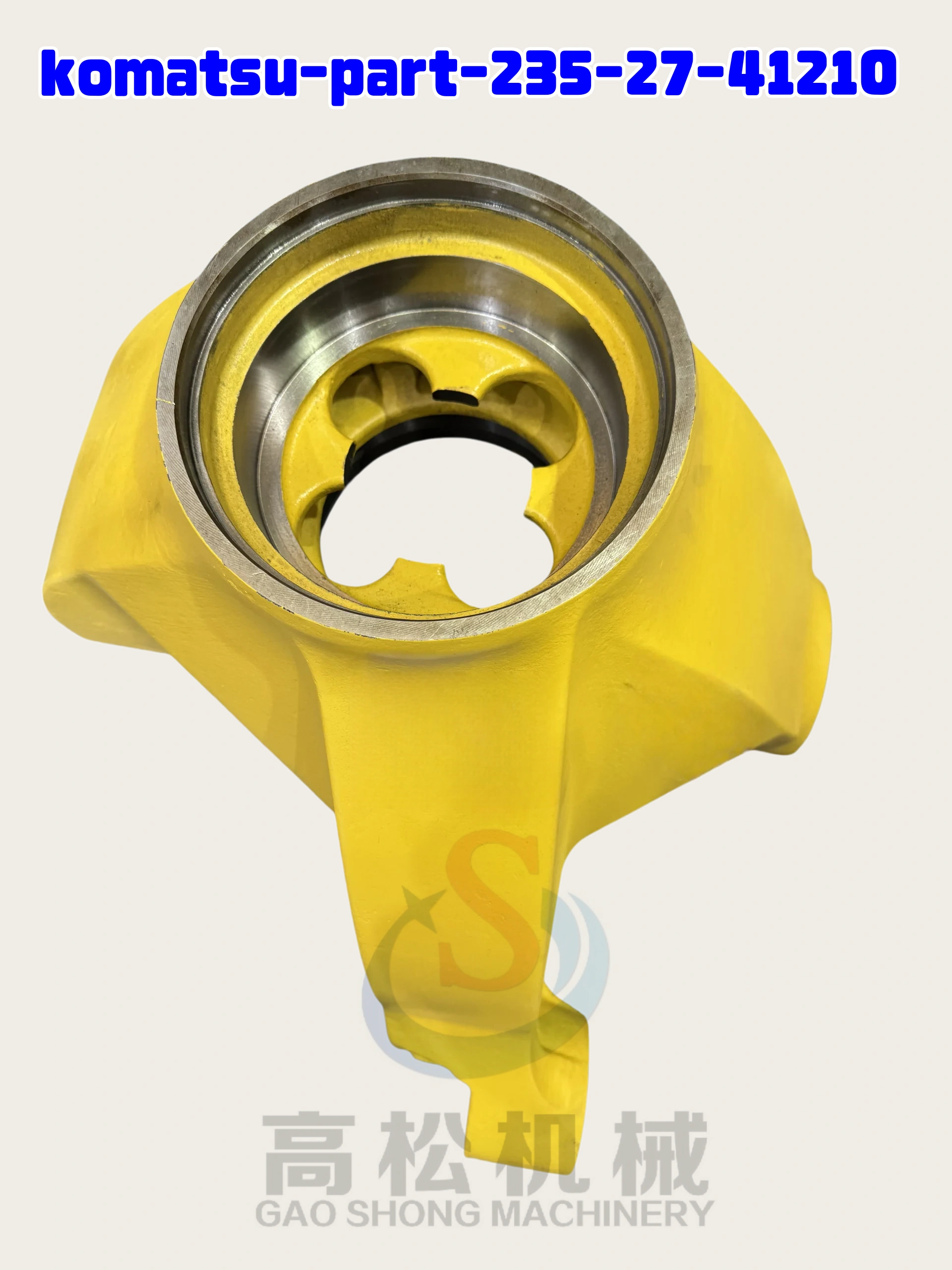 komatsu-part-235-27-41210 HOUSING,L.H. GD825A-2 GD825A-2E0 FRONT AXLE
 -
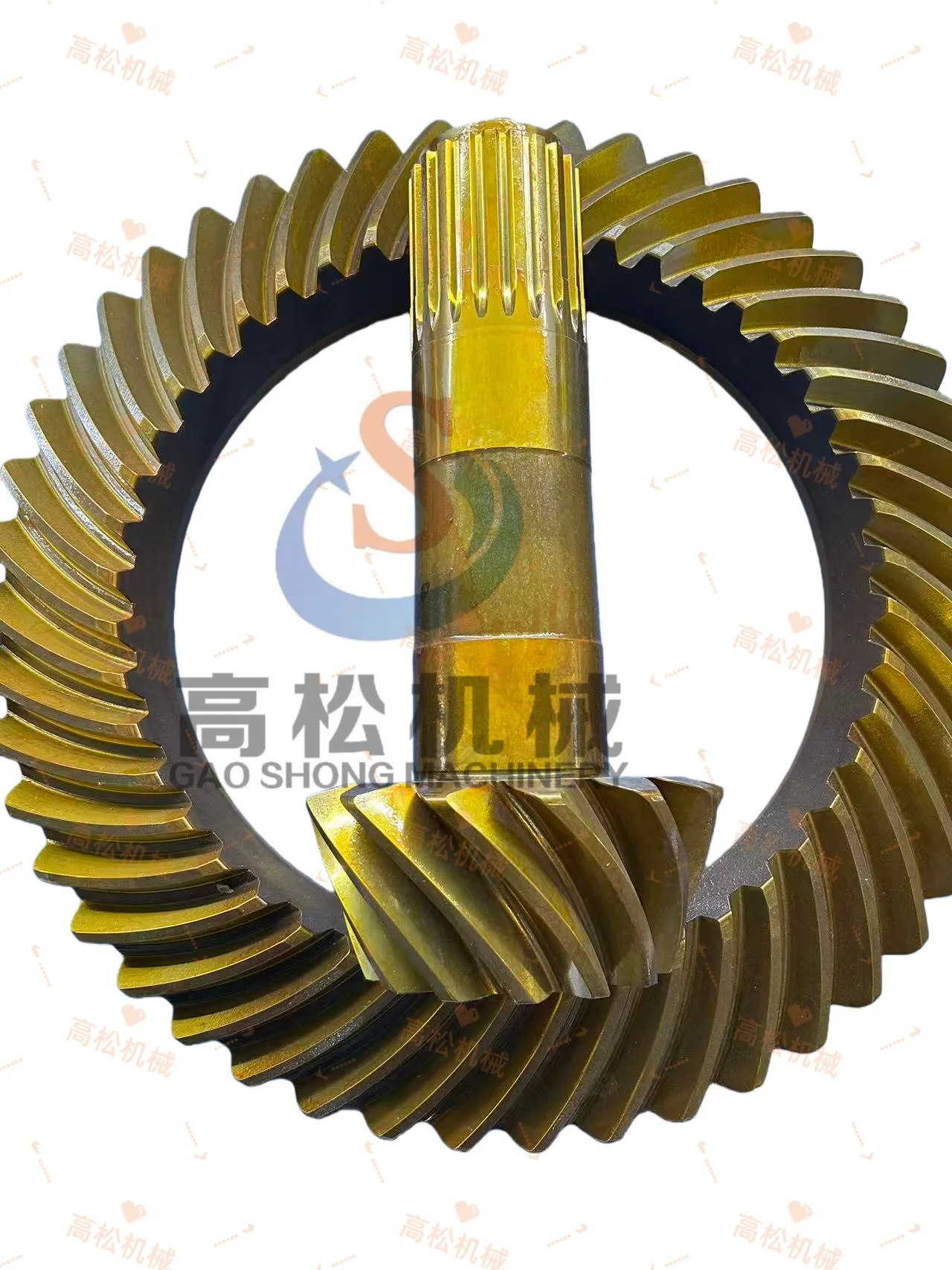 561-22-71207 561-22-71203 PINION GEAR ASS’Y HD785-7 REAR AXLE
 -
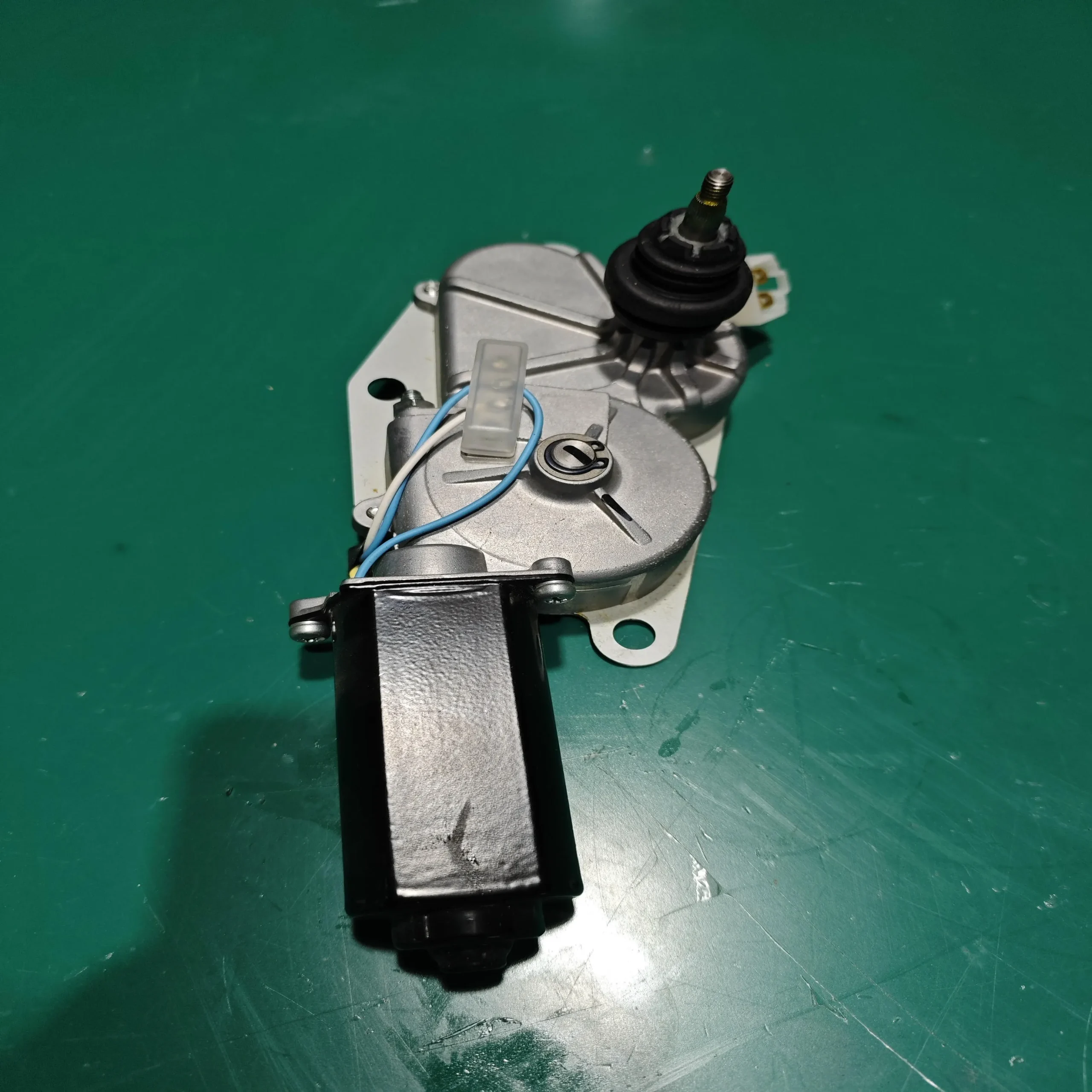 Komatsu Construction Machinery Full Series Accessories 23B-951-2610 Loader Parts
 -
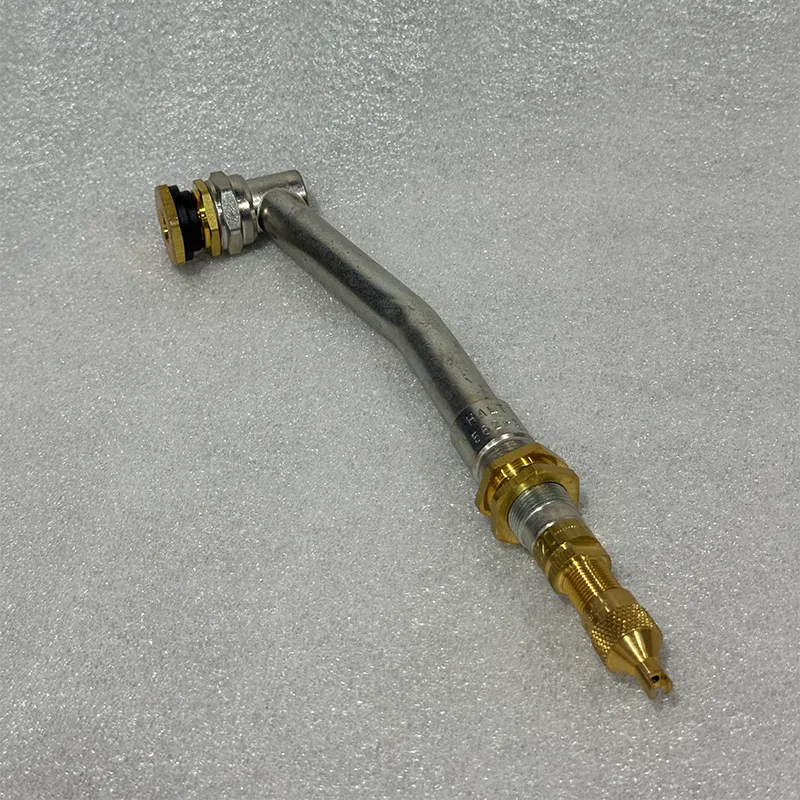 Original komatsu HD1500-8 Valve 562-30-3A210
 -
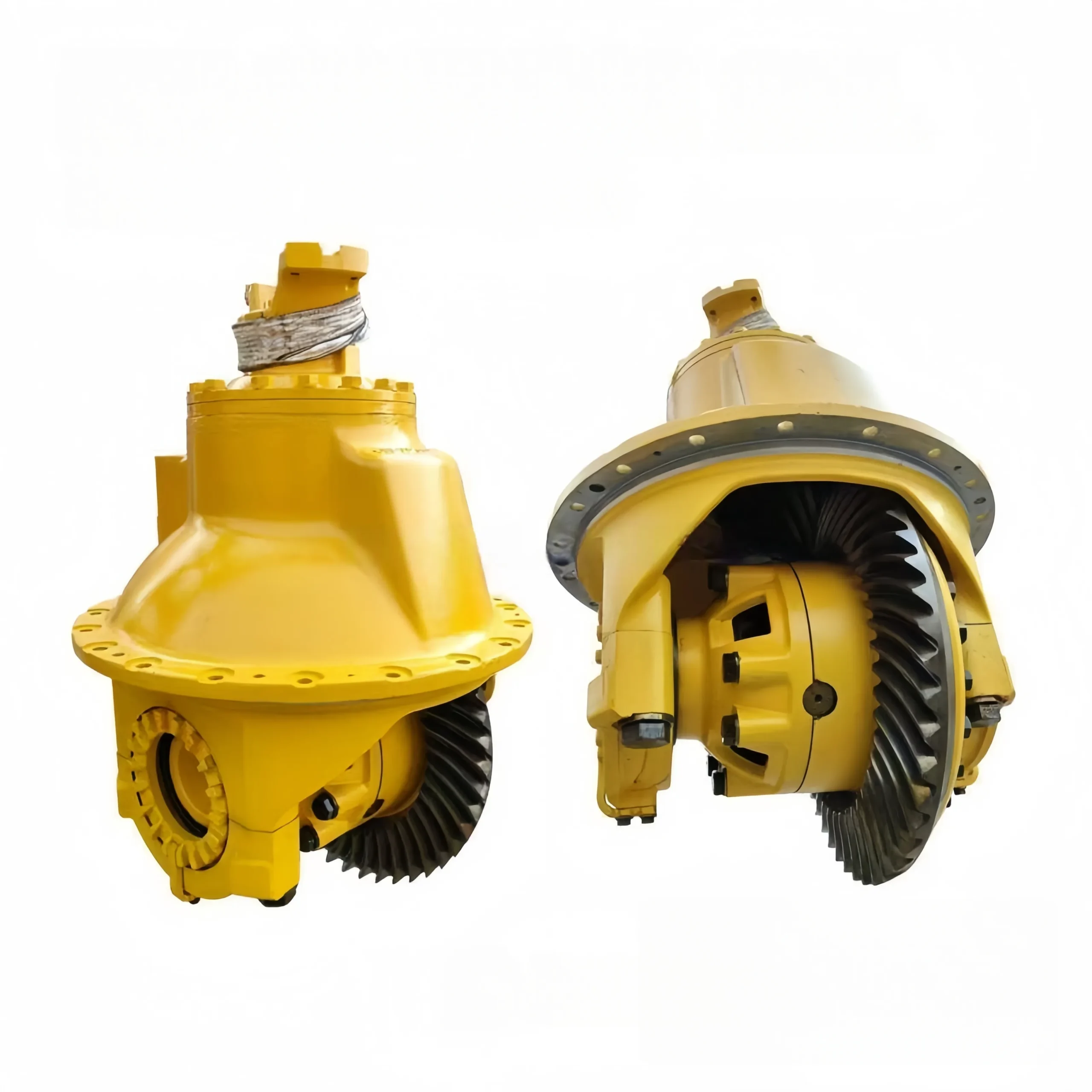 komatsu-part-569-22-71002 RM569-22-71002 569-22-71001 DIFFERENTIAL ASS’Y HD465-7 HD605-7 REAR AXLE (REAR DIFFERENTIAL)
 -
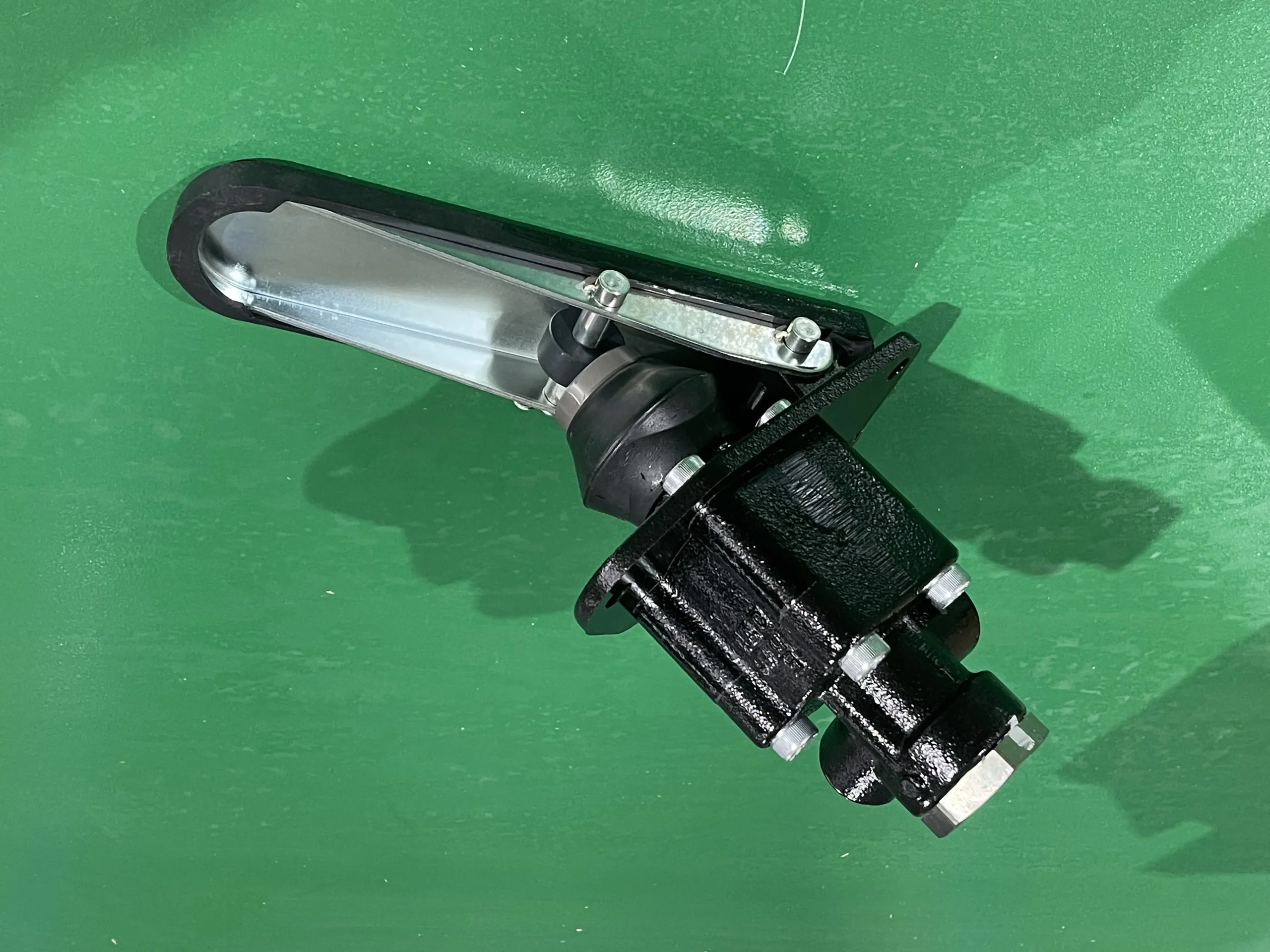
 Excavator Gear Pump 705-95-05140 Stainless Steel Vertical…
 -
 425-43-37200 Komatsu VALVE ASS’Y
 -
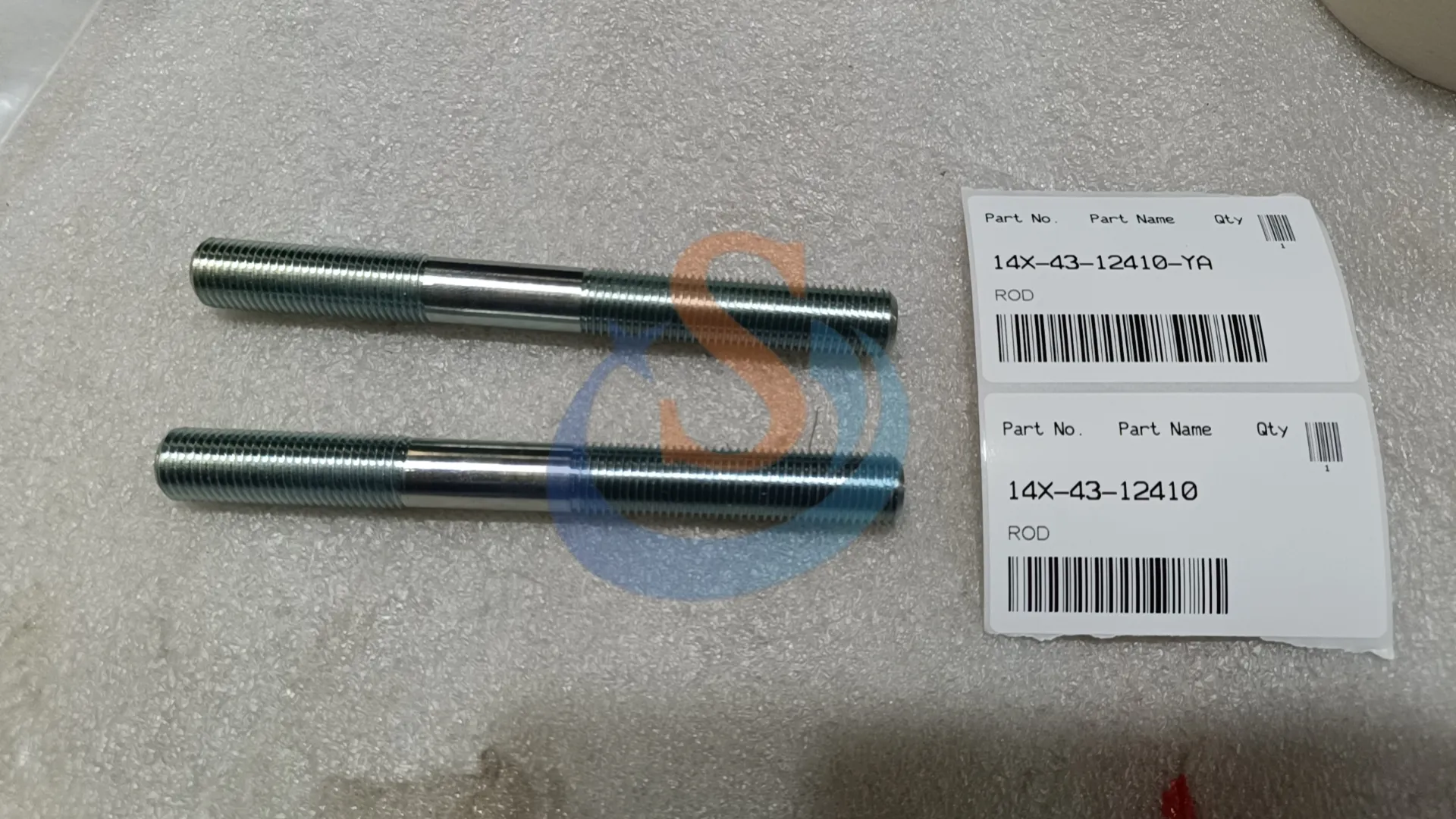 14X-43-12410,ROD,komatsu,D155A,D375A,D275A
 -
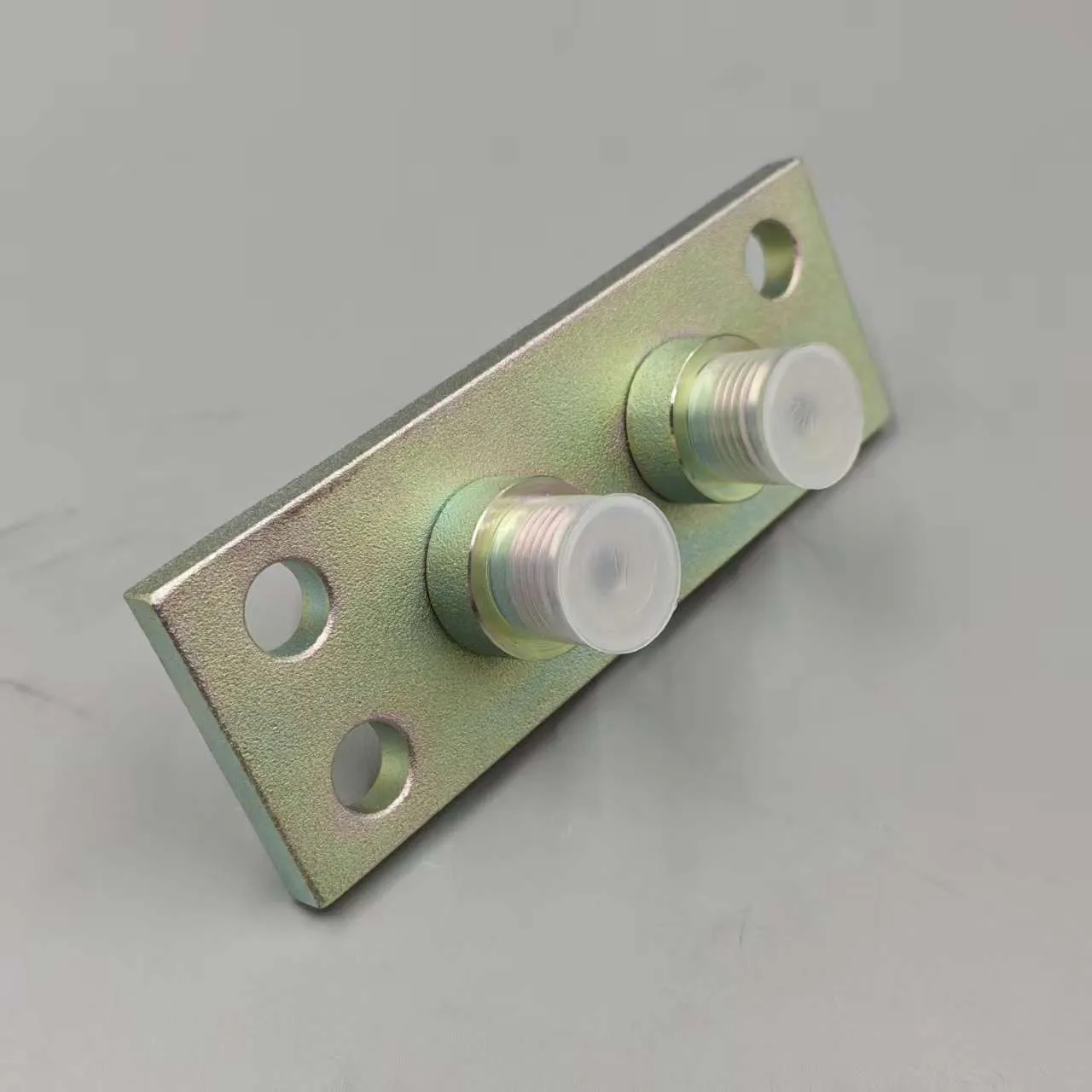 14Y-62-31411 BRACKET KOMATSU parts D60P, D65E, D65EX, D65P, D65PX, D65WX, D85E, D85ESS
 -
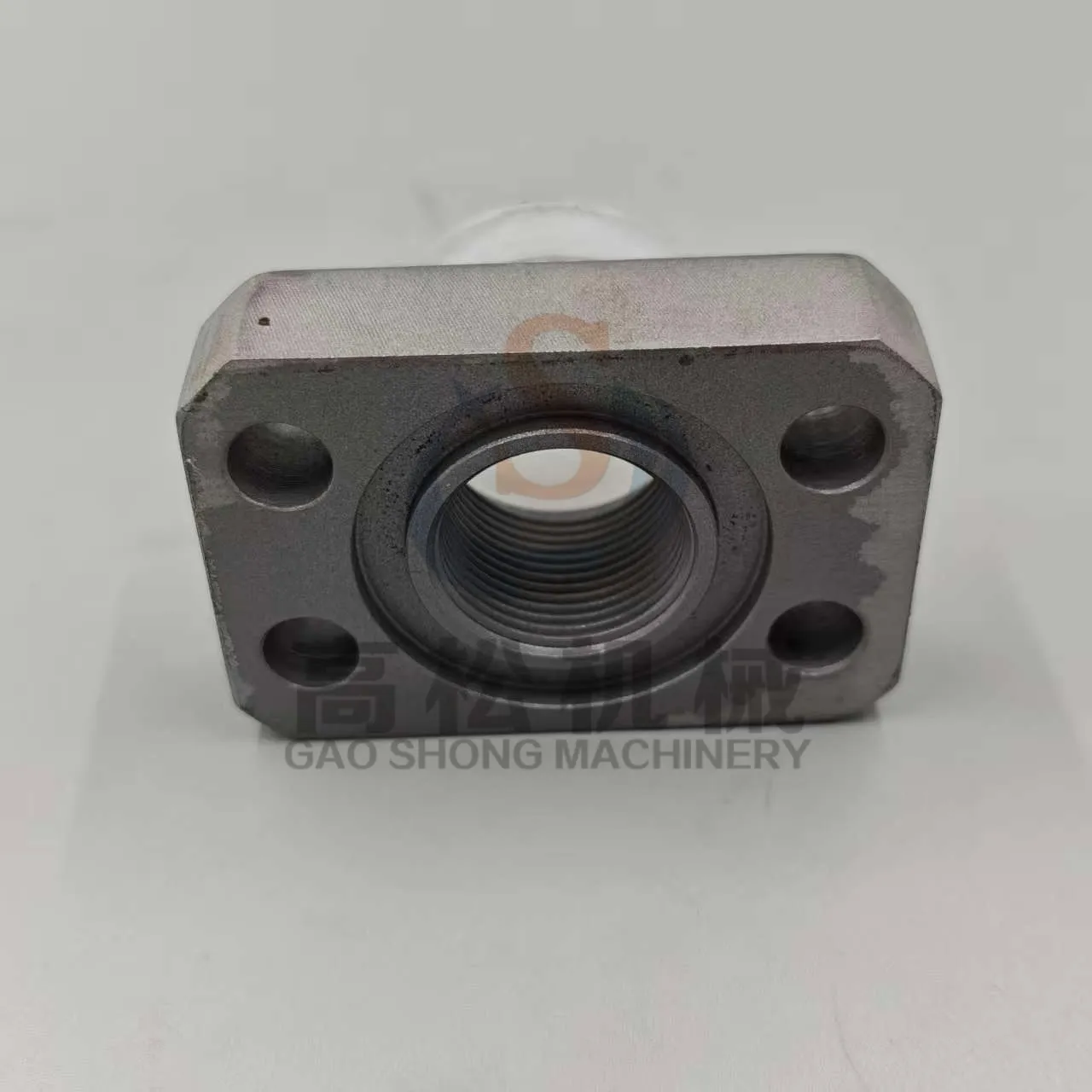 565-43-13210 Komatsu Flange
 -
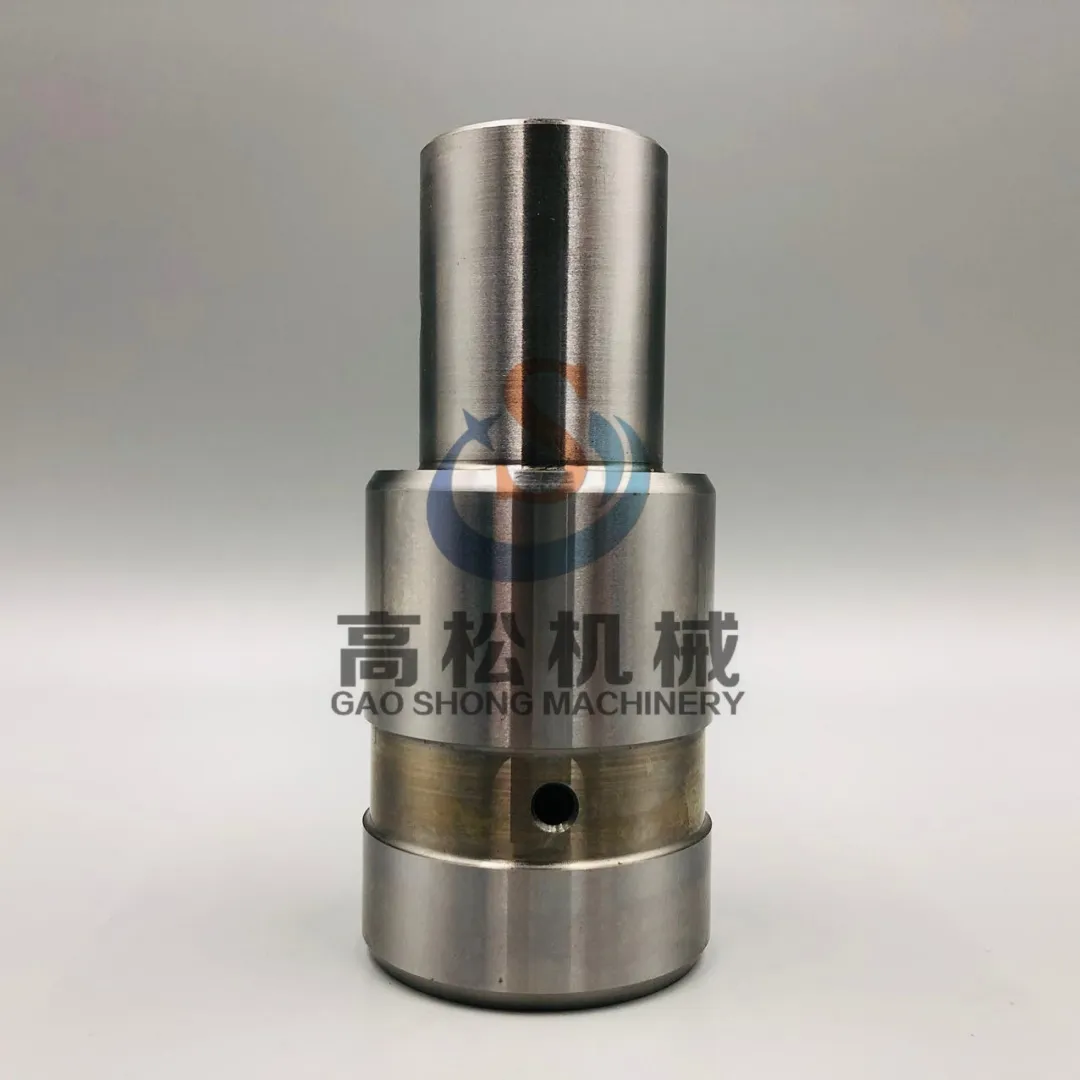 komatsu 6240-61-4630 shaft komatsu original