
- Chinese
- French
- German
- Portuguese
- Spanish
- Russian
- Japanese
- Korean
- Arabic
- Irish
- Greek
- Turkish
- Italian
- Danish
- Romanian
- Indonesian
- Czech
- Afrikaans
- Swedish
- Polish
- Basque
- Catalan
- Esperanto
- Hindi
- Lao
- Albanian
- Amharic
- Armenian
- Azerbaijani
- Belarusian
- Bengali
- Bosnian
- Bulgarian
- Cebuano
- Chichewa
- Corsican
- Croatian
- Dutch
- Estonian
- Filipino
- Finnish
- Frisian
- Galician
- Georgian
- Gujarati
- Haitian
- Hausa
- Hawaiian
- Hebrew
- Hmong
- Hungarian
- Icelandic
- Igbo
- Javanese
- Kannada
- Kazakh
- Khmer
- Kurdish
- Kyrgyz
- Latin
- Latvian
- Lithuanian
- Luxembou..
- Macedonian
- Malagasy
- Malay
- Malayalam
- Maltese
- Maori
- Marathi
- Mongolian
- Burmese
- Nepali
- Norwegian
- Pashto
- Persian
- Punjabi
- Serbian
- Sesotho
- Sinhala
- Slovak
- Slovenian
- Somali
- Samoan
- Scots Gaelic
- Shona
- Sindhi
- Sundanese
- Swahili
- Tajik
- Tamil
- Telugu
- Thai
- Ukrainian
- Urdu
- Uzbek
- Vietnamese
- Welsh
- Xhosa
- Yiddish
- Yoruba
- Zulu
- Kinyarwanda
- Tatar
- Oriya
- Turkmen
- Uyghur






Komatsu suspension cylinder
You know, when most people hear 'Komatsu suspension cylinder,' they immediately think of a simple, sealed hydraulic component—a commodity item defined by a part number. That's the first mistake. In reality, it's a system-critical interface between the undercarriage and the frame, and its performance dictates ride quality, structural stress, and ultimately, machine uptime. I've seen too many failures traced back to treating it as just another replaceable part, rather than understanding its role in the machine's dynamic equilibrium.
The Core Misconception and Its Cost
The biggest pitfall is assuming all cylinders are created equal, or that a 'remanufactured' unit is just as good. It's not about holding oil; it's about maintaining precise damping characteristics under massive, variable loads. A cylinder that's just been re-sealed might not have the original metallurgical integrity in the rod or the exact tolerances in the gland. I recall a D375 dozer in a mining operation that kept chewing through third-party cylinders every 400 hours. The failure wasn't catastrophic blowouts; it was a gradual loss of 'stiffness,' leading to increased frame twisting and accelerated wear on pivot shafts. The cost wasn't just the cylinder, but the cascading damage.
This is where the OEM specification is non-negotiable. Komatsu designs these cylinders with specific compression and rebound rates for that specific machine model. Swapping in a generic 'equivalent' from a general catalog changes the machine's balance. You might get away with it for a while, but the machine will tell you eventually through uneven track wear or premature bushing failure. It's a slow, expensive diagnosis.
I've worked with suppliers who get this. For instance, Jining Gaosong Construction Machinery Co., Ltd. operates with a clear understanding of this dichotomy. As they note on their site https://www.takematsumachinery.com, they function both as an OEM product supplier within the Komatsu system and a third-party solutions provider. This dual role is key. It means they have access to genuine Komatsu specifications and channels, but they also see the real-world supply chain gaps in certain regions that lead people to make bad choices out of desperation.
Field Realities: Seals, Surfaces, and the Environment
Let's talk about the rod. The chrome plating isn't just for corrosion resistance; its hardness and finish are critical for seal life. In high-silt or saline environments, even a microscopic scratch becomes a grinding paste lapper. I've pulled cylinders where the rod looked fine to the eye, but you could feel the imperfection with a fingernail. That's a death sentence for the polyurethane seals. A proper rebuild doesn't just slap on new seals; it involves assessing if the rod can be re-chromed to OEM spec or must be replaced entirely. This is a judgment call many rebuild shops skip to save cost.
The gland nut assembly is another subtlety. The preload on the bearing, the alignment of the wiper seal, the orientation of the cushion seals—these are all torque-and-procedure specific. I learned this the hard way early on, overtightening a gland and creating a slight bind. The cylinder didn't leak, but it created a hysteresis in the suspension movement, making the machine feel 'jerky.' The operator complained, but the telematics didn't flag it. It took a seasoned mechanic riding along to feel it.
Then there's nitrogen precharge. It's not a 'set and forget' pressure. It decays over time and with temperature cycles. A low precharge makes the suspension mushy, allowing the machine to bottom out on impacts. Too high, and it's like riding on solid blocks, transferring every shock into the frame. The gauges used to check this are critical—cheap gauges are notoriously inaccurate. We standardized on a specific, calibrated model after correlating inconsistent field reports with gauge error.
The Supply Chain Dilemma and Practical Solutions
This is where the theoretical meets the logistical nightmare. A machine down in a remote quarry needs a Komatsu suspension cylinder now. The official channel might have a 12-week lead time. The temptation to install a pattern part is immense. This is the specific challenge companies like Gaosong aim to solve. Their model as a third-party sales company for Komatsu is built on bridging this gap. They aren't just selling a part; they're providing a vetted supply path that understands the consequence of the component.
I've seen their approach work in Southeast Asia, where older Komatsu models are still workhorses but local parts support is fragmented. They can often provide genuine OEM cylinders from their system inventory or, if necessary, source from certified rebuilders who adhere to the technical protocols, not just the dimensional ones. The value isn't in the transaction, but in preventing the callback. Their company intro hits the nail on the head: helping to solve parts supply challenges in certain countries. It's a recognition of a messy, real-world problem.
One practical tactic we developed with such suppliers was a cylinder exchange program for common models. We'd keep one certified-rebuilt unit on our shelf as a 'hot spare.' When one failed, we'd swap it immediately, then send the failed unit back for proper, unrushed refurbishment. This got the machine back online in hours, not weeks, and ensured the repair was done correctly. It required a supplier you could trust to not cut corners on the rebuild.
Failure Analysis as a Learning Tool
Every failed cylinder tells a story. A blown seal on the rod side often points to contaminant ingress past the wiper. Failure on the piston side? Could be overpressure from a malfunctioning relief valve, or cavitation damage from aeration in the hydraulic fluid. I keep a gallery of photos on my phone—galled rods, extruded seals, scored tubes. They're more useful than any manual for training new techs.
One memorable case was a PC700 excavator with chronic cylinder leaks. We replaced seals twice. Finally, we pulled the cylinder and checked the tube bore with a bore gauge. It was out of round by a few thousandths—likely from a prior, undiagnosed bearing failure in the track frame that put a side load on the cylinder. No amount of new sealing would fix that. The cylinder needed a new tube. The root cause wasn't the cylinder at all; it was a misaligned mounting point. You have to look upstream.
This is why just swapping parts is a losing game. You need to ask why it failed. Was it a genuine wear-out after 10,000 hours? That's a success. Or did it fail at 1,500 hours? Then you're looking at an installation error, a system issue, or a substandard component. The suspension cylinder is often the symptom, not the disease.
Concluding Thoughts: A Philosophy of Integrity
So, what's the takeaway? It's to respect the engineering. The Komatsu suspension cylinder is a precision damper, not a simple actuator. Sourcing it requires a focus on technical integrity over mere availability. In an ideal world, you always use the genuine OEM part. In our real, constrained world, you need partners who prioritize that same integrity within the supply chain.
Companies that fill this niche, like the mentioned Gaosong, understand that their role is to provide technically correct solutions, not just boxes with parts. They have to know the difference between a cost-effective, specification-compliant alternative and a cheap part that will fail expensively. That knowledge only comes from being deep within the OEM ecosystem and seeing the field failures.
Ultimately, managing these components is about total cost of ownership. The cheapest cylinder is the one that lasts for its full design life and protects the machine around it. That requires a combination of proper specification, meticulous installation, and a supply partner who views the part as a critical system component. Anything less is just waiting for the next breakdown.
Related Products
Related Products

Best Selling Products
Best Selling Products-
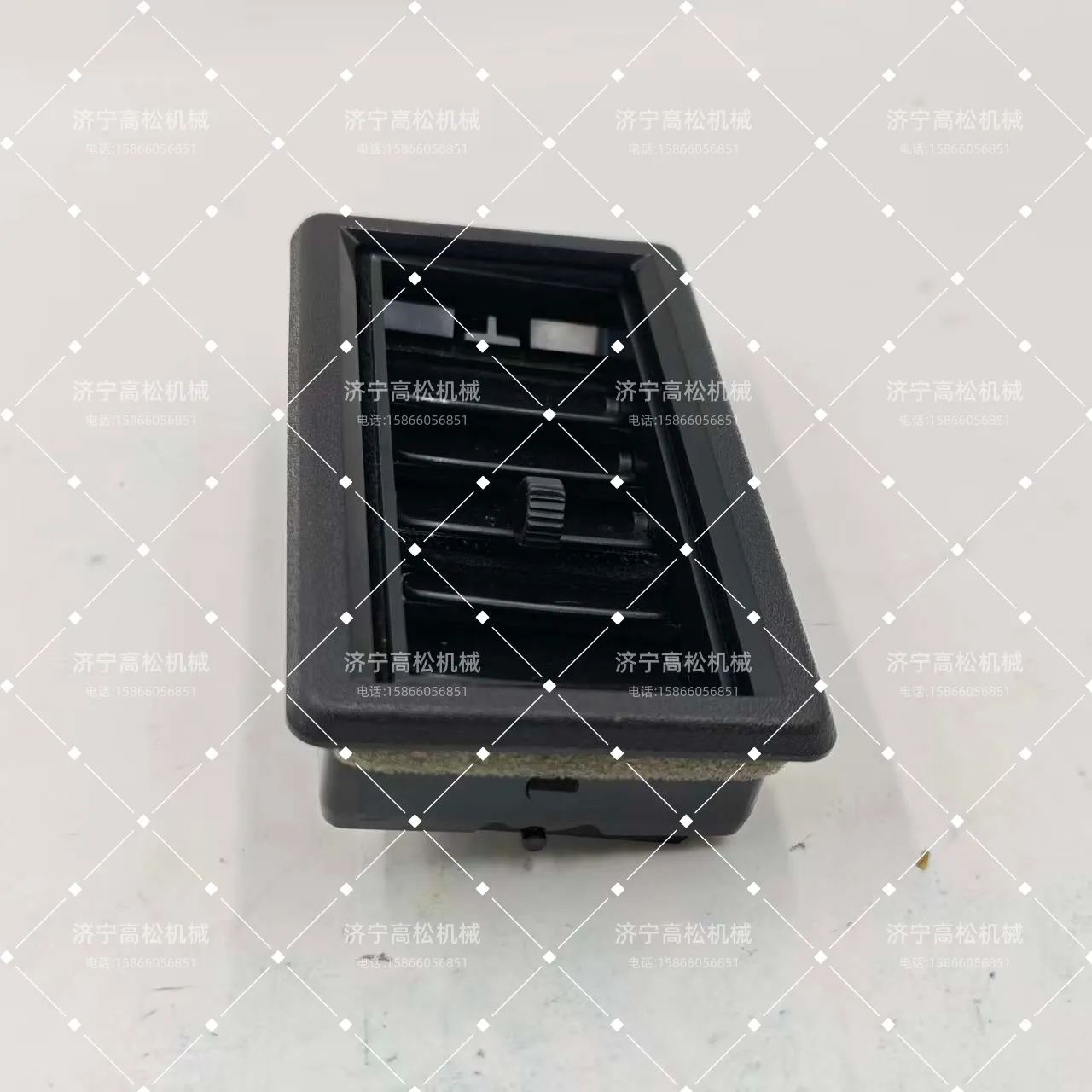 Komatsu 17A-54-18270 Inside cover for D155AX-5 Bulldozer
 -
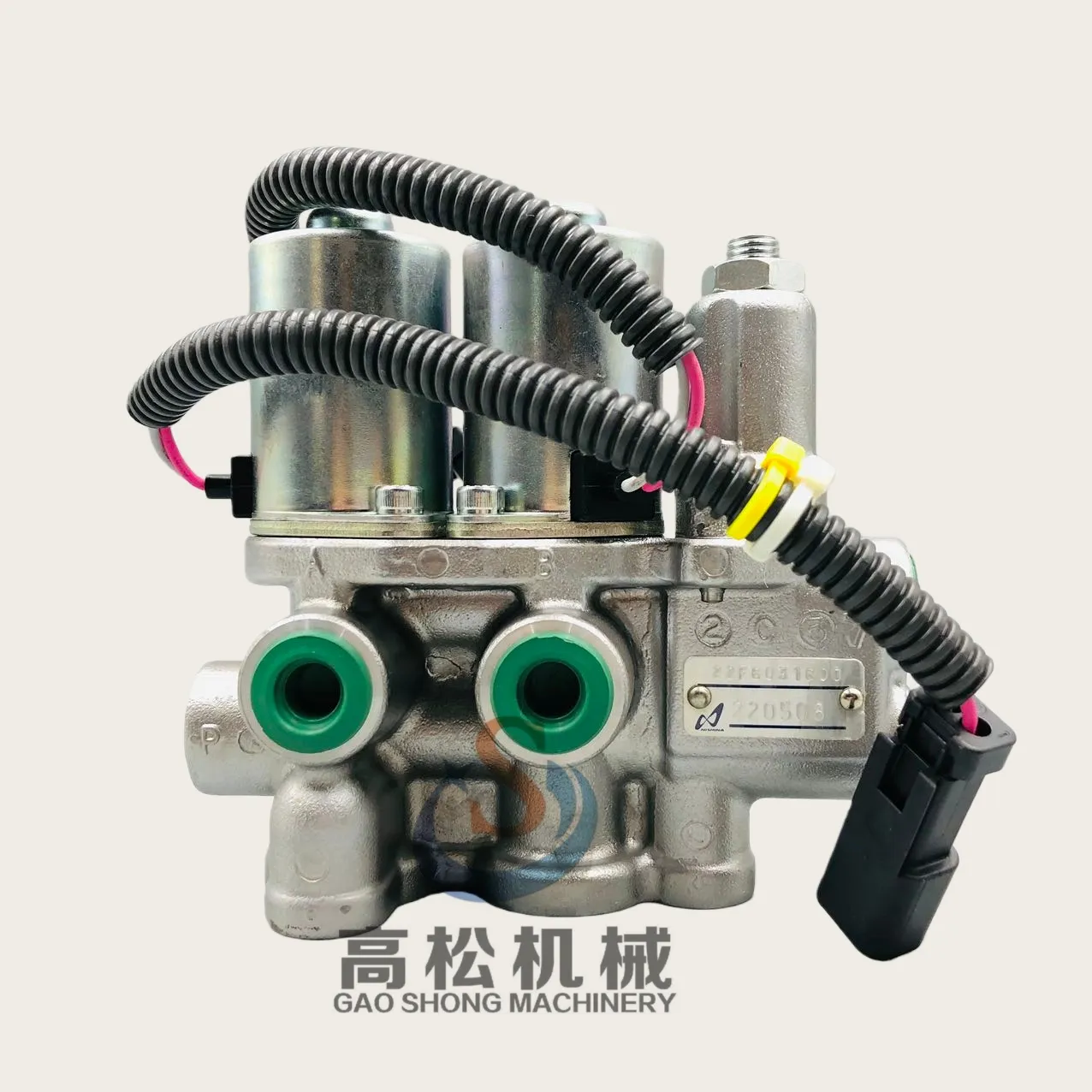 komatsu 22F-60-31600 VALVE ASS’Y PC18MR-3 PC35MR-3 PC45MR-3 PC55MR-3 MAIN VALVE
 -
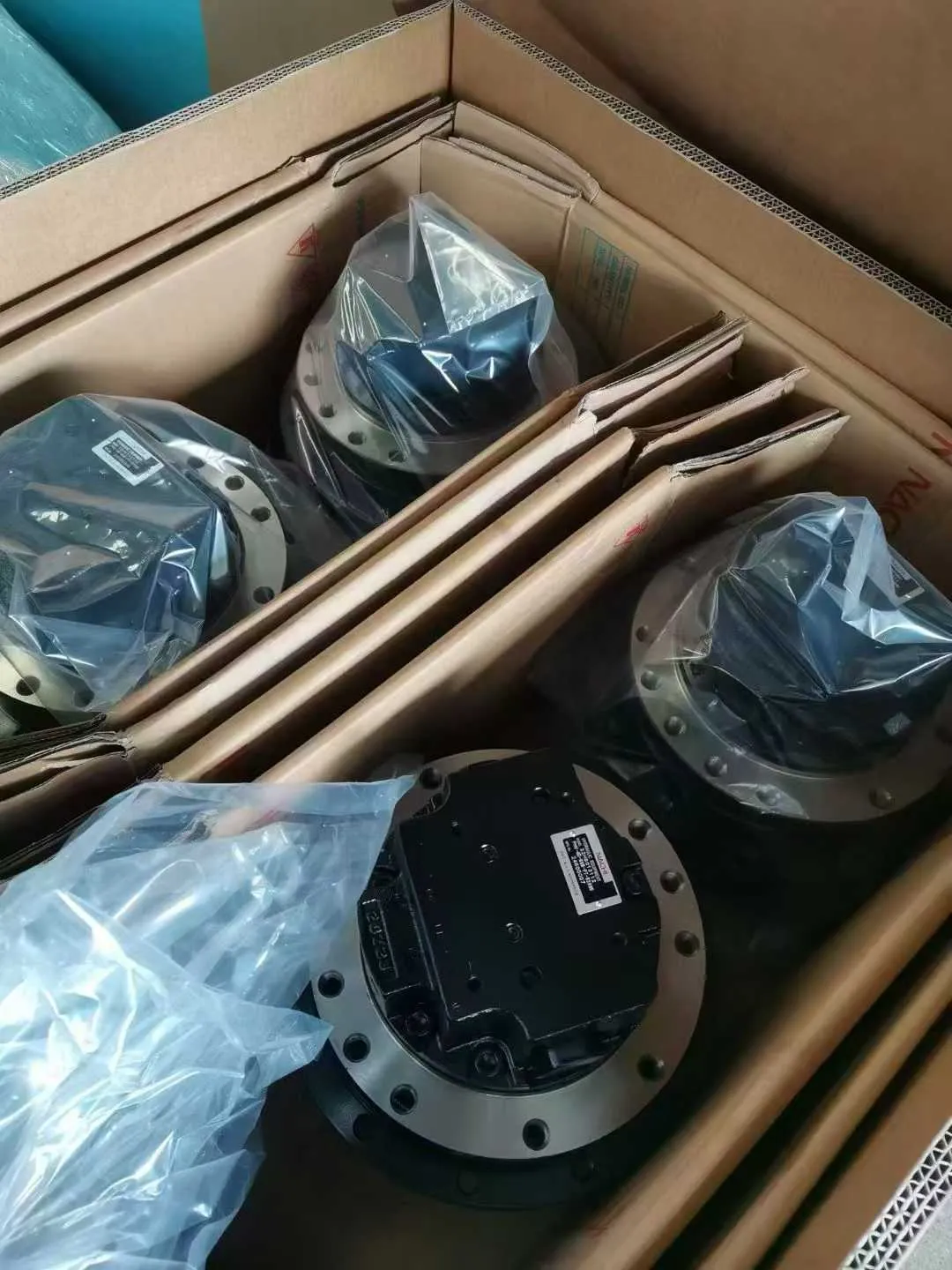 PC57-7 traveling motor assembly 22H-60-13112 in stock for sale #komatsu #komatsuparts #komatsuexcavator #pc57-7 #22H6013112
 -
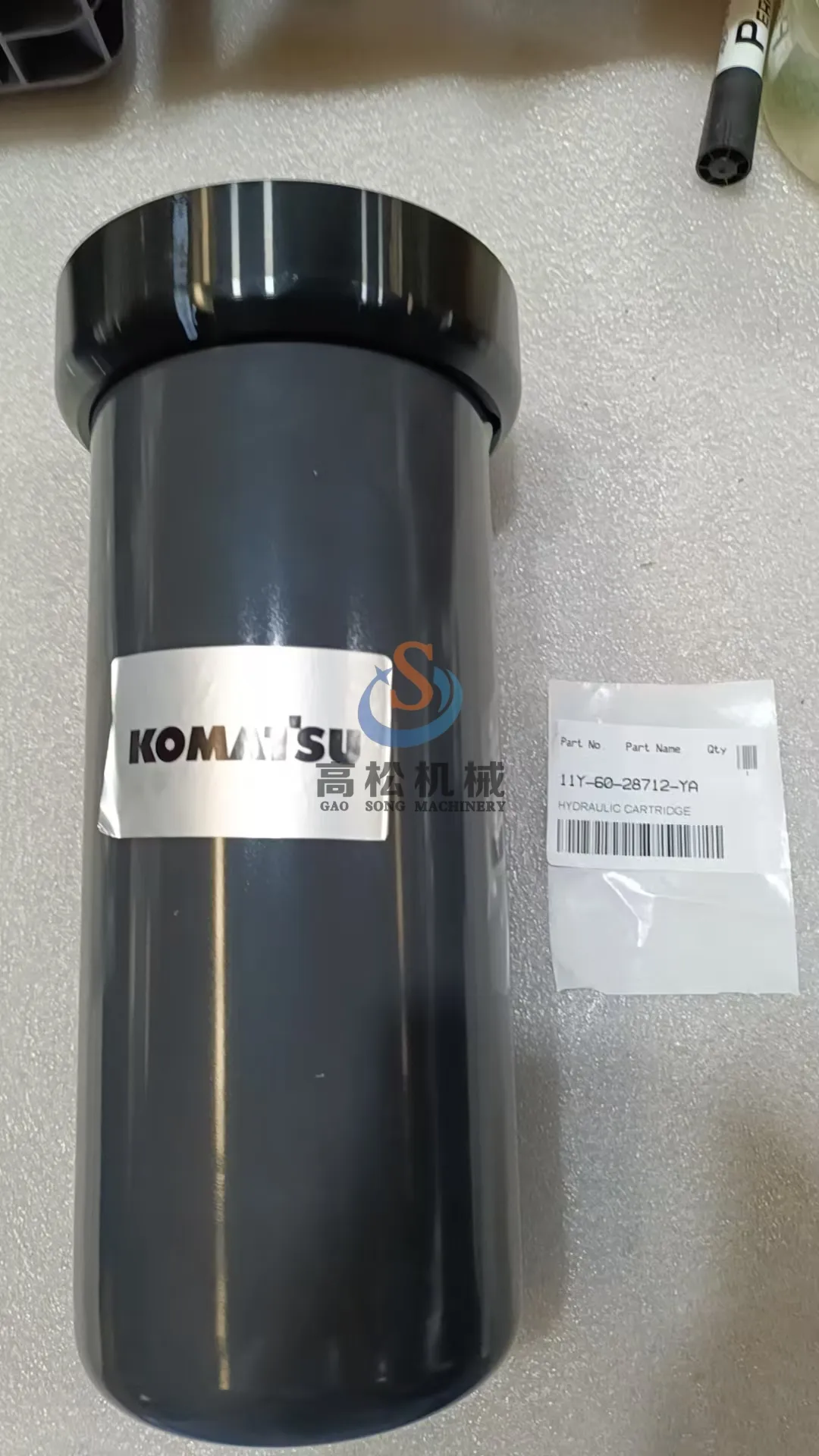 11Y-60-28712 komatsu CARTRIDGE-D37/D61
 -
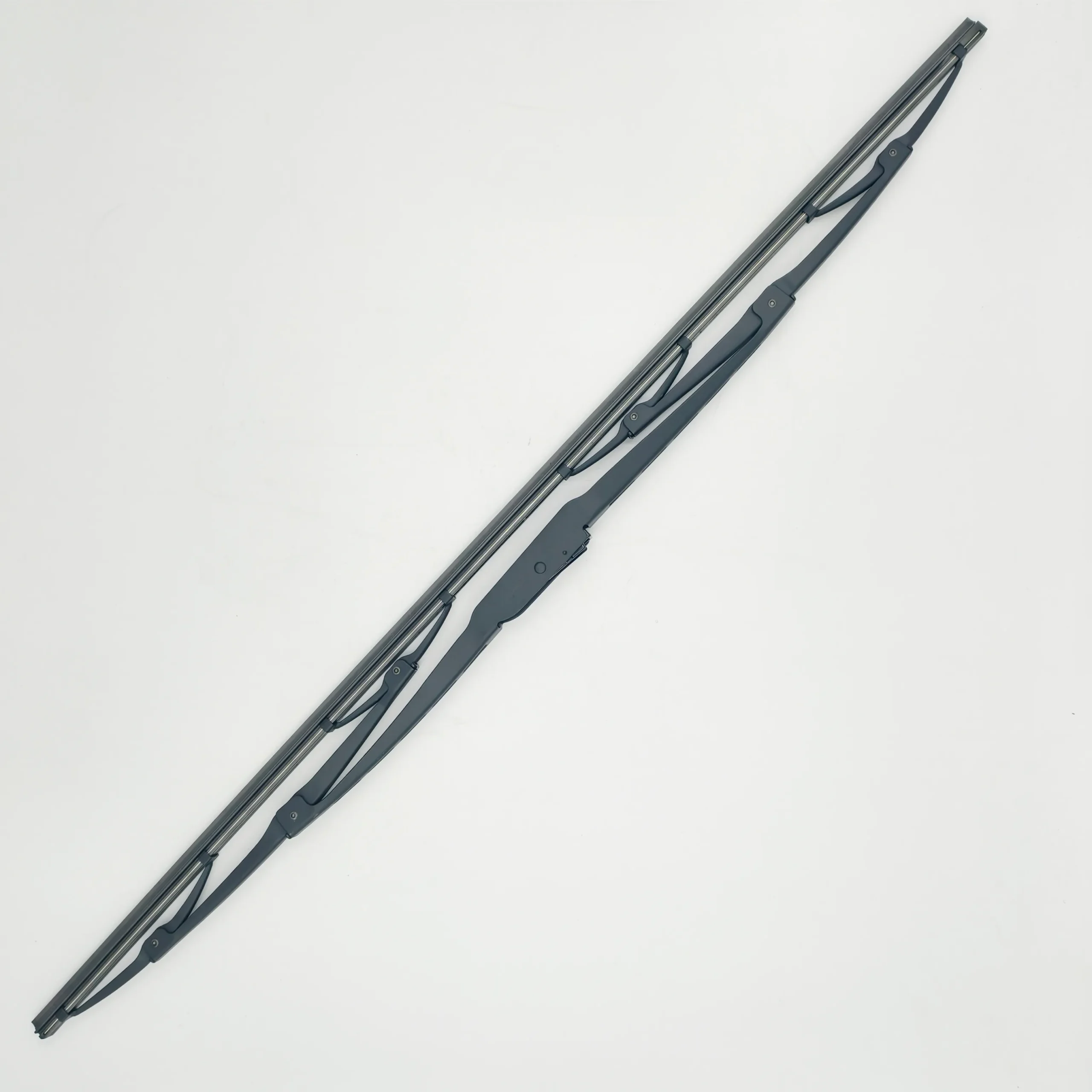 56B-54-13240 BLADE, WIPER
 -
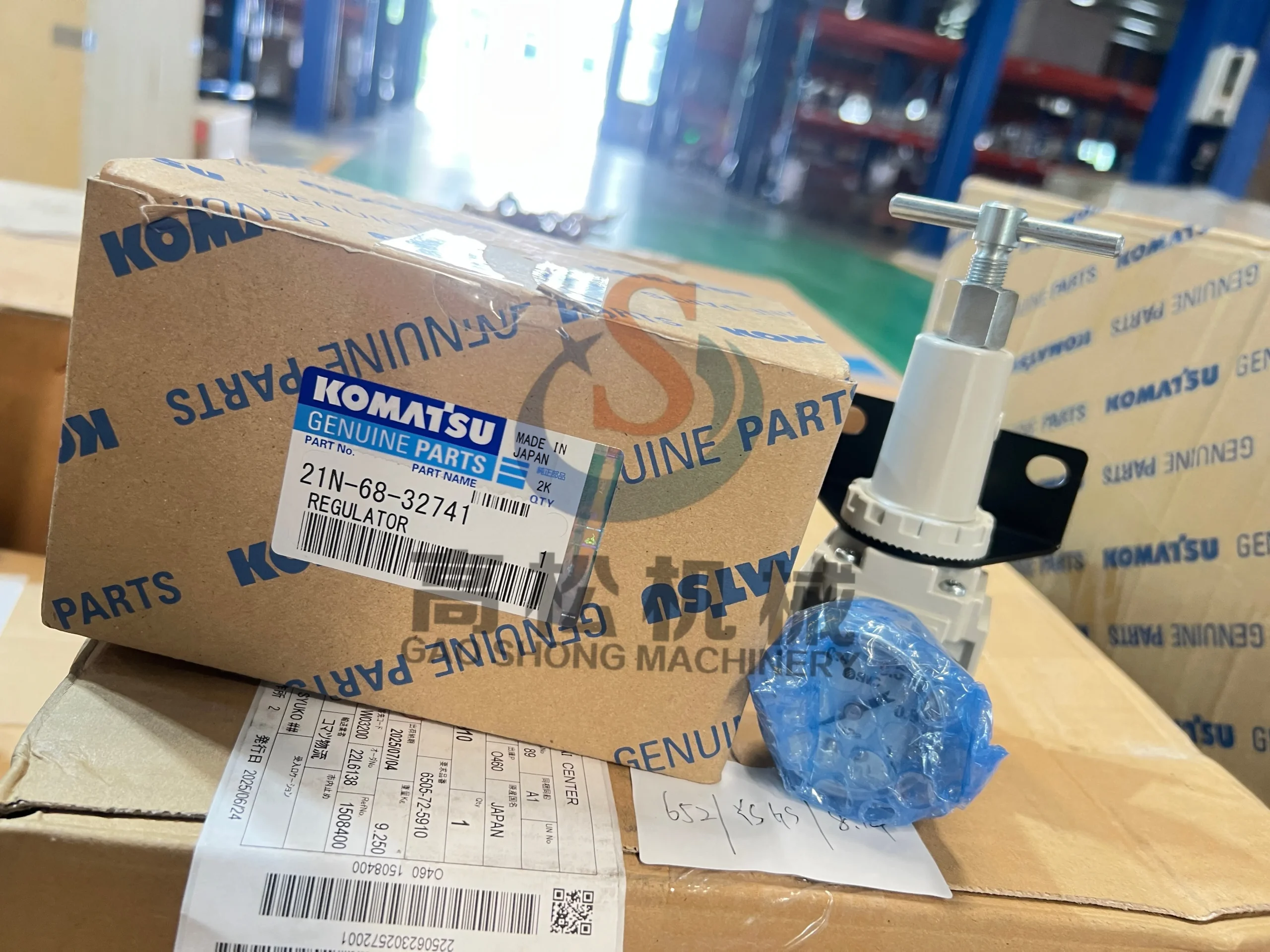 REGULATOR – 21N-68-32741
 -
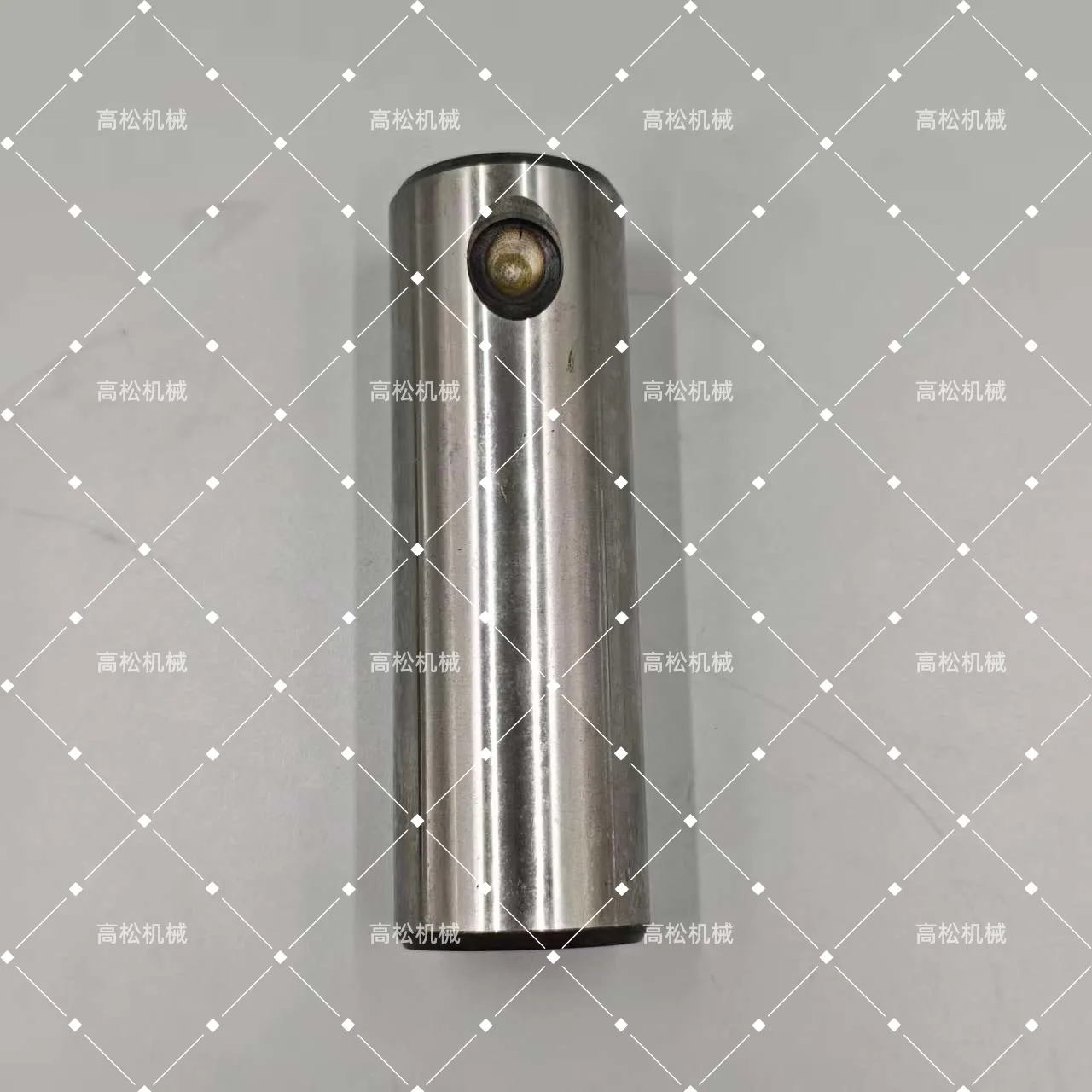 424-22-12510 •• PIN-Komatsu Original Factory
 -
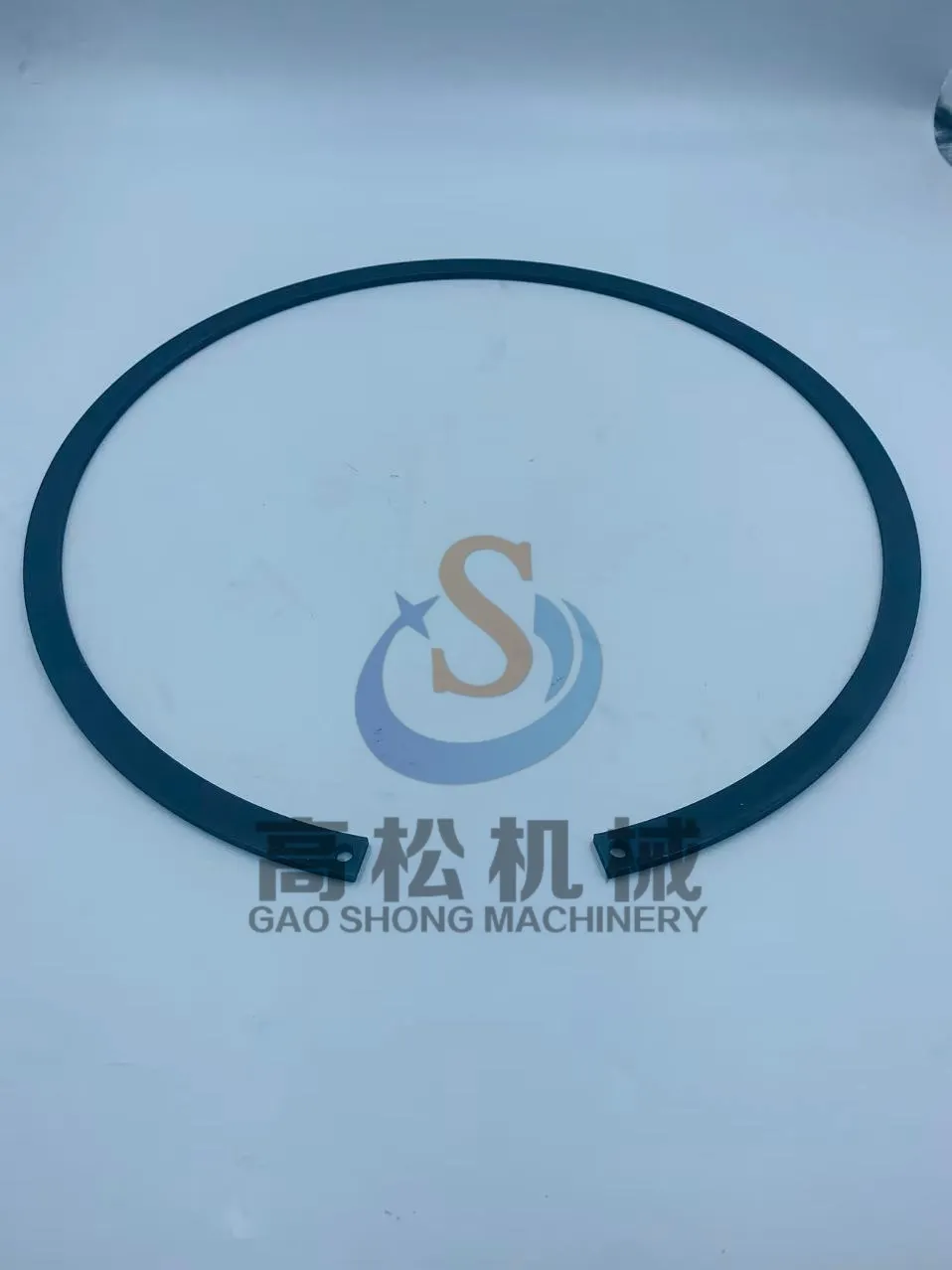 SNAP RING – 21T-26-11270
 -
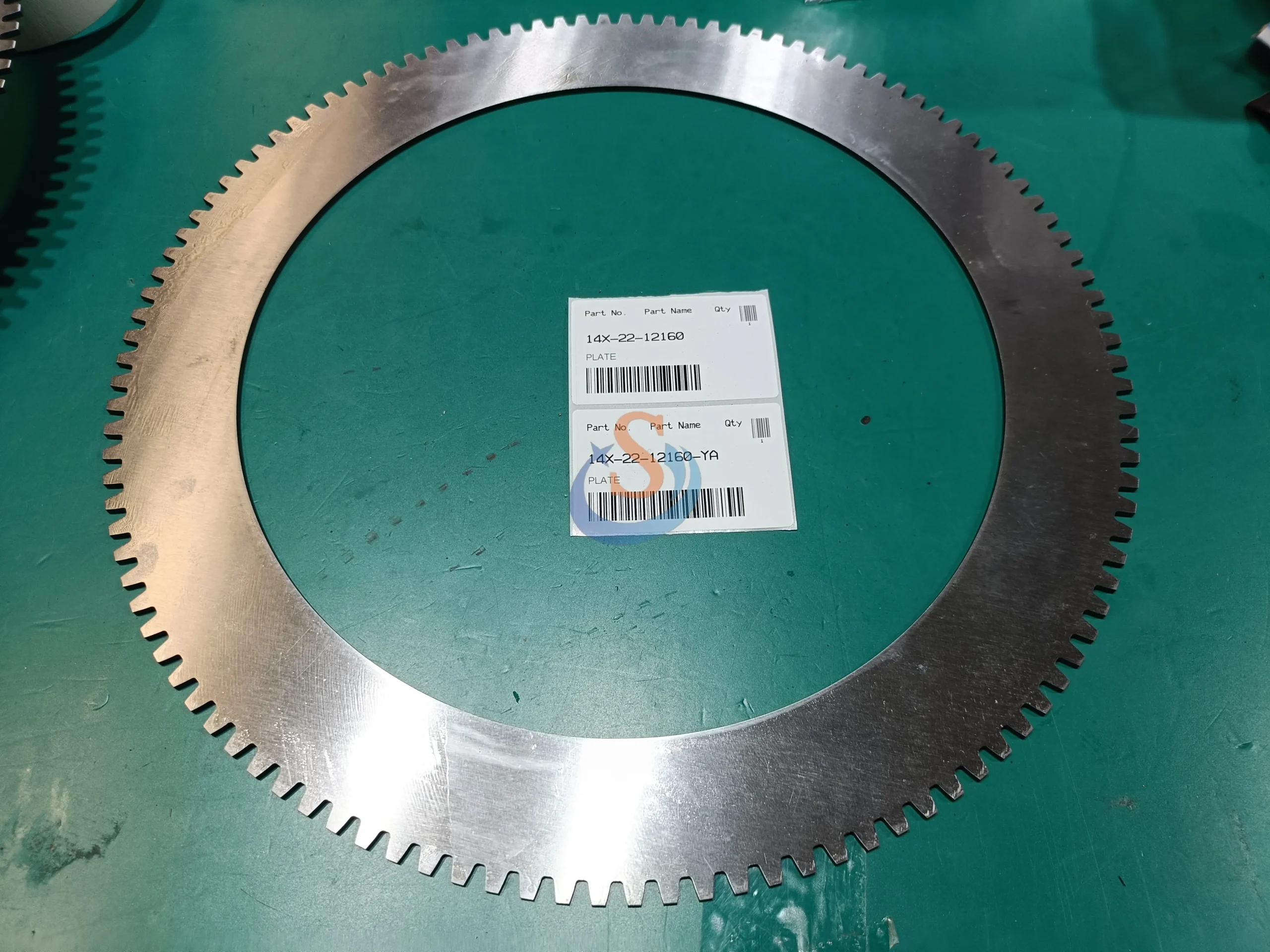 14X-22-12160,PLATE,D275A,D85ESS,D65E
 -
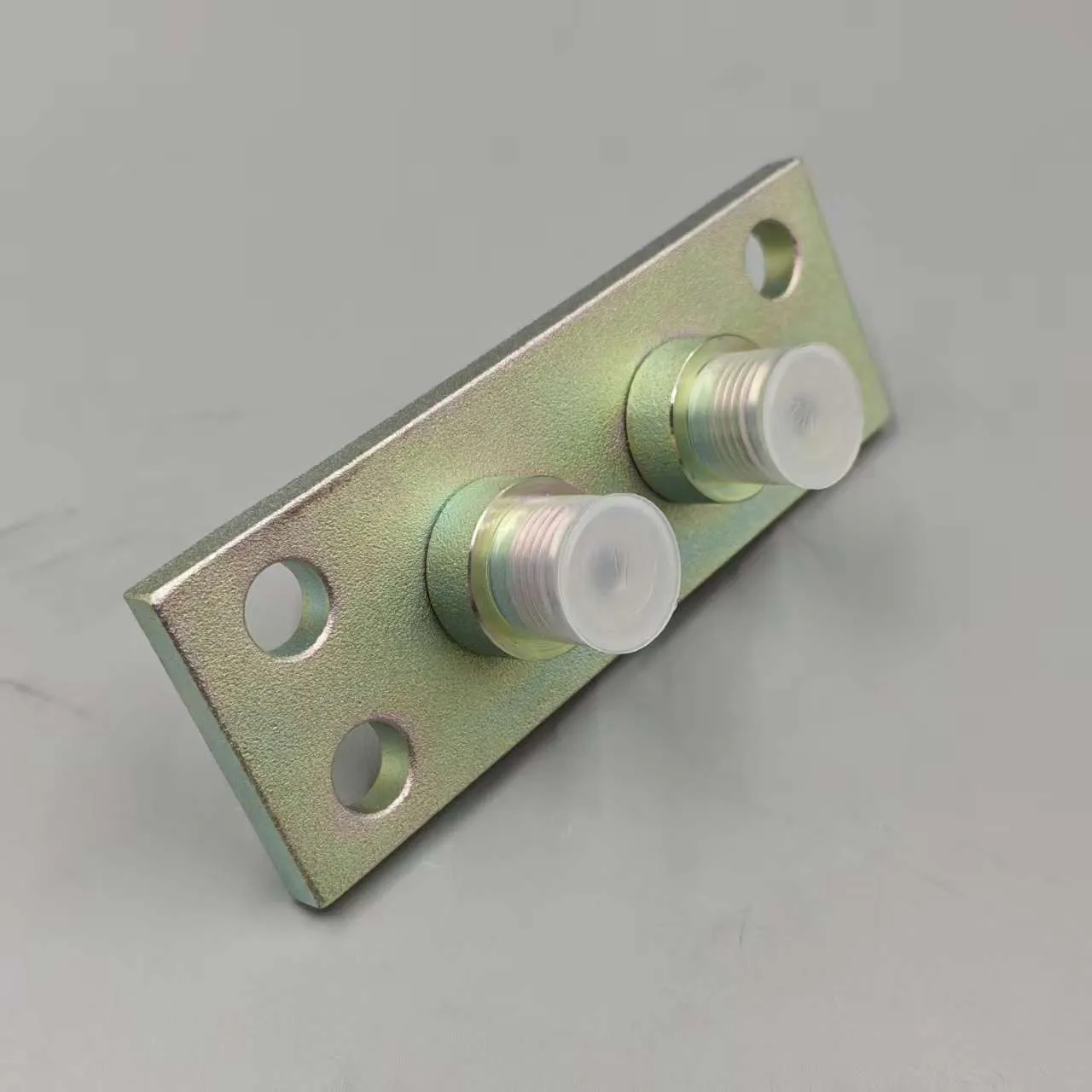 14Y-62-31411 BRACKET KOMATSU parts D60P, D65E, D65EX, D65P, D65PX, D65WX, D85E, D85ESS
 -
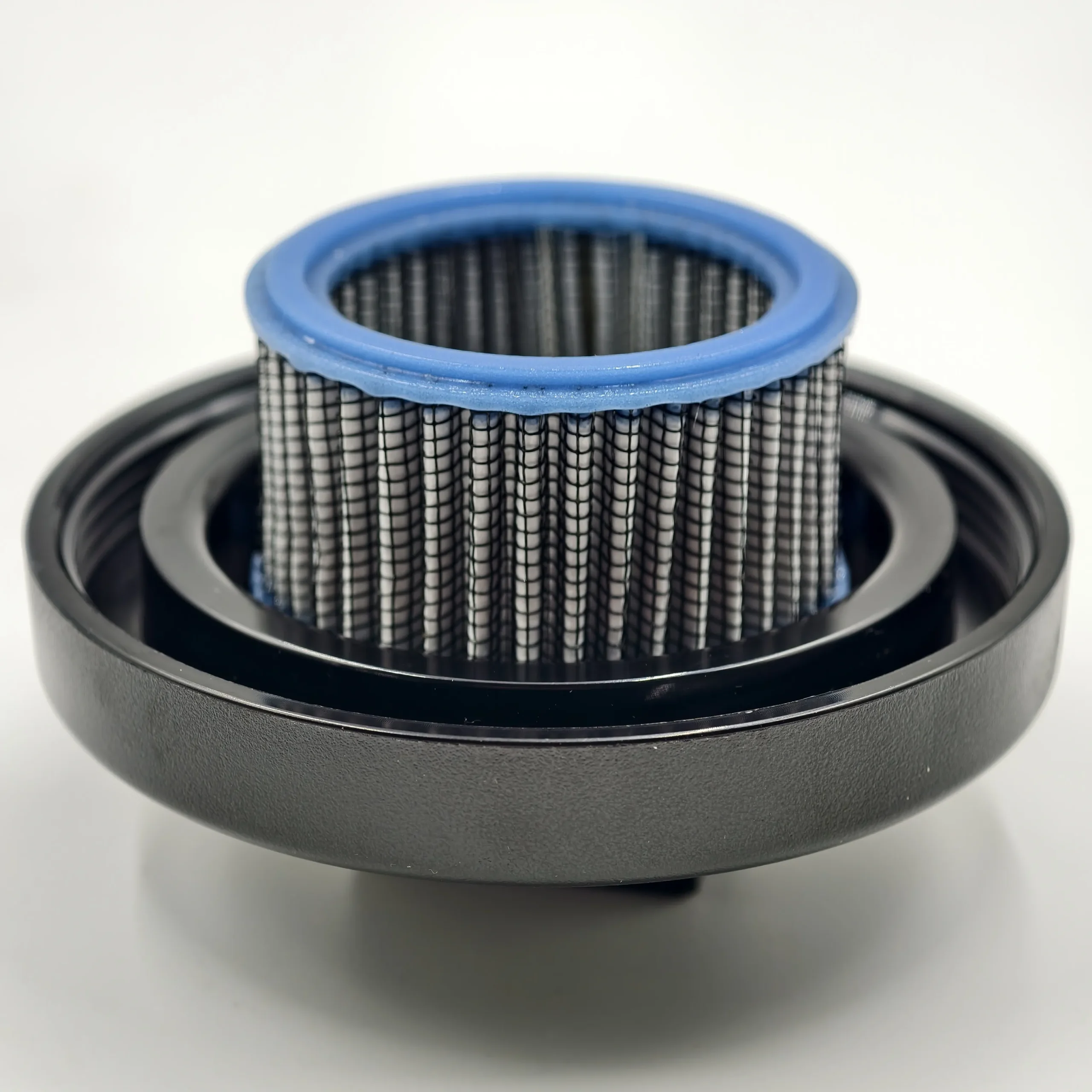 21T-04-31170 Komatsu Cap Assembly
 -
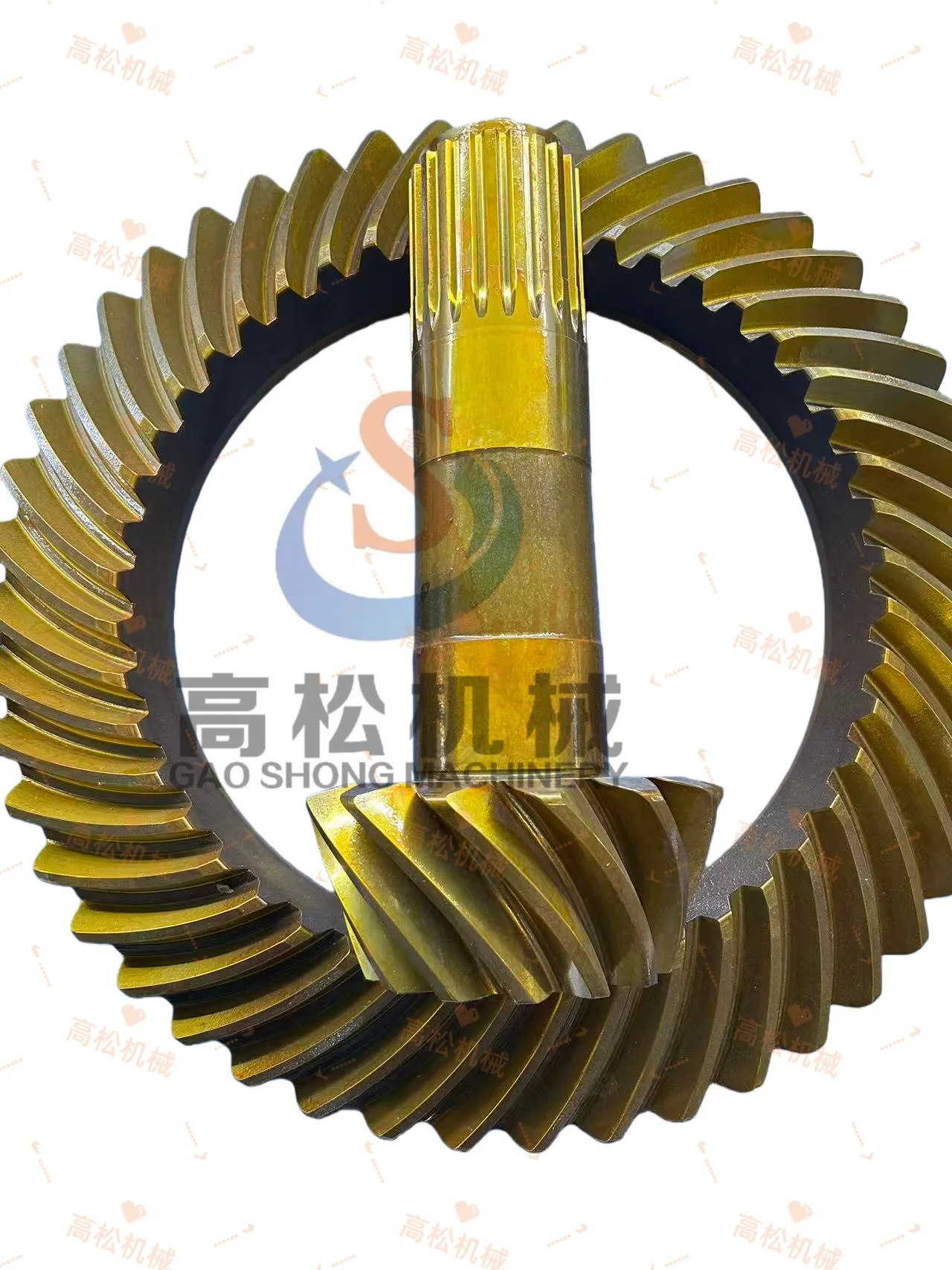 561-22-71207 561-22-71203 PINION GEAR ASS’Y HD785-7 REAR AXLE