
- Chinese
- French
- German
- Portuguese
- Spanish
- Russian
- Japanese
- Korean
- Arabic
- Irish
- Greek
- Turkish
- Italian
- Danish
- Romanian
- Indonesian
- Czech
- Afrikaans
- Swedish
- Polish
- Basque
- Catalan
- Esperanto
- Hindi
- Lao
- Albanian
- Amharic
- Armenian
- Azerbaijani
- Belarusian
- Bengali
- Bosnian
- Bulgarian
- Cebuano
- Chichewa
- Corsican
- Croatian
- Dutch
- Estonian
- Filipino
- Finnish
- Frisian
- Galician
- Georgian
- Gujarati
- Haitian
- Hausa
- Hawaiian
- Hebrew
- Hmong
- Hungarian
- Icelandic
- Igbo
- Javanese
- Kannada
- Kazakh
- Khmer
- Kurdish
- Kyrgyz
- Latin
- Latvian
- Lithuanian
- Luxembou..
- Macedonian
- Malagasy
- Malay
- Malayalam
- Maltese
- Maori
- Marathi
- Mongolian
- Burmese
- Nepali
- Norwegian
- Pashto
- Persian
- Punjabi
- Serbian
- Sesotho
- Sinhala
- Slovak
- Slovenian
- Somali
- Samoan
- Scots Gaelic
- Shona
- Sindhi
- Sundanese
- Swahili
- Tajik
- Tamil
- Telugu
- Thai
- Ukrainian
- Urdu
- Uzbek
- Vietnamese
- Welsh
- Xhosa
- Yiddish
- Yoruba
- Zulu
- Kinyarwanda
- Tatar
- Oriya
- Turkmen
- Uyghur






Komatsu steering system parts
When most people hear 'Komatsu steering system parts,' they immediately think of the hydraulic pump or the main control valve. That's the surface level. The real story, the one that determines whether a machine drifts or holds a line perfectly, is in the interfaces and the secondary circuits. I've seen too many mechanics throw a new pump at a PC200-8 with a slow steering drift, only to find the issue was a worn steering cylinder cushion valve or a fatigued O-ring on a line fitting that was allowing internal leakage you couldn't even see. The system is a conversation between components, not a monologue from the pump.
The Core Misconception: New Parts Equal Fixed Problems
There's a pervasive belief, especially with online parts shopping now, that a brand-new, genuine Komatsu part is a guaranteed fix. It's not. I recall a D65EX-12 where the operator complained of intermittent stiff steering. We replaced the steering metering pump with a genuine unit from the dealer. Problem persisted. After two days of diagnostics, we found the issue: a slightly bent linkage rod from the steering wheel column was introducing just enough bind to affect the feel. The new pump was perfect, but it was solving the wrong problem. The lesson? The steering system starts at the operator's hands, not at the hydraulic inlet.
This is where having a supplier who understands the system is critical. It's not just about having a catalog. It's about knowing that a certain serial number range of WA500 loaders had a specific issue with the steering priority valve spring fatigue, and that simply replacing the valve body without checking that spring is a waste. A box-fresh part doesn't come with that knowledge.
I've worked with Jining Gaosong on a few tricky cases. Their angle isn't just here's the part number you asked for. It's more, You're working on a Dash-3 model? Check the pilot pressure regulator on that circuit first, we've seen that be the culprit before you go deep into the main valve. That practical, cross-reference knowledge from being deep in the Komatsu system as both an OEM supplier and a third-party solver is what cuts diagnostic time in half.
The Overlooked Culprits: Pilot Pressure and Case Drain Lines
If I had to pick the most neglected areas in steering troubleshooting, it's the pilot circuit and the case drain lines. Everyone checks the main pressure. But a sluggish or erratic steering response on a modern Komatsu with joystick control? Nine times out of ten, you're looking at contaminated pilot pressure or a restriction. The filters servicing the pilot pump are often smaller and clog faster than the main system filters.
Then there's the case drain. That little hose from the steering metering pump back to the tank. If it's pinched, kinked, or has too much backpressure, it'll blow the shaft seal on the pump. You'll put in a new pump, and it'll fail again in 200 hours. I learned this the hard way early on. Replaced a pump twice on a PC138US before an old-timer asked if I'd checked the drain line routing. It was resting against a hot hydraulic line, softened, and collapsed internally. Couldn't see it from the outside.
Suppliers that just move boxes never mention this. But when you're sourcing from a specialist like the team at Takematsu Machinery (Jining Gaosong), the conversation often includes these nuances. Their service bulletins and tech notes sometimes highlight these lessons learned from the field, which is invaluable. They're not just a warehouse; they function as a technical node, especially for markets where direct dealer support is slow or unavailable.
Aftermarket vs. Genuine: The Practical Reality
The dogma is always use genuine. In a perfect world, with a perfect budget, yes. But the reality in many regions is different. The lead time for a genuine steering control valve for an older model like a HD785-5 could be 12 weeks. The machine is down. An aftermarket part is available in 3 days. What do you do?
The key is tiered aftermarket quality. There's junk that will fail catastrophically, and there are quality-manufactured alternatives that undergo proper hardening and tolerancing. The value of a third-party specialist like Jining Gaosong is they've vetted this. They supply OEM, so they know the genuine spec inside out. When they also offer third-party solutions, it's usually because they've found a manufacturer that meets a reliable standard for a non-critical wear part, or for a machine where the cost of genuine is prohibitive. Their company intro hits this nail on the head: helping to solve parts supply challenges in certain countries. That's the real-world scenario. They might recommend a quality aftermarket steering cylinder rebuild kit for a machine nearing end-of-life, but insist on a genuine Komatsu pump for a newer model under warranty. It's a pragmatic, not a dogmatic, approach.
I used a non-genuine but high-quality steering linkage assembly from them for a Komatsu Dozer in a remote quarry. The genuine part was a 4-month wait. Their alternative has been running for over 3,000 hours now. The point is trust and transparency. They told me exactly who manufactured it and what the material specs were, which allowed me to make an informed risk assessment.
Failures That Teach You More Than Successes
My most educational failure was on a Komatsu wheel loader. We had a major steering leak. Replaced every external hose and seal. Leak returned. We were chasing our tails. Finally, after pulling the entire steering cylinder, we found a hairline crack in the weld on the cylinder barrel itself. It only leaked under high, sustained pressure during full-turn maneuvers. It was a manufacturing flaw, but an ancient one that finally fatigued.
That experience changed how I approach leaks. Now, it's a process: 1) Clean everything obsessively. 2) Run the machine and use a mirror and light to trace the fluid up from the lowest wet point. 3) Consider internal casting porosity or cracks, especially on high-stress components. This isn't in any manual, but it's what separates a parts changer from a diagnostician.
This kind of deep, almost forensic troubleshooting is where generalist parts suppliers fall short. You need a source that understands failure modes, not just part numbers. When I described that cylinder crack to my contact at Gaosong, he immediately knew the batch and could cross-reference it with other reported issues from that era, confirming it was a known but rare flaw. That depth of historical data is a game-changer.
The Integration Point: Electronics and Hydraulics
On newer Komatsu machines, you can't talk about steering without talking about electronics. The steering system is often integrated with the machine control system. A fault code for steering pressure sensor doesn't always mean the sensor is bad. It could be a wiring harness chafed near the articulation joint, or a poor ground shared with another system.
I've seen a case where replacing a perfectly good steering pump because of a persistent error code. The real issue was a faulty controller for the fan clutch, which was creating electrical noise on the common power line, confusing the steering controller. Two completely unrelated systems, one misleading symptom. Diagnosing this requires understanding the machine's electrical architecture, not just its hydraulics.
This is the next frontier for parts and service specialists. It's no longer just about having the mechanical component. It's about having access to the technical schematics, the controller software histories, and the cross-system interaction knowledge. The best suppliers are building this capability. From my interactions, Jining Gaosong's model as an integrated OEM and third-party provider positions them to bridge this gap, as they see the full spectrum of parts and failure data across mechanical and emerging electronic interfaces.
Wrapping It Up: It's a System, Not a Shelf
So, when you're dealing with Komatsu steering system parts, you're really dealing with a philosophy of diagnosis. It's about pressure and flow, yes, but also about mechanical linkages, pilot circuits, electrical signals, and historical failure data. The part itself is just the final piece of a much larger puzzle.
The goal is machine uptime. Sometimes that's achieved with a genuine Komatsu part overnighted. Sometimes it's achieved with a rigorously vetted alternative that gets the machine running today, backed by a supplier who knows the difference and is honest about it. In the challenging supply environments that companies like Jining Gaosong Construction Machinery specifically address, that pragmatic, system-savvy approach is what keeps fleets moving. It's not about the box on the shelf; it's about the understanding that comes with it.
Ultimately, your parts source should be a technical partner. Their value isn't just in inventory, but in their ability to say, For that specific problem, check this first before you order anything. That's the mark of a resource that's lived with these machines, not just sold parts for them.
Related Products
Related Products

Best Selling Products
Best Selling Products-
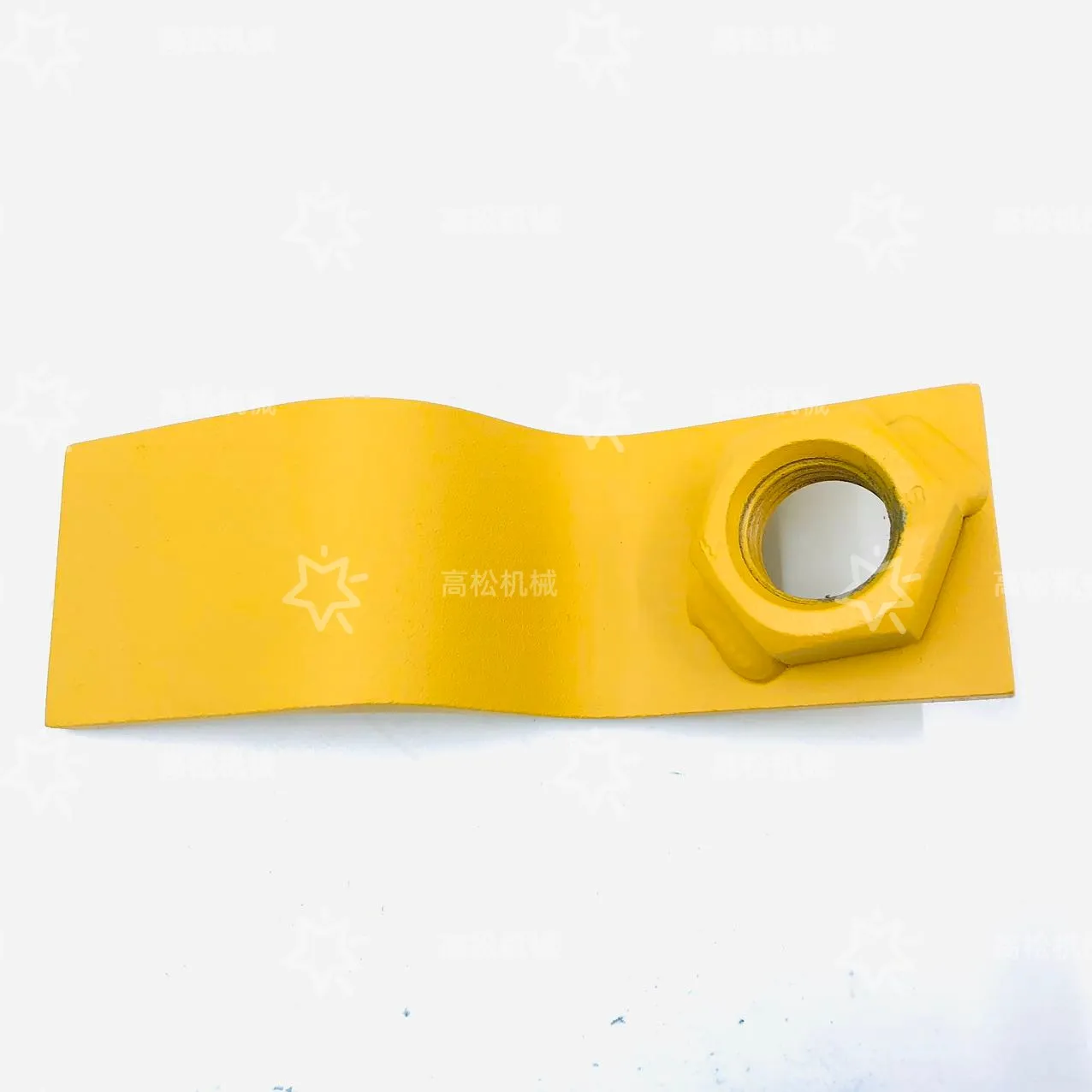 Hot Selling at Low Prices 21P-62-K1520 21M-62-11230 21T-01-67330 21U-62-34760 Underground Facilities
 -
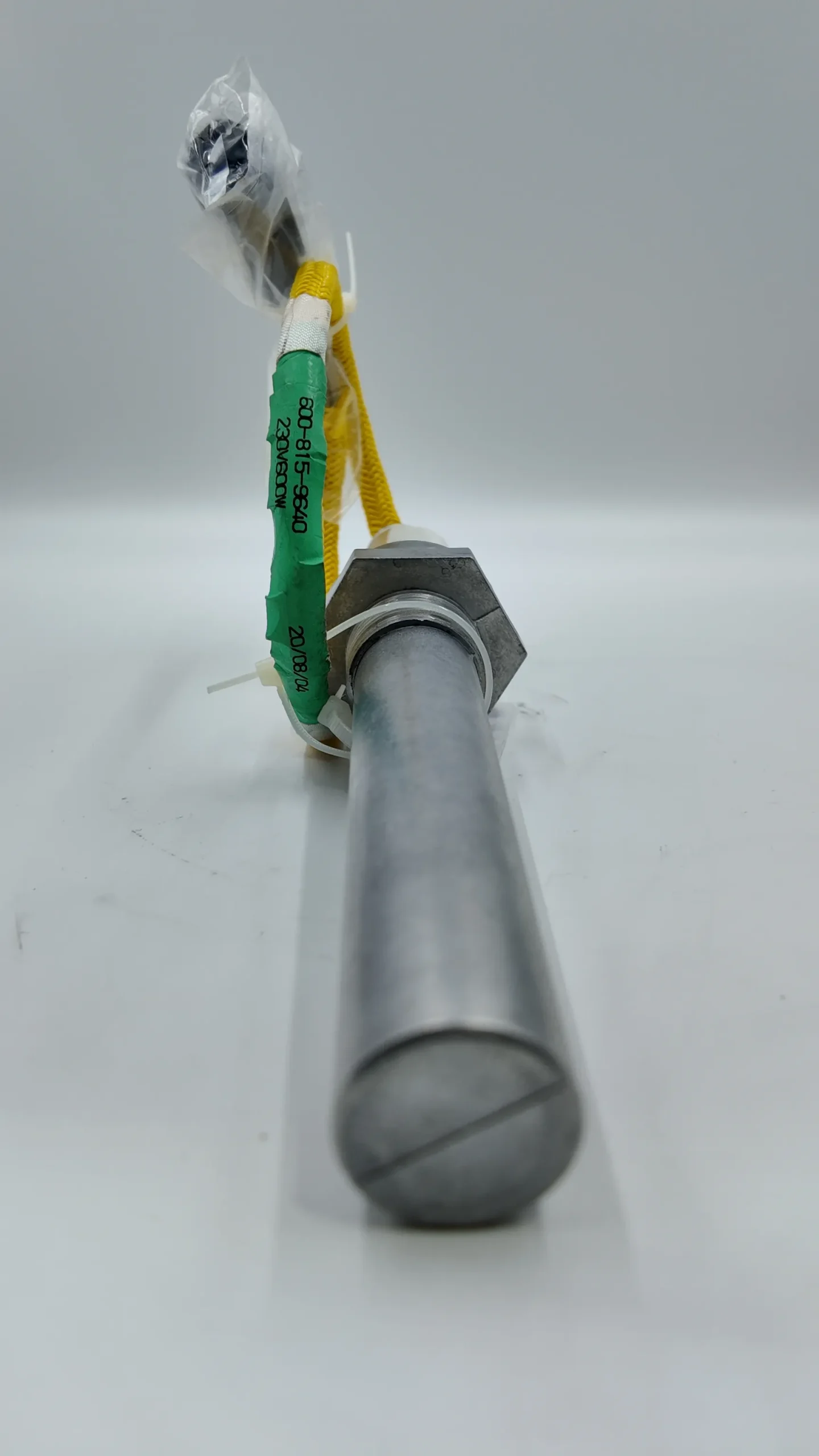 600-815-9640 HEATER-Komatsu Original Factory
 -
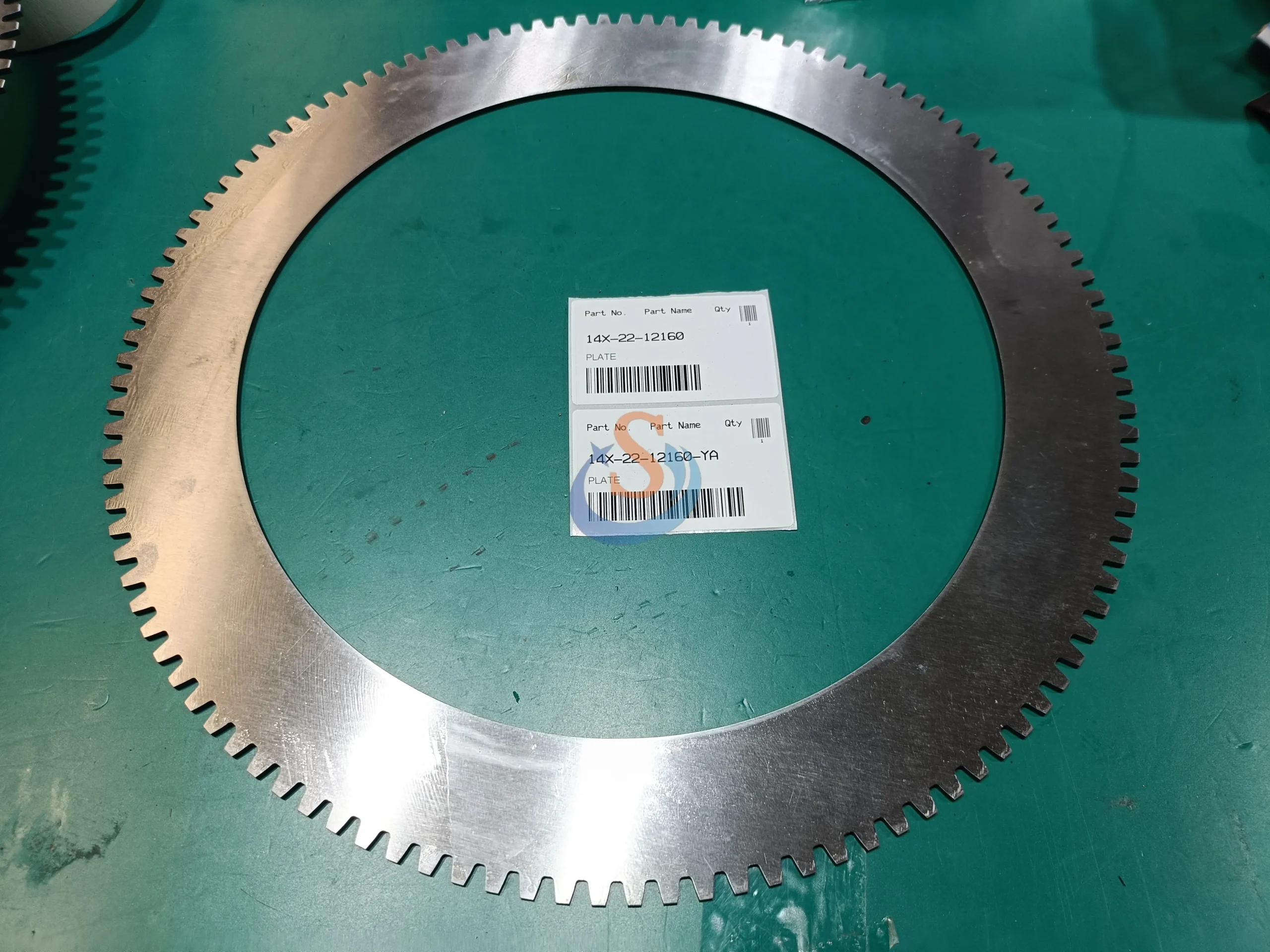 14X-22-12160,PLATE,D275A,D85ESS,D65E
 -
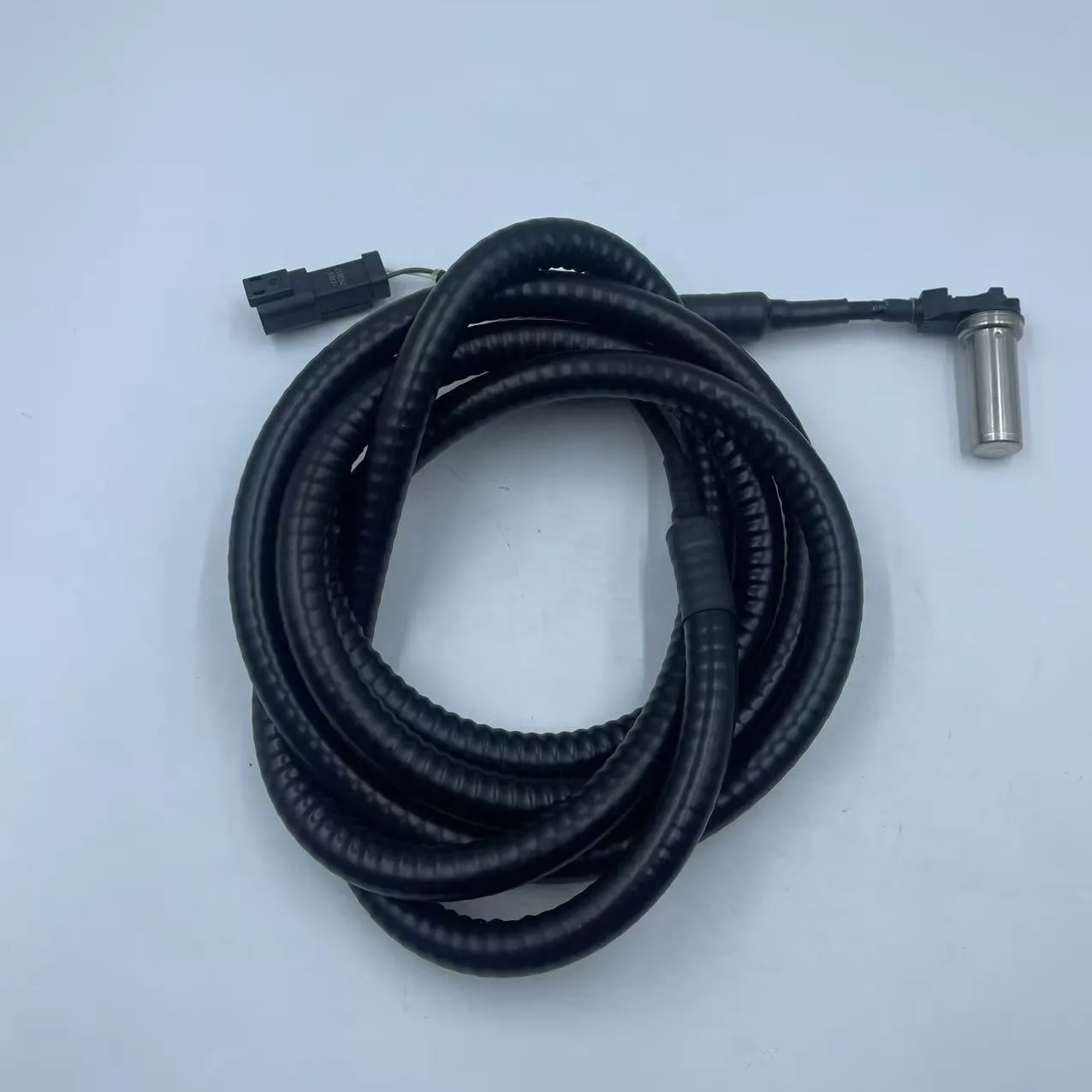 ZGZJYBL Sensor for Komatsu HD785-7 Dump Truck 566-88-66143 5668866143
 -
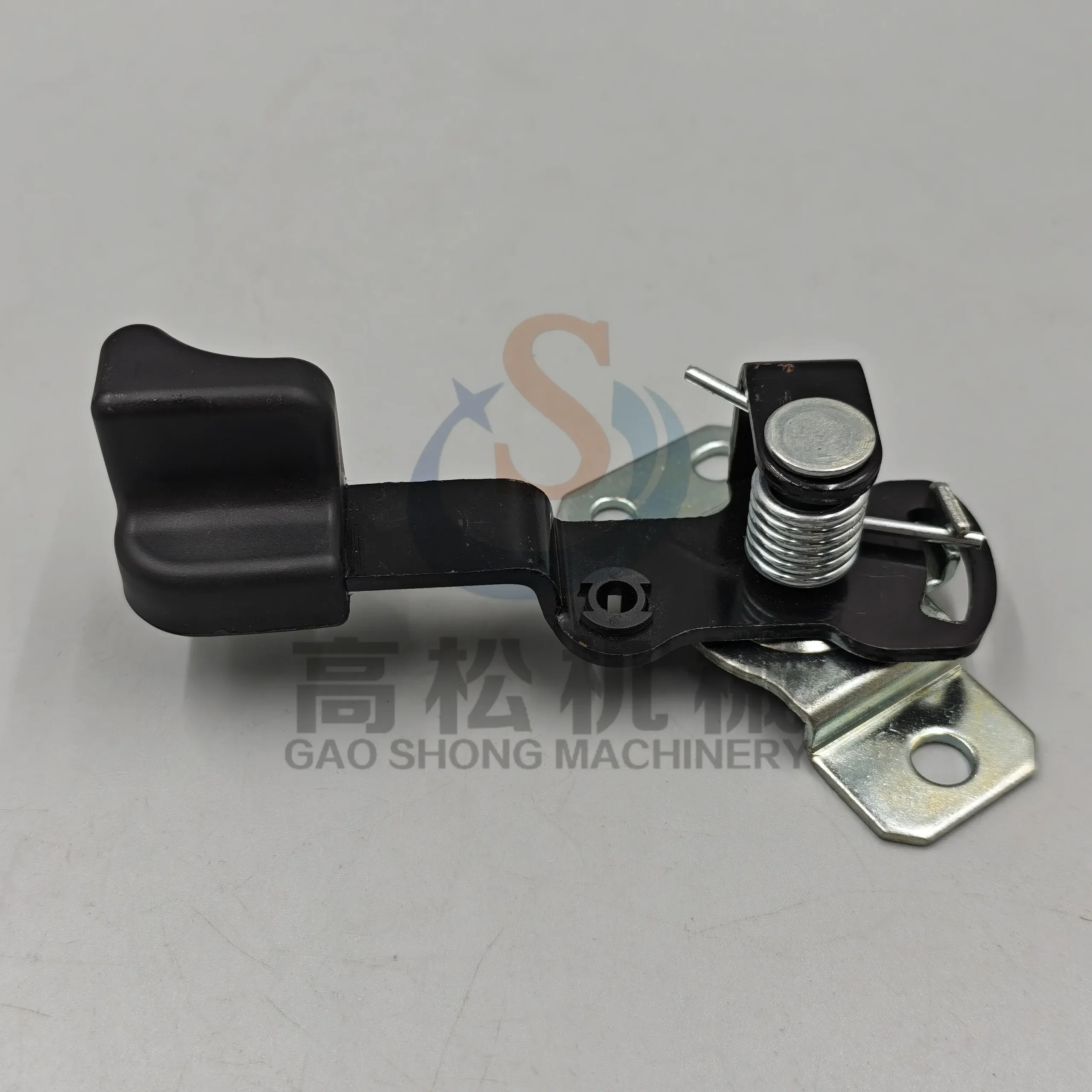 20Y-54-52300 Komatsu Handle Assembly
 -
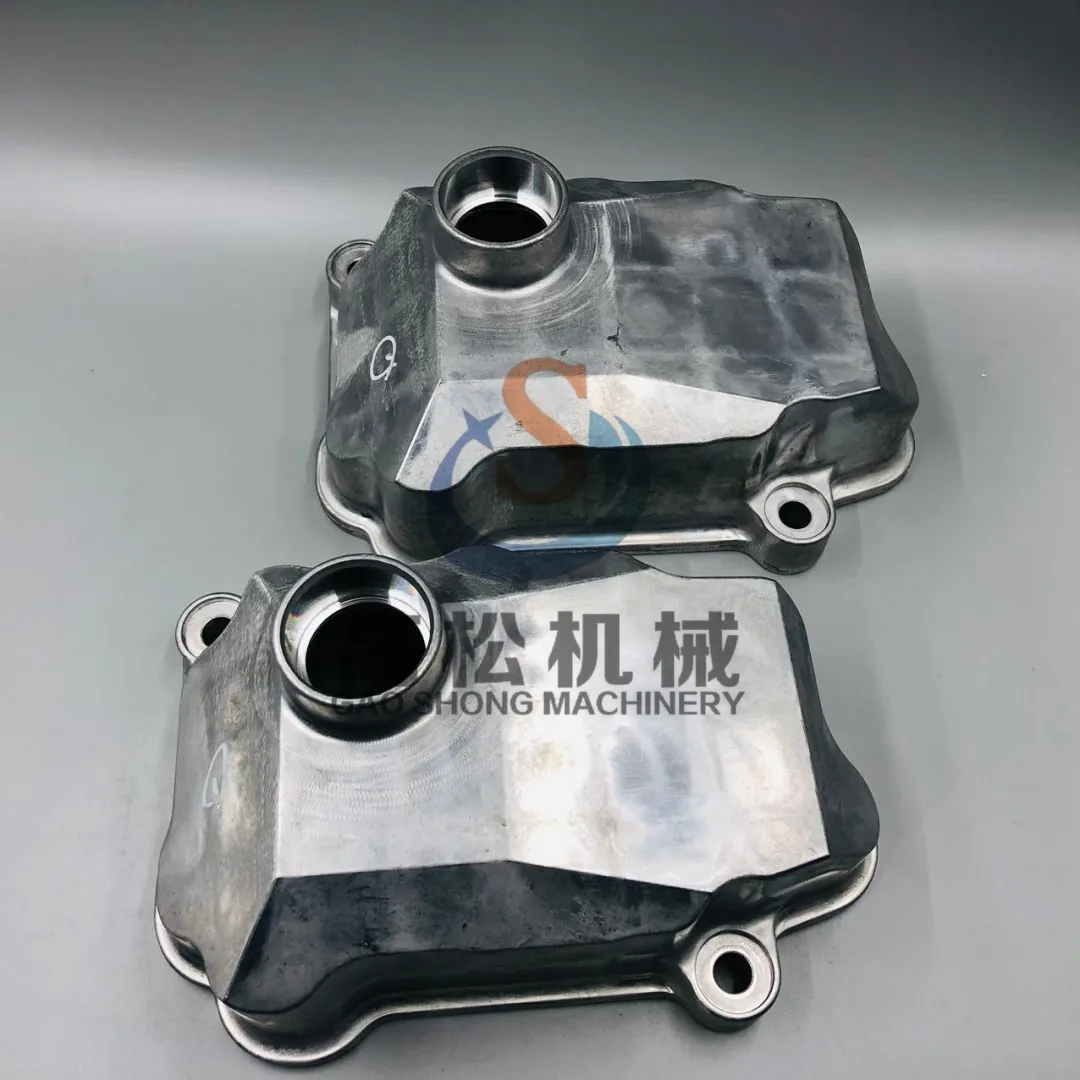 KOMATSU 6251-11-8150 COVER
 -
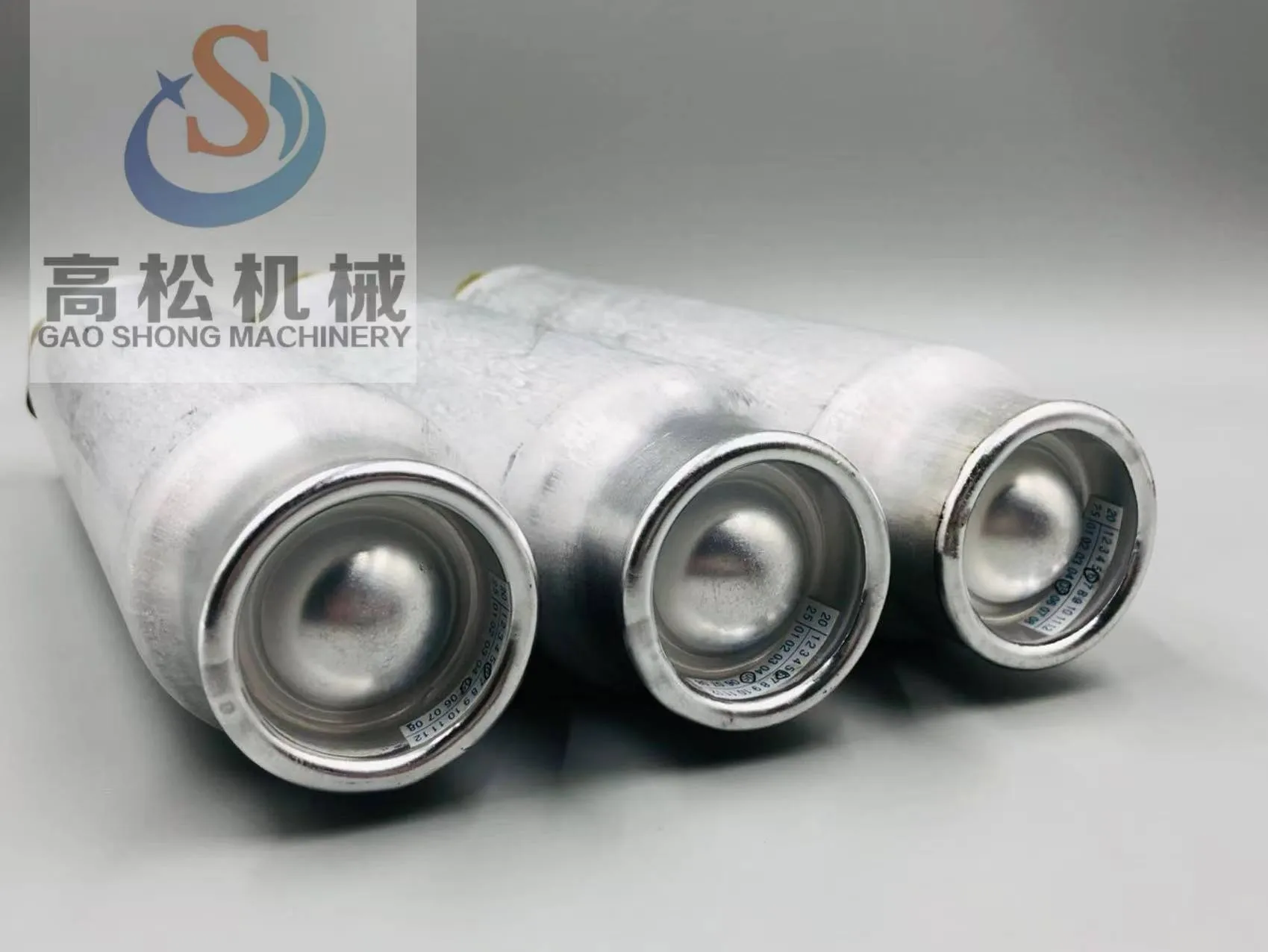 Original 20y-979-3120 receiver for pc300-7 excavators, parts of construction machinery
 -
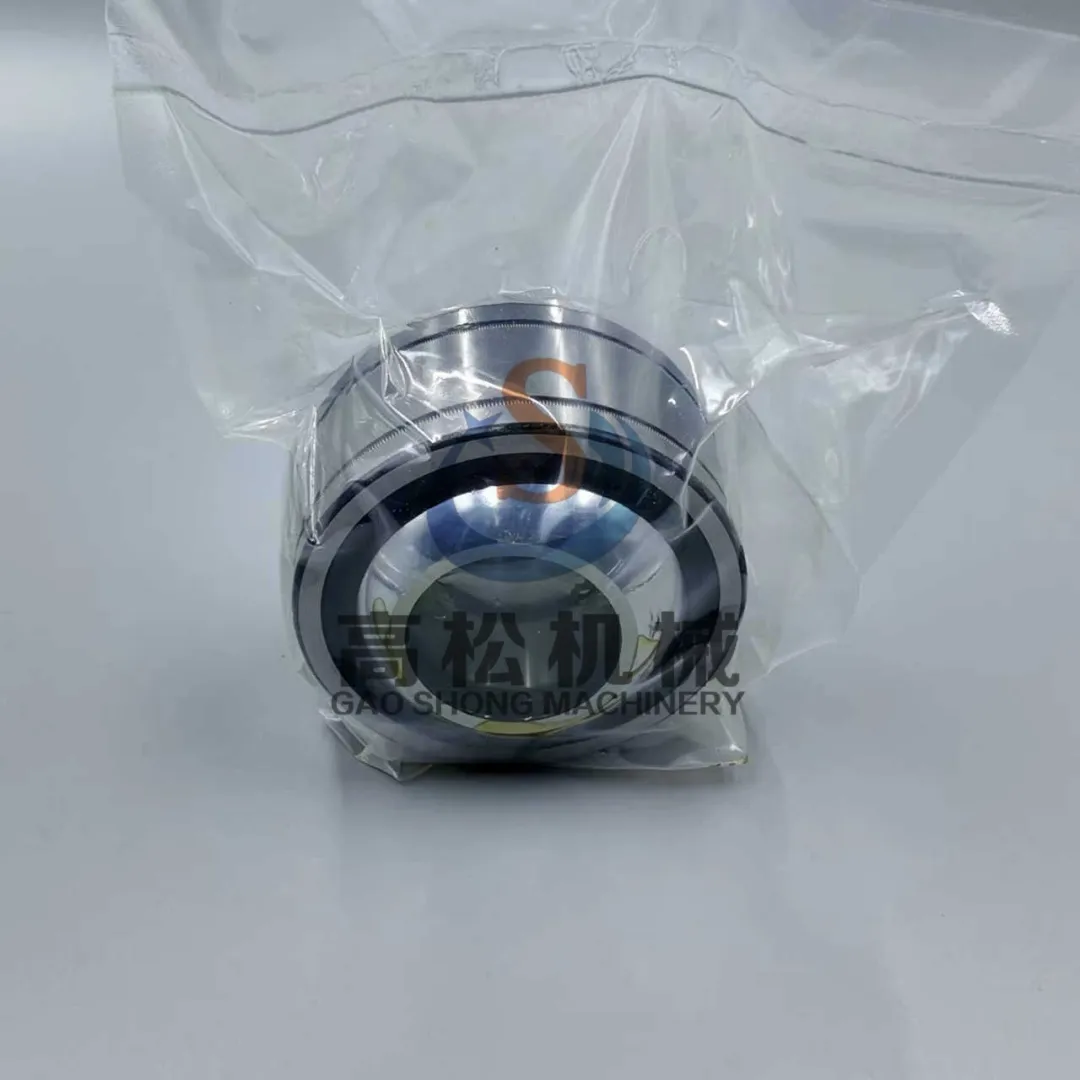 BUSHING 07137-04006 – KOMATSU Part
 -
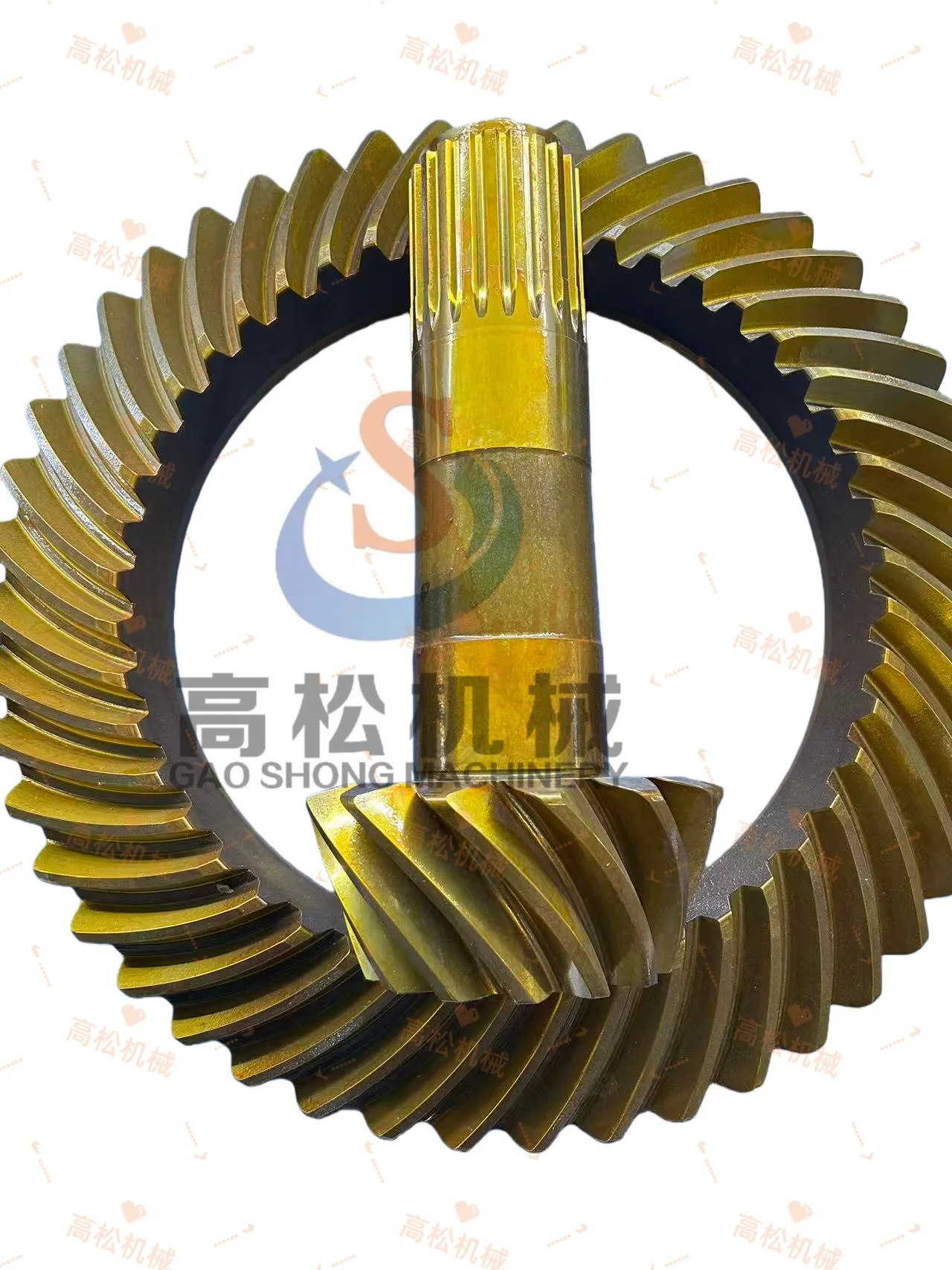 561-22-71207 561-22-71203 PINION GEAR ASS’Y HD785-7 REAR AXLE
 -
 Excavator Gear Pump 705-95-05140 Stainless Steel Vertical…
 -
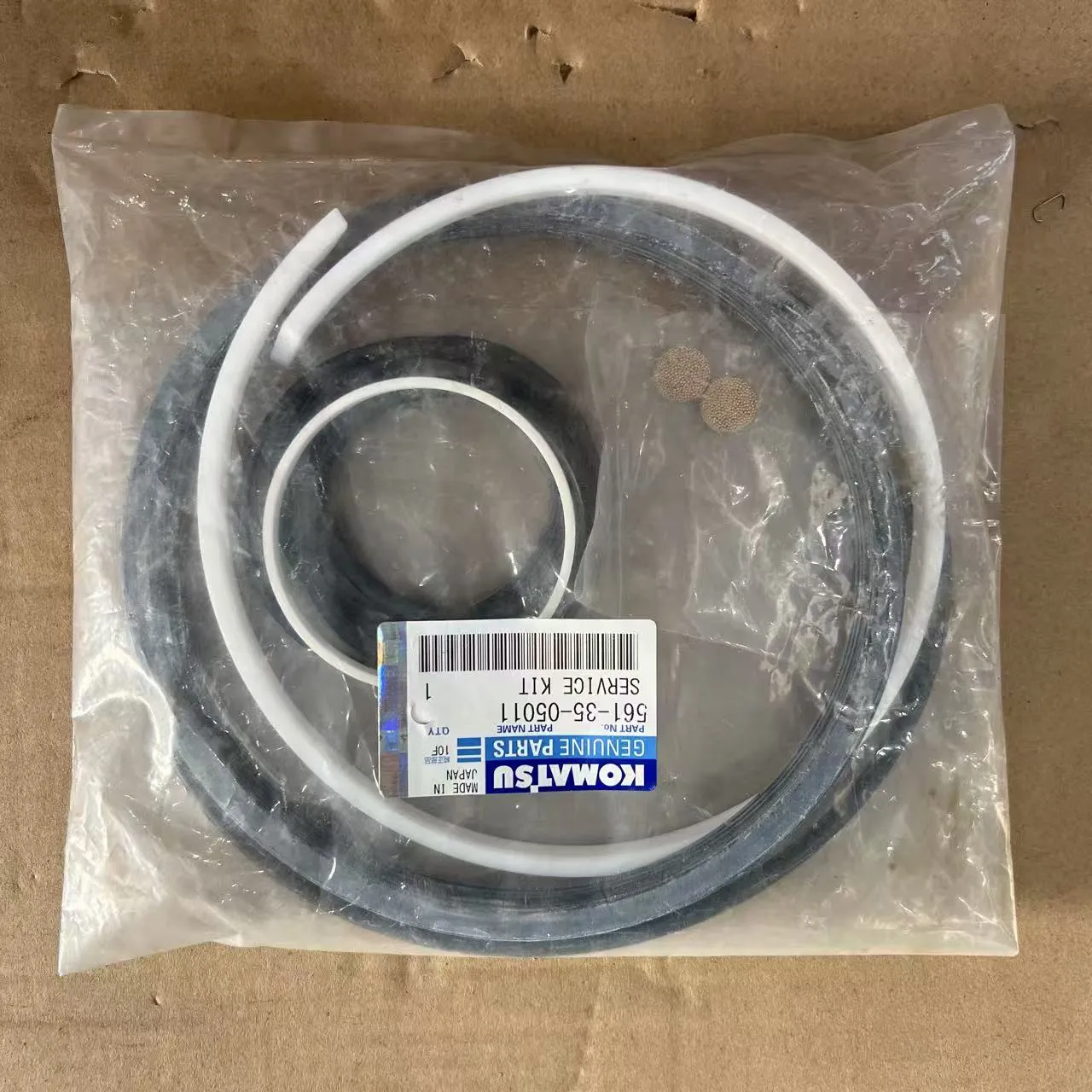 SERVICE KIT – 561-35-05011
 -
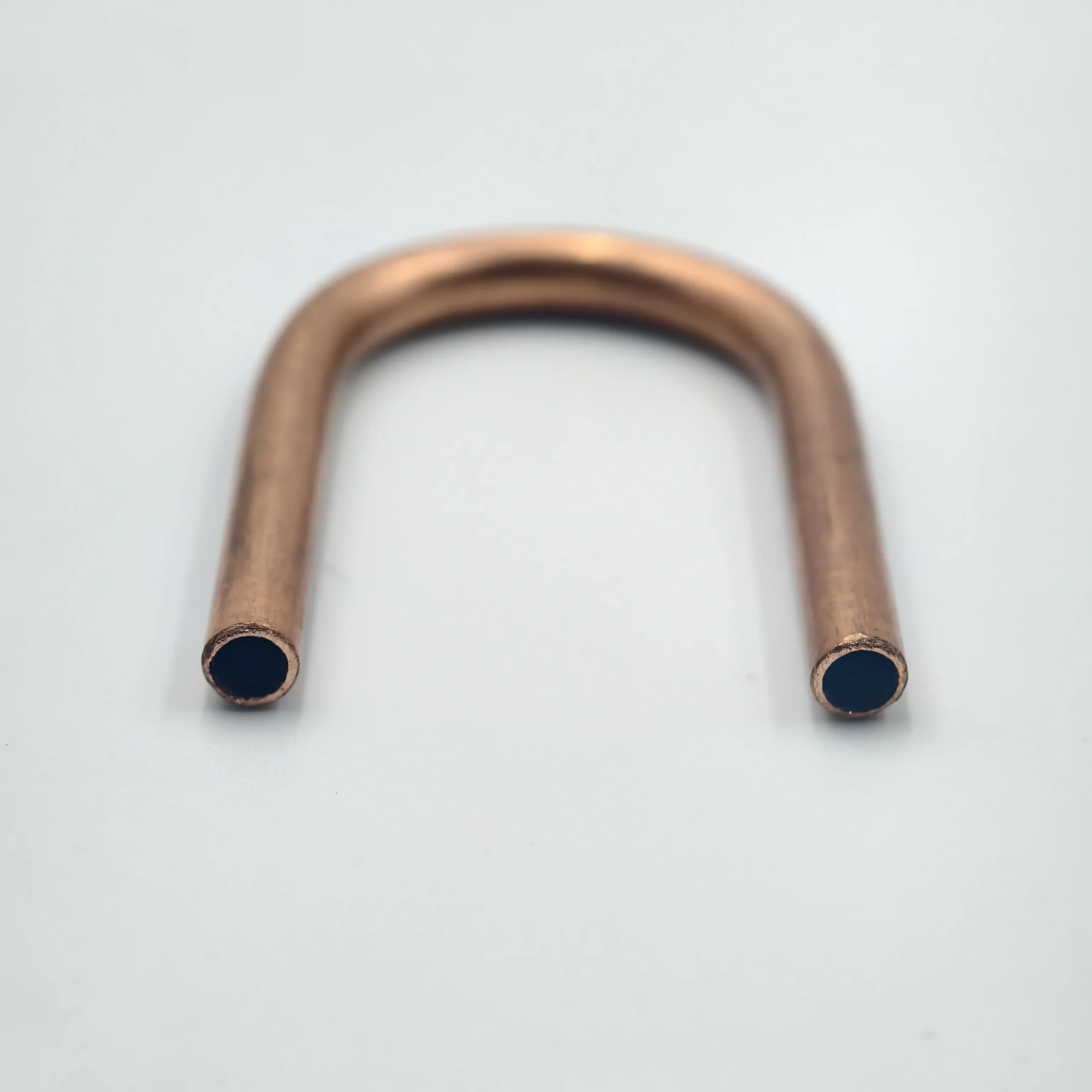 TUBE 21N-68-32360 – KOMATSU.
Related Search
Related Search- komatsu nissan engine
- komatsu 930e cummins engine
- kmp komatsu parts
- OEM AND ORIGINAL KOMATSU GEAR 21N-38-31130
- OEM AND ORIGINAL KOMATSU JOINT 175-71-21261
- OEM AND ORIGINAL KOMATSU GEAR 21N-27-31110
- komatsu pc05 parts
- 17A-50-12421
- OEM AND ORIGINAL KOMATSU METAL ASSY 6162-23-8000
- 6743-11-4931 HOSE-Komatsu Original Factory