
- Chinese
- French
- German
- Portuguese
- Spanish
- Russian
- Japanese
- Korean
- Arabic
- Irish
- Greek
- Turkish
- Italian
- Danish
- Romanian
- Indonesian
- Czech
- Afrikaans
- Swedish
- Polish
- Basque
- Catalan
- Esperanto
- Hindi
- Lao
- Albanian
- Amharic
- Armenian
- Azerbaijani
- Belarusian
- Bengali
- Bosnian
- Bulgarian
- Cebuano
- Chichewa
- Corsican
- Croatian
- Dutch
- Estonian
- Filipino
- Finnish
- Frisian
- Galician
- Georgian
- Gujarati
- Haitian
- Hausa
- Hawaiian
- Hebrew
- Hmong
- Hungarian
- Icelandic
- Igbo
- Javanese
- Kannada
- Kazakh
- Khmer
- Kurdish
- Kyrgyz
- Latin
- Latvian
- Lithuanian
- Luxembou..
- Macedonian
- Malagasy
- Malay
- Malayalam
- Maltese
- Maori
- Marathi
- Mongolian
- Burmese
- Nepali
- Norwegian
- Pashto
- Persian
- Punjabi
- Serbian
- Sesotho
- Sinhala
- Slovak
- Slovenian
- Somali
- Samoan
- Scots Gaelic
- Shona
- Sindhi
- Sundanese
- Swahili
- Tajik
- Tamil
- Telugu
- Thai
- Ukrainian
- Urdu
- Uzbek
- Vietnamese
- Welsh
- Xhosa
- Yiddish
- Yoruba
- Zulu
- Kinyarwanda
- Tatar
- Oriya
- Turkmen
- Uyghur






Komatsu starter motor
When you hear 'Komatsu starter motor', most guys immediately think of the OEM part number, maybe the S6S or the 20T series. That's the first mistake. It's not just a component you swap out; it's the first domino in a machine's daily life. I've seen too many mechanics, even experienced ones, just throw in a new unit after a no-crank and call it a day. But if you don't ask why the original failed—was it a voltage drop from corroded cables, a failing alternator letting the battery languish, or just the brutal cycle of heat and vibration in a 300-class excavator?—you're just setting a timer for the next failure. The starter's job is brutal, converting that stored electrical energy into massive torque under load, and its health is a diagnostic report card for the entire starting circuit.
The OEM Illusion and the Aftermarket Reality
There's a blind faith in the pure OEM part. Don't get me wrong, for critical components, it's often the right call. But with something like a starter motor, the landscape is more nuanced. A genuine Komatsu starter is built to a specification, but that spec has to account for global operating conditions. What happens when that machine is in a high-humidity, salt-air environment, or in a market where genuine parts are backlogged for months? This is where the practical world intrudes.
I recall a fleet of PC300s in a coastal mining operation. We were going through a starter motor every 8-10 months like clockwork. Genuine ones, too. The issue wasn't the starter's quality per se; it was that the specification didn't account for the specific, accelerated corrosion from the site's conditions. We ended up working with a specialist rebuilder who could apply more robust sealing on the drive end and a different grade of copper in the windings. It doubled the service interval. The lesson? The OEM part is a starting point, not always the finish line.
This is precisely the gap that companies operating within the Komatsu ecosystem but with flexibility can address. For instance, a supplier like Jining Gaosong Construction Machinery Co., Ltd. positions itself interestingly. They note they are an OEM product supplier within the Komatsu system and a third-party sales company. In practice, this often means they can source or provide the genuine article when needed, but also have the channel and understanding to offer vetted, high-quality alternatives or region-specific solutions when the pure OEM route hits a supply wall or isn't the most practical answer for that particular failure mode. Their site, https://www.takematsumachinery.com, frames it as solving parts supply challenges, which is the real-world problem behind the simple act of buying a starter motor.
Diagnosis: Listening to the Grind
You learn more from a failing starter than a dead one. The classic high-pitched whir without engagement screams a solenoid issue or a worn bendix drive. That single loud clunk and then nothing? Could be the solenoid engaging but not closing the main circuit, or a battery that's just barely insufficient. A slow, labored crank points the finger squarely at the electrical supply—battery, cables, connections—long before you condemn the starter itself.
I made a costly error early on. Machine had intermittent slow crank. We load-tested the batteries, they were fine. Cleaned all terminals, problem seemed better for a day. Replaced the starter. Two weeks later, the issue was back. Turns out, it was a voltage drop across a main battery cable that had internally corroded. It passed a visual inspection but under load, it was a bottleneck. The new starter was just a more efficient victim. Now, the voltmeter is my first tool, checking for drops between every point in the circuit under load.
The solenoid contacts are another wear item everyone forgets. They get pitted from the massive current arcing across them. Sometimes, you can get a rebuild kit for just that, saving the cost of a whole reman unit. But you have to know which starters have that serviceable design. For many Komatsu models, the solenoid is integral, but on others, it's a separate bolt-on. That's the kind of detail you only get from hands-on repetition or a very good parts specialist.
Heat: The Silent Killer
People blame electrical issues, but heat is the accelerator. A starter mounted next to an exhaust manifold or tucked in a poorly ventilated engine bay is living in an oven. The insulation on the windings breaks down faster. The grease in the drive mechanism thins out and slings away. The thermal cycling fatigues everything.
We had a case with a Komatsu wheel loader where the starter was positioned low and got packed with mud and debris, insulating it and trapping heat. Failures were frequent. The fix wasn't a better starter; it was adding a simple fabricated heat shield and improving the access cover seal to keep crap out. Dropped failures by 70%. You have to look at the environment. A starter motor isn't an island.
This is where remanufactured units from a trusted source can be a smart play. A good rebuilder isn't just cleaning and replacing the obvious wear parts. They should be evaluating the heat tolerance of the components they're using. Are the windings re-varnished to resist heat soak? Is the drive assembly lubricated with a high-temp grease? If they are, that unit might outperform a new one sitting on a shelf for years in some conditions.
The Supply Chain Pragmatism
Here's the real talk. You have a D65 dozer down on a Friday afternoon with a confirmed bad starter. The dealer says the genuine unit is 6 weeks out, air freight from Japan. What do you do? You can't have a $200k machine idle for that long. This is the supply challenge that defines the business in many regions.
Your options are: 1) Try to find a local rebuilder who knows Komatsu specs (rare and getting rarer). 2) Go with a generic aftermarket part that fits, risking compatibility issues with the machine's electrical system. 3) Find a supplier that specializes in bridging this gap. This is the value proposition of a company like the one mentioned earlier. They understand the Komatsu system, so they know the exact application and cross-references. They can often provide a known-good, quality-assured alternative that gets the machine running in days, not weeks. It's not about circumventing Komatsu; it's about operational continuity.
I've used such channels for older models, like the PC200-6 or the HD465-5 truck, where genuine parts are becoming obsolete. The alternative isn't always inferior. Sometimes, it's an improved design that incorporates later engineering updates. The key is the supplier's credibility. Do they provide a proper warranty? Do they understand the technical nuances, or are they just order-takers?
Final Turn of the Key
So, a Komatsu starter motor is more than a commodity. It's a system component, a diagnostic tool, and a lesson in logistics. The best practice is to start with the electrical system diagnosis—always. Then, weigh the factors: machine criticality, operating environment, downtime cost, and parts availability.
Sometimes, the genuine OEM part is the only right answer, especially under warranty or for very new models. Other times, a high-quality, application-specific alternative from a knowledgeable intermediary is the smarter, more pragmatic business decision. It keeps the fleet moving. The goal isn't to have the purest part number in the machine; it's to have the machine working reliably, with a component whose failure mode and lifespan you can predict and manage.
In the end, it comes down to trusted sources. Whether it's your local Komatsu dealer or a specialized third-party supplier like Jining Gaosong, you need someone who provides more than a part. They need to provide the context—the why this part, for this machine, in this situation. That's what solves the real problem, not just the one in the parts catalog.
Related Products
Related Products

Best Selling Products
Best Selling Products-
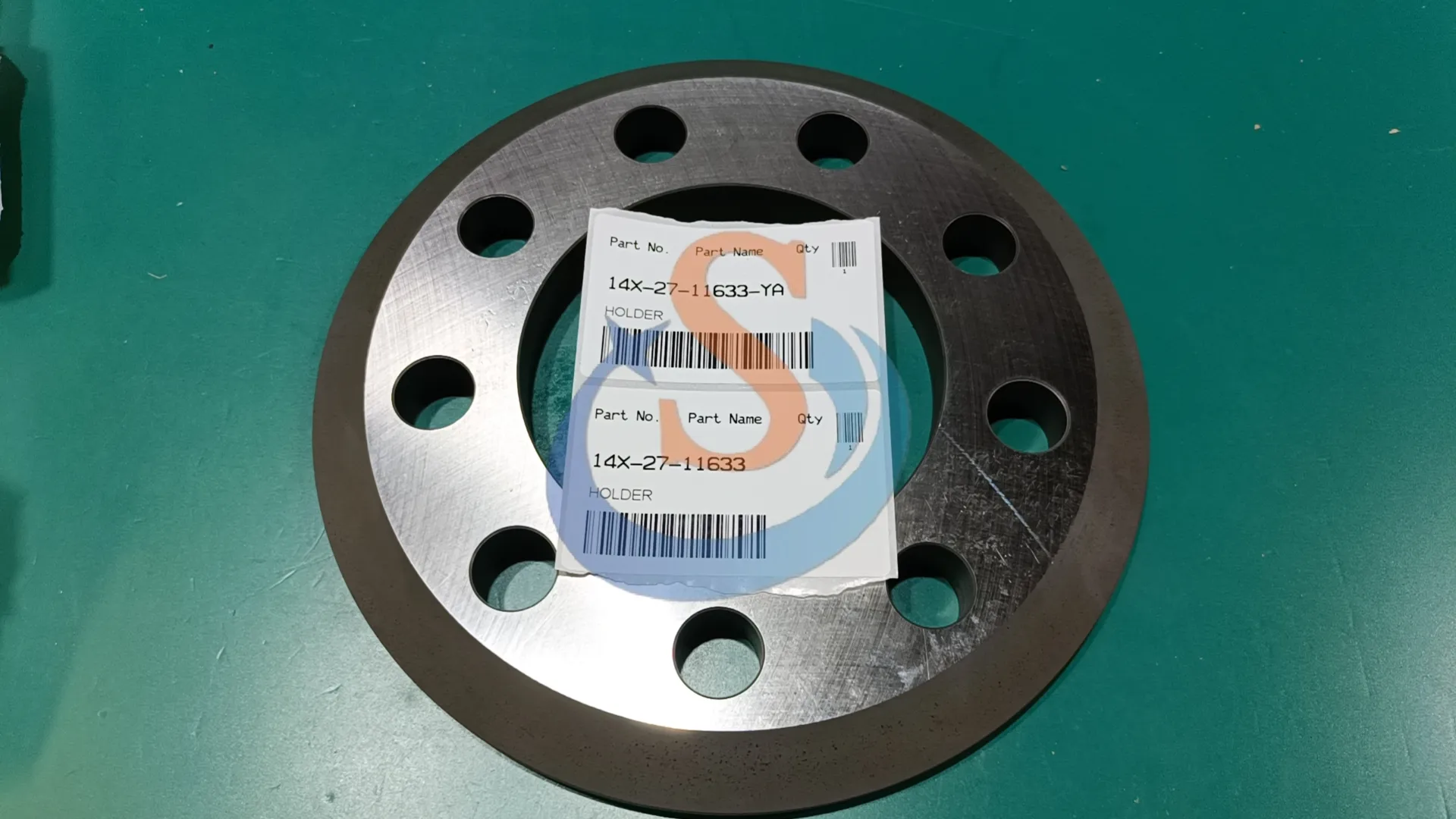 14X-27-11633,HOLDER,D65EX,D65WX,D85E
 -
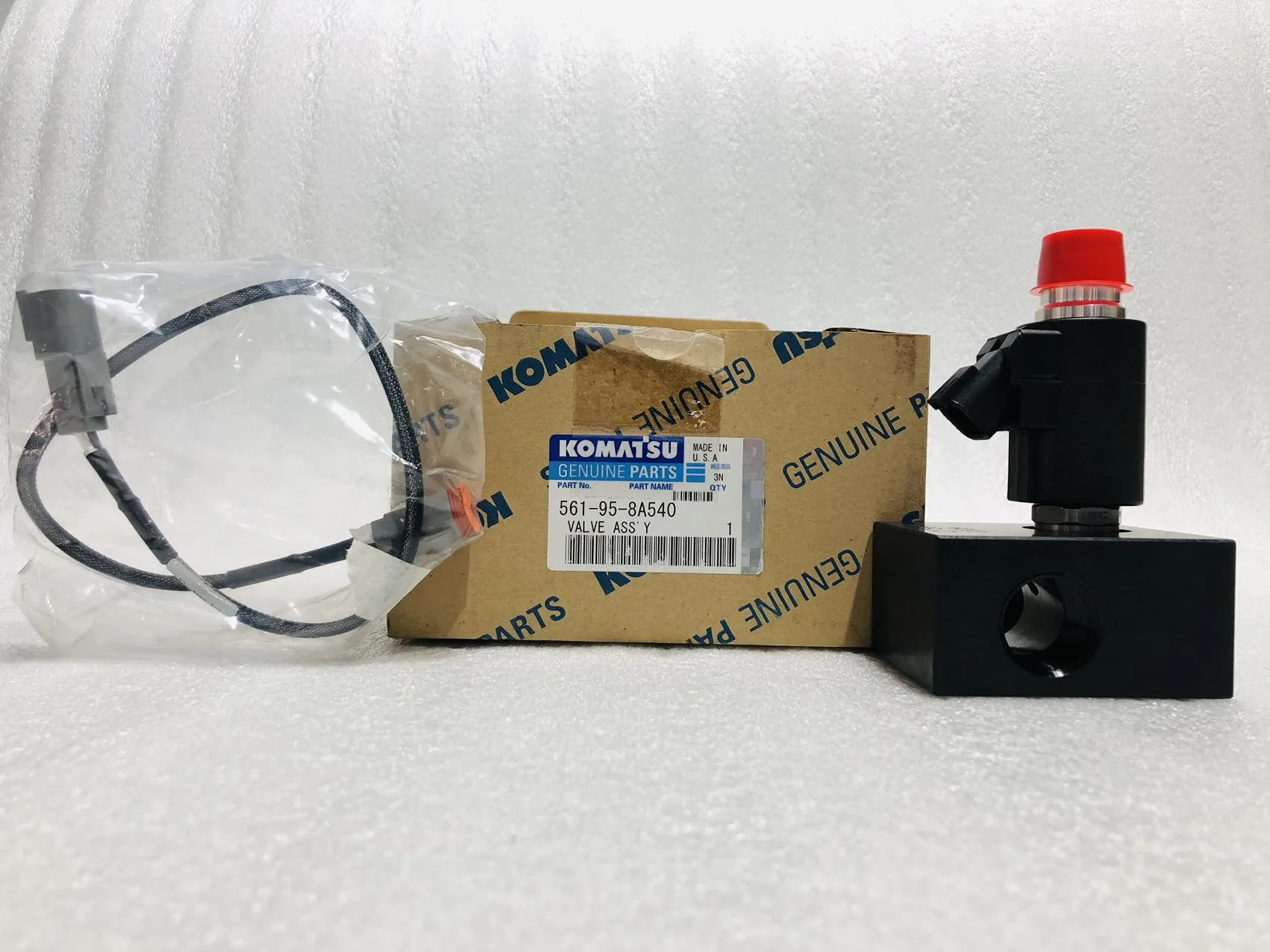 Komatsu 561-95-8A540 VALVE ASS’Y
 -
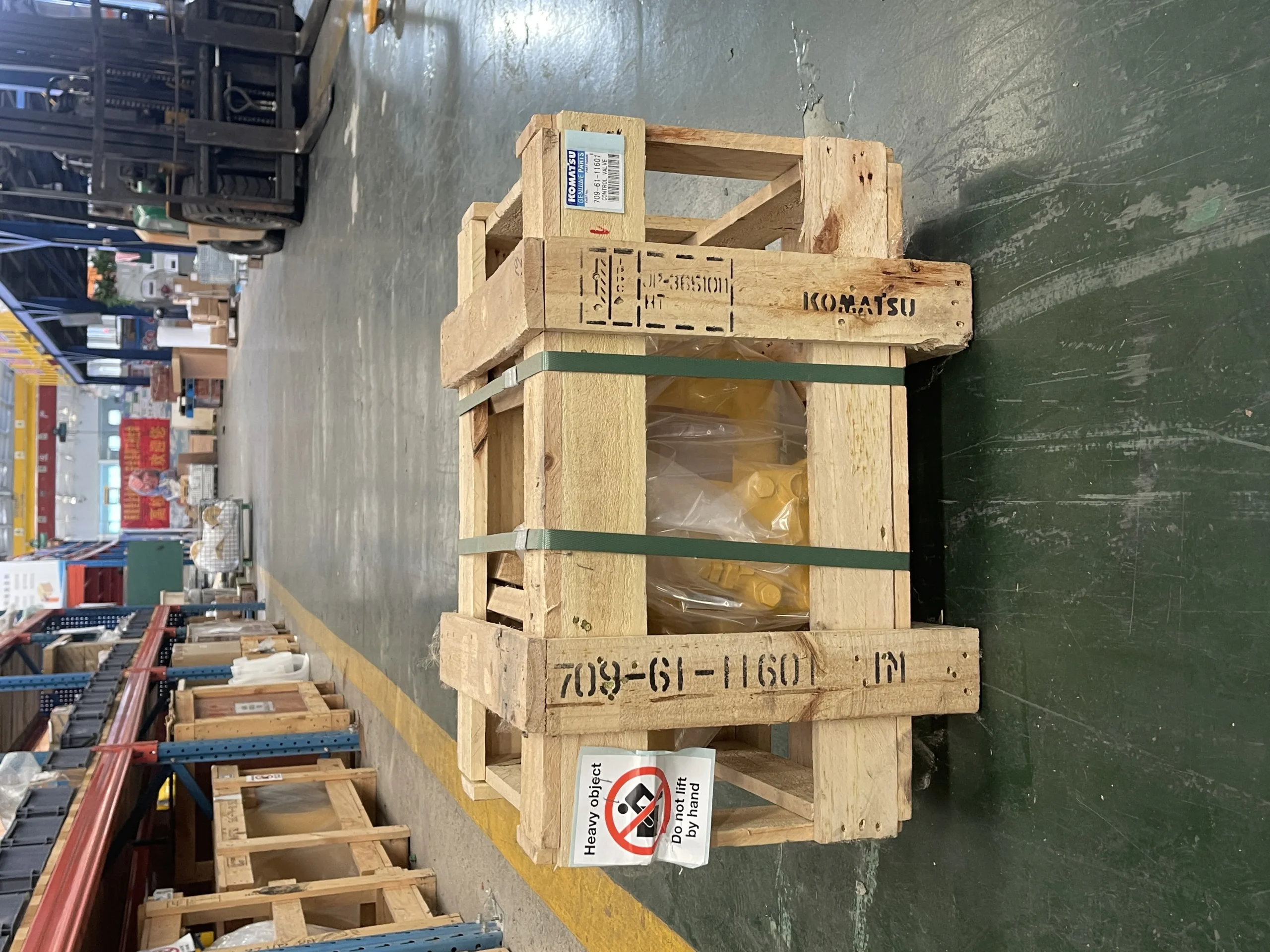 709-61-11601 Valve Assembly for Komatsu D375A-5
 -
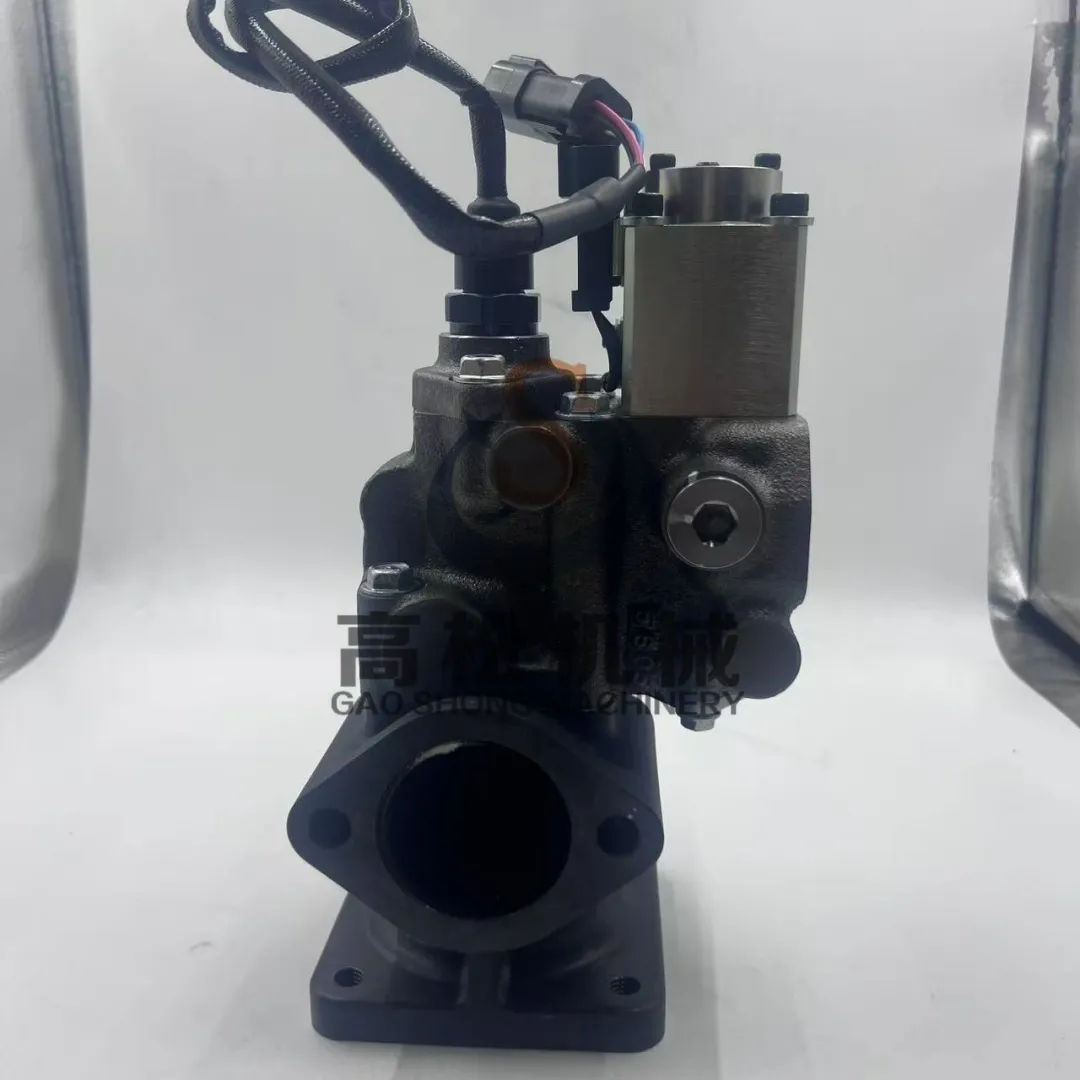 626141-9500komatsu parts
 -
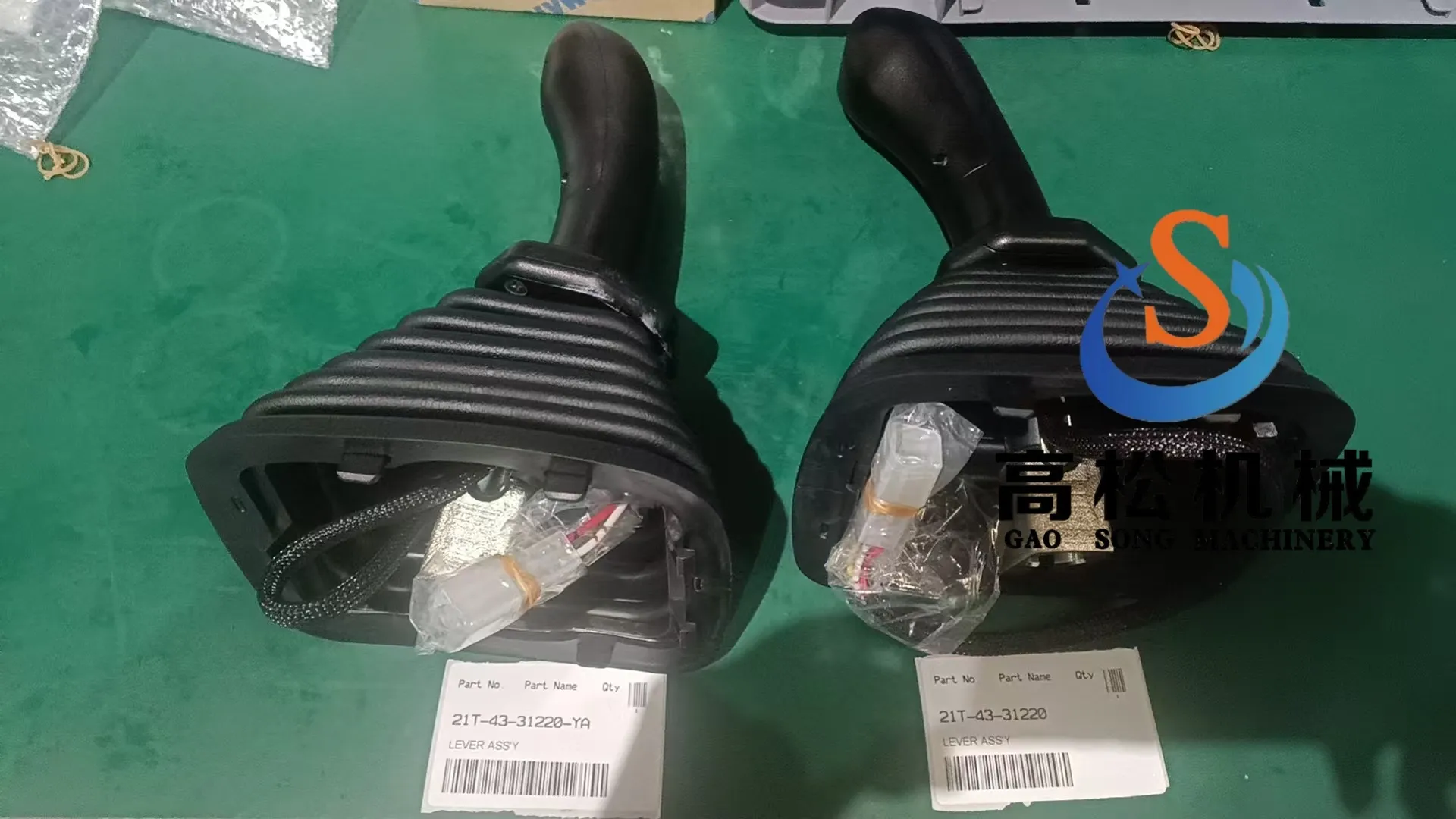 21T-43-31220 komatsu LEVER ASS’Y-PC2000-8
 -
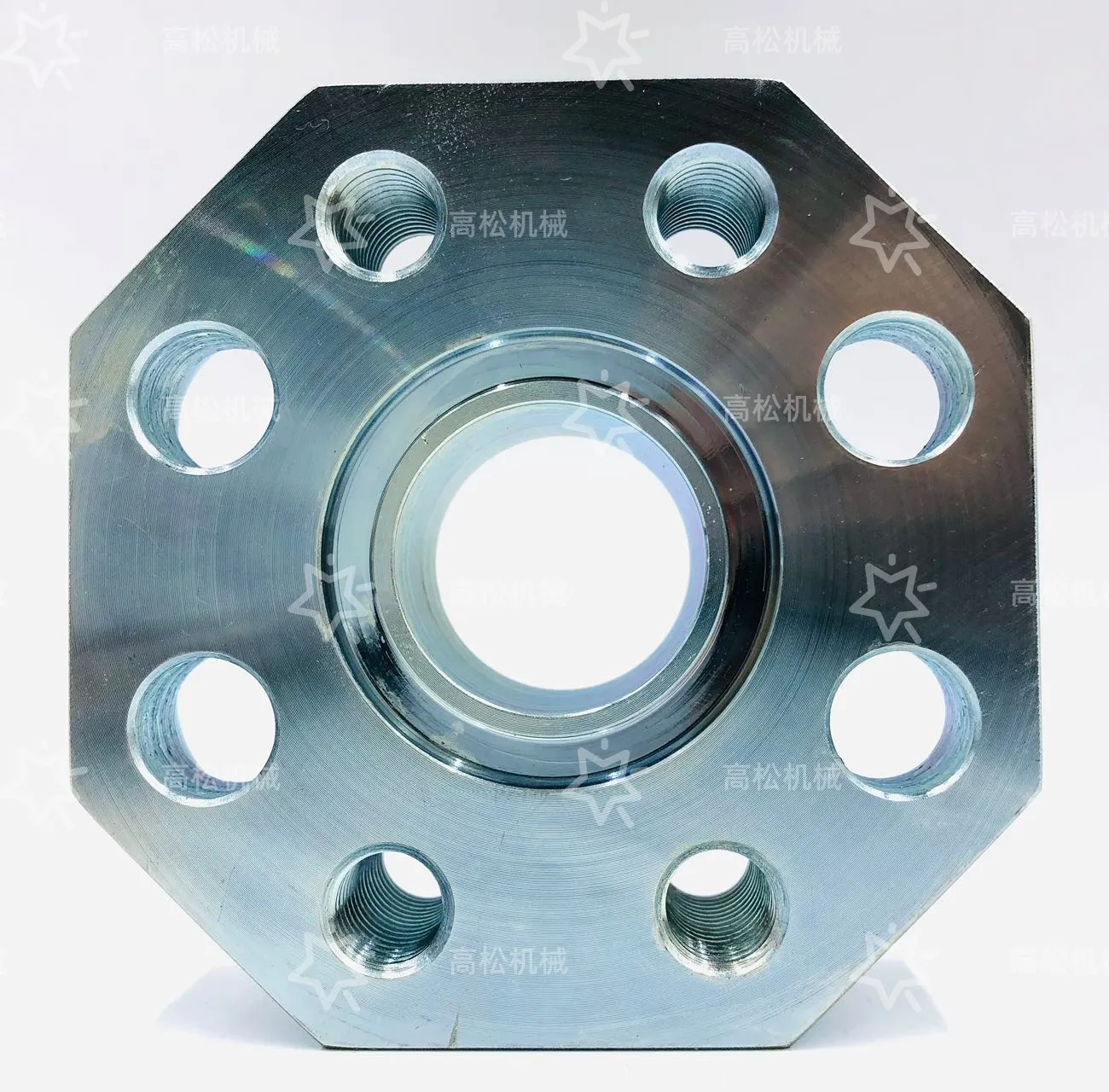 21N-62-11361 Komatsu FLANGE
 -
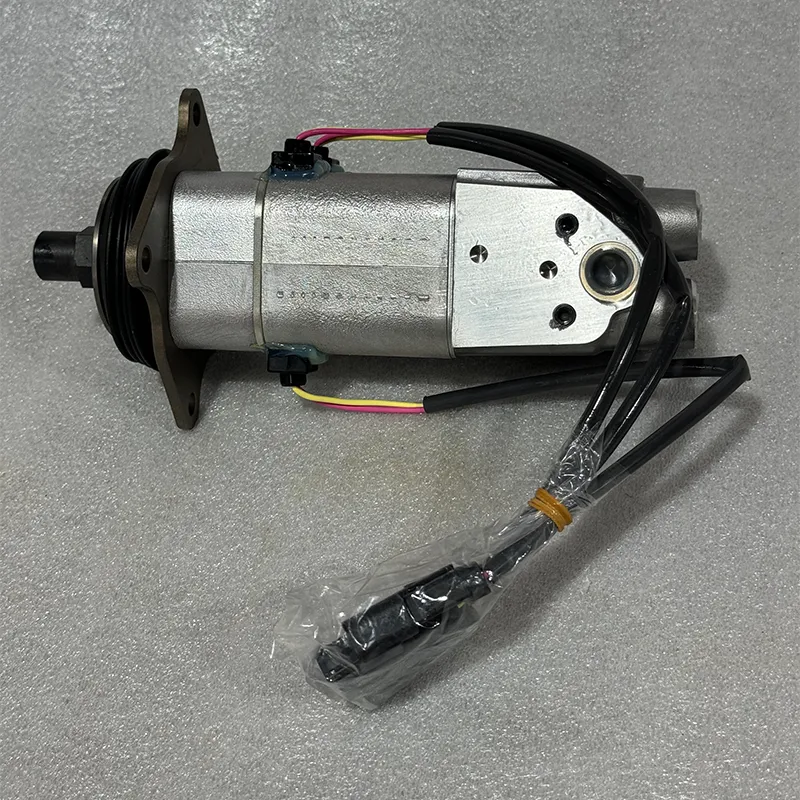 Original komatsu WA480-6 Pilot Valve 702-16-03461
 -
 2A8-70-13570 Excavator Arm Bucket Link Cover for PC500-10
 -
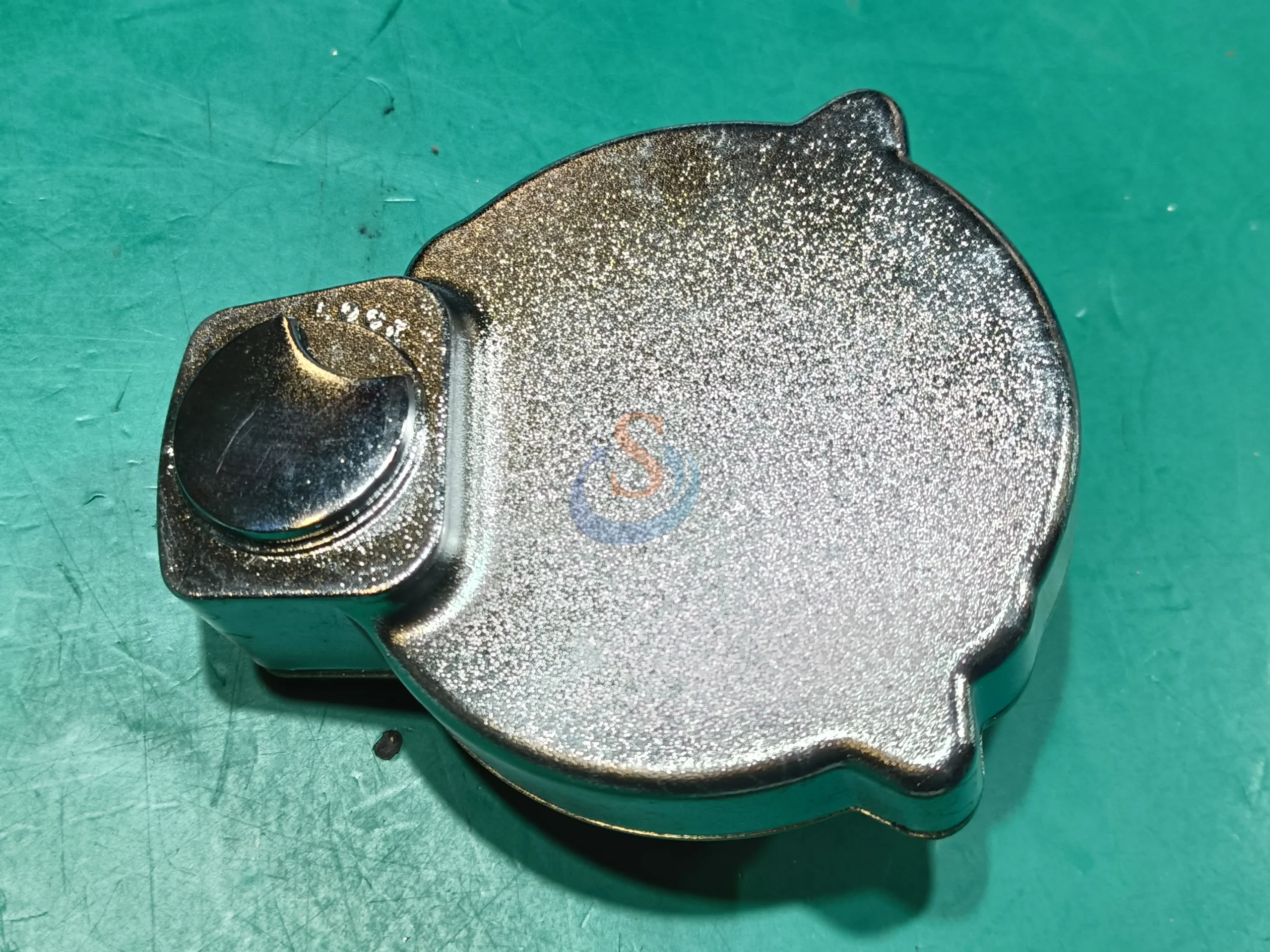 14X-60-31130,CAP,D31EX,D37EX,D65WX,D65PX,PC70
 -
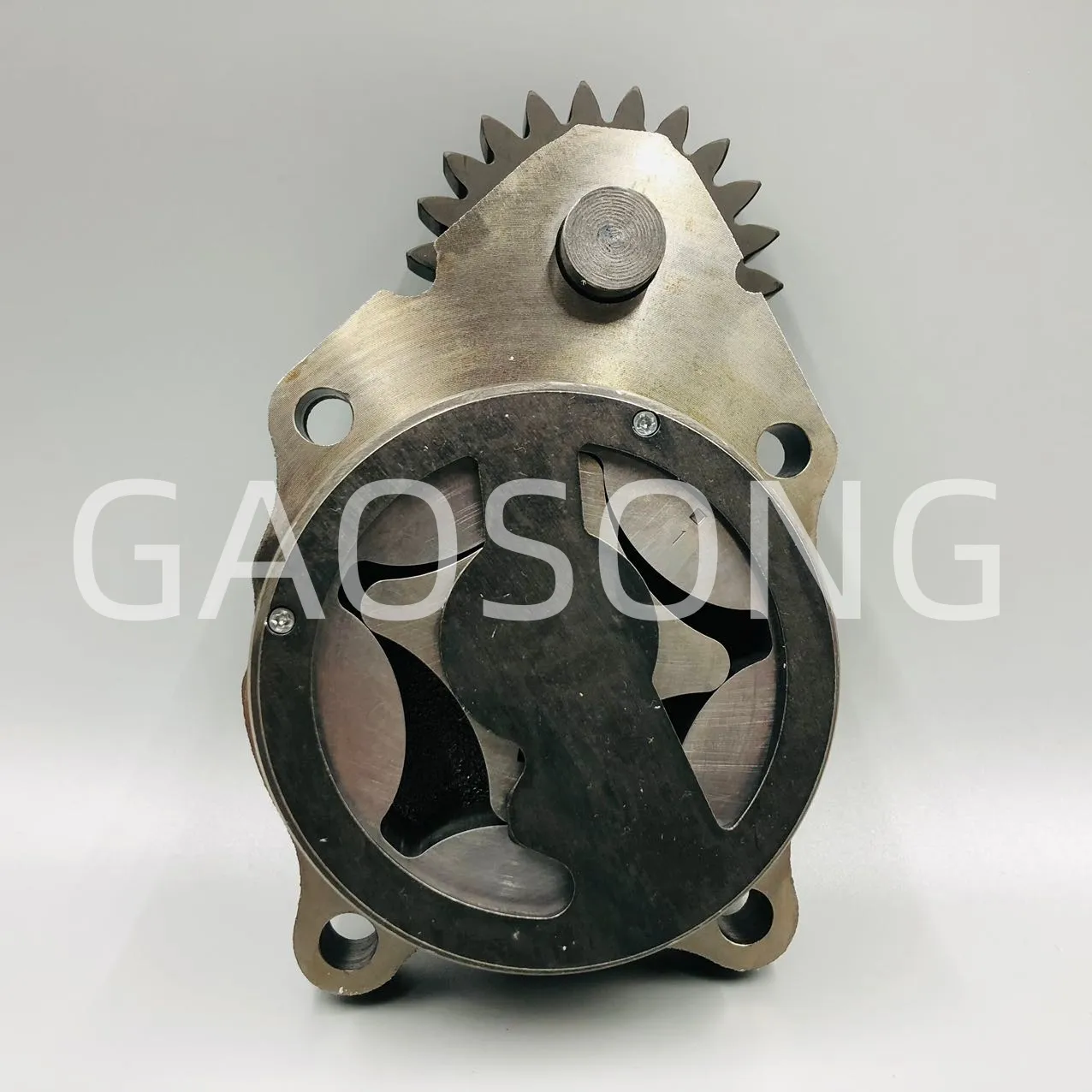 6754-51-1111 Pump Assembly, Oil-Komatsu Original Factory
 -
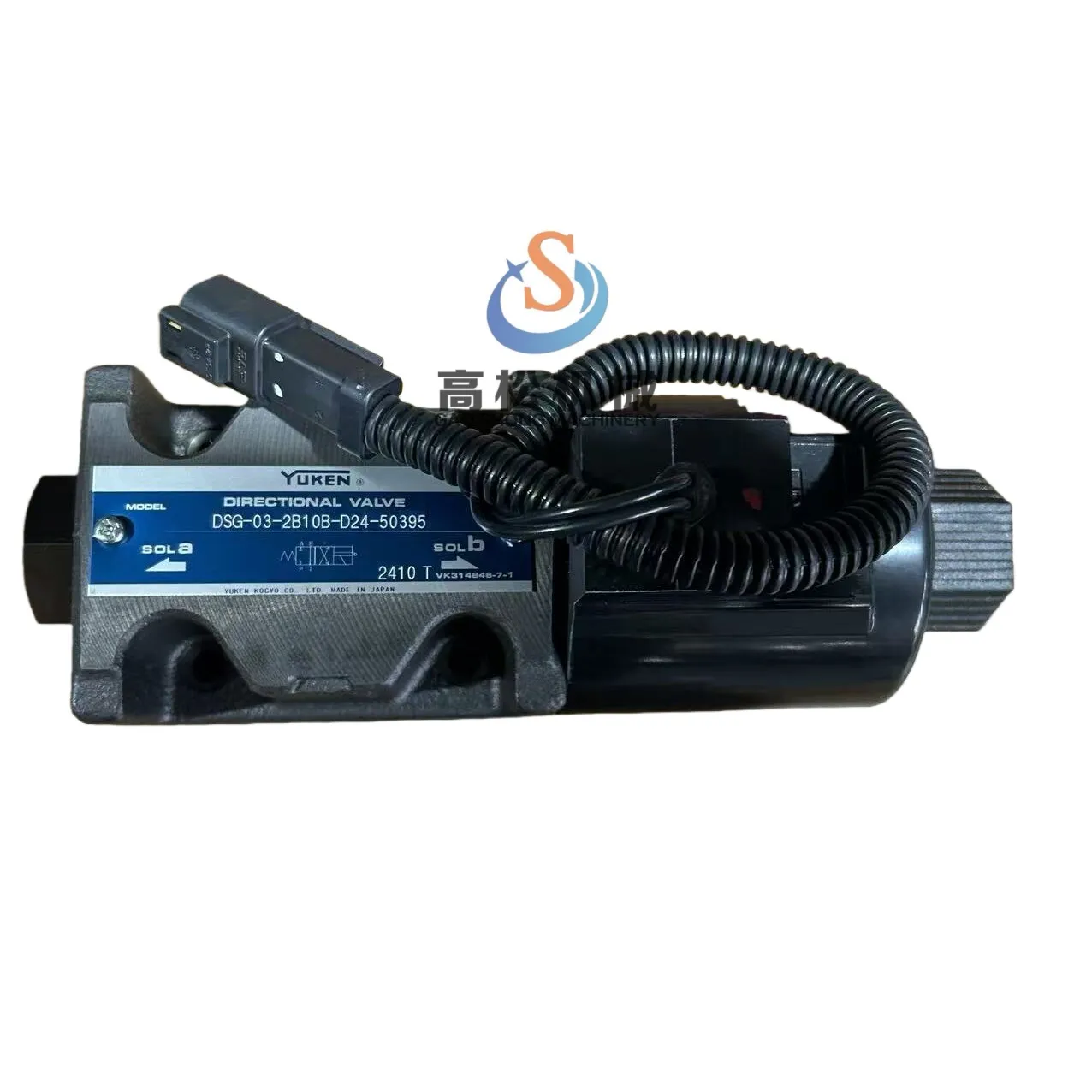 SOLENOID VALVE 561-43-8A881 HD785-7 BRAKE PIPING (PARKING BRAKE VALVE) Solenoid Valve For Komatsu Dump Truck HD785 561-43-8A881 561438A881
 -
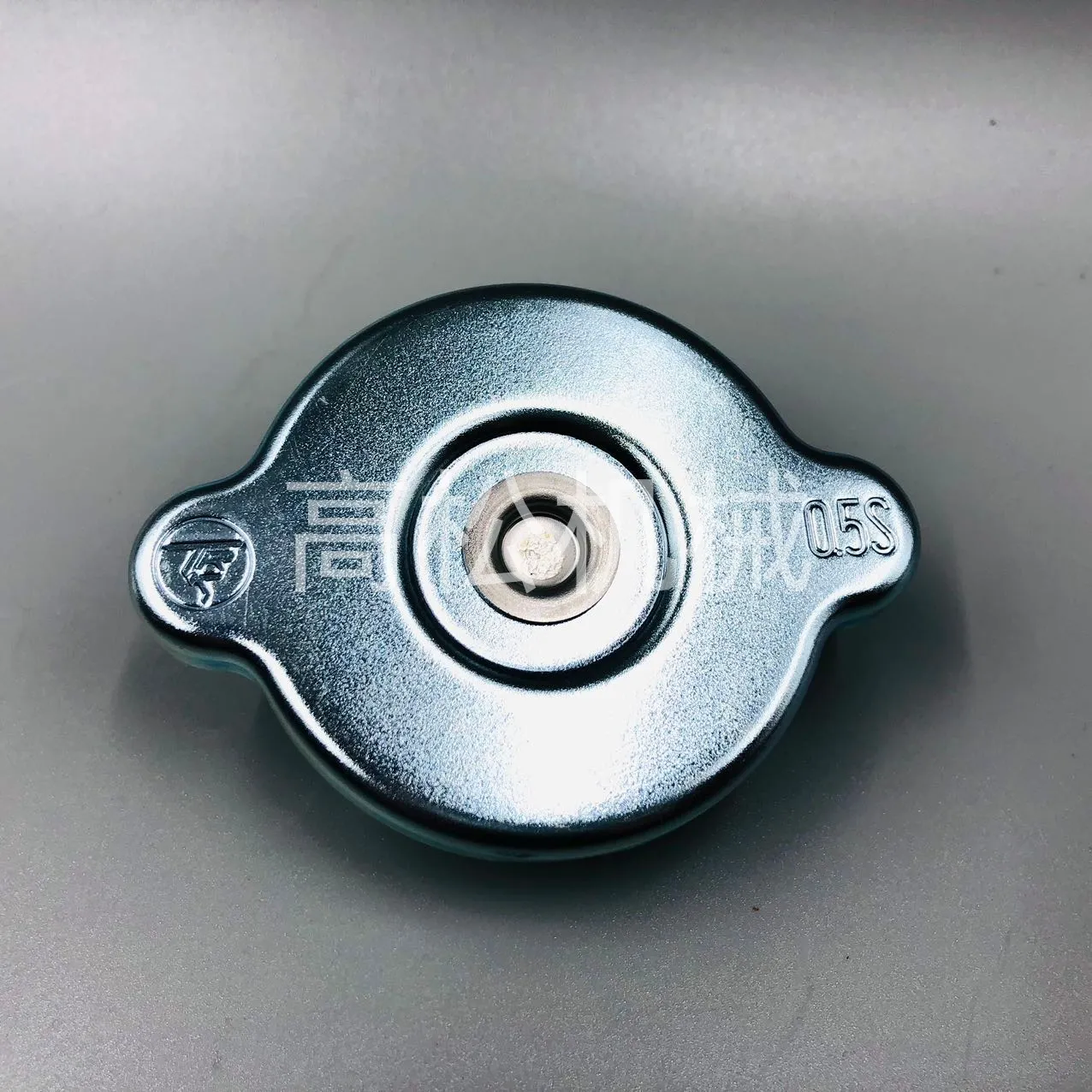 20Y-03-22110-CAP-Komatsu Original Factory