
- Chinese
- French
- German
- Portuguese
- Spanish
- Russian
- Japanese
- Korean
- Arabic
- Irish
- Greek
- Turkish
- Italian
- Danish
- Romanian
- Indonesian
- Czech
- Afrikaans
- Swedish
- Polish
- Basque
- Catalan
- Esperanto
- Hindi
- Lao
- Albanian
- Amharic
- Armenian
- Azerbaijani
- Belarusian
- Bengali
- Bosnian
- Bulgarian
- Cebuano
- Chichewa
- Corsican
- Croatian
- Dutch
- Estonian
- Filipino
- Finnish
- Frisian
- Galician
- Georgian
- Gujarati
- Haitian
- Hausa
- Hawaiian
- Hebrew
- Hmong
- Hungarian
- Icelandic
- Igbo
- Javanese
- Kannada
- Kazakh
- Khmer
- Kurdish
- Kyrgyz
- Latin
- Latvian
- Lithuanian
- Luxembou..
- Macedonian
- Malagasy
- Malay
- Malayalam
- Maltese
- Maori
- Marathi
- Mongolian
- Burmese
- Nepali
- Norwegian
- Pashto
- Persian
- Punjabi
- Serbian
- Sesotho
- Sinhala
- Slovak
- Slovenian
- Somali
- Samoan
- Scots Gaelic
- Shona
- Sindhi
- Sundanese
- Swahili
- Tajik
- Tamil
- Telugu
- Thai
- Ukrainian
- Urdu
- Uzbek
- Vietnamese
- Welsh
- Xhosa
- Yiddish
- Yoruba
- Zulu
- Kinyarwanda
- Tatar
- Oriya
- Turkmen
- Uyghur






Komatsu starter
When you hear 'Komatsu starter,' most guys in the yard immediately think of a black box with a part number stamped on it, something you just swap out when the machine cranks slow. That's the first mistake. In my experience, that starter is more of a system health indicator than a simple component. I've seen too many mechanics—good ones—throw a new starter at a PC200-8 only to have it fail again in three months because they never checked the voltage drop across the main feed cable. The starter isn't just a part; it's the endpoint of your electrical system's story.
The OEM Illusion and the Aftermarket Reality
There's this pervasive belief that if it's in a Komatsu box, it's flawless. Working with suppliers like Jining Gaosong Construction Machinery Co., Ltd., who operate as an OEM product supplier within the Komatsu system, gives you a clearer picture. Their role is crucial in certain markets. You get the genuine spec, the correct winding resistance, the exact solenoid throw. But here's the nuance: even a perfect Komatsu starter can be murdered by a bad installation or underlying issues. I remember a D65EX-12 where the new starter from a trusted pipeline made a horrible grinding noise. Turns out, the flywheel ring gear had two cracked teeth no one bothered to inspect. The 'faulty' starter was just the messenger.
The aftermarket is a minefield. Some clones look identical, even down to the casing color, but the copper content in the windings is subpar. They'll work fine in cool weather, but under a scorching sun after a full shift, the heat buildup causes resistance to skyrocket and you get that dreaded single 'click.' That's where the value of a known entity comes in. A company like Gaosong, which also handles third-party sales for Komatsu, fills a specific gap. They're not just moving boxes; they're often providing the technical backbone for shops that can't get certain parts through official channels. You're buying the specification assurance, which is sometimes more valuable than the logo.
I learned this the hard way on a remote site. We had a 930E haul truck down. The local supplier sold us a 'compatible' starter. It fit, it cranked, but it drew 50 amps more than the spec. It worked for a week before the excessive heat cooked the commutator. The downtime cost was astronomical. After that, we standardized our sourcing for critical components. It's not about brand snobbery; it's about understanding the total cost of a failure. A genuine or OEM-spec starter from a reliable supply chain, like the one hinted at on their site takematsumachinery.com, isn't an expense; it's insurance.
Diagnosis: Listening to the Grind
Let's talk about failure modes. A dead-silent key turn? That's usually a safety relay, a corroded ground, or a failed solenoid plunger—not necessarily the starter motor itself. Jumping the solenoid terminals with a heavy gauge wire (carefully!) is the first real test. If it engages and cranks, your starter motor is likely fine. The most common killer is low voltage during cranking. You need to see at least 9.6 volts at the starter terminal while it's trying to turn. Anything less, and the solenoid can't hold the pinion gear fully engaged against the flywheel. That's what causes that rapid, nasty grinding sound—the gear is being chucked in and out. It sounds like the starter is eating itself, and it is, but the root cause is elsewhere.
Another subtle one is slow cranking with normal voltage. This is where you break out the milliohm meter. Check resistance between the battery negative and the starter casing. Should be near zero. I've found bad engine ground straps that looked perfectly fine but were corroded under the bolt head, adding just enough resistance to kill cranking speed. People blame the starter, but it's just struggling against an invisible barrier.
Then there's the 'won't disengage' failure. The machine starts, but you hear a high-pitched whine or grind after releasing the key. That's often a stuck solenoid or a weak return spring. But it can also be caused by a slightly misaligned starter mounting. If it's out by even half a millimeter, the pinion gear can bind on the flywheel. You'd be surprised how often mounting bosses on the block get damaged or have debris left behind after a swap. Always use a thread chaser on the bolt holes.
The Supply Chain Puzzle and Practical Sourcing
This is where the industry gets messy. For a fleet manager in, say, West Africa or parts of Southeast Asia, getting a genuine Komatsu part within a week can be a fantasy. This is the exact challenge companies like Jining Gaosong address. They operate as a problem-solving layer. You're not just getting a part; you're accessing a logistics and verification network that understands Komatsu systems. When their site says helping to solve parts supply challenges in certain countries, that's the real value. It means they know which alternator models pair with which starters on a specific serial number range of a Dash-3 model, something a generic parts website will never get right.
I once needed a starter for an old PC300-3. The official channel had it on a 90-day backorder. A local supplier offered one that fits. Cross-referencing through a technical contact who used Gaosong's resources, we found the offered unit had the wrong drive end housing depth. It would have mounted but would have destroyed the flywheel. The right one was sourced through their third-party network and was on site in 10 days. It wasn't in a Komatsu box, but it was built to the OEM drawing. That's the critical difference.
When you look at their portal at takematsumachinery.com, the utility isn't in flashy marketing. It's in the assumption that you, the visitor, already know what a S6E-125 starter is for. They're speaking to the professional who needs a solution, not a sales pitch. This aligns perfectly with the on-the-ground reality where the part number is just the beginning of the conversation.
Installation: Where Good Parts Go to Die
Assuming you've sourced the correct unit, the job is only half done. Clean the mounting surface on the block. I can't stress this enough. Any grit or old gasket material tilts the starter, leading to misalignment. Apply anti-seize to the bolts, but sparingly—you don't want it getting into the unit. Torque to spec. Over-tightening can distort the housing and cause internal binding.
The electrical connections are the next failure point. Always replace the copper crush washers on the main power terminal. A poor connection here creates heat and voltage drop. Use a proper star washer on the ground connection to the chassis. Dielectric grease on the spade connectors for the solenoid signal wire? Yes, but only after they are crimped and sealed. That grease is for keeping moisture out, not for making the electrical connection.
The final, often forgotten step: perform a voltage drop test after installation. One probe on the battery positive post, the other on the starter's main terminal. Crank. The reading should be below 0.5 volts. Do the same on the negative side. This 5-minute test confirms your entire installation is sound. I've seen brand-new, perfectly good starters get returned as defective because the shop had a bad crimp on their new battery cable they just installed.
Final Turn of the Key
So, the 'Komatsu starter' is a conversation. It starts with a symptom but quickly branches into electrical theory, logistical networks, and meticulous mechanical practice. It's a component that demands respect for the system it lives in. Relying on knowledgeable suppliers who bridge the OEM and aftermarket worlds isn't a compromise; it's often the most professional choice for keeping iron moving. The goal isn't to just have a starter that works today, but one that will survive thousands of thermal cycles, vibrations, and voltage spikes. That comes from the right part, yes, but more so from the right understanding of everything that touches it. Next time you hear that slow crank, don't just reach for the part catalog. Reach for your multimeter first.
Related Products
Related Products

Best Selling Products
Best Selling Products-
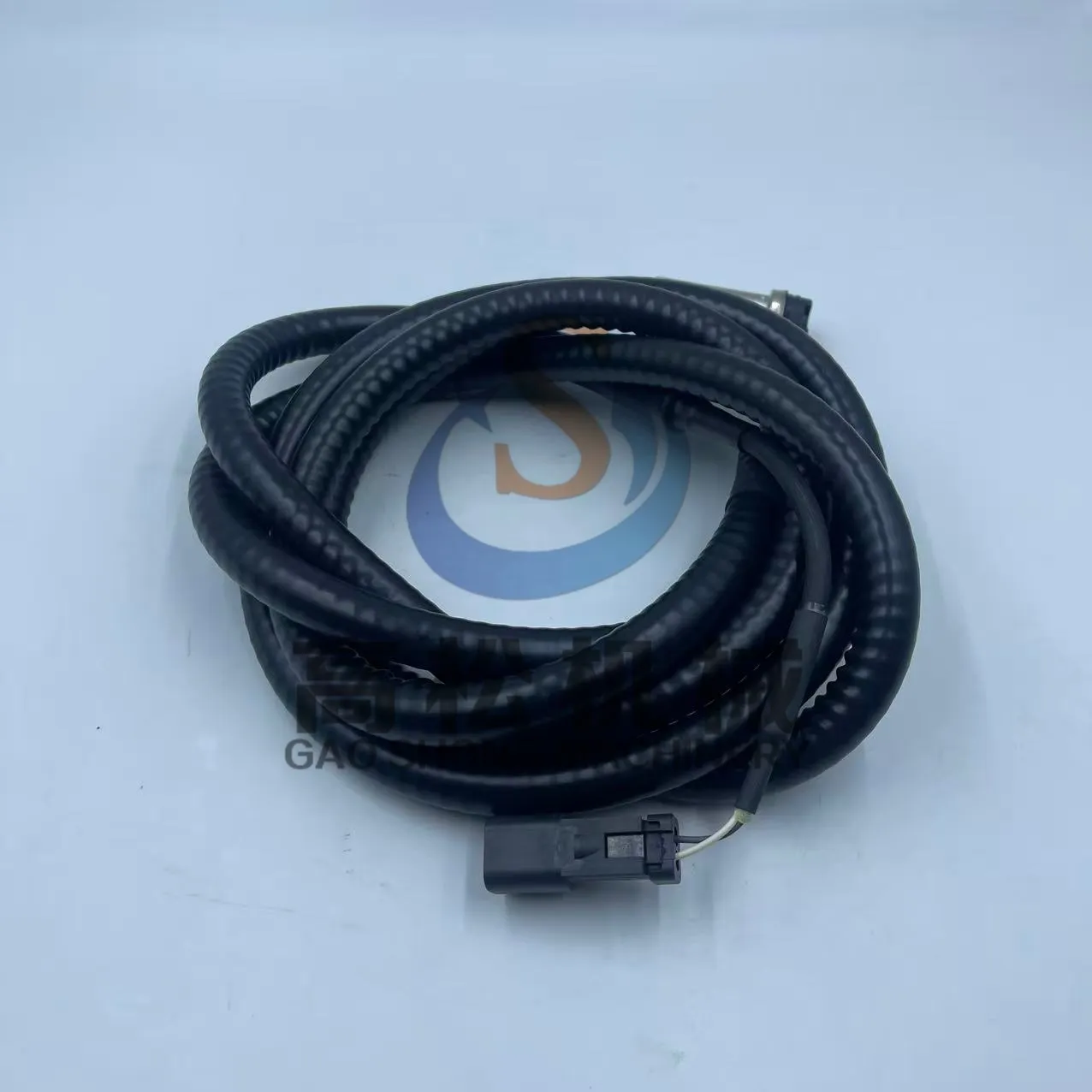 566-88-66143 – KOMATSU SENSOR
 -
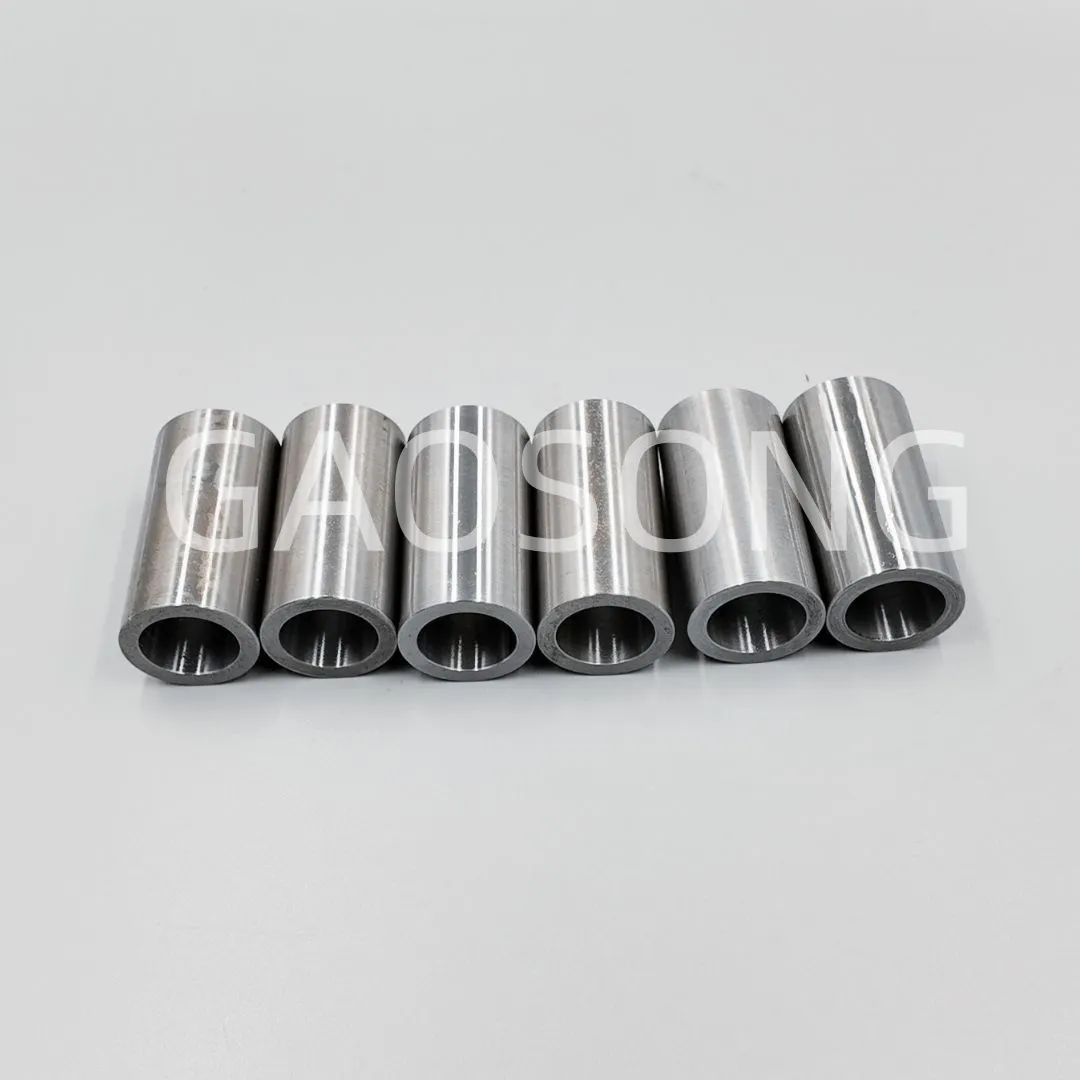 566-54-21910 BUSHING–Komatsu Original Factory
 -
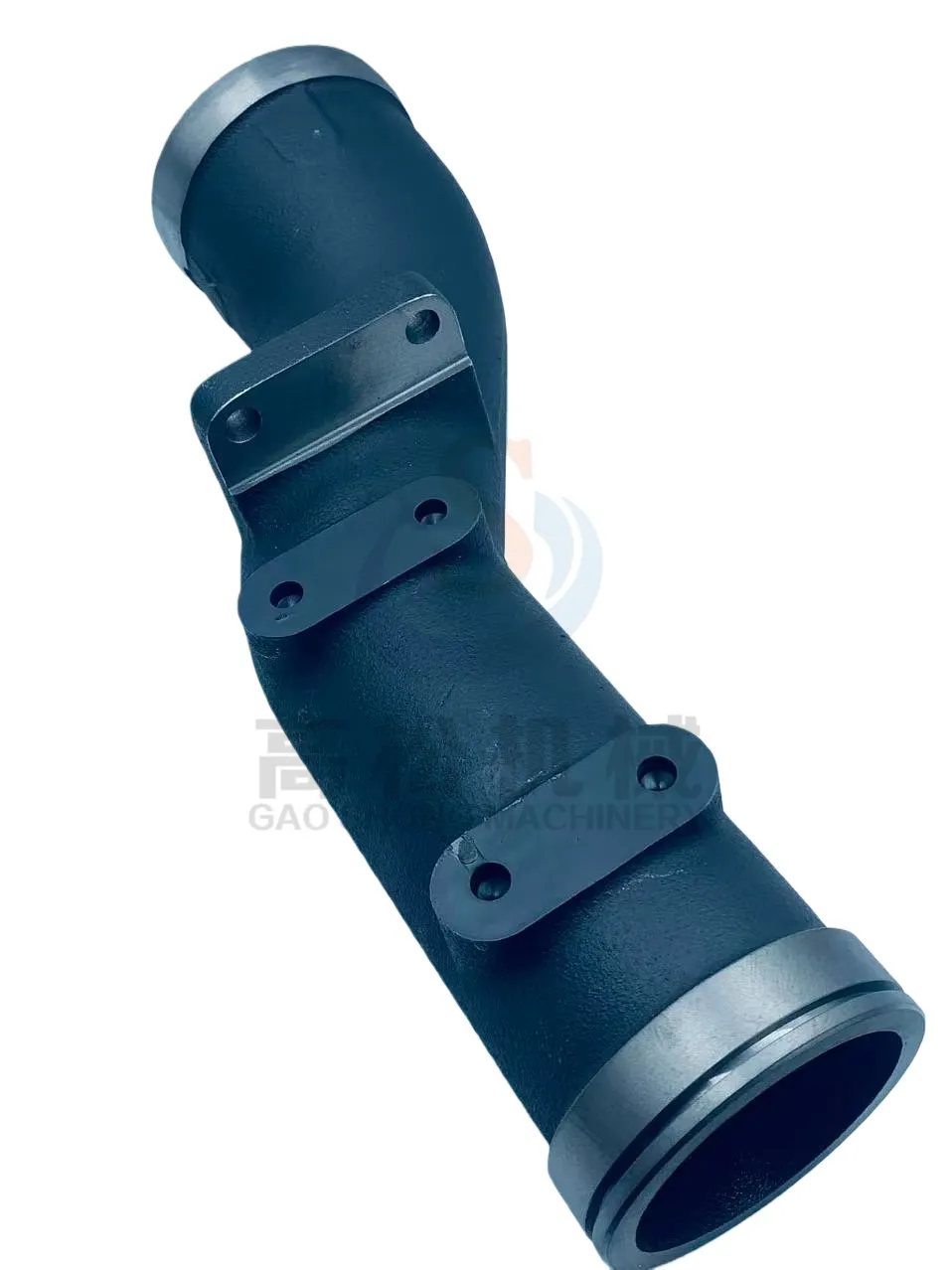 KOMATSU CONNECTOR 6156-11-5521 PC400-7 MUFFLER CONNECTOR SAA6D125E-3K-8W MUFFLER
 -
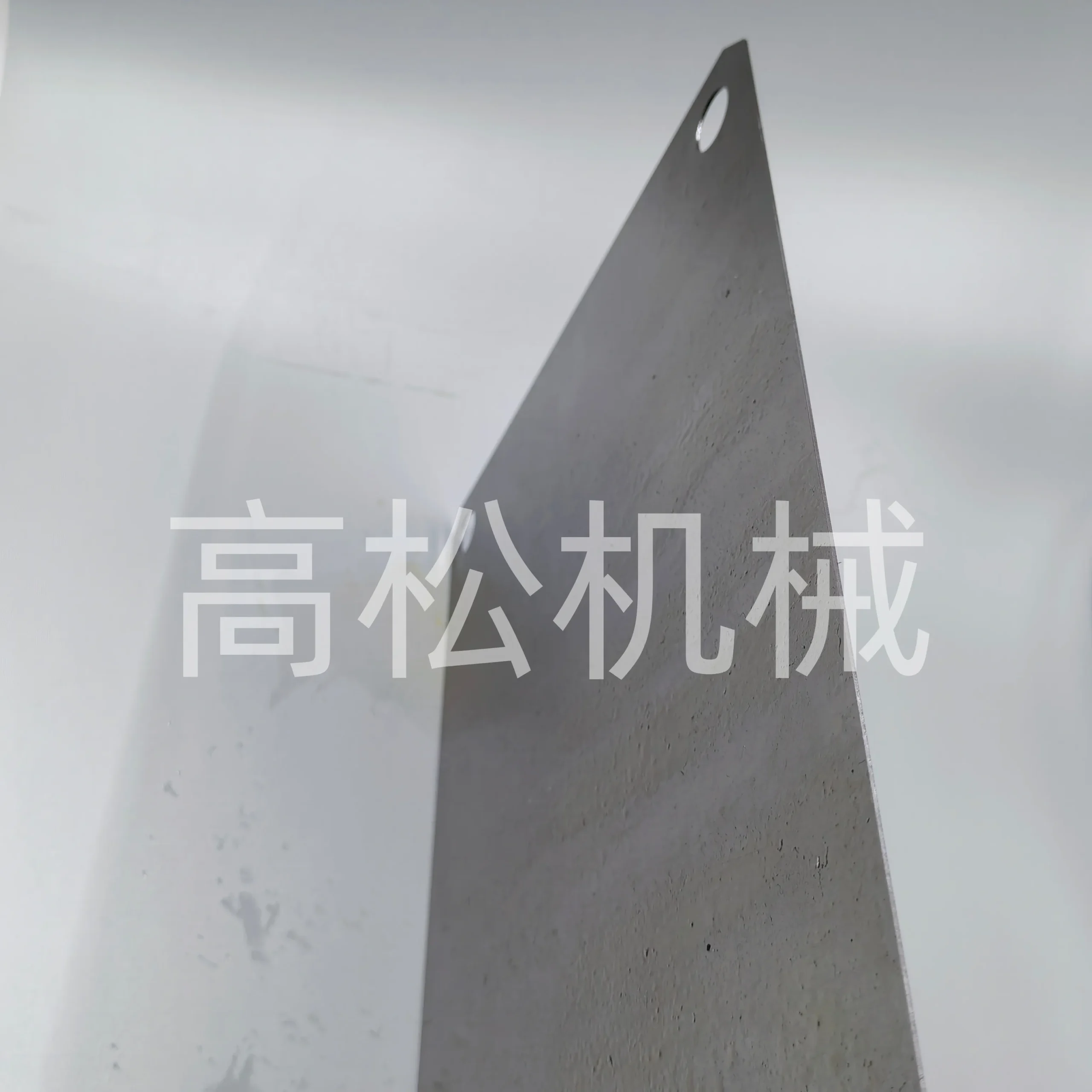 561-74-61540 SHIM¤ 1.0MM-Komatsu Original Factory
 -
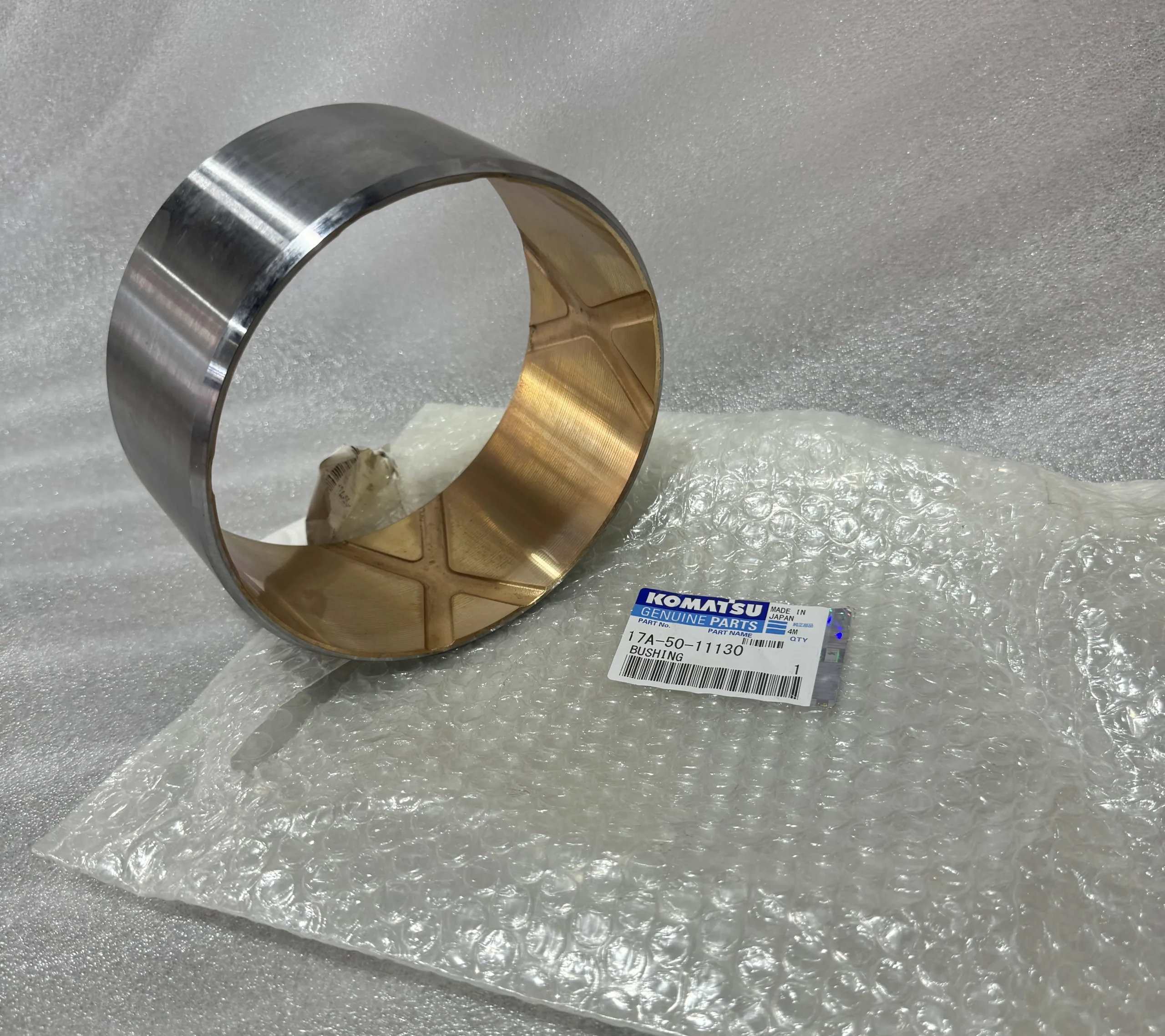 D155AX-3 Bushing 17A-50-11130
 -
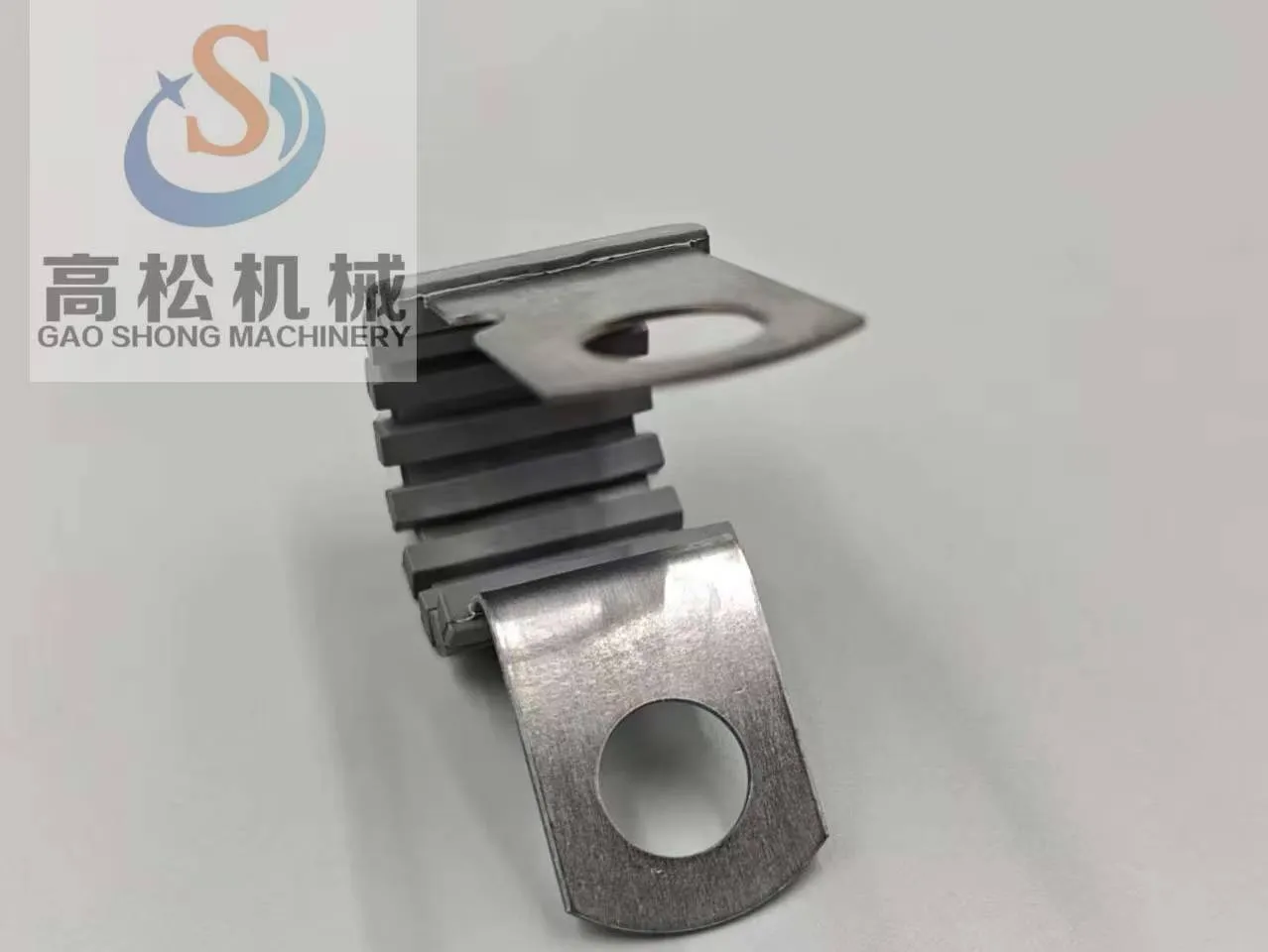 600-051-2180 Compatible models: D65 WA470-6 GD675 Komatsu original clip. Large inventory available.
 -
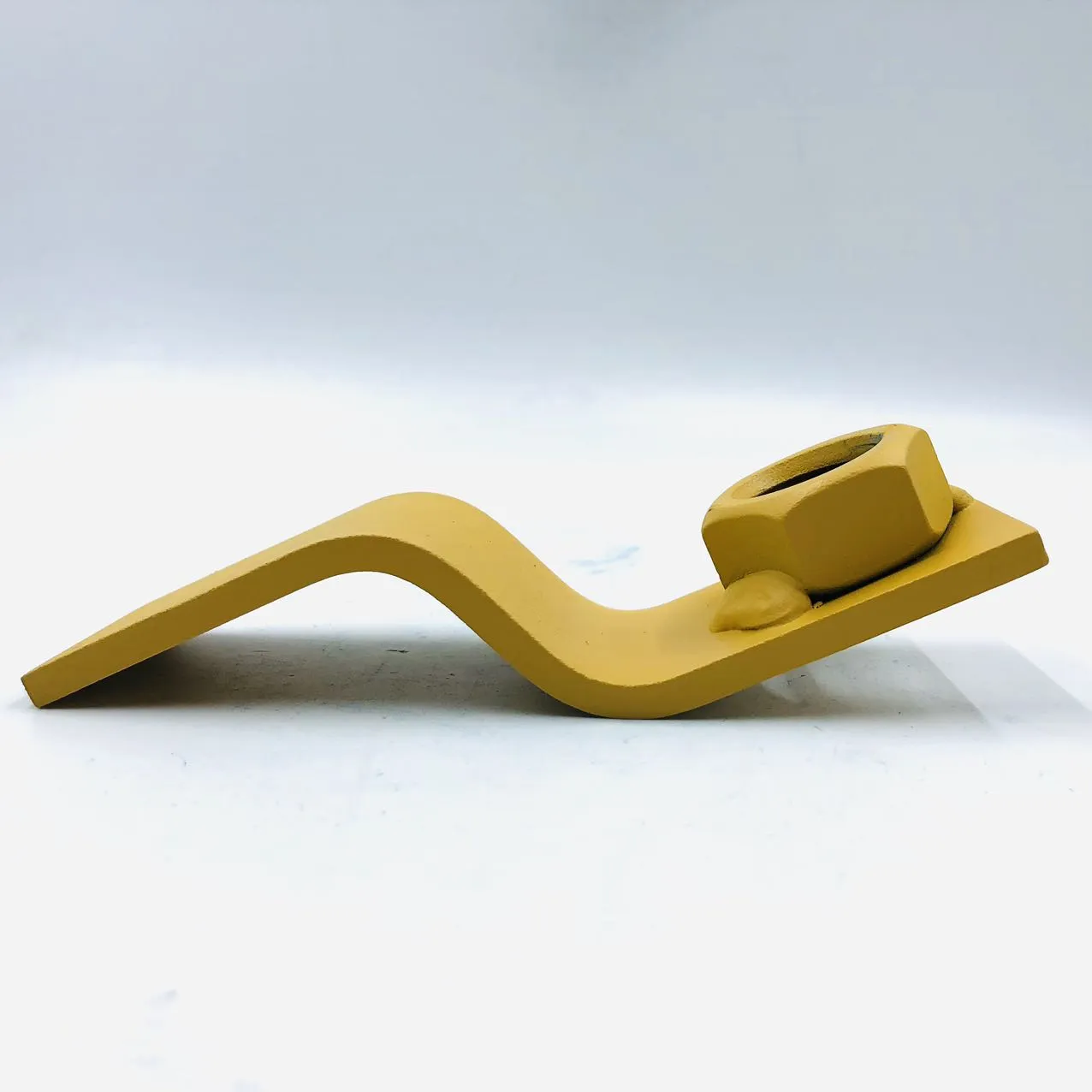 21T-01-67330 Komatsu Machinery Parts
 -
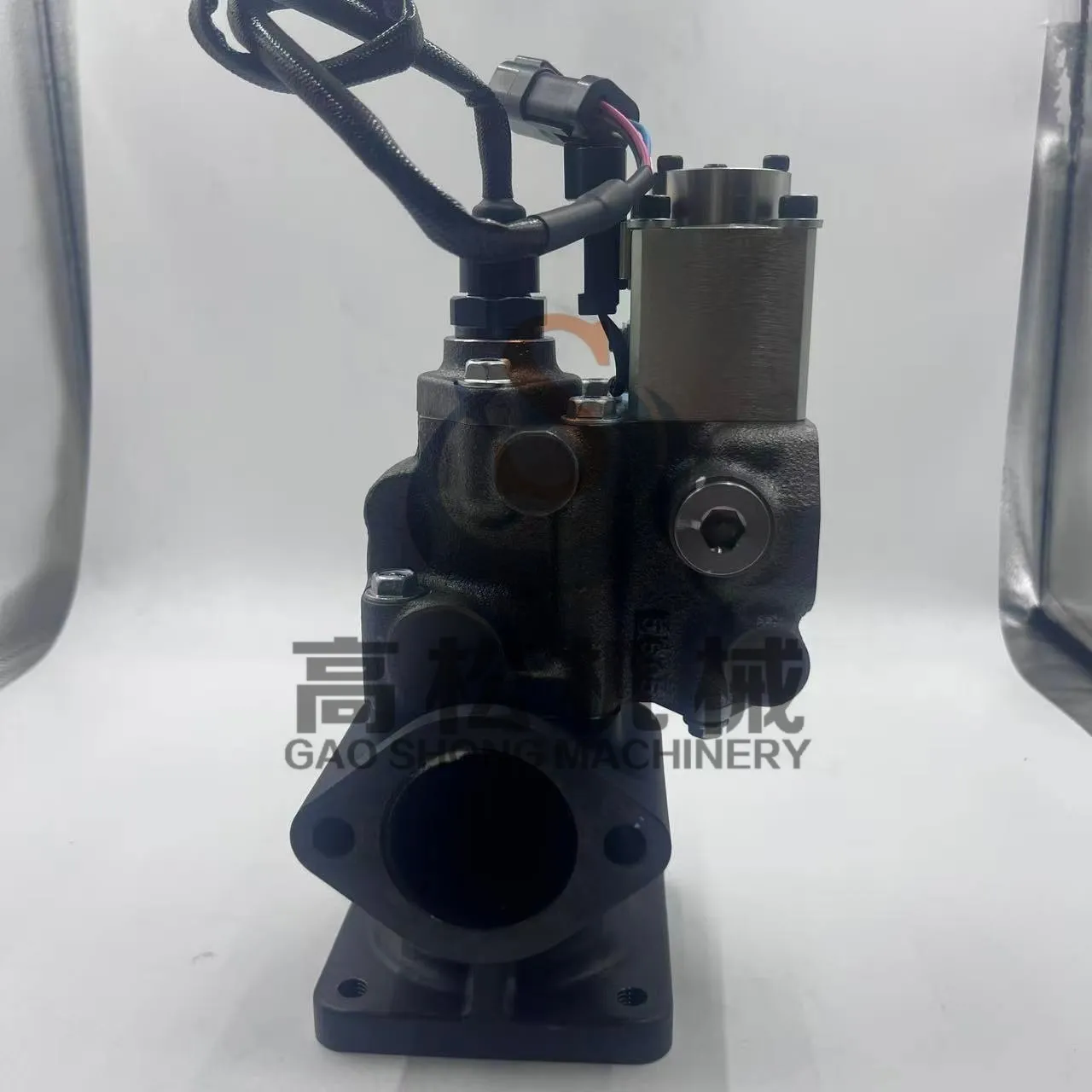 6261-41-9500 Komatsu Valve Assembly
 -
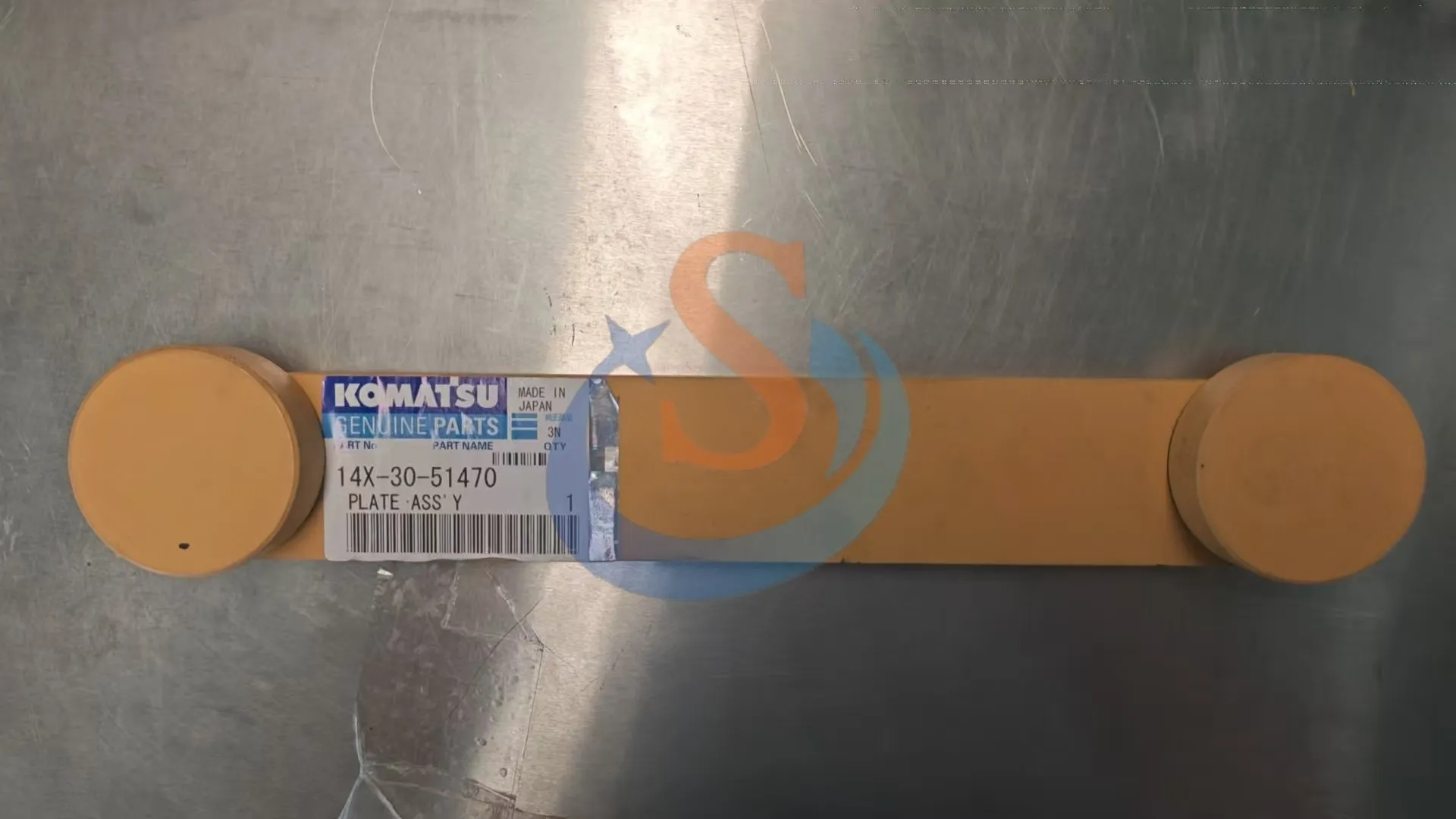 14X-30-51470,PLATE ASS’Y,D65EX,D65PX,D65WX
 -
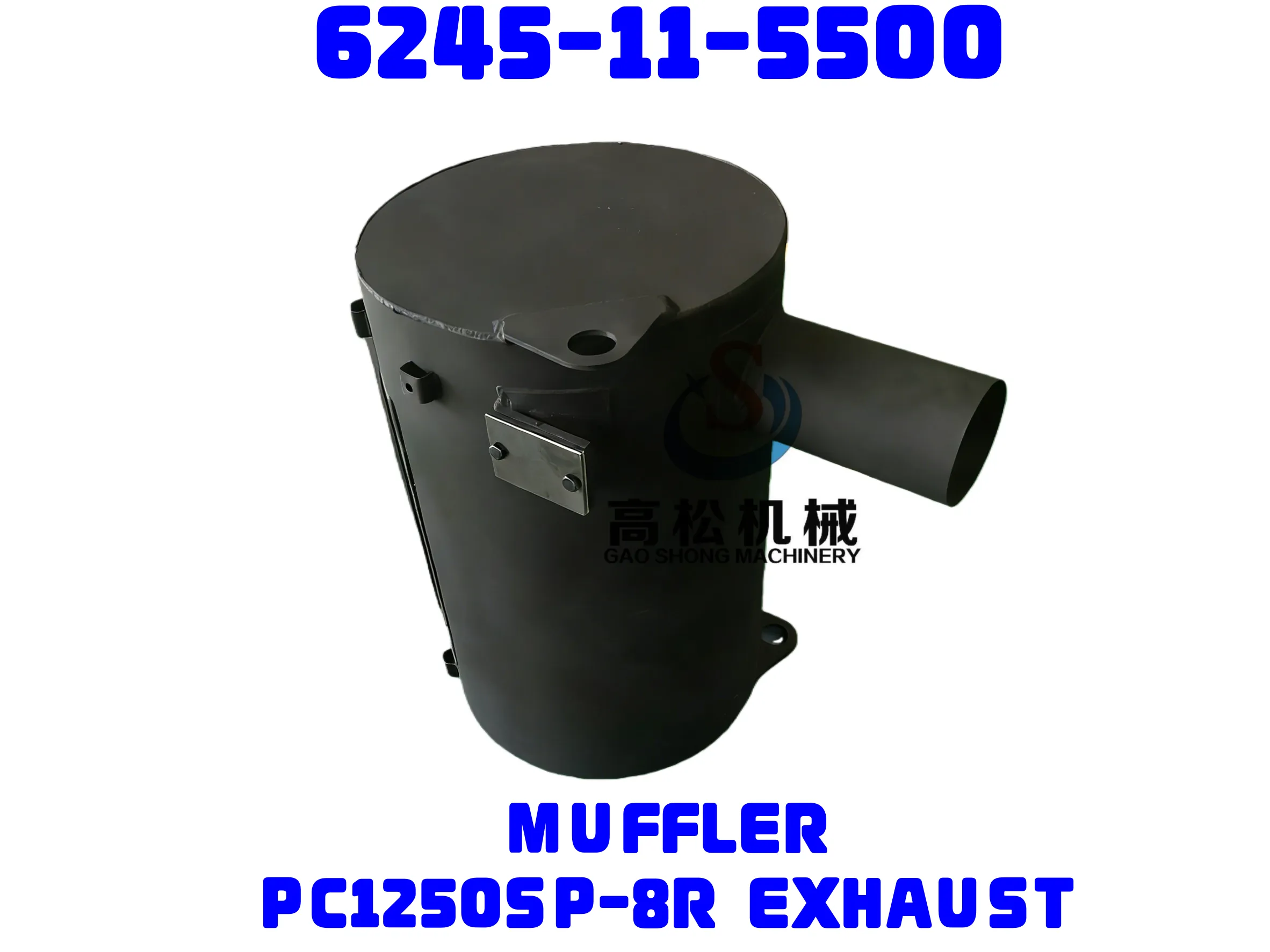 komatsu parts 6245-11-5500 MUFFLER PC1250SP-8R EXHAUST MUFFLER SAA6D170E-5CR-W MUFFLER MOUNTING
 -
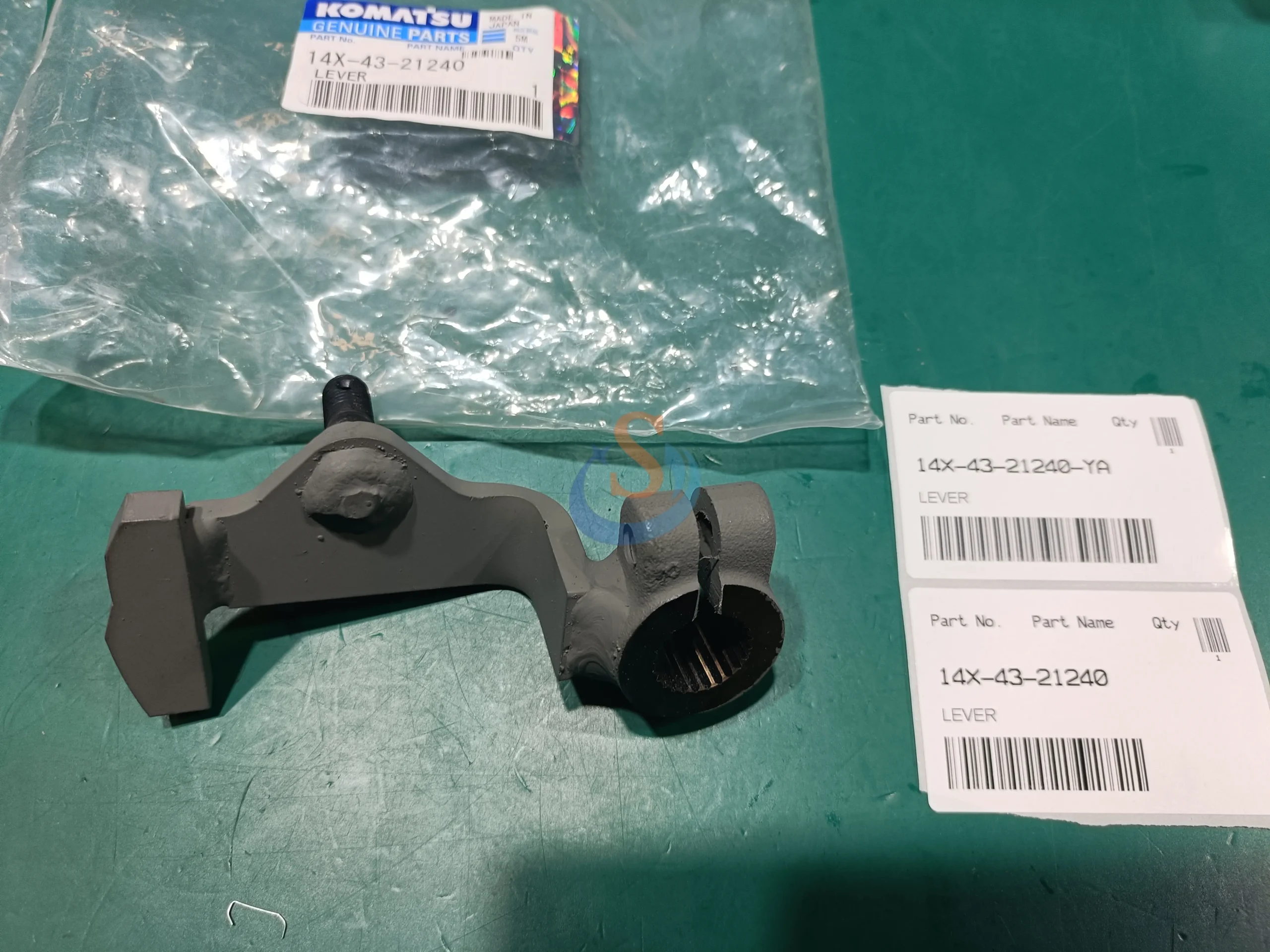 14X-43-21240,LEVER,D65P,D65E,D85E
 -
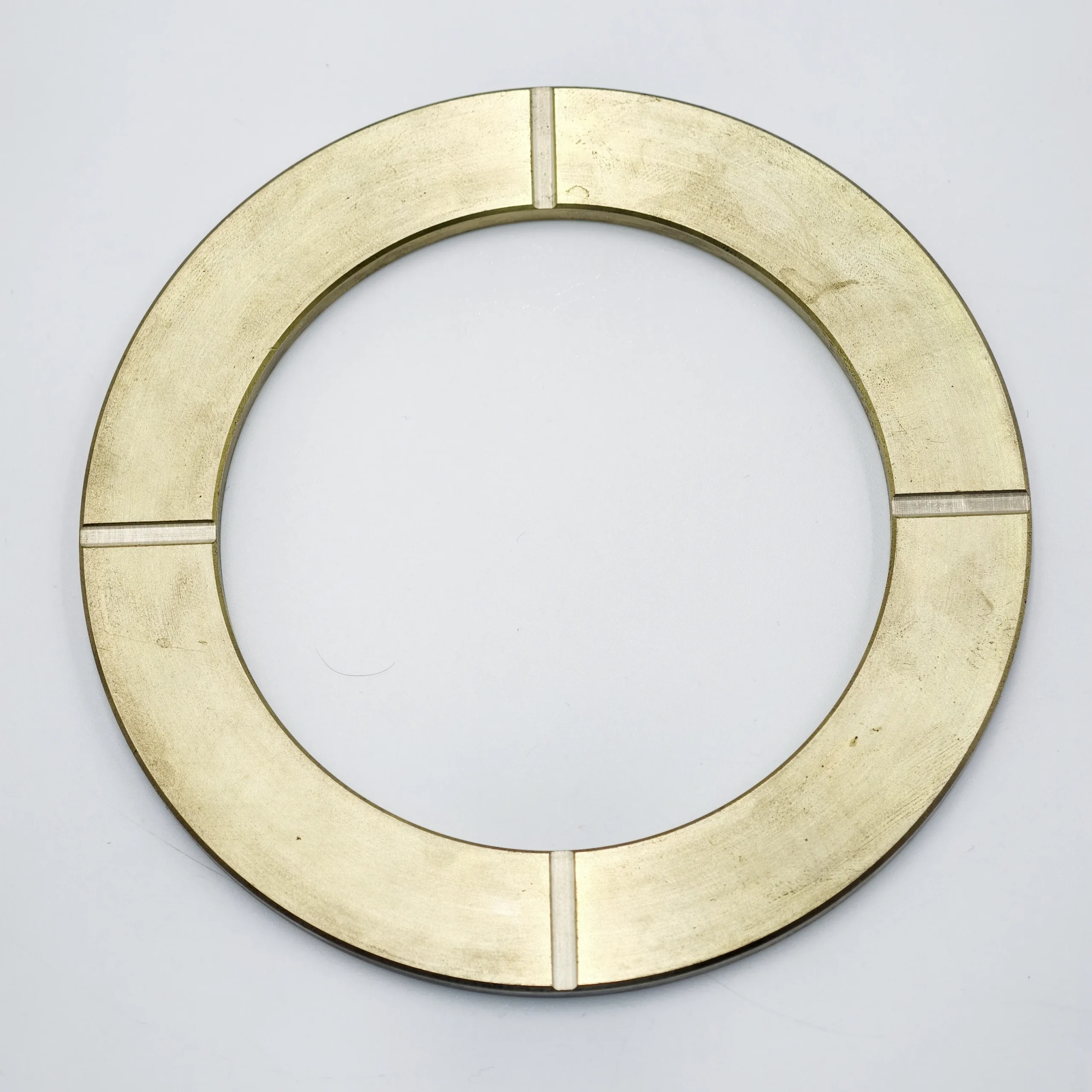 235-70-45170 Shaft (Komatsu)
Related Search
Related Search- Komatsu air filter
- komatsu pc200 7 parts book
- OEM AND ORIGINAL KOMATSU WIRING HARNESS 21T-06-32265
- OEM AND ORIGINAL KOMATSU VALVE 56B-43-17300
- 714-07-28703
- OEM AND ORIGINAL KOMATSU BEARING 561-27-71960
- 701-81-1805
- OEM AND ORIGINAL KOMATSU STEERING VALVE 235-40-14101
- used komatsu dozer parts
- komatsu online parts lookup