
- Chinese
- French
- German
- Portuguese
- Spanish
- Russian
- Japanese
- Korean
- Arabic
- Irish
- Greek
- Turkish
- Italian
- Danish
- Romanian
- Indonesian
- Czech
- Afrikaans
- Swedish
- Polish
- Basque
- Catalan
- Esperanto
- Hindi
- Lao
- Albanian
- Amharic
- Armenian
- Azerbaijani
- Belarusian
- Bengali
- Bosnian
- Bulgarian
- Cebuano
- Chichewa
- Corsican
- Croatian
- Dutch
- Estonian
- Filipino
- Finnish
- Frisian
- Galician
- Georgian
- Gujarati
- Haitian
- Hausa
- Hawaiian
- Hebrew
- Hmong
- Hungarian
- Icelandic
- Igbo
- Javanese
- Kannada
- Kazakh
- Khmer
- Kurdish
- Kyrgyz
- Latin
- Latvian
- Lithuanian
- Luxembou..
- Macedonian
- Malagasy
- Malay
- Malayalam
- Maltese
- Maori
- Marathi
- Mongolian
- Burmese
- Nepali
- Norwegian
- Pashto
- Persian
- Punjabi
- Serbian
- Sesotho
- Sinhala
- Slovak
- Slovenian
- Somali
- Samoan
- Scots Gaelic
- Shona
- Sindhi
- Sundanese
- Swahili
- Tajik
- Tamil
- Telugu
- Thai
- Ukrainian
- Urdu
- Uzbek
- Vietnamese
- Welsh
- Xhosa
- Yiddish
- Yoruba
- Zulu
- Kinyarwanda
- Tatar
- Oriya
- Turkmen
- Uyghur






Komatsu sprocket
When you hear 'Komatsu sprocket', most people just think of a replacement part, a chunk of forged steel you order when the old one's teeth are hooked. That's the first mistake. In my experience, it's never that simple. The sprocket isn't an island; its life is dictated by the track chain it mates with, the undercarriage tension, the ground conditions, and frankly, the operator's habits. I've seen brand-new OEM sprockets wear prematurely because someone kept running the track too tight on abrasive site. So, starting a conversation about a Komatsu spprocket purely from a catalog perspective misses the entire point of machine health.
The OEM Promise and the On-Ground Reality
There's a solid reason we stick with genuine Komatsu undercarriage components when we can. The metallurgy, the heat treatment on the teeth, the precise hardening depth—it's engineered to work in sync with the rest of the system. A true Komatsu sprocket has a calculated wear profile. It's designed to wear with the chain, not against it, to maintain pitch harmony for as long as possible. This synergy is what gets you maximum component life. When you mix and match, you lose that. I've measured pitch on aftermarket chains paired with OEM sprockets and found the mismatch starts costing you in hours, not weeks.
But here's the rub: the official supply chain isn't always there when you need it. A machine down in a remote quarry, a project deadline looming—waiting six weeks for a single Komatsu sprocket through standard channels isn't operational reality, it's a financial hemorrhage. This gap between the ideal OEM scenario and the urgent needs in the field is where the real business happens. Companies have to navigate this.
This is precisely the space where a supplier like Jining Gaosong Construction Machinery Co., Ltd. operates. They position themselves as an OEM product supplier within the Komatsu system, which is a nuanced role. It means they have access to and understand the genuine parts pipeline, but their core value, as stated on their site https://www.takematsumachinery.com, is solving parts supply challenges in certain countries. They're not just a warehouse; they're a logistics and access solution for markets where the main distribution net has holes.
When Equivalent Isn't Equal: A Case in Point
Let me walk through a scenario from a few years back. We had a PC360-8 with severe sprocket wear, but the chain pads still had 60% life. The budget was tight, and the site manager was pressured to try a premium equivalent sprocket from a third-tier supplier. The price was tempting, almost 40% less. We installed it. Within 400 hours, we started getting abnormal wear on the chain bushings. The sprocket teeth looked okay, but they were actually harder than spec, acting like a file on the chain. The cost saving evaporated, plus we now needed a new chain. The total cost ended up being 50% higher than if we'd sourced a proper Komatsu part from the get-go.
The failure wasn't in the steel's strength, but in its hardness profile and the tooth form geometry. The aftermarket part copied the basic shape but missed the subtle lead-in angles and the root radius that Komatsu engineers to reduce stress concentration. This is the kind of detail you only learn by tearing down failed components and comparing them side-by-side, or by having suppliers who are deep enough in the OEM ecosystem to know these specs matter.
This is where a company's stated role matters. A third-party sales company for Komatsu that is also an OEM supplier, like Jining Gaosong, theoretically should have the technical grounding to advise against such mismatches. Their business isn't just moving boxes; it's supposed to be about applying system knowledge to keep machines running with the right parts. Whether they all do that in practice is another question, but the model is set up for it.
More Than a Sprocket: The System Diagnostics
Now, when I'm called to look at a worn Komatsu sprocket, I'm not just looking at the sprocket. It's a diagnostic tool. The wear pattern tells a story. Even wear across all teeth? That's just normal life. One-sided wear? That's a misalignment issue, maybe a bent carrier or frame damage. Pointed, hook-shaped teeth? That's classic chain pitch elongation—the chain is worn out and has been grinding the sprocket down. Replacing the sprocket alone in that last case is literally throwing money away; it'll be destroyed by the old chain in no time.
You have to measure. Always measure the chain pitch. You need the pin diameter, the bushing OD, the overall pitch. Compare it to the new spec. That data dictates whether you're doing a single-component swap or a full undercarriage turnaround. A good parts supplier should be asking you for these measurements, or at least guiding you to take them, before they even quote a sprocket. It saves everyone headaches.
This systems approach is what separates parts peddlers from technical partners. The website for Jining Gaosong mentions solving supply challenges. The real test of a supplier like that is whether they engage in this kind of diagnostic conversation before selling you a part. Can they tell you why you might need a specific Komatsu sprocket variant, not just that they have one in stock?
Logistics as a Critical Spec
For end-users, a part's specification sheet includes its delivery time. A Komatsu sprocket that arrives in 3 days is often more valuable than an identical one that arrives in 30 days, even at a slight premium. Downtime costs dwarf parts costs. This is the challenge in certain countries that the Jining Gaosong site refers to. They're essentially providing a spec: availability.
I've worked with suppliers who maintain strategic stock of high-wear items like final drive motors and, yes, common sprockets, in regional hubs. They aren't always the cheapest on the unit price, but their total cost of ownership calculation includes machine uptime. Building that network requires deep familiarity with both the OEM parts numbering and cross-referencing system and the freight corridors into less-serviced regions.
It's a balancing act. They have to maintain the integrity of the Komatsu part—no mixing in grey market or counterfeit goods—while building a parallel, more responsive delivery channel. It's a tough model to execute well, but when it works, it's what keeps projects moving.
The Takeaway: It's About Context, Not Just a Component
So, wrapping this up, talking about a Komatsu sprocket in isolation is almost meaningless. You have to talk about the machine model, the application, the condition of the mating components, and the operational pressure on the fleet. The part number is just the starting point.
The value of specialized suppliers in this space hinges on their ability to operate on two levels: the technical level of the OEM system, and the practical level of urgent field logistics. It's not about having a website with a parts catalog; it's about having the knowledge to ask the right questions and the network to deliver the right answer, physically, to a jobsite gate.
When you're sourcing something as critical as a sprocket, you're not just buying a piece of metal. You're buying the engineering behind it, the assurance of compatibility, and crucially, the time it takes to get it onto your machine. That's the complete picture, and that's what dictates whether a machine earns or burns money next month.
Related Products
Related Products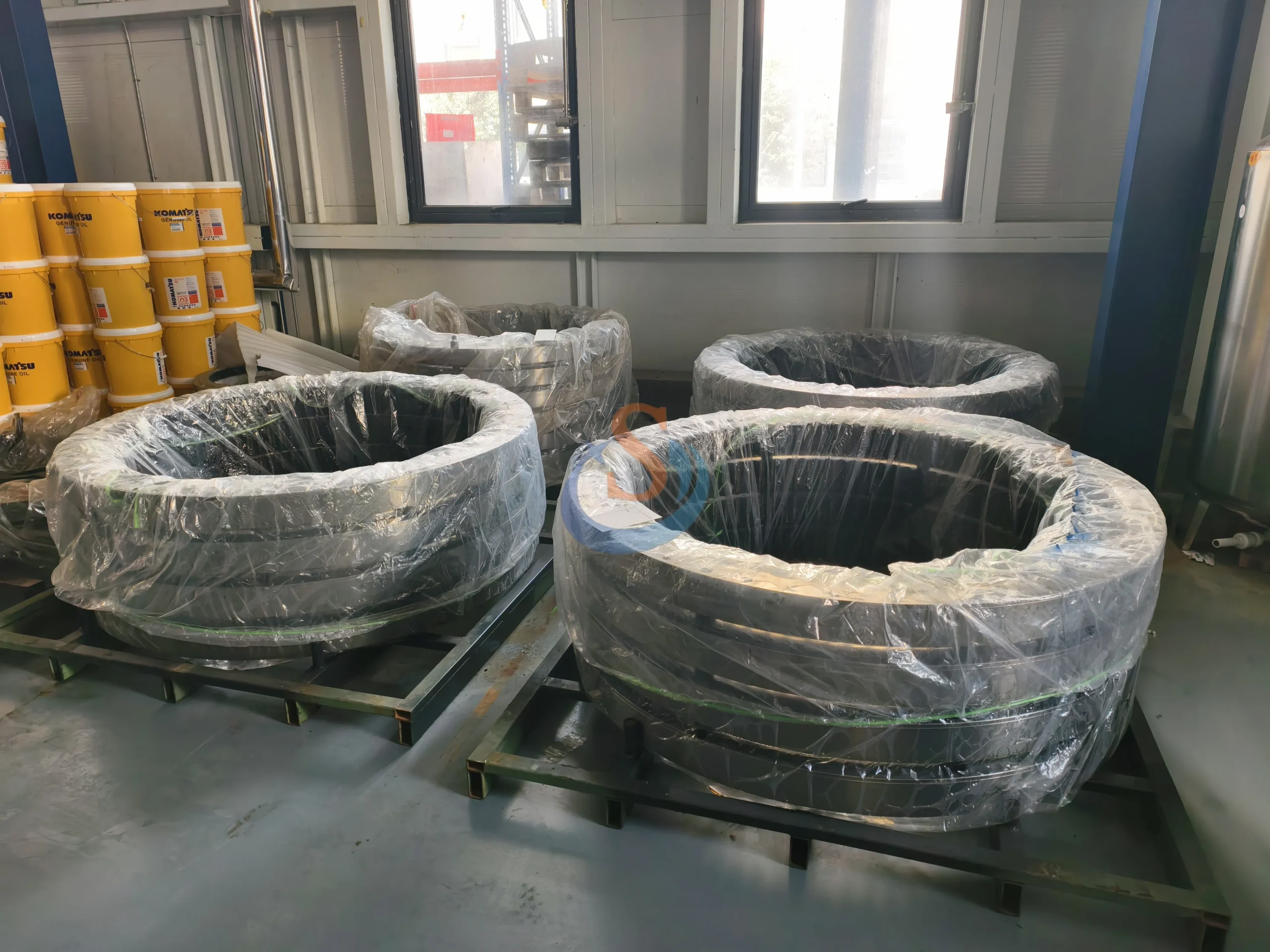
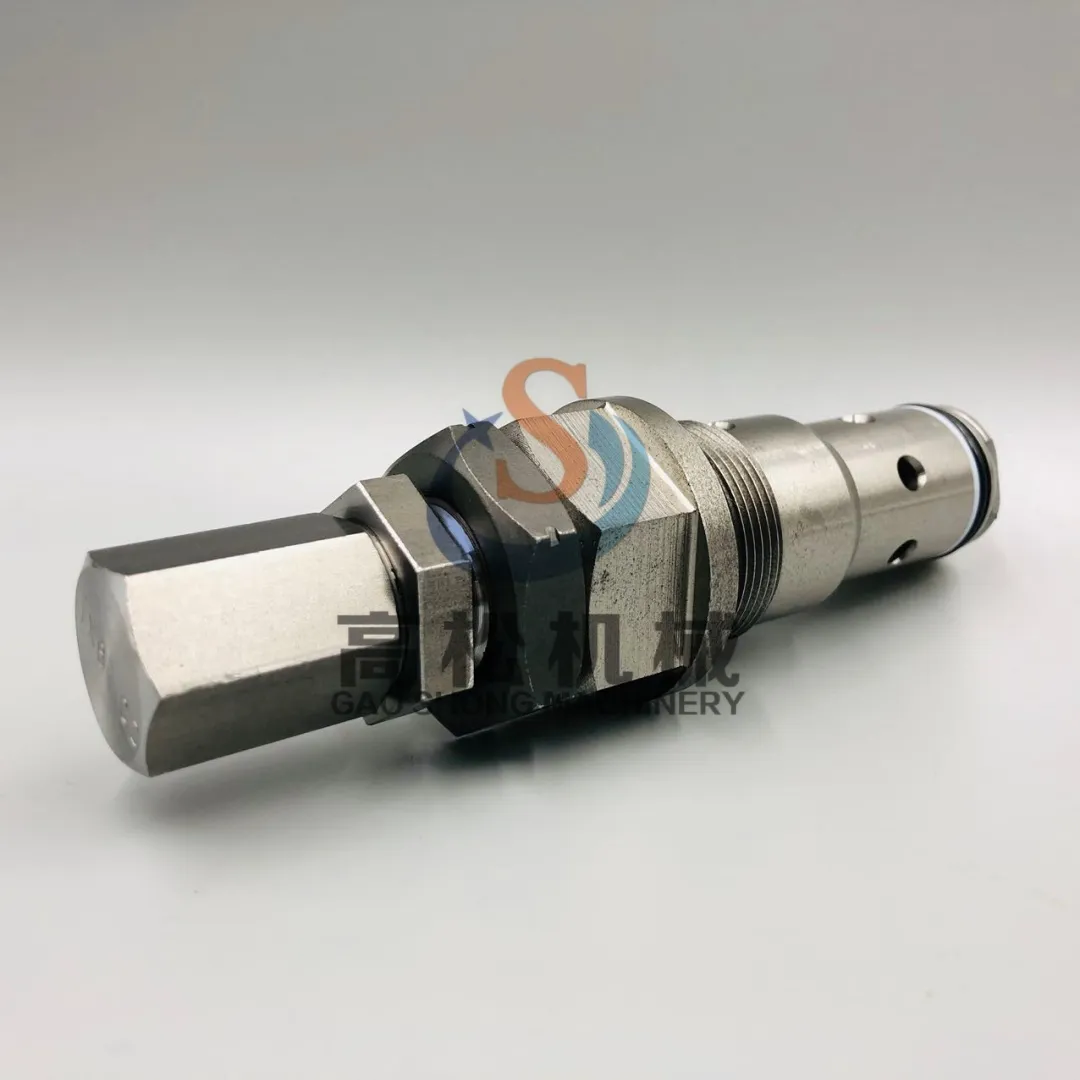
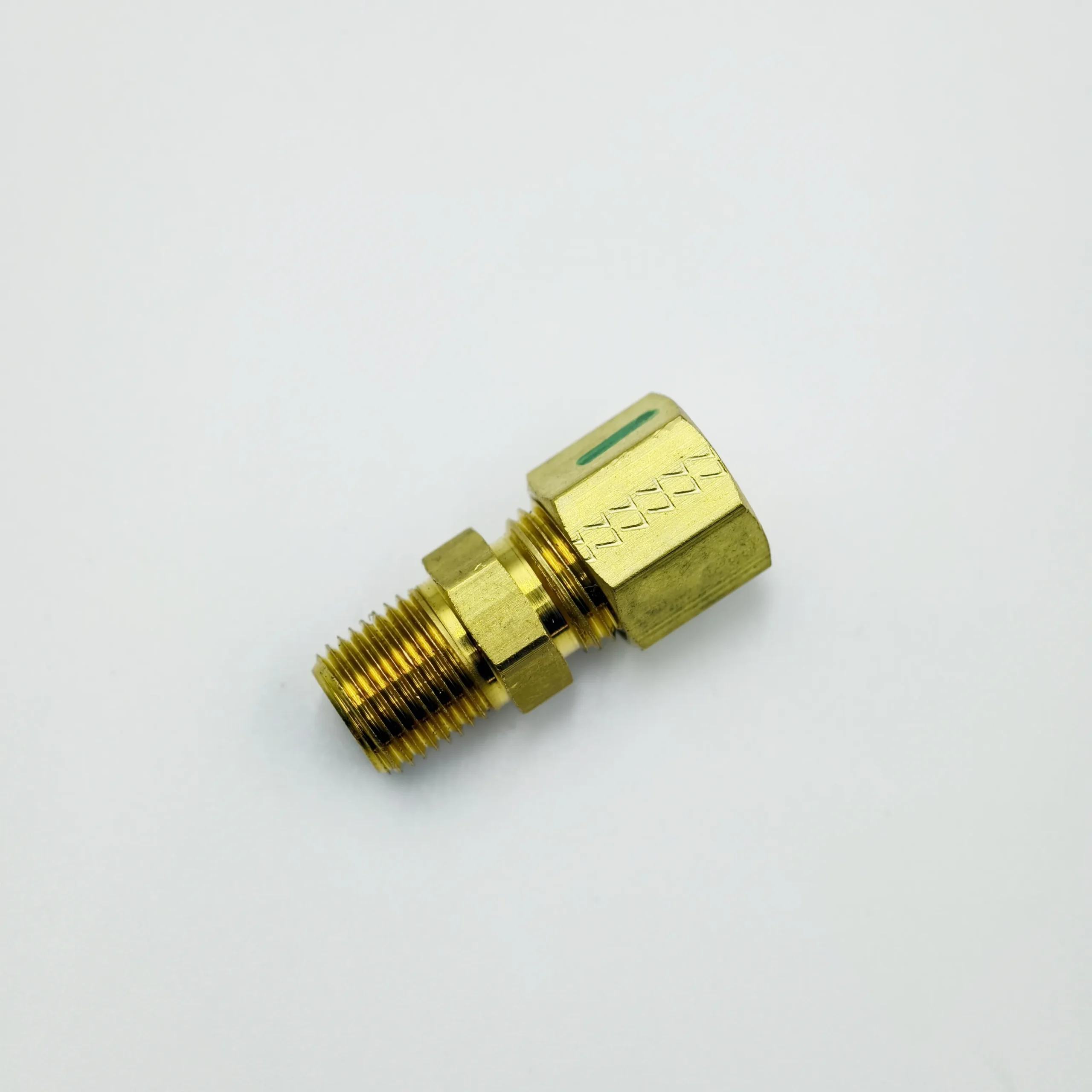

Best Selling Products
Best Selling Products-
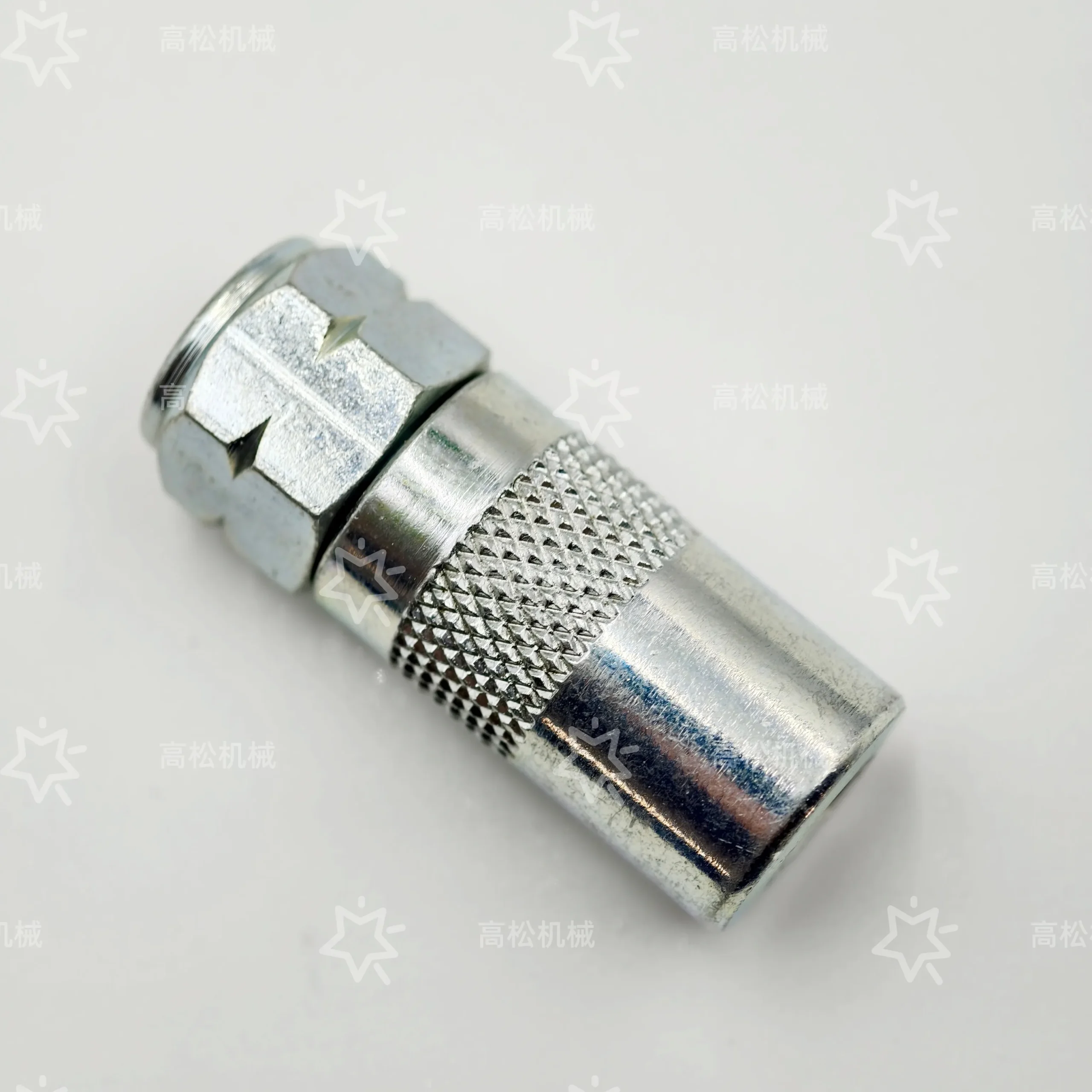 209-68-11640 Komatsu Coupling Assembly
 -
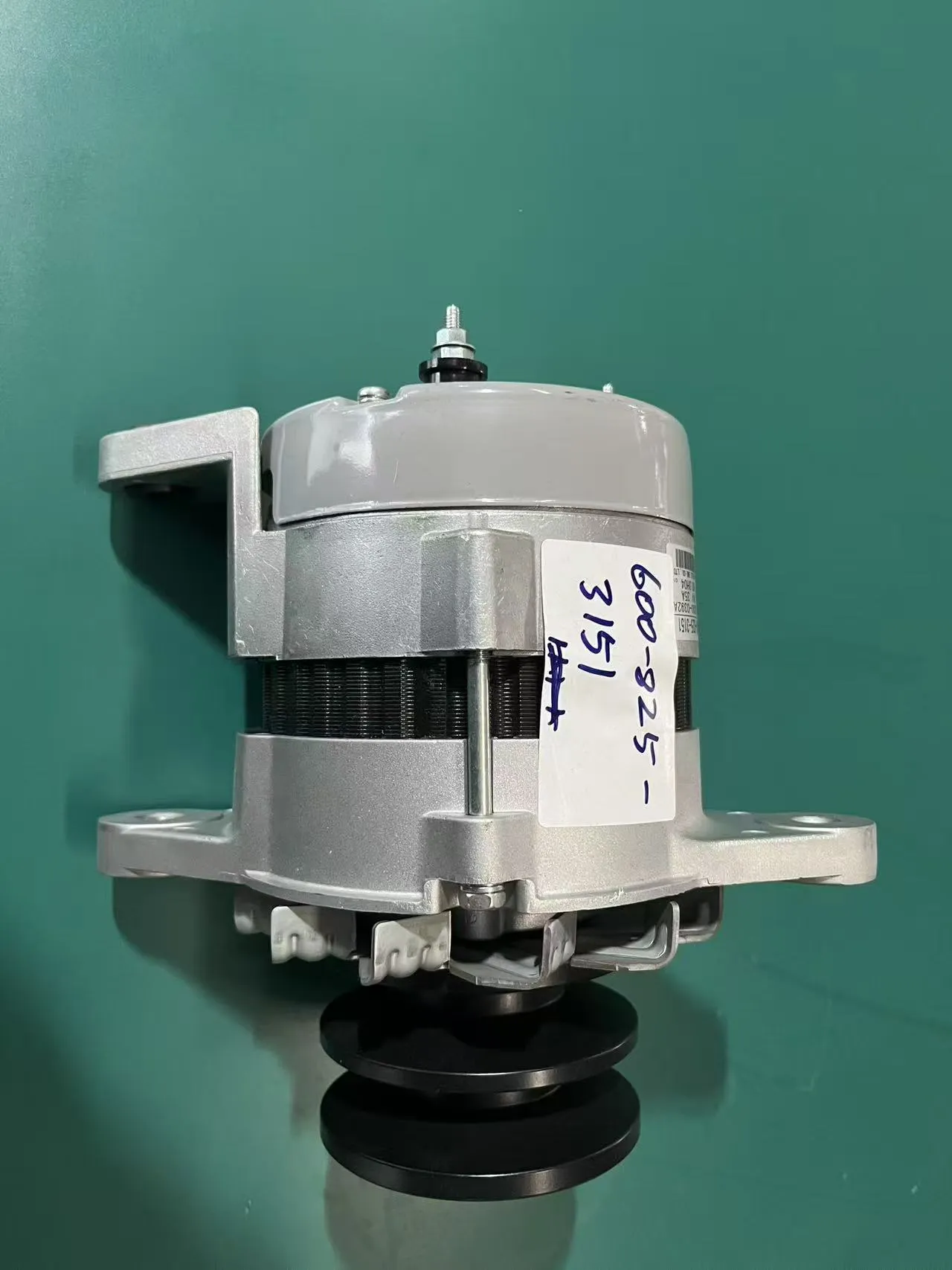
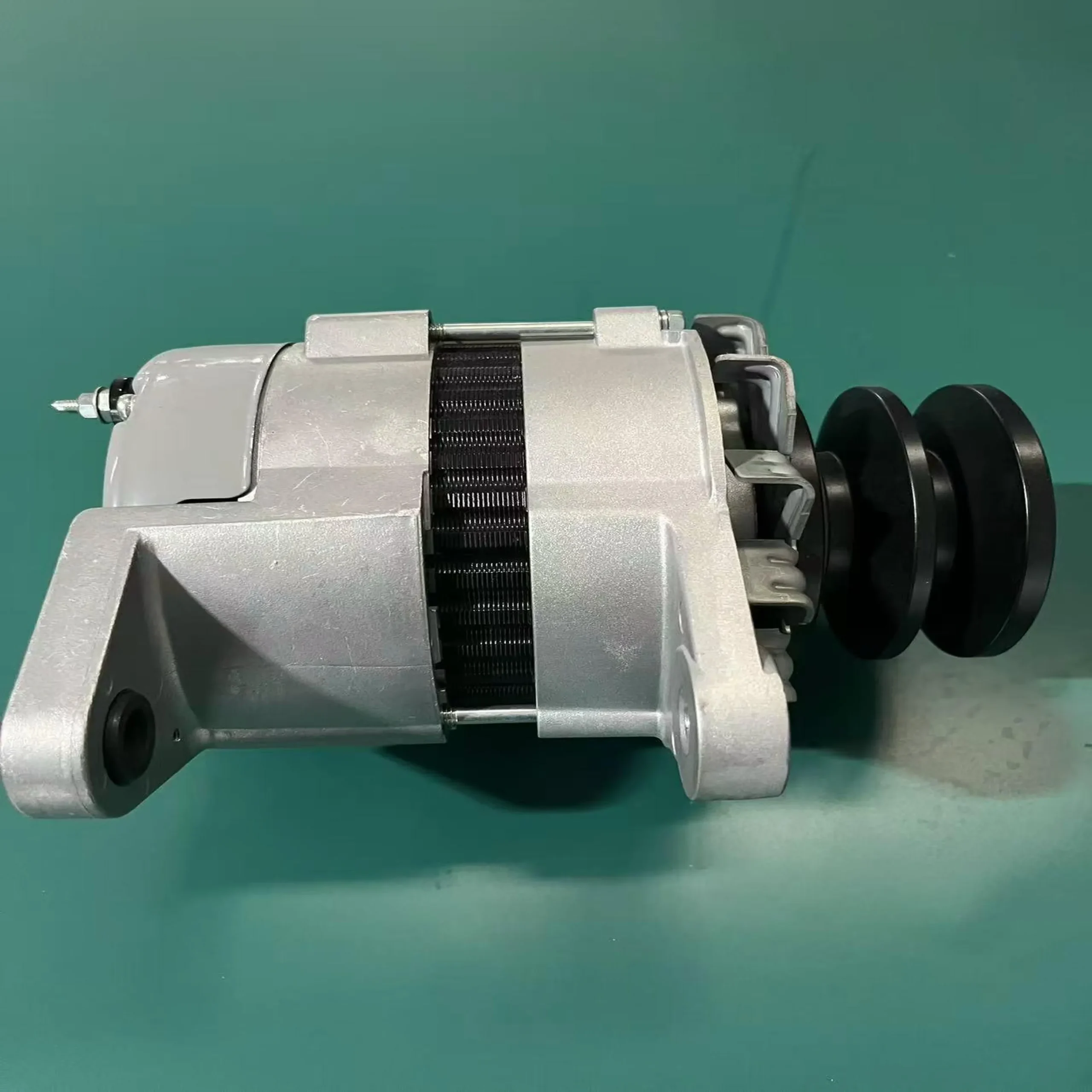 600-825-3151OEG Parts New Alternator Compatible With KOMATSU D65E Crawler & PC130 PC400 EXCAVATOR WA320 LOADER 6008253120, 6008253150, 6008253151, 6008253160, 6008253161, ANK0005, 40050015
 -
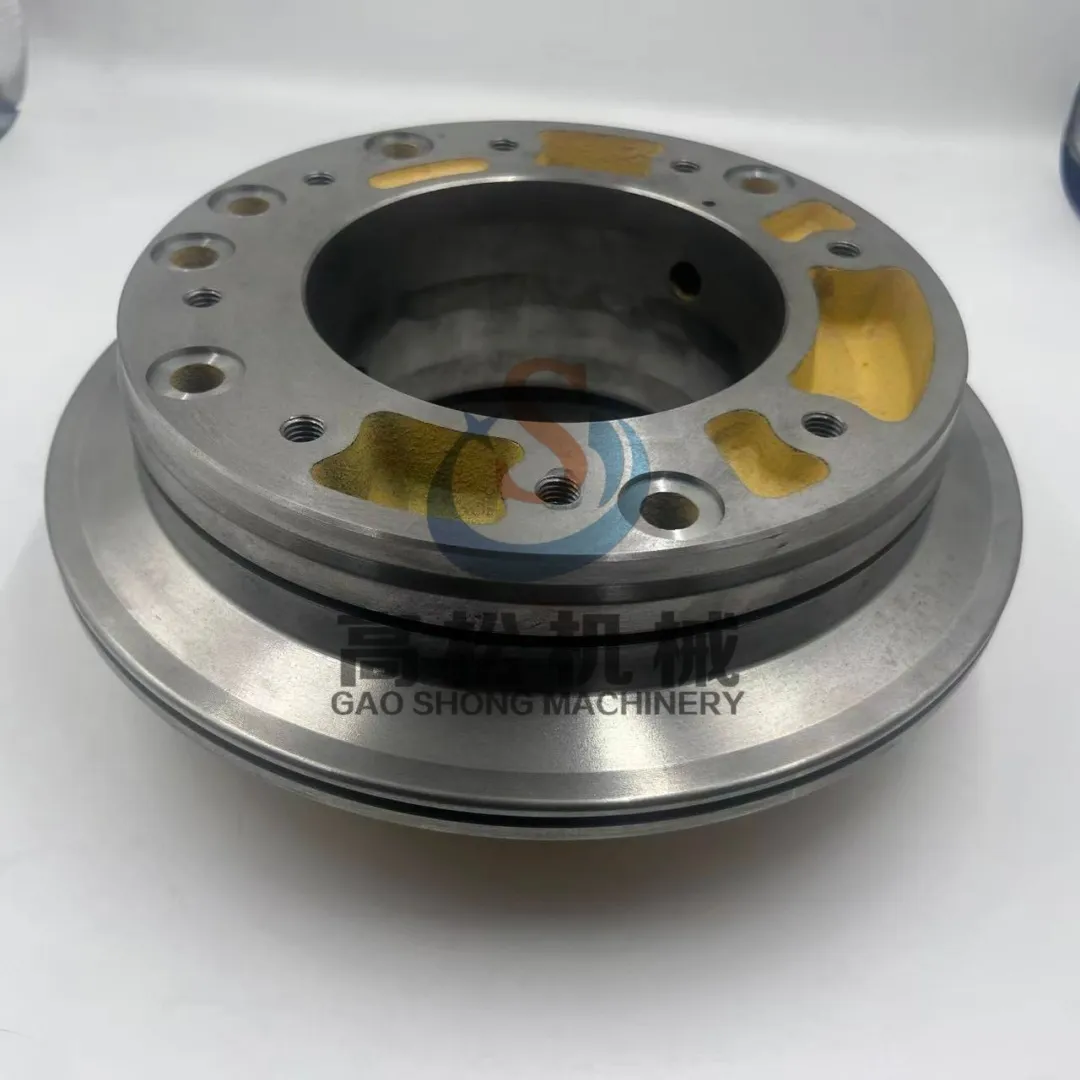 17A-22-11132 Cylinder (Komatsu)
 -
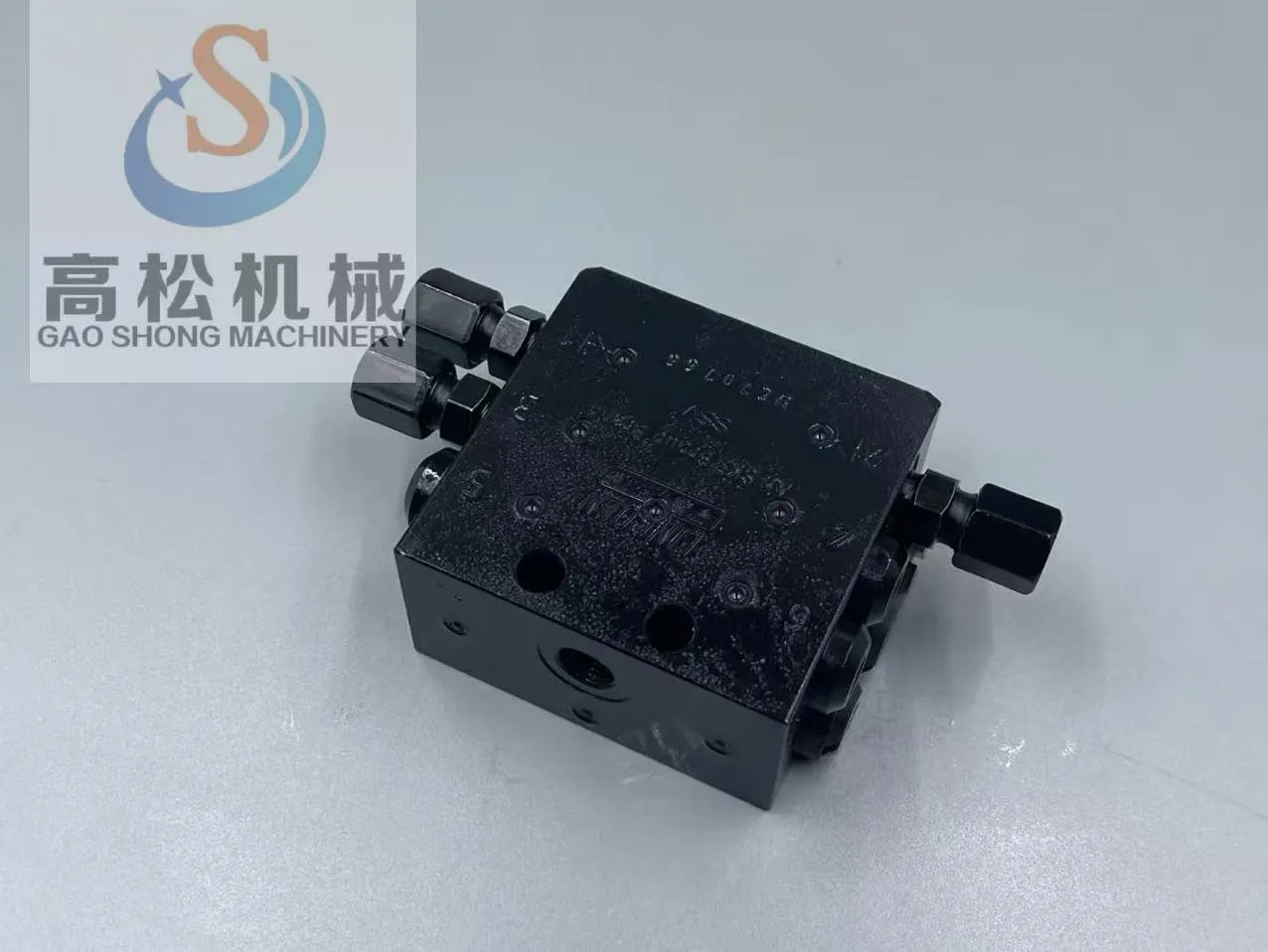 Valve Assembly 21T-68-67940 for Komatsu PC2000-8 Excavator
 -
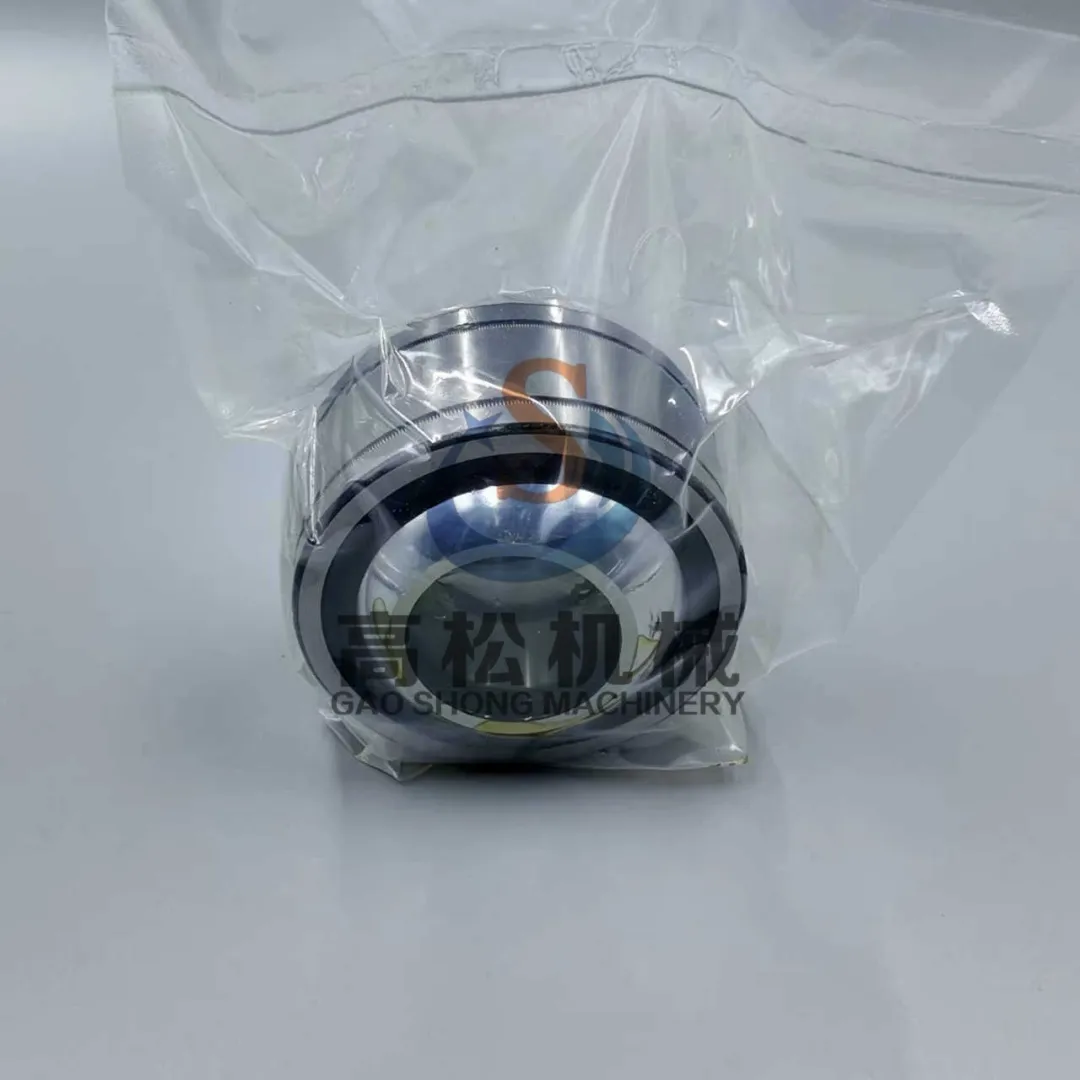 BUSHING 07137-04006 – KOMATSU Part
 -
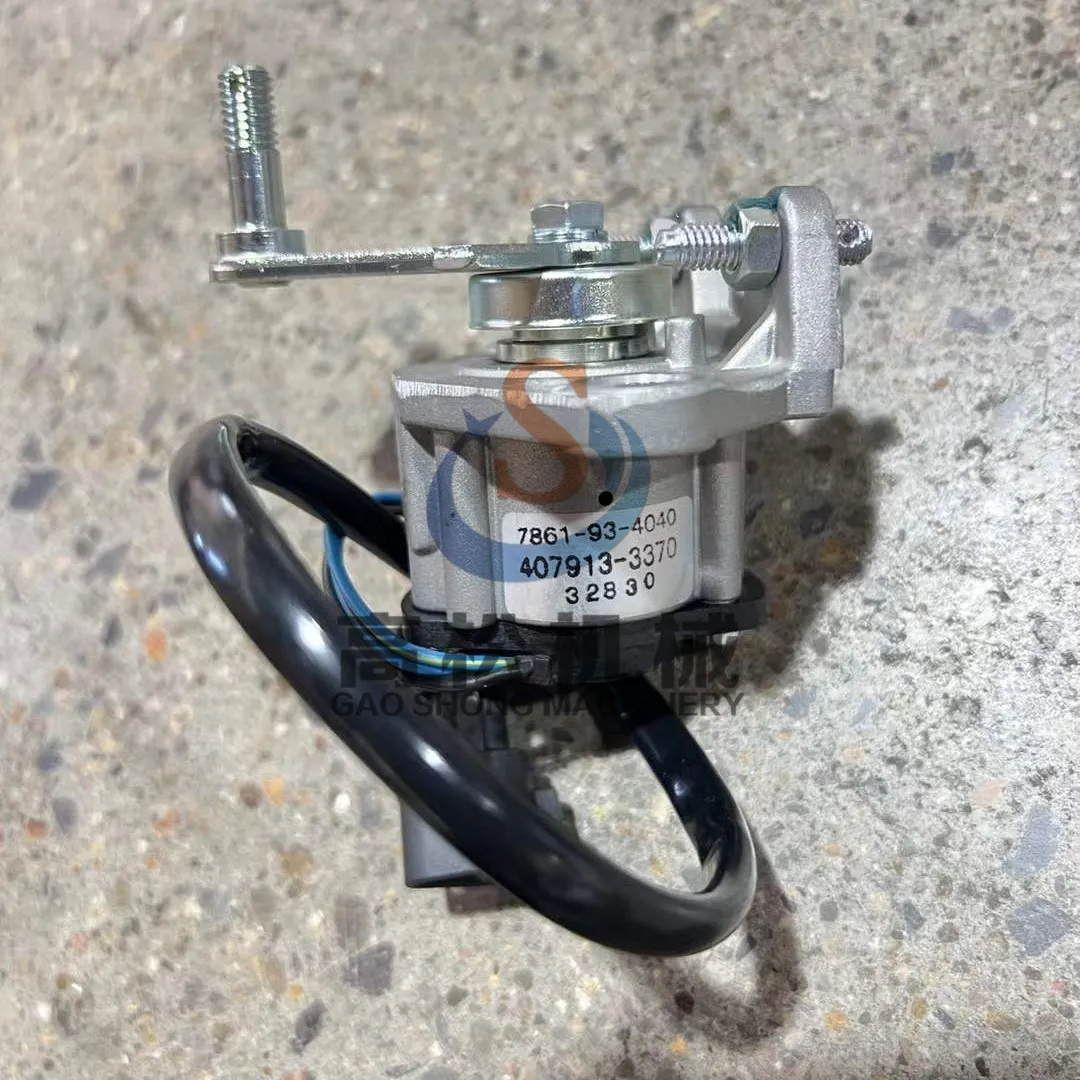 Angle Sensor 7861-93-4040 for Komatsu Bulldozer D475A-5 D575A-3 D375A-6 D475A-5E0 Crawler Loader D85PX-15R
 -
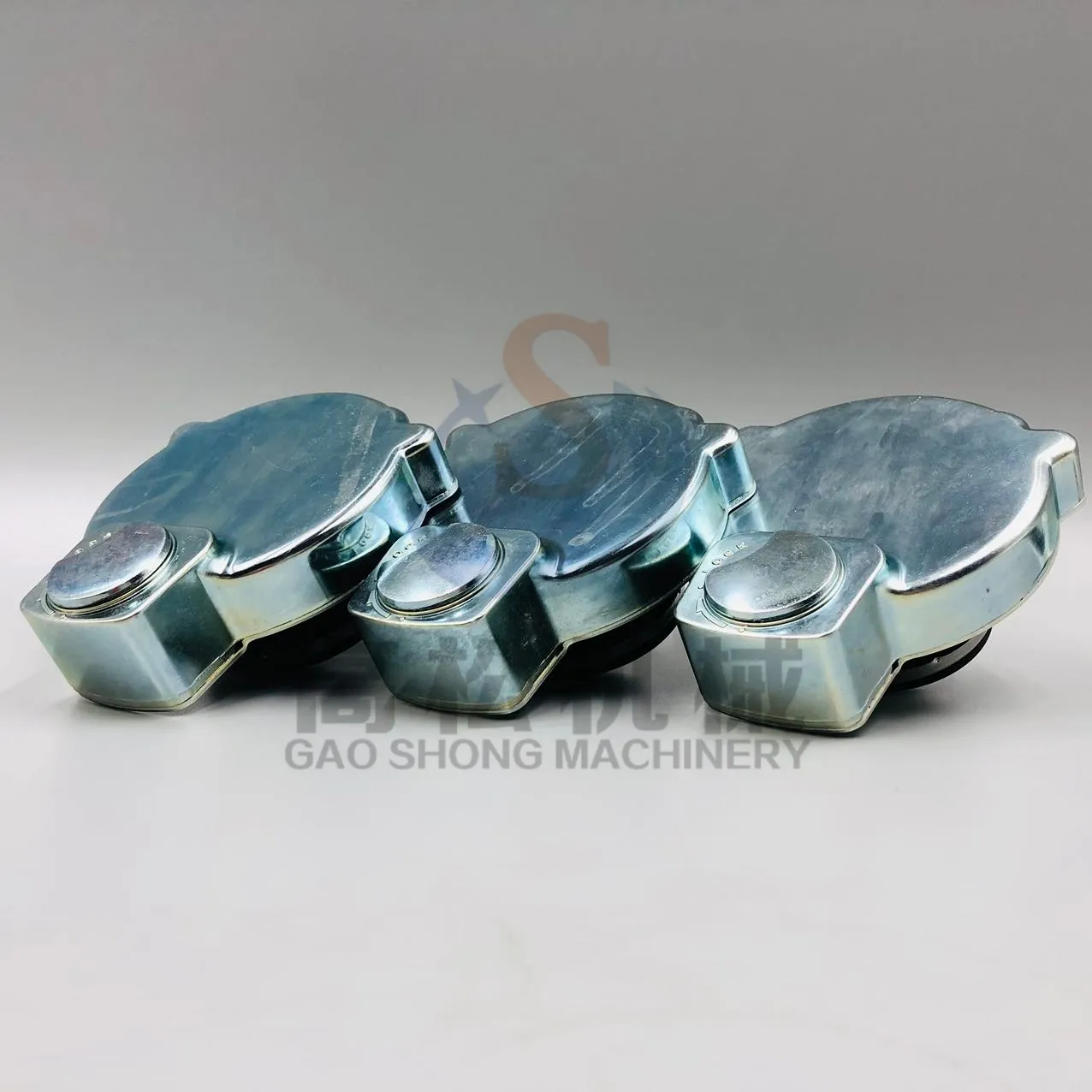 CAP ASS’Y 17A-60-11310 – KOMATSU
 -
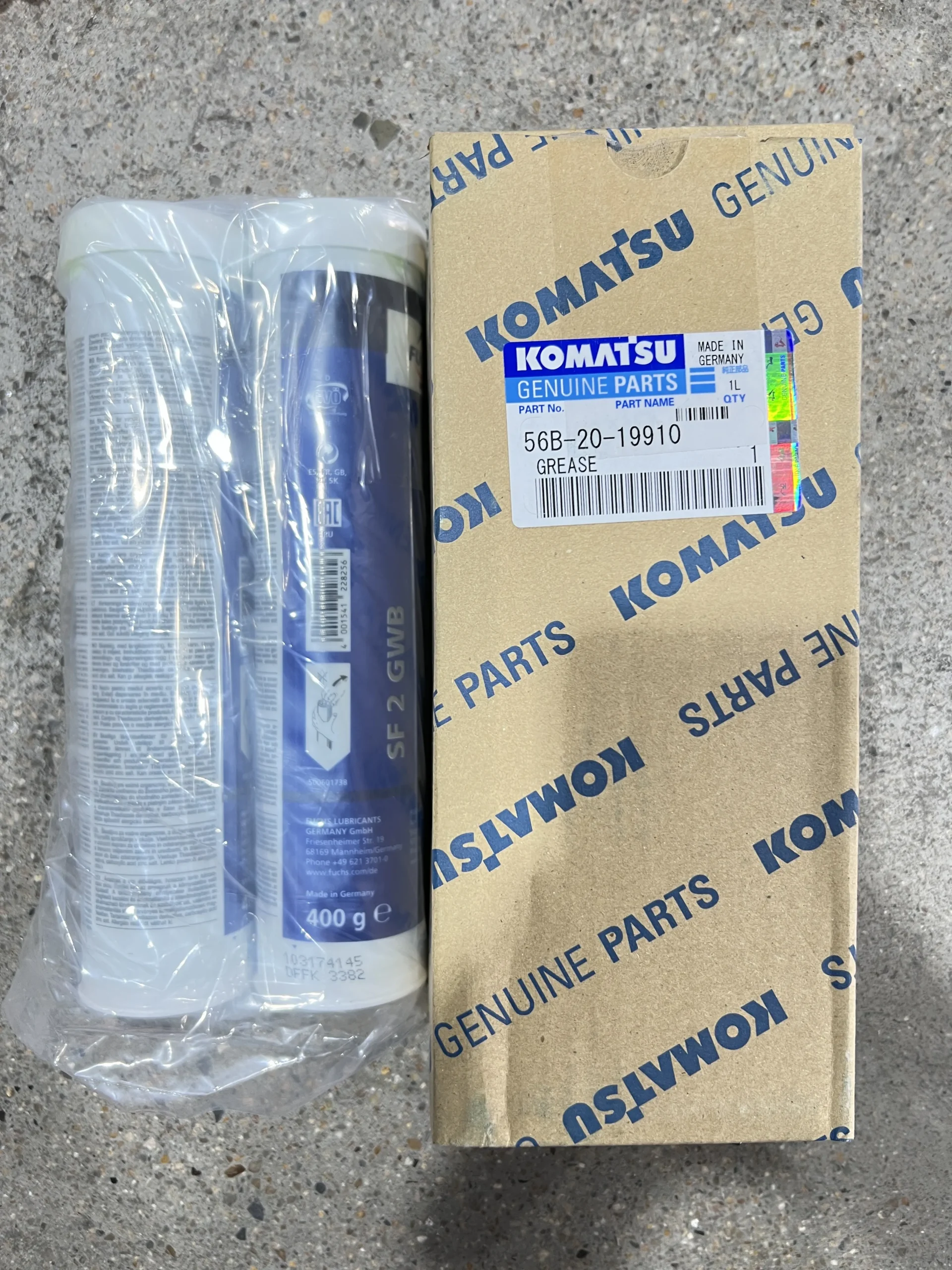 Original Hot Sale GREASE 56B-20-19910 GREASE for Komatsu HM400-1 HM350-1
 -
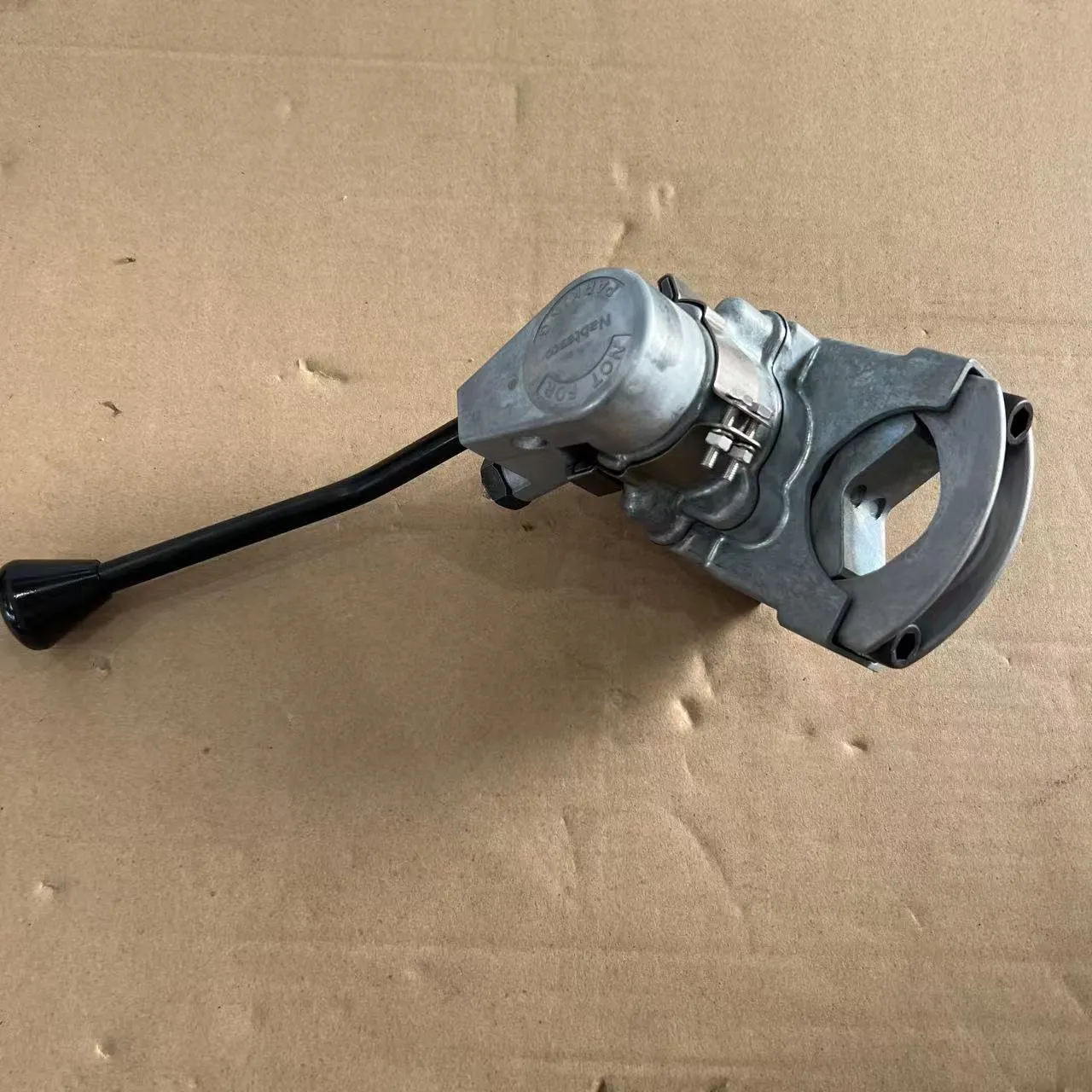 Hd785-5 Retarder 561-35-62203 For Dump Truck Original Parts, High…
 -
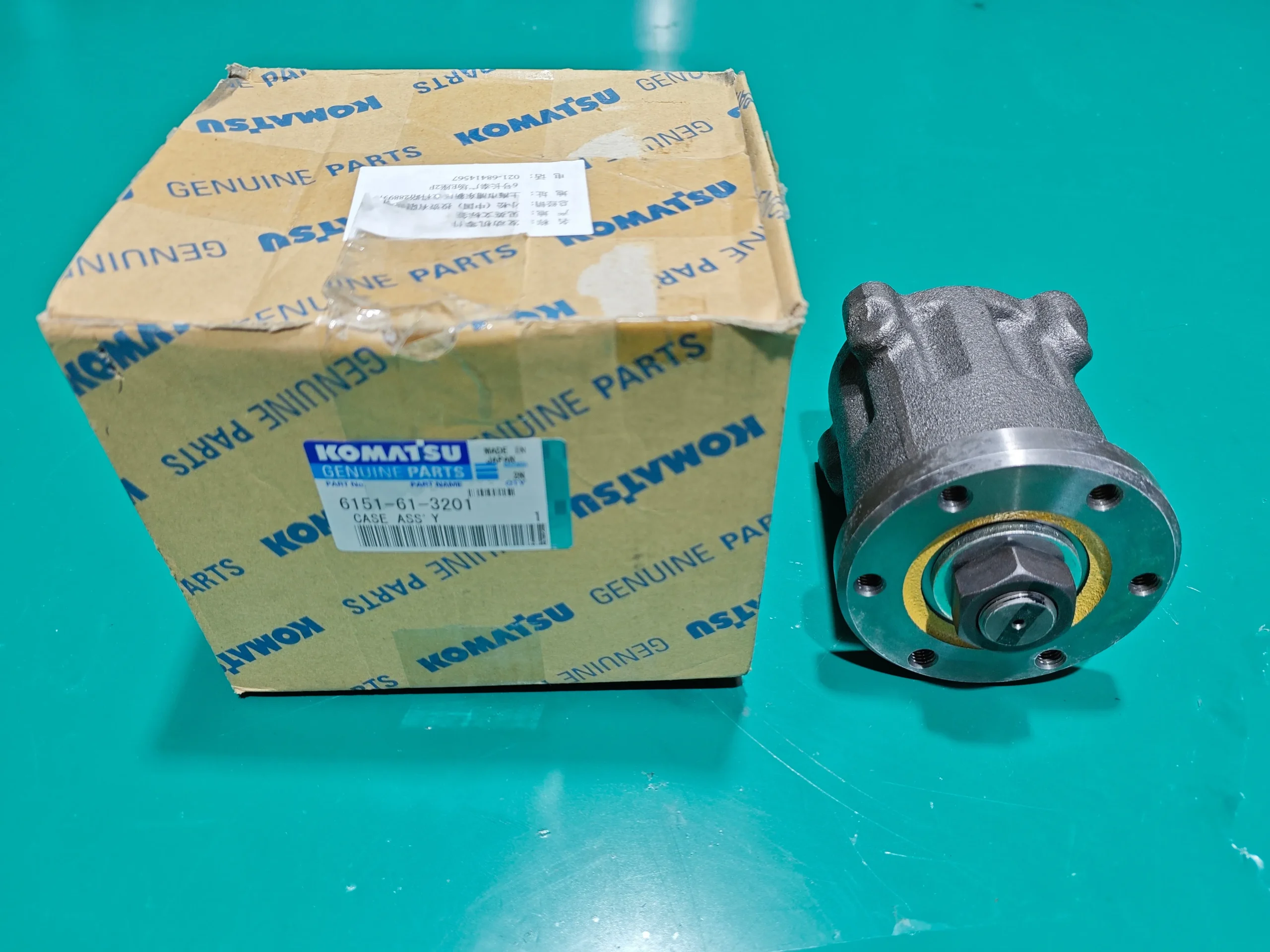 Fan Bracket 6151-61-3201 6151-61-3200 for Komatsu Engine 6D125 SAA6D125E Dozer D68ESS Excavator PC400-7 PC400LC-8
 -
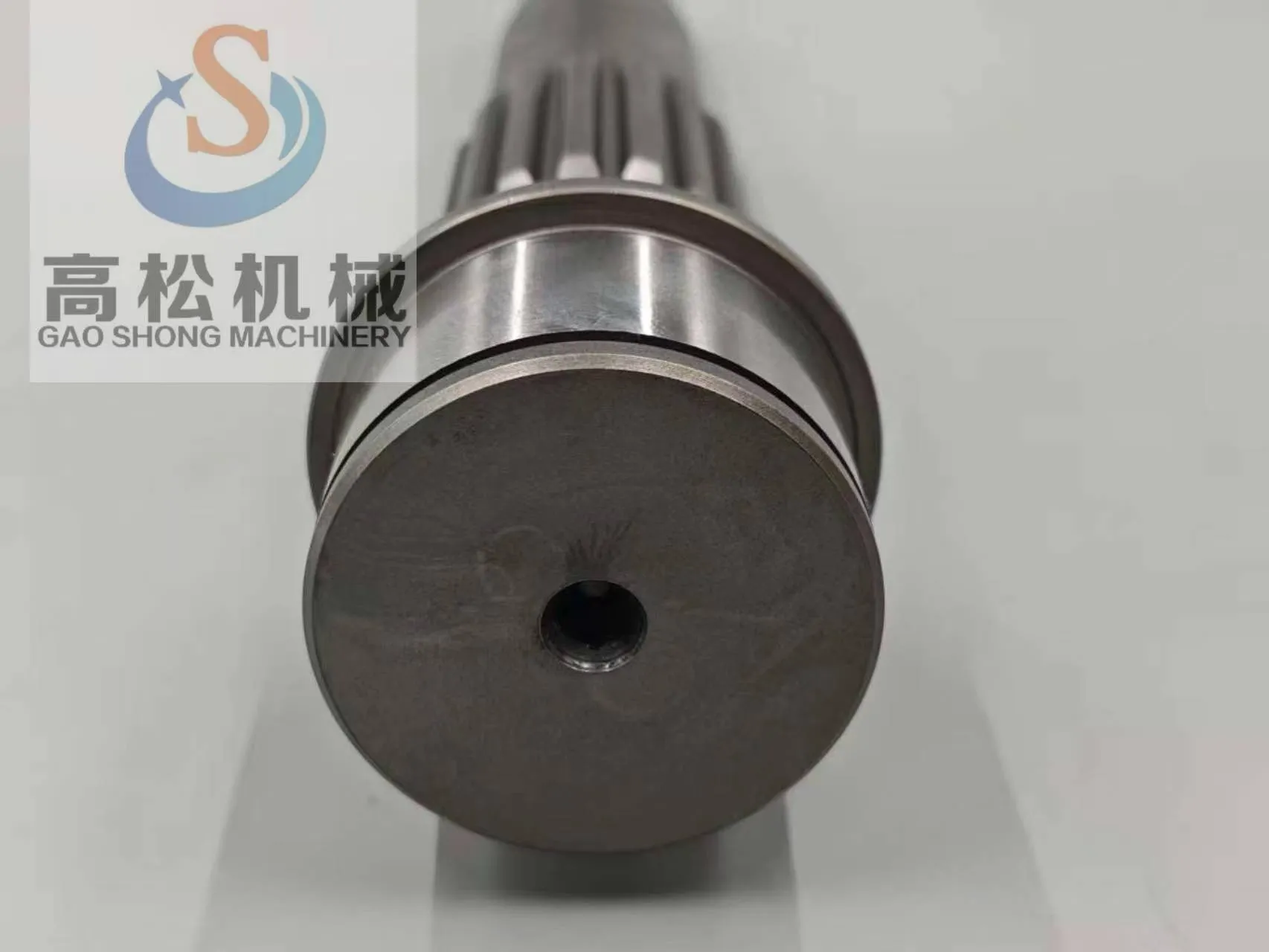 Driven Shaft Komatsu HPV140 708-2G-12121 | ASPECT PLUS
 -
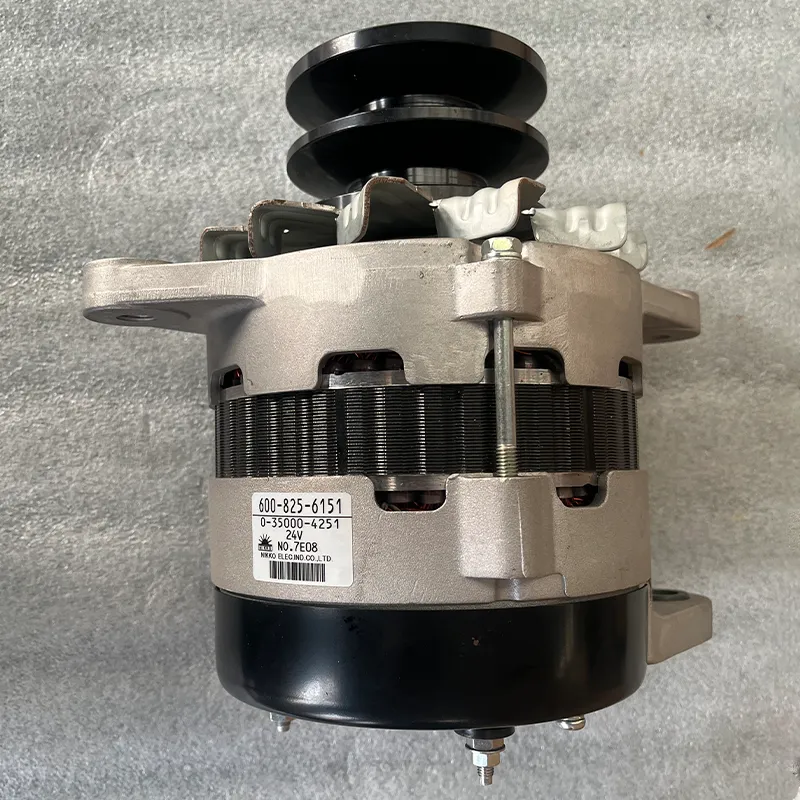 600-825-6151 Original komatsu alternator for PC300-7 PC360-7 PC400-78 PC450-8
Related Search
Related Search- komatsu 930e engine
- komatsu pc200 6 hydraulic pump
- OEM AND ORIGINAL KOMATSU BUSHING 21T-70-31213
- 6743-11-4931 HOSE-Komatsu Original Factory
- komatsu 4d95l engine for sale
- OEM AND ORIGINAL KOMATSU BEARING 208-27-51240
- Komatsu cab parts
- Komatsu wiper
- Komatsu engine gasket set
- OEM AND ORIGINAL KOMATSU CAP 17M-71-41971