
- Chinese
- French
- German
- Portuguese
- Spanish
- Russian
- Japanese
- Korean
- Arabic
- Irish
- Greek
- Turkish
- Italian
- Danish
- Romanian
- Indonesian
- Czech
- Afrikaans
- Swedish
- Polish
- Basque
- Catalan
- Esperanto
- Hindi
- Lao
- Albanian
- Amharic
- Armenian
- Azerbaijani
- Belarusian
- Bengali
- Bosnian
- Bulgarian
- Cebuano
- Chichewa
- Corsican
- Croatian
- Dutch
- Estonian
- Filipino
- Finnish
- Frisian
- Galician
- Georgian
- Gujarati
- Haitian
- Hausa
- Hawaiian
- Hebrew
- Hmong
- Hungarian
- Icelandic
- Igbo
- Javanese
- Kannada
- Kazakh
- Khmer
- Kurdish
- Kyrgyz
- Latin
- Latvian
- Lithuanian
- Luxembou..
- Macedonian
- Malagasy
- Malay
- Malayalam
- Maltese
- Maori
- Marathi
- Mongolian
- Burmese
- Nepali
- Norwegian
- Pashto
- Persian
- Punjabi
- Serbian
- Sesotho
- Sinhala
- Slovak
- Slovenian
- Somali
- Samoan
- Scots Gaelic
- Shona
- Sindhi
- Sundanese
- Swahili
- Tajik
- Tamil
- Telugu
- Thai
- Ukrainian
- Urdu
- Uzbek
- Vietnamese
- Welsh
- Xhosa
- Yiddish
- Yoruba
- Zulu
- Kinyarwanda
- Tatar
- Oriya
- Turkmen
- Uyghur





komatsu spare parts online
When you type 'komatsu spare parts online' into a search bar, you're not just looking for a widget. You're often in a bind, a machine down, and the clock is ticking. The immediate flood of results—some genuine, some dubious—highlights the core industry misconception: that online means universally available and instantly verifiable. In reality, it's a fragmented landscape where OEM channels, third-party suppliers, and outright counterfeit operations collide. My own early missteps involved assuming price and speed were the only metrics, leading to a few costly lessons with aftermarket parts that promised compatibility but delivered downtime.
The OEM Promise vs. The On-Ground Reality
Komatsu's genuine parts network is robust, but its online accessibility isn't uniform globally. In some regions, you can order directly through official portals. In others, you're funneled through distributors, and the digital trail goes cold. This gap is where the real challenges emerge. I've seen projects stall for weeks waiting for a simple hydraulic hose assembly because the local distributor's system showed it was in a warehouse on another continent. The official online catalog might list it, but the supply chain logistics tell a different story. This disconnect between the digital listing and physical inventory is the first hurdle any seasoned equipment manager learns to anticipate.
This is precisely why entities that operate within the Komatsu system but with a different operational focus become critical. Take Jining Gaosong Construction Machinery Co., Ltd., for instance. Their site, https://www.takematsumachinery.com, positions them interestingly. They are an OEM product supplier within the Komatsu system, but also act as a third-party sales company. This hybrid model isn't about bypassing Komatsu; it's about supplementing the official channels to address specific bottlenecks. Their stated goal of solving parts supply challenges in certain countries rings true to my experience in Southeast Asia and Africa, where official channels can be thin.
So, what does this mean in practice? It means they might have access to genuine OEM stockpiles or licensed manufacturing lines for certain components, but their value-add is in logistics and regional market understanding. Ordering a komatsu spare parts online from such a supplier isn't just a transaction; it's a test of their stated expertise. Can they navigate the customs hurdles? Do they understand the machine model nuances for that specific market? A website alone doesn't answer that, but their company background suggests a structure built to tackle it.
Decoding the Third-Party Label
The term third-party in our industry carries baggage. For some, it's synonymous with low-quality alternatives. For others, it's a lifeline. The key is in the specifics. A third-party company that is also an OEM supplier, like the one mentioned, operates in a different league than a generic parts reseller. Their integration with the Komatsu system, even if partial, implies adherence to certain material and engineering standards. They aren't just selling a generic seal kit; they're likely selling the Komatsu-spec seal kit, but through a parallel, often more agile, distribution path.
I recall a situation needing a swing circle bearing for a PC360. The official lead time was 12 weeks. A generic third-party offered one in 2 weeks at half the price—a huge red flag. A supplier with a profile like Gaosong offered a 6-week timeline with OEM documentation. The cost was higher than the generic but lower than the official quote. We gambled on the middle option. The part arrived in 5 weeks, with genuine packaging and codes. It wasn't a miracle, but it was a calculated risk that paid off because the supplier's stated role matched their capability. They solved a supply challenge without compromising on the part's core integrity.
This experience taught me to scrutinize the third-party claim. Do they specify their relationship with the OEM? Can they trace the part's provenance? An online search for komatsu spare parts online that leads you to a site with clear company background and a defined role within the ecosystem is worth ten sites with glossy catalogs but vague origins.
The Pitfalls of the Digital Catalog
Every major supplier has an online parts catalog. They're indispensable and deeply flawed. The flaw isn't in the data, but in the assumption of completeness. The catalog shows you part number exists. It doesn't show you that it's superseded by part number , which has a different bolt pattern, and that the update hasn't been reflected in your machine's manual. I've been burned by this more than once.
The real work happens off the page. It's in the email or phone call that follows the online search. A proficient supplier will ask for your machine's serial number, not just its model. They'll cross-reference production dates. They might even ask about previous repair history. When you engage with a site like Takematsu Machinery's, the test is their response process. Do they ask these questions? Or do they just have an add to cart button next to the part number? The latter is a service for those who already know exactly what they need; the former is a partner helping you figure it out, which is most of the time.
This is where the helping to solve parts supply challenges mission gets practical. It's not just about having the part. It's about ensuring you're ordering the right part for your specific machine's configuration and history. An online portal is just the starting point for that conversation.
Beyond the Part: The Unspoken Variables
Let's talk about shipping and customs—the black holes of international parts procurement. Ordering a komatsu spare parts online is the easy part. Getting it to your site is the ordeal. A reputable supplier's value is massively amplified here. They should know the paperwork, the reliable freight forwarders, the incoterms that make sense. I've had parts sit in customs for a month because a supplier used a vague harmonized code. A good one will pre-empt these issues.
Another variable is partial shipments. You need a full set of parts for an engine overhaul. The online system shows all are in stock. You order. Then you get an email: Items A, B, and C shipped; D and E are back-ordered. This can cripple a project. A supplier with deeper ties to the OEM system might have better visibility into the sub-tier manufacturer schedules or alternative warehouses. Their third-party agility might allow them to source component D from a different regional stockpile to keep your project moving. This isn't magic; it's networked logistics, and it's what separates a parts seller from a supply chain partner.
Failure is a great teacher here. Early on, I prioritized unit cost above all else. I found a supplier with rock-bottom prices for filter kits. They arrived, looked fine, but failed spectrographic oil analysis within 50 hours, causing premature pump wear. The cost savings were erased tenfold. Now, I look for suppliers whose business model is stability and specificity, not just being the cheapest click in a search result.
Synthesis: A Pragmatic Online Procurement Strategy
So, what's the takeaway for someone searching komatsu spare parts online? Don't search for a part. Search for a supplier with a clear, credible, and specific role in the Komatsu universe. The website should be a window into their operations, not a mask. Look for the About Us that actually explains their relationship with the OEM. Look for contact points that encourage technical dialogue, not just a sales funnel.
Companies like Jining Gaosong Construction Machinery, with their dual identity as an OEM supplier and a third-party solver, represent a useful model in this complex market. They aren't the answer to every parts need, but they are structured to address a specific and common pain point: the logistical and availability gap in certain markets. Their online presence is a starting point for a more nuanced procurement conversation.
Ultimately, buying parts online is an exercise in risk management. The goal is to reduce the risk of downtime, the risk of incorrect parts, and the risk of logistical nightmares. This is achieved not by finding the perfect website, but by identifying a supplier whose operational reality—as hinted at in their company background—matches the challenges you actually face on the ground. The click is just the beginning; everything that happens after you close the browser tab is what truly matters.
Related Products
Related Products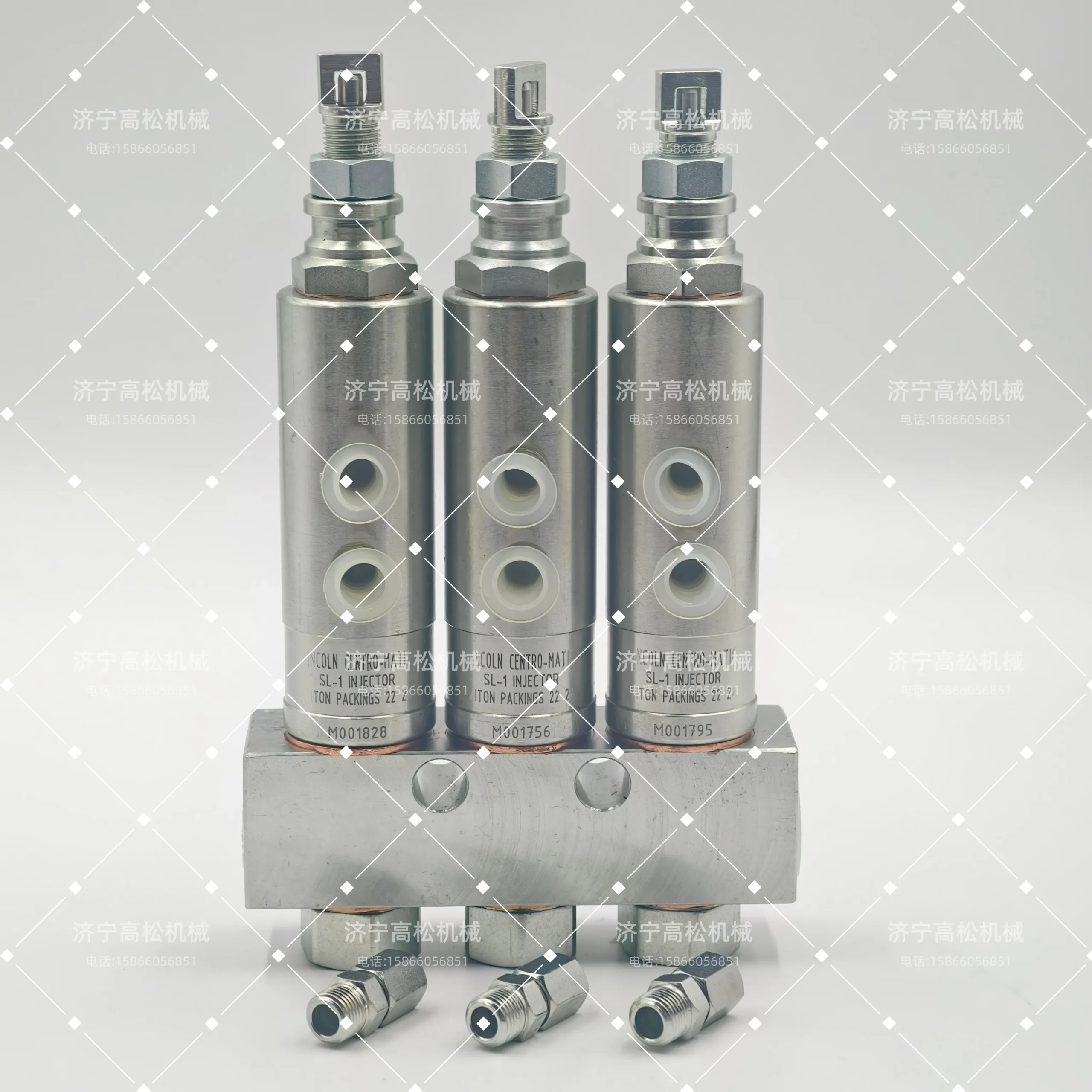
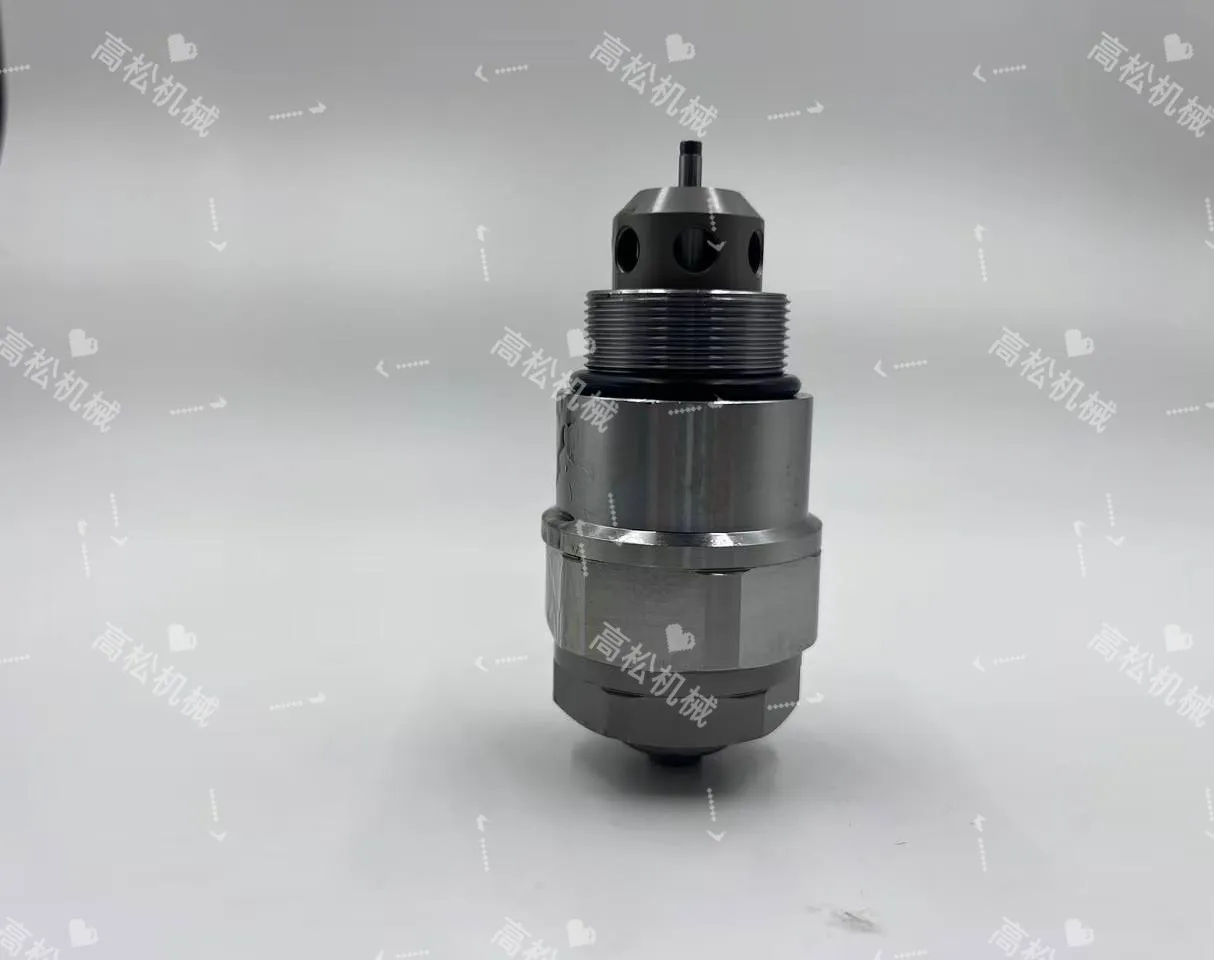
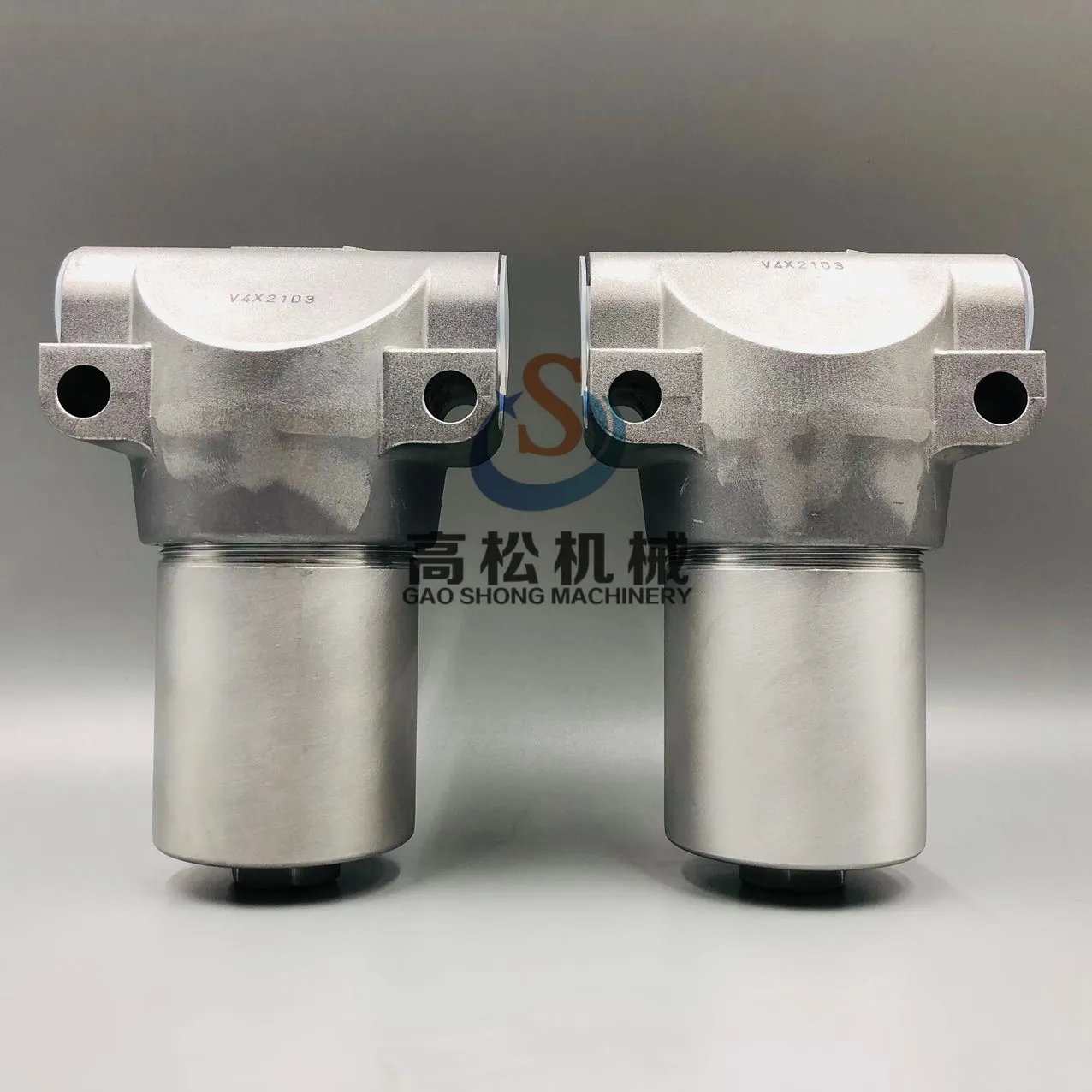
Best Selling Products
Best Selling Products-
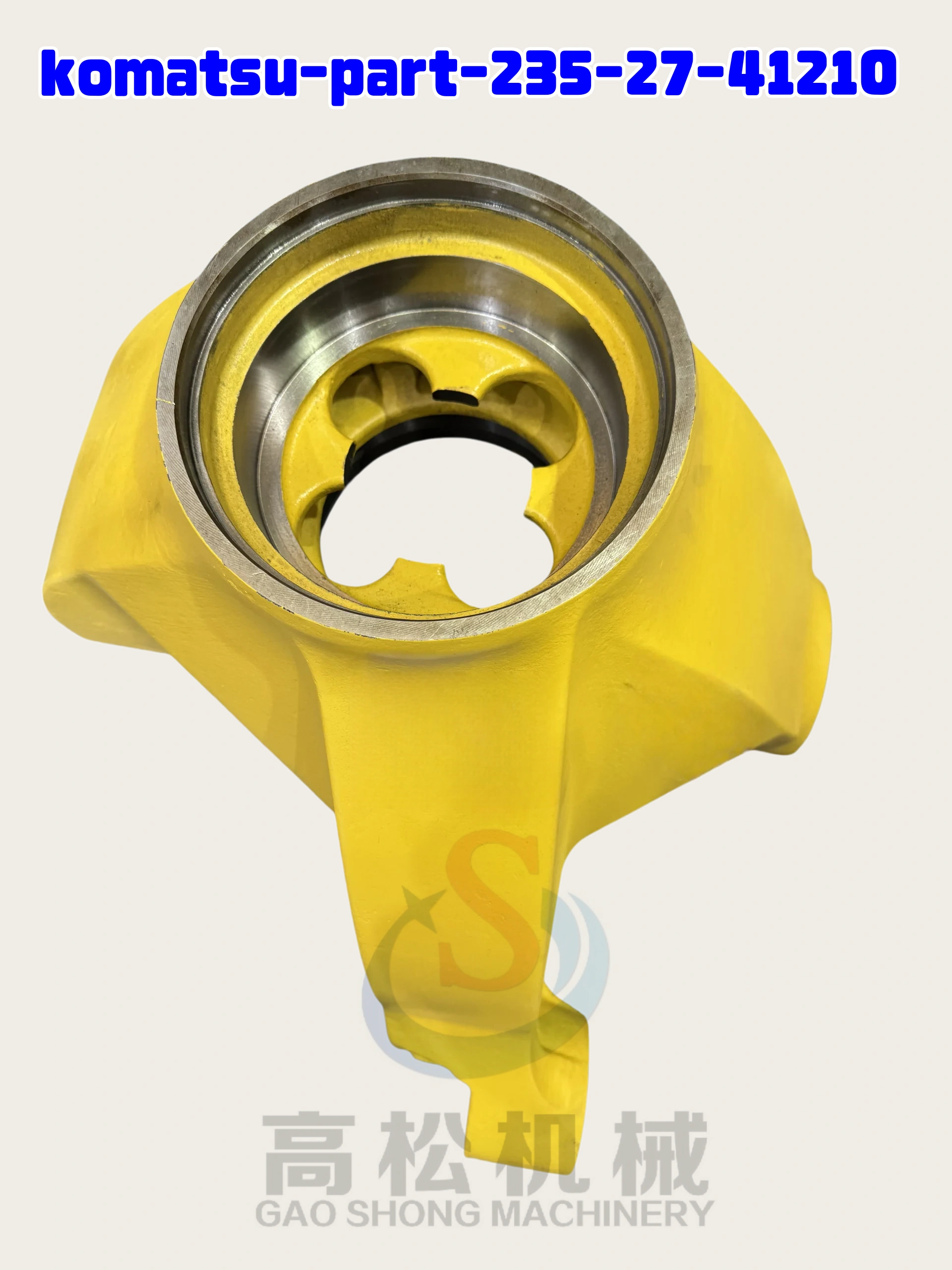 komatsu-part-235-27-41210 HOUSING,L.H. GD825A-2 GD825A-2E0 FRONT AXLE
 -
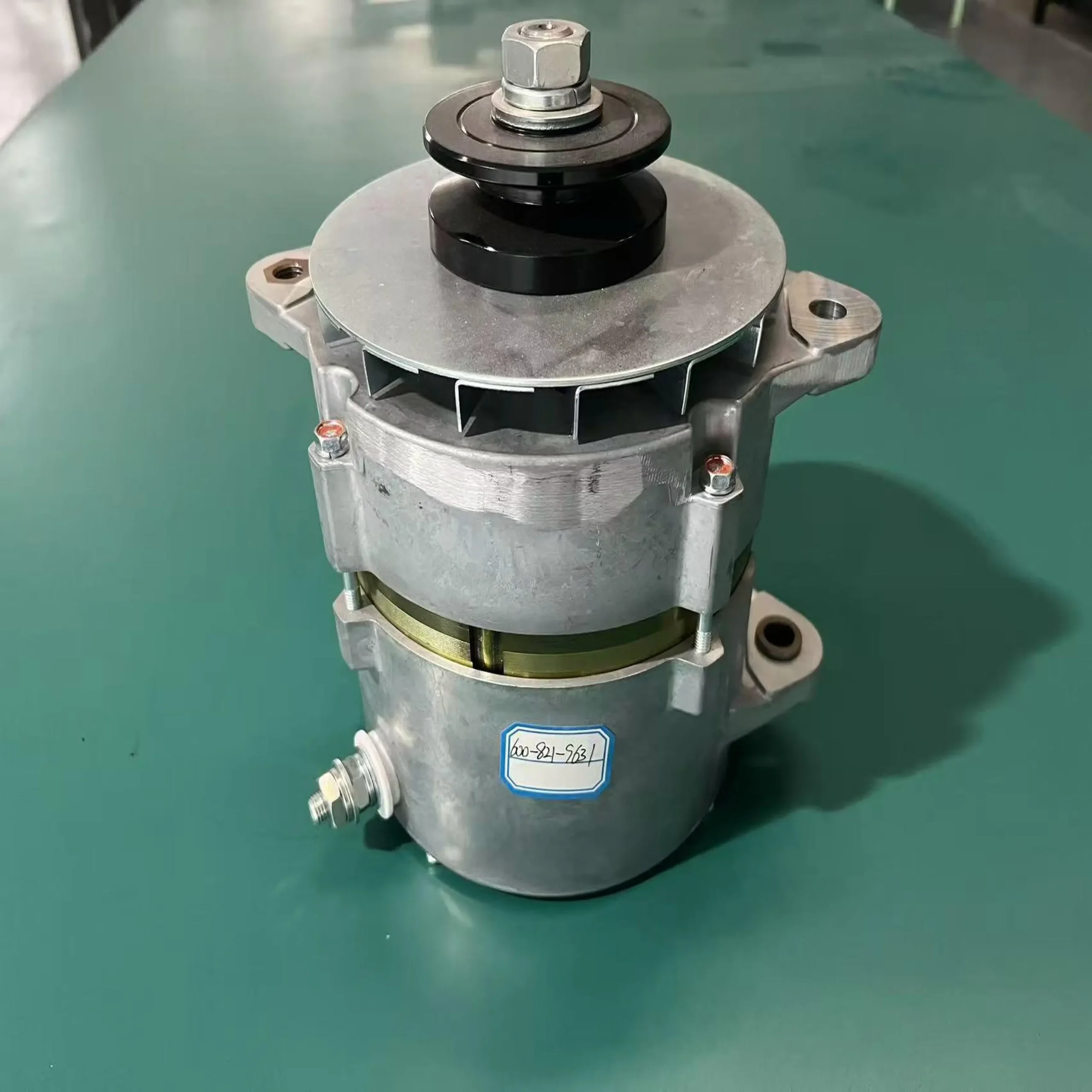 ATG20053 Alternator Compatible With Komatsu Cummins QSK23 600-821-9631 600-821-8260 600-821-9360 600-821-9550 600-821-9311 600-821-9511
 -
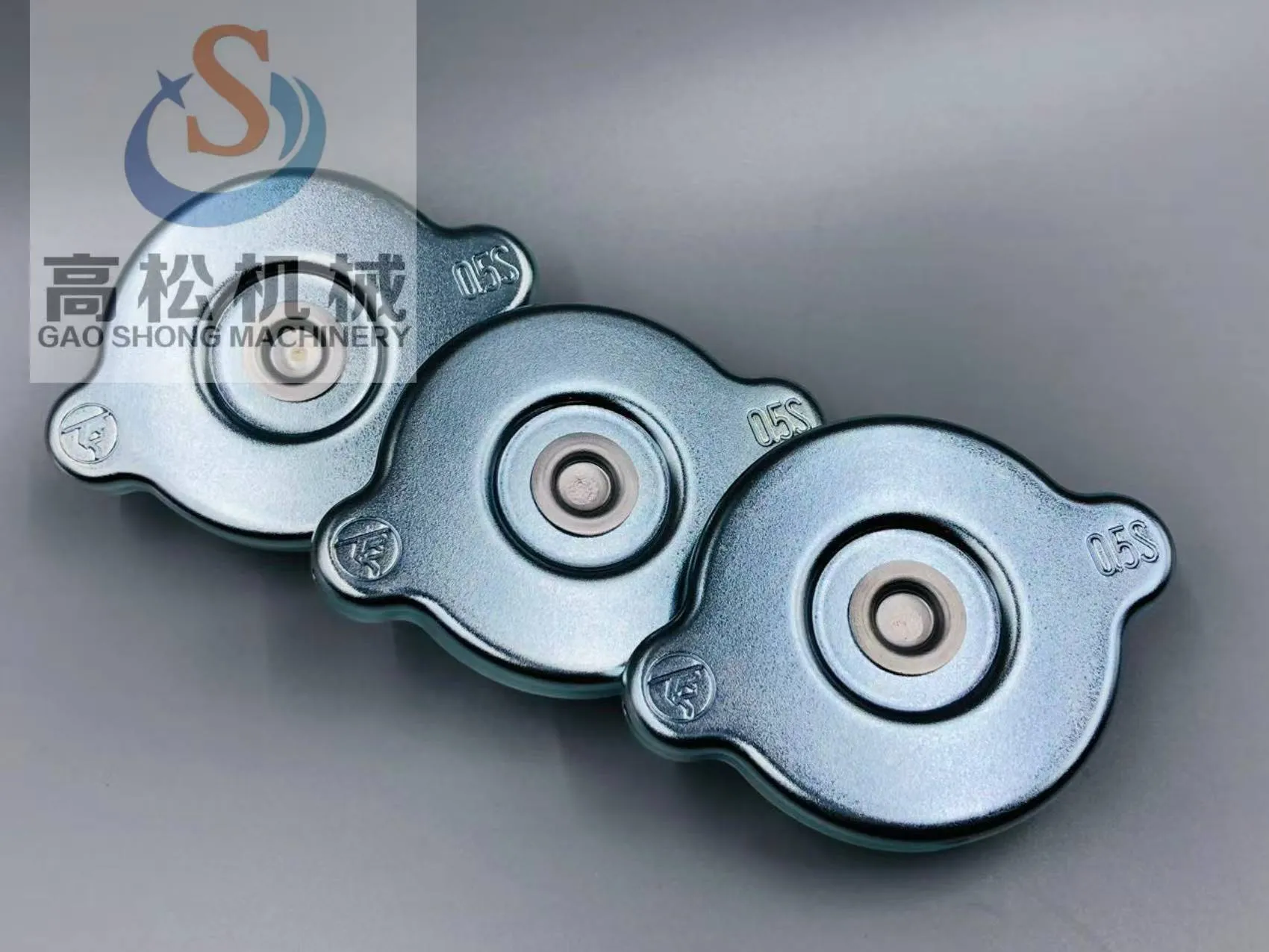 Cap of excavator radiator 20y-03-22110 for pc200-8 pc200-7
 -
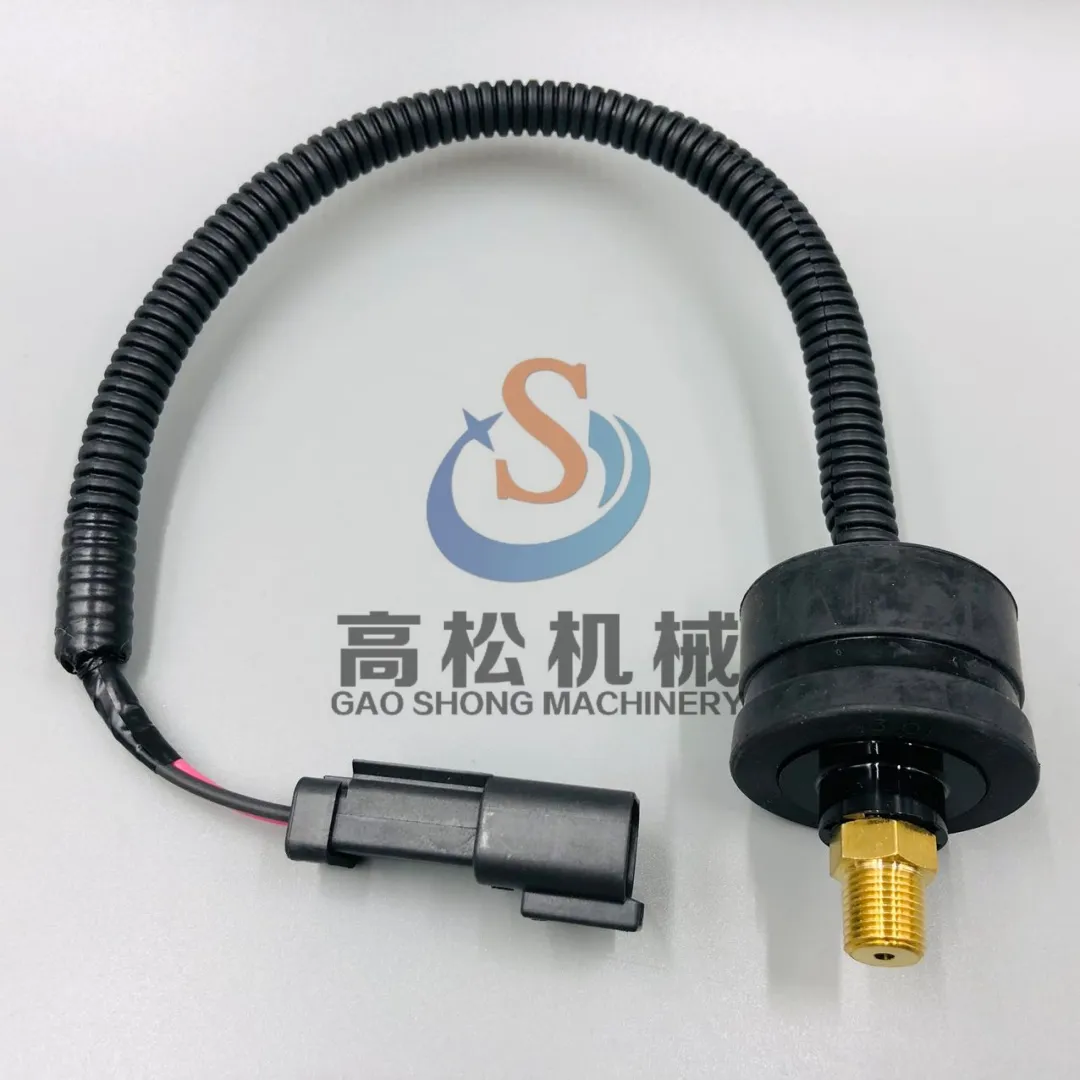 For Komatsu PC200 210 PC300 PC130-8 PC-8 air filter Pressure sensor 7861-93-1430
 -
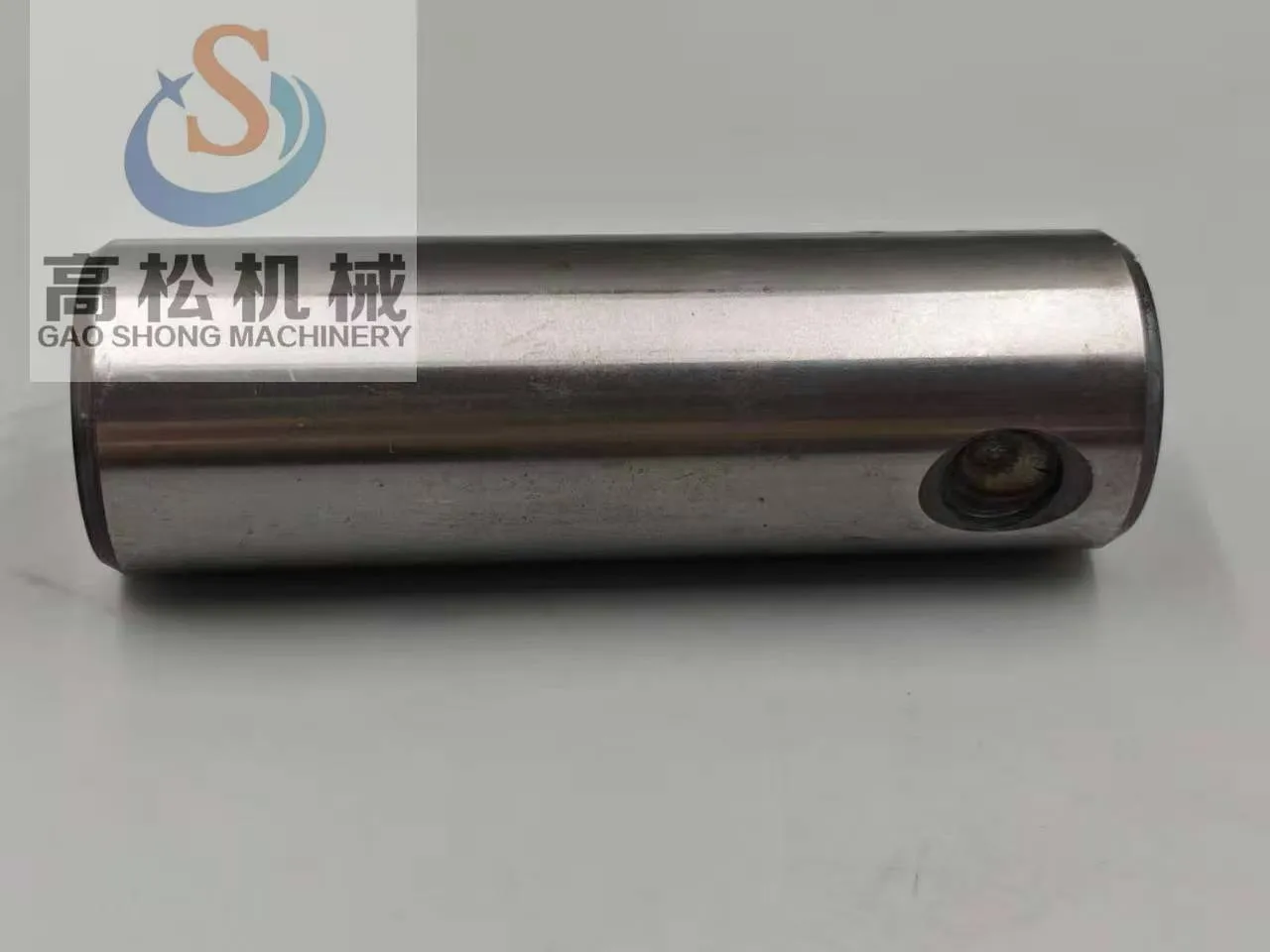 Supply excavator accessories PC1250-11 pin 21N-26-33240
 -
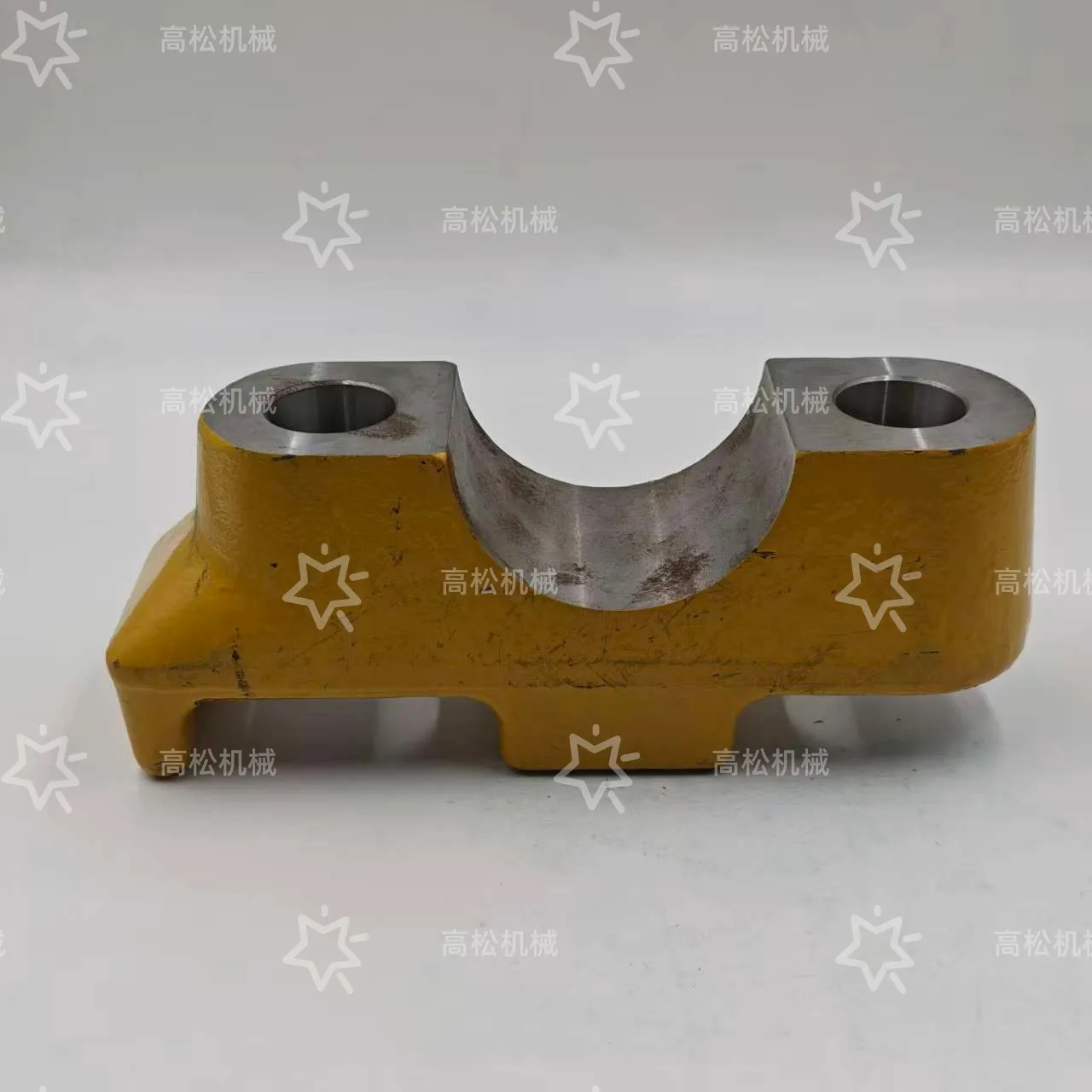 195-30-62141Komatsu Cap 195-30-62141
 -
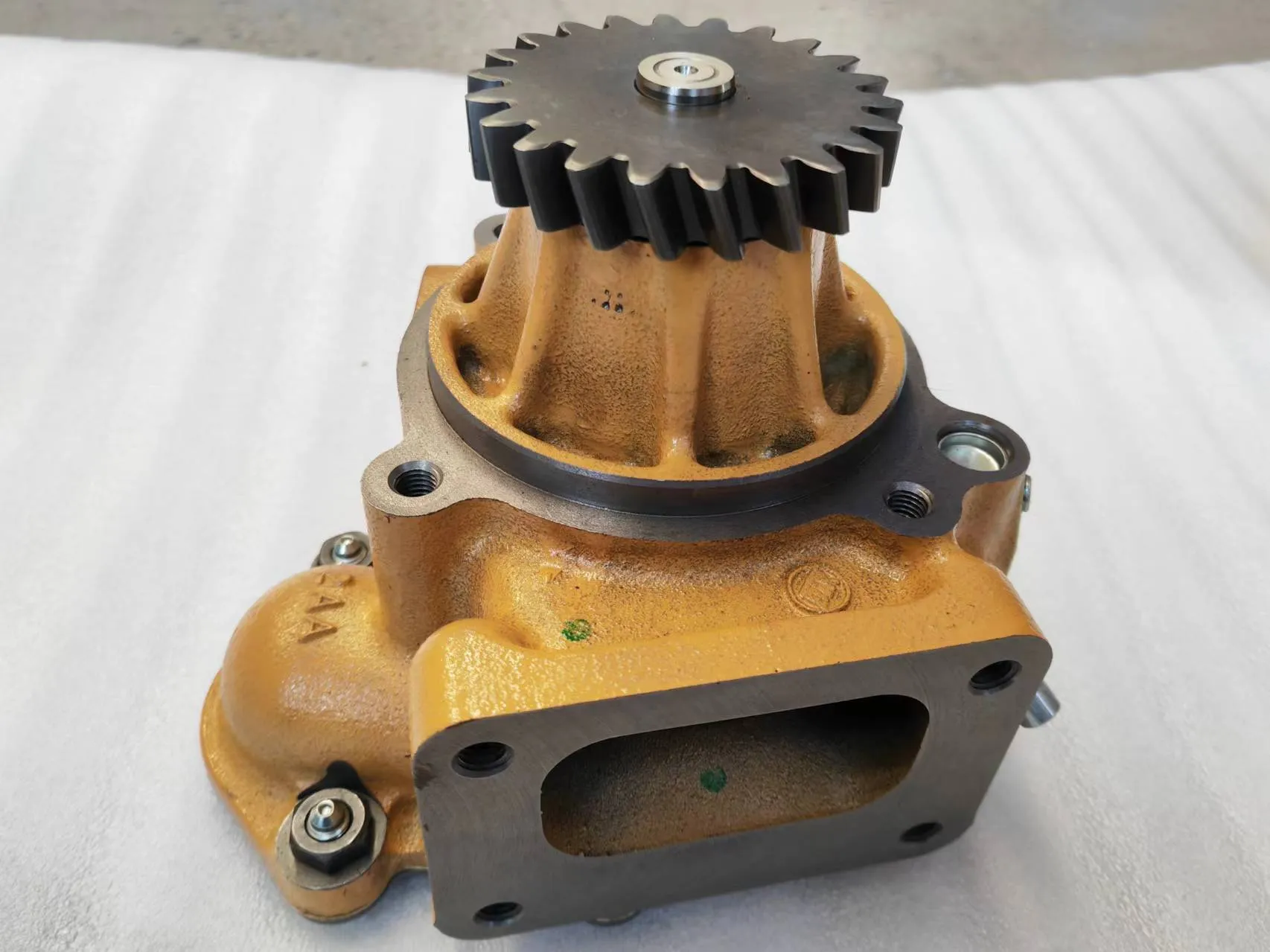 WA480-6 engine water pump 6251-61-1101
 -
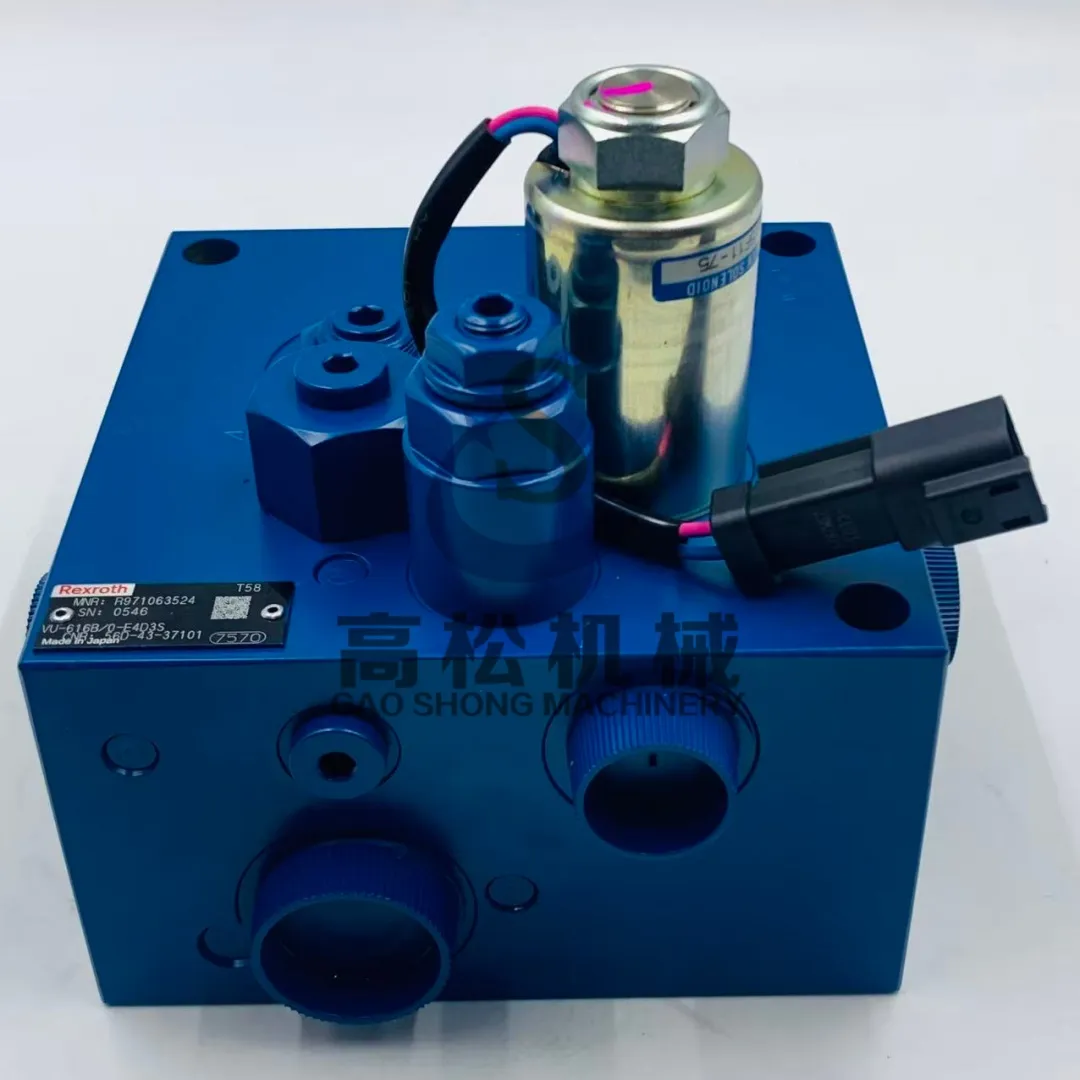 56D-43-37101 Komatsu Valve Assembly
 -
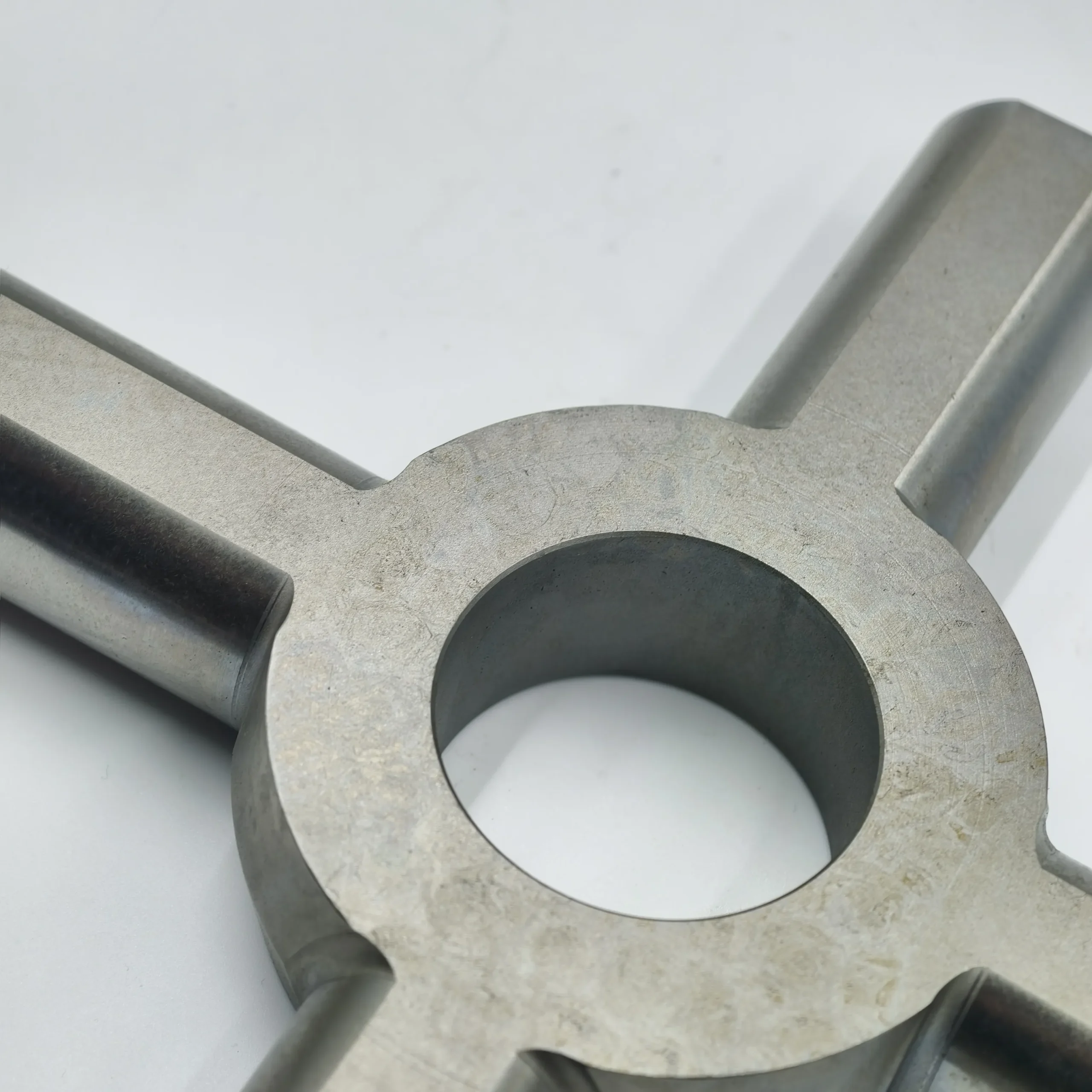 Komatsu Construction Machinery Full Series Accessories 421-22-11440 Loading Parts
 -
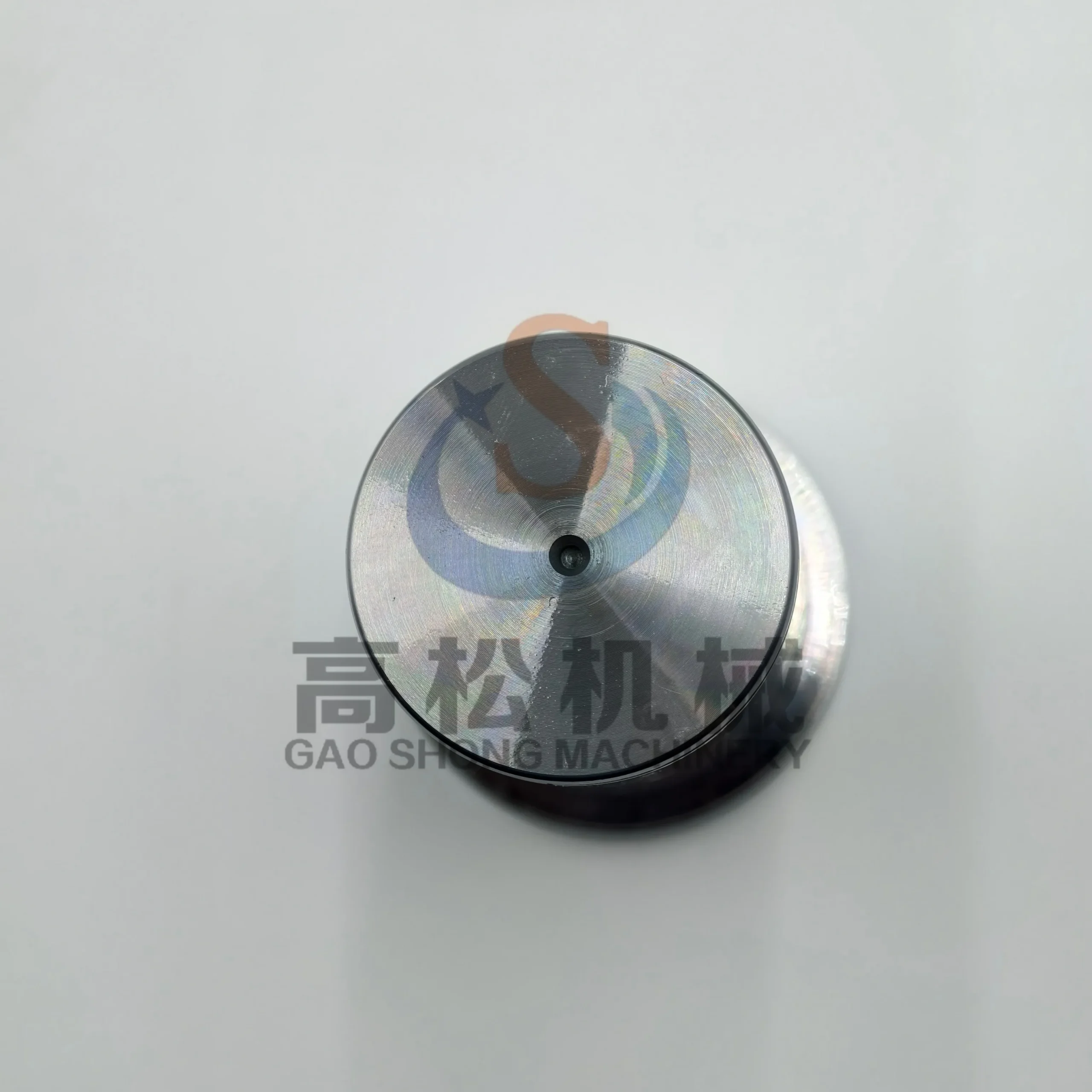 21N-26-33240 Komatsu Pin
 -
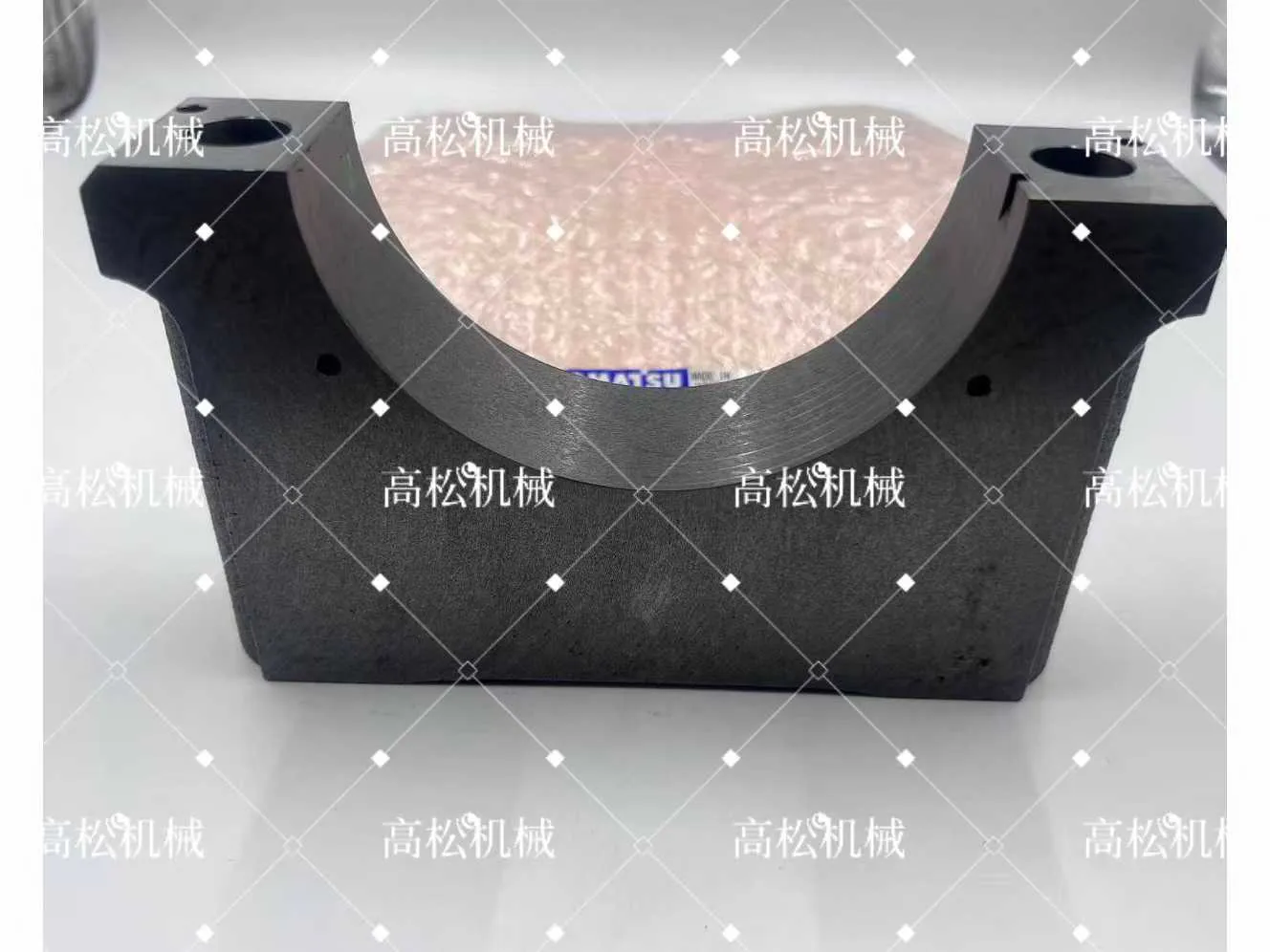 Komatsu Genuine CAP, MAIN METAL, WA470-3, 6150-29-1210
 -
 144-70-15251 Komatsu Pin, Dowel