
- Chinese
- French
- German
- Portuguese
- Spanish
- Russian
- Japanese
- Korean
- Arabic
- Irish
- Greek
- Turkish
- Italian
- Danish
- Romanian
- Indonesian
- Czech
- Afrikaans
- Swedish
- Polish
- Basque
- Catalan
- Esperanto
- Hindi
- Lao
- Albanian
- Amharic
- Armenian
- Azerbaijani
- Belarusian
- Bengali
- Bosnian
- Bulgarian
- Cebuano
- Chichewa
- Corsican
- Croatian
- Dutch
- Estonian
- Filipino
- Finnish
- Frisian
- Galician
- Georgian
- Gujarati
- Haitian
- Hausa
- Hawaiian
- Hebrew
- Hmong
- Hungarian
- Icelandic
- Igbo
- Javanese
- Kannada
- Kazakh
- Khmer
- Kurdish
- Kyrgyz
- Latin
- Latvian
- Lithuanian
- Luxembou..
- Macedonian
- Malagasy
- Malay
- Malayalam
- Maltese
- Maori
- Marathi
- Mongolian
- Burmese
- Nepali
- Norwegian
- Pashto
- Persian
- Punjabi
- Serbian
- Sesotho
- Sinhala
- Slovak
- Slovenian
- Somali
- Samoan
- Scots Gaelic
- Shona
- Sindhi
- Sundanese
- Swahili
- Tajik
- Tamil
- Telugu
- Thai
- Ukrainian
- Urdu
- Uzbek
- Vietnamese
- Welsh
- Xhosa
- Yiddish
- Yoruba
- Zulu
- Kinyarwanda
- Tatar
- Oriya
- Turkmen
- Uyghur






Komatsu spare parts
When you hear 'Komatsu spare parts,' what comes to mind? For most, it's the promise of OEM quality, reliability, and a hefty price tag. That's the surface. The real story, the one you learn after years of dealing with fleet maintenance and procurement headaches, is about navigating a fragmented supply chain, understanding what 'genuine' really means in different markets, and knowing when a non-OEM part is a catastrophic risk or a sensible, cost-effective solution. The biggest misconception? That there's a single, seamless global pipeline for these parts. The reality is far messier, and that's where the real expertise—or costly mistakes—happens.
The OEM Promise and the On-Ground Gap
Komatsu's official channels are, without doubt, the benchmark. You order a pump assembly for a PC360, you get a part that fits perfectly, performs to spec, and comes with traceability. But here's the catch: lead times. In some regions, waiting 12 weeks for a critical component isn't unusual. Downtime costs thousands per day. So, the search begins. You'll find a dozen suppliers online claiming to have the exact part, in stock, at half the price. Some are outright counterfeits with terrible casting and substandard metallurgy. Others are what we call 'system' parts—manufactured by the original design factory but sold outside Komatsu's official network. Telling the difference requires more than just a catalog number; it needs a tactile sense, knowing the weight, the finish of the threads, even the color of the paint used on housings.
I recall a project in Southeast Asia where we had two excavators down with final drive issues. The official distributor quoted an 8-week delivery. We found a local supplier with 'OEM-equivalent' units. Visually, they were identical, right down to the packaging. But upon installation, the gear noise was noticeably higher. We pulled them out after 200 hours fearing premature failure. The lesson? 'Equivalent' often misses on heat treatment tolerances or bearing pre-load specs. You can't see that in a photo. This is precisely the gap that specialized suppliers aim to fill. Companies like Jining Gaosong Construction Machinery Co., Ltd. operate in this space. As they note on their site https://www.takematsumachinery.com, they are an OEM product supplier within the Komatsu system and a third-party sales company. In practice, this often means they can access genuine Komatsu spare parts from the manufacturing source, providing a parallel, sometimes more agile supply route for markets where the official channel is constrained.
This model isn't about undercutting Komatsu; it's about solving logistical realities. For a mine in West Africa or a construction firm in South America, a supplier that understands both the technical specs and the import/clearance hurdles is invaluable. The value isn't just in the part itself, but in the assurance that it's the right one and that it will actually arrive.
Decoding the Third-Party Label
The term 'third-party' can sound alarm bells, and sometimes it should. But it's a spectrum. On one end, you have reputable companies that essentially function as authorized distributors for specific Komatsu component factories. They have the technical drawings, the quality control processes, and often supply the same parts that go into the OEM boxes. On the other end, you have generic aftermarket manufacturers who reverse-engineer parts. The latter isn't inherently bad—for many wear items like seals, filters, or even bucket teeth, a high-quality aftermarket option is perfectly viable and can slash costs by 40-60%.
The key is judgment. For a hydraulic valve block? I'd lean heavily towards a system or genuine part. The precision required is immense. For a cabin air filter or a seat cushion? A trusted aftermarket brand is fine. A supplier's website can be telling. When Jining Gaosong states they are an OEM product supplier within the Komatsu system, it suggests a direct contractual relationship with a factory that produces for Komatsu. This is different from a general parts reseller. It implies access to the same production lines, which is a significant level of quality assurance for a third-party sales company.
I've made the mistake of prioritizing cost over provenance for a swing bearing. The aftermarket part saved us $15k upfront. It failed in under 1,500 hours, requiring a full re-installation that cost triple the savings in labor and downtime. The failure point was subtle—a slight deviation in the hardening depth of the raceway. You only find that out when it's too late. Now, my rule is simple: for core powertrain, hydraulic, and structural components, the source must be traceable back to an OEM-approved factory. For peripheral items, we can be more flexible based on certified test data.
The Critical Role of Documentation and Traceability
This might sound bureaucratic, but it's the bedrock of professional parts procurement. A genuine Komatsu part comes with a pedigree: packing lists, batch numbers, material certificates. When you're buying from a third-party supplier claiming OEM lineage, you must demand the same. Can they provide the factory test reports for that hydraulic pump? Can they trace which Komatsu machine model it was originally designed for? A credible supplier won't hesitate. A vague one will.
I use this as a filter. Early in my career, I'd get excited about a cheap, in-stock engine cylinder head. Now, my first question is, What's the CQ number or the original factory code? If the seller doesn't understand the question, the conversation is over. This traceability is what separates parts that keep machines running for 20,000 hours from those that cause cascading failures. A company positioning itself as a system supplier, like the one mentioned earlier, should inherently provide this level of documentation. It's part of the service that justifies their role in solving parts supply challenges.
Without it, you're gambling. I've seen beautifully machined sprockets that lacked the proper case hardening, leading to rapid tooth wear. The paperwork, or lack thereof, told the story post-failure. The supplier had no material certs. It was a painful, expensive lesson in due diligence.
Practical Sourcing and the In-Country Challenge
Let's talk logistics. Even if you identify the perfect part from a perfect supplier, getting it to your site is half the battle. Customs, duties, taxes, and shipping damage are massive risks. This is where a supplier with a physical presence and logistics expertise in your region becomes critical. Their value isn't just in the warehouse stock; it's in their ability to navigate local regulations and get the part to you in working condition.
The website takematsumachinery.com highlights a focus on solving supply challenges in certain countries. This is a very real niche. It means they've likely dealt with the specific import codes, certification requirements, and freight forwarders needed to move heavy machinery parts into markets that are difficult to service from Japan or Europe directly. For a fleet manager in such a region, this localized knowledge is as valuable as the part itself. It turns a complex international procurement puzzle into a single-point responsibility.
I've spent weeks on the phone with customs brokers over a mis-declared valve assembly. A supplier who handles that end-to-end saves not just time, but also prevents the risk of a $50,000 part sitting in a port warehouse for months. When evaluating a new supplier, I now always ask for a case study of a complex shipment they handled to a country similar to mine. Their response tells me everything about their operational depth.
Building a Sustainable Parts Strategy
Ultimately, managing Komatsu spare parts isn't about individual transactions. It's about building a sustainable, risk-aware strategy. This involves creating a hybrid inventory: critical, long-lead-time OEM parts sourced through reliable channels (official or system suppliers like Jining Gaosong Construction Machinery Co., Ltd.), and a list of approved aftermarket alternatives for high-wear, non-critical components. It requires building relationships with suppliers who demonstrate consistency, transparency, and technical knowledge.
The goal is to minimize total cost of ownership, not just purchase price. A cheap part that fails and takes out other components is the most expensive part you can buy. A reliable supplier, even at a 20% premium, pays for itself by ensuring machine availability. The description of helping to solve parts supply challenges resonates because it frames the service correctly—it's a solution to an operational problem, not just a sales transaction.
In this field, experience is written in repair orders and downtime reports. The nuances matter: the feel of a genuine gasket, the specific smell of OEM hydraulic oil, the way a properly manufactured pin fits with a defined resistance. It's these tangible details, forged through years of hands-on work and problem-solving, that separate a real procurement professional from a parts order clerk. The landscape for Komatsu parts is complex, but navigating it successfully is what keeps the iron moving and the projects on schedule.
Related Products
Related Products

Best Selling Products
Best Selling Products-
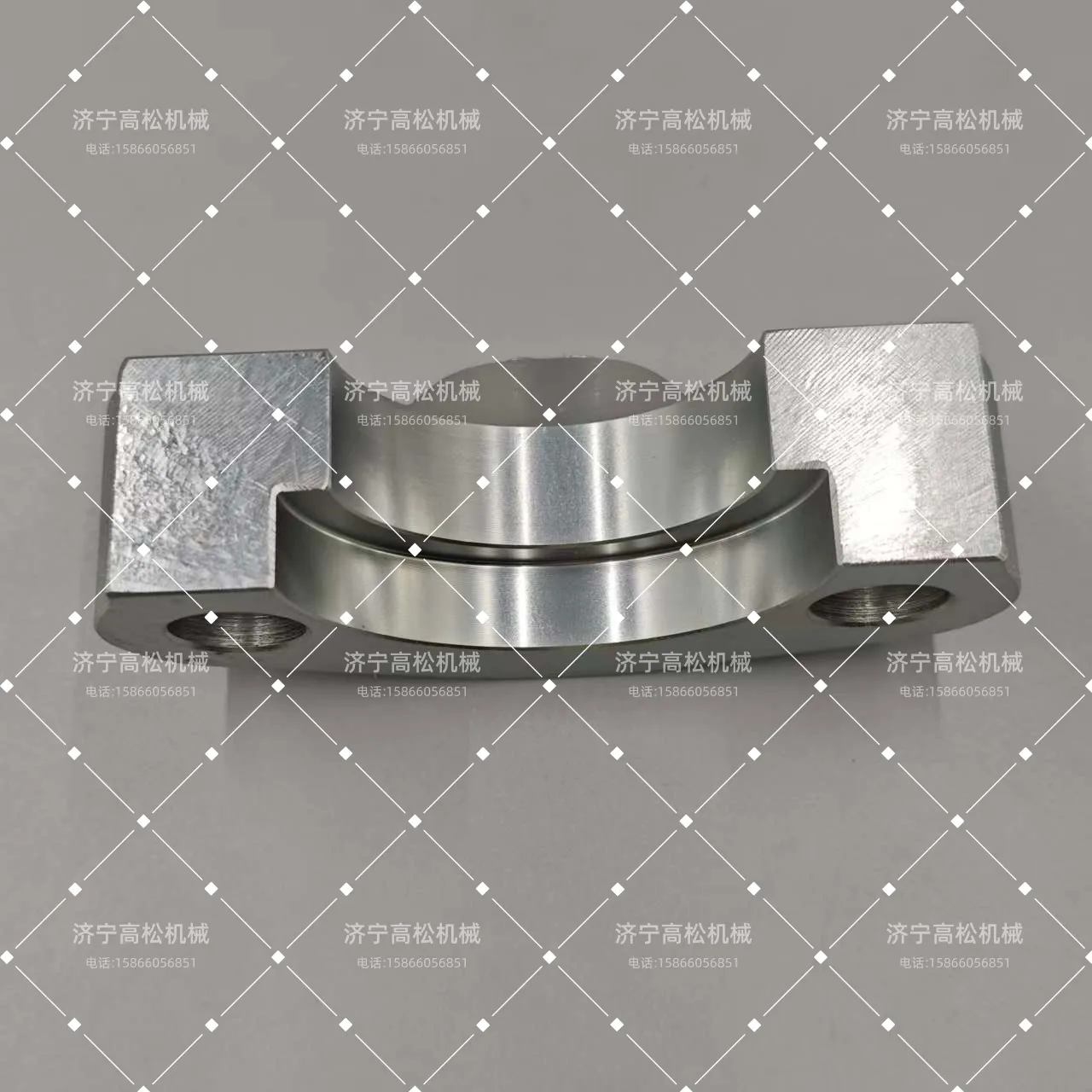 07371-51470 FLANGE
 -
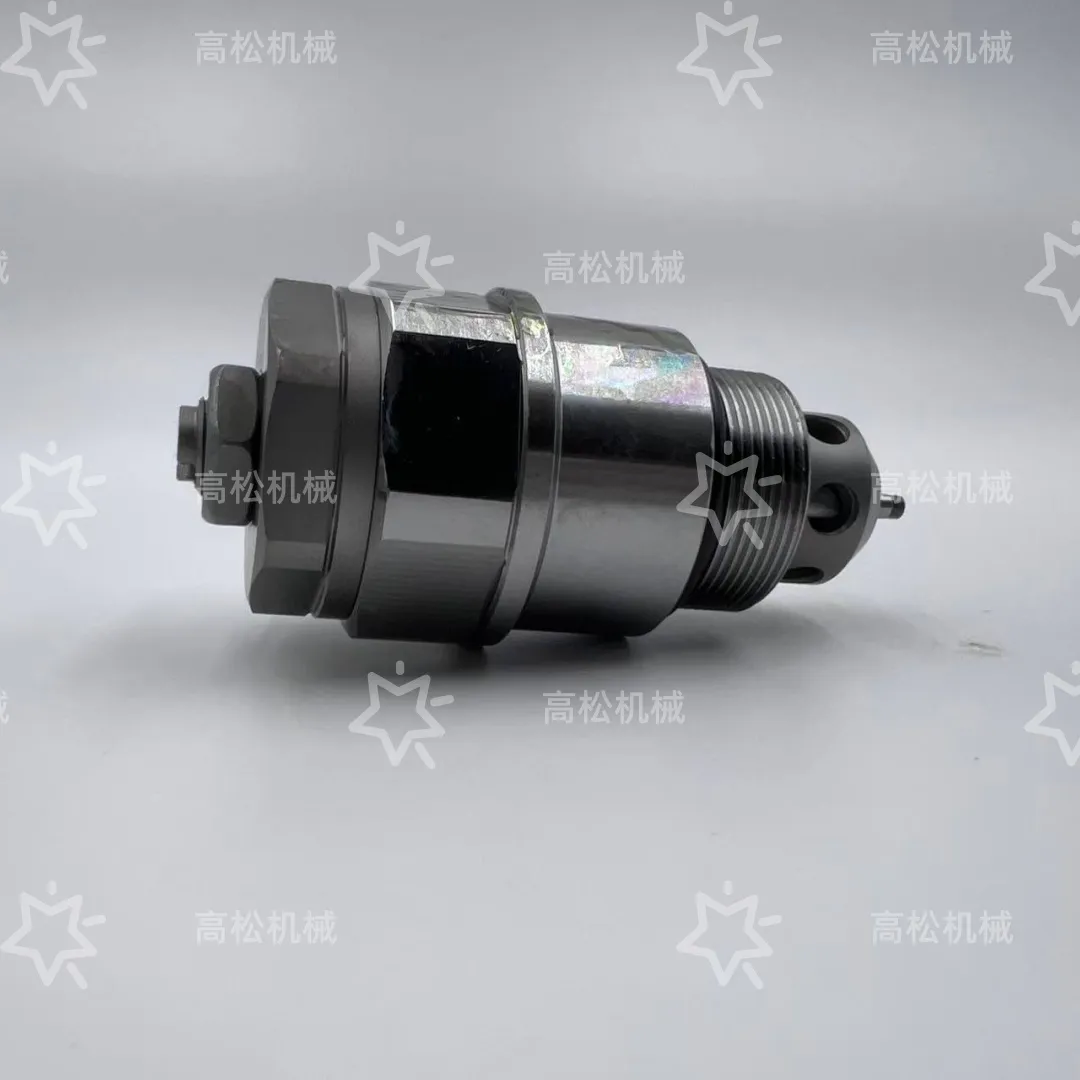 709-90-71700 Valve Assembly, Suction and Relief Komatsu
 -
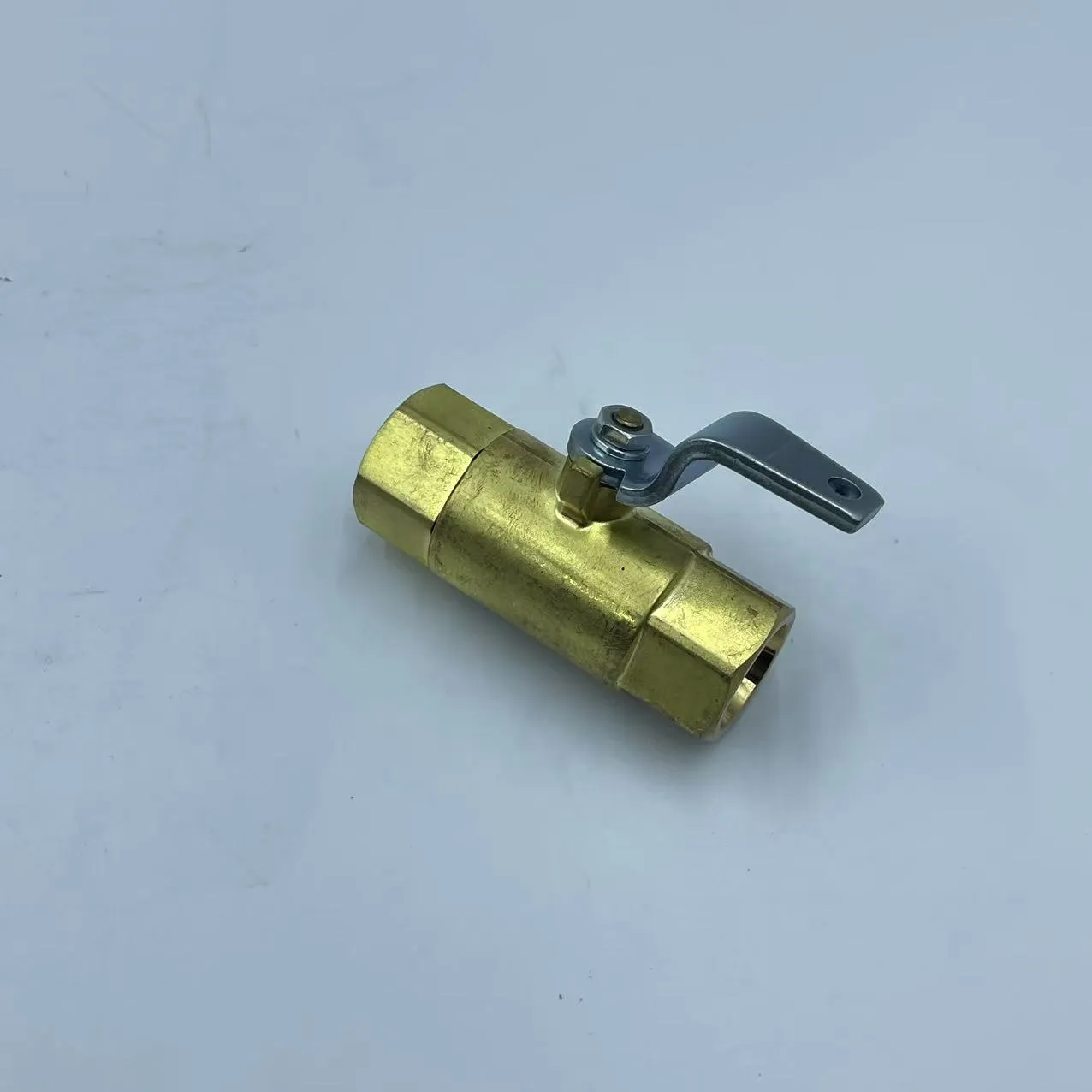 VALVE 20Y-62-15651 – KOMATSUBATTERY, D275A, D375A, FRONT, WA150, WA200, WA320
 -
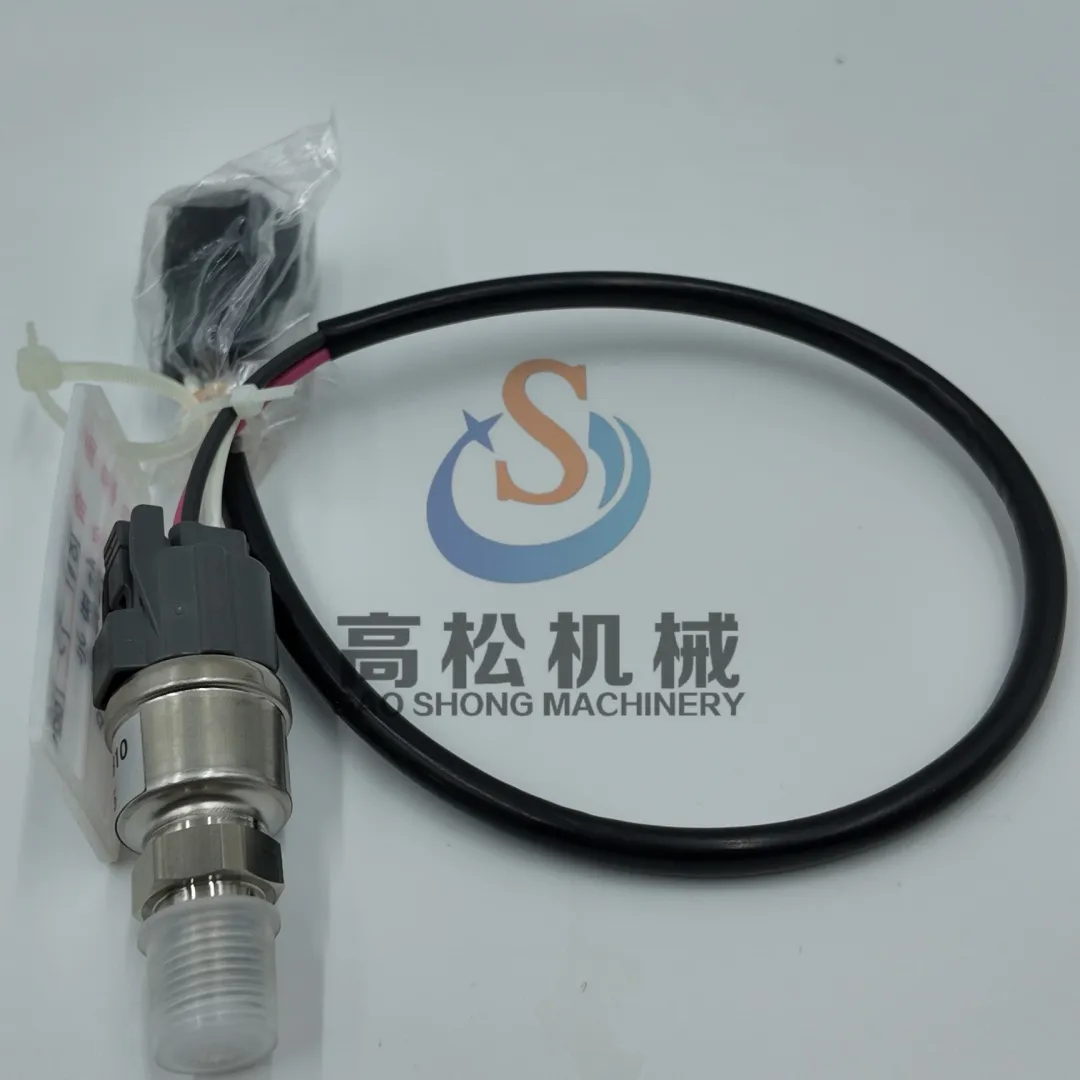 7861-93-1680 Pressure Sensor For Komatsu WA1200 SDA12V140E
 -
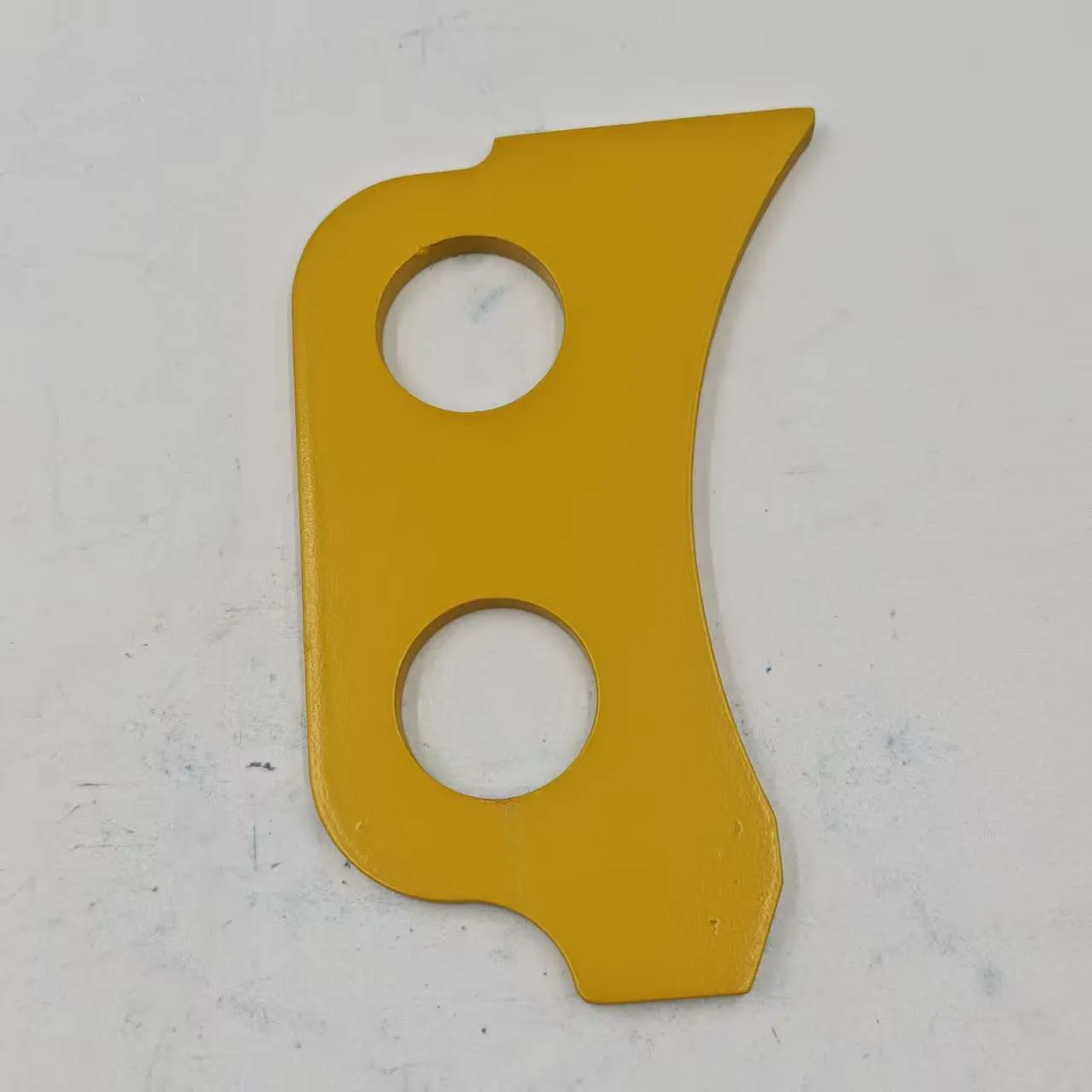 PLATE 195-71-74260 KOMATSU
 -
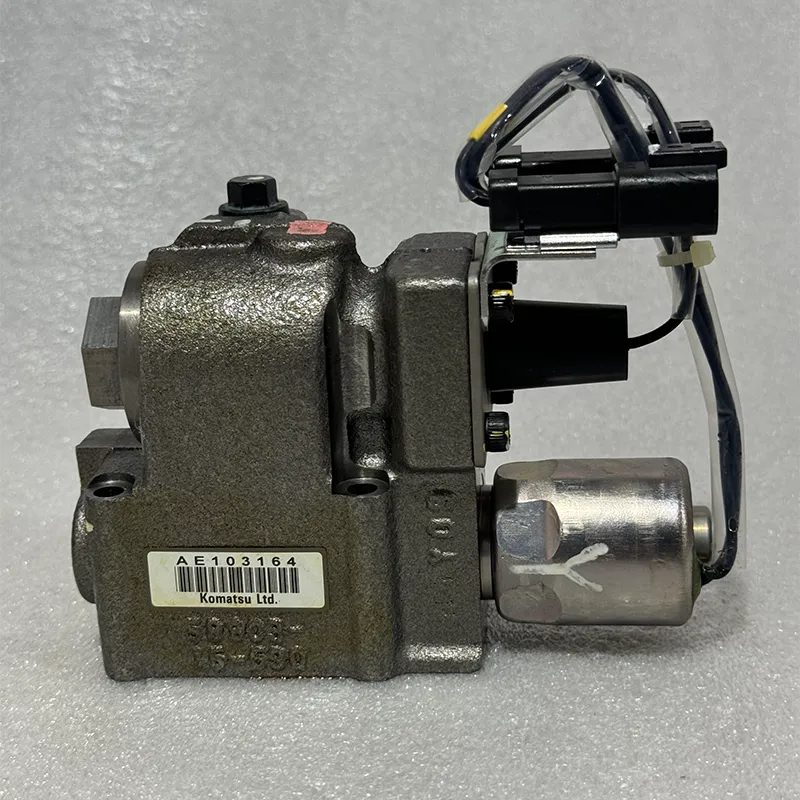 Original komatsu HD785-7 Valve 561-15-75701
 -
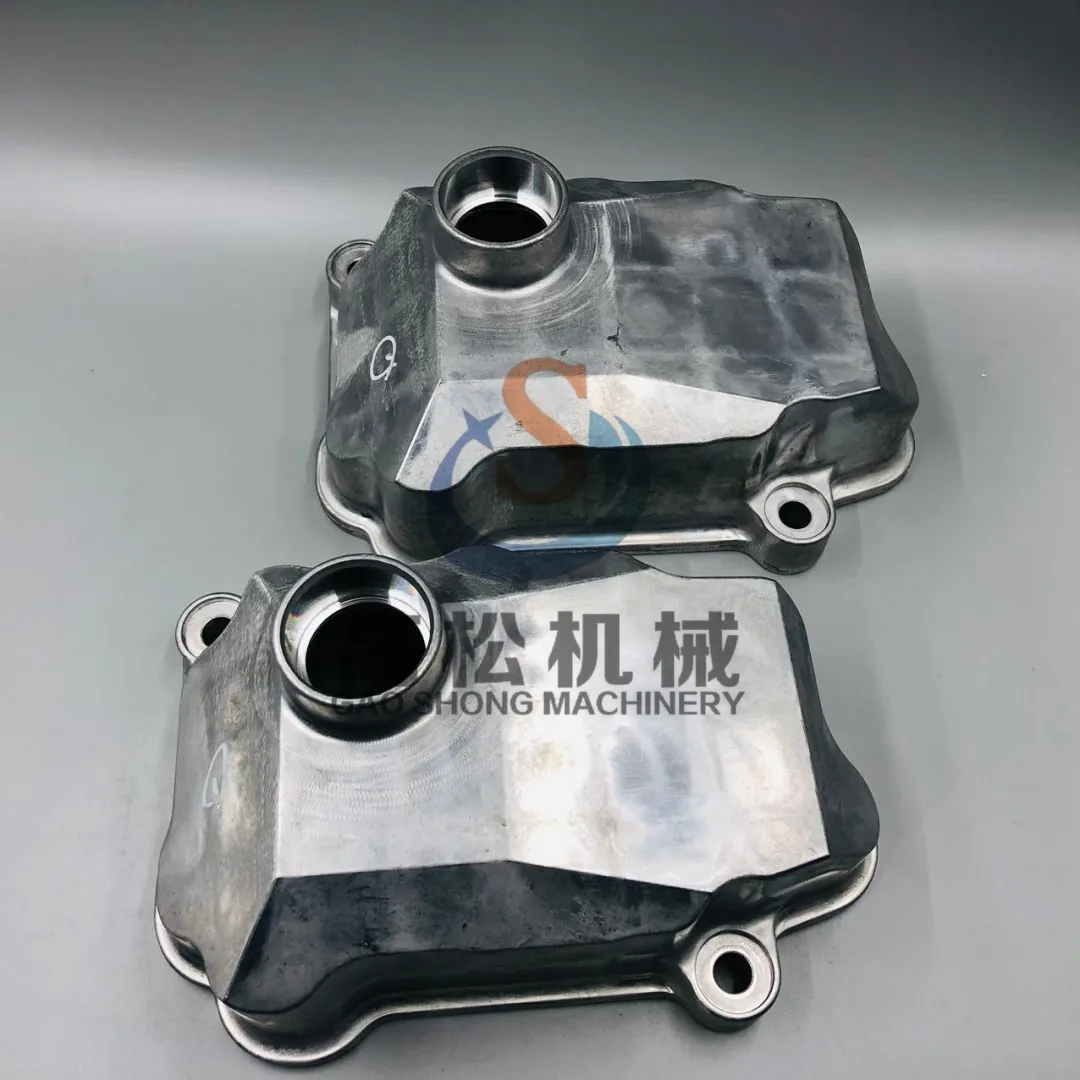 Komatsu SAA6D125E-5 Valve Cover | Part Number 6251-11-8150
 -
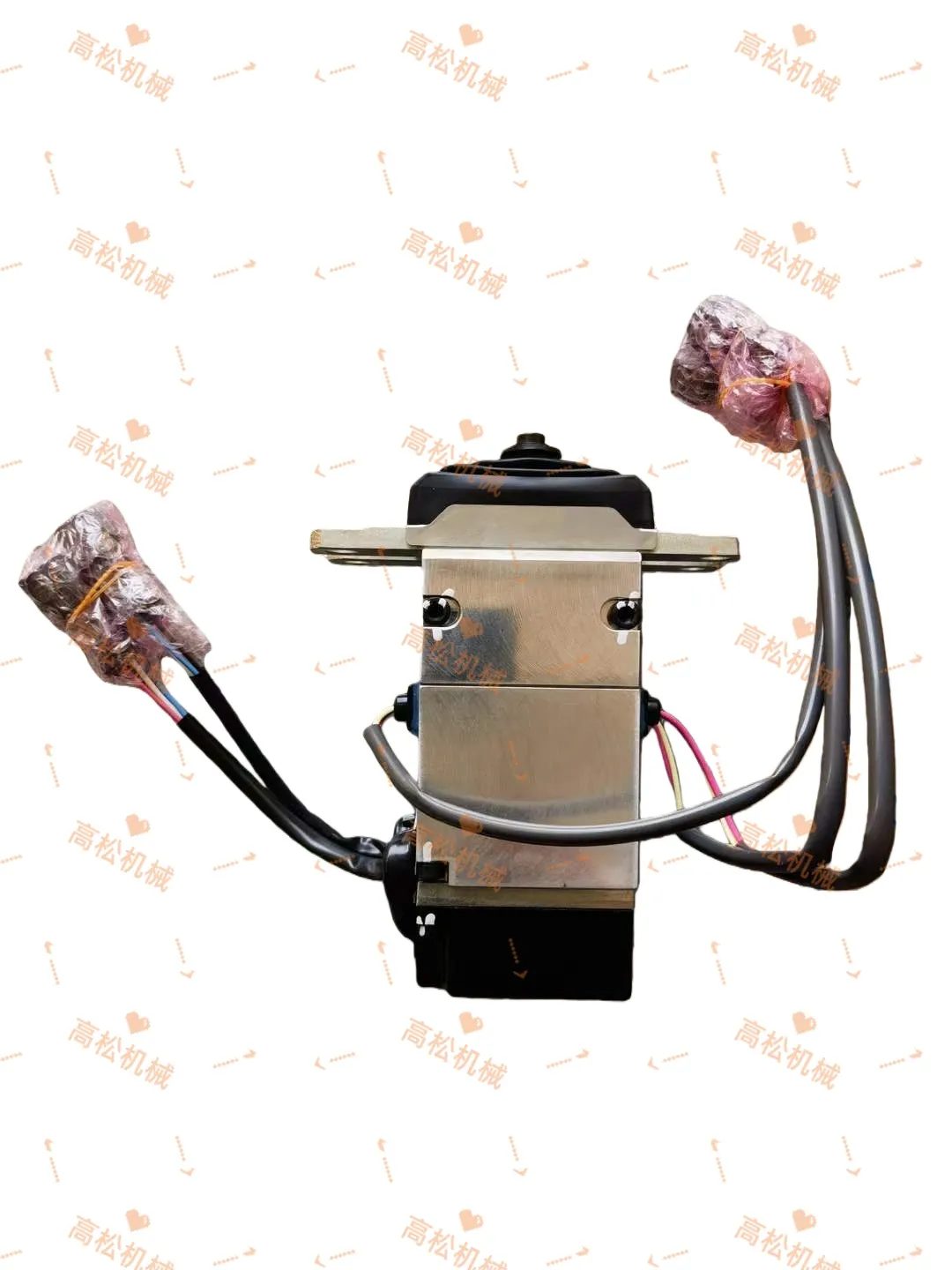 Komatsu Wheel loader machines WA500 WA480 WA470 702-16-02144 702-16-02143 Komatsu Control lever 702-16-02144 for Wheel loader WA480-5H
 -
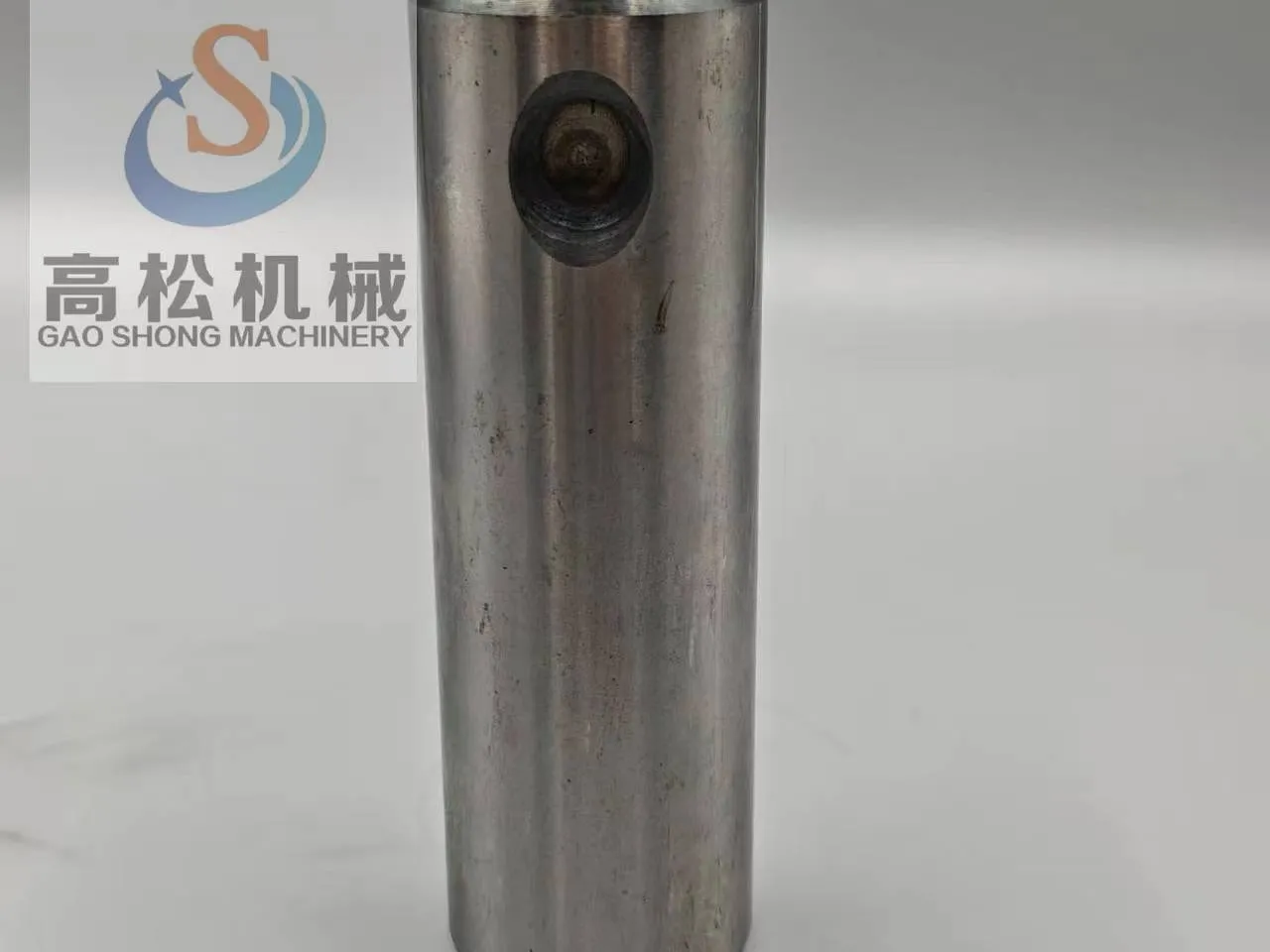 Komatsu Pin, 20Y-27-31160 Komatsu Sales, 20Y-27-31160
 -
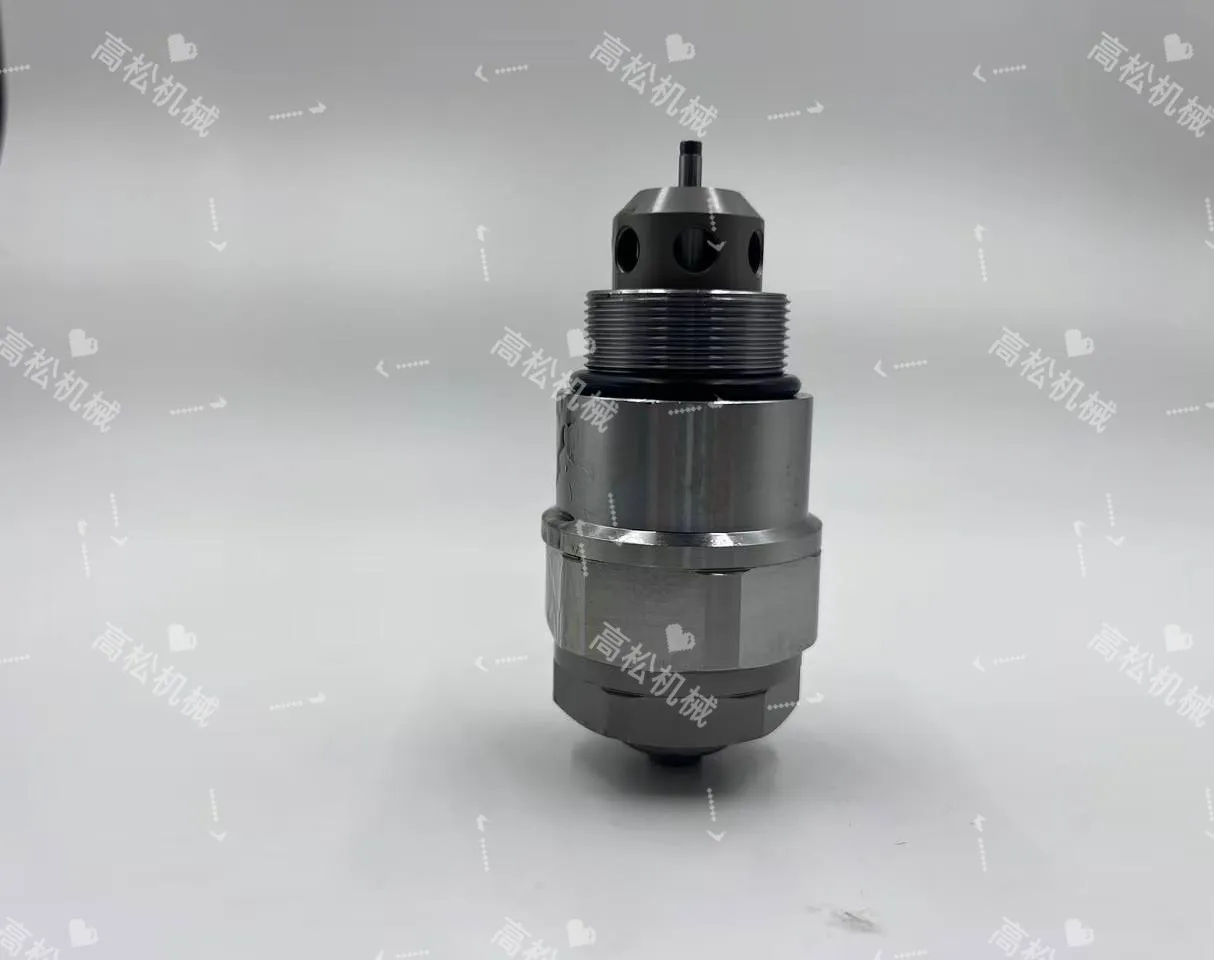 709-90-71700VALVE ASS’Y,SUCTION AND SAFETY D155A-2A CONTROL VALVE VALVE ASS’Y,SUCTION AND SAFETY PC1250SP-8R MAIN VALVE
 -
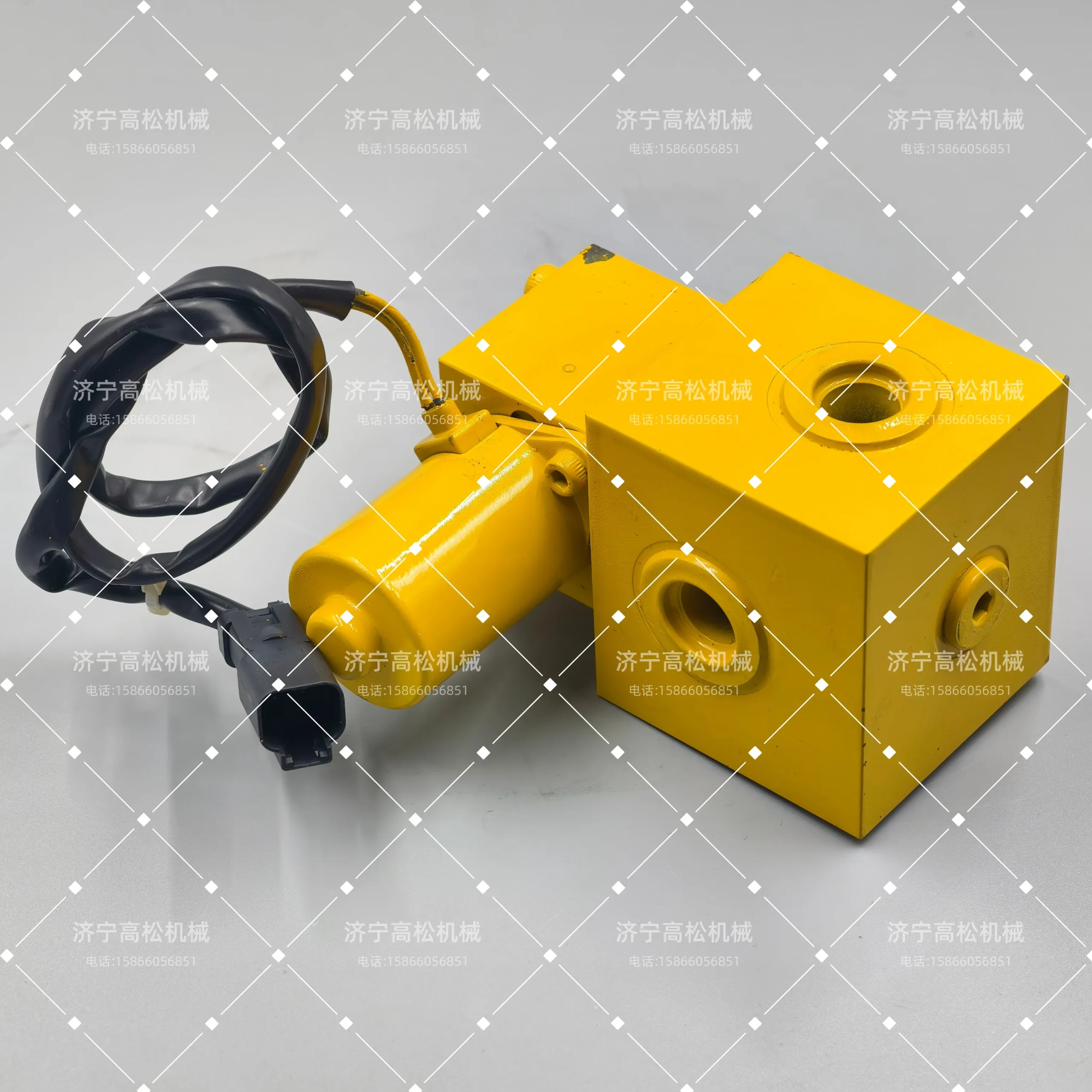 209-60-77220 Komatsu Valve Assembly
 -
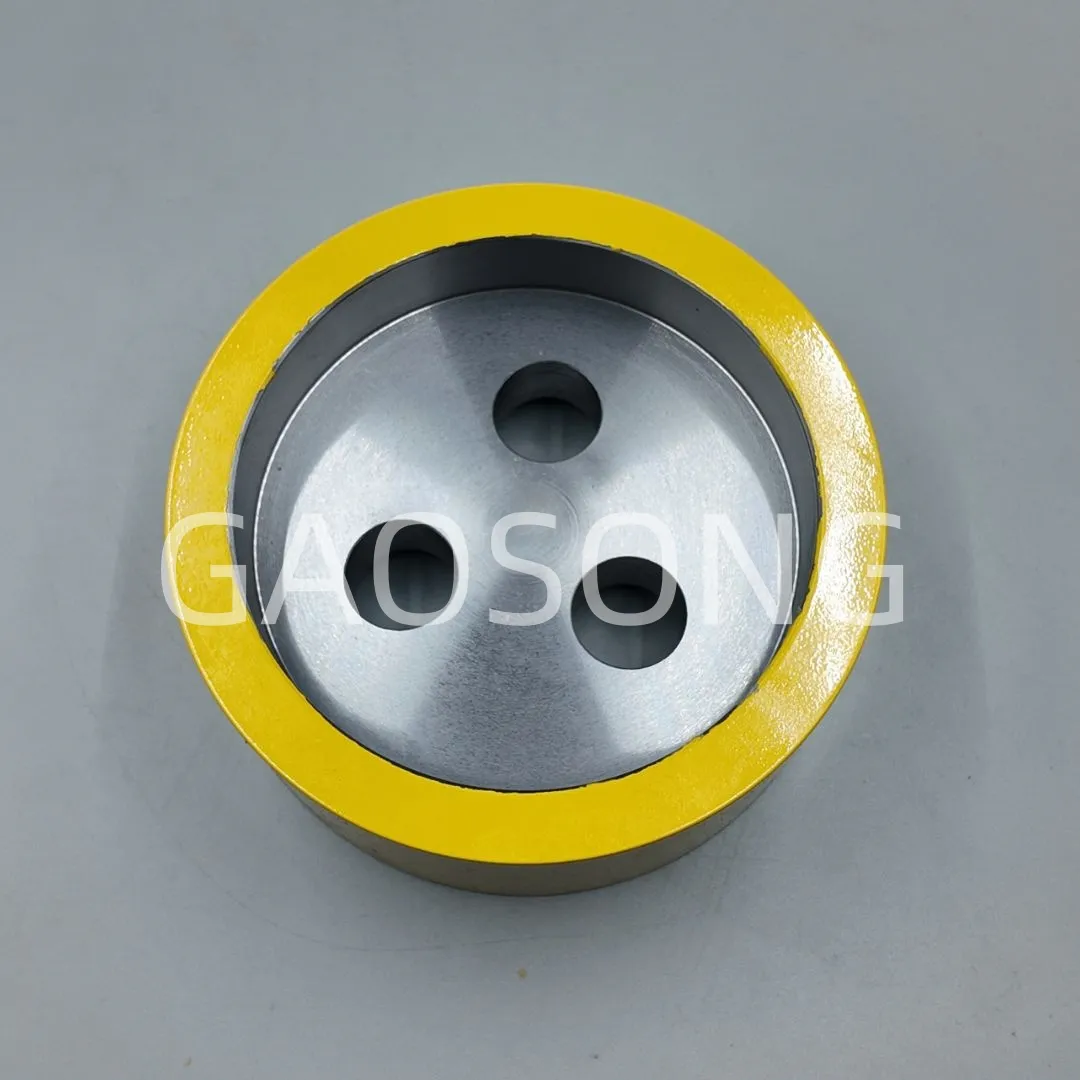 2A8-70-13570 Komatsu Cover