
- Chinese
- French
- German
- Portuguese
- Spanish
- Russian
- Japanese
- Korean
- Arabic
- Irish
- Greek
- Turkish
- Italian
- Danish
- Romanian
- Indonesian
- Czech
- Afrikaans
- Swedish
- Polish
- Basque
- Catalan
- Esperanto
- Hindi
- Lao
- Albanian
- Amharic
- Armenian
- Azerbaijani
- Belarusian
- Bengali
- Bosnian
- Bulgarian
- Cebuano
- Chichewa
- Corsican
- Croatian
- Dutch
- Estonian
- Filipino
- Finnish
- Frisian
- Galician
- Georgian
- Gujarati
- Haitian
- Hausa
- Hawaiian
- Hebrew
- Hmong
- Hungarian
- Icelandic
- Igbo
- Javanese
- Kannada
- Kazakh
- Khmer
- Kurdish
- Kyrgyz
- Latin
- Latvian
- Lithuanian
- Luxembou..
- Macedonian
- Malagasy
- Malay
- Malayalam
- Maltese
- Maori
- Marathi
- Mongolian
- Burmese
- Nepali
- Norwegian
- Pashto
- Persian
- Punjabi
- Serbian
- Sesotho
- Sinhala
- Slovak
- Slovenian
- Somali
- Samoan
- Scots Gaelic
- Shona
- Sindhi
- Sundanese
- Swahili
- Tajik
- Tamil
- Telugu
- Thai
- Ukrainian
- Urdu
- Uzbek
- Vietnamese
- Welsh
- Xhosa
- Yiddish
- Yoruba
- Zulu
- Kinyarwanda
- Tatar
- Oriya
- Turkmen
- Uyghur





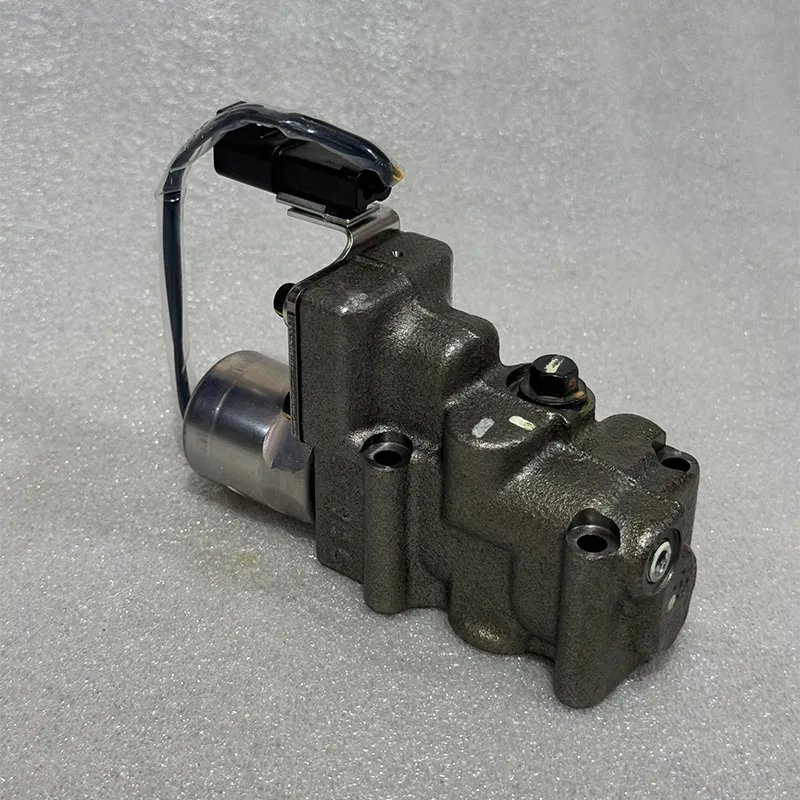
Komatsu solenoid valve
When you hear 'Komatsu solenoid valve', most people just think of a replacement part, a line item on a quote. That's the first mistake. In my experience, it's never just a valve. It's a system interface, a point where electrical commands translate into hydraulic action, and where a lot of downtime stories begin. The assumption that all valves with the same Komatsu part number are functionally identical has burned more than one service manager I've known. There's a nuance here that isn't in the manual.
The OEM Core and the Aftermarket Reality
Working with genuine Komatsu parts, you get a certain predictability. The coil resistance is spot on, the spool tolerances are consistent, and the O-rings seat perfectly. But the supply chain isn't always that simple. This is where companies operating within the Komatsu ecosystem, but addressing specific market gaps, become critical. I'm thinking of suppliers like Jining Gaosong Construction Machinery Co., Ltd.. Their position is interesting: they're an OEM product supplier within the Komatsu system, but they also function as a third-party sales channel. You can find their details at takematsumachinery.com. Their model directly tackles the parts supply challenges in certain regions, which is more common than you'd think.
Why does this matter for a solenoid valve? Because a valve sitting in a warehouse for six months due to logistics isn't solving a machine breakdown. A supplier that can navigate both the official OEM channels and the parallel aftermarket networks gets parts moving. The valve itself might be to the same spec, but the path it takes to the technician's bench is different. This logistical layer is half the battle in fleet maintenance.
I recall a situation with a PC360-8 where a bank of solenoid valves failed. The official lead time was prohibitive. A third-party supplier with OEM linkages provided a solution that wasn't just a compatible part, but actually sourced through the proper channels, just via a different route. It saved a three-week project from becoming a three-month nightmare. The takeaway? The provenance of the part is as important as the part number.
Failure Modes You Won't Find in Troubleshooting Guides
The manuals list the obvious: coil open/short circuit, spool sticking. Real-world failures are more subtle. One consistent issue is heat soak on smaller excavators, like the PC78. The valve block is tucked right next to the hydraulic tank. After a full day's work, residual heat can degrade the coil's varnish over time, leading to intermittent shorts that only show up when the machine is hot. You'll test it in the cool morning and find nothing, only for the alarm to come back at 3 PM.
Another is contamination, but not the typical kind. It's not always about dirt. I've seen water ingress from a failed breather cap cause corrosion on the solenoid's plunger face, not enough to seize it, but enough to create a slight lag in response. The machine will have a barely perceptible hesitation in a compound movement. You'll chase pump flow or pilot pressure for days before you think to pull that specific Komatsu solenoid and see the faint rust ring.
Then there's the voltage spike issue from poor battery management. A weak alternator or corroded ground can cause transient spikes that don't blow the coil but slowly cook the insulation. The resistance check might still be in range, but under load, it fails. You need to check the actual voltage at the coil connector while the machine is under strain, not just at idle. It's a simple check, but one often overlooked because the component itself tests good on the bench.
The Interchangeability Trap
This is a big one. The aftermarket is flooded with will-fit valves. Sometimes they work. Often, they cause secondary issues. The physical envelope and thread ports might match, but the internal flow characteristics or the response time might be off by a few milliseconds. On a basic lift-and-curl function, you might not notice. On a machine with graded control or a sophisticated hydraulic system like a Komatsu dozer with intelligent controls, that lag can cause the control system to overcorrect, leading to jerky operation and fault codes that point everywhere but the valve.
I learned this the hard way early on. We used a well-regarded aftermarket valve on a D61EXi. It fit, it functioned. But the blade would occasionally hunt in automatic mode. We spent weeks on sensors and software. Finally, on a hunch, we swapped back to a valve sourced through a proper Komatsu-linked supplier, and the problem vanished. The lesson was expensive. The valve wasn't broken, it was just not precisely tuned for the system's expected feedback loop.
This is where the value of a supplier who understands both the OEM specification and the real-world machine comes in. They're not just selling a component; they're selling a functional guarantee that the part will integrate seamlessly. A company like Jining Gaosong, by being embedded in the Komatsu system, inherently has to understand these integration points. Their business depends on the part working correctly in the machine, not just fitting in the hole.
Diagnosis: It's Rarely Just the Valve
You get a code for a solenoid circuit. The rookie move is to swap the valve immediately. A more experienced approach is to treat the valve as the last node in a circuit. First, verify command. Use a diagnostic tool to force the valve on and off. Does the machine respond? If yes, the valve is likely fine, and the issue is upstream in the controller or wiring. If no, then you move to the physical checks.
But here's a pro tip: before you even disconnect the connector, check for magnetism. With the machine on and the function commanded (or the coil energized manually via diagnostics), you should feel a distinct magnetic pull on the body of the solenoid valve. No pull? You've got an electrical issue—power, ground, or coil. A strong pull but no hydraulic action? Now your problem is likely mechanical: a stuck spool, a clogged pilot orifice, or a pressure issue from elsewhere in the system starving the valve.
This simple tactile test has saved me hours. It immediately splits the diagnostic tree in half. I've seen seasoned mechanics bypass this and replace a perfectly good valve because they didn't confirm the electrical signal was actually reaching it, only to find a chafed wire in a harness two days later.
Practical Sourcing and Final Thoughts
So, when you need a Komatsu solenoid valve, what's the play? For critical machines under warranty or with complex control systems, the official dealer network is the safest bet. No question. For older fleets, or in regions where logistics are a bottleneck, you need a partner who understands the balance between specification and availability.
This is the niche filled by entities like the one mentioned earlier. Their stated goal of helping to solve parts supply challenges in certain countries isn't just marketing copy. It's a daily reality for many equipment managers. Having a source that can provide OEM-spec parts through an alternative, often more agile, supply chain is a huge operational advantage. It turns a catastrophic downtime event into a manageable repair.
Ultimately, dealing with these components is about respecting the system. The solenoid valve is a simple device in a complex conversation between the controller, the hydraulic pump, the actuators, and the operator. Specifying the right part, from the right source, with the right understanding of its role, is what separates a quick fix from a lasting repair. It's not the most glamorous component on the machine, but when it fails, it commands your full attention. And your choice of supplier determines how long that attention needs to last.
Related Products
Related Products
Best Selling Products
Best Selling Products-
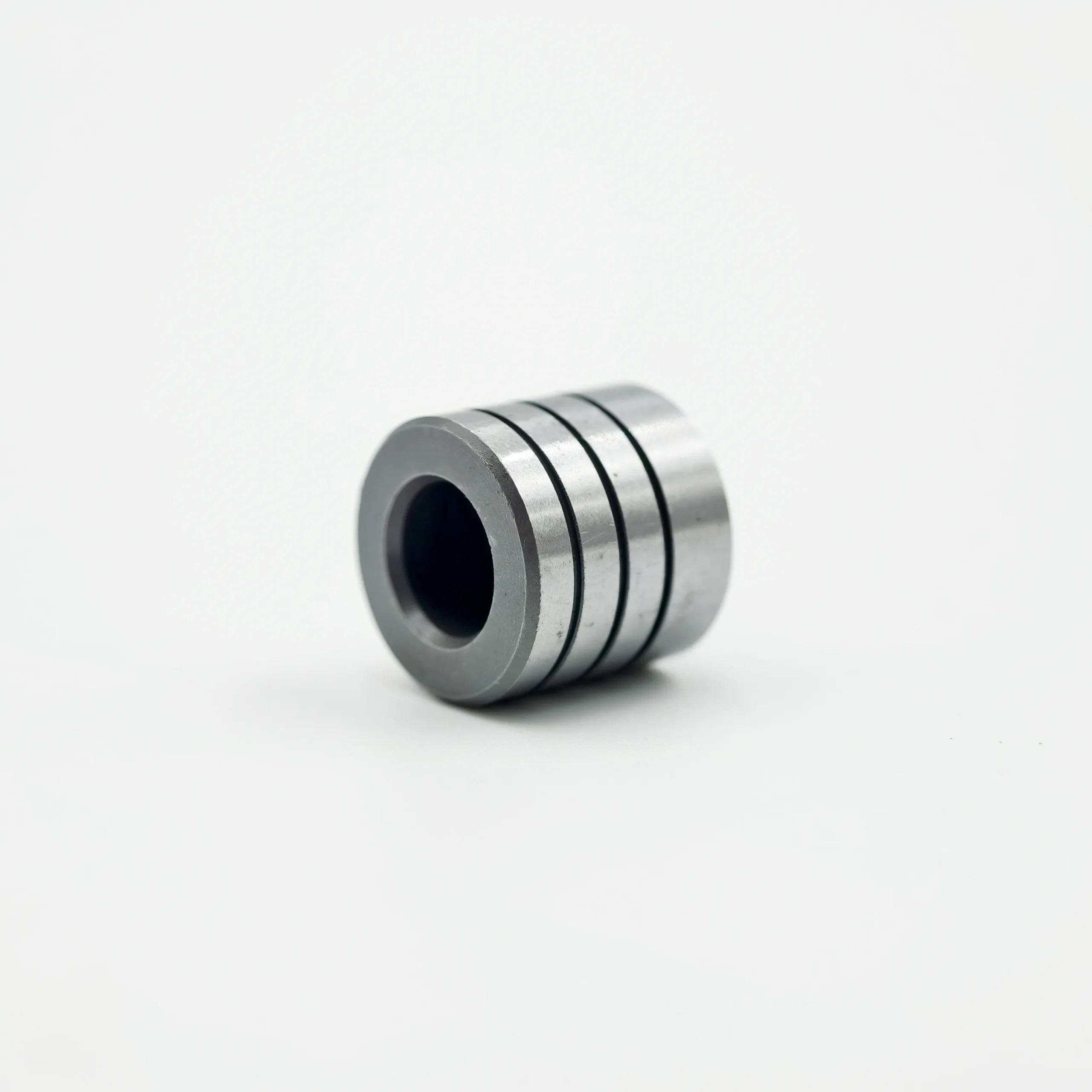 Valve 104-15-25480 – KOMATSU
 -
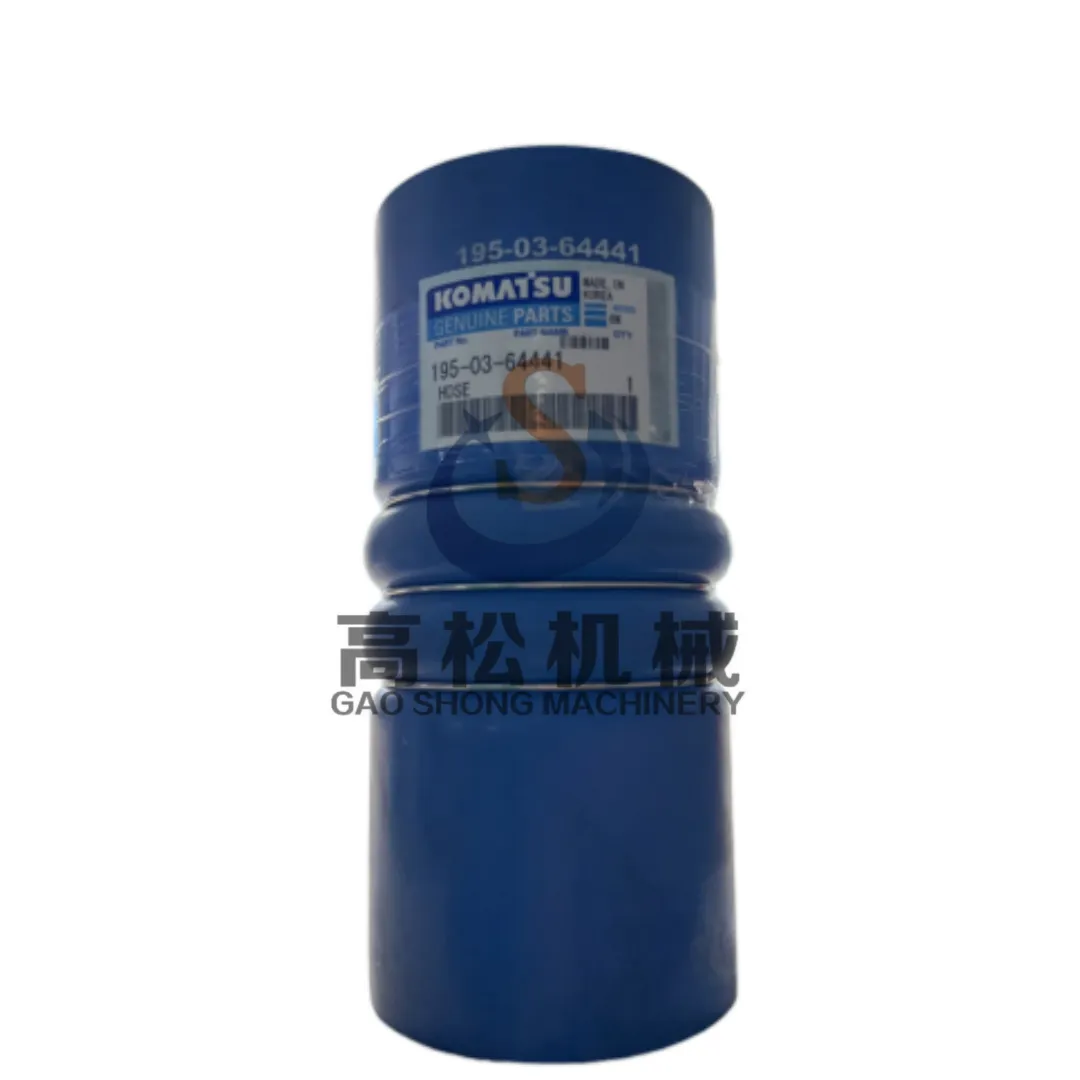 195-03-64441 Komatsu Hose komatsu parts
 -
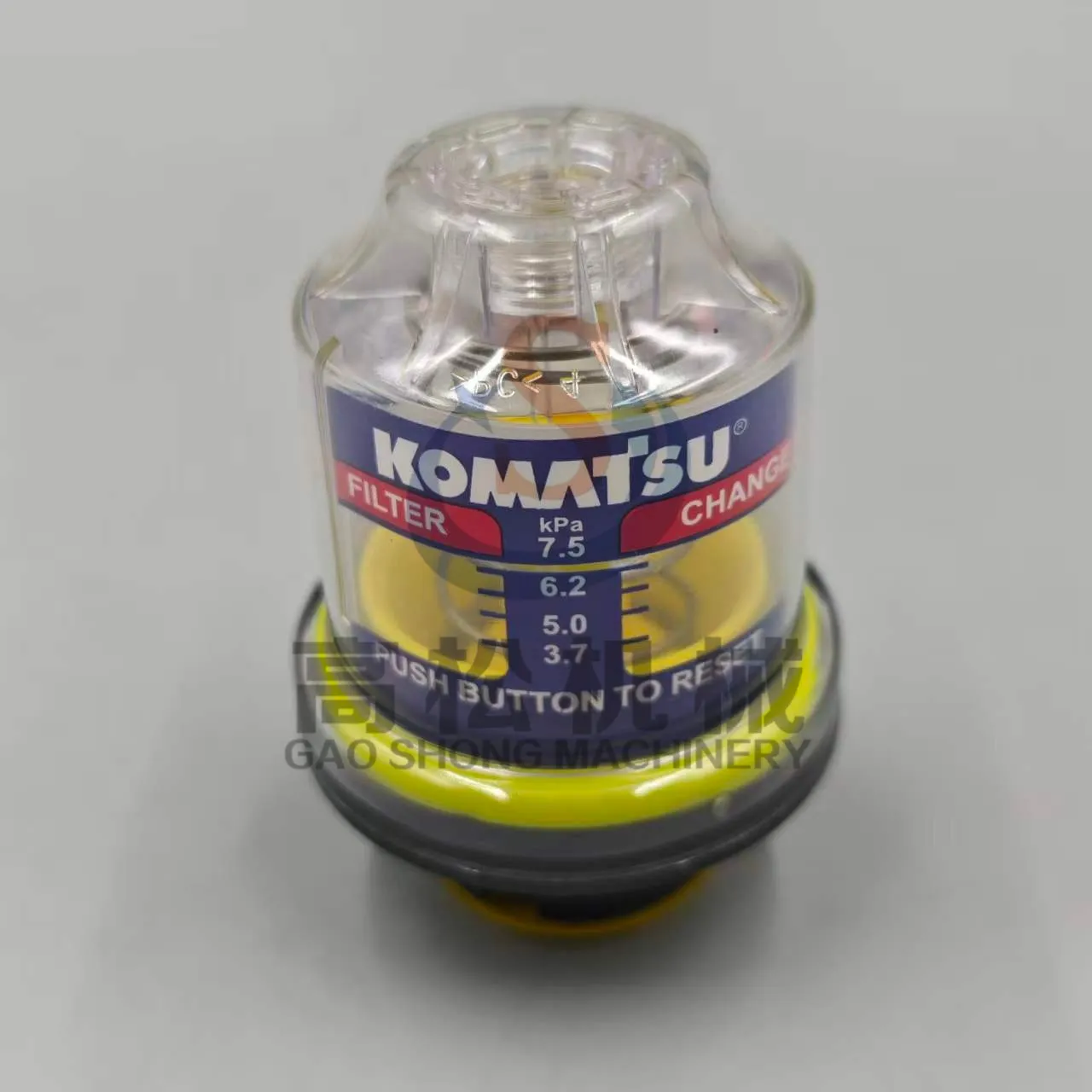 08672-01000 Indicator
 -
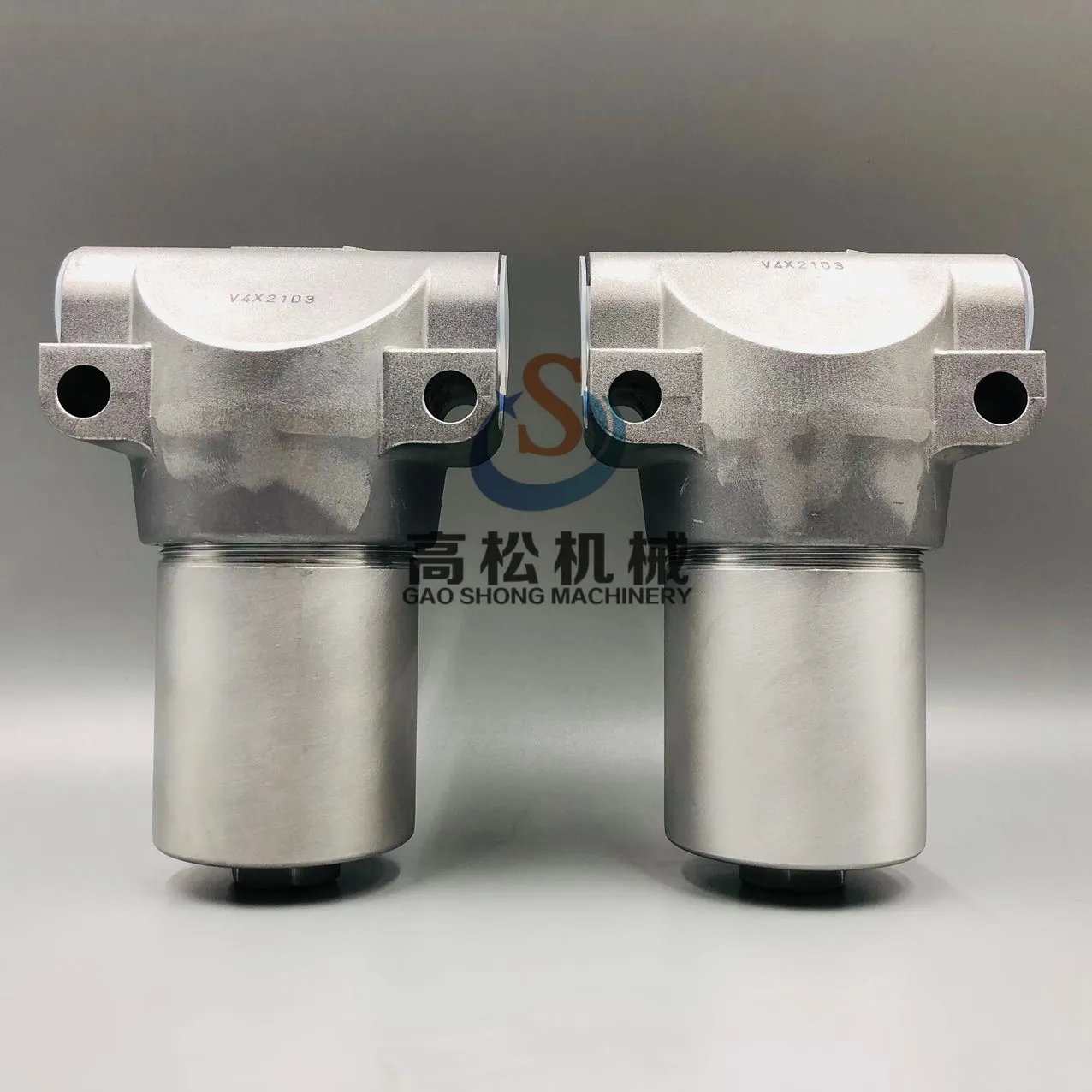 PC200/PC300 original accessories 20Y-62-51681 filter element assembly
 -
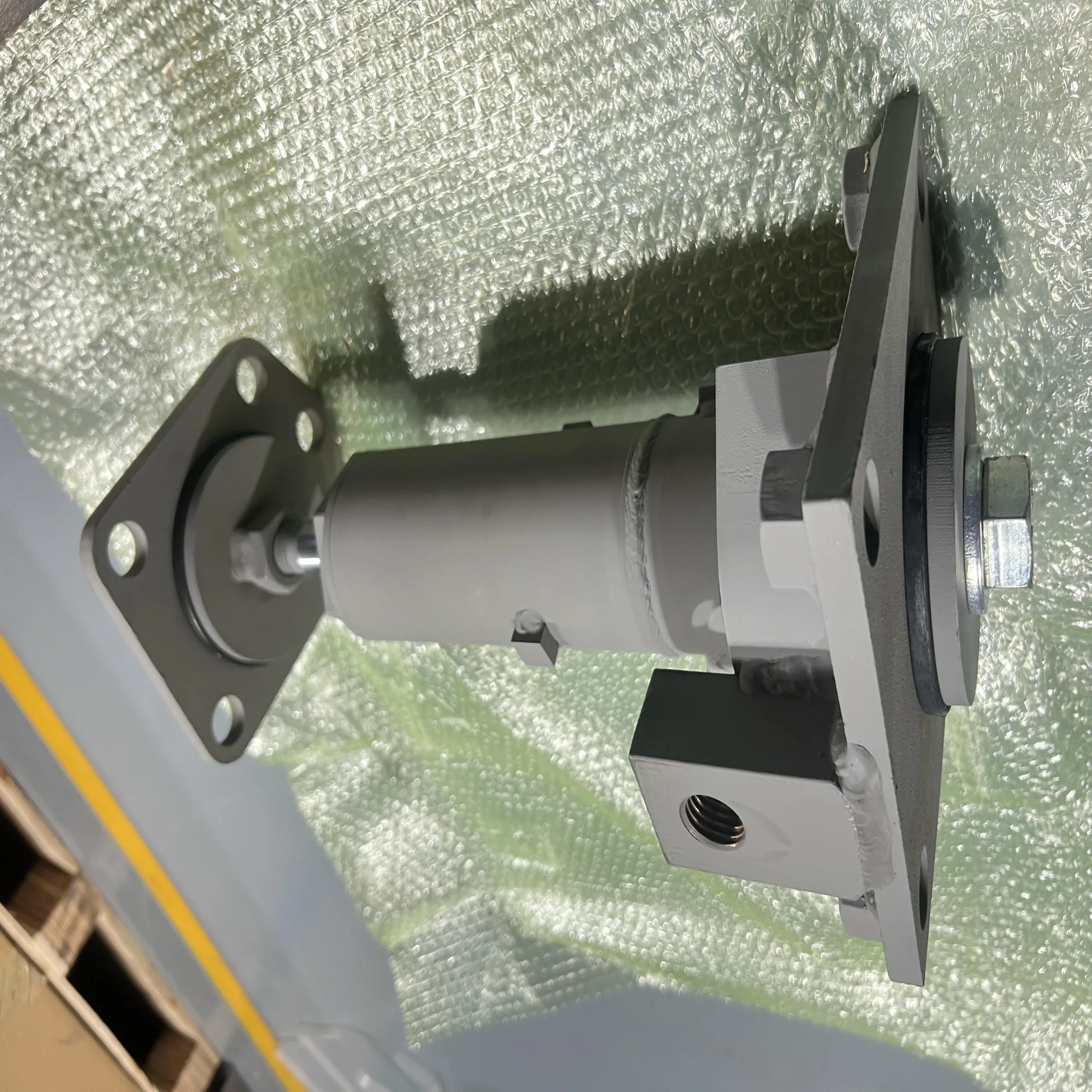 SUSPENSION ASS’Y 17A-54-16201 – KOMATSU
 -
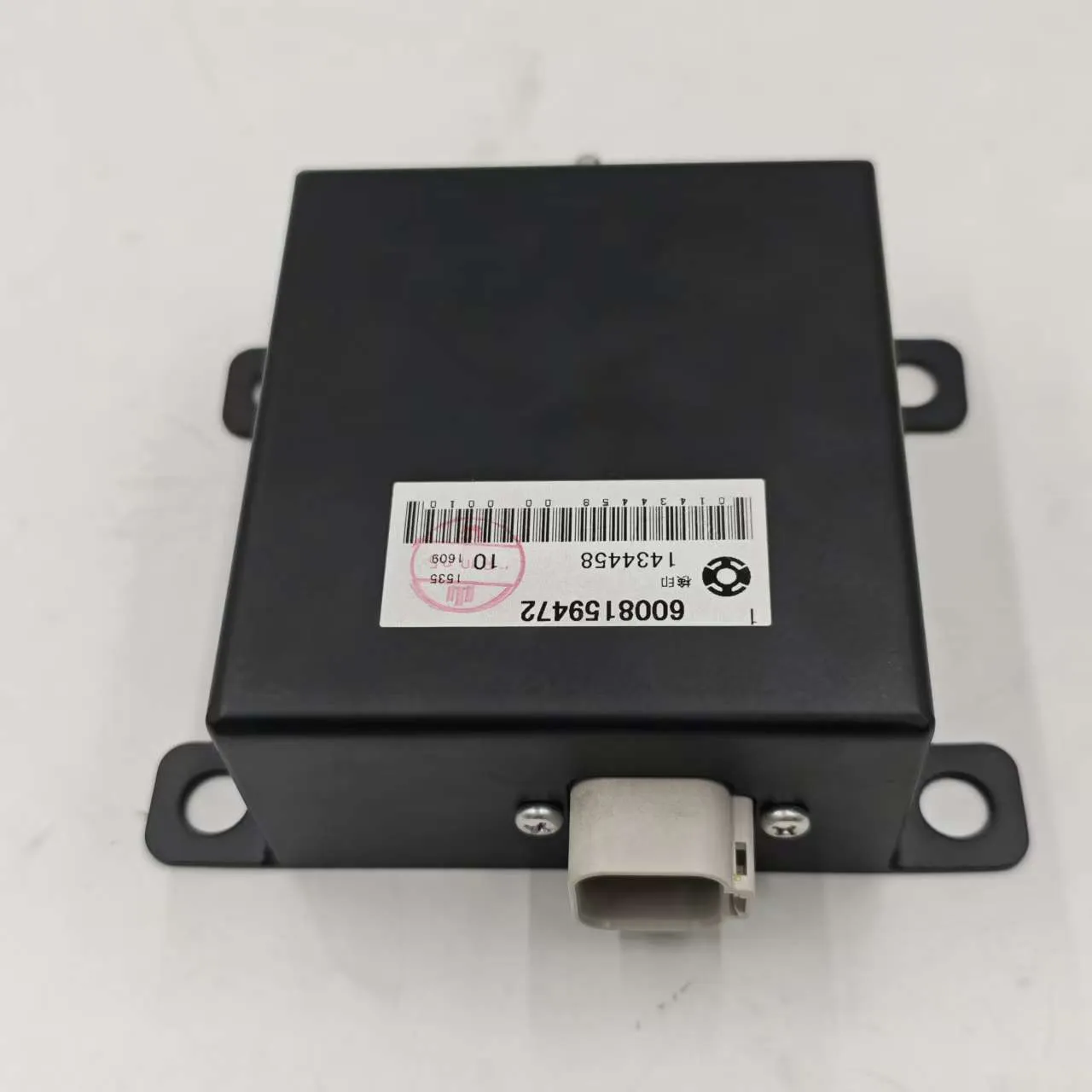 Switch 600-815-9472 HD785 Dump Truck Spare Parts
 -
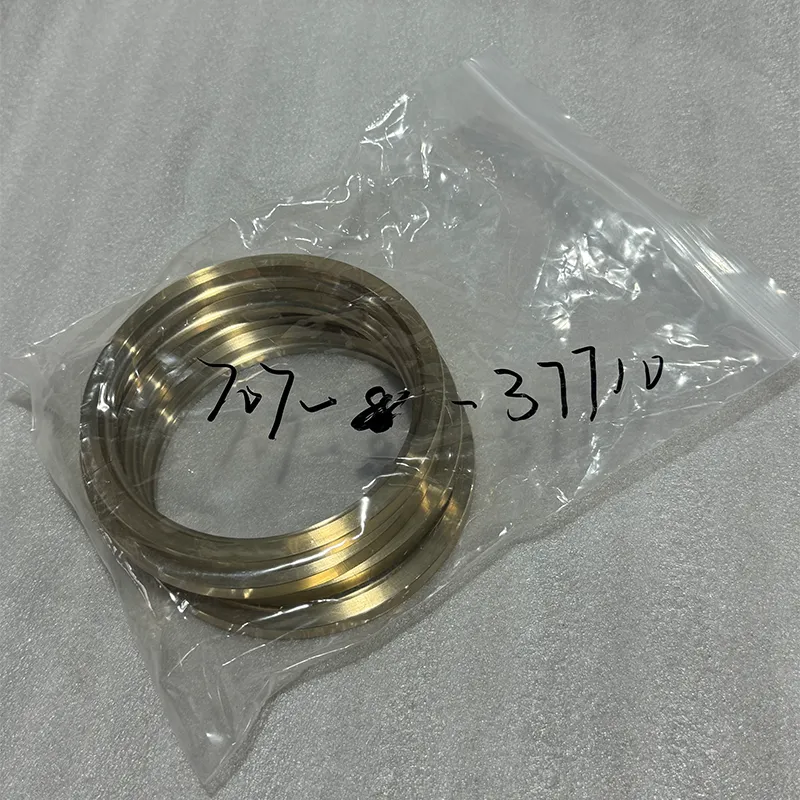 Original komatsu PC1250-8 Ring 707-88-37710
 -
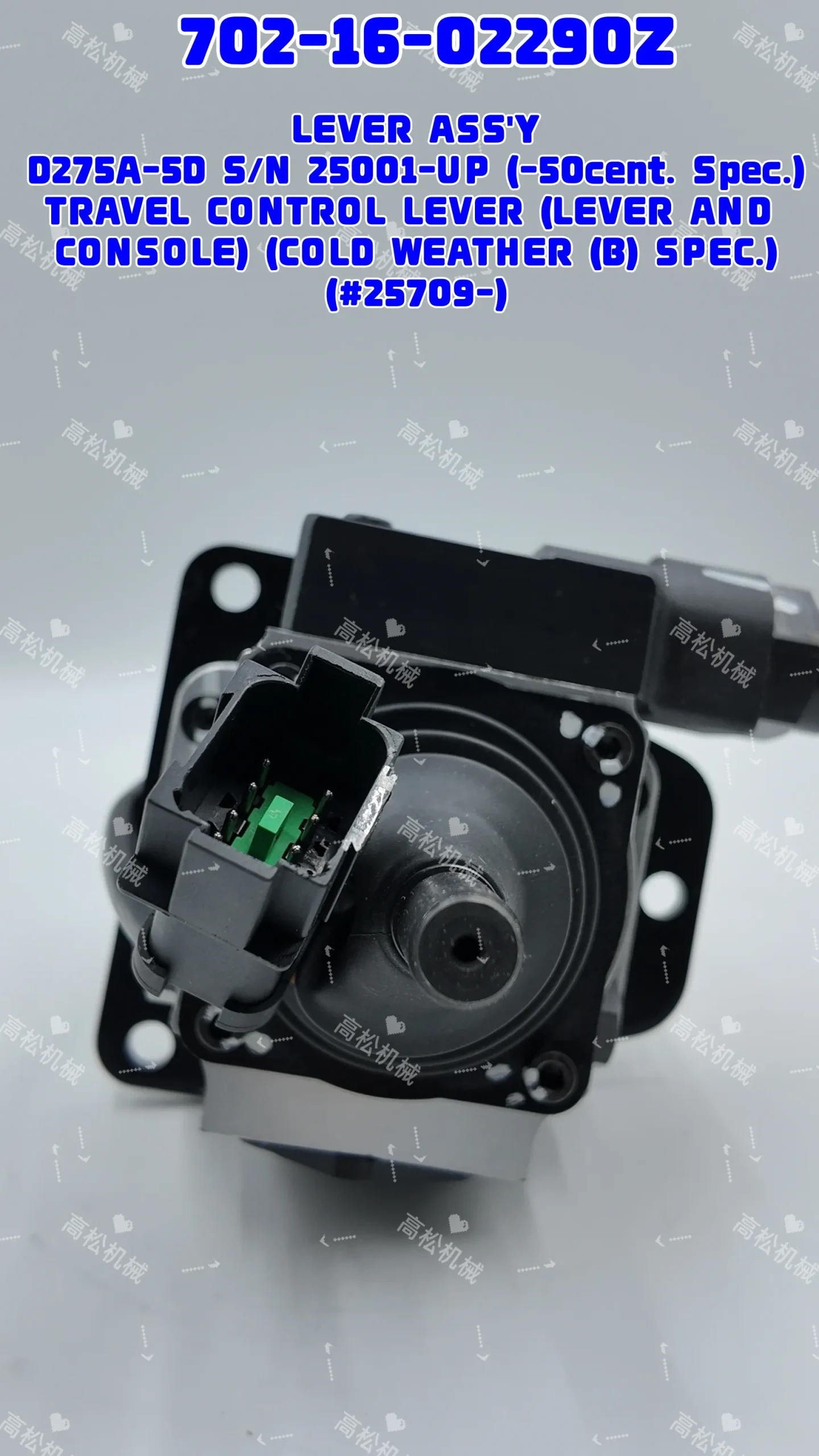 LEVER ASS’Y 702-16-02290 D275A-5D D65PX-15E0 D85EX-15 D65PX-16 D155AX-8 TRAVEL CONTROL LEVER ELECTRIC LEVER FLOOR FRAME
 -
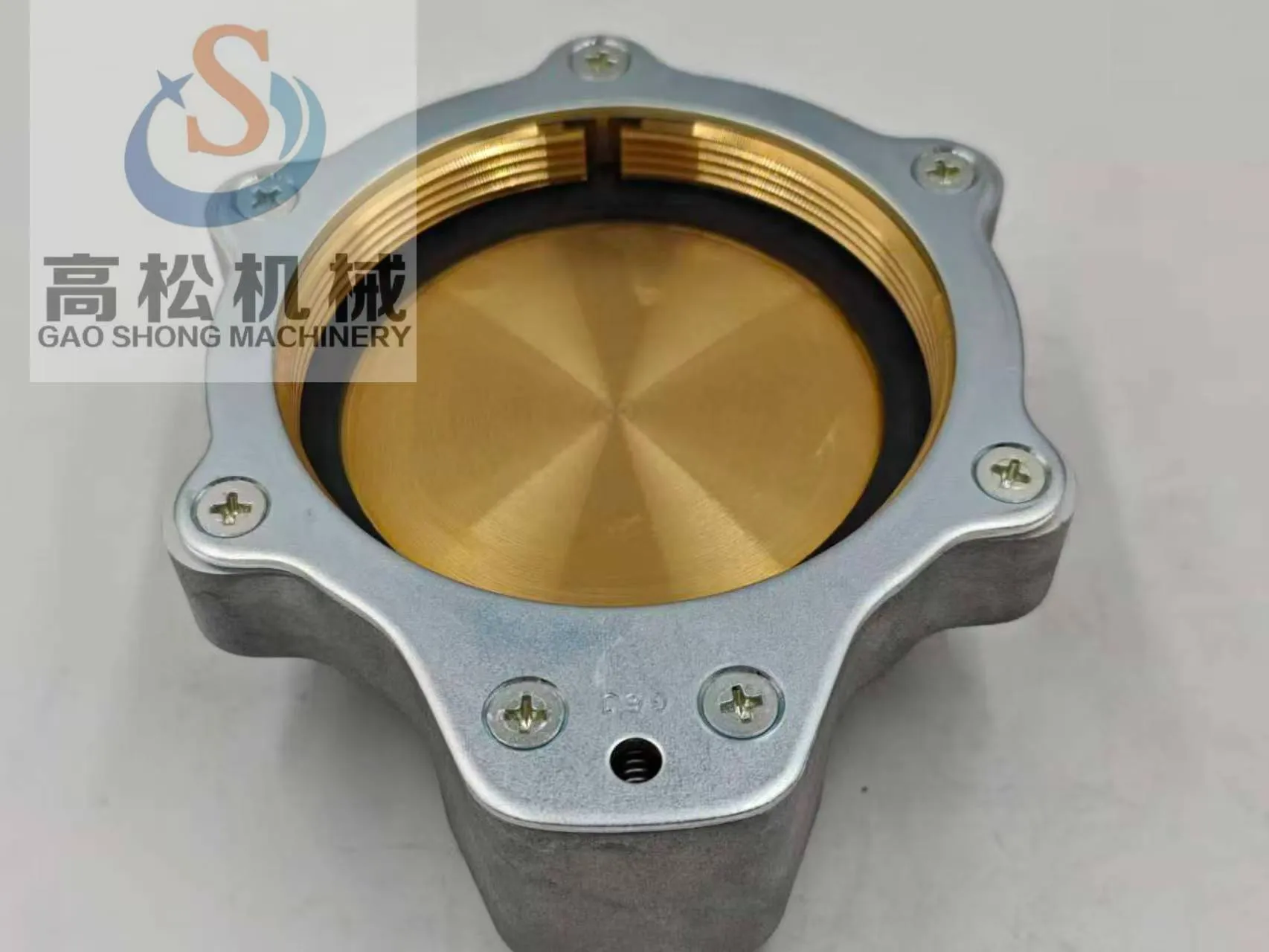 Original new water tank lid 07093-20000 lid suitable for bulldozer komatsu d85 d275
 -
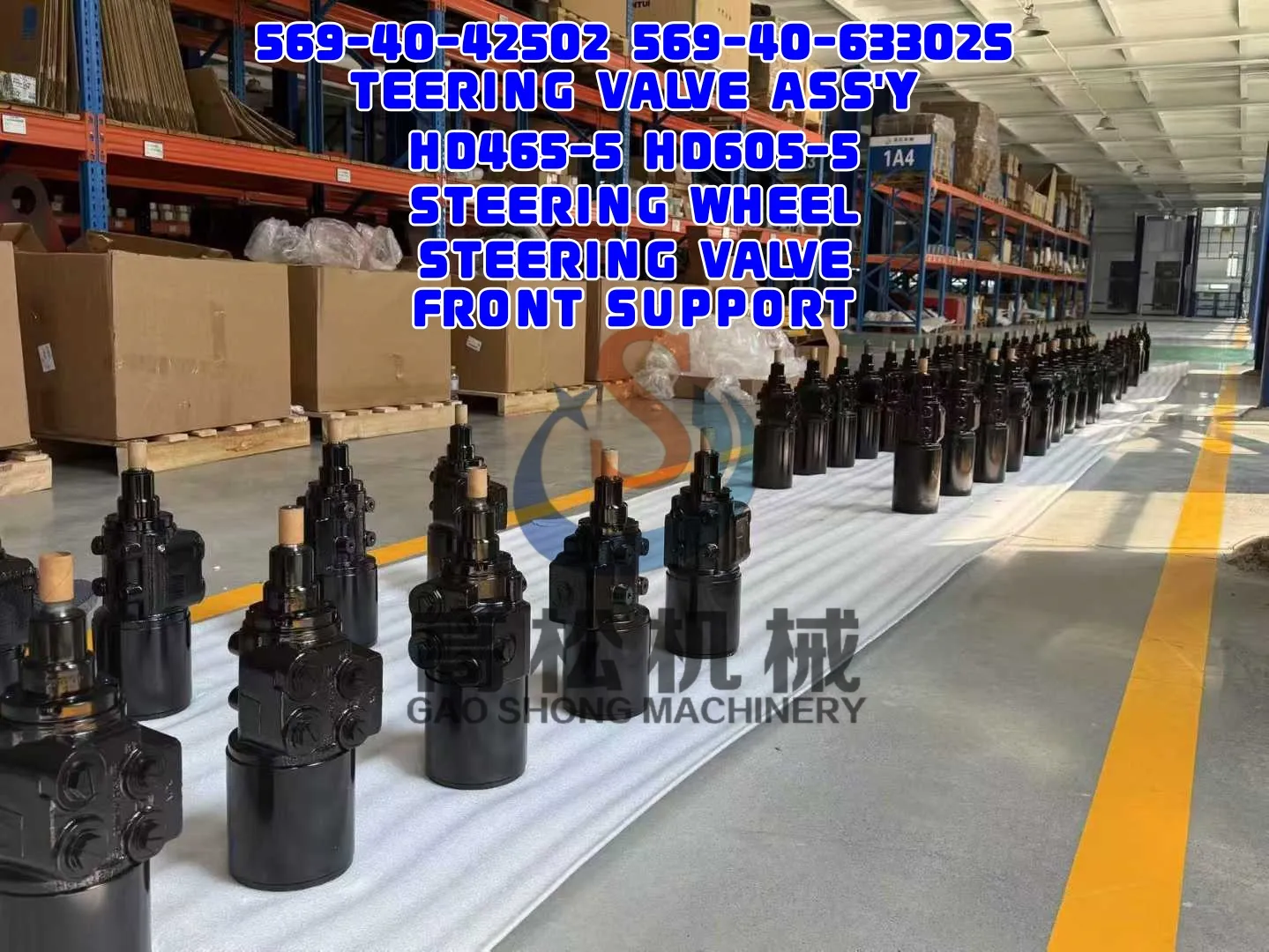 STEERING VALVE ASS’Y HD465-7 HD465-7R HD605-7E0 HD605-5 VALVE 569-40-42502 569-40-63302 FRONT SUPPORT (STEERING VALVE MOUNTING PARTS) STEERING WHEEL STEERING VALVE FRONT SUPPORT, INNER PARTS, STEERING VALVE
 -
 195-21-32821 COUPLING,(HEAVY DUTY) (Komatsu)
 -
 198-Z11-3710 Komatsu Handle Assembly