
- Chinese
- French
- German
- Portuguese
- Spanish
- Russian
- Japanese
- Korean
- Arabic
- Irish
- Greek
- Turkish
- Italian
- Danish
- Romanian
- Indonesian
- Czech
- Afrikaans
- Swedish
- Polish
- Basque
- Catalan
- Esperanto
- Hindi
- Lao
- Albanian
- Amharic
- Armenian
- Azerbaijani
- Belarusian
- Bengali
- Bosnian
- Bulgarian
- Cebuano
- Chichewa
- Corsican
- Croatian
- Dutch
- Estonian
- Filipino
- Finnish
- Frisian
- Galician
- Georgian
- Gujarati
- Haitian
- Hausa
- Hawaiian
- Hebrew
- Hmong
- Hungarian
- Icelandic
- Igbo
- Javanese
- Kannada
- Kazakh
- Khmer
- Kurdish
- Kyrgyz
- Latin
- Latvian
- Lithuanian
- Luxembou..
- Macedonian
- Malagasy
- Malay
- Malayalam
- Maltese
- Maori
- Marathi
- Mongolian
- Burmese
- Nepali
- Norwegian
- Pashto
- Persian
- Punjabi
- Serbian
- Sesotho
- Sinhala
- Slovak
- Slovenian
- Somali
- Samoan
- Scots Gaelic
- Shona
- Sindhi
- Sundanese
- Swahili
- Tajik
- Tamil
- Telugu
- Thai
- Ukrainian
- Urdu
- Uzbek
- Vietnamese
- Welsh
- Xhosa
- Yiddish
- Yoruba
- Zulu
- Kinyarwanda
- Tatar
- Oriya
- Turkmen
- Uyghur






komatsu skid steer parts
When you're deep in a project and a Komatsu skid steer goes down, the term parts availability takes on a whole new meaning. It's not just a catalog listing; it's about downtime, cost, and often, navigating a maze of misinformation. A common pitfall I see is operators or even small shop owners assuming all aftermarket parts are created equal for these machines, or that OEM is always the only viable path. The reality on the ground is far more nuanced, shaped by geography, machine age, and who you know in the supply chain.
The OEM Promise vs. The On-Site Reality
There's no debating the engineering behind genuine Komatsu skid steer parts. The fit and longevity are generally superior. But here's the rub: depending on where you're operating, getting that genuine hydraulic pump or final drive motor can be a logistical nightmare. Lead times can stretch from weeks to months, especially for older models like the SK818 or SK820 series. I've waited 12 weeks for a simple joystick controller module from official channels, a delay that simply isn't sustainable for most contractors.
This gap between promise and delivery is where the real parts market thrives. It's also where quality control becomes your responsibility. I've learned—sometimes the hard way—that a part number isn't just a part number. A slight revision in a seal kit from a certain production run can mean the difference between a half-day repair and a do-over. You develop an eye for the details: the casting marks on a sprocket, the color and texture of a genuine O-ring versus a generic one.
This is precisely the challenge that specialized suppliers aim to address. Companies like Jining Gaosong Construction Machinery Co., Ltd. operate in an interesting space. As they note on their site https://www.takematsumachinery.com, they are an OEM product supplier within the Komatsu system and also act as a third-party sales channel. In practice, this often means they can source authentic components through alternative pipelines, helping to solve those regional supply bottlenecks. It's less about bypassing the OEM and more about finding a more fluid distribution route for the same core products.
Where Third-Party and Will-Fit Parts Make Sense
Let's be pragmatic. Not every component on a skid steer demands a Komatsu-stamped box. Wear items are the classic example. Bucket teeth, cutting edges, and even some hydraulic hoses and filters are areas where a high-quality, compatible alternative can save significant money with minimal risk. The key is knowing which systems are tolerant and which are not.
I'm cautious with anything in the drive or hydraulic control circuit. I once tried a will-fit main control valve on an SK1026, lured by a 40% cost saving. It bolted up, but the internal porting was subtly different, leading to sluggish attachment response and eventual overheating. The downtime and extra labor to swap it out again erased any savings. That was a lesson in systems integration. The engine bay, however, can be more forgiving. Things like alternators, starters, and sensors for common Kubota or Yanmar engines (which Komatsu uses) are often cross-compatible from reputable industrial suppliers.
The value of a supplier like Gaosong in this context is their position within the Komatsu ecosystem. They're not just another parts reseller; their OEM affiliation suggests a deeper understanding of which components are critical to system integrity and which have more flexibility. A good supplier will tell you, For this pilot pump, you really need the genuine part. But for this seat assembly, here's a robust alternative we've validated. That consultative approach is worth its weight in gold.
Identifying Reliable Sources and Red Flags
So how do you vet a parts source? It goes beyond a slick website. First, I look for specificity. A site that lists parts by precise model and serial number range (e.g., For Komatsu SK815-5, S/N 15001 and up) immediately gains credibility. Vague compatibility lists are a major red flag. Second, I look for technical support. Can you call or email with a question about a torque spec or installation nuance? If the only answer is it fits, walk away.
Photography is another tell. Stock OEM images are useless. I want to see real, detailed photos of the actual part they're shipping—the packaging, the machining, the part numbers cast into it. A supplier confident in their product will show it. The Takematsu Machinery site, for instance, provides clear product images and direct contact paths, which aligns with a professional distribution model rather than a bulk marketplace drop-shipper.
Finally, there's the question of documentation. Does a replacement skid steer track motor come with any installation guide or even a basic schematic? Reputable suppliers often provide these, or can point you to the relevant service manual section. This is where the line blurs between selling a commodity and providing a solution. The latter is what keeps machines—and businesses—running.
The Hidden Costs Beyond the Price Tag
The cheapest part is almost never the cheapest repair. This old adage holds brutally true for compact equipment. The hidden costs are in the downtime, the potential for collateral damage, and the labor for a re-installation if the part fails. Calculating Total Cost of Ownership (TCO) for critical parts is a necessary discipline.
Let's talk about undercarriage components for a moment. A set of aftermarket rollers or idlers might be 30% cheaper. But if their metallurgy is inferior and they wear out 50% faster, you're losing money and scheduling an extra maintenance cycle. For a machine in steady use, the math often tilts towards the higher-quality option, whether it's through a direct OEM channel or a trusted intermediary that guarantees OEM-grade material.
This is the core of the supply challenge that companies positioned like Jining Gaosong address. Their role as a third-party sales company within the Komatsu framework is essentially about reducing the friction cost—the delays, the import hassles, the uncertainty—associated with getting the right part to the right job site. Their value proposition isn't necessarily the lowest price, but rather a more reliable and efficient total cost over the machine's lifecycle.
Building a Sustainable Parts Strategy
After years in the field, my strategy has crystallized into a tiered approach. For mission-critical components in the hydraulic, electrical, and drive systems—think main pumps, controllers, axle assemblies—I lean heavily on genuine or verified OEM-sourced parts. The reliability is non-negotiable. For a known, trusted supplier that can streamline this process, they become a key partner.
For high-wear, consumable items (filters, seals, greasable pins, hoses), I maintain a list of vetted, high-quality aftermarket brands that have proven themselves. I test them on one machine first, under close observation, before rolling them out fleet-wide. This portfolio of suppliers includes specialists for different component types.
Ultimately, managing Komatsu parts supply is about building relationships, not just shopping online. It's about having a go-to contact who understands the pressure of a broken machine and can navigate the global supply web on your behalf. Whether that's your local dealer, a dedicated regional distributor, or a specialized bridge like Gaosong, that relationship is the most critical part in your inventory. It turns a reactive scramble for a component into a managed, predictable aspect of your operation. That's the real goal.
Related Products
Related Products

Best Selling Products
Best Selling Products-
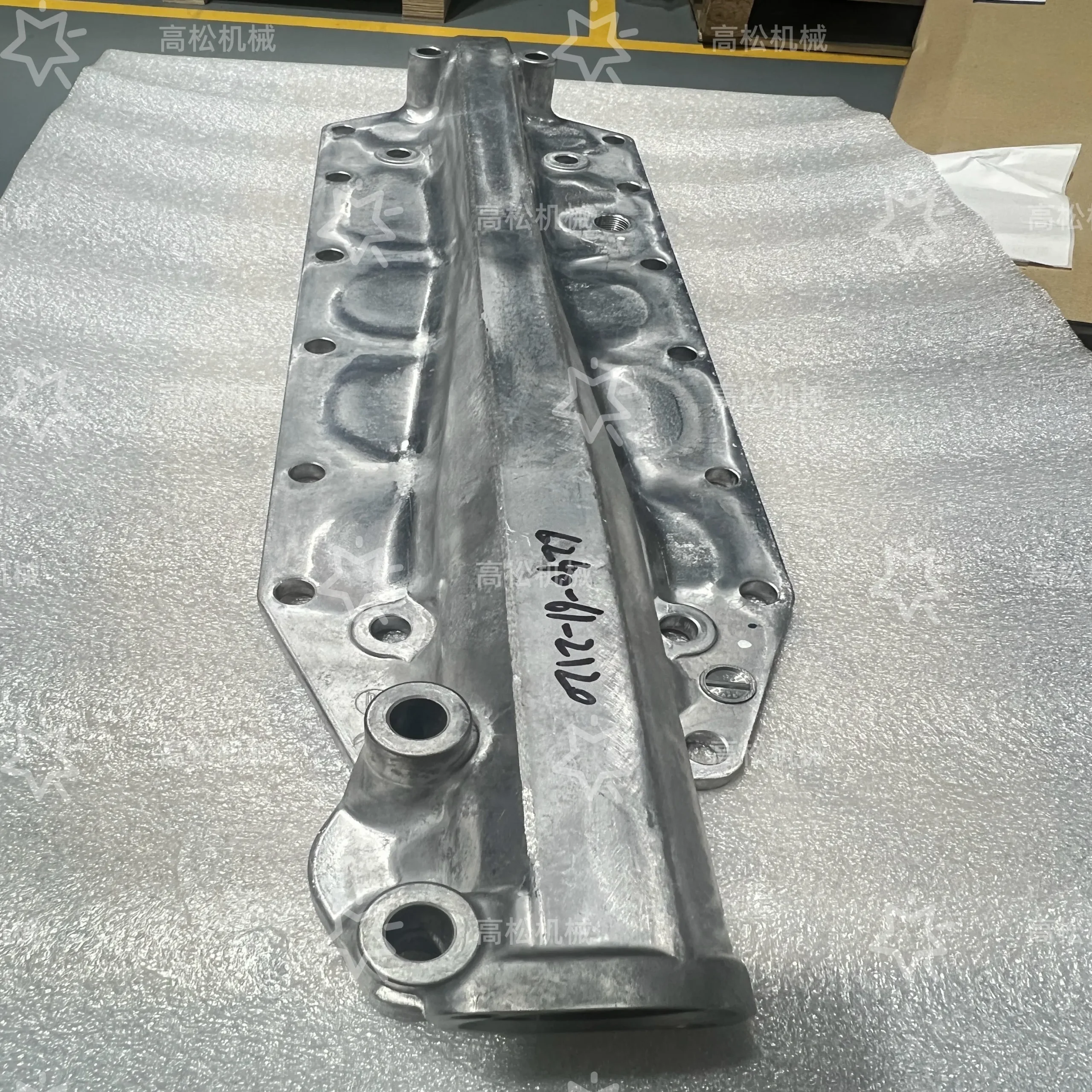 COVER 6240-61-2120 – KOMATSU Part catalog
 -
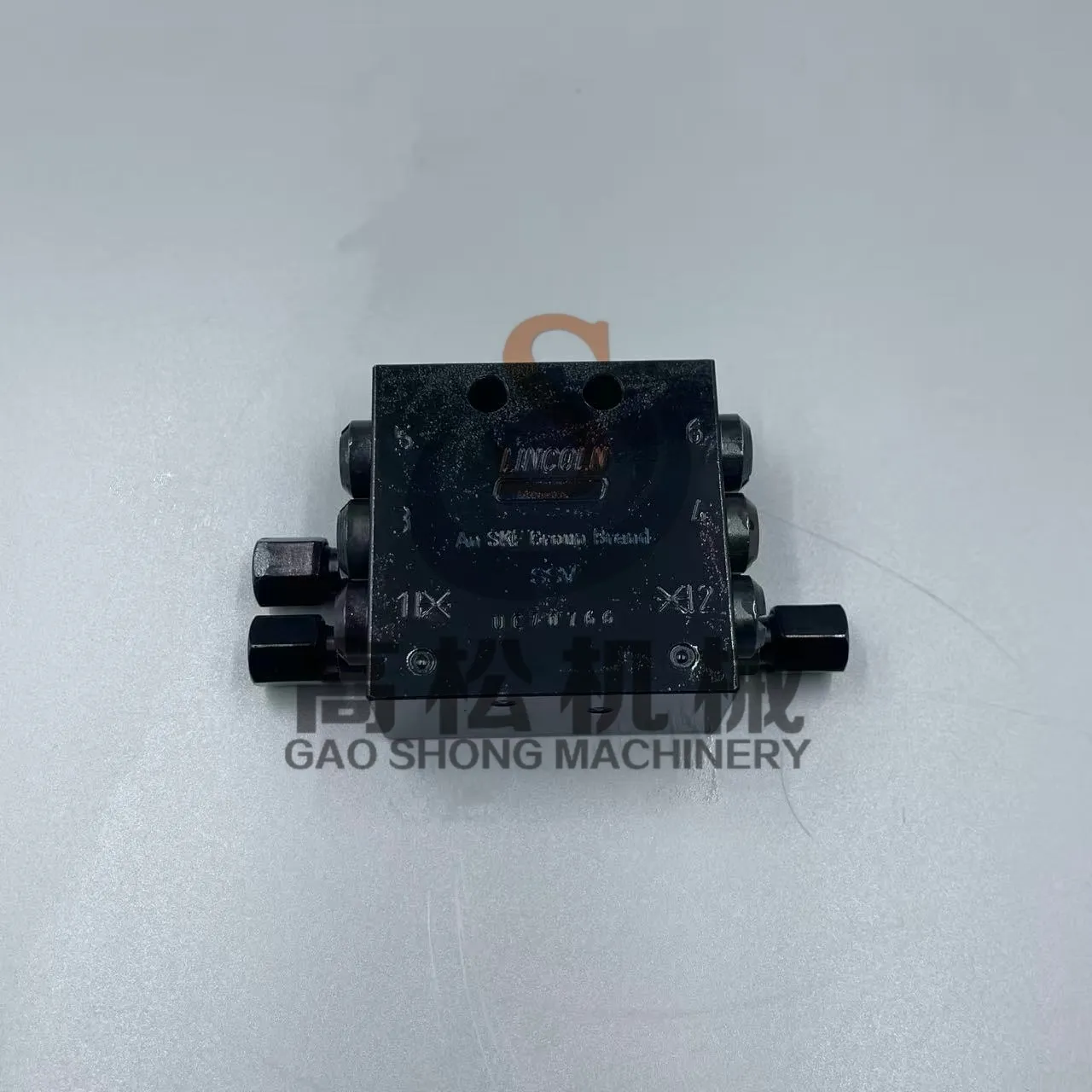 VALVE ASS’Y21T-68-67940
 -
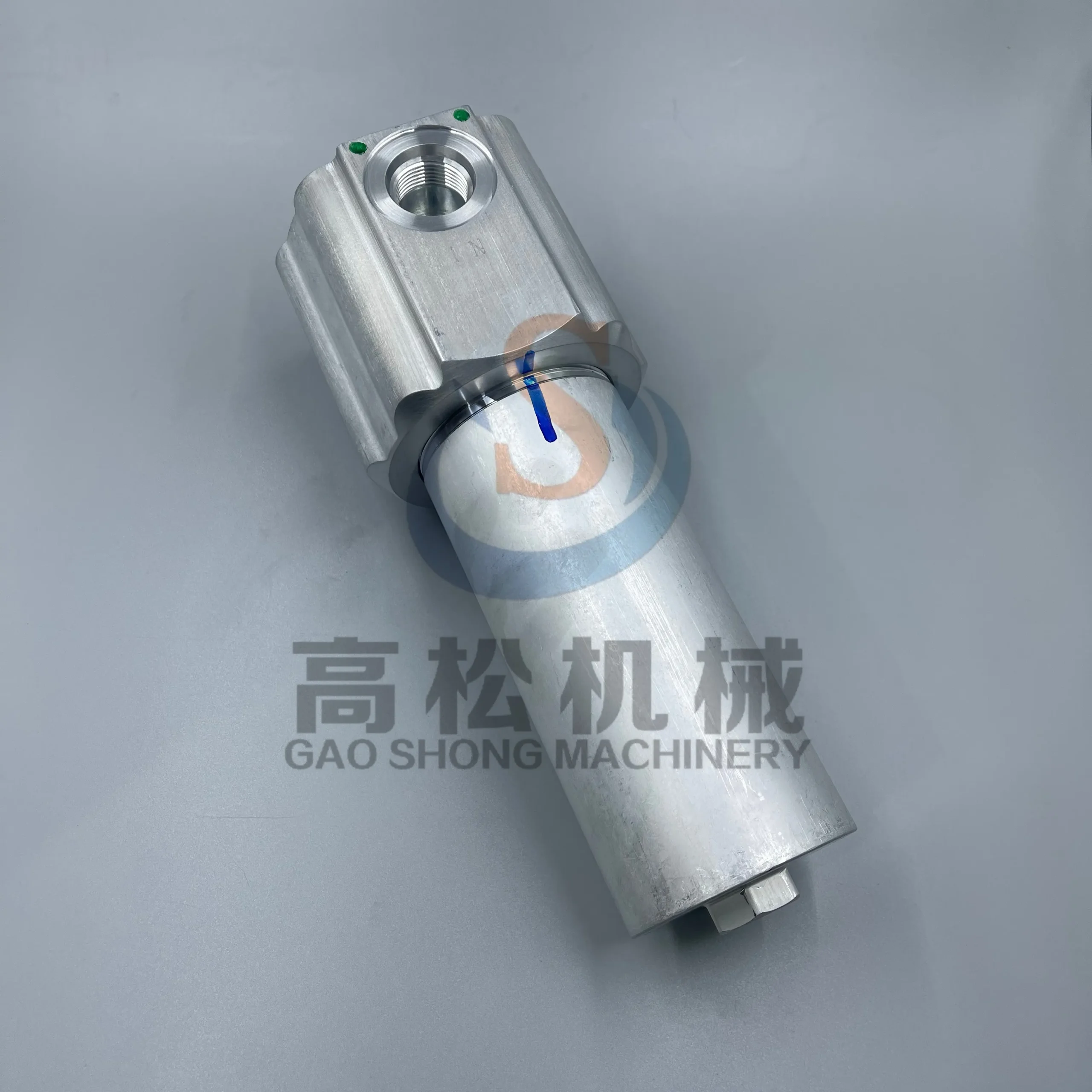 569-43-83911 Komatsu Filter Assembly
 -
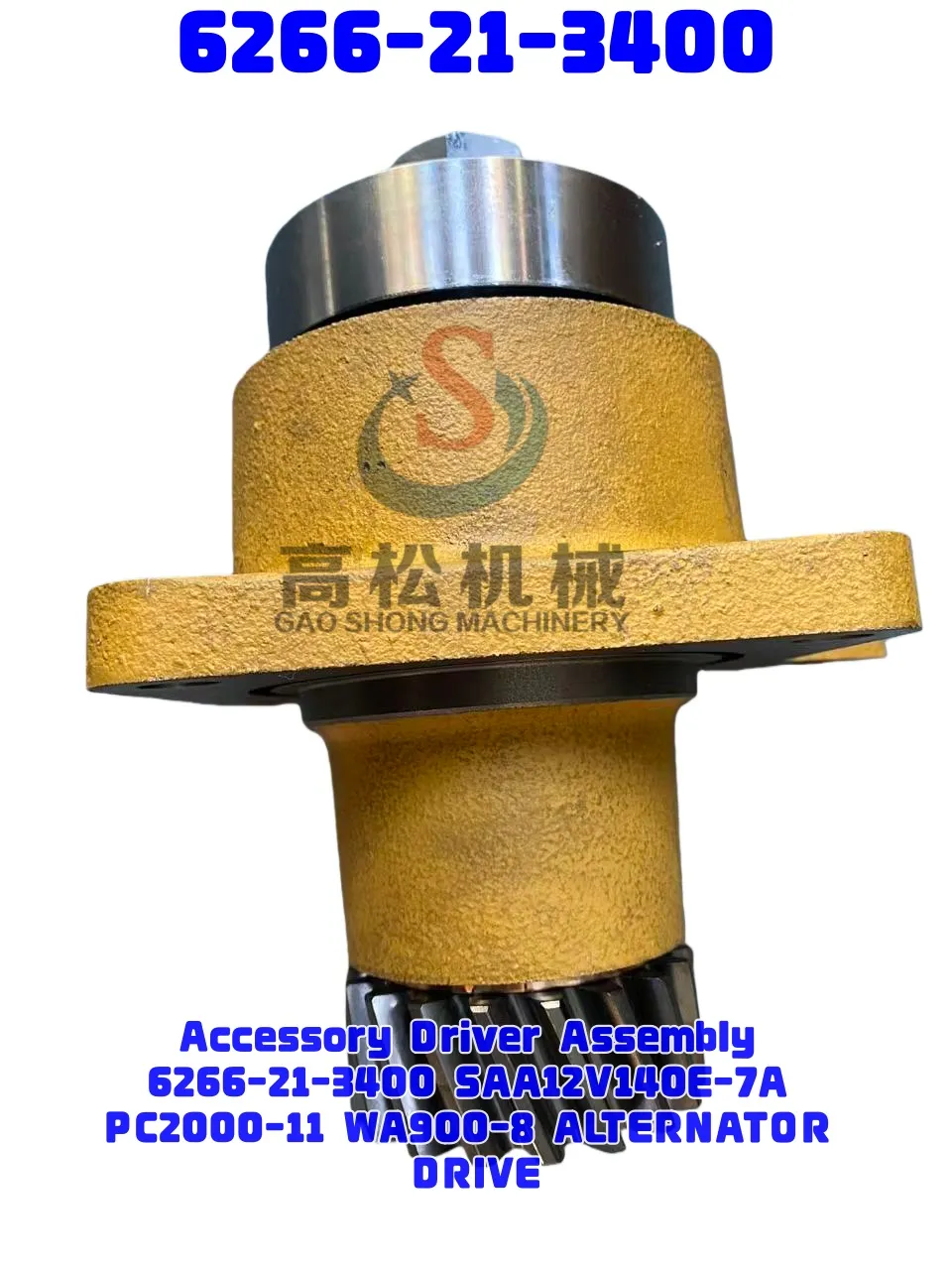 Accessory Driver Assembly 6266-21-3400 SAA12V140E-7A PC2000-11 WA900-8 ALTERNATOR DRIVE
 -
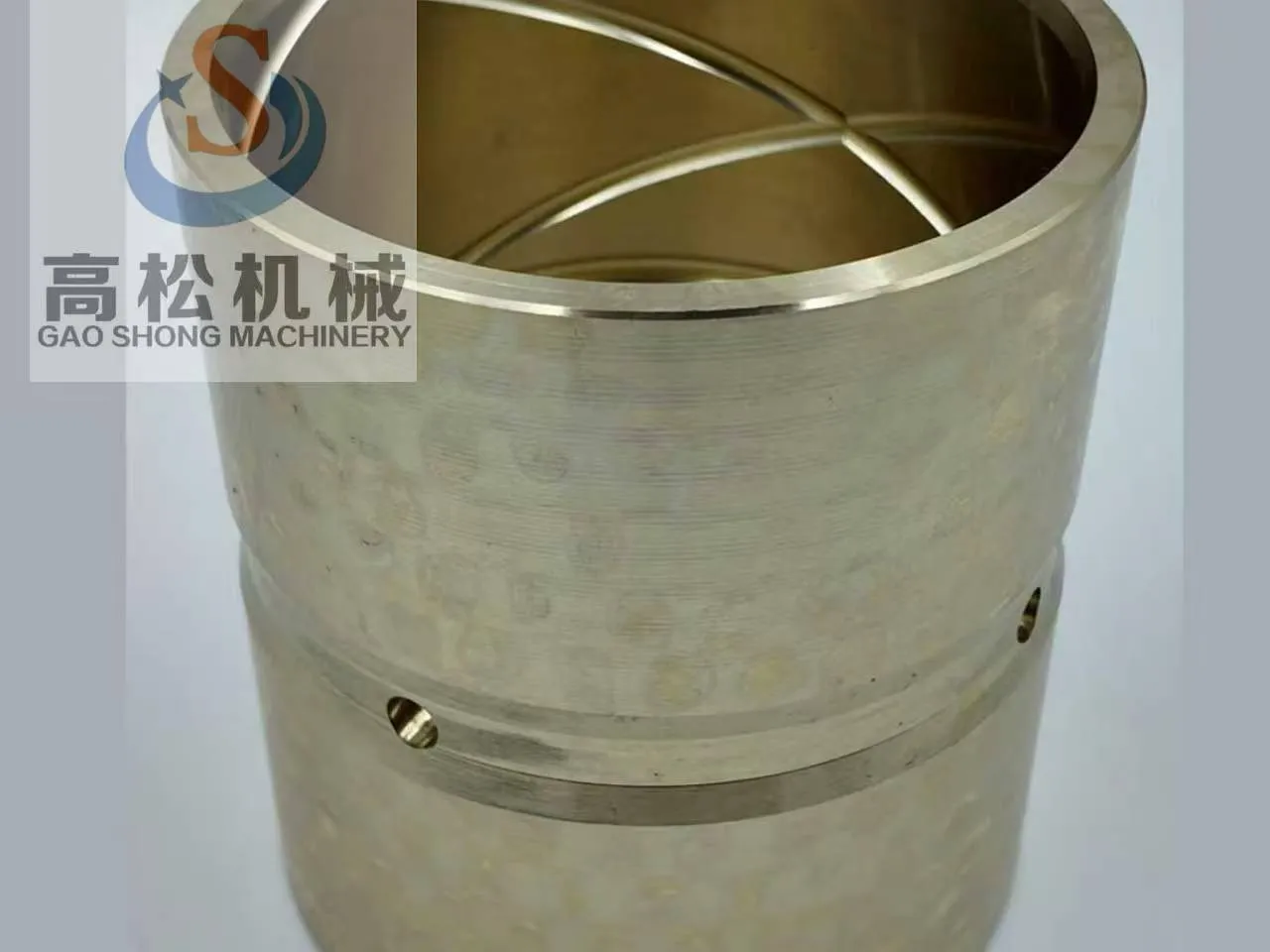 207-70-61610 Bushing For Excavator Komatsu PC300LC-7 PC300-8 PC300LC-7L PC300-7 PC350-7
 -
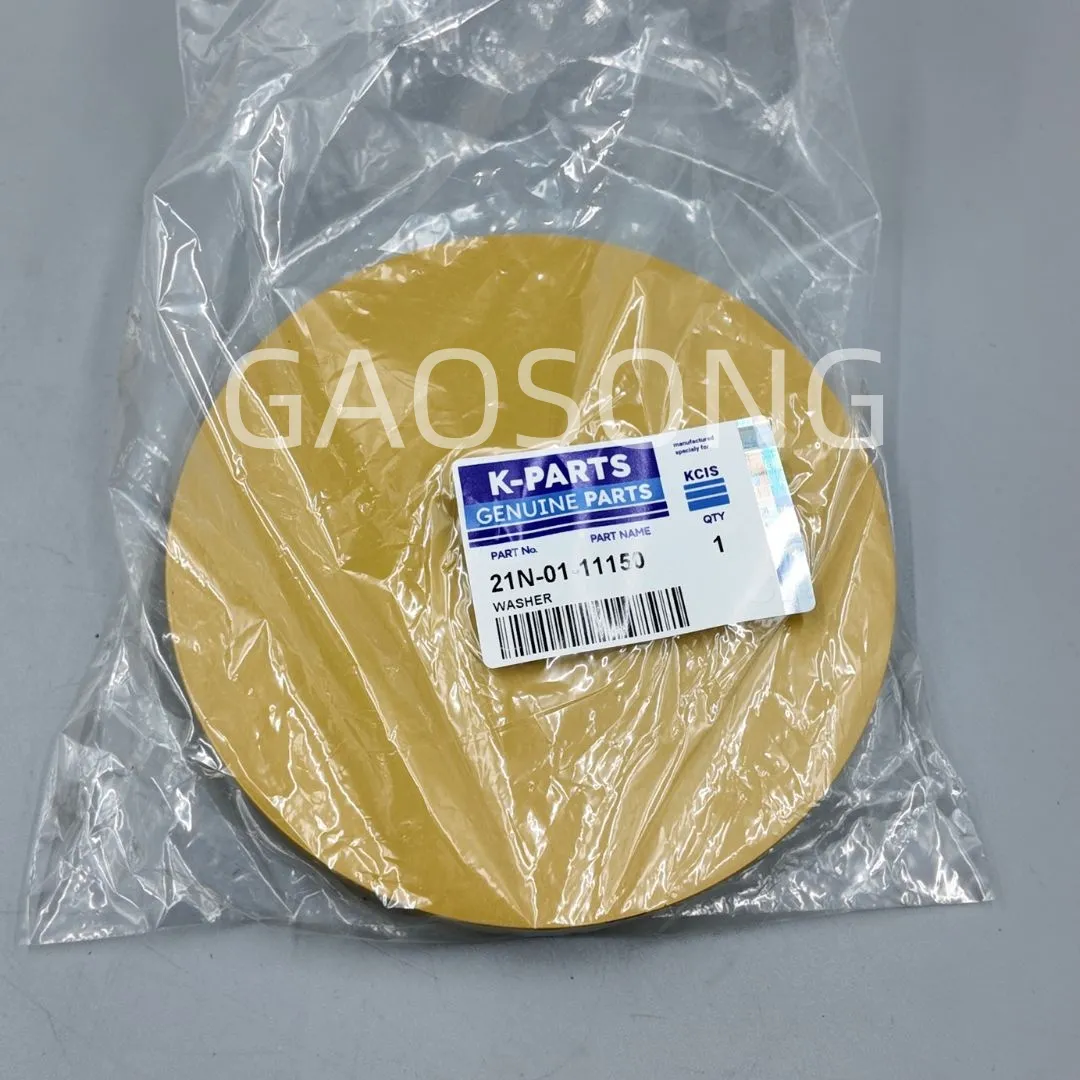 21N-01-11150 WASHER-Komatsu Original Factory
 -
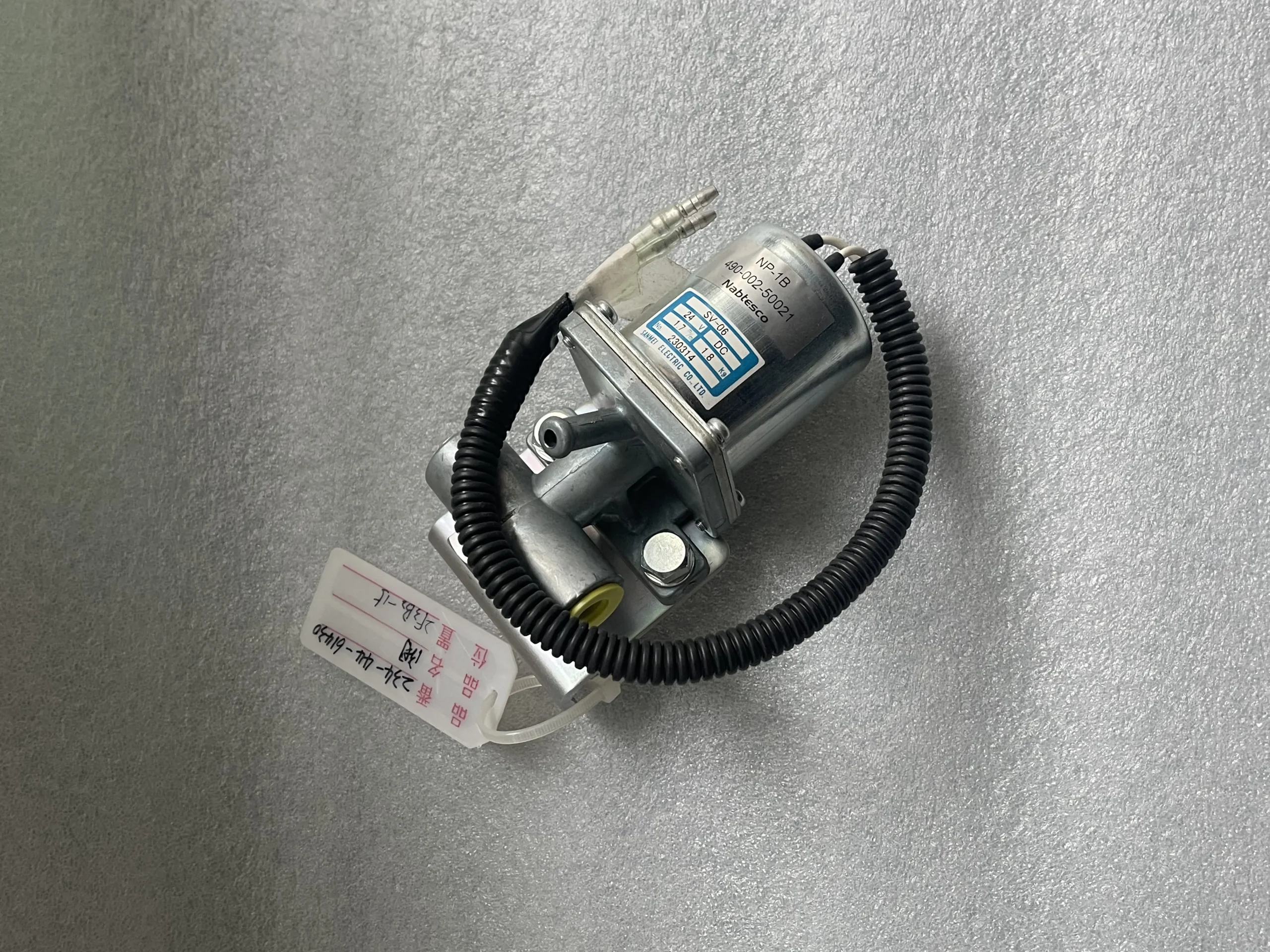 VALVE 234-44-61430
 -
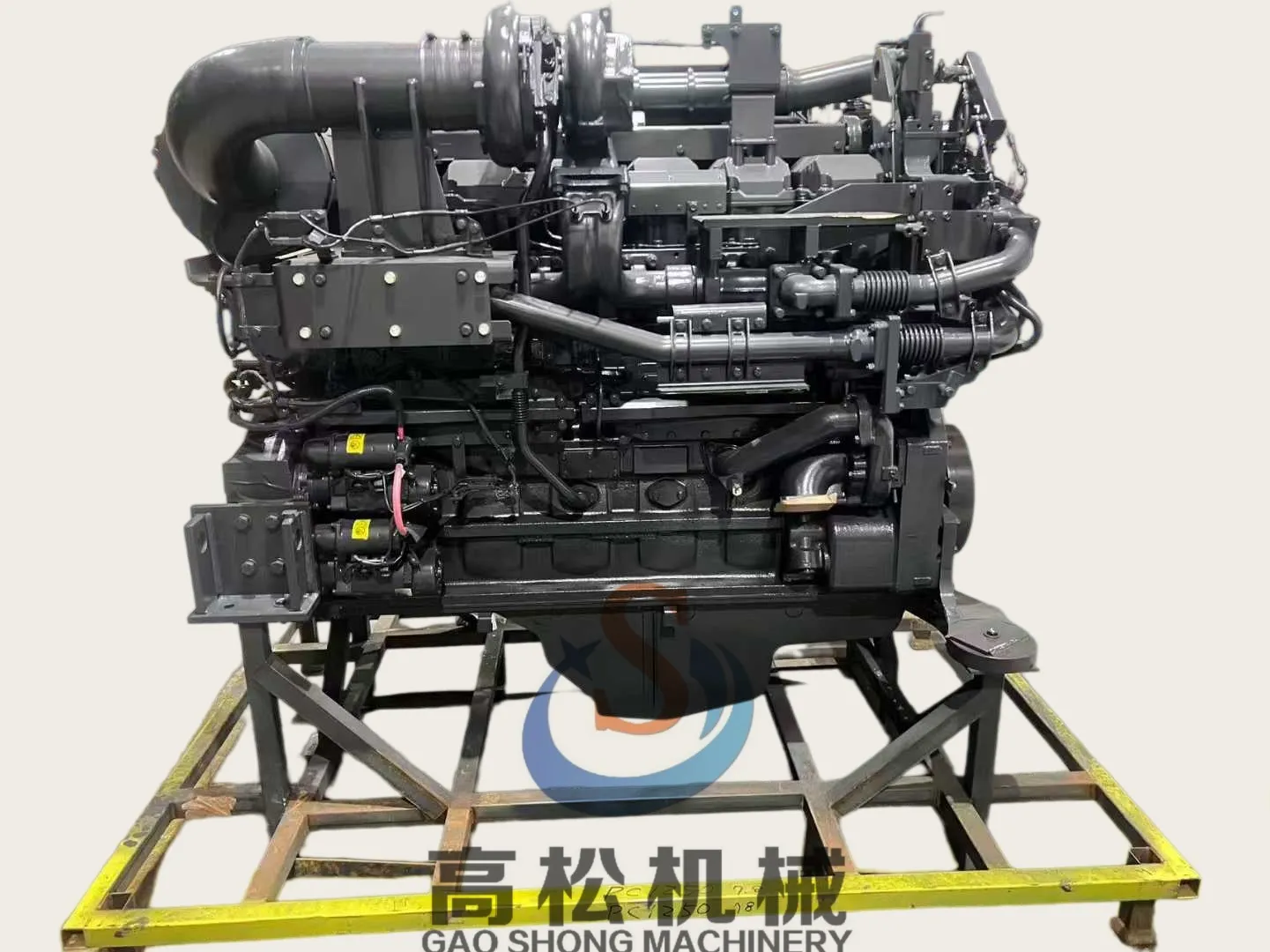 Diesel Engine Motor Engine Assembly Engine Assembly 6D170e-5 PC1250-7 PC1250-8 Complete Engine Assy Parts SAA12/140-3 SAA6D170E-5 SAA6D107E-1 SAA6D114E-3 SAA6D140E-5 SAA6D140E-5 SAA12/140-3
 -
208-26-71170 Komatsu CARRIER PC400-7 SWING MACHINERY ASS’Y 400-7 400-8 450-7 490-10 550-8 1250-8
-
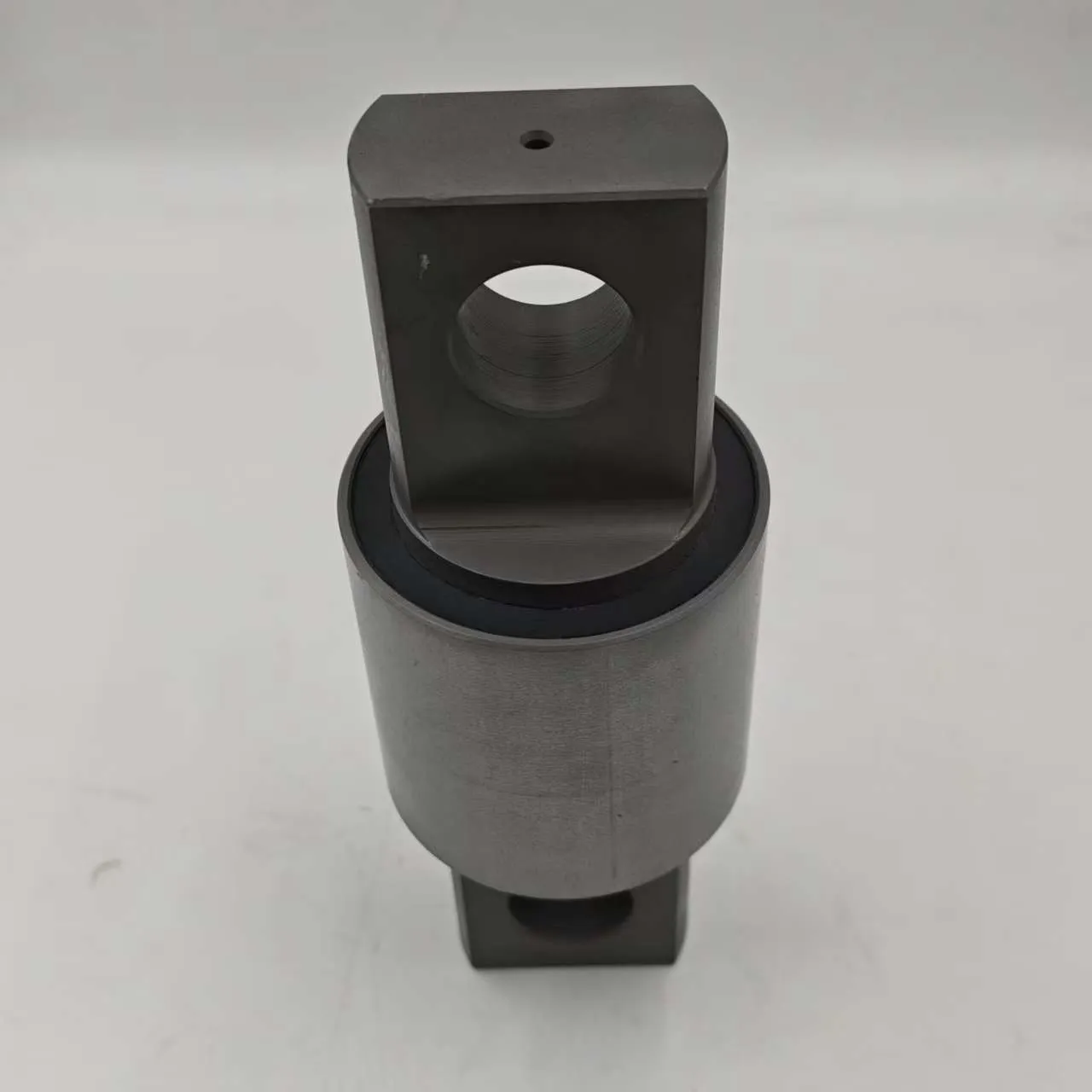 Komatsu hinge card HM350 shock absorber 56B-16-11211
 -
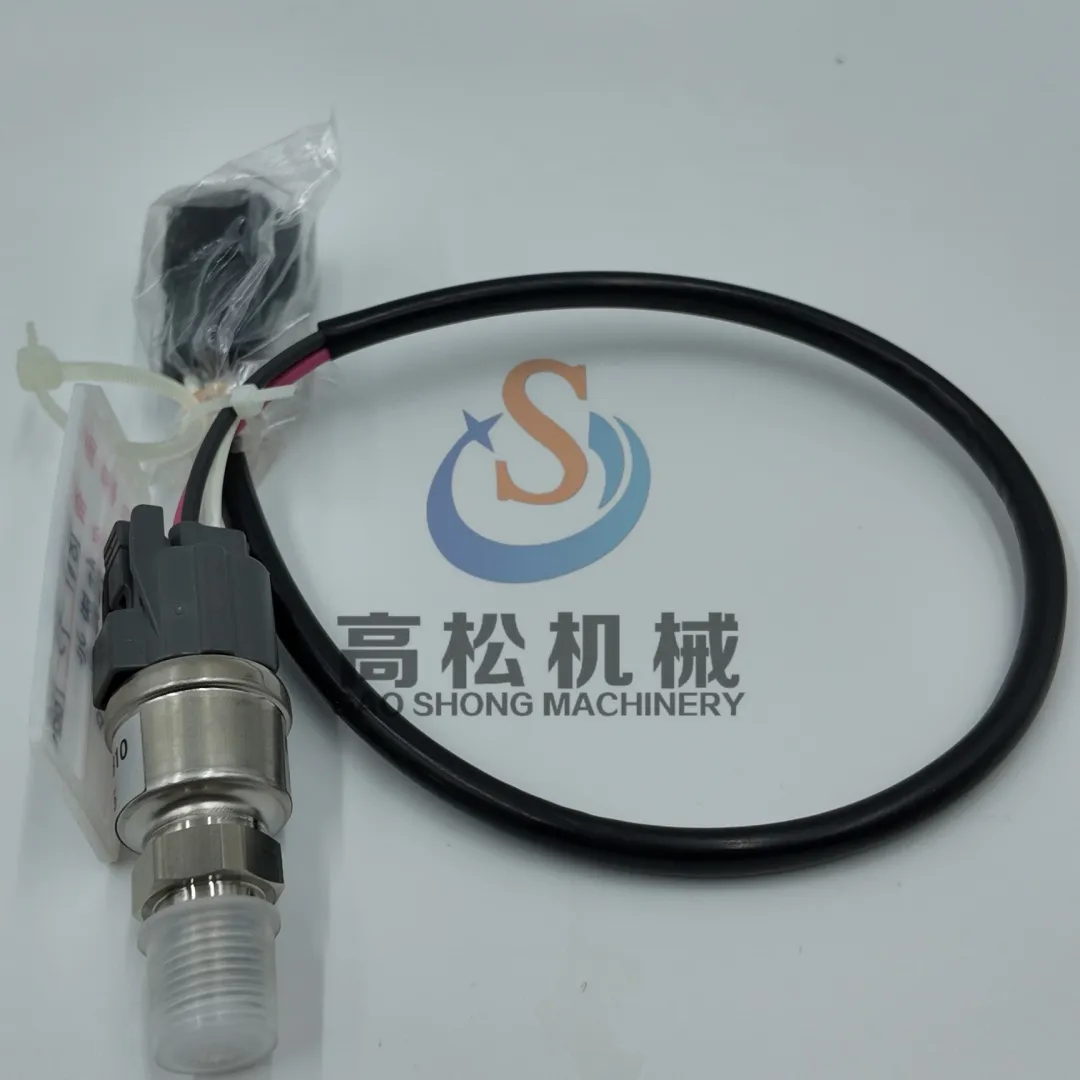 7861-93-1680 Pressure Sensor For Komatsu WA1200 SDA12V140E
 -
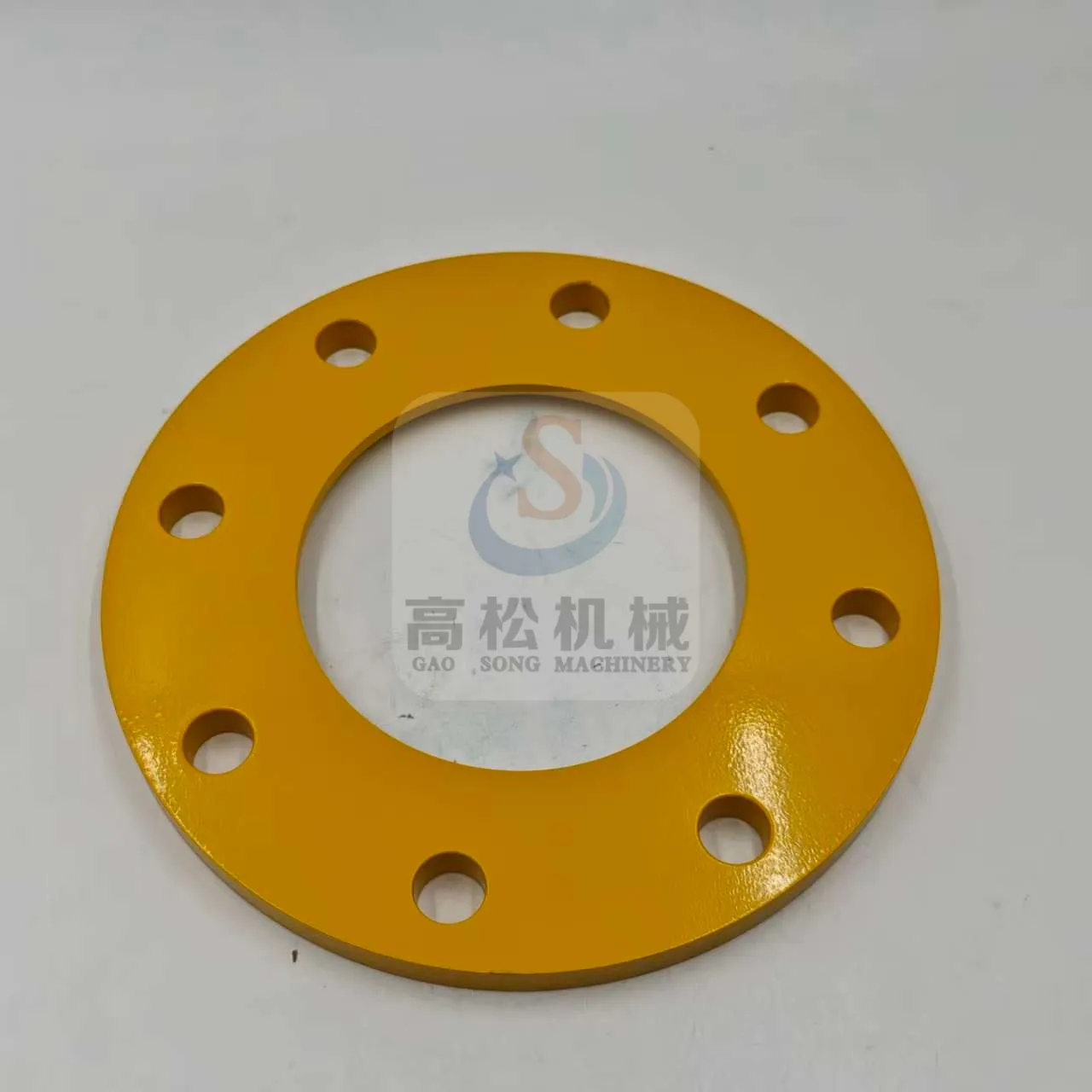 Plate 41E-70-15461 is used for Komatsu WD600-6