
- Chinese
- French
- German
- Portuguese
- Spanish
- Russian
- Japanese
- Korean
- Arabic
- Irish
- Greek
- Turkish
- Italian
- Danish
- Romanian
- Indonesian
- Czech
- Afrikaans
- Swedish
- Polish
- Basque
- Catalan
- Esperanto
- Hindi
- Lao
- Albanian
- Amharic
- Armenian
- Azerbaijani
- Belarusian
- Bengali
- Bosnian
- Bulgarian
- Cebuano
- Chichewa
- Corsican
- Croatian
- Dutch
- Estonian
- Filipino
- Finnish
- Frisian
- Galician
- Georgian
- Gujarati
- Haitian
- Hausa
- Hawaiian
- Hebrew
- Hmong
- Hungarian
- Icelandic
- Igbo
- Javanese
- Kannada
- Kazakh
- Khmer
- Kurdish
- Kyrgyz
- Latin
- Latvian
- Lithuanian
- Luxembou..
- Macedonian
- Malagasy
- Malay
- Malayalam
- Maltese
- Maori
- Marathi
- Mongolian
- Burmese
- Nepali
- Norwegian
- Pashto
- Persian
- Punjabi
- Serbian
- Sesotho
- Sinhala
- Slovak
- Slovenian
- Somali
- Samoan
- Scots Gaelic
- Shona
- Sindhi
- Sundanese
- Swahili
- Tajik
- Tamil
- Telugu
- Thai
- Ukrainian
- Urdu
- Uzbek
- Vietnamese
- Welsh
- Xhosa
- Yiddish
- Yoruba
- Zulu
- Kinyarwanda
- Tatar
- Oriya
- Turkmen
- Uyghur





komatsu sk820 parts
When you're searching for Komatsu SK820 parts, you're not just looking for a filter or a seal. You're entering a complex ecosystem where the line between genuine, quality aftermarket, and downright questionable gets blurry fast. A common pitfall? Assuming all parts labeled for the SK820 are created equal. The SK820, while robust, has its quirks across different production years, and a hydraulic pump that fits a 2010 model might not play nice with a 2015 machine without some adjustments. I've seen too many guys order based on a generic parts diagram, only to find the bolt pattern is off by a few millimeters. It's these nuances that separate a smooth repair from a costly downtime saga.
The Core Challenge: Beyond the Part Number
Let's talk about the heart of the issue: availability. For many operations outside major markets, getting official Komatsu parts for a machine like the SK820 can mean lead times measured in weeks, not days. This is where the supply chain cracks show. You might get a call saying a final drive assembly is in stock, but it's actually a remanufactured unit from a third-party with unknown service history. The risk isn't always worth it for critical components.
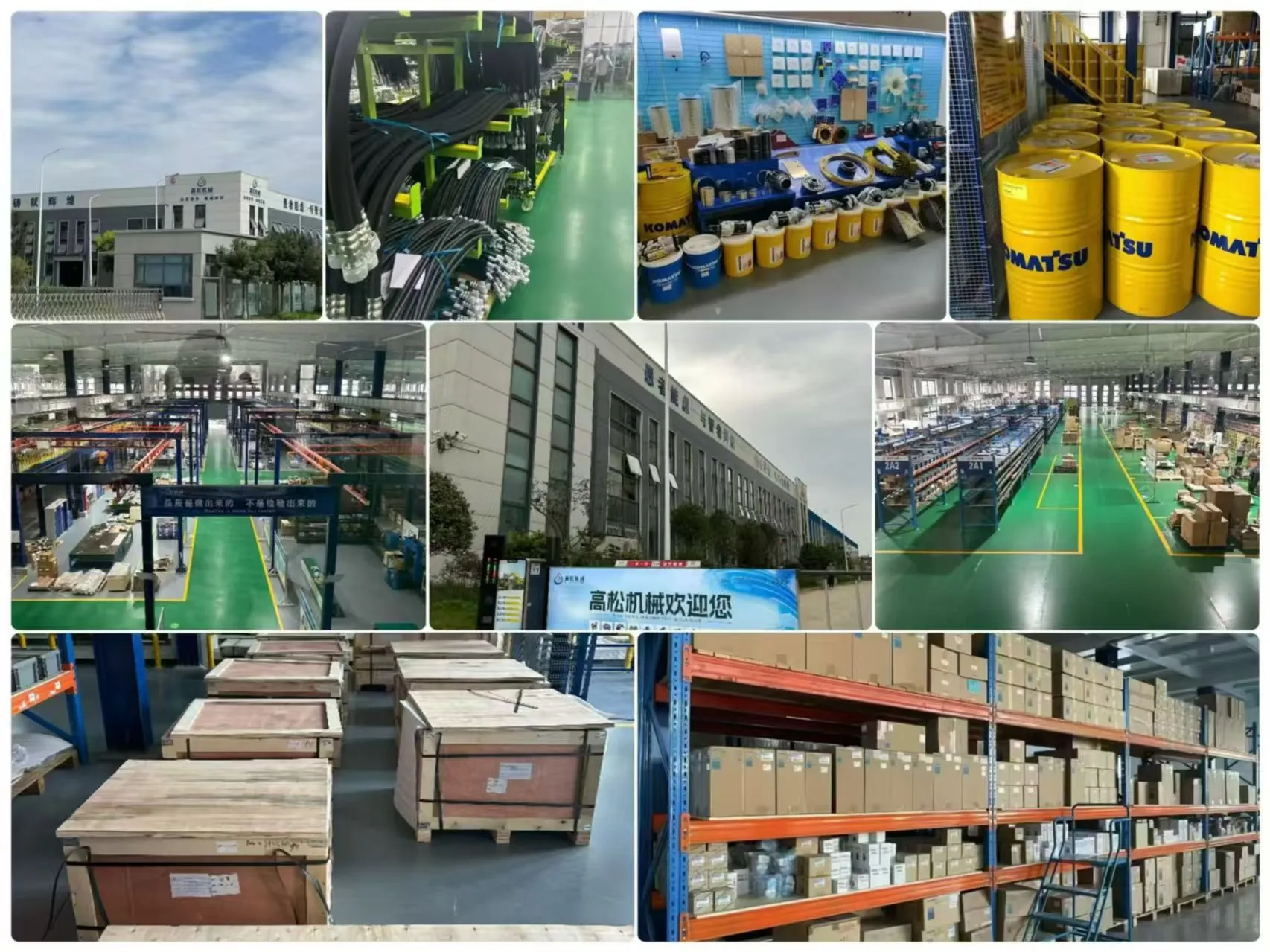
This is precisely the gap some specialized suppliers aim to fill. I've had dealings with Jining Gaosong Construction Machinery Co., Ltd. over the past few years. Their model is interesting; they position themselves as an OEM product supplier within the Komatsu system, but also operate as a third-party sales channel. In practice, what this meant for me when sourcing a swing motor for an SK820 was access to a part that was functionally identical to the OEM, likely from the same factory line, but without the extended logistics chain. Their site, https://www.takematsumachinery.com, became a useful reference point for checking component cross-references, especially for older stock.
The real test came with a pilot control valve. The official distributor was back-ordered. Gaosong had a unit that matched the spec. The hesitation, of course, is about quality assurance. Is it truly to Komatsu's factory tolerance? Their claim of helping to solve parts supply challenges in certain countries held up in this instance—the part arrived faster, and after installation and pressure testing, it performed within spec. It wasn't a miracle solution, but a pragmatic one for getting a machine back to work.
Hydraulic System: A Frequent Pain Point
If there's one area where the SK820 demands attention, it's the hydraulics. The main Komatsu SK820 parts failures I've encountered revolve around the variable displacement pump and the control valves. After about 8,000 hours, you start seeing pressure drops and erratic implement movement. The instinct is to rebuild the pump, but here's a lesson learned the hard way: simply replacing the rotating group isn't always enough. The servo piston housing can wear, and if you don't address that, the new parts will fail prematurely. It's a system, not a collection of individual pieces.
When sourcing these components, the provenance of the metal and the precision of the machining are everything. A cheap aftermarket servo piston might have surface hardening that's a few microns too thin, leading to rapid wear. I've had better luck with suppliers who are transparent about their manufacturing partners. In one case, for a valve bank, the supplier (like the mentioned Gaosong) could confirm it was from a Tier 1 sub-contractor to Komatsu, which provided more confidence than a no-name brand.
Another detail often missed: the hose assemblies and fittings. They're not just plumbing. Using a hose with the wrong bend radius or a fitting with a slightly different seat angle can cause leaks under the high pulsation of the SK820's system. Always match the OEM part's physical shape, not just the thread size.
The Undercarriage Gamble
Track chains, rollers, idlers—the undercarriage is a money pit if you get it wrong. For the SK820, the segment links are a specific forging. I've tried compatible chains from generic manufacturers. The result? Accelerated wear on the sprocket and a mismatch in pitch that threw off the track tension daily. It was a false economy.
Now, for components like rollers and idlers, a quality aftermarket option can work if it's from a foundry with a reputation. The key is the seal package. The original Komatsu parts use a specific multi-labyrinth seal. Some aftermarket units use a simpler double-lipped seal that fails quickly in abrasive conditions. You have to ask the supplier specifically about the seal type. A good supplier will know this detail; a parts broker won't.
This is where a company's stated role matters. A supplier embedded in the Komatsu system is more likely to have access to or produce these sub-components to the correct material and sealing specifications, even if they're not in a Komatsu box. It reduces the gamble.
Electrical and Sensor Pitfalls
Modern SK820 models are loaded with sensors. A faulty angle sensor for the boom can cripple the machine. Here, the aftermarket is a minefield. I avoid no-name electronic components completely. The failure rate is high, and they can cause cascading issues in the controller.
However, for connectors, wiring harness sections, and even some non-critical sensors like temperature senders, a reliable third-party source is viable. The trick is to get a sample first. Check the connector's plastic for UV resistance, the pin metal, and the wire gauge. I once saved weeks of downtime by getting a harness repair kit from a specialist supplier when the OEM part was unavailable. It wasn't perfect—the wire coloring was different—but it was well-made and got the machine running while we waited for the official harness.
Suppliers who understand these nuances, who know that you might need just the connector block and not the entire $2,000 harness, provide real value. Their websites often have better breakdowns of sub-components for this reason.
Sourcing Strategy: A Pragmatic Approach
So, what's the takeaway after years of dealing with Komatsu SK820 parts? Pure dogma doesn't work. Always buy OEM is ideal but often impractical. Always buy the cheapest is a fast track to disaster.
My strategy is tiered. For critical, high-wear, or precision components (engine internal parts, main hydraulic pump cores, main control valves, ECU), I push for OEM or the highest-certified aftermarket from known manufacturers like KYB or Nachi. For components where tolerances are less critical or where the OEM part is simply a branded generic (filters, seals, pins, bushings, standard hoses), I use trusted aftermarket suppliers. The role of a company like Jining Gaosong Construction Machinery Co., Ltd. fits into a middle layer—useful for those mechanical components where OEM equivalence is possible and proven, and where their position in the supply chain offers a logistical advantage.
It boils down to verification and relationship. Can the supplier provide material certifications? Can they explain why their part is compatible? Do they stand behind it? The website https://www.takematsumachinery.com is a starting point, but the real information comes from a direct conversation with their tech or sales team, grilling them on the specifics of the part you need. That's how you separate the real solution providers from the parts catalog peddlers.
In the end, keeping an SK820 running isn't about finding a single source for all parts. It's about building a network of reliable sources for different types of components, understanding the machine's failure modes, and making informed, sometimes calculated, risks to minimize downtime. There's no one-size-fits-all answer, just a series of professional judgments on the shop floor.
Related Products
Related Products
Best Selling Products
Best Selling Products-
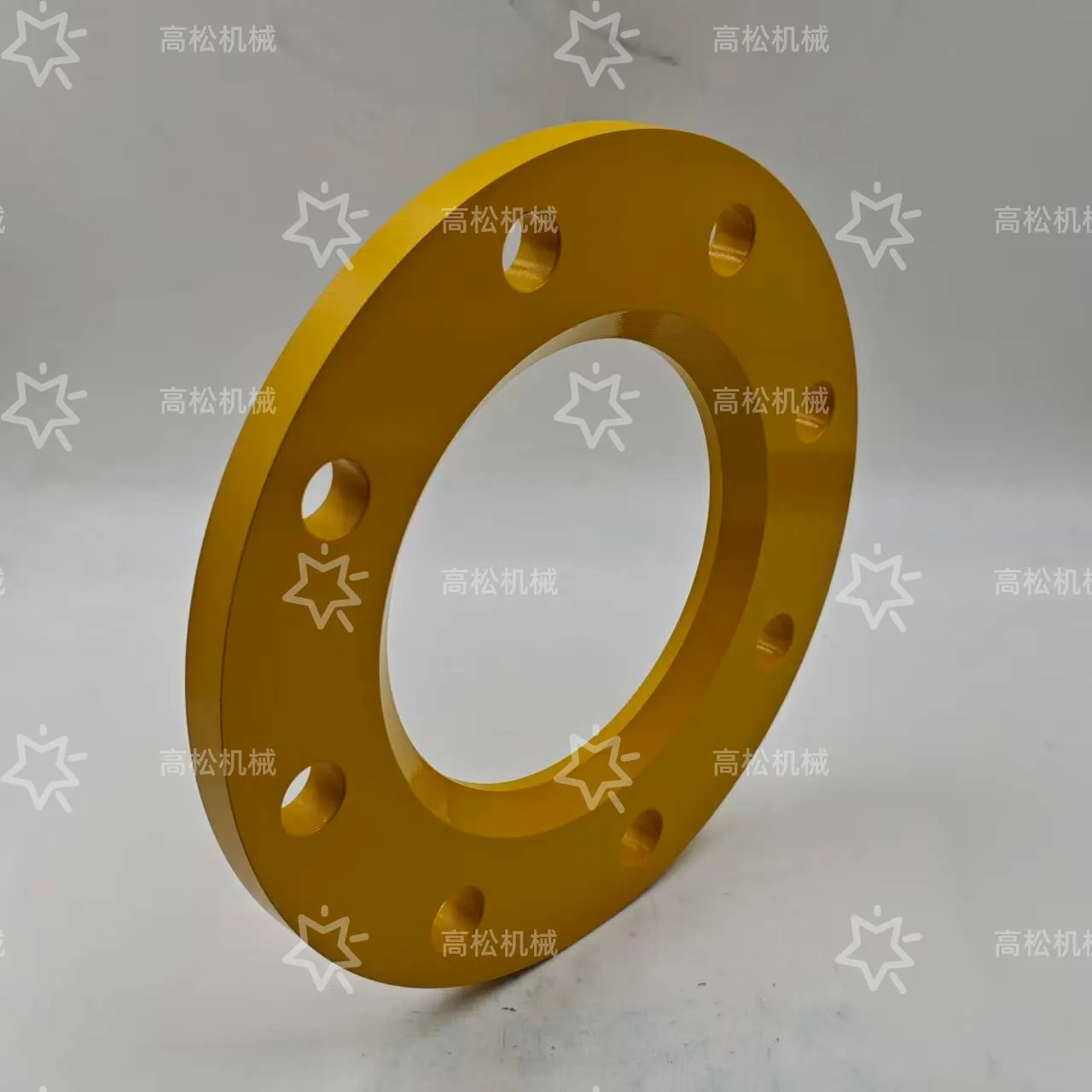 41E-70-15221 Komatsu Edge
 -
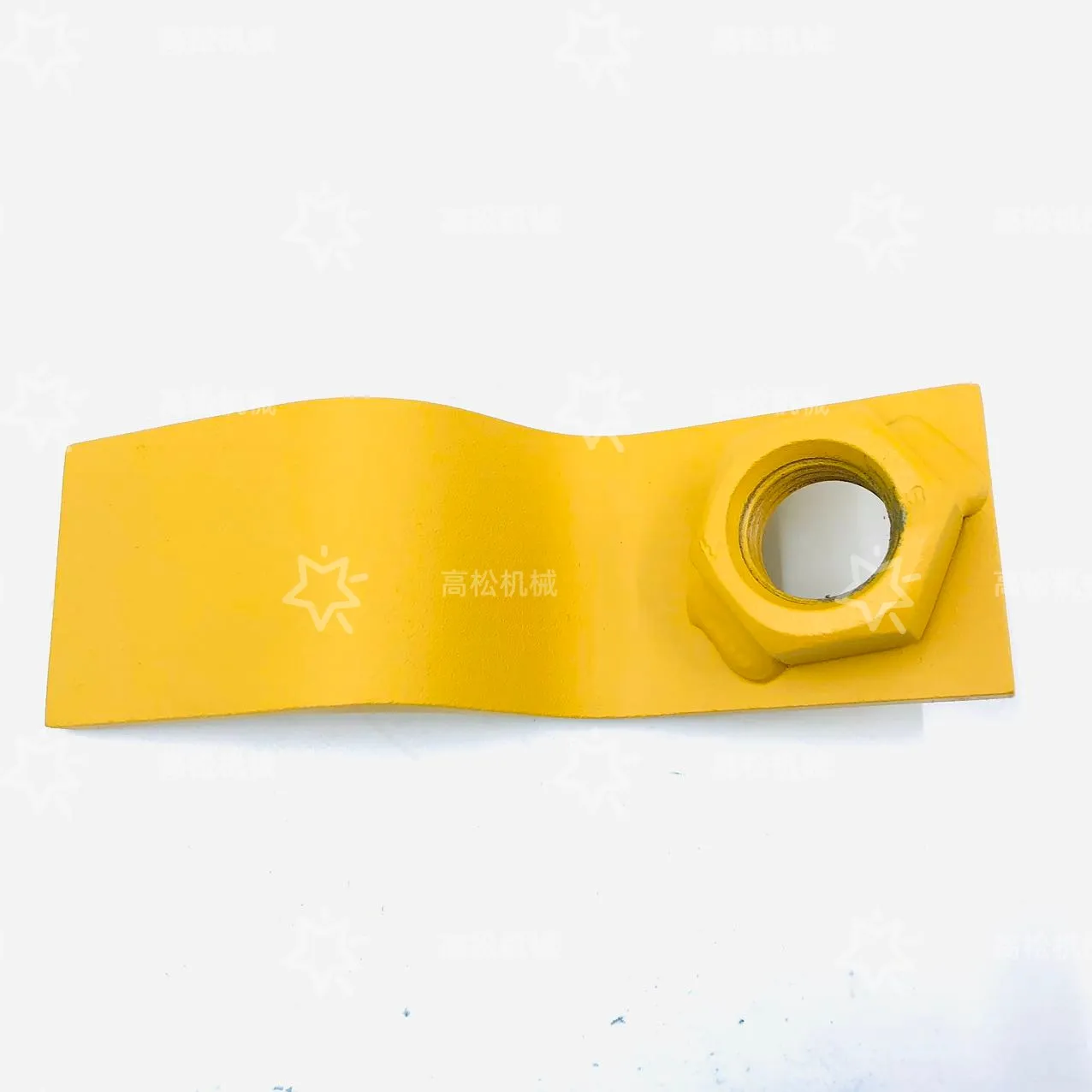 Hot Selling at Low Prices 21P-62-K1520 21M-62-11230 21T-01-67330 21U-62-34760 Underground Facilities
 -
 421-06-11440 BREAKER fits KOMATSU
 -
 Original ND116410-9681 UNIT SUB ASS’Y for HM300-1 HM350-1 ND1164109681
 -
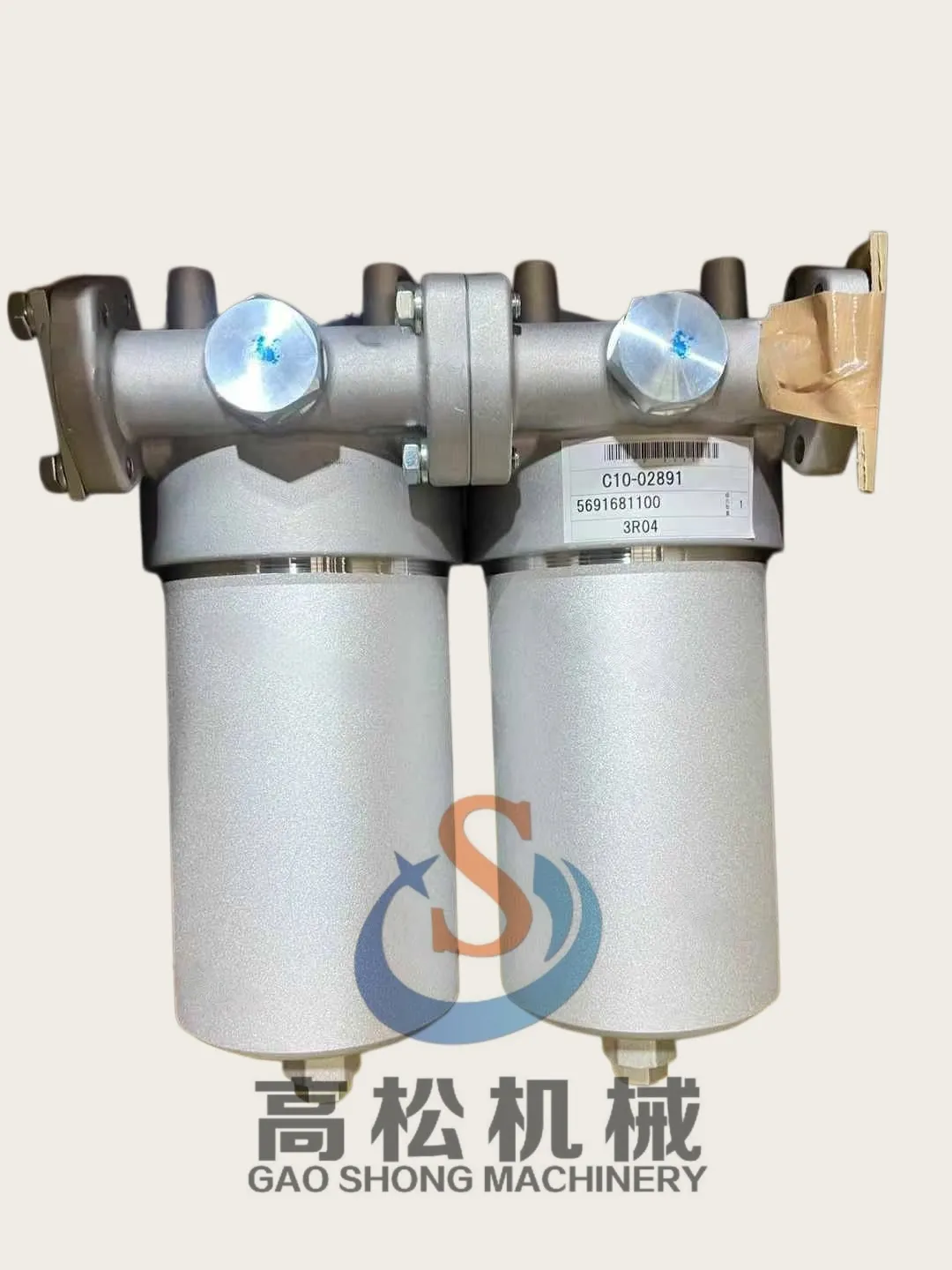 OIL FILTER ASS’Y 569-16-81100 425-16-21240 427-16-21120 569-16-81160 HD325-7 HD325-7R HD405-7 HD405-7R HD605-7 HD785-7 HD605-7E1 HD605-8 HD785-7 HYDRAULIC TANK ASS’Y (TRANSMISSION OIL FILTER¤ INNER PARTS) TRANSMISSION OIL FILTER
 -
 6240-61-2120 Cover for Engine SAA6D170E-3F-8 Parts – Komatsu
 -
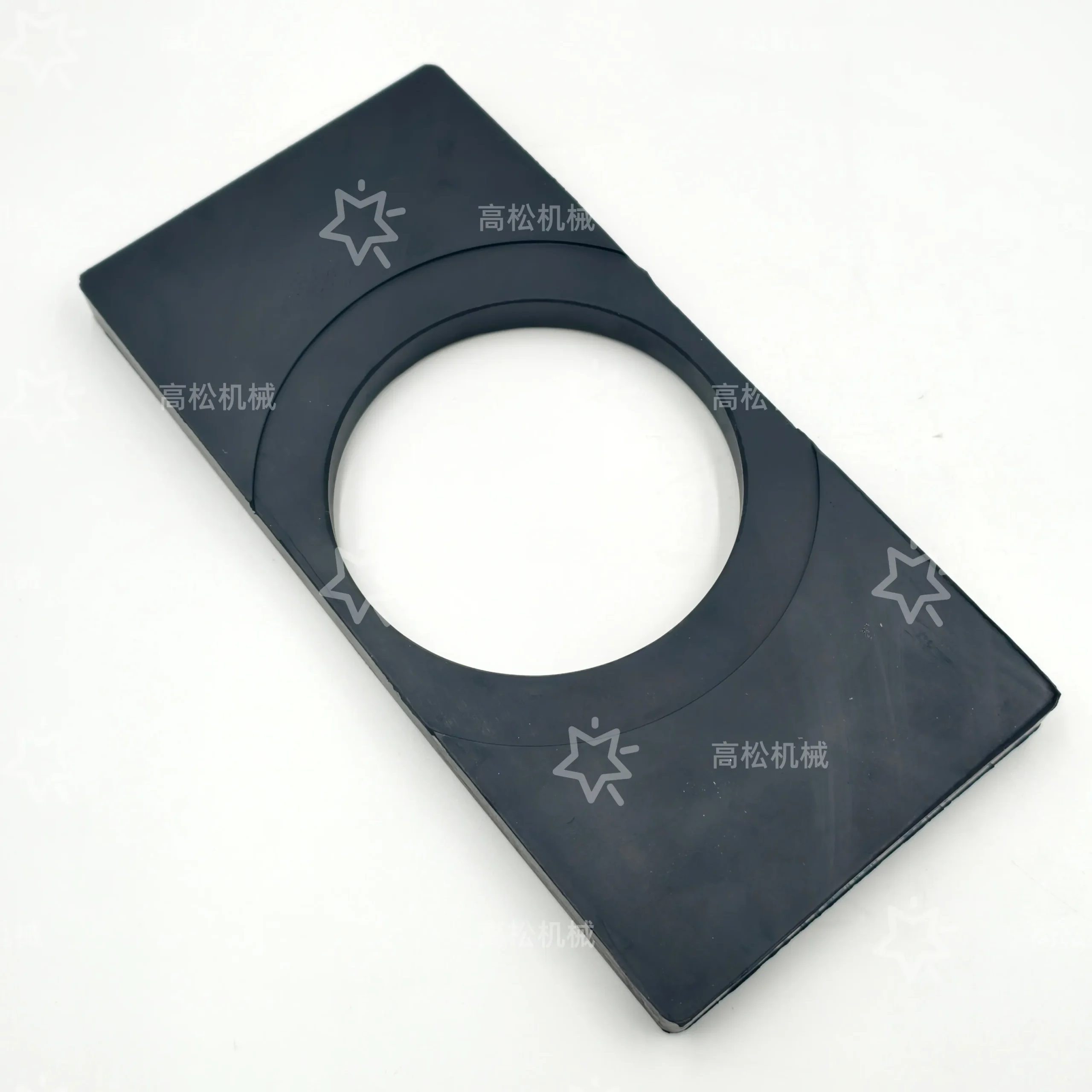 561-03-81550Shock Absorber KOMATSU HD465 HD785 PARTS for Komatsu
 -
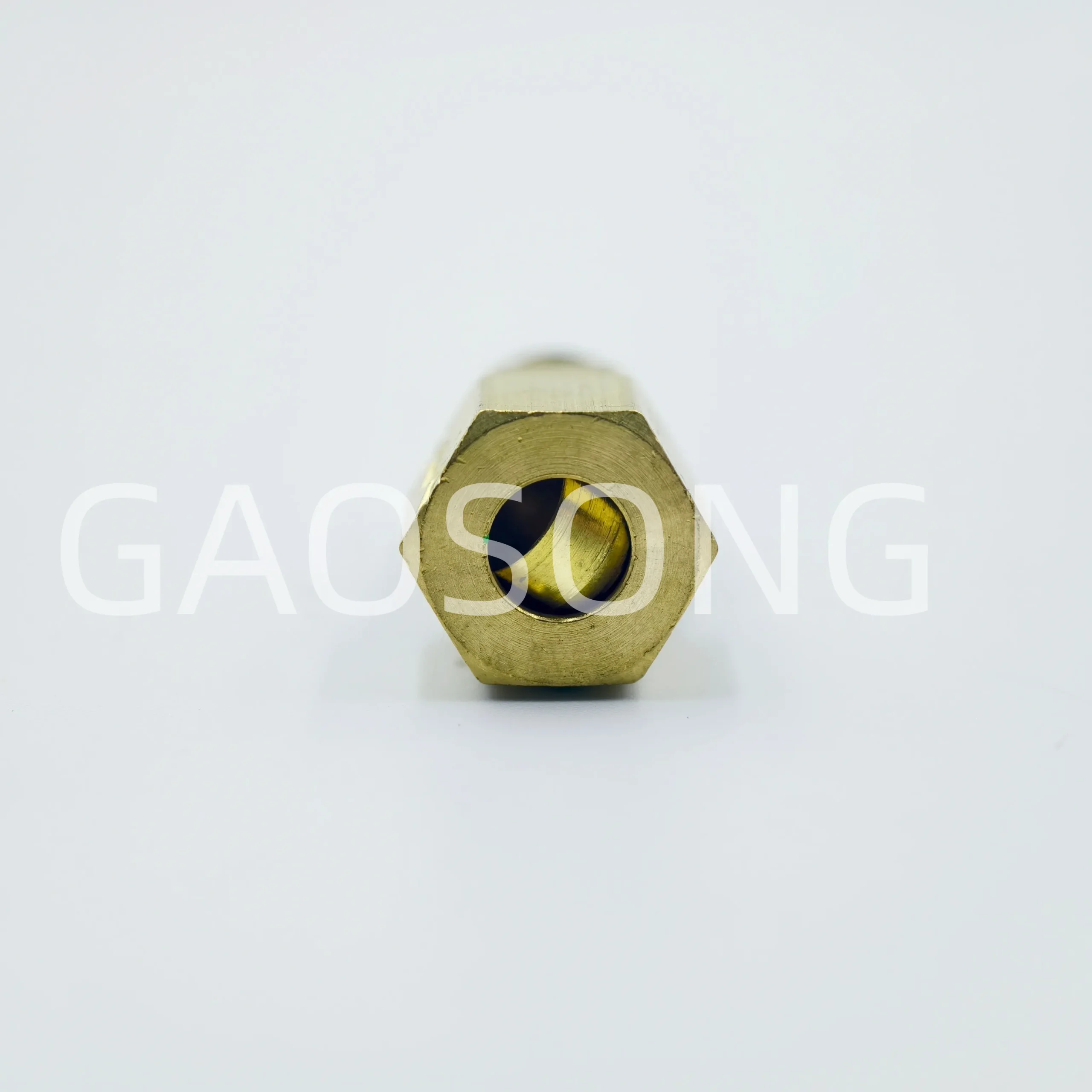 Komatsu 21N-68-32320 CONNECTOR-Komatsu Original Factory CONNECTOR PC1250SP-8R PC1800-6 PC1100SP-6 PC2000-8
 -
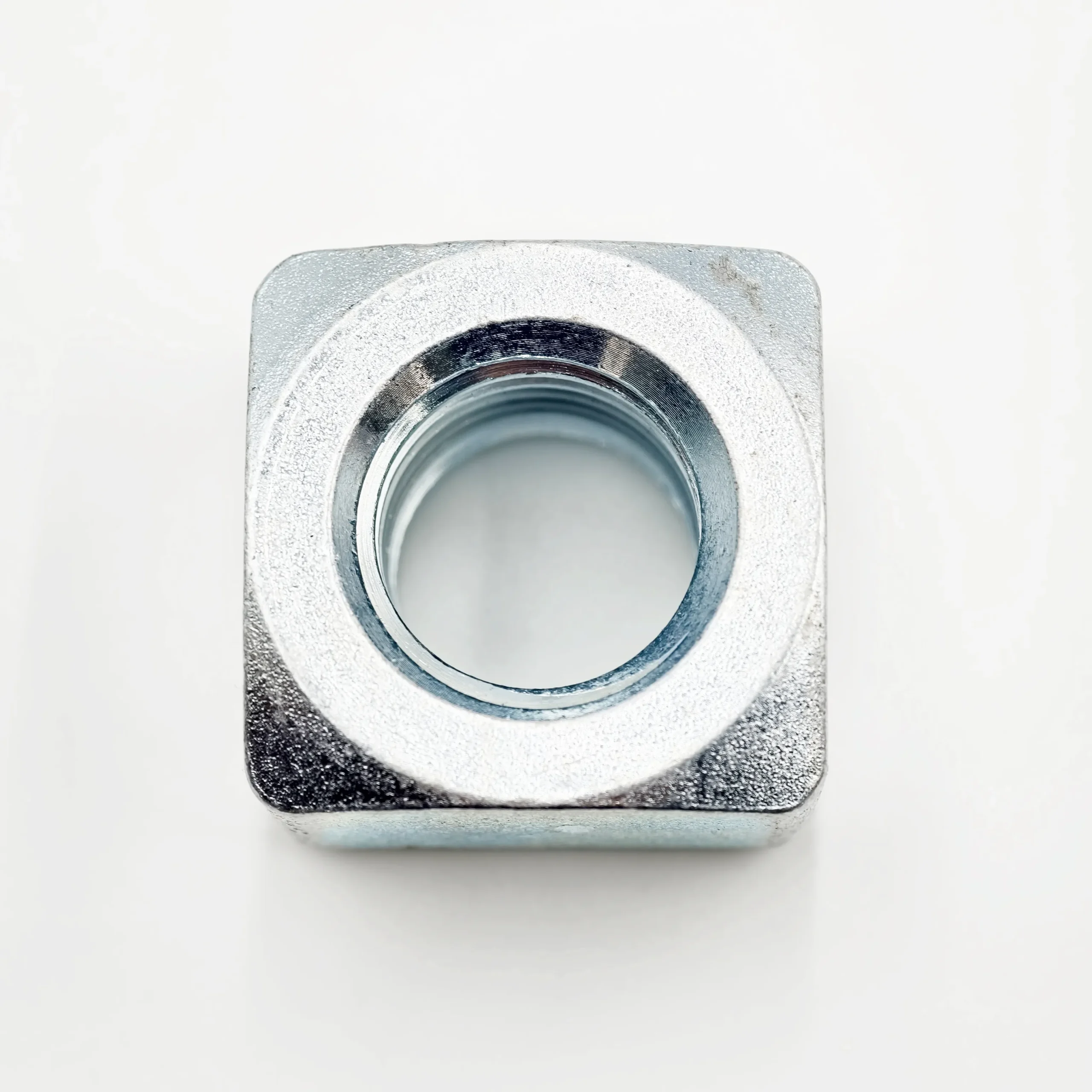 KOMATSU 130-70-13241 Square NUT
 -
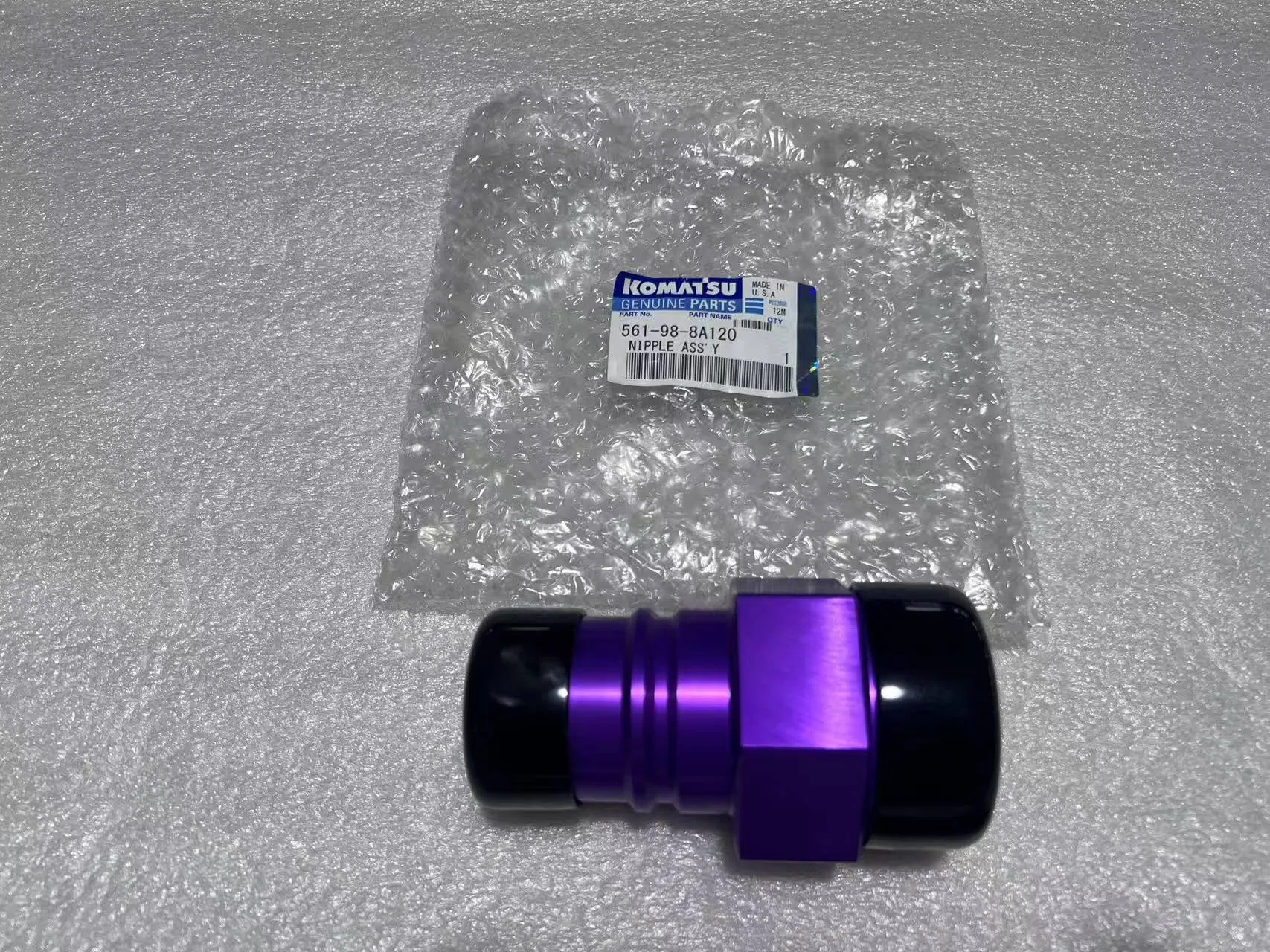 561-98-8A120 Komatsu Nipple Assembly
 -
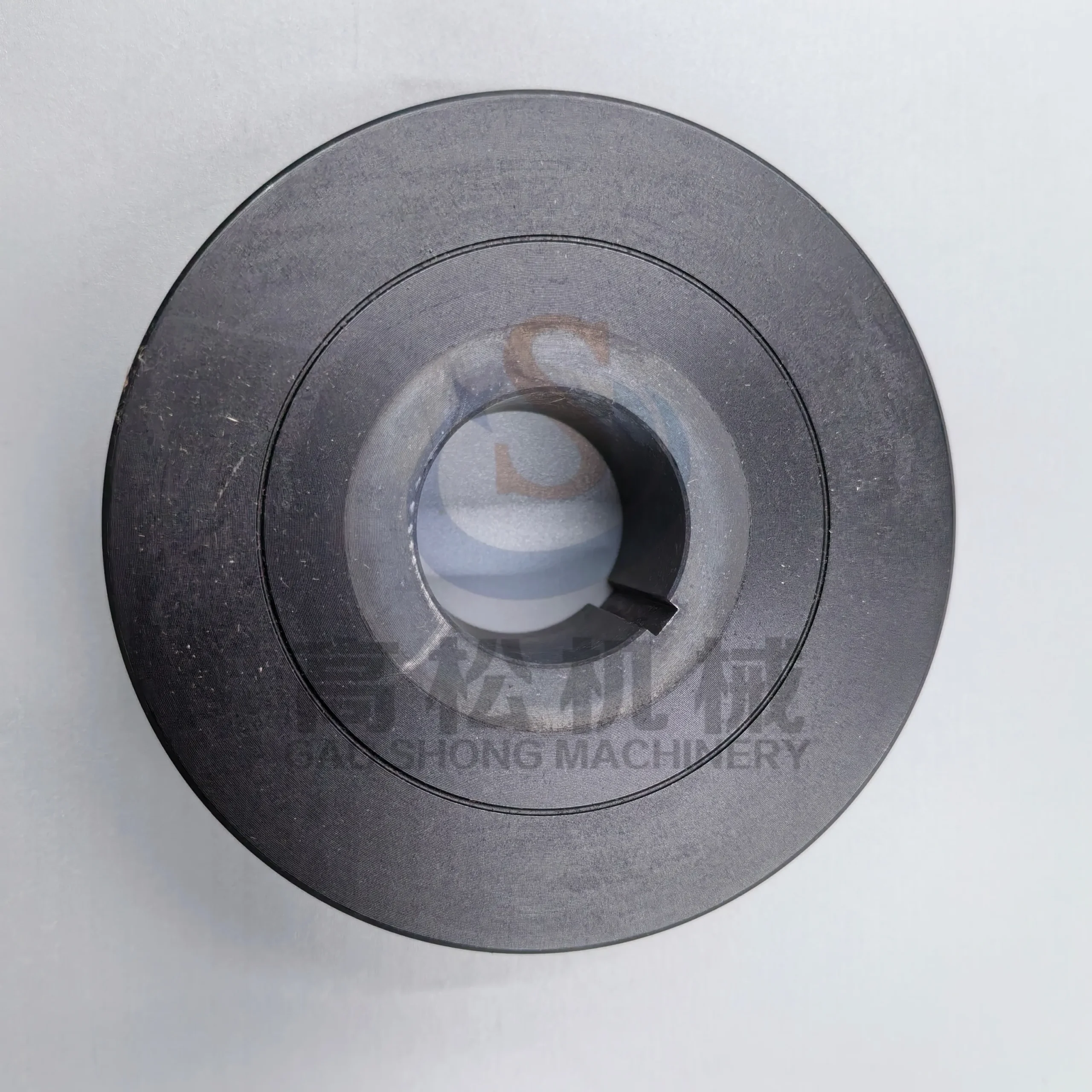 PULLEY – KD0-35411-0854
 -
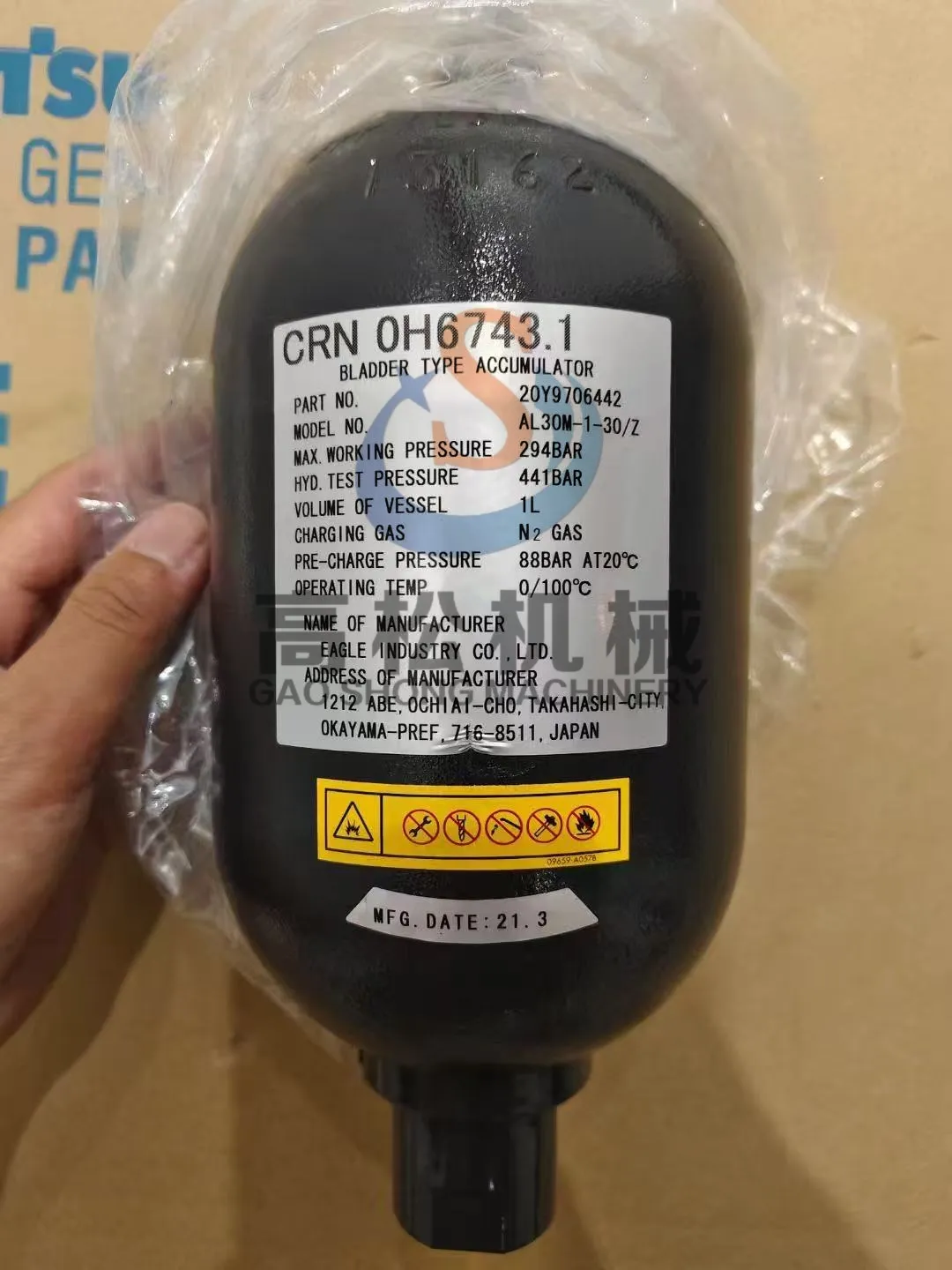 20Y-970-6442 Komatsu Accumulator Assembly