
- Chinese
- French
- German
- Portuguese
- Spanish
- Russian
- Japanese
- Korean
- Arabic
- Irish
- Greek
- Turkish
- Italian
- Danish
- Romanian
- Indonesian
- Czech
- Afrikaans
- Swedish
- Polish
- Basque
- Catalan
- Esperanto
- Hindi
- Lao
- Albanian
- Amharic
- Armenian
- Azerbaijani
- Belarusian
- Bengali
- Bosnian
- Bulgarian
- Cebuano
- Chichewa
- Corsican
- Croatian
- Dutch
- Estonian
- Filipino
- Finnish
- Frisian
- Galician
- Georgian
- Gujarati
- Haitian
- Hausa
- Hawaiian
- Hebrew
- Hmong
- Hungarian
- Icelandic
- Igbo
- Javanese
- Kannada
- Kazakh
- Khmer
- Kurdish
- Kyrgyz
- Latin
- Latvian
- Lithuanian
- Luxembou..
- Macedonian
- Malagasy
- Malay
- Malayalam
- Maltese
- Maori
- Marathi
- Mongolian
- Burmese
- Nepali
- Norwegian
- Pashto
- Persian
- Punjabi
- Serbian
- Sesotho
- Sinhala
- Slovak
- Slovenian
- Somali
- Samoan
- Scots Gaelic
- Shona
- Sindhi
- Sundanese
- Swahili
- Tajik
- Tamil
- Telugu
- Thai
- Ukrainian
- Urdu
- Uzbek
- Vietnamese
- Welsh
- Xhosa
- Yiddish
- Yoruba
- Zulu
- Kinyarwanda
- Tatar
- Oriya
- Turkmen
- Uyghur






komatsu sk815 parts
When you search for 'Komatsu SK815 parts', you're immediately thrown into a complex world. It's not just about finding a seal kit or a track link; it's about understanding the ecosystem of a machine that's often out of primary production support. A common pitfall is assuming all parts labeled for the SK815 are equal, or that the OEM channel is always the only viable path. In reality, especially in regions where Komatsu's direct logistics are thin, the landscape is dominated by specialized suppliers who bridge that critical gap between machine downtime and operational continuity.
The Reality of Sourcing for an Aging Workhorse
The SK815, a solid mid-size excavator in its day, now faces the classic parts availability squeeze. Komatsu's official system naturally prioritizes current models. For the SK815, this means many components are on a 'discontinued' or 'long lead time' list. You don't realize this until you're waiting six weeks for a simple hydraulic valve bank. That's where the real-world sourcing game begins. It's less about a catalog and more about networks.
I recall a project in Southeast Asia where two SK815s were critical for a port expansion. One threw a final drive. The local Komatsu dealer quoted a 12-week delivery for a reman unit. Twelve weeks of a machine down was a non-starter. We had to look beyond the primary channel. This is the precise scenario where companies positioned as Komatsu system specialists become invaluable. They aren't just resellers; they understand the bill of materials, the cross-references, and which components from newer models might be retrofitted.
This led us to engage with a supplier like Jining Gaosong. Their stated role as an OEM product supplier within the Komatsu system and a third-party sales company isn't just marketing speak. In practice, it meant they could access genuine Komatsu stockpiles for some items while having the flexibility to source or manufacture high-quality alternatives for others. For that final drive, they offered a certified rebuilt unit with a solid warranty, air-freighted in 10 days. It wasn't the brand-new OEM part, but it was a technically sound, economically viable solution that got the machine back to work.
Quality Judgment: Beyond the Brand Stamp
Here's where experience bites you. Not all aftermarket parts are created equal, and blind cost-saving is a recipe for repeated failure. A SK815 undercarriage part, for instance, looks simple. But the metallurgy of the track links and the hardness of the bushings are everything. We learned this the hard way early on, using a cheap aftermarket roller that wore out in 400 hours, taking the seal with it and contaminating the bearing.
The key is in the supplier's provenance. A company like the one behind https://www.takematsumachinery.com explicitly ties its credibility to the Komatsu ecosystem. Their claim of being an OEM supplier suggests a direct pipeline for certain genuine components. When they offer an alternative, it's likely been vetted against Komatsu's original specs, not just reverse-engineered. You develop a sense for this: their technical datasheets will reference Komatsu part number crosswalks, their material certifications are traceable, and they can discuss wear patterns and common failure points for the SK815's swing mechanism or hydraulic system with firsthand knowledge.
For example, the SK815's pump regulators are a known pain point. A genuine Komatsu replacement is prohibitively expensive for an older machine. A low-quality copy will fail to match the flow and pressure curves, burning out the pump. A quality third-party supplier, however, might provide a unit rebuilt with OEM-grade solenoids and seals, tested on a bench to match factory performance. That's the middle ground that makes economic sense.
The Logistics of Certain Countries
The phrase solving parts supply challenges in certain countries from Jining Gaosong's description is the core of their value proposition. It's diplomatic language for navigating tariffs, customs bottlenecks, and fragmented logistics. Having a supplier who has mastered this is half the battle. They know which ports have delays, how to correctly declare HS codes for excavator parts to avoid seizures, and can consolidate shipments to make air freight for urgent items like controller boards or engine sensors cost-effective.
In one East African operation, we needed a slew of SK815 undercarriage parts—pins, bushings, sprocket segments. Sourcing them piecemeal from different vendors was a customs nightmare. Using a consolidated supplier who acted as a single point of contact streamlined everything. They handled the export documentation, pre-cleared the shipment, and provided a single commercial invoice that matched the packing list exactly, which is a surprisingly rare thing. It cut clearance time at the port from three weeks to three days.
When OEM Within the System Makes a Difference
For certain components, there is no substitute. Think of the main controller (the computer), the original Komatsu hydraulic pumps, or the swing bearing. Here, the supplier's role as an OEM conduit is critical. They can often locate these parts in Komatsu's global network of depots or authorized remanufacturing centers. This isn't about selling a generic part; it's about having the access and the relationship to pull a specific, discontinued item from a warehouse in Singapore or the Netherlands.
We had an SK815 with a failing monitor panel. The aftermarket versions were all wrong—wrong connector pins, wrong software protocols. The machine would throw false codes. The solution came through a supplier who sourced a genuine, refurbished panel from Komatsu's regional exchange program. It plugged in and worked immediately. That's the difference. It's not always about selling you something new; it's about knowing where to find the right solution within the broader, often opaque, OEM support structure.
The Practical Sourcing Workflow
So, what does this look like on a Tuesday morning when an SK815 goes down? First, you diagnose the issue—say, a leaking main hydraulic cylinder. You get the Komatsu part number. Then you check with your local dealer for price and availability. If it's a long lead time or a cost that breaks the job's budget, you turn to your specialized partners.
You'd send an inquiry to a company like Jining Gaosong with that part number. Their response typically comes in tiers: We have genuine in stock, We have a Komatsu-certified remanufactured unit, or We produce a high-quality alternative with a warranty. Each option comes with a clear price, lead time, and performance guarantee. The decision then becomes a practical one: How critical is absolute OEM spec for this component versus the need for speed and cost control? For a main cylinder, a high-quality alternative with proper chrome plating and gland seals might be perfectly adequate, saving thousands and days of downtime.
The relationship is built on these repeated, pragmatic decisions. You learn which parts you can safely go alternative on (filters, seals, many hoses, bucket teeth) and which you should push for genuine or certified-reman on (electronics, precision-honed hydraulic components, gearbox internals). A good supplier will guide you honestly here, because their business depends on your machines staying running, not on selling you the most expensive option for every single SK815 part.
Closing the Loop: It's About Uptime
At the end of the day, searching for Komatsu SK815 parts isn't an academic exercise. It's a direct fight against downtime. The landscape is fragmented, but it's navigable with the right partners. The ideal supplier isn't just a website with a shopping cart; it's a technical partner that understands the machine's legacy, the pressures of keeping it running in challenging markets, and operates within the legitimate channels of the OEM system while providing practical alternatives. It's this hybrid model—part genuine pipeline, part agile problem-solver—that truly solves the supply challenge for machines like the SK815. You stop looking for a single source and start managing a reliable network, where each player, from the OEM to the specialized third-party, has a defined role in keeping your iron moving.
Related Products
Related Products

Best Selling Products
Best Selling Products-
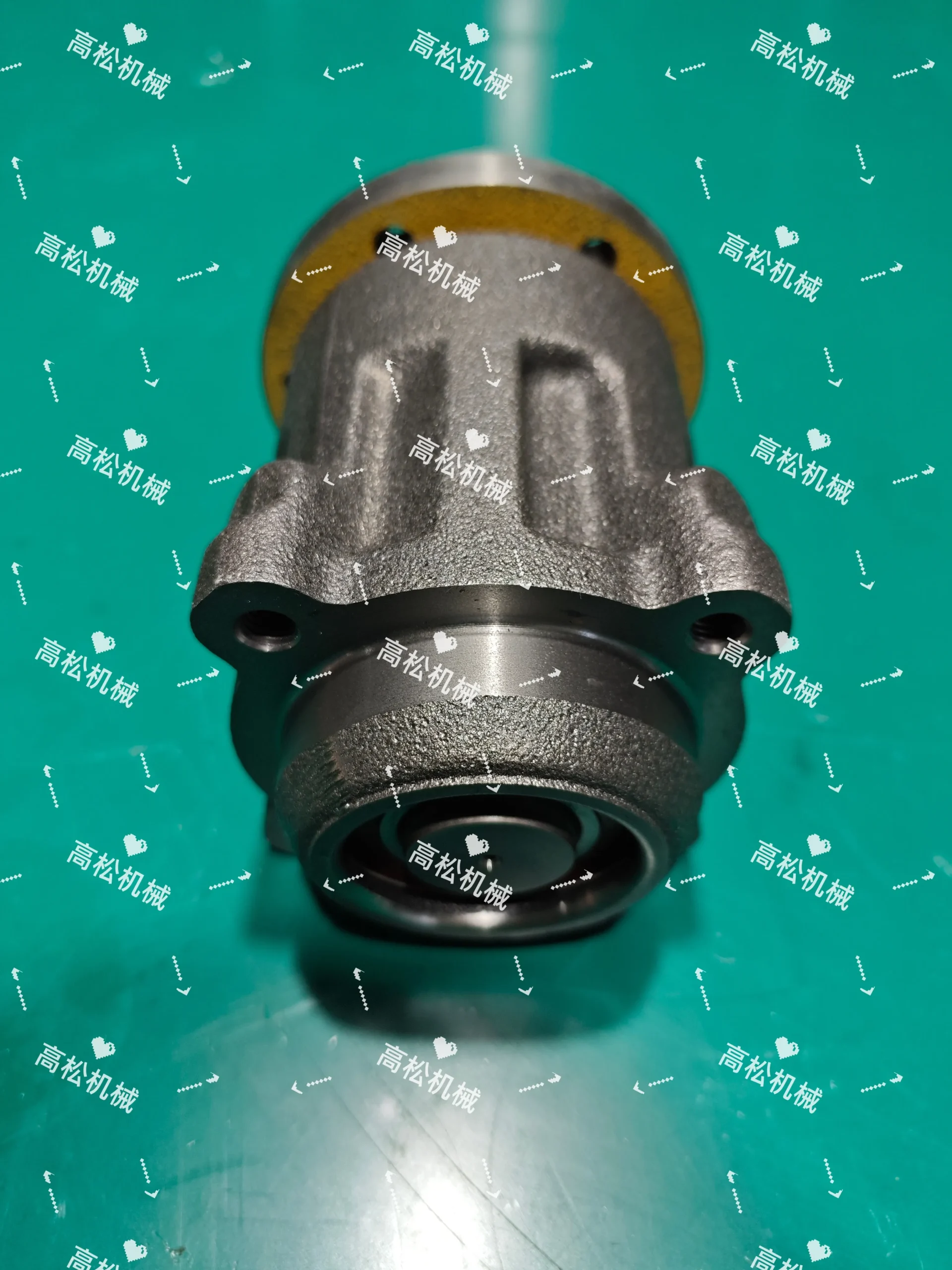
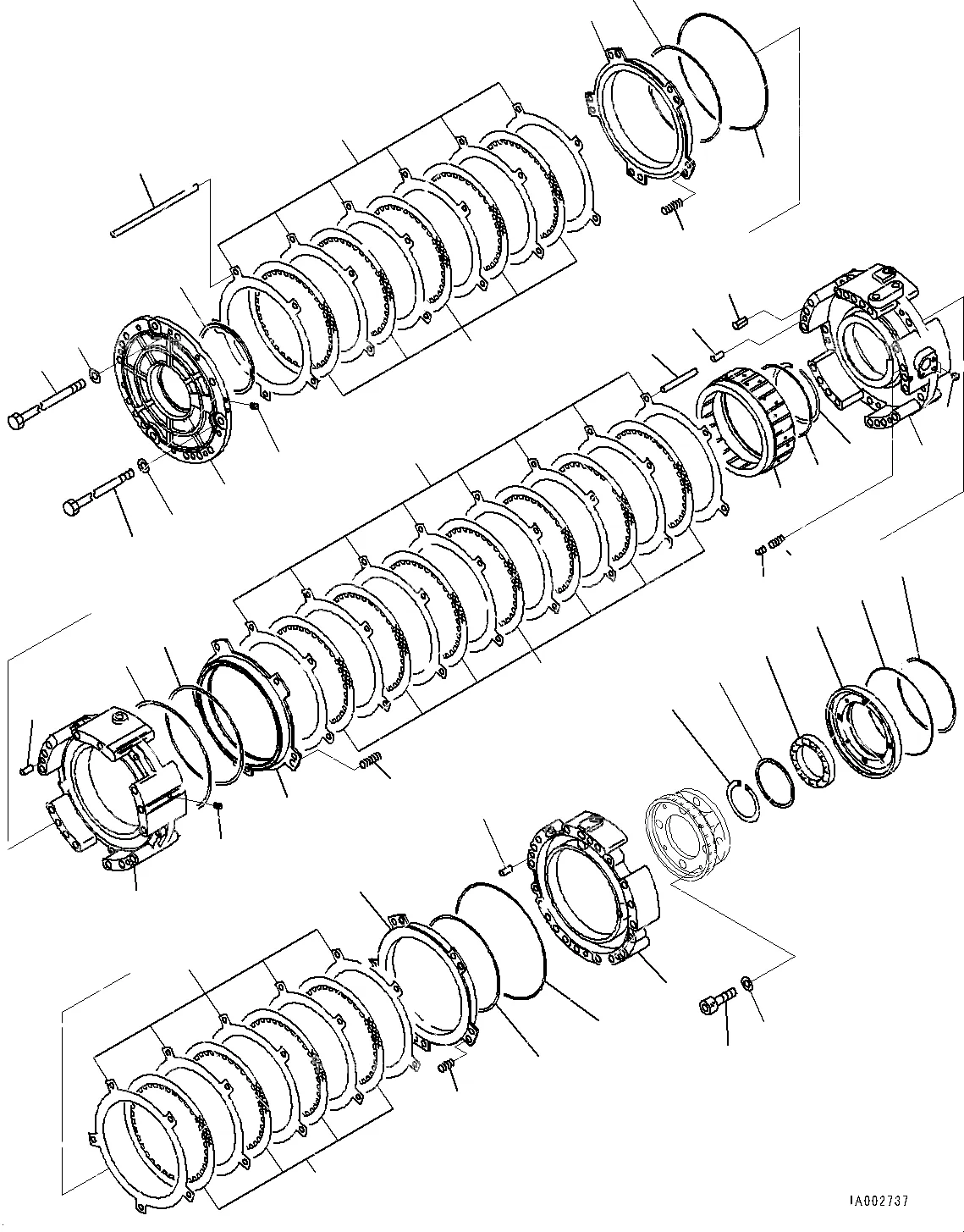 14X-15-19210 14X-15-19220 for D65 D68 D85 WA500 Bulldozer…
 -
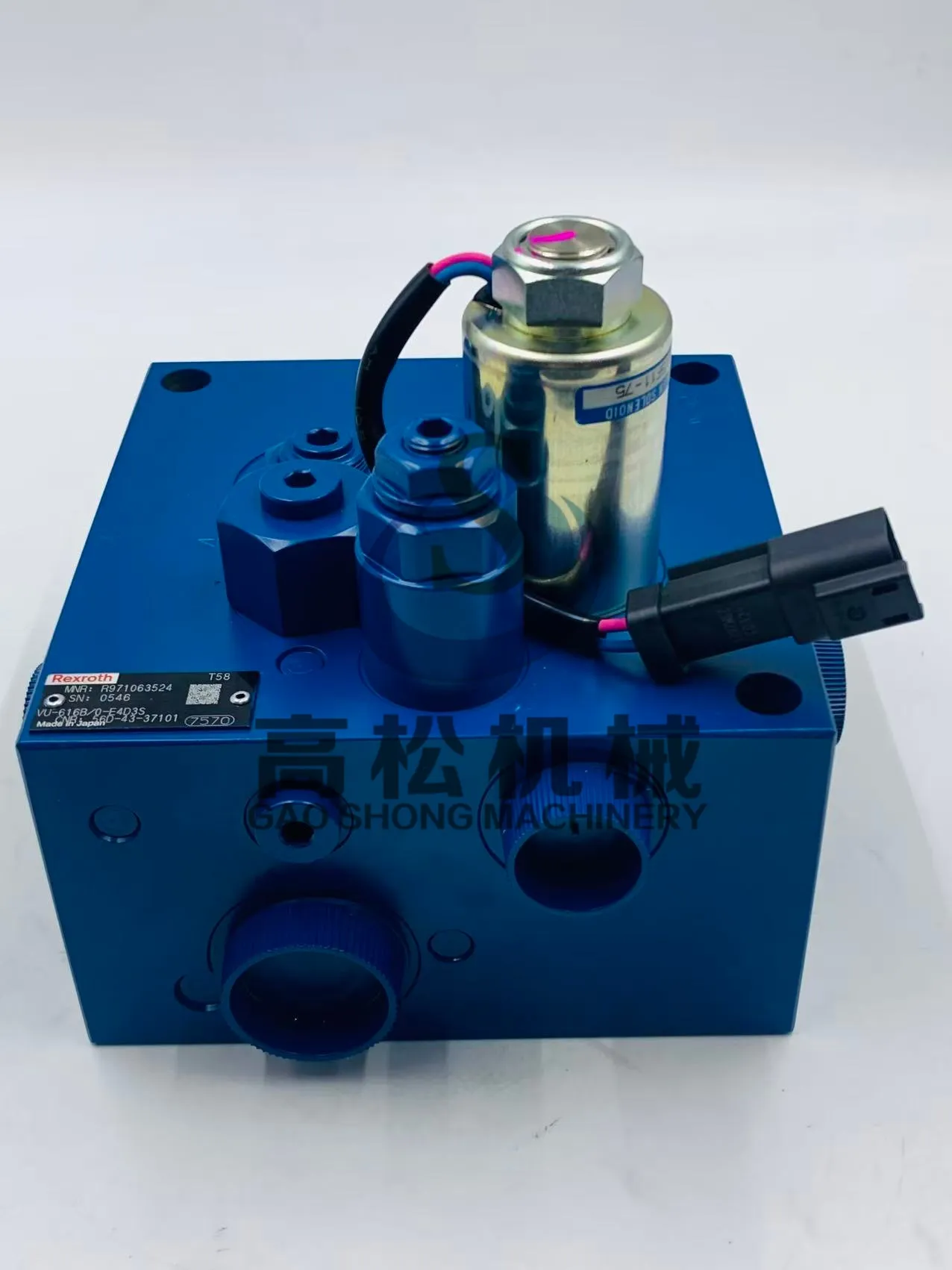
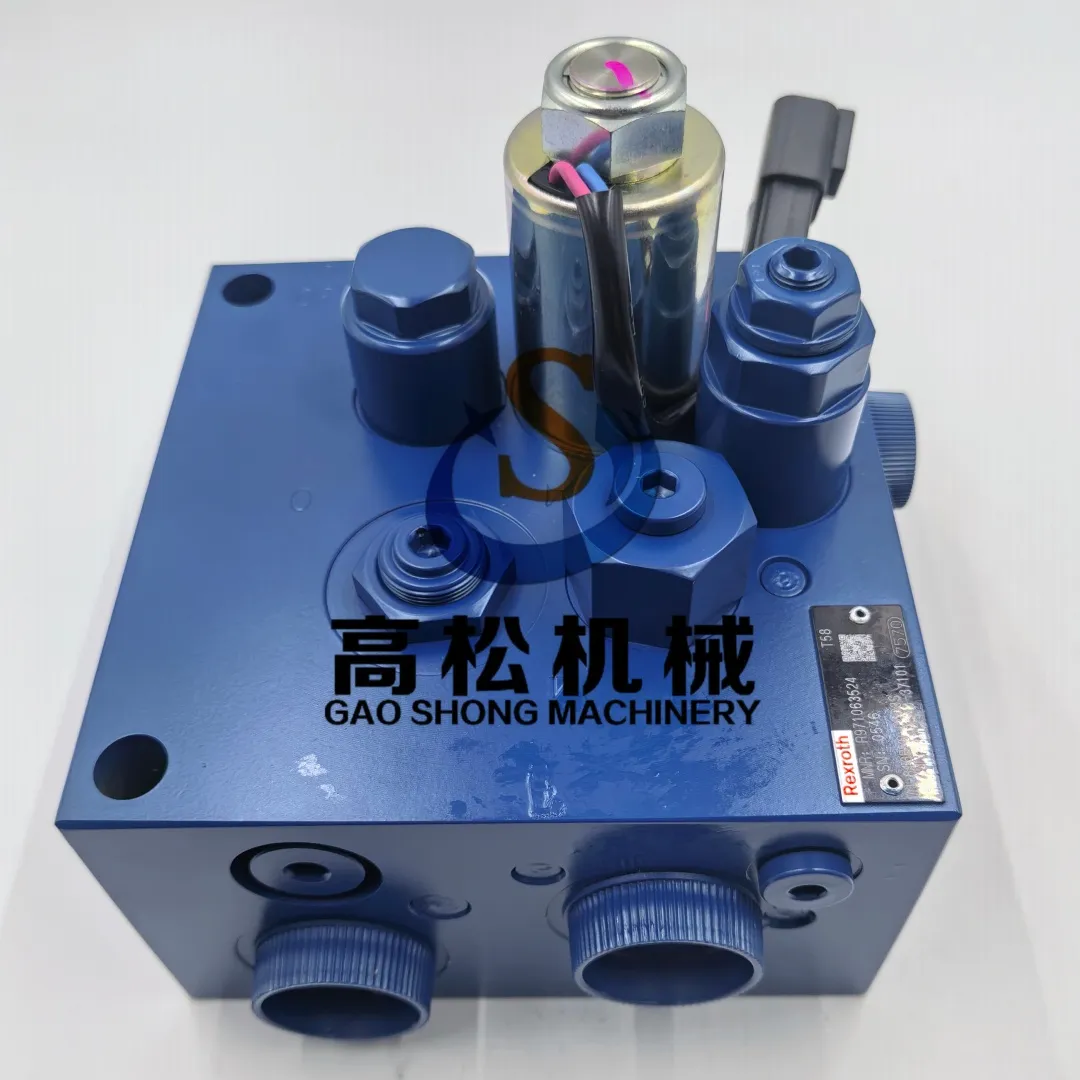 56D-43-37101 Valve Assembly, Charge for HM300 Komatsu Dump Truck Parts High Quality Original Factory
 -
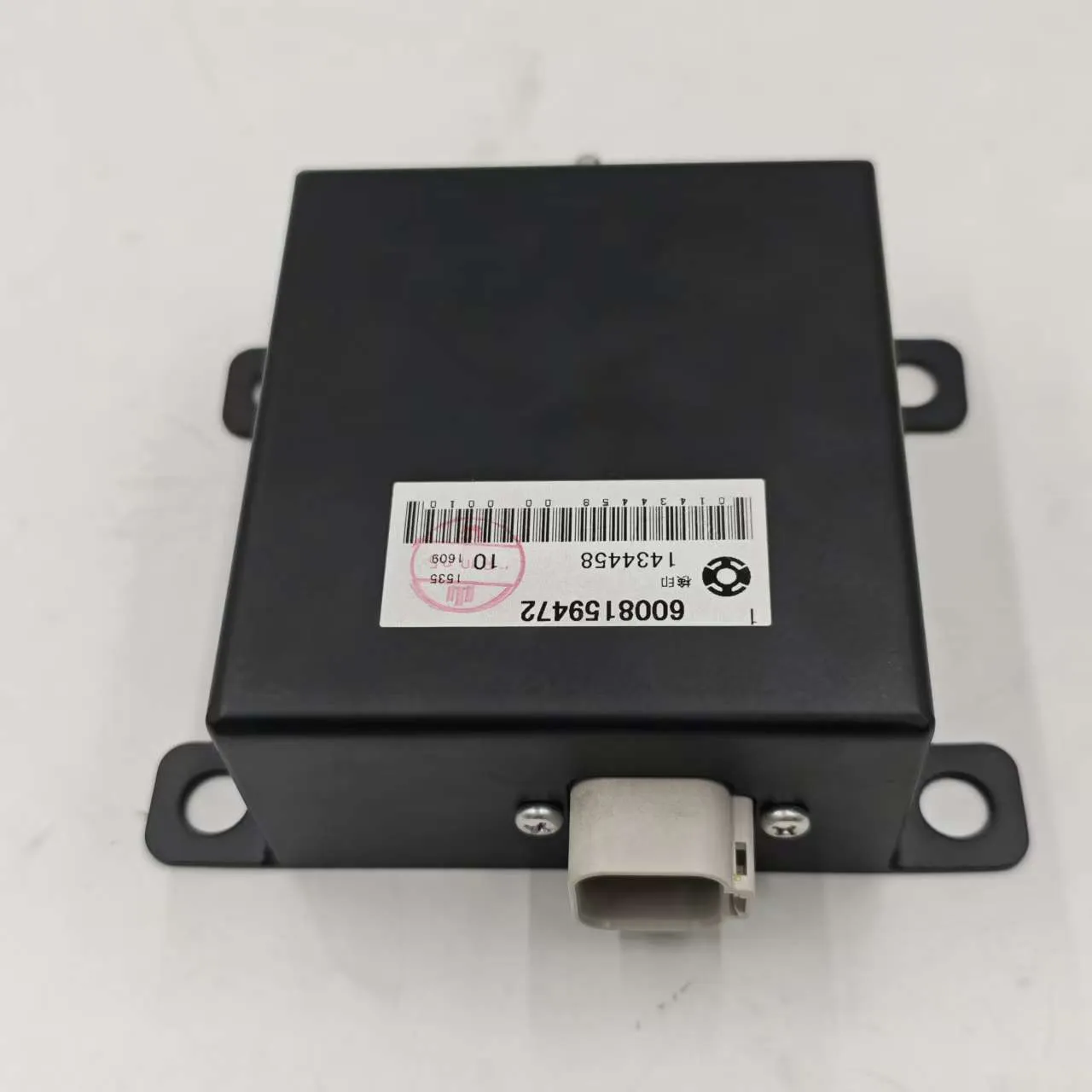 Switch 600-815-9472 HD785 Dump Truck Spare Parts
 -
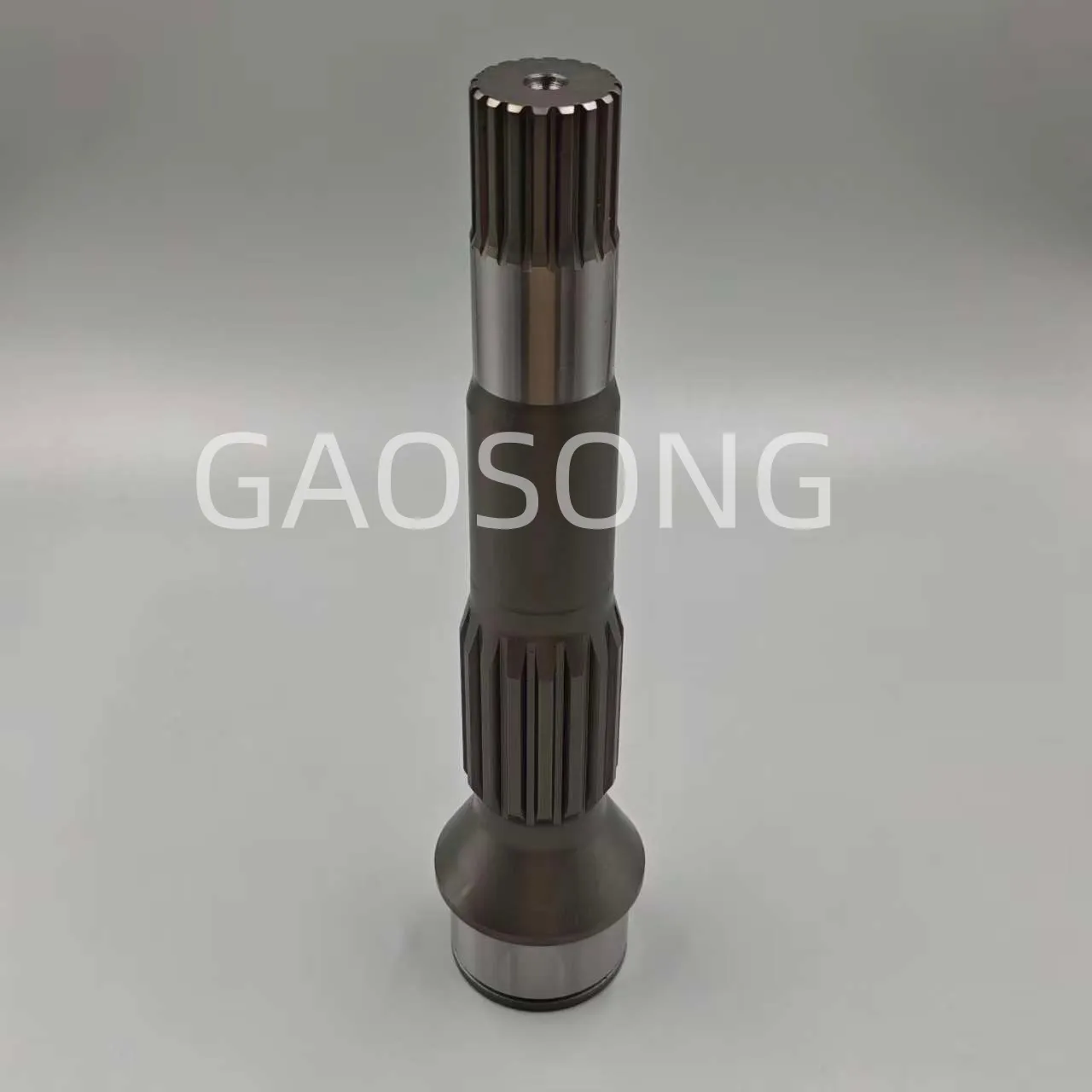 708-2G-12121 •• SHAFT-Komatsu Original Factory
 -
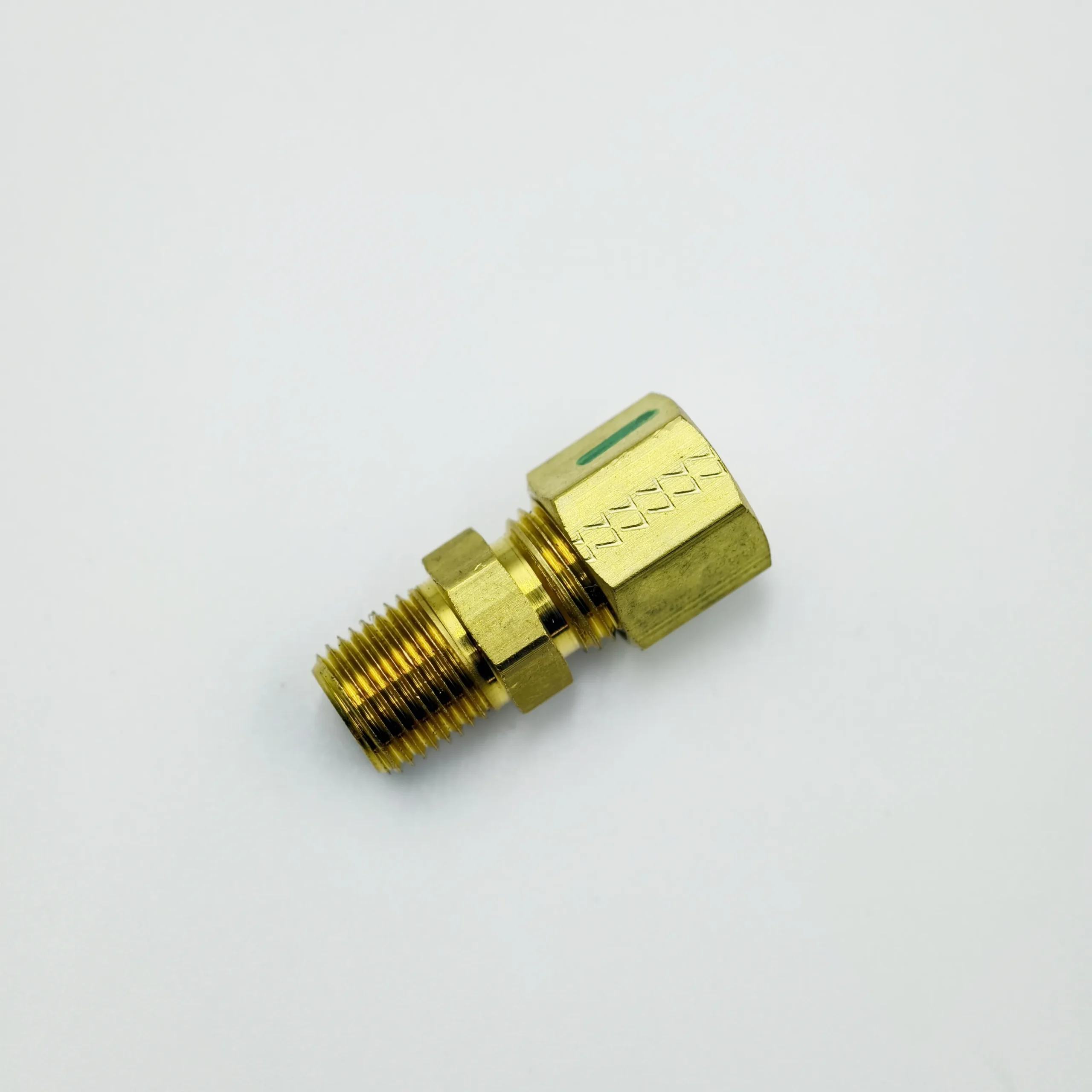 The PC1250SP-8 connector 21N-68-32320 is used for automotive grease in various countries ..
 -
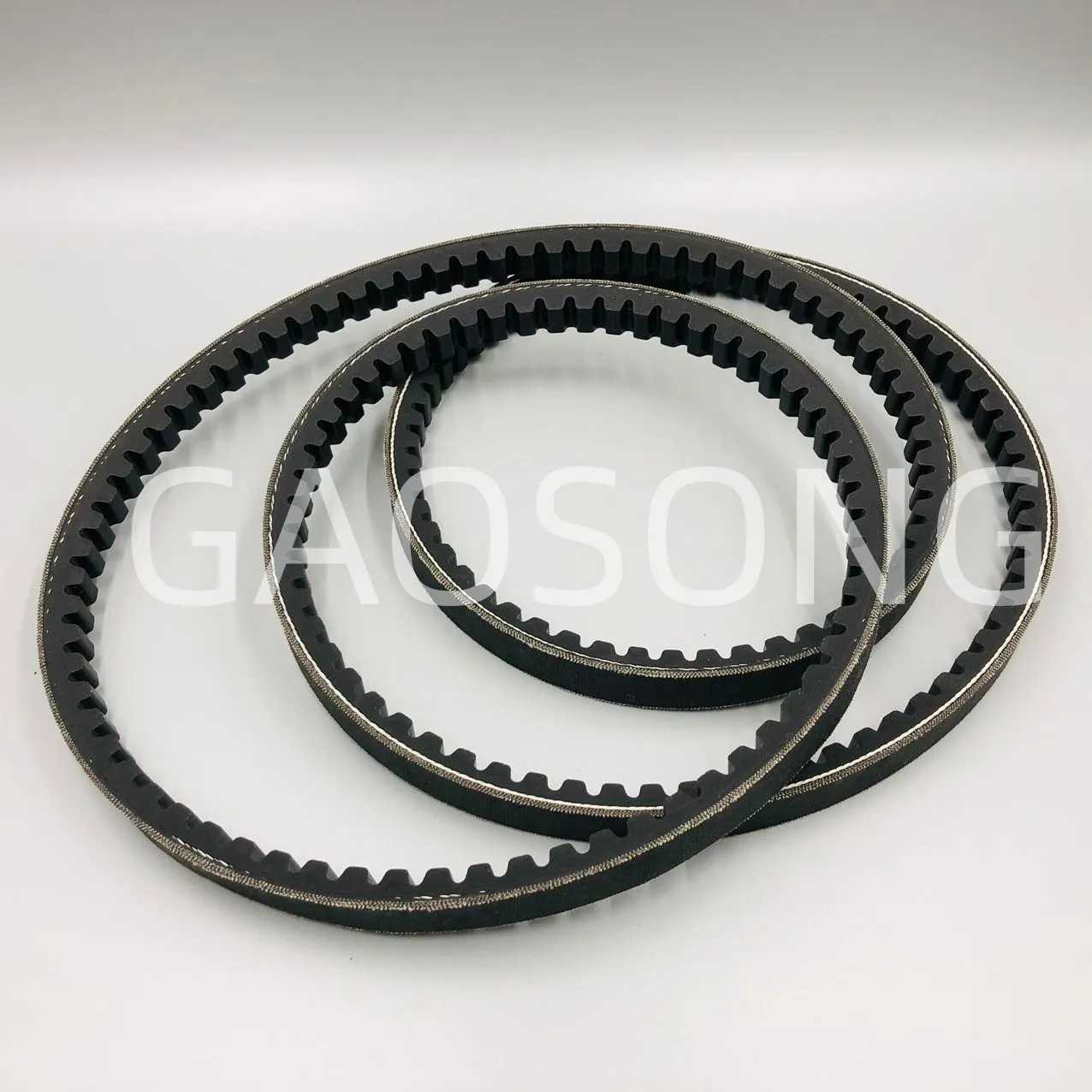 V-BELT – 6219-61-3420
 -
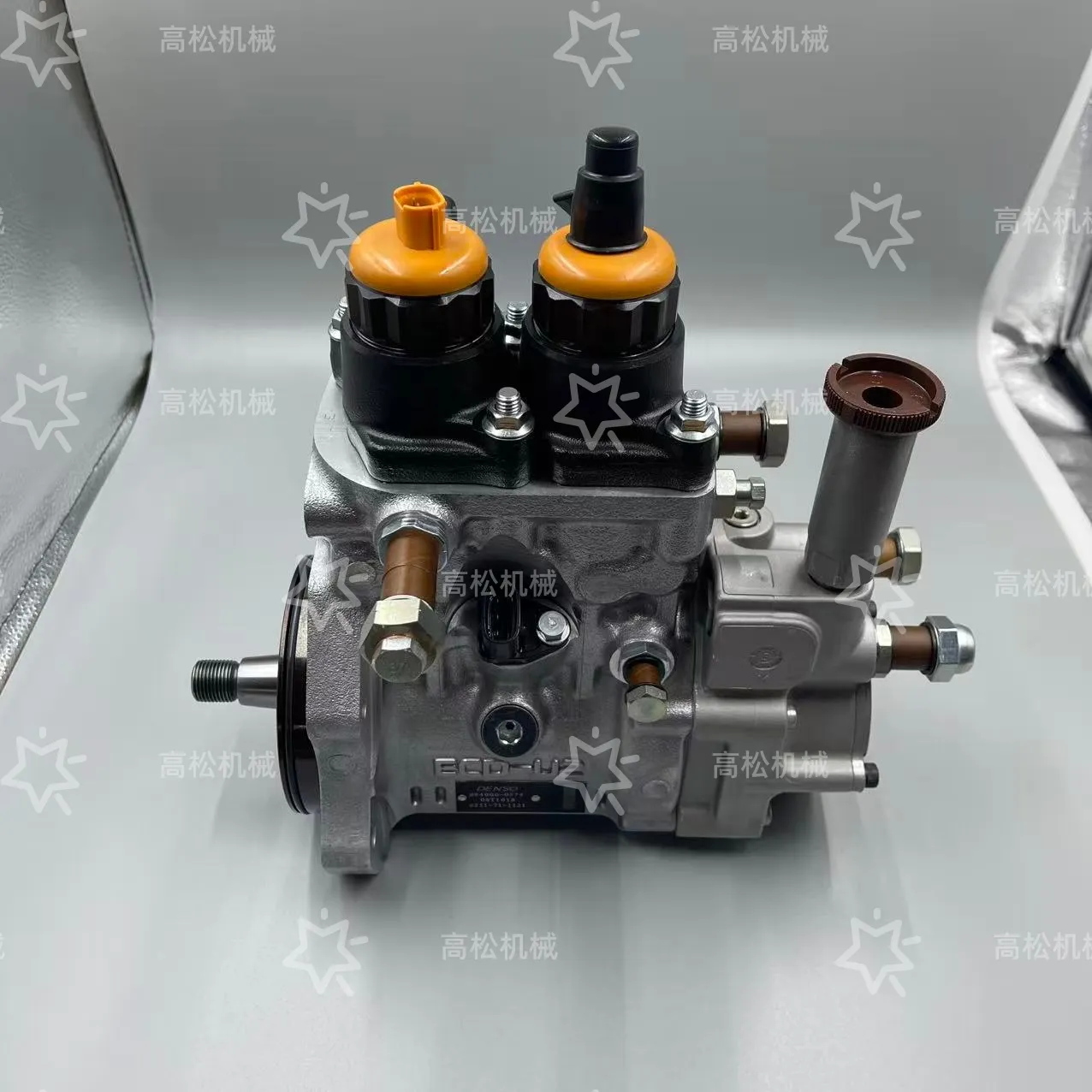 Fuel Injection Pump For Komatsu PC400-8 6251-71-1120 6251-71-1121 094000-057
 -
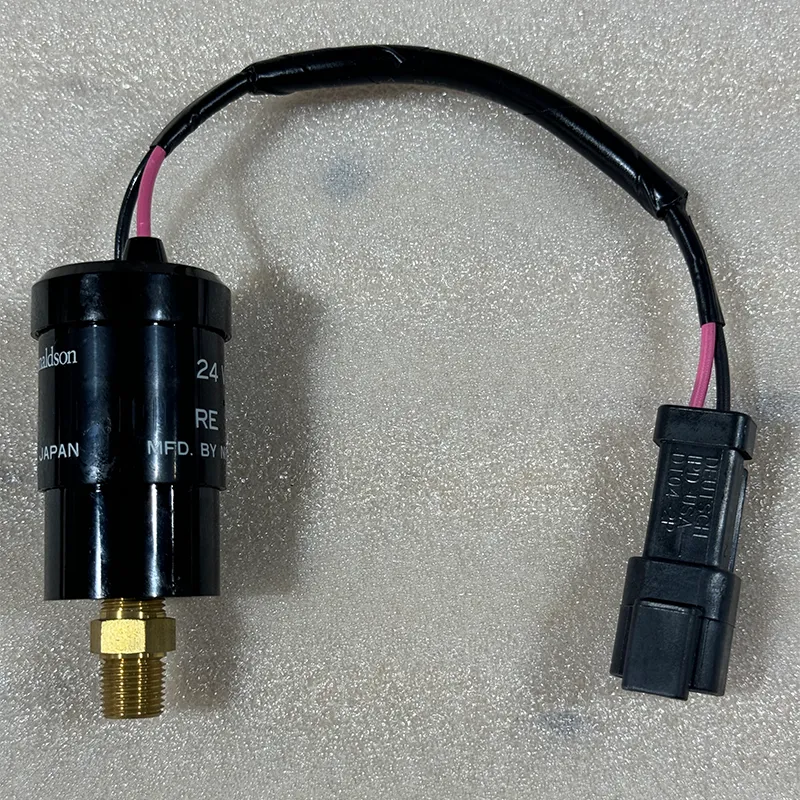 600-815-8860 Original komatsu Indicator Air Cleaner for HD325-7R WA500-6 HM300-2
 -
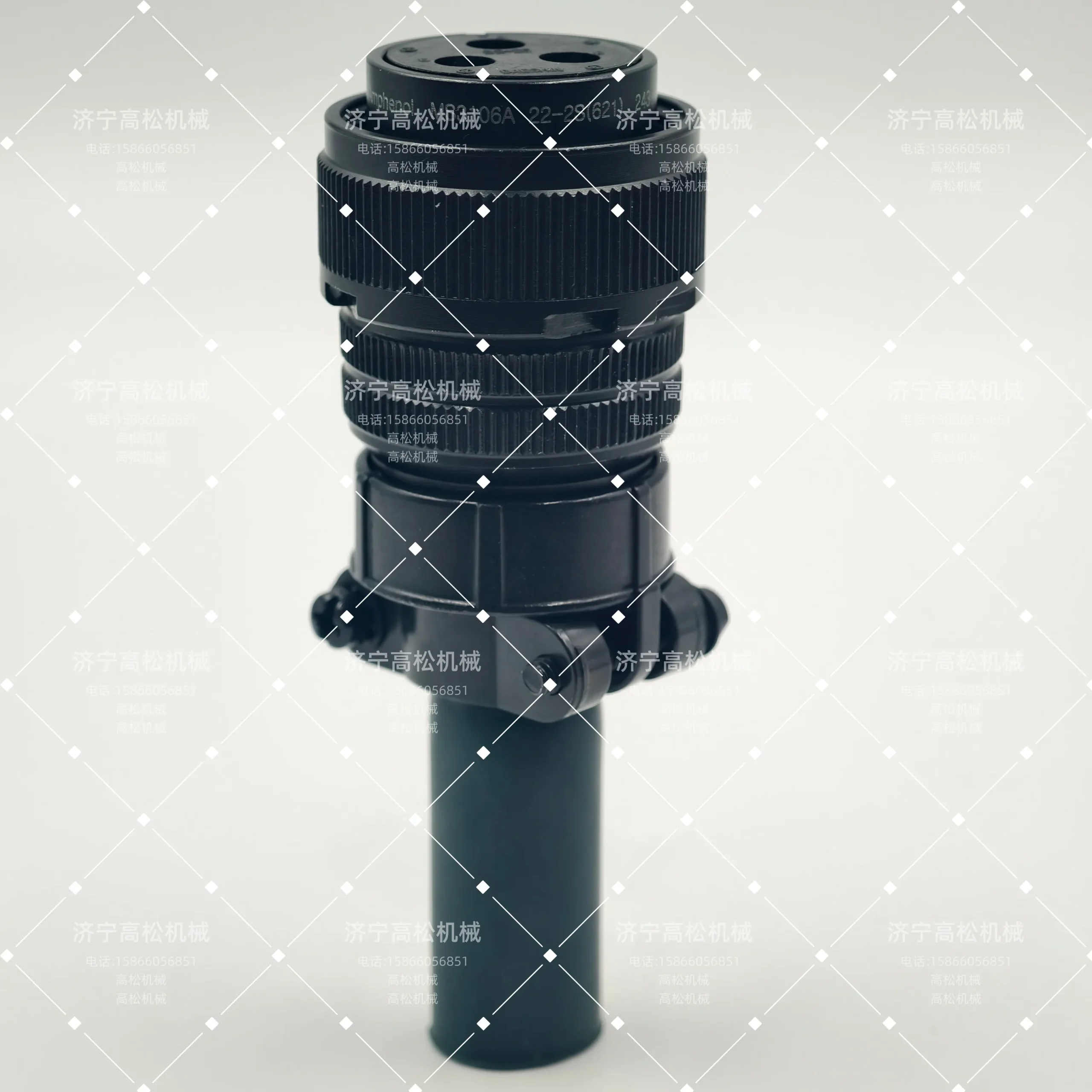 Top Quality 175-06-37871 Plug for Komatsu Mining Excavator Heavy…
 -
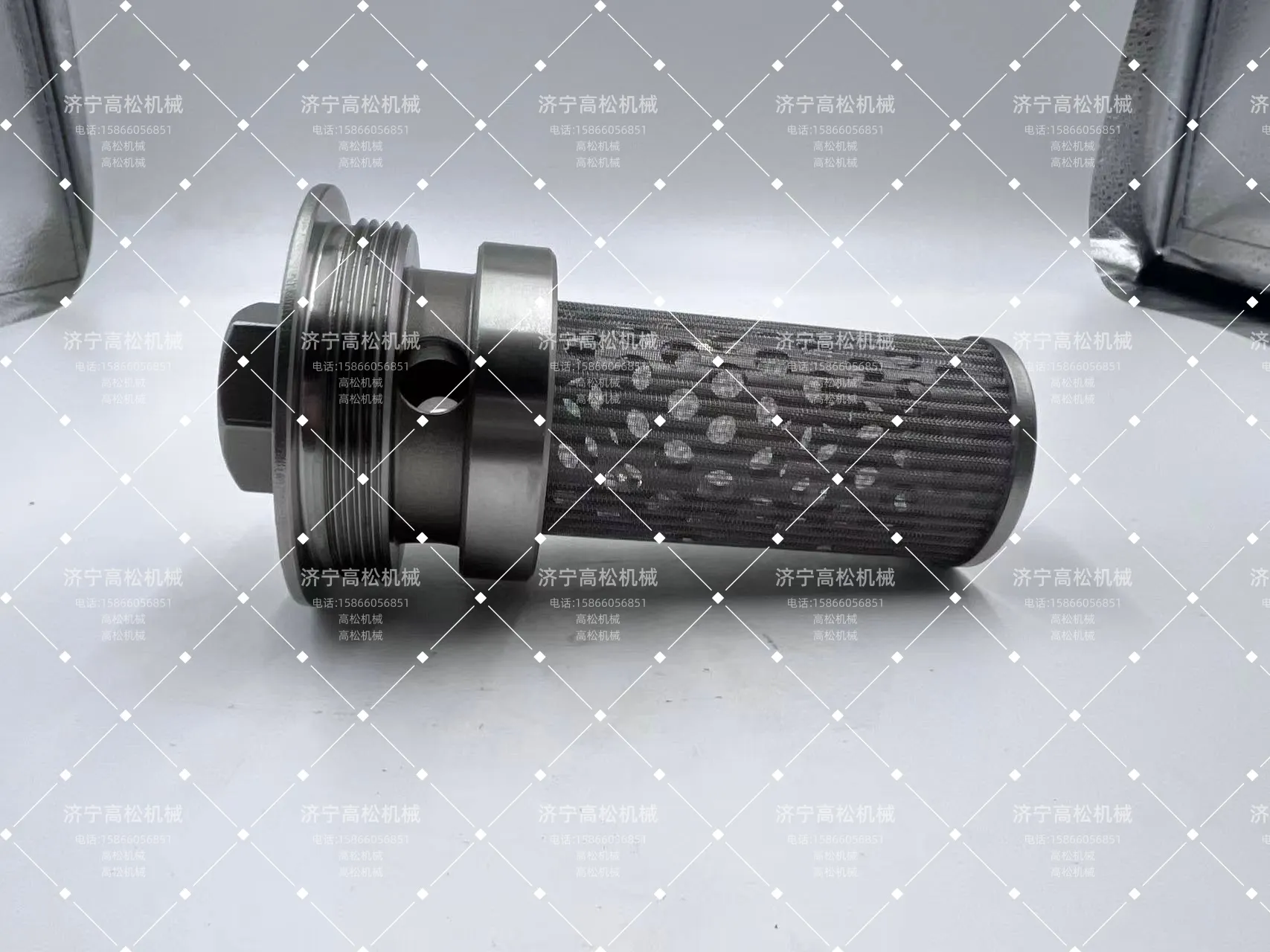 Original Brand New Filter element 195-04-11150 Filter Suitable for…
 -
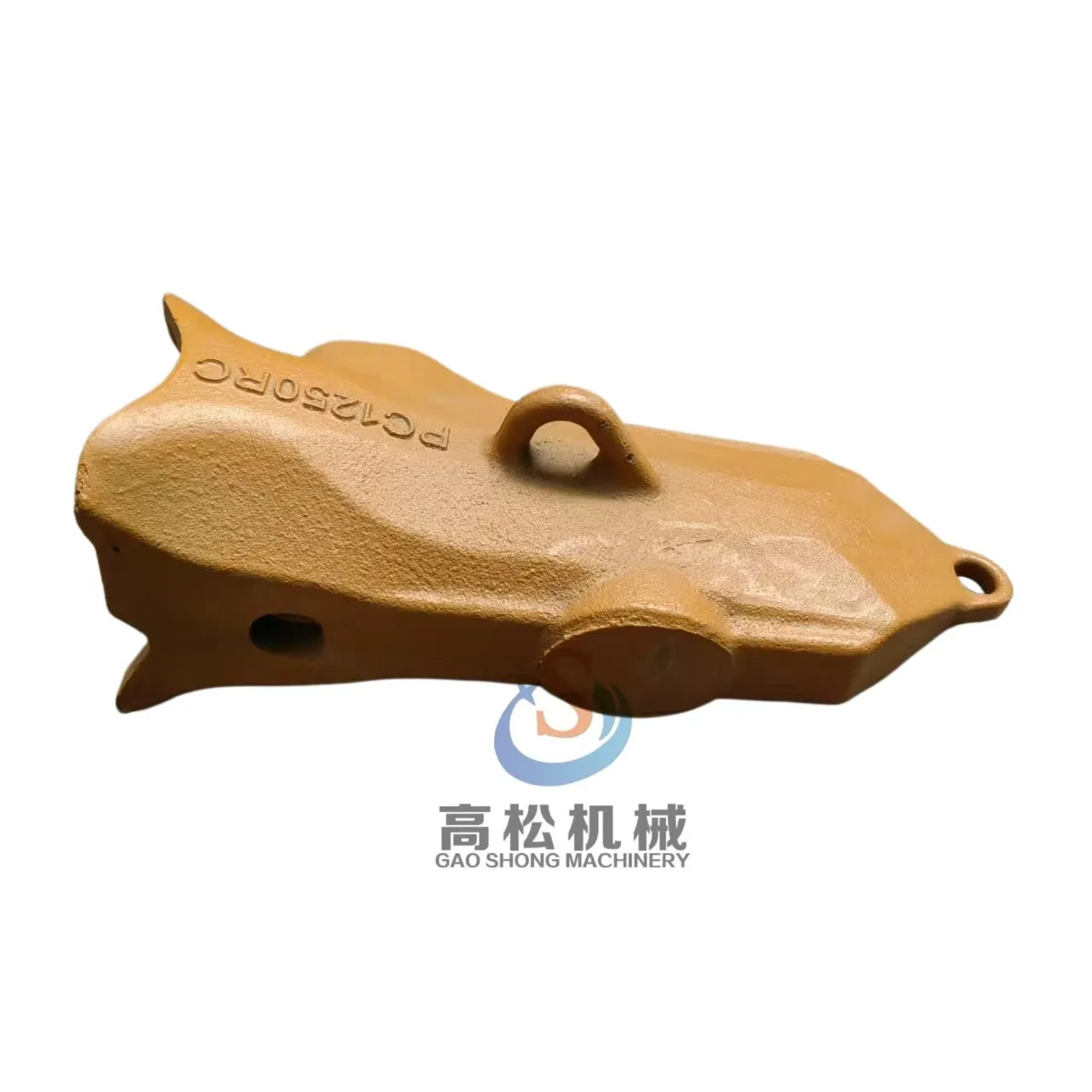 PC1250-8 Bucket Tooth 21N-70-37721 XS115RC
 -
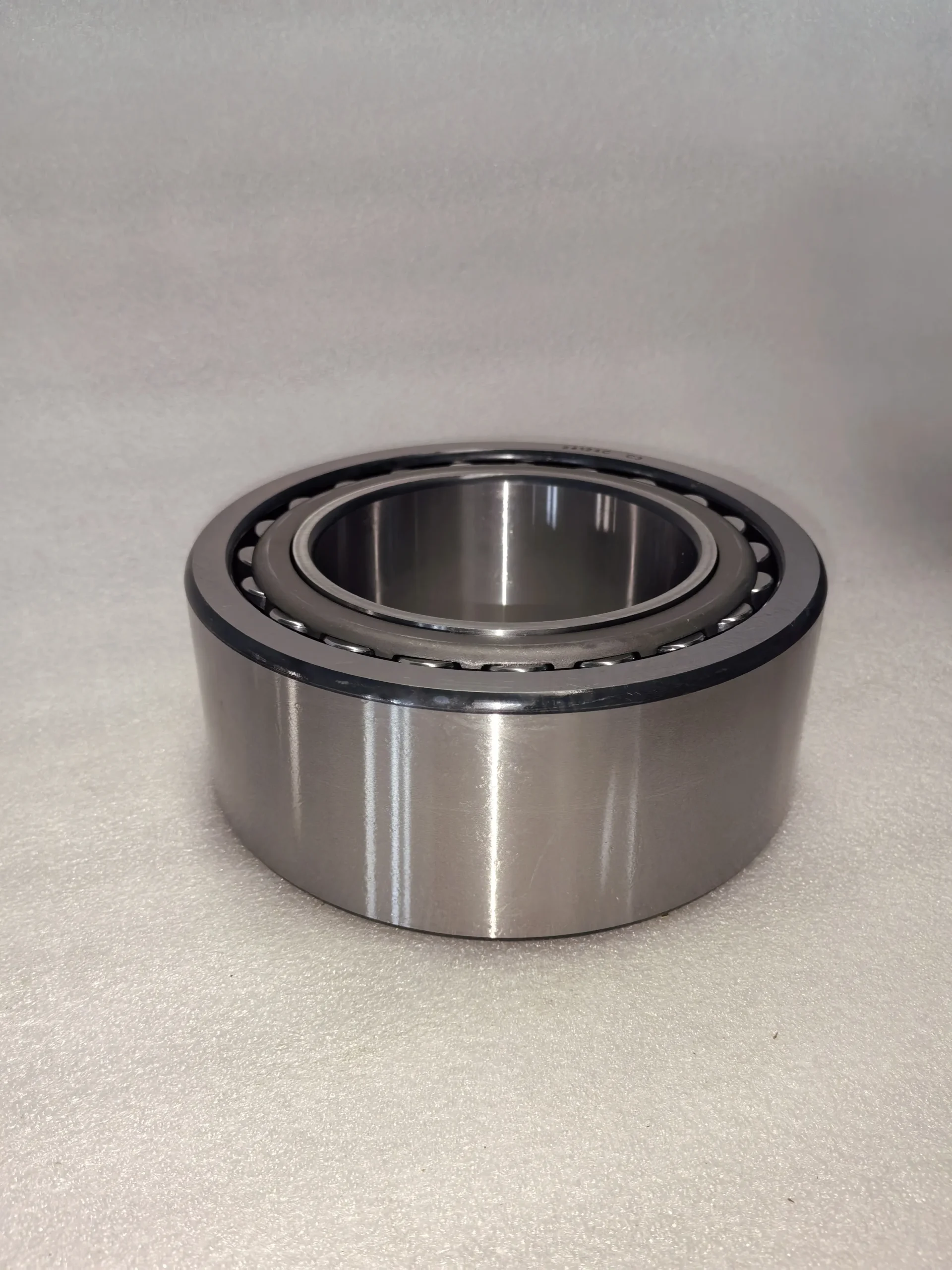 170-09-13250 Komatsu Bearing – Komatsu