
- Chinese
- French
- German
- Portuguese
- Spanish
- Russian
- Japanese
- Korean
- Arabic
- Irish
- Greek
- Turkish
- Italian
- Danish
- Romanian
- Indonesian
- Czech
- Afrikaans
- Swedish
- Polish
- Basque
- Catalan
- Esperanto
- Hindi
- Lao
- Albanian
- Amharic
- Armenian
- Azerbaijani
- Belarusian
- Bengali
- Bosnian
- Bulgarian
- Cebuano
- Chichewa
- Corsican
- Croatian
- Dutch
- Estonian
- Filipino
- Finnish
- Frisian
- Galician
- Georgian
- Gujarati
- Haitian
- Hausa
- Hawaiian
- Hebrew
- Hmong
- Hungarian
- Icelandic
- Igbo
- Javanese
- Kannada
- Kazakh
- Khmer
- Kurdish
- Kyrgyz
- Latin
- Latvian
- Lithuanian
- Luxembou..
- Macedonian
- Malagasy
- Malay
- Malayalam
- Maltese
- Maori
- Marathi
- Mongolian
- Burmese
- Nepali
- Norwegian
- Pashto
- Persian
- Punjabi
- Serbian
- Sesotho
- Sinhala
- Slovak
- Slovenian
- Somali
- Samoan
- Scots Gaelic
- Shona
- Sindhi
- Sundanese
- Swahili
- Tajik
- Tamil
- Telugu
- Thai
- Ukrainian
- Urdu
- Uzbek
- Vietnamese
- Welsh
- Xhosa
- Yiddish
- Yoruba
- Zulu
- Kinyarwanda
- Tatar
- Oriya
- Turkmen
- Uyghur






komatsu sk1020 parts
When you punch 'komatsu sk1020 parts' into a search, you're immediately flooded with generic listings and cross-reference charts. That's the surface layer. The real conversation, the one happening between mechanics and procurement guys in yards from Chile to Indonesia, isn't about part numbers alone. It's about the provenance, the fit, and the frustrating gap between what the official system promises and what actually arrives on the dock. The SK1020, that compact excavator, is a workhorse, but its age in some markets means the genuine pipeline can thin out, pushing people towards alternatives that sometimes work, and sometimes... well, let's just say I've seen some interesting welding jobs on mismatched hydraulic lines.
The OEM Promise vs. The On-Ground Reality
Here's the thing about Komatsu parts for a model like the SK1020. The official network is impeccable—if you're in a core market with a stocked regional warehouse. But for operations in, say, certain South American or African countries, the lead time for a specific swing motor seal kit or a final drive gear can stretch from weeks into months. The machine is down, the project is bleeding money, and the local Komatsu dealer is sympathetic but powerless. This is where the ecosystem of specialized suppliers becomes critical. They aren't just resellers; they're logistical problem-solvers.
I recall a specific instance where a contractor needed a complete komatsu sk1020 parts rebuild kit for the control valve. The official channel quoted 11 weeks. Unacceptable. We turned to a supplier that operates within the Komatsu OEM system but functions with more flexibility for these niche, aged-model scenarios. The part was sourced from a different regional inventory pool and shipped directly, cutting the wait to 18 days. It wasn't a magic trick; it was just understanding the global inventory web better than the local portal did.
This is the nuance. Genuine doesn't always mean available from your nearest authorized dealer. Sometimes, genuine parts are sitting in a warehouse halfway across the world, tied up in a different distribution agreement. Companies that are recognized within the Komatsu system, like Jining Gaosong Construction Machinery Co., Ltd., explicitly position themselves to bridge this gap. They mention being an OEM product supplier within Komatsu's system and a third-party sales company, which is a precise way of saying they can navigate both the official and the parallel channels to solve supply challenges. Their site, https://www.takematsumachinery.com, isn't just a catalog; it's a front end for a specific kind of sourcing expertise.
Decoding Quality in Aftermarket and OEM-System Parts
The immediate fallback when genuine parts are delayed is the aftermarket. For the SK1020, the aftermarket for wear parts like bucket teeth, pins, and bushings is robust and often perfectly adequate. But when you get into the hydraulic system or the undercarriage components, the gamble increases. I've tested aftermarket main hydraulic pumps that lasted 80% as long as the OEM part at 50% the cost—a viable economic decision for a machine nearing the end of its lifecycle. But I've also seen aftermarket solenoid valves fail catastrophically within 40 hours, causing collateral damage that wiped out any savings.
The more interesting space is occupied by suppliers who are not aftermarket, but are also not the primary dealer. These are the companies that help solve parts supply challenges in certain countries, as Gaosong's description states. They often supply parts that are OEM-spec, sometimes even coming from the same manufacturing lines, but distributed through a different channel. The quality is identical to what you'd get in a Komatsu box, but the route to you is more direct. The key is verification. It's not enough to hear OEM quality. You need to ask for traceability: factory codes, material certificates for critical components like cylinder rods or gear forgings.
For example, a track roller for the SK1020. A genuine one has a specific hardness profile on the flange and a very precise seal groove. A good OEM-system part will match this. A bad aftermarket one will have a softer flange that deforms, or a seal groove that's a half-millimeter off, leading to premature seal failure and dirt ingress. The difference isn't visible on a website photo; it's in the metallurgy and the machining tolerances, which a proper supplier should be willing to discuss technically.
Common Pitfalls in Sourcing SK1020 Components
Beyond quality, the biggest headache is often the fit. The SK1020 had subtle variations over its production run—different hydraulic fittings, updated controller harnesses. The part number might be superceded three times. If you just order a water pump for SK1020, there's a solid chance you'll get the wrong one. The professional move is to always provide the machine's serial number, not just the model. Any supplier worth their salt will ask for it. If they don't, that's a red flag.
Another pitfall is the complete assembly trap. Say your swing gearbox is noisy. You might be tempted to order a whole rebuilt assembly. Sometimes that's the right call. But often, the issue is just the bearing and the pinion seal. A competent supplier should be able to provide the sub-components and a breakdown diagram, allowing you to do a more cost-effective repair. This is where a supplier with real technical backing shines over a pure e-commerce parts store.
Logistics is the final, silent killer. I've had a perfectly good SK1020 travel motor sit in customs for a month because the commercial invoice was vague. Professional suppliers in this space understand Incoterms, proper HS code classification, and the documentation needed for smooth clearance. They build that cost and expertise into their service. It's a value-add that you only appreciate after you've suffered through a customs hold.
The Value of a Specialized Supplier Network
So, back to that initial search for komatsu sk1020 parts. The goal isn't to find the cheapest listing. It's to find a capable partner. A company like the one mentioned, which operates as an OEM supplier and a third-party solver, sits in a unique spot. They aren't competing with the local Komatsu dealer on every item; they're providing an alternative route for the parts that are stuck in systemic delays. Their value proposition is availability and logistical smoothing, not just price.
This model is particularly relevant for older models or for operations in geographically challenging locations. Their website becomes a point of contact, not necessarily a full transactional portal. You're more likely to send them an email with a serial number and a list of needed parts, and they'll come back with options, lead times, and a realistic shipping estimate. It's a consultative process.
In practice, building a relationship with one or two such suppliers is more efficient than scouring the web for every single part. They learn your fleet, your location, and your preferences. When you have an urgent breakdown on a Friday afternoon, you have a direct line to someone who knows what a SK1020 travel motor is and doesn't need the explanation that it's not a literal motor for traveling, but the drive unit for the tracks. That shared vocabulary is priceless.
Concluding Thoughts: Beyond the Keyword
Ultimately, managing the parts stream for a fleet that includes machines like the Komatsu SK1020 is about risk management. You balance cost against downtime risk, part longevity against machine remaining life. The official network is your baseline, your quality anchor. But the specialized, OEM-system-aligned third-party supplier is your insurance policy against delay and your resource for keeping older assets economically productive.
It’s a nuanced landscape. The keyword is the entry point, but the real work is in the vetting: asking for technical data, checking logistics capability, and starting with a small, non-critical order to test the waters. The suppliers that thrive here are those that offer transparency and expertise, not just a shopping cart. They understand that their role is to solve a problem that starts with a part number but is really about getting a machine back to work.
So next time you search for those parts, look past the first page of ads. Look for the suppliers that articulate a specific role in the ecosystem, like solving supply challenges in certain countries. Their offering is often the difference between a machine that's down for a month and one that's back on the job in a week. And in this business, that's everything.
Related Products
Related Products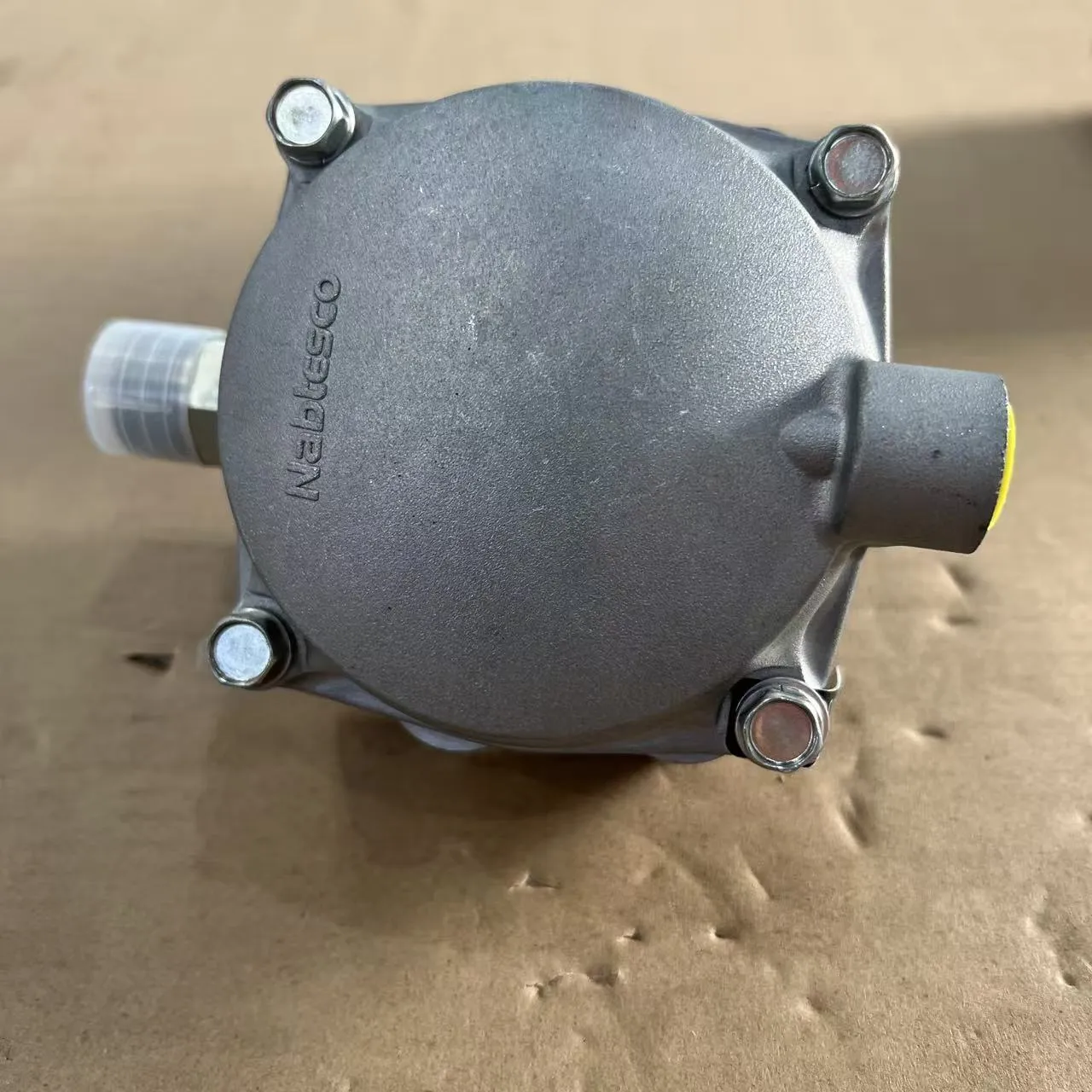
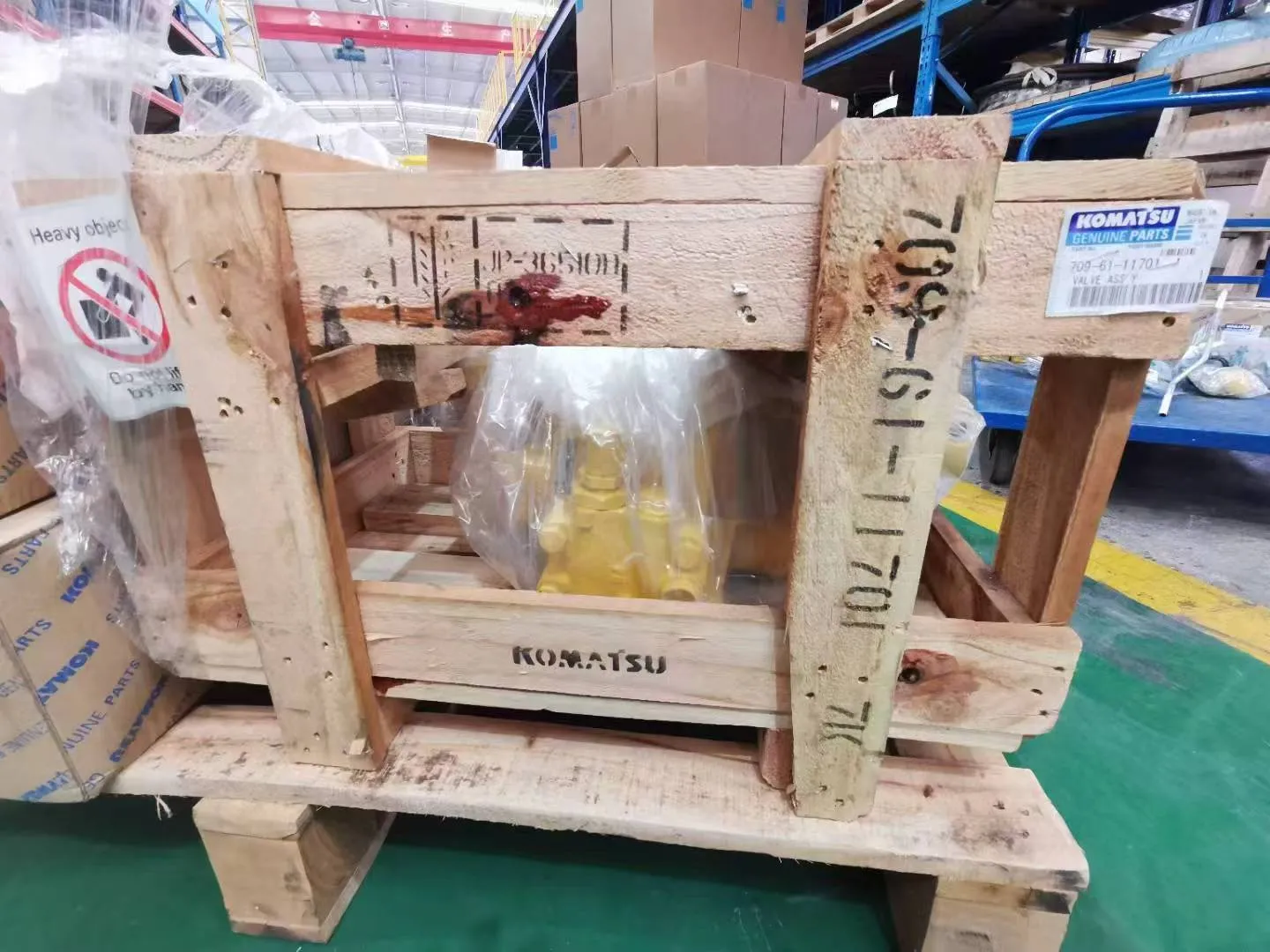
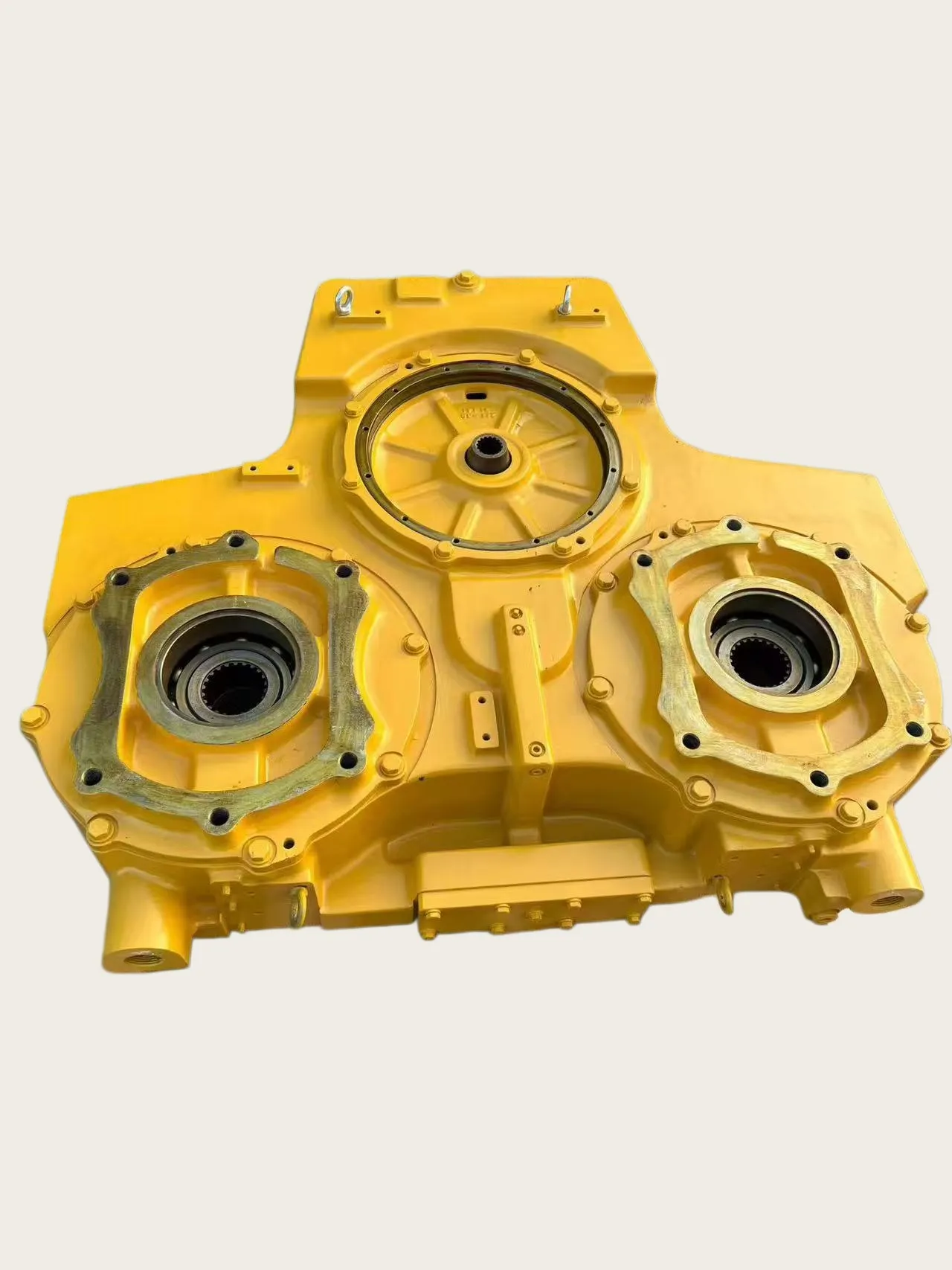
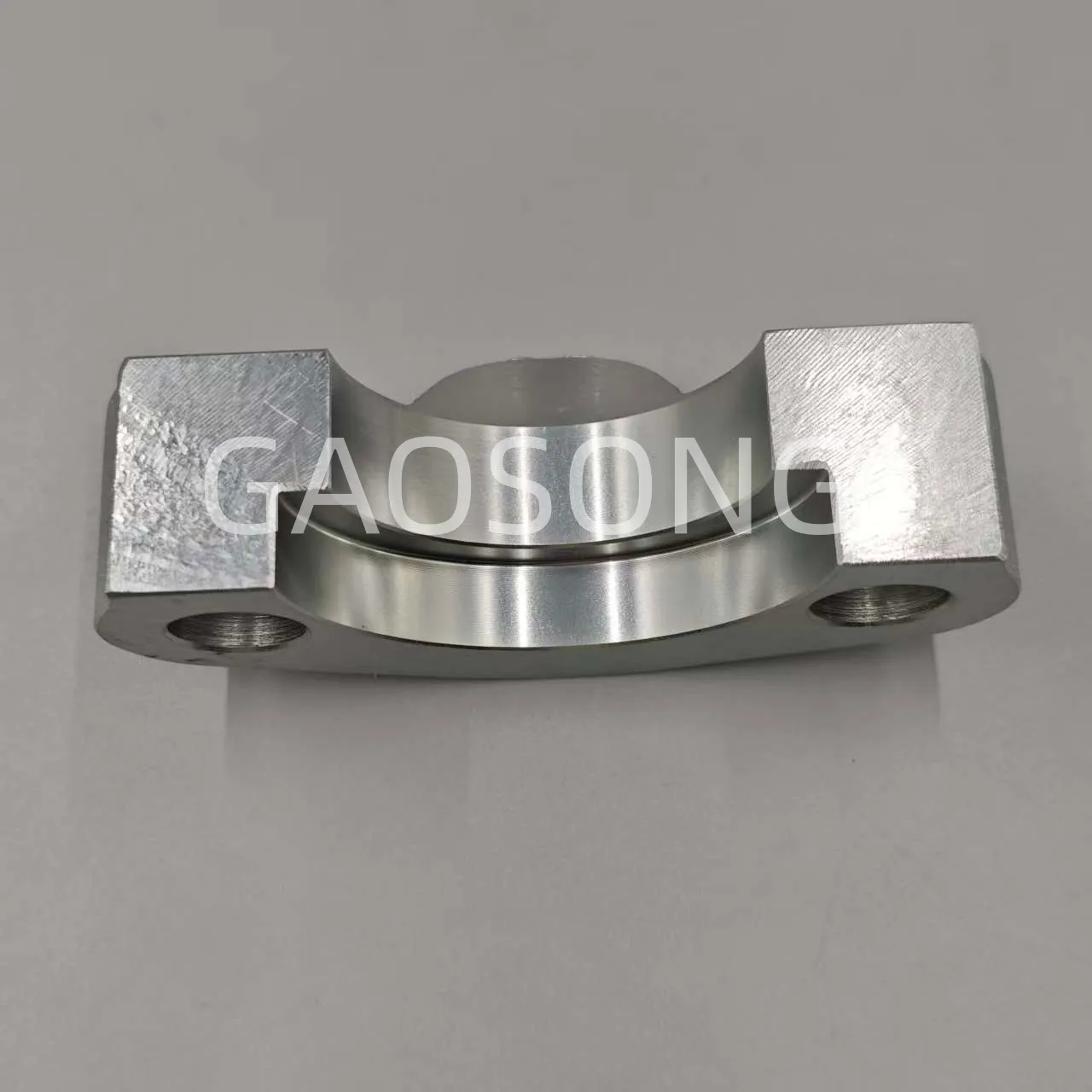

Best Selling Products
Best Selling Products-
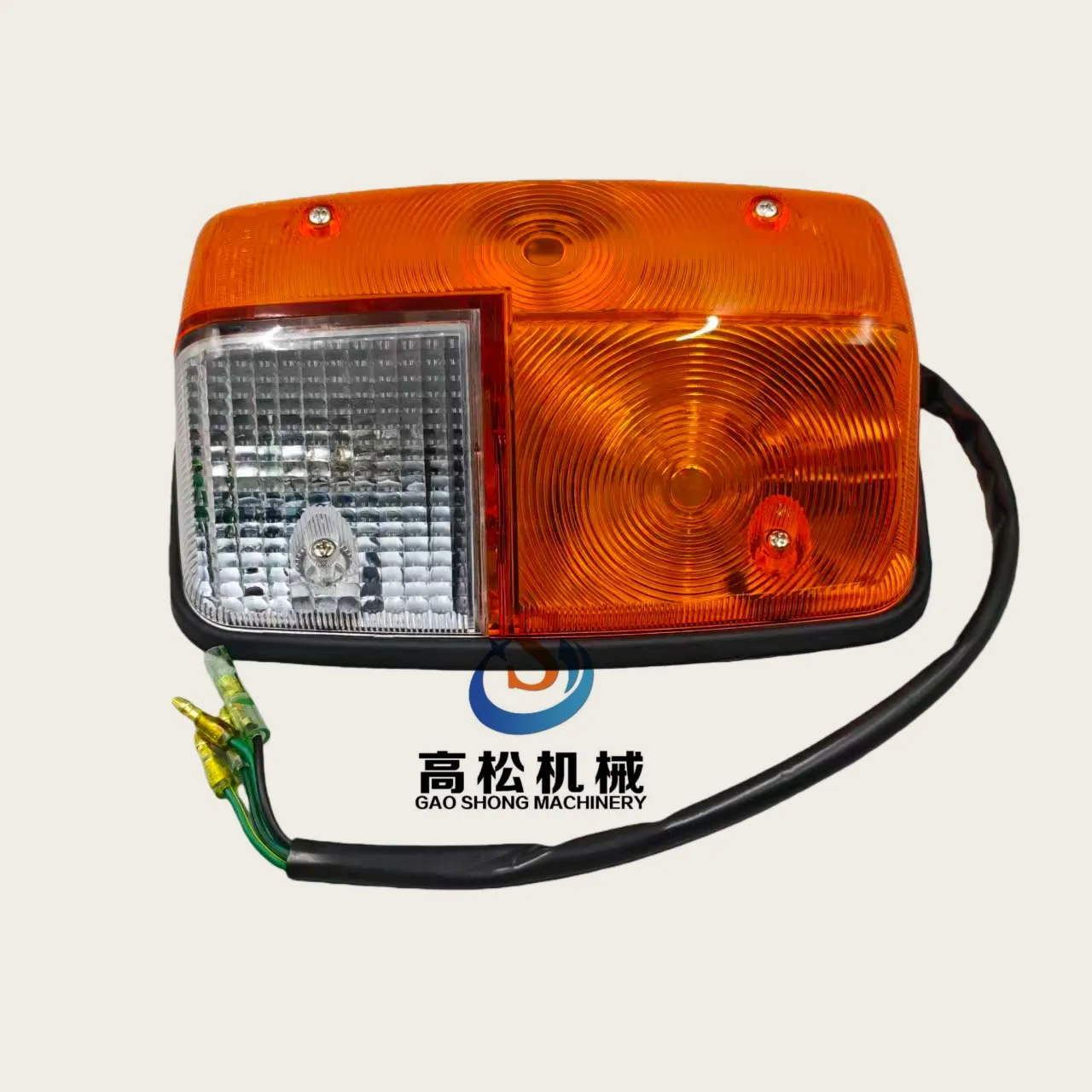 421-06-13401 Komatsu TURN SIGNAL AND PARKING
 -
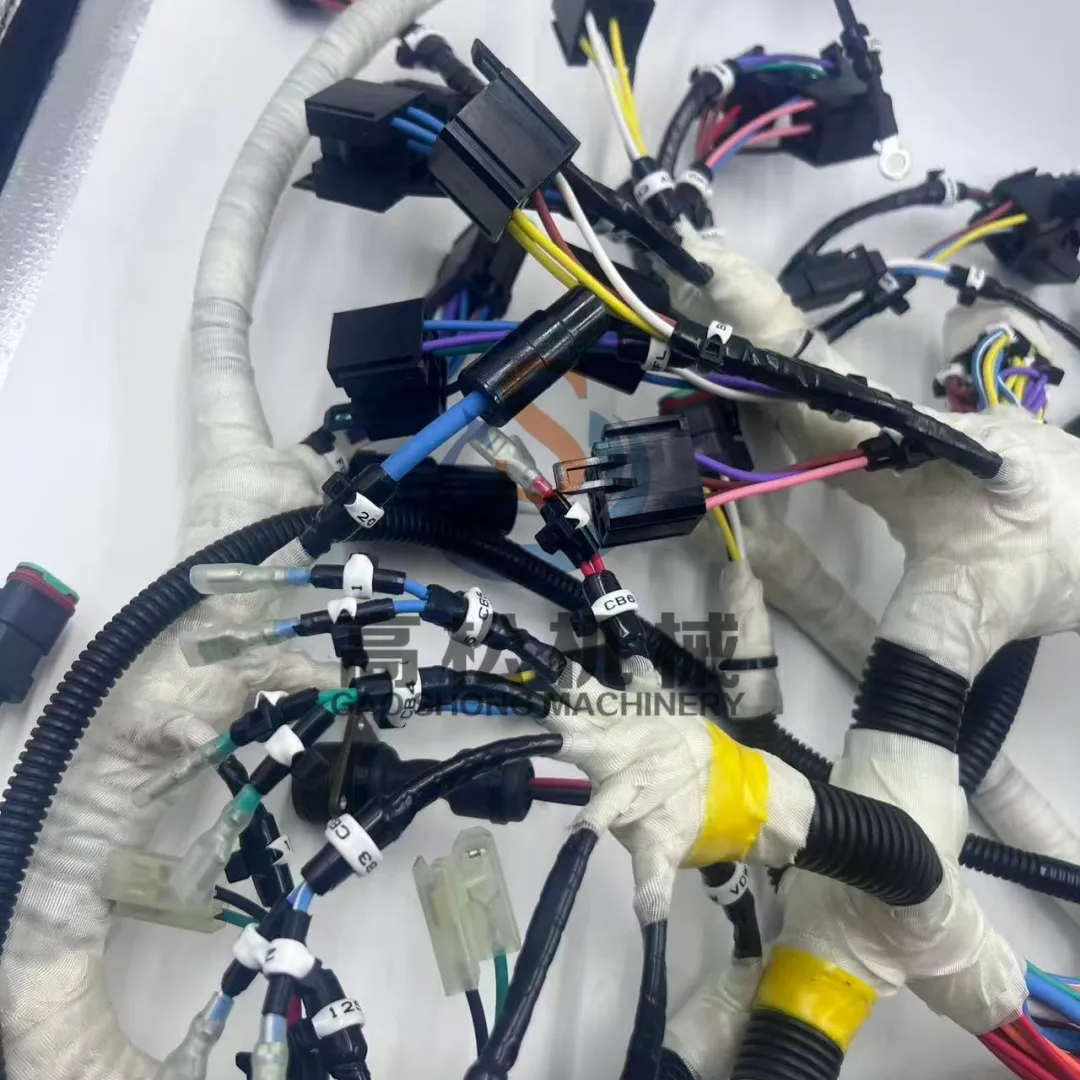 195-06-84471 Komatsu Wiring Harness
 -
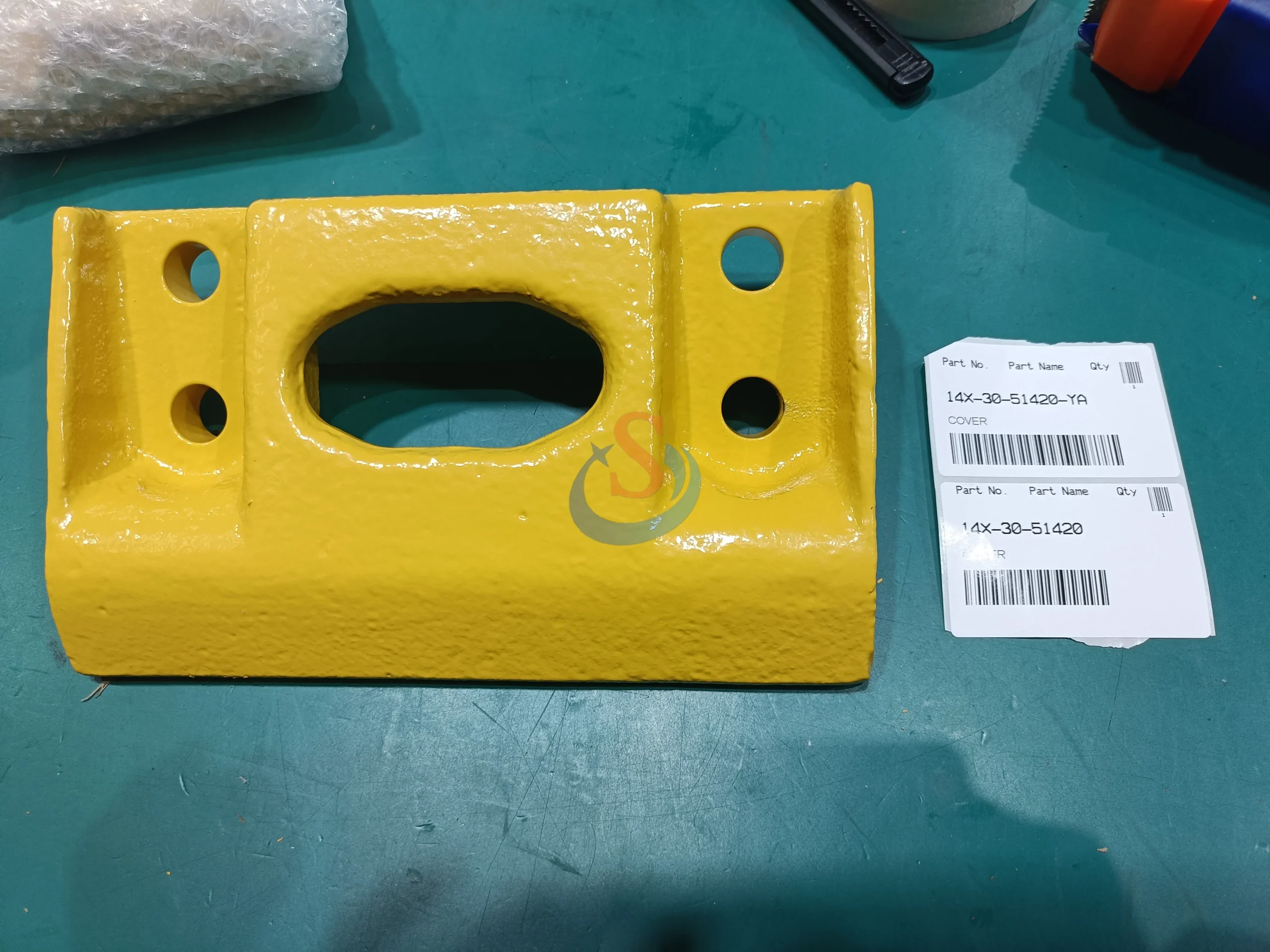 14X-30-51420,Cover,D65PX,D65WX,D65EX
 -
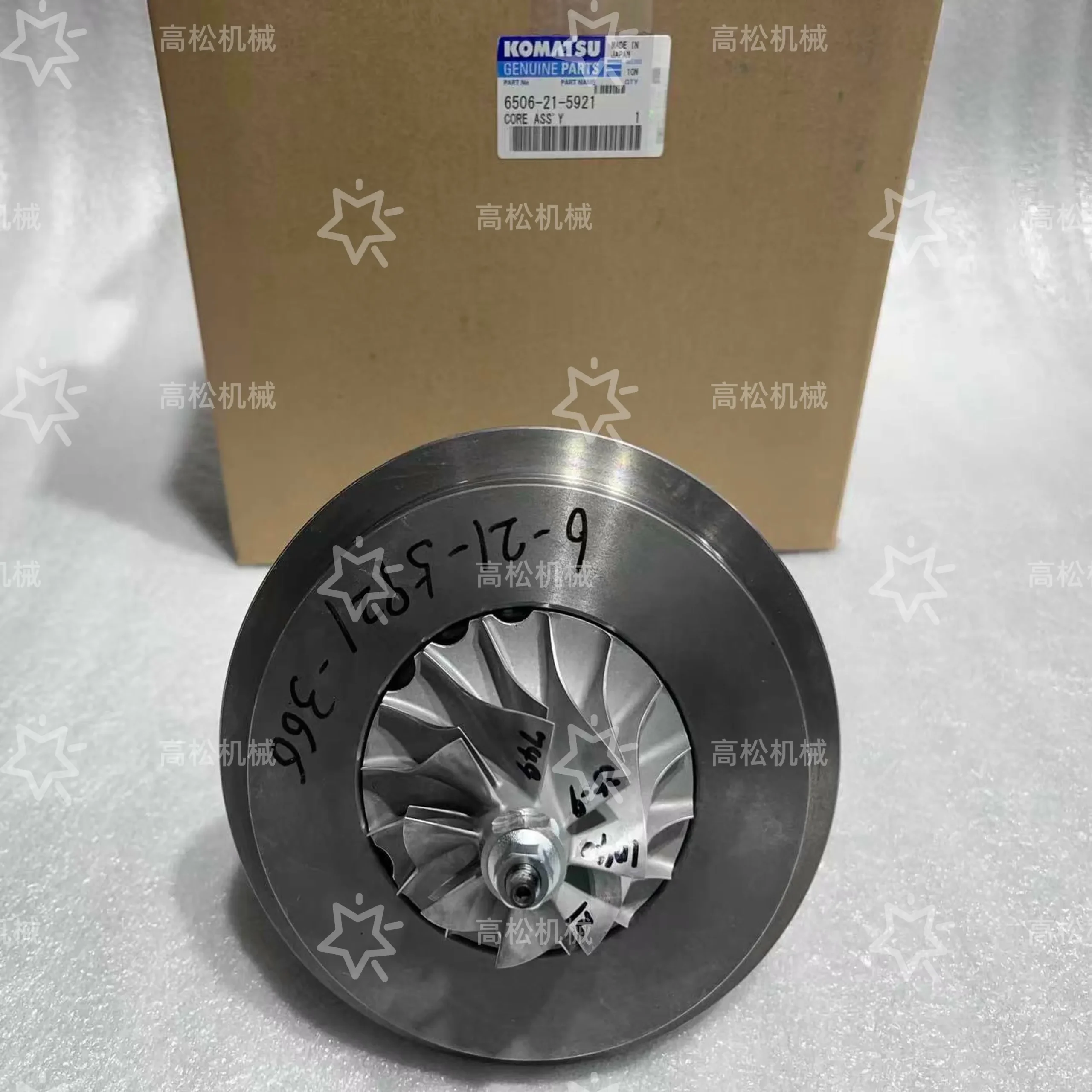 6506-21-5921 Komatsu Core Assembly
 -
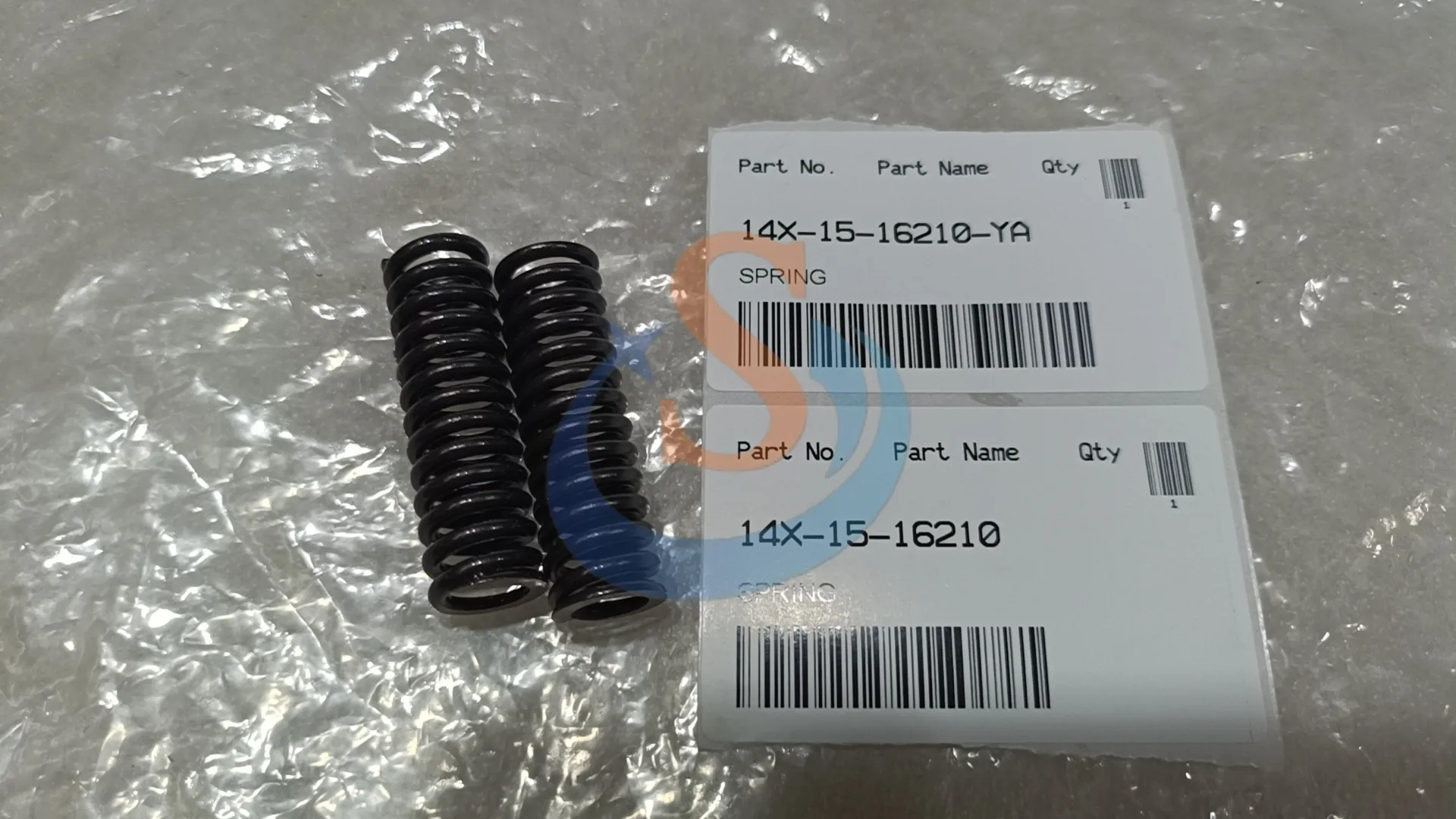 14X-15-16210 komatsu vavle WA400/WA500/WA600
 -
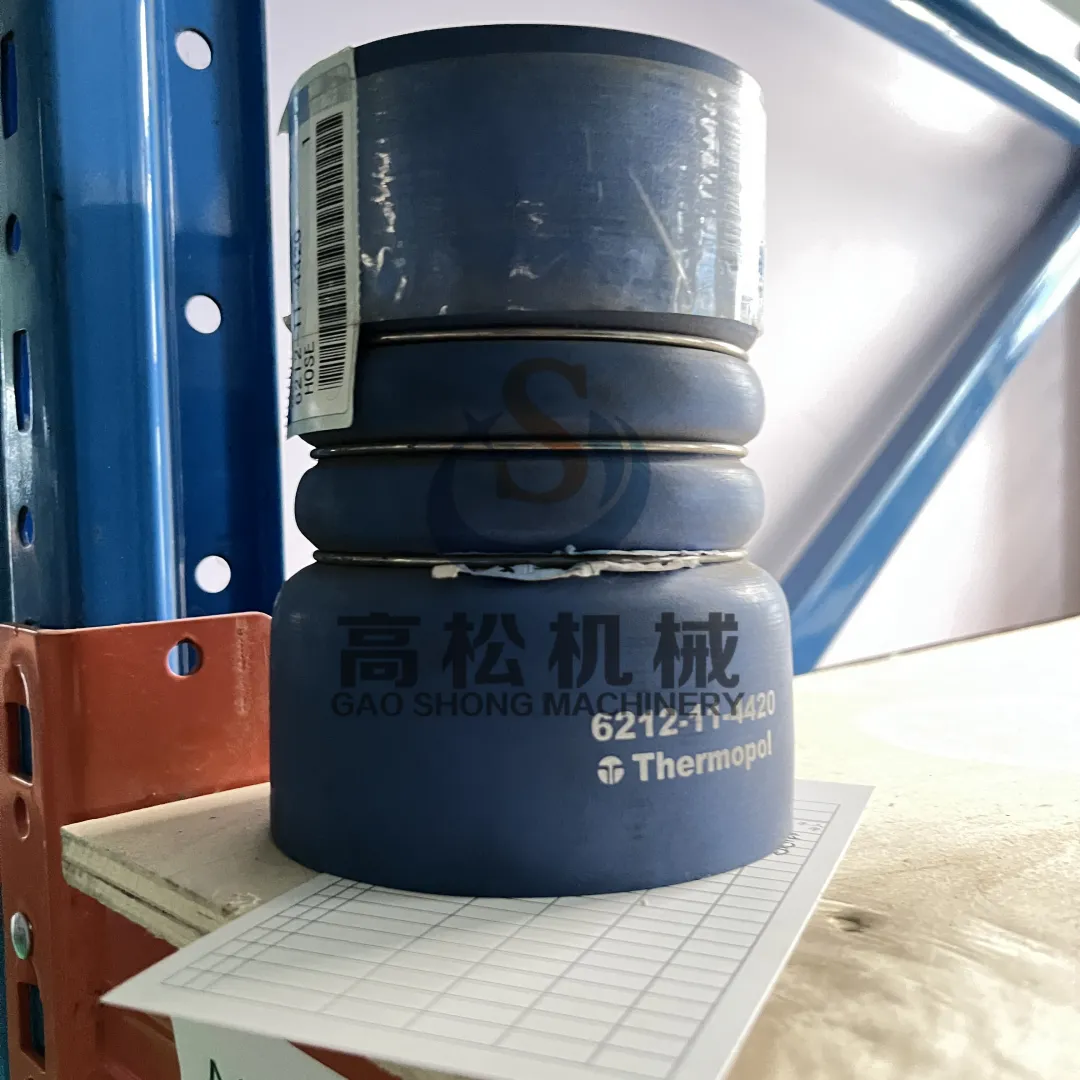 6212-11-4420New Genuine Komatsu Hose 6212-11-4420 WA500-6 Wheel Loader HD325-7 Dump Truck
 -
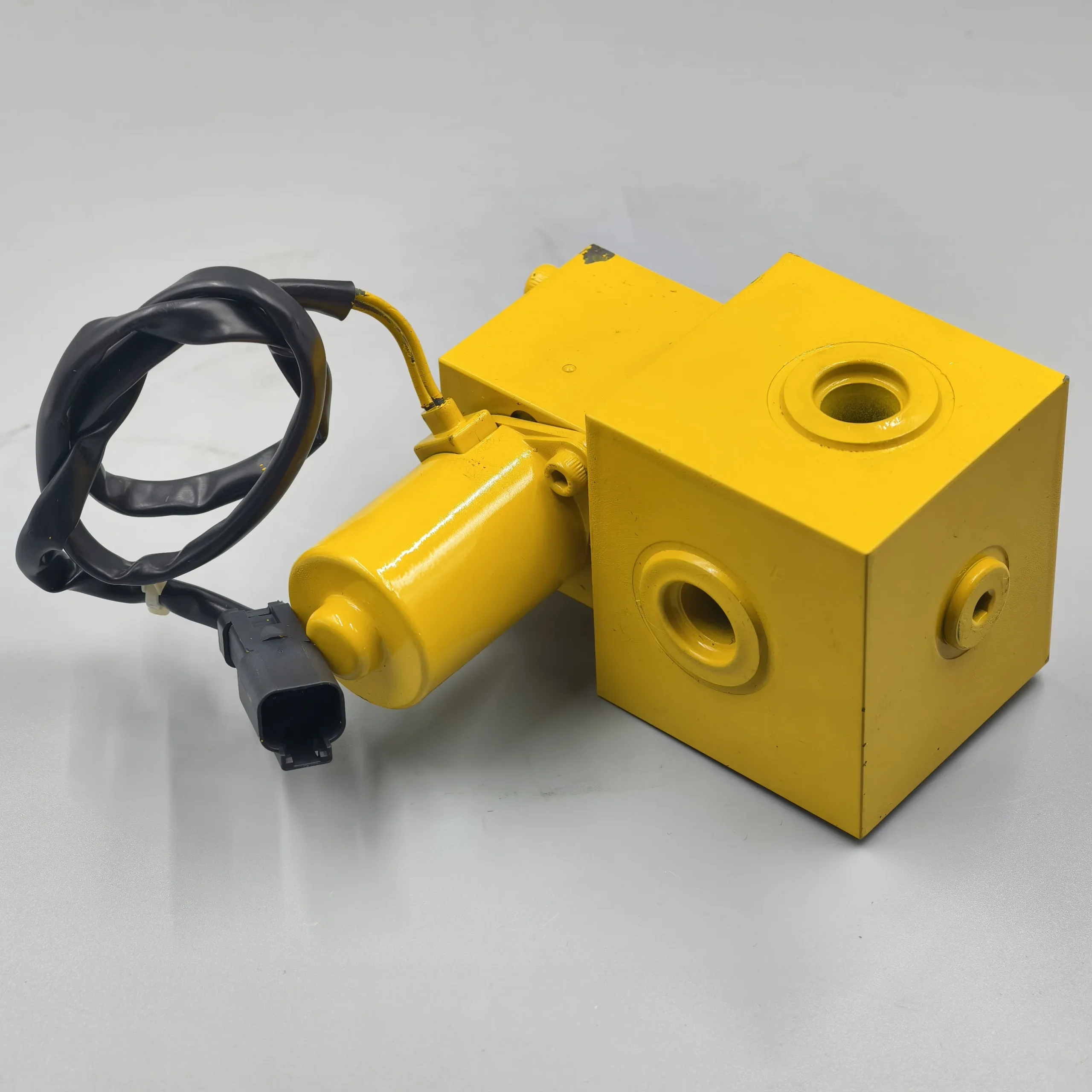 209-60-77220 VALVE ASSY for KOMATSU EXCAVATOR PC600-7 PC600-8 PC1250-7
 -
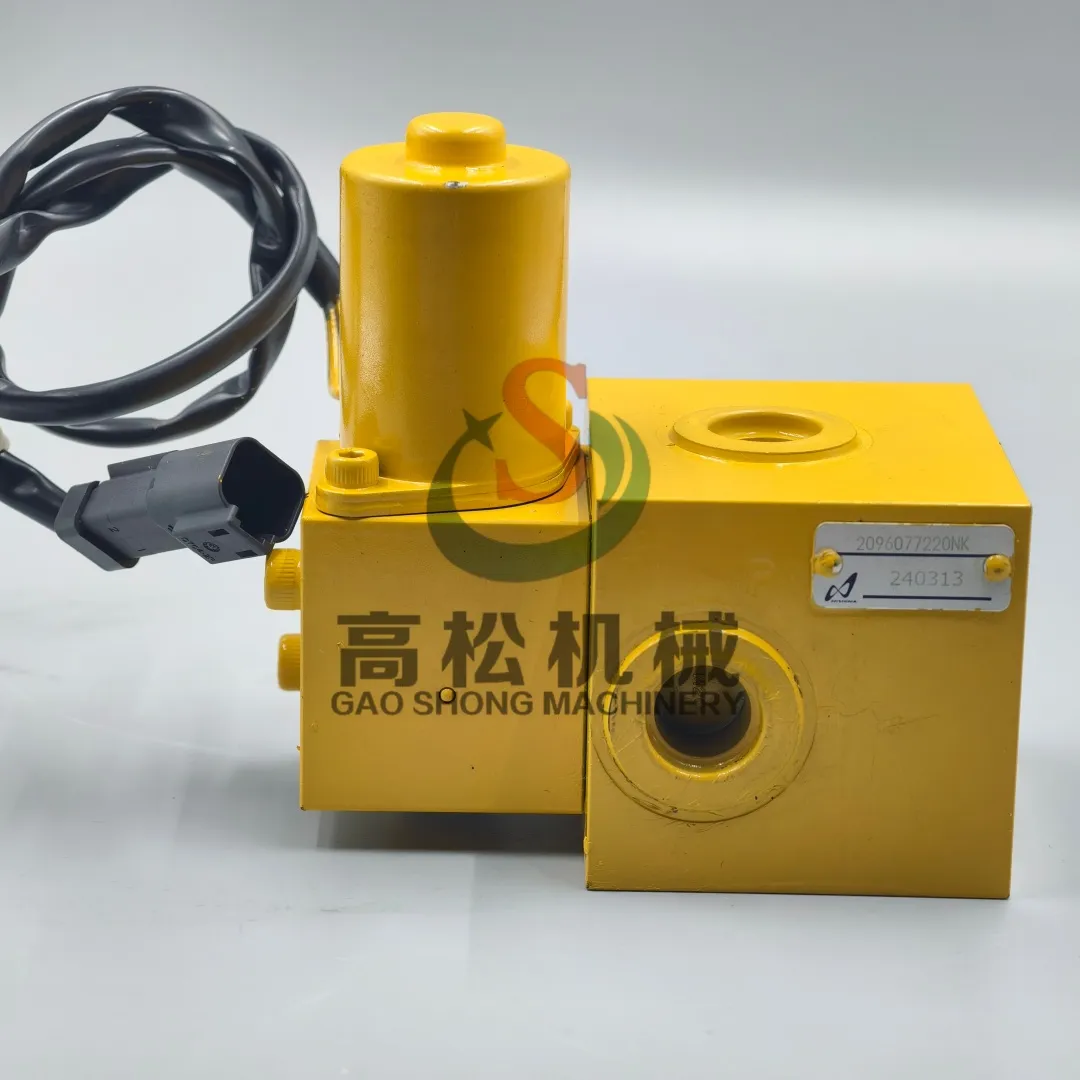 Solenoid Valve 209-60-77220 for PC1250-8 PC800-8 PC600-8 Excavator
 -
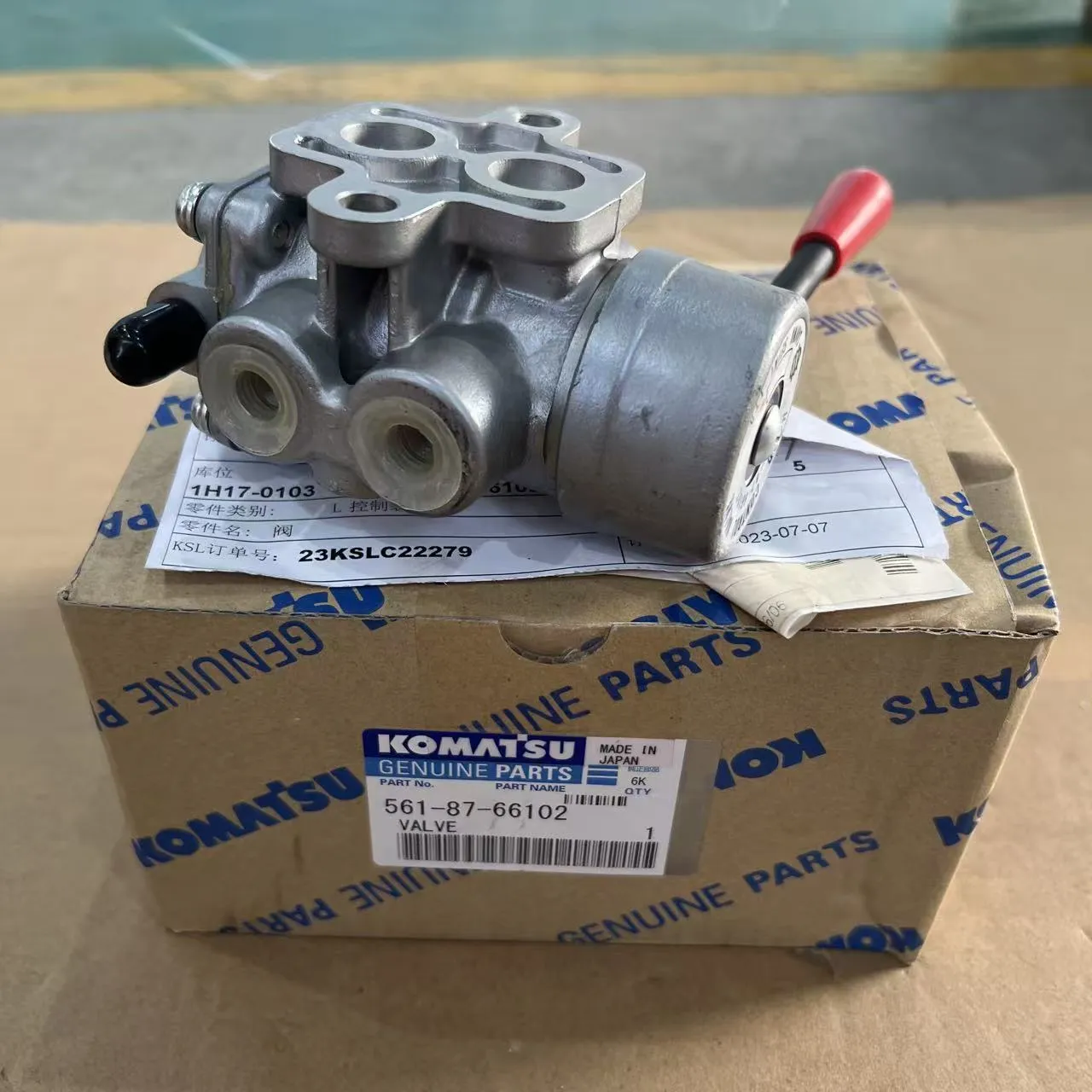 VALVE ASS’Y 561-87-66102 – KOMATSU
 -
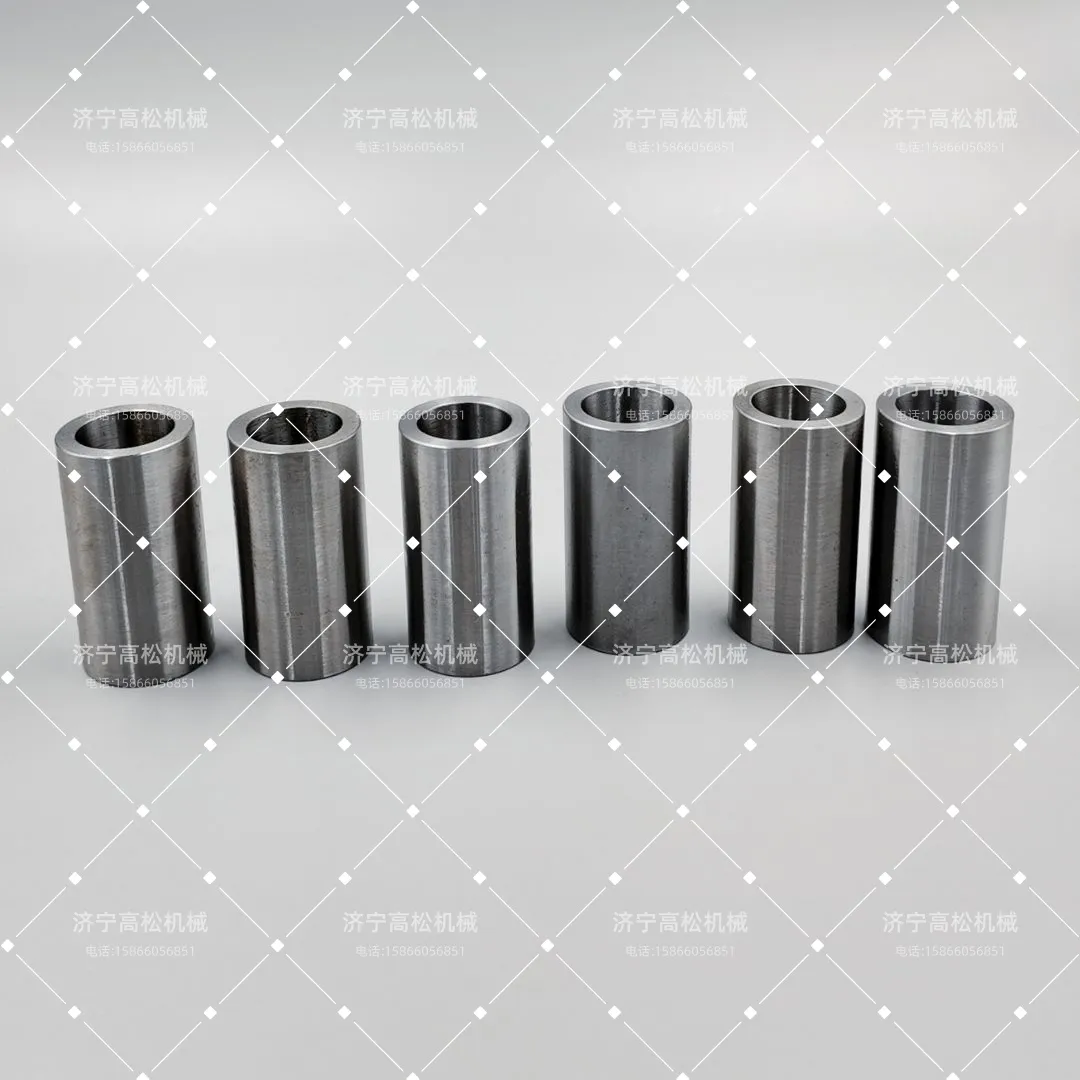 566-54-21910 Komatsu Bushing
 -
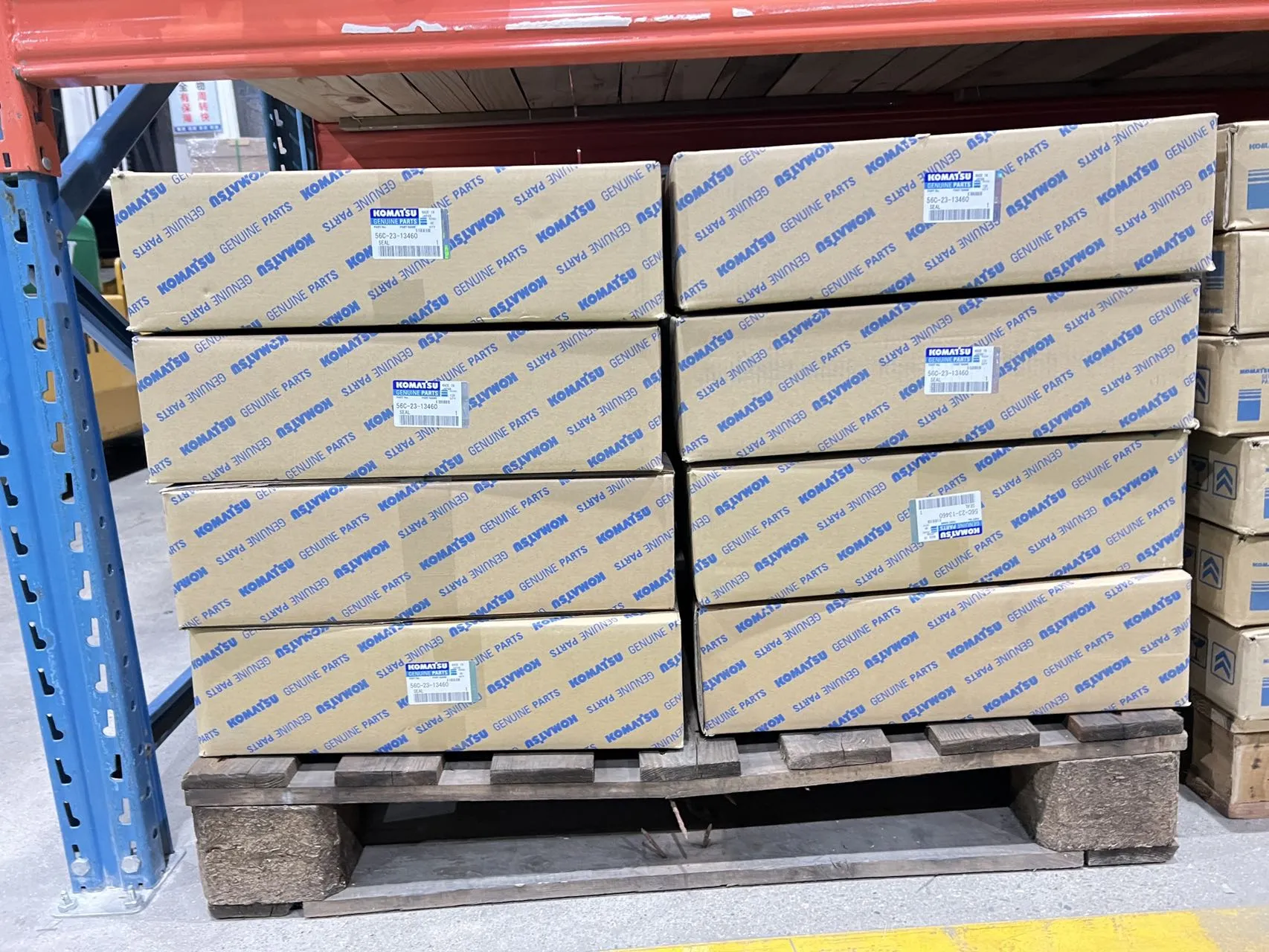 56C-23-13460 Komatsu Seal
 -
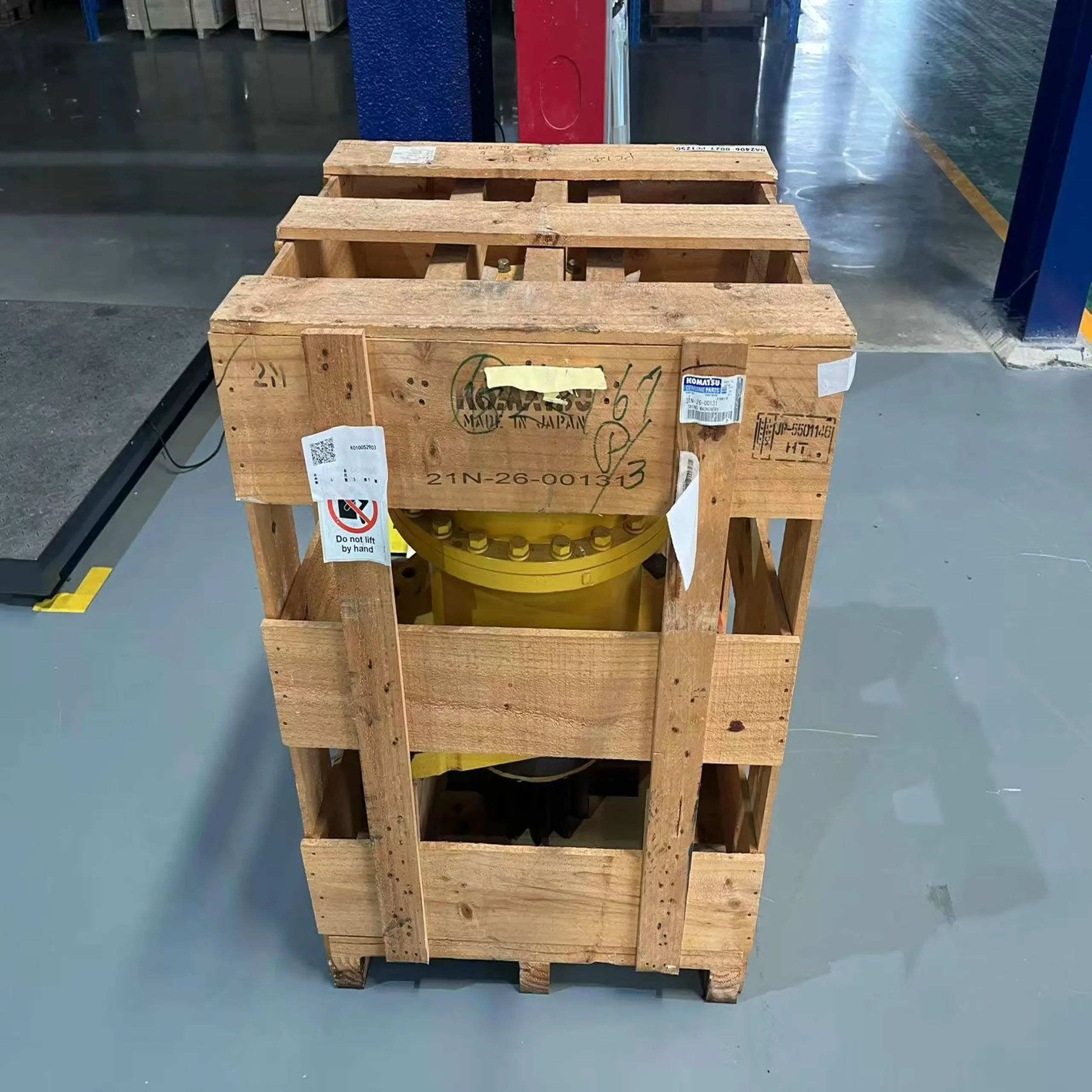 21N-26-00131 Rotary reducer, suitable for PC1250-11 #komatsu #komatsuparts #PC1250 #komatsurotaryreducer