
- Chinese
- French
- German
- Portuguese
- Spanish
- Russian
- Japanese
- Korean
- Arabic
- Irish
- Greek
- Turkish
- Italian
- Danish
- Romanian
- Indonesian
- Czech
- Afrikaans
- Swedish
- Polish
- Basque
- Catalan
- Esperanto
- Hindi
- Lao
- Albanian
- Amharic
- Armenian
- Azerbaijani
- Belarusian
- Bengali
- Bosnian
- Bulgarian
- Cebuano
- Chichewa
- Corsican
- Croatian
- Dutch
- Estonian
- Filipino
- Finnish
- Frisian
- Galician
- Georgian
- Gujarati
- Haitian
- Hausa
- Hawaiian
- Hebrew
- Hmong
- Hungarian
- Icelandic
- Igbo
- Javanese
- Kannada
- Kazakh
- Khmer
- Kurdish
- Kyrgyz
- Latin
- Latvian
- Lithuanian
- Luxembou..
- Macedonian
- Malagasy
- Malay
- Malayalam
- Maltese
- Maori
- Marathi
- Mongolian
- Burmese
- Nepali
- Norwegian
- Pashto
- Persian
- Punjabi
- Serbian
- Sesotho
- Sinhala
- Slovak
- Slovenian
- Somali
- Samoan
- Scots Gaelic
- Shona
- Sindhi
- Sundanese
- Swahili
- Tajik
- Tamil
- Telugu
- Thai
- Ukrainian
- Urdu
- Uzbek
- Vietnamese
- Welsh
- Xhosa
- Yiddish
- Yoruba
- Zulu
- Kinyarwanda
- Tatar
- Oriya
- Turkmen
- Uyghur






Komatsu sensor
When most people in the field hear 'Komatsu sensor', they immediately think of the pressure transducers on the hydraulic pumps or the speed sensors on the final drives. That's not wrong, but it's a surface-level understanding that can lead to costly oversights. The real story is in how these sensors form a diagnostic language, and how misinterpreting that language—or relying on non-genuine parts to translate it—can turn a simple fault code into a weeks-long downtime nightmare. I've seen too many sites try to save a few bucks on a sensor, only to burn ten times that amount in lost machine hours and misdiagnosis.
The Core Philosophy: Sensors as System Narrators
Komatsu doesn't just slap sensors onto machines for the sake of it. Each one is a narrator for a specific chapter of the machine's operation. Take the common Komatsu sensor for engine oil pressure. It's not just an on/off switch; its output curve is calibrated to the specific viscosity expectations of Komatsu's own fluids and the clearances within their engines. A generic replacement might trigger the alarm at the right pressure, but its signal slope could be off, causing the controller to log intermittent 'ghost' faults that drive technicians in circles.
This is where the OEM perspective is critical. A company like Jining Gaosong Construction Machinery Co., Ltd., which operates as an OEM product supplier within the Komatsu system, understands this calibration intimately. Their role isn't just warehousing parts; it's about preserving the integrity of that machine narrative. When you get a sensor from a source embedded in the system, you're not just buying a component; you're buying the correct data stream for your machine's brain.
I recall a D375 dozer that kept throwing a cryptic hydraulic overheat warning. Everyone replaced the main pressure sensors. The problem persisted. It turned out to be a tiny, often-overlooked temperature Komatsu sensor on the pilot line, whose slight drift wasn't enough to trigger a dedicated fault but was skewing the overall thermal model calculation in the monitor. The lesson? In a Komatsu, sensors talk to each other. One liar can corrupt the whole conversation.
The Third-Party Reality: Bridging the Gap Where Supply Chains Break
Now, the ideal world is always using genuine, system-sourced parts. But we don't live in an ideal world. Machines operate in remote locations, ports get congested, and local distributors might not stock that one obscure sensor for a 10-year-old PC300. This is the gap that a competent third-party sales company for Komatsu aims to fill. Their value isn't in being cheaper than Komatsu; it's in being smarter and more agile within the ecosystem.
For instance, a contractor in a region with complex import rules needed a swing motor pressure sensor for a crucial mining shovel. The official channel quoted a 12-week lead time. A company like Jining Gaosong, with its dual role, could leverage its OEM supplier network to locate a genuine part in a different regional warehouse and its third-party logistics expertise to navigate the local import hurdles, cutting the downtime to three weeks. That's solving parts supply challenges, not just selling boxes.
The pitfall here, which I've witnessed firsthand, is when third-party sellers don't have that OEM linkage. They might supply a physically compatible sensor that fits the plug, but its internal shunt resistor value is different by a few ohms. The monitor reads a plausible but incorrect voltage, the machine doesn't throw a hard code, but performance is lethargic. You spend days chasing pump issues when the culprit is a $200 sensor giving a silent, bad performance.
Practical Diagnostics: Reading Between the Fault Codes
Komatsu's monitoring system is brilliant, but it's not omniscient. It tells you what the data anomaly is, not always why it's happening. A fault code for Abnormal Engine Coolant Temperature Sensor Voltage could mean a bad sensor, sure. But it could also mean corroded pins in the connector, a chafed wire grounding out, or even a failing ECM providing a shaky reference voltage. The sensor is just the most convenient node to flag.
My rule of thumb is to always check the live data before condemning the sensor. If the coolant temp is reading -40°C, it's likely an open circuit—check wiring. If it's reading a steady 120°C on a cold engine, it's likely shorted. But if it's fluctuating erratically between 80°C and 95°C, that's where it gets interesting. Could be the sensor itself failing, or it could be air in the cooling system creating localized hot spots that the sensor is actually, correctly, detecting. The sensor is the messenger; don't shoot it until you're sure the message is wrong.
This diagnostic nuance is why having access to proper technical resources, often facilitated by specialized suppliers, is key. It's not about the part alone; it's about the context for the part.
The Cost of Good Enough: A Case in Point
Let me give you a concrete, painful example. A fleet manager for a mid-sized quarry decided to standardize on aftermarket sensors for their older Komatsu wheel loaders to cut costs. The price difference was attractive, about 40% less per unit. The first few replacements went fine. Then, on a WA320, they replaced a transmission output speed sensor. The machine operated, but the transmission shifts became harsh, and fuel efficiency dropped by about 8%.
No fault codes. The aftermarket sensor's magnetic pickup was slightly weaker, and its output waveform had more noise. The transmission controller, receiving a less crisp signal, was constantly making minor corrections to shift timing and clutch pressure, burning extra fuel and wearing the clutch packs. It took months to correlate the fuel data and trace it back to that one swap. The savings on the sensor were wiped out in two weeks of extra diesel. This is the hidden tax of good enough when dealing with integrated systems.
This is precisely the scenario where a partner who understands both the OEM specs and the on-ground reality adds value. They wouldn't just sell a sensor; they'd likely ask for the machine model and serial number, and might even caution against mixing sensor brands across a critical system, sharing a war story like the one above to illustrate the point.
Looking Ahead: Sensors and the Data Ecosystem
The role of the Komatsu sensor is evolving from a diagnostic point to a continuous data feed. With platforms like Komtrax and the push toward autonomous operation, these sensors are the frontline data collectors. Their accuracy and reliability don't just affect repair times anymore; they affect predictive maintenance algorithms, machine utilization reports, and even resale value based on the machine's health history.
A faulty or non-genuine sensor creates bad data, which poisons all the analytics downstream. You might get a false healthy report while a component is degrading, or a false alert that leads to an unnecessary service call. For a company managing a large fleet, this data integrity is everything. Sourcing parts becomes a strategic decision about data quality, not just component availability.
Ultimately, working with Komatsu sensors is a exercise in systems thinking. It's recognizing that the little black box with two wires is a critical author in the machine's ongoing story. Whether you're an OEM supplier like the team at Jining Gaosong Construction Machinery Co., Ltd., a technician in the field, or a fleet manager, respecting that narrative—and ensuring every component speaks the correct dialect—is what separates smooth operation from a protracted, expensive troubleshooting saga. The right part, with the right data, from the right source, isn't an expense; it's the cheapest insurance you can buy.
Related Products
Related Products

Best Selling Products
Best Selling Products-
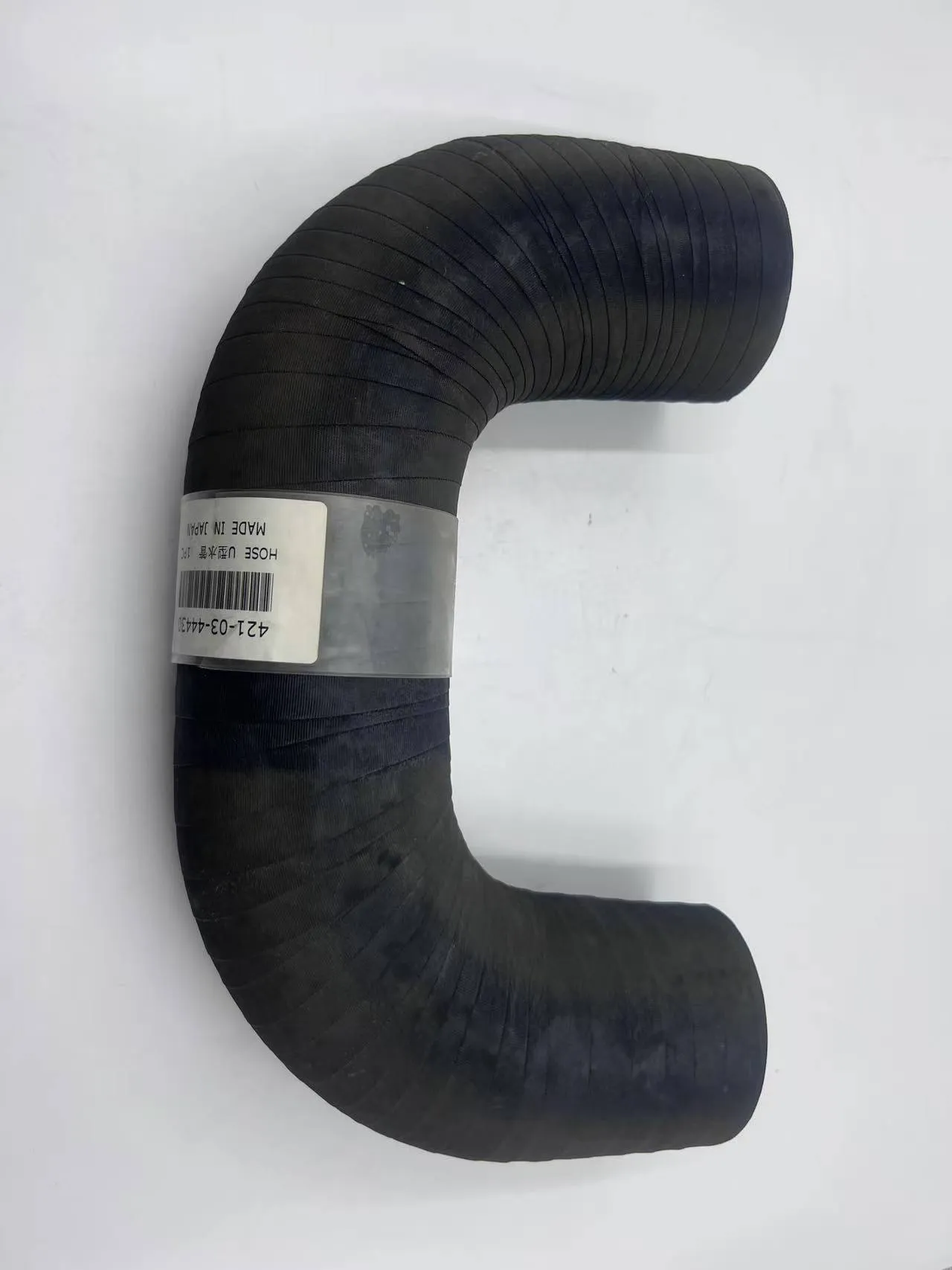 421-03-44430 • HOSE Applicable: Komatsu WA loader series
 -
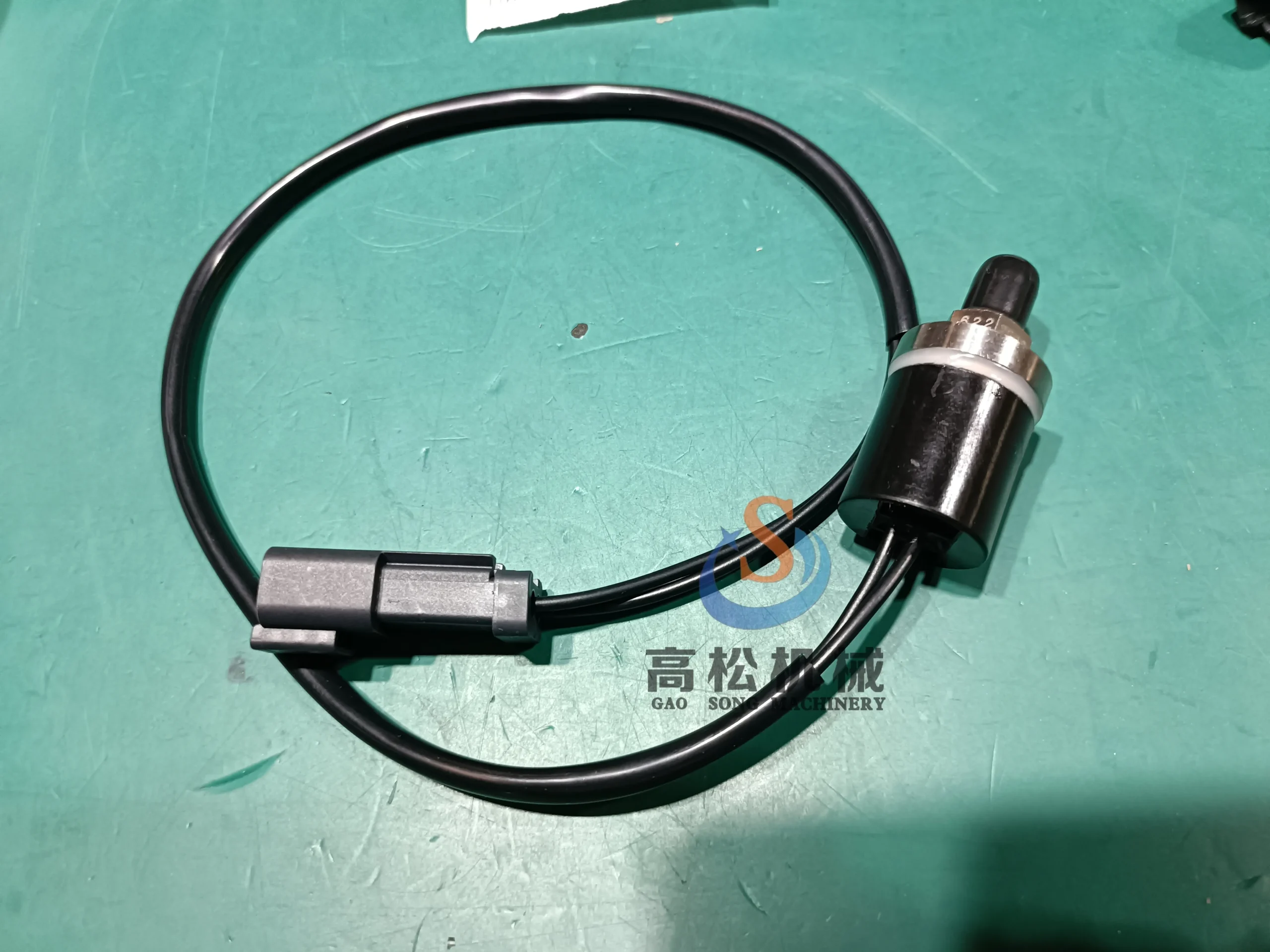 42C-06-15121 komatsu SWITCH-WA380/WA400/WA900
 -
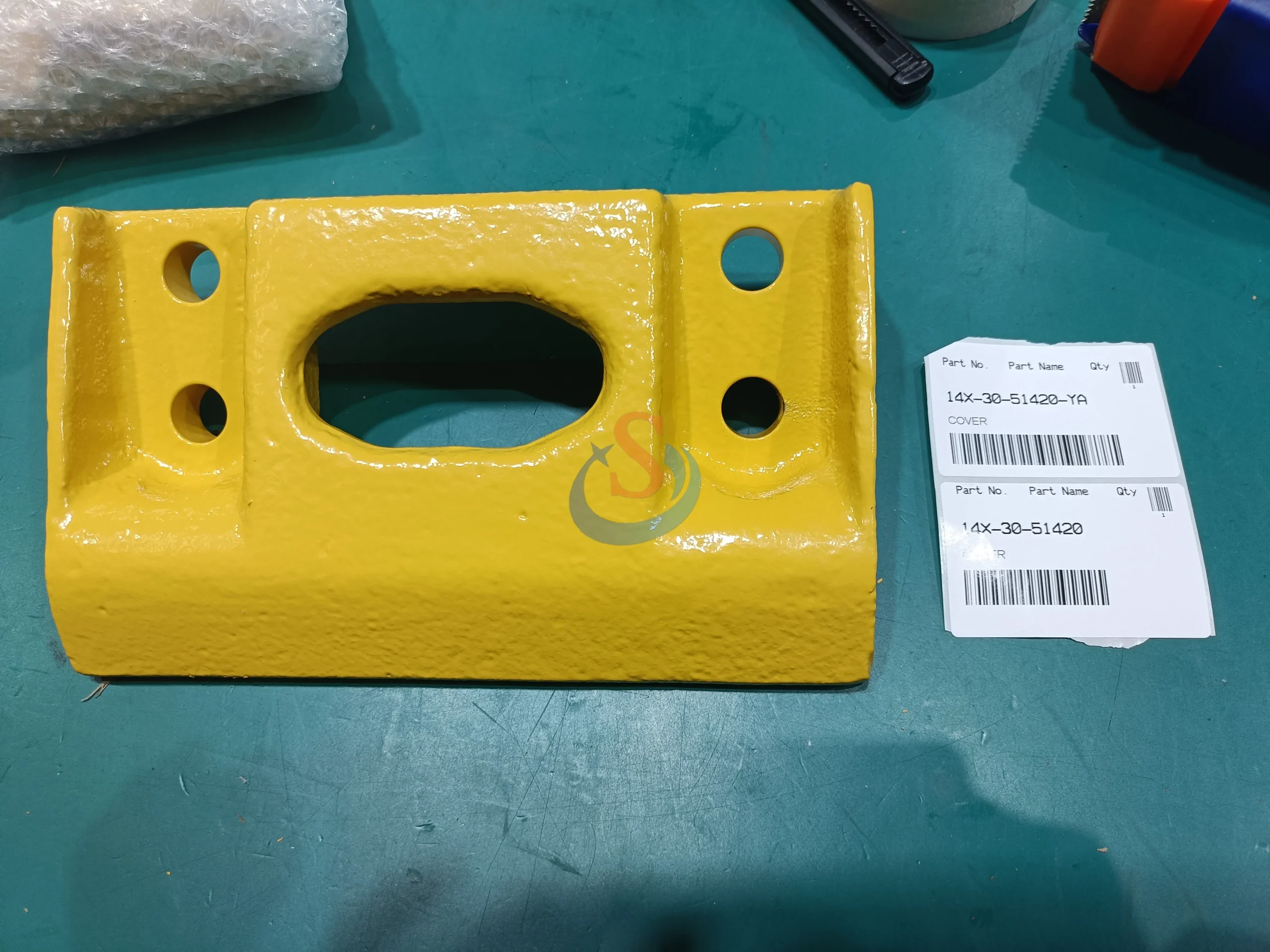 14X-30-51420,Cover,D65PX,D65WX,D65EX
 -
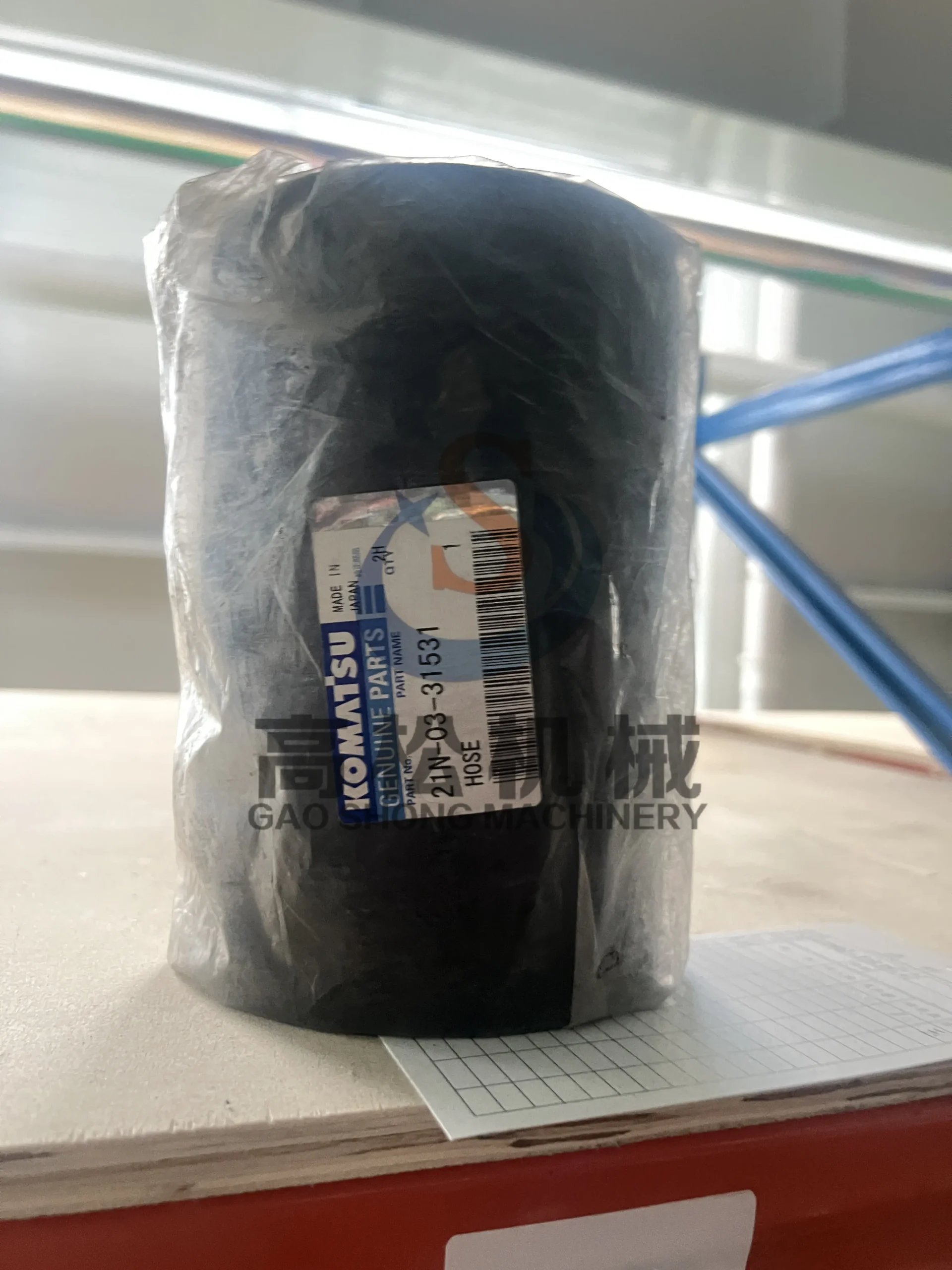 HOSE 21N-03-31531 – KOMATSU
 -
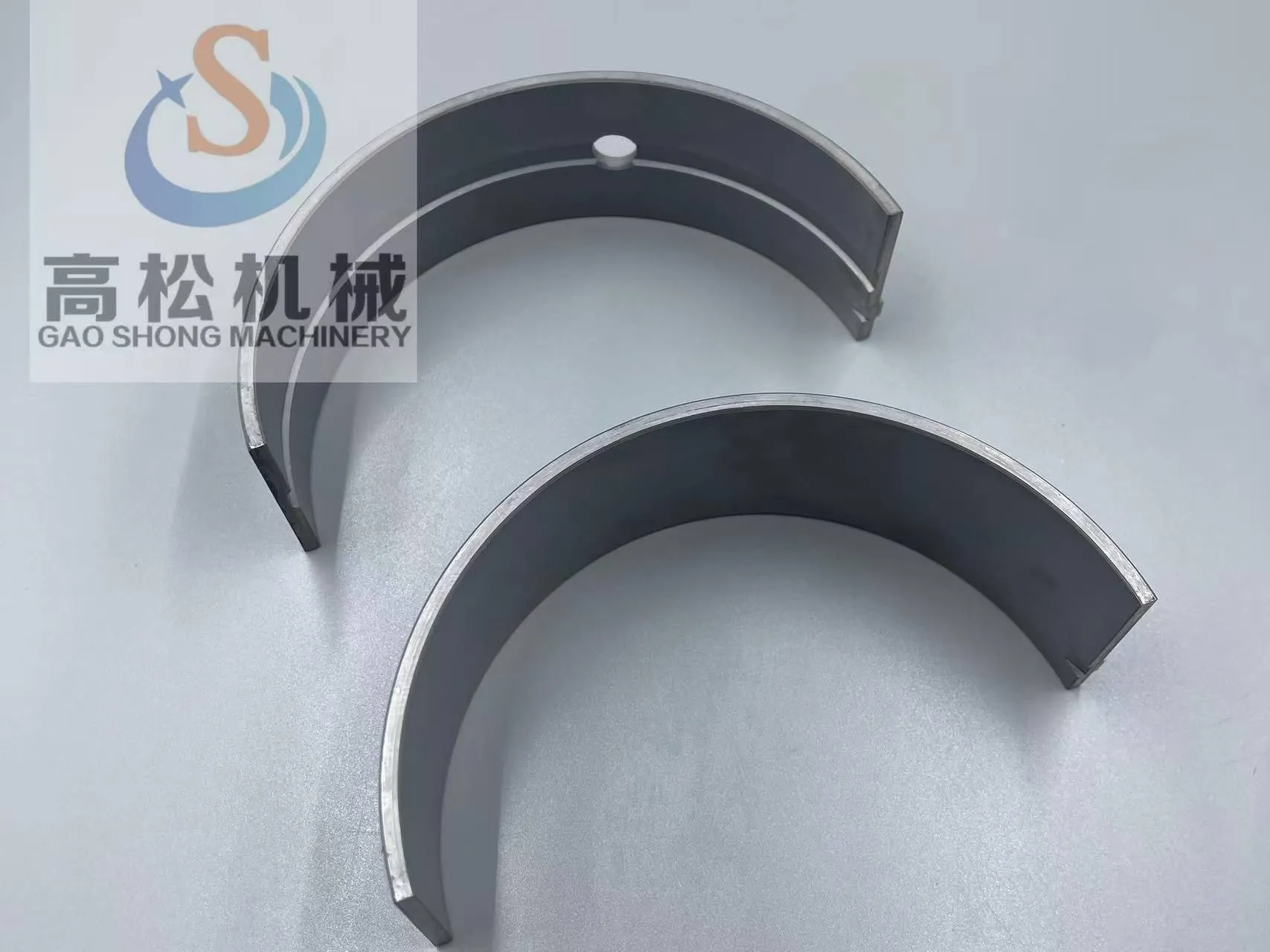 Main bearing of mechanical engine 6162-23-8010, applicable to S6d170 wheel loader, WA600 type Buildozer D375 engine
 -
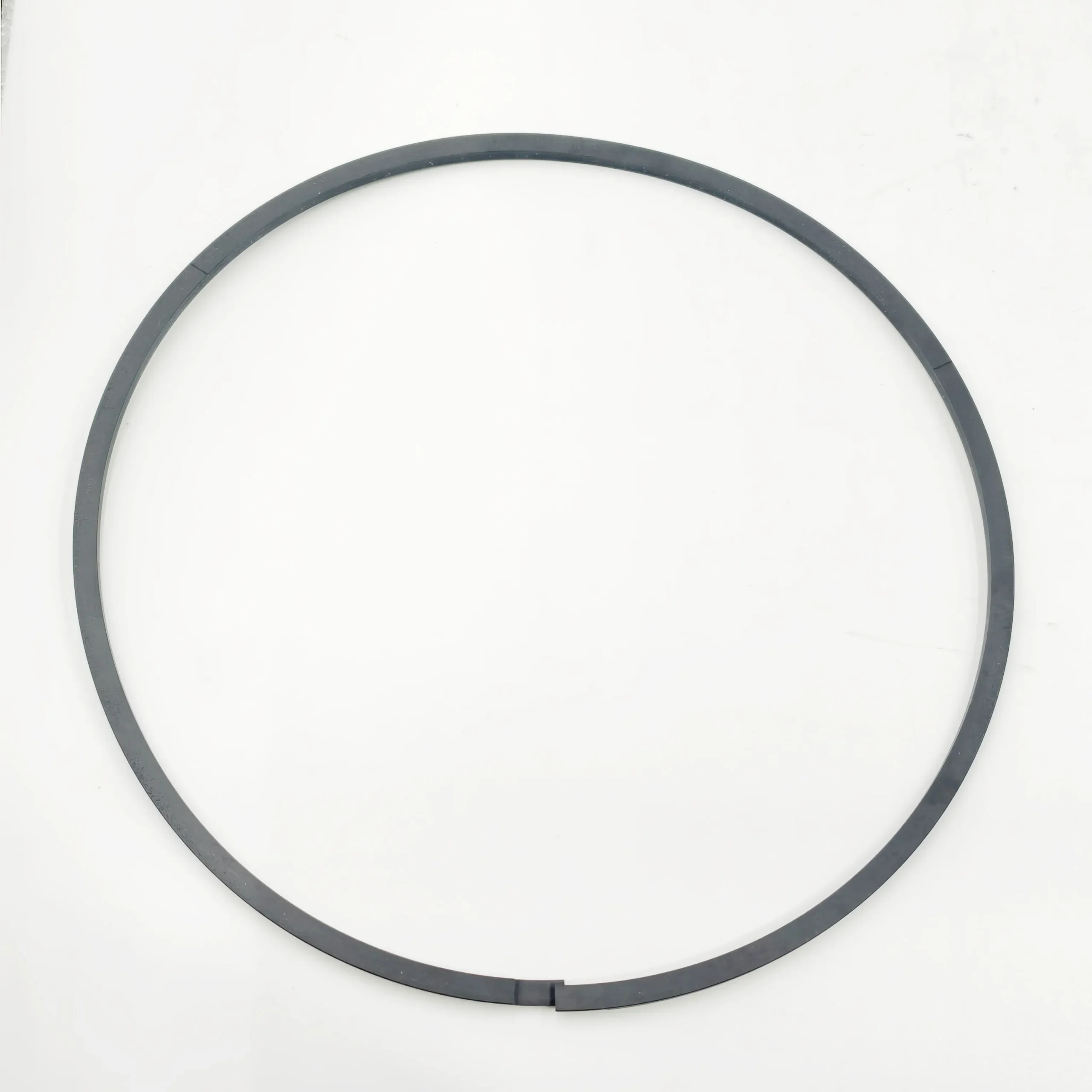 KOMATSU-SEAL RING 14X-15-19210
 -
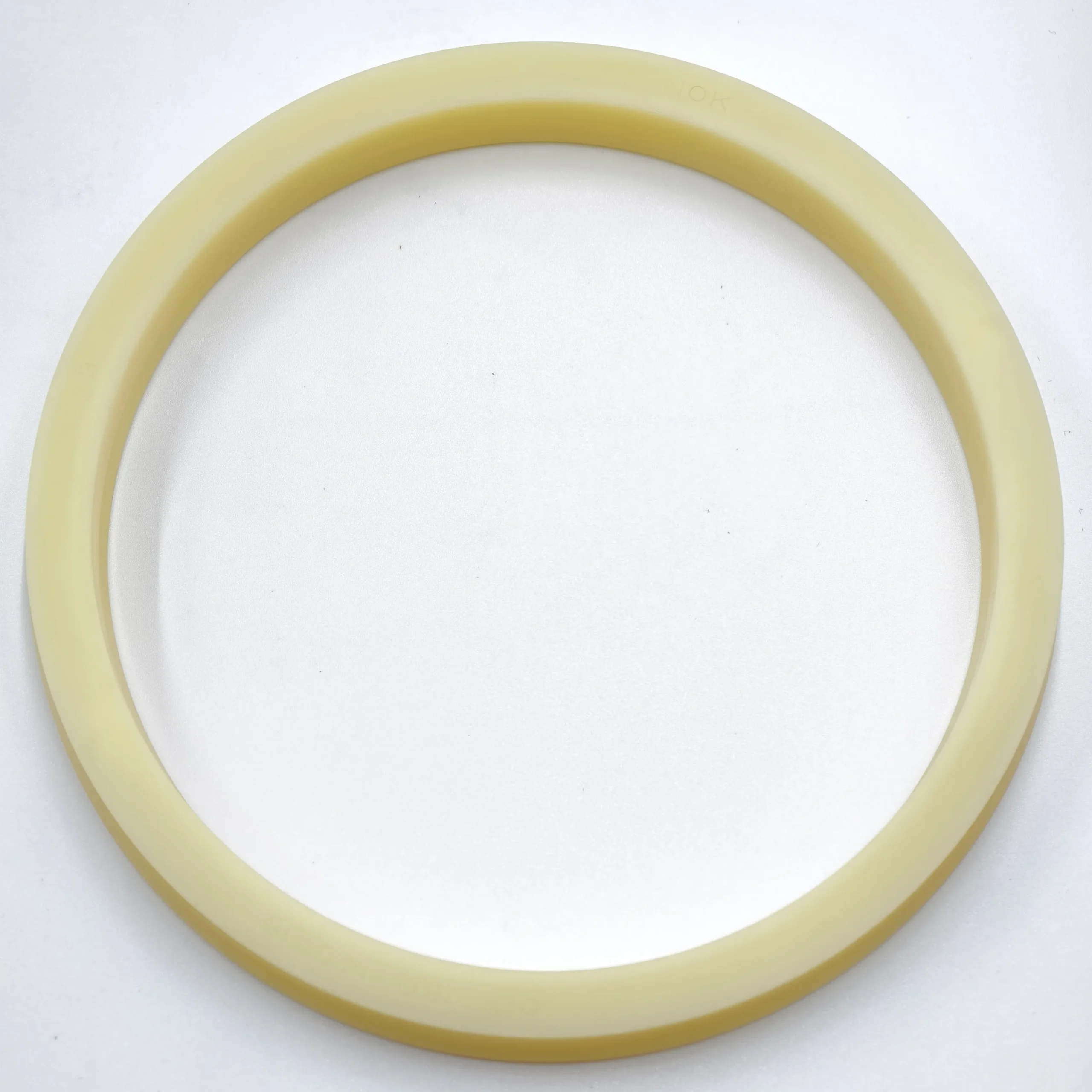 Komatsu 21N-30-14160 PACKING, price for original… — Pricing.Parts
 -
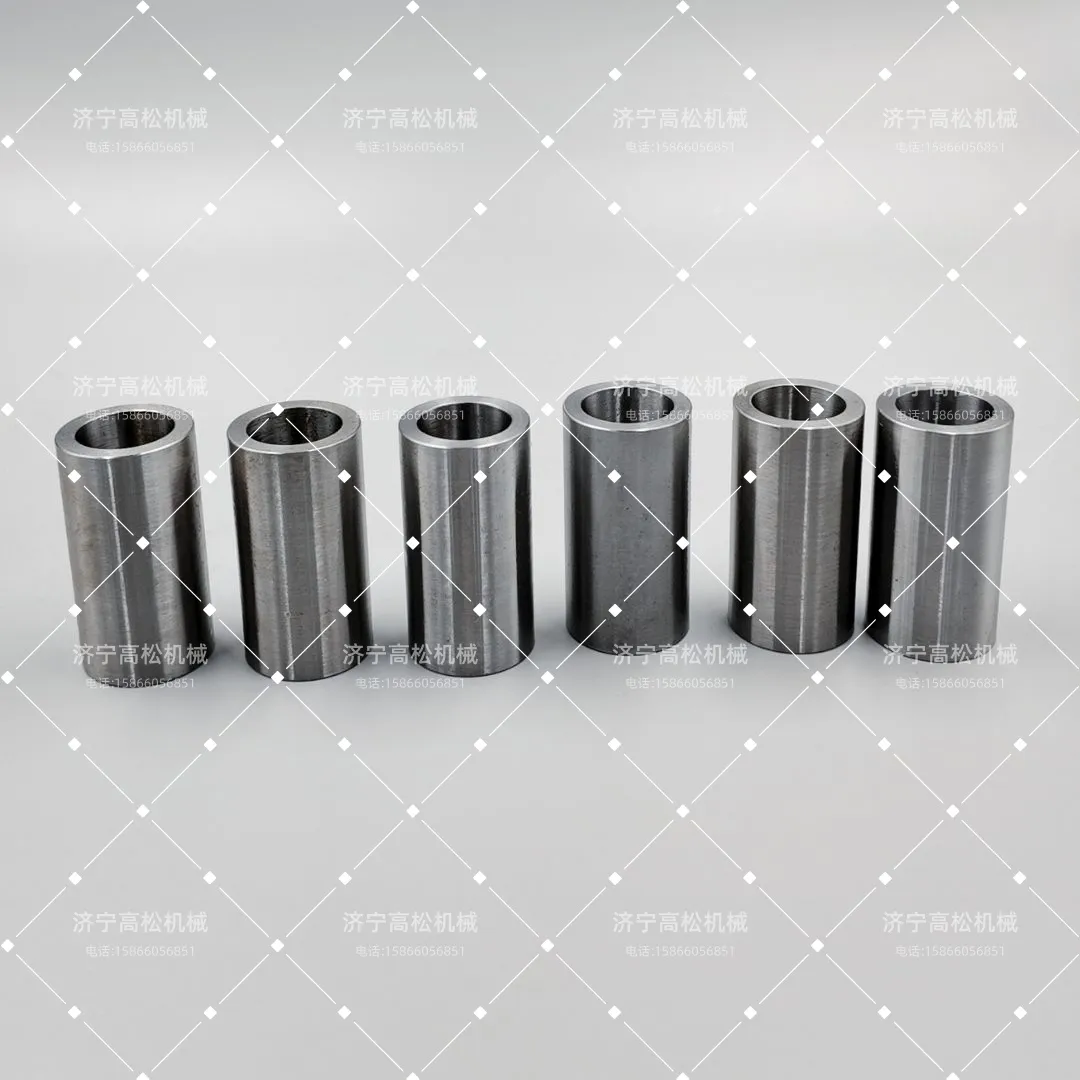 566-54-21910 Komatsu Bushing
 -
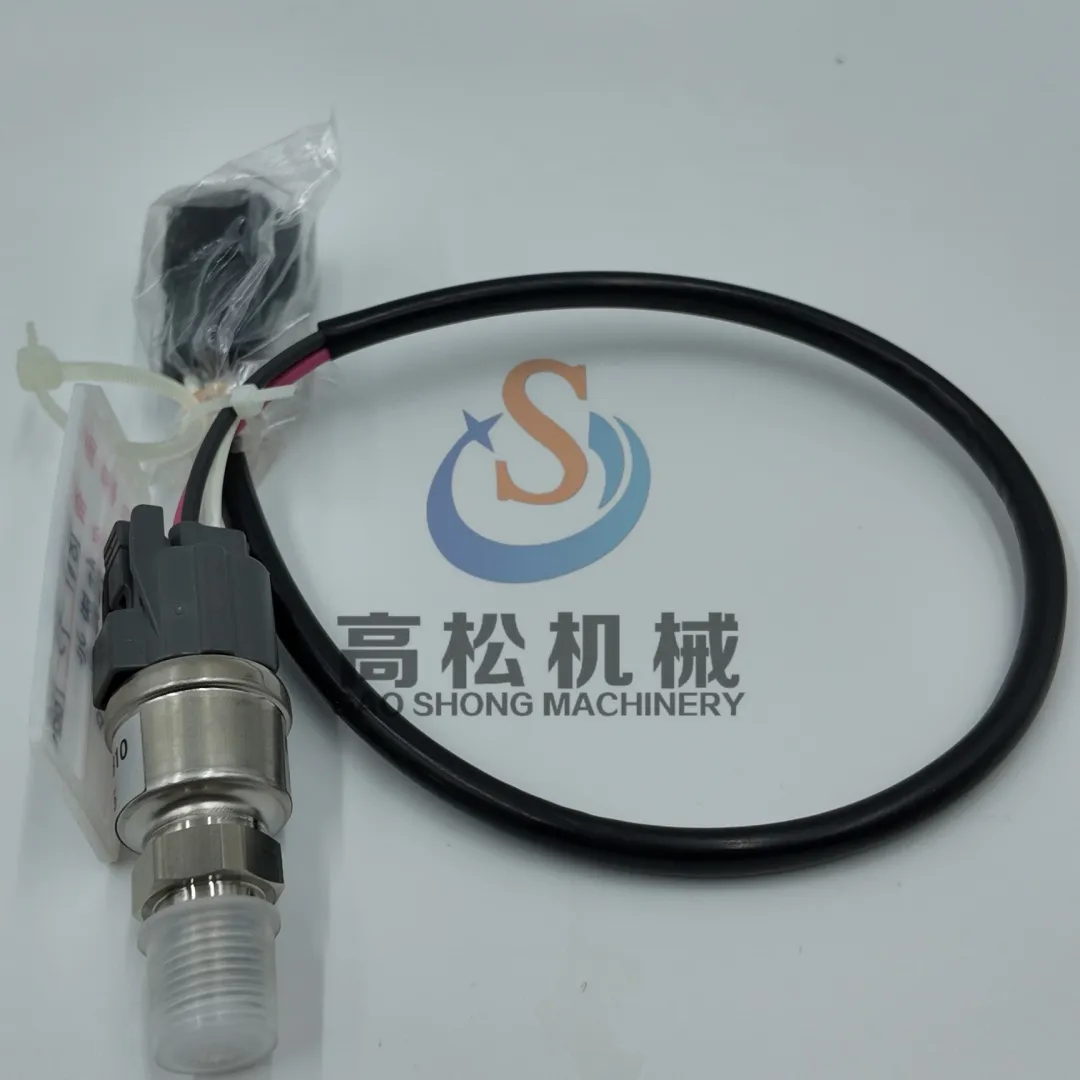 7861-93-1680 Pressure Sensor For Komatsu WA1200 SDA12V140E
 -
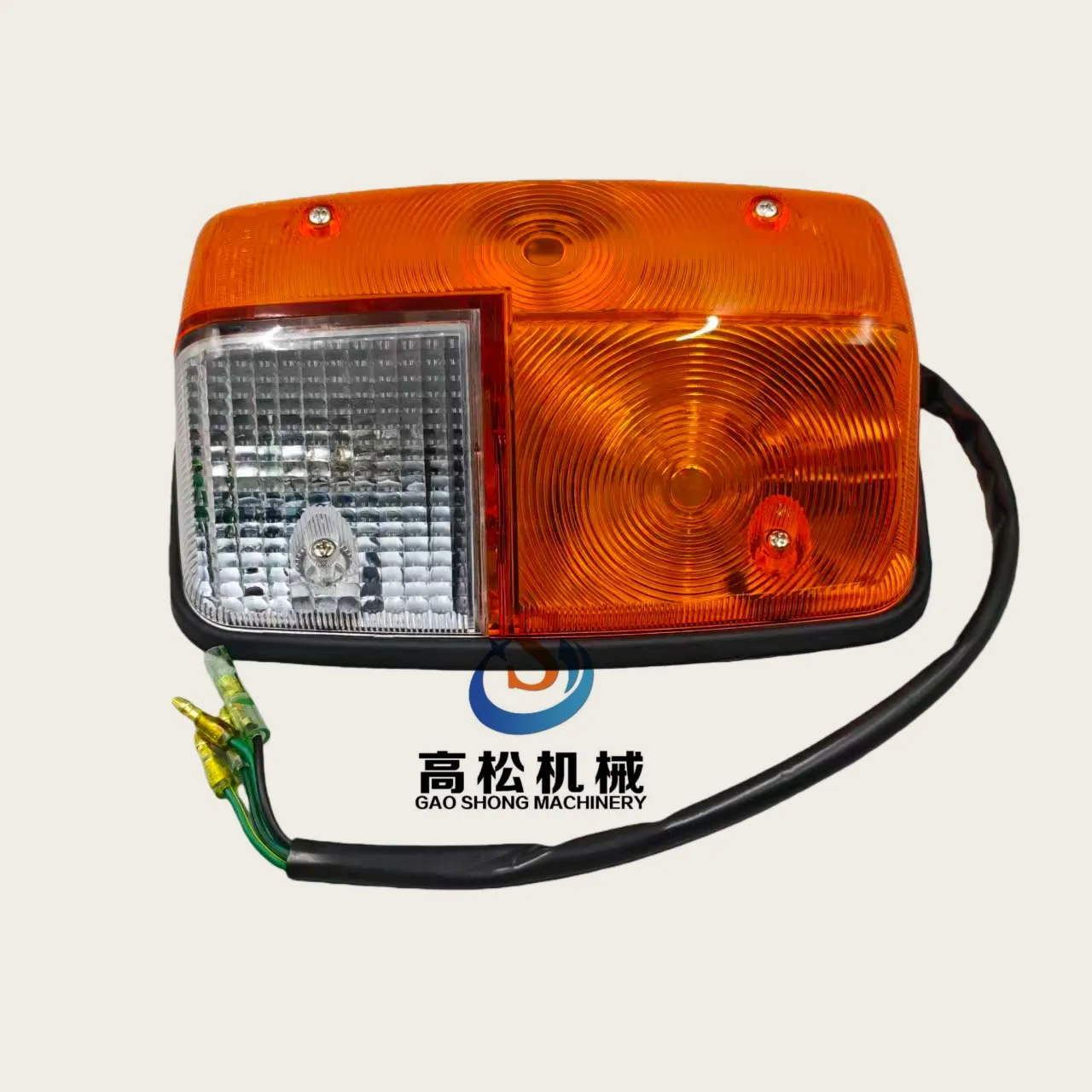 421-06-13401 Komatsu TURN SIGNAL AND PARKING
 -
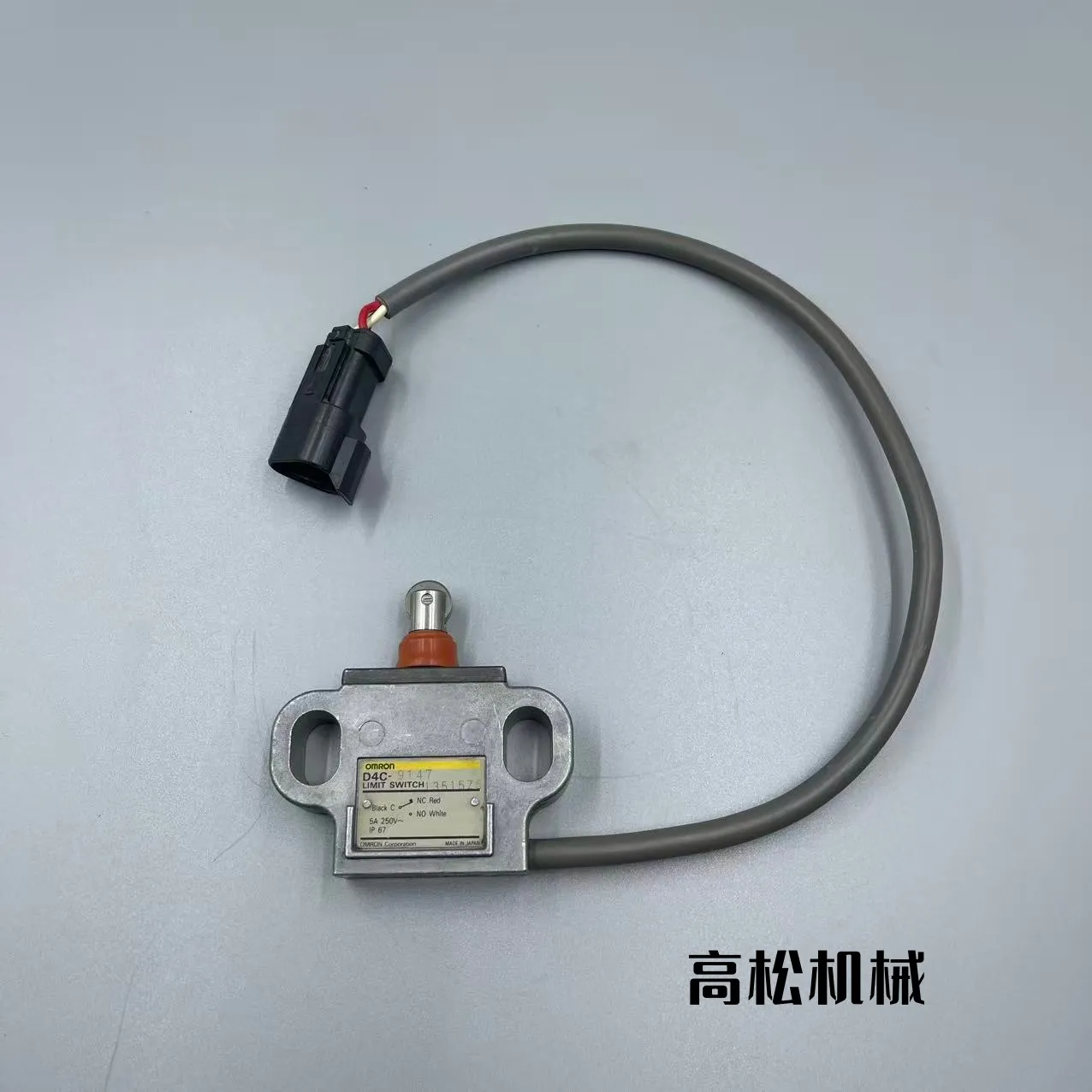 11Y-06-22150-SWITCH Komatsu Original Factory
 -
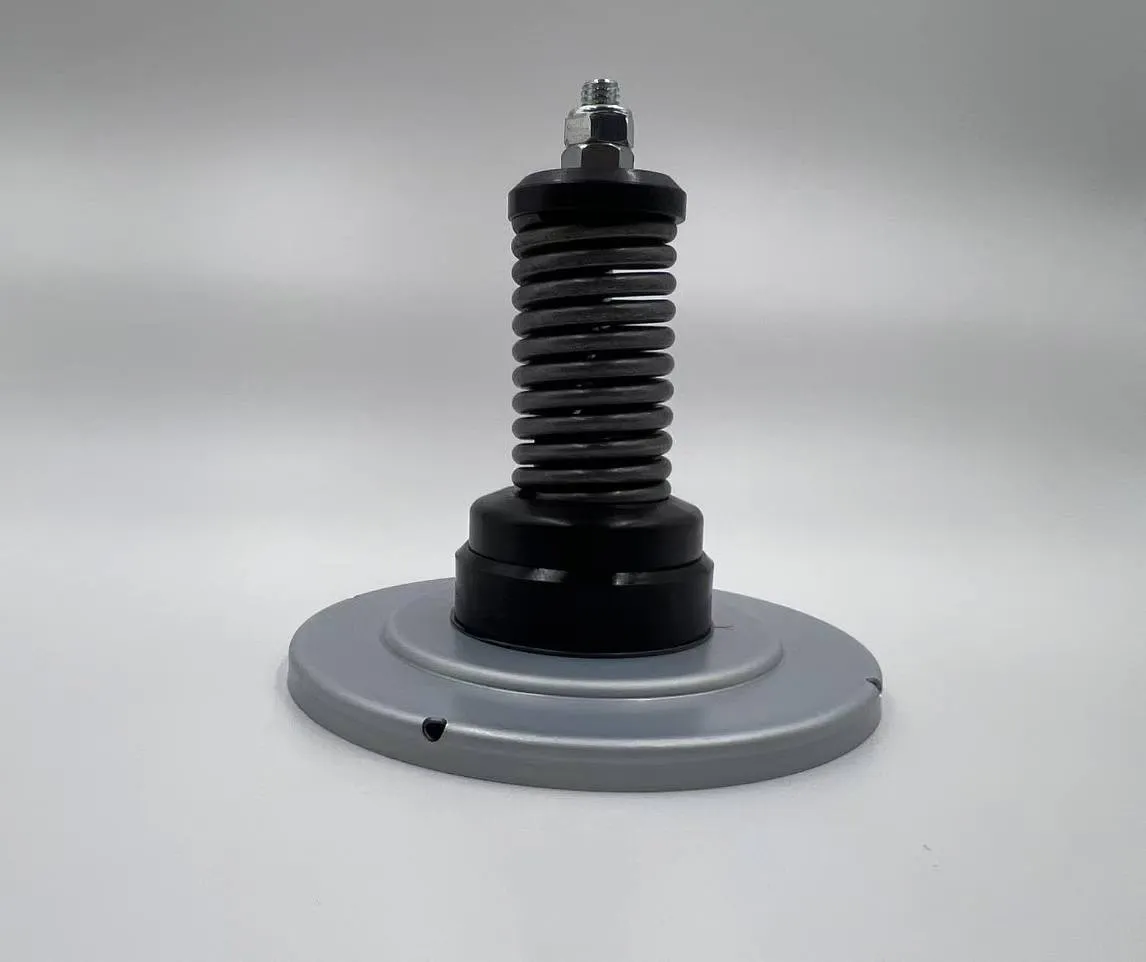 Valve Assembly 20Y-60-31450 – KOMATSU