
- Chinese
- French
- German
- Portuguese
- Spanish
- Russian
- Japanese
- Korean
- Arabic
- Irish
- Greek
- Turkish
- Italian
- Danish
- Romanian
- Indonesian
- Czech
- Afrikaans
- Swedish
- Polish
- Basque
- Catalan
- Esperanto
- Hindi
- Lao
- Albanian
- Amharic
- Armenian
- Azerbaijani
- Belarusian
- Bengali
- Bosnian
- Bulgarian
- Cebuano
- Chichewa
- Corsican
- Croatian
- Dutch
- Estonian
- Filipino
- Finnish
- Frisian
- Galician
- Georgian
- Gujarati
- Haitian
- Hausa
- Hawaiian
- Hebrew
- Hmong
- Hungarian
- Icelandic
- Igbo
- Javanese
- Kannada
- Kazakh
- Khmer
- Kurdish
- Kyrgyz
- Latin
- Latvian
- Lithuanian
- Luxembou..
- Macedonian
- Malagasy
- Malay
- Malayalam
- Maltese
- Maori
- Marathi
- Mongolian
- Burmese
- Nepali
- Norwegian
- Pashto
- Persian
- Punjabi
- Serbian
- Sesotho
- Sinhala
- Slovak
- Slovenian
- Somali
- Samoan
- Scots Gaelic
- Shona
- Sindhi
- Sundanese
- Swahili
- Tajik
- Tamil
- Telugu
- Thai
- Ukrainian
- Urdu
- Uzbek
- Vietnamese
- Welsh
- Xhosa
- Yiddish
- Yoruba
- Zulu
- Kinyarwanda
- Tatar
- Oriya
- Turkmen
- Uyghur






komatsu second hand parts
When you hear 'Komatsu second hand parts', what comes to mind? For many, it's just a cheaper alternative, a gamble to keep an old machine running. But that's where the common misconception lies. It's not merely about finding a used part; it's about understanding a complex ecosystem of supply, quality tiers, and application-specific viability. I've seen too many projects stall because someone bought a 'perfectly good' used pump, only to find its internal wear pattern was incompatible with their system's pressure demands. The keyword here isn't just 'parts' or 'used'—it's the judgment behind the purchase.
The Real Supply Chain Behind Used Parts
The market isn't as straightforward as a junkyard. There's a hierarchy. You have parts salvaged from decommissioned machines in regulated markets—these often have traceable service histories. Then you have parts from machines that failed prematurely, sometimes due to a single fault, making other components like Komatsu second hand parts for the hydraulic system potentially pristine. The trick is knowing the failure context. I once sourced a used final drive from a machine with a documented frame crack; the drivetrain components had low hours and were a solid find. But you need access to that story, which most online listings won't provide.
This is where entities with direct system access become crucial. A company like Jining Gaosong Construction Machinery Co., Ltd. operates in an interesting niche. As they state on their site https://www.takematsumachinery.com, they are an OEM product supplier within Komatsu's system and a third-party sales company. In practice, this means they aren't just random resellers. They often handle parts that are OEM-spec but might be surplus, overstock, or sourced from specific regional channels. This can blur the line between 'new old stock' and high-grade used parts. Their role in solving parts supply challenges in certain countries often involves leveraging these very channels to provide viable, cost-effective solutions that aren't always brand new.
The challenge for a buyer is verification. A part coming through such a channel might have OEM packaging but could be a remanufactured unit or a part from a demo machine. It's not deceptive; it's just the reality of the gray market. You have to ask the right questions: Is this a genuine Komatsu part? What is its provenance? Was it pulled from a working machine, or is it a warranty return? The answer determines if it's a strategic buy or a ticking time bomb.
Critical Components vs. Peripheral Parts: A Risk Assessment
Not all parts are equal candidates for second-hand use. This is a core piece of practical judgment. I'm generally cautious with anything involving high precision or sustained stress—think main hydraulic pumps, electronic control modules (ECMs), or swing circle bearings. A used ECM is a pure gamble unless it comes with the exact machine serial number history. However, for parts like counterweights, ROPS frames, cabs (sans electronics), or even certain linkage pins and bushings, the risk plummets. These Komatsu second hand parts often outlive the machine they're on.
I learned this through a costly mistake early on. We needed a servo valve for a PC360-7. Found a used one at a great price. Installed it, and the machine was sluggish. After days of diagnostics, we found the valve's spool wear was within spec, but its internal pilot stage was fatigued—something a basic test wouldn't catch. The part was 'working' but not to the required performance envelope. We ended up buying a new unit. The lesson? For critical flow-control components, 'working' isn't enough; it needs to be 'working within original performance parameters,' which is nearly impossible to guarantee with used parts.
On the flip side, we've had tremendous success with used undercarriage components for machines in low-abrasion environments. A set of used track links and rollers from a machine that worked in a clay pit can have 70% life left if moved to a similar application. The cost saving was over 60% compared to new. The key is matching the wear environment. Putting a used final drive from a highway demolition machine into a hard-rock mining operation is a recipe for immediate failure.
The Inspection Ritual: What You Can't See Online
Photos lie. Descriptions omit. The real work happens during inspection, or before shipping if you can't be there. For engine components like cylinder heads, look for the tell-tale signs of proper storage—no open ports, coated surfaces. Check for serial numbers and match them to Komatsu's parts interchange guides. For a used hydraulic cylinder, the rod is the first victim; any pitting beyond light surface scoring is a reject. But the bigger issue is internal seal land wear, which you can't see. You have to rely on the seller's reputation.
This is where a supplier's position matters. A company embedded in the OEM system, like the mentioned Jining Gaosong, is incentivized to maintain a certain standard because their business relies on long-term relationships within that ecosystem. They might be more likely to grade their used parts accurately—'suitable for backup machine' vs. 'prime condition'—because they also deal with new OEM parts and understand the consequences of failure. Their website, Takematsu Machinery, positions them as problem-solvers for supply challenges, which implies they handle non-standard requests. In my experience, these are the types of suppliers you call with a specific part number and a detailed application, and they might say, We have a used one, but it's from a colder climate model, the seal compound is different, are you okay with that? That level of detail is worth its weight in gold.
Always, always ask for more pictures. A specific shot of the gear teeth, a close-up of the mounting flange for cracks, a photo of the part number tag. If they hesitate, walk away. I've built a library of part failure photos over the years to compare against. A common failure on a Komatsu D61 axle is a specific crack pattern near the flange; I won't buy a used one without a clear shot of that area.
Cost vs. Downtime: The Ultimate Calculation
The math is never just part cost. It's (Part Cost + Installation Cost + Risk of Failure Downtime Cost). A used main control valve for an excavator might cost $4,000 vs. $15,000 new. But if it fails in two months and your machine is on a critical rental, the $20,000 in lost revenue and a second repair bill obliterates the saving. For a machine in your own fleet, used as a backup, the equation changes. The downtime cost is lower.
We developed a rough rule: for critical path equipment (machines on tight deadline projects), we use used parts only for non-critical assemblies or when we can do a bench test before installation. For older models, like the Dash-3 or Dash-5 series, where new parts are extinct or prohibitively expensive, the entire machine's strategy shifts to a Komatsu second hand parts bank. We'd buy a donor machine for specific components, knowing the aggregate cost is still lower than chasing individual new-old-stock parts globally.
This is the niche where specialized suppliers truly operate. They aren't just selling a part; they're selling a solution to an availability problem. When a Komatsu 825C compactor needs a steering clutch and Komatsu's global system shows zero stock, a company that can locate a quality used unit from a similar region or model variant isn't just a vendor; they're a partner. Their value is in their network and their ability to make that judgment call on suitability.
Looking Ahead: The Shifting Landscape
The market for used parts is getting more sophisticated, and also more risky. With the rise of online global marketplaces, you can find anything, but provenance is murkier. Counterfeits are a real issue—a part stamped with a Komatsu logo that's a poor casting. The best defense remains relationships with trusted intermediaries who have skin in the game.
Companies that operate as third-party sales companies within the Komatsu orbit, like the example we've discussed, are adapting. They're not just moving boxes; they're providing grading, limited warranties on certain used components, and technical data. This adds a layer of accountability. It moves the transaction from a pure commodity buy to a more service-oriented one.
In the end, success with Komatsu second hand parts boils down to informed skepticism. Assume nothing. Verify everything possible. Understand the total cost of failure. And build relationships with suppliers who understand the difference between a part that fits and a part that works. It's a field where experience, both good and bad, is the only real teacher. The goal isn't to always buy new, but to know precisely when buying used is the smartest, most reliable move you can make.
Related Products
Related Products

Best Selling Products
Best Selling Products-
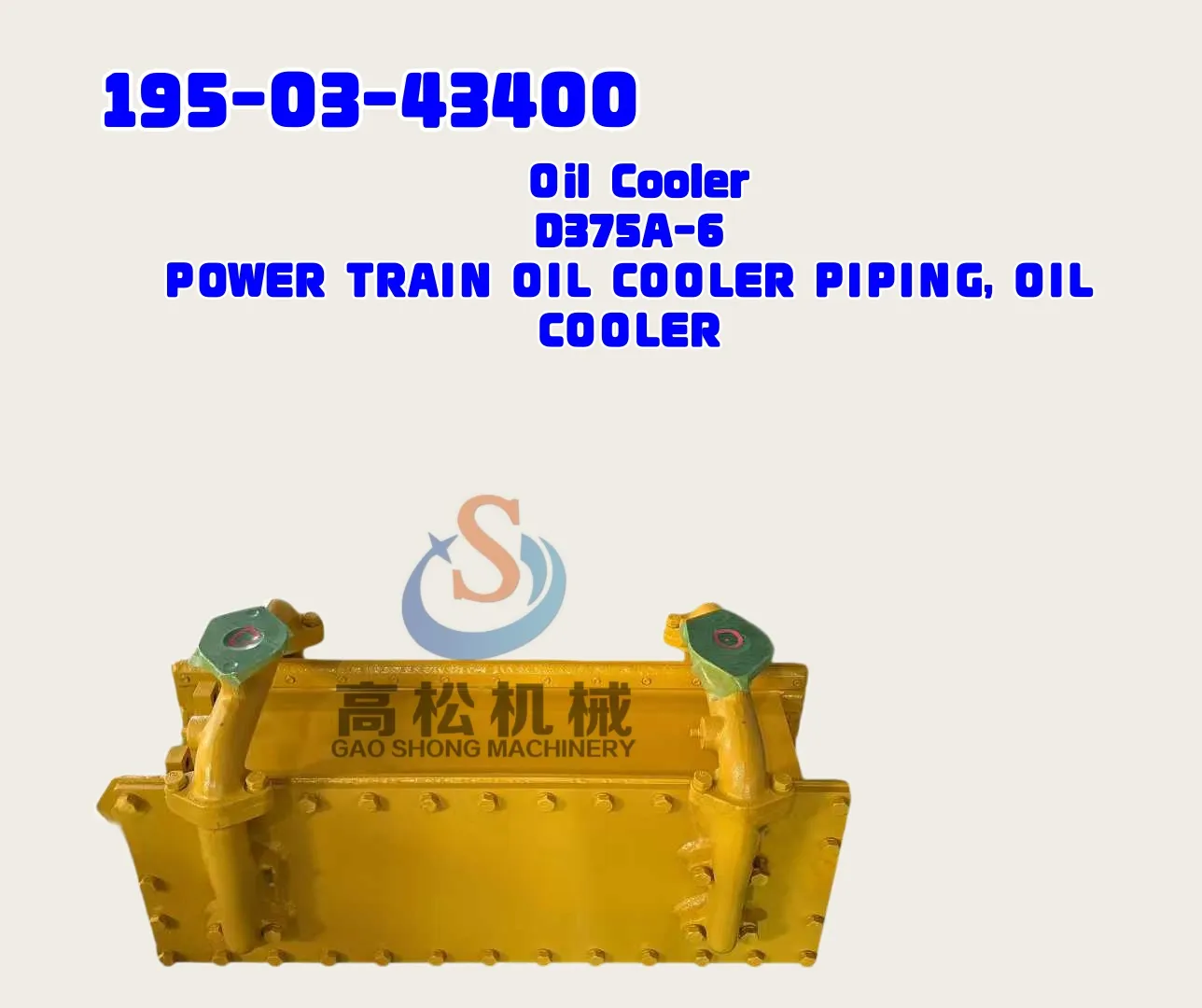 komatsu-part-195-03-43400 Oil Cooler D375A-6 D375A-6R POWER TRAIN OIL COOLER PIPING, OIL COOLER
 -
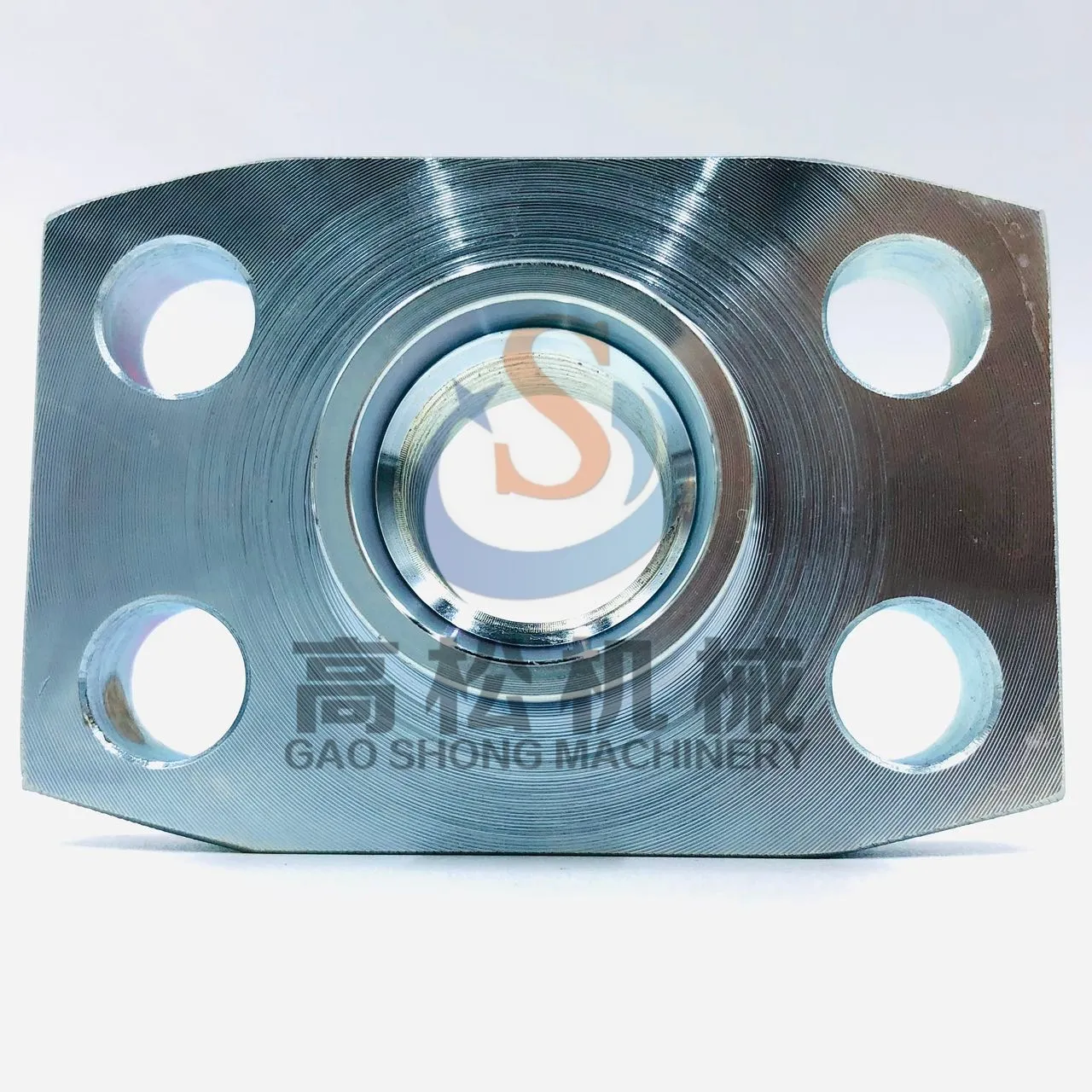 Komatsu excavator PC1250 flange 21N-38-12310
 -
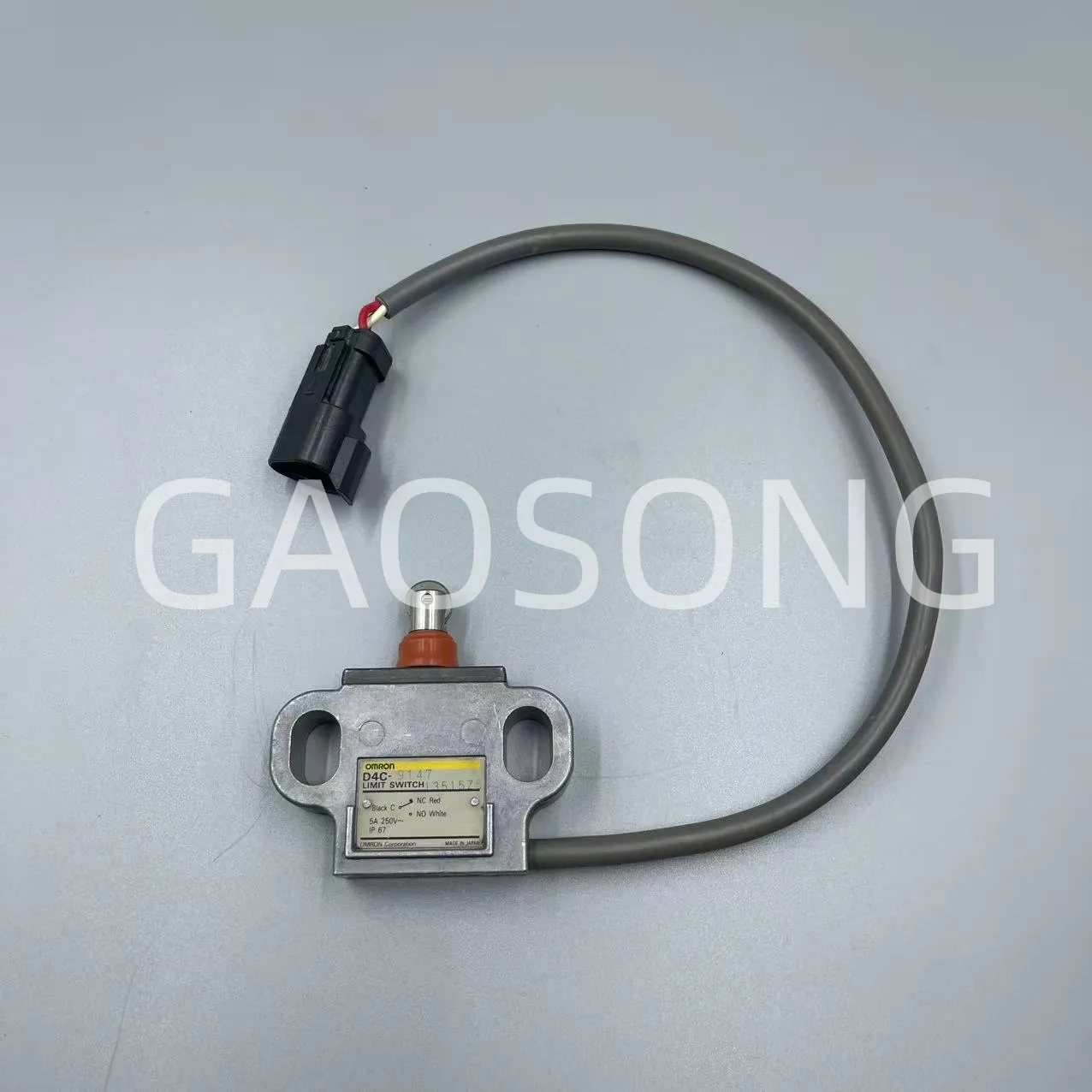 11Y-06-22150 SWITCH-Komatsu Original Factory
 -
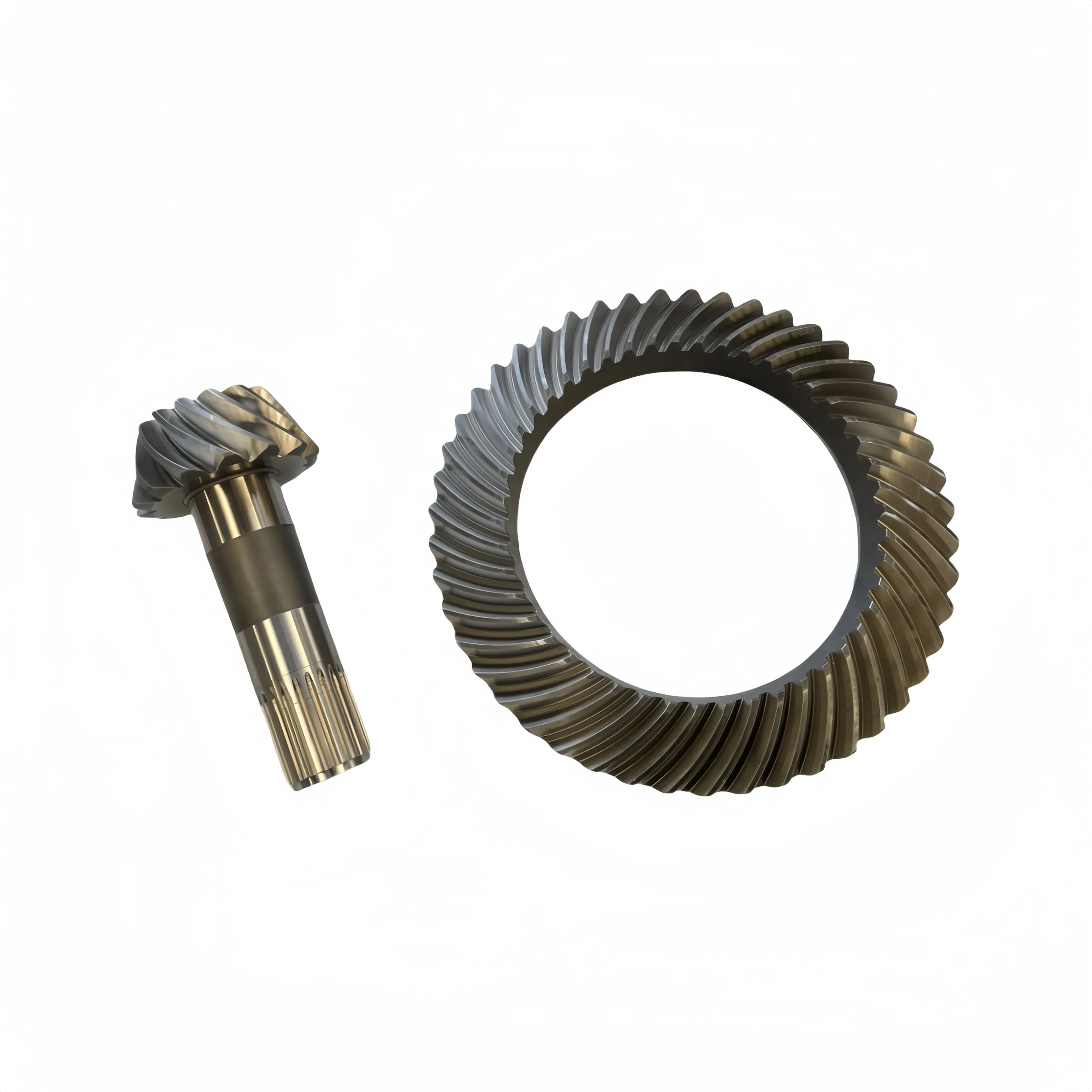 561-22-71207 Gear for komatsu HD785-7
 -
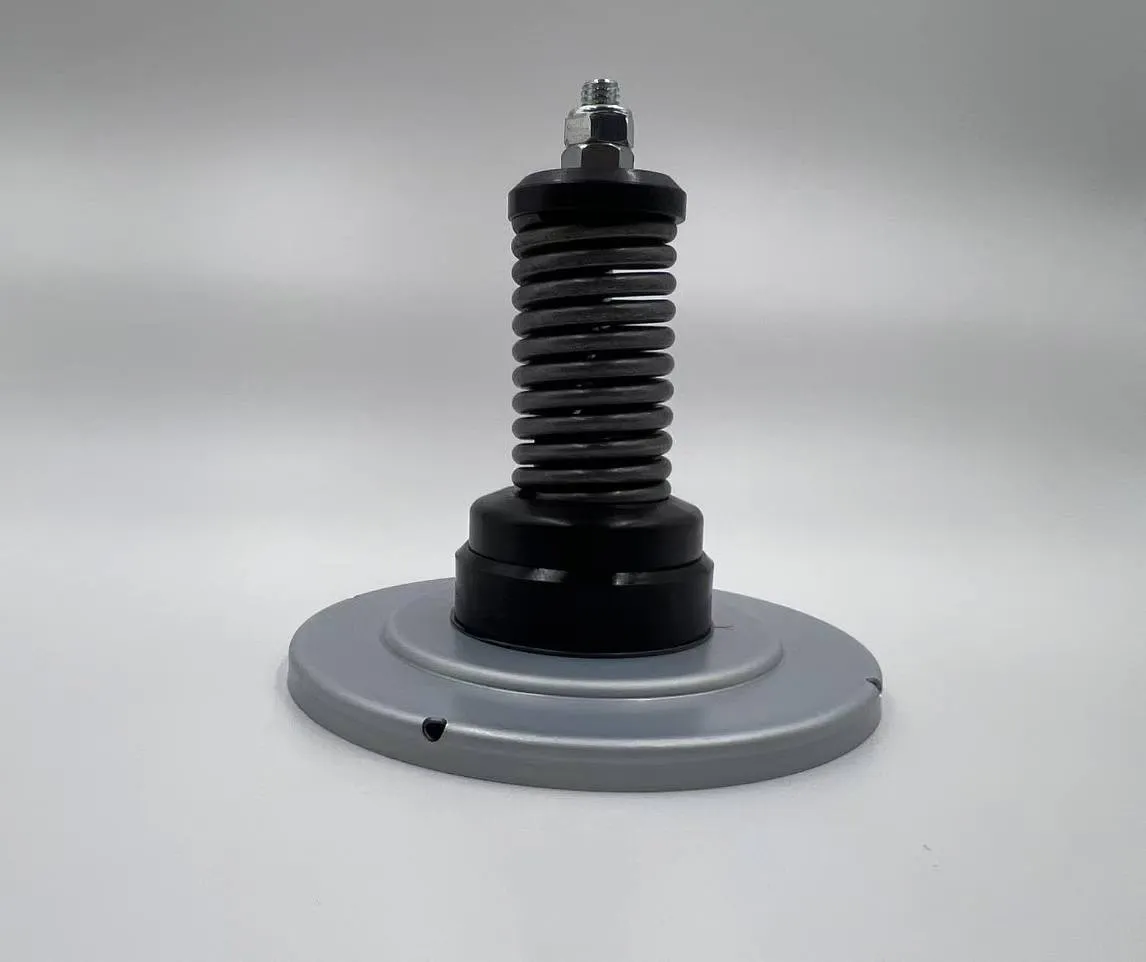 Valve Assembly 20Y-60-31450 – KOMATSU
 -
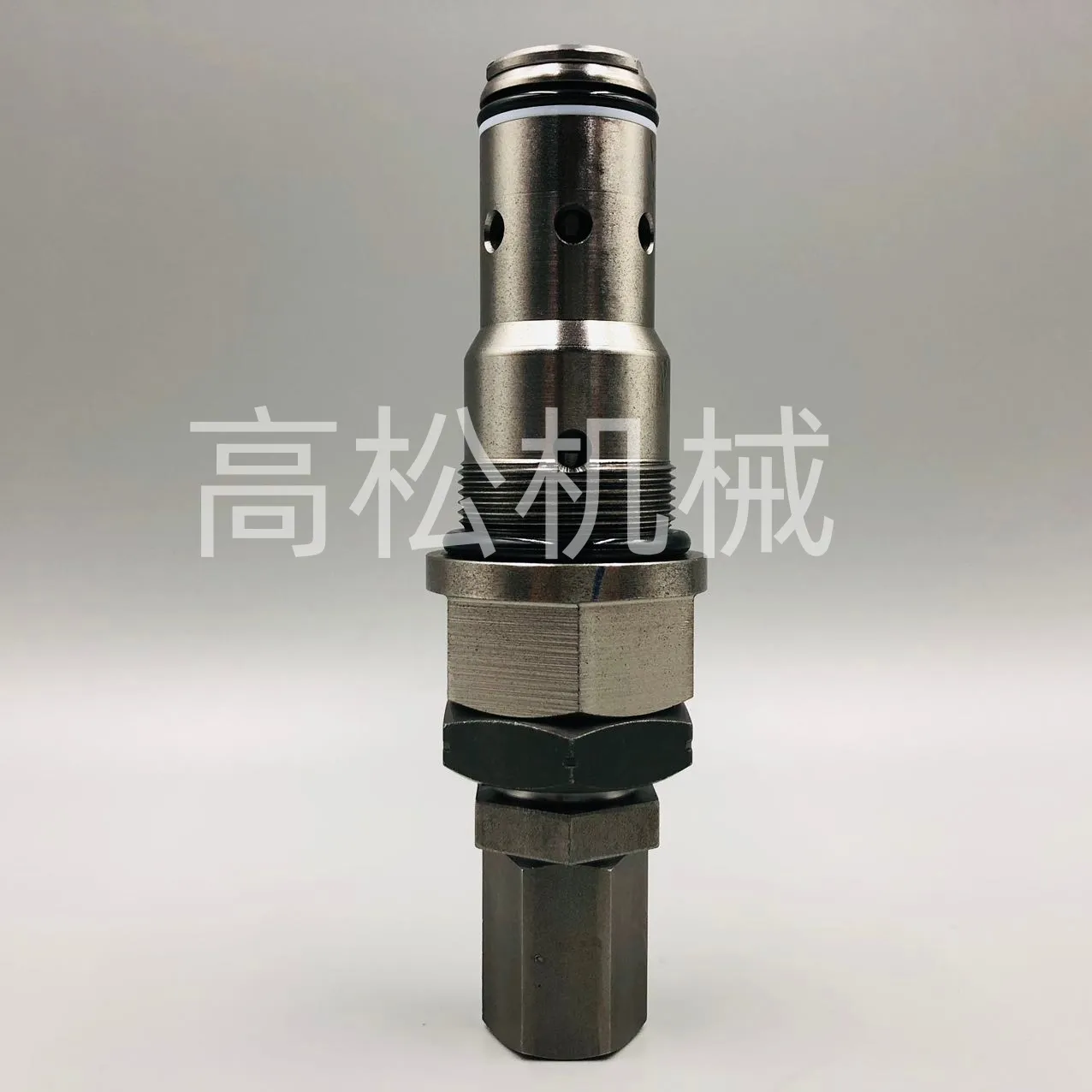 700-89-66000 Komatsu RELIEF VALVE
 -
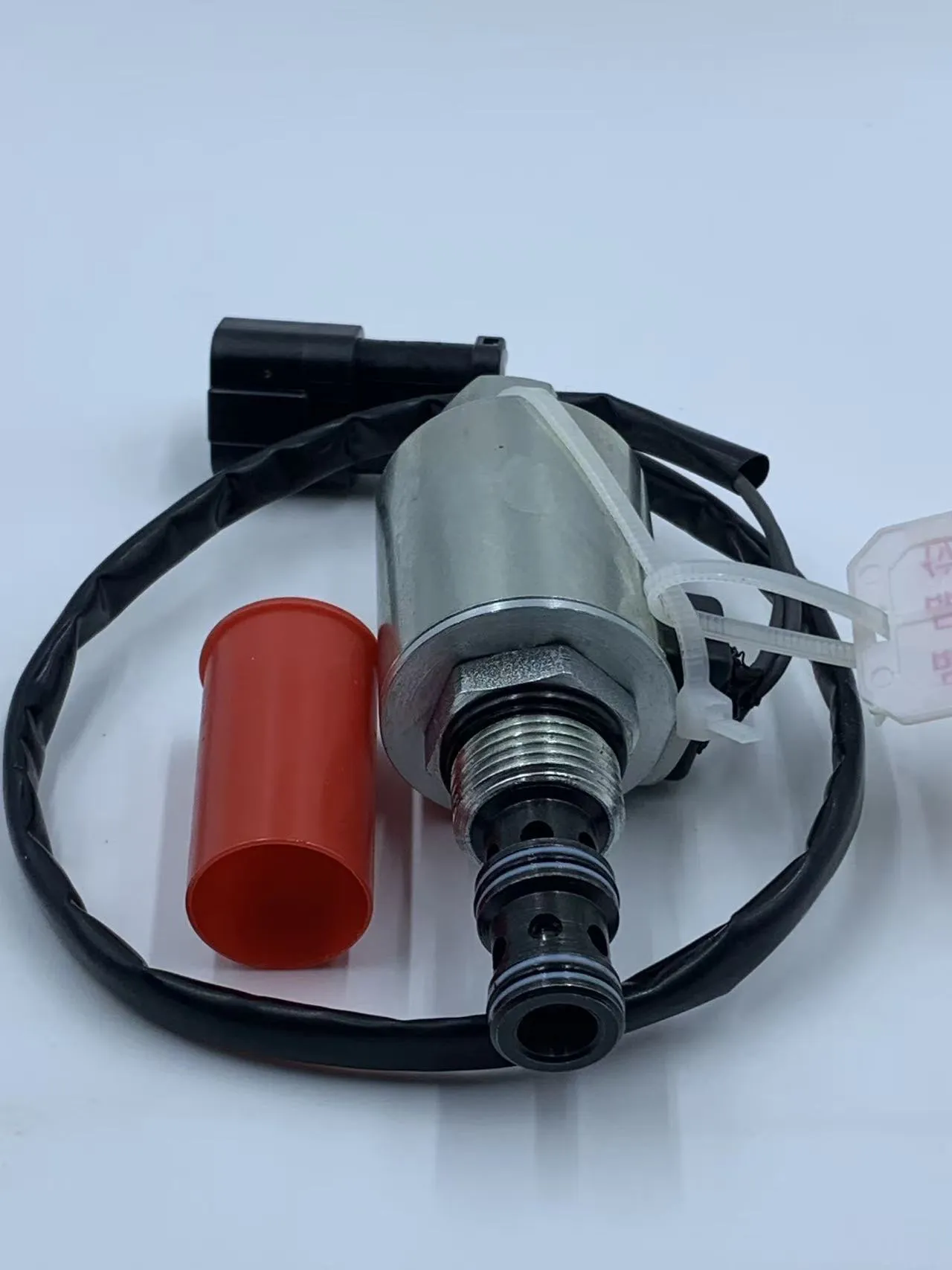 New Rotary Pump Solenoid Coil 20Y-60-11713 for Komatsu… | eBay
 -
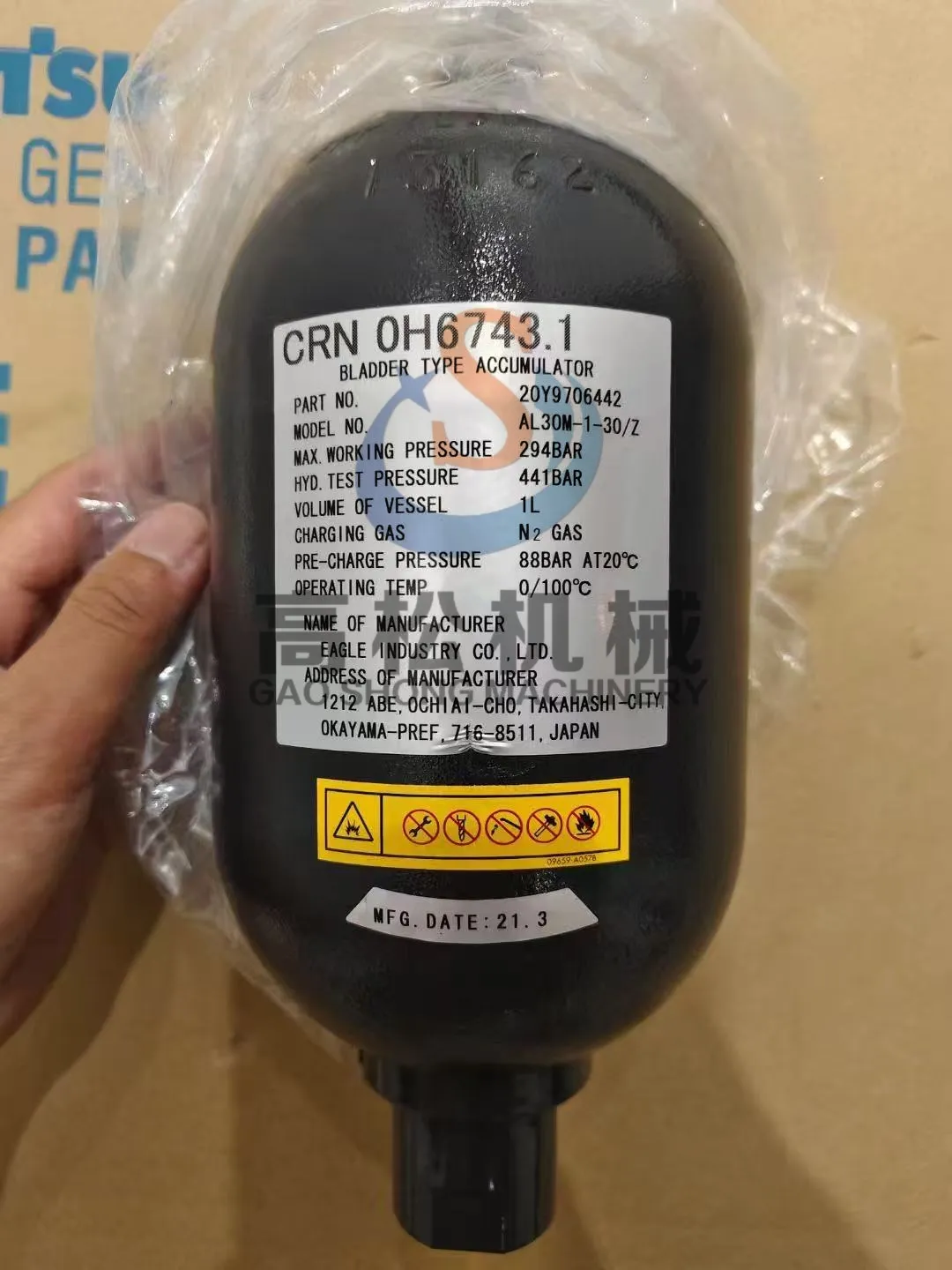 20Y-970-6442 Komatsu Accumulator Assembly
 -
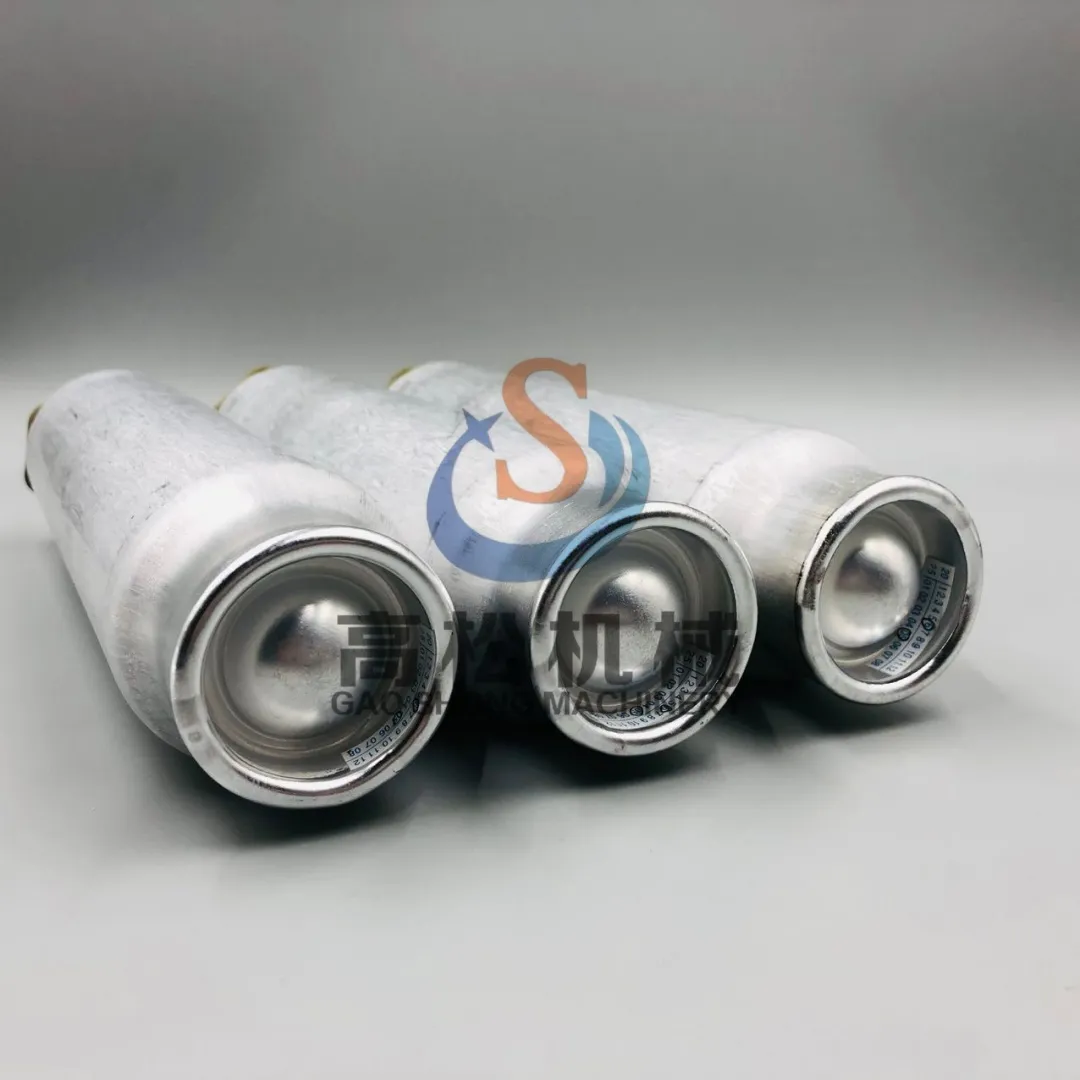 Receiver Drier 20Y-979-3120
 -
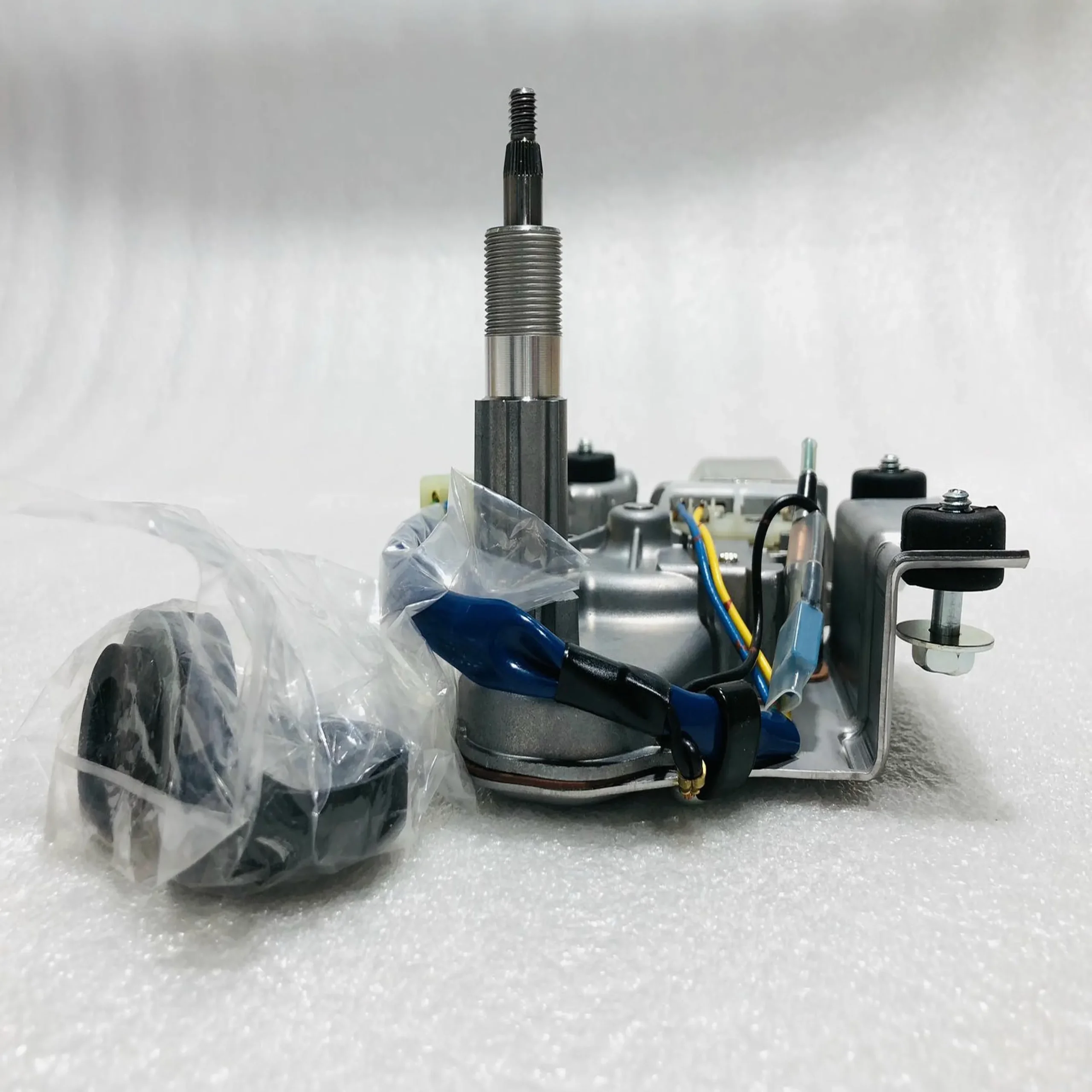 Komatsu grader GD555 wiper motor 42C-56-11391
 -
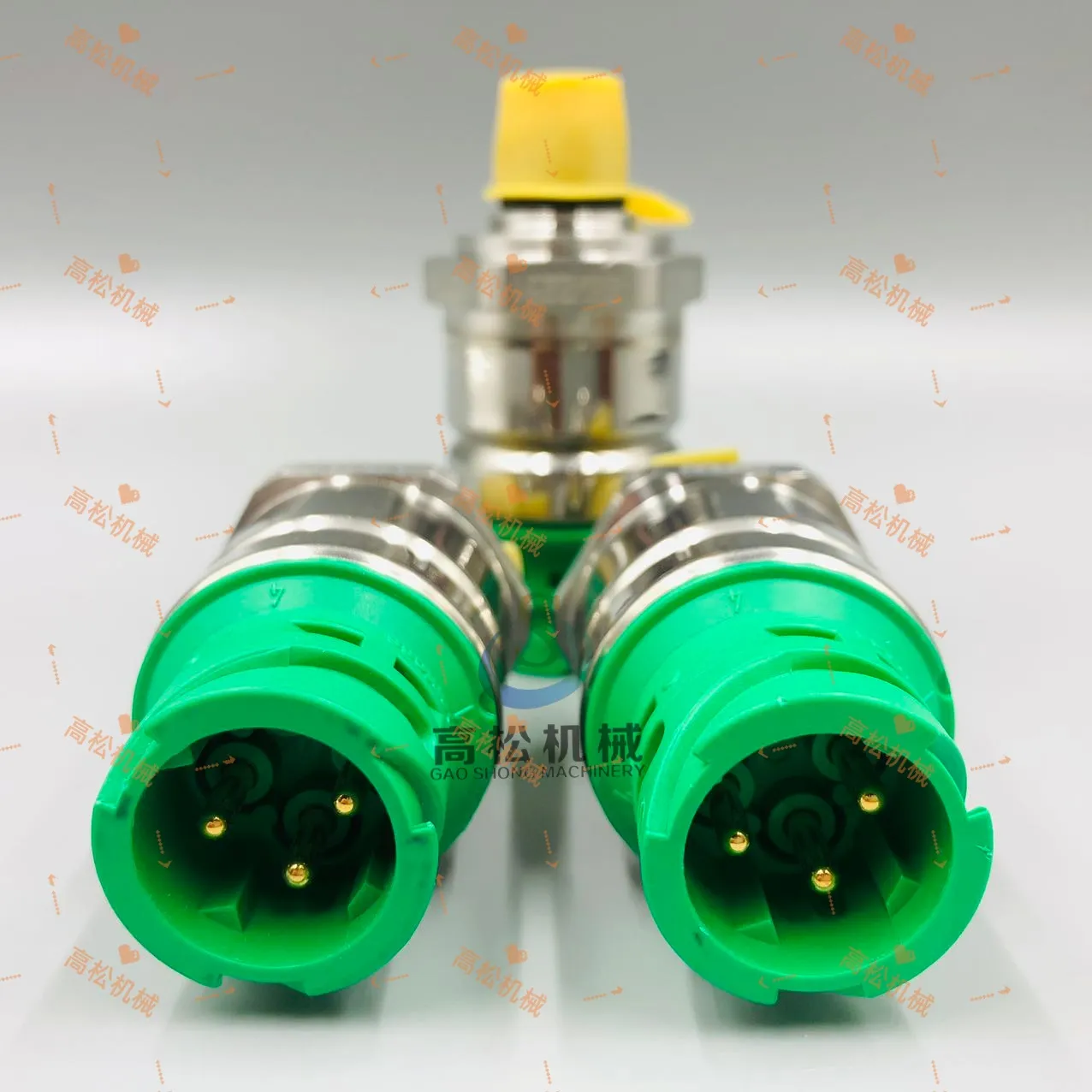 Pressure Sensor for Komatsu HM400 SAA6D140E WA500 6560-61-7201 6560617201
 -
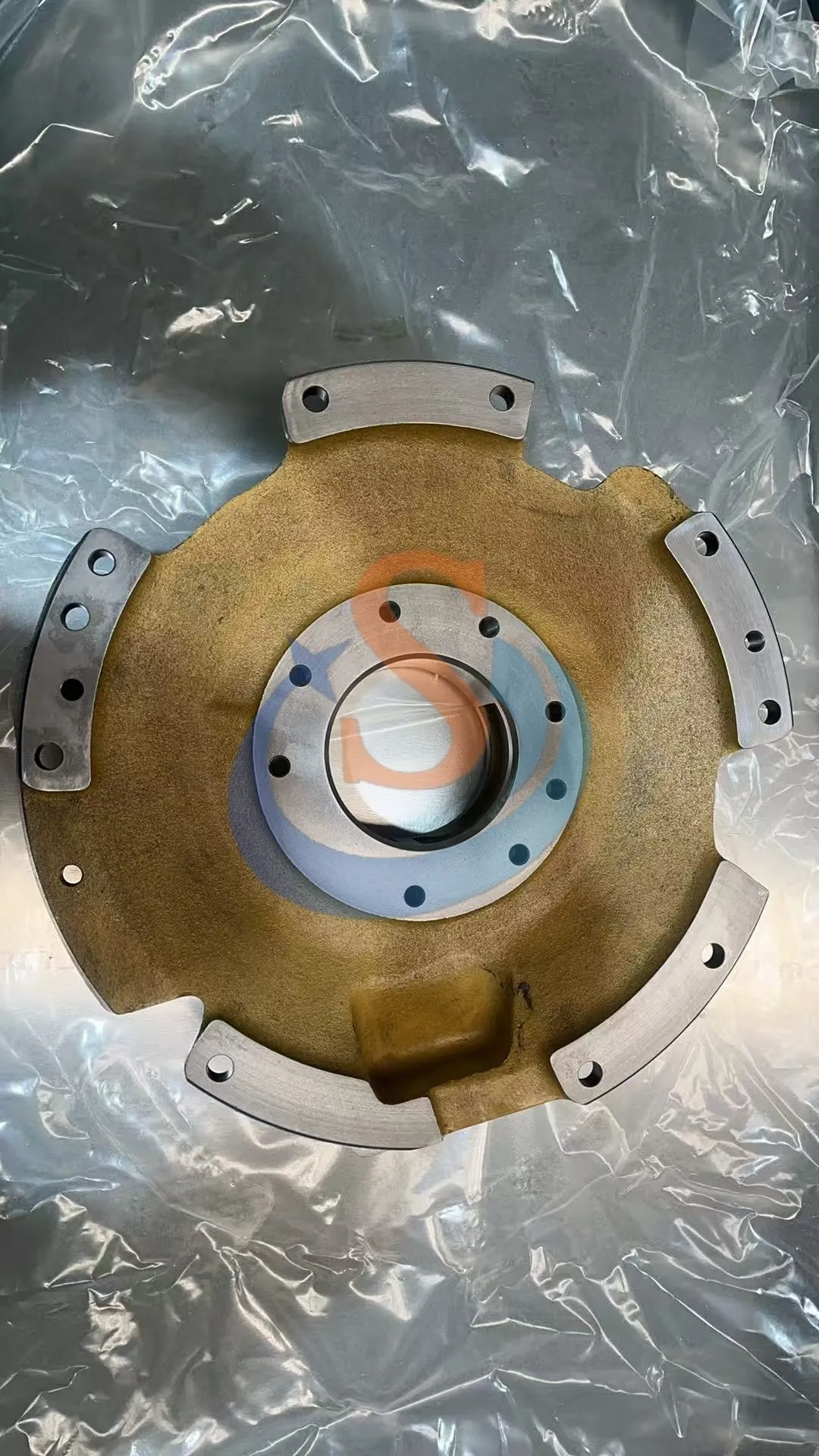 14X-13-54411 Housing D65PX/D65WX/D65EX
Related Search
Related Search- 566-60-6A500
- Komatsu pivot shaft
- OEM AND ORIGINAL KOMATSU GEAR 21N-27-31260
- OEM AND ORIGINAL KOMATSU BEARING 561-27-71960
- 600-635-5870
- Komatsu controller
- OEM AND ORIGINAL KOMATSU PILOT VALVE 702-16-05091
- OEM AND ORIGINAL KOMATSU WIRING HARNESS 195-06-48430
- OEM AND ORIGINAL KOMATSU VALVE ASSY 569-43-83140
- komatsu digger parts