
- Chinese
- French
- German
- Portuguese
- Spanish
- Russian
- Japanese
- Korean
- Arabic
- Irish
- Greek
- Turkish
- Italian
- Danish
- Romanian
- Indonesian
- Czech
- Afrikaans
- Swedish
- Polish
- Basque
- Catalan
- Esperanto
- Hindi
- Lao
- Albanian
- Amharic
- Armenian
- Azerbaijani
- Belarusian
- Bengali
- Bosnian
- Bulgarian
- Cebuano
- Chichewa
- Corsican
- Croatian
- Dutch
- Estonian
- Filipino
- Finnish
- Frisian
- Galician
- Georgian
- Gujarati
- Haitian
- Hausa
- Hawaiian
- Hebrew
- Hmong
- Hungarian
- Icelandic
- Igbo
- Javanese
- Kannada
- Kazakh
- Khmer
- Kurdish
- Kyrgyz
- Latin
- Latvian
- Lithuanian
- Luxembou..
- Macedonian
- Malagasy
- Malay
- Malayalam
- Maltese
- Maori
- Marathi
- Mongolian
- Burmese
- Nepali
- Norwegian
- Pashto
- Persian
- Punjabi
- Serbian
- Sesotho
- Sinhala
- Slovak
- Slovenian
- Somali
- Samoan
- Scots Gaelic
- Shona
- Sindhi
- Sundanese
- Swahili
- Tajik
- Tamil
- Telugu
- Thai
- Ukrainian
- Urdu
- Uzbek
- Vietnamese
- Welsh
- Xhosa
- Yiddish
- Yoruba
- Zulu
- Kinyarwanda
- Tatar
- Oriya
- Turkmen
- Uyghur






Komatsu seat
When most people hear Komatsu seat, they think of a simple replacement part—a worn-out cushion swapped for a new one. That's the biggest misconception. In our line of work, a seat is a critical interface, a system component that directly impacts operator fatigue, machine control, and ultimately, site productivity. It's not a commodity item you just pick from a catalog. I've seen too many projects where sourcing a seemingly straightforward Komatsu seat turned into a logistical headache, revealing the complex ecosystem behind genuine and compatible parts supply.
The OEM Reality and the Aftermarket Gap
Working closely with the OEM network, you get a clear picture. A genuine Komatsu seat isn't just about the fabric or the adjuster levers. It's about the specific mounting brackets engineered for that machine model, the weight sensors integrated for operator presence systems (OPS) on newer equipment, and the exact resistance profile of the suspension mechanism. The official system is built for traceability and guaranteed performance, but it's also built for specific, often primary, markets. This creates a gap.
That's where the operational reality hits. In certain regions, getting that exact OEM-specified seat within a reasonable timeframe can be nearly impossible. Lead times stretch from weeks to months. A machine down because of a torn seat isn't a viable option for any site manager. This is the precise challenge companies like Jining Gaosong Construction Machinery Co., Ltd. address. As an OEM product supplier within the Komatsu system, they have the pipeline for genuine parts. But their role as a third-party sales company is what solves the real-world problem: providing validated, compatible solutions when the official channel is constrained, helping to solve parts supply challenges in certain countries.
I recall a case with a PC360LC-11. The operator seat frame cracked. The dealer quoted a 12-week lead time for the complete assembly. The machine was on a tight earthmoving schedule. We had to look at alternatives. A generic aftermarket seat wouldn't interface with the machine's OPS, triggering a constant warning light and potentially locking functions. The solution wasn't a direct OEM replacement, but a fully compatible seat assembly that matched the electrical interfaces and mounting points, sourced through a specialist channel that understood these cross-references. It kept the machine running without a fault code in sight.
Compatibility is a Deep Dive, Not a Surface Check
This leads to the core of the issue: compatibility. It's a dangerously shallow term if you're not careful. Fits a Dash-8 series is not enough. You have to go deeper. Is it for a standard cab or a super-wide cab? Does it have the cut-out for the rear-mounted HVAC duct? Are the bolt patterns on the base plate identical, or will you need an adapter plate that raises the seat height by 2 inches, messing up the operator's sightlines?
The devil is in these details. A supplier's value isn't just in having a seat in stock; it's in having the technical data to ask these questions before the part ships. From my experience dealing with specialists like those at Takematsu Machinery, the difference is in this pre-sales technical screening. Their position allows them to navigate both the OEM specifications and the aftermarket compatibility matrices. They can tell you, for instance, that the seat for a WA470-8 might share a suspension module with a certain Doosan model, but the seat cover material and the tilt mechanism are different. That level of detail prevents costly returns and downtime.
I learned this the hard way early on. Ordered a seat for a D65EX-18. Physically, it bolted right on. Looked perfect. But the connector for the seat belt warning was a 4-pin instead of a 3-pin. We had to bypass the system, which was a safety compromise we shouldn't have made. It was a failure of asking the right questions. Now, the checklist includes connector types, sensor types, bracket part numbers, and even the thread pitch on the mounting bolts.
Material and Ergonomics: Beyond the Spec Sheet
Let's talk about what the operator actually feels. The spec sheet gives you dimensions and weight capacity. It doesn't tell you about the foam density. A cheap seat will have foam that bottoms out in a month, transferring every shock from the undercarriage directly to the operator's spine. Genuine Komatsu seats and the high-tier compatible ones use multi-density foam and a proper suspension travel. You can feel it after an 8-hour shift—the difference in lower back strain is tangible.
Then there's the fabric. Is it the standard vinyl, a fabric insert, or a breathable mesh? In Southeast Asian climates, a full-vinyl seat becomes a swamp. You need the fabric inserts for ventilation. But in mining applications with constant dust, a full vinyl seat is easier to clean and more durable. The choice matters, and a good supplier should offer these options, not just the one SKU they happen to have. It's about applying the right part for the operating environment, not just the machine model.
We retrofitted a fleet of older PC200-8s with new seats that had better lumbar support and a fabric insert. Operator feedback was overwhelmingly positive, and anecdotally, we saw a slight decrease in early shift requests for relief. It's a small thing, but it impacts morale and efficiency. The cost was marginally higher than a basic seat, but the ROI in operator comfort and potential health was clear.
The Logistical and Cost Calculus
In procurement, it's always a triangle: Cost, Time, and Quality. You can only ever optimize for two. With a critical part like a seat, you rarely sacrifice quality (compatibility and durability). So the battle is between cost and time. The OEM part is high quality, but time (and sometimes cost) can be high. The local aftermarket part is fast and cheap, but quality is a huge gamble.
The niche that a professional third-party supplier occupies is optimizing that triangle. They provide a quality-assured compatible part (closer to the OEM corner) with a lead time closer to the aftermarket, often at a point on the cost scale that's between the two extremes. For a fleet manager, this is the practical solution. You're not just buying a part; you're buying a service package that includes correct identification, availability, and logistical support to get it to your site, wherever that is.
This is the stated mission of Jining Gaosong—solving supply challenges. It's not about undercutting the OEM; it's about providing a viable, reliable alternative route when the main highway is blocked. Their website, takematsumachinery.com, functions as a portal to that alternative supply chain. You're not just browsing an online store; you're tapping into a network that understands the bottlenecks in the global parts distribution system for brands like Komatsu.
Conclusion: The Seat as a System Benchmark
So, wrapping this up, the Komatsu seat has become, for me, a benchmark. It's a litmus test for a supplier's depth. Can they provide the genuine article? Can they provide a technically sound alternative when needed? Do they understand the application beyond the part number? The answer to these questions separates parts changers from solutions providers.
The industry is moving towards greater integration—seats with built-in health monitoring, posture sensors, even climate control. The complexity is only increasing. This will make the role of knowledgeable intermediaries even more critical. The ability to navigate the official OEM system while also curating a selection of high-fidelity compatible parts will be a key service.
In the end, it comes down to keeping machines operational and operators effective. Something as fundamental as a seat, when chosen correctly, supports both goals. It's a small thing that makes a big difference on the ground, and that's where all our focus should be.
Related Products
Related Products

Best Selling Products
Best Selling Products-
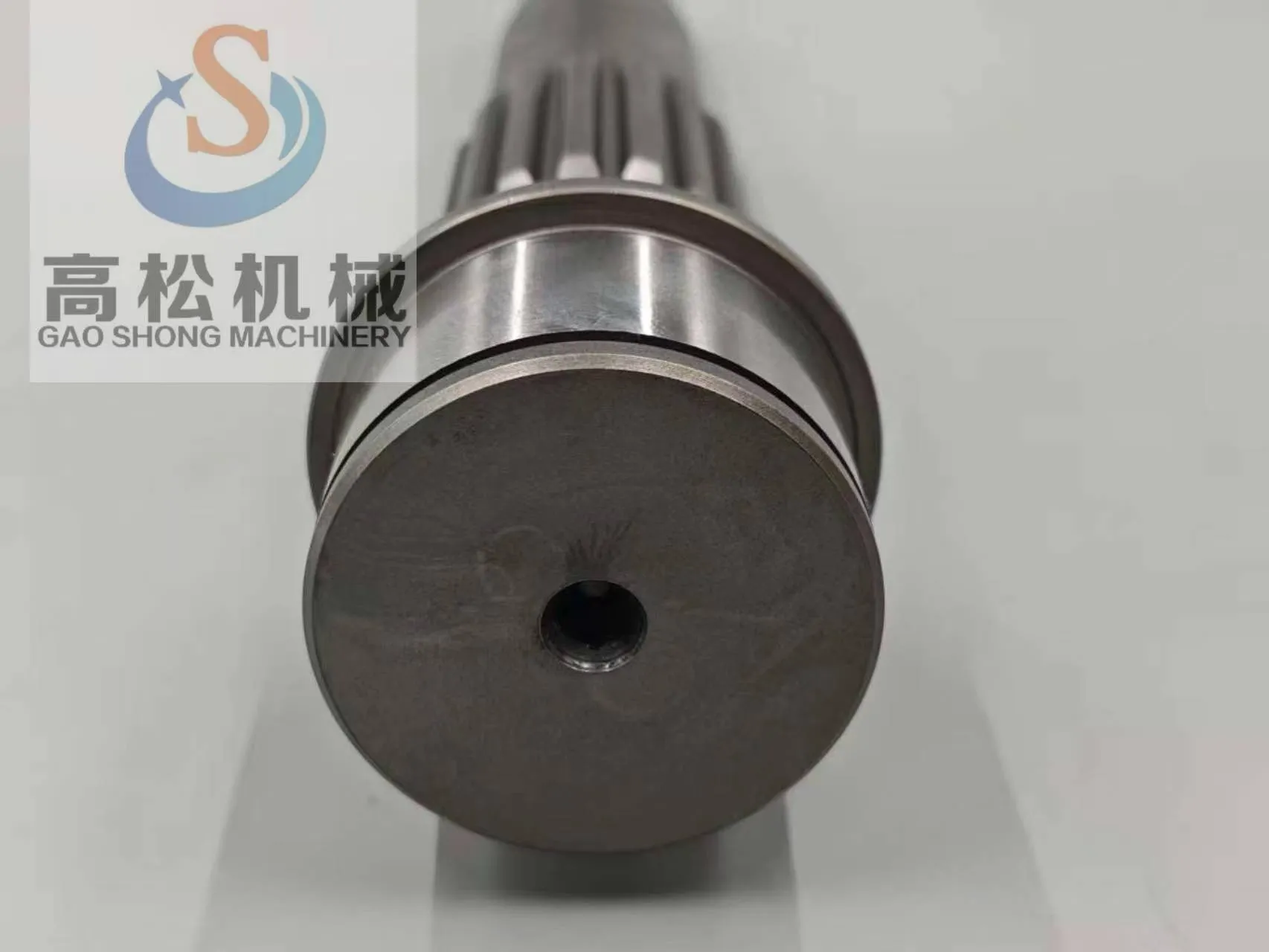 Driven Shaft Komatsu HPV140 708-2G-12121 | ASPECT PLUS
 -
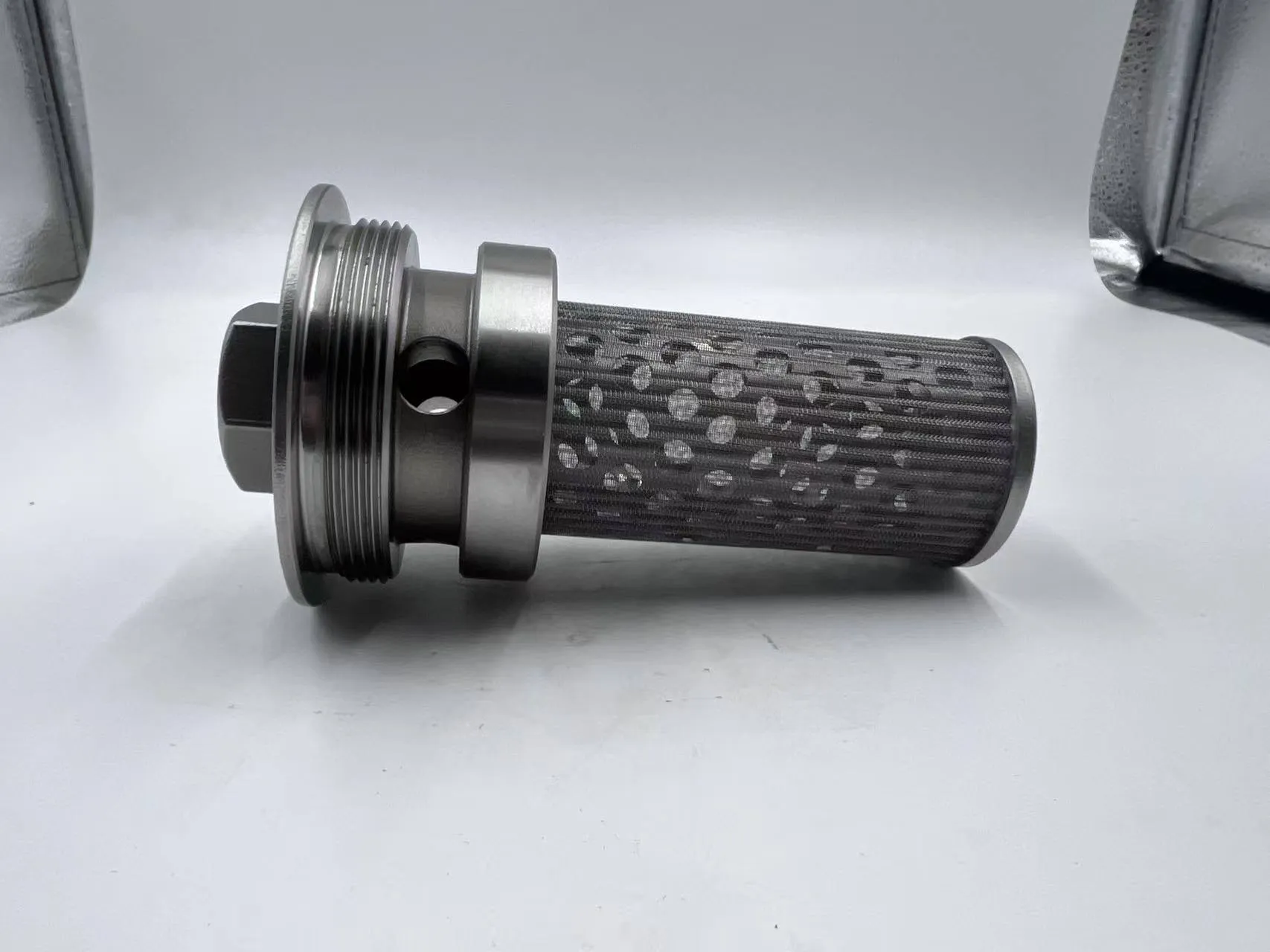 Hello friend 195-04-11150 17M-71-21530 17M-50-49290 is suitable for Komatsu Machinery
 -
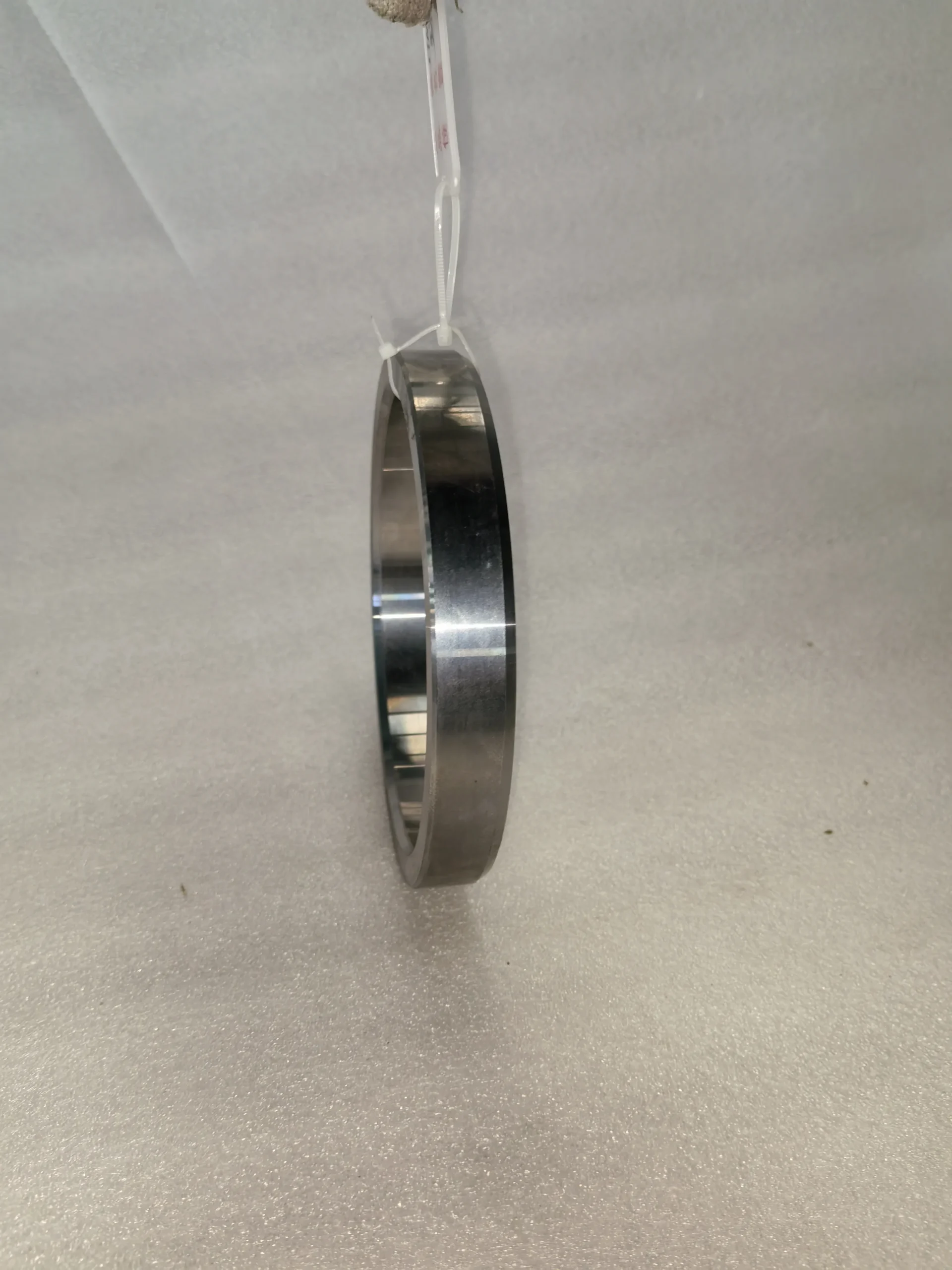 17m5041170-RING-Komatsu Original Factory
 -
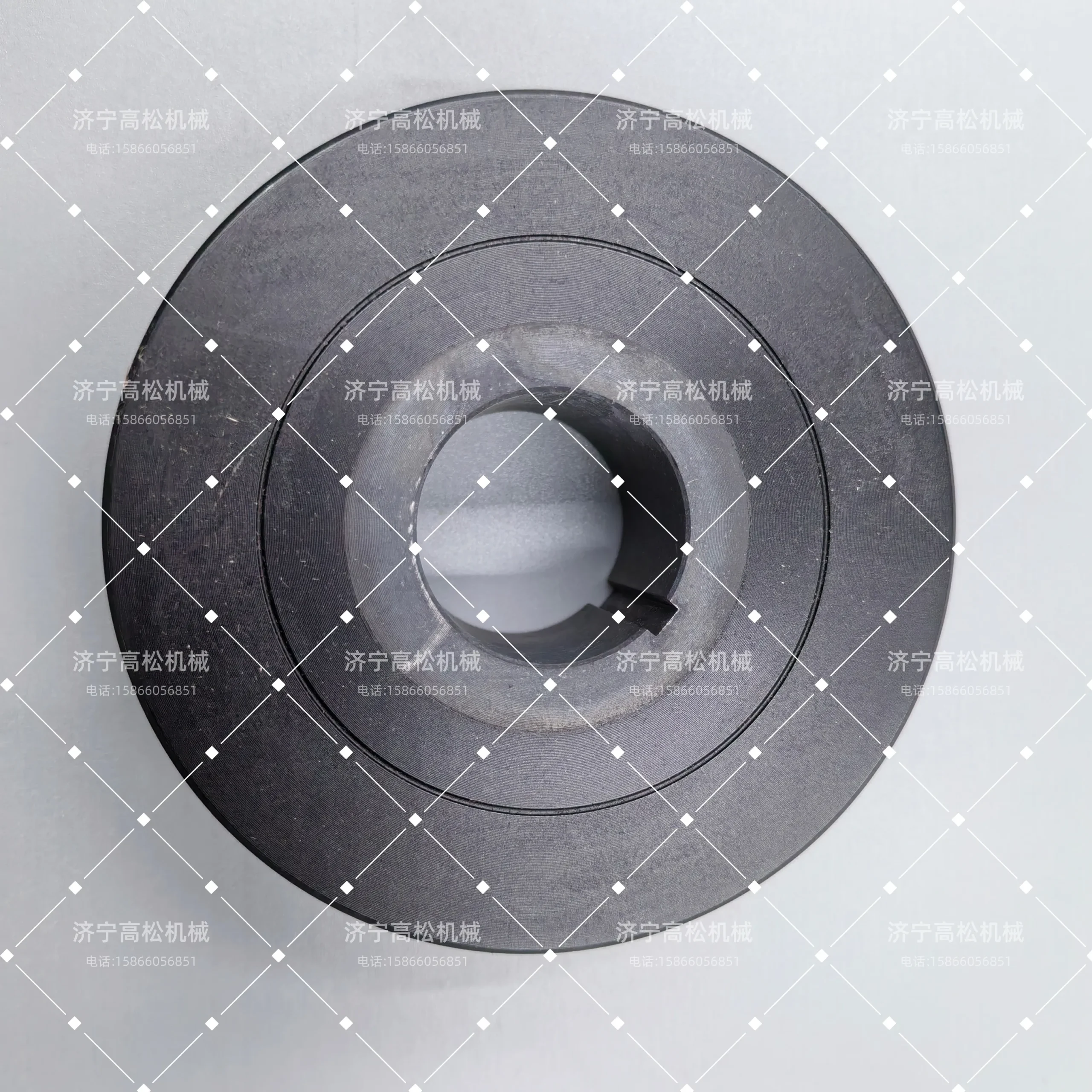 Original Parts Kd0-35411-0854 Pulley, High Quality Original Parts…
 -
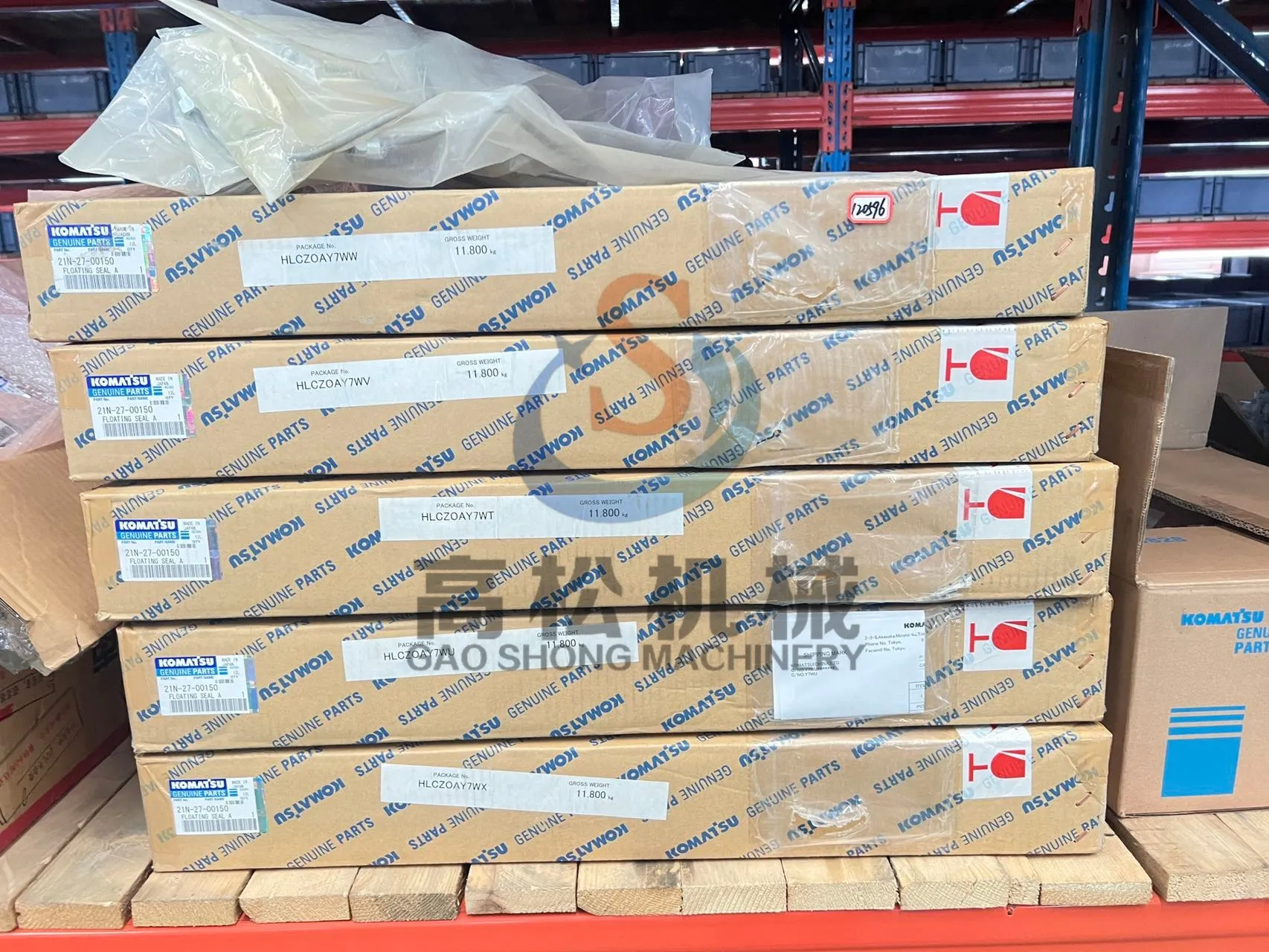 21N-27-00150 Komatsu Floating Seal Assembly
 -
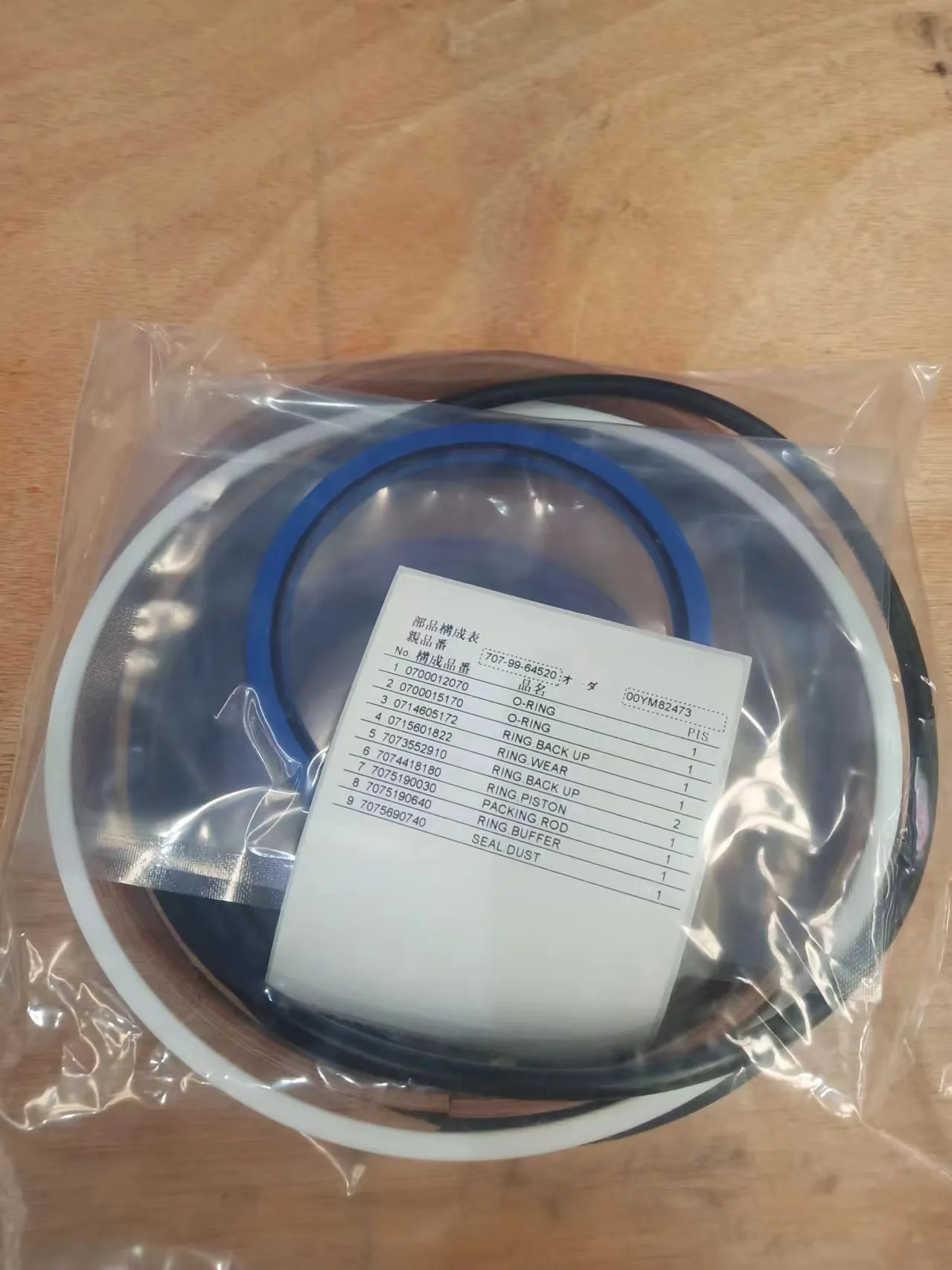 WA380-3 Repair Kit 707-99-64520
 -
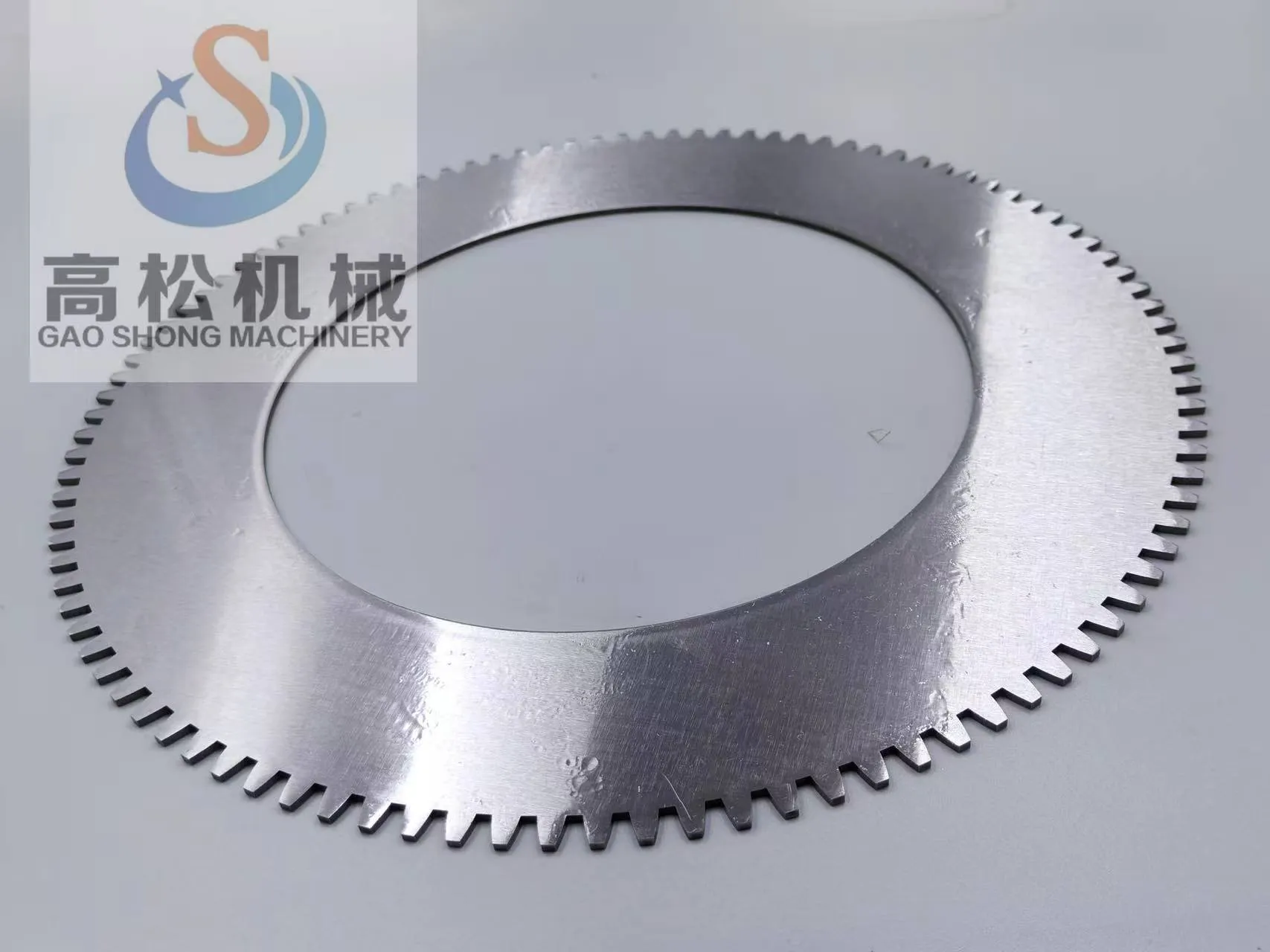 Ring seal gd825a grader 235-22-11550
 -
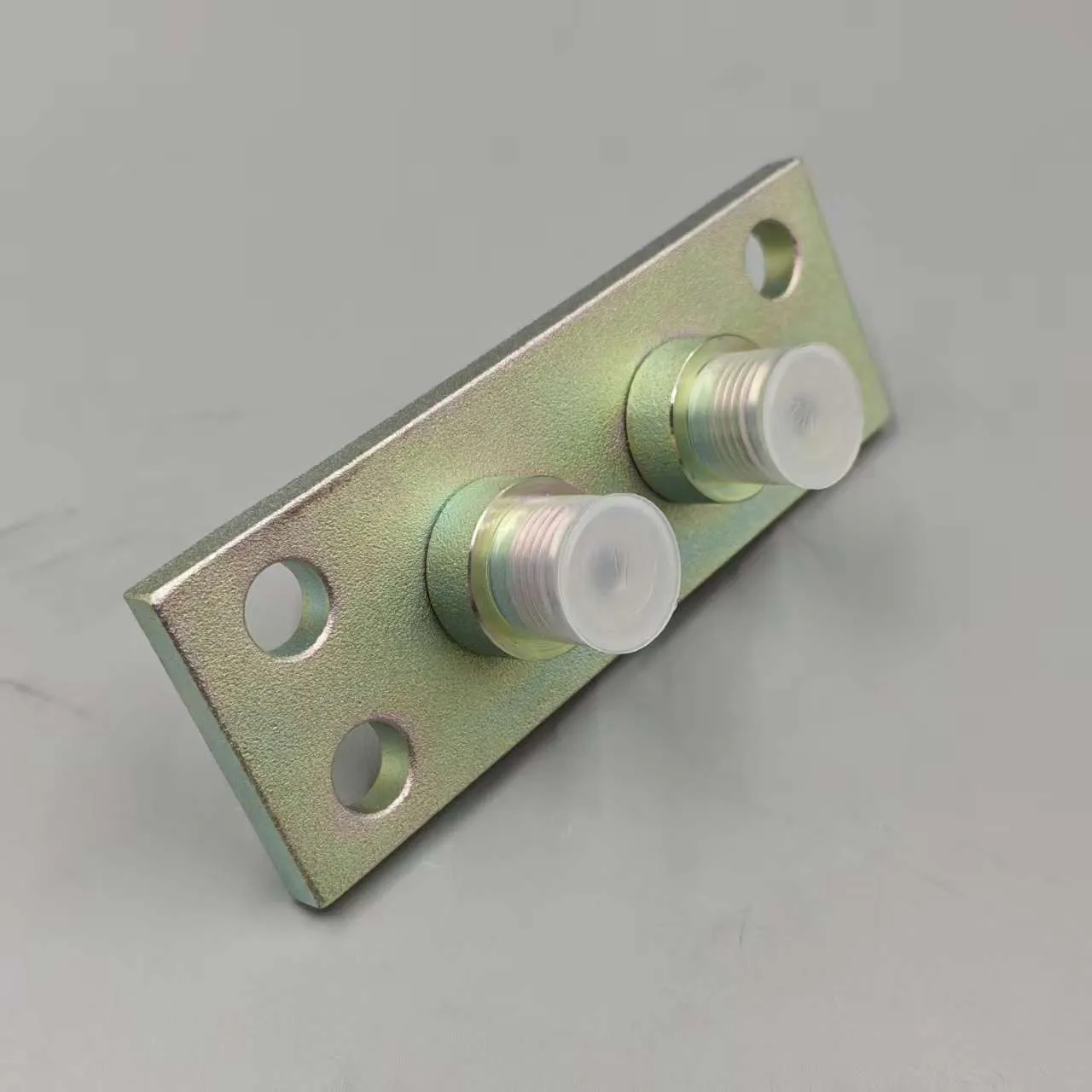 14Y-62-31411 BRACKET KOMATSU parts D60P, D65E, D65EX, D65P, D65PX, D65WX, D85E, D85ESS
 -
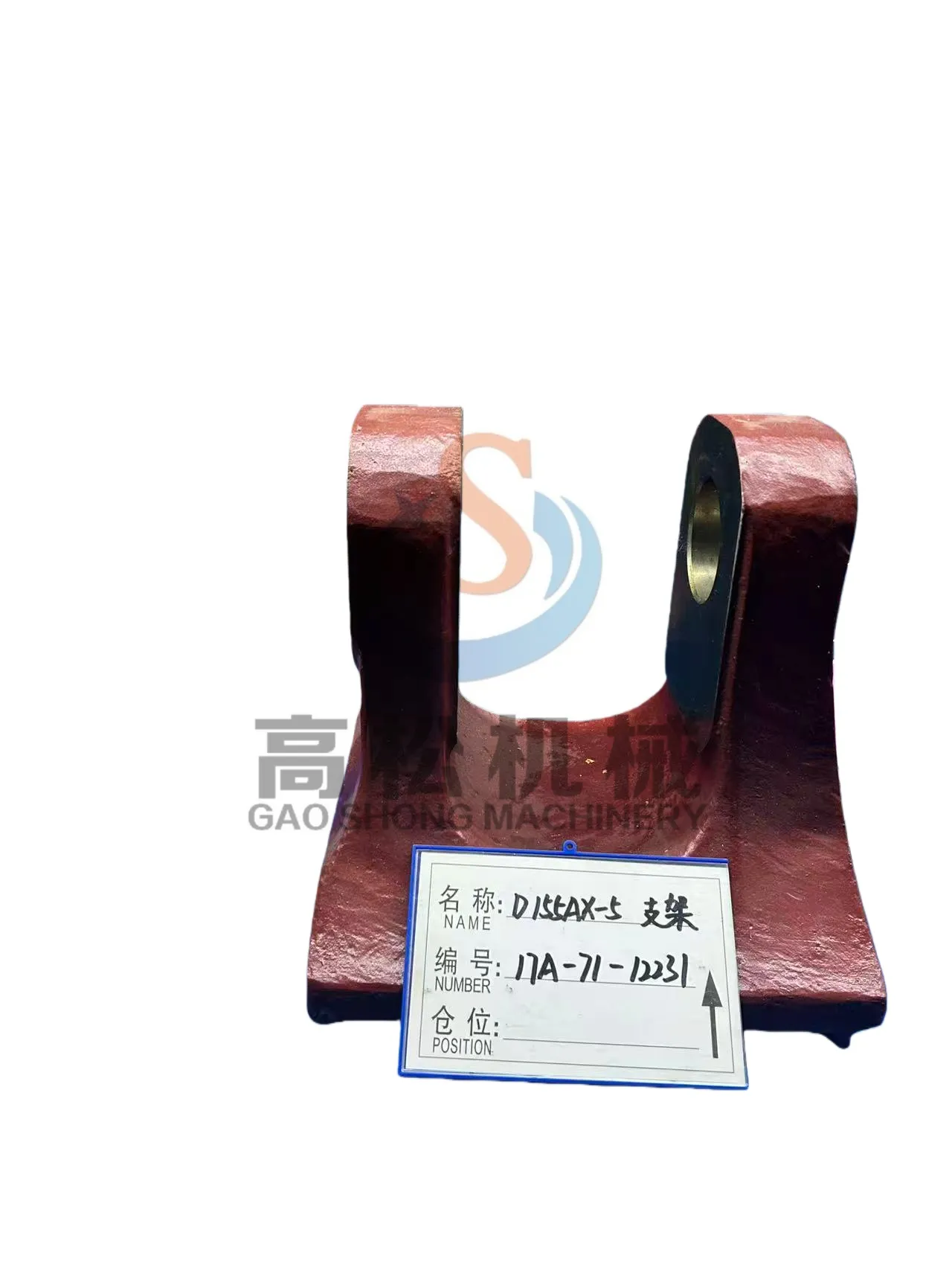 17A-71-12231 BRACKET (WELDED) D155AX-5 DOZER FRAME
 -
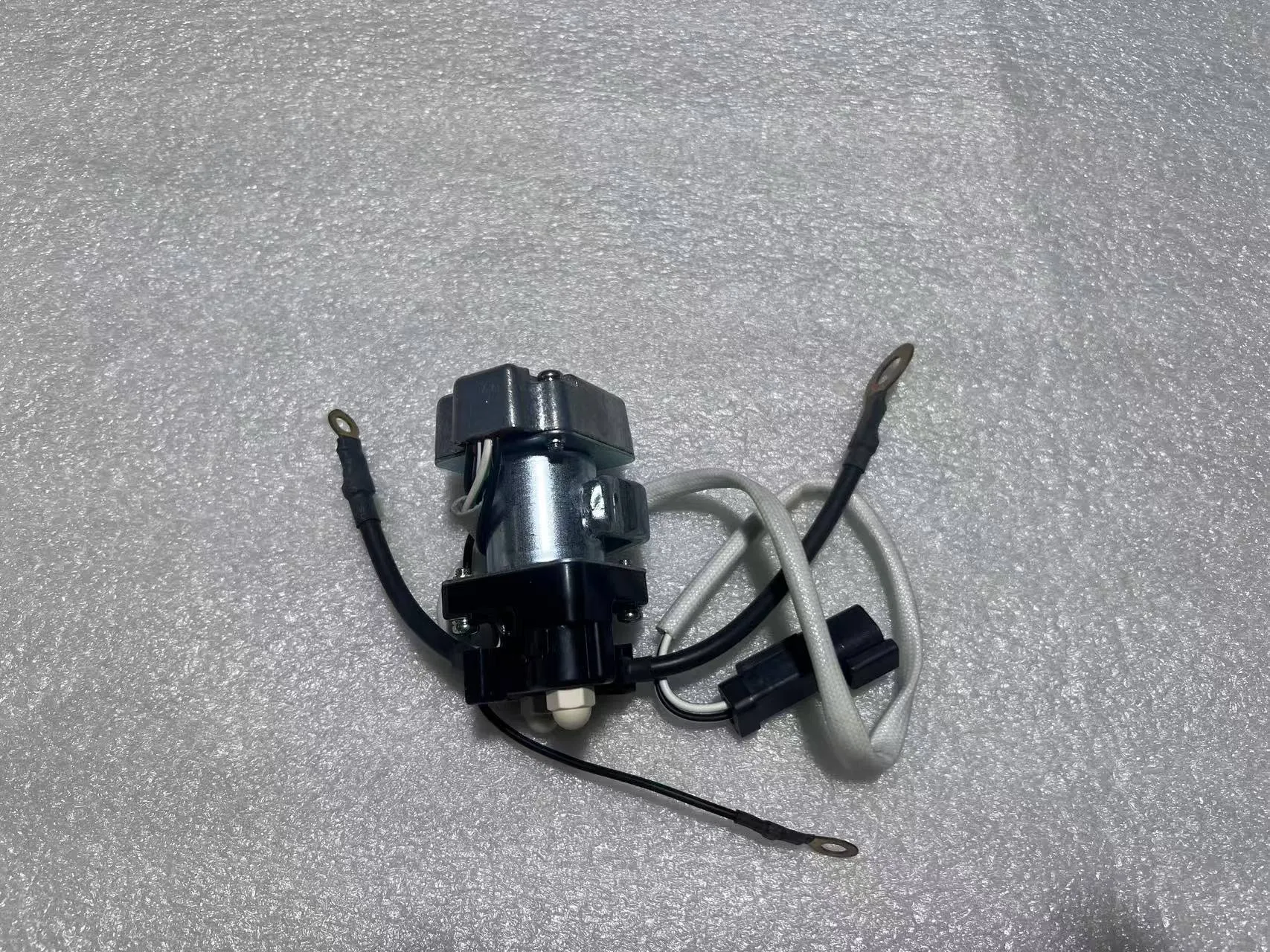 BREAKER 421-06-11440 – KOMATSU
 -
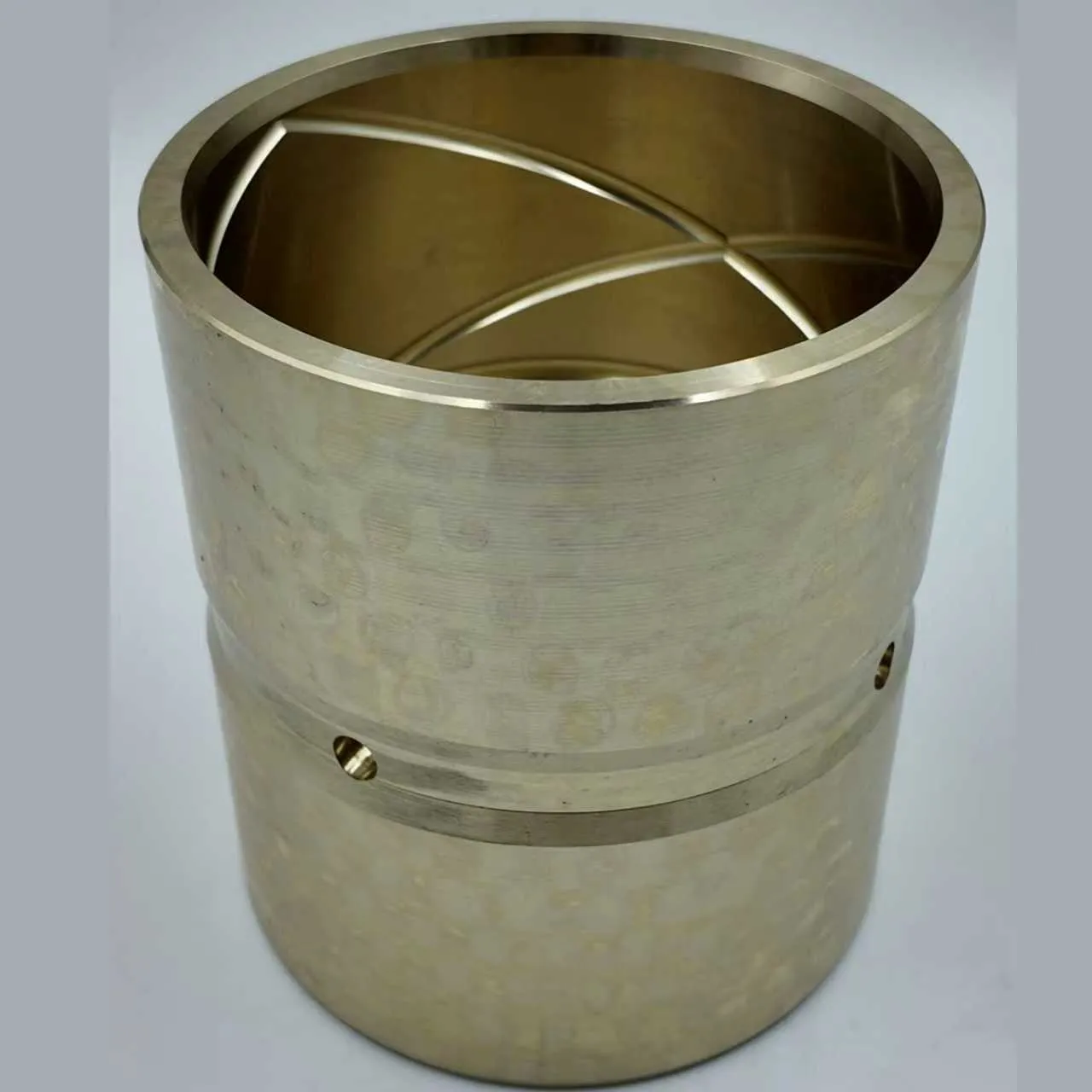 Bushing 207-70-61610 for Komatsu PC350-7 PC300LC-7 PC300-8 PC300LC-7L PC300-7
 -
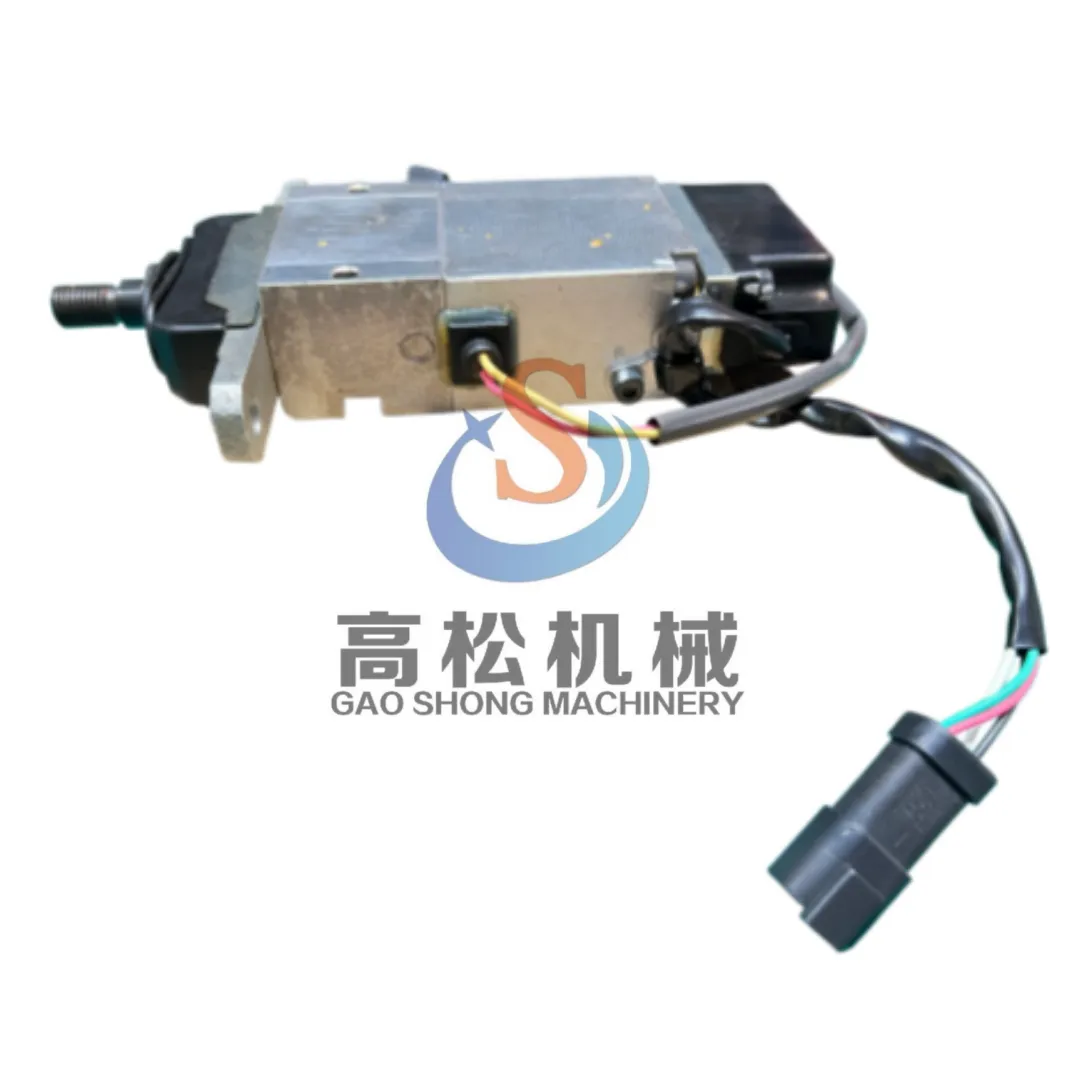 702-16-02190Lever Assembly 702-16-02190 – KOMATSU – Avrora parts