
- Chinese
- French
- German
- Portuguese
- Spanish
- Russian
- Japanese
- Korean
- Arabic
- Irish
- Greek
- Turkish
- Italian
- Danish
- Romanian
- Indonesian
- Czech
- Afrikaans
- Swedish
- Polish
- Basque
- Catalan
- Esperanto
- Hindi
- Lao
- Albanian
- Amharic
- Armenian
- Azerbaijani
- Belarusian
- Bengali
- Bosnian
- Bulgarian
- Cebuano
- Chichewa
- Corsican
- Croatian
- Dutch
- Estonian
- Filipino
- Finnish
- Frisian
- Galician
- Georgian
- Gujarati
- Haitian
- Hausa
- Hawaiian
- Hebrew
- Hmong
- Hungarian
- Icelandic
- Igbo
- Javanese
- Kannada
- Kazakh
- Khmer
- Kurdish
- Kyrgyz
- Latin
- Latvian
- Lithuanian
- Luxembou..
- Macedonian
- Malagasy
- Malay
- Malayalam
- Maltese
- Maori
- Marathi
- Mongolian
- Burmese
- Nepali
- Norwegian
- Pashto
- Persian
- Punjabi
- Serbian
- Sesotho
- Sinhala
- Slovak
- Slovenian
- Somali
- Samoan
- Scots Gaelic
- Shona
- Sindhi
- Sundanese
- Swahili
- Tajik
- Tamil
- Telugu
- Thai
- Ukrainian
- Urdu
- Uzbek
- Vietnamese
- Welsh
- Xhosa
- Yiddish
- Yoruba
- Zulu
- Kinyarwanda
- Tatar
- Oriya
- Turkmen
- Uyghur





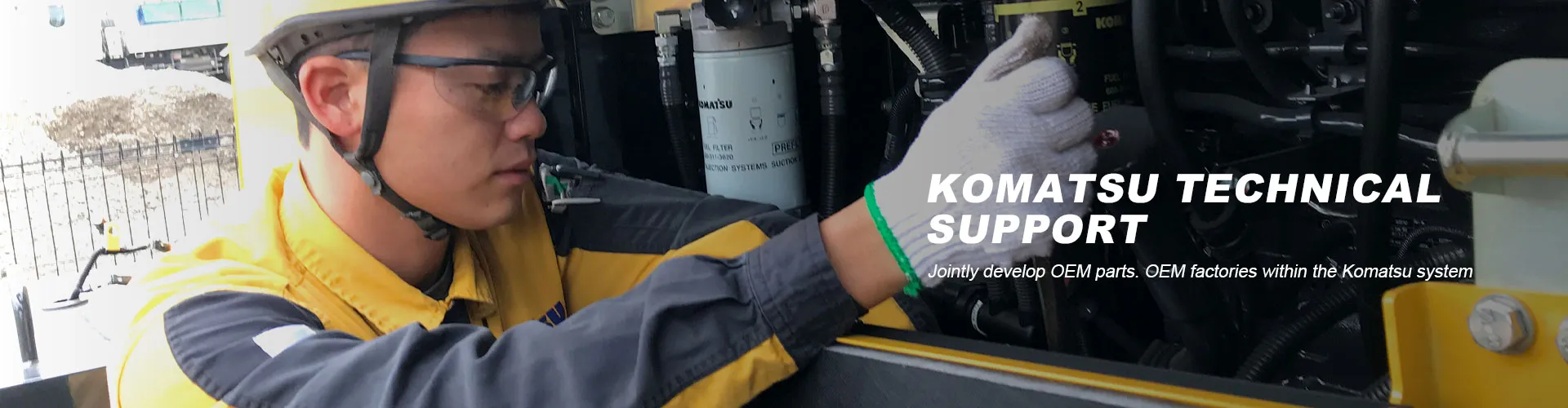
Komatsu seal kit
When you hear 'Komatsu seal kit', what comes to mind? For a lot of guys, it's just a bag of O-rings and gaskets. That's the first mistake. It's not a commodity. The real value isn't in the rubber; it's in the engineering tolerance, the compound specification for a specific fluid and pressure, and the damn sequence of installation. I've seen too many equivalent kits fail because someone thought a seal was just a seal. The difference between a proper Komatsu kit and a generic one often shows up six months later, not at installation, in the form of a slow weep that turns into a major hydraulic leak on a PC360.
The OEM Illusion and the Supply Chain Reality
There's this pervasive idea that if it doesn't come directly from a Komatsu dealer, it's automatically inferior. That's not entirely true, but it's also not false. The key is understanding the provenance. A genuine Komatsu seal kit is, of course, the benchmark. But the global supply chain for construction equipment is fragmented. In some regions, getting that official kit can take weeks, costing a fortune in downtime.
This is where the role of a specialized supplier becomes critical. I'm talking about companies that operate within the Komatsu ecosystem but address these gaps. For instance, Jining Gaosong Construction Machinery Co., Ltd. positions itself interestingly. They state they are an OEM product supplier within the Komatsu system and a third-party sales company. In practice, this often means they have access to genuine or OEM-specification components and channel them to markets where the official distribution is thin or slow. Their site, https://www.takematsumachinery.com, highlights solving parts supply challenges. That's the real pain point they're addressing.
So, when you source a Komatsu seal kit from such a channel, the question isn't just is it genuine? but does it meet the OEM specification for form, fit, and function? The latter is what actually matters on the job site. A seal that fits but uses a nitrile compound incompatible with the specific hydraulic oil (say, a high-water-content fluid) will fail, regardless of the logo on the bag.
Anatomy of a Kit: What You're Actually Paying For
Let's get specific. Take a final drive seal kit for a D65 dozer. It's not just one seal. It's a set: the duo-cone seals themselves, the O-rings for the labyrinth, the gaskets for the housing covers, the lip seals for any ancillary shafts, and often the specific lubricant for the cone seal faces. Missing one, or having one that's even half a millimeter off in cross-section, means the assembly won't hold pressure.
The critical component is always the main sealing element. For duo-cone seals, the surface finish on the metal rings is as important as the rubber. I once used a kit from a reputable third party where the metal rings had a slightly rougher machining finish. It sealed initially, but wore out the rubber follower ring in under 1000 hours. The official Komatsu kit? The metal was almost polished. That's the detail you don't see in a catalog photo.
This is where a supplier's depth matters. A company like Gaosong, by being an OEM supplier, theoretically should have the specs for these surface finishes and material grades. It's not about selling a bag of parts; it's about providing the complete sealing solution as engineered. If they're just boxing generic seals, they'll get found out quickly in the field. Their claim of being within the Komatsu system implies a level of specification adherence that is the only thing that makes a third-party kit viable.
Field Application: Where Theory Meets Dirt
Alright, you've got your kit, from whatever source. Now the real test. The manual says clean and dry. That's the understatement of the century. Any grit on the sealing surface is a grinding compound. I always use a solvent wash followed by compressed air, and then literally lint-free wipes. For the love of god, don't use a shop rag.
Installation sequence is everything, especially with multi-part seals. There's a specific order to tighten housing bolts to avoid distorting the seal seat. It's in the service manual, but how many techs actually follow it to the letter? I've been guilty of rushing it. The result is never an immediate blow-out; it's an uneven wear pattern that leads to a leak you chase for months. A high-quality Komatsu seal kit won't compensate for a sloppy install, but a poor-quality kit will fail even with a perfect install.
Another practical note: storage. These kits have a shelf life. The rubber compounds can harden or crack. A good supplier will have rotation and proper storage. If you get a kit where the O-rings are stiff or have flat spots from being boxed under pressure for years, send it back. It's dead on arrival. This is a checkpoint when evaluating any source, including specialists like the mentioned Jining Gaosong Construction Machinery Co., Ltd.. Their ability to solve supply challenges shouldn't mean shipping old, degraded stock from a warehouse corner.
The Cost of Failure vs. The Price of the Kit
This is the core calculation. A seal kit for a hydraulic cylinder might cost $200 from an alternative source versus $500 from the dealer. The temptation is huge. But if that $200 kit fails, you're not just out $200. You're out the 8-10 hours of labor to redo the job, the hydraulic oil lost, the cleanup, and the machine downtime. On a large excavator, downtime can cost thousands per day.
I learned this the hard way on a PC300 pump rebuild. Used a cheap, unbranded seal kit. The main shaft seal blew after two weeks, dumping 50 gallons of oil into the pit. The kit savings were $150. The total loss was over $2000 in fluid, labor, environmental cleanup, and lost machine time. Never again.
So, when a company says they help solve parts supply challenges, the unspoken second half of that sentence must be without compromising on reliability. The value of a proper Komatsu seal kit, whether channeled through an official or a qualified third-party like Gaosong, is in total cost of ownership, not unit price. Their role is to provide the OEM-spec solution where the official channel can't, not to undercut with inferior alternatives.
Sourcing Judgment: Questions to Ask
Given all this, how do you vet a source? First, ask for material certifications or test reports for the critical seals. Any legitimate supplier with OEM ties should be able to provide something, even if it's a generic spec sheet showing compliance with JIS or SAE standards for oil resistance, temperature range, and hardness.
Second, ask about kit completeness. Does it include all the seals, gaskets, O-rings, and any necessary lubricants or thread lockers shown in the official parts breakdown? A missing O-ring for a drain port is a small part that causes a big leak.
Finally, look at their focus. A supplier that just lists thousands of parts might be a distributor. One that specifically highlights a relationship with an OEM system and solving supply chain issues, as https://www.takematsumachinery.com does, is targeting a different, more informed clientele. They're selling reliability and access, not just a product. You're buying into their network and their quality assurance, which for critical components like seal kits, is the entire game.
In the end, a Komatsu seal kit is a precision component group. It's insurance. The brand on the box matters less than the engineering and quality control behind the contents. Whether it comes from a dealer, or from a specialized conduit within the system, the outcome on the machine must be identical: a leak-free service life that matches Komatsu's engineering intent. That's the only metric that counts when you're the one holding the wrench.
Related Products
Related Products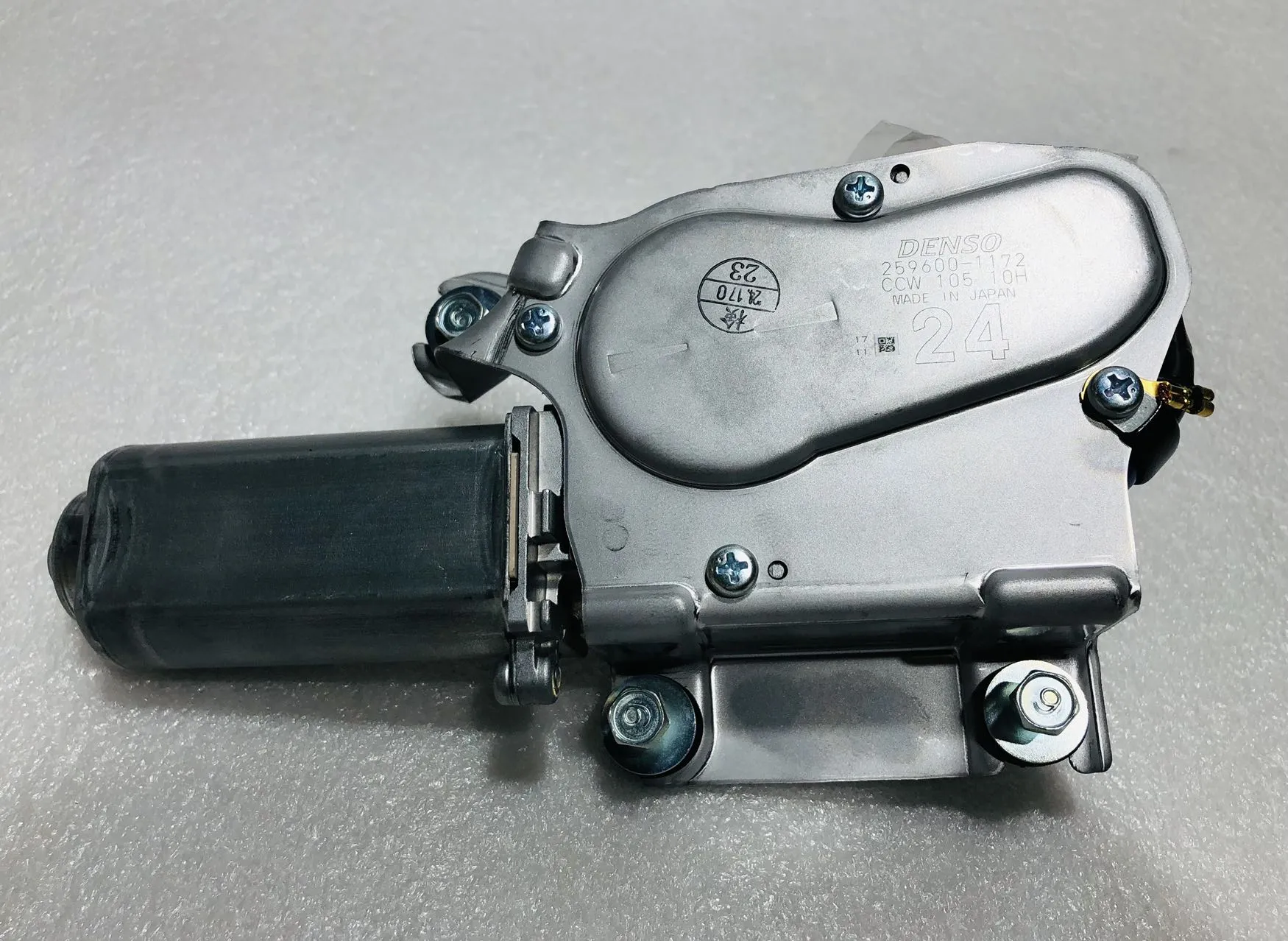
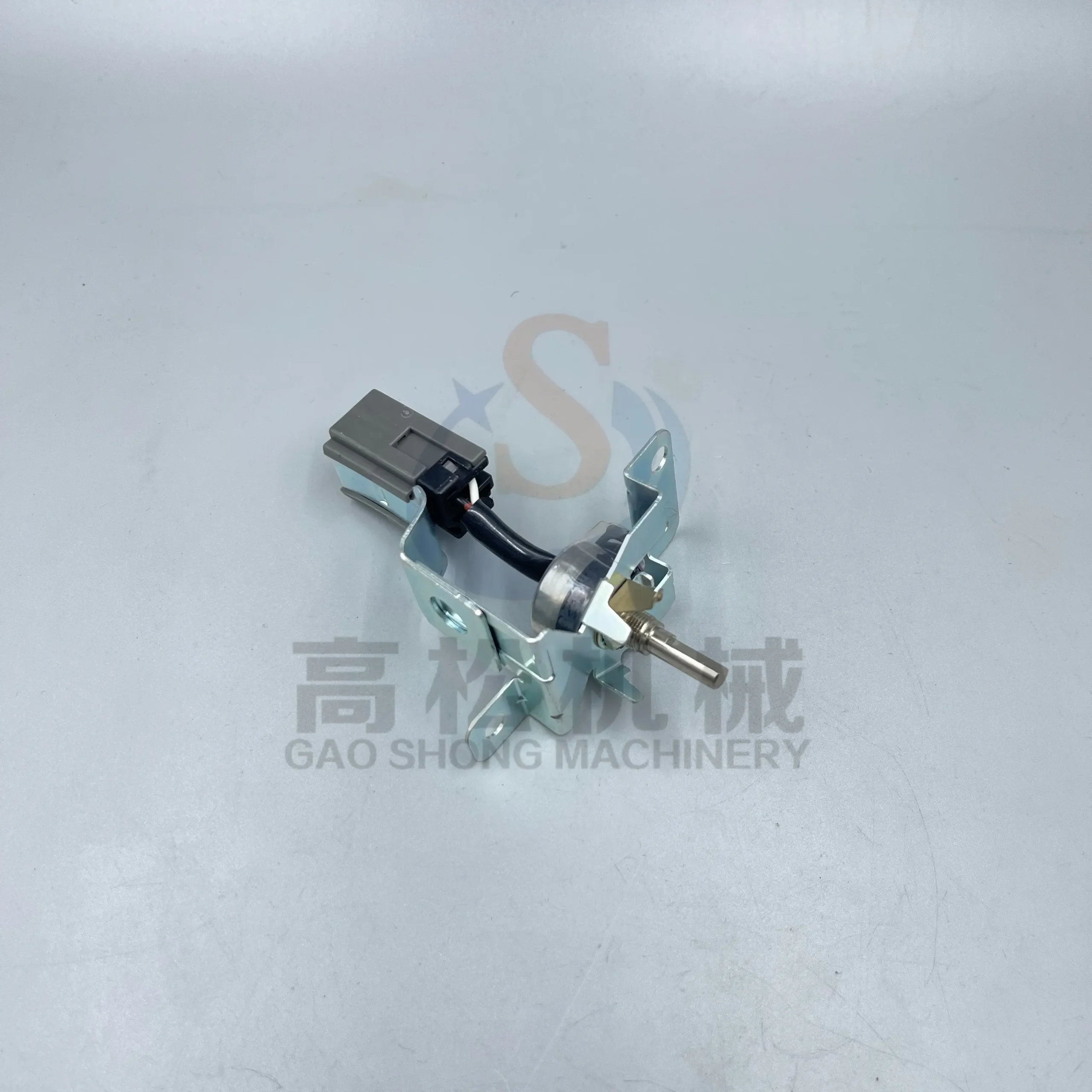
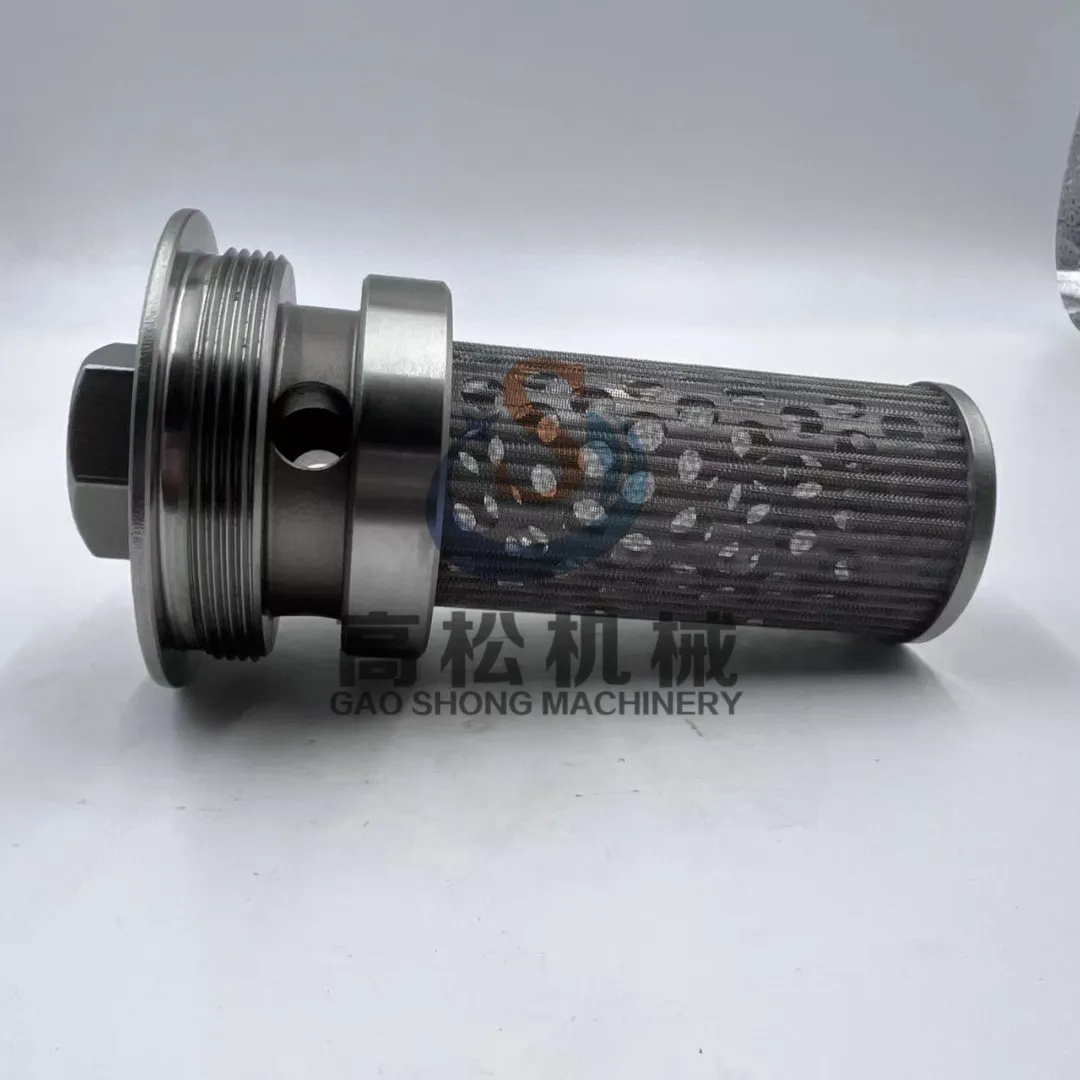
Best Selling Products
Best Selling Products-
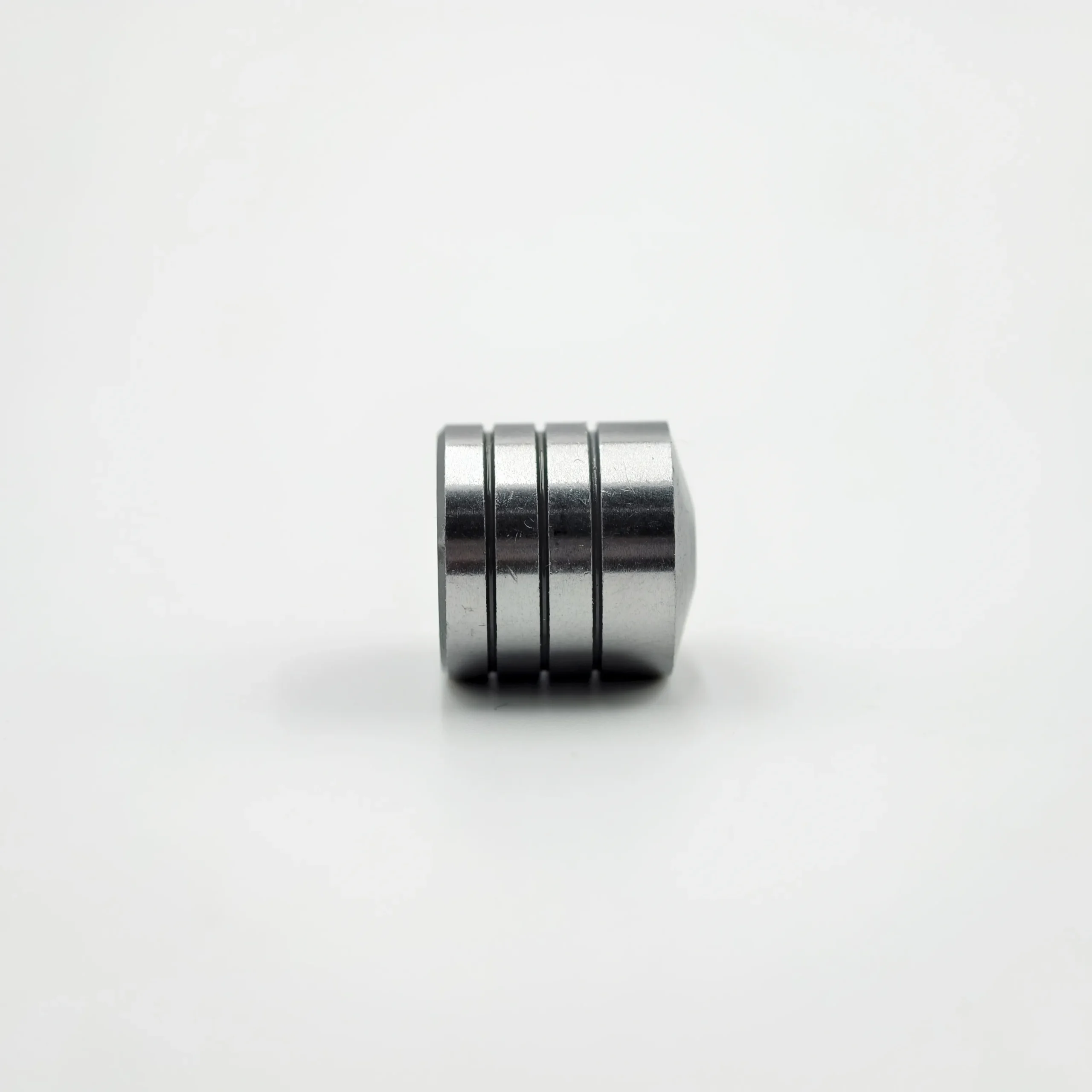 104-15-25480• VALVE Komatsu Original Factory
 -
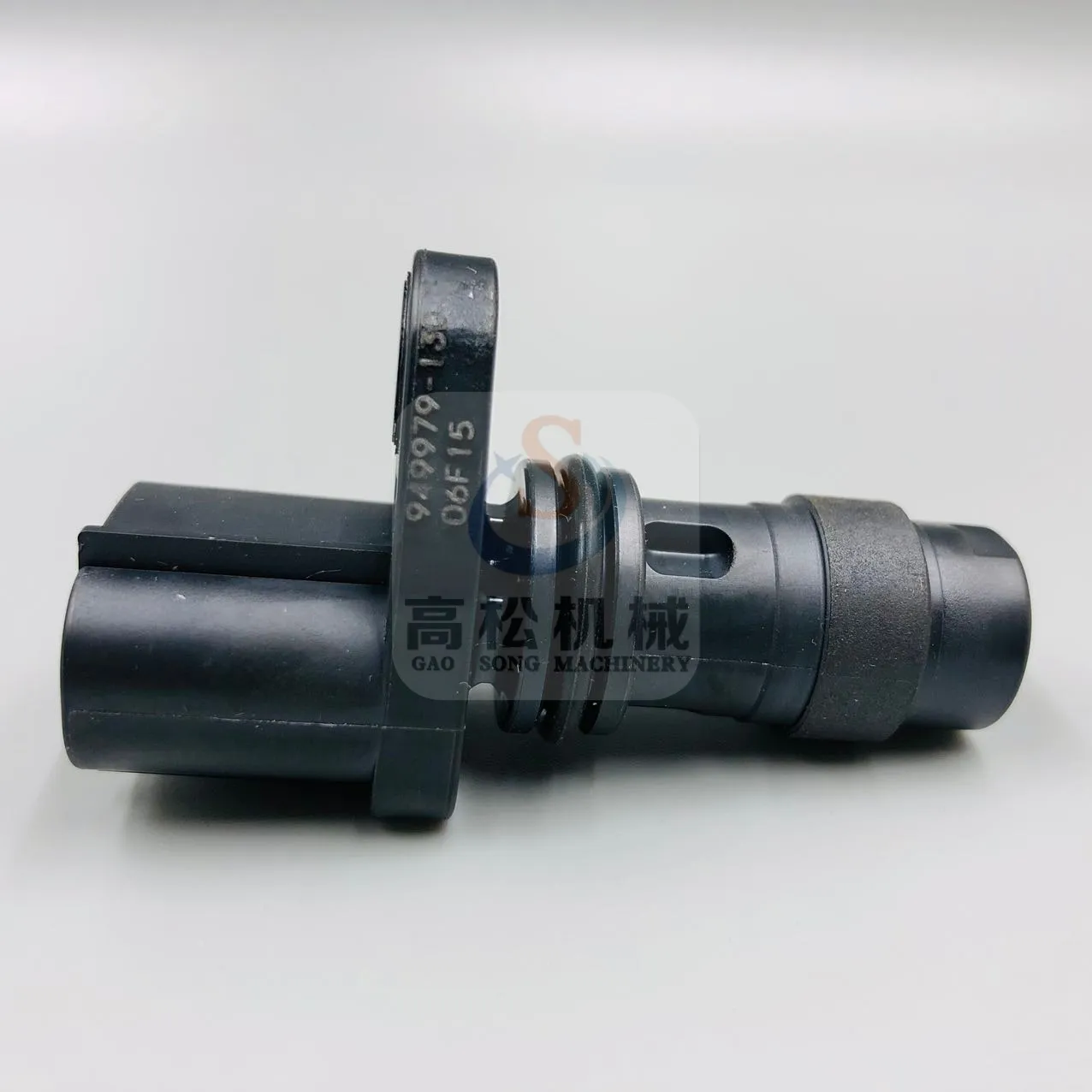 ND949979-1300 fuel pump sensor for Komatsu PC2000-8
 -
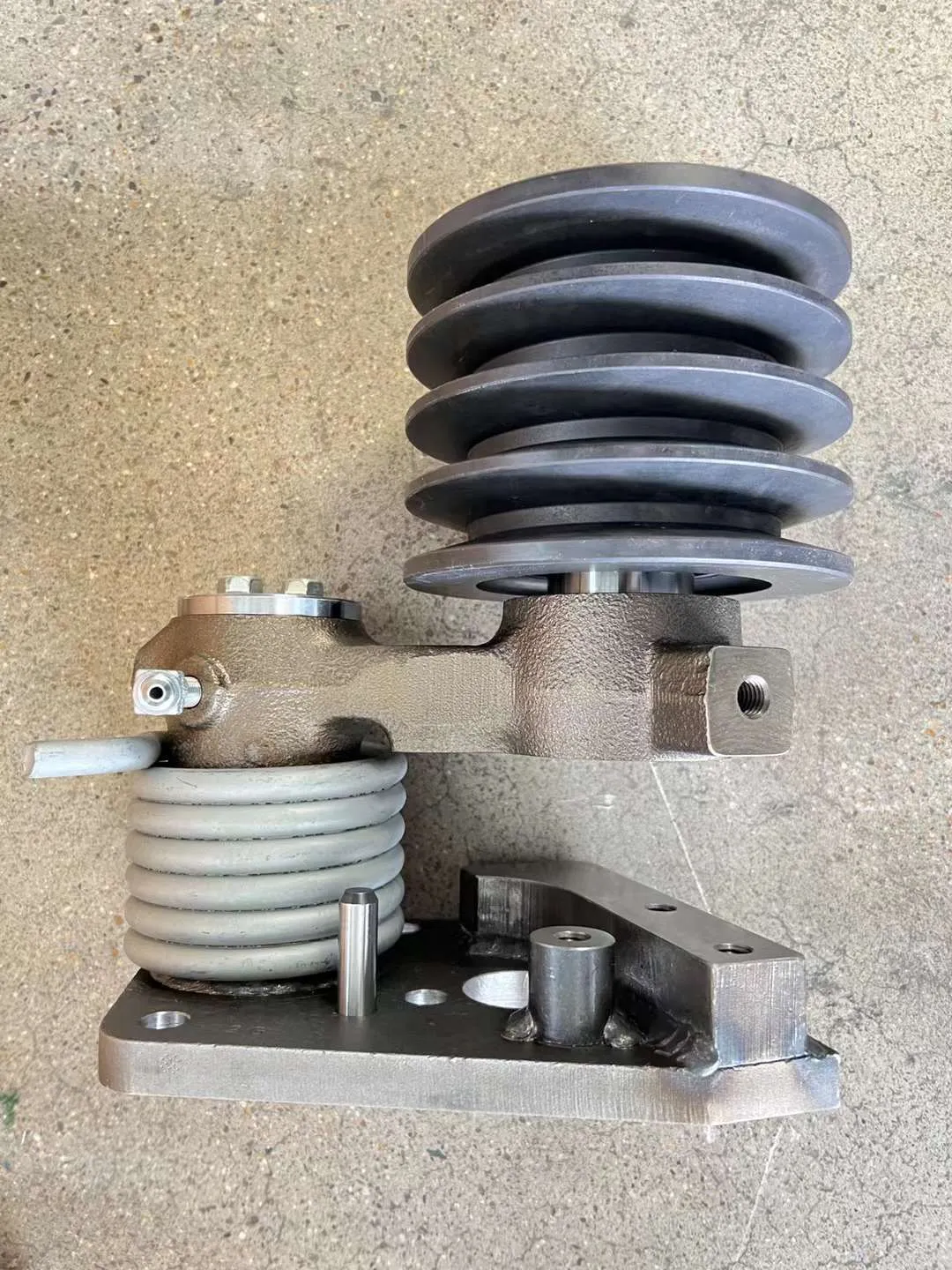 HD465-7R Tension Assembly 6245-61-3901
 -
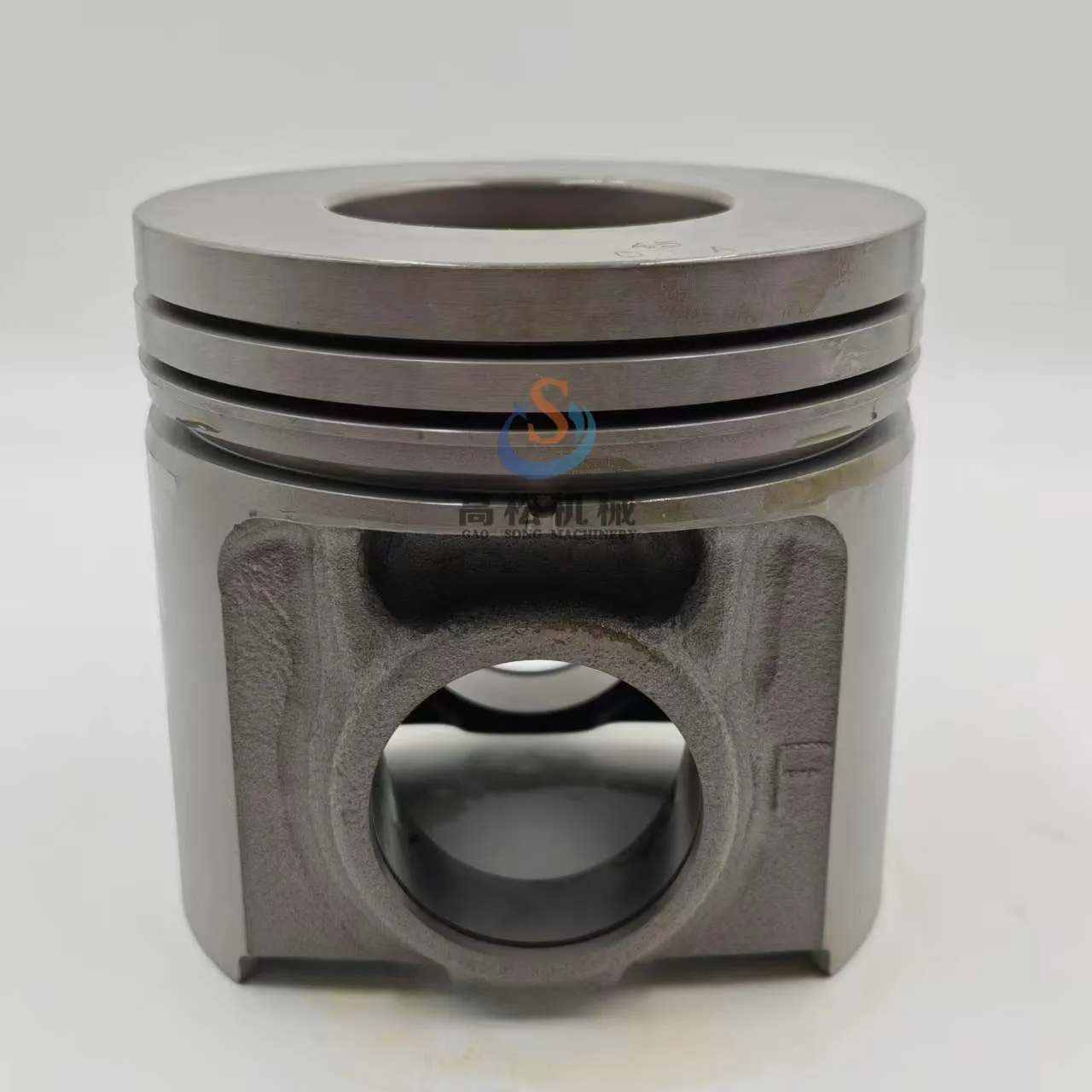 6152-32-2510 komatsu-parts piston
 -
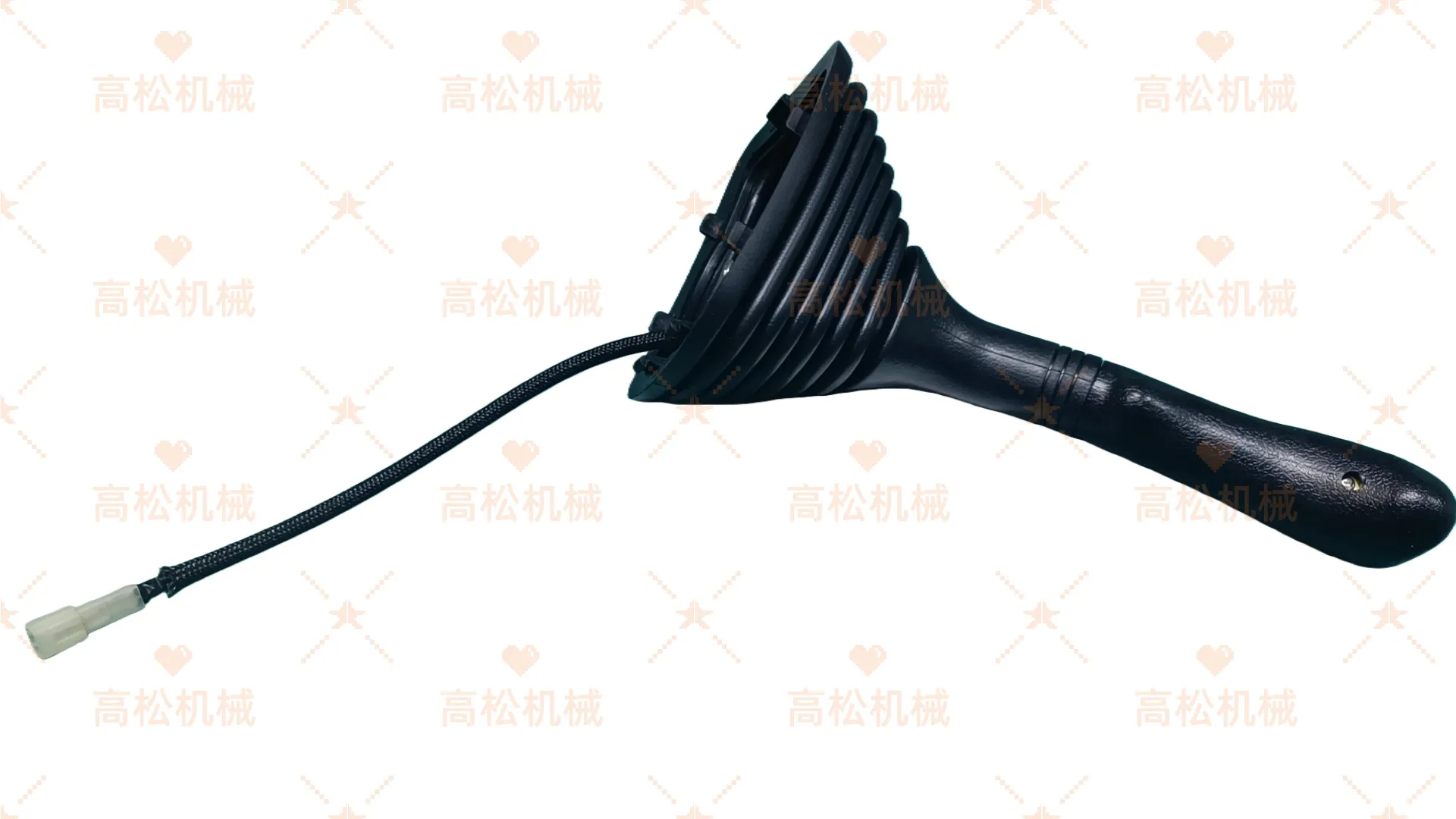 2A5-43-12861SWITCH 2A5-43-12933LEVER ASSEMBLY 2A5-53-12721Motor Assembly 2A5-54-13421 Rear View Mirror2A5-979-1113 Air conditioning component 2A8-70-13210Pin
 -
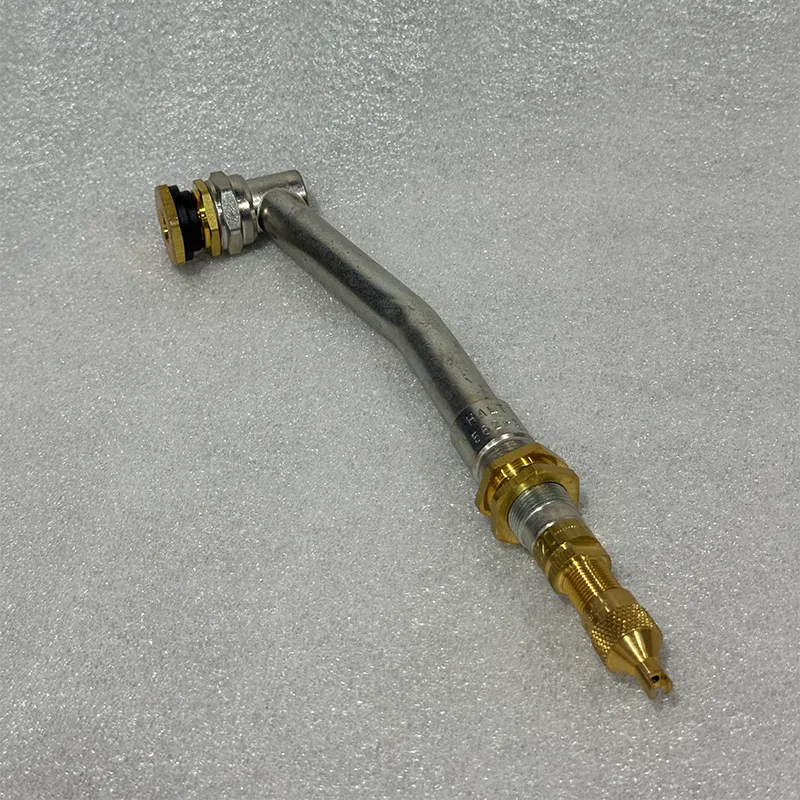 Original komatsu HD1500-8 Valve 562-30-3A210
 -
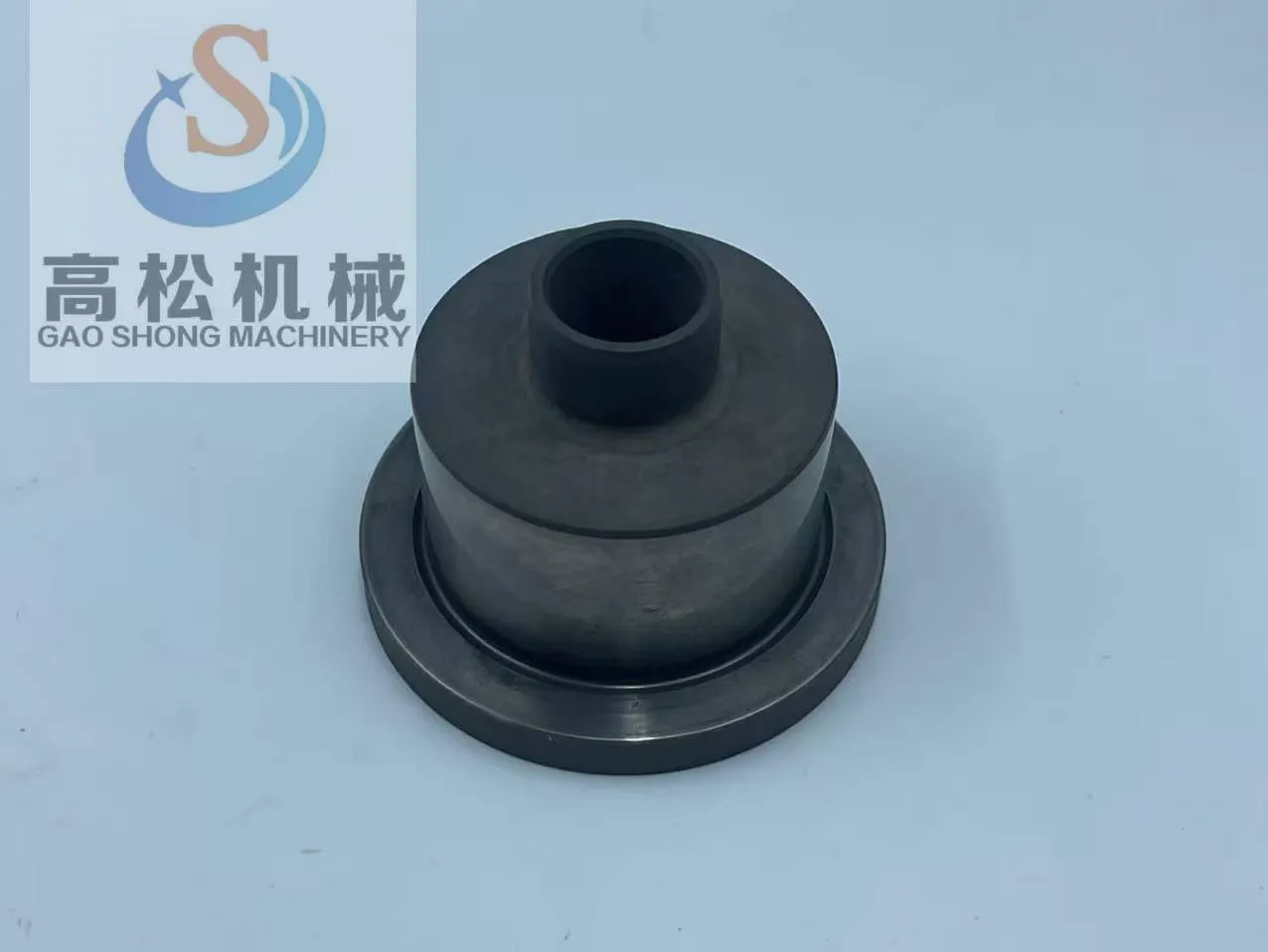 Direct sale, original fast delivery shaft 6212-21-2511 for parts of construction machinery komatsu
 -
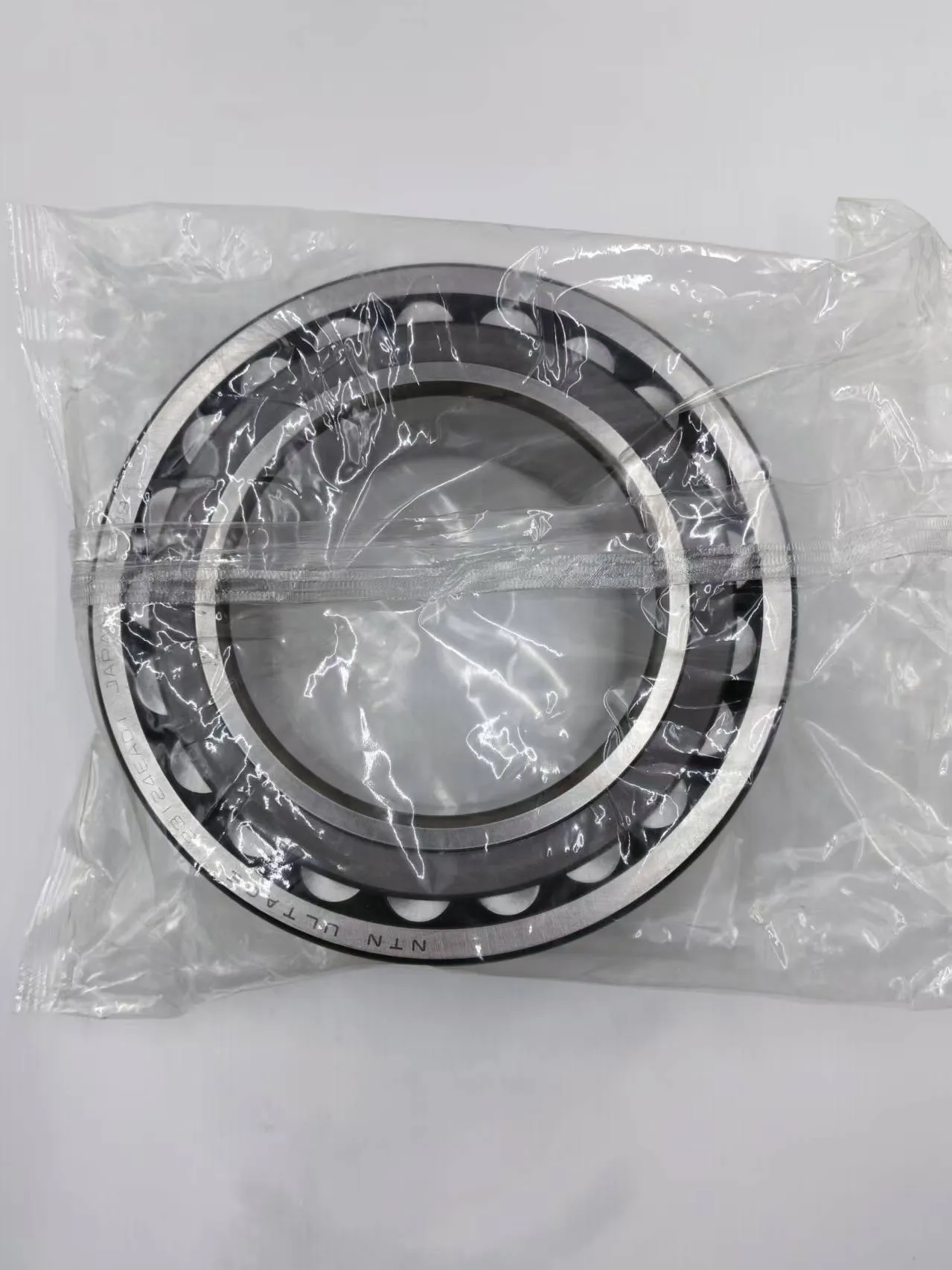 208-26-71530 Bearing for Komatsu PC450 PC460 PC500 Excavator Swing Drive Bearing Reducer Bearing
 -
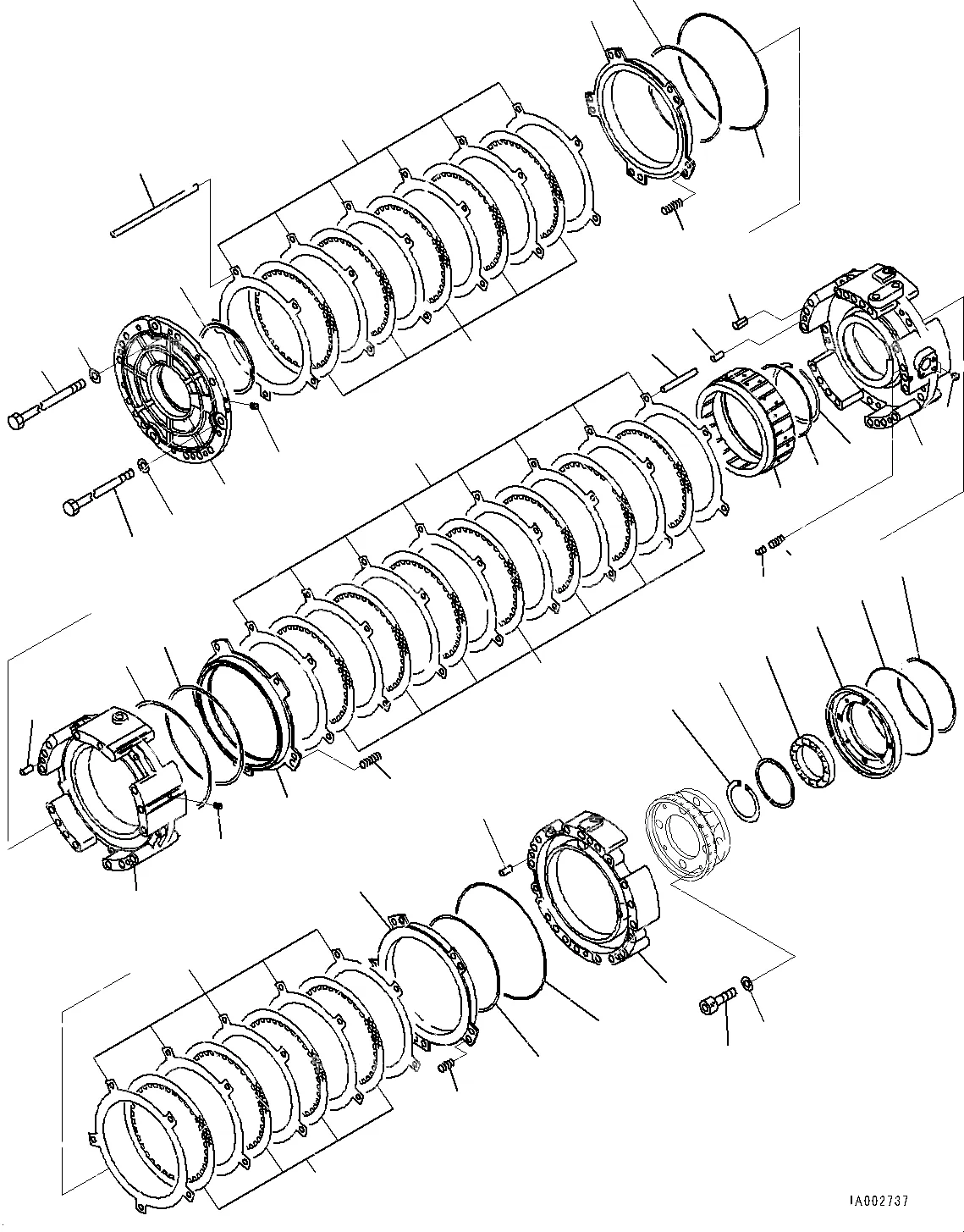 14X-15-19210 14X-15-19220 for D65 D68 D85 WA500 Bulldozer…
 -
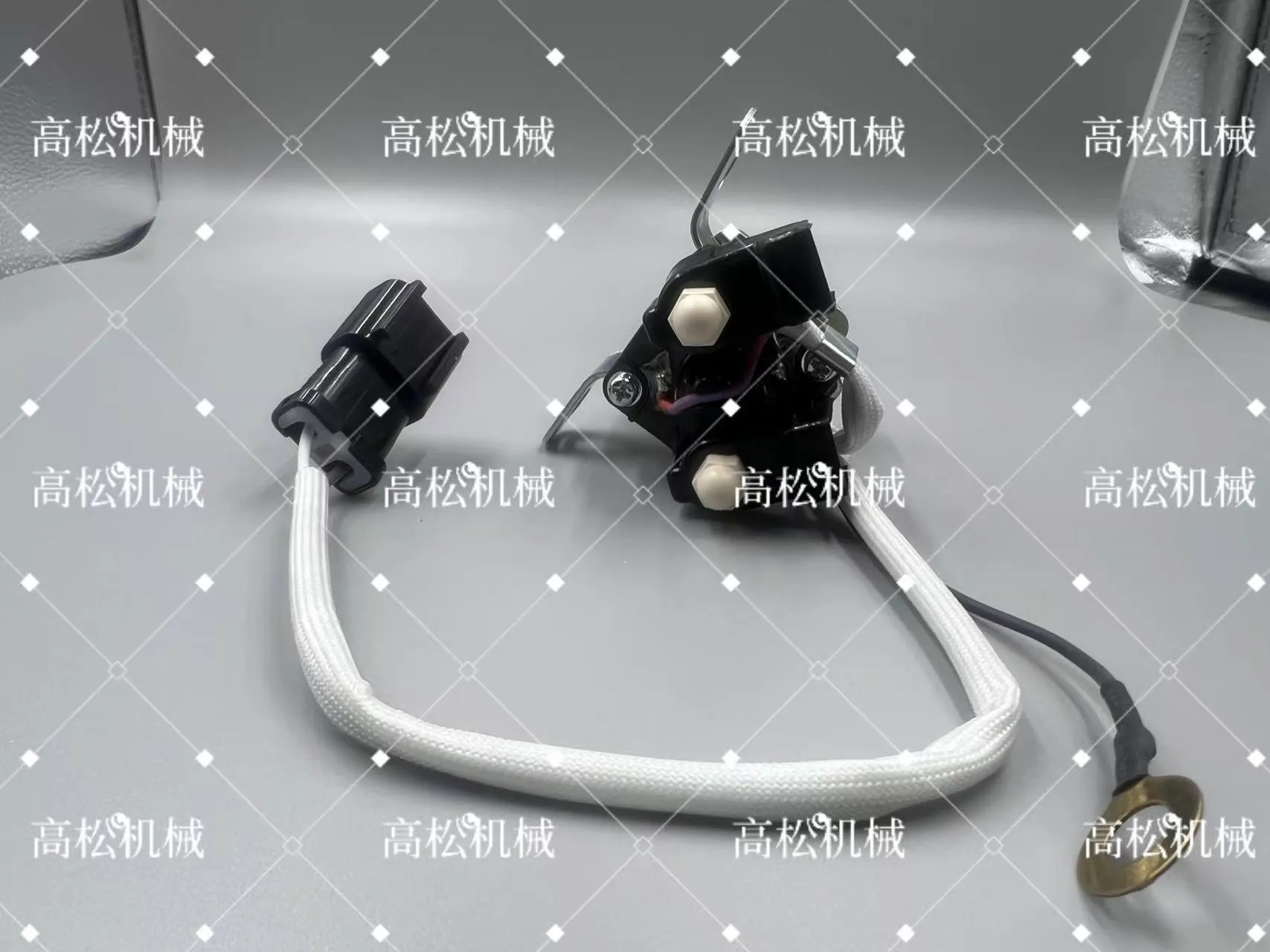 600-815-8941 Safety Relay for Komatsu PC60-7 PC200-6 PC200-8 PC138US-8 PC130-7
 -
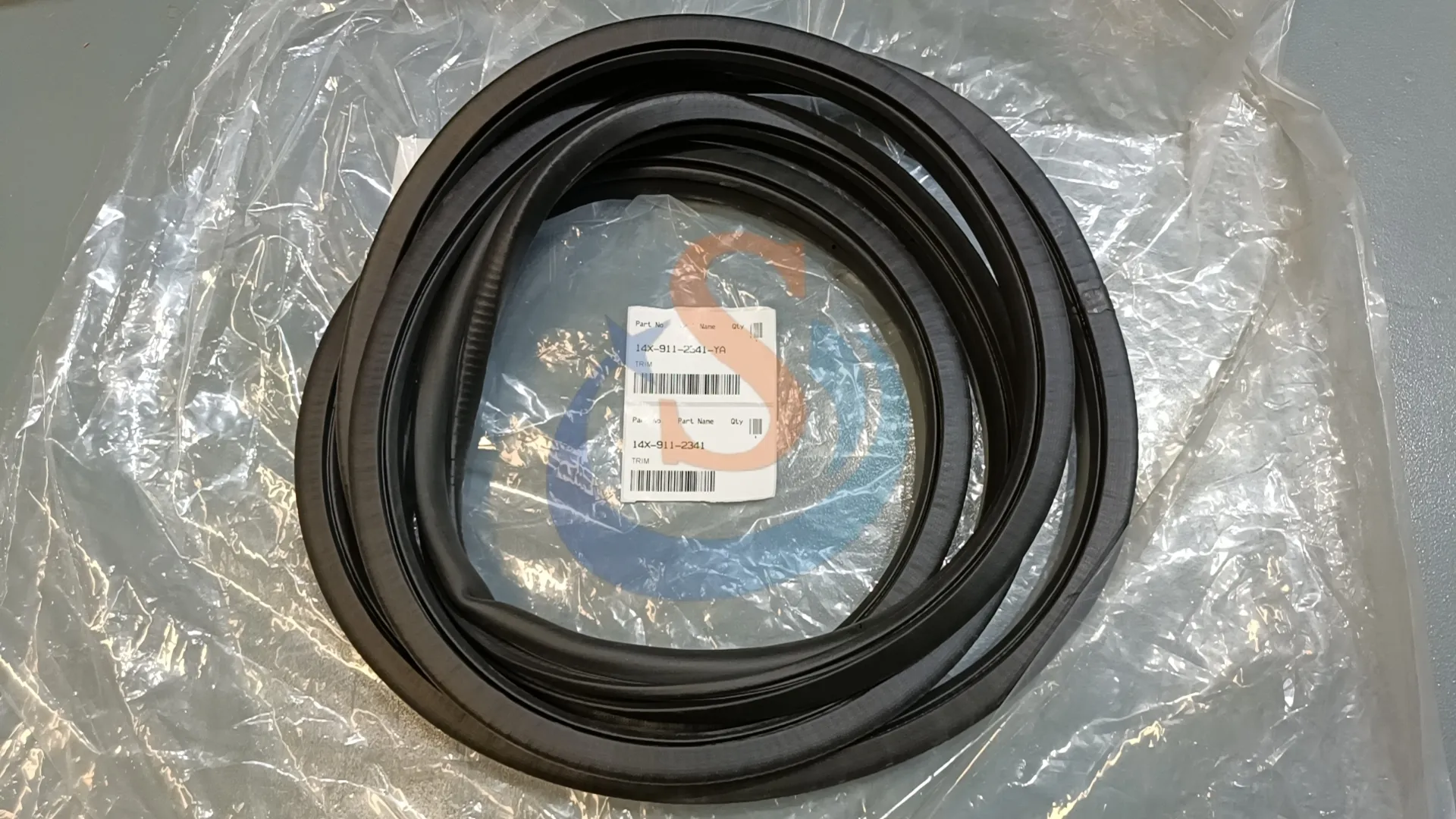 0700012021 Pack of 10 O-RING suitable for Komatsu
 -
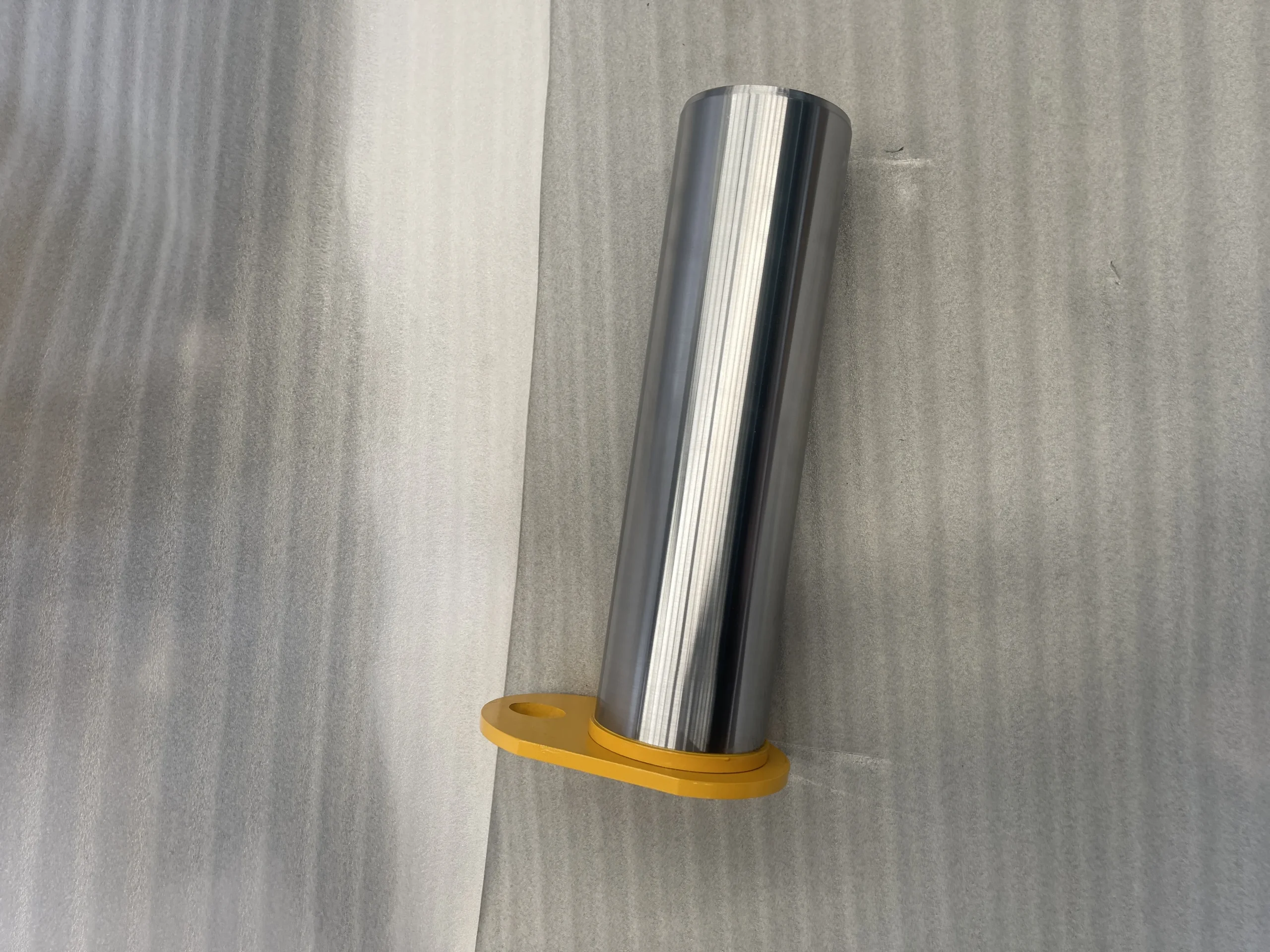 WA600-6 pin 426-70-31960