
- Chinese
- French
- German
- Portuguese
- Spanish
- Russian
- Japanese
- Korean
- Arabic
- Irish
- Greek
- Turkish
- Italian
- Danish
- Romanian
- Indonesian
- Czech
- Afrikaans
- Swedish
- Polish
- Basque
- Catalan
- Esperanto
- Hindi
- Lao
- Albanian
- Amharic
- Armenian
- Azerbaijani
- Belarusian
- Bengali
- Bosnian
- Bulgarian
- Cebuano
- Chichewa
- Corsican
- Croatian
- Dutch
- Estonian
- Filipino
- Finnish
- Frisian
- Galician
- Georgian
- Gujarati
- Haitian
- Hausa
- Hawaiian
- Hebrew
- Hmong
- Hungarian
- Icelandic
- Igbo
- Javanese
- Kannada
- Kazakh
- Khmer
- Kurdish
- Kyrgyz
- Latin
- Latvian
- Lithuanian
- Luxembou..
- Macedonian
- Malagasy
- Malay
- Malayalam
- Maltese
- Maori
- Marathi
- Mongolian
- Burmese
- Nepali
- Norwegian
- Pashto
- Persian
- Punjabi
- Serbian
- Sesotho
- Sinhala
- Slovak
- Slovenian
- Somali
- Samoan
- Scots Gaelic
- Shona
- Sindhi
- Sundanese
- Swahili
- Tajik
- Tamil
- Telugu
- Thai
- Ukrainian
- Urdu
- Uzbek
- Vietnamese
- Welsh
- Xhosa
- Yiddish
- Yoruba
- Zulu
- Kinyarwanda
- Tatar
- Oriya
- Turkmen
- Uyghur






Komatsu seal
When you hear 'Komatsu seal', the immediate thought for many is that little rubber ring on a hydraulic cylinder rod. That's part of it, sure, but if you're only thinking about the physical seal kit, you're missing the bigger picture. In our line of work, especially from the supplier and problem-solving side, a 'Komatsu seal' represents a system integrity commitment. It's the approved material compound, the specific manufacturing tolerance, and crucially, the chain of custody from the OEM production line to the field replacement. The common mistake is treating them as commodities. I've seen machines down for weeks because someone used a 'looks-close' seal that failed under peak pressure, not just leaking but causing cascading damage. That's where the real cost lies.
The OEM Core and the Aftermarket Reality
Working with an entity like Jining Gaosong Construction Machinery Co., Ltd., which operates as an OEM product supplier within the Komatsu system, you get a front-row seat to the specification divide. Their role, detailed on their portal https://www.takematsumachinery.com, is instructive. Being an OEM supplier means they have access to or can produce to the exact technical drawings and material specs Komatsu engineers specify for a Komatsu seal. This isn't just about having the right blueprint; it's about the rubber polymer mix, the Shore hardness, the temperature and chemical resistance ratings that are validated by Komatsu's own quality protocols.
Now, contrast that with the general aftermarket. A seal might look identical, even dimensionally correct. But the compound might be off by a few points, making it brittle in cold or soft in heat. The lip design might have a slightly different angle, affecting the self-lubricating film. These micro-deviations are what kill performance. Gaosong's positioning highlights this gap—they're not just selling a part; they're providing a verified component within the OEM ecosystem, which is a different value proposition altogether.
This brings me to a practical headache: cross-referencing. A machine owner in, say, a remote mining operation in South America will have a Komatsu part number. Their local dealer might be out of stock for months. The temptation is to use a cross-reference chart from a third-party brand. Sometimes it works. Often, it doesn't. The role of a company like Gaosong, which also acts as a third-party sales channel, is to bridge that supply gap without compromising the spec. They can provide the genuine OEM-spec seal or a vetted alternative that won't void the warranty on newer machines. That's the nuance.
Field Failures and the Diagnostic Trail
Let's talk about failure modes, because that's where you really learn. A leaking Komatsu seal is a symptom, not always the root cause. I recall a case with a PC700 excavator where the main hydraulic pump seal kept blowing. The local mechanic replaced it twice with 'OEM-equivalent' seals from a reputable aftermarket brand. Both failed within 50 hours.
When we got involved, the discussion started with the seal, but quickly moved upstream. Was there a pressure spike from a failing relief valve? Was the cylinder rod pitted, acting like a lathe on the seal lip? In this case, it was neither. The culprit was fluid contamination—microscopic abrasive particles that wore out the seal lip. The seal was the victim. Just slapping in another one, even a genuine Komatsu part, would have led to a third failure. The fix involved a full system flush, new filters, and then the new seal. The takeaway? Blaming the seal first is a reflex; diagnosing the system is the job.
This is why the supplier's insight matters. A good supplier won't just sell you a seal; they'll ask about the machine model, application hours, and the failure history. They might suggest checking the rod finish or the gland bore for scoring. This advisory layer is part of the service when you work with specialists focused on solving supply challenges, as Gaosong's company mission states. It turns a simple transaction into a troubleshooting partnership.
The Logistics of Authenticity in Certain Countries
The phrase helping to solve parts supply challenges in certain countries from Gaosong's intro is a whole world of experience in one line. Certain countries often means markets with complex import regulations, volatile logistics, or where official dealer networks are thin. Here, the authenticity and integrity of the part through the supply chain are paramount.
I've seen sealed boxes arrive with counterfeit parts inside. The box was perfect, the part looked right, but it failed prematurely. The sourcing path got murky somewhere between the port and the site. This is a massive risk for fleet owners. Partnering with a supplier that has a direct line to the OEM system, or one that is an authorized OEM producer themselves, reduces that risk. They can provide traceability—batch numbers, material certificates, even packing slips that align with OEM shipments. For a critical component like a main hydraulic pump Komatsu seal, this paperwork is as important as the part itself. It's proof of pedigree.
The challenge is cost and time. An OEM-spec seal from a verified channel might cost 30% more and take two weeks longer than a part from the local bazaar. But you're paying for the machine uptime guarantee that comes with it. Calculating that total cost of ownership—not just the part price—is what separates professional fleet management from constant firefighting.
Beyond the Seal: The System Compatibility Dance
Another layer is fluid compatibility. Komatsu has its own preferred hydraulic fluids, and their seal compounds are tested and optimized for those. If a machine has been switched to a different brand of fluid, perhaps one with a different additive package or ester base, it can attack the seal. The seal swells, loses elasticity, and hardens.
We encountered this on a fleet of dump trucks where the maintenance crew had found a great deal on a generic hydraulic oil. Six months later, seal failures spiked across the fleet. The seals weren't defective; they were incompatible. The solution was either to revert to the recommended fluid or, in that case, source a different seal compound specifically designed for the fluid in use. This isn't information you find on the standard spec sheet. It comes from field experience and sometimes direct consultation with the technical teams at the manufacturing or supply level. A supplier embedded in the Komatsu system would have access to those material compatibility charts, adding another dimension to their problem-solving role.
This gets into the weeds, but it's critical. It's not just a seal for a Komatsu excavator. It's the NBR compound seal for a Komatsu PC360-8 operating in a high-temperature, high-contamination environment using Komatsu DTE hydraulic oil. That level of specificity is what prevents comebacks.
Concluding Thoughts: The Value of Specificity
So, what's my verdict on Komatsu seal? It's a metonym. It stands for a philosophy of precision, system thinking, and verified quality. In an industry where downtime costs thousands per hour, the cheapest part is often the most expensive.
Companies like Jining Gaosong Construction Machinery Co., Ltd. fill a vital niche. They aren't just a warehouse; they are a conduit for OEM-level quality and a diagnostic resource, especially in markets where the official pipeline is clogged. Their dual identity as an OEM supplier and a third-party solver, as you can see on https://www.takematsumachinery.com, is exactly what difficult markets need.
Ultimately, dealing with these components teaches you humility. You learn to respect the engineering in something as seemingly simple as a piece of molded rubber. You stop seeing a seal and start seeing a system interface. And you choose your supply partners not on price alone, but on their ability to understand and support that entire picture. That's the real seal of approval.
Related Products
Related Products

Best Selling Products
Best Selling Products-
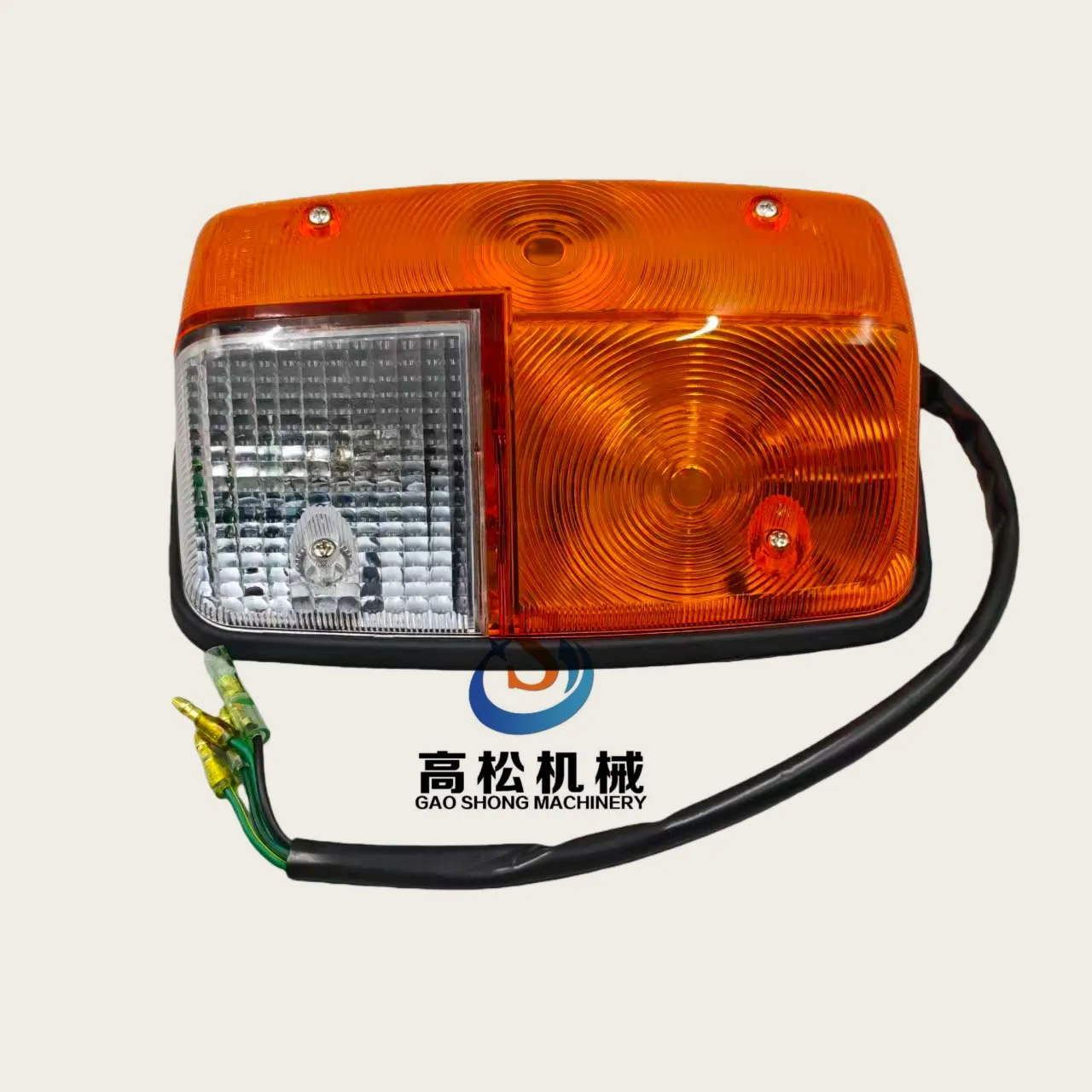 421-06-13401 Komatsu TURN SIGNAL AND PARKING
 -
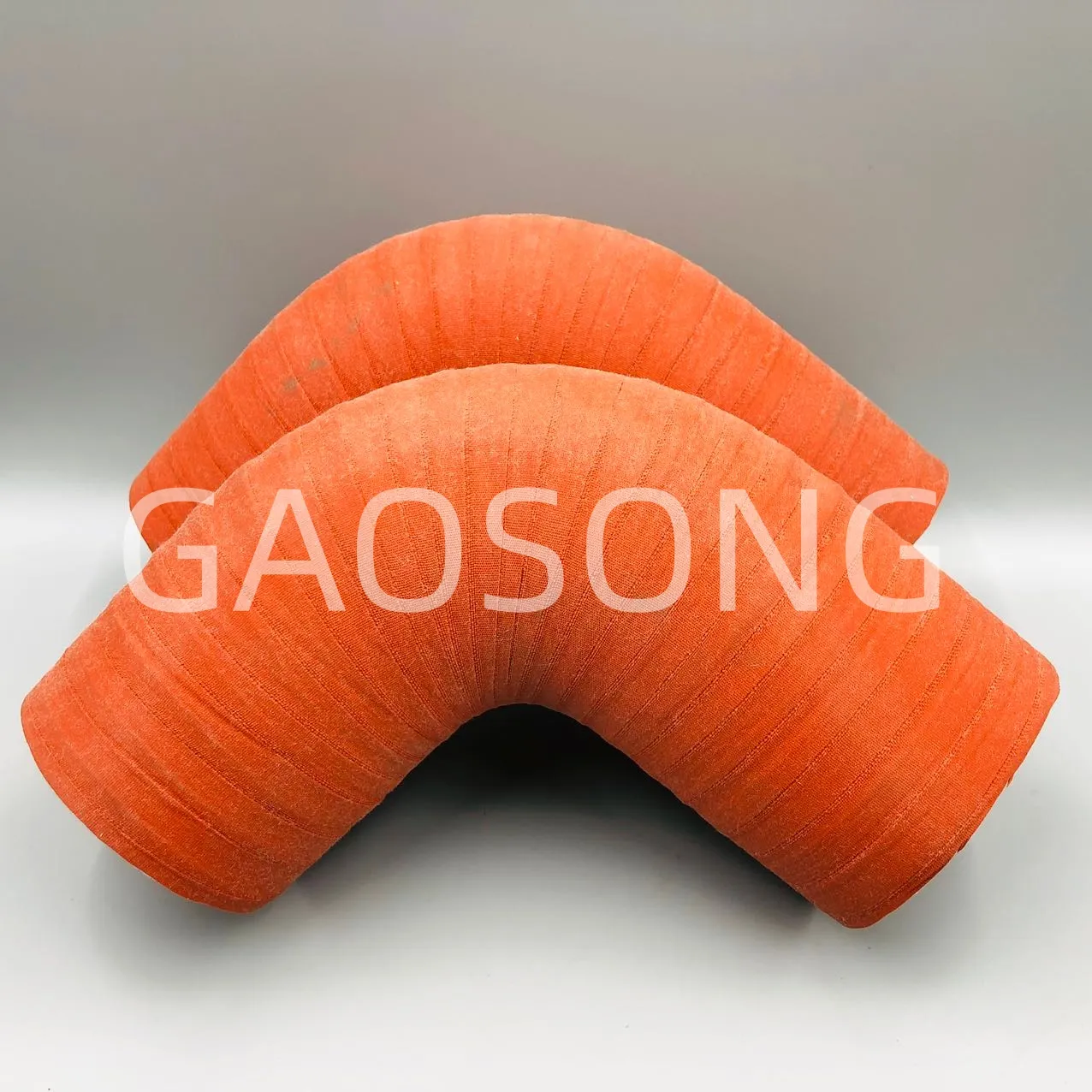 6743-11-4931 Komatsu HOSE
 -
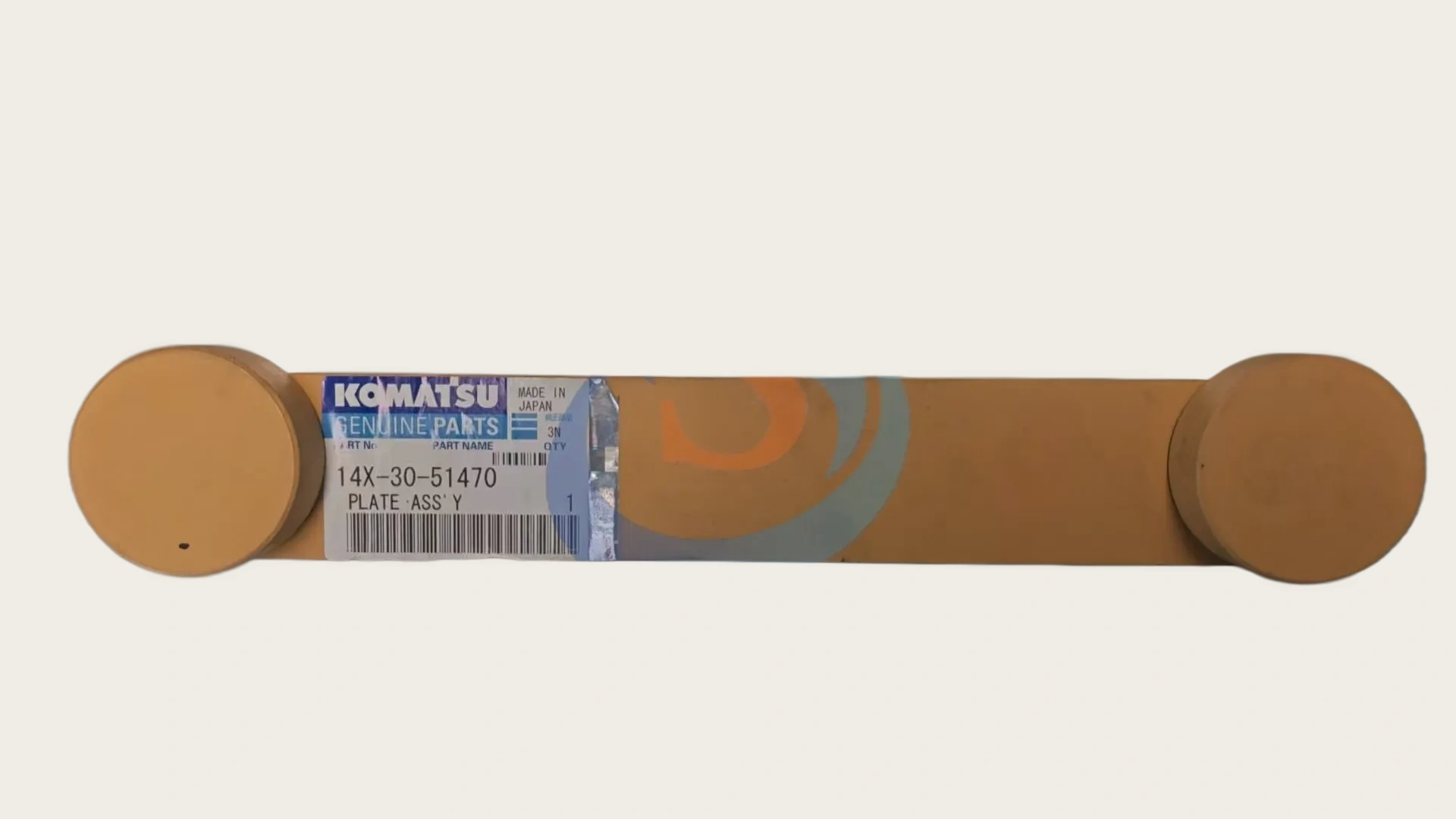 komatsu-part-14X-30-51470 Plate Assembly D65PX-16 D65WX-17 D65EXI-18 D65EX-18E0 FRONT IDLER
 -
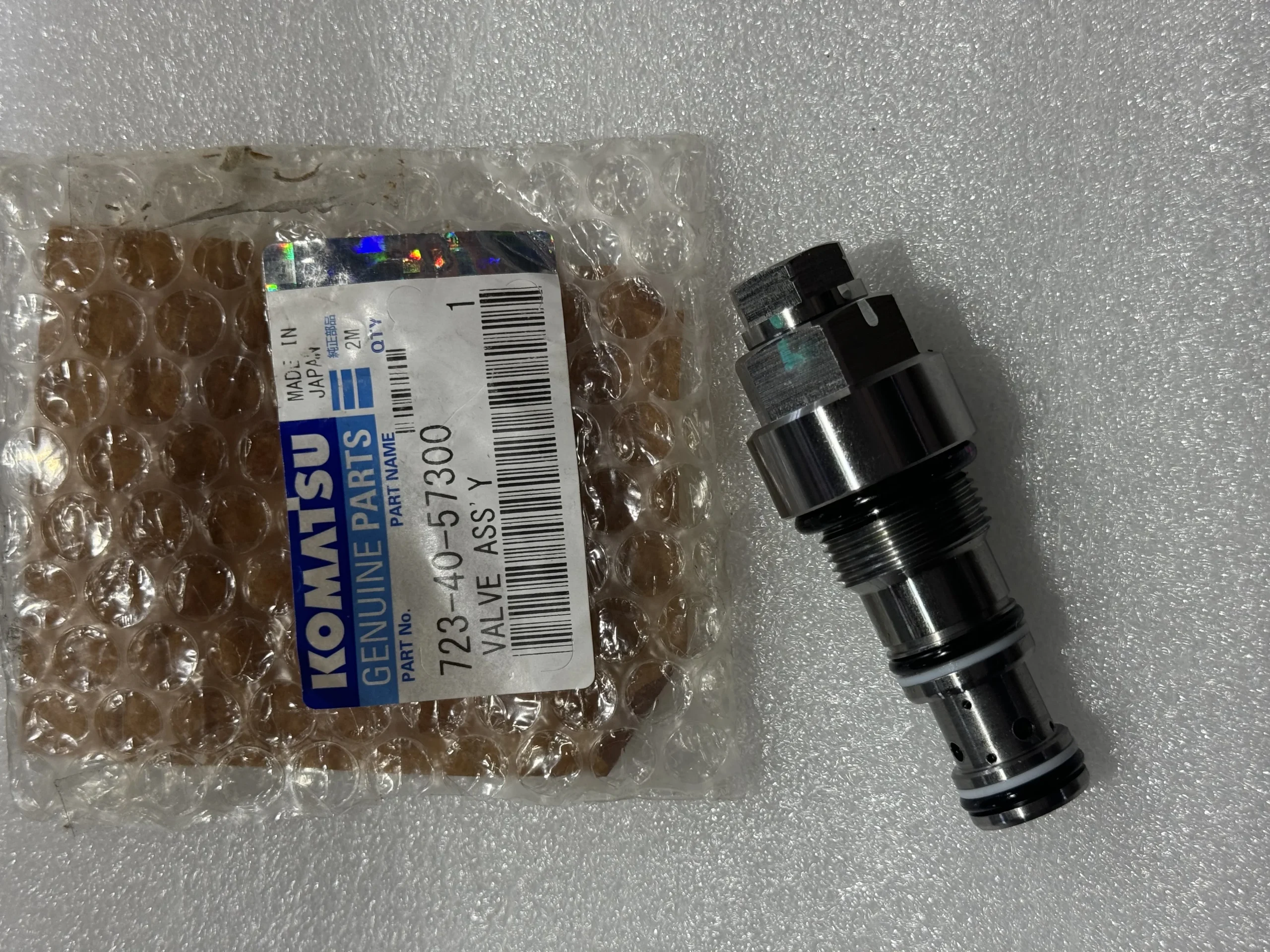 WA480-6 Main Valve 723-40-57300
 -
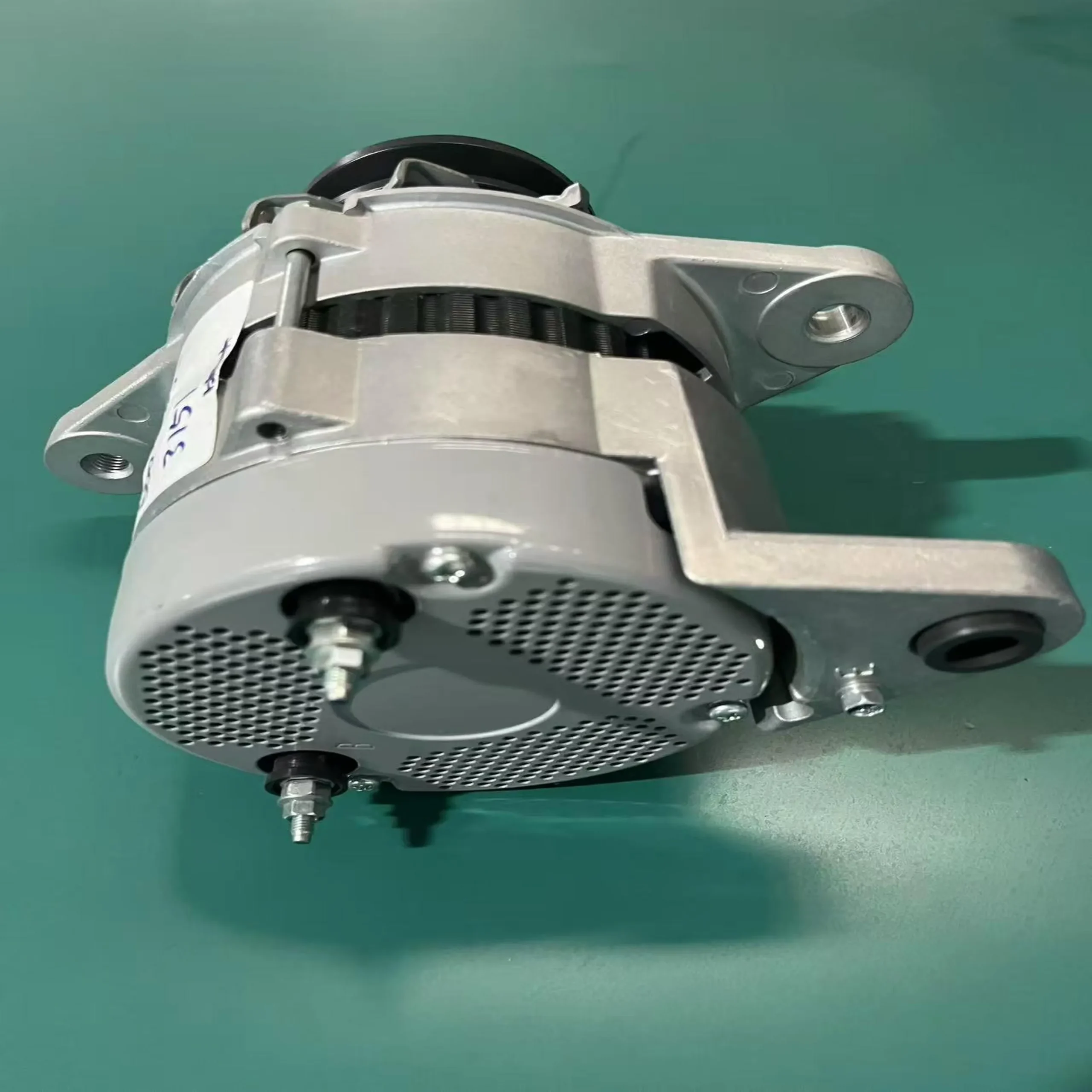 600-825-3151 Komatsu ALTERNATOR PC-400
 -
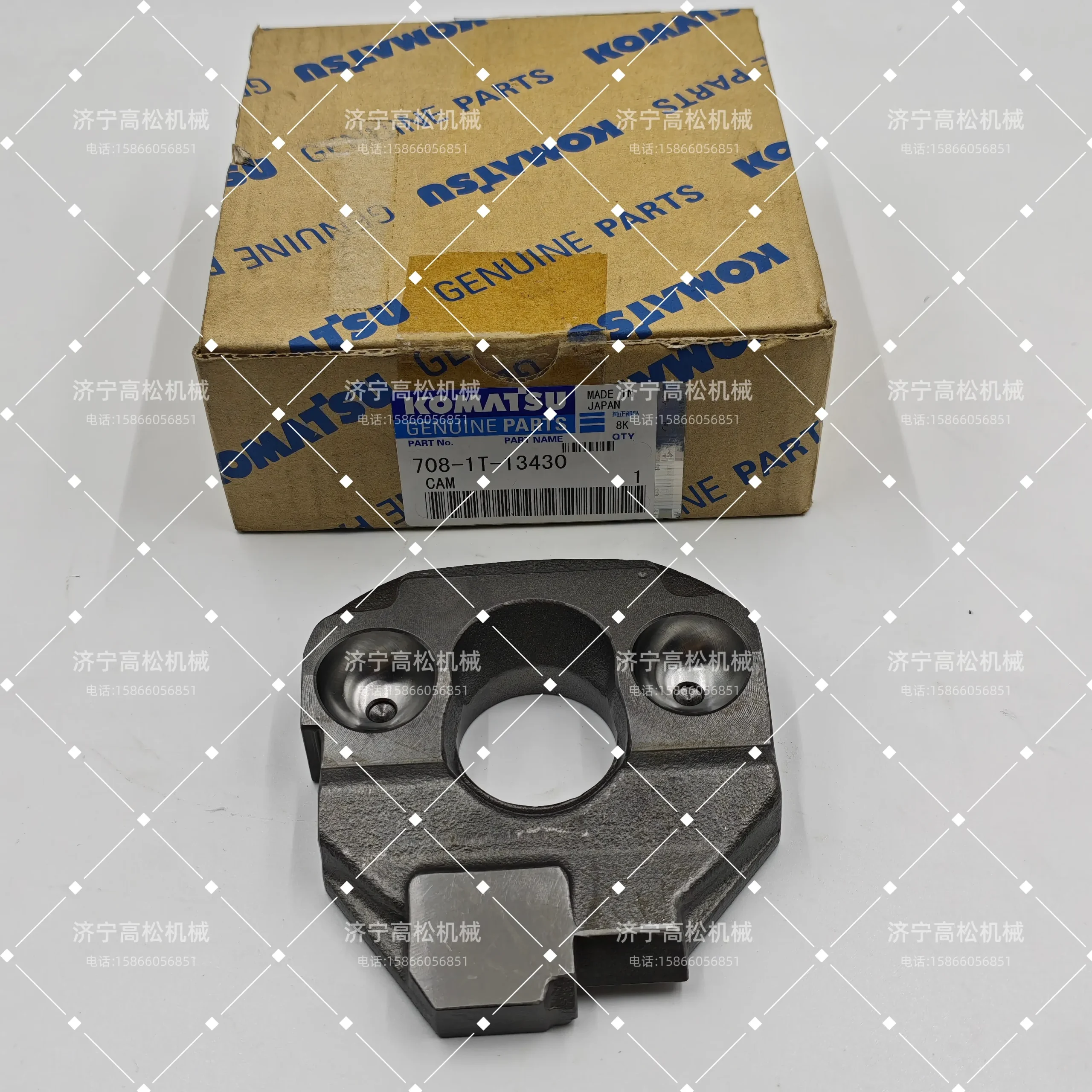 708-1T-13430 Komatsu Cam, Rocker
 -
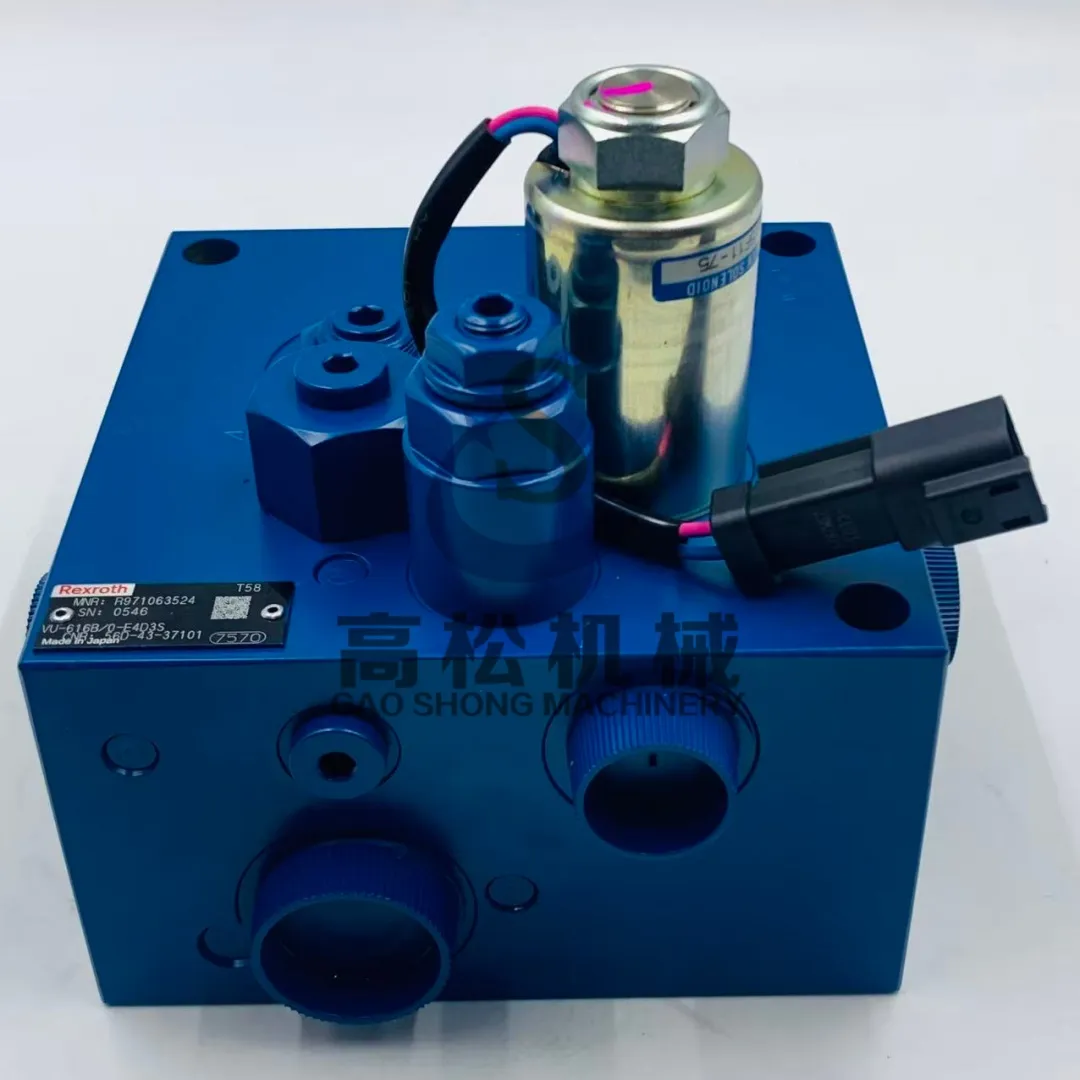 56D-43-37101 Komatsu Valve Assembly
 -
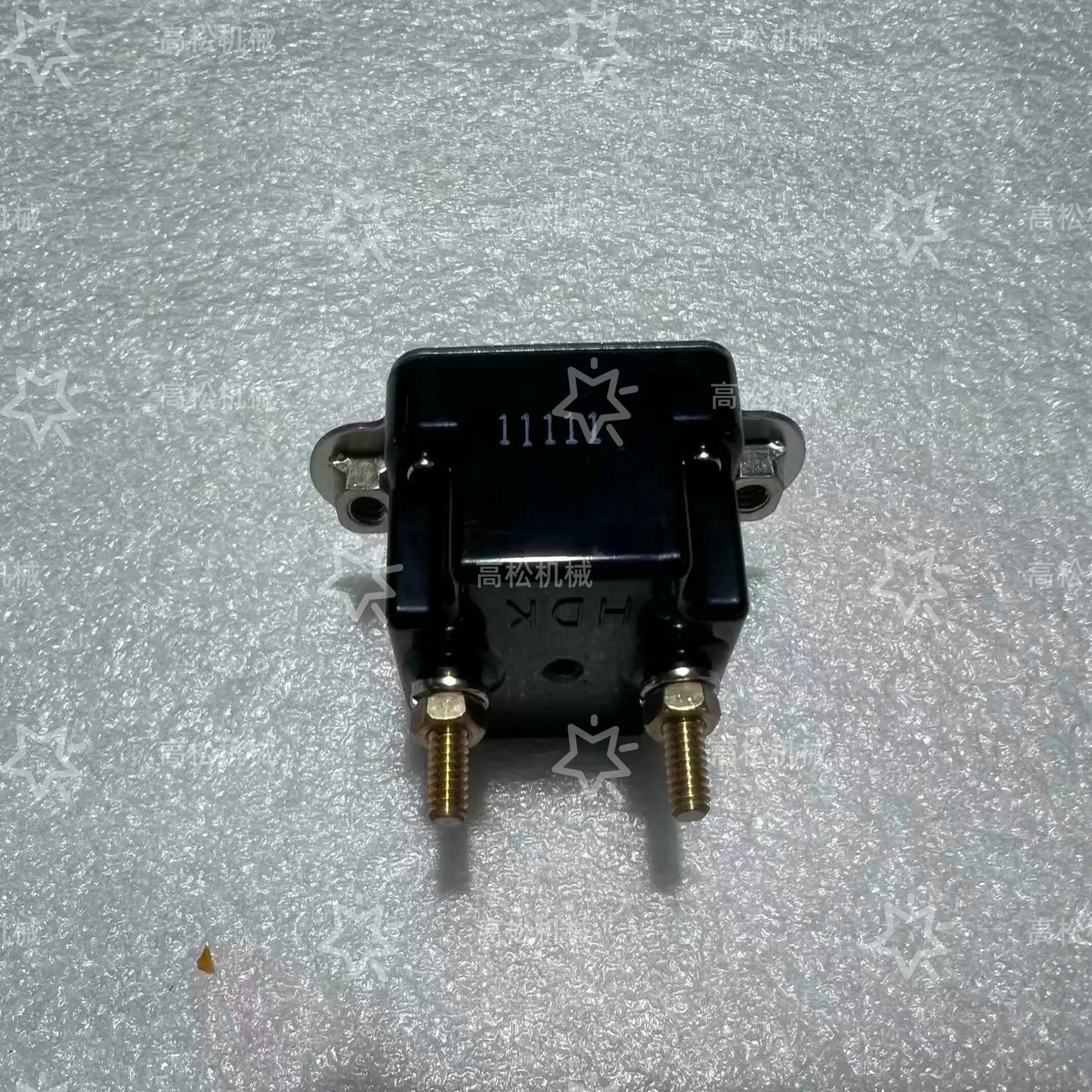 421-06-11440 BREAKER fits KOMATSU
 -
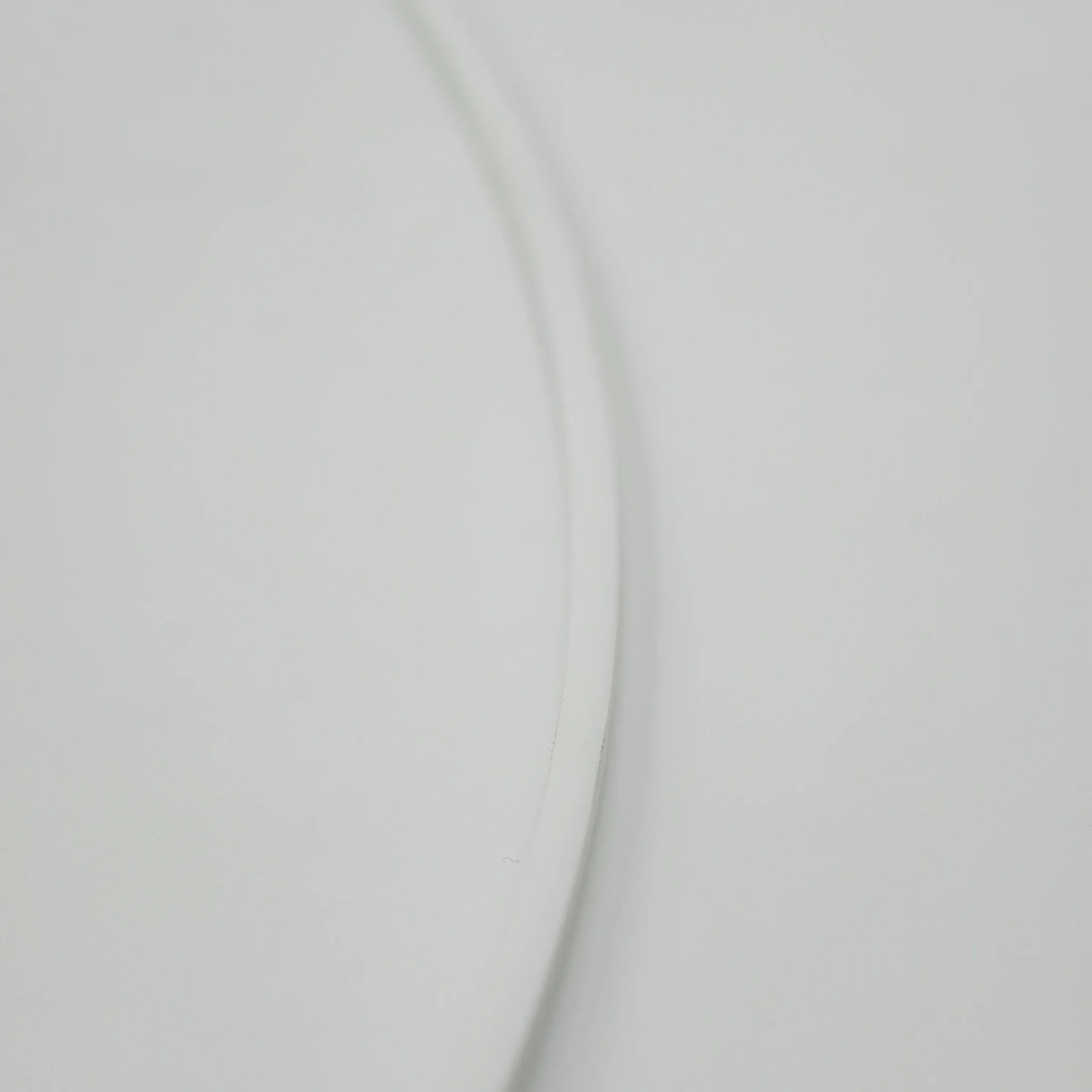 144-15-22881 Komatsu Seal Ring
 -
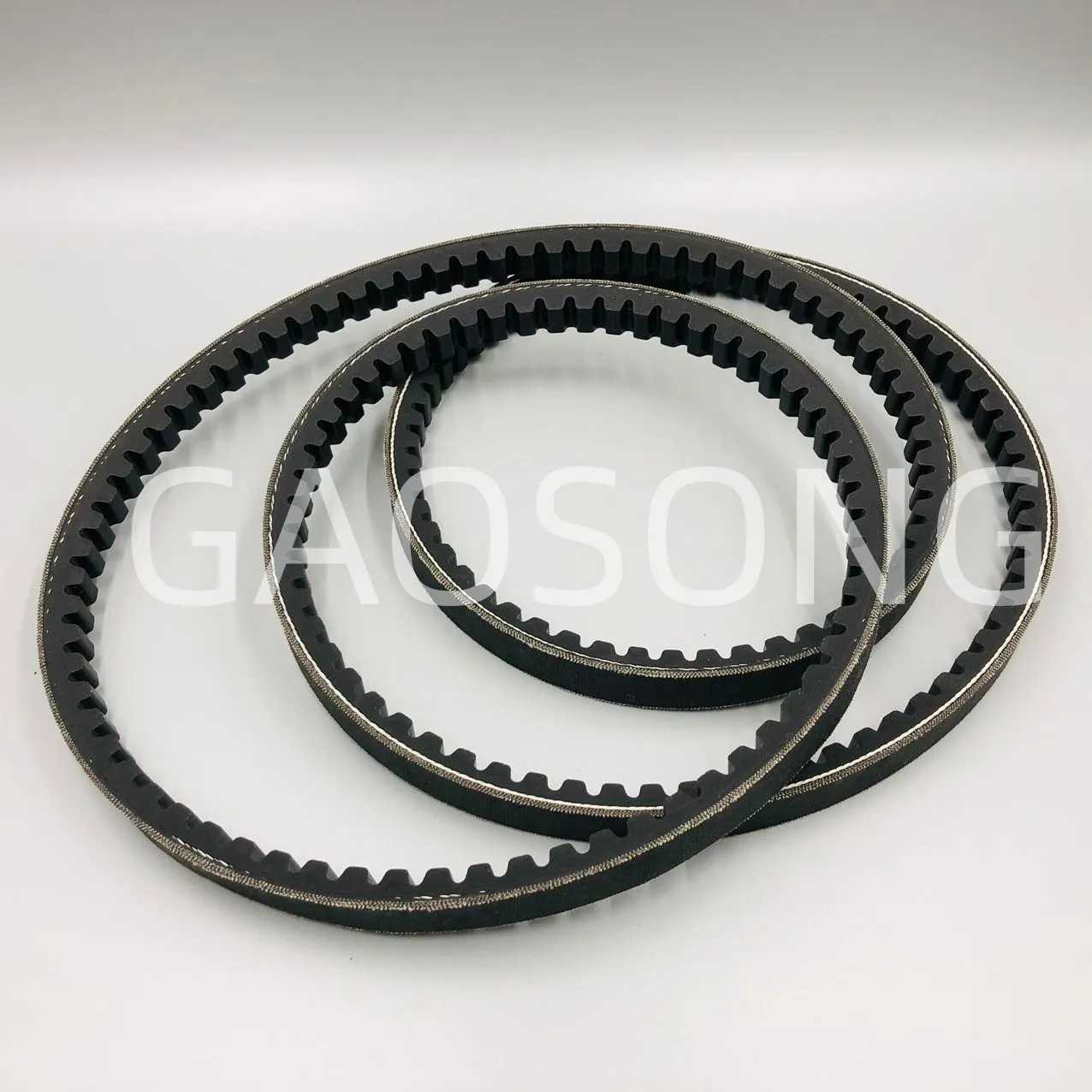 V-BELT – 6219-61-3420
 -
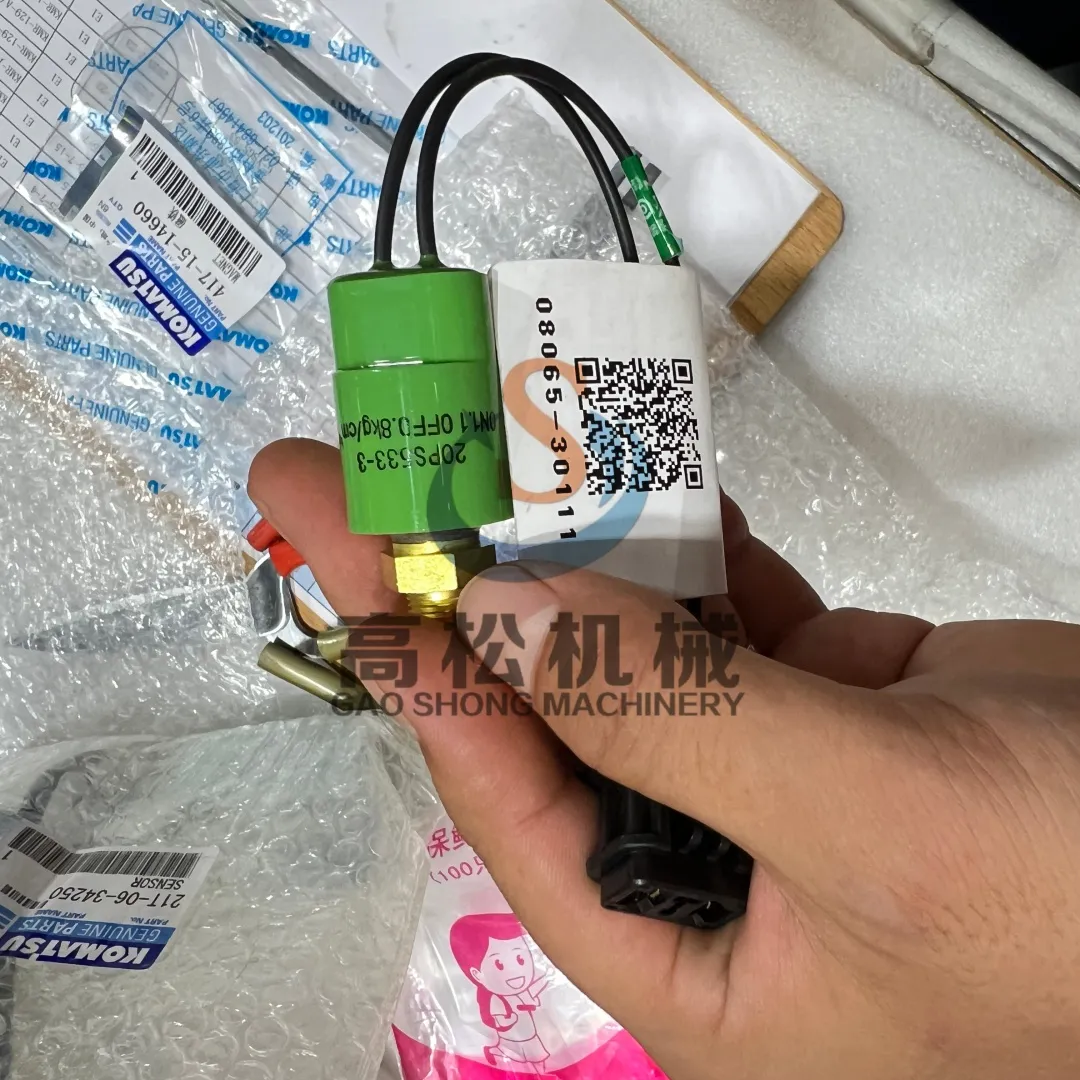 08065-30111 SWITCH,ENGINE OIL PRESSURE
 -
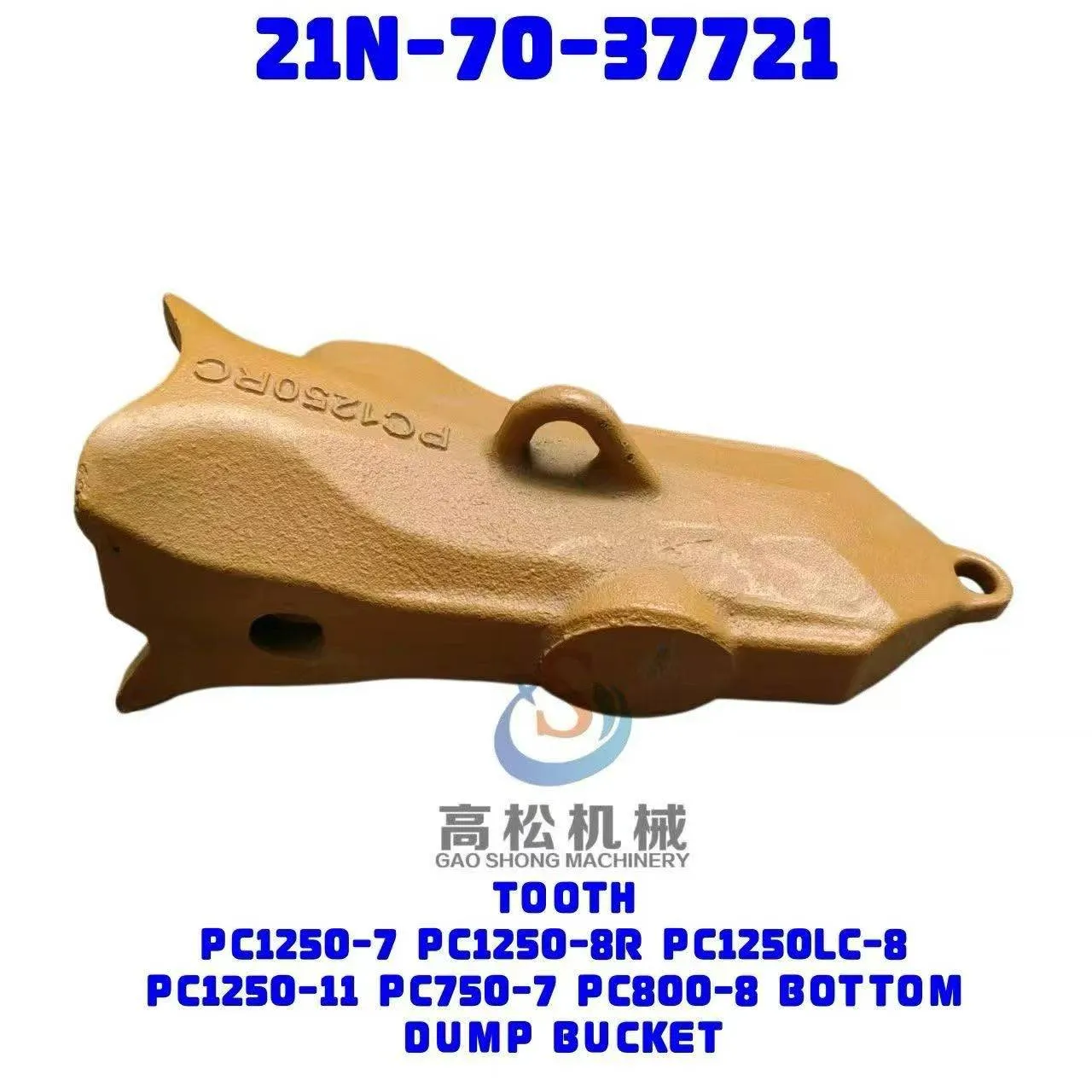 21n-70-37721 Bucket teeth, suitable for the following vehicle models. PC1250-7 PC1250-8R PC1250LC-8 PC1250-11 PC750-7 PC800-8 BOTTOM TOOTH PC1250-7 PC1250-8R PC1250LC-8 PC1250-11 PC750-7 PC800-8 BOTTOM DUMP BUCKET