
- Chinese
- French
- German
- Portuguese
- Spanish
- Russian
- Japanese
- Korean
- Arabic
- Irish
- Greek
- Turkish
- Italian
- Danish
- Romanian
- Indonesian
- Czech
- Afrikaans
- Swedish
- Polish
- Basque
- Catalan
- Esperanto
- Hindi
- Lao
- Albanian
- Amharic
- Armenian
- Azerbaijani
- Belarusian
- Bengali
- Bosnian
- Bulgarian
- Cebuano
- Chichewa
- Corsican
- Croatian
- Dutch
- Estonian
- Filipino
- Finnish
- Frisian
- Galician
- Georgian
- Gujarati
- Haitian
- Hausa
- Hawaiian
- Hebrew
- Hmong
- Hungarian
- Icelandic
- Igbo
- Javanese
- Kannada
- Kazakh
- Khmer
- Kurdish
- Kyrgyz
- Latin
- Latvian
- Lithuanian
- Luxembou..
- Macedonian
- Malagasy
- Malay
- Malayalam
- Maltese
- Maori
- Marathi
- Mongolian
- Burmese
- Nepali
- Norwegian
- Pashto
- Persian
- Punjabi
- Serbian
- Sesotho
- Sinhala
- Slovak
- Slovenian
- Somali
- Samoan
- Scots Gaelic
- Shona
- Sindhi
- Sundanese
- Swahili
- Tajik
- Tamil
- Telugu
- Thai
- Ukrainian
- Urdu
- Uzbek
- Vietnamese
- Welsh
- Xhosa
- Yiddish
- Yoruba
- Zulu
- Kinyarwanda
- Tatar
- Oriya
- Turkmen
- Uyghur






Komatsu scarifier teeth
You see a lot of chatter online about Komatsu scarifier teeth, most of it fixated on hardness ratings and alloy grades. That's part of the picture, sure, but if you're just comparing Rockwell numbers on a PDF, you're missing the real story. The difference between a good tear and a costly shutdown often isn't in the steel composition; it's in the geometry of the tip, the design of the locking mechanism, and frankly, whether the supplier has ever seen a ripper shank caked in blue clay. I've seen crews burn through premium teeth in a week because the profile was wrong for the material, creating a polishing effect instead of fracturing it. The real cost isn't the part itself, it's the machine downtime and the fuel wasted dragging a blunt tool through the ground.
The OEM vs. Aftermarket Reality
When you're in a bind, the official Komatsu parts channel is the default. But what happens when that channel is constrained, or the lead time is measured in months, not weeks? This is where the landscape gets practical. Companies positioned as OEM product suppliers within the Komatsu system offer a crucial alternative. They aren't just resellers; they manufacture to the same technical drawings and material specs. I've worked with a few, and the tell-tale sign of a legitimate one is their willingness to talk about failure modes—why a certain batch might have had premature wear on the flank, or how a minor change in heat treatment addressed spalling in abrasive sandstone.
Take Jining Gaosong, for instance. Their role is a specific hybrid: an OEM product supplier and a third-party sales company for Komatsu. In practice, what this meant for a project I was involved in in Southeast Asia was bypassing a major regional parts bottleneck. We had a D375 dozer ripping through conglomerate, and the local Komatsu depot was out of stock for the specific scarifier teeth profile we needed. Gaosong, operating through their portal at takematsumachinery.com, could supply the exact OEM-grade teeth, but through a parallel logistics chain that got them to site in 10 days instead of 60. They're solving a very real problem: parts supply challenges in certain countries. It's not about being cheaper, necessarily; it's about being available.
The caveat, always, is verification. OEM-grade is a marketing term until proven otherwise. With a supplier like this, you need to ask for mill certificates for the steel, and more importantly, cross-check the part numbering and casting marks. The teeth we received from them had the correct Komatsu part number cast in, but also a small, distinct manufacturer mark. That transparency is what builds trust. It’s different from a generic aftermarket tooth that might fit, but with a looser lock pin tolerance that leads to premature loss.
Geometry and Application: Where Theory Meets Dirt
Let's get into the weeds. Komatsu offers different tooth profiles for their rippers—like the pointed tip for penetrating hard cap rock and the more chisel-like profile for shattering. I made a mistake once, using a penetration-optimized tooth in a heavily fractured limestone site. It kept wedging into cracks and snapping at the neck. Switched to a broader, blunter profile, and the productivity shot up. The tooth acted like a lever, prying blocks loose instead of getting stuck.
The locking system is another unsung hero. The Komatsu-style vertical pin and hammerlock system is robust, but it's only as good as the wear on the adapter and the pin itself. I've seen more teeth lost from a worn-out shank adapter than from the tooth breaking. A good supplier will remind you to check the adapter condition, not just sell you teeth. It's that kind of practical advice that separates a parts salesman from a technical partner.
Wear isn't uniform. The leading edge goes first, obviously, but on a scarifier tooth, you often see severe wear on the inside curve—the side facing the direction of travel. This is where a supplier's manufacturing quality shows. If the carbide insert is too shallow or the hardening isn't deep enough, that curve wears into a sharp, weak edge that then snaps off. A well-made tooth will have a wear pattern that remains relatively even, allowing you to rotate it (if the design allows) and get full life out of it.
Cost-Per-Hour: The Only Metric That Matters
Nobody buys these things by the piece thinking it's a good deal. You buy them by the expected meter ripped. The calculation is straightforward: price of the tooth set, divided by the hours it lasts before being replaced or rotated. But the variables are messy. Is the operator feathering the ripper or dropping it in full depth? Is the ground consistent? A tooth that gives you 120 hours in weathered shale might last 40 in quartzite.
This is where sticking with a known-quality source, whether direct or through a vetted system supplier like the one mentioned, pays off. Consistency. You need to be able to predict your wear life to schedule maintenance and budget. If one batch of teeth lasts 100 hours and the next lasts 70, your cost-per-hour calculation is useless, and your project planning goes out the window.
I recall a cost-saving experiment with a no-name aftermarket set. They were 40% cheaper upfront. They lasted 30% as long, and we lost two teeth entirely, which required a magnetic sweeper operation to find them before they could damage other equipment. The saving turned into a net loss of thousands in downtime and recovery labor. The lesson was brutal: the initial price tag is a distraction.
Logistics and the On-Site Reality
All this technical talk is irrelevant if the parts are sitting in a warehouse overseas. Supply chain resilience is now a core part of equipment management. A supplier's value is as much in their logistics network as in their foundry. The ability to get critical wear parts like Komatsu scarifier teeth to a remote site, with clear customs documentation, is a massive operational advantage.
This is the specific niche companies like Jining Gaosong Construction Machinery Co., Ltd. fill. By operating as a third-party sales channel for Komatsu, they can leverage different freight and inventory pathways. Their website, takematsumachinery.com, functions as a direct line to that system. For site managers, it's about having a backup option that doesn't compromise on specification. When the primary pipeline is clogged, you need a secondary one that flows.
On the ground, this means keeping a mixed inventory. Maybe you run genuine Komatsu teeth from your main dealer on 80% of your shanks, but you keep a set from a certified OEM supplier as your emergency spares. You test them under the same conditions. If they perform identically, you've just de-risked your operation. It's a pragmatic, non-dogmatic approach to keeping machines running.
Final Thoughts: A Practitioner's View
So, what's the takeaway on Komatsu scarifier teeth? Don't get hypnotized by the brochure. The material science is table stakes. The real value is in the application knowledge, the manufacturing consistency, and the supply chain that gets the right part to your ripper at the right time. It's a consumable, but a critical one.
Working with suppliers embedded in the OEM system, but with the flexibility to navigate around global supply hiccups, is becoming standard practice. It's not about bypassing the manufacturer; it's about ensuring continuity. You're not just buying a shaped piece of metal. You're buying predictable machine performance.
Next time you're evaluating teeth, look past the hardness spec. Ask about the carbide volume. Ask about the heat treatment process for the specific material you're ripping. And critically, ask, If I need these next Thursday, can you make that happen? The answer to that last question often tells you everything you need to know about who you're really dealing with.
Related Products
Related Products

Best Selling Products
Best Selling Products-
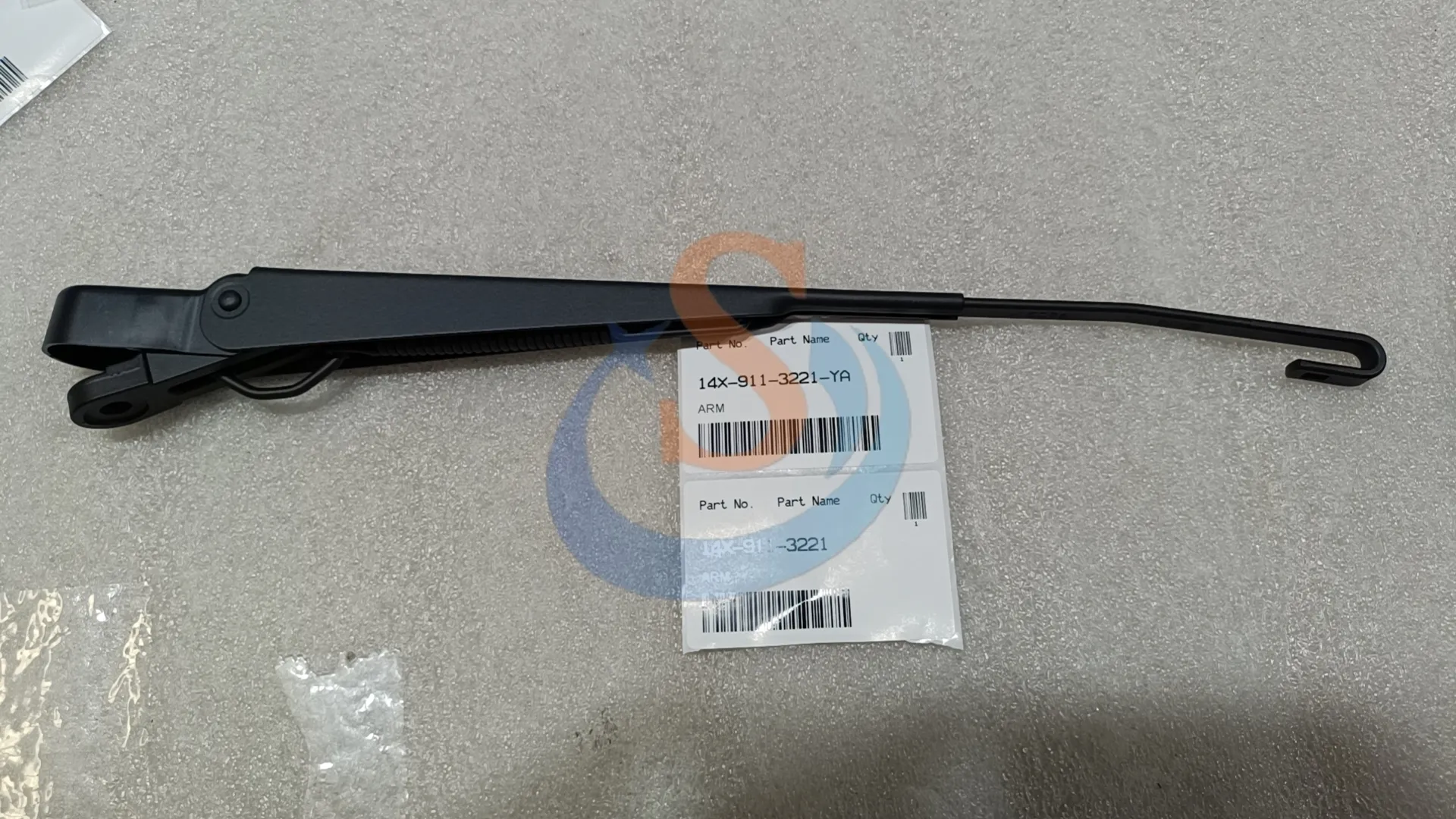 14X-911-3221,ARM,D155AX,D375A,D475A
 -
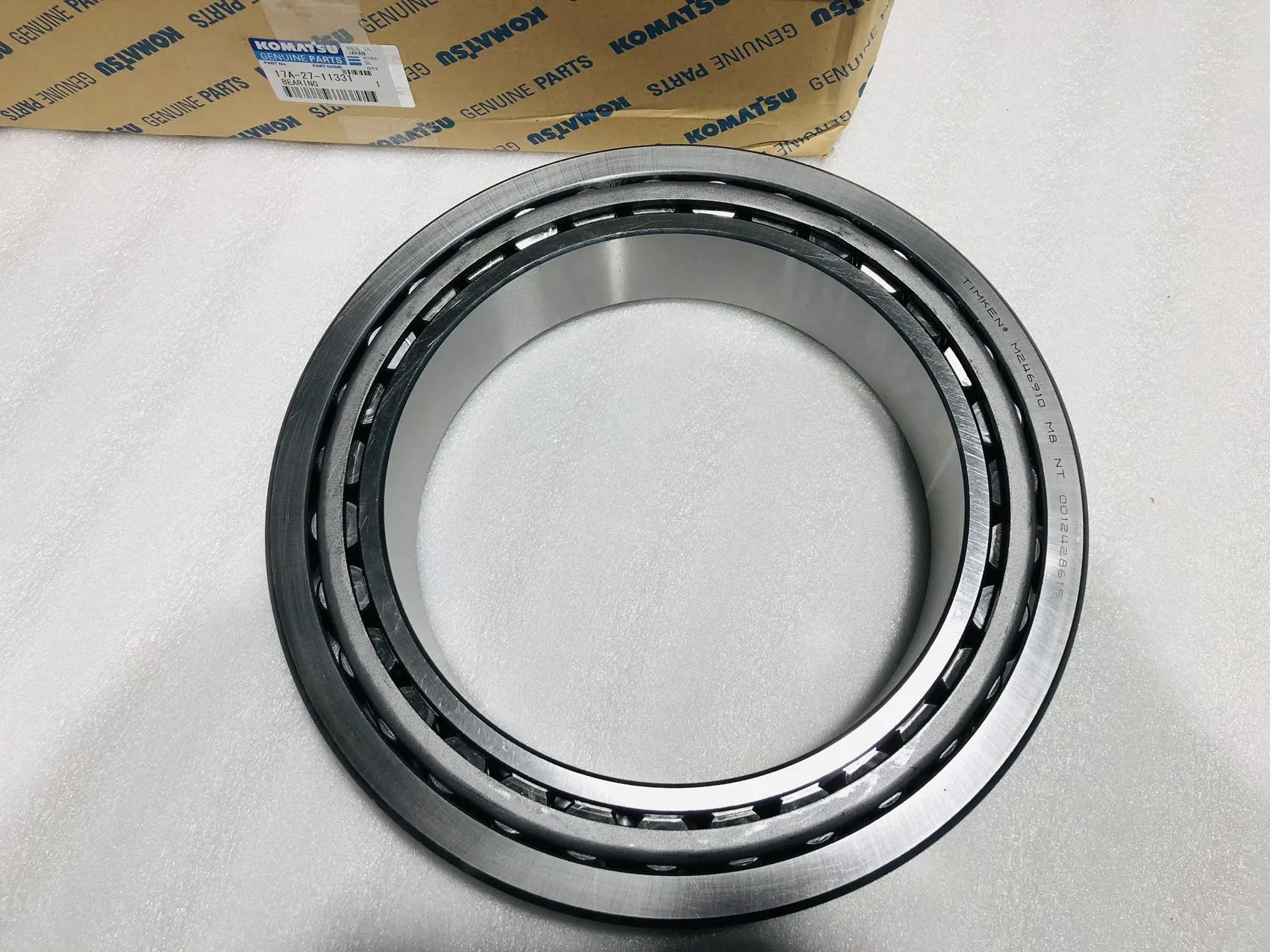 KOMATSU-BEARING 17A-27-11331
 -
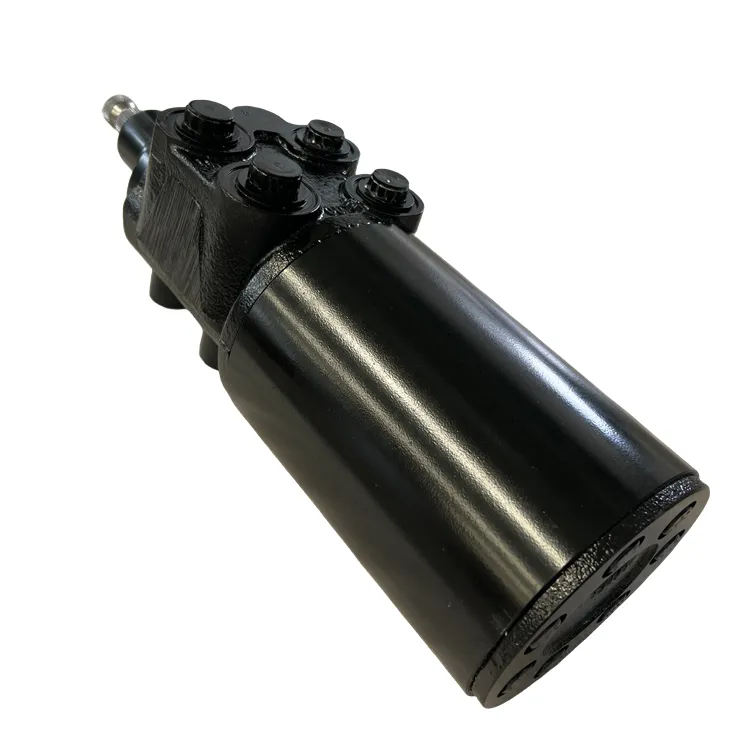 Hydraulic Steering Valve 561-40-83300 569-40-63302 for Komatsu HD785-7 HD465-7R Dump Trucks
 -
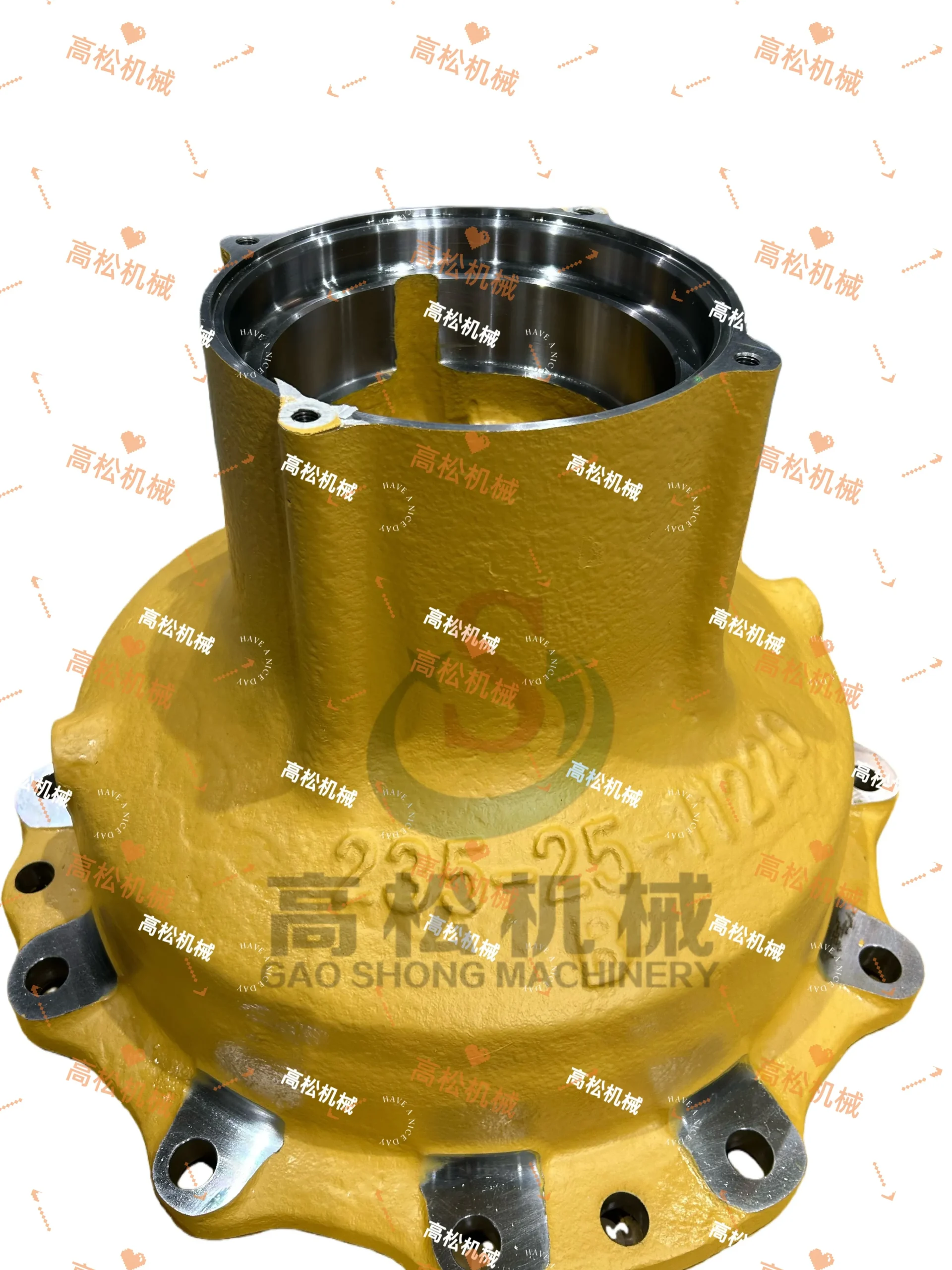 komatsu-part-235-25-11220 CAGE GD805A-1 GD825A-2 GD825A-2E0 TANDEM DRIVE GEAR AND CHAIN TANDEM DRIVE GEAR
 -
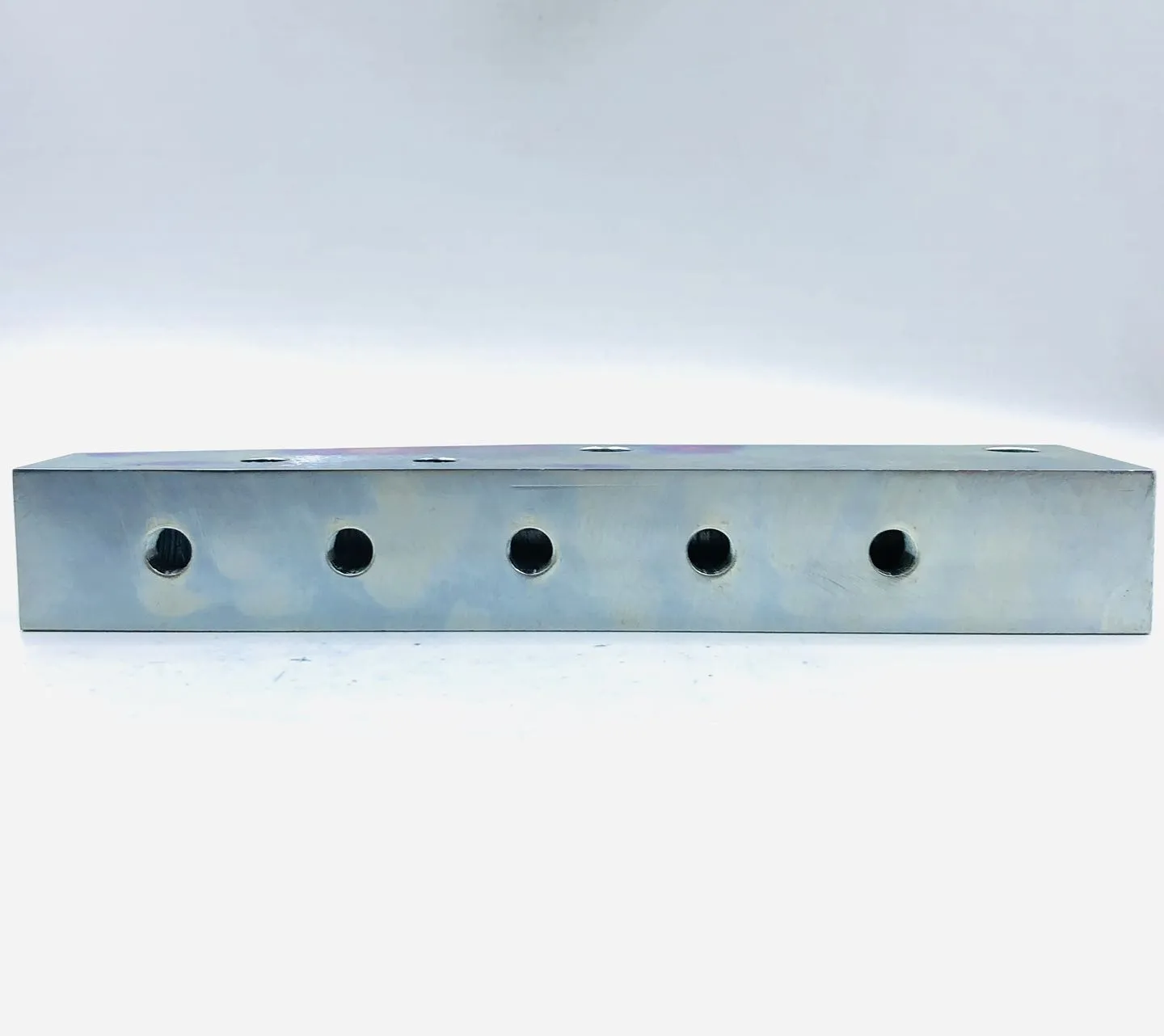 209-38-73281 Block (Komatsu)
 -
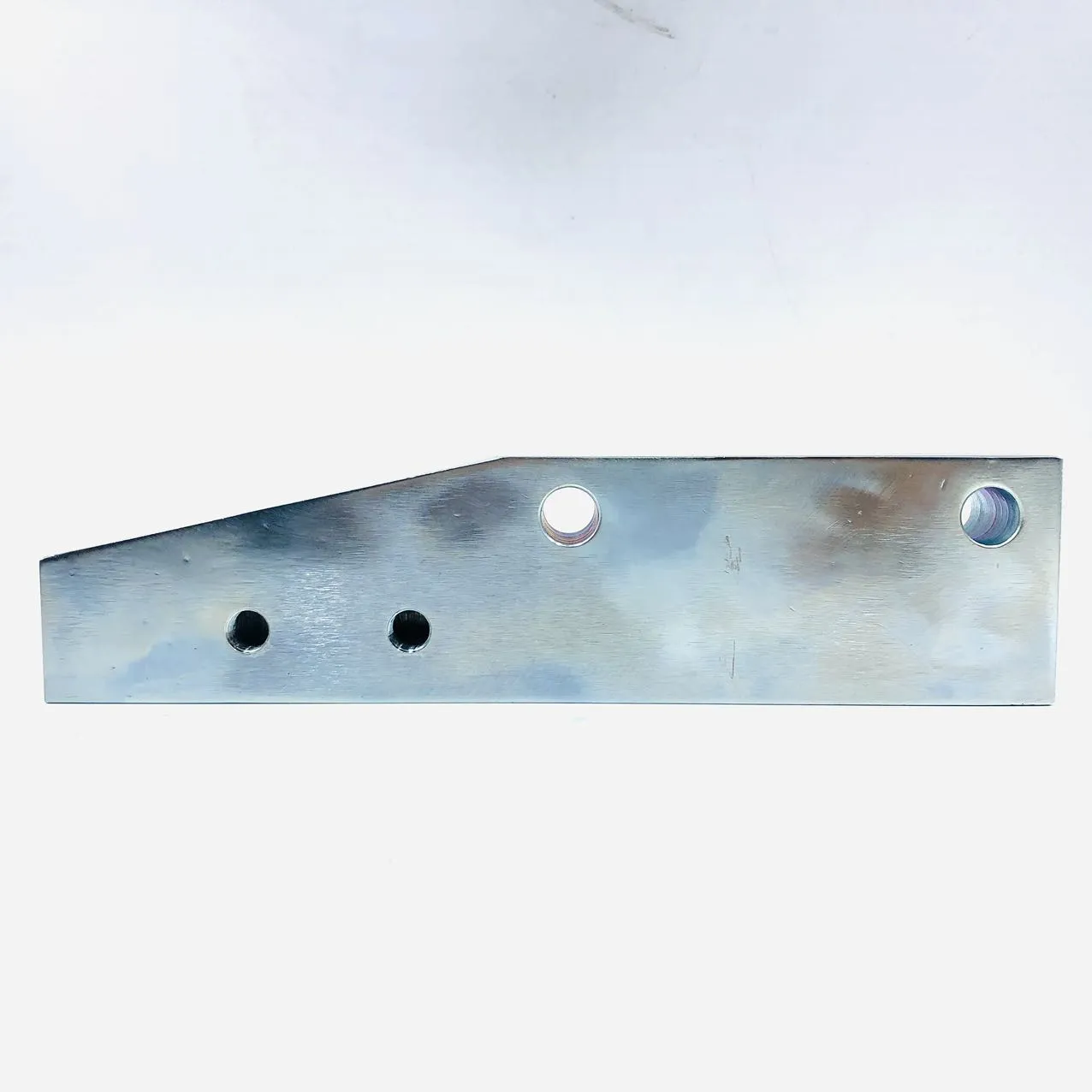 209-38-73281-BLOCK Komatsu Original Factory
 -
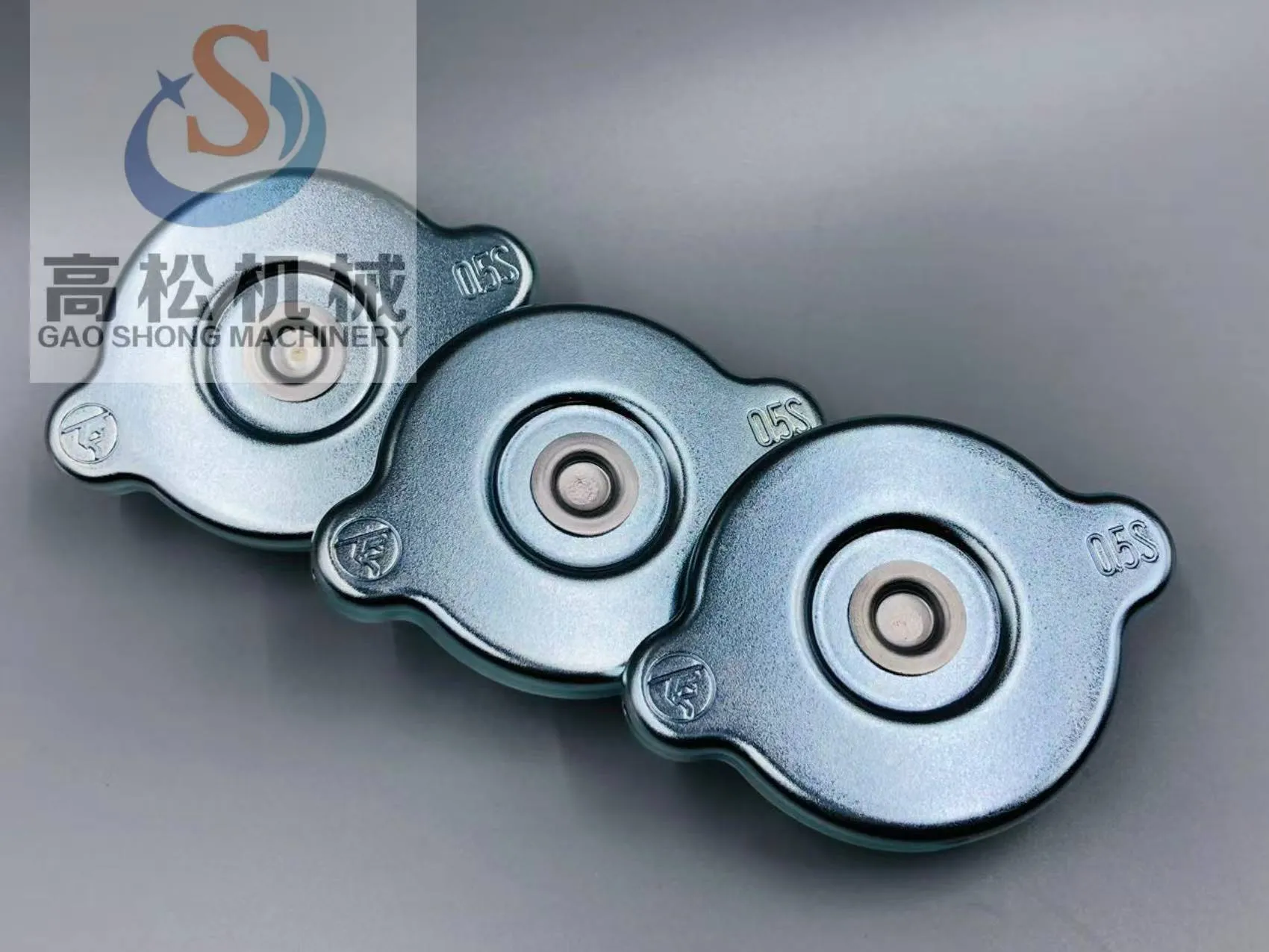 Cap of excavator radiator 20y-03-22110 for pc200-8 pc200-7
 -
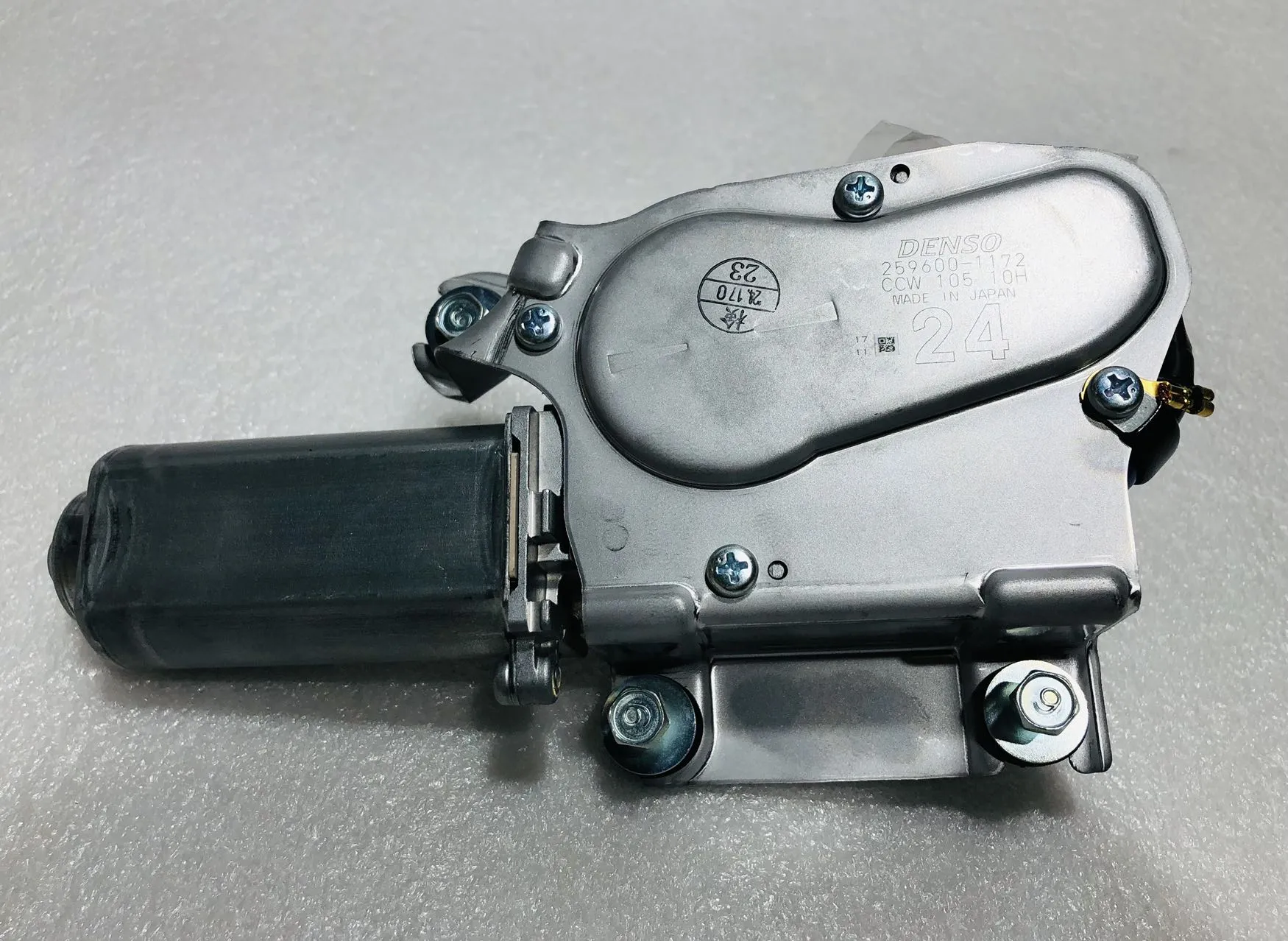 42C-56-11391 Komatsu Motor, Wiper
 -
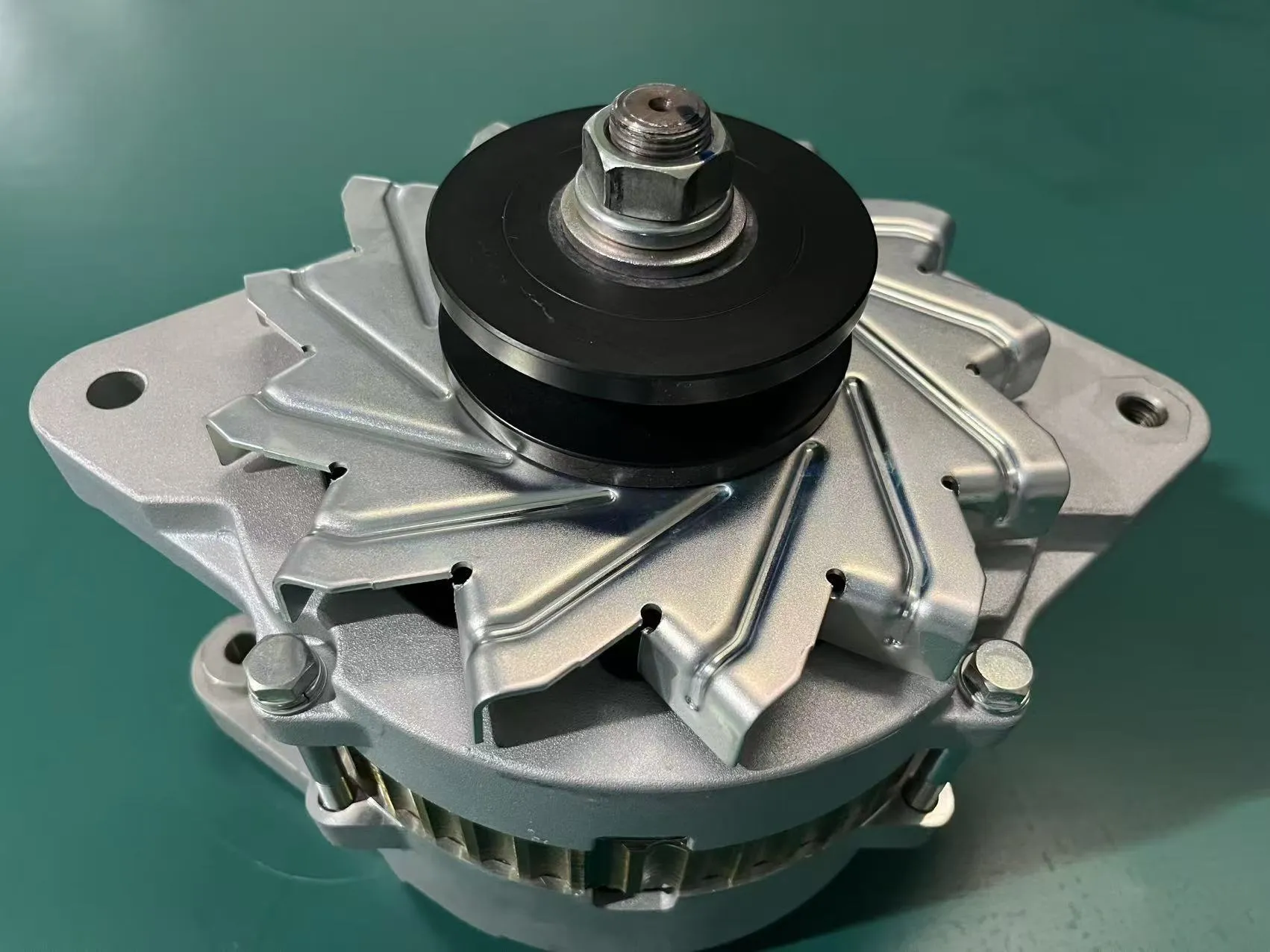 600-825-9332 Komatsu Alternator
 -
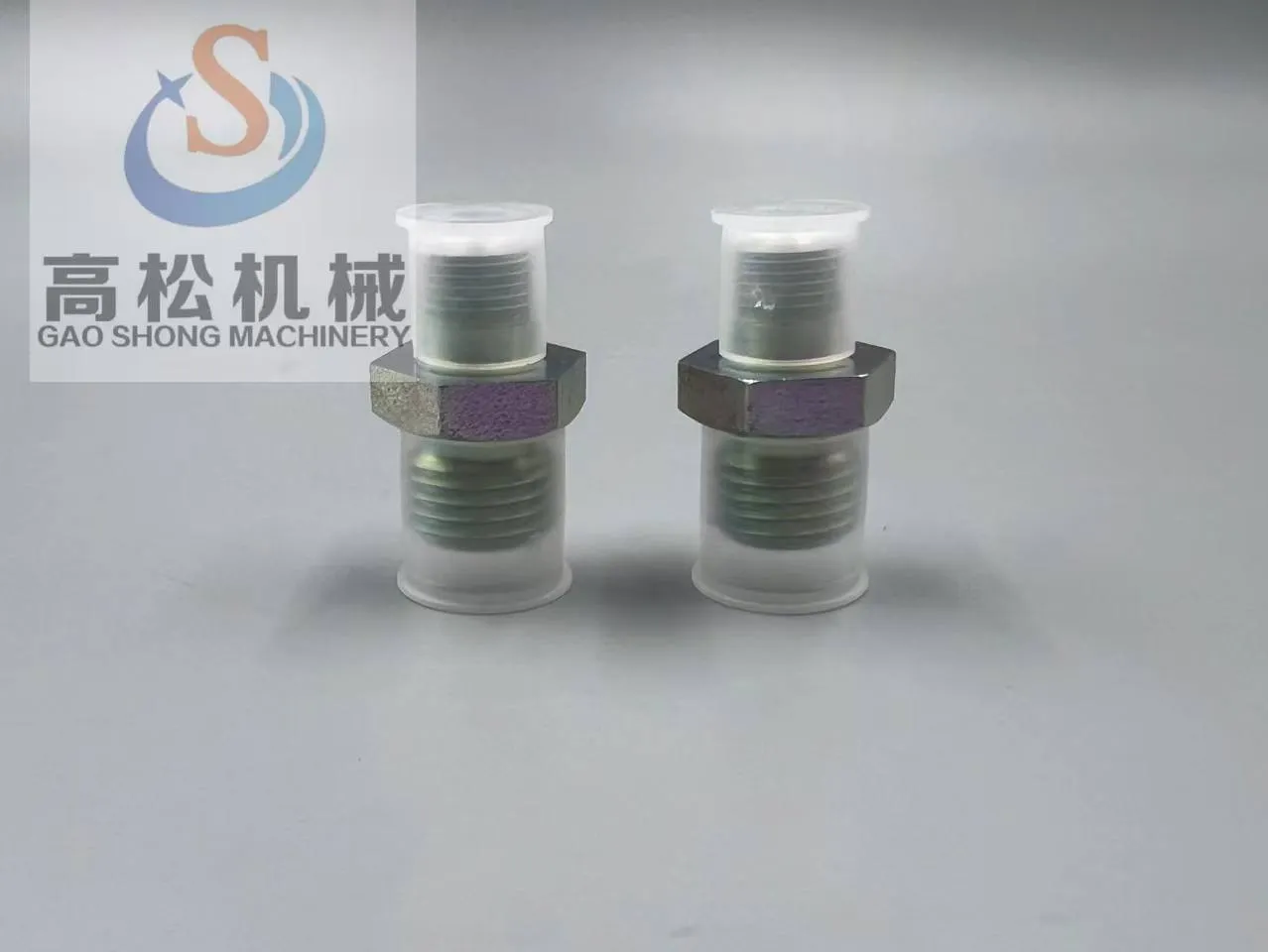 07213-50710 Connector, suitable for Komat Su D275A/D375A/D475A/PC600/PC1250
 -
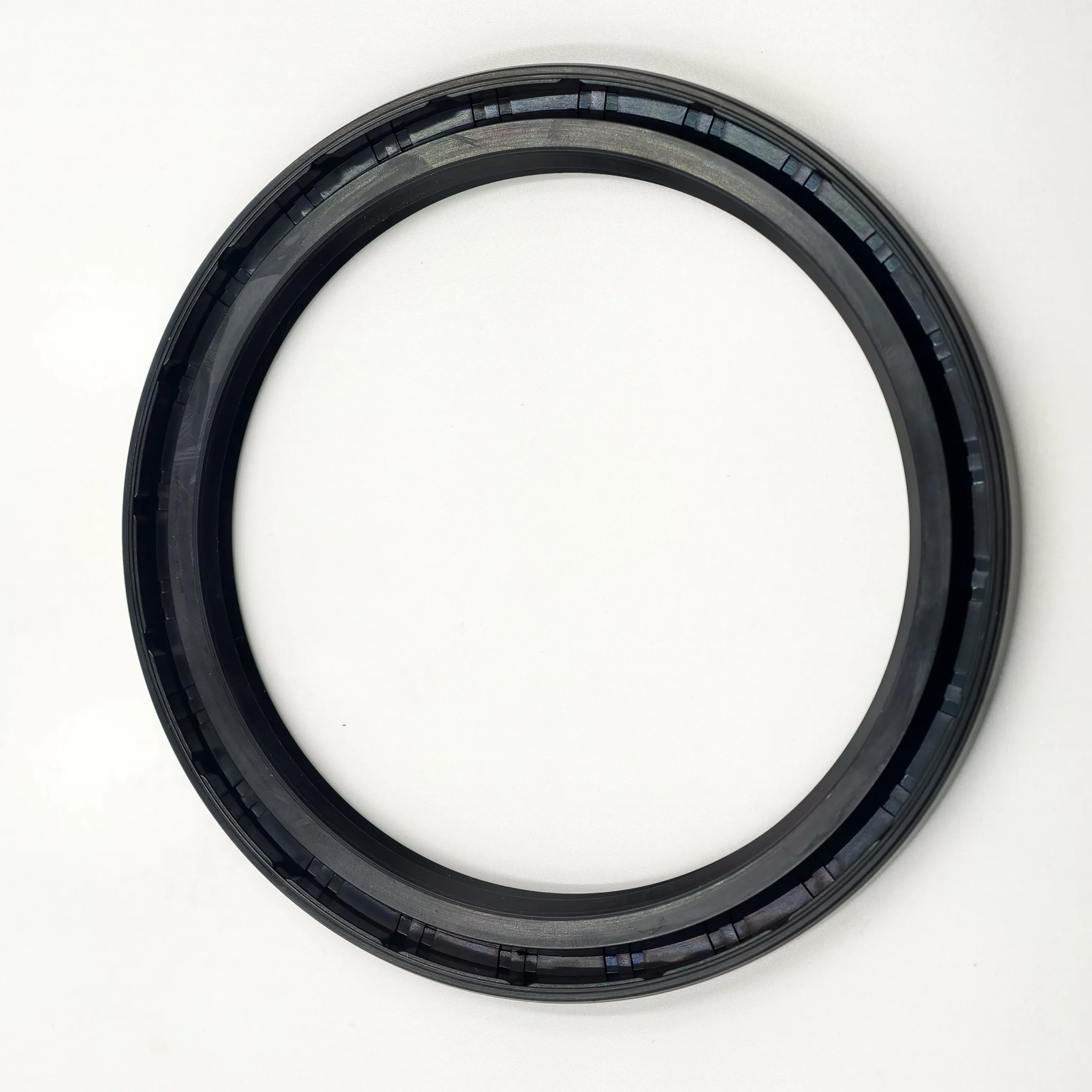 Komatsu56D-15-19810 Seal, Dust
 -
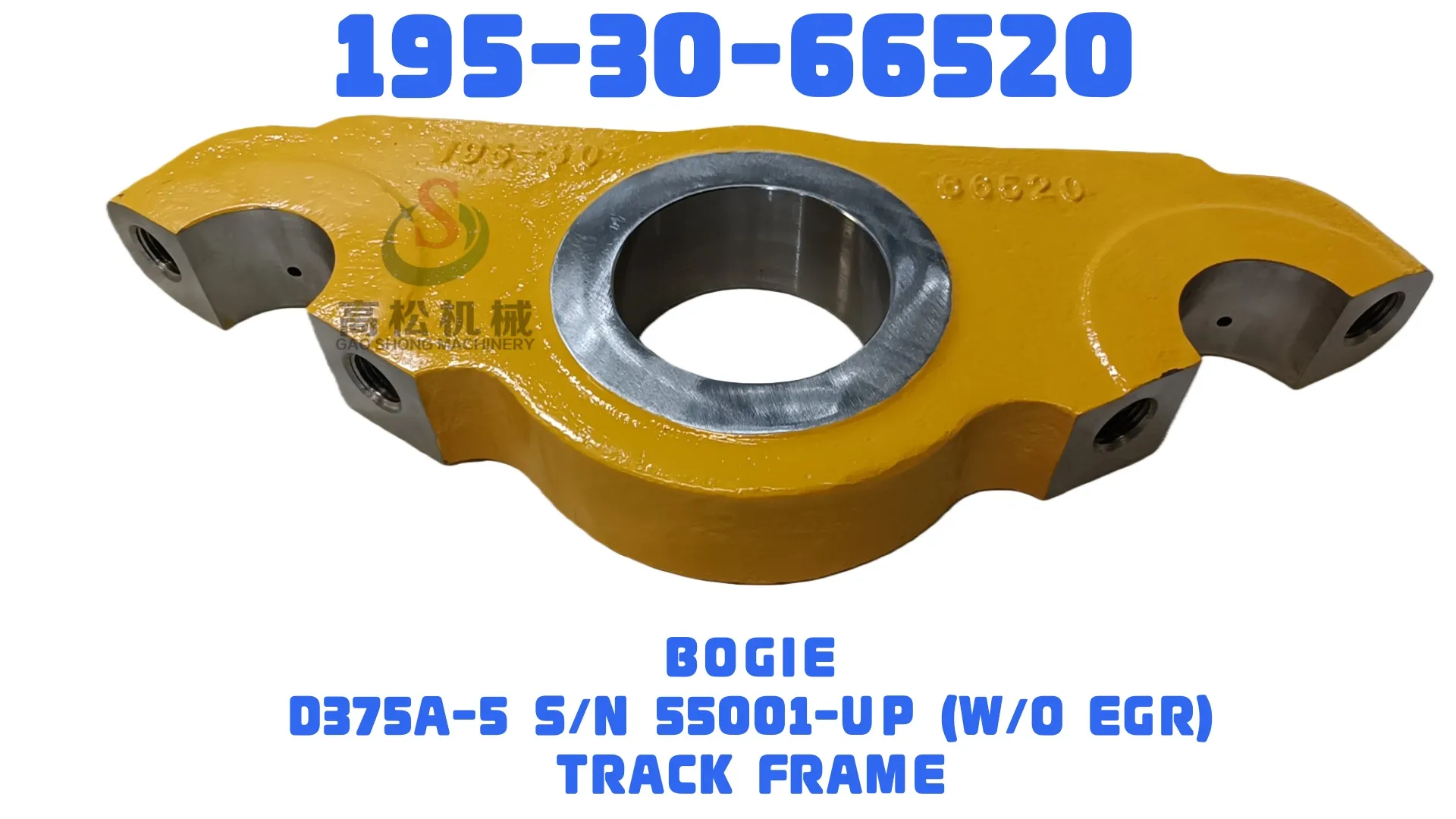 komatsu-part-195-30-66520 BOGIE D375A-5 D375A-5D D375A-6 D375A-6R TRACK FRAME TRACK FRAME, BOGIE