
- Chinese
- French
- German
- Portuguese
- Spanish
- Russian
- Japanese
- Korean
- Arabic
- Irish
- Greek
- Turkish
- Italian
- Danish
- Romanian
- Indonesian
- Czech
- Afrikaans
- Swedish
- Polish
- Basque
- Catalan
- Esperanto
- Hindi
- Lao
- Albanian
- Amharic
- Armenian
- Azerbaijani
- Belarusian
- Bengali
- Bosnian
- Bulgarian
- Cebuano
- Chichewa
- Corsican
- Croatian
- Dutch
- Estonian
- Filipino
- Finnish
- Frisian
- Galician
- Georgian
- Gujarati
- Haitian
- Hausa
- Hawaiian
- Hebrew
- Hmong
- Hungarian
- Icelandic
- Igbo
- Javanese
- Kannada
- Kazakh
- Khmer
- Kurdish
- Kyrgyz
- Latin
- Latvian
- Lithuanian
- Luxembou..
- Macedonian
- Malagasy
- Malay
- Malayalam
- Maltese
- Maori
- Marathi
- Mongolian
- Burmese
- Nepali
- Norwegian
- Pashto
- Persian
- Punjabi
- Serbian
- Sesotho
- Sinhala
- Slovak
- Slovenian
- Somali
- Samoan
- Scots Gaelic
- Shona
- Sindhi
- Sundanese
- Swahili
- Tajik
- Tamil
- Telugu
- Thai
- Ukrainian
- Urdu
- Uzbek
- Vietnamese
- Welsh
- Xhosa
- Yiddish
- Yoruba
- Zulu
- Kinyarwanda
- Tatar
- Oriya
- Turkmen
- Uyghur






komatsu salvage parts
When you hear 'Komatsu salvage parts', the immediate image for most is a junkyard full of rusted D375 dozers or PC8000 excavator arms. That's the first misconception. In practice, it's less about the dramatic carcass and more about the systemic, often tedious, process of identifying, validating, and reintroducing viable components back into the supply chain. The allure is the cost saving, sure, but the real challenge is bridging the gap between a part's physical existence and its technical and legal eligibility for reuse. It's not just pulling a pump off a wreck; it's knowing if that pump's serial number ties to a service bulletin, if the salvage yard's documentation is traceable, and whether the mating surfaces are truly serviceable. That's where the industry gets separated from the hobbyists.
The OEM Shadow and the Third-Party Bridge
Operating within the Komatsu system as an OEM supplier, like the folks at Jining Gaosong Construction Machinery Co., Ltd., gives you a unique vantage point. You see the official pipeline—the pristine parts in branded boxes. But you also see the gaps, especially in regions where that pipeline is strained by logistics, tariffs, or simply the age of the fleet in operation. Their role, as outlined on their portal https://www.takematsumachinery.com, is telling: We are an OEM product supplier within the Komatsu system, and we are also a third-party sales company for Komatsu, helping to solve parts supply challenges in certain countries. This dual identity is crucial. It means they understand the sanctity of the OEM spec but are pragmatically engaged in the aftermarket and salvage ecosystem to fill voids.
This isn't about peddling questionable cores. It's about applying OEM-level scrutiny to non-OEM-source components. For instance, a salvaged swing motor from a Komatsu PC300-6 isn't just a generic swap. You need to cross-reference the component code against the machine's original build, check for any retrofits, and often, you're dealing with a part that might have been superseded two times over in the official system. A pure salvager might miss that; a company working within the system has to catch it, or risk a callback that destroys any margin.
I recall a situation with a client in a Southeast Asian mine needing a final drive for an old HD785-5. The official channel had a 12-week lead time. The mine had a downed truck in the corner of the pit. The solution involved using Jining Gaosong's access to OEM technical specs to inspect and certify the gear train from the salvage truck, then marrying it with a new, official seal kit they supplied. It wasn't a textbook repair, but it got the truck running in 10 days. The alternative was a massive production loss. This hybrid approach—OEM knowledge applied to salvage assets—is where real value gets created in this niche.
The Anatomy of a Viable Salvage Part
Not everything on a machine is salvage-worthy. Engines and transmissions are high-value targets, but they're also minefields. Cylinder heads? Often a good bet if they've been pressure-tested and haven't been through a catastrophic overheating. But electronic control modules (ECMs) from a salvaged machine? I'm deeply skeptical unless they come with the full history of the donor machine. You can't visually inspect for firmware corruption or latent faults.
Hydraulic components are the sweet spot for many. Valves, pumps, cylinders—these are often robust. The evaluation process is tactile and visual. You're looking for scoring on piston rods, checking port threads for galling, and verifying the bore for any ovality. It's hands-on. I've seen beautiful-looking main control valves fail because someone missed a hairline crack in the manifold under a layer of paint and grime. That's the gamble. The companies that succeed in Komatsu salvage parts have inspectors who are essentially forensic mechanics.
Another critical layer is documentation. A part without a traceable history is a liability. Which mine site did it come from? What were the operating hours? Was the machine involved in a fire or flood? I've walked away from what looked like a perfect PC200-8 hydraulic pump because the seller couldn't confirm if the donor machine had been running high-sulfur fuel, which can wreak havoc on certain seals and coatings. The cost of the part is trivial compared to the cost of a secondary failure in the field.
Logistics and the Reality of Certain Countries
The phrase solving parts supply challenges in certain countries from Jining Gaosong's site is a whole thesis in itself. It's diplomatic language for navigating complex import regulations, volatile customs processes, and local market peculiarities. In some of these markets, the official distributor network is thin or focuses exclusively on new, high-margin equipment. The vast fleet of older Komatsu machines—think the 70-series excavators or the Dash-3 graders—are left to fend for themselves.
Here, a salvage parts supply chain isn't a discount option; it's the primary supply chain. But getting a 2-ton counterweight from a salvage yard in Ohio to a workshop in rural Colombia is an adventure. It involves crating, export declarations, navigating HS codes (which can be surprisingly ambiguous for used parts), and then hoping it clears customs without being classified as waste or scrap metal, which carries a whole different set of tariffs and restrictions.
We once spent three months trying to get a salvaged Komatsu D155 axle to a customer. The part was ready, the price was agreed. The holdup? The importing country's customs demanded a new parts certificate for a clearly used component. The resolution involved the supplier—acting in that third-party capacity—providing a fit-for-service certification backed by their OEM-affiliated credibility, essentially vouching for the part's functional integrity. It created a paper trail that satisfied the bureaucracy. Without that hybrid credibility, the part would have been stuck in a port warehouse indefinitely.
When Salvage Isn't the Answer: The Failure Points
It's not all success stories. The urge to force a salvage solution can backfire. Structural components are a major red flag. A cracked main frame from a Komatsu WA600 loader? Even with expert welding, you're introducing stress risers and heat-affected zones that could fail catastrophically under load. I learned this the hard way early on with a repaired boom arm for a PC400. It passed initial inspection and testing, but failed in service after about 800 hours due to fatigue cracking originating just outside the weld zone. The liability risk alone makes it a non-starter for any professional operation.
Another failure point is the while you're in there temptation. You source a salvaged engine block for a Komatsu S6D140. It checks out. But then you decide to use salvaged injectors, a salvaged turbo, and a salvaged water pump from different sources to build the complete assembly. The compatibility margins shrink with every additional variable. The engine might run, but never to spec, leading to endless diagnostics and customer frustration. The lesson is to limit the salvage scope. One major, verified salvage component per repair, complemented by new seals, gaskets, and wear items, is a far more reliable strategy.
Technology is also changing the game. Newer Komatsu machines with more integrated electronics and proprietary software make traditional salvage harder. A salvived display unit might be useless without the ability to reprogram it to the new machine's VIN. This pushes the salvage market deeper into the mechanical past and creates a growing divide. The expertise is shifting from pure mechanics to technicians who understand mechatronics and have access to the right software tools—tools that OEM-aligned third parties are more likely to possess.
The Evolving Value Proposition
So where does this leave the business of Komatsu salvage parts? It's maturing. It's moving away from the wild west of parts pulling and toward a more disciplined, technical, and documentation-heavy industry. The value is no longer just in the part itself, but in the assurance, the traceability, and the technical support wrapped around it.
Companies that position themselves at the intersection of OEM knowledge and aftermarket pragmatism, like the model Jining Gaosong Construction Machinery seems to operate on, are likely the ones that endure. They can leverage their position within the system to validate components, provide accurate technical data, and offer a level of confidence that a pure broker cannot.
For the end user—the fleet manager in a remote quarry or the owner of a 15-year-old excavator—this evolution is positive. It means access to parts that keep critical equipment running, with a managed level of risk. It's not about buying the cheapest option; it's about buying a viable solution with a clear understanding of its provenance and limitations. The future isn't in more salvage yards; it's in smarter, more connected systems for evaluating and distributing what's already out there, turning what was once considered scrap back into a controlled asset.
Related Products
Related Products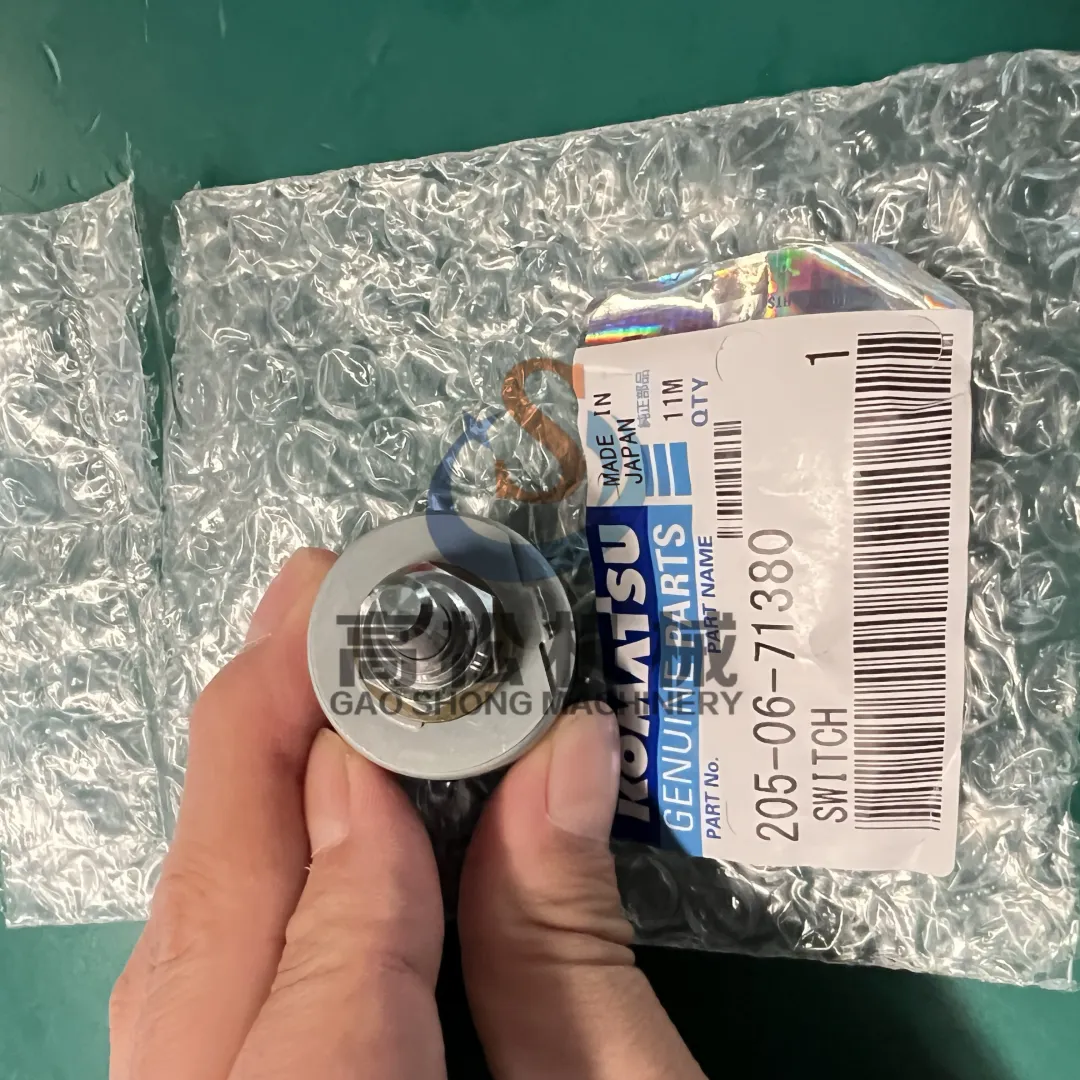
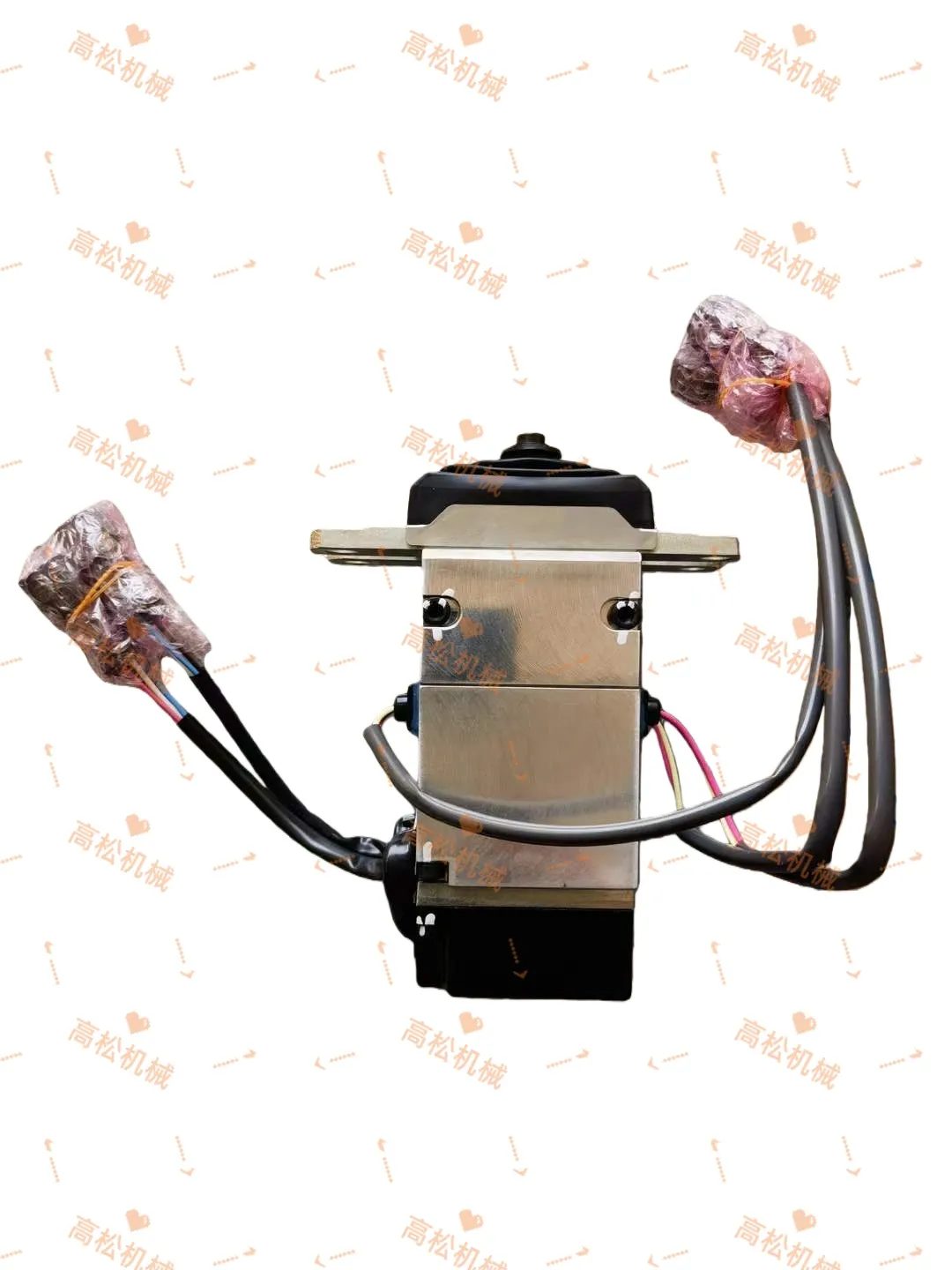
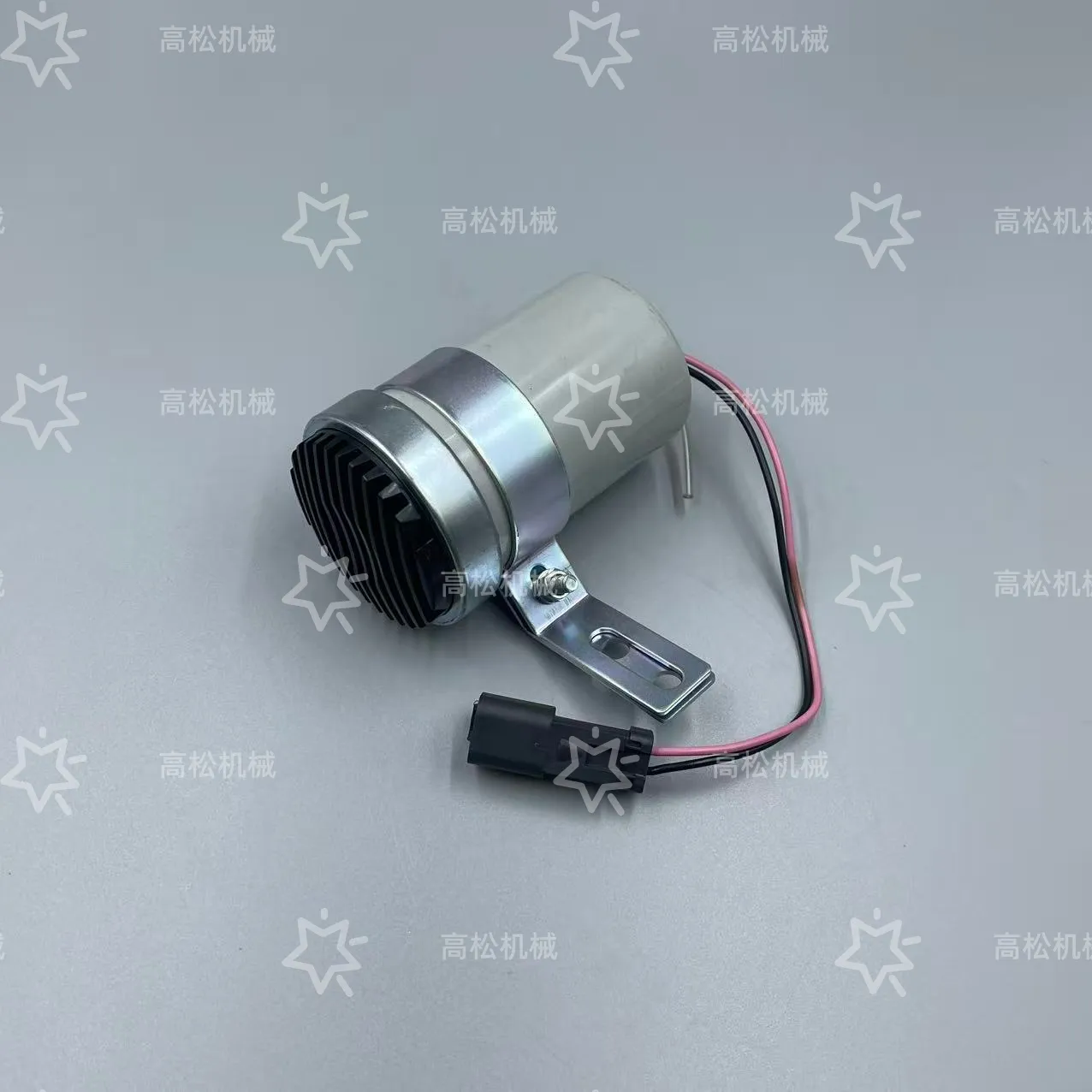
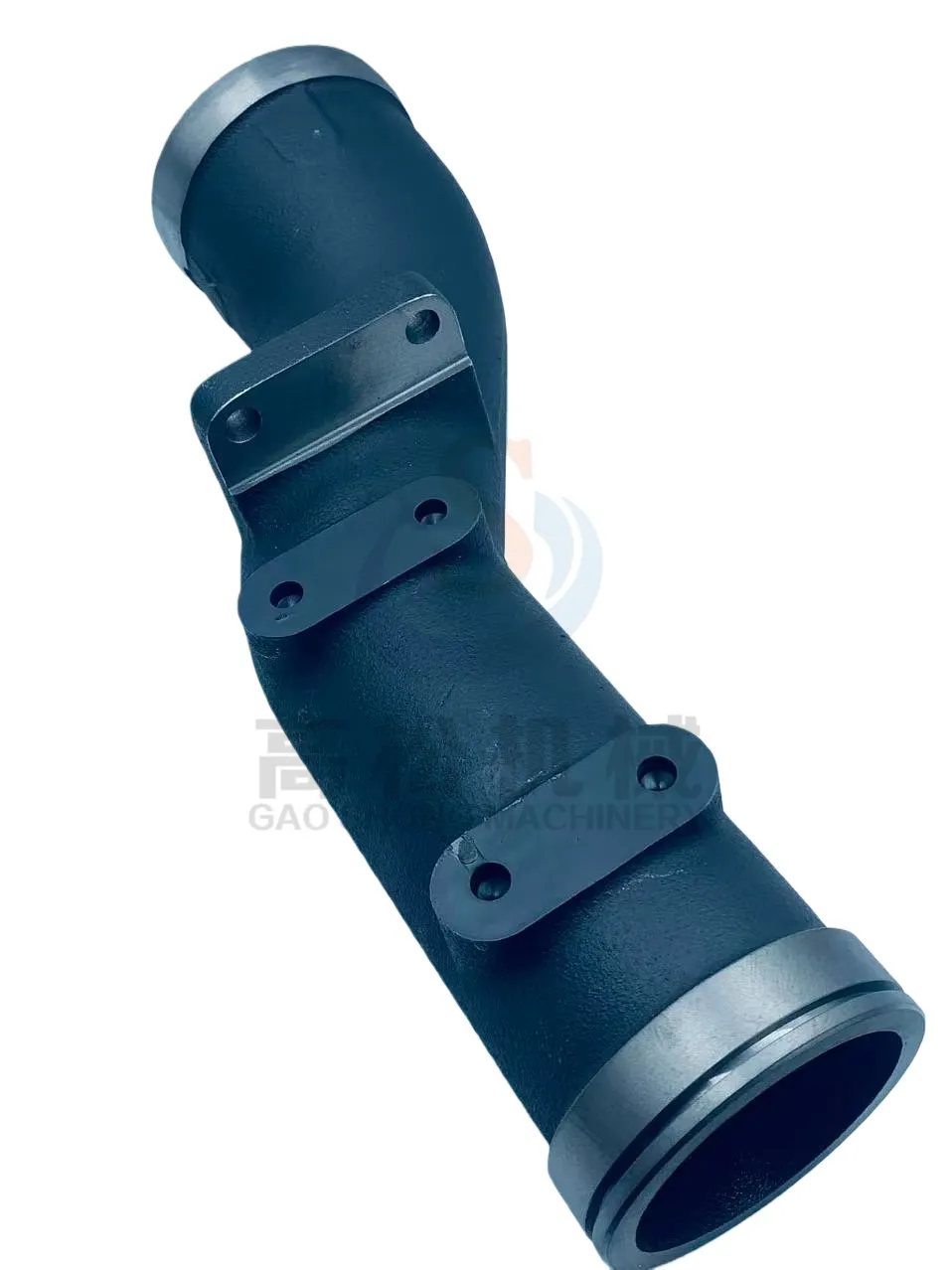

Best Selling Products
Best Selling Products-
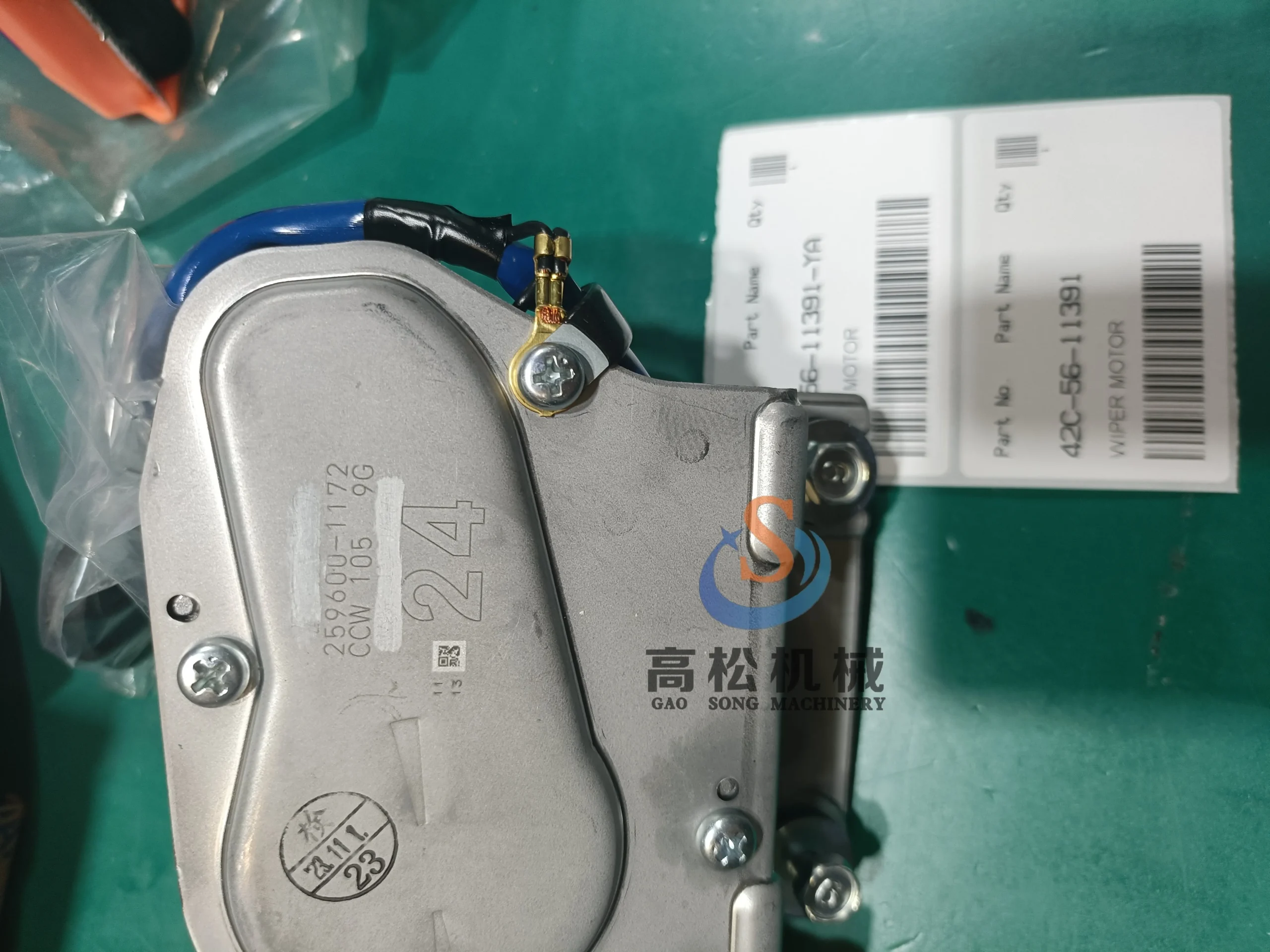 42C-56-11391 komatsu WIPER MOTOR-D375A/WA1200
 -
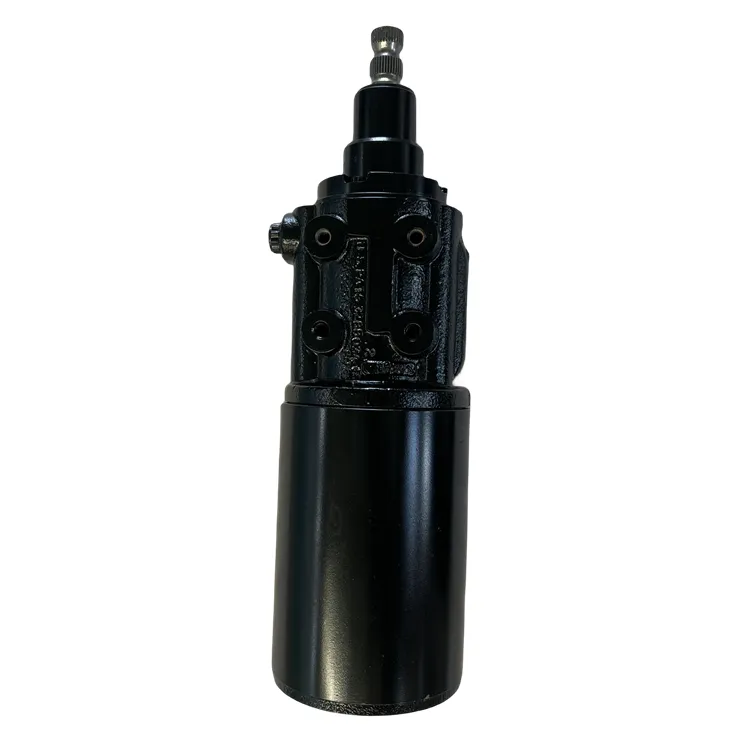 HD785-7 steering valve 561-40-83300
 -
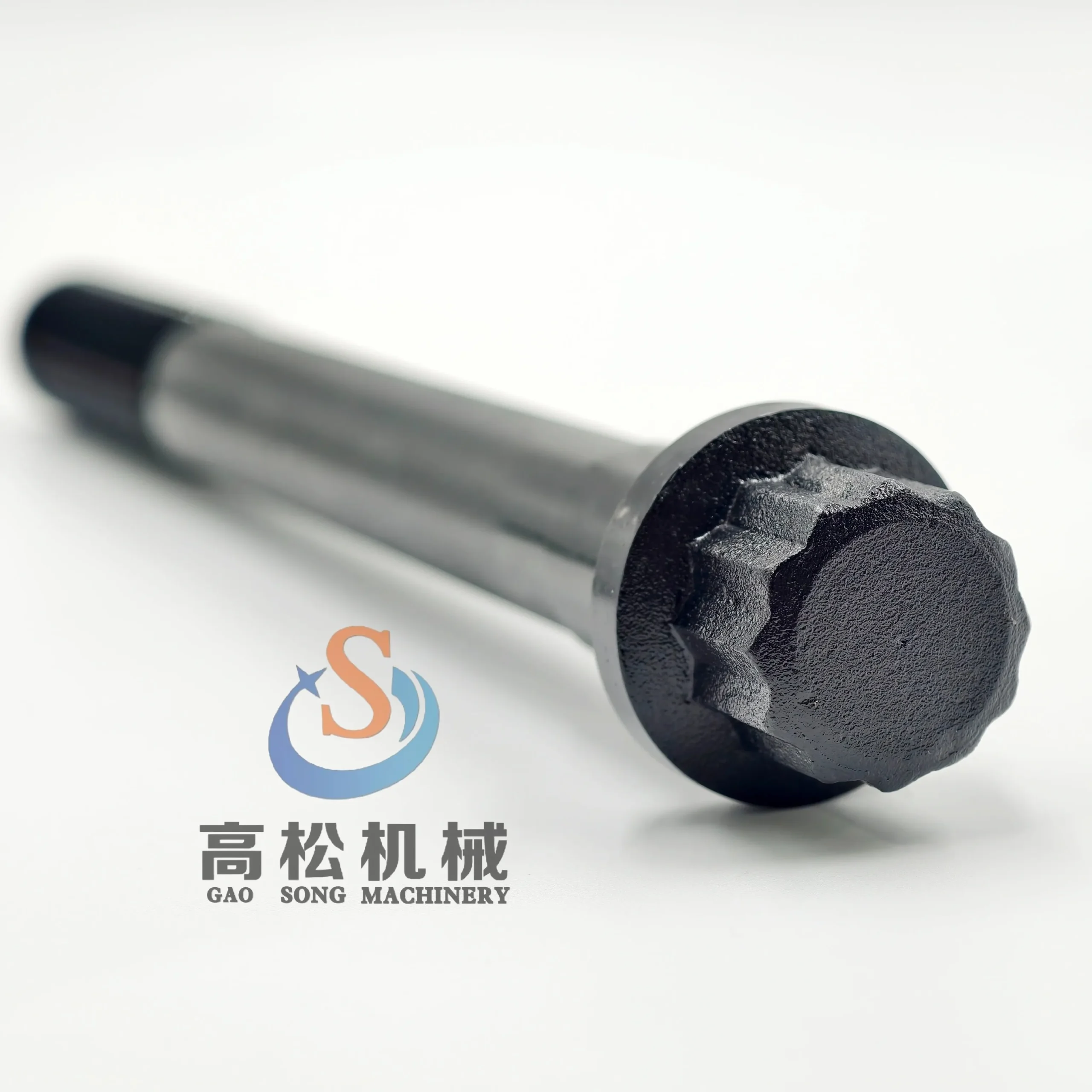 6162-15-1610 komatsu-parts BOLT,HEAD
 -
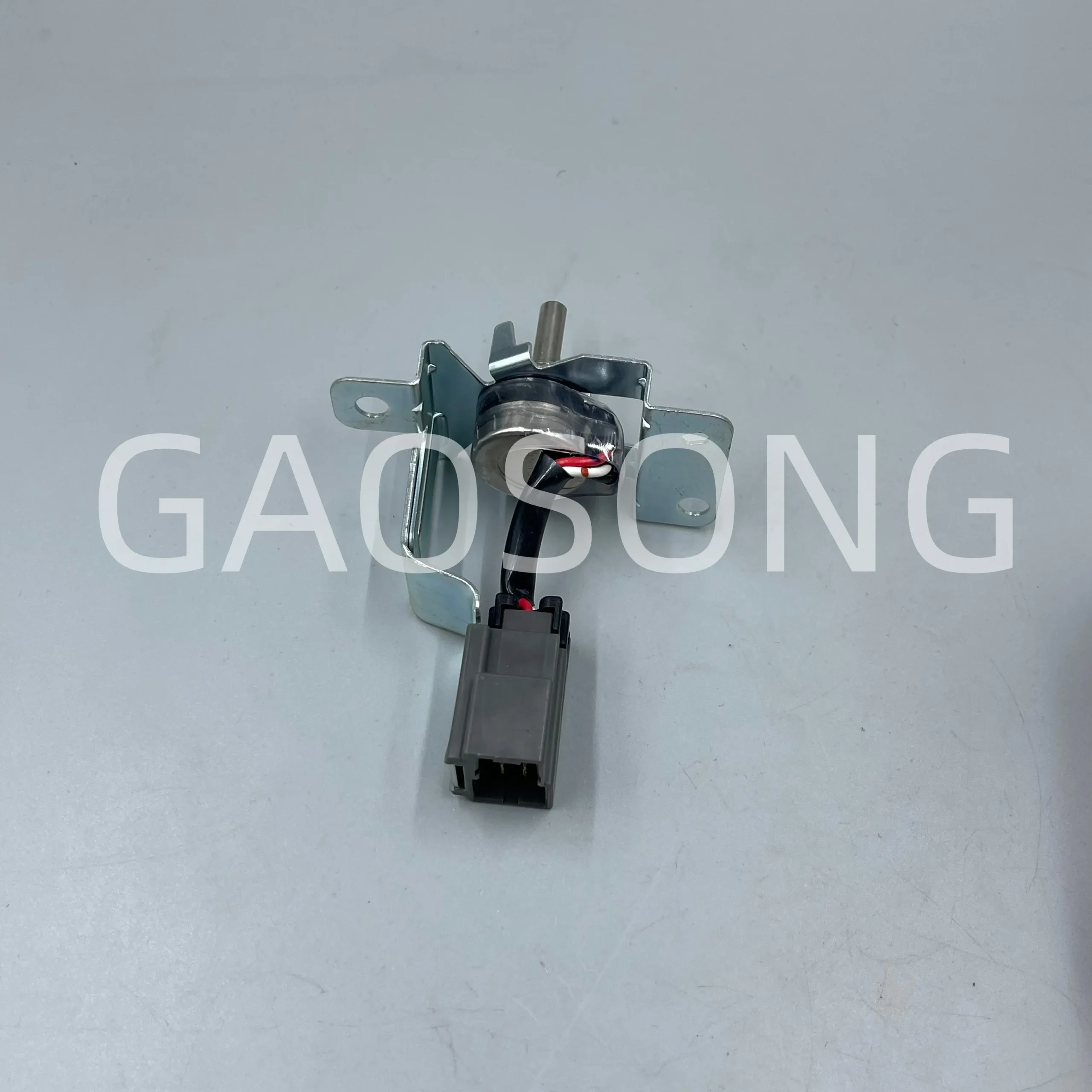 22U-06-22420 POTENIOMETER ASS’Y-Komatsu Original Factory
 -
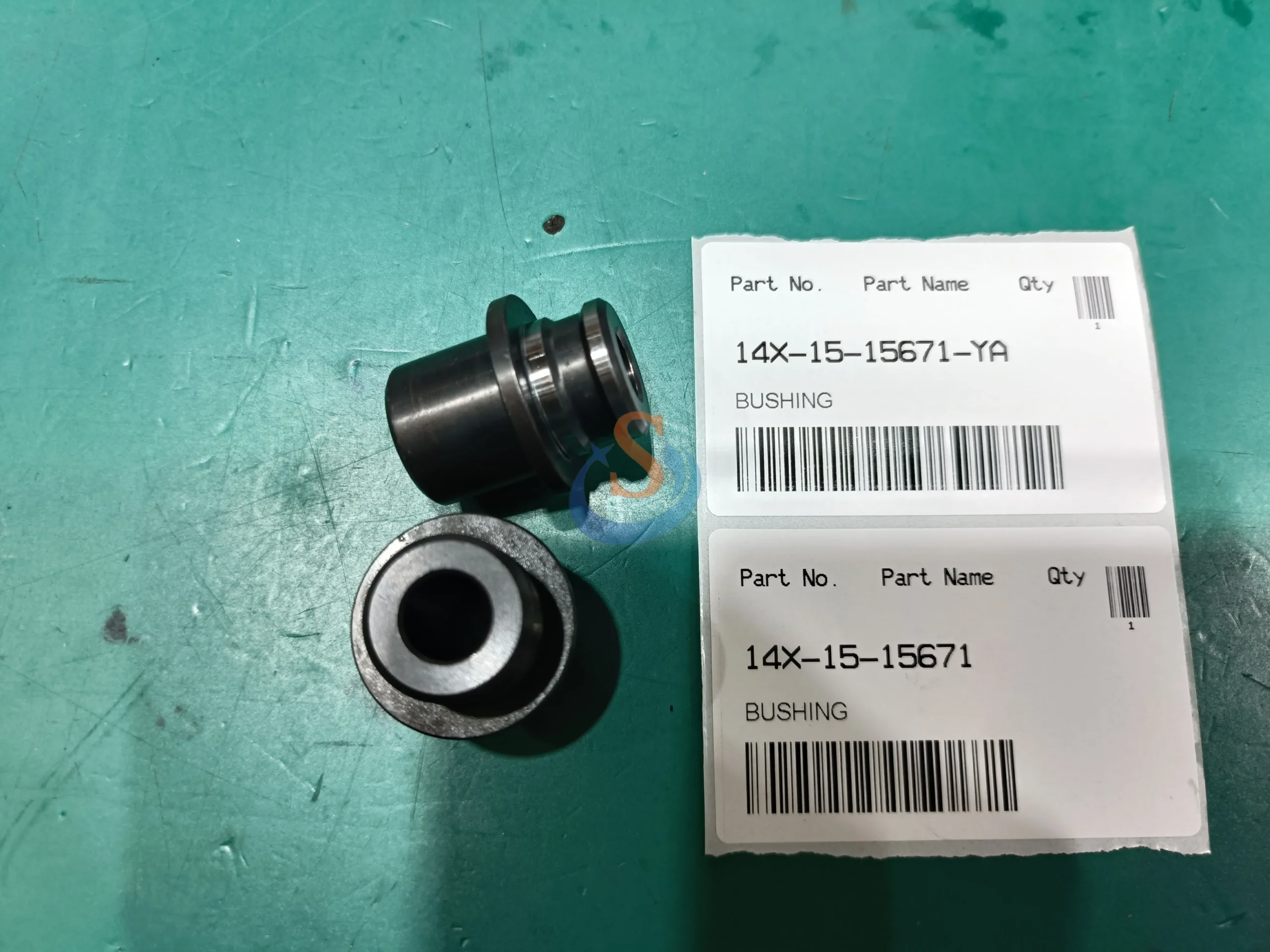 14X-15-15671 komatsu BUSHING D155A/D65EX
 -
 IMIFAFTAbT 702-16-02290 702-16-02210 Lever Assembly Fits for Komatsu D65EX-16 D65PX-16 D65WX-16 D275A-5R D155AX-6 Bulldozer
 -
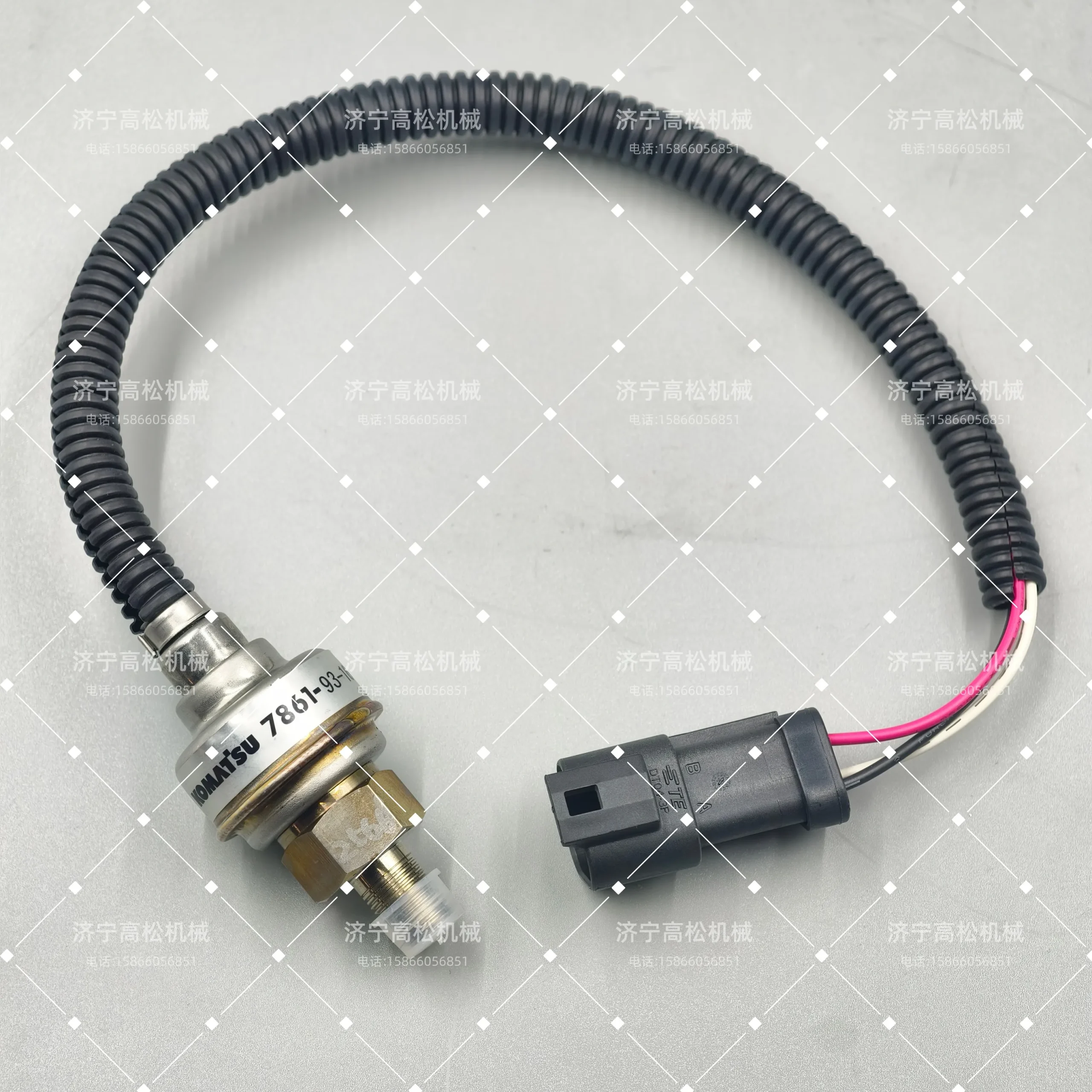 Construction Machinery Parts 7861-93-1670 for Komatsu Excavator…
 -
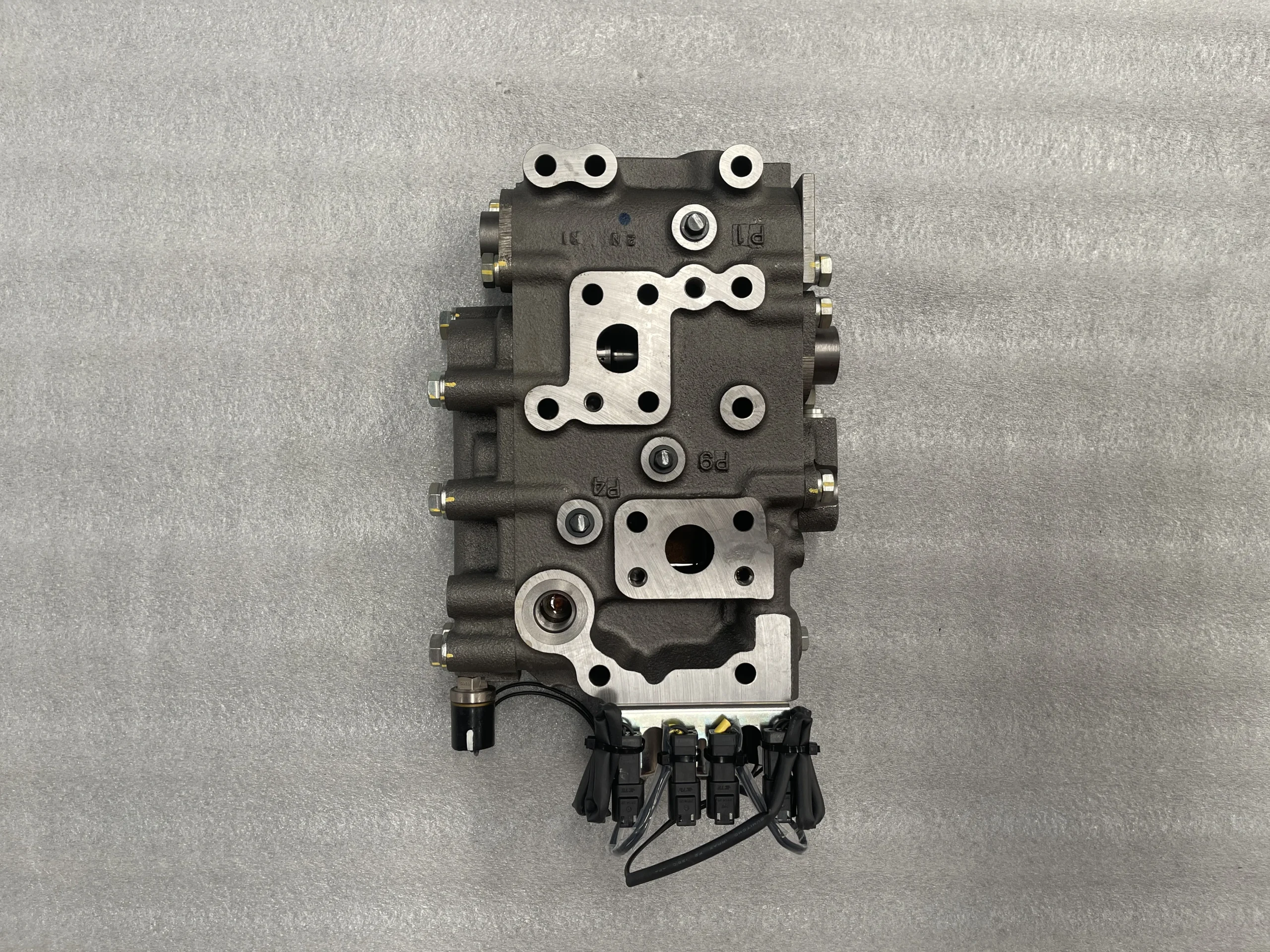 HD785-7 converter valve 561-13-76700
 -
 RING 234-15-29220
 -
 561-95-8A540 • VALVE ASSEMBLY,VENT-Komatsu Original Factory
 -
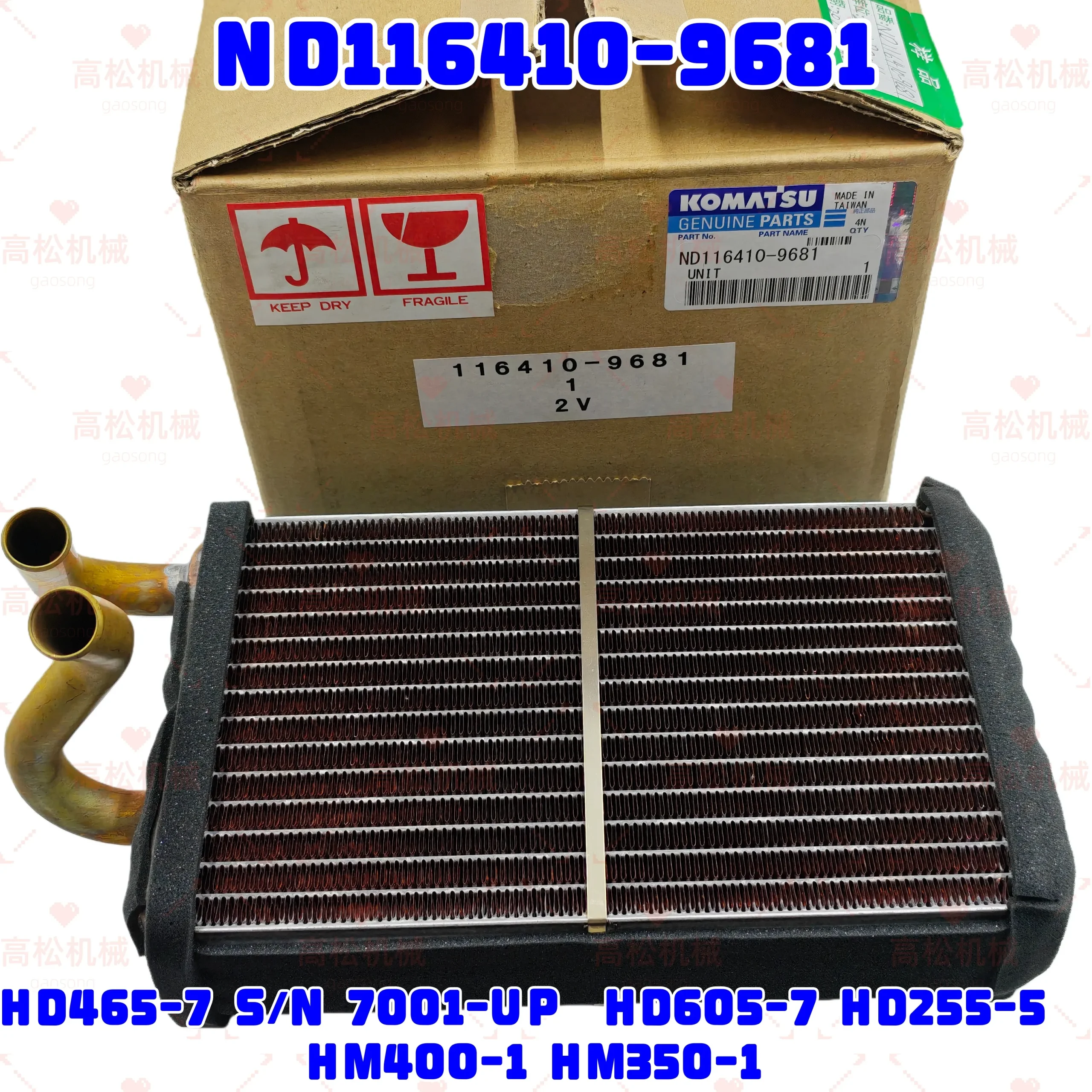
 Original ND116410-9681 UNIT SUB ASS’Y for HM300-1 HM350-1 ND1164109681
 -
 Komatsu 21N-26-31140 Bearing, price for original… — Pricing.Parts