
- Chinese
- French
- German
- Portuguese
- Spanish
- Russian
- Japanese
- Korean
- Arabic
- Irish
- Greek
- Turkish
- Italian
- Danish
- Romanian
- Indonesian
- Czech
- Afrikaans
- Swedish
- Polish
- Basque
- Catalan
- Esperanto
- Hindi
- Lao
- Albanian
- Amharic
- Armenian
- Azerbaijani
- Belarusian
- Bengali
- Bosnian
- Bulgarian
- Cebuano
- Chichewa
- Corsican
- Croatian
- Dutch
- Estonian
- Filipino
- Finnish
- Frisian
- Galician
- Georgian
- Gujarati
- Haitian
- Hausa
- Hawaiian
- Hebrew
- Hmong
- Hungarian
- Icelandic
- Igbo
- Javanese
- Kannada
- Kazakh
- Khmer
- Kurdish
- Kyrgyz
- Latin
- Latvian
- Lithuanian
- Luxembou..
- Macedonian
- Malagasy
- Malay
- Malayalam
- Maltese
- Maori
- Marathi
- Mongolian
- Burmese
- Nepali
- Norwegian
- Pashto
- Persian
- Punjabi
- Serbian
- Sesotho
- Sinhala
- Slovak
- Slovenian
- Somali
- Samoan
- Scots Gaelic
- Shona
- Sindhi
- Sundanese
- Swahili
- Tajik
- Tamil
- Telugu
- Thai
- Ukrainian
- Urdu
- Uzbek
- Vietnamese
- Welsh
- Xhosa
- Yiddish
- Yoruba
- Zulu
- Kinyarwanda
- Tatar
- Oriya
- Turkmen
- Uyghur






komatsu saa6d170e 5 engine
You see that spec code, SAA6D170E-5, and immediately think Komatsu 6D170, which is right, but also a bit of a trap. A lot of folks, even some in parts distribution, just see 170 and assume it's all the same across different chassis codes. That assumption can lead to a very expensive mistake on a shop floor. The -5 suffix isn't just a revision; it often ties into a specific machine generation's ECU mapping and aftertreatment integration. I've seen guys try to swap a -3 series controller onto a -5 block, and while it might crank, it'll never run right, throwing a cascade of phantom sensor codes. It's this kind of nuance that separates a catalog lookup from actual hands-on troubleshooting.
The Core of the Matter: Displacement and Application Reality
At its heart, the Komatsu SAA6D170E 5 engine is a 10.5-liter workhorse. You'll find it buried in the engine bays of mid-to-large size excavators like the PC450-8 or PC490LC-10, and some dozers. The E denotes electronic control, which is standard now, but the real character of this engine is defined by its torque curve. It's not built for peak horsepower bragging rights; it's tuned for a fat, flat torque band right in the low-to-mid RPM range where an excavator actually works. That means less gear shifting for the hydraulic pumps, less fuel strain during high-demand simultaneous operations—like swinging while lifting. In a PC450, you can feel it when you're digging tough material; the engine doesn't scream, it just bogs down slightly and pushes through. That's the design intent.
Where people get tripped up is on the ancillary components. The -5 iteration often came with a different configuration of the Komatsu Diesel Particulate Filter (KDPF) system compared to earlier models. The service intervals for the differential pressure sensors and the dosing injector for the DPF fluid are critical. I recall a PC490 that kept going into derate. The local mechanic replaced the DPF itself—a huge cost—but the problem was a slightly corroded connector on the exhaust gas temperature sensor upstream. The ECU was getting a bad reading and defaulting to a protective mode. The fix was a $200 sensor and cleaning the connector, but the misdiagnosis cost thousands.
This is where having a supplier who understands these generational splits is invaluable. A company like Jining Gaosong Construction Machinery Co., Ltd. operates in a useful niche. As an OEM product supplier within the Komatsu system, they have access to the genuine lineage of parts. But more importantly, their role as a third-party sales company means they've seen the cross-regional supply gaps. When you're in a country where the official Komatsu parts network is thin, and you need a specific water pump for the SAA6D170E-5 that has a slightly different impeller design than the -4, a generic parts house will sell you the wrong one. A specialist like Gaosong, which you can find at https://www.takematsumachinery.com, helps solve those exact parts supply challenges. They can tell you, Yes, this part number supersedes the old one, but for your serial number range, you actually need this other one. That's operational knowledge.
Fuel System Nuances and Common Pitfalls
Let's talk about the fuel system. It's a common-rail setup, obviously. The Komatsu ECHO (Electronic Controlled High-pressure) pump is robust, but it's sensitive to fuel quality in a way that older mechanical systems weren't. The rail pressure control valve is a known wear item. The symptom isn't always a no-start; sometimes it's a slight power loss under load or a longer crank time when hot. I've diagnosed it by monitoring actual vs. commanded rail pressure with a diagnostic tool, but you need to know the specific pressure parameters for the -5 engine. They shifted slightly from the -4.
The injectors are another point. They're not interchangeable left-to-right in all models due to the wiring harness length and clip positions. It sounds trivial until you've got the boom stripped off and realize the injector you're holding won't reach its connector. The service manual shows it, but who has the manual open at 10 PM in a muddy yard? Experience, or a good technical contact, saves hours here. This is the kind of practical detail that defines real support. A supplier's value isn't just in stocking the injector, but in being able to confirm, For your machine's serial number, you need the injector with the 850mm harness, not the 700mm.
We attempted a rebuild on one of these engines about five years ago after a catastrophic liner failure. The rebuild kit from a general supplier claimed compatibility. Everything physically fit—the pistons, rings, liners. But after assembly, the engine had excessive blow-by and an persistent, low-level knock at certain RPMs. We tore it down again and, on close inspection with a genuine Komatsu liner, found the piston crown geometry in the aftermarket kit was off by maybe a millimeter. It changed the compression ratio and the flame front propagation just enough to cause problems. It ran, but it wasn't right. We lost two weeks of labor on that lesson. Now, for critical internal components, we insist on OEM-spec or certified equivalents. The core engine might be forgiving, but the tolerances in the Komatsu SAA6D170E 5 are tight for a reason.
Cooling and Aftertreatment: The Silent Challenges
The cooling system on these is generally overbuilt, which is good. However, the -5 models often use a more integrated temperature management module for regulating engine coolant, hydraulic oil, and the KDPF regeneration cycle. The thermostat housing has extra ports for these lines. A failure point we've encountered is the small plastic connector for the DPF coolant line—it gets brittle with heat cycles and can crack, leading to a slow coolant loss that's hard to trace. It drips onto the block and evaporates, so you don't always see a puddle. You just see the reservoir level slowly dropping.
The aftertreatment system, the KDPF, is its own beast. The regeneration cycle is mostly passive, but forced regeneration is sometimes needed. The crucial thing many operators miss is that a forced regen will fail if the machine's hydraulic system is too cold. The ECU wants to see a certain hydraulic oil temperature to ensure adequate machine stability and cooling during the high-exhaust-temp process. So, you can't just park a cold machine and hit the regen button. You need to let it warm up under low load for 20-30 minutes first. This is a classic example of the engine management system being deeply integrated with the machine's overall functions.
Finding replacement sensors or valves for this system can be a bottleneck. This is precisely the gap Jining Gaosong Construction Machinery Co., Ltd. mentions addressing. As an OEM supplier within the Komatsu ecosystem, they have the pipeline to get the correct, latest-part-number DPF temperature sensor or NOx sensor that won't cause an ECU mismatch fault. Their work helping to solve parts supply challenges in certain countries isn't just about availability; it's about correctness for the specific engine suffix. A wrong sensor might plug in, but it can cause the ECU to miscalculate regen cycles, leading to premature DPF clogging.
Longevity and Final Thoughts
With proper care—clean fuel, timely oil changes with the right CJ-4/CK-4 spec oil, and attention to the cooling system—the SAA6D170E-5 engine can easily clock 15,000 hours before a major overhaul. The key is listening to it. A change in the sound of the turbo spool, a minor increase in oil consumption, or a slight dip in coolant level are all stories the engine tells before a major chapter fails.
The takeaway is to respect the specificity of that model code. It's not a generic 6D170. Its personality is defined by its electronic integration and the machine it was built for. Sourcing parts requires a similar specificity. Relying on a broad-line supplier for everything is a gamble. Having a technical partner who understands the Komatsu system from the inside, like the team described at takematsumachinery.com, provides a backstop against those costly, time-consuming errors that come from close enough parts matching.
In the end, it's a solid, dependable power unit. But its dependability is directly tied to the precision of the parts and fluids you put into it, and the knowledge of the people who service it. Treating it like a commodity engine is the fastest way to turn it into a problem. Understanding its particularities, down to the -5, is what keeps it running like it should.
Related Products
Related Products

Best Selling Products
Best Selling Products-
 Komatsu Switch 22U-06-22370 for Crawler excavator PC340LC-7K
 -
 VALVE ASS’Y21T-68-67940
 -
 14X-15-29210,SEAL RING,D65PX,D85ESS-2,HD605-7R
 -
 561-03-81550 High Quality Parts For Komatsu Hd465/hd785, High…
 -
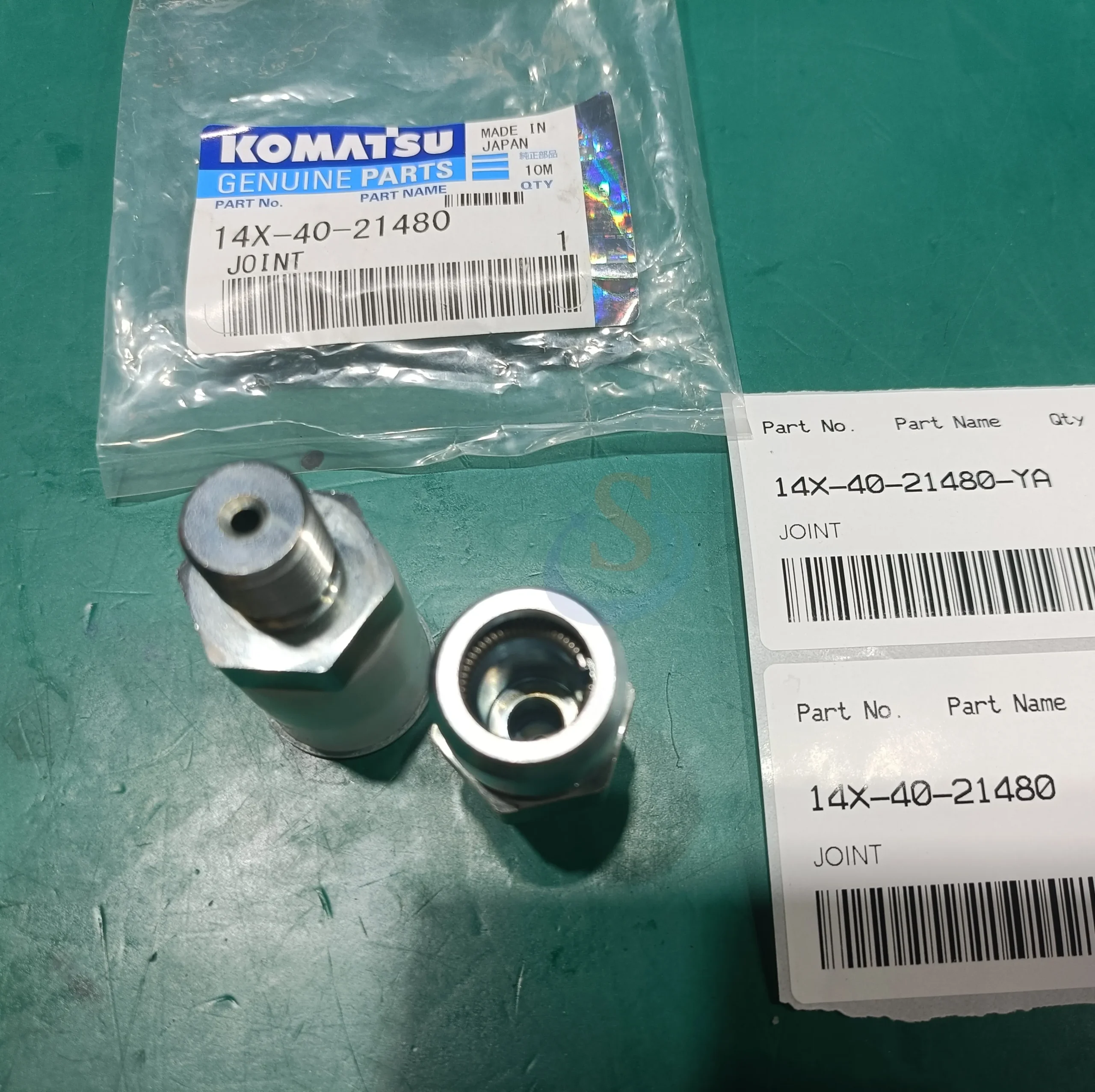 14X-40-21480,JOINT,D65P,D85E,D65E
 -
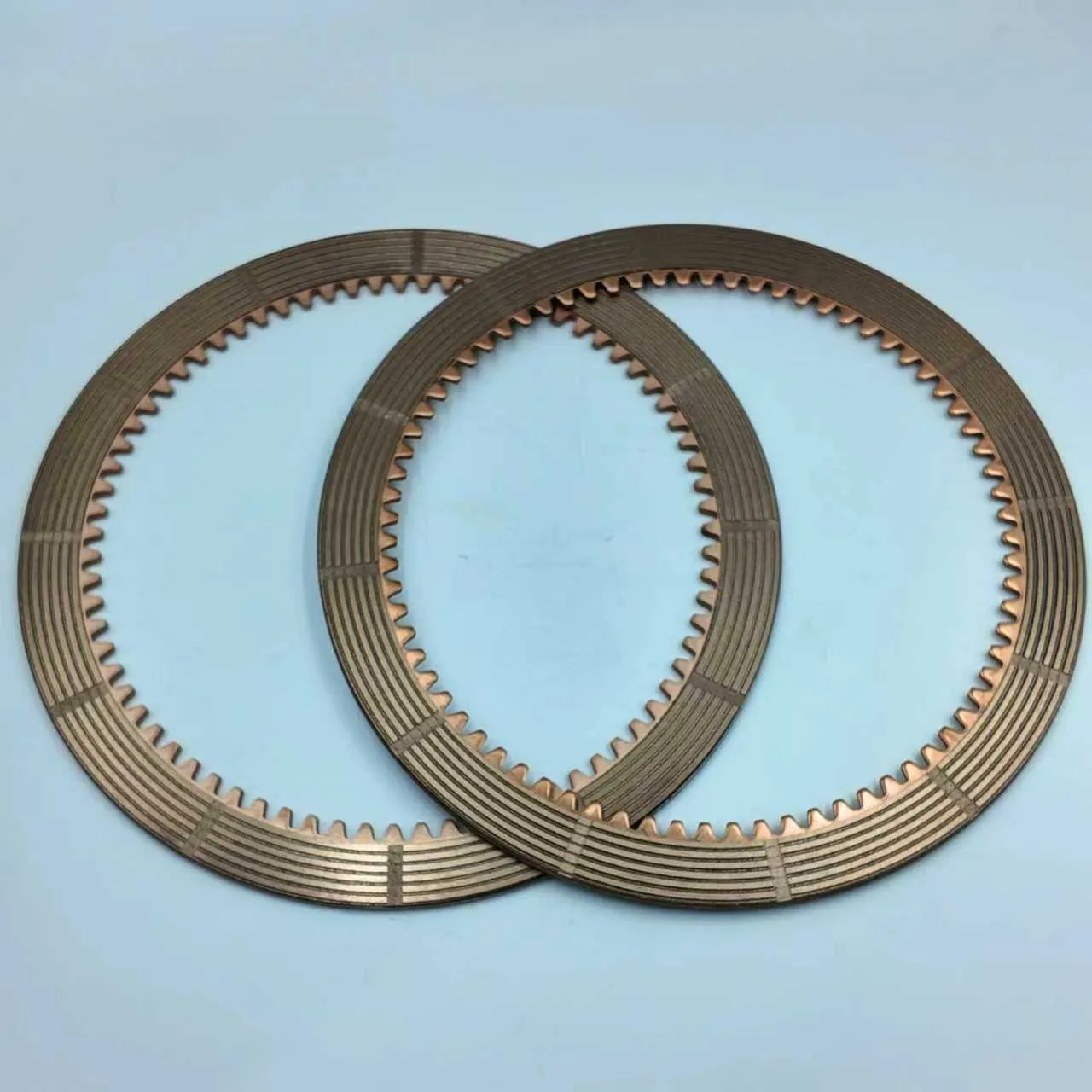 NEW 23S-15-12710 DISC TRANSMISSION (124-15-42710) FOR KOMATSU D41A-3
 -
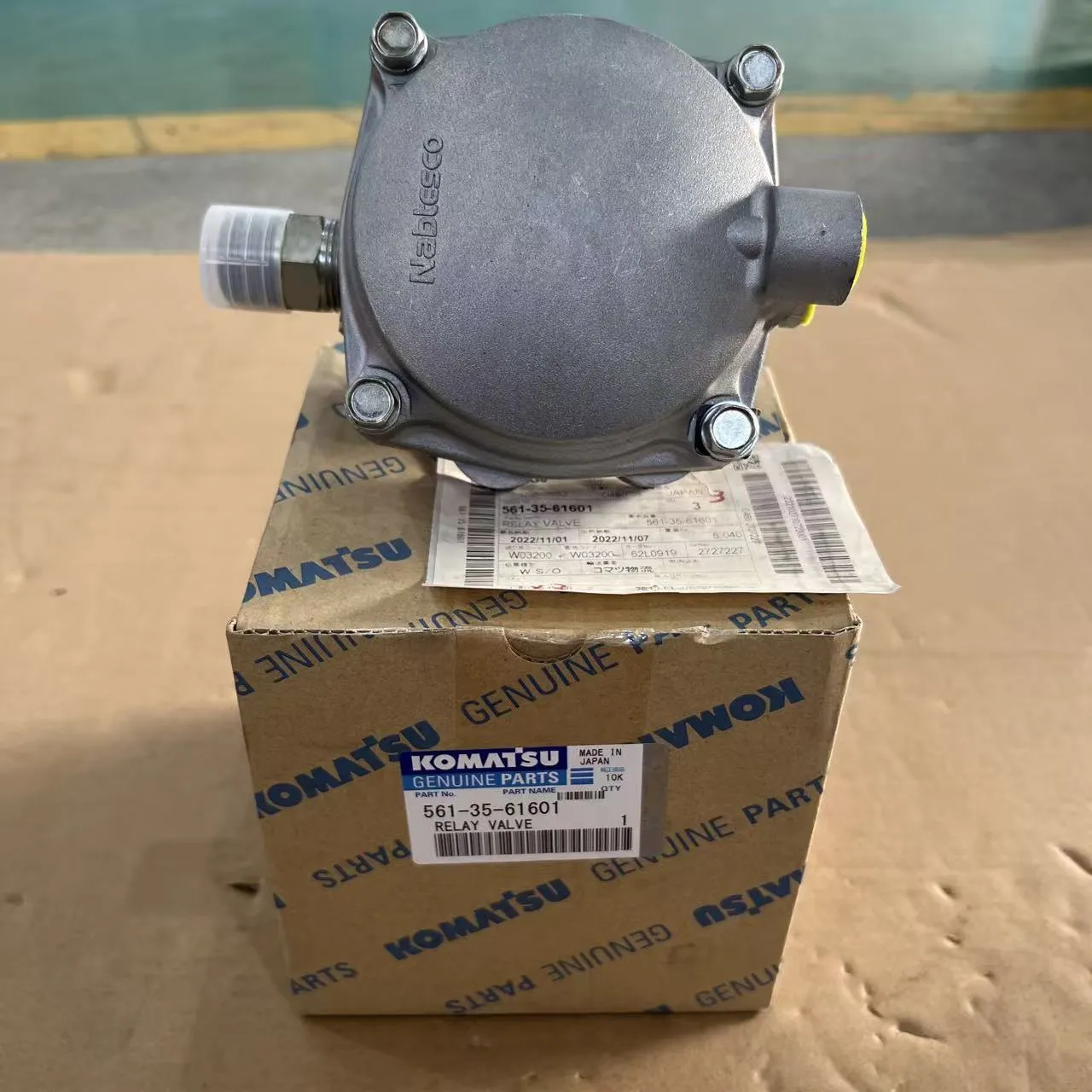 RELAY VALVE ASS’Y 561-35-61601 – KOMATSU
 -
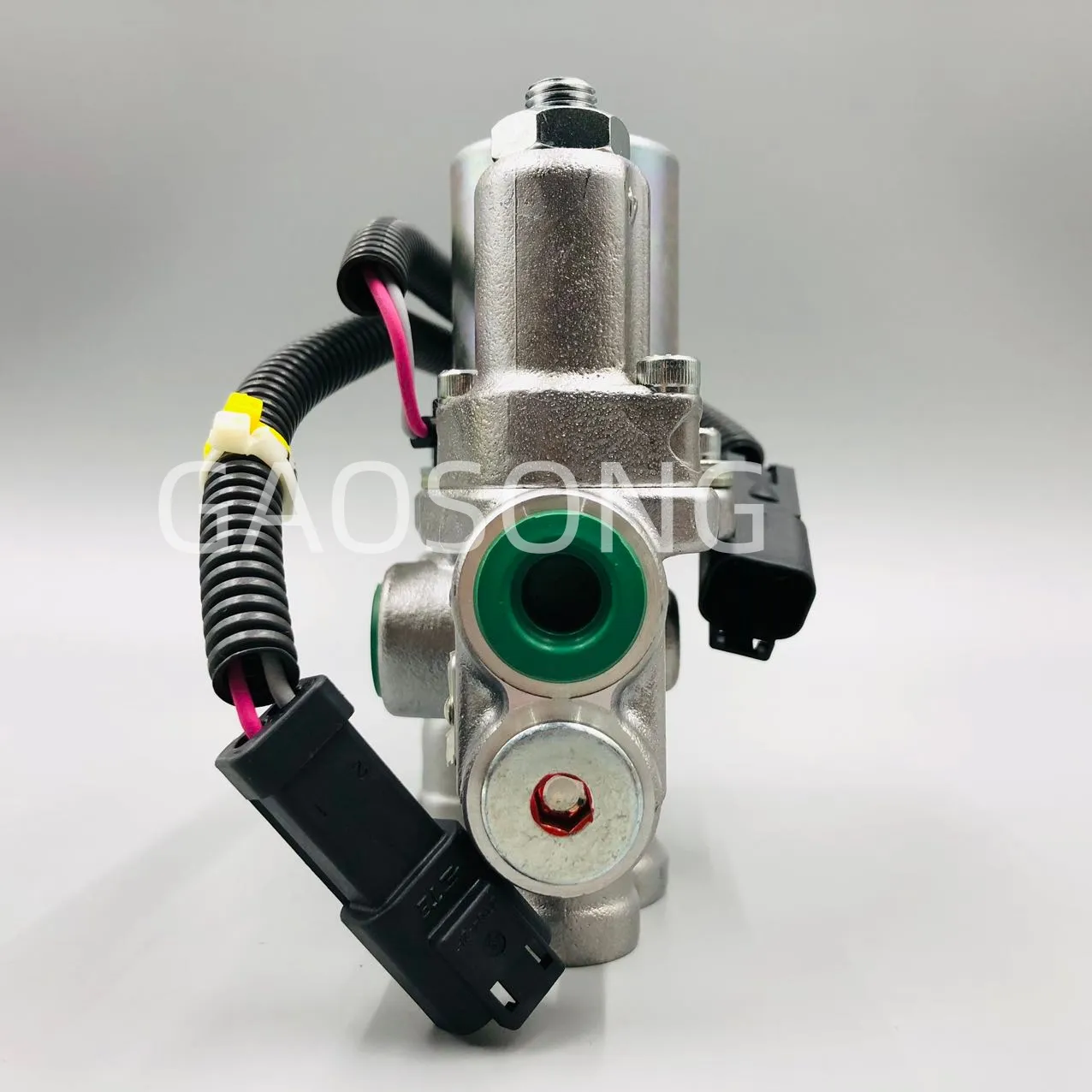 22F-60-31600 VALVE ASS’Y,(SEE FIG.Y1681-01A0).-Komatsu Original Factory
 -
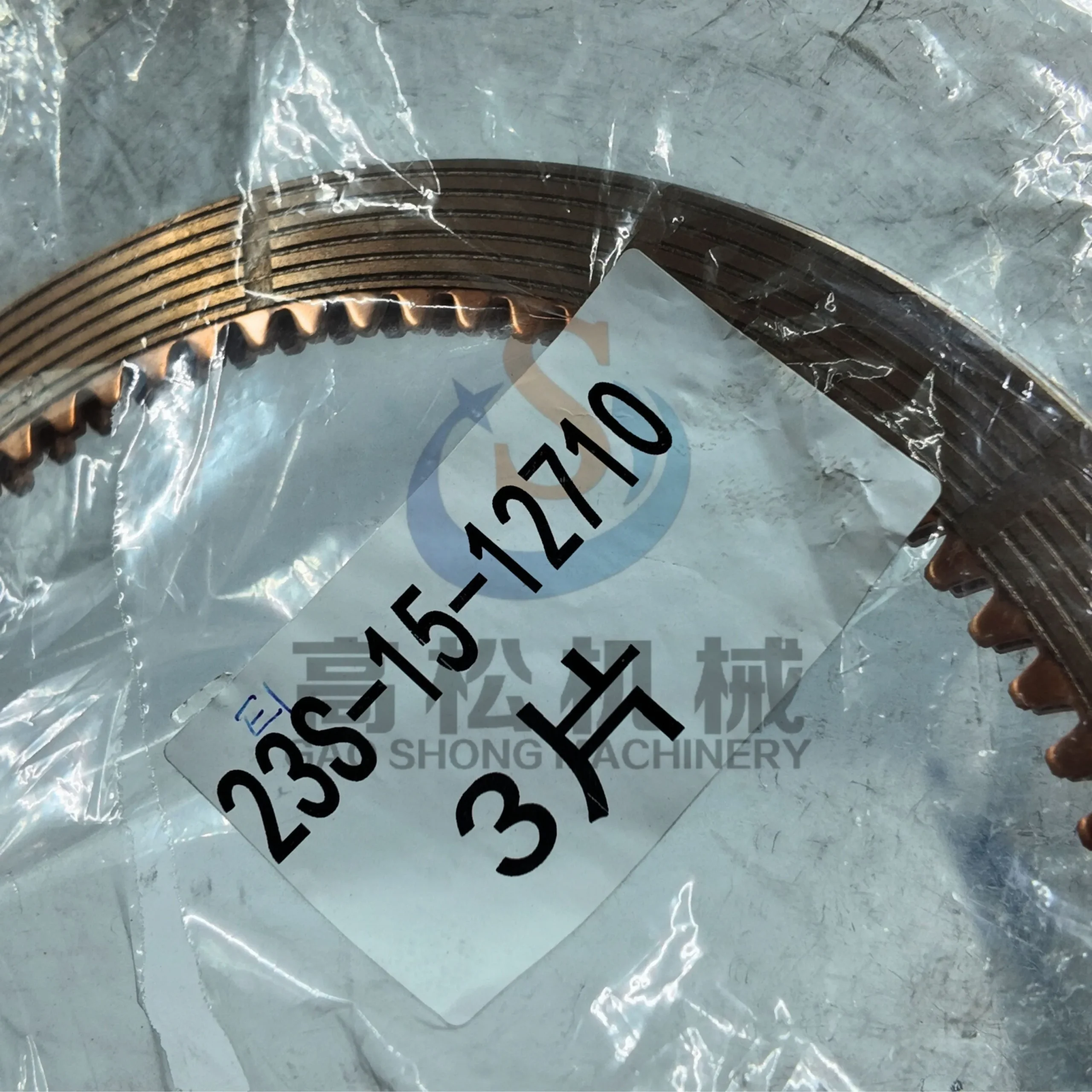 23S-15-12710 Komatsu Disc
 -
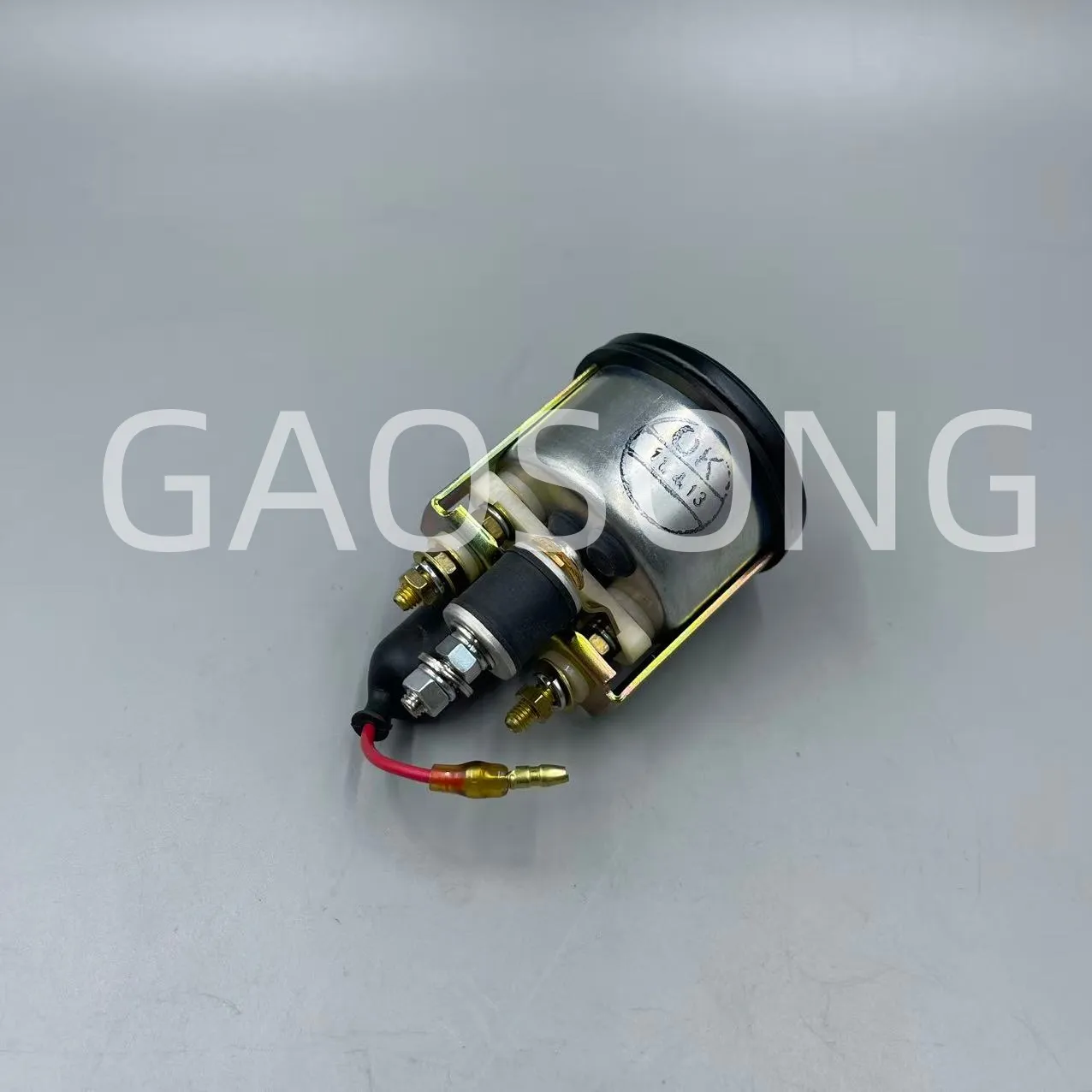 195-06-23110 GAUGE,WATER TEMPERATURE-Komatsu Original Factory
 -
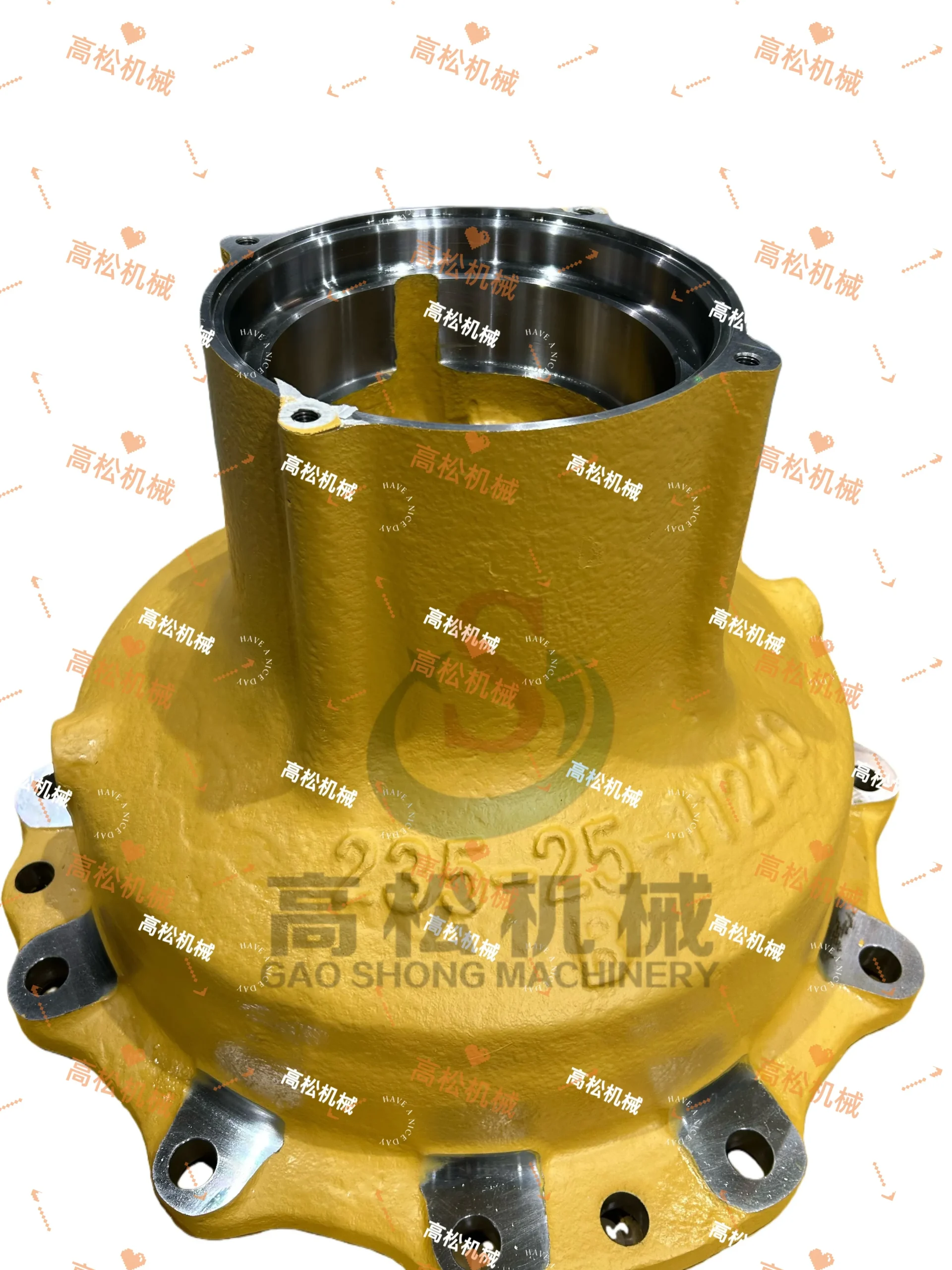 CAGE 235-25-11220 CAGE GD825A-2 S/N 11001-UP TANDEM DRIVE GEAR AND CHAIN
 -
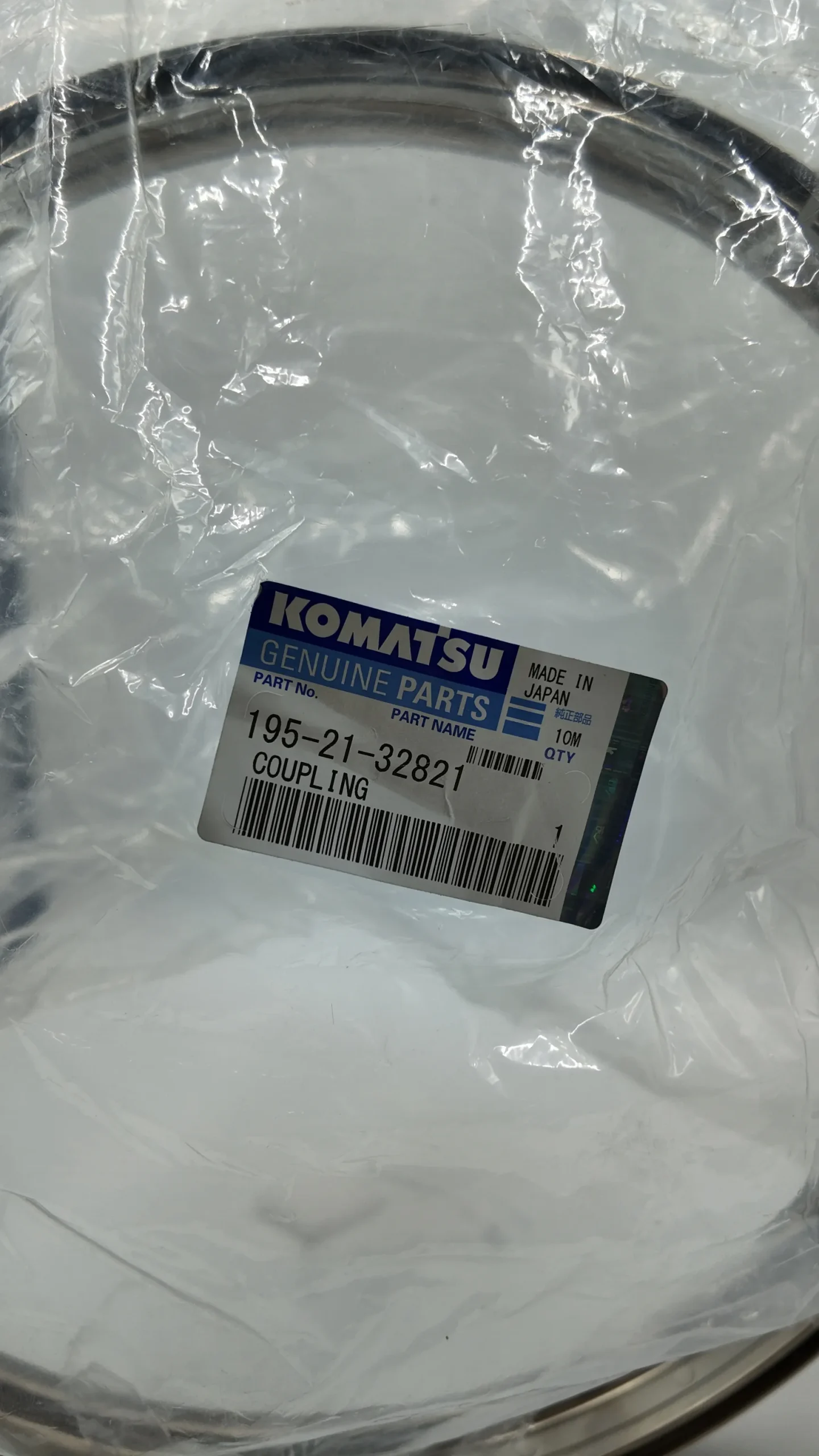 195-21-32821 COUPLING,(HEAVY DUTY) (Komatsu)