
- Chinese
- French
- German
- Portuguese
- Spanish
- Russian
- Japanese
- Korean
- Arabic
- Irish
- Greek
- Turkish
- Italian
- Danish
- Romanian
- Indonesian
- Czech
- Afrikaans
- Swedish
- Polish
- Basque
- Catalan
- Esperanto
- Hindi
- Lao
- Albanian
- Amharic
- Armenian
- Azerbaijani
- Belarusian
- Bengali
- Bosnian
- Bulgarian
- Cebuano
- Chichewa
- Corsican
- Croatian
- Dutch
- Estonian
- Filipino
- Finnish
- Frisian
- Galician
- Georgian
- Gujarati
- Haitian
- Hausa
- Hawaiian
- Hebrew
- Hmong
- Hungarian
- Icelandic
- Igbo
- Javanese
- Kannada
- Kazakh
- Khmer
- Kurdish
- Kyrgyz
- Latin
- Latvian
- Lithuanian
- Luxembou..
- Macedonian
- Malagasy
- Malay
- Malayalam
- Maltese
- Maori
- Marathi
- Mongolian
- Burmese
- Nepali
- Norwegian
- Pashto
- Persian
- Punjabi
- Serbian
- Sesotho
- Sinhala
- Slovak
- Slovenian
- Somali
- Samoan
- Scots Gaelic
- Shona
- Sindhi
- Sundanese
- Swahili
- Tajik
- Tamil
- Telugu
- Thai
- Ukrainian
- Urdu
- Uzbek
- Vietnamese
- Welsh
- Xhosa
- Yiddish
- Yoruba
- Zulu
- Kinyarwanda
- Tatar
- Oriya
- Turkmen
- Uyghur





komatsu saa4d95le 5 engine
When you hear 'Komatsu SAA4D95LE-5 engine', most folks immediately think of the PC200-8 or PC220-8 excavator. That's fair, it's its most common home. But there's a tendency to just see it as a black box – a reliable one, sure – without really getting into the nuances that make it a standout or, in some specific conditions, a bit of a headache. I've seen too many mechanics treat every 95LE-5 the same, and that's where small problems get missed before they become big ones.
Not Just Another Displacement
Let's be clear: the SAA4D95LE-5 isn't just a 6.7-liter turbocharged diesel. The 'E' in there is crucial – it's for the Komatsu Emission-compliant series, meeting Tier 3/Stage IIIA regulations. The design philosophy was about getting there without excessive external after-treatment initially, leaning hard on internal engine refinement. That meant a very specific Komatsu SAA4D95LE 5 engine fuel injection system and turbo matching. I remember the first time we cracked one open for a major overhaul, the injector tolerances were noticeably tighter than the previous generation. Using just any aftermarket injector? A gamble that often led to uneven cylinder wear and a slight but persistent power loss the onboard diagnostics wouldn't always flag as a critical fault.
Where you really feel the difference is in the mid-range torque curve in an excavator application. Compared to some direct contemporaries, it has this grunt that feels less peaky, more sustainable when the machine is slewing under load and the pump demand is high. But this comes at a cost to sensitivity. The fuel system, in my experience, is less forgiving of mediocre diesel fuel quality than, say, some European equivalents of that era. In markets where fuel filtration isn't a religious practice, we've traced more than one high-pressure pump failure back to that, not an inherent engine flaw.
This is where having a parts source that understands the OEM specs is non-negotiable. I've worked with suppliers who claim cross-compatibility, and the part fits, but the performance isn't right. It's why operations I know now lean on specialized channels for genuine or OEM-equivalent parts. There's a company, Jining Gaosong Construction Machinery Co., Ltd., that operates in this space. They position themselves as an OEM product supplier within the Komatsu system, which, if true, means they should have access to the correct specification parts for engines like this. Their site, https://www.takematsumachinery.com, outlines their role in helping solve parts supply challenges, which is a very real pain point for older models like the -8 series where the Komatsu SAA4D95LE 5 engine is aging.
The Cooling System Quirk
This is a classic example of a learned the hard way item. The cooling system layout on the 95LE-5, as installed in the excavator, has a particular flow path. The thermostat housing and the related pipes aren't just connectors; they manage a specific coolant velocity to keep the EGR cooler (integrated into the system) functioning optimally. We once had a machine with chronic, slight overheating under sustained high ambient temperature operation.
We replaced the thermostat, water pump, flushed the rad – the works. The issue persisted. It turned out a previous repair had used a non-OEM lower hose that had a slightly different internal diameter and a more restrictive bend. It was enough to disrupt the flow balance, causing a minor hot spot that only showed under peak load. The lesson was that every component, even a hose, on this engine's cooling circuit is part of a calibrated system. It's not paranoia to stick to the spec here; it's practical economics to avoid downtime.
This kind of problem is exactly where a supplier's expertise matters. A general parts house would sell you a fits hose. A supplier embedded in the Komatsu ecosystem, like the one mentioned earlier which acts as a third-party sales company for Komatsu, should theoretically know these integration details and supply the correct part. Their stated mission of helping to solve parts supply challenges in certain countries is relevant here – it's not just about having a part, but having the right part that won't create secondary issues.
Electronics and the Ghost in the Machine
The engine control is relatively straightforward for its generation, but the Komatsu Monitor Controller talks to it constantly. The most common misdiagnosis I've encountered is blaming the engine for faults that originate in the pump or valve control sensors. The engine ECU is getting a demand signal; if that signal is wrong because a pump pressure sensor is drifting, the engine response will look off. You'll get error codes related to fuel adjustment or injection timing, sending you down the wrong rabbit hole.
A good diagnostic practice is to first verify the hydraulic side pressures are in spec before deep-diving into the Komatsu SAA4D95LE 5 engine electronics. I keep a log of sensor resistance values for a healthy machine to use as a baseline. The crankshaft position sensor on these can also develop intermittent faults when the wiring harness gets brittle from heat cycles near the block, causing sudden stalling that's a nightmare to replicate in the shop.
Finding replacement sensors or harness segments with the proper shielding and connector seals is another area where generic parts can fail prematurely. You need components built for the vibration and thermal environment of a construction site. This is another layer of the parts supply challenge – it's not just mechanical, but electronic and electrical integrity.
Overhaul Nuances and the Bearing Debate
When these engines hit the 12,000-15,000-hour mark for a major overhaul, the crankshaft and bearing condition is usually the deciding factor on the rebuild's cost. The OEM bearings are outstanding, but the question always arises: can you use a premium aftermarket set? I've seen mixed results. The block's main bearing bore alignment is generally very stable, but if there's any question, using a non-OEM bearing with a slightly different clearance can lead to oil pressure issues later.
My rule of thumb now is this: if the crank measures within the first stage of the OEM regrind specification and the block is pristine, a top-tier aftermarket bearing set from a known manufacturer can work, provided you plastigage every single cap meticulously. If the crank is at the limit or needs grinding, or if the block shows any wear, it's false economy not to go with OEM-spec bearings. The Komatsu SAA4D95LE 5 engine doesn't like ambiguity in its bottom end.
During reassembly, the torque sequence for the cylinder head is gospel, but the often-overlooked step is the re-torque after the first heat cycle. Skipping that has bitten us once, leading to a slight seepage that eventually eroded the head gasket. It's a simple step, but in the rush to get a machine back to the job site, it's easily forgotten.
Longevity in the Real World
So, what determines if a 95LE-5 becomes a 20,000-hour workhorse or a problem child? From my observation, it boils down to three things, in this order: air, fuel, and oil. The air filter and intake system must be sealed perfectly. Any unmetered air ingestion plays havoc. Fuel filtration with regular water separation is more critical than on many engines. And the oil change interval – stick to the severe service schedule if the machine does anything other than light duty, no exceptions.
I recall a fleet of PC200-8s in a quarry application. One operator was diligent about daily checks and used only the filters from a trusted supplier (we sourced some through channels that ensured OEM specification, similar to the services described by Jining Gaosong). His machine consistently outperformed the others on fuel efficiency and had zero major engine issues past 18,000 hours. The others, on a mix of generic filters and stretched intervals, needed injector and turbo work much earlier.
That's the real testament to the Komatsu SAA4D95LE 5 engine design. It's robust, but it demands respect for its system's integrity. It's not a machine you can just throw parts at. You need to understand its context within the machine, and you need a parts pipeline you can trust to deliver the precision it was built with. That's the difference between just fixing it and keeping it running reliably for years.
Related Products
Related Products
Best Selling Products
Best Selling Products-
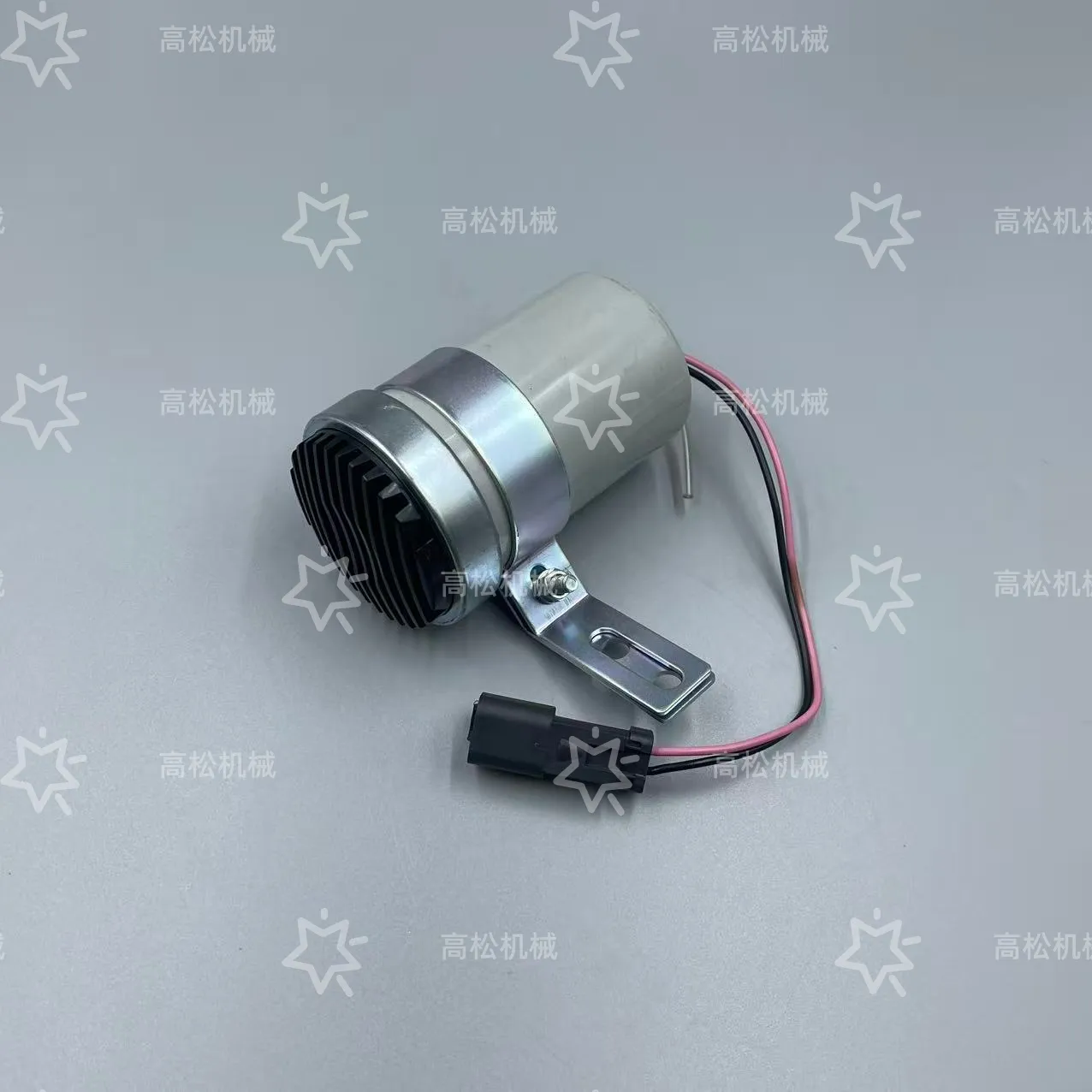 Komatsu Alarm 198-06-56570 for Bulldozer D65PX-15EO
 -
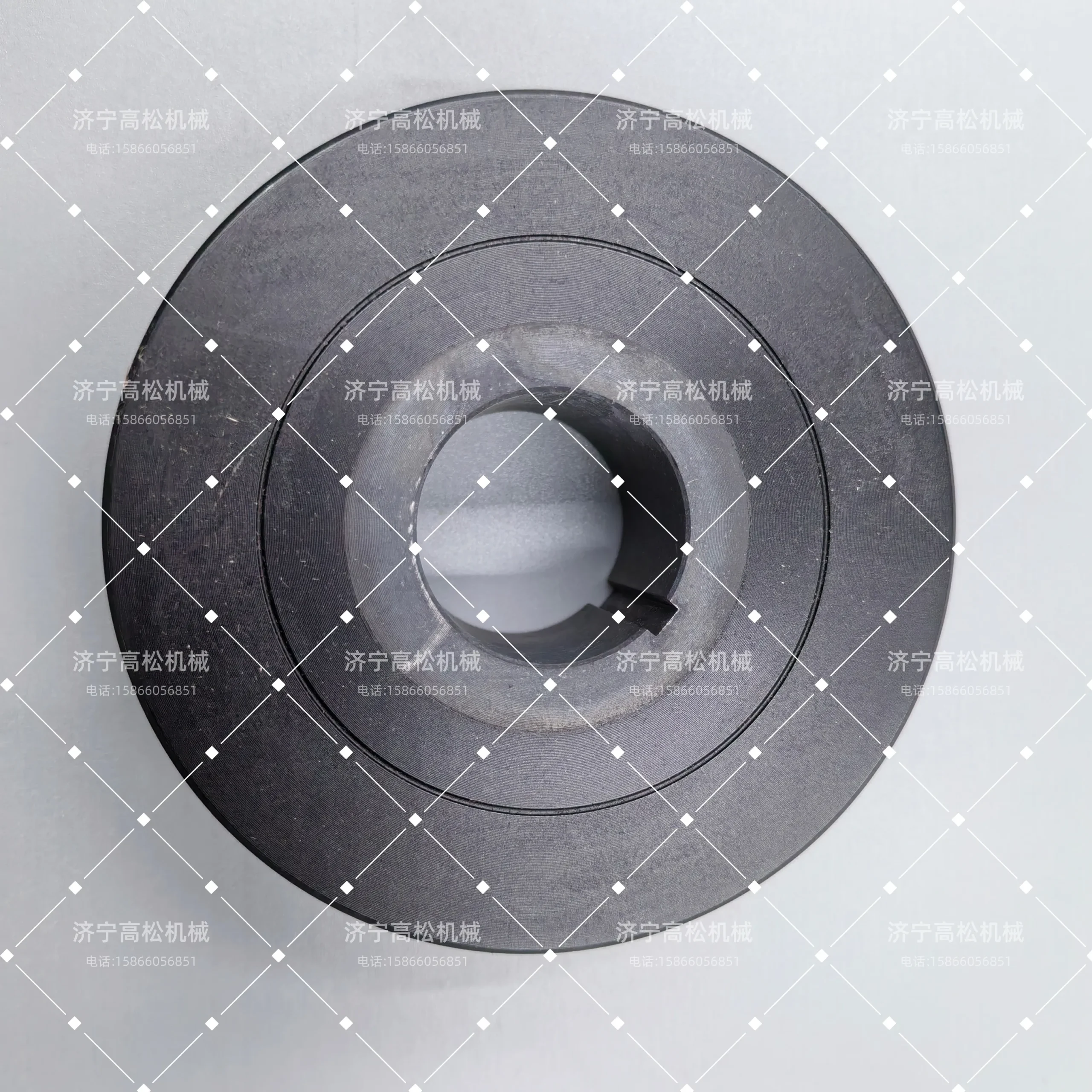 Original Parts Kd0-35411-0854 Pulley, High Quality Original Parts…
 -
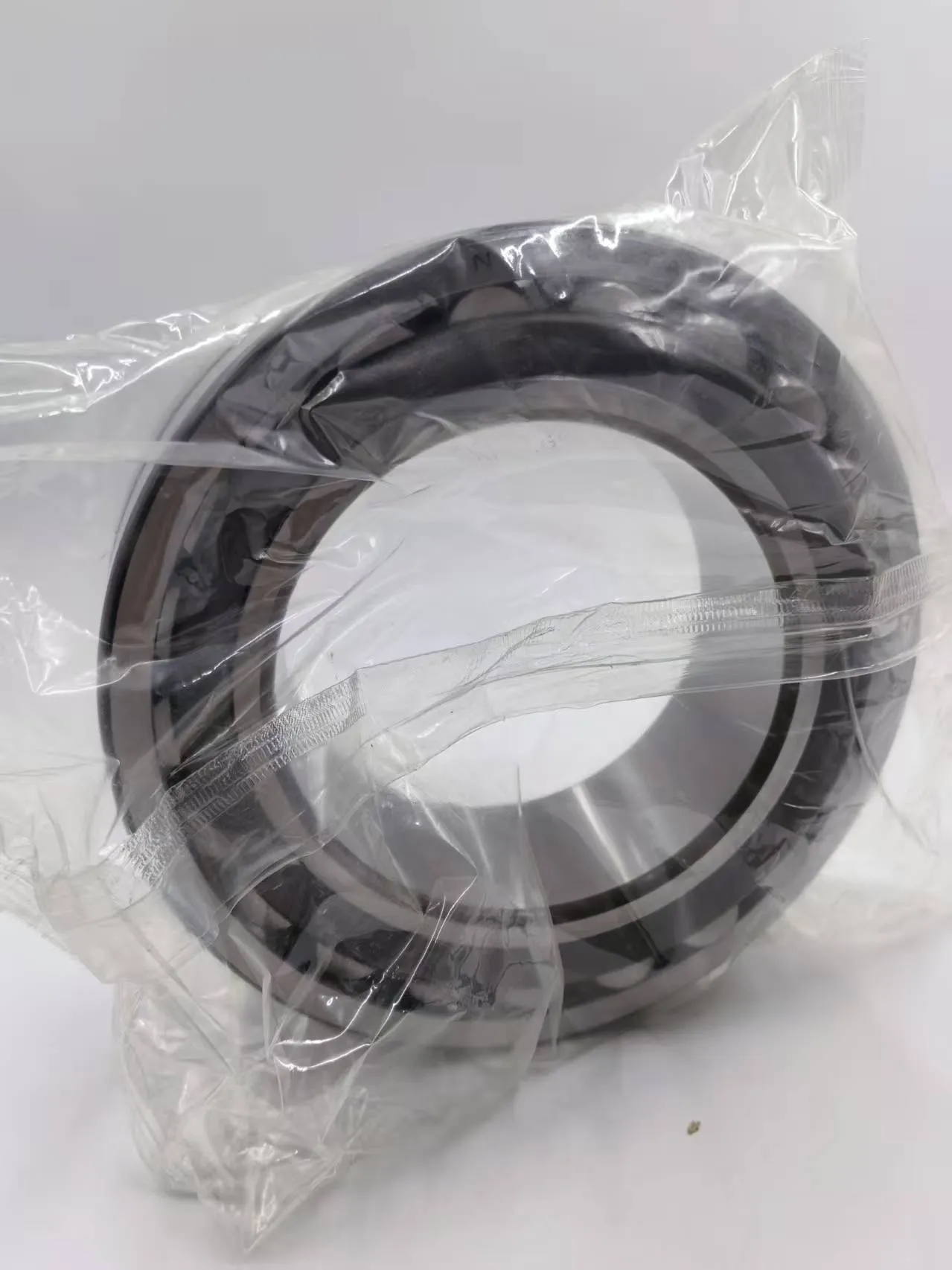 561-27-61960 for Komatsu HD785-5LC HD985-5
 -
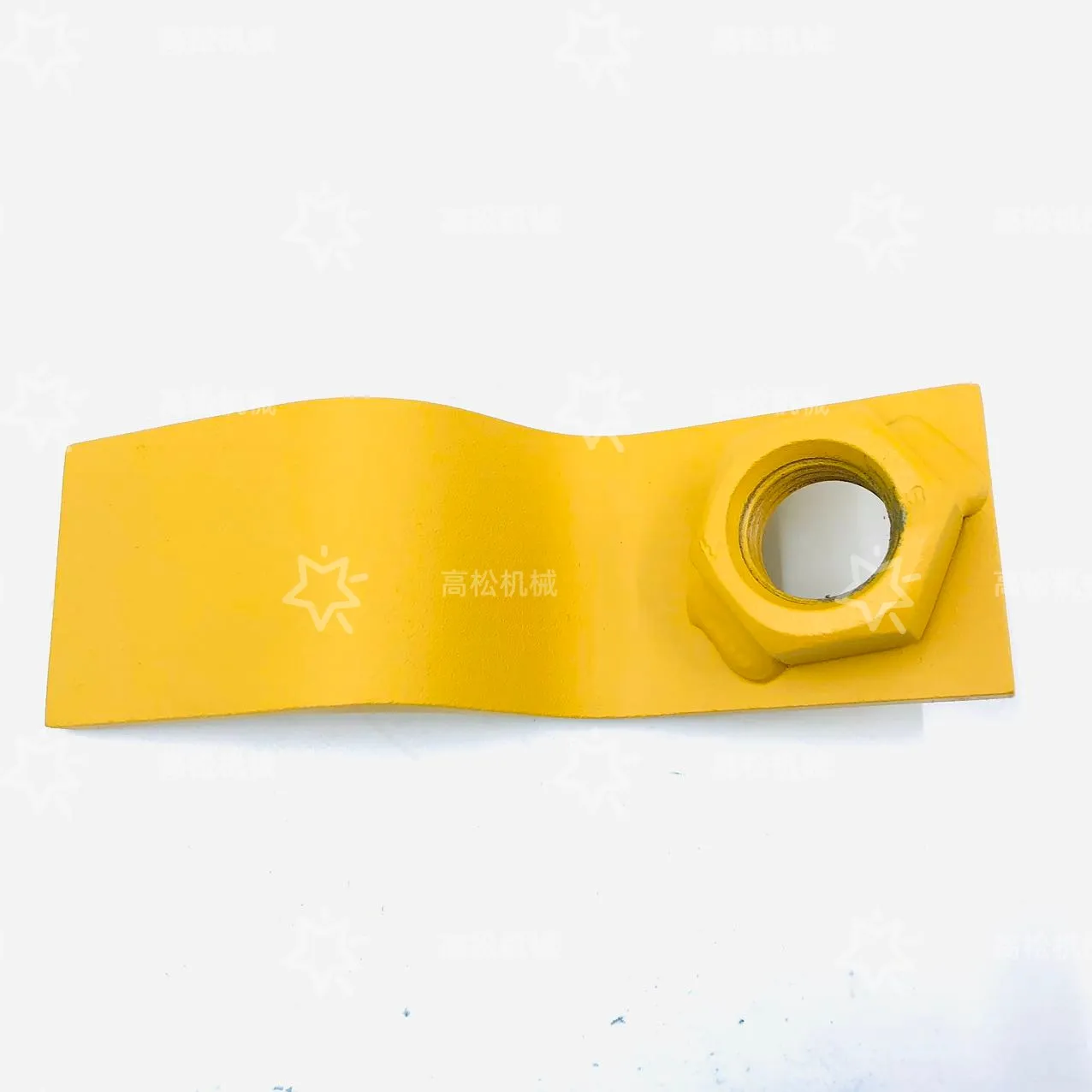 Hot Selling at Low Prices 21P-62-K1520 21M-62-11230 21T-01-67330 21U-62-34760 Underground Facilities
 -
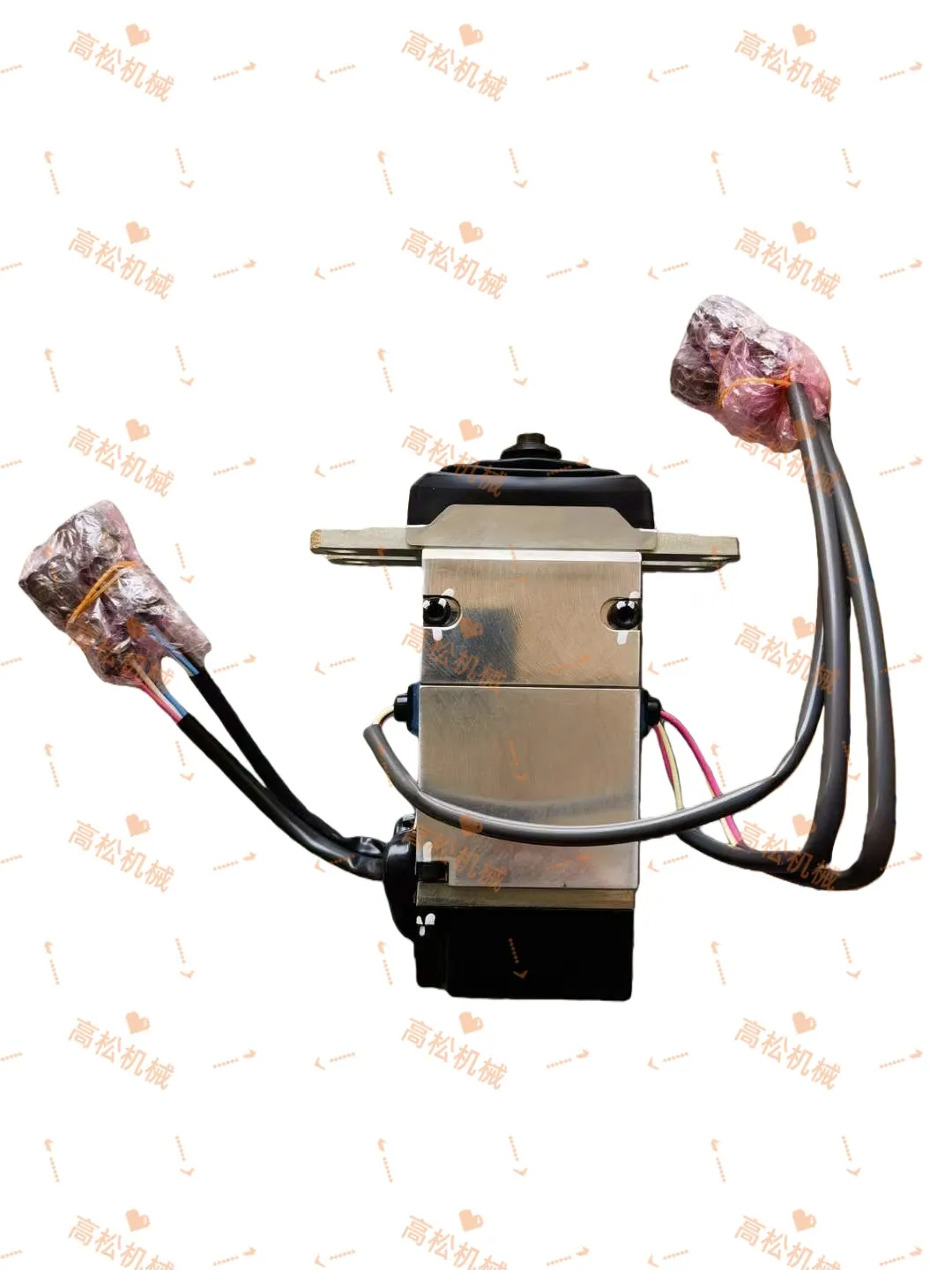 Komatsu Control lever 702-16-02144 for Wheel loader WA480-5H
 -
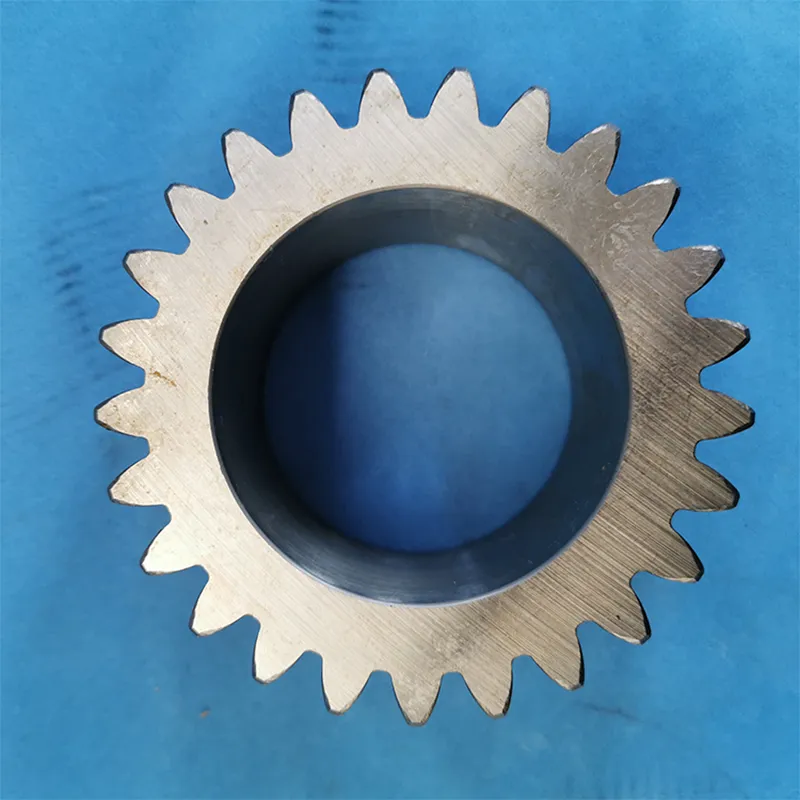 Komatsu original D155A-3 Valve Assembly 17A-49-21100
 -
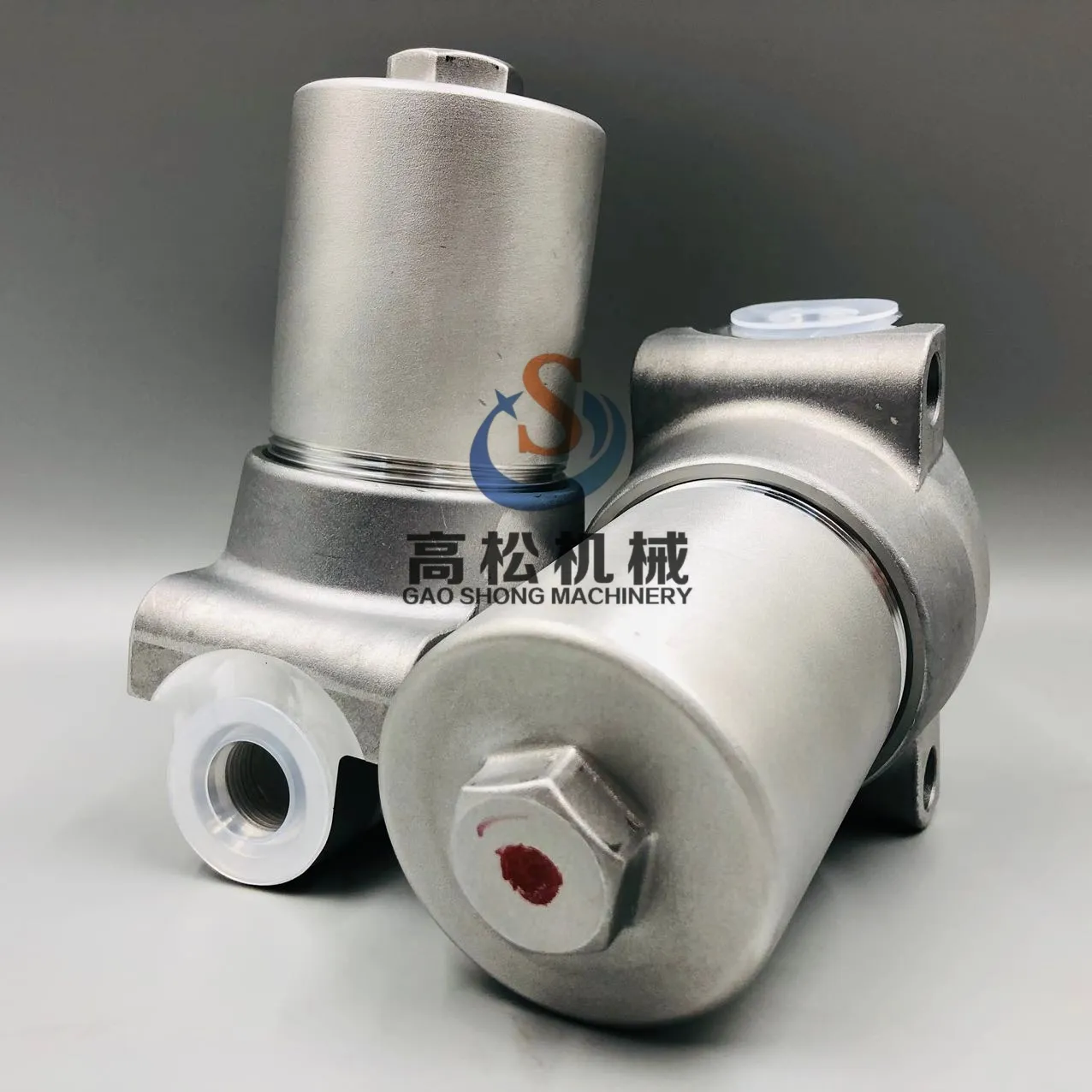 20Y-62-51681 Filter Assembly for PC130 PC220 PC240 PC270 PC290 PC300 PC350 PC400
 -
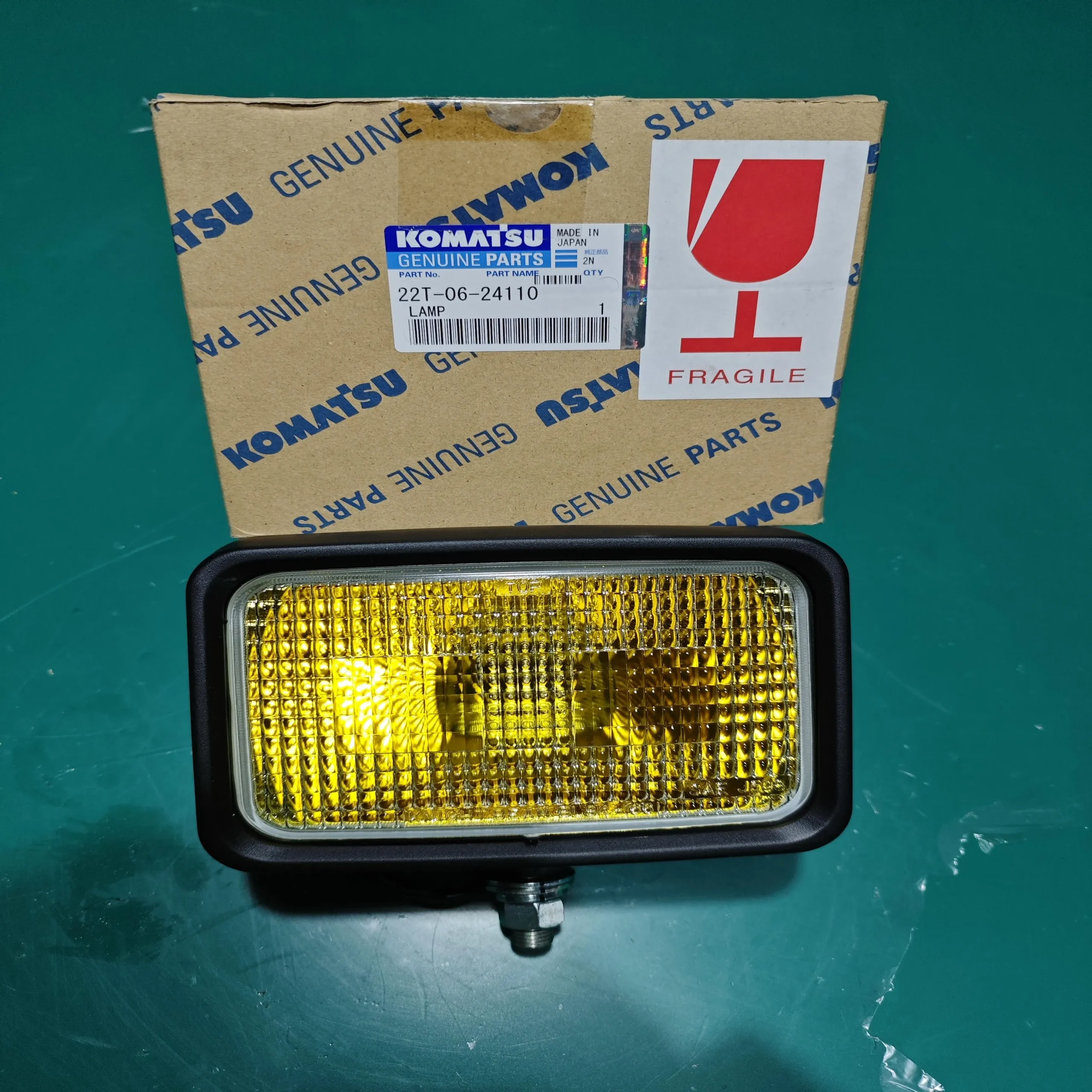 Komatsu HD465/785/HM350/WA155 22T-06-24110 Lamp
 -
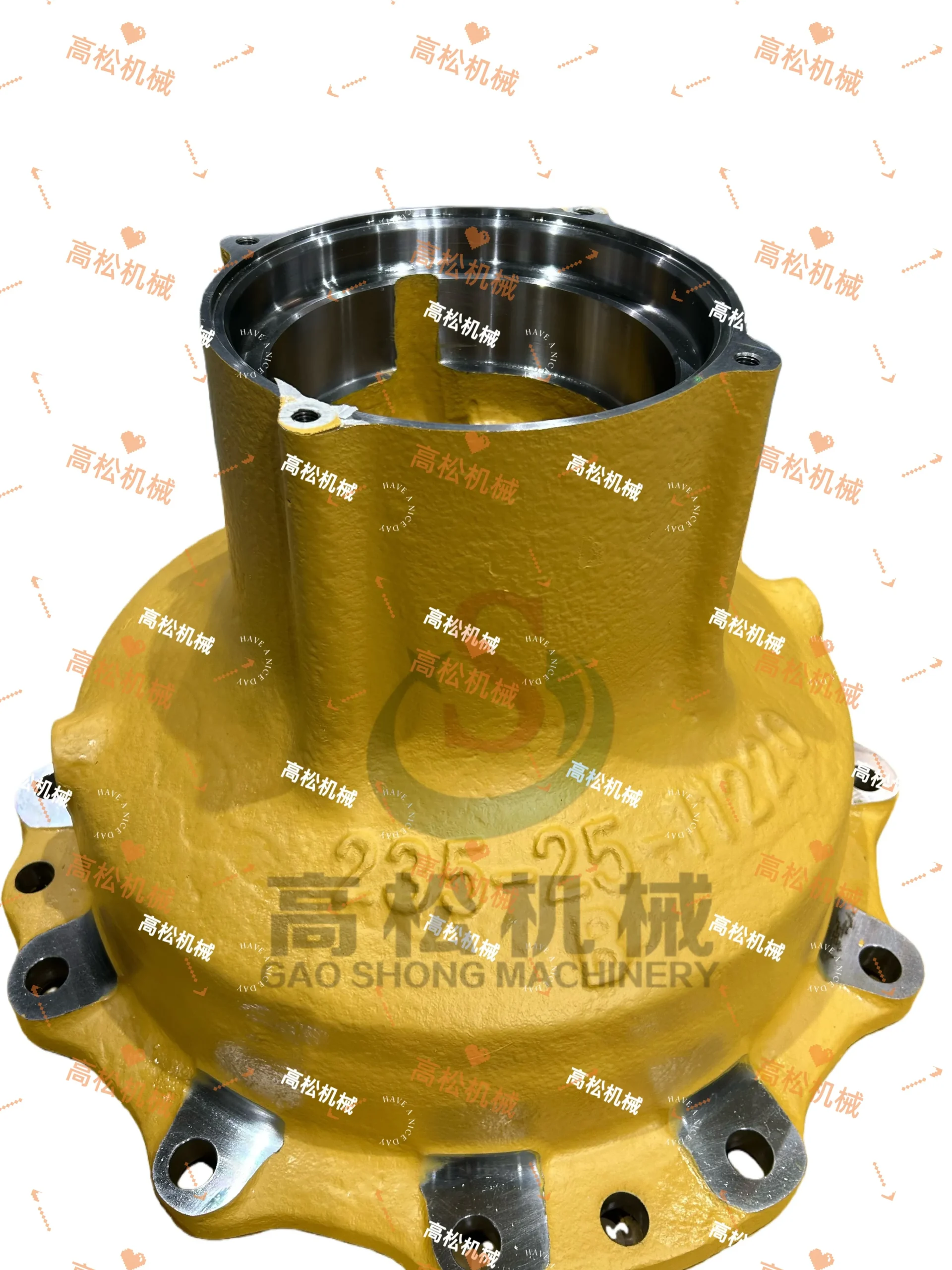 komatsu-part-235-25-11220 CAGE GD805A-1 GD825A-2 GD825A-2E0 TANDEM DRIVE GEAR AND CHAIN TANDEM DRIVE GEAR
 -
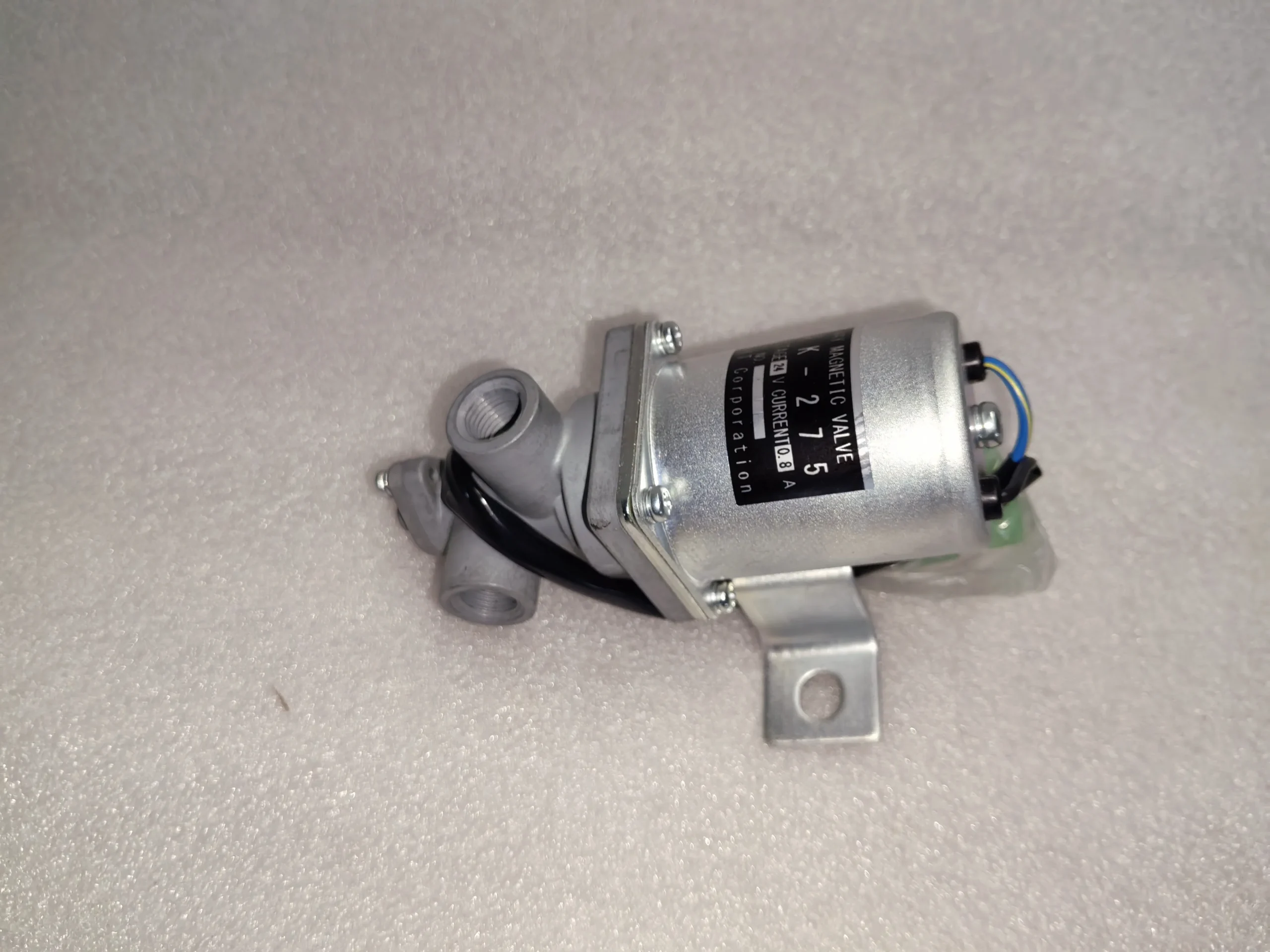 425-06-11150 VALVE Komatsu Original Factory
 -
 SEAL RING 155-15-12811 Dump Truck Transmission Kit D85A-18 NT855
 -
 D475A-5 Final Drive Gear 198-27-45163