
- Chinese
- French
- German
- Portuguese
- Spanish
- Russian
- Japanese
- Korean
- Arabic
- Irish
- Greek
- Turkish
- Italian
- Danish
- Romanian
- Indonesian
- Czech
- Afrikaans
- Swedish
- Polish
- Basque
- Catalan
- Esperanto
- Hindi
- Lao
- Albanian
- Amharic
- Armenian
- Azerbaijani
- Belarusian
- Bengali
- Bosnian
- Bulgarian
- Cebuano
- Chichewa
- Corsican
- Croatian
- Dutch
- Estonian
- Filipino
- Finnish
- Frisian
- Galician
- Georgian
- Gujarati
- Haitian
- Hausa
- Hawaiian
- Hebrew
- Hmong
- Hungarian
- Icelandic
- Igbo
- Javanese
- Kannada
- Kazakh
- Khmer
- Kurdish
- Kyrgyz
- Latin
- Latvian
- Lithuanian
- Luxembou..
- Macedonian
- Malagasy
- Malay
- Malayalam
- Maltese
- Maori
- Marathi
- Mongolian
- Burmese
- Nepali
- Norwegian
- Pashto
- Persian
- Punjabi
- Serbian
- Sesotho
- Sinhala
- Slovak
- Slovenian
- Somali
- Samoan
- Scots Gaelic
- Shona
- Sindhi
- Sundanese
- Swahili
- Tajik
- Tamil
- Telugu
- Thai
- Ukrainian
- Urdu
- Uzbek
- Vietnamese
- Welsh
- Xhosa
- Yiddish
- Yoruba
- Zulu
- Kinyarwanda
- Tatar
- Oriya
- Turkmen
- Uyghur






komatsu saa12v140e 3 engine
When someone mentions the Komatsu SAA12V140E-3, the immediate reaction in many parts yards or workshops isn't always clarity. There's a common mix-up, people often conflate it with the broader SAA12V140 family or assume all -3 variants are identical across different machine applications. That's the first pitfall. In reality, that dash-three suffix matters immensely—it speaks to a specific iteration of emissions, control logic, and integration parameters, typically for later-model HD785-7 or similar haul trucks. It's not just an engine; it's a system-defined component.
Decoding the Dash-Three Specifics
The core of the SAA12V140E-3 is its Komatsu-designed, 12-cylinder, 140mm bore configuration. But the devil's in the details post-Komatsu SAA12V140E 3 engine. The 'E-3' often correlates with a Tier 2/Stage II equivalent emissions setup, but with electronic control nuances that predate the fully common-rail systems. You're dealing with a KOMTRAX-enabled ECM that's particular about its sensor inputs. I've seen mechanics waste days swapping injectors, only to find the fault was a corroded connector on the camshaft speed sensor, throwing the whole timing calculation off.
Fuel system is a classic point of contention. It uses a unit injector system, not a pump-line-nozzle or a common rail. The calibration shims for those injectors? They have tolerances measured in hundredths of a millimeter. Sourcing generic equivalent injectors is a gamble that usually ends with poor cylinder balance and an engine that runs, but never quite right. The pressure rise rates are brutal on the injection lines, leading to fatigue cracks that can be hard to spot until you get a fine mist of diesel over the hot engine.
Then there's the aftercooler. The layout on the HD785-7 creates a bit of a heat soak issue, especially in high-ambient operations. We tracked down persistent power loss on a unit in Indonesia not to the turbo or the injectors, but to a partially clogged aftercooler core that was raising intake air temp by nearly 40°C under load. The data was there in the ECM, but you had to know which derivative parameter to monitor.
Real-World Failures and Supply Chain Gaps
This is where theory meets the wrench. A recurring headache is the gear-driven camshaft and its relationship with the hydraulically-driven fan pump. There's a coupling gear in there that can wear asymmetrically. The symptom isn't always obvious noise; it can manifest as slight variations in fan speed affecting cooling, which then triggers derates. You pull the cover expecting to see a shredded gear, but find what looks like minor wear. That's the Komatsu SAA12V140E 3 engine telling you it's out of spec.
Parts supply for these older, yet still critical, power units is the elephant in the room. Official channels for complete assemblies or certain proprietary components can be slow or prohibitively expensive in some regions, leading to downtime that cripples operations. This is precisely the gap that third-party specialists exist to fill. Companies like Jining Gaosong Construction Machinery Co., Ltd. operate in this space. As an OEM product supplier within the Komatsu system, they have the lineage to understand the exact specifications. But their role as a third-party sales company is arguably more critical on the ground, helping to solve parts supply challenges in certain countries. You can find their catalog and contact at https://www.takematsumachinery.com. They don't just sell parts; they often provide the cross-reference data and application notes that confirm a component is correct for the dash-three, not just the base model.
I recall a case where we needed a set of cylinder liners urgently. The official lead time was 12 weeks. Through a network that includes suppliers like Gaosong, we verified the specifications of a compatible OEM-grade liner, checked the cooling port patterns matched our block revision, and had them on site in 10 days. It's about having the technical knowledge to validate alternatives, not just selling a box.
The Control System Nuances
The KOMTRAX system on these engines is both a blessing and a curse. It logs fault codes for everything, but the descriptions can be cryptic. Code ECA353 might point to injector drive circuit, but that could be the injector, the wiring harness, the ECM driver, or a voltage supply issue. The diagnostic manual gives you a tree, but experience tells you to check the 24-pin connector at the ECM for corrosion first—it's a frequent culprit from water ingress.
Calibration is another beast. You can't just hook up a generic scanner. You need the Komatsu Doctor or compatible system to perform cylinder cut-out tests or recalibrate the fuel map after a major overhaul. Even then, there's an art to it. The learned values in the ECM for injection quantity need to be reset, but if you don't follow the exact warm-up and idle procedure afterwards, the engine will never reach its rated power. I've seen rebuilds rejected by the customer for low power, only to find the tech never completed the post-recalibration run-in sequence.
And let's talk about the cooling system logic. The fan speed is modulated based on coolant temp and hydraulic oil temp. A faulty hydraulic oil temp sensor can command the fan to run at full tilt constantly, robbing the engine of 20-30 horsepower. It doesn't throw a critical fault, just a monitoring code. You have to dig into the live data to spot the anomaly.
Overhaul Philosophy: Not Just a Rebuild
Overhauling a Komatsu SAA12V140E 3 engine isn't a matter of slapping in a kit. You have to consider the application history. Was it in a haul truck doing start-stop cycles, or a generator set running at constant speed? The wear patterns on the cylinder kits and the crankshaft bearings will be different. For a high-cyclic machine, I'd pay much closer attention to the ring lands and the connecting rod small-end bushings.
The crankshaft is generally robust, but the main bearing cap fretting can be an issue if the engine has undergone severe lugging. The fix isn't just new bearings; it's checking the cap alignment and the bore distortion in the block. Sometimes you need to go for a slightly oversized bearing shell to get the correct crush and oil clearance. This is where the supplier's expertise matters. Explaining this to a parts supplier like Gaosong, they should understand you need bearing shells from a specific OEM batch known for its precise tolerances, not just the part number.
Post-overhaul, the first 50 hours are critical. The break-in oil and the load cycle need to be managed. We made the mistake once of putting a freshly overhauled engine straight into a full-load haul cycle. The rings never seated properly, leading to chronic oil consumption and blow-by. The engine was mechanically sound but operationally flawed. Now, we insist on a graduated load increase over the first week.
Integration and the Bigger Picture
Finally, never view this engine in isolation. Its performance is tied to the transmission converter stall speed, the exhaust backpressure from the muffler, and even the adjustment of the truck's body hoist pump. An incorrectly adjusted transmission pump can load the engine at idle, making it run hot and foul up the DPF (if fitted on a later mod).
The takeaway on the SAA12V140E-3 is that it's a workhorse with specific needs. Its value now lies in keeping existing fleets running efficiently. Success depends on precise diagnostics, using verified quality parts—where partners who understand the Komatsu ecosystem, like Jining Gaosong Construction Machinery, provide a vital link—and respecting the integrated nature of its controls. It's not an engine you fight against; you have to learn its language, from the fault codes to the sound of a healthy turbo spool. Get it right, and it'll run another 20,000 hours. Get it wrong, and you're in for a cycle of frustrating, intermittent faults.
Related Products
Related Products

Best Selling Products
Best Selling Products-
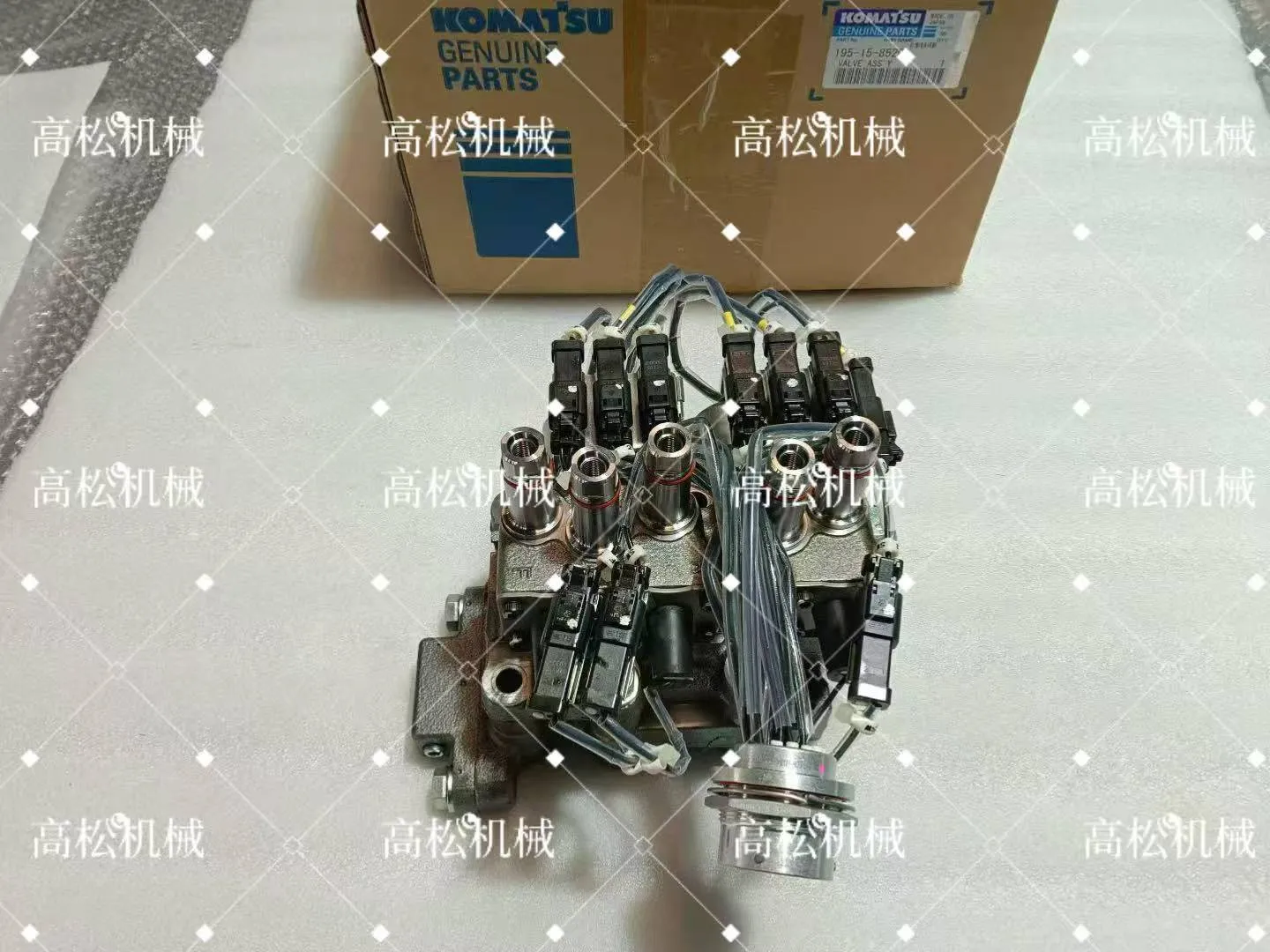 Low price, spot 195-15-85201, valve transmission control for komatsu, parts d375a-6 construction machinery
 -
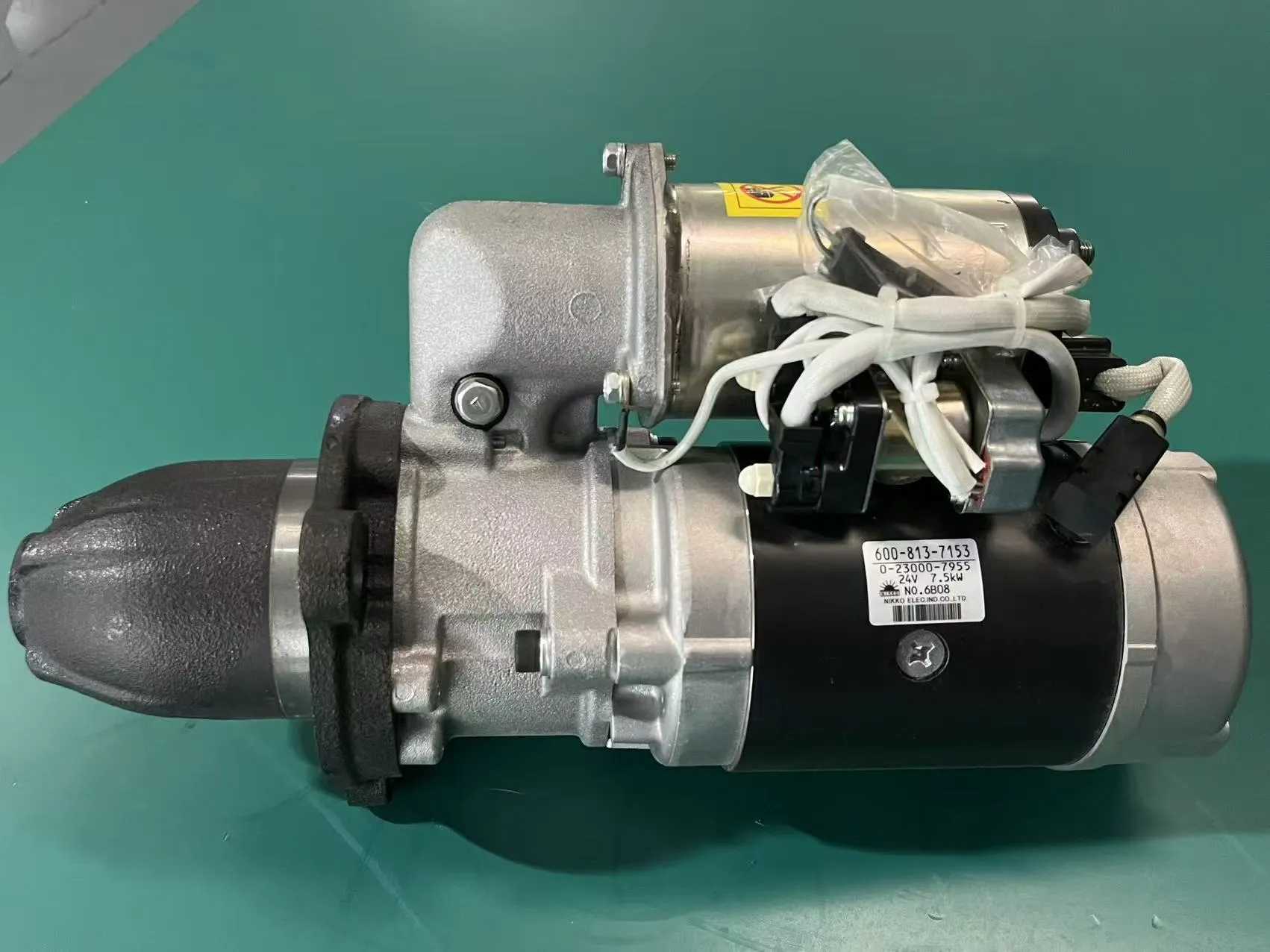 608-813-6632 #Komatsu #Komatsu Machinery Parts spot 2025
 -
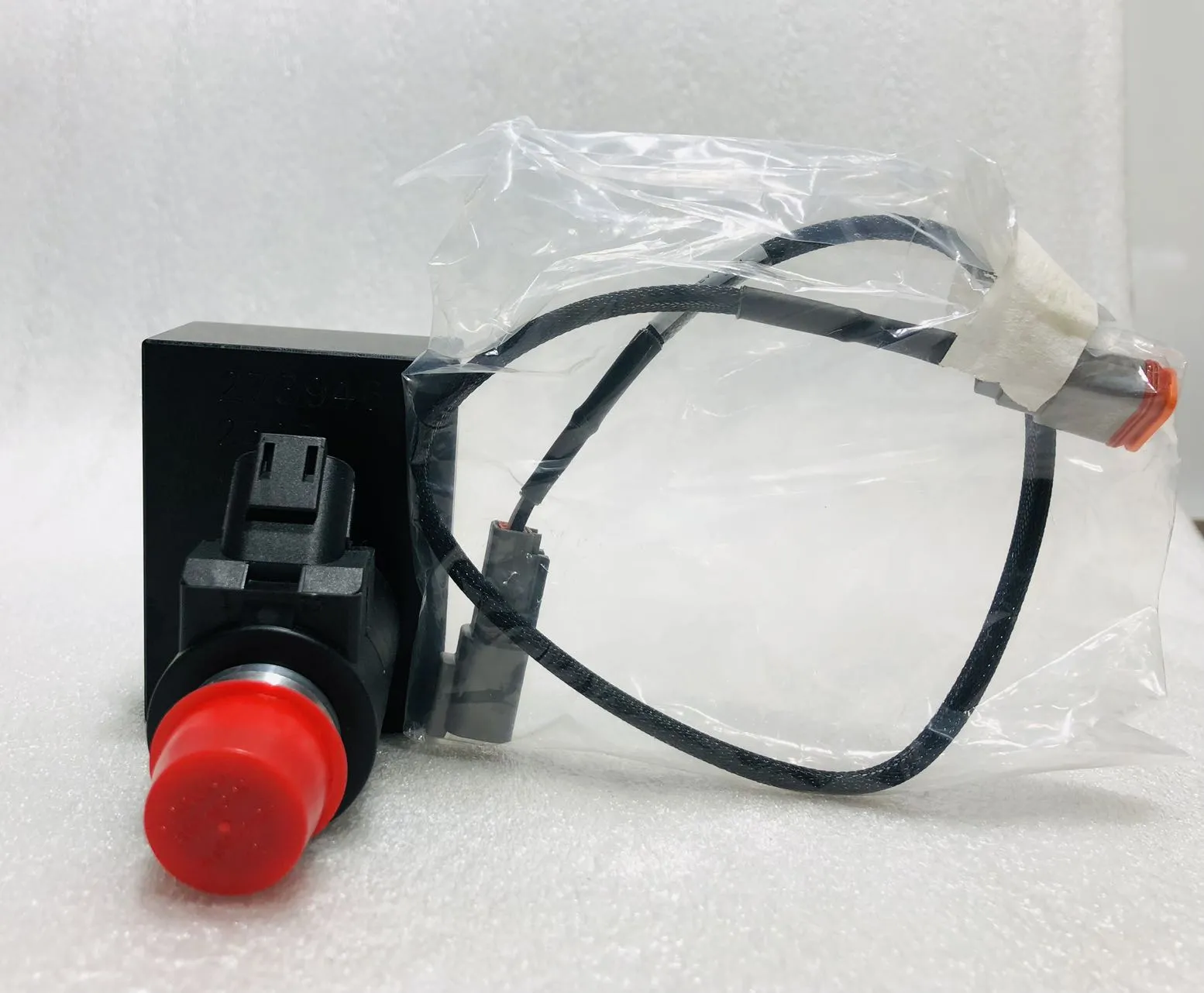 561-95-8A530• PUMP ASSEMBLY Applicable: Komatsu self-unloading truck HD series
 -
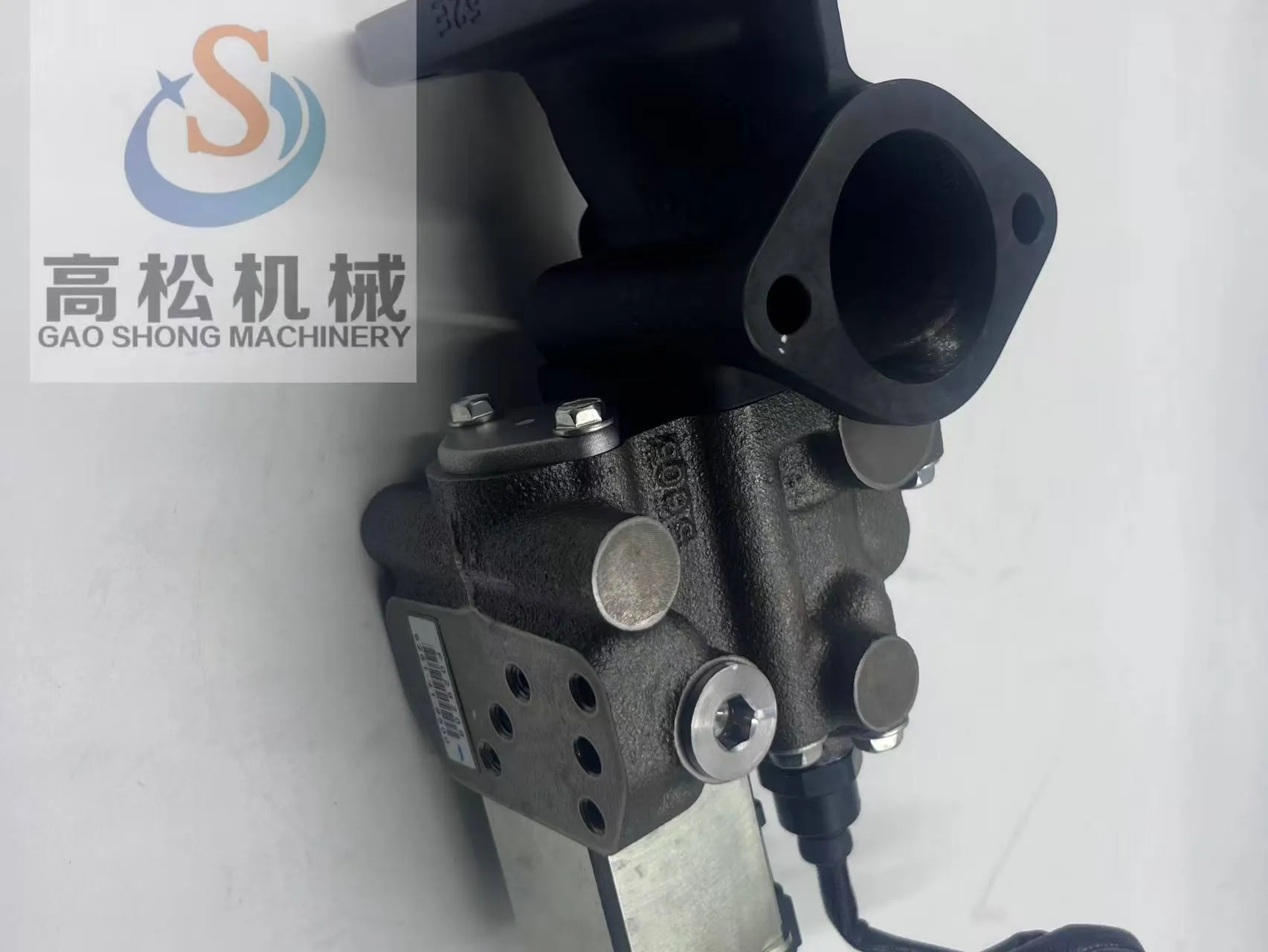 Dump truck HD465-7 valve assembly 6261-41-9500 6261419500
 -
 56D-15-19250 RING
 -
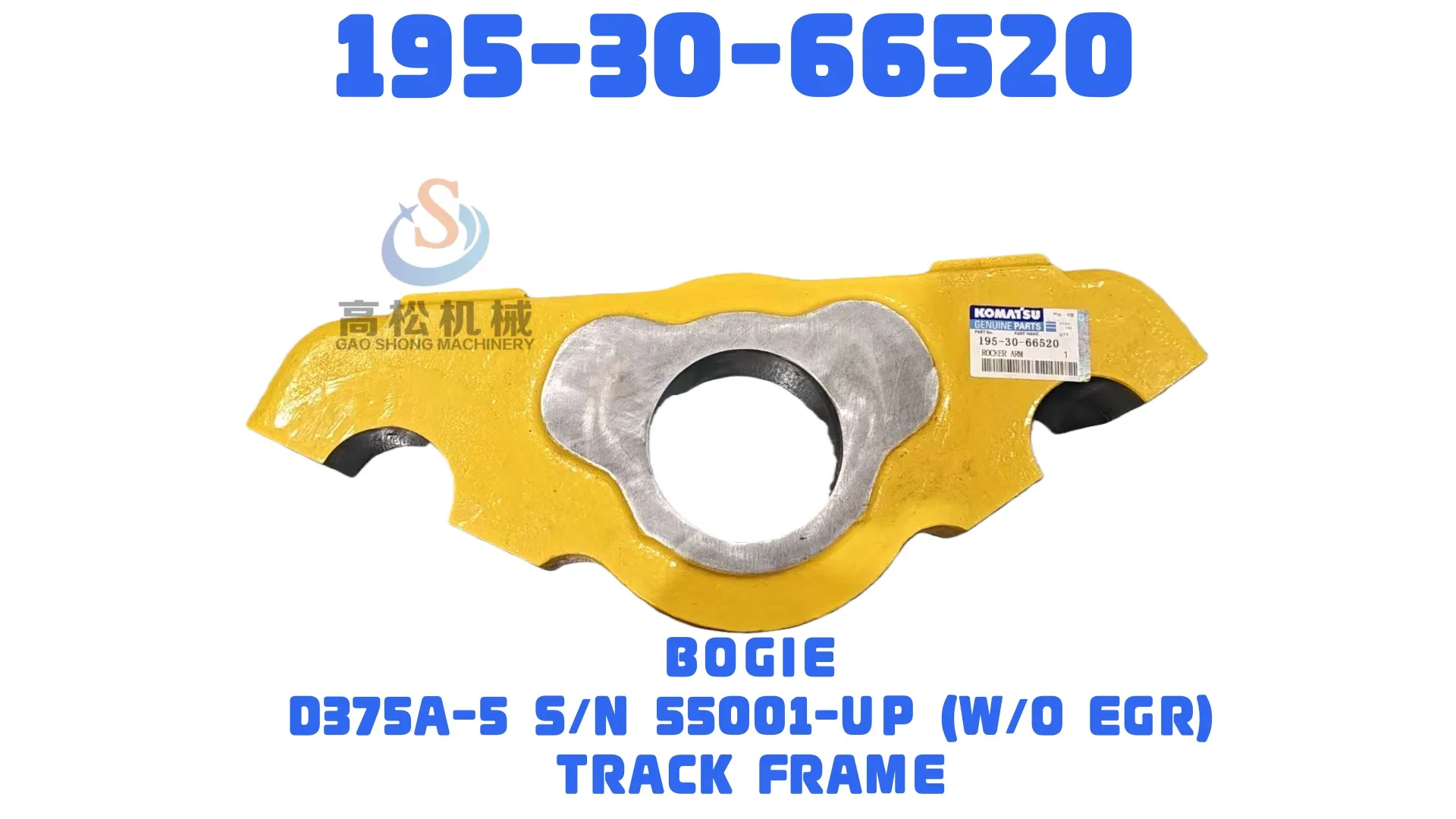 BOGIE 195-30-66520 D375A-5 D375A-6 TRACK FRAME Bogie, Minor D375A-6R TRACK FRAME, BOGIE
 -
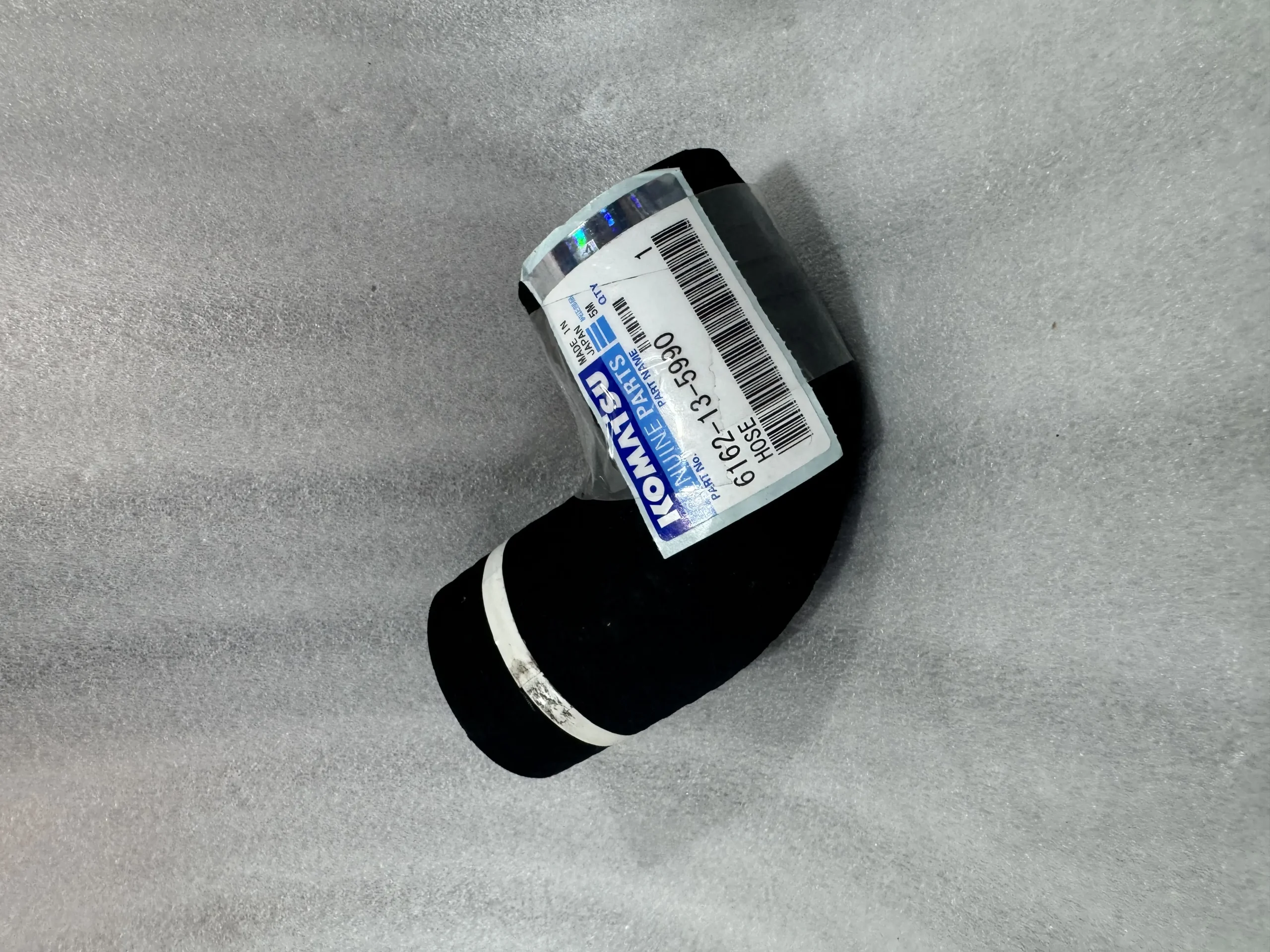 6D170-2 Hose 6162-13-5990
 -
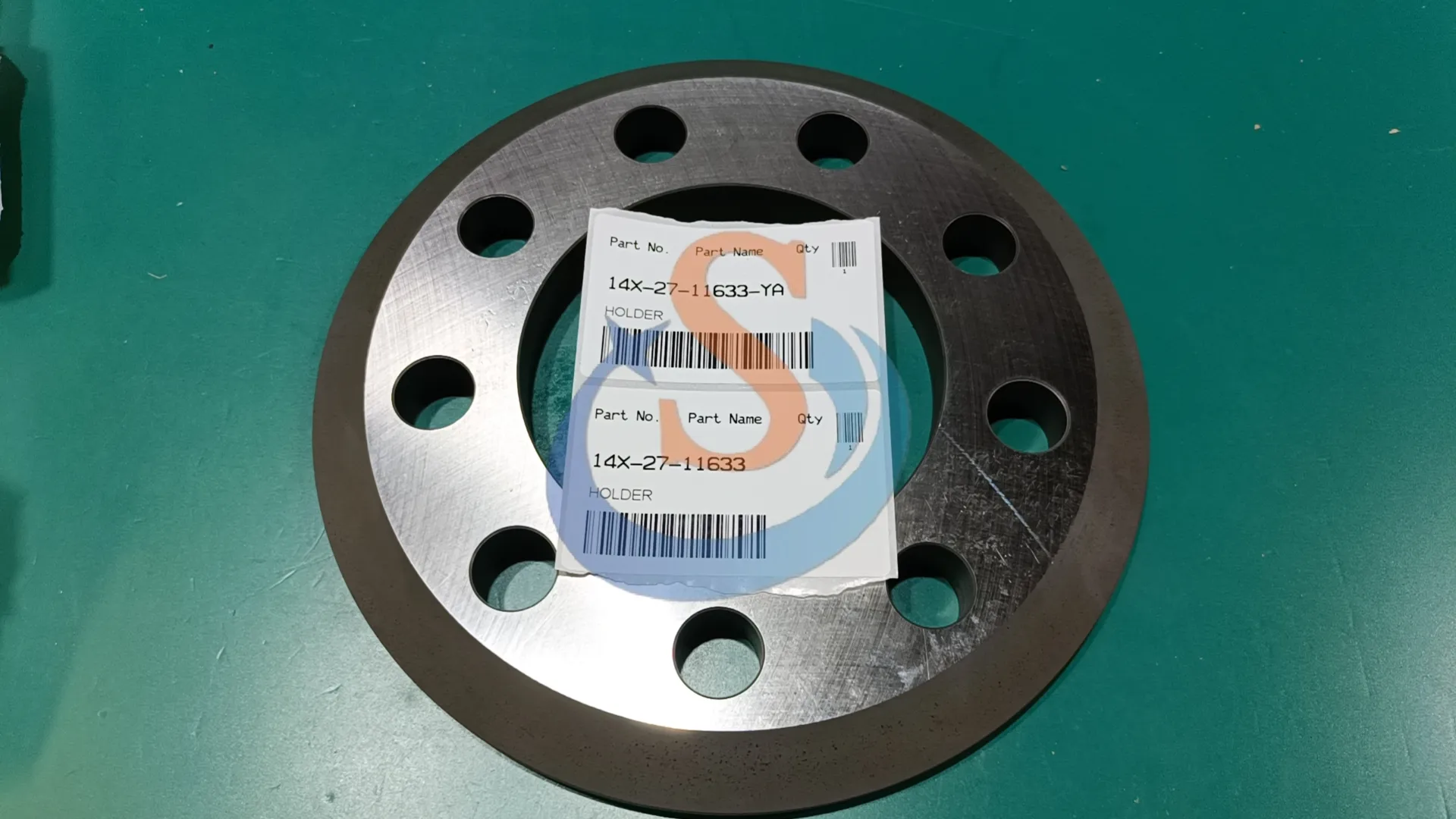 14X-27-11633,HOLDER,D65EX,D65WX,D85E
 -
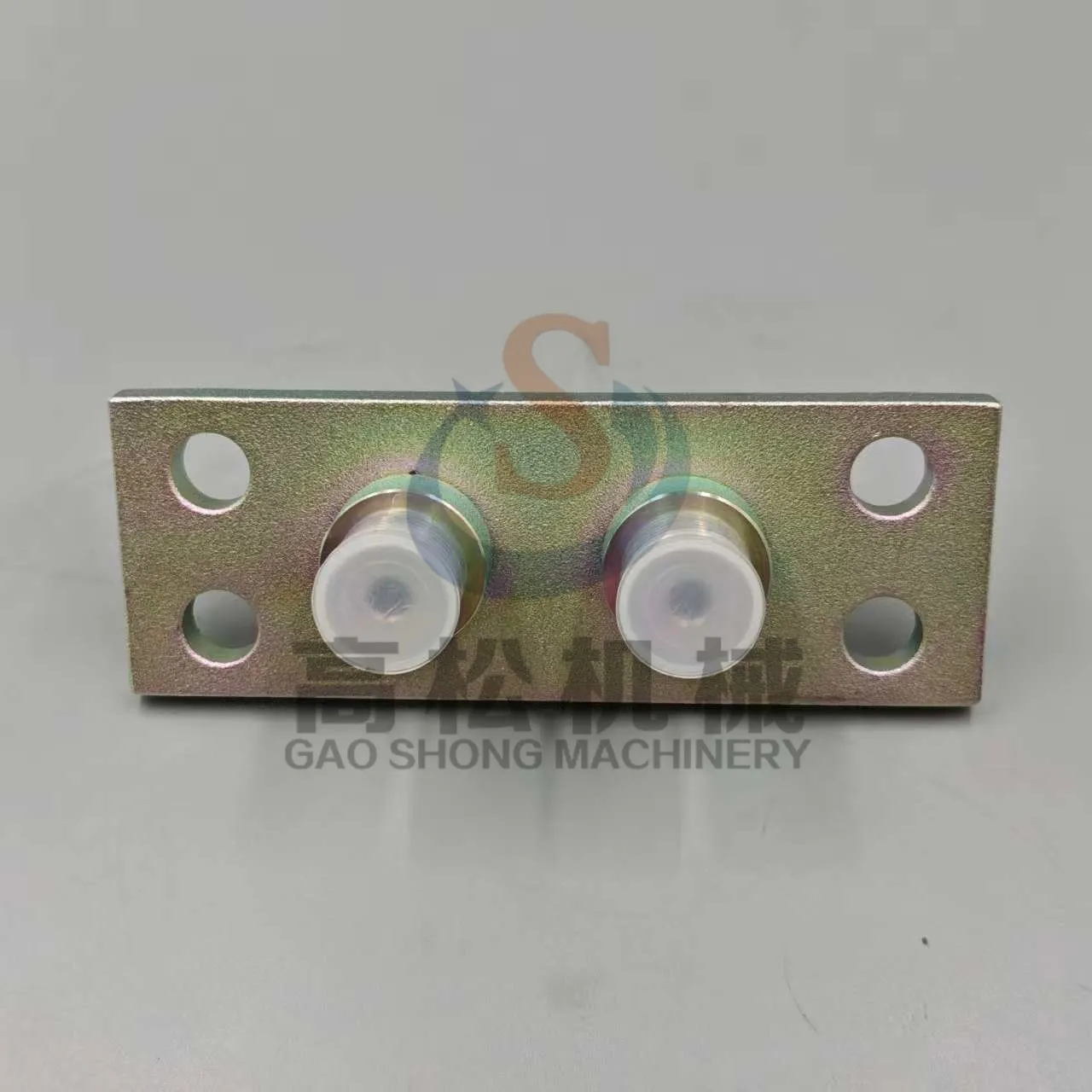 BRACKET 14Y-62-31411 – KOMATSU
 -
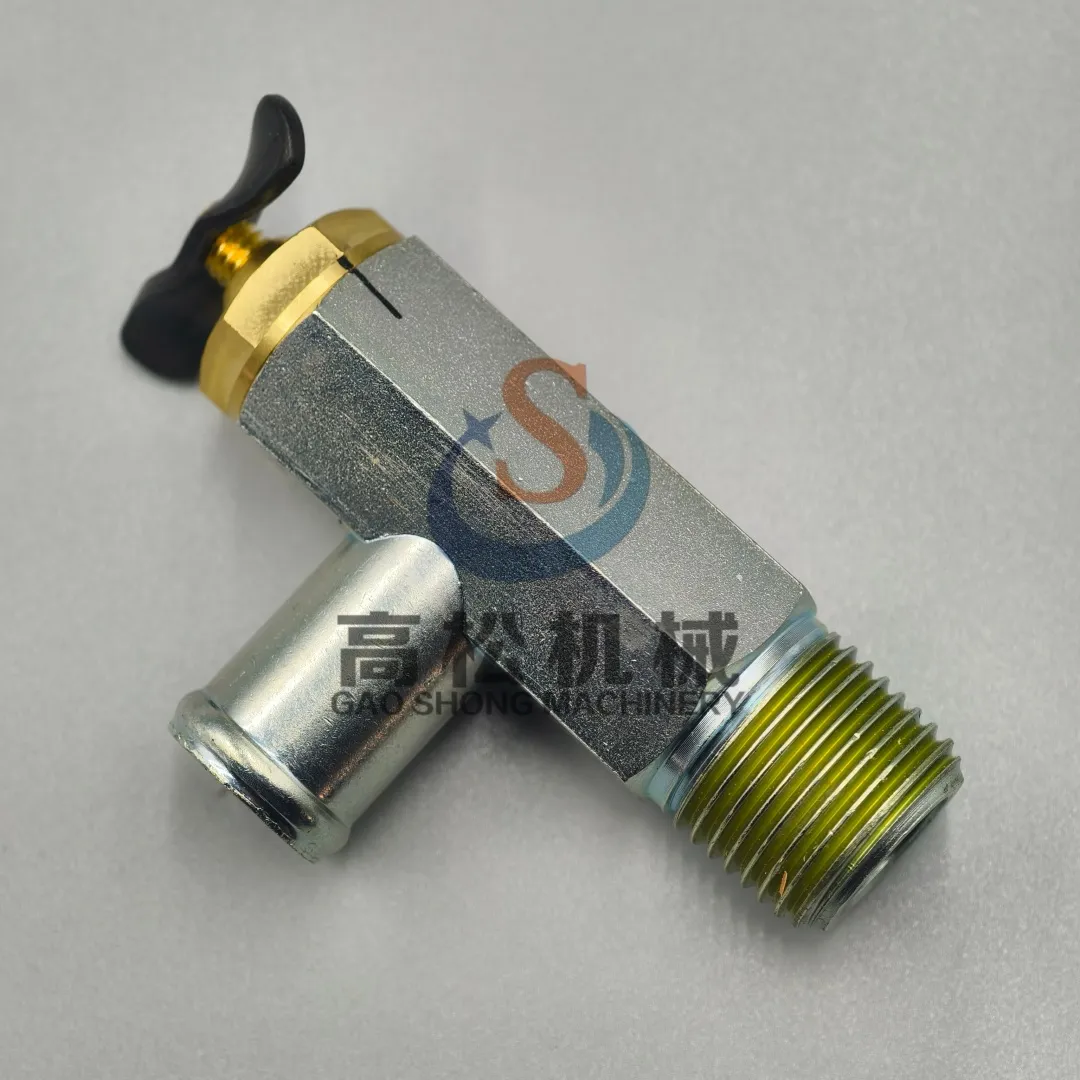 Spare part 09482-10000 VALVE,HOSE (Komatsu)
 -
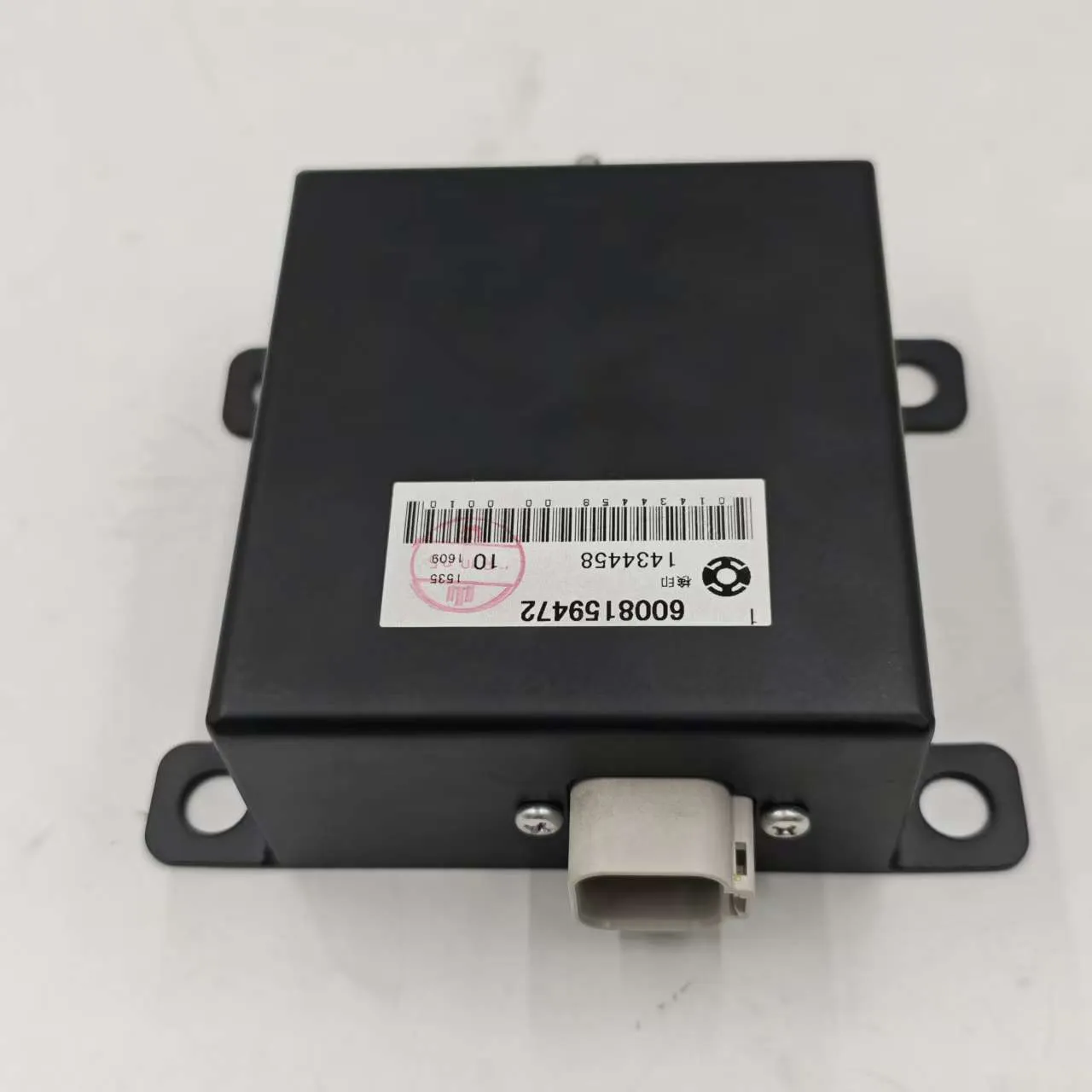 Switch 600-815-9472 HD785 Dump Truck Spare Parts
 -
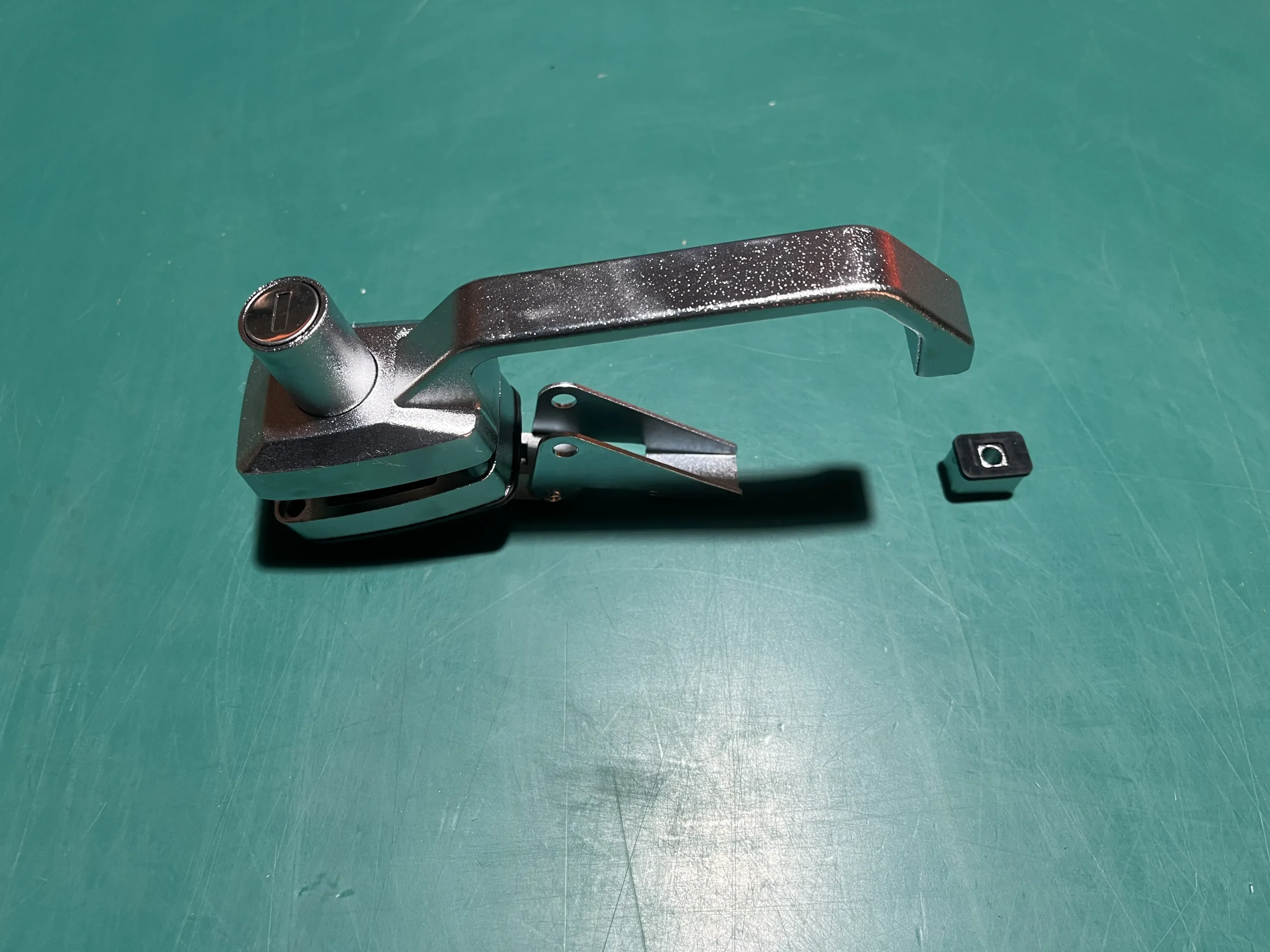 Komatsu Locks 198-Z11-3710 for Bulldozer D65EX-12