
- Chinese
- French
- German
- Portuguese
- Spanish
- Russian
- Japanese
- Korean
- Arabic
- Irish
- Greek
- Turkish
- Italian
- Danish
- Romanian
- Indonesian
- Czech
- Afrikaans
- Swedish
- Polish
- Basque
- Catalan
- Esperanto
- Hindi
- Lao
- Albanian
- Amharic
- Armenian
- Azerbaijani
- Belarusian
- Bengali
- Bosnian
- Bulgarian
- Cebuano
- Chichewa
- Corsican
- Croatian
- Dutch
- Estonian
- Filipino
- Finnish
- Frisian
- Galician
- Georgian
- Gujarati
- Haitian
- Hausa
- Hawaiian
- Hebrew
- Hmong
- Hungarian
- Icelandic
- Igbo
- Javanese
- Kannada
- Kazakh
- Khmer
- Kurdish
- Kyrgyz
- Latin
- Latvian
- Lithuanian
- Luxembou..
- Macedonian
- Malagasy
- Malay
- Malayalam
- Maltese
- Maori
- Marathi
- Mongolian
- Burmese
- Nepali
- Norwegian
- Pashto
- Persian
- Punjabi
- Serbian
- Sesotho
- Sinhala
- Slovak
- Slovenian
- Somali
- Samoan
- Scots Gaelic
- Shona
- Sindhi
- Sundanese
- Swahili
- Tajik
- Tamil
- Telugu
- Thai
- Ukrainian
- Urdu
- Uzbek
- Vietnamese
- Welsh
- Xhosa
- Yiddish
- Yoruba
- Zulu
- Kinyarwanda
- Tatar
- Oriya
- Turkmen
- Uyghur






komatsu s6d95l 1 engine
If you're searching for the Komatsu S6D95L-1 engine, you've probably hit the usual wall: a PDF of the official specs, maybe a parts diagram, and not much else that tells you how this thing actually lives and breathes in the field. That's the gap I see all the time. People get fixated on displacement or rated horsepower, but with a workhorse like this 9.2-liter diesel, the real story is in the details you only learn after you've wrestled with a few. It's not the flashiest engine in Komatsu's lineup, but in certain applications—think mid-sized dozers like the D65 or older wheel loaders—it's the absolute backbone. The challenge, and what most spec sheets won't mention, is keeping that backbone healthy when the official supply chain gets thin or prohibitively expensive, which is where the reality of the aftermarket and specialized suppliers comes sharply into focus.
Understanding the S6D95L-1's Niche and Common Pain Points
First, let's be clear: the Komatsu S6D95L-1 isn't a new design. It's a direct-injection, turbocharged six-cylinder that's been around, proving its reliability. Its niche is that sweet spot of needing substantial torque without stepping up to the massive, more complex engines. Where you run into trouble isn't typically with the core block—it's stout—but with the peripheral systems and parts wear over thousands of hard hours.
The fuel injection pump is one classic example. When it starts to go, you don't always get a clean failure; you get sluggish response, uneven power, and increased smoke. I've seen mechanics spend days chasing electrical issues only to circle back to a worn pump. The official replacement route is straightforward but can be a budget-killer for older equipment, creating a real operational dilemma. This is precisely the kind of situation that pushes operations to look for alternatives.
Another point is the turbocharger. The specific model paired with the S6D95L-1 has its own service intervals, but in dusty environments, those intervals are a fantasy. Premature wear isn't a fault of the engine design, but a reality of use. Finding a genuine, cost-effective replacement or a reliable rebuild kit becomes a critical task. This is where having a source that understands the OEM specifications but operates outside the direct dealer network becomes invaluable.
The Parts Supply Reality and Third-Party Solutions
This brings me to the practical side of keeping these engines running. Komatsu's official network is excellent, but for older models or in regions with supply constraints, getting parts can mean weeks of downtime. That's not operational management; that's an emergency. The aftermarket for Komatsu parts is huge, but quality is wildly inconsistent. You can't just buy a compatible cylinder head or set of pistons and hope for the best.
This is the context where companies that specialize in this gap operate. For instance, in my experience, a supplier like Jining Gaosong Construction Machinery Co., Ltd. (you can find them at https://www.takematsumachinery.com) represents a specific and useful model. As they note, they are an OEM product supplier within the Komatsu system and also act as a third-party sales company. In practice, what this often means is they can help source genuine parts through alternative channels or provide high-quality, vetted alternatives that meet the OEM spec for models like the S6D95L-1. Their stated goal of solving parts supply challenges in certain countries aligns exactly with the headache I'm describing.
I'm not saying it's a magic bullet. You still need technical discernment. But when a customer's D65E-12 is down with a cracked head gasket specific to this engine, and the local dealer is on backorder, knowing there are dedicated channels to explore can save a project. The key is the supplier's embedded knowledge—knowing the exact torque sequence for the head bolts on this engine is as important as having the part itself.
Case in Point: A Fuel System Overhaul Experience
Let me give a concrete example. We had a PC200-6 with the S6D95L-1 that was burning oil and losing power. Compression test pointed to ring wear, a major job. The official quote for a genuine Komatsu short block assembly was astronomical relative to the machine's value. The alternative was an in-frame overhaul using aftermarket components.
The piston and liner sets available were all over the map in claimed quality. We needed a set that matched the original combustion chamber geometry exactly to avoid altering compression ratios. Through a specialized supplier network—the kind Jining Gaosong operates in—we sourced a set that was actually manufactured for a Komatsu OEM partner in another region. It came without the Komatsu logo, but with matching part numbers and, crucially, proper installation clearances documented. It wasn't a cheap part, but it was a viable, quality-conscious solution that got the machine back to work for another 8,000 hours and counting.
The lesson wasn't to avoid genuine parts. It was that for legacy engines, the global parts ecosystem is layered. There are OEM suppliers, there are licensed manufacturers, and then there are copycats. Navigating that to find the first or second category requires suppliers who are deep in the system, not just order-takers.
Preventive Focus: What to Watch on a Running S6D95L-1
If you're operating one of these, your focus should be on oil and coolant. This engine is sensitive to coolant chemistry. Using the wrong mix or neglecting SCA (Supplemental Coolant Additive) doses can lead to liner pitting and cavitation. I've seen more than one engine fail prematurely from this than from outright abuse.
The oil cooler is another component to monitor. Leaks here can cause cross-contamination, a quick death sentence. During routine service, checking for any trace of coolant in the oil or vice versa is non-negotiable. The gaskets and seals for the cooler are specific and should be replaced with quality parts during any major service—don't reuse them.
Finally, pay attention to the engine mounts. It's a heavy, torquey unit. Worn mounts change alignment on accessory drives and can even lead to stress cracks on mounting brackets over time. It's a simple check that prevents complex, cascading failures.
Final Thoughts on Longevity and Value
The Komatsu S6D95L-1 engine represents a era of solid, mechanical-focused design. Its value today lies in its repairability. Unlike newer engines laden with complex electronics, a well-maintained S6D95L-1 can essentially be rebuilt indefinitely. The economics of that rebuild, however, hinge entirely on the quality and source of the parts used.
This is why the landscape has evolved to include specialized third-party entities. Whether it's for a complete overhaul kit, a specific gasket, or a hydraulic pump drive gear that's discontinued from the main channels, these suppliers fill a critical logistical role. Their existence acknowledges a simple truth: the machine's service life often outlasts the convenience of its original parts supply chain.
So, when you look up this engine, look beyond the basic specs. Think about the total cost of ownership over 15,000 hours. Factor in not just the price of a potential part, but its availability and the technical support behind it. That's where you'll find the real difference between a machine that's down for months and one that gets back on the job. It's less about the iron itself and more about the ecosystem that keeps it running.
Related Products
Related Products

Best Selling Products
Best Selling Products-
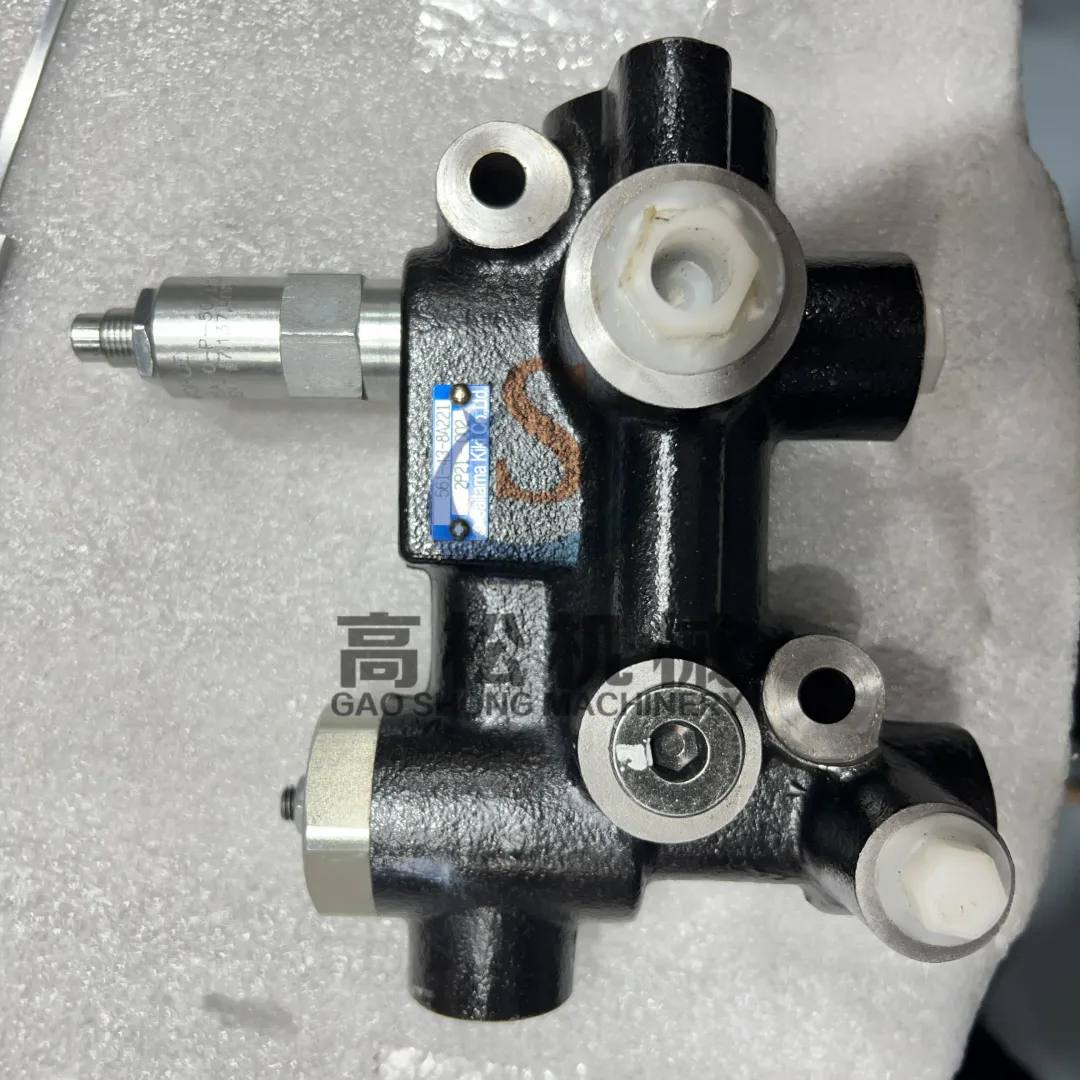 561-43-8A221 Komatsu Valve Assembly, Accumulator Charge
 -
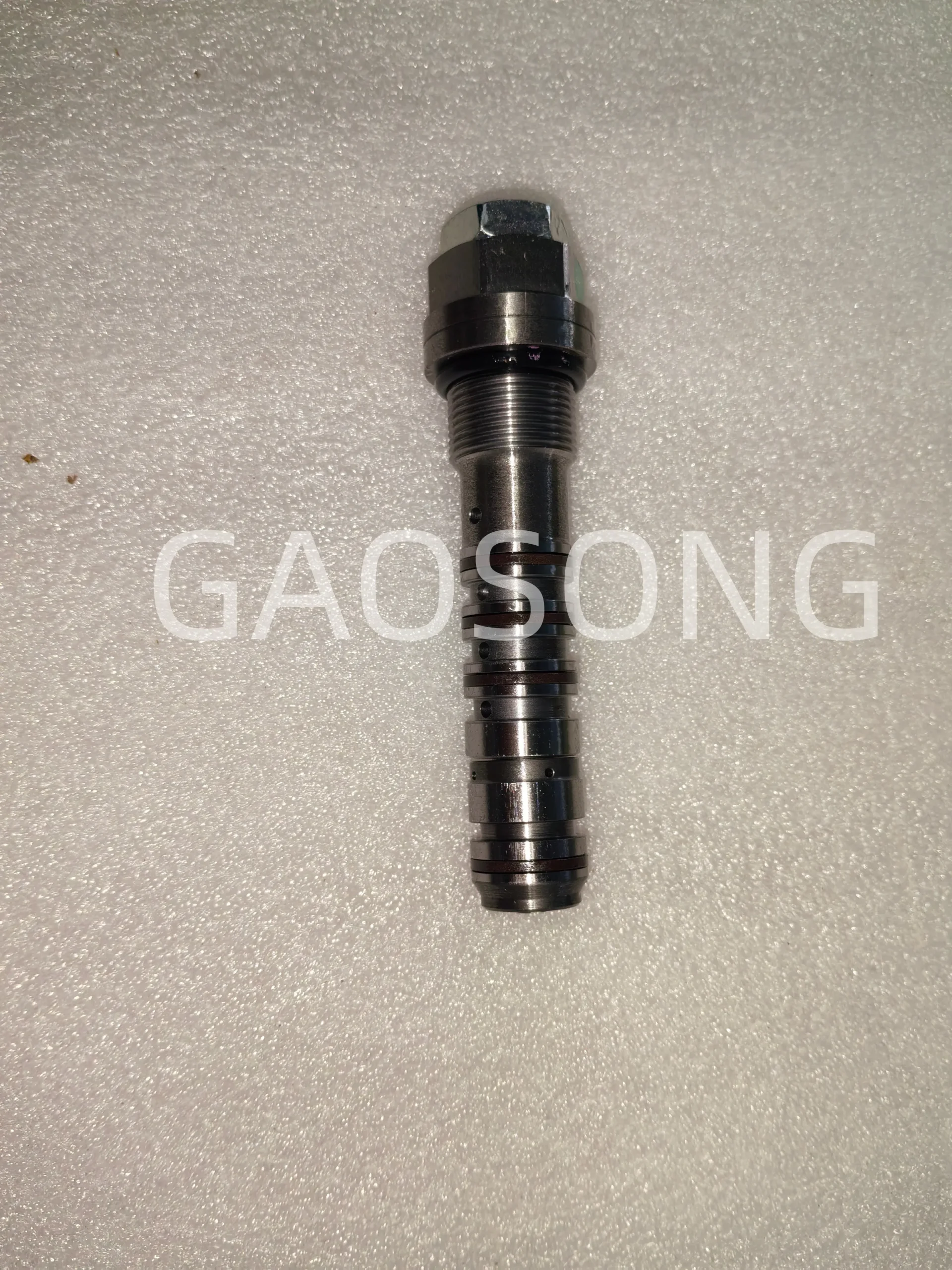 708-2G-03720 • Valve Assembly-Komatsu Original Factory
 -
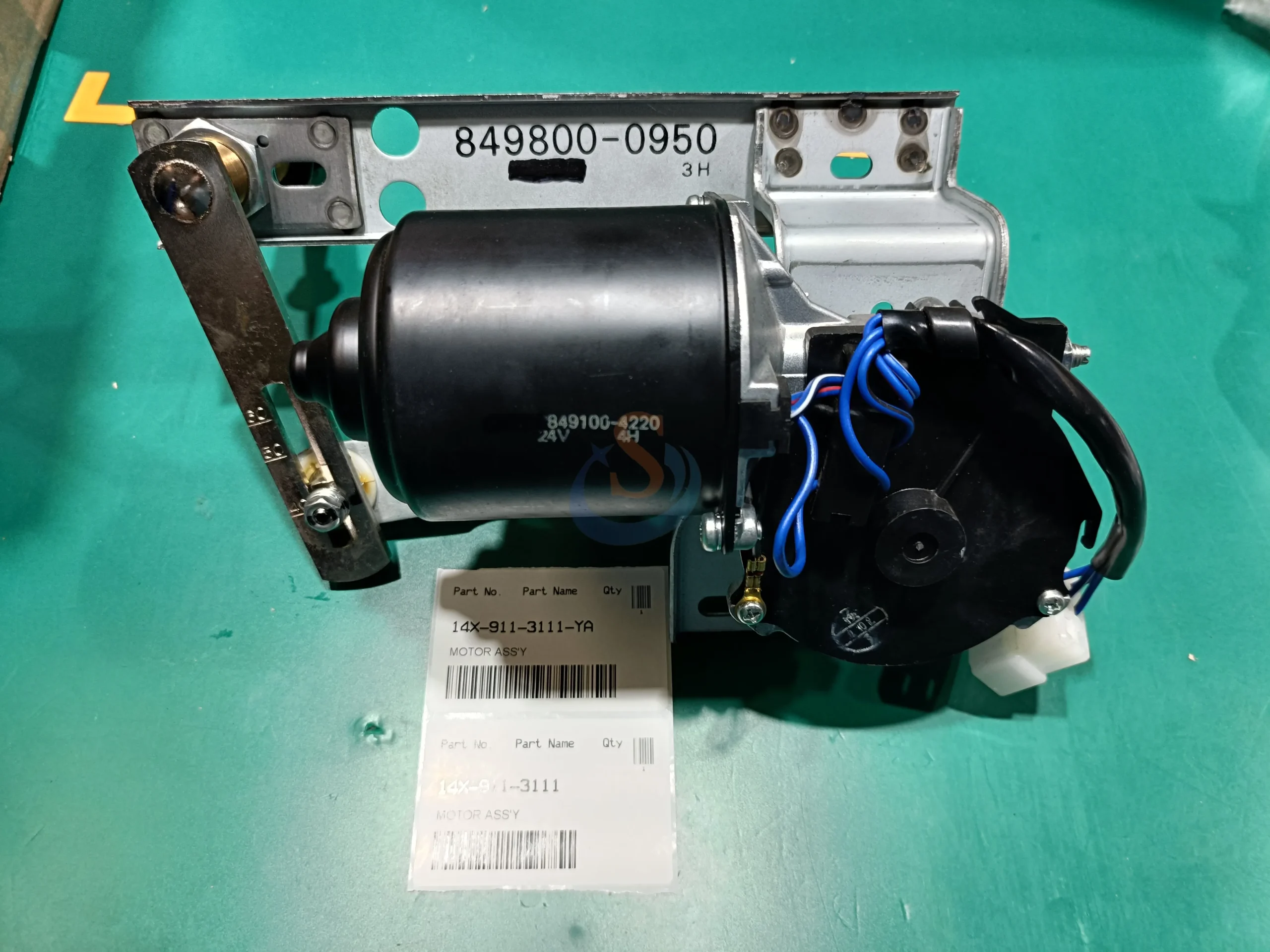 14X-911-3111,WIPER MOTOR ASS’Y,D155A,D275A,D375A
 -
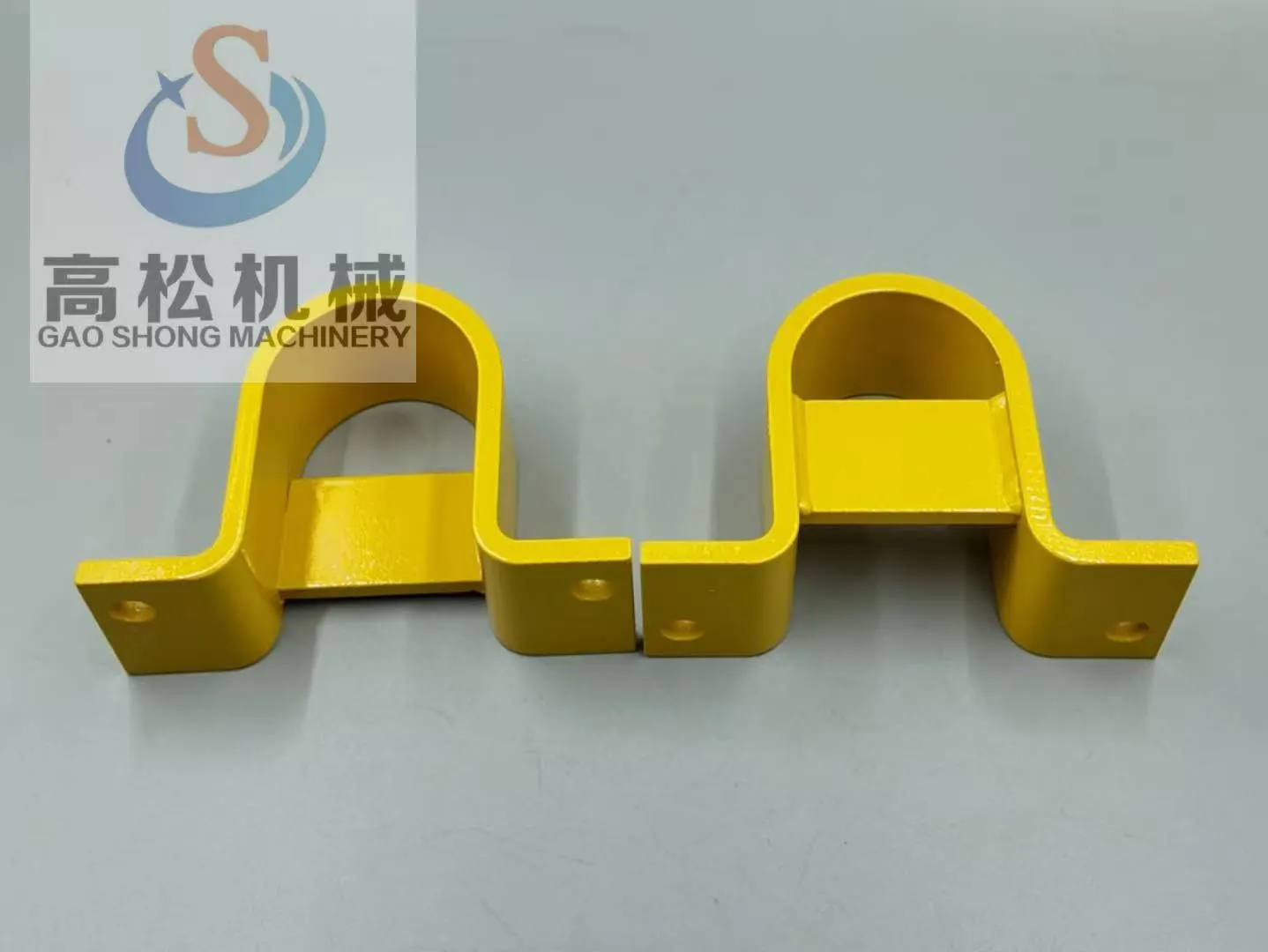 425-04-21430 Compatible models: WA500 Komatsu cover. Large inventory, current spot pricing advantages.
 -
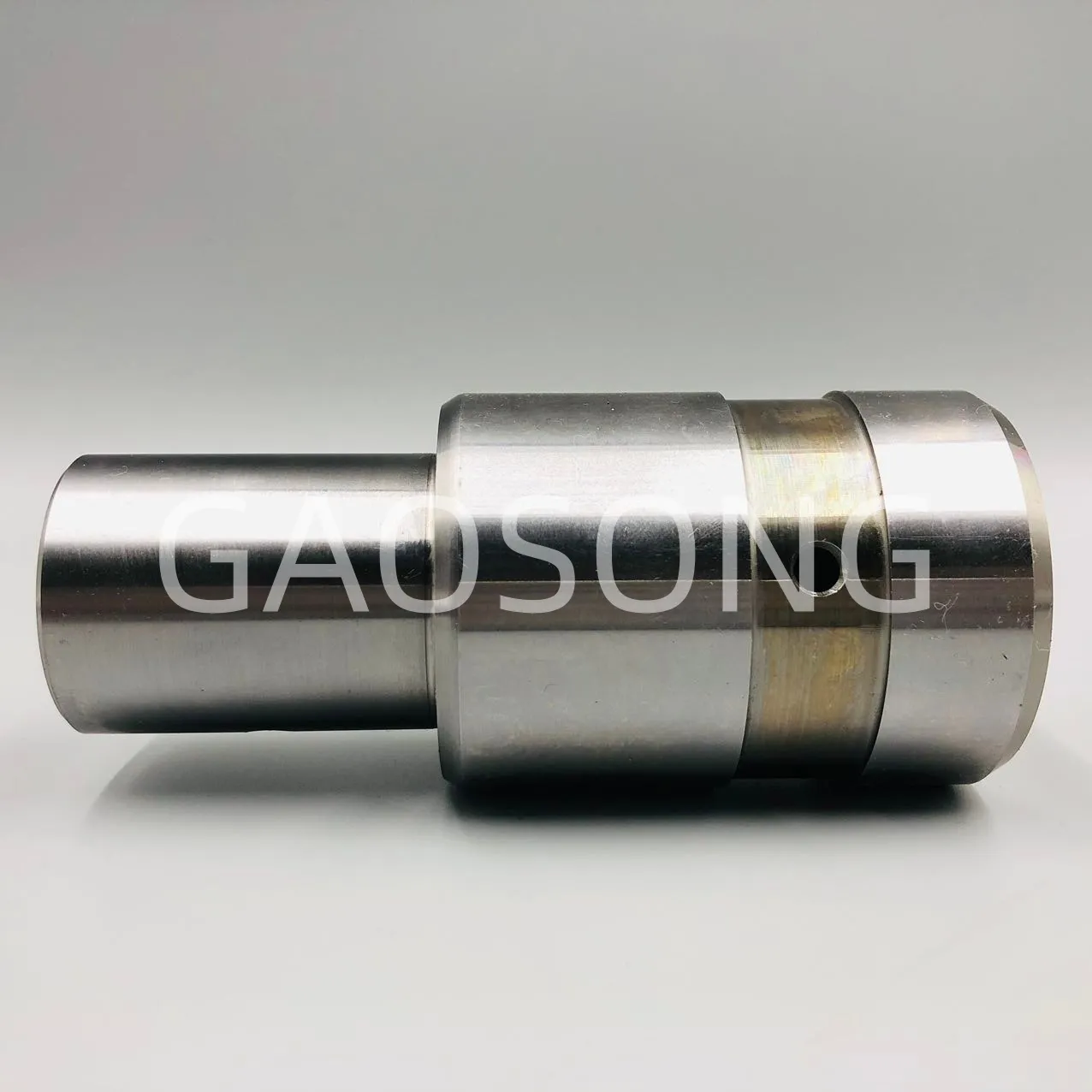 6240-61-4630 • SHAFT-Komatsu Original Factory
 -
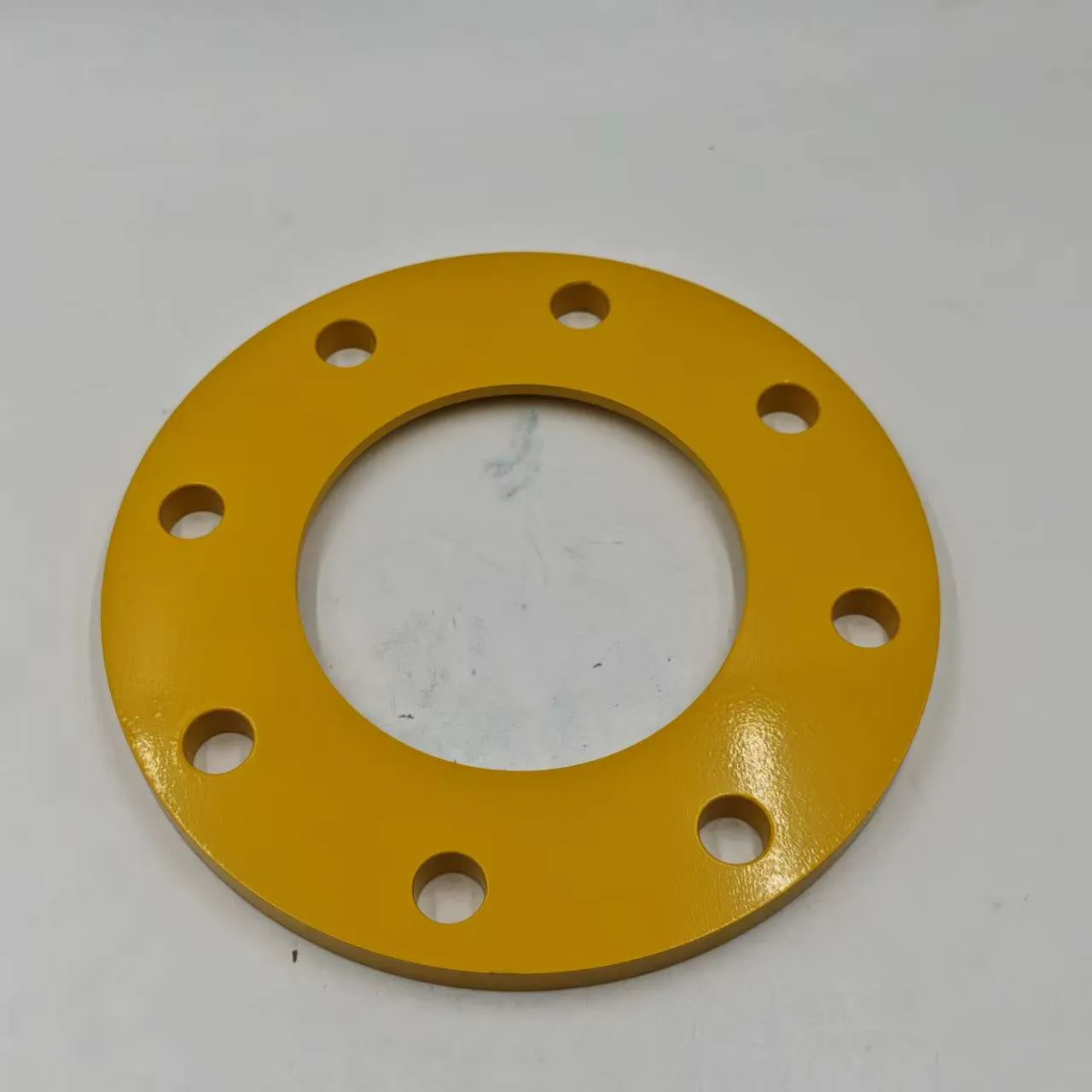 Komatsu 41E-70-15461 Plate
 -
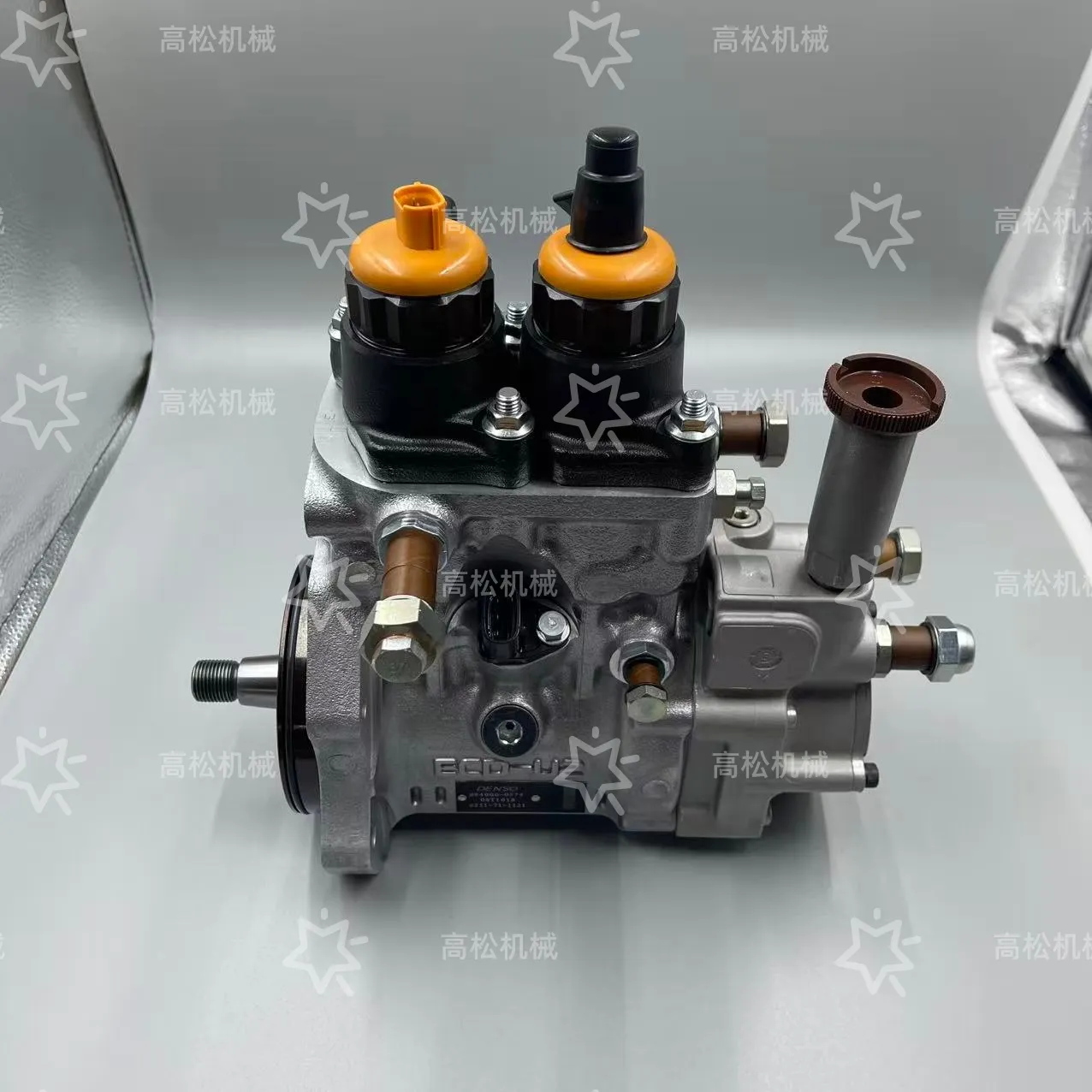 Fuel Injection Pump For Komatsu PC400-8 6251-71-1120 6251-71-1121 094000-057
 -
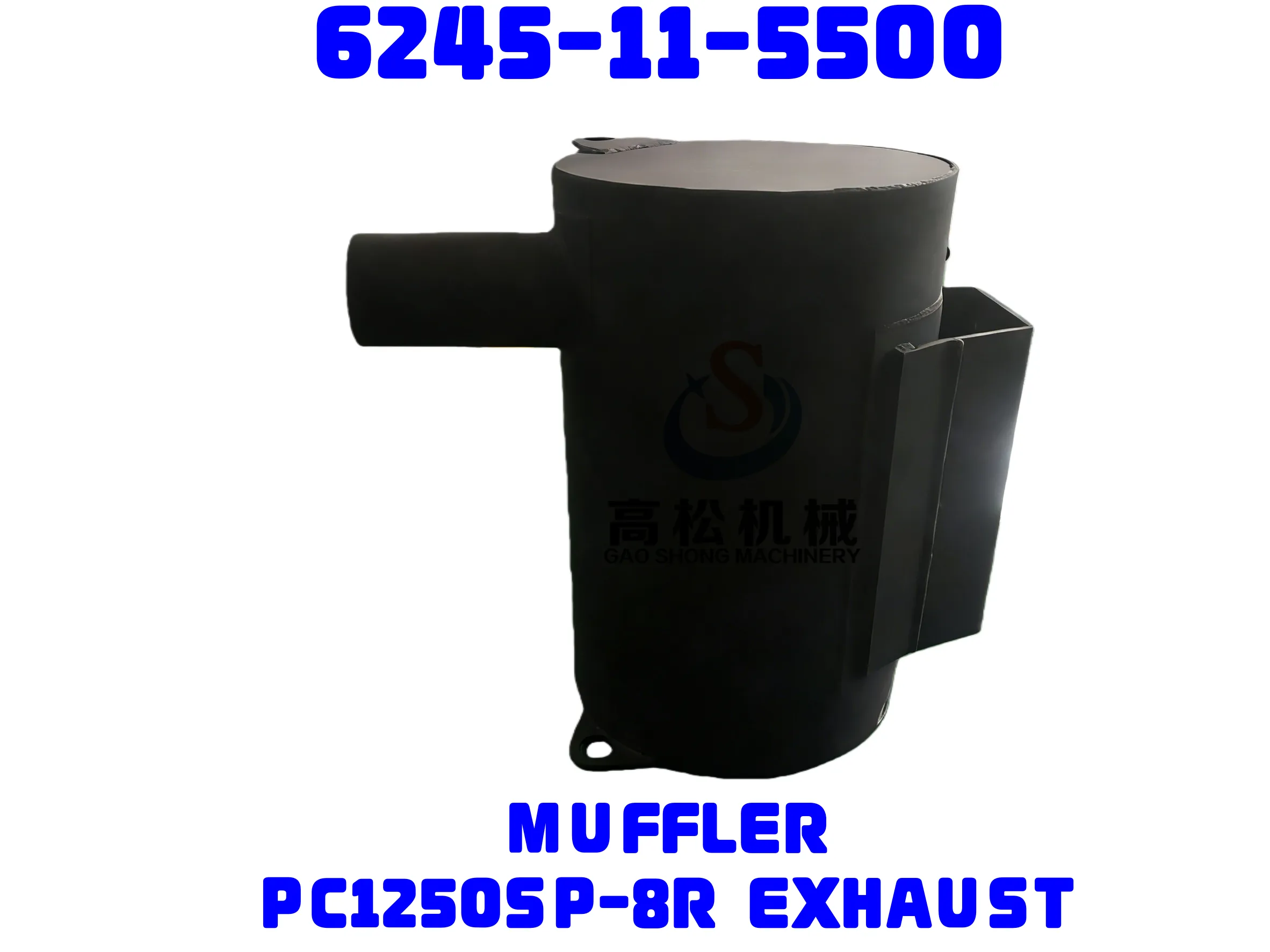 Muffler Silencer 6245-11-5500 for Komatsu Engine 6D170E-5 Excavator PC1250-8 PC1250-8R PC1250LC-8 PC1250SP-8 PC1250SP-8R
 -
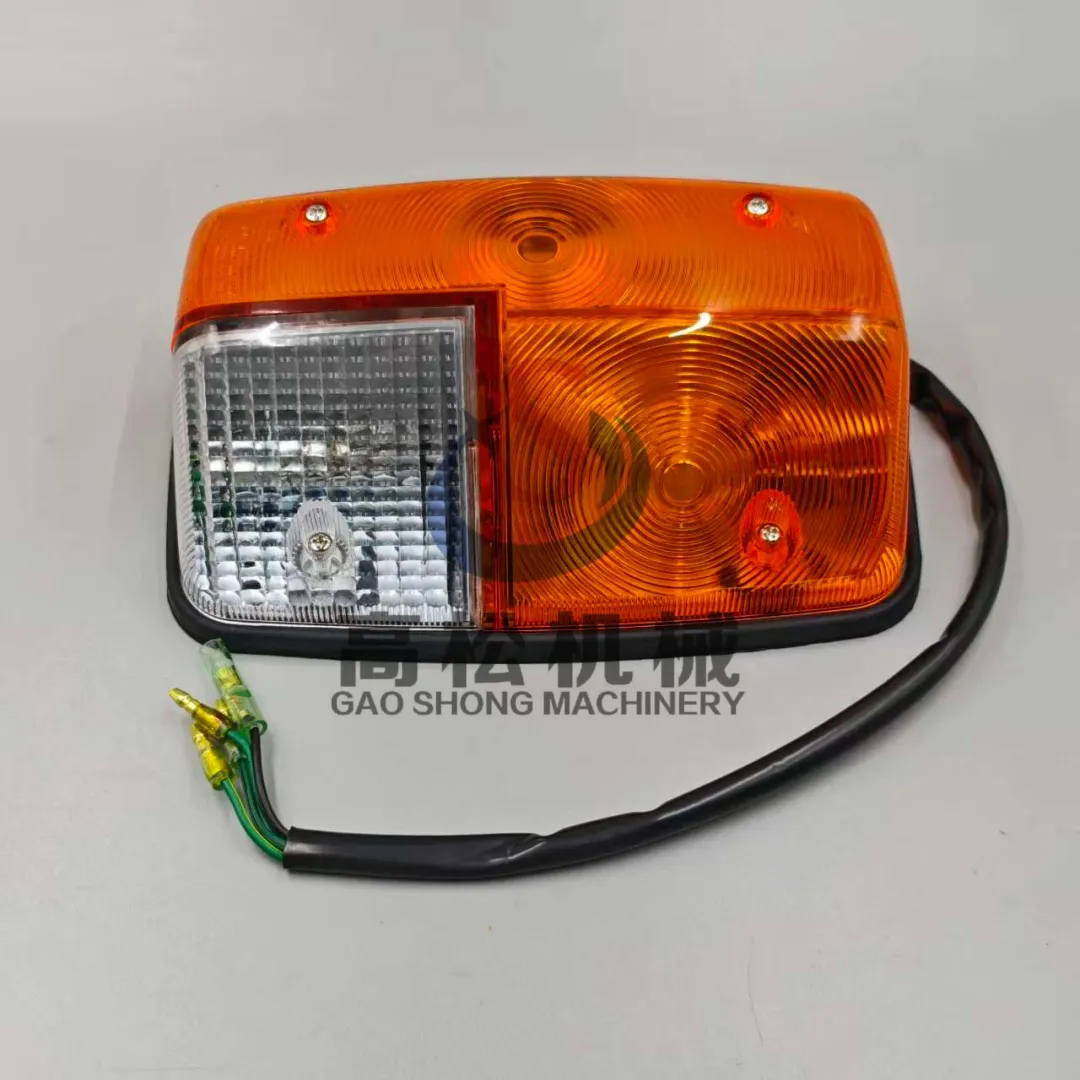 421-06-13401 LIGHT ASSEMBLY, TURN SIGNAL AND PARKING
 -
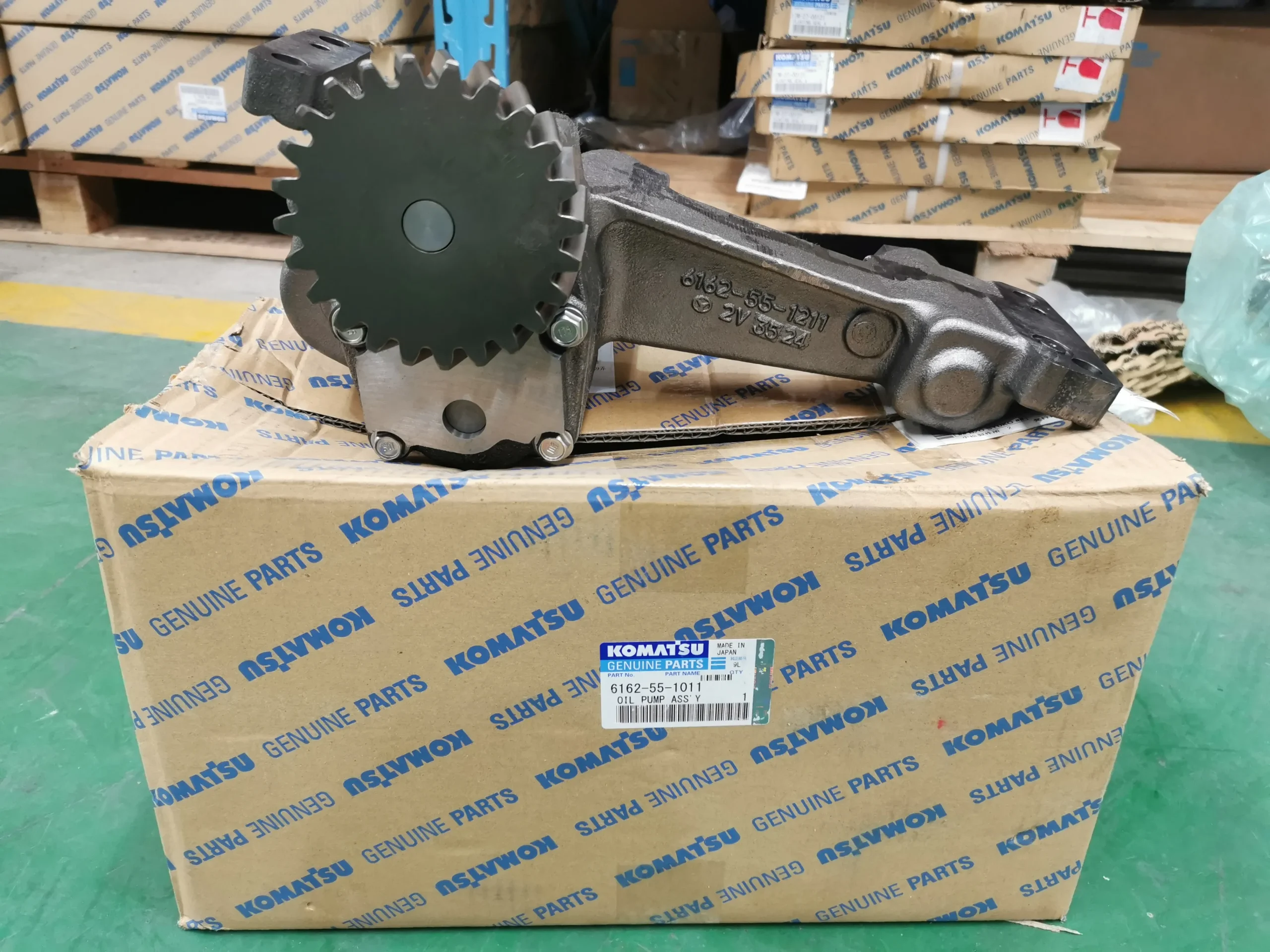 S6D170E-2A Oil Pump 6162-55-1011
 -
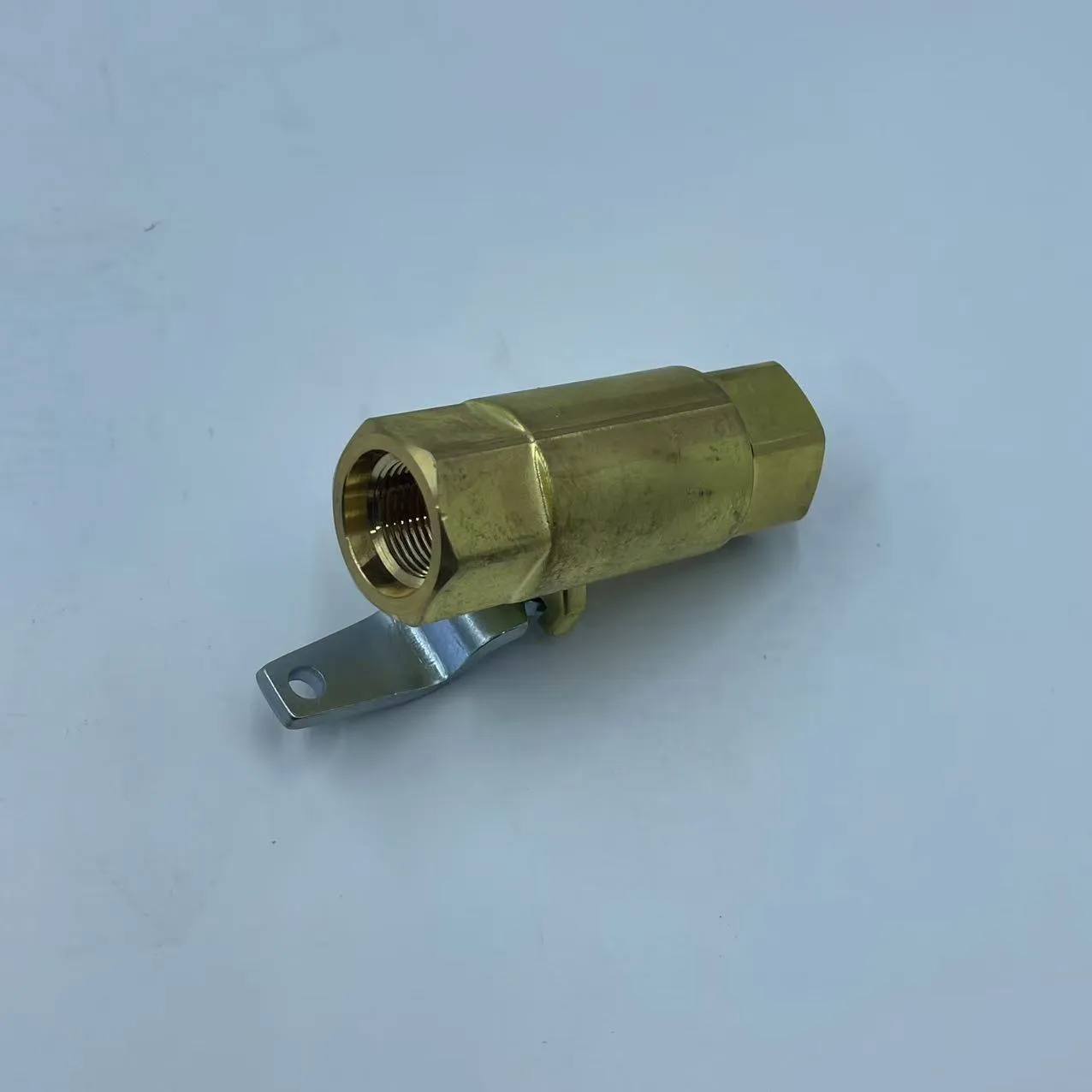 KOMATSU-VALVE 20Y-62-15651 –
 -
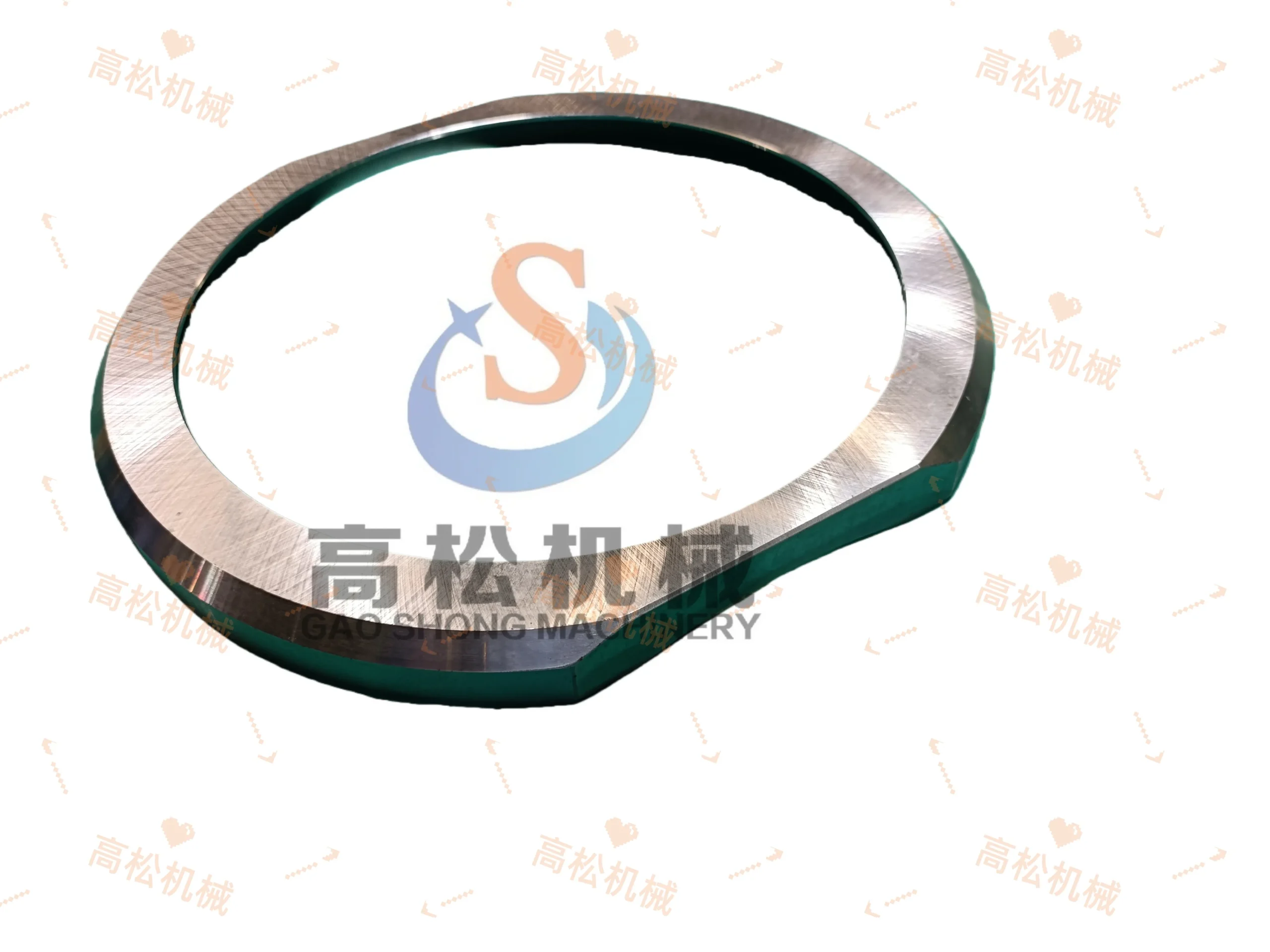 2A8-70-13410 Seal PC500LC-10M0 2A8-70-13420 Seal PC500LC-10R 2A8-70-13680Spacer PC500LC-10M0 2A8-70-13690Spacer PC500LC-10M0 2W71-21380 2WT27-72350