
- Chinese
- French
- German
- Portuguese
- Spanish
- Russian
- Japanese
- Korean
- Arabic
- Irish
- Greek
- Turkish
- Italian
- Danish
- Romanian
- Indonesian
- Czech
- Afrikaans
- Swedish
- Polish
- Basque
- Catalan
- Esperanto
- Hindi
- Lao
- Albanian
- Amharic
- Armenian
- Azerbaijani
- Belarusian
- Bengali
- Bosnian
- Bulgarian
- Cebuano
- Chichewa
- Corsican
- Croatian
- Dutch
- Estonian
- Filipino
- Finnish
- Frisian
- Galician
- Georgian
- Gujarati
- Haitian
- Hausa
- Hawaiian
- Hebrew
- Hmong
- Hungarian
- Icelandic
- Igbo
- Javanese
- Kannada
- Kazakh
- Khmer
- Kurdish
- Kyrgyz
- Latin
- Latvian
- Lithuanian
- Luxembou..
- Macedonian
- Malagasy
- Malay
- Malayalam
- Maltese
- Maori
- Marathi
- Mongolian
- Burmese
- Nepali
- Norwegian
- Pashto
- Persian
- Punjabi
- Serbian
- Sesotho
- Sinhala
- Slovak
- Slovenian
- Somali
- Samoan
- Scots Gaelic
- Shona
- Sindhi
- Sundanese
- Swahili
- Tajik
- Tamil
- Telugu
- Thai
- Ukrainian
- Urdu
- Uzbek
- Vietnamese
- Welsh
- Xhosa
- Yiddish
- Yoruba
- Zulu
- Kinyarwanda
- Tatar
- Oriya
- Turkmen
- Uyghur






komatsu s6d125 1 engine
When you hear 'Komatsu S6D125-1 engine', most folks immediately think of the PC200-6 excavator. That's fair, it's the heart of that machine. But there's a common oversimplification—treating it as just another mid-sized diesel block. In practice, the S6D125-1's story is more about its ecosystem: the quirks in its fuel system, the specific wear patterns on its cylinder kits, and how its performance really hinges on supporting components that aren't always in the spotlight. I've seen too many mechanics chase power loss issues by overhauling the injection pump, only to find the real culprit was a seemingly minor air leak in the transfer pump line or a degraded O-ring on a fuel check valve. It's a solid, reliable engine, but its reliability is conditional on understanding its specific architecture, not just its specs on paper.
Beyond the Nameplate: Displacement, Design, and Context
The '125' in S6D125-1 denotes a 12.5-liter displacement, which places it in a competitive space. Komatsu's design philosophy here was about torque rise and fuel economy under load, not peak horsepower. The direct injection, turbocharged setup is straightforward, but the devil's in the details. For instance, the configuration of the Komatsu S6D125-1 water pump and its relationship with the fan drive is a bit unique. It's not uncommon, especially in high-dust environments, to see premature failure of the water pump bearing because the fan clutch seizes, putting excessive axial load on it. You don't diagnose that by just looking at the pump; you have to look at the entire driven assembly.
Another point of context is its era. This was an engine designed before Tier 3/Stage IIIA emissions became dominant. It doesn't have the complexity of advanced EGR or DPFs, which is precisely why it's still so valued in markets with less stringent regulations or where operational uptime and simplicity are paramount. Its value isn't just historical; it's practical. In certain regions, finding a mechanic who can troubleshoot a common-rail system is a challenge, but most good technicians can work through the S6D125-1's systems with a multimeter and a mechanical timing gauge.
This is where companies operating in specific supply chains become critical. Take Jining Gaosong Construction Machinery Co., Ltd., for example. Their role as an OEM product supplier within the Komatsu system and a third-party sales company means they often bridge this gap. When a mine in a remote location needs a genuine Komatsu cylinder head for an S6D125-1 but faces official supply chain delays, it's entities like them, accessible via their portal at https://www.takematsumachinery.com, that provide a viable solution. They're not just selling parts; they're solving the logistical problem of keeping these legacy but vital powerplants running.
Operational Pitfalls and the Fuel System Saga
Let's talk about where these engines most commonly fail in the field: the fuel system. The S6D125-1 uses a Bosch-type in-line injection pump, which is generally robust. However, the real vulnerability often lies upstream. The primary fuel filter housing assembly, specifically the water separator and its sensor, is a known weak point. The gaskets degrade, allowing air ingress. The symptom is intermittent power loss or hard starting after a shutdown, which perfectly mimics a failing injection pump or worn injectors. I've wasted a day swapping pumps only to trace it back to a 50-cent seal on the filter head.
The injectors themselves are another topic. The recommended pop-off pressure is critical. Setting them too high can increase NOx and strain the pump; too low leads to poor atomization, washing down cylinder walls, and accelerated S6D125-1 liner wear. I learned this the hard way on a rebuild years ago. We had a persistent oil consumption issue after a top-end overhaul. We checked rings, valve guides, everything. Finally, we pulled the injectors we'd just 'reconditioned' in-house and had them tested professionally. Two were barely within the low limit. Replacing them brought consumption back to normal. The lesson was that on this engine, fuel system calibration isn't a suggestion; it's integral to mechanical longevity.
Then there's the turbocharger. The Hitachi HTB16 model used is matched well to the engine's flow characteristics. But a frequent oversight is not checking the intercooler for efficiency. You can have a perfectly good turbo spinning up to boost pressure, but if the intercooler is clogged with dirt and oil, the intake air temperature is too high. This leads to pre-ignition, knocking, and ultimately, piston crown damage. Monitoring boost pressure alone isn't enough; you need to check the temperature drop across the intercooler during a full-load operation.
The Parts Paradox: Genuine, OEM, and Good Enough
This engine's longevity creates a massive aftermarket for parts, and the quality spectrum is vast. For critical rotating assemblies—crankshafts, connecting rods—I rarely deviate from genuine Komatsu or certified OEM. The metallurgy and balancing matter too much. But for other components, the decision gets murkier. Take gasket kits. A full engine gasket set from the OEM is expensive. Aftermarket kits from reputable manufacturers can be 60% of the cost and perform 95% as well. The exception? The head gasket. For the Komatsu S6D125-1 engine, I always use genuine. The sealing bead design and material composition are proprietary, and the risk of a leak isn't worth the savings.
This is the practical niche that third-party suppliers with OEM ties occupy. A company like Jining Gaosong, which describes its mission as helping to solve parts supply challenges in certain countries, isn't just moving boxes. They understand that a customer might need a genuine Komatsu crankshaft but an OEM-equivalent radiator or hose kit to balance cost and project viability. Their value is in having that curated mix and the logistical network to get it where it's needed, which their website https://www.takematsumachinery.com serves as a hub for. It's a pragmatic approach for keeping older fleets operational.
I recall a situation where a contractor needed a set of valve springs urgently for a S6D125-1 in a generator set. The local Komatsu dealer had a two-week lead time. We sourced a set from a known OEM manufacturer through a channel similar to Gaosong's, cross-referenced the part numbers and material specs, and had them installed in two days. The engine is still running fine years later. The dogma of only genuine is sound, but on-the-ground reality sometimes requires informed, risk-assessed compromises.
Cooling and Lubrication: The Unsung Heroes
If the fuel system is the engine's circulatory system, then cooling and lubrication are its immune system. The S6D125-1's cooling system layout is efficient but demands attention to coolant quality. The use of ordinary tap water or improper coolant mix leads to scale buildup in the cylinder liner O-ring grooves—the upper and lower sealing surfaces for the wet liners. This scale prevents proper sealing, allowing coolant to seep into the oil gallery. I've seen more than one engine with a mysterious coolant loss turn out to have this exact issue, requiring a full teardown to clean all the block's liner bores.
The oil pump is gear-driven and reliable, but oil pressure problems often stem from the relief valve or, more commonly, the main bearing and connecting rod bearing clearances. What's interesting is the oil cooler. It's a tube-and-shell design, and its integrity is paramount. A failure internally can mix coolant and oil, creating the infamous milkshake in the oil pan. Externally, it can leak. The key is to pressure test both sides independently during any major service. It's a 30-minute job that can prevent a catastrophic failure.
Lubrication extends to the turbocharger. The oil feed line to the turbo has a restrictor orifice for a reason. Bypassing or replacing the line with one without the proper restrictor floods the turbo bearings with too much oil, leading to leakage past the seals into both the intake and exhaust. This causes excessive smoking and carbon buildup. It's a small, often overlooked part that has an outsized impact on the entire system's health.
Rebuild Considerations and Final Thoughts
When a S6D125-1 finally needs a rebuild, the approach defines its second life. It's not just about slapping in new pistons and rings. Measuring the cylinder block for bore distortion is crucial. This block can distort from overheating incidents, and if you install new liners in a distorted bore, you'll get premature ring and liner wear no matter the parts quality. The deck flatness, liner protrusion (critical for that head gasket seal), and main bearing bore alignment should all be checked with precision tools.
Then there's the debate about upgrading components. Should you use the latest iteration of piston rings if available? Usually, yes. But swapping to a different turbocharger model for more power is generally a bad idea. The fuel pump settings, injector spray pattern, and intake/exhaust porting are all calibrated as a system. Changing one element without understanding the others can lead to hot spots, excessive emissions, and reduced component life. The engine was designed as a balanced package; respect that balance.
In the end, the Komatsu S6D125-1's reputation is earned. It's a mechanical, logical, and repairable engine. Its continued relevance, especially in global markets where supply chains for newer, more complex engines are fragile, speaks volumes. Its maintenance isn't about advanced diagnostics; it's about methodical, experienced mechanical practices and sourcing the right parts for the job—whether that part comes in a Komatsu box, from a trusted OEM, or through a specialized supplier focused on solving real-world availability problems. That's the real-world legacy of this particular engine.
Related Products
Related Products

Best Selling Products
Best Selling Products-
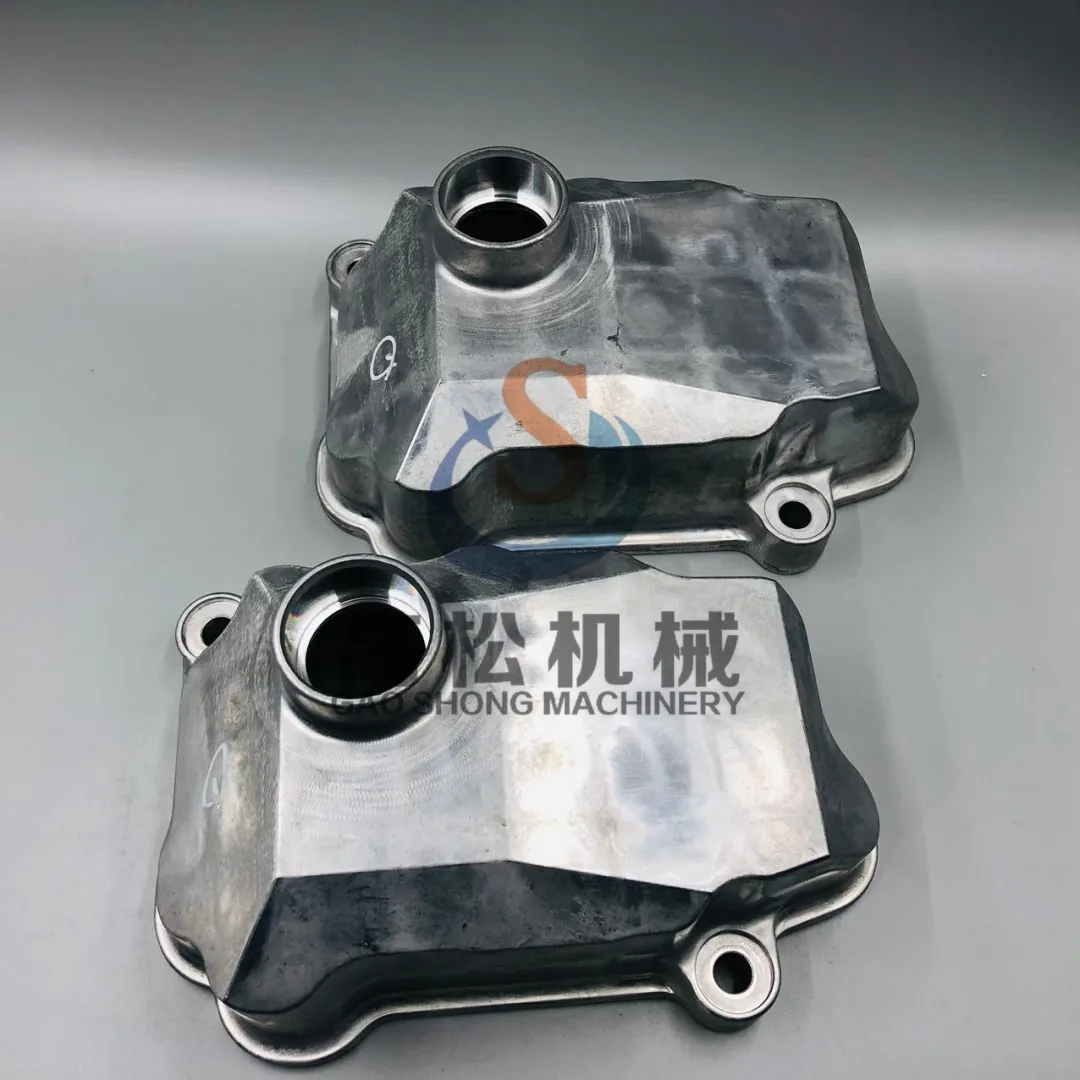 KOMATSU 6251-11-8150 COVER
 -
 Original Parts Kd0-35411-0854 Pulley, High Quality Original Parts…
 -
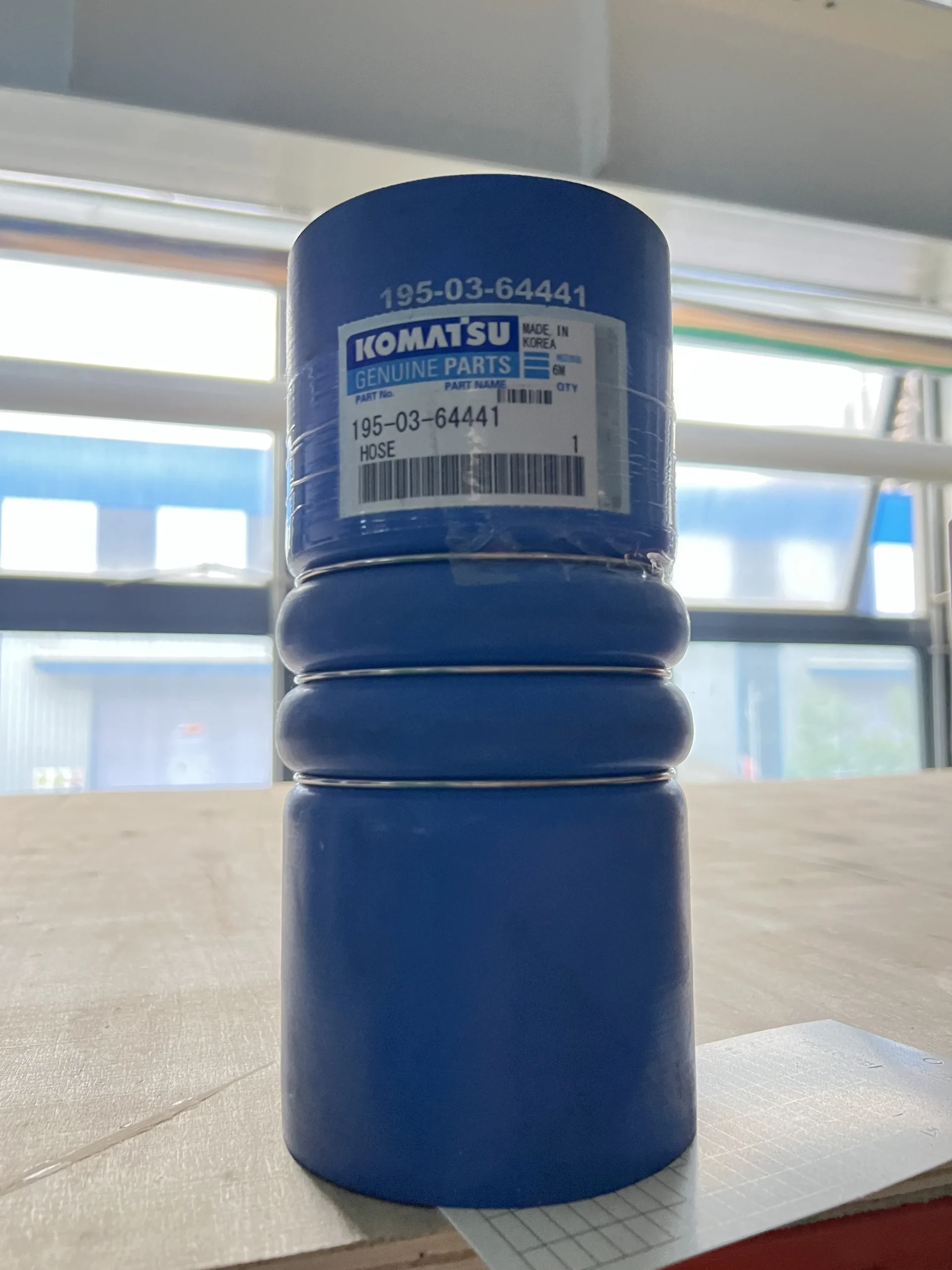 Intercooler Air Hose 195-03-64441 for Komatsu D375A-5
 -
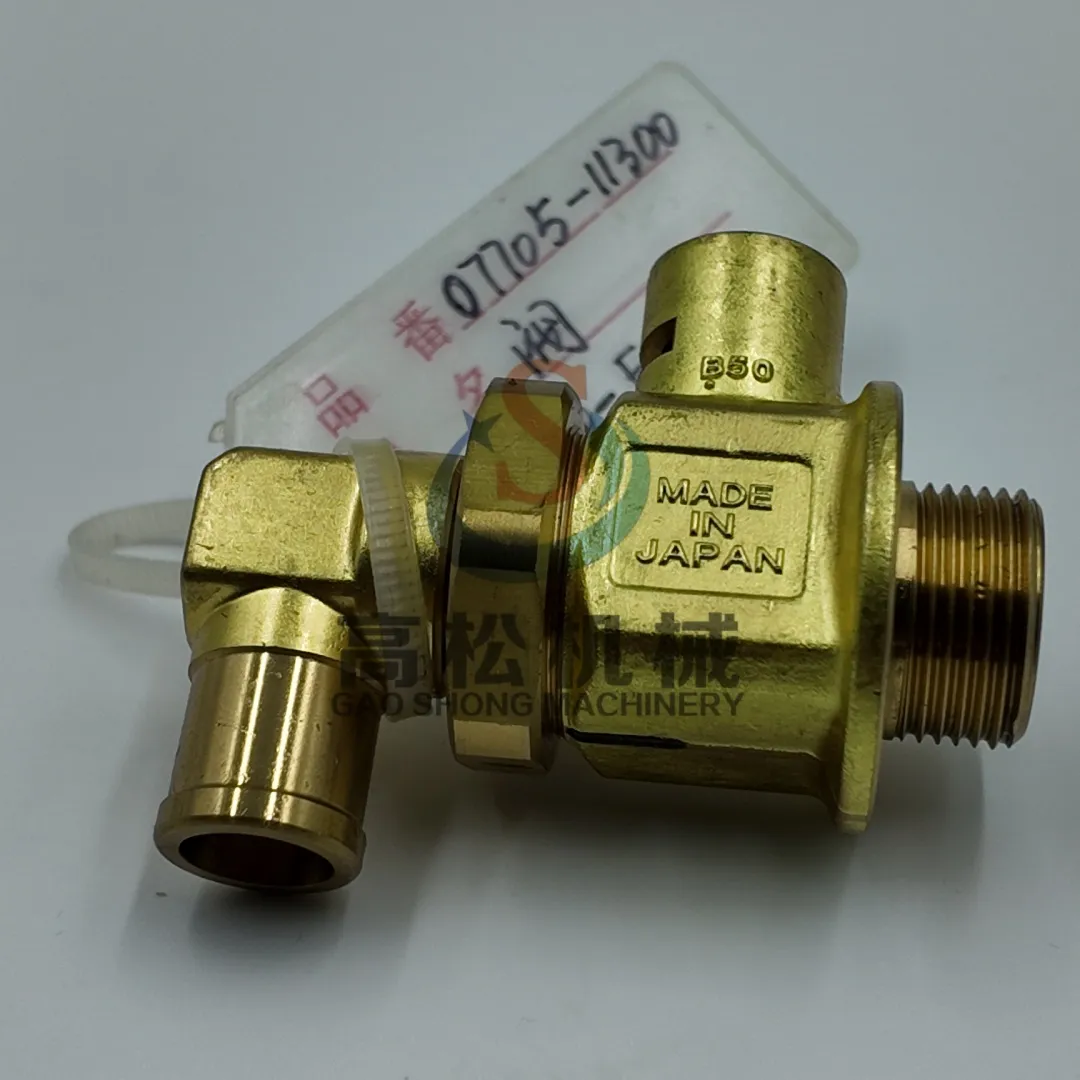 VALVE DRAIN 07705-11300 Komatsu Parts
 -
 Connector Hose 6156-11-5521 for SAA6D125E Engine, PC400-7 Excavator Spare Part
 -
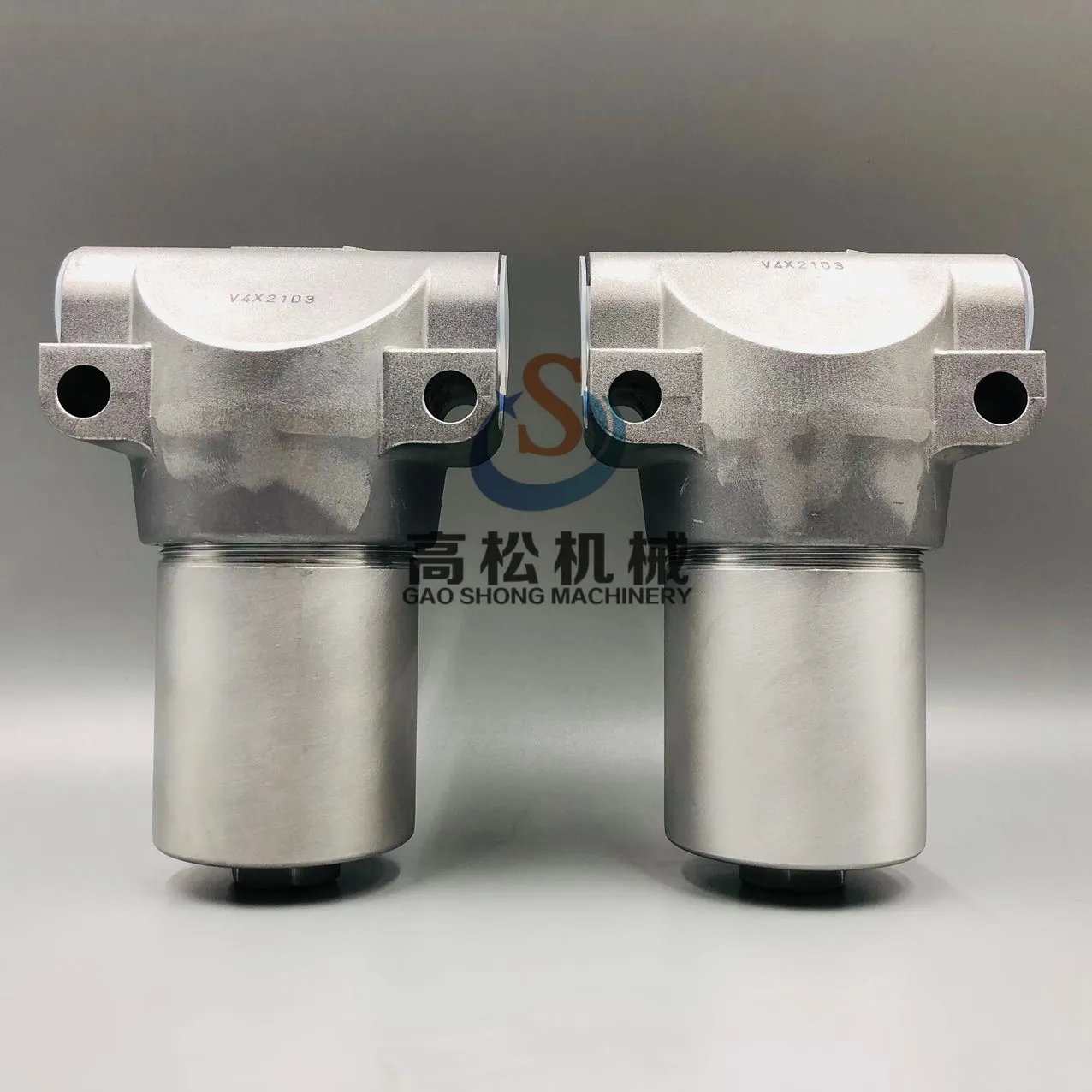 PC200/PC300 original accessories 20Y-62-51681 filter element assembly
 -
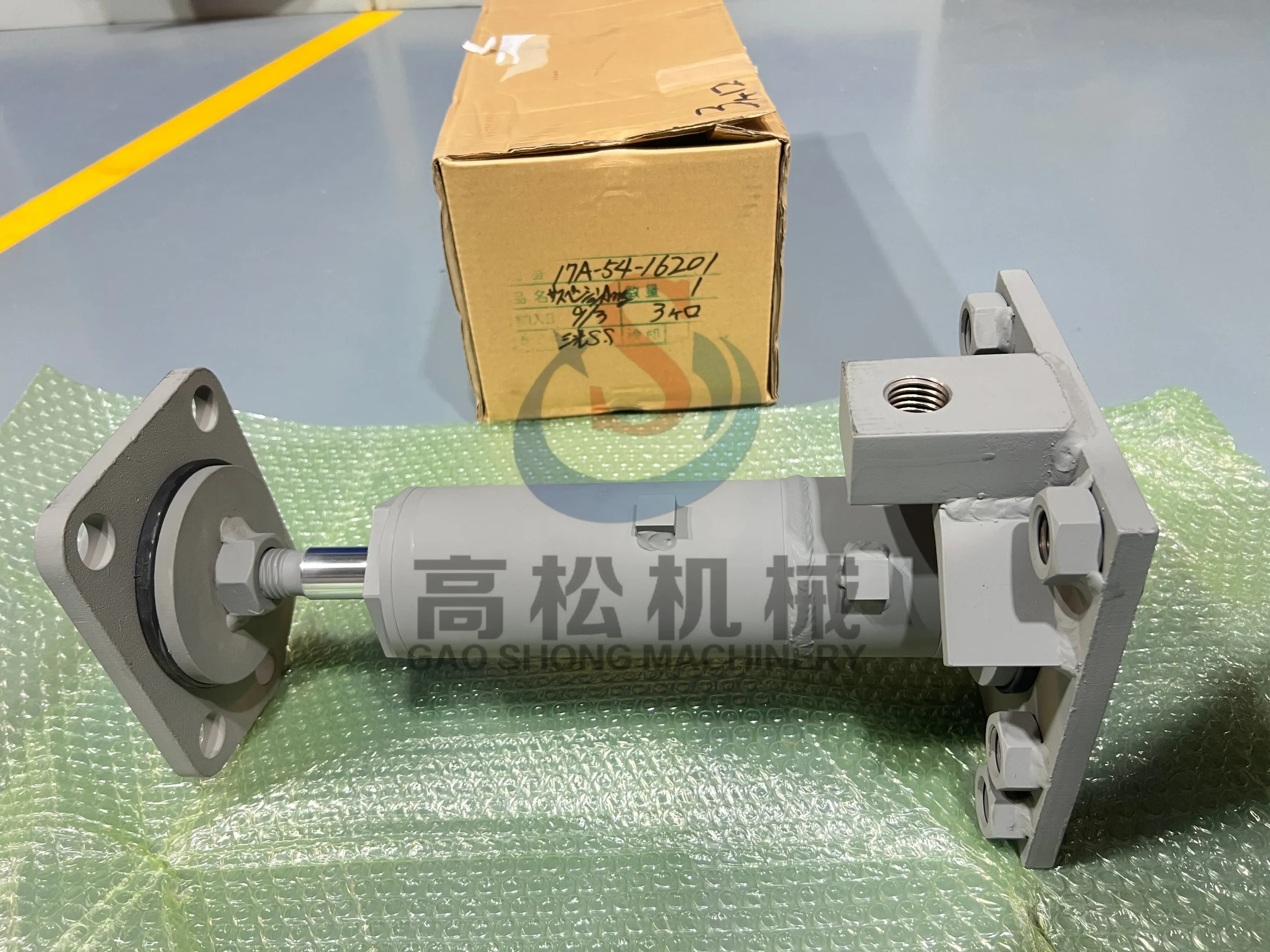 SUSPENSION ASS’Y 17A-54-16201 – KOMATSU
 -
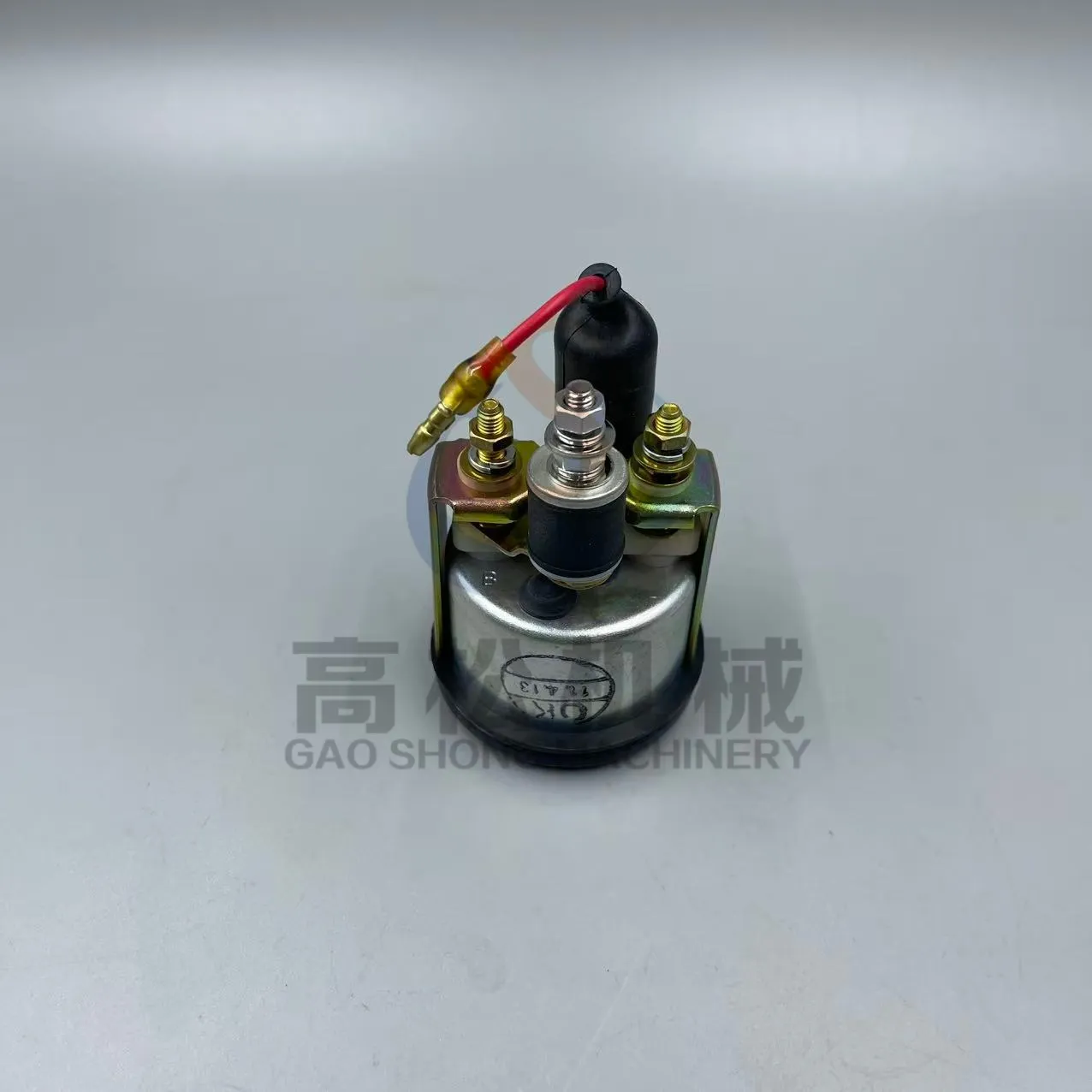 195-06-23110 – GAUGE
 -
 6693-22-5600 Komatsu Valve Assembly
 -
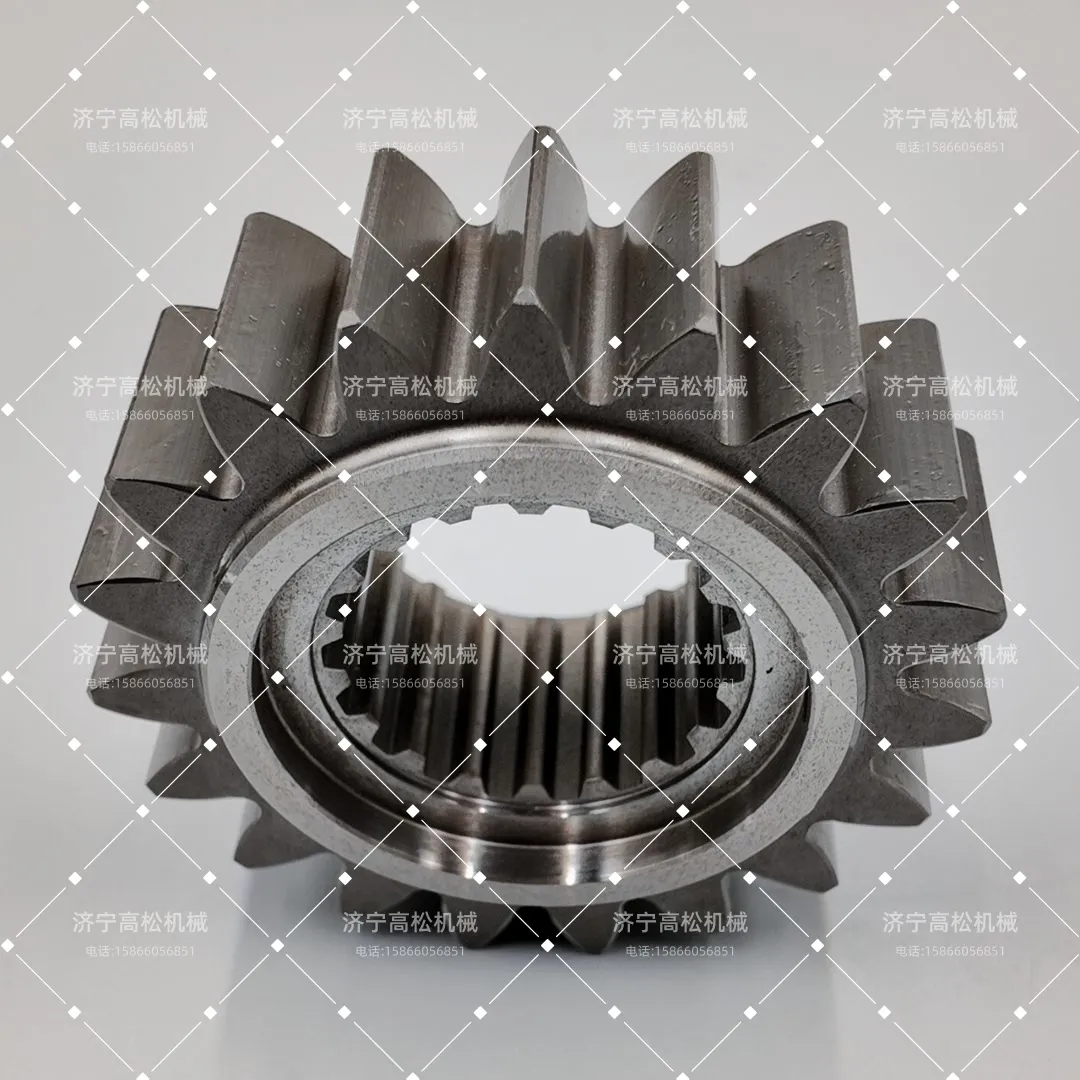 207-26-71510 Komatsu Gear
 -
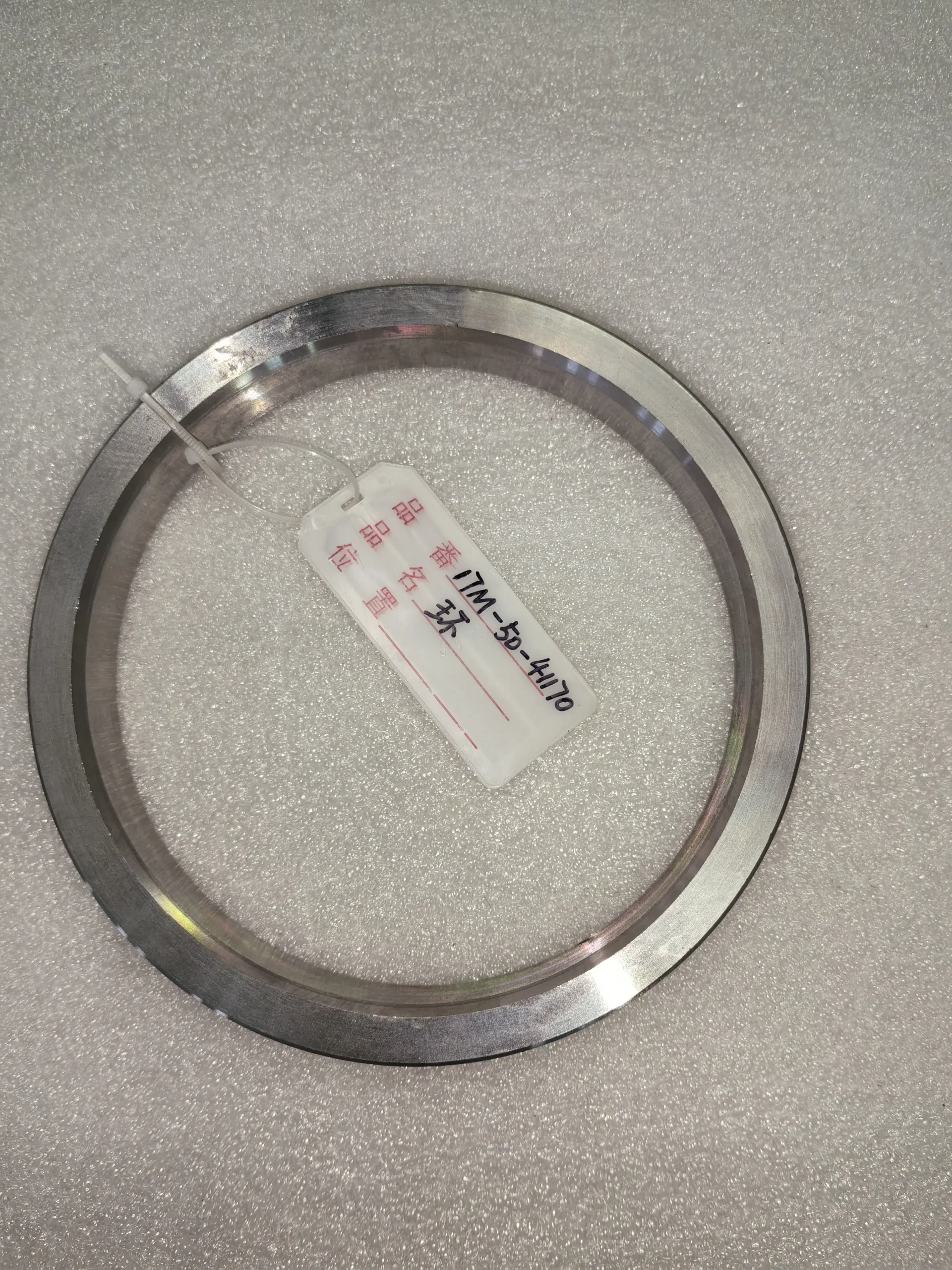 RING 17M-50-41170 – KOMATSU
 -
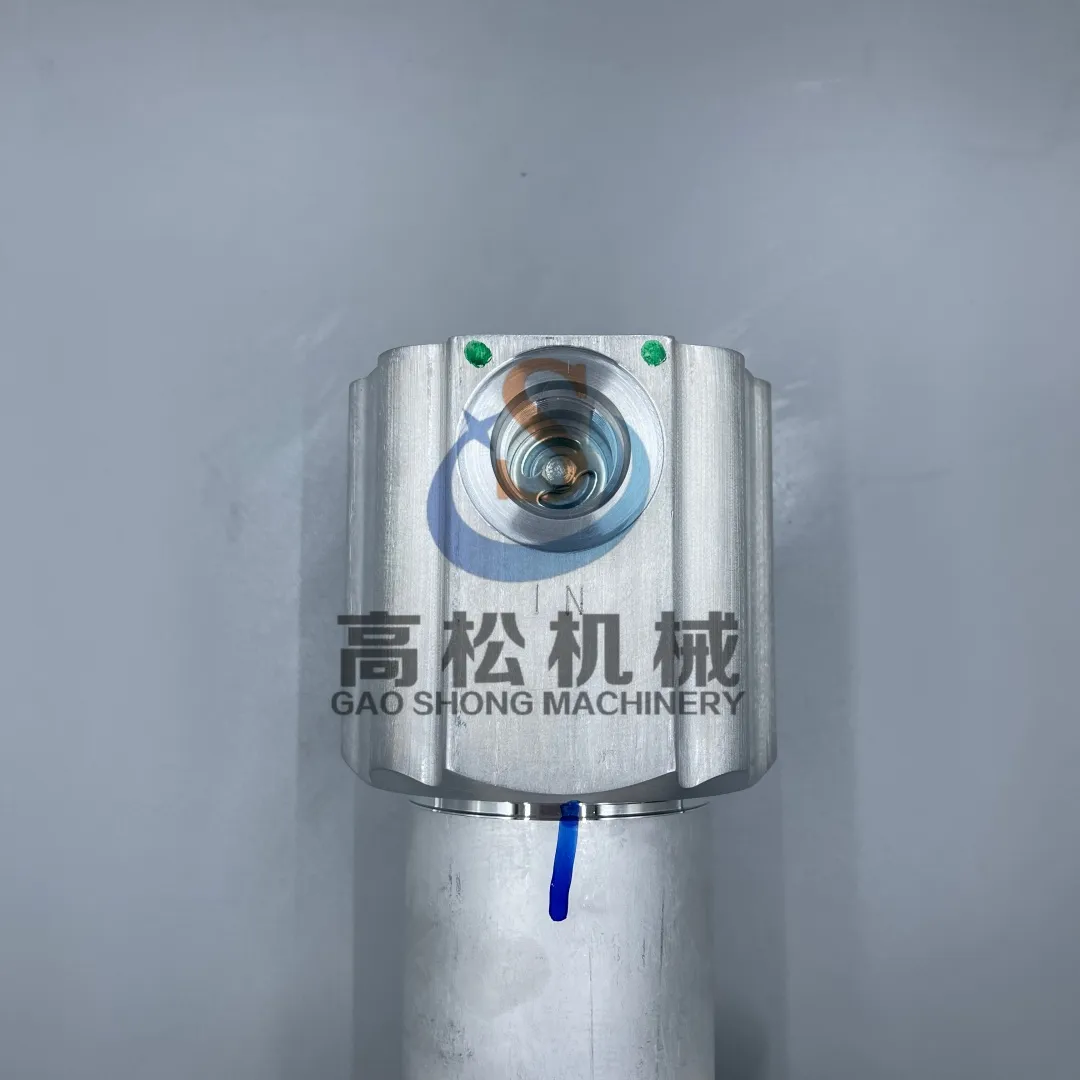 569-43-83911 Komatsu Filter Assembly