
- Chinese
- French
- German
- Portuguese
- Spanish
- Russian
- Japanese
- Korean
- Arabic
- Irish
- Greek
- Turkish
- Italian
- Danish
- Romanian
- Indonesian
- Czech
- Afrikaans
- Swedish
- Polish
- Basque
- Catalan
- Esperanto
- Hindi
- Lao
- Albanian
- Amharic
- Armenian
- Azerbaijani
- Belarusian
- Bengali
- Bosnian
- Bulgarian
- Cebuano
- Chichewa
- Corsican
- Croatian
- Dutch
- Estonian
- Filipino
- Finnish
- Frisian
- Galician
- Georgian
- Gujarati
- Haitian
- Hausa
- Hawaiian
- Hebrew
- Hmong
- Hungarian
- Icelandic
- Igbo
- Javanese
- Kannada
- Kazakh
- Khmer
- Kurdish
- Kyrgyz
- Latin
- Latvian
- Lithuanian
- Luxembou..
- Macedonian
- Malagasy
- Malay
- Malayalam
- Maltese
- Maori
- Marathi
- Mongolian
- Burmese
- Nepali
- Norwegian
- Pashto
- Persian
- Punjabi
- Serbian
- Sesotho
- Sinhala
- Slovak
- Slovenian
- Somali
- Samoan
- Scots Gaelic
- Shona
- Sindhi
- Sundanese
- Swahili
- Tajik
- Tamil
- Telugu
- Thai
- Ukrainian
- Urdu
- Uzbek
- Vietnamese
- Welsh
- Xhosa
- Yiddish
- Yoruba
- Zulu
- Kinyarwanda
- Tatar
- Oriya
- Turkmen
- Uyghur






Komatsu roller
When most people hear 'Komatsu roller', they picture the big yellow machines on a highway project, the ones with the Komatsu logo stamped on the side. That's not wrong, but it's a surface-level view. The reality, especially in parts supply and aftermarket support, is far more layered. There's a common misconception that if you're running a Komatsu roller, every single part inside it is pure, first-party Komatsu. In the field, that's rarely how it works, and insisting on that can grind a project to a halt for weeks. My experience has been that understanding the ecosystem—the OEM suppliers, the third-party networks—is what actually keeps these machines rolling.
The OEM Reality and the Parts Puzzle
Here's the thing Komatsu doesn't always advertise loudly: a significant portion of components in their machines come from a network of dedicated OEM suppliers. These aren't copycats; they're the original manufacturers for specific systems. I learned this the hard way a few years back on a tight-deadline airport apron job. Our Komatsu roller threw a hydraulic pump code. The local Komatsu dealer quoted a 6-week lead time for the genuine pump assembly. Six weeks was a non-starter.
That's when we started digging into the OEM supply chain. We found suppliers who manufactured that exact pump model, the same one that was installed at the Komatsu factory. The part number was different, but the casting marks and port configurations were identical. This isn't about using inferior parts; it's about accessing the same source. Companies like Jining Gaosong Construction Machinery Co., Ltd. operate within this space. They're an OEM product supplier within the Komatsu system, meaning they likely produce or have direct access to these factory-level components. Their role is crucial in untangling supply knots.
The challenge is verification. You can't just buy a pump from any website. You need a supplier that understands the machine's build sheet, not just the Komatsu marketing name. Does this hydraulic hose assembly fit the Komatsu roller model BW211D-40? The one with the specific serial number range after the mid-2018 update? That level of detail is where the real expertise lies. It's less about selling a 'Komatsu part' and more about providing the correct component for the Komatsu machine.
Third-Party Networks: Bridging the Gap
Beyond the OEM layer, there's the legitimate third-party market. This is where the mission of a company like Jining Gaosong expands. They also act as a third-party sales company for Komatsu, specifically to solve parts supply challenges in certain countries. This is a critical distinction from a generic parts reseller. They're not just stocking filters; they're providing a logistical solution for markets where the official distribution is thin or slow.
I've seen this in East Africa and some Southeast Asian regions. A contractor has a fleet of older Komatsu rollers—still perfectly good machines—but the local dealer support has evaporated or never existed. Ordering a simple tandem drum bearing seal through official channels becomes a months-long, costly import saga. A specialized third-party sales company fills that void. They consolidate orders, navigate international logistics for construction machinery parts, and get that seal to the site in two weeks instead of twelve.
The key is that they're not competing with Komatsu; they're extending Komatsu's machine viability in underserved markets. It keeps older equipment economically operational, which is the reality for most contractors outside major economic hubs. You're not buying a cheap alternative; you're buying a functional supply chain. Their website, https://www.takematsumachinery.com, reflects this dual role—it's a portal for that specific ecosystem support.
On-Site Judgement Calls and Failures
Relying on this network requires a sharp eye and sometimes, accepting a calculated risk. I remember opting for an OEM-sourced vibratory motor for a Komatsu roller from a new supplier. The specs matched, the price was right, and the lead time saved us. It arrived, and physically, it was perfect. Installation went smoothly. But within 50 hours, we noticed a slight high-frequency whine under load that the original motor didn't have. Performance was unaffected, compaction specs were still met, but the sound was a red flag.
Was it a manufacturing defect? A subtle tolerance difference in the bearings? We never fully isolated it. We ran it for the remainder of that project (about 300 hours) with no functional failure, but we marked that supplier's motors for non-critical use only in our internal database. That's the kind of granular, practical judgement you develop. Not every part needs to be perfect; some just need to be reliable enough for the job's lifespan. For a critical final trim roller on a high-spec road, you'd pay the premium and wait for the dealer part. For a bulk fill compaction roller on a remote site, the OEM-sourced part is the smarter play.
The Devil in the Details: Seals, Hoses, and Electronics
This parts philosophy breaks down into categories. For wear items like drum scraper blades, seat cushions, or standard hydraulic hoses, the third-party/OEM route is almost always the correct economic choice. The performance delta is negligible. For proprietary items—the main controller ECU, the proprietary pressure sensors for the automatic vibration system—I'm far more cautious. The risk of a machine software mismatch or calibration hell is too high.
Then there's the grey area: seals and bearings. A Komatsu roller's drum bearing is a massive, expensive component. The bearing itself is likely from a major bearing manufacturer (like SKF or NTN) but with a Komatsu part number stamped on it. The seal kit, however, might be a Komatsu-specific design. Here, you need a supplier who can deconstruct the assembly. Can they provide the generic bearing and the correct seal kit? Jining Gaosong's positioning as an insider suggests they can navigate this, offering the bearing under its industrial number and the seal as the correct OEM pattern.
Final Run: A Pragmatic View on Machine Uptime
At the end of the day, a Komatsu roller is a tool. Its value is measured in cubic meters of properly compacted material per day, not in the purity of its pedigree. The brand stands for excellent initial design and manufacturing quality. But sustaining that quality in the field, especially across different continents and market conditions, requires a more flexible approach.
The ecosystem of OEM suppliers and specialized third-party sales companies is what makes global operations feasible. It's not a compromise; it's a necessary layer of the industry. When you find a reliable partner in that space—one that understands the difference between a compatible part and the correct part, one that helps solve supply challenges rather than just selling boxes—you treat them like gold. They turn the Komatsu roller from a finicky, high-maintenance asset into the reliable workhorse it was designed to be. That's the real-world compaction process.
Related Products
Related Products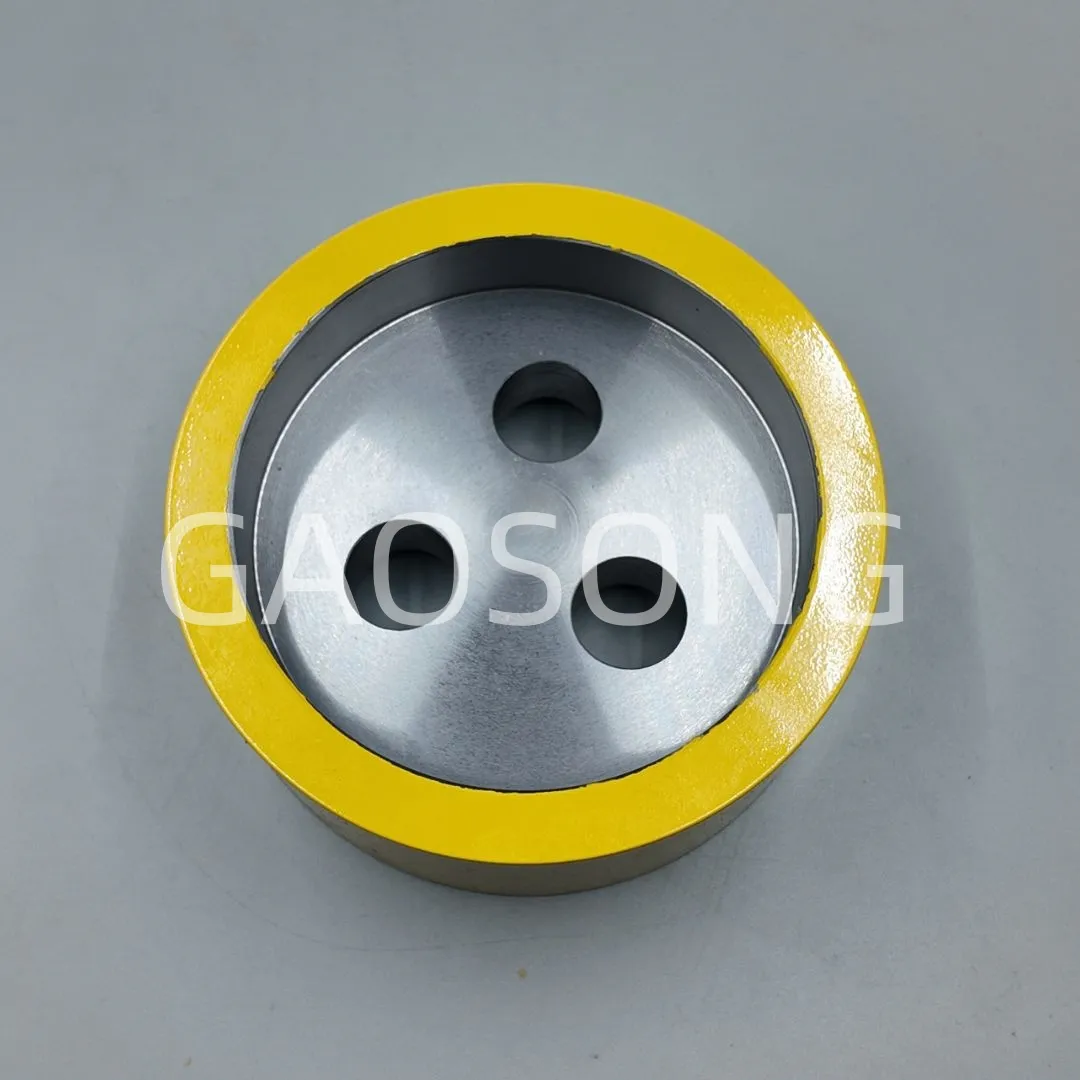
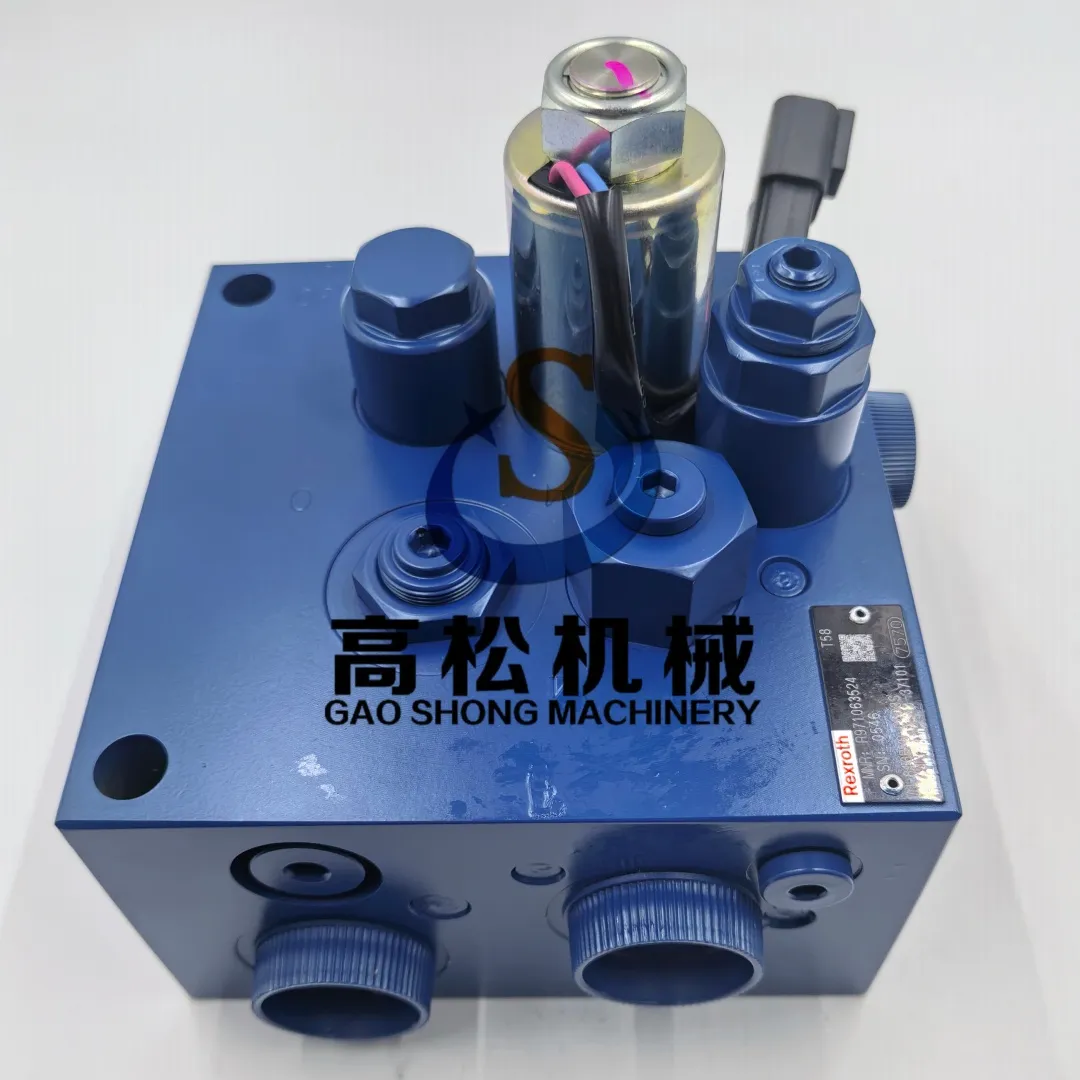
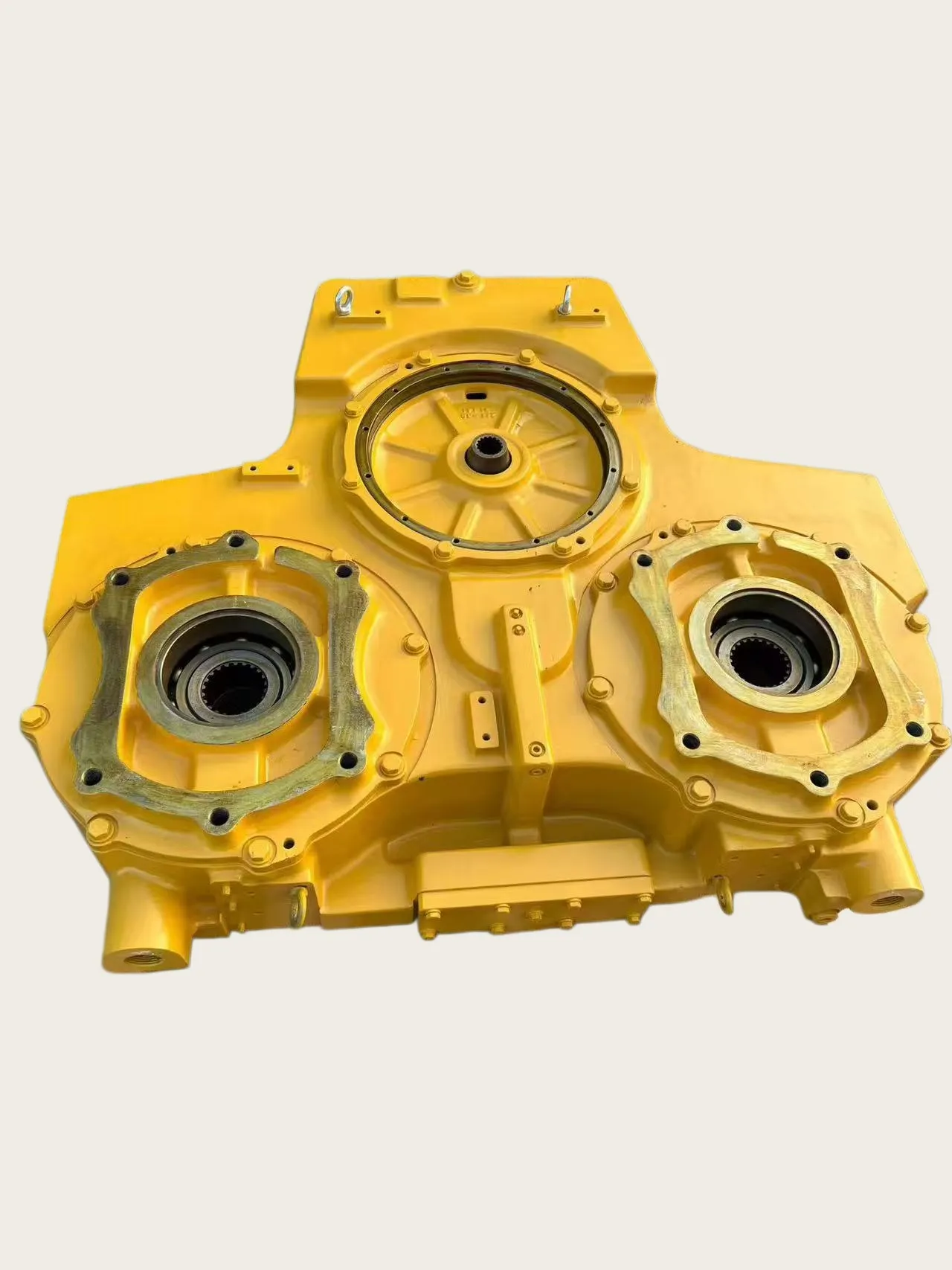

Best Selling Products
Best Selling Products-
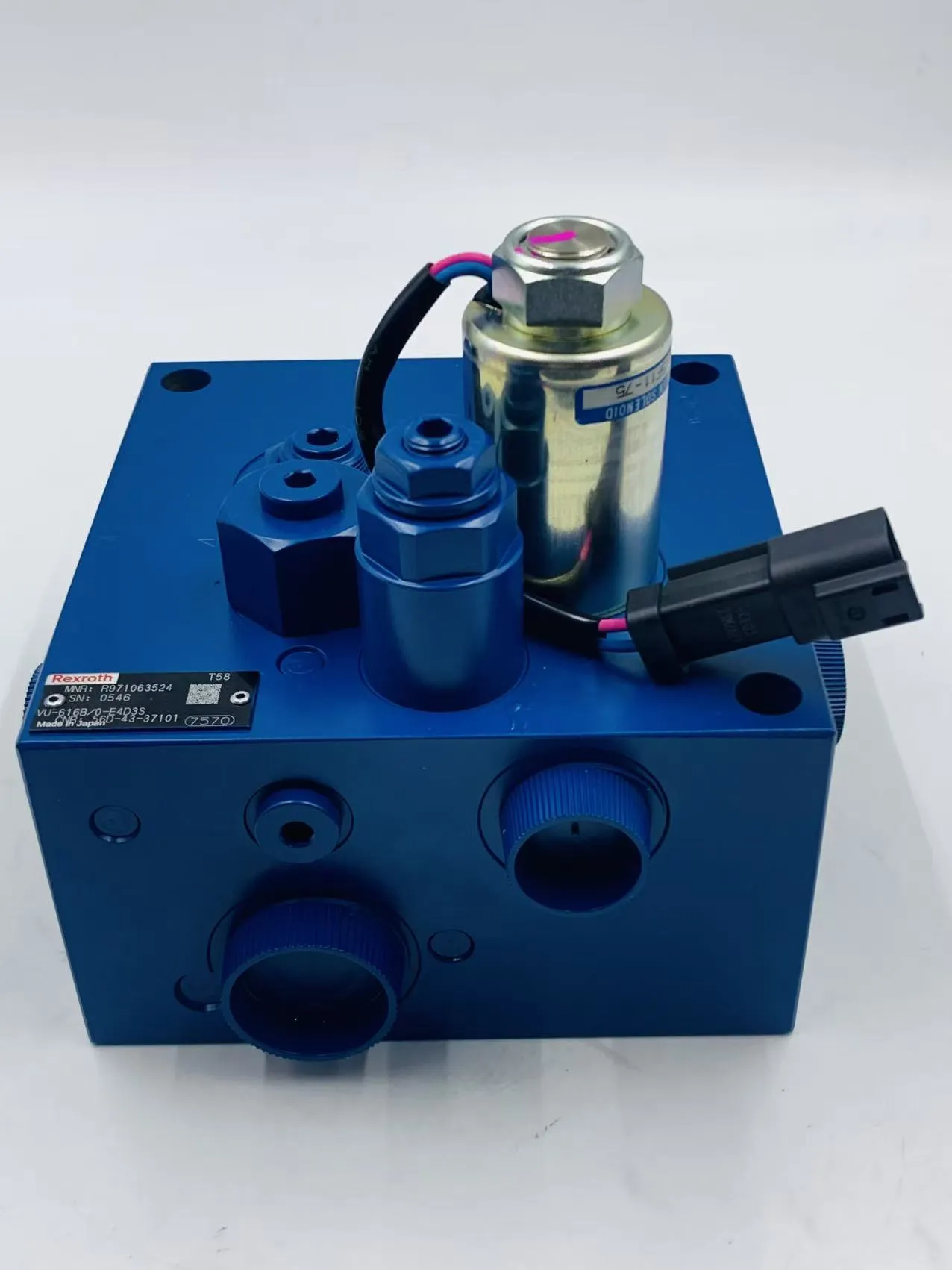 56D-43-37101 Valve Assembly, Charge for HM300 Komatsu Dump Truck Parts High Quality Original Factory
 -
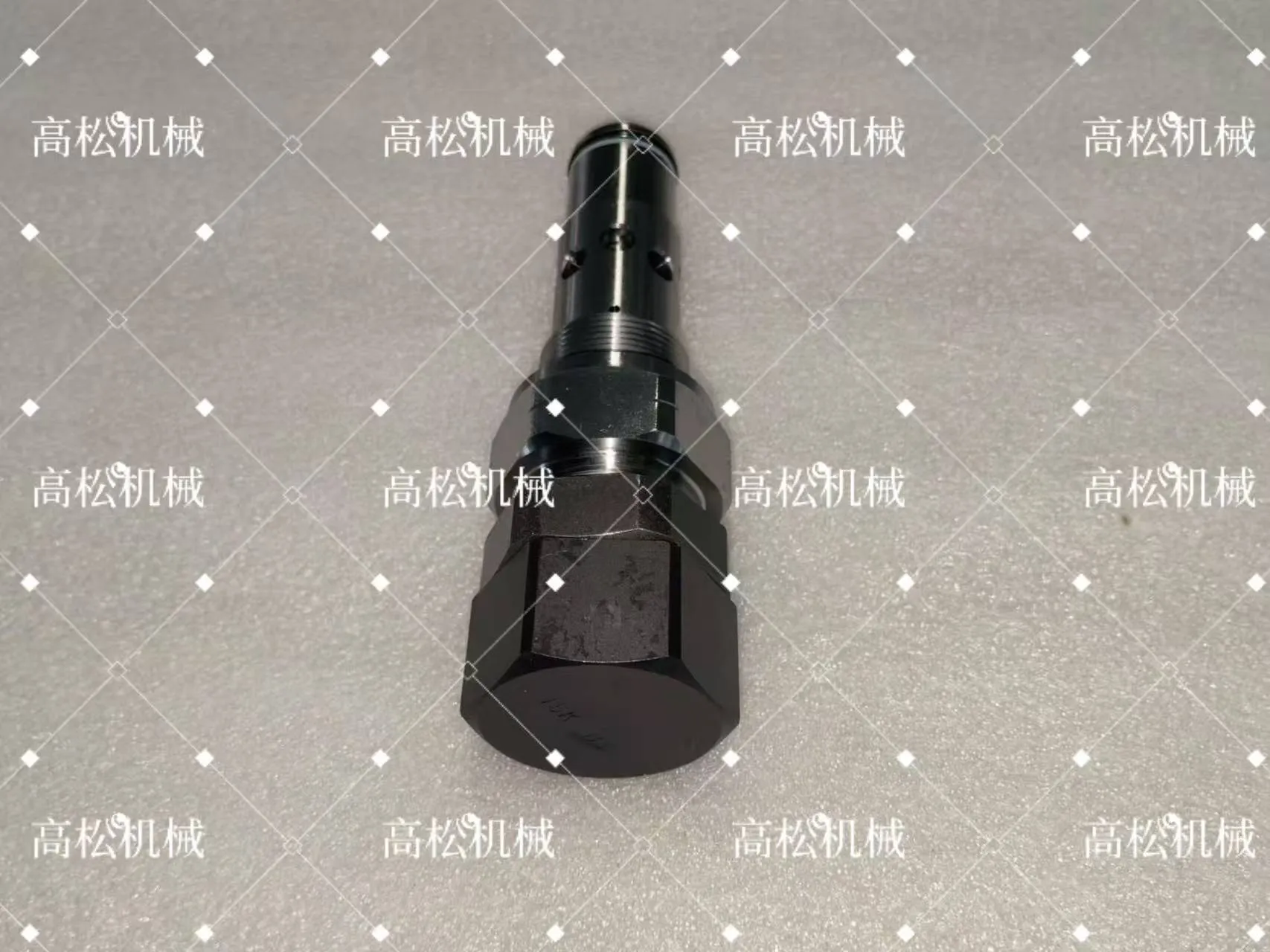 Komatsu original valve assembly, part no.702-75-01900, fits model PC750SE-7
 -
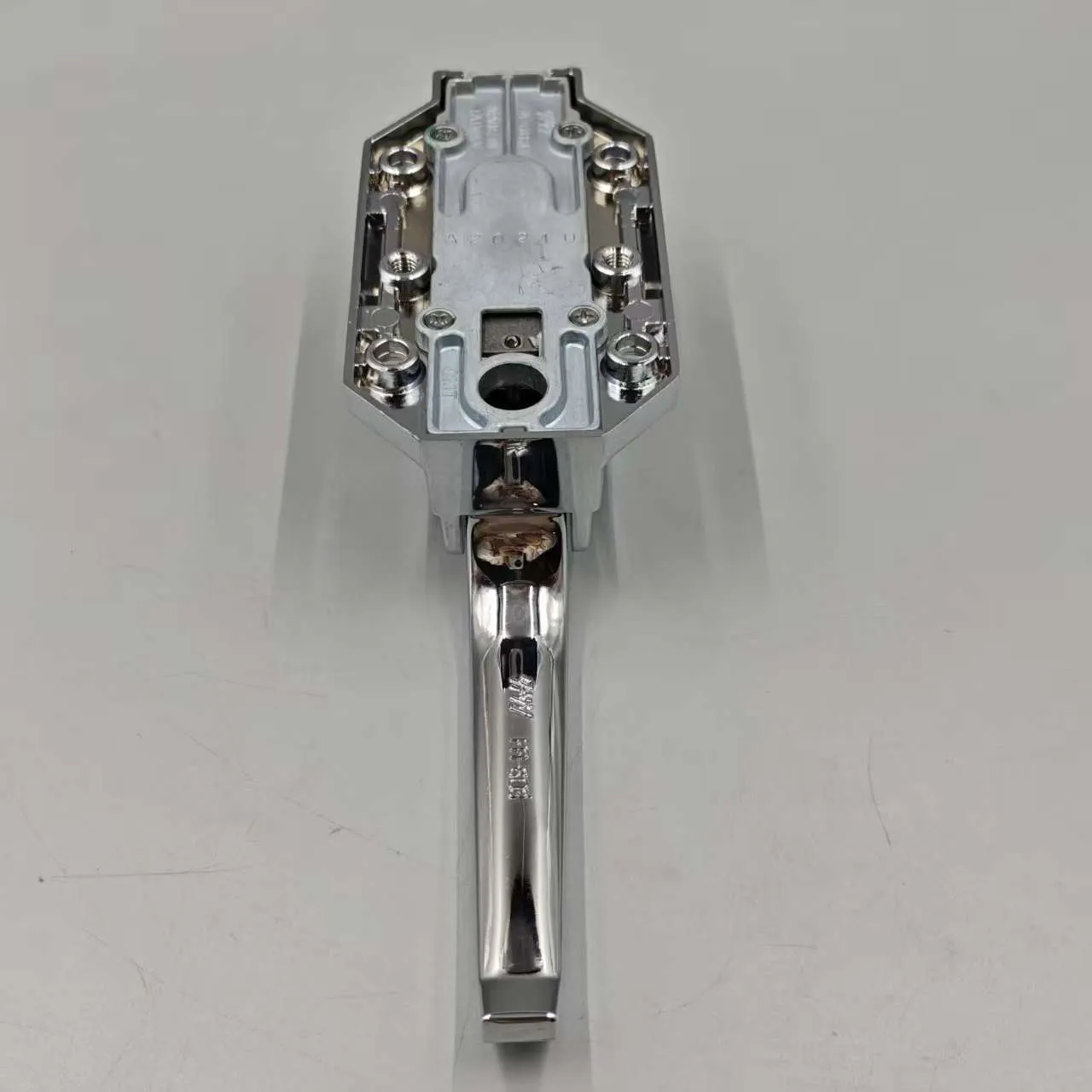 21T-54-35421 Komatsu Handle
 -
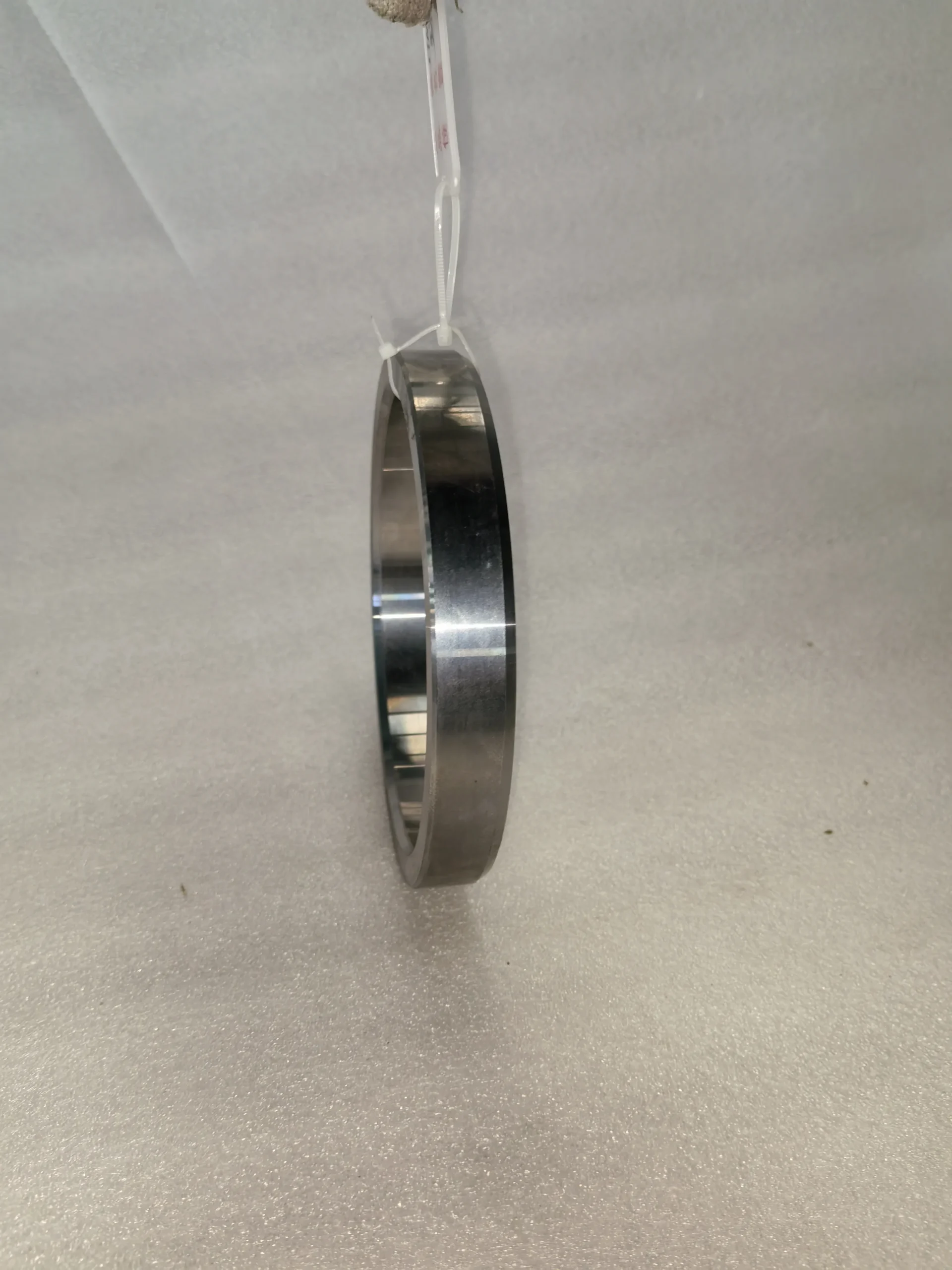 17m5041170-RING-Komatsu Original Factory
 -
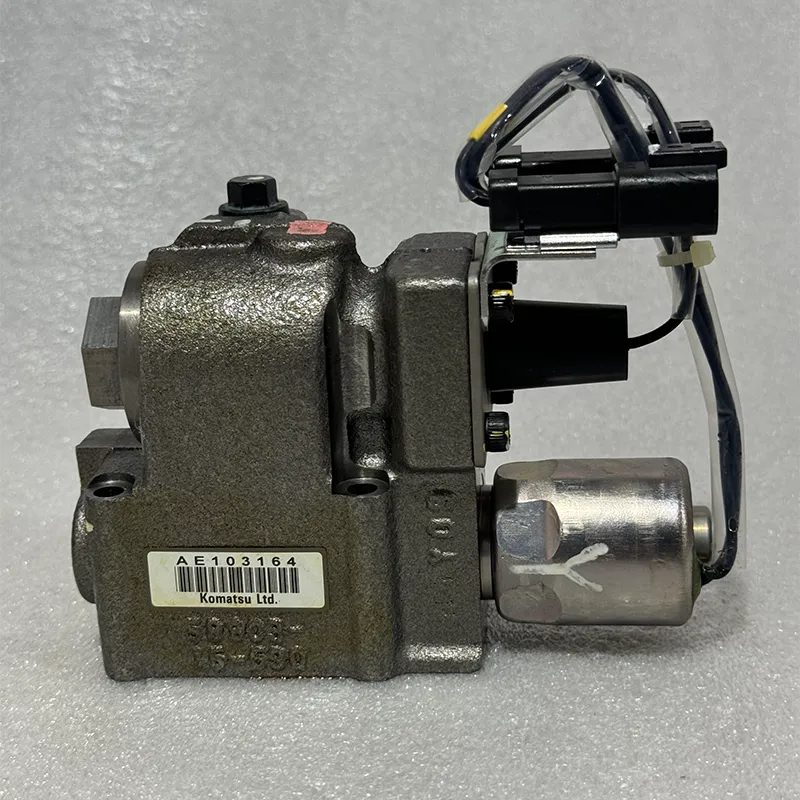 Original komatsu HD785-7 Valve 561-15-75701
 -
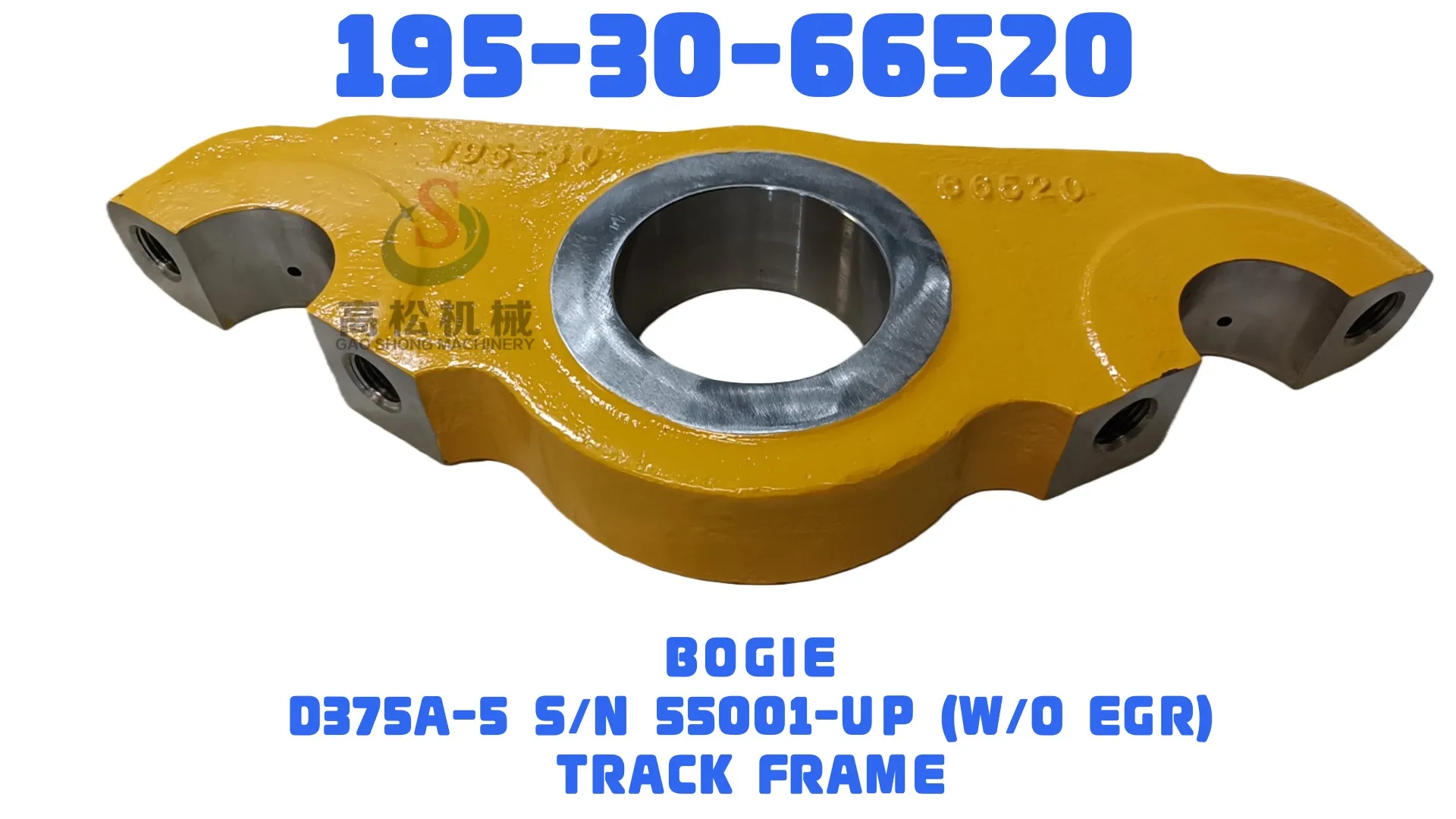 komatsu-part-195-30-66520 17M-30-66122 BOGIE D375A-5 D375A-6 D375A-6R TRACK FRAME (L.H.) BOGIE (L.H.) (FIRST) (FOR FULL ROLLER GUARD) TRACK FRAME, BOGIE, 2ND AND 3RD, L.H.
 -
 21N-26-33240Komatsu original factory accessories
 -
 21T-04-31170 Komatsu Cap Assembly
 -
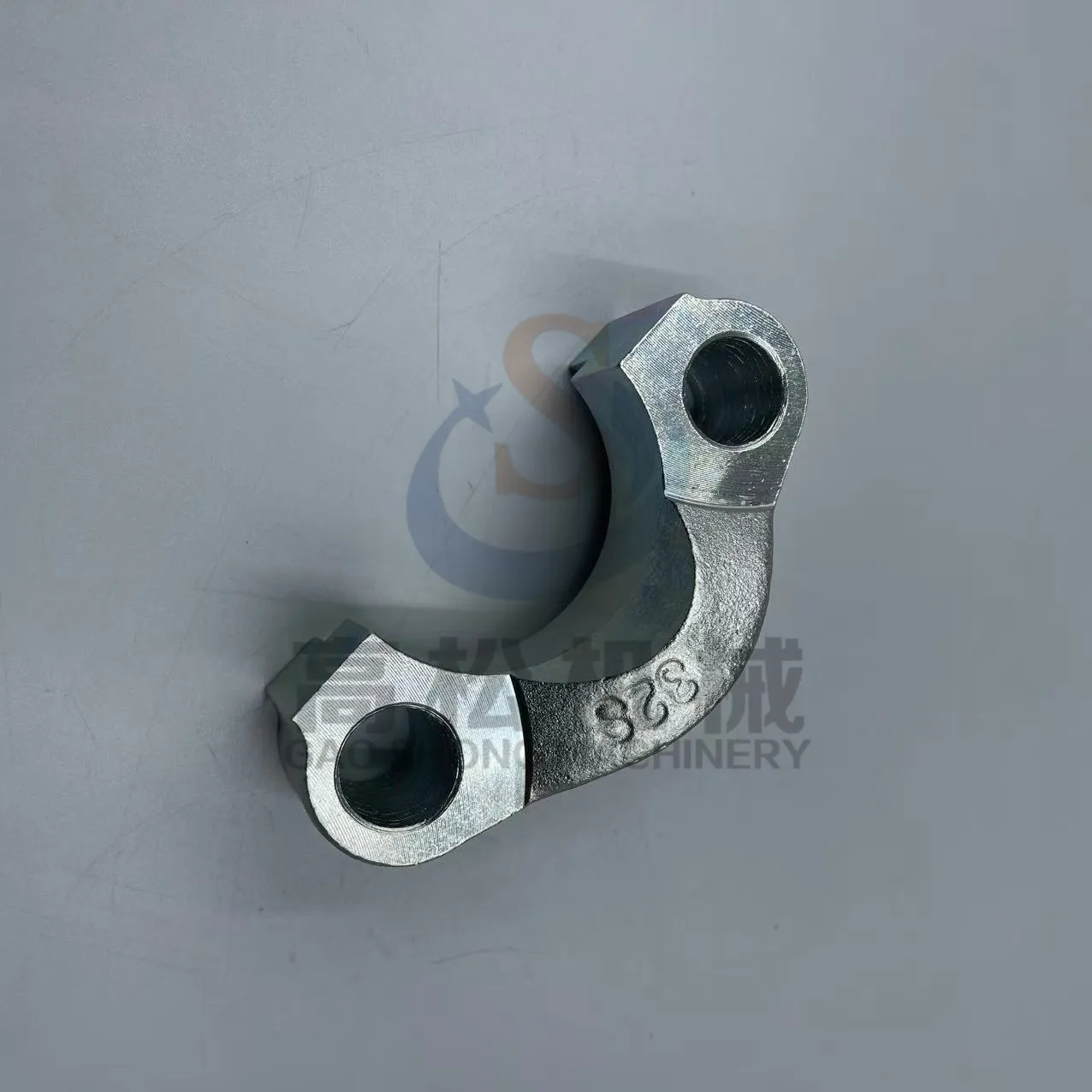 FLANGE 07371-52080 – KOMATSU
 -
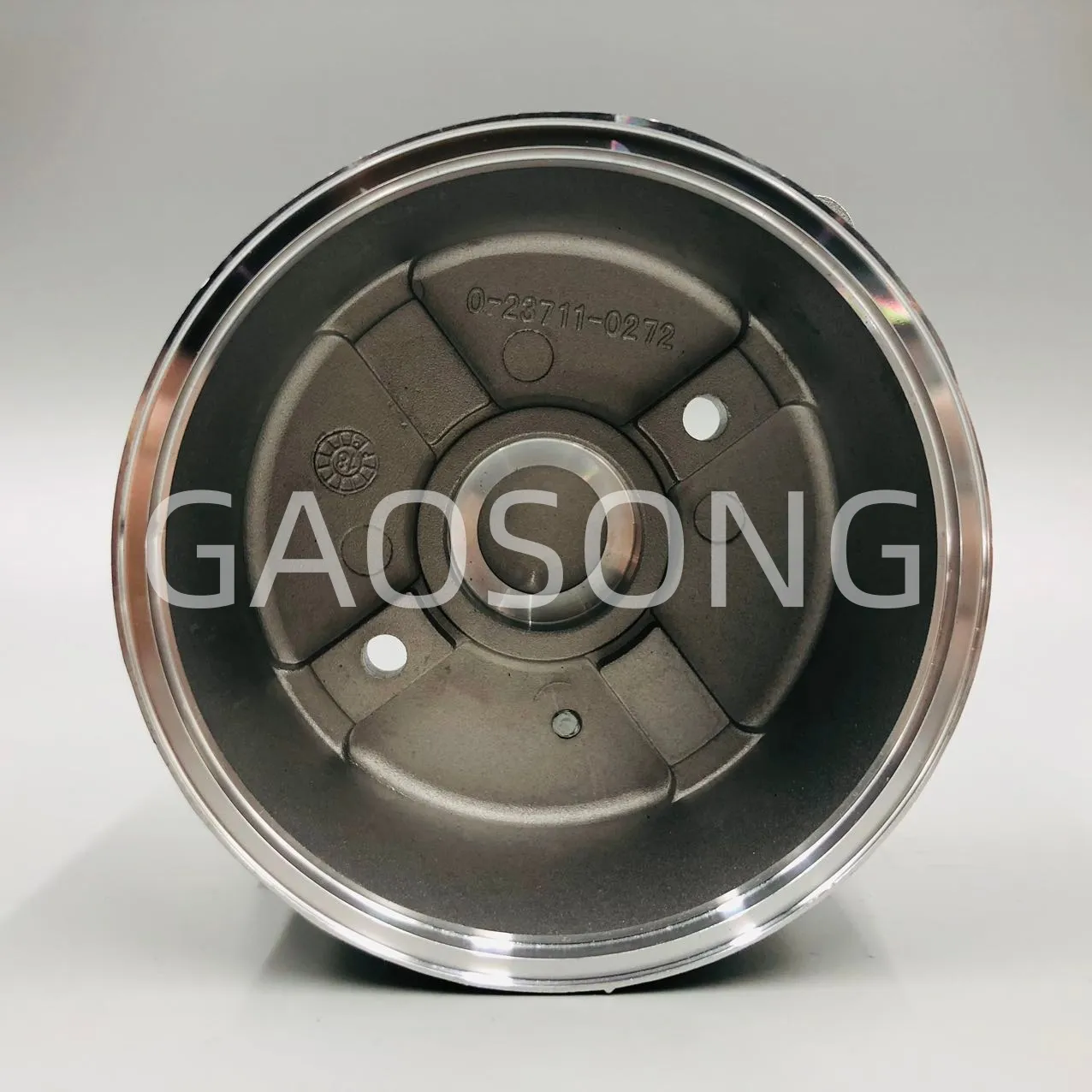 KD0-23700-0130 •• REAR BRACKET A-Komatsu Original Factory
 -
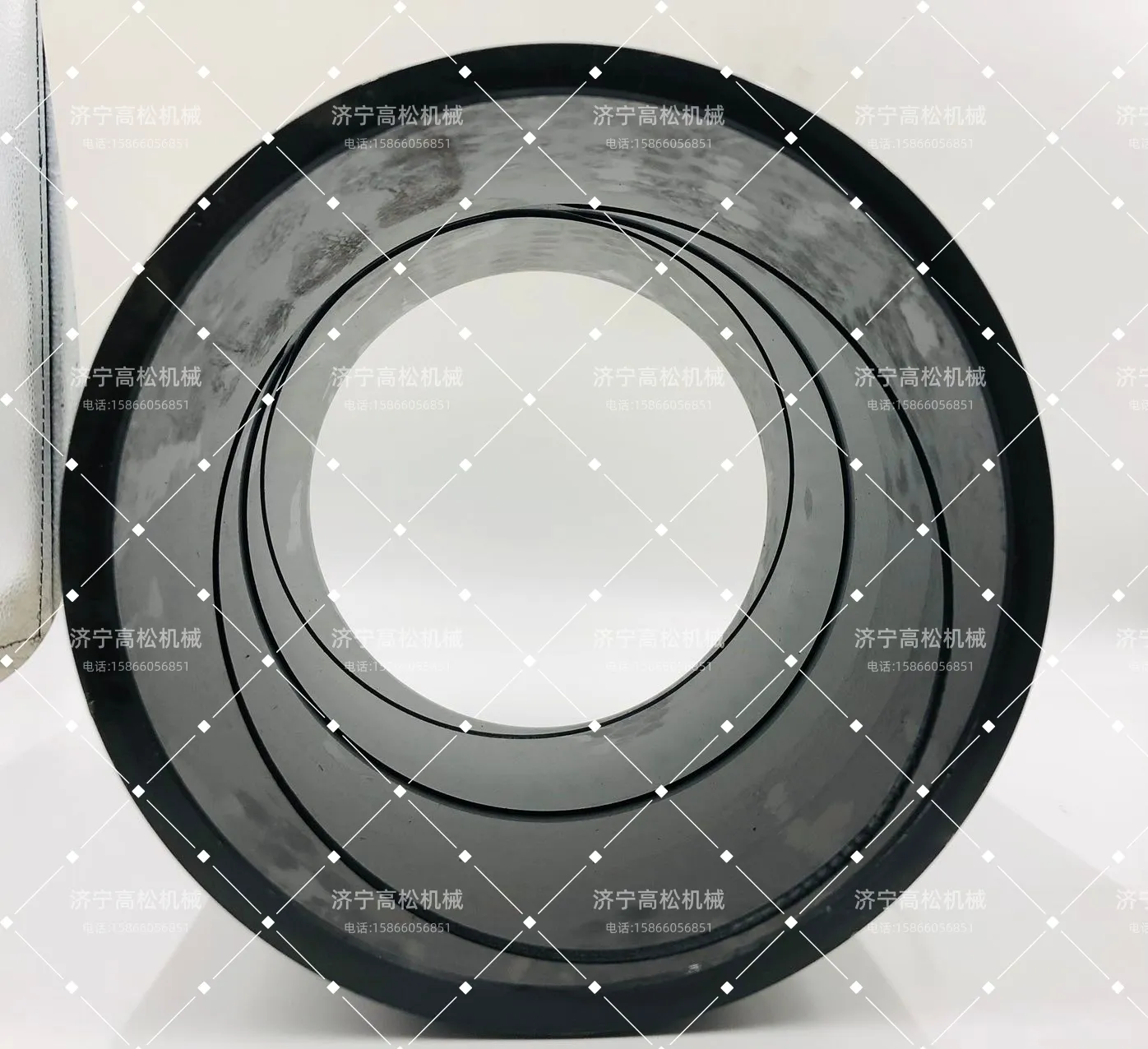 BUSHING 707-76-16011 KOMATSU
 -
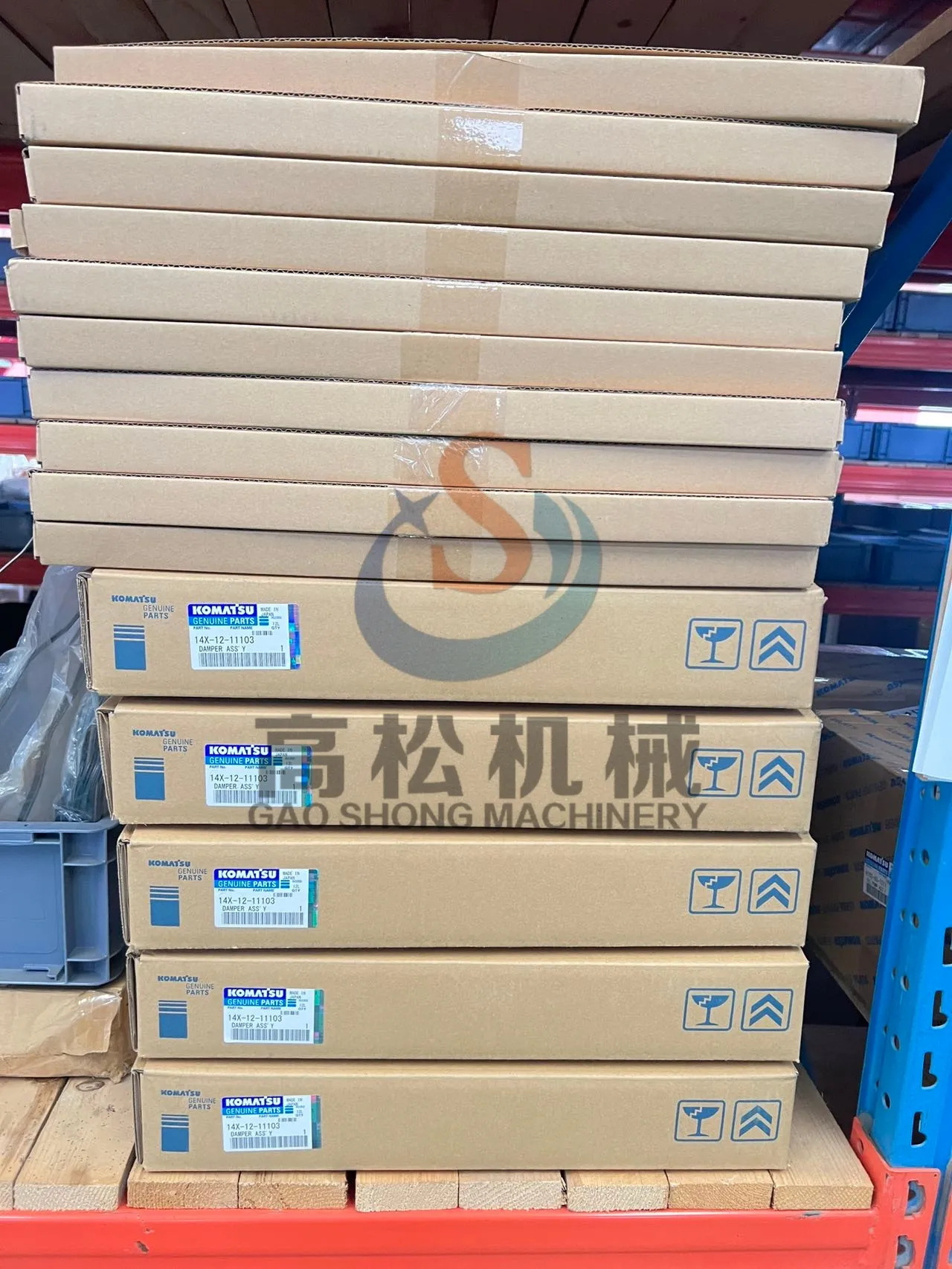 14X-12-11103 Komatsu Damper Disc Assembly