
- Chinese
- French
- German
- Portuguese
- Spanish
- Russian
- Japanese
- Korean
- Arabic
- Irish
- Greek
- Turkish
- Italian
- Danish
- Romanian
- Indonesian
- Czech
- Afrikaans
- Swedish
- Polish
- Basque
- Catalan
- Esperanto
- Hindi
- Lao
- Albanian
- Amharic
- Armenian
- Azerbaijani
- Belarusian
- Bengali
- Bosnian
- Bulgarian
- Cebuano
- Chichewa
- Corsican
- Croatian
- Dutch
- Estonian
- Filipino
- Finnish
- Frisian
- Galician
- Georgian
- Gujarati
- Haitian
- Hausa
- Hawaiian
- Hebrew
- Hmong
- Hungarian
- Icelandic
- Igbo
- Javanese
- Kannada
- Kazakh
- Khmer
- Kurdish
- Kyrgyz
- Latin
- Latvian
- Lithuanian
- Luxembou..
- Macedonian
- Malagasy
- Malay
- Malayalam
- Maltese
- Maori
- Marathi
- Mongolian
- Burmese
- Nepali
- Norwegian
- Pashto
- Persian
- Punjabi
- Serbian
- Sesotho
- Sinhala
- Slovak
- Slovenian
- Somali
- Samoan
- Scots Gaelic
- Shona
- Sindhi
- Sundanese
- Swahili
- Tajik
- Tamil
- Telugu
- Thai
- Ukrainian
- Urdu
- Uzbek
- Vietnamese
- Welsh
- Xhosa
- Yiddish
- Yoruba
- Zulu
- Kinyarwanda
- Tatar
- Oriya
- Turkmen
- Uyghur






Komatsu ripper shank
You see a lot of chatter online about ripper shanks, especially for Komatsu dozers, that focuses purely on hardness ratings or generic premium steel claims. That's the first mistake. A Komatsu ripper shank isn't just a piece of metal you bolt on; its performance is a function of geometry, metallurgical consistency, and crucially, how it integrates with the entire ripper assembly and the specific ground conditions. I've seen too many projects where a shank that looked perfect on paper failed prematurely because no one considered the shock load path or the actual abrasiveness of the material. It's not just about the shank itself, but about the system.
The OEM Reality and the Aftermarket Gap
Working with genuine Komatsu parts sets a baseline. The OEM ripper shank is engineered for a specific balance between wear resistance and shock absorption. The heat treatment zones are precise—the tip needs to be hard, but the body and mounting areas need a different toughness to handle bending stresses. The problem, as many in certain regions know too well, is supply chain logistics. Waiting weeks for a critical wear part like a shank can idle a D375 or D475 for an unacceptable amount of time.
This is where the role of a specialized supplier within the Komatsu ecosystem becomes critical. A company like Jining Gaosong Construction Machinery Co., Ltd. (https://www.takematsumachinery.com) operates in that space. They're not just a generic parts reseller; their position as an OEM product supplier within the Komatsu system means they understand the engineering specs intimately. More importantly, as a third-party sales channel, they address those acute parts supply challenges in markets where direct OEM logistics might be strained. Their value isn't in being cheaper, but in being a reliable, technically-aware source that can keep machines working.
The aftermarket for something like a ripper shank is a minefield. You get products that claim compatibility, but the metallurgy is inconsistent. I've tested shanks that were surface-hardened but had a soft core, leading to catastrophic bending rather than gradual wear. Others got the hardness right but the geometry wrong—the curvature or the pin hole alignment was off by a few millimeters, which doesn't sound like much until you see the accelerated wear on the shank bracket and the loss of ripping efficiency. A supplier embedded in the system is less likely to have these issues because their reputation hinges on matching the OEM performance profile.
Field Observations: Where Theory Meets Dirt
Let's talk about actual failure modes. A common point of confusion is between abrasive wear and impact fracture. In highly abrasive, fragmented rock—think decomposed granite—a Komatsu shank will wear down evenly from the tip back, like a pencil. You want a consistent carbide distribution in the steel here. But in blocky, seismic rock with clay seams, the failure is often a fatigue crack starting just above the hardened tip, or a spalling of material on the leading edge. This is an impact fatigue issue.
I recall a job in a quarry where we were ripping a limestone bench. We were using a non-OEM shank that was marketed as super hard. It worked for about 20 hours. Then it snapped cleanly at the neck. Post-failure, you could see the grain structure was coarse; the heat treatment was too aggressive, making it brittle. We switched to a shank sourced through a proper channel, one that understood the need for a tougher grade for that application, and the service life tripled immediately. The lesson wasn't about hardness; it was about matching the material science to the job.
Another subtle detail is the shank's profile. The Komatsu design often includes a slight forward lean and a specific cross-section that helps channel spoil away from the tip. Cheaper imitations sometimes have a straighter profile. This seems minor, but it increases drag and can cause the dozer to crowd the ripper, putting more stress on the lift cylinders and the tractor's final drives. You're not just wearing out a shank faster; you're adding hidden load to the entire machine.
The Integration Challenge: It's Never Just One Part
You can't talk about the shank without talking about the point. The interface here is critical. A worn or incorrectly seated point will transfer load unevenly to the shank tip, creating stress risers. I always tell crews: inspect the point saddle on the shank as rigorously as you inspect the point itself. If it's galled or deformed, replace the shank. Running a new point on a damaged shank is throwing money away.
Then there's the shank-to-bracket fit. This is where precision manufacturing matters. The pin holes must be true, and the clearance must be to spec. Too tight, and you'll never get the pin out in the field; too loose, and you get that dreaded hammering effect. Every bit of slop translates into kinetic energy that wears both the shank and the bracket. I've seen loose fits wear out a $15,000 bracket because someone saved $500 on a non-spec shank. The total cost of ownership calculation needs to include this.
Suppliers who focus on solving parts supply challenges, like the one mentioned earlier, typically get this. They know that selling a shank that doesn't fit right creates a cascade of problems. Their business relies on providing a solution that works as a system component, not just a standalone piece of metal. This is the difference between a parts seller and a technical supplier.
Material and Process: What You Can't See
The forging process for a quality ripper shank is everything. It aligns the grain flow of the metal to follow the contours of the part, dramatically increasing its strength and fatigue resistance. Cheaper cast or poorly forged shanks have random grain orientation, creating weak points. You can't see this until it fails. An OEM-aligned supplier will have processes that mirror or are approved against these forging standards.
Post-forge heat treatment is the other black box. It's a series of precise temperature cycles—austenitizing, quenching, tempering. The goal is to create a gradient: extreme hardness at the working tip (often HRC 50+) that gradually transitions to a tougher, more ductile structure in the body and mounting areas. Getting this gradient wrong means either a tip that chips or a body that bends. It's a controlled compromise.
This is why provenance matters. When you get a shank from a source deep in the Komatsu supply network, you're buying into that controlled process. You're not buying a mystery metal with a Komatsu bolt pattern. For a fleet manager, this reliability in the unseen qualities is often worth more than a slight upfront cost saving.
Practical Takeaways and a Final Thought
So, what's the actionable advice? First, stop selecting a shank based on a single hardness number. Understand your primary ground condition: is it abrasive wear or impact fatigue that will kill it? Second, inspect the entire system—point, saddle, pin holes, bracket—whenever you change a shank. The shank is the most visible wear item, but it doesn't work in isolation.
Third, build a relationship with a supplier who understands the engineering, not just the inventory. In a global market, having a go-to source like Jining Gaosong Construction Machinery Co., Ltd. (https://www.takematsumachinery.com), which operates with OEM insight and fills specific logistical gaps, can be the difference between a machine down for weeks and a quick, reliable parts turnaround. Their model as an integrated OEM supplier and third-party sales company directly targets the real-world pain point of availability without sacrificing technical fidelity.
Ultimately, a Komatsu ripper shank is a consumable. It's designed to wear and be replaced. The goal isn't infinite life; it's predictable, cost-effective life that protects the more expensive components upstream. Choosing the right shank from the right source is a technical decision with direct bottom-line impact. It's not a commodity purchase. Treat it like one, and the ground will remind you, usually at the worst possible time.
Related Products
Related Products

Best Selling Products
Best Selling Products-
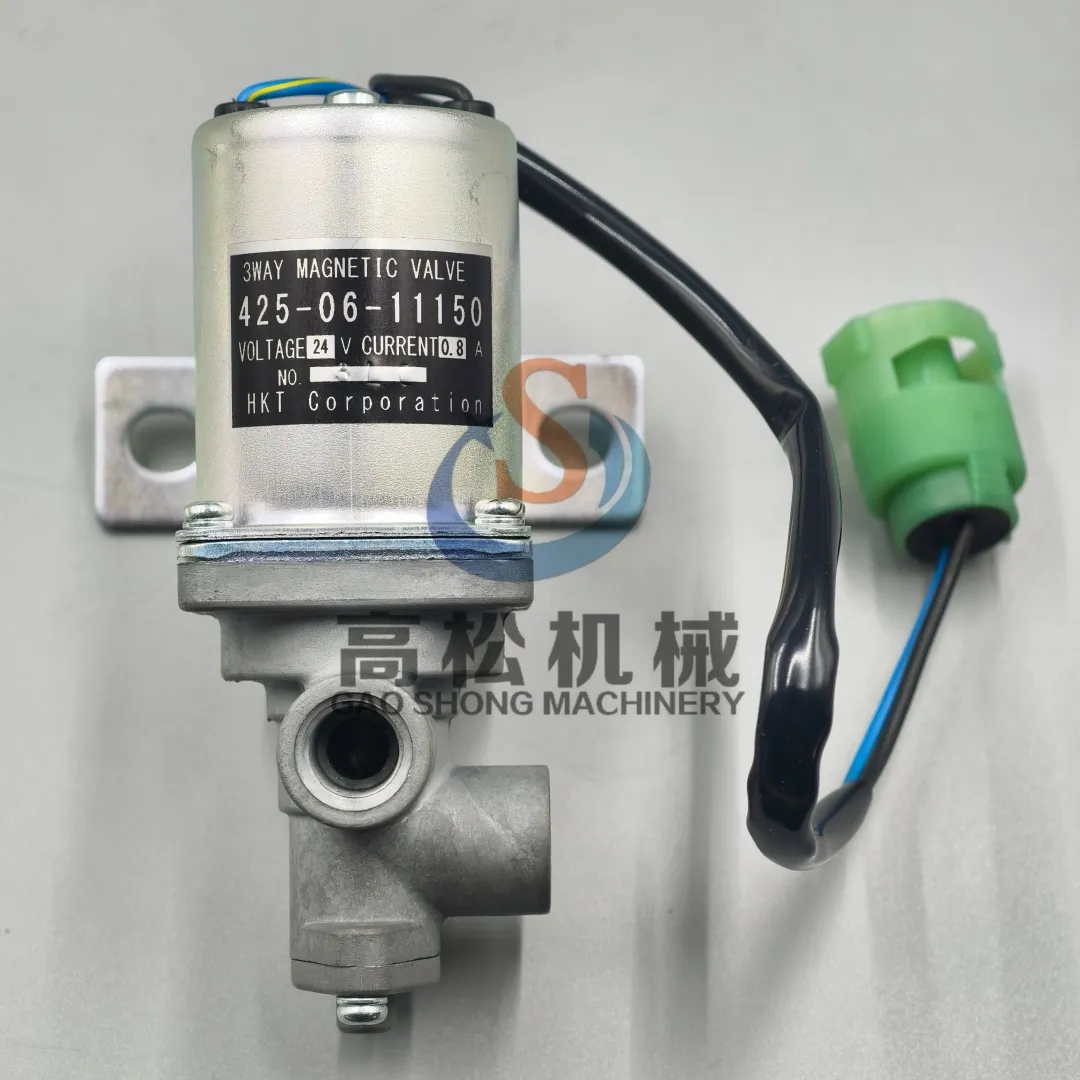 Komatsu Relay 425-06-11150 for Wheel loader WA600-1 12V
 -
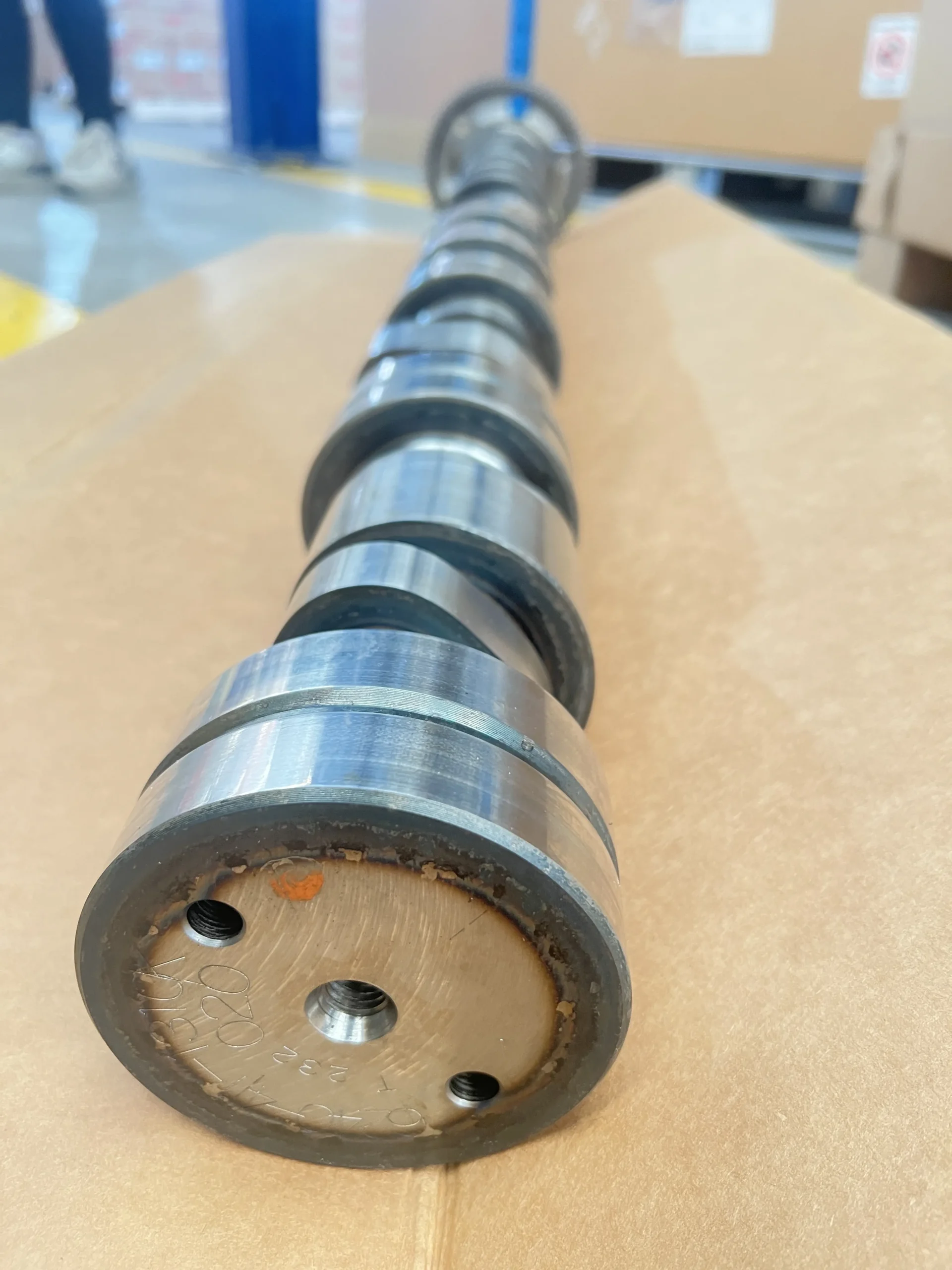 SAA6D170E-3F-8 Camshaft Assembly 6240-41-1300
 -
 PULLEY – KD0-35411-0854
 -
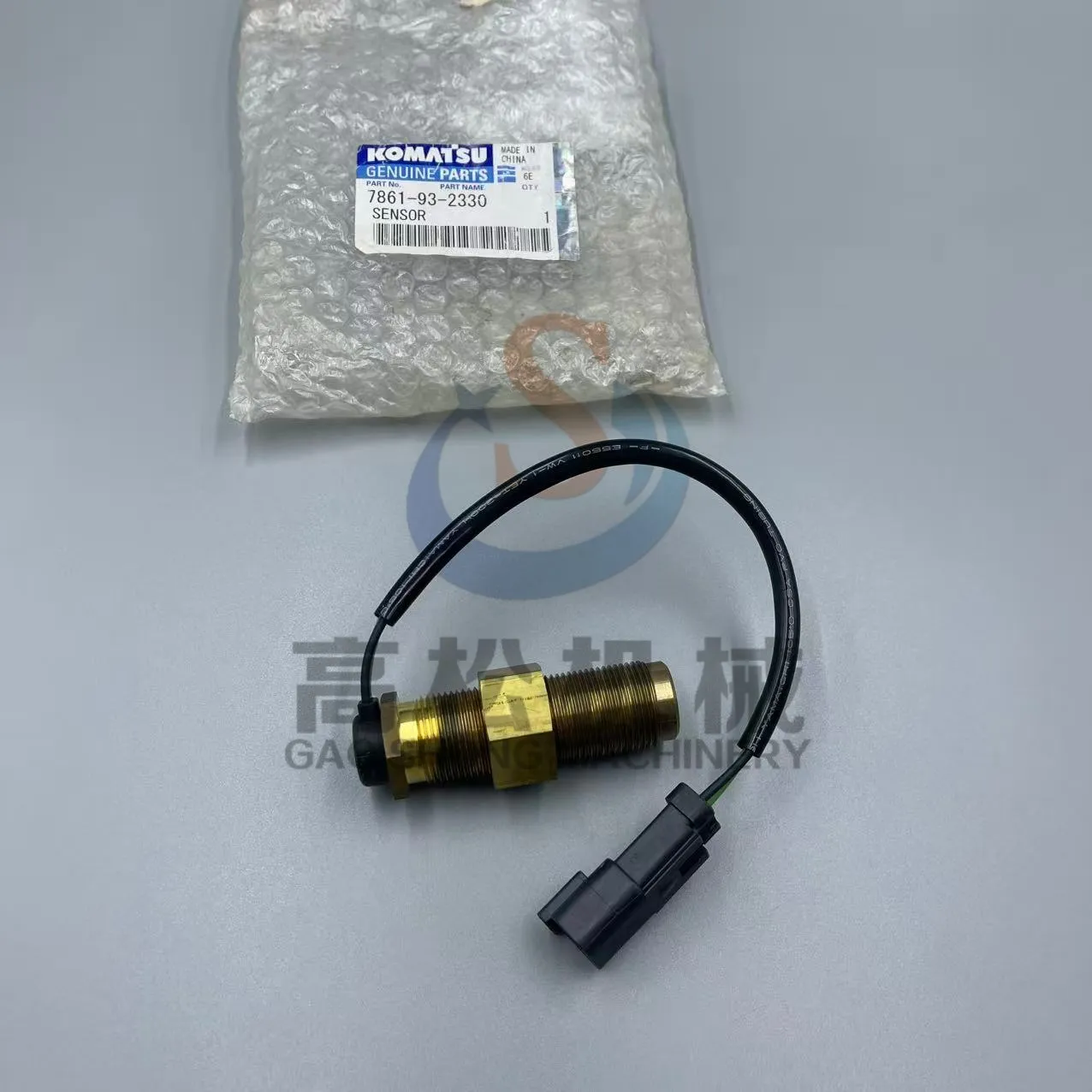 7861-93-2330 Sensor
 -
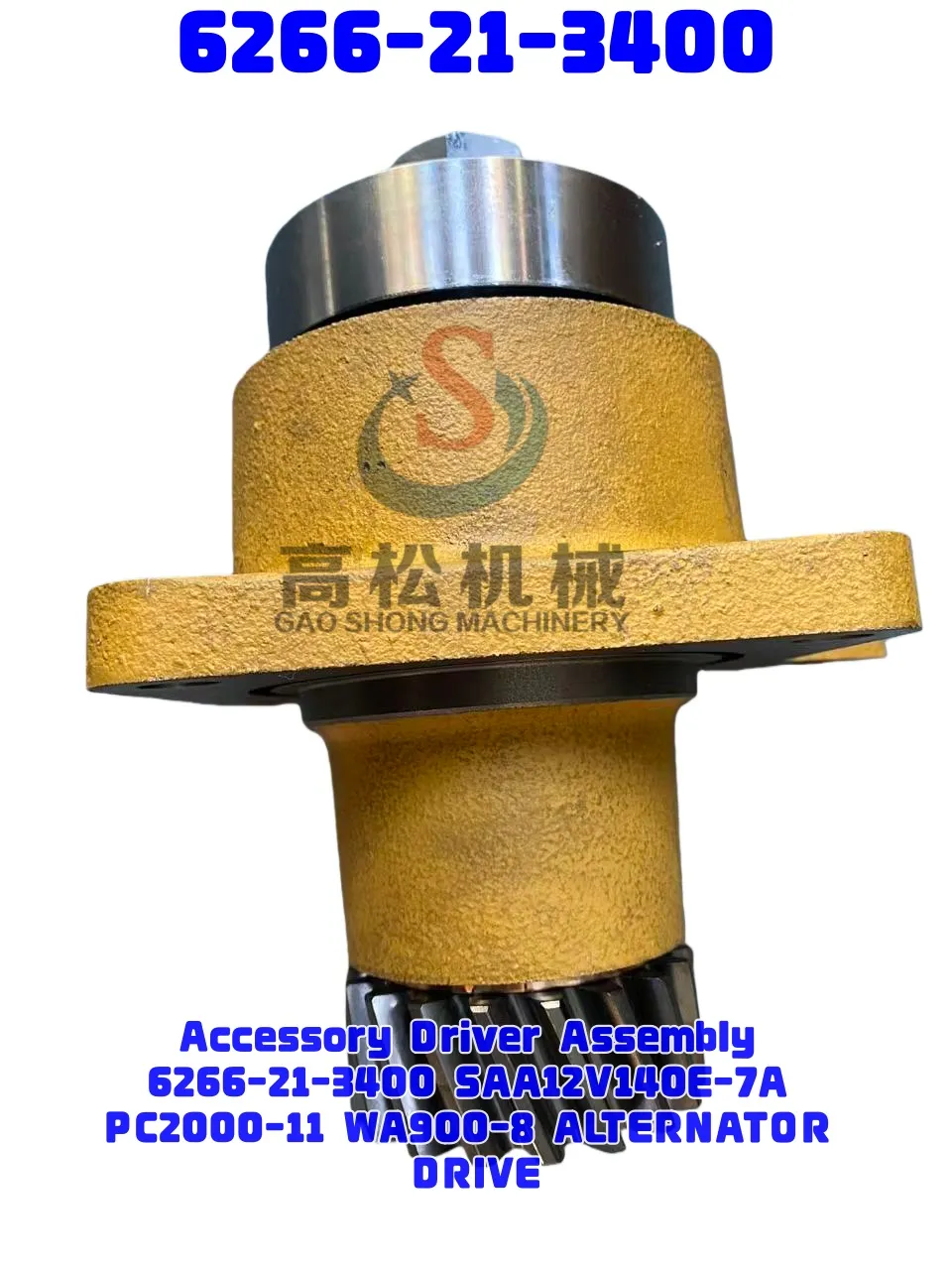 Accessory Driver Assembly 6266-21-3400 SAA12V140E-7A PC2000-11 WA900-8 ALTERNATOR DRIVE
 -
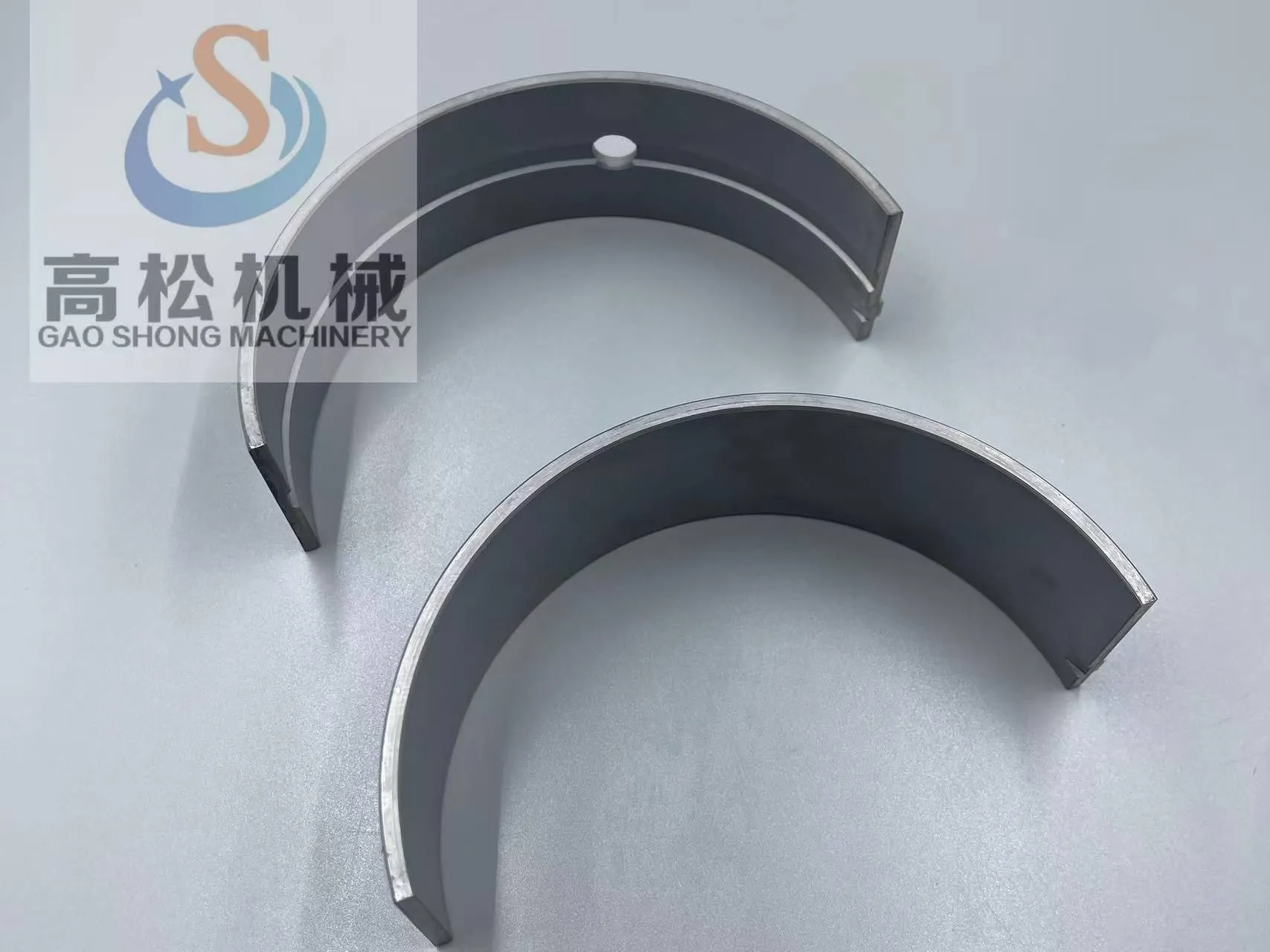 Main bearing of mechanical engine 6162-23-8010, applicable to S6d170 wheel loader, WA600 type Buildozer D375 engine
 -
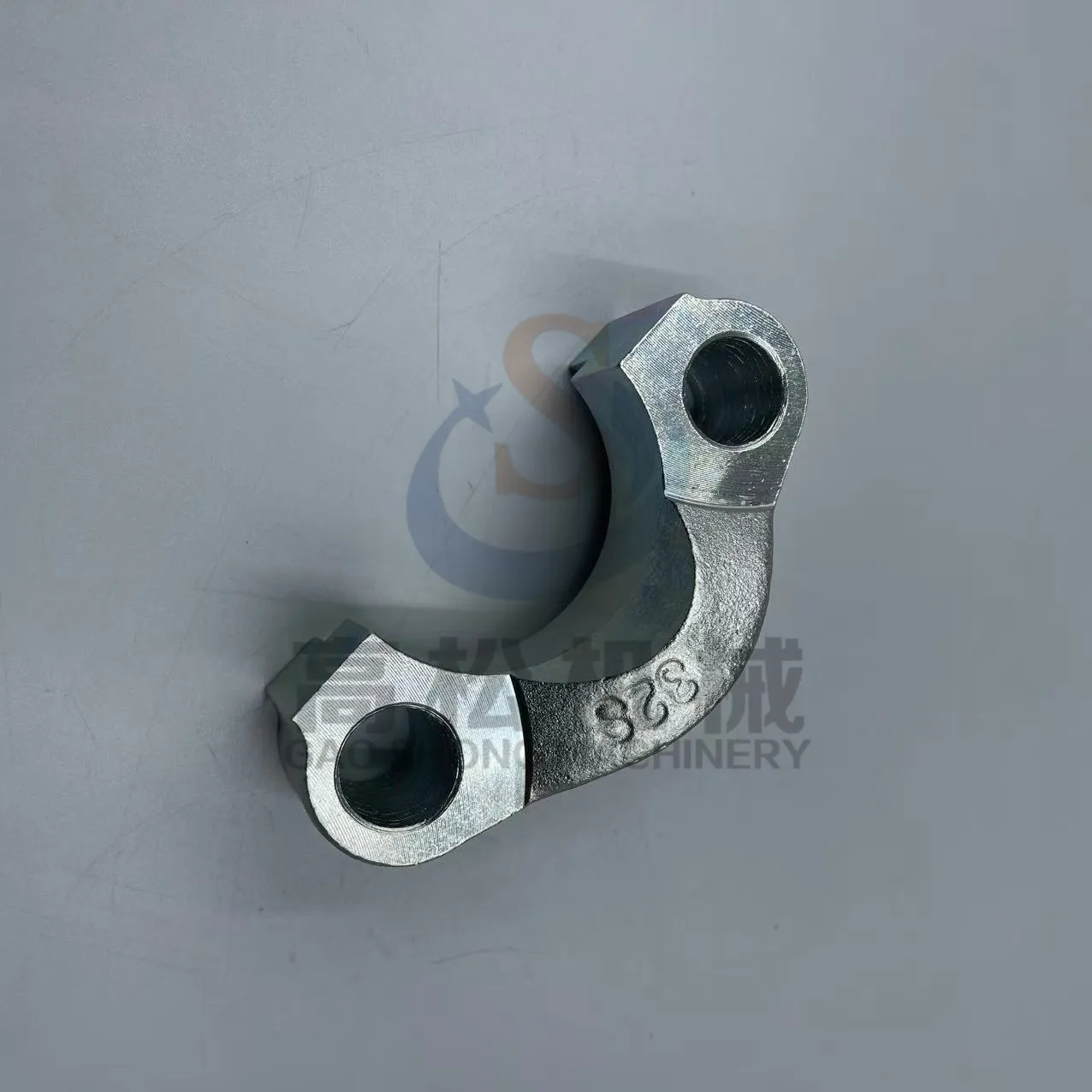 FLANGE 07371-52080 – KOMATSU
 -
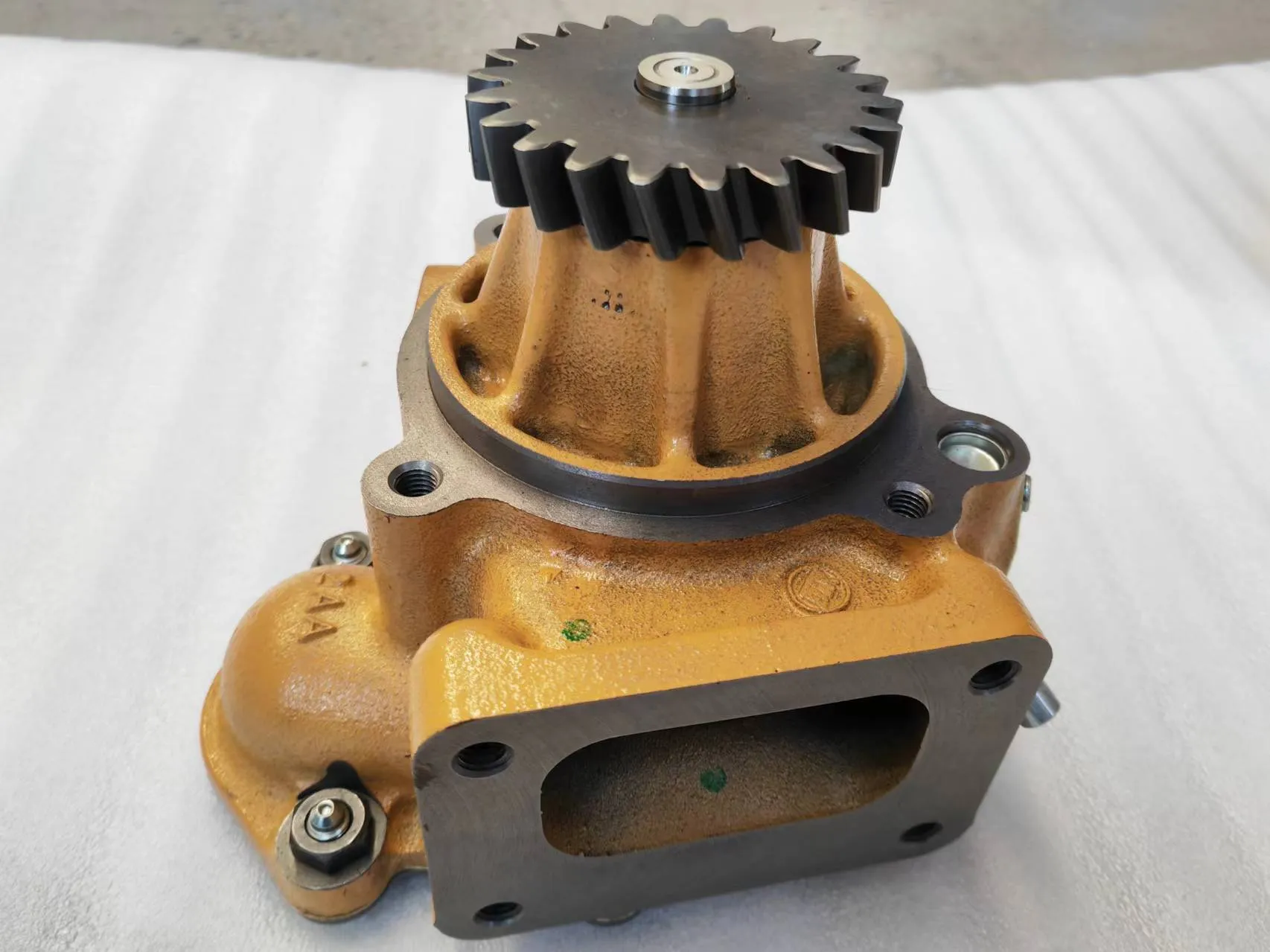 WA480-6 engine water pump 6251-61-1101
 -
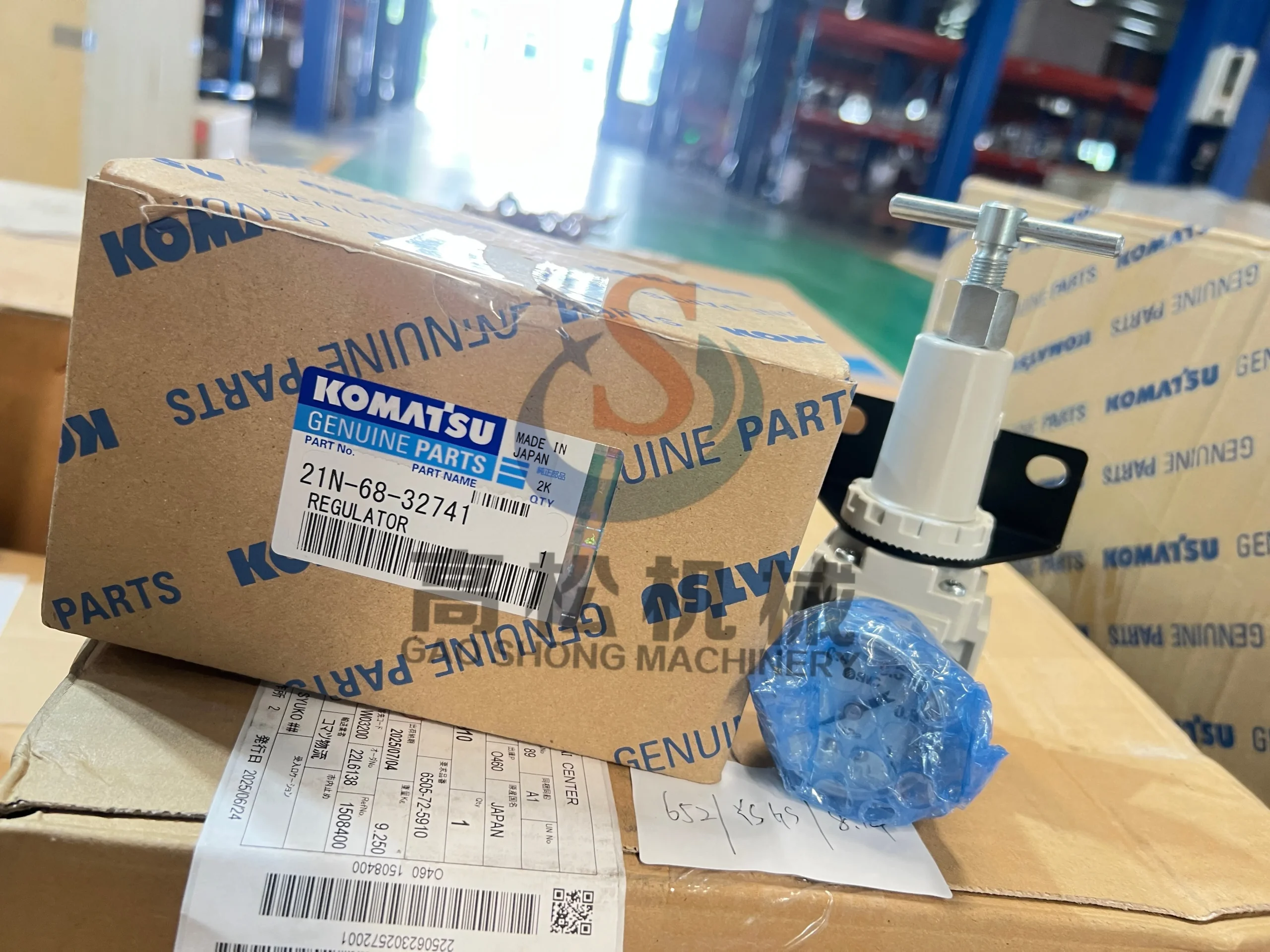 REGULATOR – 21N-68-32741
 -
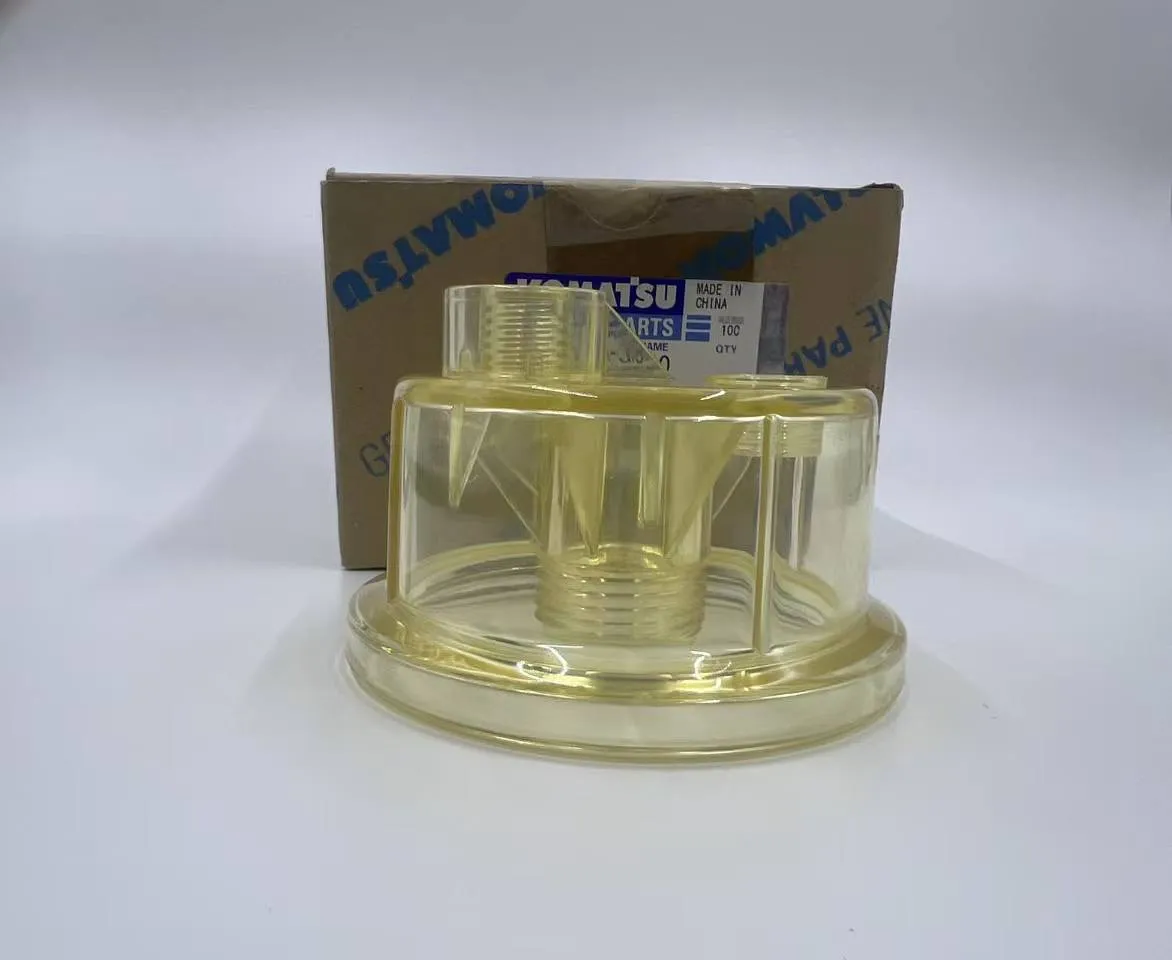 600-311-3640 • BOWL-Komatsu Original Factory
 -
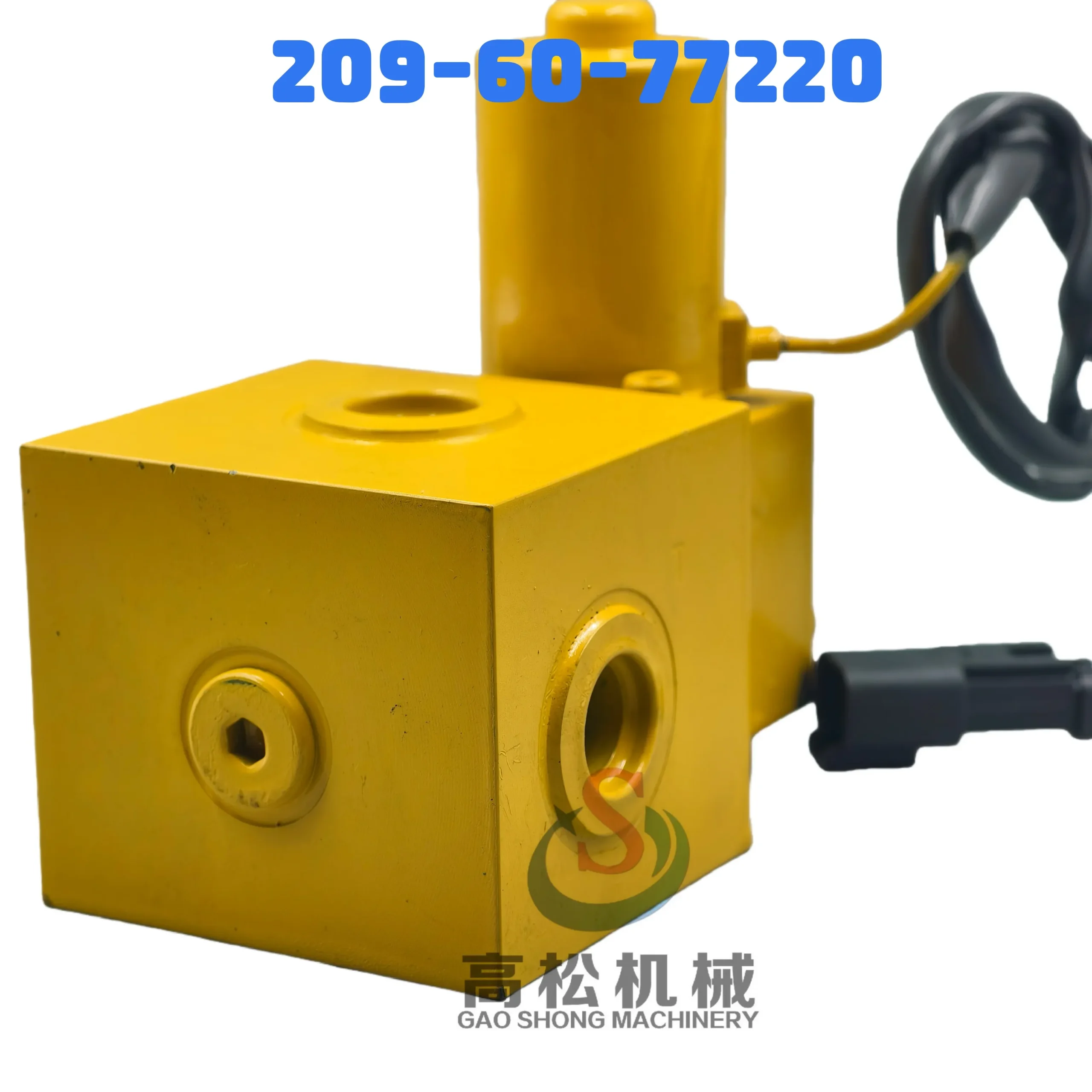 Valve 209-60-77220 for Komatsu
 -
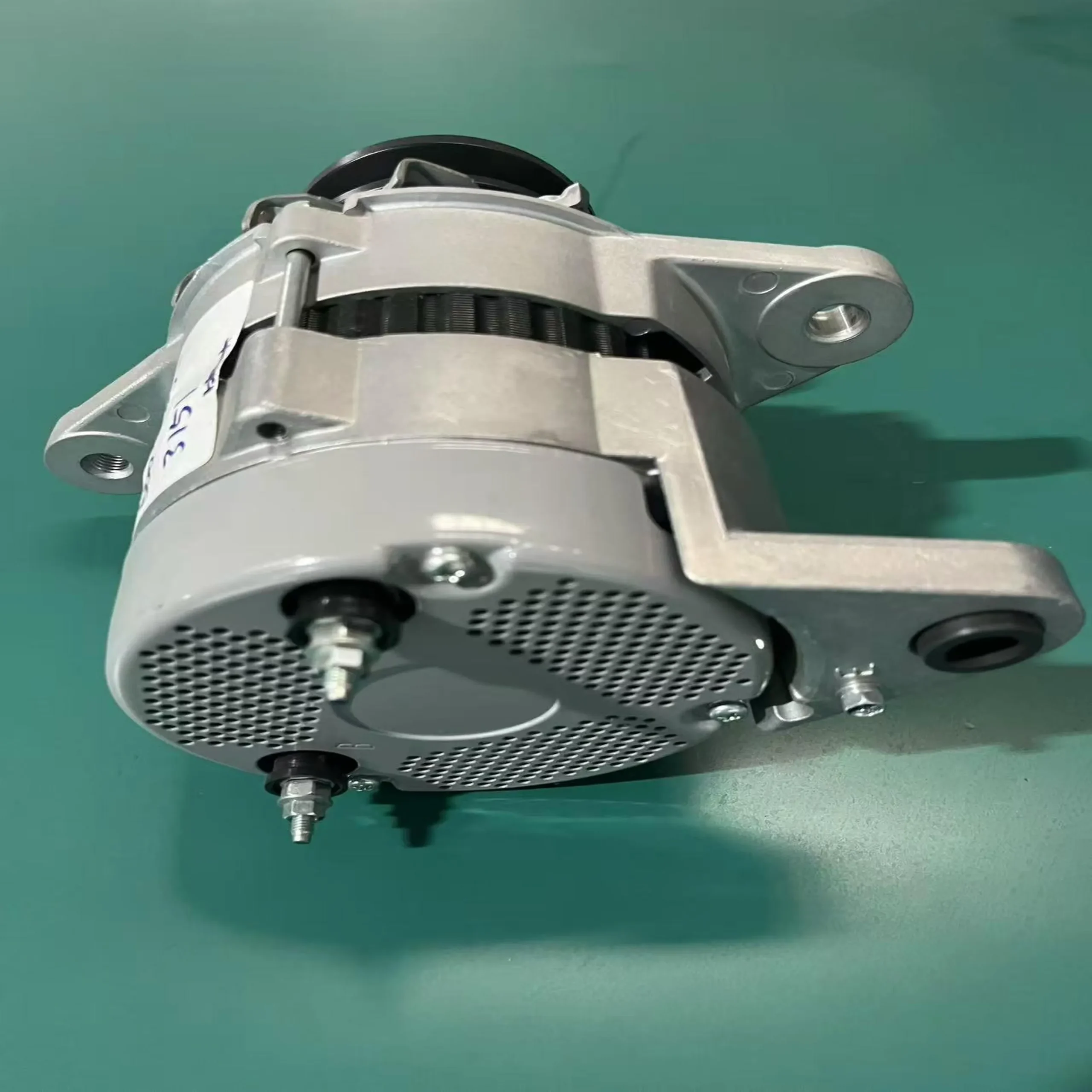 Komatsu D53a D53p Alternator Is Compatible600-825-3250 600-825-3260
Related Search
Related Search- OEM AND ORIGINAL KOMATSU COVER 17M-27-41480
- komatsu forklift spare parts
- komatsu salvage parts
- 195-71-61590
- komatsu dozer parts for sale
- Komatsu grader OEM parts
- komatsu excavator hydraulic pump
- komatsu parts suppliers
- 707-40-28020 • SPACER-Komatsu Original Factory
- OEM AND ORIGINAL KOMATSU LEVER ASSY 702-16-02290