
- Chinese
- French
- German
- Portuguese
- Spanish
- Russian
- Japanese
- Korean
- Arabic
- Irish
- Greek
- Turkish
- Italian
- Danish
- Romanian
- Indonesian
- Czech
- Afrikaans
- Swedish
- Polish
- Basque
- Catalan
- Esperanto
- Hindi
- Lao
- Albanian
- Amharic
- Armenian
- Azerbaijani
- Belarusian
- Bengali
- Bosnian
- Bulgarian
- Cebuano
- Chichewa
- Corsican
- Croatian
- Dutch
- Estonian
- Filipino
- Finnish
- Frisian
- Galician
- Georgian
- Gujarati
- Haitian
- Hausa
- Hawaiian
- Hebrew
- Hmong
- Hungarian
- Icelandic
- Igbo
- Javanese
- Kannada
- Kazakh
- Khmer
- Kurdish
- Kyrgyz
- Latin
- Latvian
- Lithuanian
- Luxembou..
- Macedonian
- Malagasy
- Malay
- Malayalam
- Maltese
- Maori
- Marathi
- Mongolian
- Burmese
- Nepali
- Norwegian
- Pashto
- Persian
- Punjabi
- Serbian
- Sesotho
- Sinhala
- Slovak
- Slovenian
- Somali
- Samoan
- Scots Gaelic
- Shona
- Sindhi
- Sundanese
- Swahili
- Tajik
- Tamil
- Telugu
- Thai
- Ukrainian
- Urdu
- Uzbek
- Vietnamese
- Welsh
- Xhosa
- Yiddish
- Yoruba
- Zulu
- Kinyarwanda
- Tatar
- Oriya
- Turkmen
- Uyghur






Komatsu ripper
When most folks hear 'Komatsu ripper', they picture that big, mean-looking shank on the back of a dozer, tearing into rock. That's not wrong, but it's where the oversimplification starts. The real story isn't just the tool; it's the marriage between that tool and the specific machine, the ground conditions you swear at, and the operational nuance that separates a productive day from a broken one. I've seen too many projects treat it as a simple attachment, a commodity, and pay the price in downtime or underwhelming performance. It's a precision instrument, not a blunt force object.
The Anatomy of a Real-World Ripper Application
Let's get specific. You're not just buying a ripper; you're matching a ripper system to a Komatsu dozer model—say, a D375 or a D65. The OEM specs give you a range, but the field decision hinges on material. Is it layered sandstone with clay seams, or is it heavily weathered basalt? The single-shank Komatsu ripper gets the glory for hard rock, but I've had better luck with a multi-shank setup in fractured limestone where the goal is fragmentation, not just cracking. The mistake is assuming one configuration conquers all.
I recall a site in Queensland, trying to rip old volcanic material. The team used a massive single shank on a D475, thinking more power equals more production. It did, for about four hours. Then, the shock loads started finding every weak point in the mounting frame. The issue wasn't the ripper's strength; it was the resonance frequency of the entire assembly under that particular, brittle material. We backed off, switched to a different shank tip geometry with a slightly shallower attack angle, and spread the load. Production smoothed out. It was a lesson in system dynamics, not just brute force.
This is where the supplier's insight matters. A parts catalog won't tell you this. You need someone who's seen these failures. Companies that live in this space, like Jining Gaosong Construction Machinery Co., Ltd., operate in a useful niche. As an OEM product supplier within the Komatsu system, they see the official specs and tolerances. But by also being a third-party sales channel solving parts supply issues, they inevitably gather a warehouse of field feedback—what breaks, when, and why under non-ideal conditions. That cross-section of OEM standard and aftermarket reality is where practical knowledge lives.
Supply Chain Realities and the Good Enough Trap
Here's a dirty little secret of big iron operations: sometimes, the perfect, serial-number-matched part isn't on the continent. You've got a D155 with a cracked ripper bracket, and the job can't stop for 12 weeks. This is the scenario where the third-party role becomes critical. The challenge is avoiding the good enough trap. A generic bracket might bolt on, but will it handle the cyclical loading the Komatsu engineering team factored in? Probably not the same way.
I've been burned. We used a non-OEM ripper tooth on a D85 because it was available and looked identical. It wore out three times faster. The metallurgy was different; the hardening process was cheaper. The cost savings were obliterated by downtime and replacement frequency. It's a classic false economy. The value of a supplier like the one at https://www.takematsumachinery.com isn't just in having a part, but in having the right part that respects the original design intent, even if it's sourced through alternative channels to beat a supply blockade. Their position as an insider within the Komatsu ecosystem suggests they understand the difference between a compatible part and a compromise.
This matters most for the ripper's core components: the shanks, the tips, and the mounting pins. These are the high-stress, high-wear items. Using a sub-par tip on a genuine Komatsu shank can still ruin your day by causing premature wear on the more expensive component. The philosophy has to be system-wide integrity.
Operational Nuance: It's in the Seat Time
No amount of hardware talk replaces seat time. Running a Komatsu ripper effectively is a feel thing. You're listening to the engine load, watching the material fracture, and feeling the track slippage. The best operators don't just drop the shank and gun it. They find a natural fracture line, work a seam, and use the ripper to pry and lift, not just drag. It's more like dentistry than demolition.
I learned this the hard way, early on. I was ripping caliche, a nasty, cemented soil. I was making dust and noise, but not getting deep. An old hand took the seat. He slowed down. He let the ripper point find a pocket, angled the dozer slightly, and used a curling motion. The ground came up in slabs. The difference was technique, not horsepower. The machine was the same. This nuance is why just slapping any ripper on any dozer is a waste. The machine's hydraulics, weight distribution, and even control valve response need to be in sync with the tool.
This operational knowledge should inform purchasing and maintenance. If your operators are constantly fighting the tool, it might be a mismatch. A good supplier should be asking about your primary material and average operator experience level, not just selling you the biggest unit your machine can theoretically lift.
Failure as a Data Point
Let's talk about breaks. They will happen. A ripper is a consumable item in a harsh environment. The key is to learn from the failure mode. A clean shear on a pin? That's often a designed failure point to save the bracket. Good. Fatigue cracks radiating from a weld on the beam? That's a manufacturing or design flaw. Bad.
We once had a ripper link assembly from a non-OEM source fail catastrophically. The weld looked fine on the surface, but penetration was shallow. It was a quality control issue hidden until it wasn't. The subsequent investigation revealed the steel grade was also off-spec. This is the risk. When your supplier is integrated into the Komatsu system, even as a third-party, their reputation hinges on not letting that happen. Their business model, as described in their mission to solve parts challenges, relies on reliability. If they provide a part that fails and takes a Komatsu machine with it, their access and credibility vanish. That alignment of interests is important for the buyer.
Documenting these failures—photographing the break, noting the hours, the material—creates valuable feedback. This is the kind of data a proactive supplier collects to improve their offerings. It turns a breakdown from pure loss into a diagnostic tool.
The Bottom Line: Context is King
So, what's the takeaway on the Komatsu ripper? It's never just a ripper. It's a system decision influenced by machine model, material science, operator skill, and logistical reality. The goal is sustained productivity, not a one-day hero dig. Choosing support for this system requires the same mindset. You need technical accuracy and supply chain pragmatism.
That's why the landscape includes companies like Jining Gaosong. Their stated role makes sense on the ground. They can provide the OEM-spec integrity where it counts most, but with the flexibility to navigate real-world supply gaps that can paralyze a project. For a site manager, that's not just a vendor; that's a risk mitigation partner.
In the end, it comes back to respecting the complexity. The ripper is the interface between a million-dollar machine and the unyielding earth. Every component, from the main beam to the final tip, needs to be selected and treated with that pressure in mind. There's no room for close enough. The ground you're trying to break certainly won't make any allowances.
Related Products
Related Products

Best Selling Products
Best Selling Products-
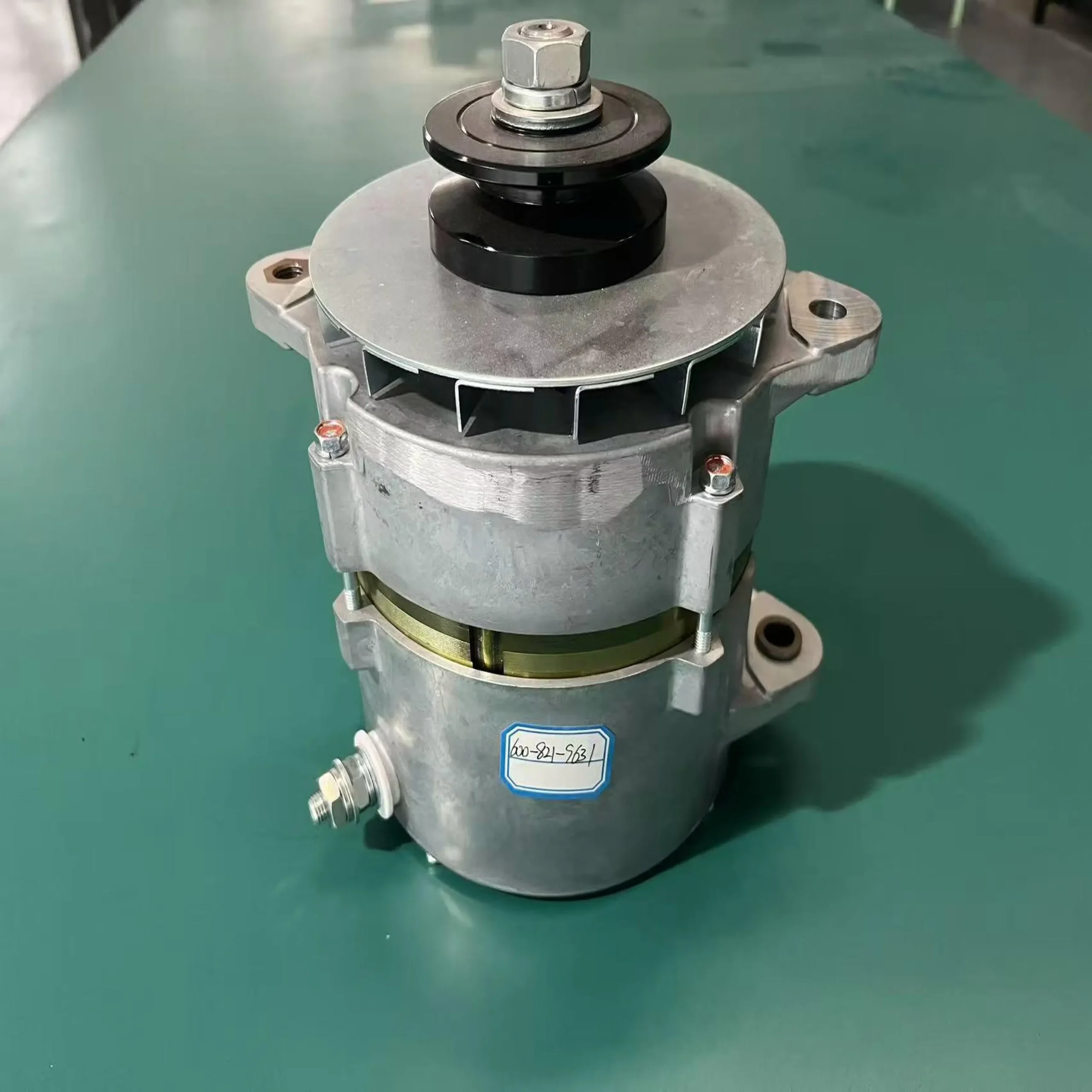 ATG20053 Alternator Compatible With Komatsu Cummins QSK23 600-821-9631 600-821-8260 600-821-9360 600-821-9550 600-821-9311 600-821-9511
 -
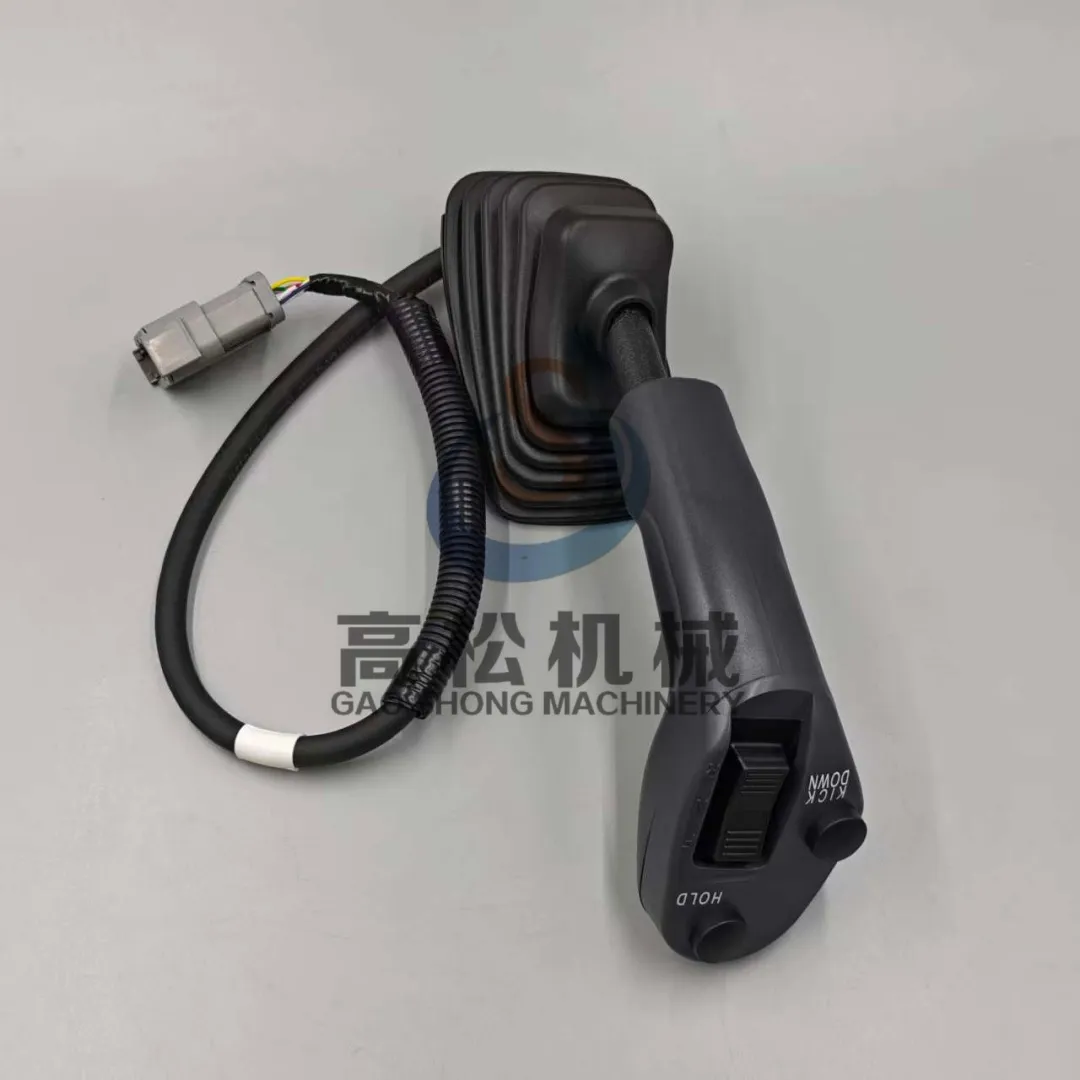 Original New Lever Assembly 423-V91-4144 Handle
 -
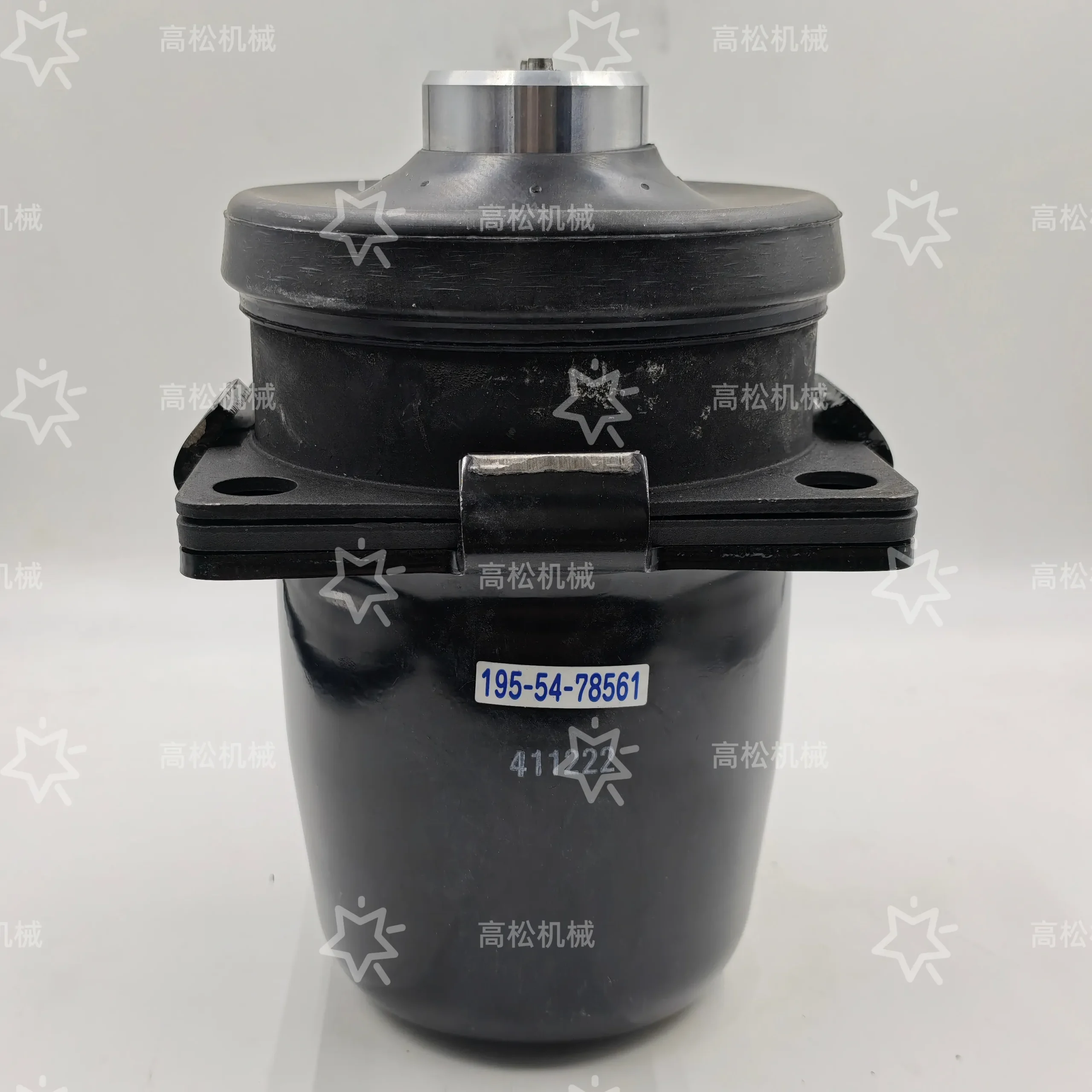 Komatsu D375 bulldozer buffer 195-54-78561
 -
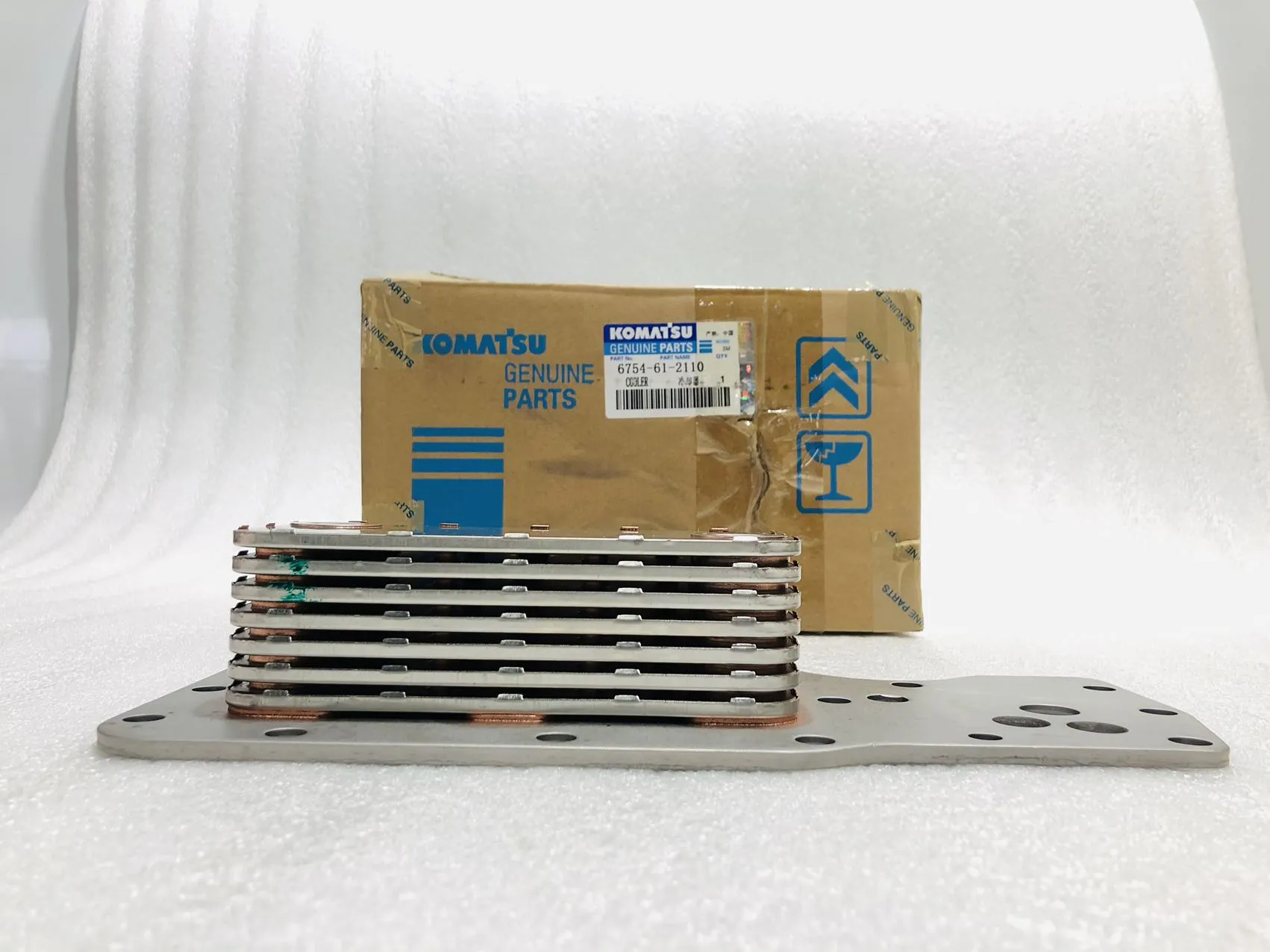 Oil Cooler Core 6240-61-2110 6240-61-2111 for Komatsu Engine SA6D170E-3A SAA6D170E-5A SAA6D170E-7 Excavator PC1250SP-8R
 -
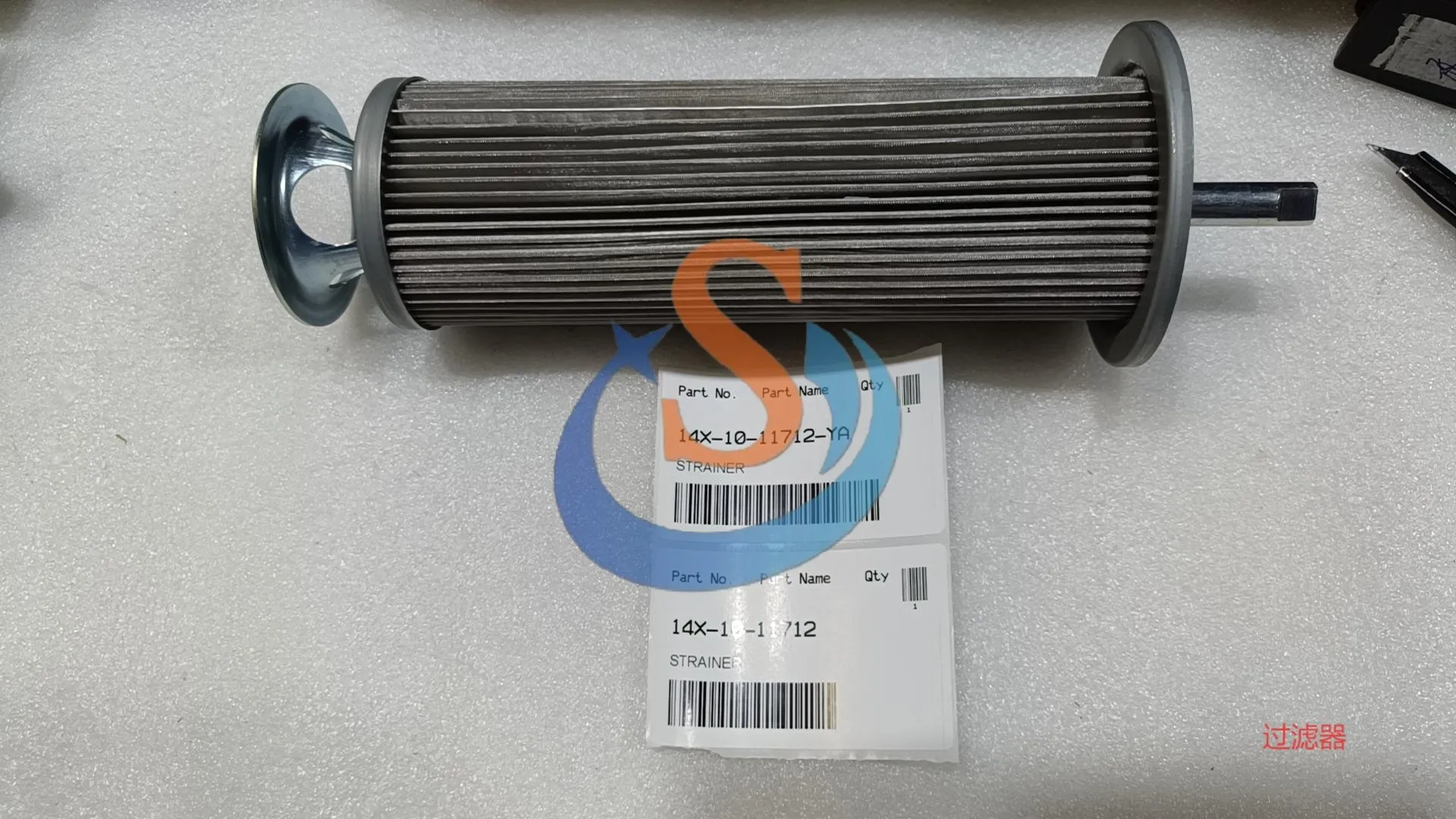 14X-10-11712 STRAINER D65EX/D85EX
 -
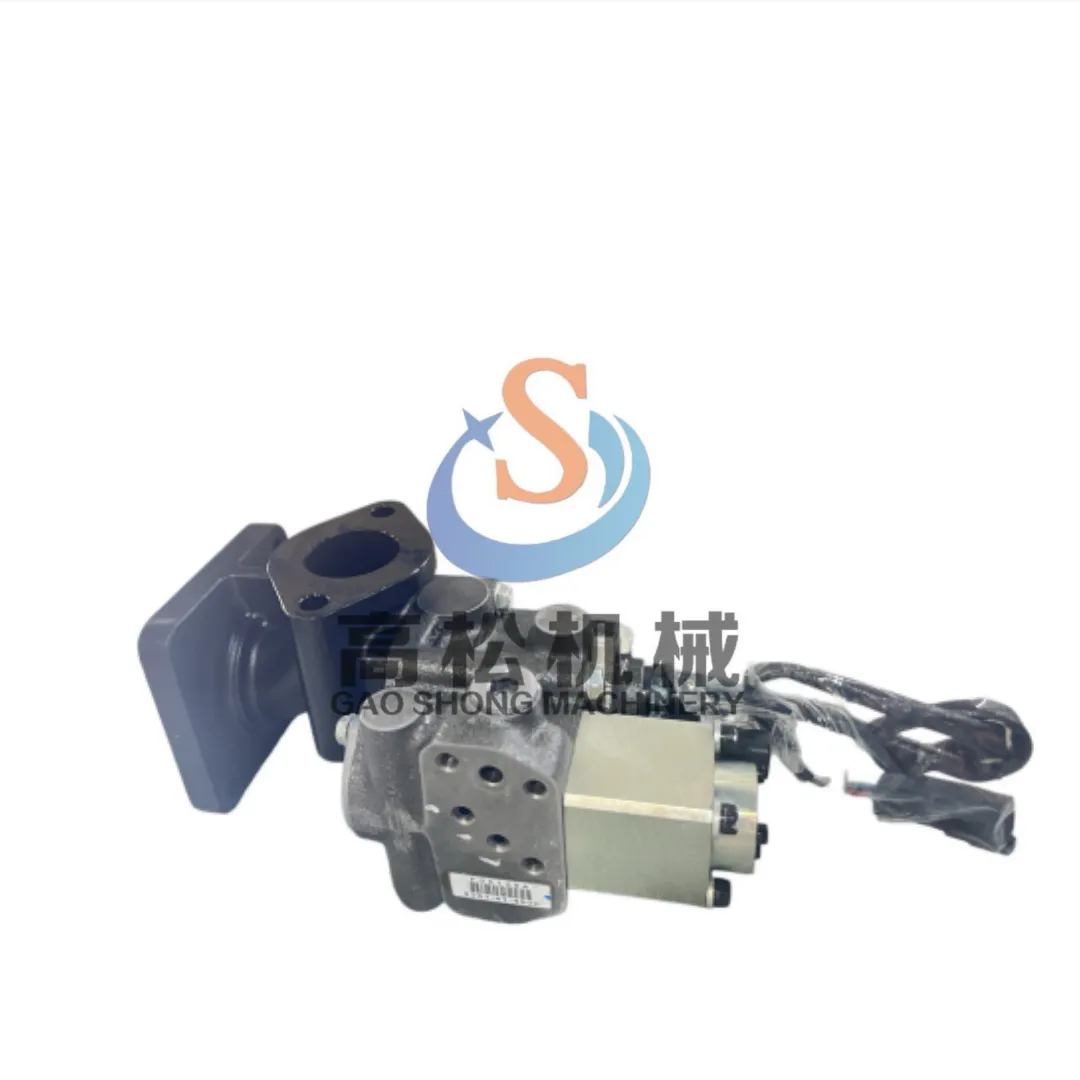 Excavator For Komatsu PC400-7 PC450-7 Control Solenoid Valve 6261-41-4900
 -
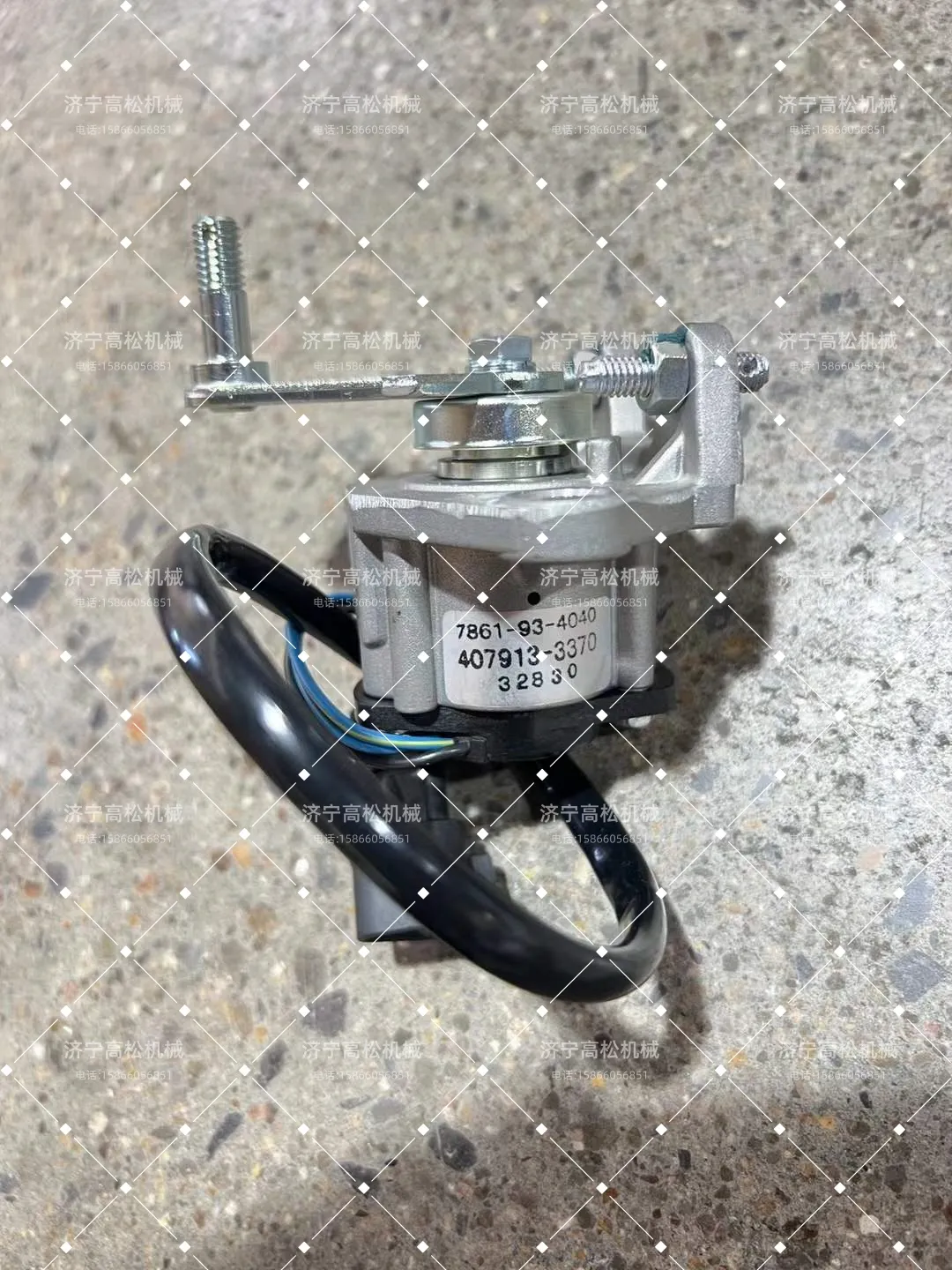 Bulldozer D275 D375 Sensor 7861-93-4040| Alibaba.com
 -
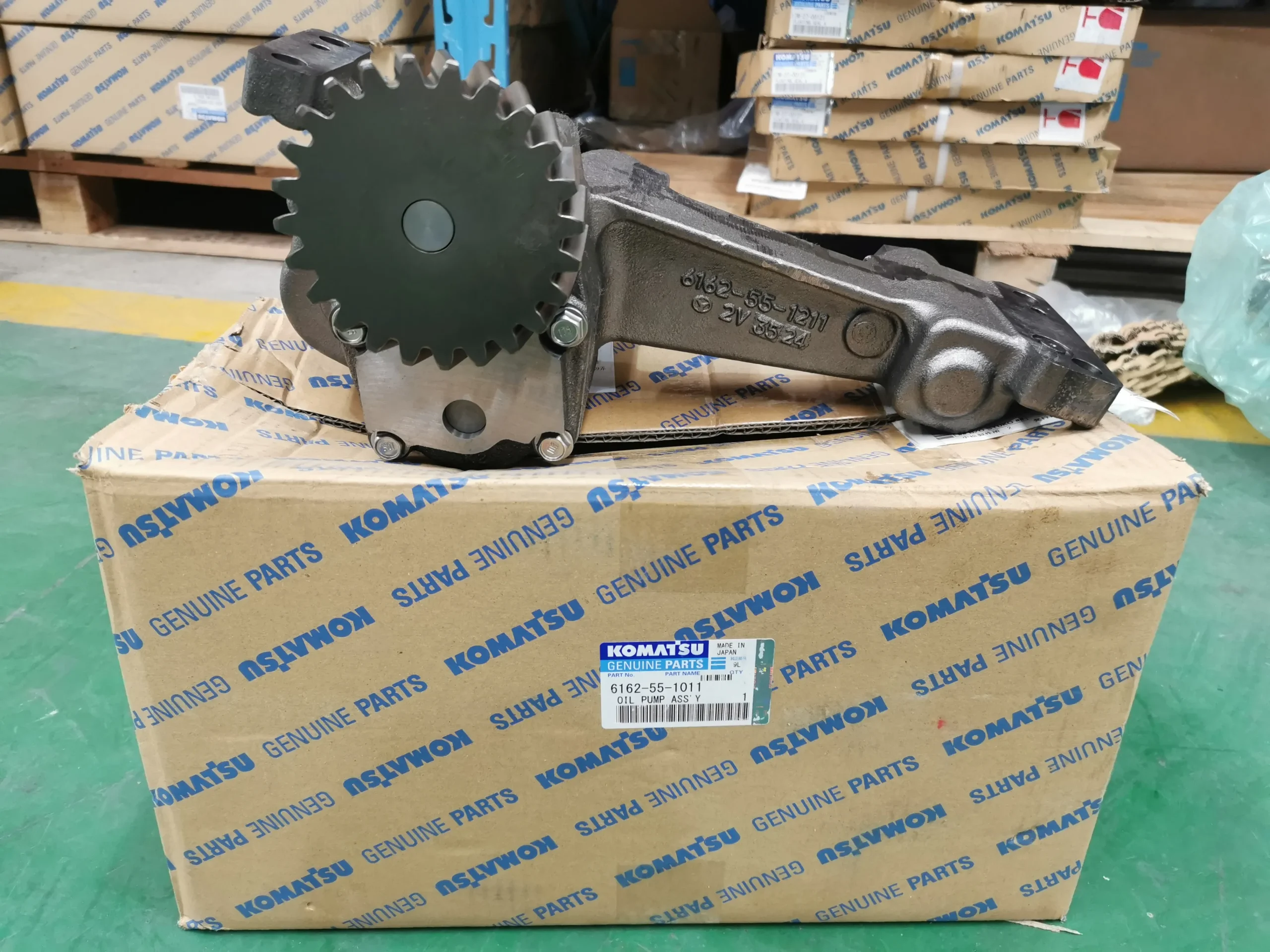 S6D170E-2A Oil Pump 6162-55-1011
 -
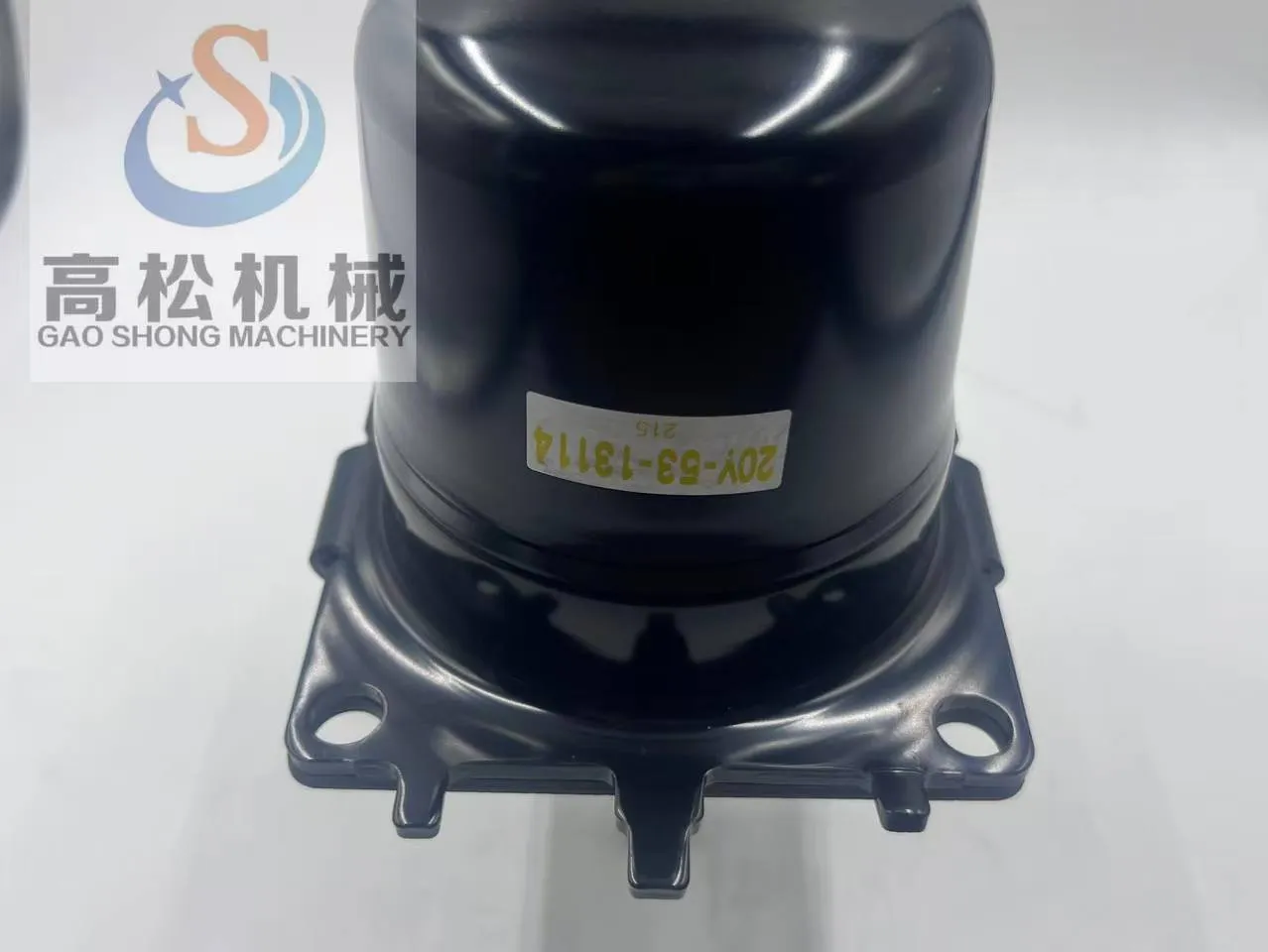 20Y-53-13114/20Y5313114 Buffer pad suitable for excavator PC200-8
 -
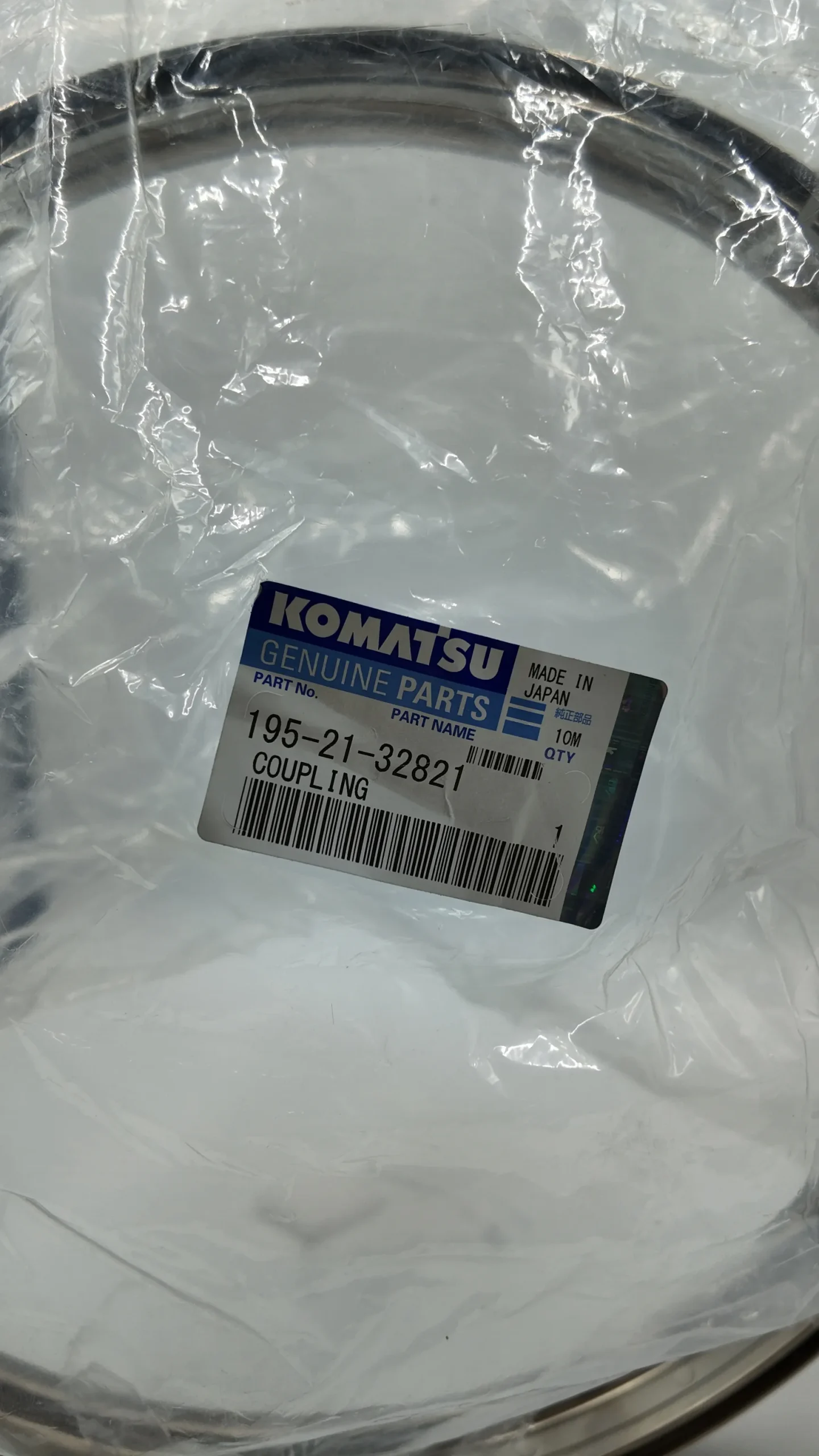 195-21-32821 COUPLING,(HEAVY DUTY) (Komatsu)
 -
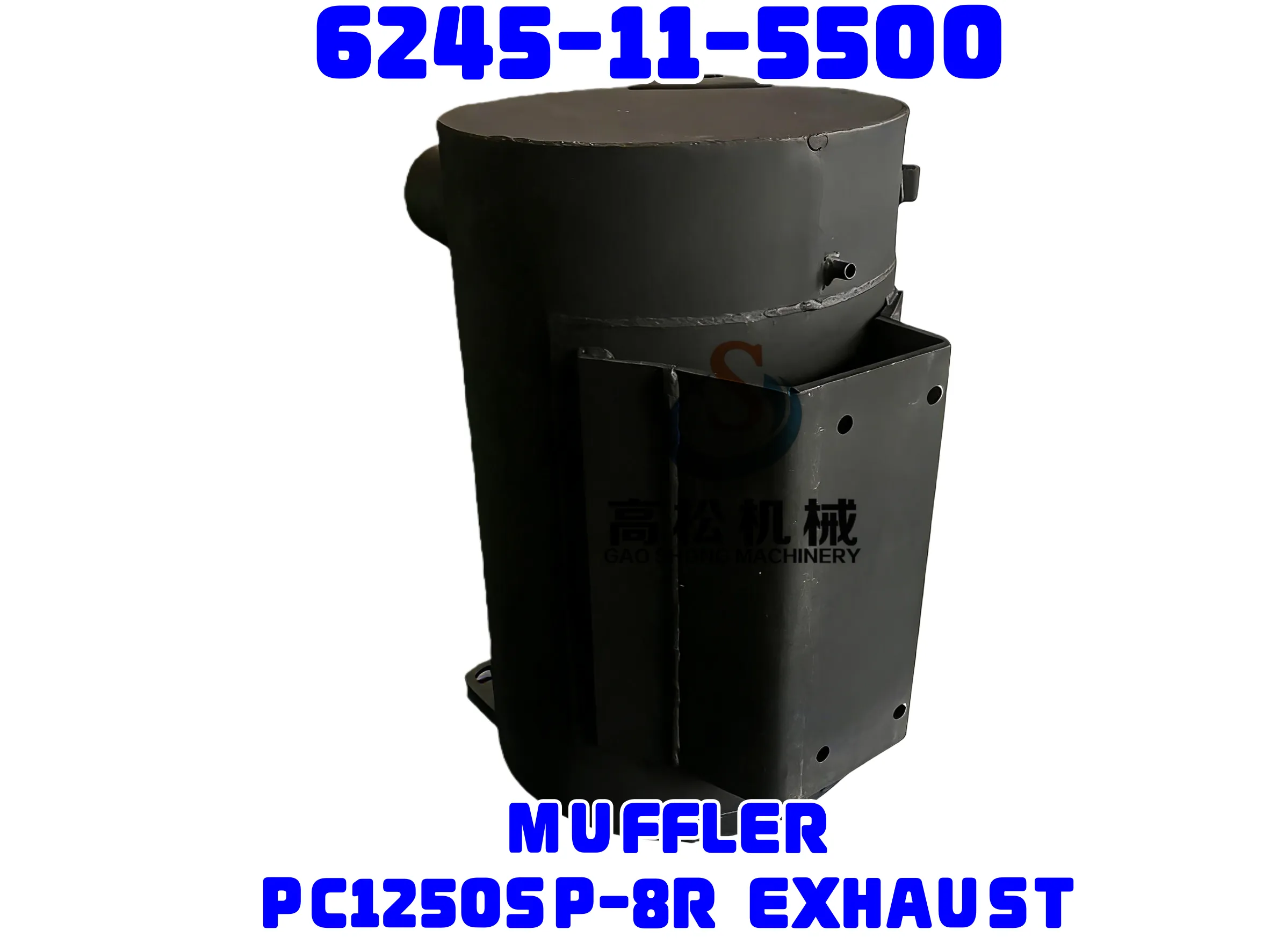 Muffler Silencer 6245-11-5500
 -
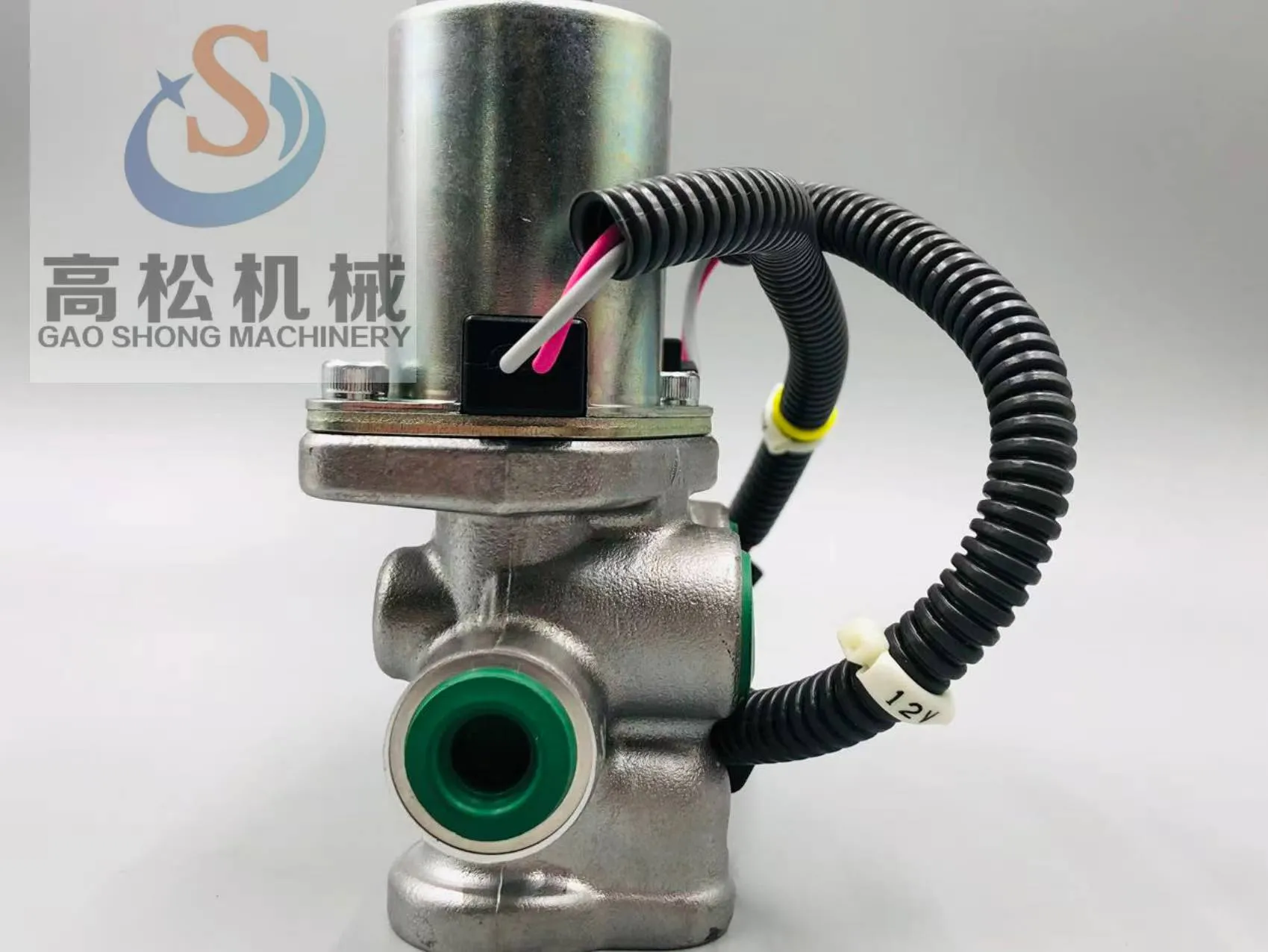 22F-60-21201 22F-60-31600 Solenoid Valve PC56-7 PC55MR-2