
- Chinese
- French
- German
- Portuguese
- Spanish
- Russian
- Japanese
- Korean
- Arabic
- Irish
- Greek
- Turkish
- Italian
- Danish
- Romanian
- Indonesian
- Czech
- Afrikaans
- Swedish
- Polish
- Basque
- Catalan
- Esperanto
- Hindi
- Lao
- Albanian
- Amharic
- Armenian
- Azerbaijani
- Belarusian
- Bengali
- Bosnian
- Bulgarian
- Cebuano
- Chichewa
- Corsican
- Croatian
- Dutch
- Estonian
- Filipino
- Finnish
- Frisian
- Galician
- Georgian
- Gujarati
- Haitian
- Hausa
- Hawaiian
- Hebrew
- Hmong
- Hungarian
- Icelandic
- Igbo
- Javanese
- Kannada
- Kazakh
- Khmer
- Kurdish
- Kyrgyz
- Latin
- Latvian
- Lithuanian
- Luxembou..
- Macedonian
- Malagasy
- Malay
- Malayalam
- Maltese
- Maori
- Marathi
- Mongolian
- Burmese
- Nepali
- Norwegian
- Pashto
- Persian
- Punjabi
- Serbian
- Sesotho
- Sinhala
- Slovak
- Slovenian
- Somali
- Samoan
- Scots Gaelic
- Shona
- Sindhi
- Sundanese
- Swahili
- Tajik
- Tamil
- Telugu
- Thai
- Ukrainian
- Urdu
- Uzbek
- Vietnamese
- Welsh
- Xhosa
- Yiddish
- Yoruba
- Zulu
- Kinyarwanda
- Tatar
- Oriya
- Turkmen
- Uyghur






Komatsu rim
When you hear 'Komatsu rim', the first thing that pops into most people's heads is just a wheel component for a dozer or an excavator. That's the surface level. Where it gets real is understanding that it's not a generic, off-the-shelf item. It's a system-critical interface. The biggest mistake I see is shops treating it like any other heavy-duty rim, thinking the main concern is just steel thickness and bolt pattern. It's not. The real game is in the fit, the load distribution, and how it interacts with the specific Komatsu axle hub and the tire bead seat. A mismatch here doesn't just cause vibration; it can lead to premature hub bearing failure or chronic air leaks from the tire bead. I've spent more hours than I care to admit troubleshooting mysterious bearing issues that traced back to a non-OE spec rim that was a millimeter off on the center bore. That millimeter costs thousands in downtime.
The OEM Spec vs. The Aftermarket Reality
Working with an OEM product supplier within the Komatsu network, like Jining Gaosong, changes your perspective. You stop looking at parts as commodities. Their role isn't just to sell a rim; it's to provide the exact component that left the Komatsu factory. This means the metallurgy, the heat treatment, the precise machining of the mounting surface and the bead seat taper are all to Komatsu's internal engineering standards. It's a controlled process. The rim isn't just a ring of metal; it's a certified part of a larger drive or undercarriage system. When you buy through their channel at takematsumachinery.com, you're paying for that certainty, which, in high-uptime applications, isn't a luxury—it's a cost-saving measure.
The aftermarket, of course, floods the zone with alternatives. And look, I've used them. Sometimes budget or immediate availability forces your hand. But you learn to inspect them with a paranoid level of detail. I remember a batch of aftermarket rims for a PC360 where the valve stem hole was drilled just a few degrees off from the OEM position. It seemed trivial until we mounted the tire and found the stem was pressed against a section of the rim's inner well, stressing it every time the wheel rotated. Led to slow leaks that drove the site mechanics crazy for weeks. An OEM-spec part from a supplier like Gaosong simply wouldn't have that flaw. Their business model, as they state, is built on being an OEM product supplier within the Komatsu system, and that specificity matters.
This is where the practical judgment comes in. For a machine in a severe application—say, a mining site with a Komatsu 785 haul truck—I wouldn't even entertain a non-OE rim on the front steering axle. The lateral forces are immense. For a less critical application, maybe a light-duty machine in a yard, a high-quality aftermarket rim might be a calculated risk. But you have to know how to vet it: check the weld seam consistency, measure the center bore and pilot diameter with calipers (not just a tape), and compare the weight to a known-good OEM rim. A significant weight difference often indicates a variance in material or design that affects dynamic balance.
Solving Real-World Supply Chain Headaches
Their other role, as a third-party sales company for Komatsu, helping to solve parts supply challenges in certain countries, is arguably more valuable on the ground. I've been in situations where the official regional distributor was back-ordered on a specific Komatsu rim for eight weeks. A machine down, project managers breathing down your neck. That's when a parallel, authorized channel is a lifeline. Companies like Jining Gaosong operate in that space. They understand the global parts labyrinth and can often navigate it to get a genuine part to a port in Nigeria, Chile, or Indonesia faster than the local pipeline can.
It's not magic; it's logistics and relationships. They might have that rim in a bonded warehouse in Singapore or Rotterdam, ready to ship. The key is they're still moving Komatsu-genuine parts, not grey-market knock-offs. This solves the authenticity problem that plagues many emerging markets. I've seen entire containers of Komatsu-compatible rims fail magnetic particle inspection, revealing hairline cracks near the bolt holes. The failure point is almost always at the stress concentration zones, which the OEM design specifically mitigates through its forging process.
One specific case involved a Komatsu WA500 wheel loader in a remote quarry. We needed a rear rim. The local dealer's system showed none in the region, with a factory lead time that was a non-starter. We reached out to a third-party supplier with OEM links. They cross-referenced the part number, confirmed it was from Komatsu's own production line, and had it air-freighted to the nearest major city within five days. The cost was higher, but the alternative was a $300k machine sitting idle for over a month. The calculus was simple. The rim arrived, still in the original Komatsu packaging with the correct factory markings. It bolted on without a single issue. That's the value proposition.
The Nuances of Fitment and Application
Even within the OEM world, not all Komatsu rims are created equal. A rim for a Dash-8 series dozer might look similar to one for a Dash-3, but the hub interface could be subtly different. The part number is gospel. I learned this the hard way early on, assuming a rim from a similar-sized machine would work. It physically bolted on, but there was a slight gap between the rim's mounting face and the hub's pilot flange. It wasn't visible to the eye, maybe half a millimeter. We torqued the nuts down, thinking it was fine. The result was a wobble that manifested only at high RPMs during transport, and it accelerated wear on the studs. Had to pull it all off again. Now, I always check the Komatsu parts manual or consult with a technical contact at a supplier who has direct access to those fitment guides.
Tire technology also plays into this. The rise of wide-base single tires (like the 65/55 series) on haul trucks puts different stresses on the rim flange compared to traditional dual configurations. The rim's bead seat area and flange profile are engineered for that specific tire. Using a rim designed for duals with a wide-base tire is asking for a bead seat chafing failure. Suppliers who are deep in the system will ask you not just for the machine model, but for the exact tire specification you're running. It's that level of detail that separates a parts clerk from a solutions provider.
Then there's the issue of repairs. Can you weld a cracked Komatsu rim? The official answer from any OEM is a hard no. In practice, in some remote areas, it's done out of pure necessity. But it's a major structural risk. The heat from welding alters the tempered microstructure of the steel around the weld, creating a brittle zone. If you must do it as a temporary field fix to get a machine to a shop, it should be done by a certified welder using pre-heat and post-heat treatment protocols, and the rim must be marked and replaced at the very first opportunity. It's never a permanent solution. A proper supplier will emphasize this risk, not just sell you a new rim and be done with it.
Beyond the Rim: The Total Cost of Ownership View
This is the core of the argument for sourcing through dedicated channels. The initial purchase price of a genuine Komatsu rim from an OEM product supplier is higher. No doubt. But you have to factor in the total cost. That includes the labor to install it once, the absence of downtime for re-work or troubleshooting, the extended life of the adjoining components (wheel bearings, seals, studs), and the elimination of tire-related downtime from poor bead seating.
I've done the comparisons. A pattern I've observed: machines consistently fitted with OEM-spec rims, often sourced through reliable third-party OEM suppliers like the one mentioned, have markedly lower incidences of wheel-end-related work orders over a 10,000-hour period. The data is in the maintenance logs. You see fewer entries for re-torque wheel nuts, investigate vibration, or replace wheel bearing. It's a quiet, uneventful reliability that doesn't get noticed, which is exactly what you want.
For a fleet manager or an owner, building a relationship with a company that provides both the genuine part and the logistical solution, as outlined in Jining Gaosong's brief that they are helping to solve parts supply challenges, is a strategic move. It turns a simple component like a rim from a reactive purchase into a planned, reliability-centered one. You're not just buying a piece of metal; you're buying predictable uptime. In our world, that's the only currency that truly matters. So next time you look at a Komatsu rim, see it as the first link in a chain of reliability—or the first point of failure. Where you source it determines which one it'll be.
Related Products
Related Products

Best Selling Products
Best Selling Products-
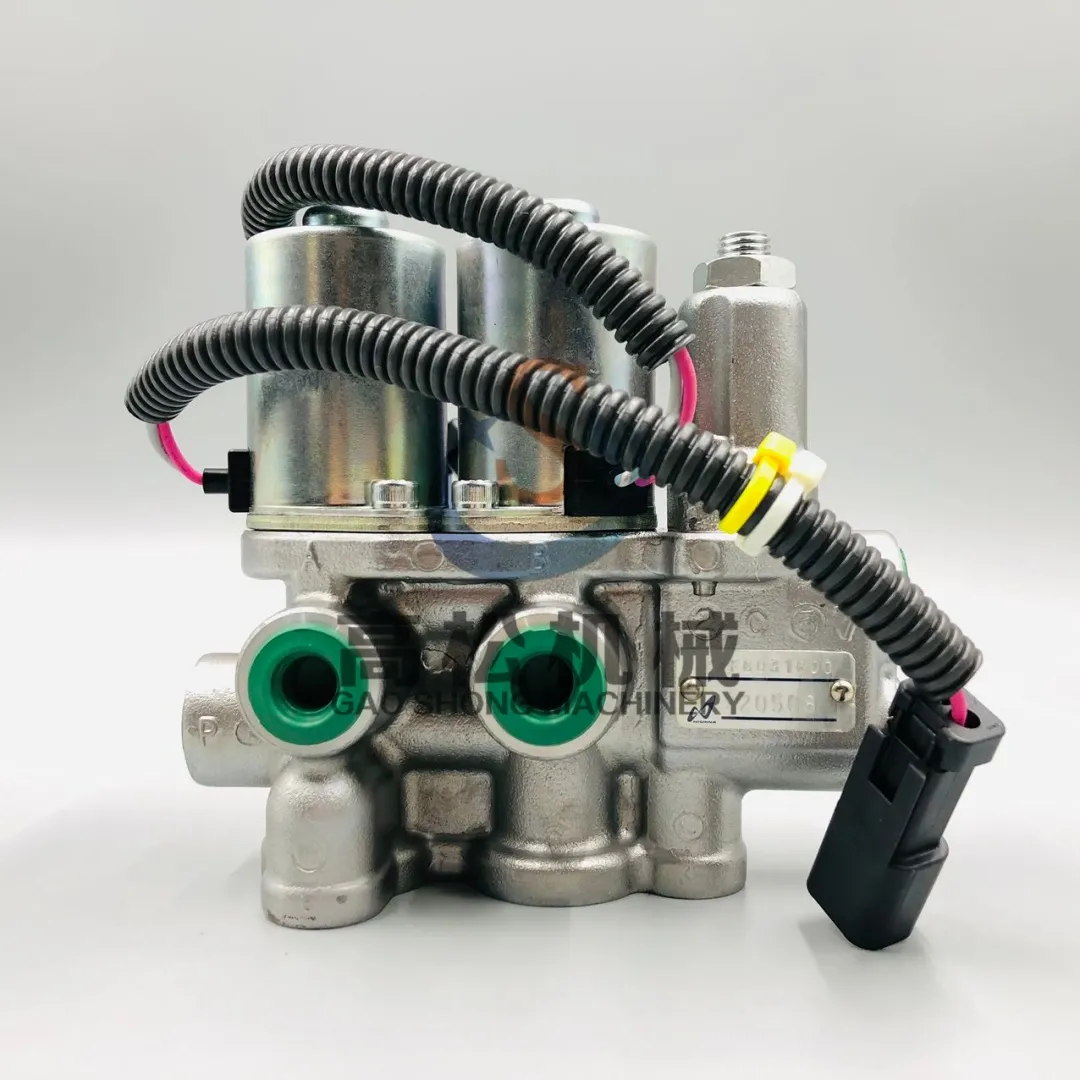 22F-60-31600 Solenoid Valve Ass’y for Komatsu PC18MR-3 PC35MR-3 PC45MR-3 PC55MR-3
 -
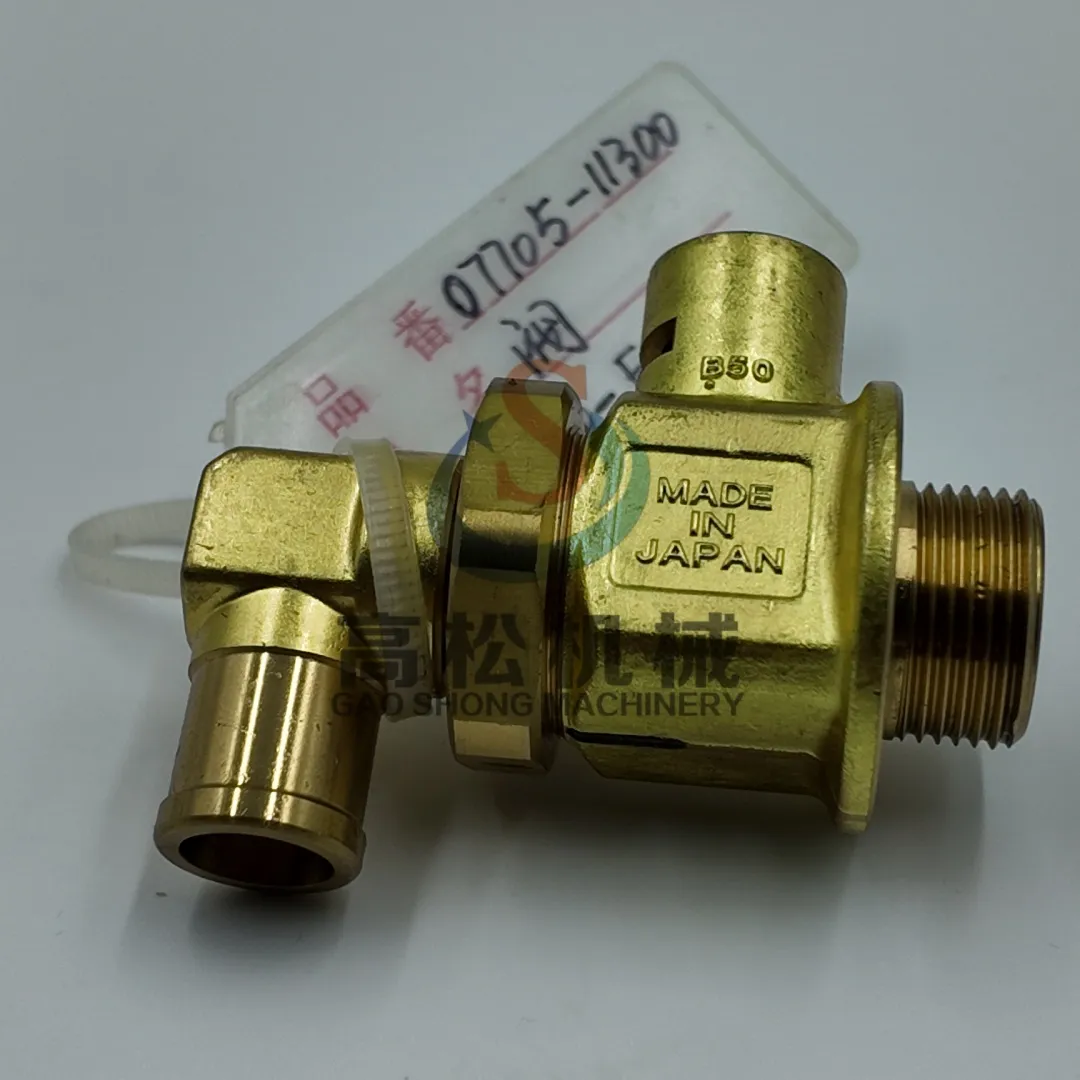 VALVE DRAIN 07705-11300 Komatsu Parts
 -
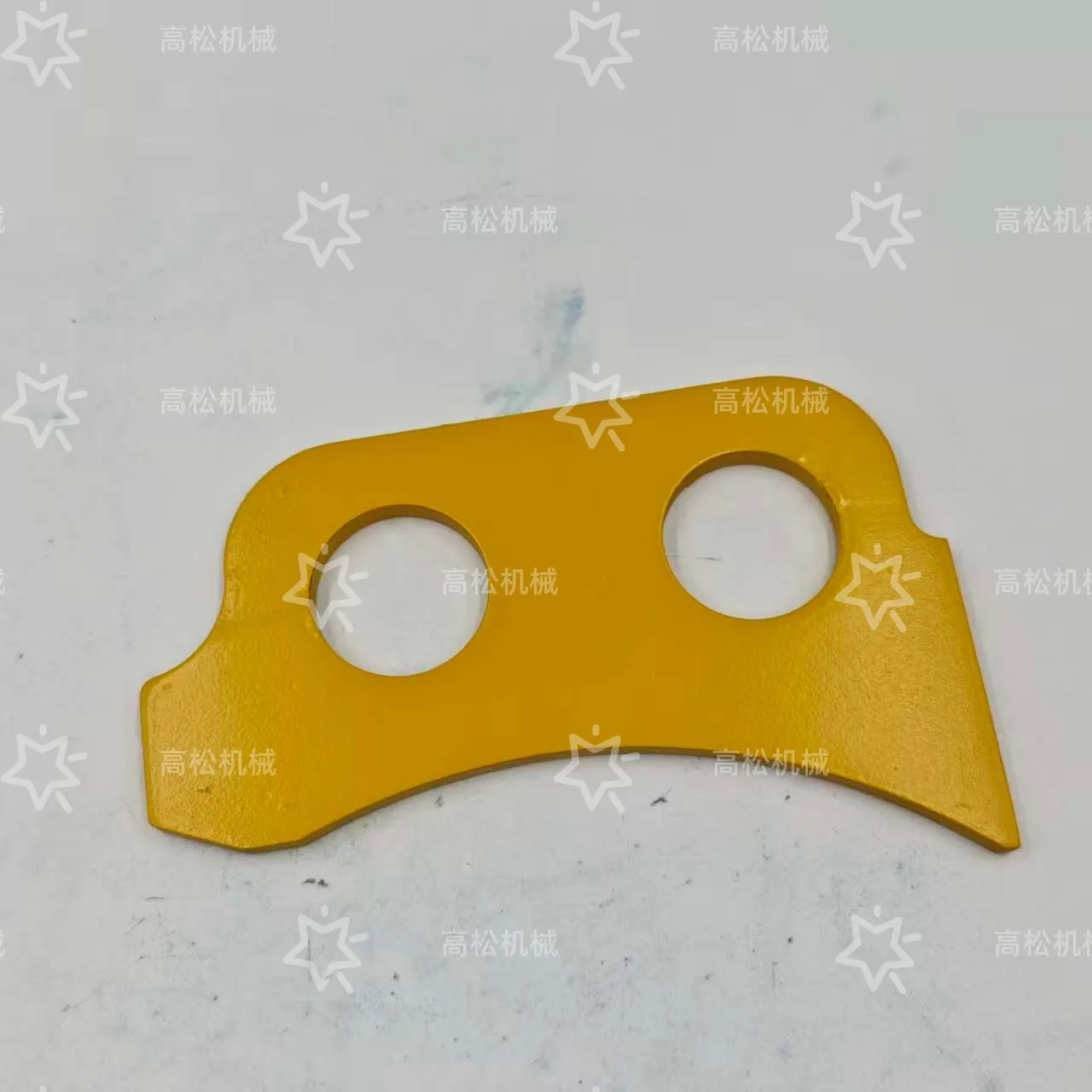 PLATE 195-71-74260Komatsu parts
 -
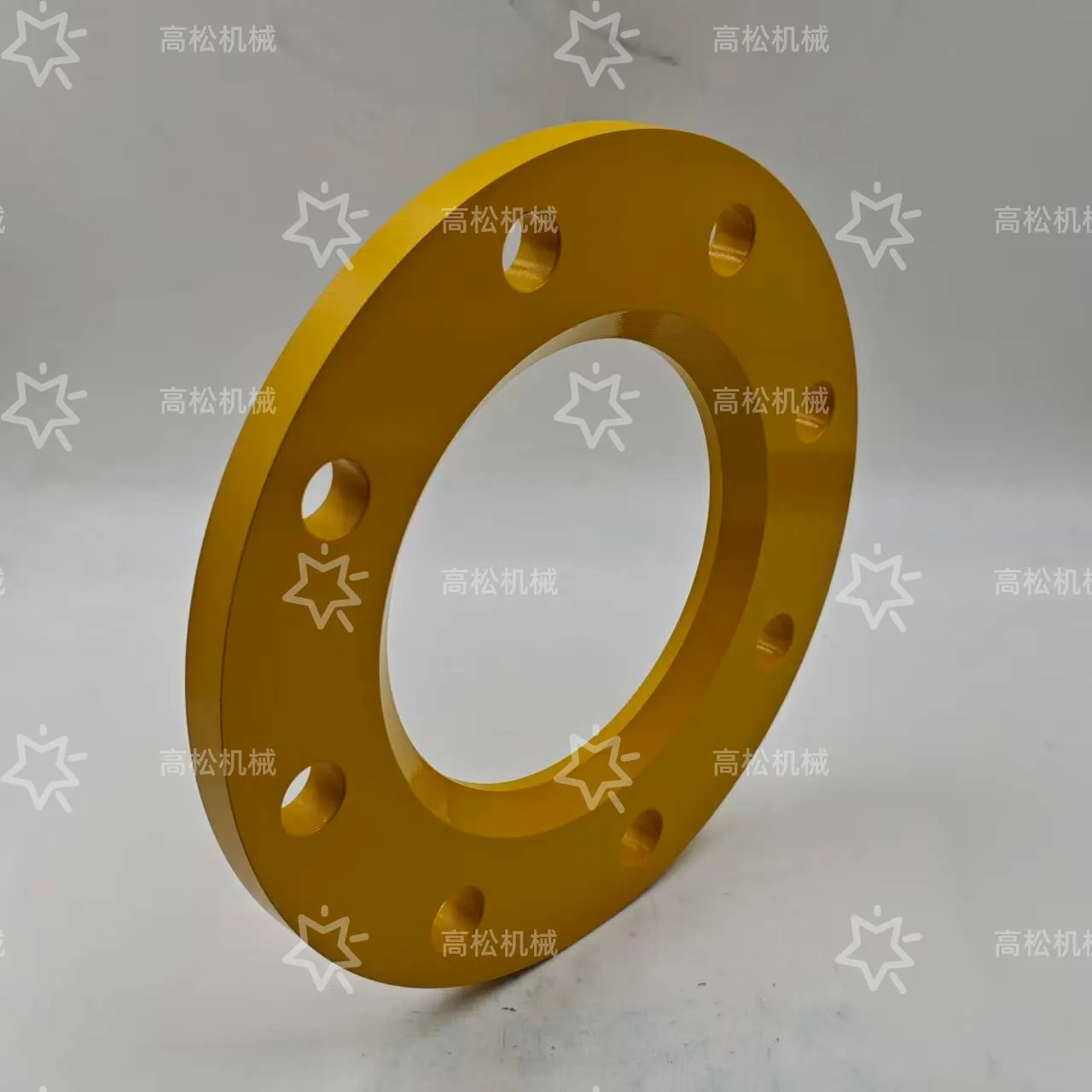 41E-70-15221 Komatsu Edge
 -
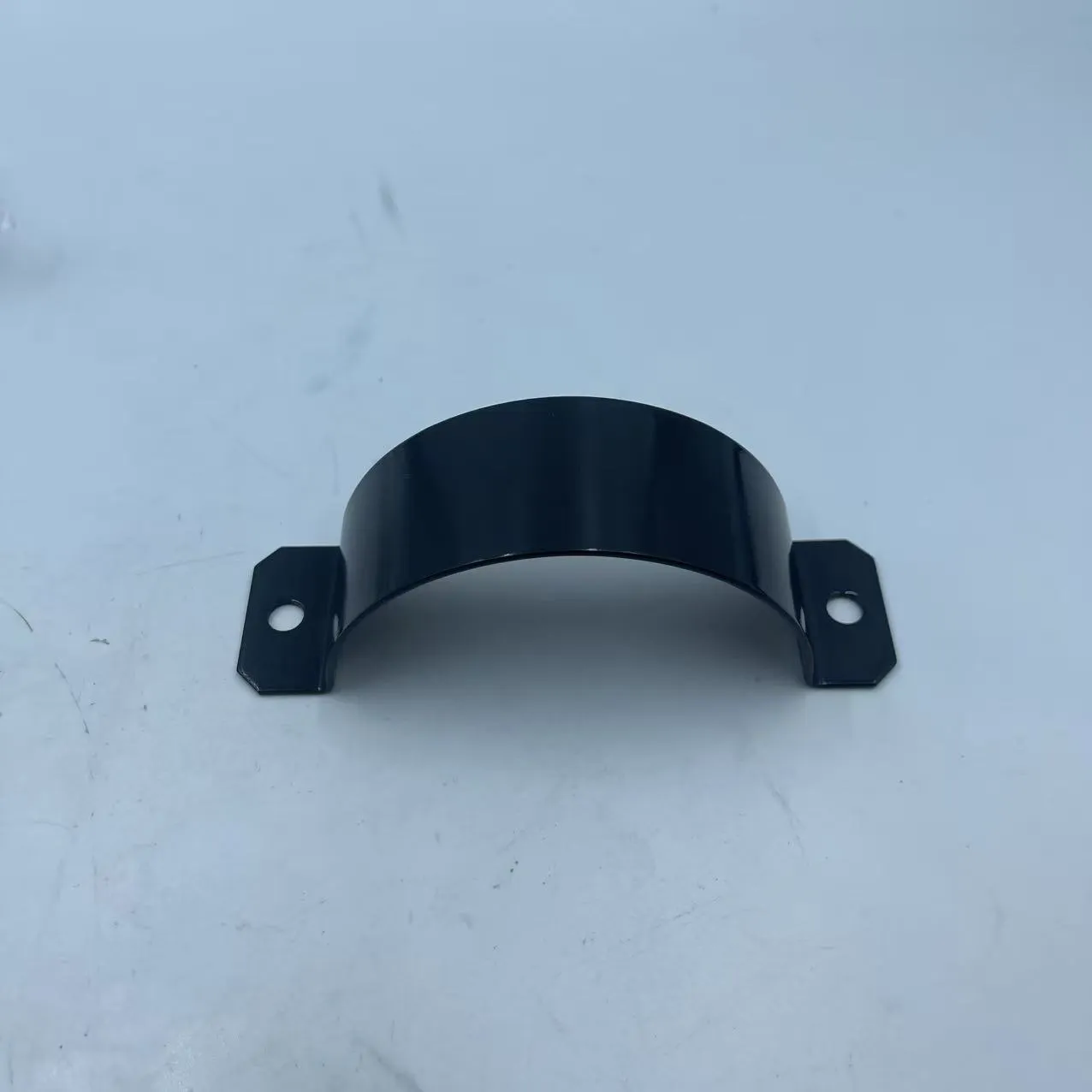 569-40-83470komatsu HD405-7 HD325-7 HD605-7R HD465-7E0 HD785-7
 -
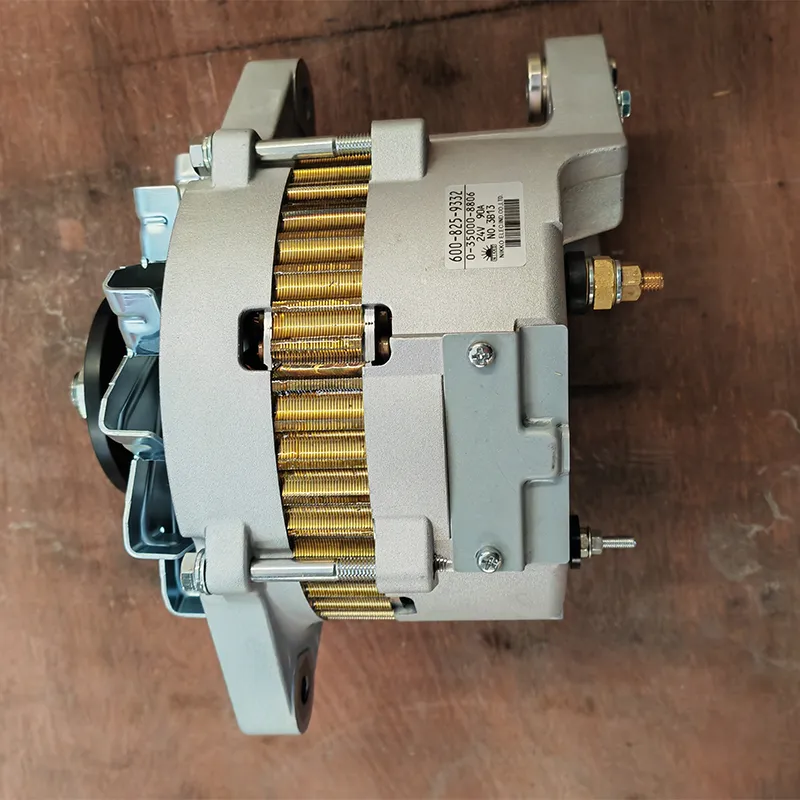 600-825-9332 Original komatsu alternator for S6D125 6D140 12V140
 -
 144-70-15251 Komatsu Pin, Dowel
 -
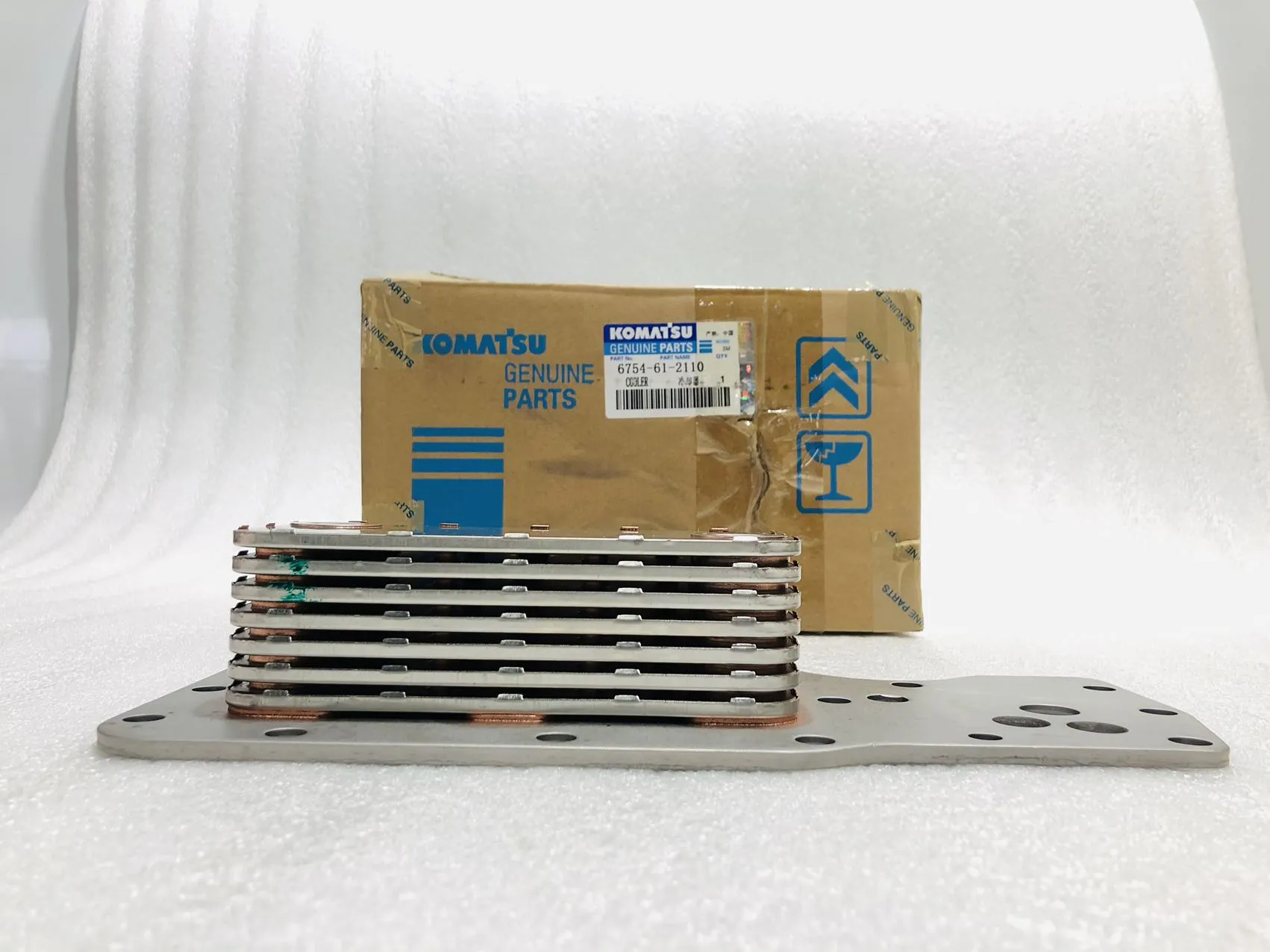 OIL COOLER 6754-61-2110 For Komatsu Engine SAA6D107E PC200-8
 -
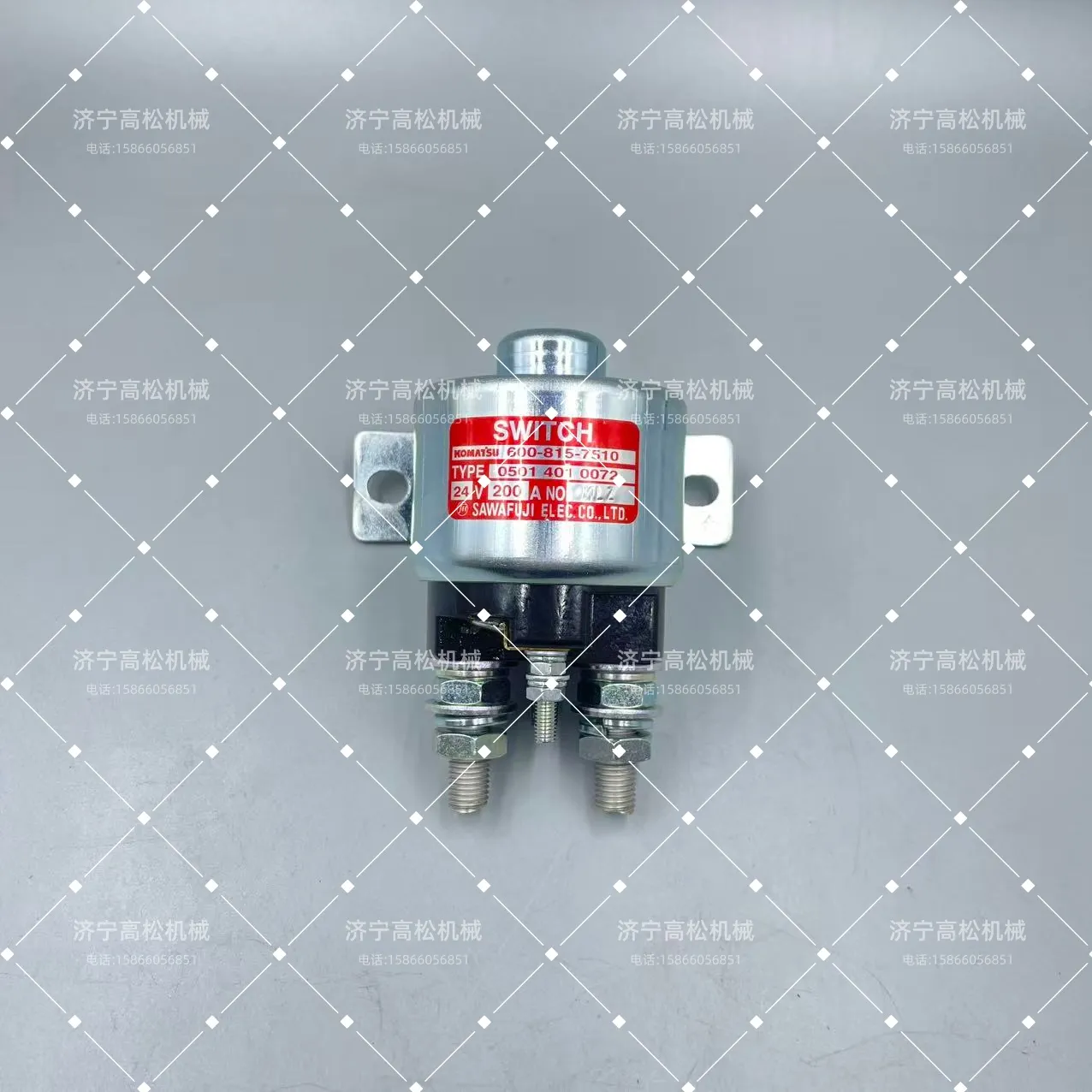 Accessories D375A-5 Switch Heater 600-815-7510 6008157510…
 -
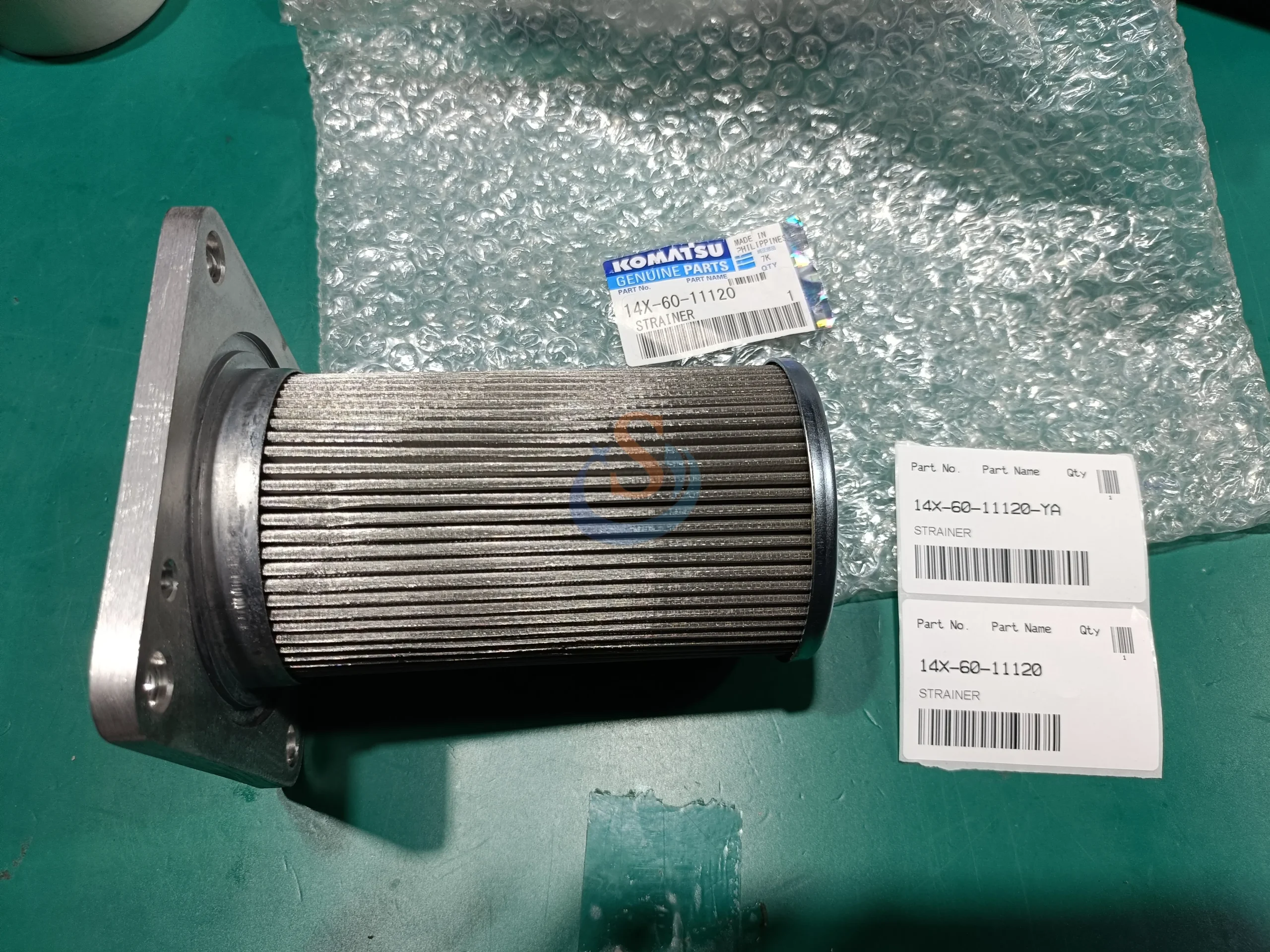 14X-60-11120,STRAINER,D31PX,D31EX,D65PX
 -
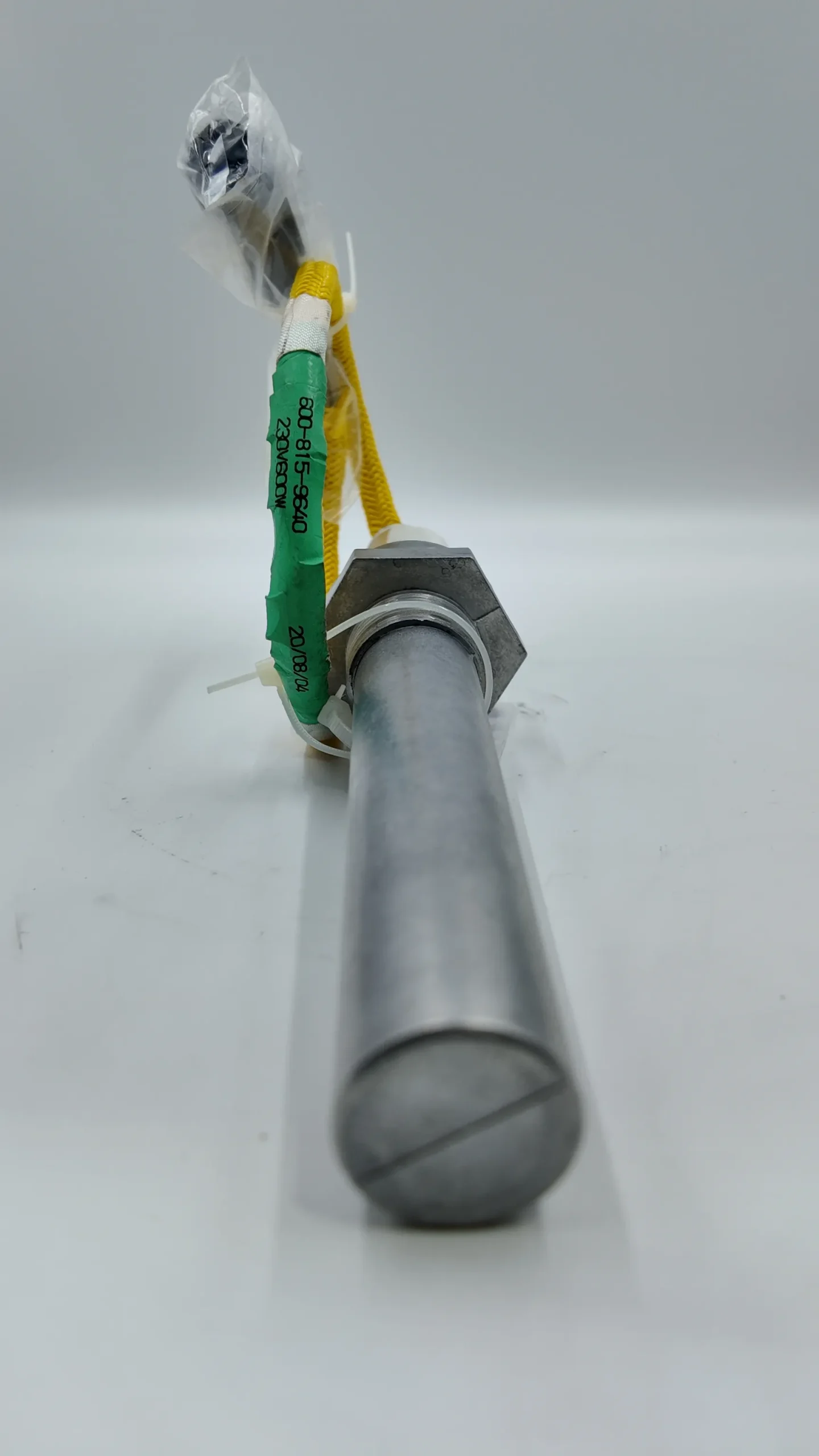 600-815-9640 HEATER-Komatsu Original Factory
 -
 56B-15-19210 RING