
- Chinese
- French
- German
- Portuguese
- Spanish
- Russian
- Japanese
- Korean
- Arabic
- Irish
- Greek
- Turkish
- Italian
- Danish
- Romanian
- Indonesian
- Czech
- Afrikaans
- Swedish
- Polish
- Basque
- Catalan
- Esperanto
- Hindi
- Lao
- Albanian
- Amharic
- Armenian
- Azerbaijani
- Belarusian
- Bengali
- Bosnian
- Bulgarian
- Cebuano
- Chichewa
- Corsican
- Croatian
- Dutch
- Estonian
- Filipino
- Finnish
- Frisian
- Galician
- Georgian
- Gujarati
- Haitian
- Hausa
- Hawaiian
- Hebrew
- Hmong
- Hungarian
- Icelandic
- Igbo
- Javanese
- Kannada
- Kazakh
- Khmer
- Kurdish
- Kyrgyz
- Latin
- Latvian
- Lithuanian
- Luxembou..
- Macedonian
- Malagasy
- Malay
- Malayalam
- Maltese
- Maori
- Marathi
- Mongolian
- Burmese
- Nepali
- Norwegian
- Pashto
- Persian
- Punjabi
- Serbian
- Sesotho
- Sinhala
- Slovak
- Slovenian
- Somali
- Samoan
- Scots Gaelic
- Shona
- Sindhi
- Sundanese
- Swahili
- Tajik
- Tamil
- Telugu
- Thai
- Ukrainian
- Urdu
- Uzbek
- Vietnamese
- Welsh
- Xhosa
- Yiddish
- Yoruba
- Zulu
- Kinyarwanda
- Tatar
- Oriya
- Turkmen
- Uyghur





Komatsu rigid dump truck parts
When you hear 'Komatsu rigid dump truck parts,' the immediate thought for many is just sourcing the big, flashy components – the final drives, the dump cylinders, maybe the wheel motors. That's surface-level. The real challenge, and where most operational headaches actually brew, is in the ecosystem around those parts. It's the compatibility nuances between a 930E-4 and a 930E-5, the lead time on a seemingly simple but proprietary sensor harness, or the false economy of a non-OEM hydraulic pump that takes out a valve block. People often treat these trucks as monolithic, but their uptime hinges on a web of interconnected systems, and the parts strategy has to mirror that complexity.
The OEM vs. Aftermarket Reality Check
Let's be blunt: for core system components, especially anything related to the frame, the AC electric drive system on the ultra-class models, or the main hydraulic control valves, the OEM route is rarely a debate. The engineering tolerances and software integration are too tight. I've seen a fleet try to save on a non-genuine Komatsu rigid dump truck parts controller for a 960E's hoist system. It worked... for about 80 hours. Then the communication errors started, leading to erratic lifting and eventually a full system fault that required a complete OEM controller swap and recalibration. The downtime cost eclipsed the part savings tenfold.
However, the gray area is in what I call 'peripheral but critical' items. Think suspension cylinders, certain linkage pins and bushings, even brake pads. Here, a qualified third-party supplier with proper metallurgical certs and dimensional fidelity can be a lifeline, especially in regions where official channels are strained. This isn't about cheap alternatives; it's about validated, reliable alternatives that keep trucks moving when the primary pipeline is clogged.
This is precisely where a company like Jining Gaosong Construction Machinery Co., Ltd. positions itself interestingly. Being an OEM product supplier within the Komatsu system gives them access to genuine lines, but their role as a third-party sales company allows them to navigate supply challenges pragmatically. They're not just a warehouse; they're a logistics and compatibility node, which is often more valuable than the part itself.
On-the-Ground Parts Sourcing Nightmares
Talk is cheap until you're staring at a downed 830E in a remote pit. The theoretical lead time from the official portal means nothing. The real process involves cross-referencing part numbers that might have been superseded three times, verifying interchangeability, and then finding a supplier who actually has it physically in stock, not just listed. I recall a situation where we needed a specific gear for the steering pump on an older 730E. The number was obsolete. A good supplier didn't just say 'no.' They dug into assembly diagrams, found the modern equivalent, and confirmed the mounting flange modification needed. That's the difference.
Another chronic issue is the 'almost right' part. The bolt patterns match, the hydraulic ports align, but the pressure rating or the internal sealing material is a grade off. It fits, it works for a shift, then fails catastrophically. This happens constantly with filters and hoses. The takeaway? A part number is a starting point, not a guarantee. You need someone who understands the application, not just the catalog.
Their stated mission of helping to solve parts supply challenges in certain countries rings true here. It's not about undercutting the OEM network; it's about filling the gaps where that network is thin, slow, or prohibitively expensive due to logistics. For a mine in a difficult location, such a partner becomes integral to maintenance planning.
The Hidden Cost of Savings
Everyone chases cost-per-hour metrics, but a myopic focus on the initial purchase price of a part is a trap. The total cost includes installation labor, the risk of collateral damage, and the probability of premature failure. A rebuilt transmission from an unvetted source might be 40% cheaper. But if its expected life is 50% of a genuine or certified rebuild, and it fails in a way that sends metal through the cooling system, you've lost money. Dramatically.
We implemented a policy for Komatsu rigid dump truck parts like final drive planetaries and electric wheel motors: only OEM or factory-certified remanufactured units. The data over two years showed a 15% higher direct parts cost, but a 22% improvement in mean time between failures (MTBF) and a drastic reduction in secondary system contamination events. The math was undeniable.
This is where the dual identity of a supplier matters. As an OEM supplier, Takematsu Machinery can provide that certified quality for critical components. As a third-party solutions provider, they can offer sensible, cost-effective options for less critical or non-safety-impacting items, all while being transparent about the provenance and trade-offs. That honesty is what builds long-term trust on site.
Case in Point: The Sensor Saga
Nothing illustrates the modern parts dilemma better than sensors. A speed sensor on a 860E is a small, unassuming part. Yet, its failure can derate the entire truck, mimicking a major transmission fault. The OEM part is, of course, perfect. But the lead time was 12 weeks. An aftermarket version was available in 3 days. The risk? The output signal variance.
We tried the aftermarket sensor once, as an emergency fix. The truck came back online, but the data logs showed occasional signal spikes the ECM didn't like, causing minor but frequent power interruptions. It was 'working,' but not optimally. We ran it until the genuine part arrived, then swapped it. The lesson wasn't never use aftermarket. It was understand the failure mode and the system's sensitivity. For a non-critical temperature sender, the aftermarket part was fine. For a critical digital feedback sensor, it's a gamble.
A competent supplier in this space doesn't just sell you both options; they should be able to advise on this exact scenario. For this specific sensor on this model, we've seen compatibility issues with non-OEM. Here's a genuine one we can expedite, or here's a third-party alternative we have validated data on for a lower-priority application. That's operational wisdom.
Building a Sustainable Parts Strategy
So, what's the endgame? It's not about finding a single source for all Komatsu rigid dump truck parts. That's unrealistic. It's about building a layered supply strategy. Tier 1: Critical, system-core components (ECUs, drive system parts, structural welds) – strictly OEM or certified. Tier 2: High-wear but non-catastrophic items (liners, seals, bushings) – source from vetted, high-quality third parties with full documentation. Tier 3: Consumables and generic items (filters, standard fittings, lights) – competitive bid with quality thresholds.
A partner like Jining Gaosong fits into Tiers 1 and 2 seamlessly. Their value is in providing the OEM bridge for Tier 1 while having the network and expertise to curate reliable options for Tier 2, especially when geography is a constraint. They act as a filter, which is a service in itself.
Ultimately, managing parts for these giants is about risk management and total cost of ownership, not unit price. It requires a mix of discipline for the critical stuff and flexibility for the rest. The suppliers that last are those who understand this balance, who talk about failure modes and lead times with equal seriousness, and who solve the problem you have today without creating a bigger one for tomorrow. That's the real parts business, far beyond the keyword search.
Related Products
Related Products
Best Selling Products
Best Selling Products-
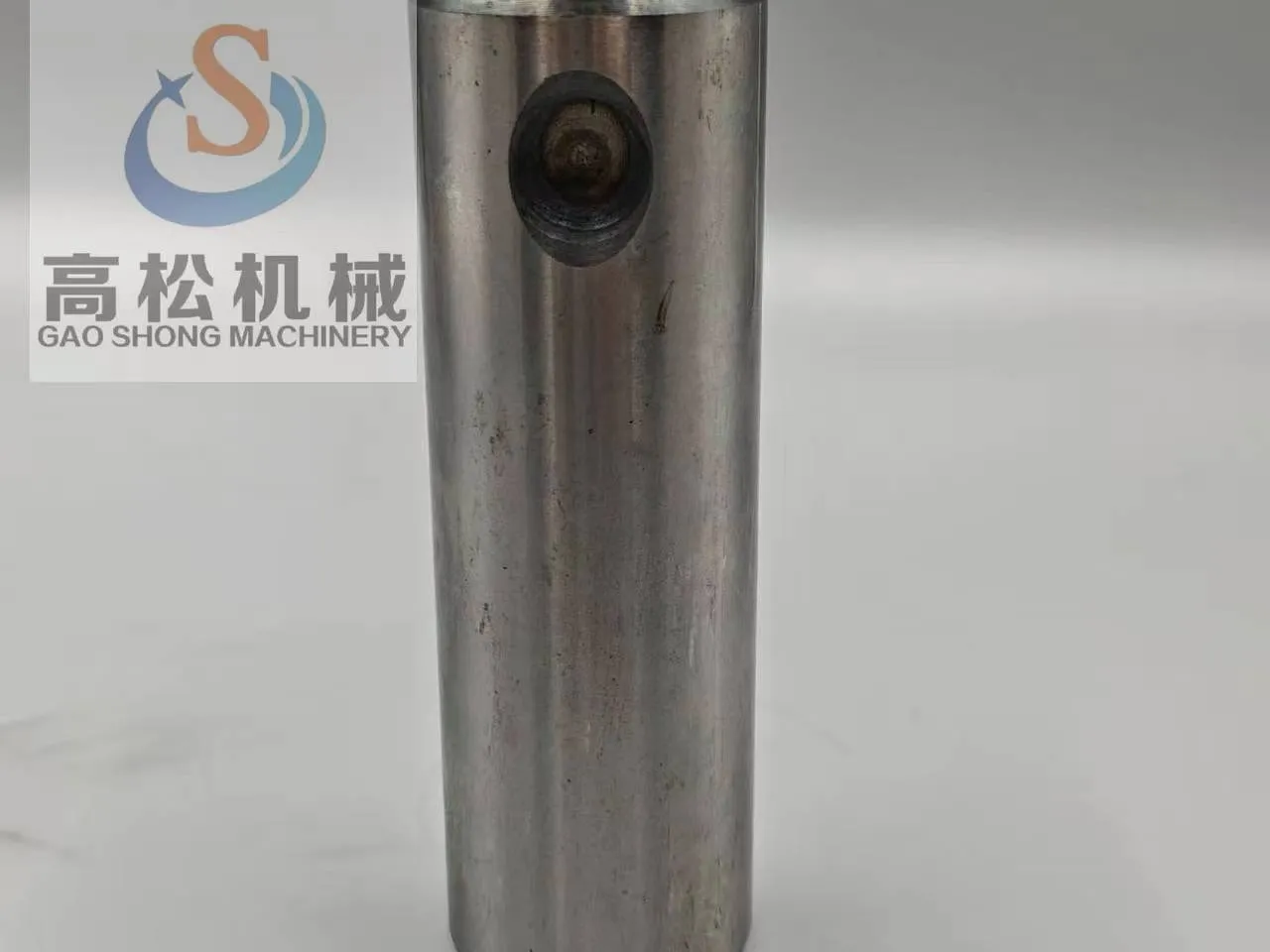 Komatsu Pin, 20Y-27-31160 Komatsu Sales, 20Y-27-31160
 -
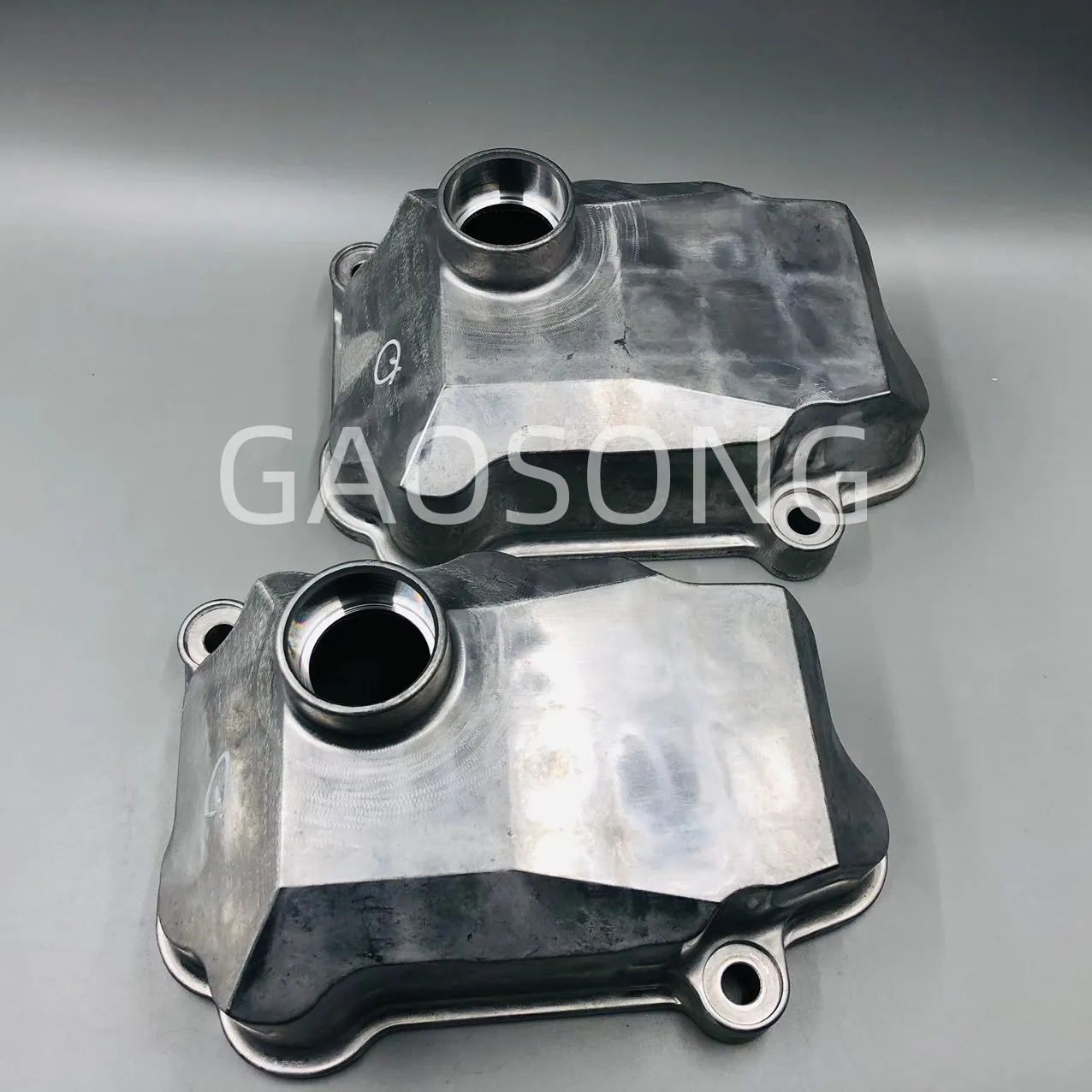 6251-11-8150 COVER, ROCKER ARM HOUSING-Komatsu Original Factory
 -
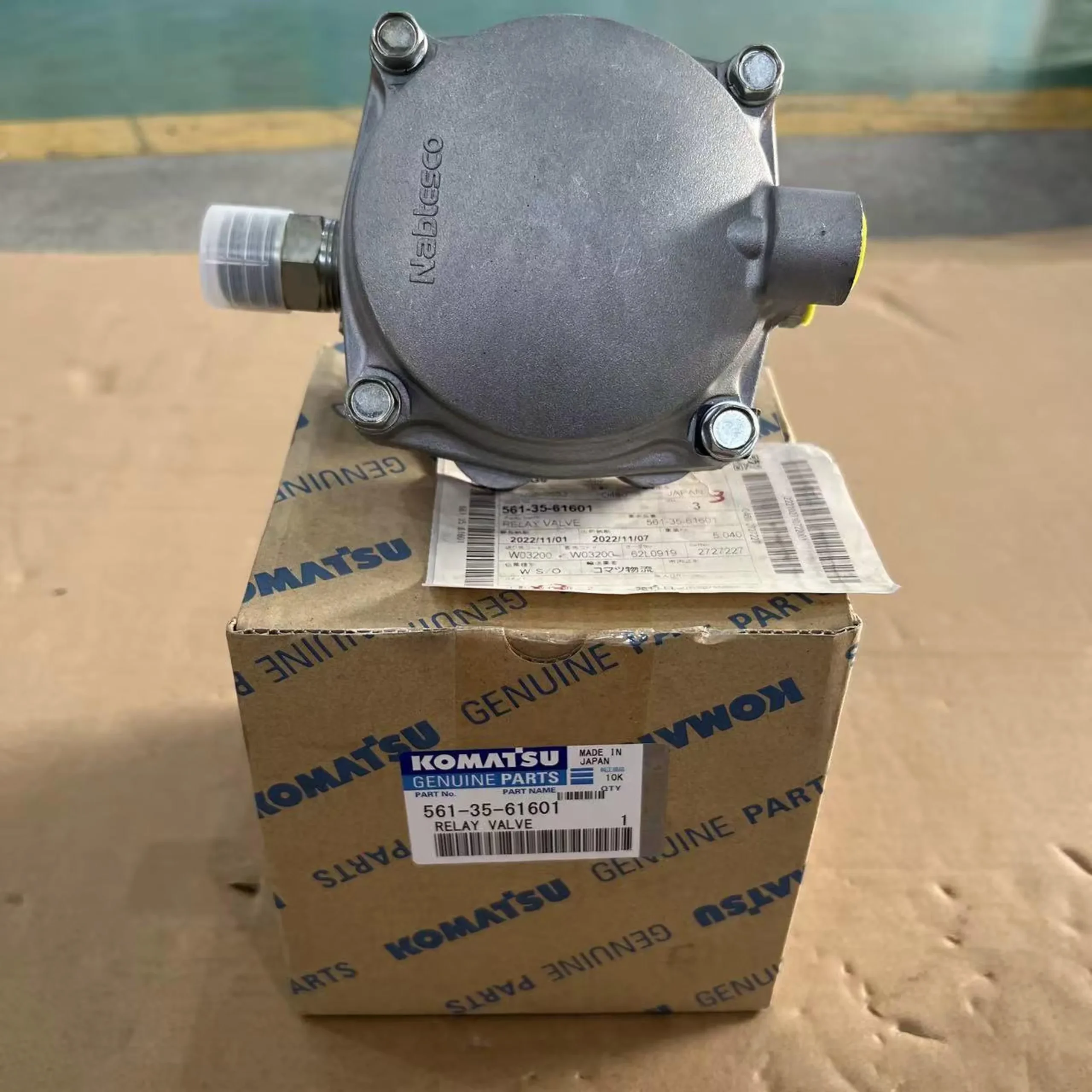 Valve 561-35-61601 for Komatsu Rigid Dumper
 -
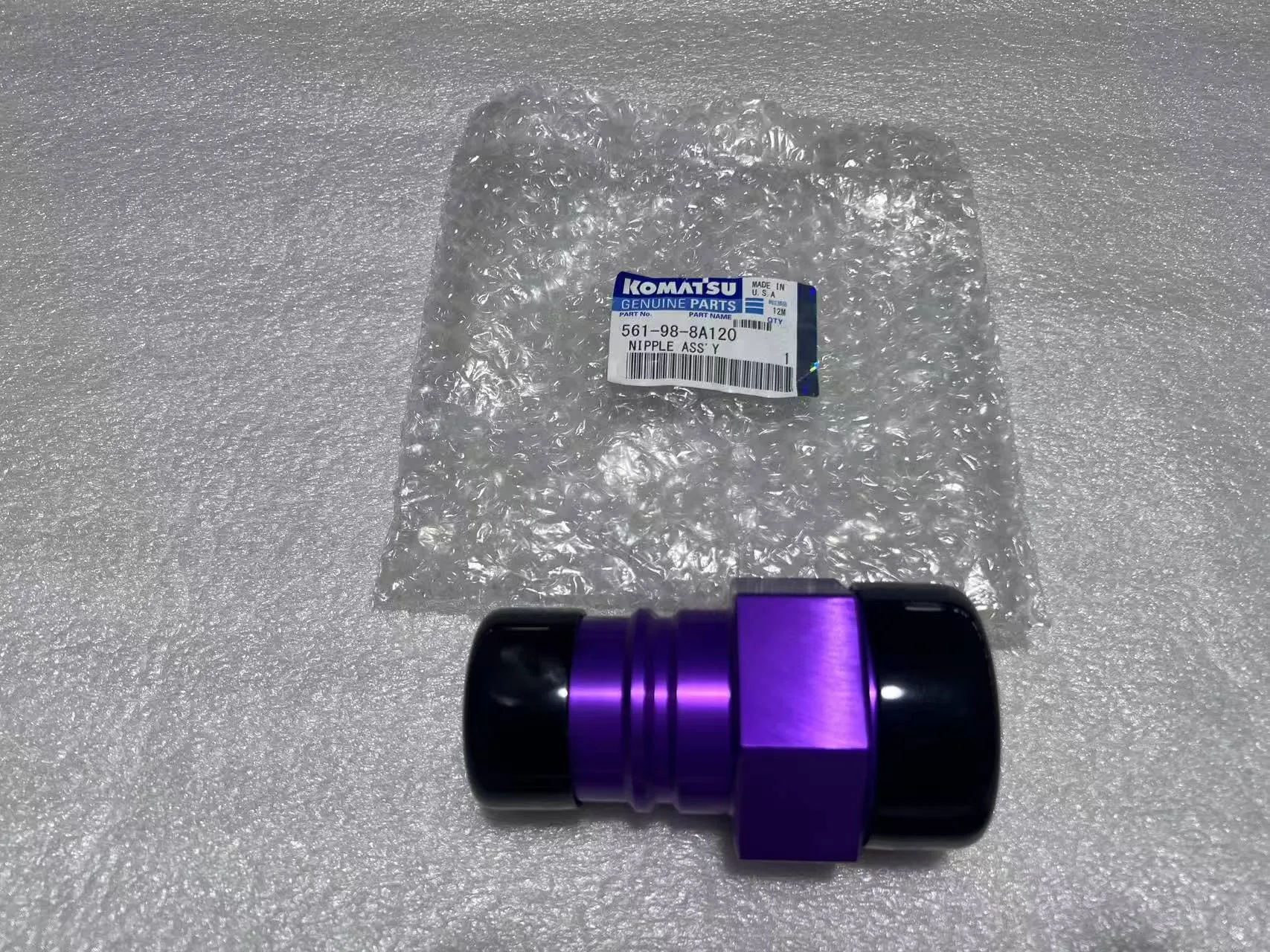 561-98-8A120 Spot # Komatsu # Komatsu Machinery Parts 2026
 -
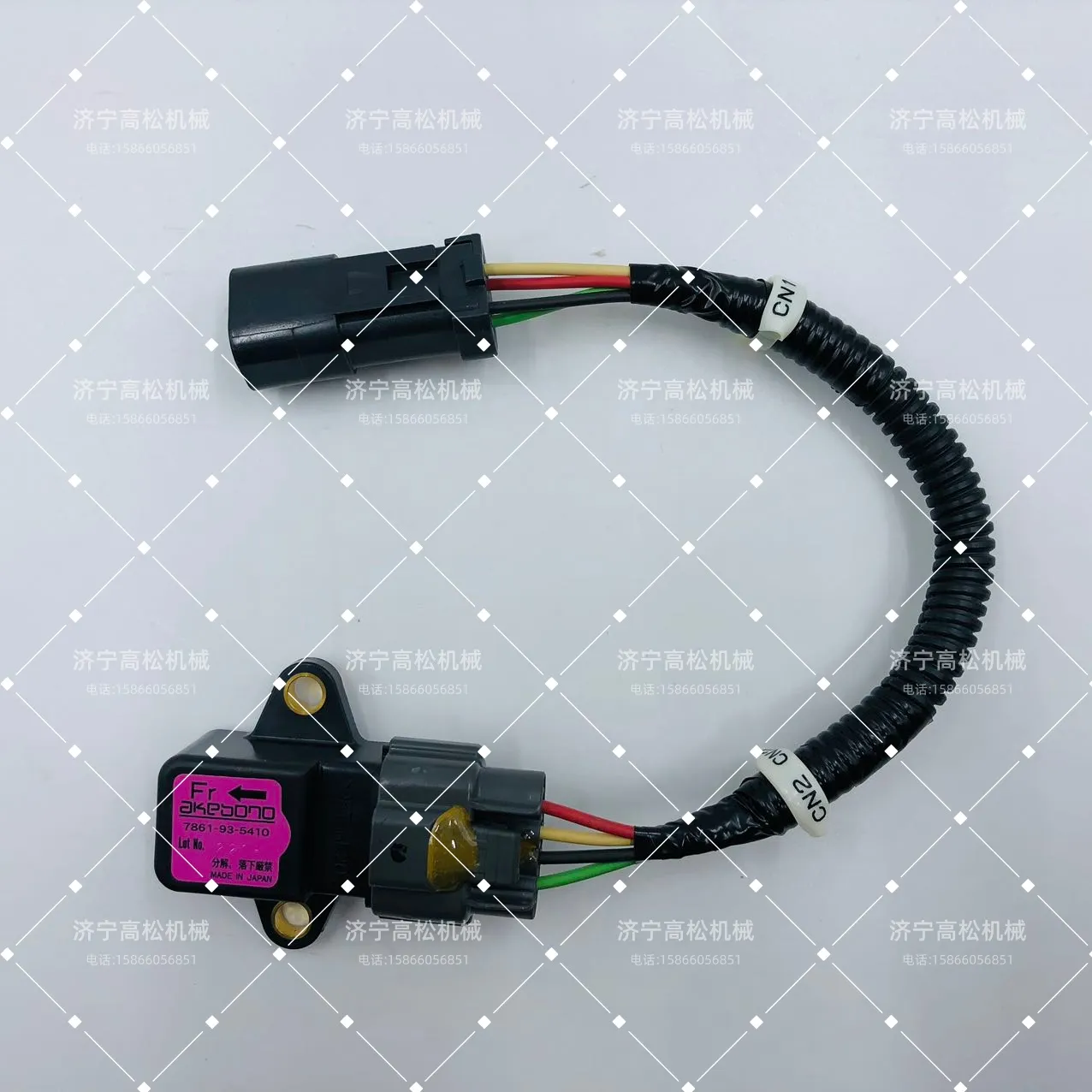 7861-93-5410 Komatsu Sensor, Acceleration
 -
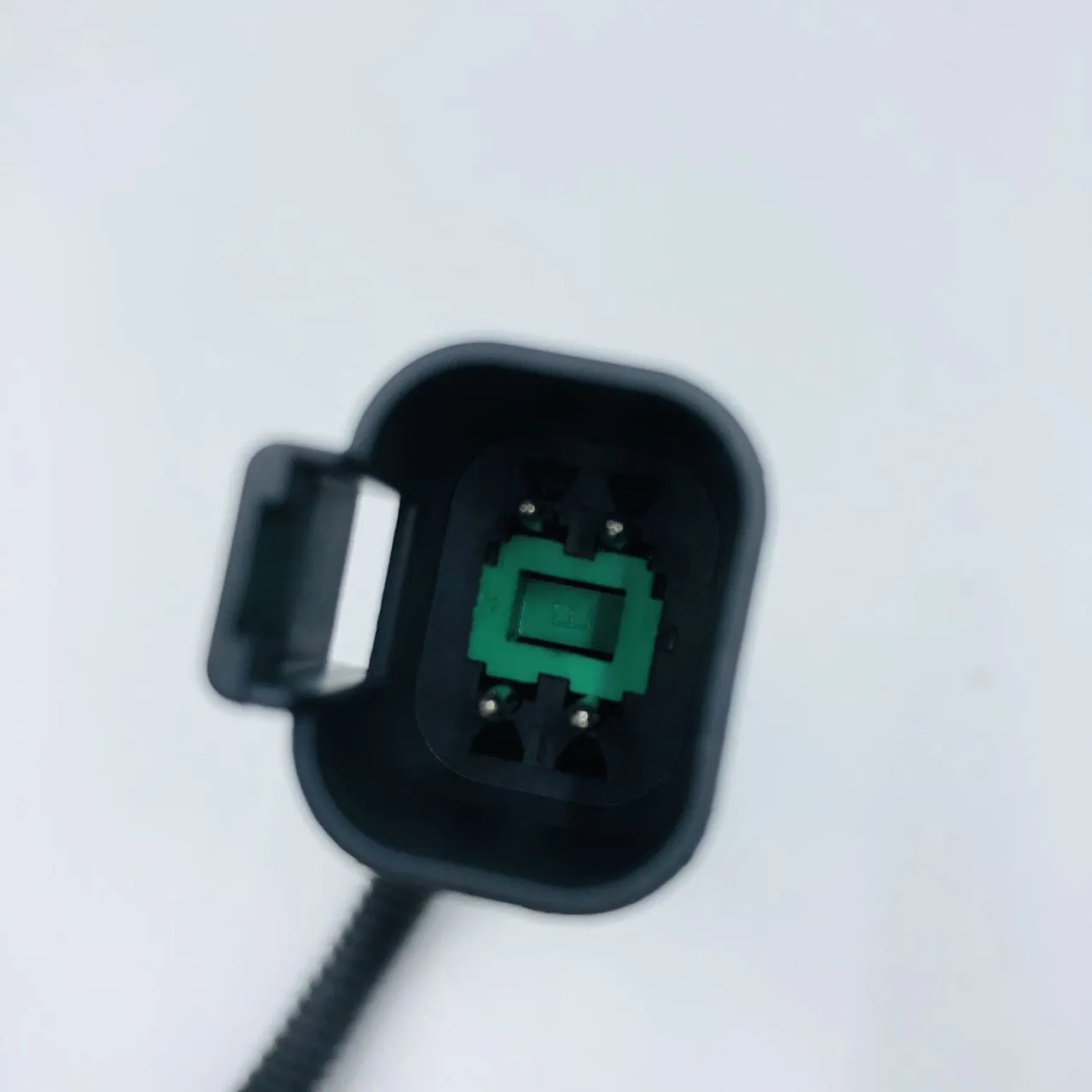 7861-93-5410-SENSOR-Komatsu Original Factory
 -
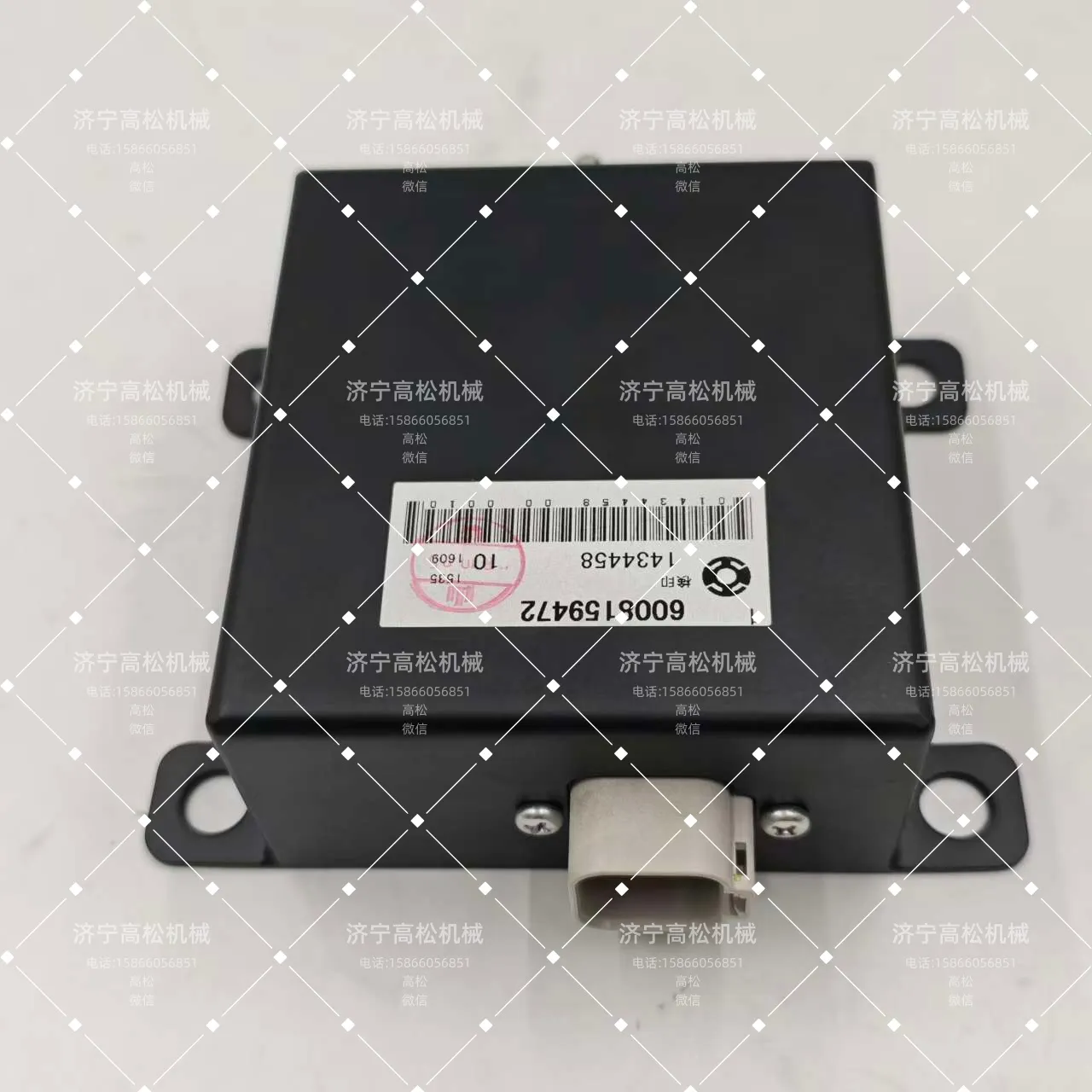 600-815-9472 Komatsu Switch
 -
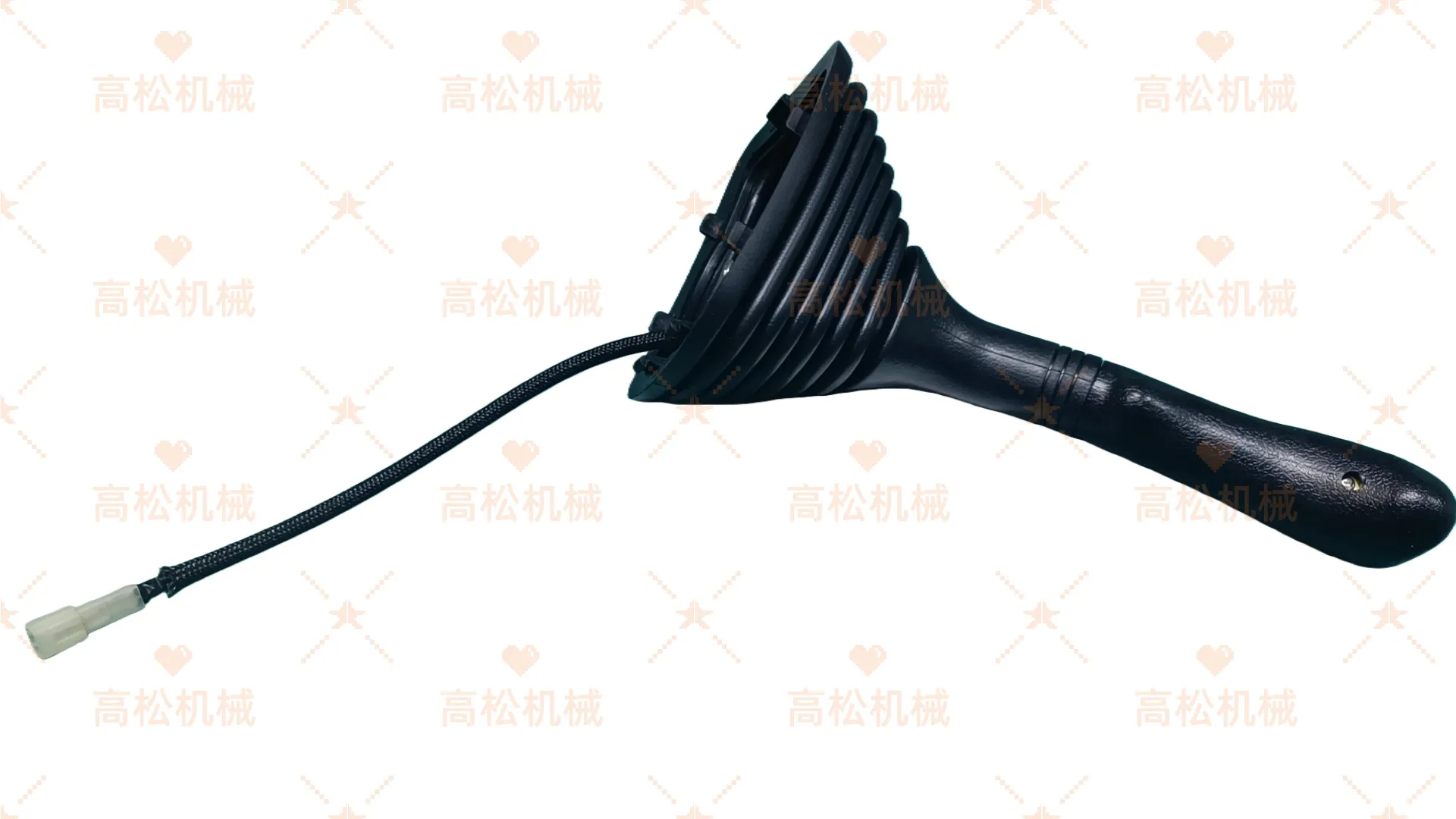 2A5-43-12861SWITCH 2A5-43-12933LEVER ASSEMBLY 2A5-53-12721Motor Assembly 2A5-54-13421 Rear View Mirror2A5-979-1113 Air conditioning component 2A8-70-13210Pin
 -
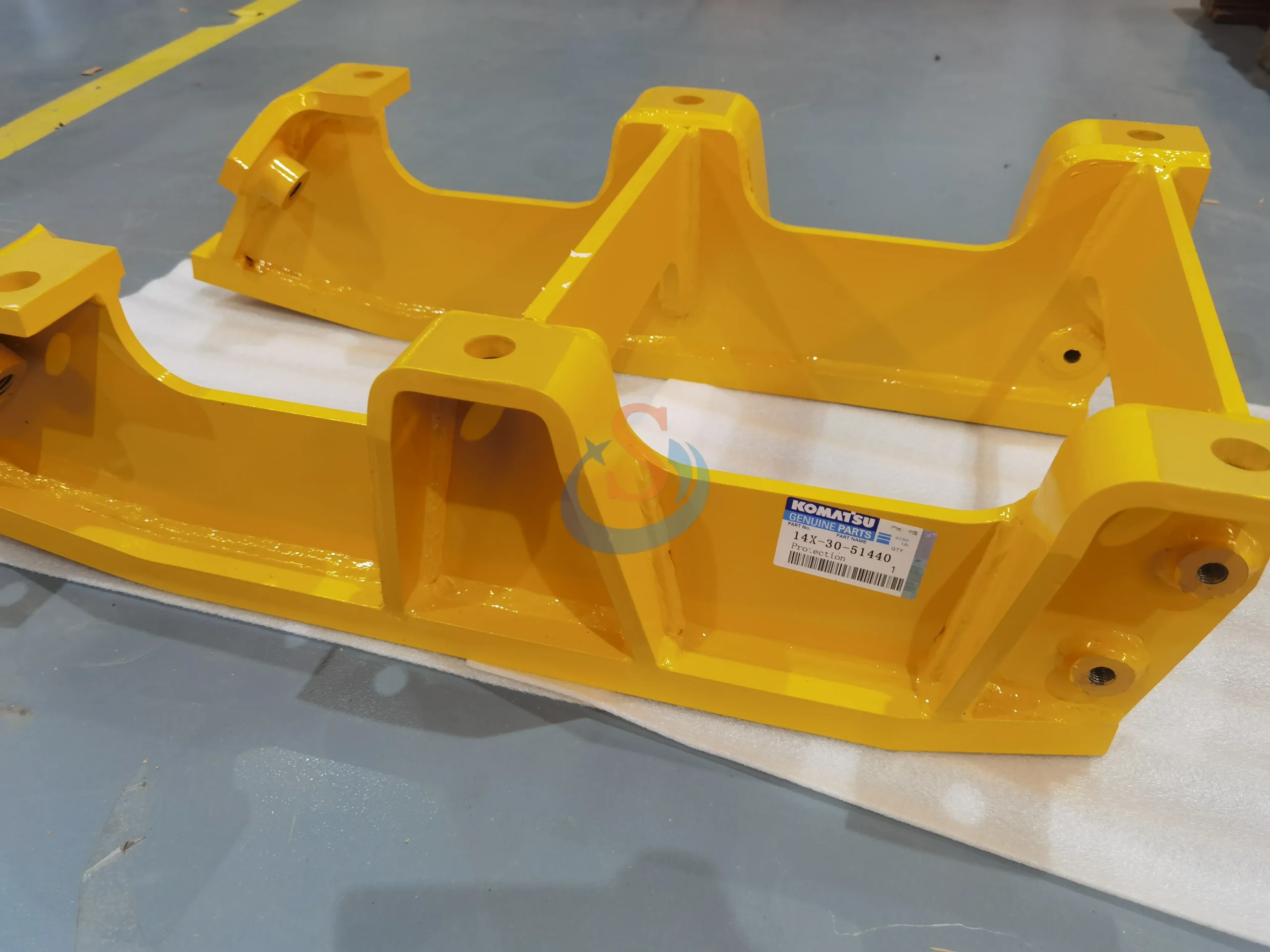 14X-30-51440,Guard,D65PX,D65EX,D65WX
 -
 04065-07030komatsu parts original
 -
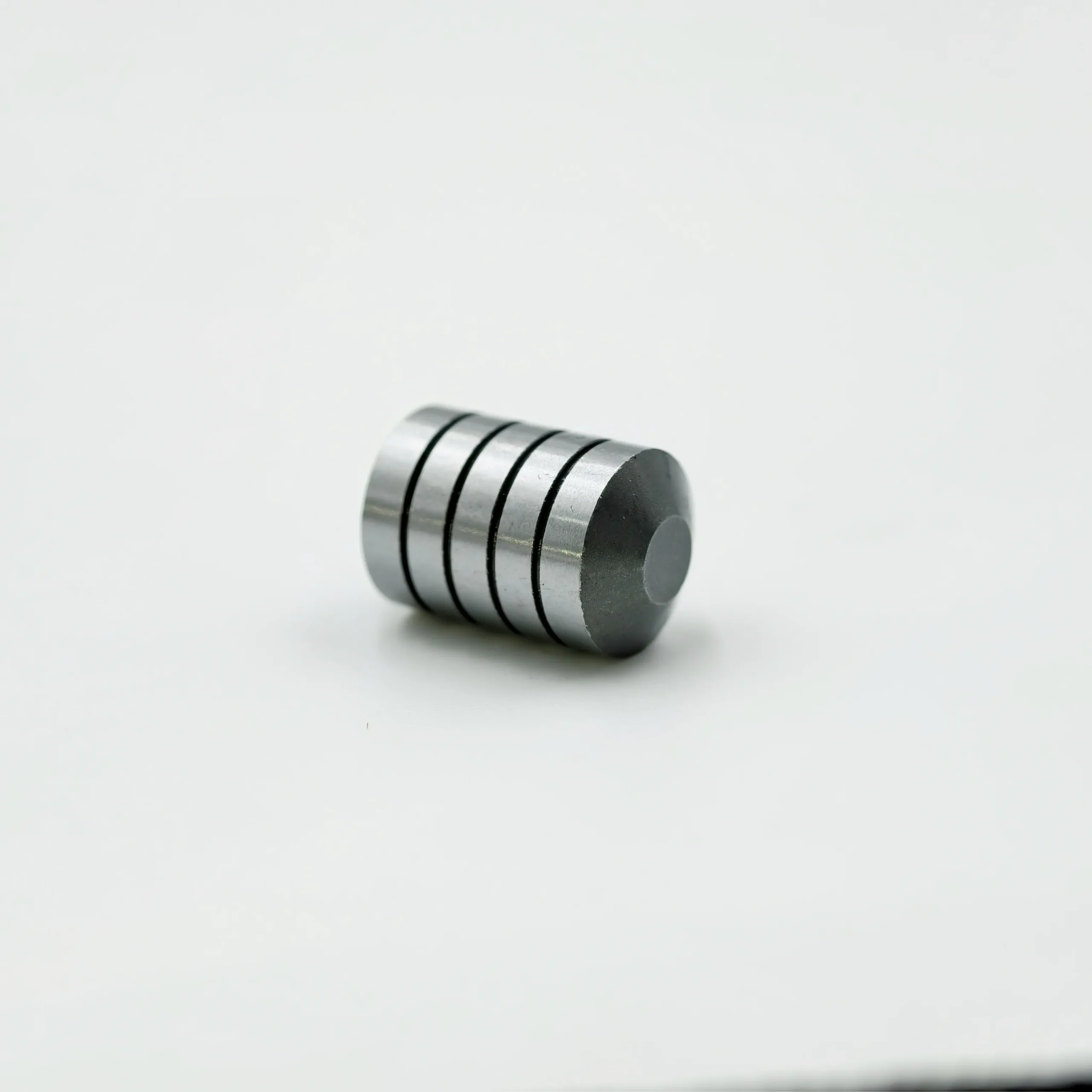 PISTON – 287-15-15360
 -
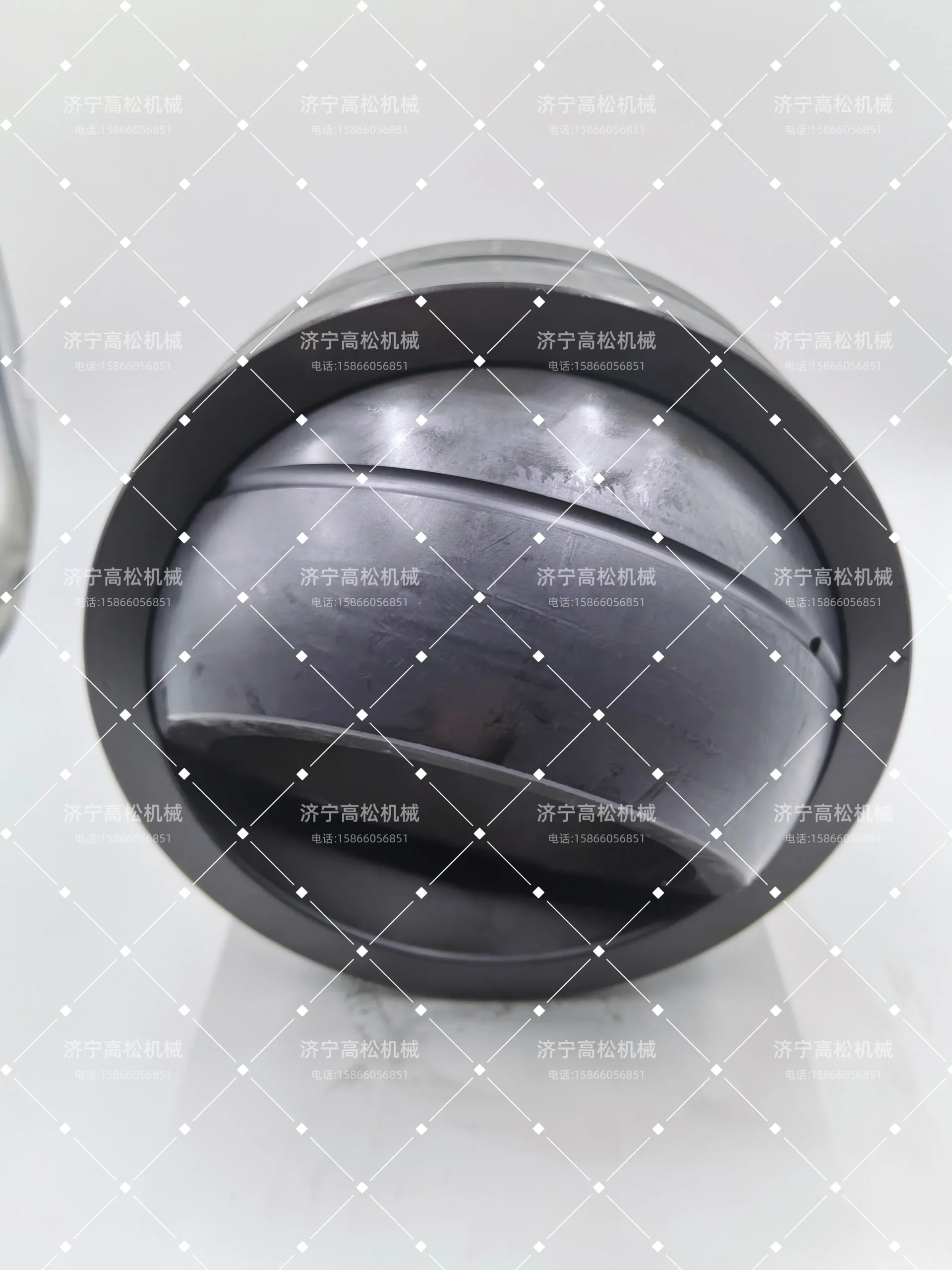 707-46-14010 Spherical Bearing for Komatsu Equipment…