
- Chinese
- French
- German
- Portuguese
- Spanish
- Russian
- Japanese
- Korean
- Arabic
- Irish
- Greek
- Turkish
- Italian
- Danish
- Romanian
- Indonesian
- Czech
- Afrikaans
- Swedish
- Polish
- Basque
- Catalan
- Esperanto
- Hindi
- Lao
- Albanian
- Amharic
- Armenian
- Azerbaijani
- Belarusian
- Bengali
- Bosnian
- Bulgarian
- Cebuano
- Chichewa
- Corsican
- Croatian
- Dutch
- Estonian
- Filipino
- Finnish
- Frisian
- Galician
- Georgian
- Gujarati
- Haitian
- Hausa
- Hawaiian
- Hebrew
- Hmong
- Hungarian
- Icelandic
- Igbo
- Javanese
- Kannada
- Kazakh
- Khmer
- Kurdish
- Kyrgyz
- Latin
- Latvian
- Lithuanian
- Luxembou..
- Macedonian
- Malagasy
- Malay
- Malayalam
- Maltese
- Maori
- Marathi
- Mongolian
- Burmese
- Nepali
- Norwegian
- Pashto
- Persian
- Punjabi
- Serbian
- Sesotho
- Sinhala
- Slovak
- Slovenian
- Somali
- Samoan
- Scots Gaelic
- Shona
- Sindhi
- Sundanese
- Swahili
- Tajik
- Tamil
- Telugu
- Thai
- Ukrainian
- Urdu
- Uzbek
- Vietnamese
- Welsh
- Xhosa
- Yiddish
- Yoruba
- Zulu
- Kinyarwanda
- Tatar
- Oriya
- Turkmen
- Uyghur






Komatsu replacement tires
When you hear 'Komatsu replacement tires', the immediate thought for many is just finding a tread pattern that matches. That's where the first mistake happens. It's not about the pattern alone; it's about the compound, the ply rating, the heat dissipation under load, and whether the sidewall can handle the specific shock loads of, say, a PC360 excavator versus a HD785 truck. The OEM specs are a starting point, not the entire bible, because field conditions often rewrite the book.
The OEM Blueprint vs. On-Ground Reality
We've all seen it: a site manager insists on a tire that matches the OEM part number to the letter, only to have it wear out twice as fast on their particular mix of blasted rock. The official Komatsu specs are engineered for a global average, but your mine in Chile or quarry in Malaysia isn't average. The pressure (literally) isn't just about load. It's about the micro-cuts from sharp aggregate that a harder compound might resist but would sacrifice some traction on loose ground. I recall a client who kept blowing through sidewalls on a dozer application. The OEM-spec tire was technically correct, but the site had an unusual amount of rebar debris. The solution wasn't a more expensive tire, but one with a different, more cut-resistant rubber mix and a reinforced sidewall—a spec you won't find in the basic manual.
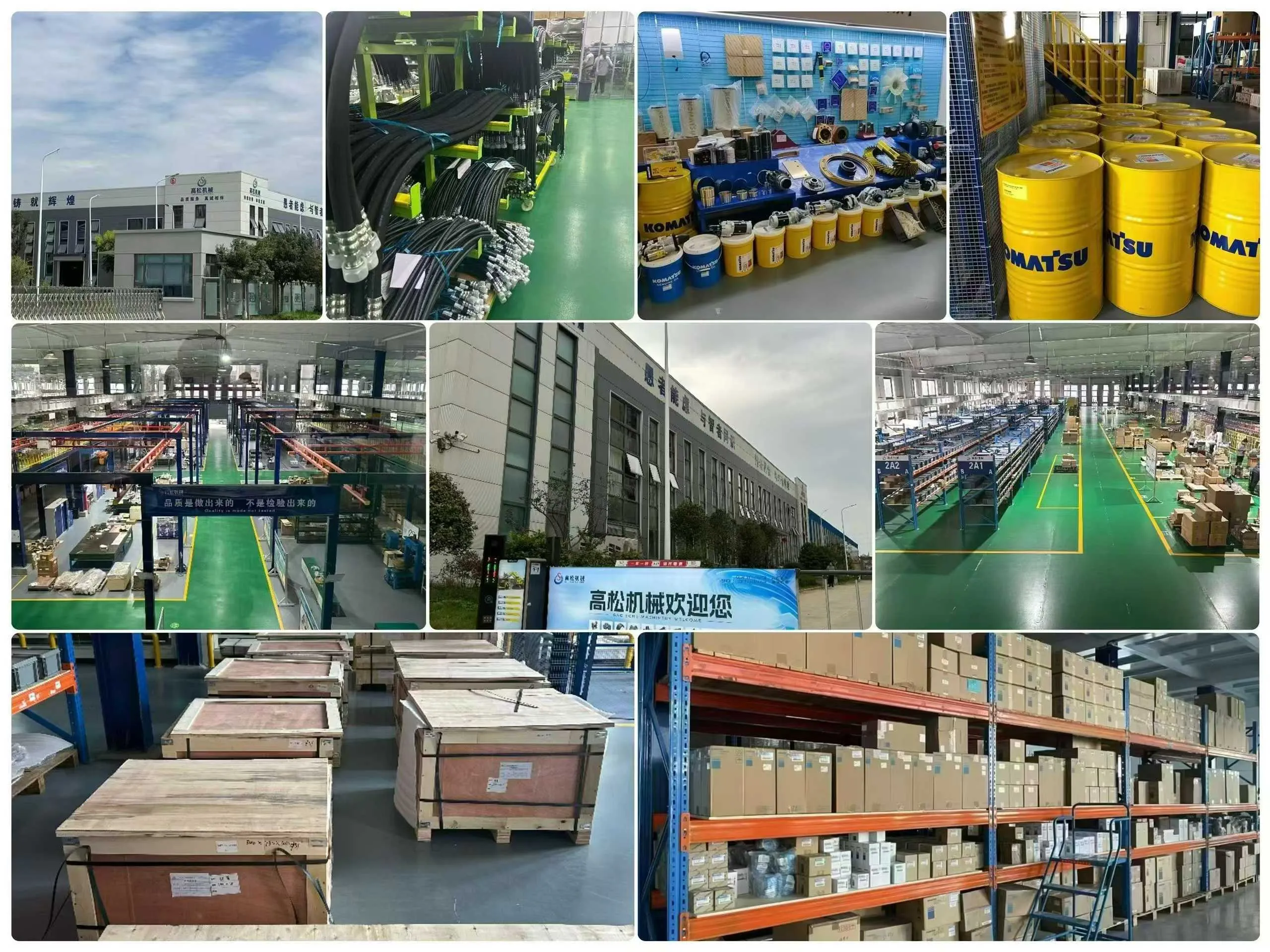
This is where the role of a specialized supplier gets critical. A company like Jining Gaosong Construction Machinery Co., Ltd. operates in that niche. They're an OEM product supplier within the Komatsu system, which means they understand the baseline engineering. But their value, as highlighted on their site https://www.takematsumachinery.com, is in being a third-party sales company that helps solve parts supply challenges. They see the gaps between the official catalog and the urgent calls from countries where the main distribution channel is clogged or non-existent. They aren't just selling a tire; they're often providing a workaround for a systemic bottleneck.
The real judgment call comes in balancing cost against uptime. A pure price play on the cheapest Komatsu replacement tires is a fast track to downtime. But the most expensive isn't always the answer either. You need a supplier who can ask the right questions: What's the primary material? What's the average cycle distance and speed? What's the ambient temperature range? The answers shift the recommendation from a standard L-5 tread to perhaps an L-5S, or suggest a different nitrogen inflation protocol altogether.
Supply Chain Puzzles and the Third-Party Bridge
Here's a practical headache: your Komatsu WA600 loader needs a set of fronts, and the lead time from the official channel is 14 weeks. Production doesn't stop. This is the exact scenario companies like Jining Gaosong address. As a third-party specialist, they can often navigate alternative warehouses or parallel supply lines to source genuine or OEM-equivalent tires that meet the performance spec. Their company mission—helping to solve parts supply challenges in certain countries—isn't just marketing. It's what happens when a port gets congested or a regional distributor runs out of stock. They become the backup router.
I've leveraged this bridge more than once. There was a project in Southeast Asia where we had a fleet of PC300 excavators. The official tires were backordered. We got a set of replacements through a third-party channel that matched the original dimensions and load index. The site engineer was skeptical, but after a month of monitoring wear rates and heat buildup, they performed within 5% of the originals. The key was the supplier's deep knowledge of the Komatsu system; they knew which manufacturing batches from which tire partner would be a true fit, not just a physical match.
The risk, of course, is the wild west of will-fit products. This is why the supplier's embedded knowledge is everything. Anyone can ship a tire that bolts on. A supplier entrenched in the Komatsu ecosystem understands the nuance—like the difference in flange profile for a Komatsu wheel versus a Volvo wheel. A millimeter off here can cause bead seating issues or uneven wear that you'll only discover after hundreds of hours.
Case in Point: The Misleading Tread Depth
A common trap is over-indexing on initial tread depth. A deeper, more aggressive lug might look like it promises longer life. But on a hard, abrasive surface like asphalt or compacted limestone, that deeper lug can flex more, generating internal heat that degrades the rubber faster. It can also lead to chunking. I learned this the hard way early on, specifying a deep-tread tire for a milling site thinking we'd get bonus hours. We got more heat-related failures instead. Sometimes, a shallower, denser lug pattern with a tougher compound is the smarter play for Komatsu replacement tires in high-abrasion, high-speed applications. It's counterintuitive, which is why experience—and suppliers who have seen these failures—matters.
This ties back to data sharing. A good supplier will want to know your historical wear patterns. Are you seeing center wear or shoulder wear? That tells a story about inflation pressure and load distribution. Worn-out Komatsu replacement tires are a goldmine of information if you read them. A supplier who asks for photos of your worn tires is one who's thinking beyond the sales transaction.
Beyond the Tire: The System Impact
Choosing a tire isn't an isolated decision. It affects the entire undercarriage and powertrain. A heavier, more robust tire adds unsprung mass, which can impact final drive components over time. A tire with higher rolling resistance might show negligible fuel cost difference on a spreadsheet, but across a fleet, it adds up. When evaluating options from a source like takematsumachinery.com, the conversation shouldn't end at price-per-tire. It should extend to total cost of operation. Can their proposed alternative provide data on rolling resistance or heat generation compared to the OEM baseline? If they can, that's a sign of depth.
Another practical note: mounting and balancing. Not all service shops are equipped for the larger sizes used on Komatsu mining trucks or large loaders. A supplier's value can extend to logistics—knowing local partners who can properly handle the installation. A poorly mounted tire, even a perfect one, is a liability. I've seen bead damage from improper mounting tools cost a new tire before it even touched the ground.
Ultimately, the goal is machine uptime. The right Komatsu replacement tires are the ones that keep the machine earning money. They might not have the Komatsu logo molded into the sidewall, but if they are sourced through a knowledgeable conduit within that ecosystem—a company that serves as both an OEM supplier and a problem-solving third-party—you're not taking a blind risk. You're using a specialized tool to fix a specific supply chain and performance puzzle. It's less about replacement and more about strategic substitution.
Related Products
Related Products

Best Selling Products
Best Selling Products-
Komatsu Excavator PC1250 Flange 21N-62-11361
-
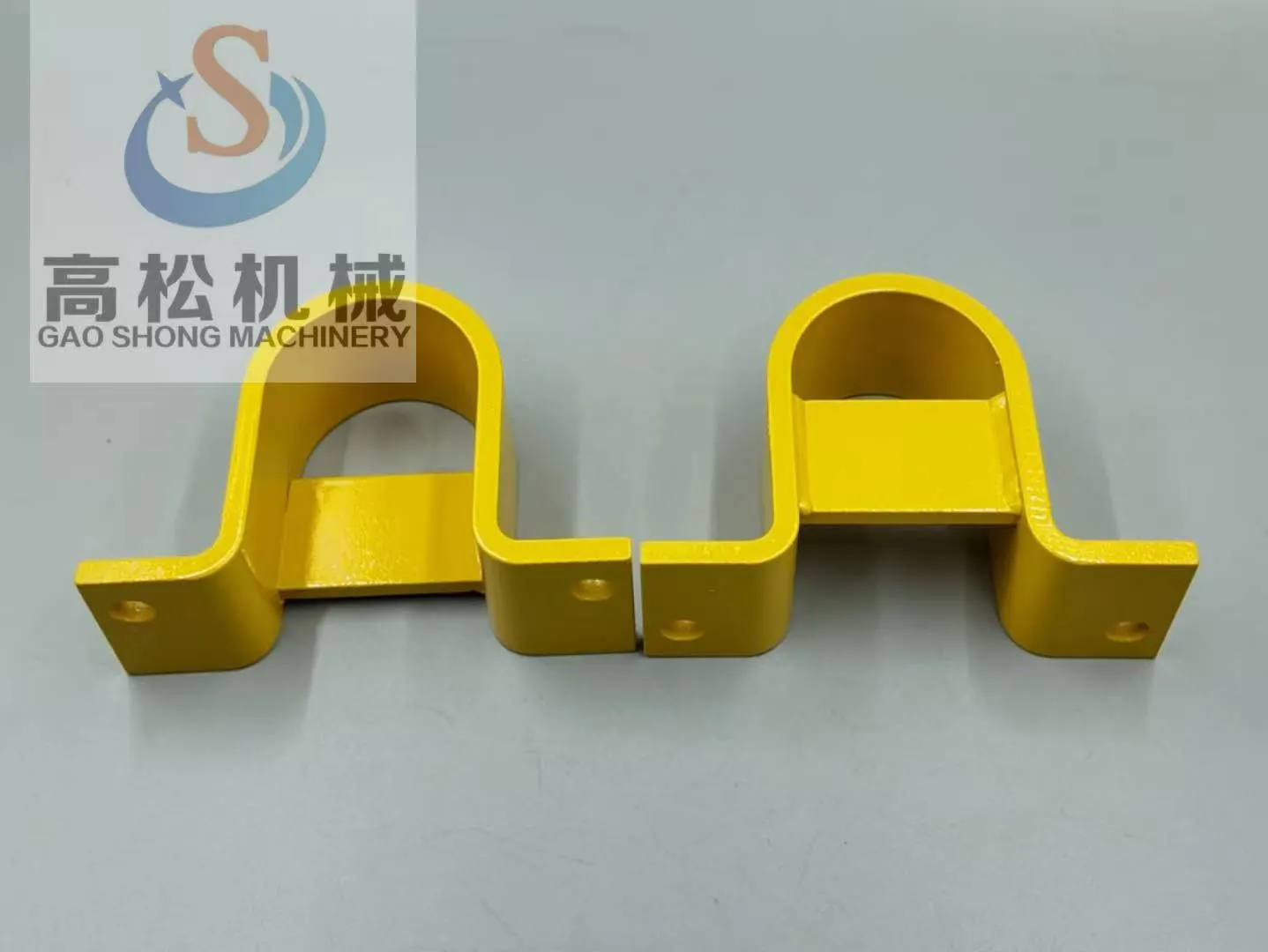 425-04-21430 Compatible models: WA500 Komatsu cover. Large inventory, current spot pricing advantages.
 -
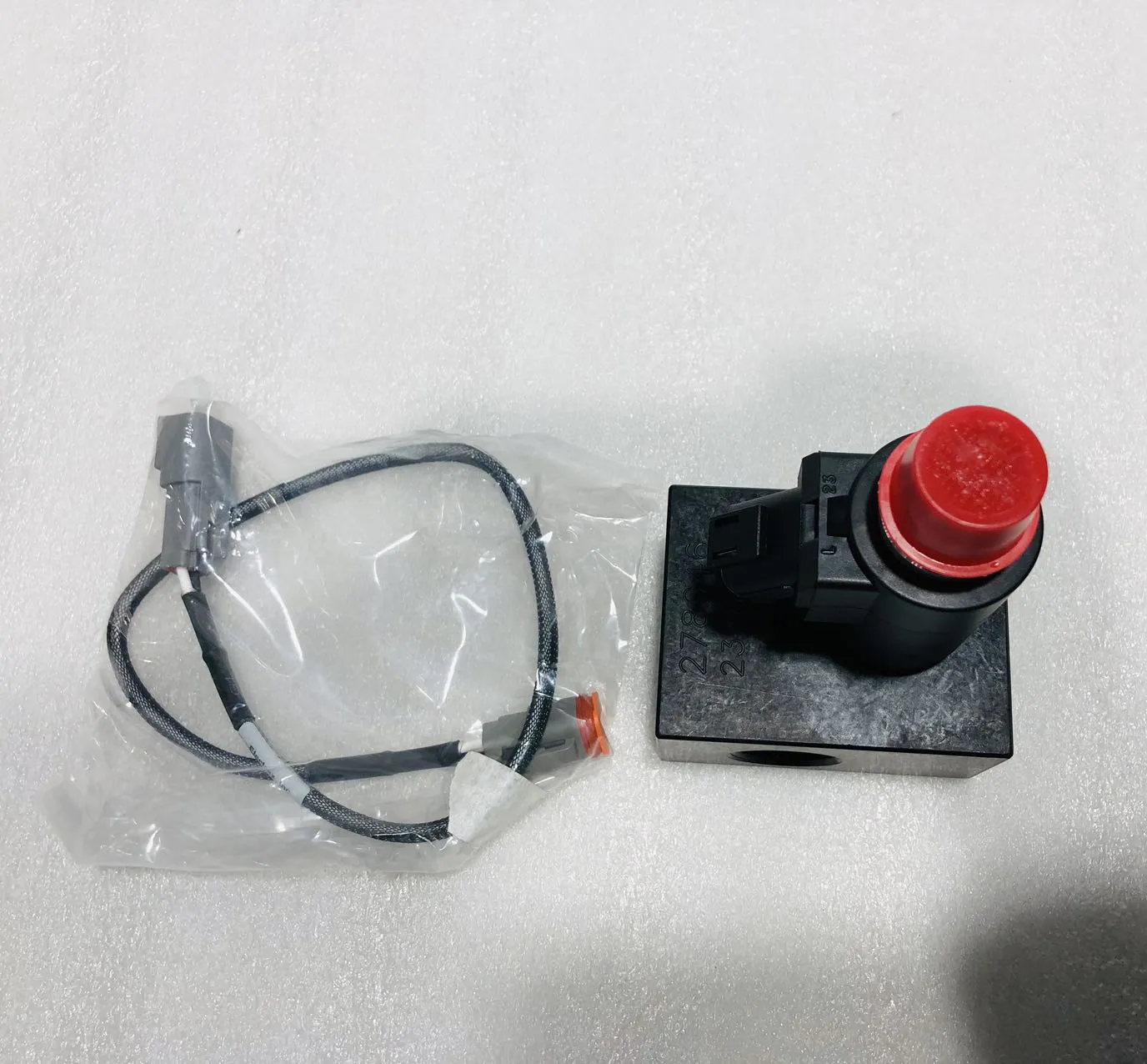 Komatsu 561-95-8A540 VALVE… — Pricing.Parts
 -
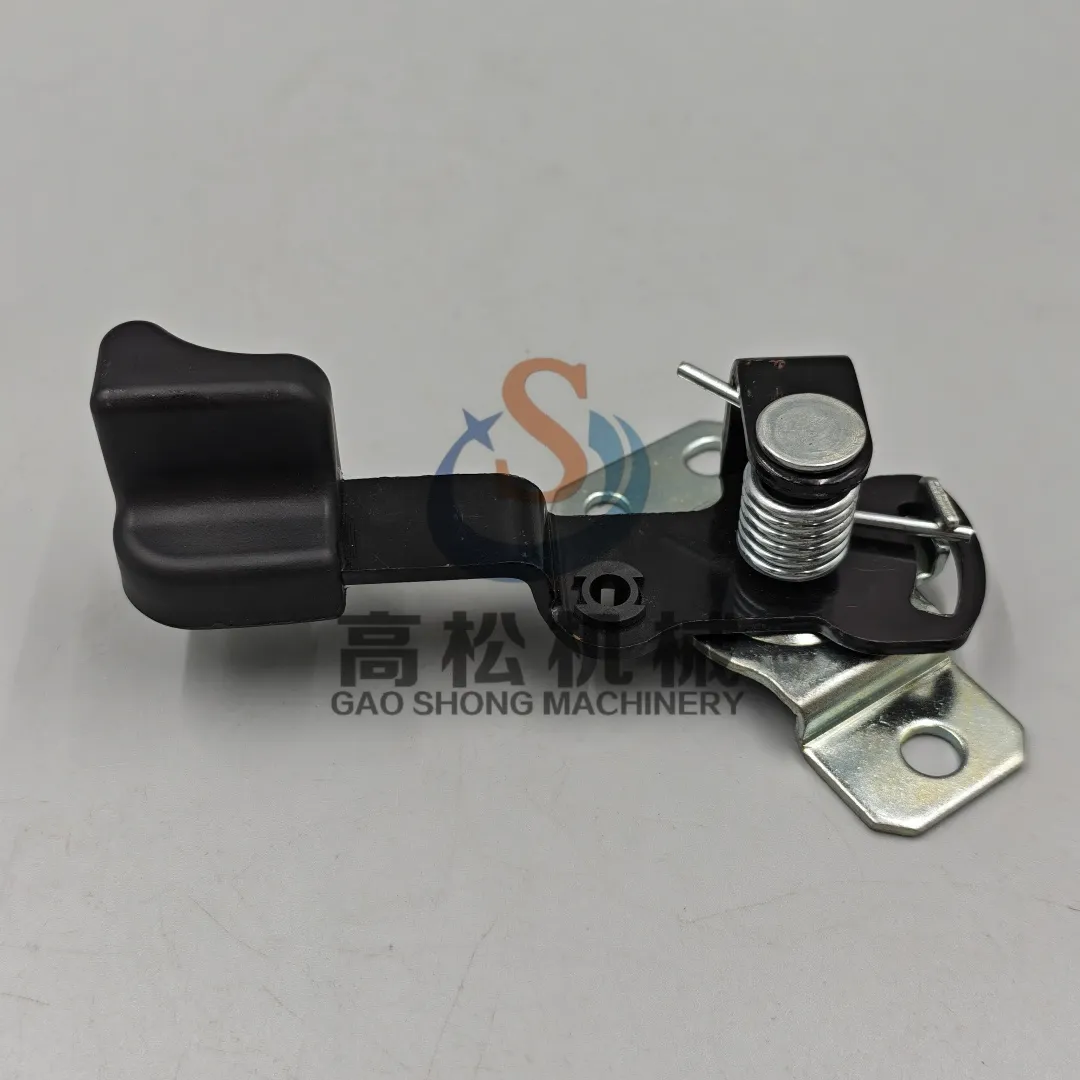 Door Lock Assembly 20Y-54-52820 Latch 20Y-53-12201 Handle Ass’s 20Y-54-52300 for Komatsu PC220-8
 -
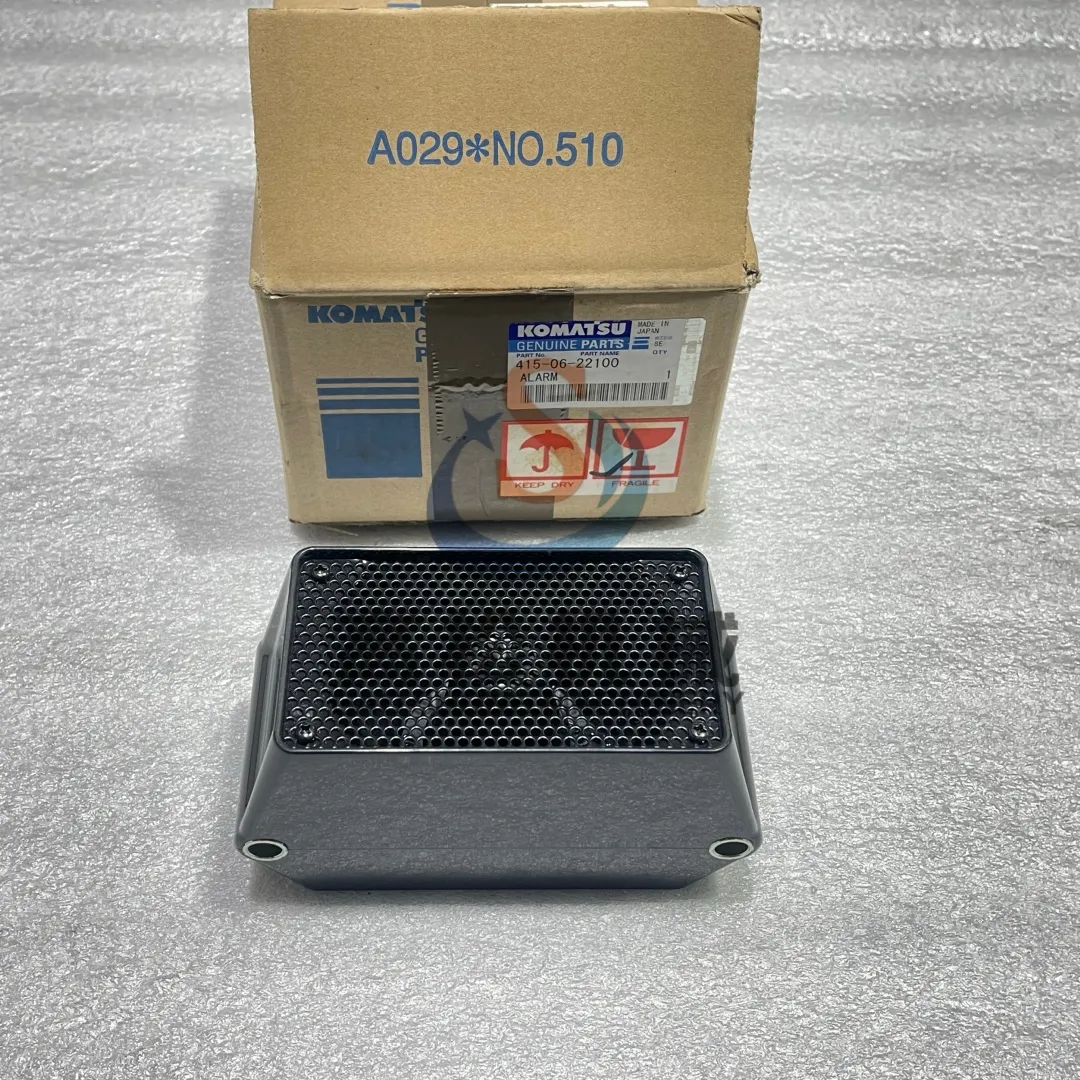 alarm 415-06-22100 – komatsu
 -
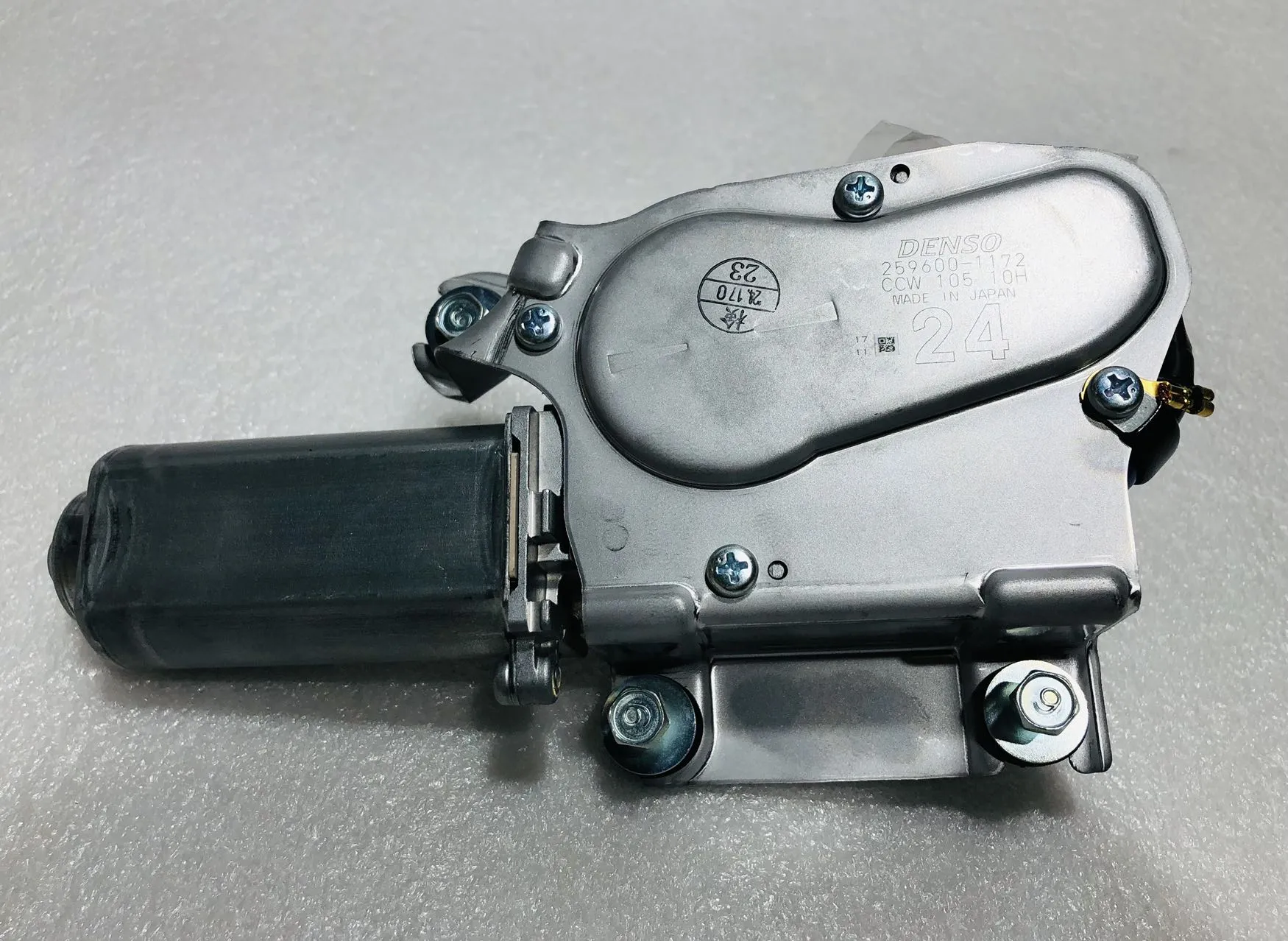 42C-56-11391 Komatsu Motor, Wiper
 -
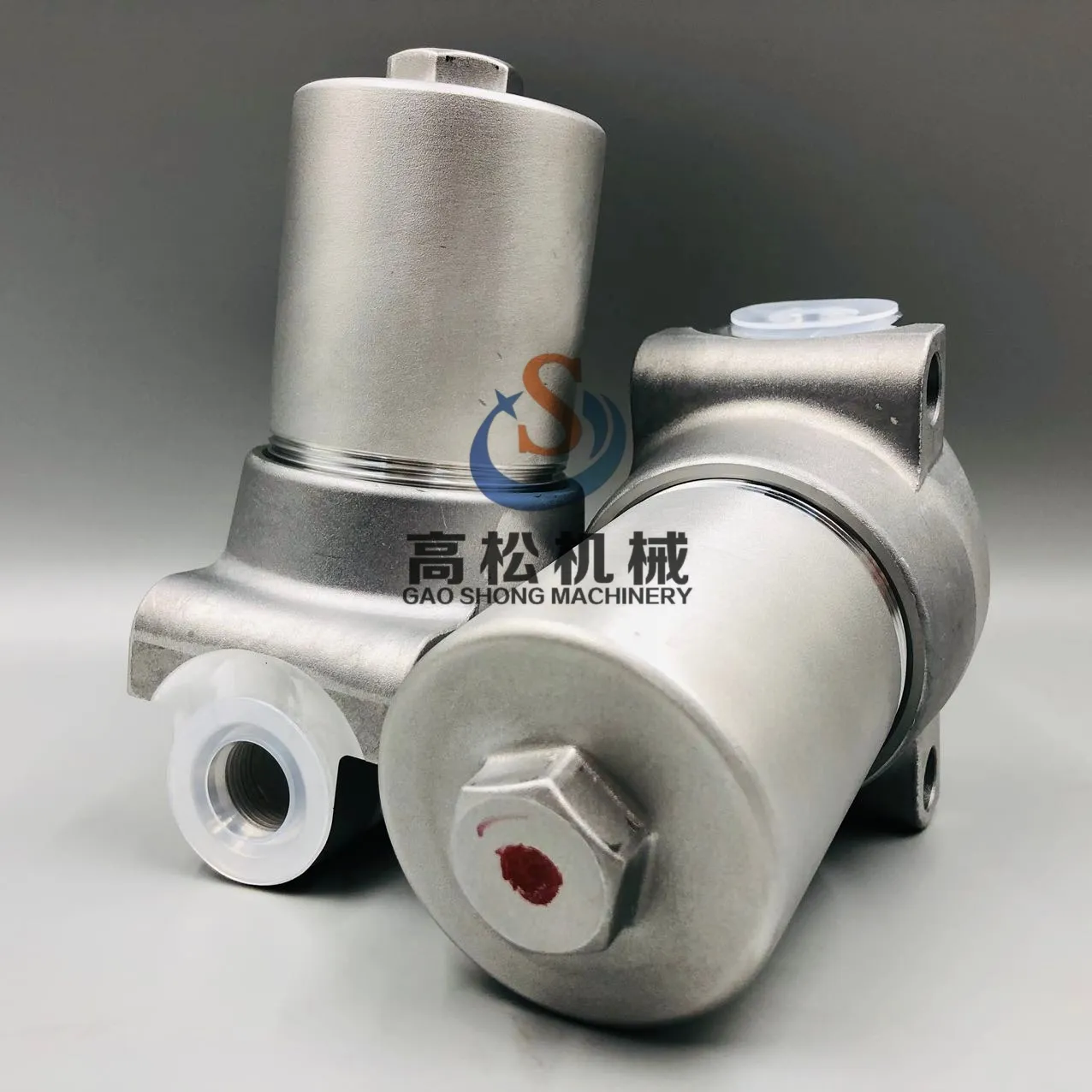 20Y-62-51681 Filter Assembly for PC130 PC220 PC240 PC270 PC290 PC300 PC350 PC400
 -
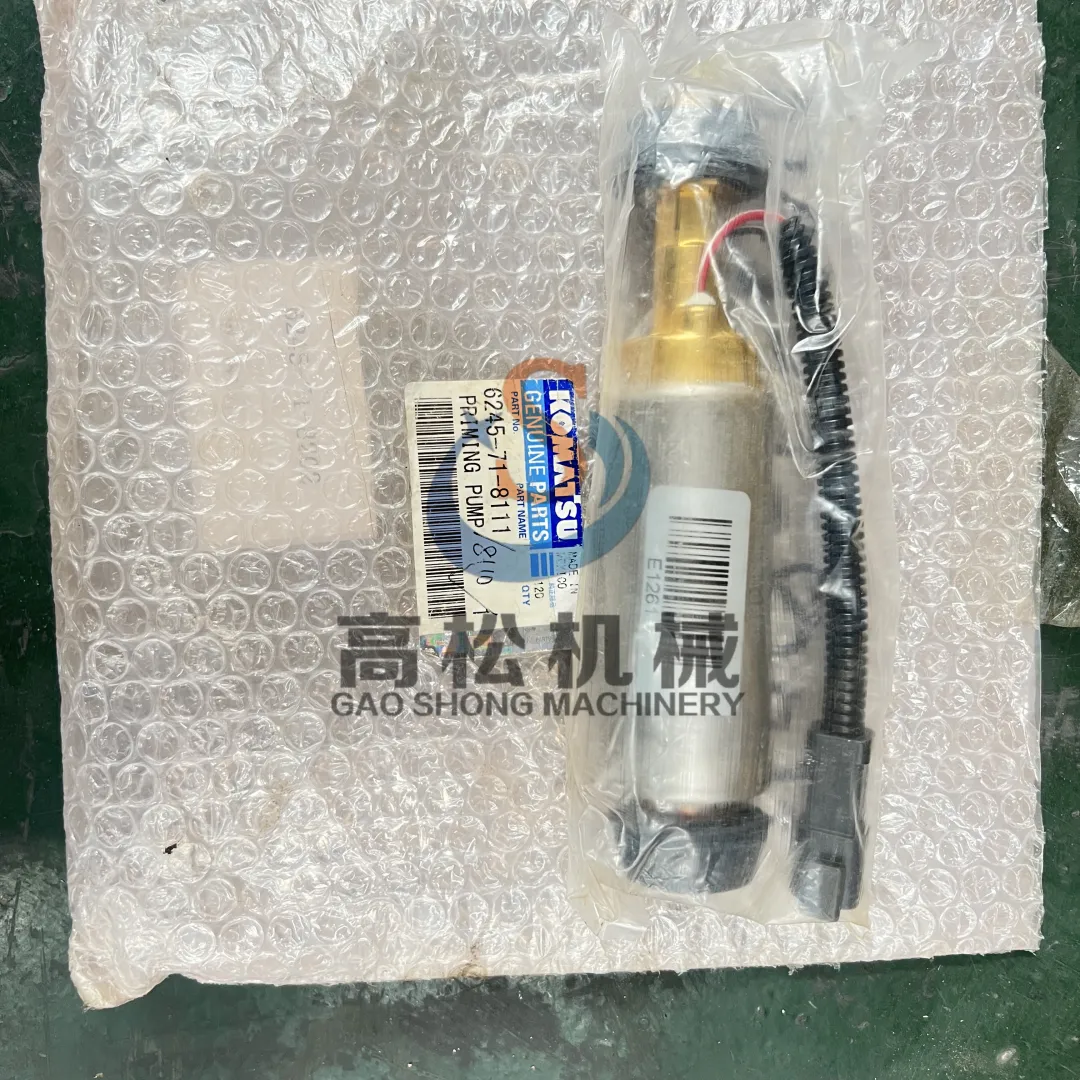 6245-71-8111 Komatsu Pump Assembly, Priming komatsu original
 -
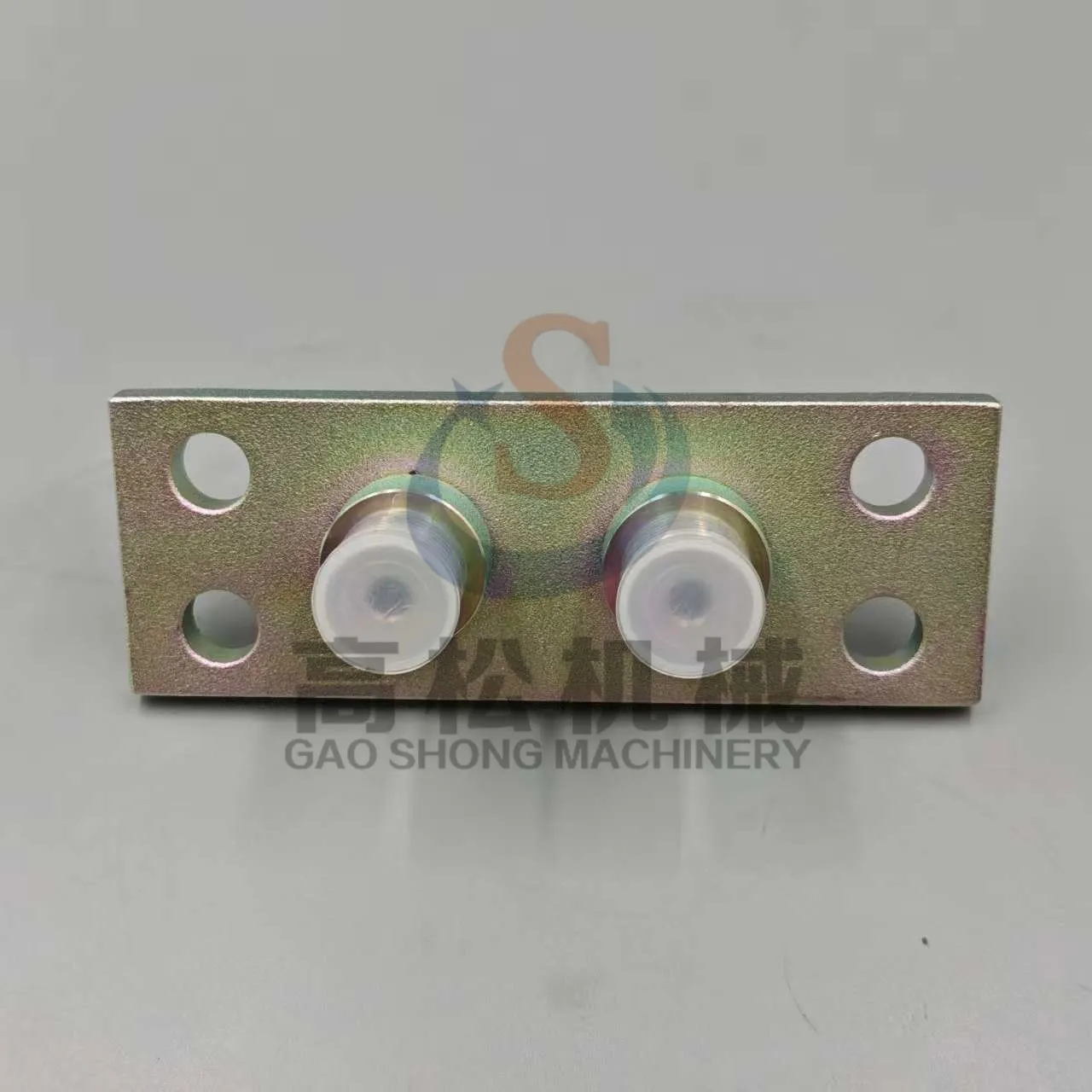 BRACKET 14Y-62-31411 – KOMATSU
 -
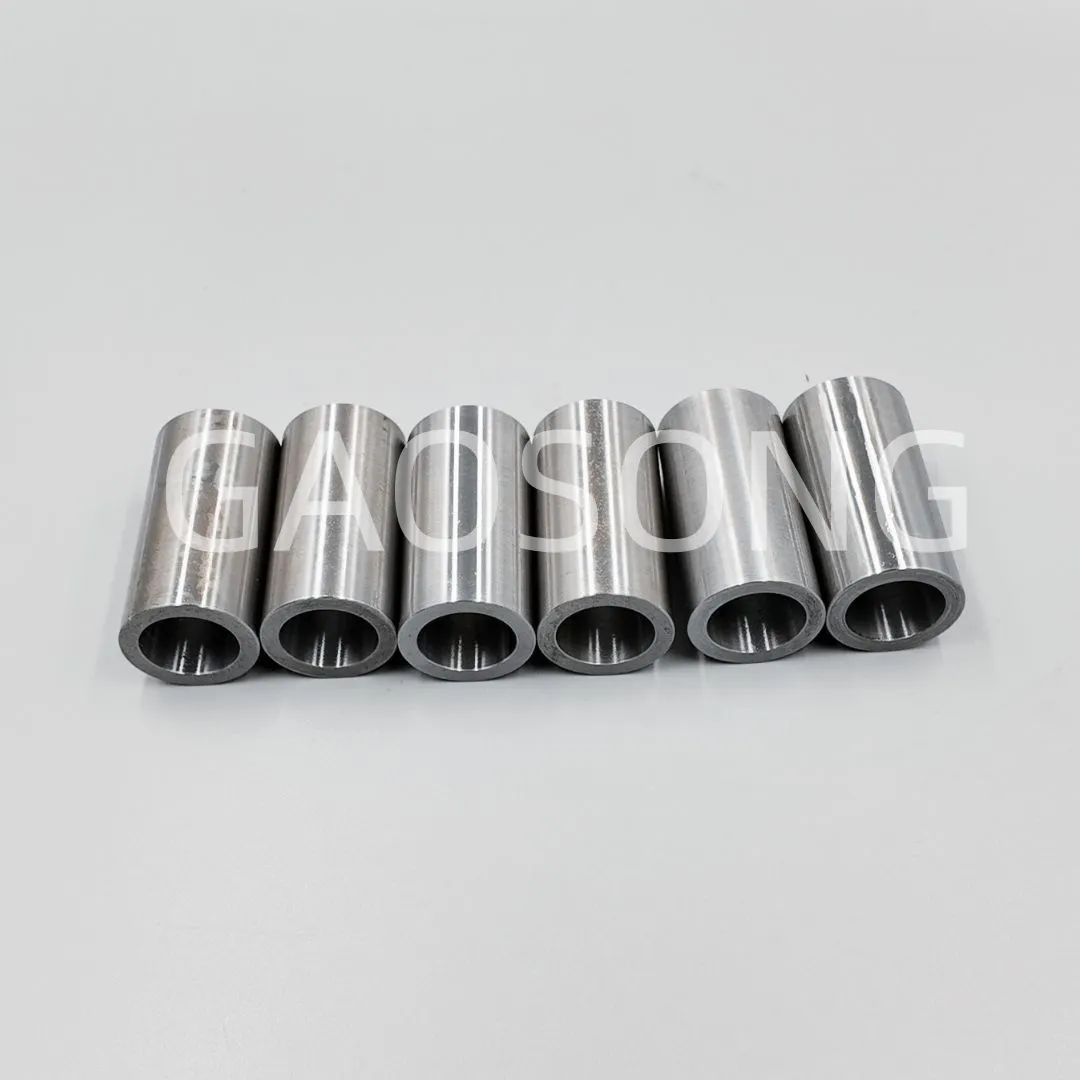 566-54-21910 BUSHING–Komatsu Original Factory
 -
 6156-71-1131 6156-71-1132 Fuel Injection Pump Compatible For Komatsu PC450-8 Excavator
 -
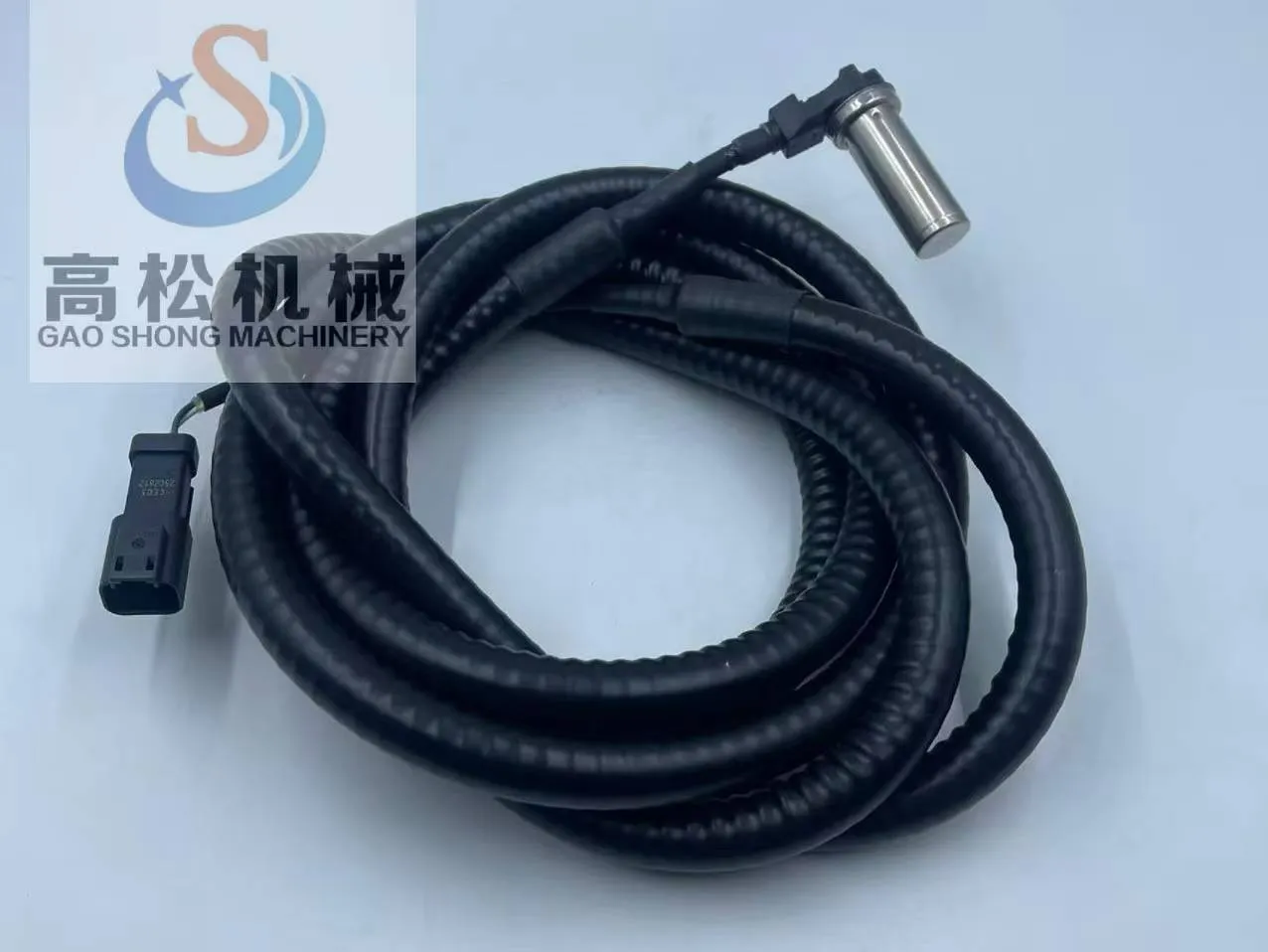 Sensor for Komatsu HD785-7 Dump Truck 566-88-66143