
- Chinese
- French
- German
- Portuguese
- Spanish
- Russian
- Japanese
- Korean
- Arabic
- Irish
- Greek
- Turkish
- Italian
- Danish
- Romanian
- Indonesian
- Czech
- Afrikaans
- Swedish
- Polish
- Basque
- Catalan
- Esperanto
- Hindi
- Lao
- Albanian
- Amharic
- Armenian
- Azerbaijani
- Belarusian
- Bengali
- Bosnian
- Bulgarian
- Cebuano
- Chichewa
- Corsican
- Croatian
- Dutch
- Estonian
- Filipino
- Finnish
- Frisian
- Galician
- Georgian
- Gujarati
- Haitian
- Hausa
- Hawaiian
- Hebrew
- Hmong
- Hungarian
- Icelandic
- Igbo
- Javanese
- Kannada
- Kazakh
- Khmer
- Kurdish
- Kyrgyz
- Latin
- Latvian
- Lithuanian
- Luxembou..
- Macedonian
- Malagasy
- Malay
- Malayalam
- Maltese
- Maori
- Marathi
- Mongolian
- Burmese
- Nepali
- Norwegian
- Pashto
- Persian
- Punjabi
- Serbian
- Sesotho
- Sinhala
- Slovak
- Slovenian
- Somali
- Samoan
- Scots Gaelic
- Shona
- Sindhi
- Sundanese
- Swahili
- Tajik
- Tamil
- Telugu
- Thai
- Ukrainian
- Urdu
- Uzbek
- Vietnamese
- Welsh
- Xhosa
- Yiddish
- Yoruba
- Zulu
- Kinyarwanda
- Tatar
- Oriya
- Turkmen
- Uyghur






Komatsu replacement parts
When you hear 'Komatsu replacement parts', the immediate assumption is OEM, direct from the factory. That's the ideal, but the reality on the ground, especially in certain markets, is a tangled web of supply gaps, long lead times, and a confusing mix of quality claims. The term itself becomes a battleground. Is it a genuine Komatsu part? A licensed aftermarket? Or just a part that fits? I've seen operations grind to a halt waiting for a single, supposedly simple seal from official channels, while a pile of machines sits idle. That's where the whole ecosystem, including companies that operate within the Komatsu system but also work around its edges, becomes critical. It's not about bypassing quality; it's about solving the practical problem of keeping equipment running when the primary pipeline is clogged or non-existent.
The OEM Promise vs. The On-Site Emergency
There's no debating the engineering and reliability built into genuine Komatsu parts. The metallurgy on a final drive gear, the tolerances in a hydraulic pump—they're benchmark. But the promise hits a wall when you're in a remote quarry in Southeast Asia or a mining expansion in Africa, and the system says 12 weeks for a crucial undercarriage component. You can't tell a $5 million excavator to take a three-month vacation. This gap is where the real business of parts supply happens. It forces you to look beyond the official catalog.
I recall a project where we had three PC700s down with similar hydraulic system failures. The diagnosis pointed to a specific valve bank. Official lead time was 8 weeks, air freight. The cost of downtime was astronomical. We had to explore alternatives. We sourced a unit from a supplier who claimed OEM lineage. It fit, it worked, but we later found its service life was about 80% of the genuine article. Was it a failure? Not entirely. It got two machines back online in 10 days, bought us time to source the proper part for the third machine as a planned replacement. It was a calculated, pragmatic decision.
This is the daily calculus. It's not OEM good, everything else bad. It's about understanding the risk profile of the part. A critical, high-stress component like a crankshaft? You wait for the genuine part, no question. A filter, a hose, a seal kit, or even a non-critical bracket? The tolerance for alternative sourcing widens considerably. The key is knowing the difference, and that knowledge only comes from tearing enough machines apart and seeing what fails and why.
The Role of System-Integrated Suppliers
This brings me to a specific type of player in this space. Some companies aren't just generic aftermarket manufacturers; they have a formalized role within the Komatsu ecosystem. They might be OEM product suppliers, manufacturing specific components to Komatsu's blueprints and quality audits. This is different from a pure reverse-engineering shop. The part might not come in the classic Komatsu box, but its pedigree is often solid.
Then there are the third-party sales companies that Komatsu itself might utilize to penetrate or service difficult markets. A company like Jining Gaosong Construction Machinery Co., Ltd. fits a niche here. From what I've encountered, their stated role is being an OEM product supplier within the Komatsu system and acting as a third-party sales company for Komatsu. Their website, takematsumachinery.com, frames their mission around solving parts supply challenges in certain countries. This isn't marketing fluff; it addresses a real pain point. They're positioned as a conduit, not a competitor.
How does this work in practice? Imagine a region where Komatsu's direct parts distribution is thin. Instead of setting up a full warehouse, they might partner with or authorize a local entity with deep logistics and market knowledge to handle the flow of both genuine and system-approved parts. This entity can navigate local import regulations, customs, and last-mile delivery in ways a distant regional office can't. For an end-user, dealing with such a company can mean the difference between a 2-week and a 2-month wait for a track chain assembly. The part's provenance is clearer than the grey market, and the support is more direct.
Judging Quality Without the Branded Box
So you're not buying from the official dealer. How do you vet? The box and packaging are the first tells. Counterfeits have gotten scarily good, but inconsistencies in printing, plastic molding of the box, or the quality of the manual are red flags. Then you get physical. For a wear part like a bucket tooth, look at the casting lines, the finish of the bore. A genuine or high-quality licensed part will be clean, with precise machining marks. A cheap copy will have rough surfaces, potential sand inclusions, and uneven hardness.
For mechanical components, weight can be a proxy for material density. A suspiciously light rotor or gear is a major warning. I always cross-reference the part number stamped on the item itself with the official Komatsu parts book. Sometimes the number is copied, but the font or depth of stamping is off. The most reliable test, of course, is installation and performance. Does it fit without force? Does it operate within specified parameters (pressure, temperature, noise)? We once installed a set of alternative idlers that seemed perfect off the shelf, but they created abnormal track whip because the rubber compound was slightly different, affecting damping. It was a subtle failure you only catch with experience.
Documentation matters. A reputable supplier, especially one operating within the system, should provide material certifications, heat treat reports, or dimensional inspection reports for critical components. If they balk at that, walk away. A company that positions itself as solving supply challenges, like the aforementioned Jining Gaosong, should be transparent about the origin of each part category—whether it's genuine, OEM-sourced, or quality aftermarket.
When Fits Komatsu Isn't Enough
The aftermarket is flooded with parts labeled fits Komatsu PC360, etc. This is the wild west. Some are perfectly serviceable for older, lower-utilization machines. Others are dangerous junk. The biggest mistake is assuming interchangeability based solely on a model number. Komatsu makes running changes. A pump for a PC360-8 might have a different port configuration or shaft spline than a PC360-7. The part number is king.
I learned this the hard way early on with an engine water pump. The aftermarket unit looked identical, bolted up perfectly. But the impeller was a slightly different design, resulting in about 15% less coolant flow. It didn't cause immediate overheating, but it led to chronic higher operating temperatures that likely accelerated wear on other components. The failure wasn't catastrophic; it was insidious and costly in the long run.
This is why a supplier's technical depth is crucial. A good one will ask you for the machine serial number, not just the model. They'll have access to interchangeability guides and will flag potential subtle differences. Their value isn't just in having the part on a shelf; it's in having the correct part for your specific machine snapshot. This technical filtering is what separates a parts seller from a parts solution provider.
The Logistics and Cost Equation
Beyond the part itself, the total cost of acquisition includes downtime, freight, and import duties. A cheap part from an online marketplace can become expensive when it's held in customs for three weeks, or when you need to pay expedited air freight because the sea freight container was delayed. This is where localized suppliers with established logistics shine.
A company that focuses on specific regions, by definition, has already untangled the local import mess. They might have parts in a bonded warehouse locally, turning an international shipment into a domestic delivery. They understand local certification requirements. This logistical smoothing is a massive, often overlooked, part of solving the parts supply challenge. It turns a complex international procurement headache into a simple local purchase order.
Ultimately, managing Komatsu replacement parts is a balancing act. You're balancing cost against risk, time against perfection. The goal isn't to always buy the absolute cheapest or always wait for the absolute best. It's to have a layered strategy: genuine OEM for critical, hard-to-reach components; trusted system-approved or high-quality aftermarket for wear items and non-critical parts; and a network of reliable suppliers who provide more than just a product—they provide a solution that includes correct technical matching and logistical support. In this landscape, entities that are woven into the official system yet agile enough to address its gaps become indispensable partners, not just vendors.
Related Products
Related Products

Best Selling Products
Best Selling Products-
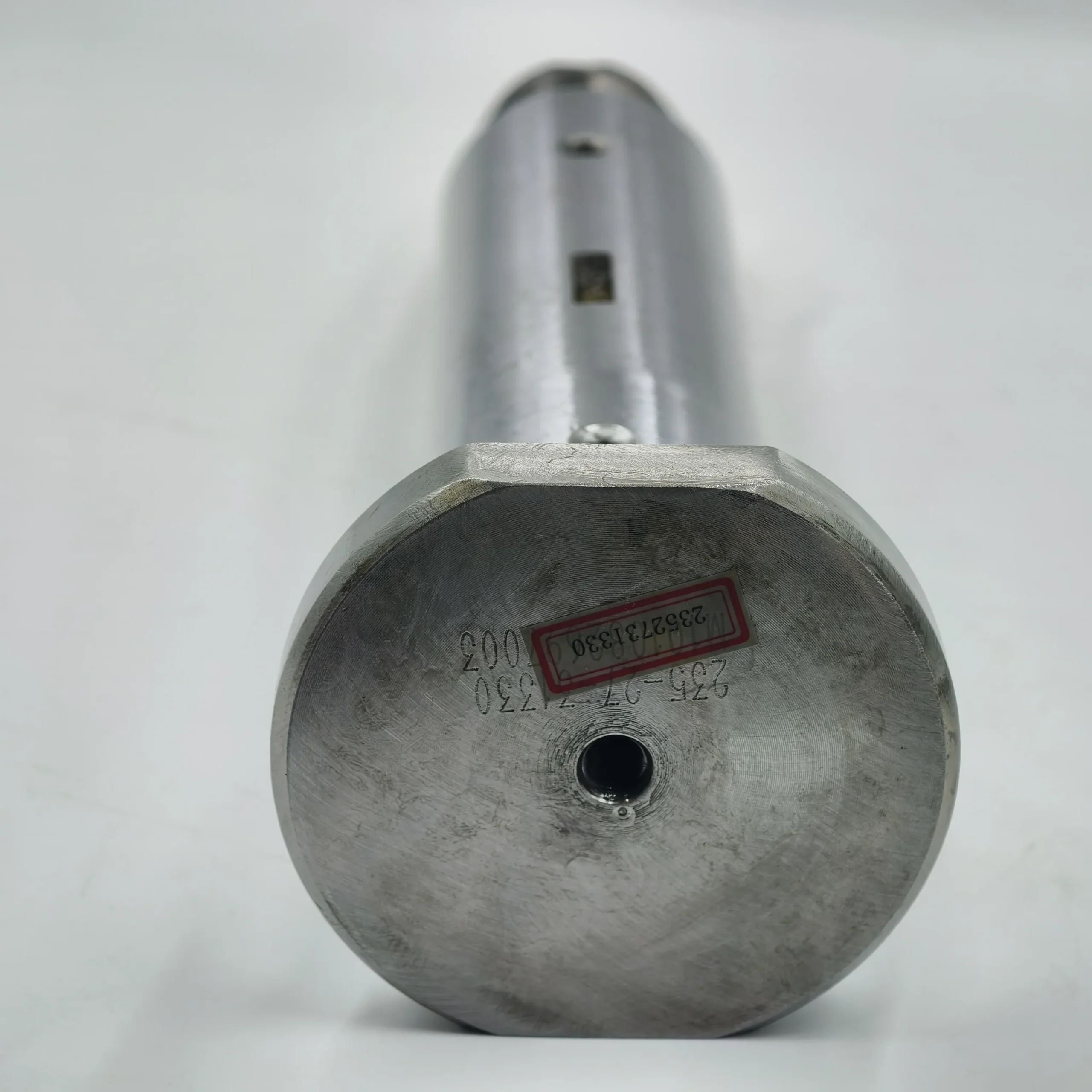 Komatsu GD825A-2 Pin 235-27-31330
 -
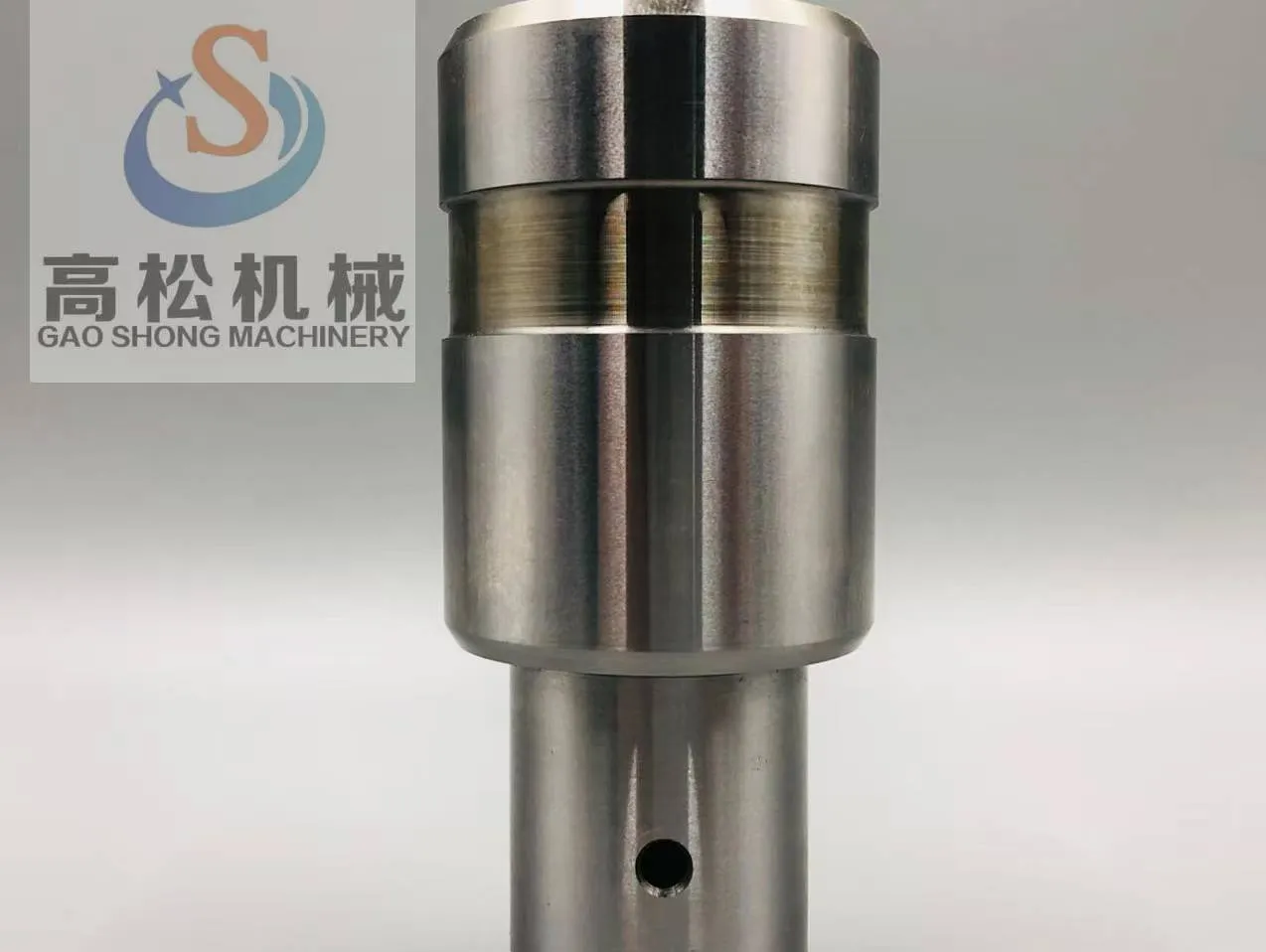 Excavator PC1250sp-8r Axle 6240-61-1313 6240611313
 -
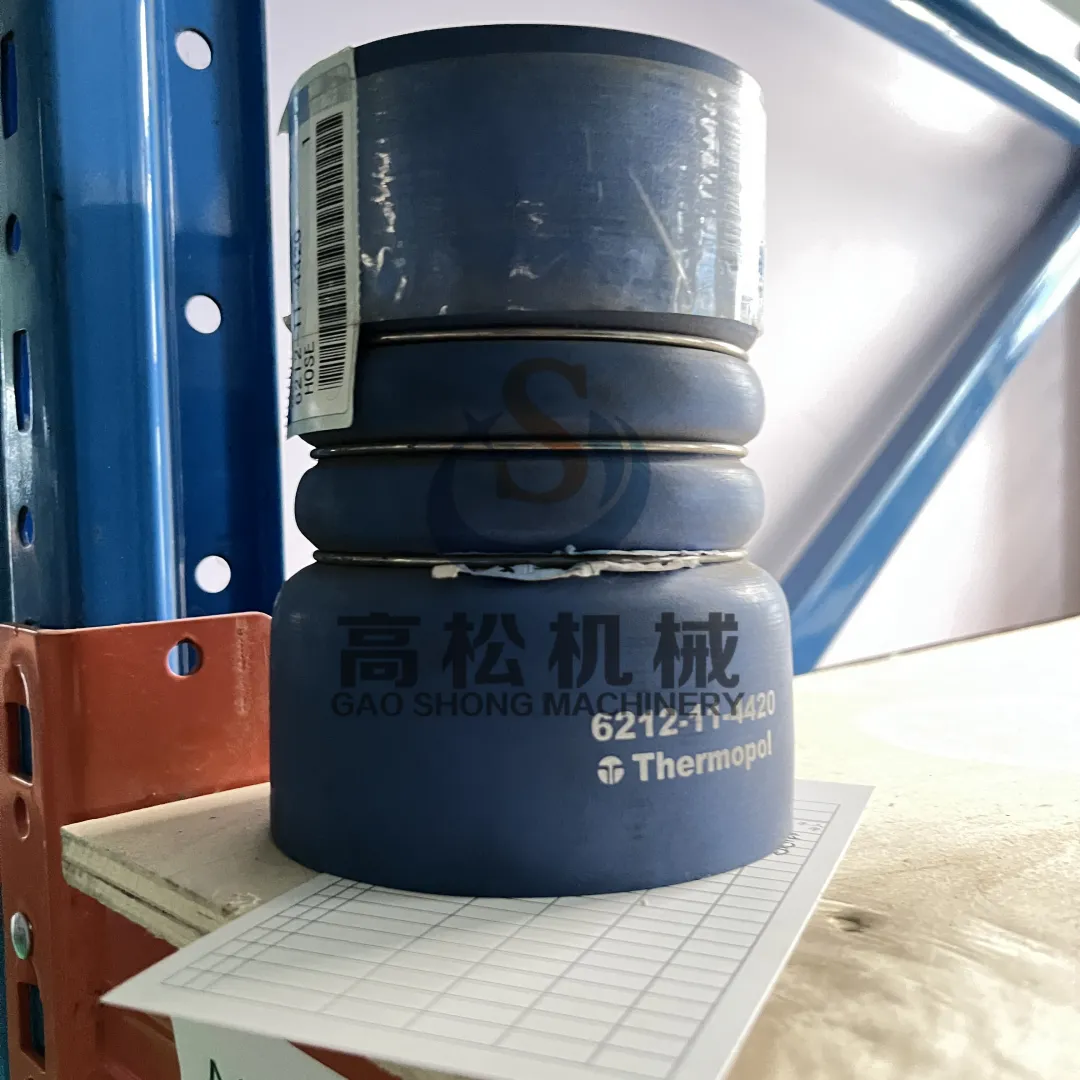 6212-11-4420New Genuine Komatsu Hose 6212-11-4420 WA500-6 Wheel Loader HD325-7 Dump Truck
 -
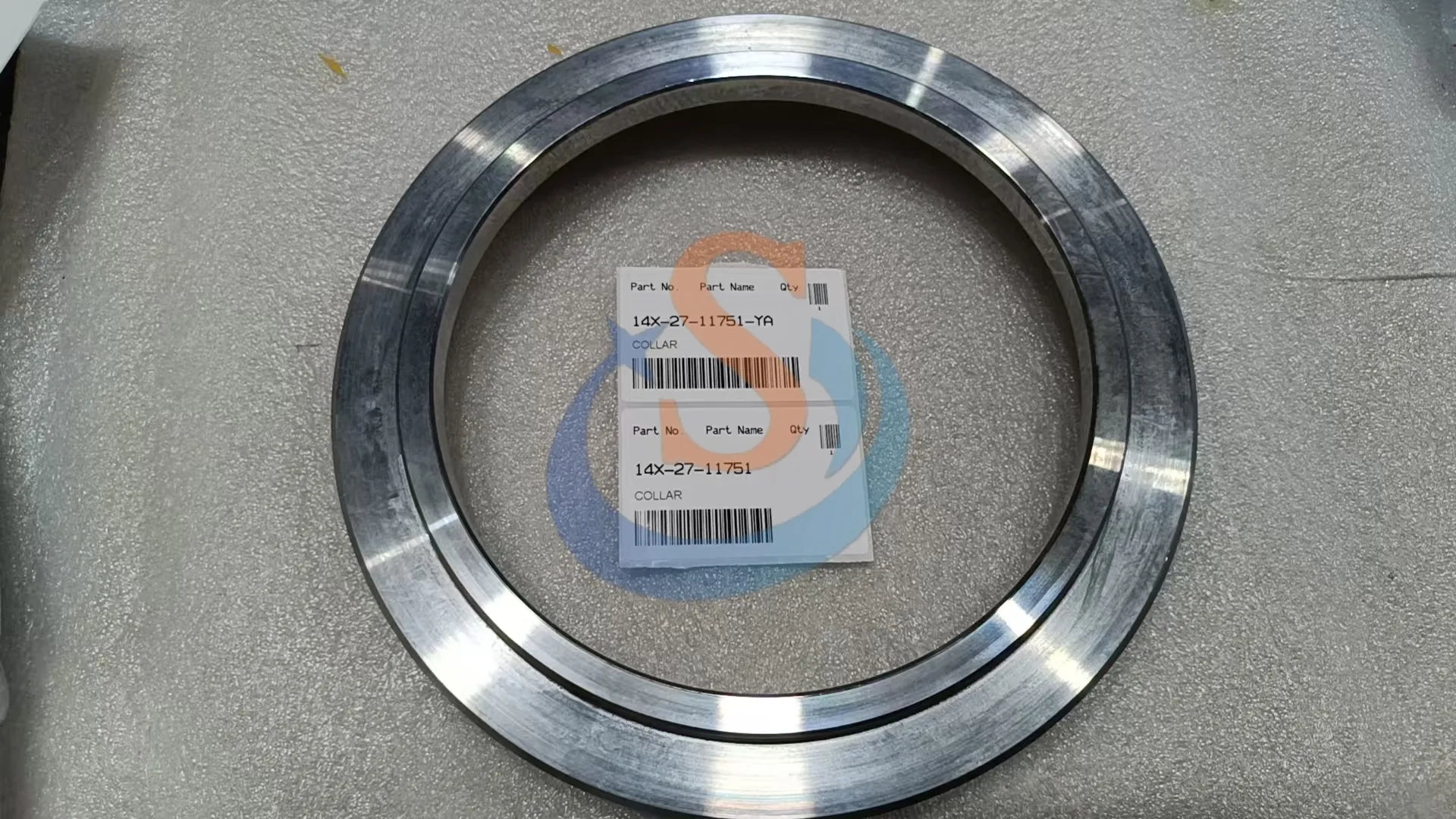 14X-27-11751,COLLAR,D65PX,D65WX,D85E
 -
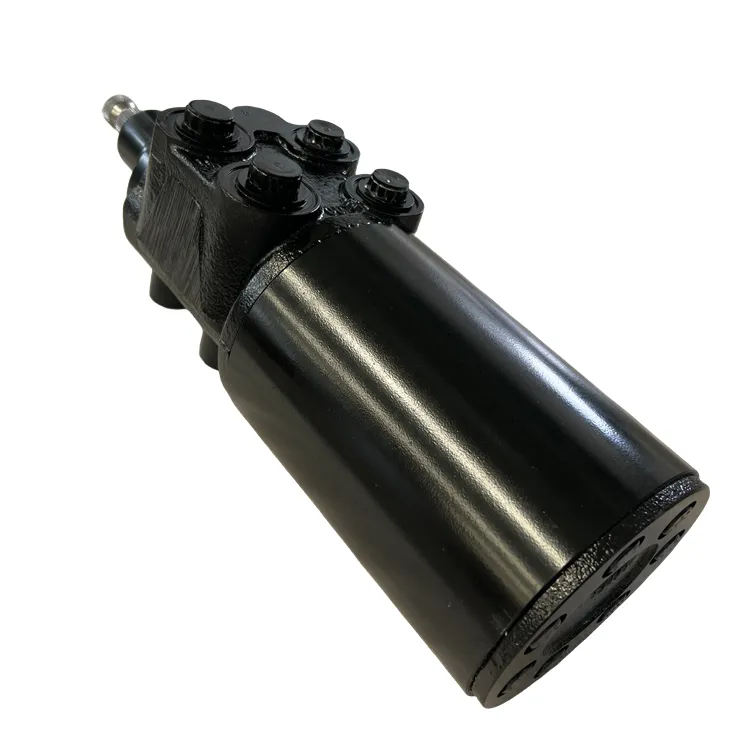 Hydraulic Steering Valve 561-40-83300 569-40-63302 for Komatsu HD785-7 HD465-7R Dump Trucks
 -
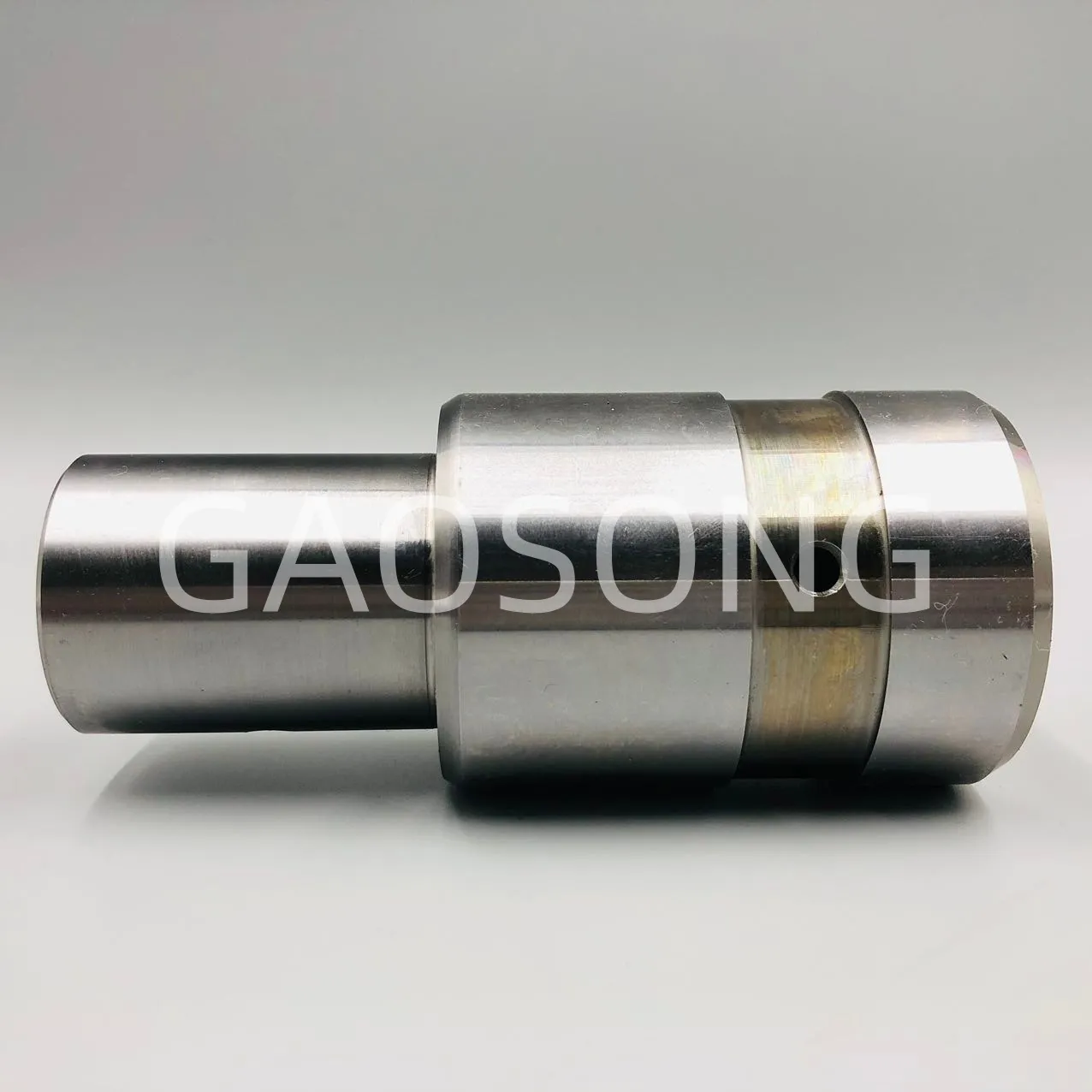 SHAFT 6240-61-4630 – KOMATSU
 -
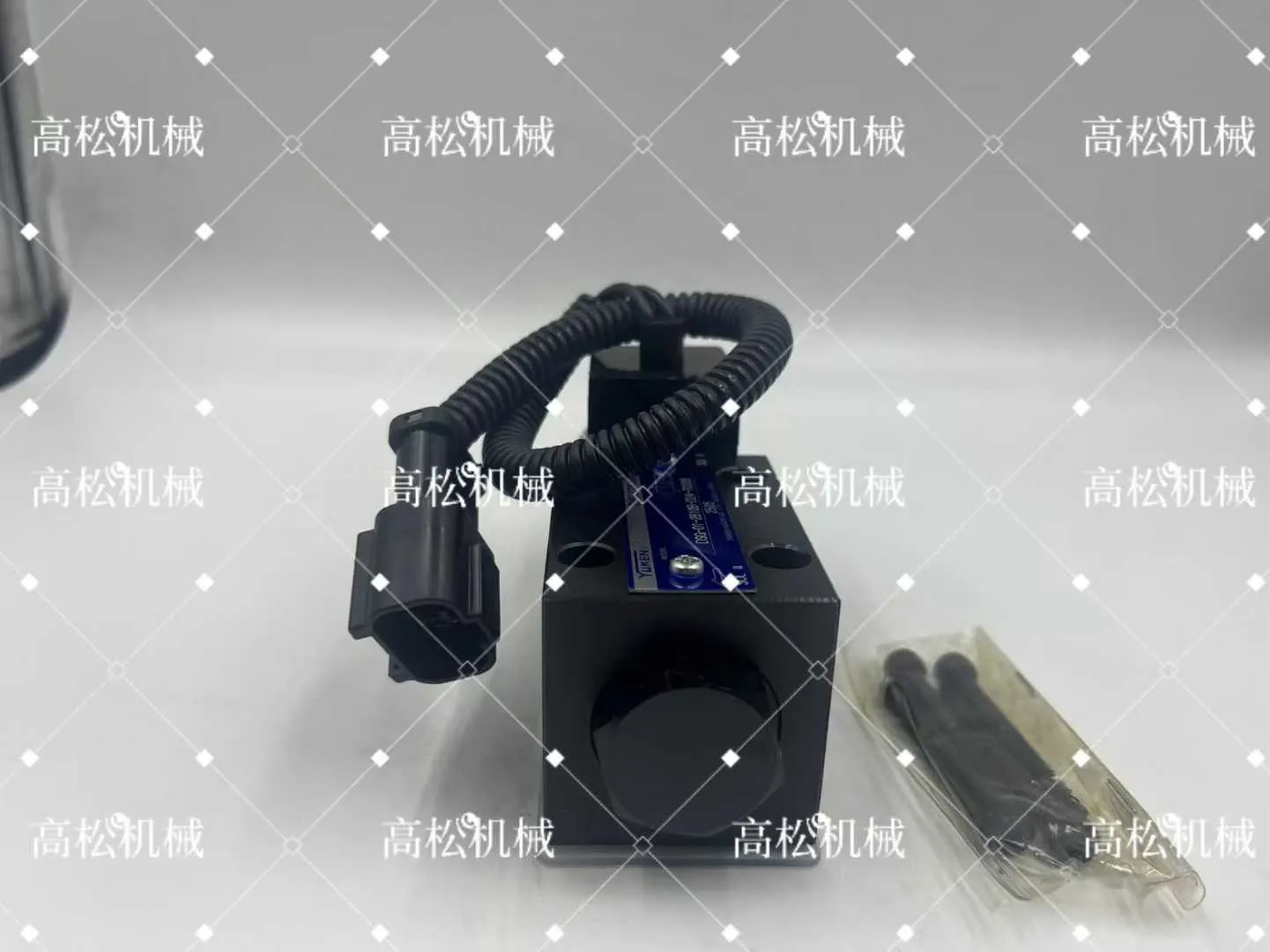 23W-60-28230 Valve Assembly, Komatsu. Applicable Model: WA600-3. In stock.
 -
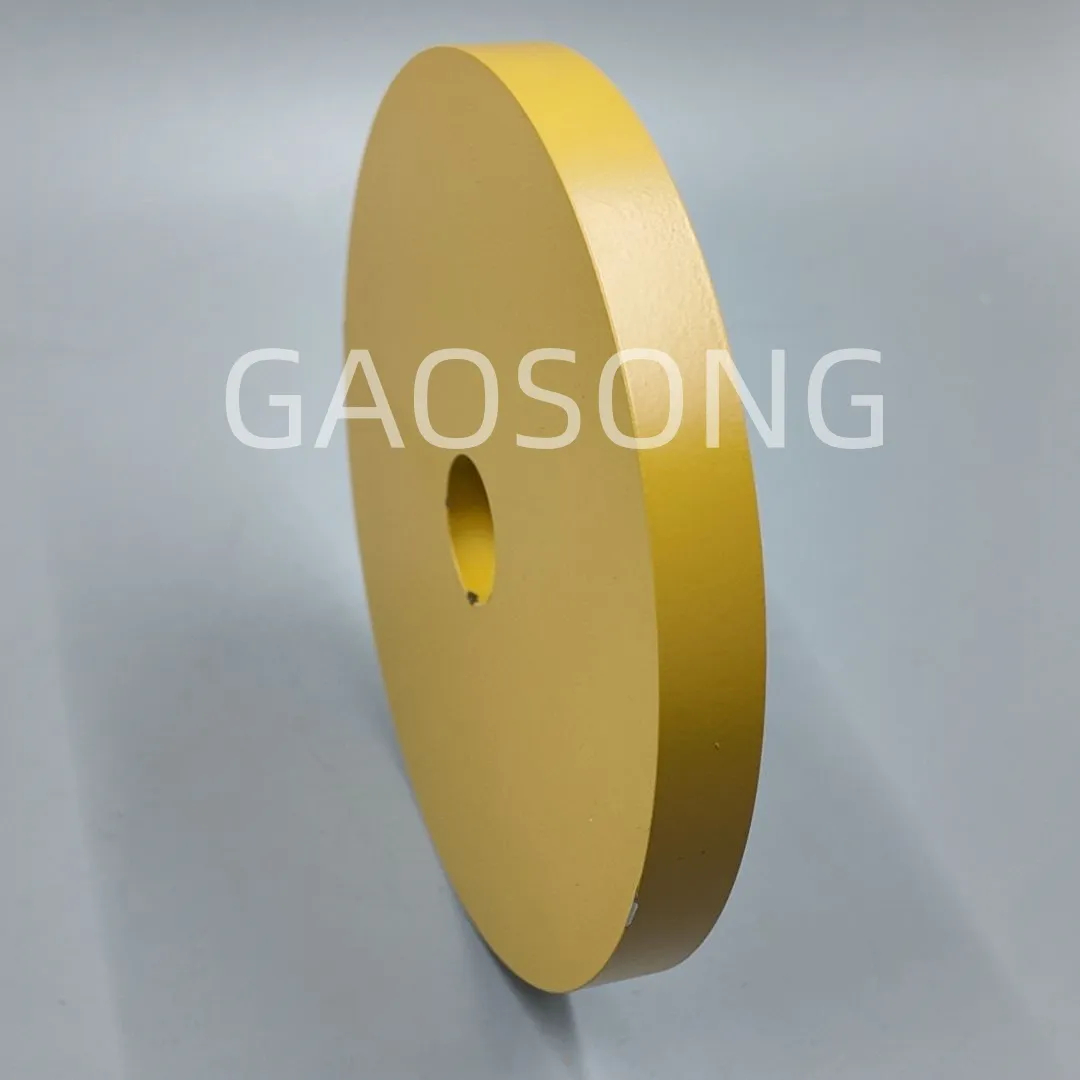 21N-01-11120 21T-01-11150 Komatsu PC600-8 PC1250-7 PC750-7
 -
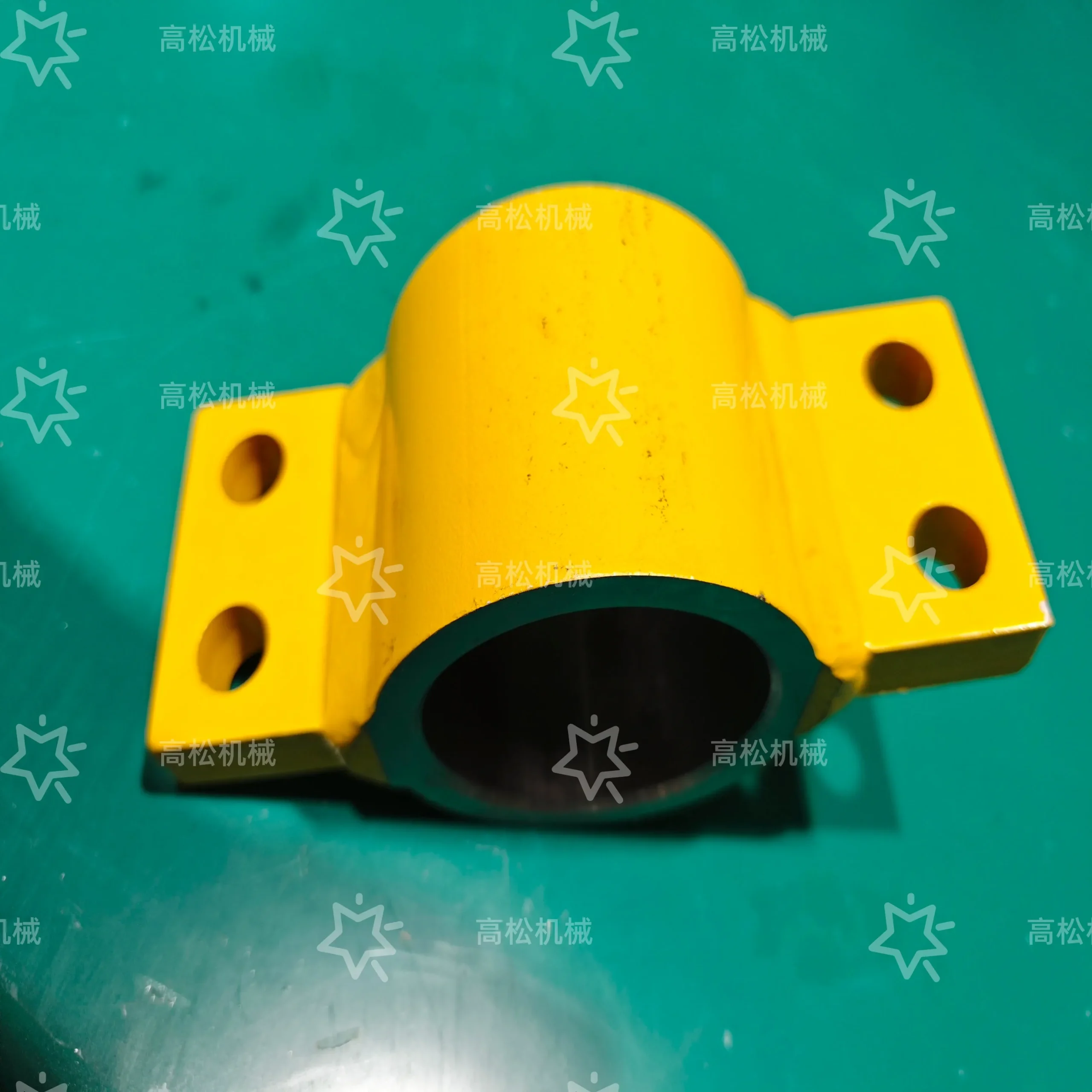 part 566-14-41160 Bracket (Komatsu)
 -
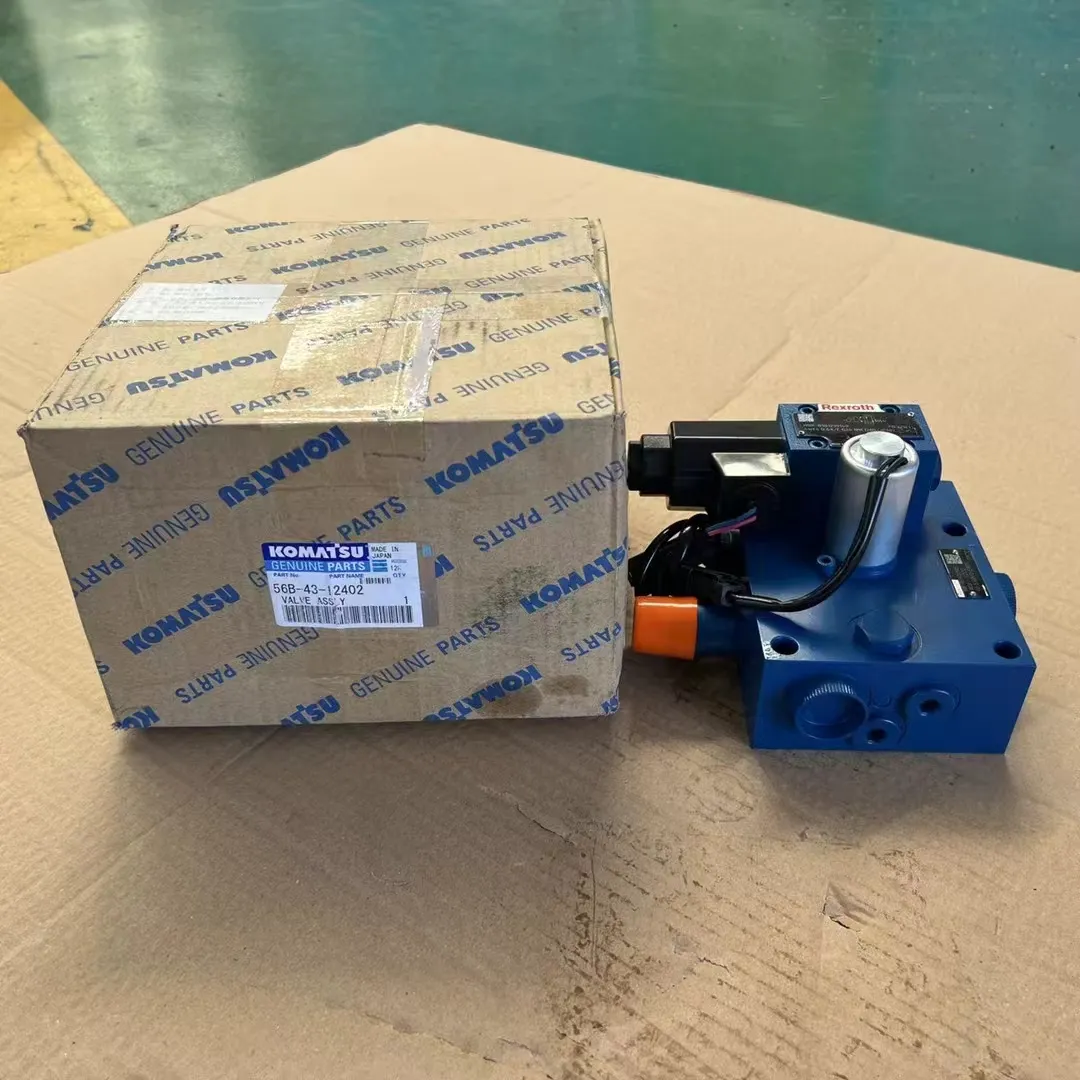 Supply Komatsu HD465-7EPC dump truck valve 56B-43-12402
 -
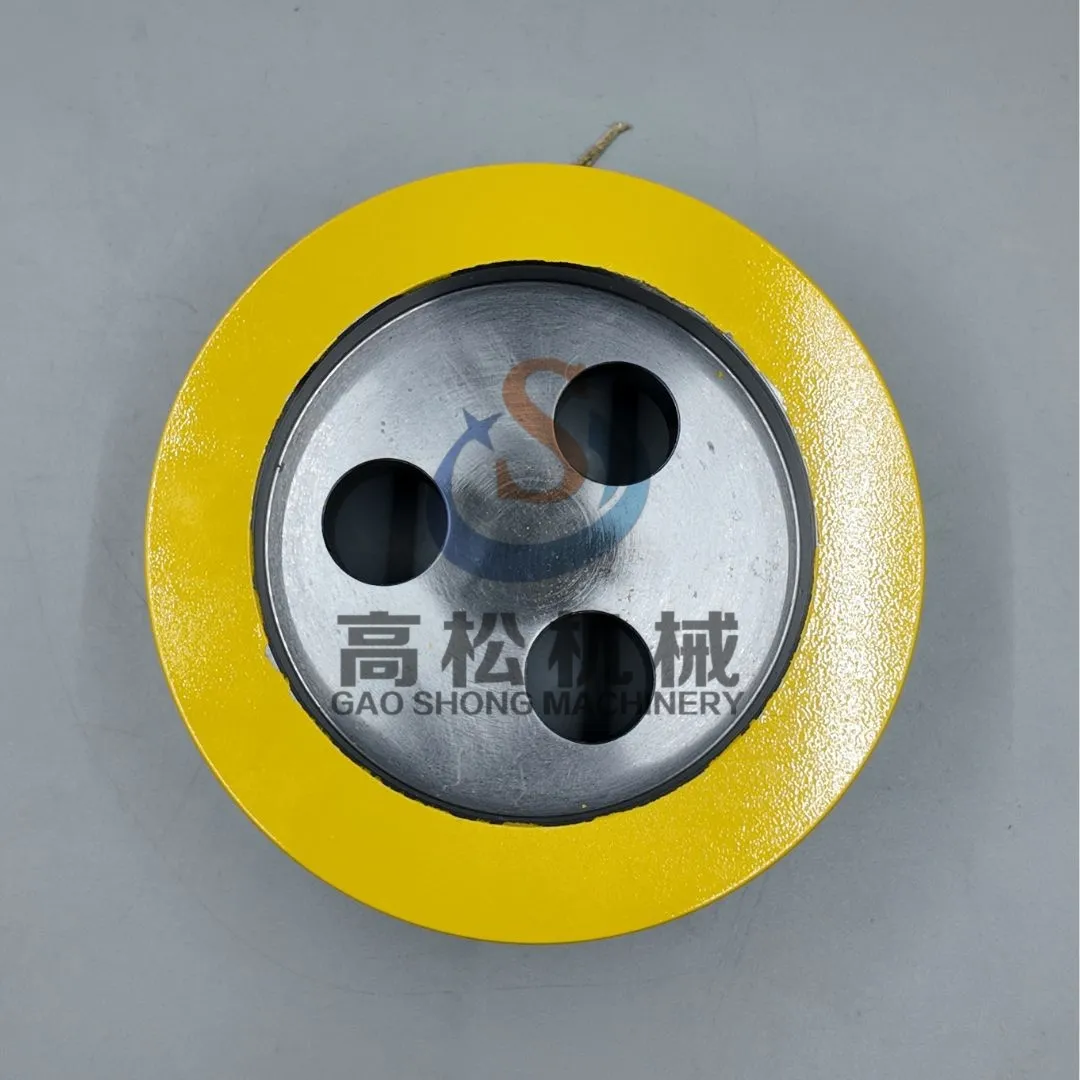 2A8-70-13570 Excavator Arm Bucket Link Cover for PC500-10
 -
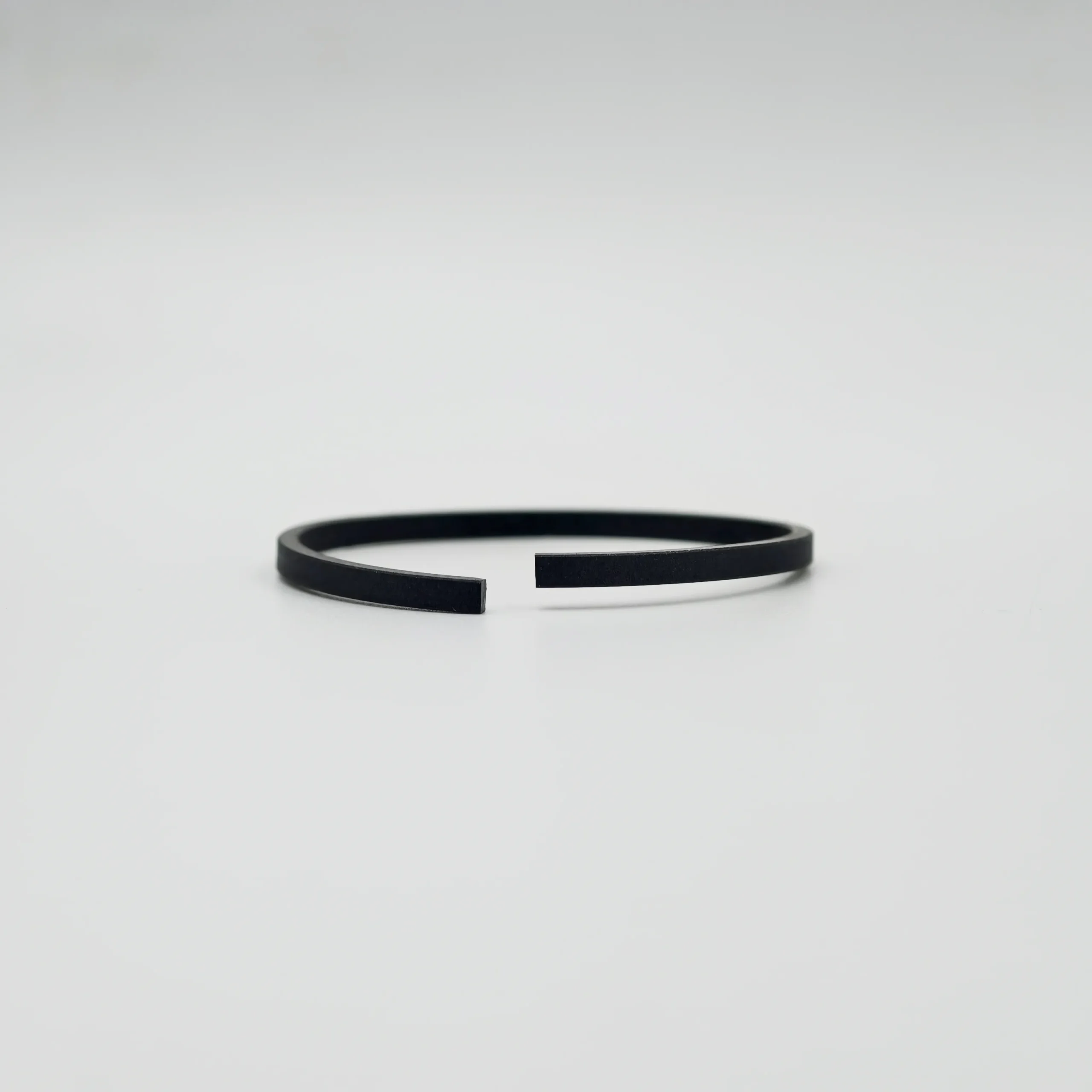 56D-15-19250 RING