
- Chinese
- French
- German
- Portuguese
- Spanish
- Russian
- Japanese
- Korean
- Arabic
- Irish
- Greek
- Turkish
- Italian
- Danish
- Romanian
- Indonesian
- Czech
- Afrikaans
- Swedish
- Polish
- Basque
- Catalan
- Esperanto
- Hindi
- Lao
- Albanian
- Amharic
- Armenian
- Azerbaijani
- Belarusian
- Bengali
- Bosnian
- Bulgarian
- Cebuano
- Chichewa
- Corsican
- Croatian
- Dutch
- Estonian
- Filipino
- Finnish
- Frisian
- Galician
- Georgian
- Gujarati
- Haitian
- Hausa
- Hawaiian
- Hebrew
- Hmong
- Hungarian
- Icelandic
- Igbo
- Javanese
- Kannada
- Kazakh
- Khmer
- Kurdish
- Kyrgyz
- Latin
- Latvian
- Lithuanian
- Luxembou..
- Macedonian
- Malagasy
- Malay
- Malayalam
- Maltese
- Maori
- Marathi
- Mongolian
- Burmese
- Nepali
- Norwegian
- Pashto
- Persian
- Punjabi
- Serbian
- Sesotho
- Sinhala
- Slovak
- Slovenian
- Somali
- Samoan
- Scots Gaelic
- Shona
- Sindhi
- Sundanese
- Swahili
- Tajik
- Tamil
- Telugu
- Thai
- Ukrainian
- Urdu
- Uzbek
- Vietnamese
- Welsh
- Xhosa
- Yiddish
- Yoruba
- Zulu
- Kinyarwanda
- Tatar
- Oriya
- Turkmen
- Uyghur





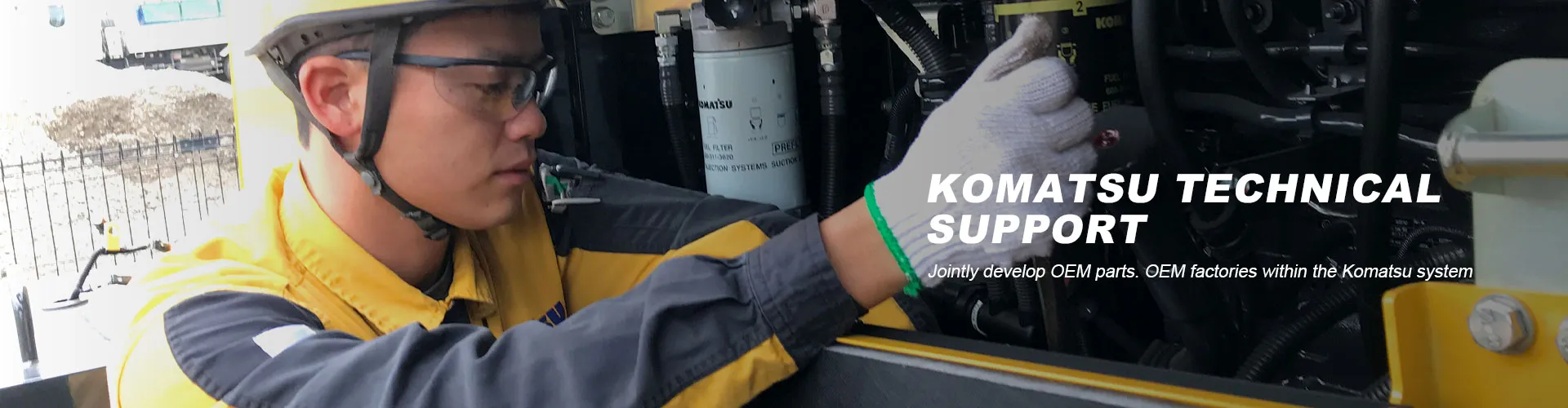
Komatsu repair kit
When you hear 'Komatsu repair kit', the immediate thought for many is a neatly packaged set of OEM seals, gaskets, and maybe some bolts. That's not wrong, but it's a surface-level understanding that can lead to costly mistakes in the field. The real value—and the real risk—lies in the sourcing and the application specifics that aren't printed on the box. I've seen too many projects stall because someone assumed all kits for, say, a PC200-8 hydraulic pump overhaul, were created equal. They're not.
The OEM Promise and the On-Ground Reality
Working with an OEM supplier like Jining Gaosong, who operates within the Komatsu system, clarifies the baseline. Their kits, accessible via their portal at https://www.takematsumachinery.com, are built to the original specs. For a critical component, that's non-negotiable. The tolerance on a valve plate or the compound of a main hydraulic seal? You can't gamble with aftermarket guesses here. The kit isn't just a convenience; it's a compatibility guarantee. Their role as a third-party sales company specifically addresses the parts supply gaps in certain regions, which is a pain point I've personally wrestled with. Waiting six weeks for an official channel part versus getting a genuine kit through a validated third-party in ten days isn't just convenient; it's what keeps an asset earning.
But here's the nuance they understand and that every mechanic should: the kit is the starting point. I remember a D65EX-12 final drive repair where the official Komatsu repair kit had everything except the specific shims needed for the planetary gear reassembly. The kit assumed you were replacing the entire carrier assembly. We weren't. We had to source the shims separately, which meant more downtime. A true professional supplier knows these pitfalls and can flag them. It's this layer of practical knowledge that separates a parts seller from a solutions provider.
The overview of their business—helping to solve parts supply challenges in certain countries—isn't marketing fluff. It's the daily reality. It means they've navigated customs, know which kits are most commonly held up, and often have alternatives or parallel stock. This logistical insight is as crucial as the parts themselves.
Kit Application: Where Theory Meets Grease
Let's talk about the actual breakdown of a common kit, like one for a Komatsu SAA6D107E-1 engine head. You open it, and everything is laid out in a specific order. The temptation is to just start pulling parts. Don't. First, cross-reference every single part number on the packing list with your service manual. I've had a kit—not from Gaosong, to be clear—where two valve stem seals were for the intake, not exhaust, but were packaged identically. The difference was microscopic but catastrophic for oil consumption.
The second step is a tactile inspection. Run a finger over the surface of a cylinder head gasket. The OEM coating has a specific, almost gritty feel. A counterfeit will feel waxy or smooth. For a Komatsu repair kit sourced through a third-party, this verification is your first line of defense. A reliable supplier’s reputation hinges on you not finding these issues, so they often do this QC for you. But never outsource your own eyes.
Application is another beast. The torque sequence for the head bolts is in the manual, yes. But the manual doesn't always tell you to lightly lubricate the dowel pins with the specific anti-seize compound that should have been in the kit. If it's missing, you can't just use any copper grease. You need to know what the OEM compound is and why. This is where the relationship with a technical supplier pays off—a quick call can resolve what the manual leaves ambiguous.
When a Complete Kit Isn't Complete
This is a major industry trap. The term complete repair kit is often relative. For a Komatsu travel motor, a complete kit might include all seals and gaskets but not the needle bearings or the thrust washers. Why? Because the engineering assumption is that those components have a different wear lifecycle. But in the real world, when you've got the motor split open on a bench in a dusty yard, you replace every wear item. Every single time.
I learned this the hard way on a PC300-6 swing drive. We used a well-sourced complete Komatsu repair kit, reassembled everything perfectly, and had a low-pressure leak within 50 hours. The culprit? A worn crescent seal seat that wasn't part of the kit's scope. The kit fixed 95% of the problem, but the 5% failure cost us double the labor to redo the job. Now, our standard practice is to use the kit as a core list, then perform a micrometer inspection on every mating surface and component not included. We build a supplemental list. A good supplier will help you build that list, not just sell you the box.
This is where a company's dual role as an OEM-system supplier and a third-party solver is critical. They see the official bill of materials and also hear the feedback from workshops about what's consistently missing. The best ones curate their offerings or at least provide clear notes on scope.
The Economics of Genuine vs. Genuine
Cost pressure is relentless. The price difference between an OEM-spec kit from a trusted third-party and a pure aftermarket kit can be 40% or more. The aftermarket kit might work. For a while. On a non-critical system, maybe it's a calculated risk. But for a main pump or an engine? The math changes completely.
Consider not just the part cost, but the cost of failure. A failed aftermarket seal in a Komatsu 930E wheel motor doesn't just leak; it can introduce contamination that takes out the entire hydraulic system. Suddenly, you're looking at a five-figure repair instead of a few hundred dollars saved. A supplier like Jining Gaosong, by being within the Komatsu ecosystem, offers a middle path: genuine specification, often at a better logistical cost than direct channels, especially for those in supply-challenged regions. Their value isn't just the product; it's the assurance of traceability.
I advise teams to create a criticality matrix. Tier 1 components (engine, main hydraulics, final drives) get only OEM or OEM-spec kits from vetted sources. Tier 3 components (accessory brackets, some linkage seals) might be open to experiment. This structured approach manages risk without blanket overspending.
Logistics and the Unseen Value
Finally, the physical act of getting the kit. This is where the mission of solving supply challenges becomes tangible. Ordering a Komatsu repair kit from a standard international dealer can involve layers of distributors, each adding time and cost. For operations in Africa or parts of South America, this delay is measured in lost production revenue.
A company that specializes in this niche has often pre-cleared shipping lanes, holds strategic inventory, and understands documentation quirks for different countries. They get the kit to your port, or even your site, with fewer headaches. This isn't a minor perk; it's a core competency. When you're down a primary excavator, the supplier who can give you a firm ETA and meet it is worth their weight in gold.
It turns the repair kit from a commodity into a service. You're not just buying parts; you're buying uptime. The website takematsumachinery.com is the front end of that operation. The real test is when you call with an urgent S/N and need a kit for a model that's been phased out. Their ability to locate it—often through their Komatsu system access—and move it quickly is the final, and most important, part of the repair kit equation. The box on your bench is the end result of a complex logistics and knowledge chain. That's what you're really paying for.
Related Products
Related Products
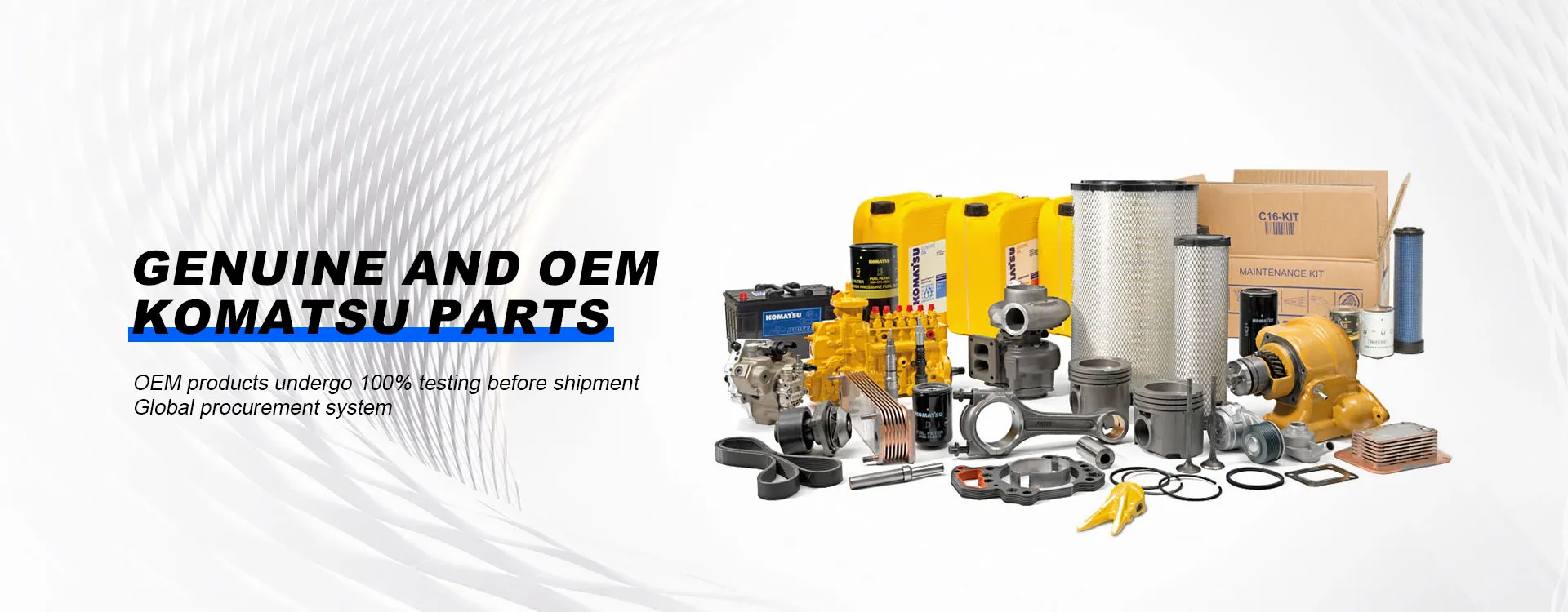
Best Selling Products
Best Selling Products-
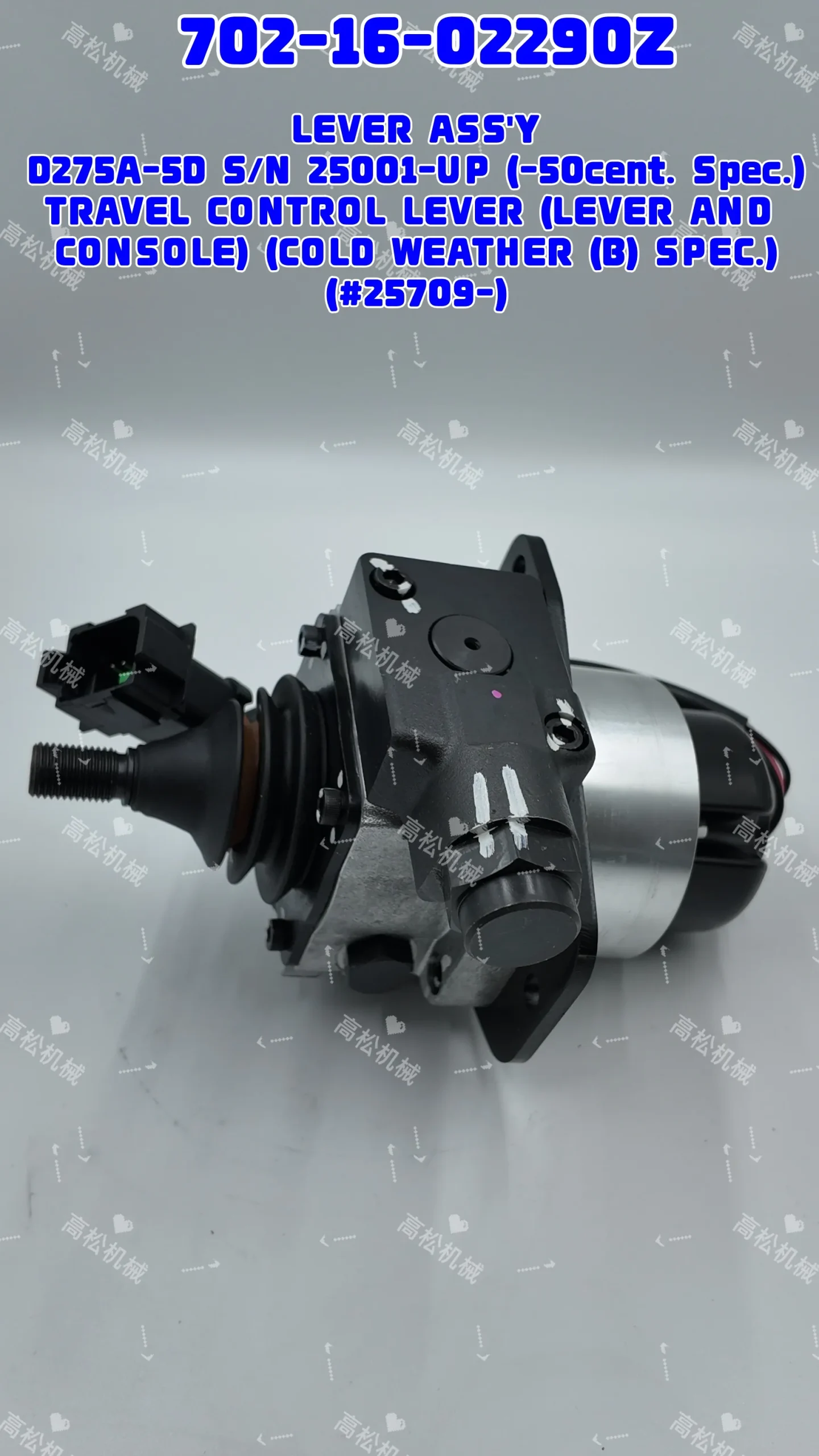 komatsu-part-702-16-02290 Lever Assembly D65WX-17 D65PX-18 D65WX-18E0 D85MS-15 D85EX-15R D155AX-6 D155AX-7 D475A-5E0 D475ASD-5E0 FLOOR FRAME, LEVE CONTROL UNIT, PCCS (PALM COMMAND CONTROL SYSTEM) LEVER ROPS CAB, PCCS (PALM COMMAND CONTROL SYSTEM) LEVER CONTROL UNIT, PCCS (PALM COMMAND CONTROL SYSTEM) LEVER
 -
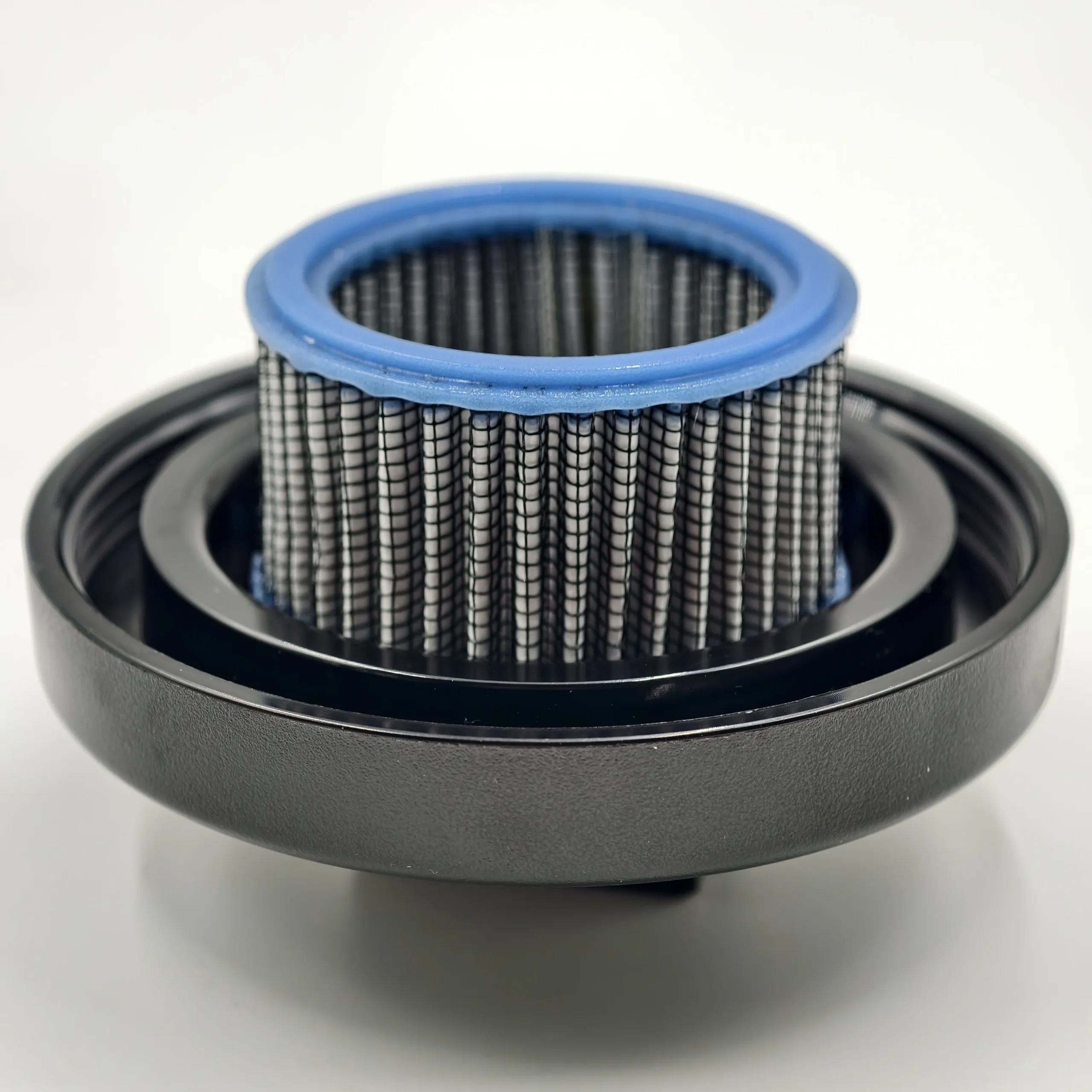 Komatsu21T-04-31170 Cap Assembly
 -
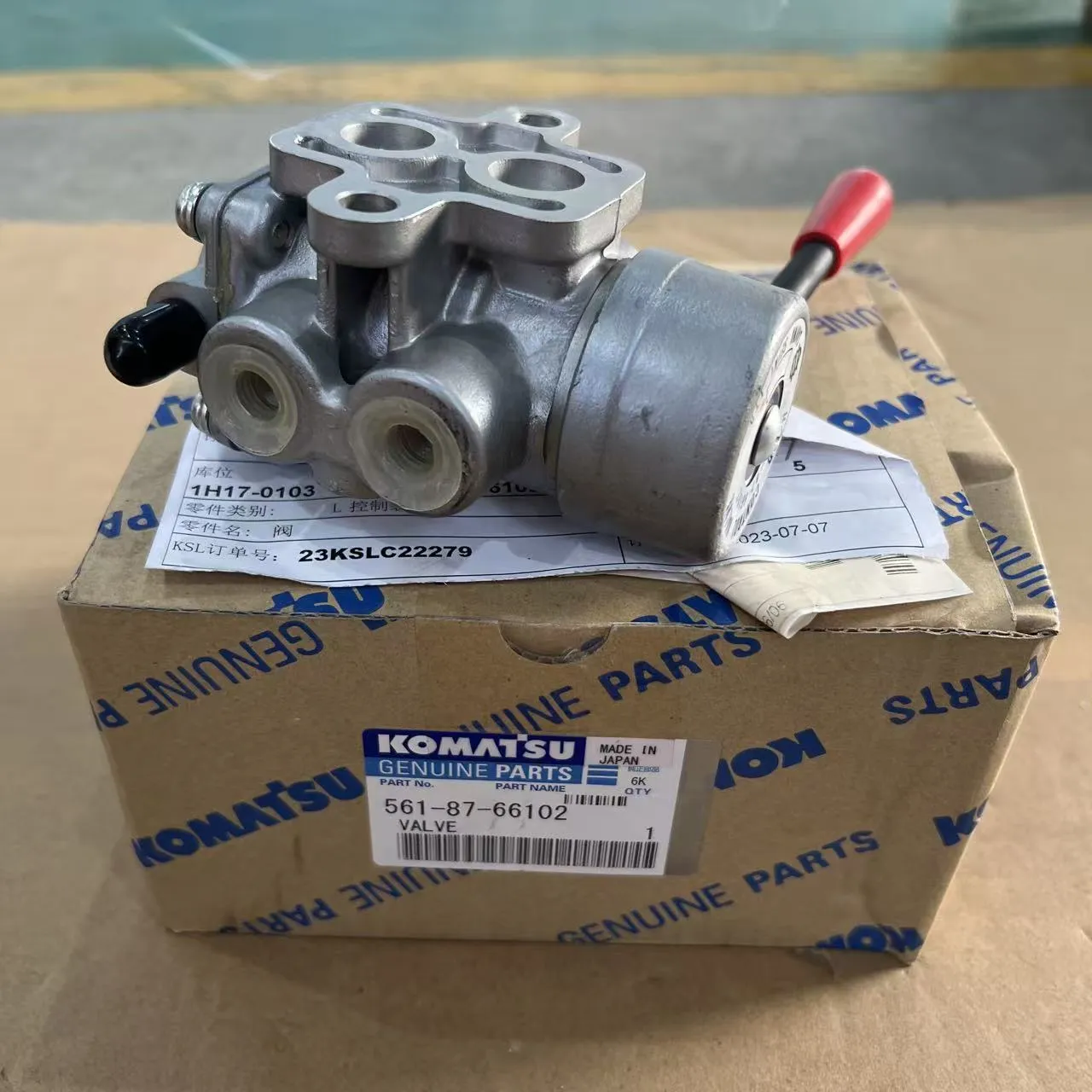 VALVE ASS’Y 561-87-66102 – KOMATSU
 -
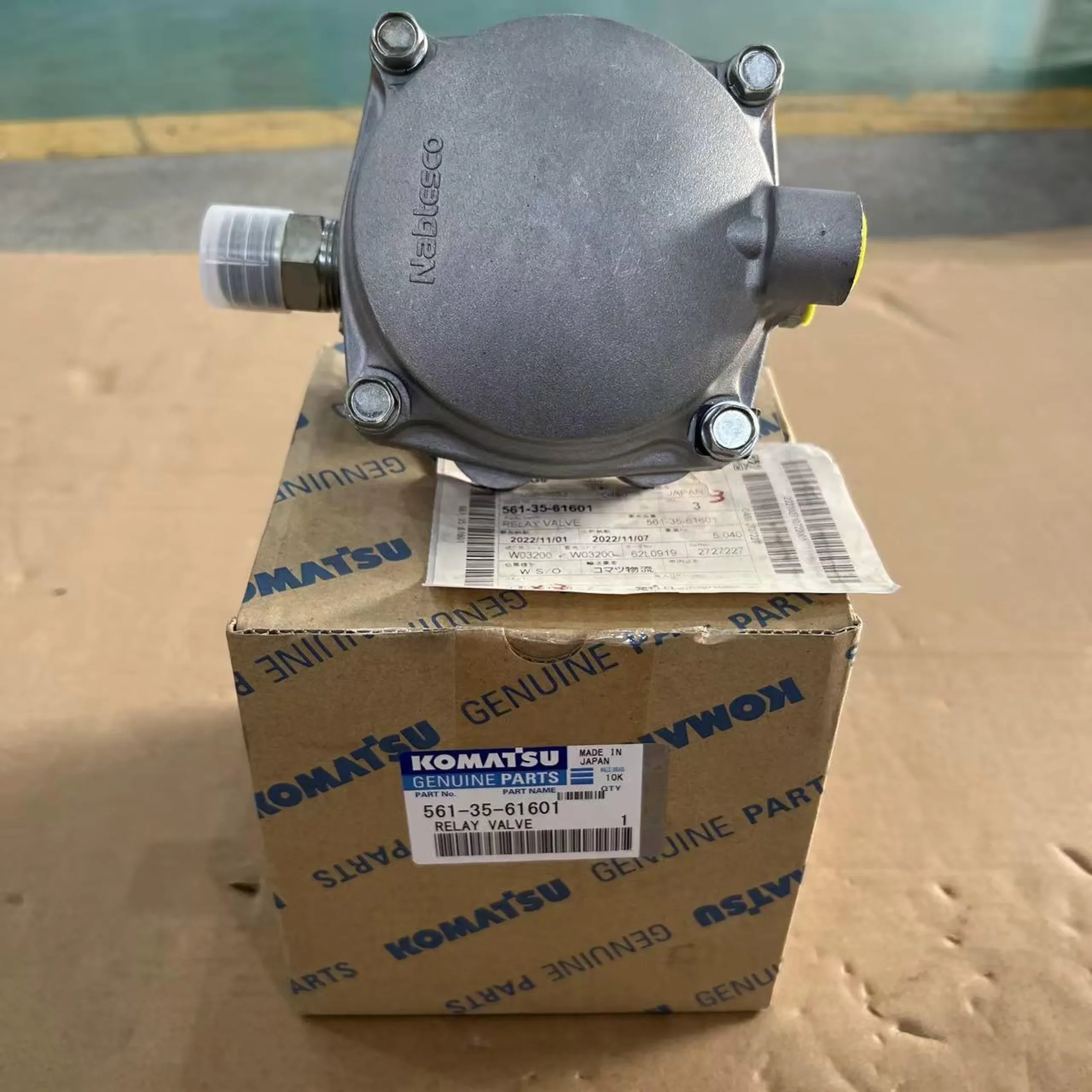 KOMATSU Relay Valve 561-35-61601 NIB
 -
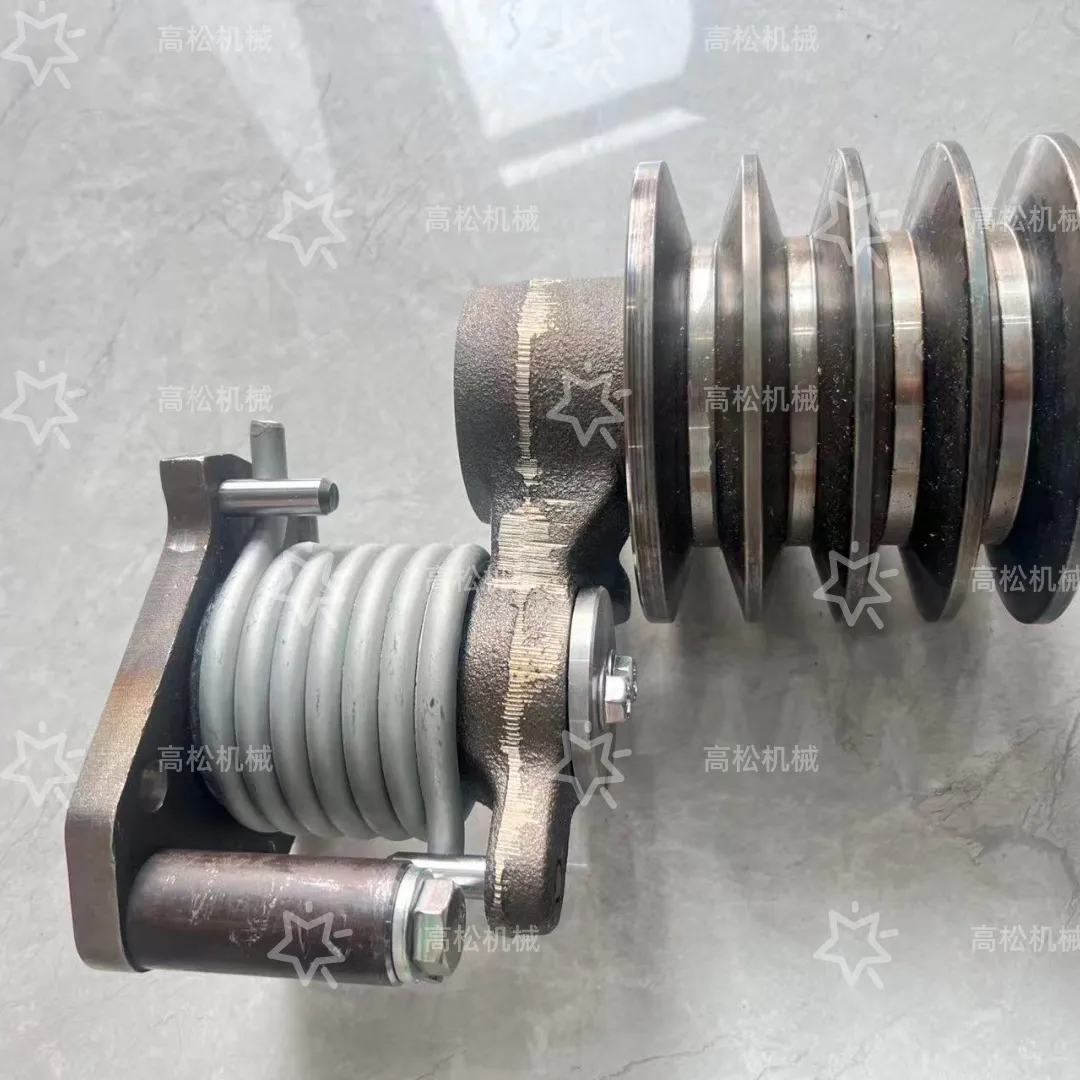 tension pulley ass’y 6240-61-4500 – komatsu
 -
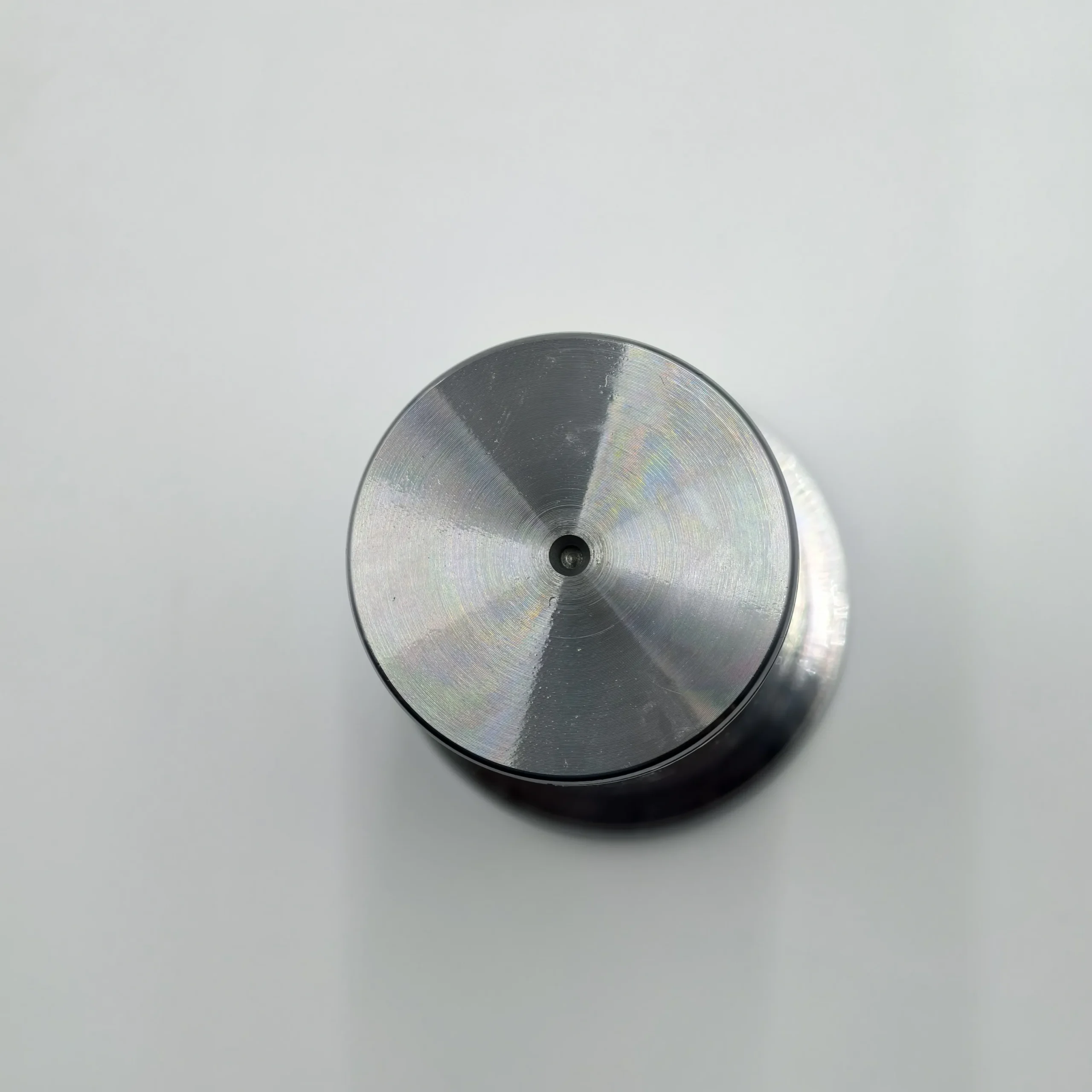 PIN – 21N-26-33240
 -
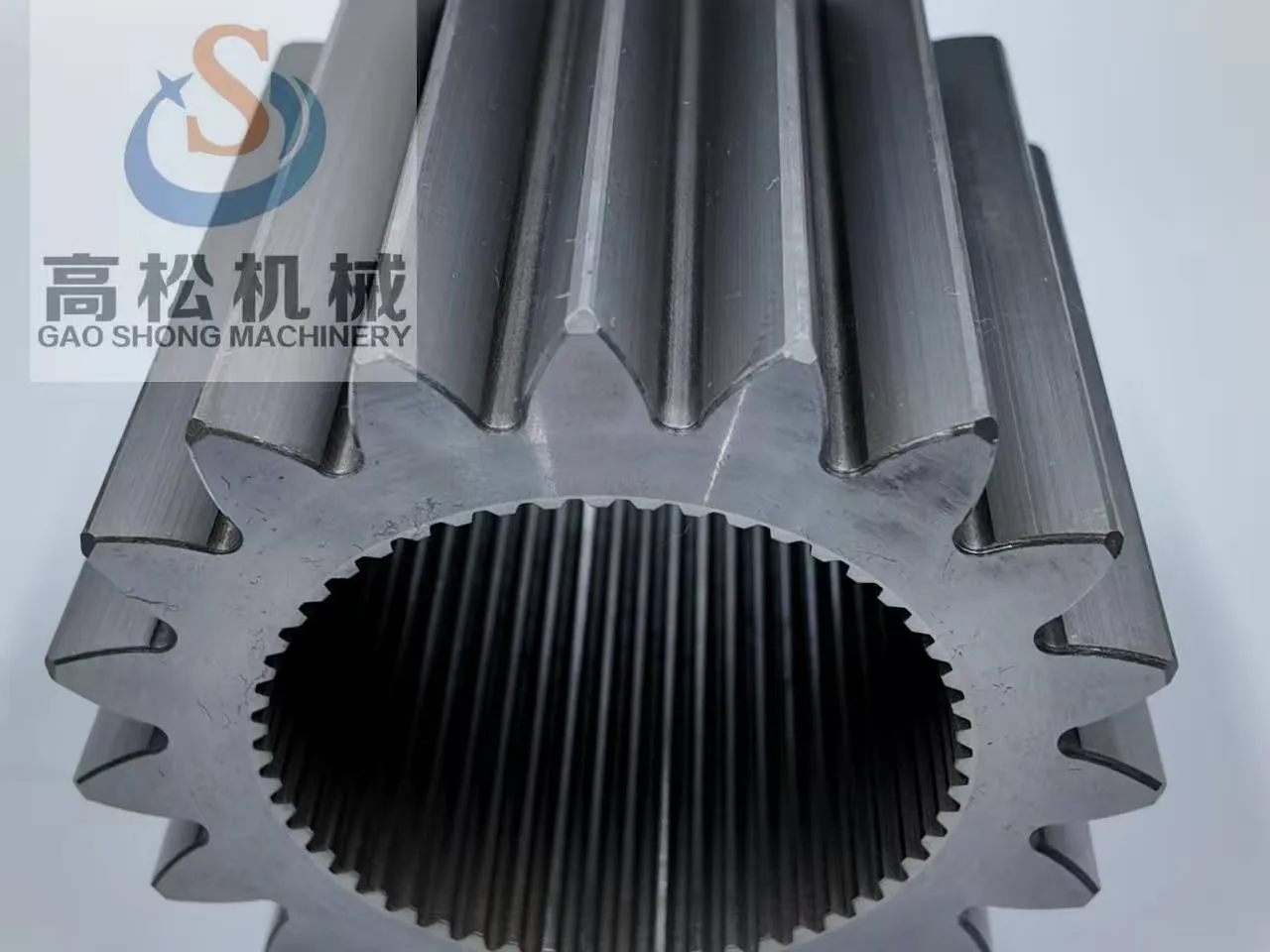 Part No. 426-22-12421 is a Komatsu genuine gear designed for the WA600 model. We have it in stock and can offer a competitive price
 -
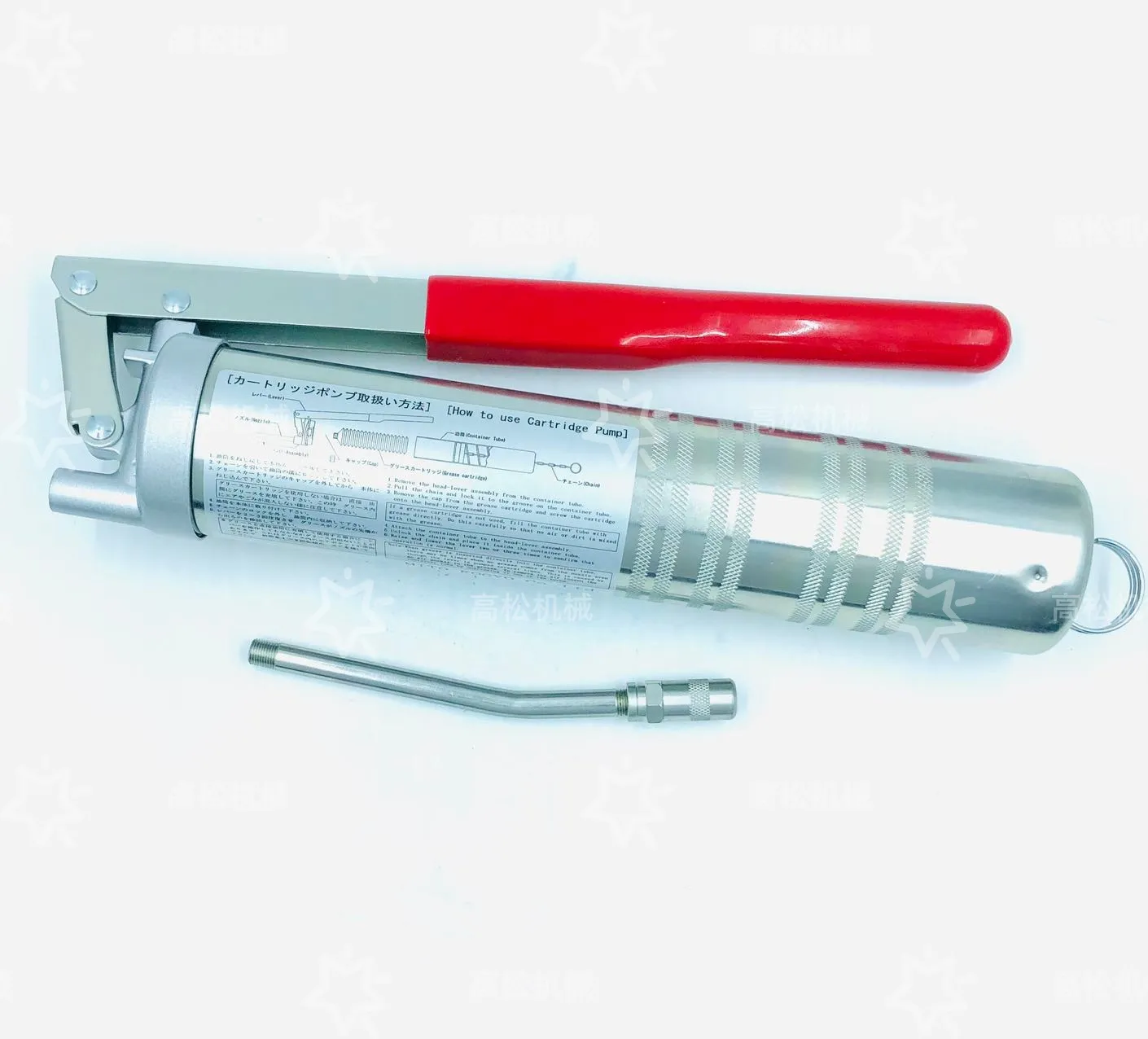 HM400 GREASE PUMP 07952-70014 07952-70004 For Komatsu Original
 -
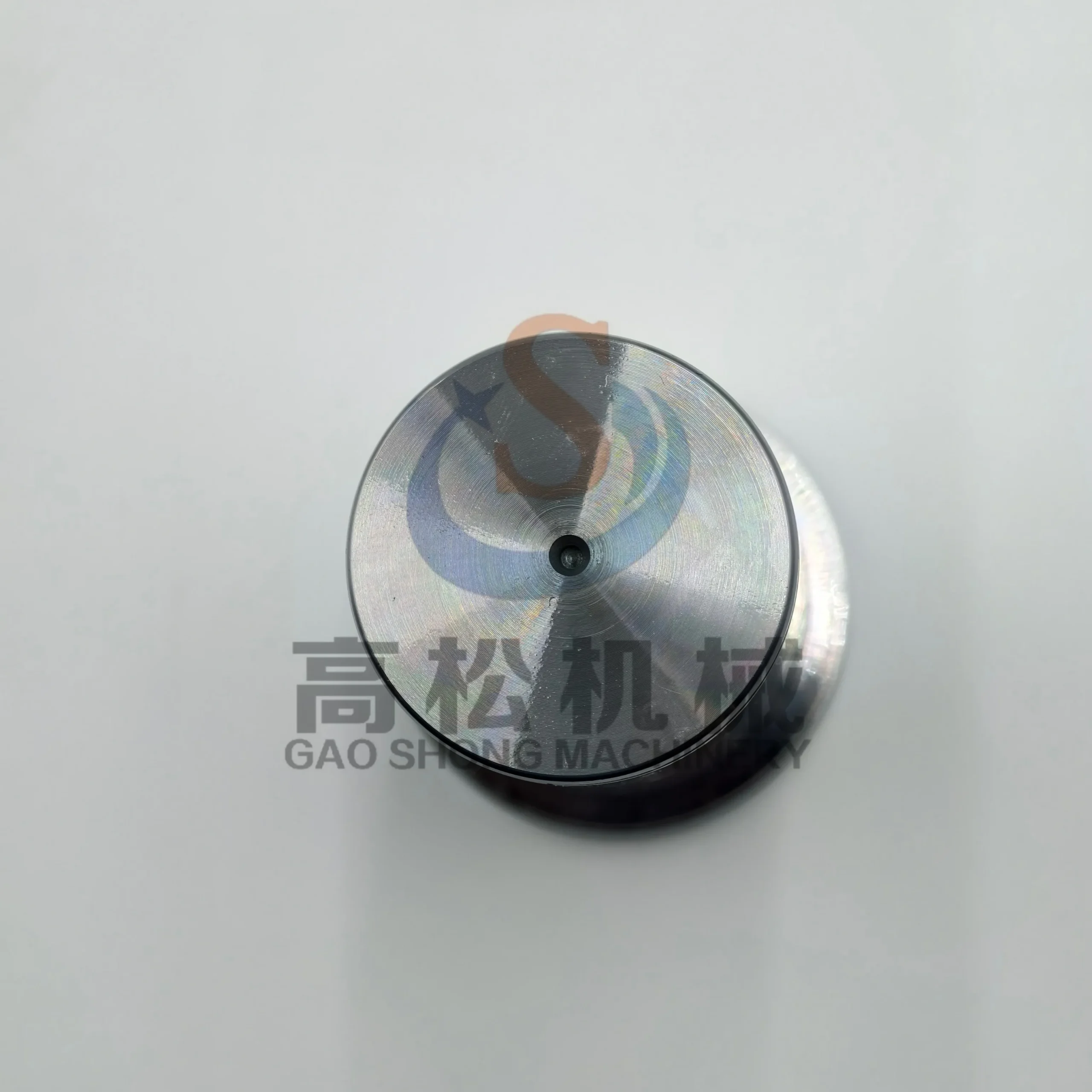 21N-26-33240 Komatsu Pin
 -
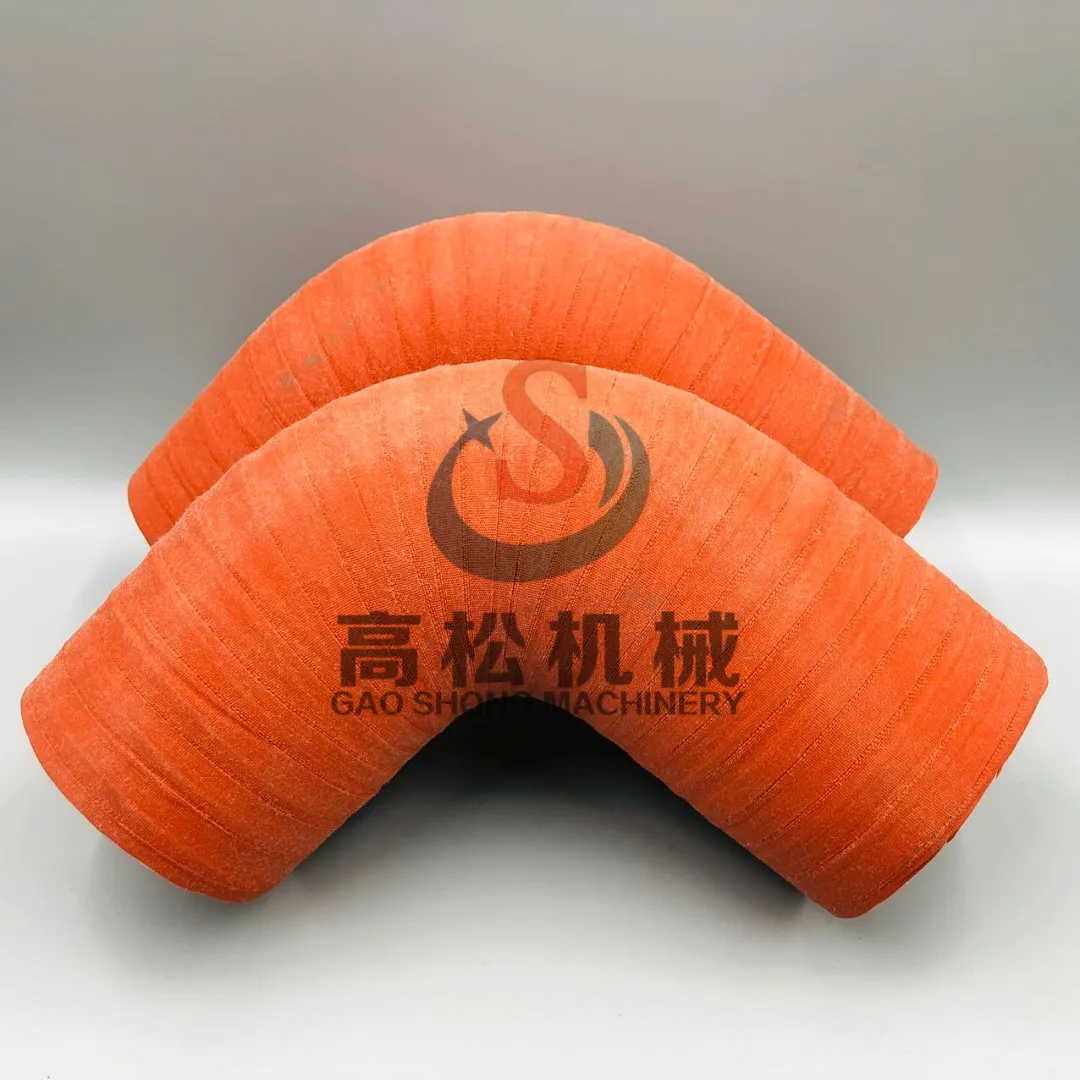 Hose 6743-11-4931 6743114931 Fits For Komatsu PC300 PC300HD PC340 PC350 PC360
 -
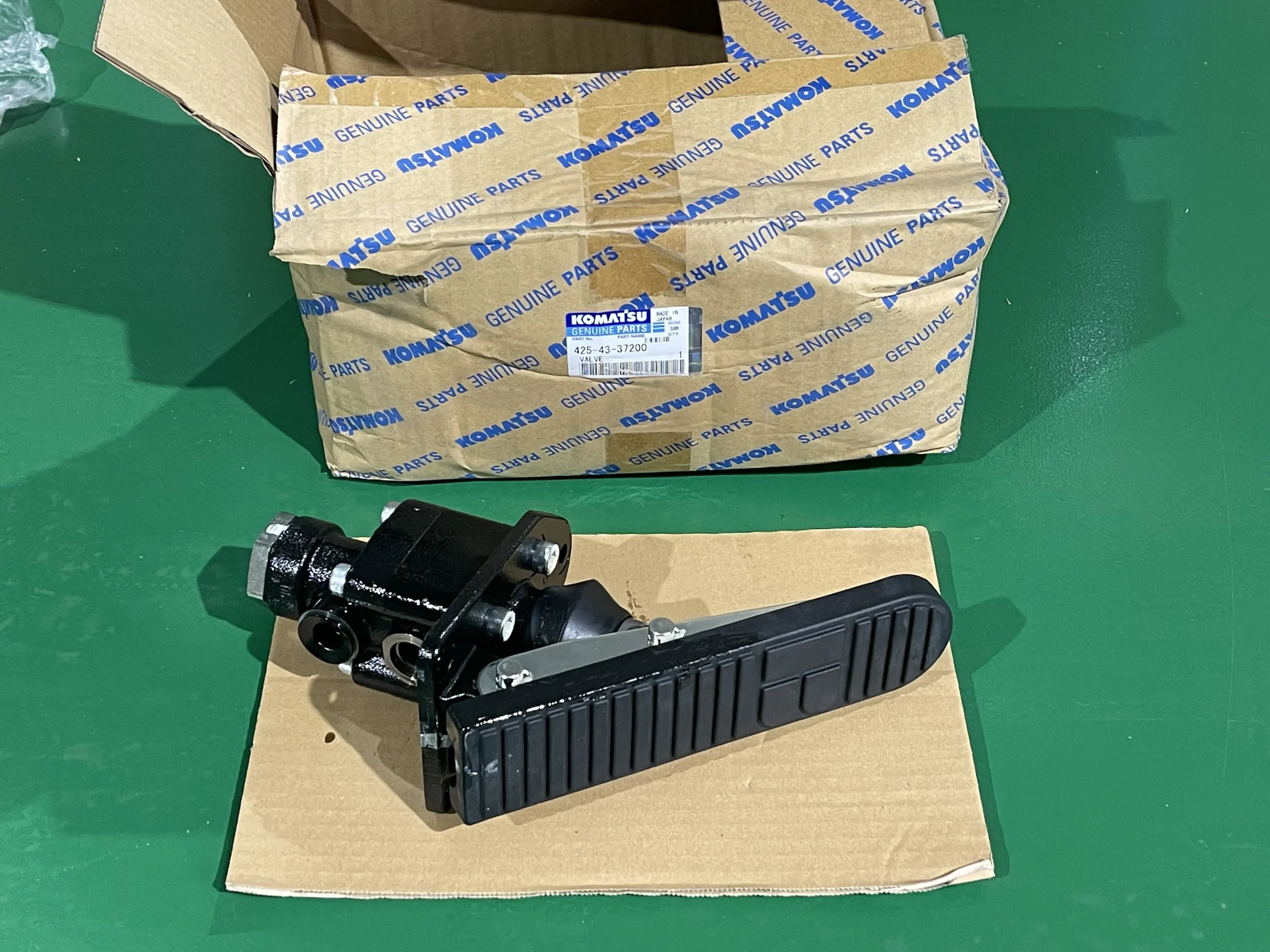 425-43-37200 Komatsu VALVE ASS’Y
 -
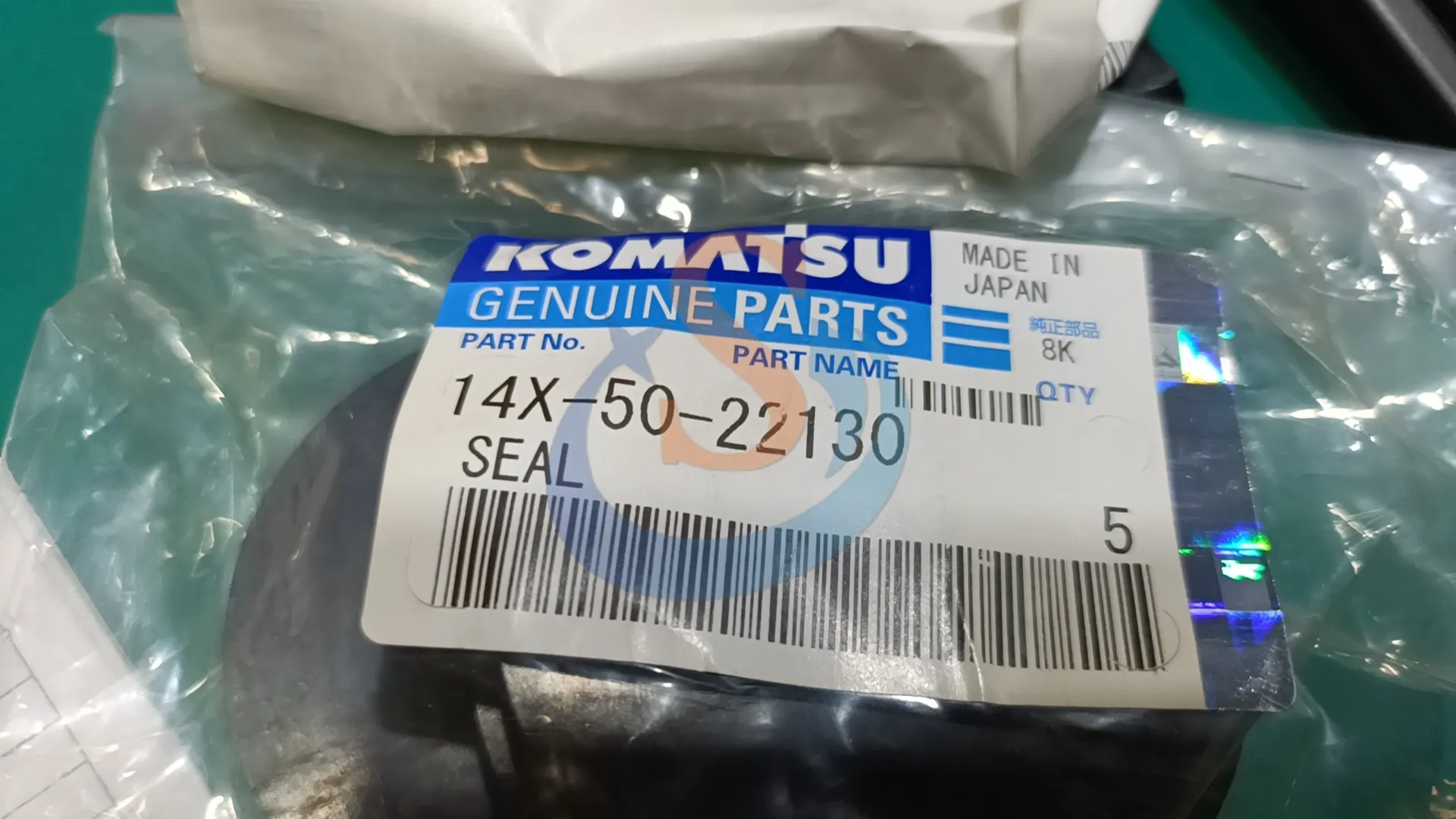 14X-50-22130,SEAL,D65PX,D65E,D85E