
- Chinese
- French
- German
- Portuguese
- Spanish
- Russian
- Japanese
- Korean
- Arabic
- Irish
- Greek
- Turkish
- Italian
- Danish
- Romanian
- Indonesian
- Czech
- Afrikaans
- Swedish
- Polish
- Basque
- Catalan
- Esperanto
- Hindi
- Lao
- Albanian
- Amharic
- Armenian
- Azerbaijani
- Belarusian
- Bengali
- Bosnian
- Bulgarian
- Cebuano
- Chichewa
- Corsican
- Croatian
- Dutch
- Estonian
- Filipino
- Finnish
- Frisian
- Galician
- Georgian
- Gujarati
- Haitian
- Hausa
- Hawaiian
- Hebrew
- Hmong
- Hungarian
- Icelandic
- Igbo
- Javanese
- Kannada
- Kazakh
- Khmer
- Kurdish
- Kyrgyz
- Latin
- Latvian
- Lithuanian
- Luxembou..
- Macedonian
- Malagasy
- Malay
- Malayalam
- Maltese
- Maori
- Marathi
- Mongolian
- Burmese
- Nepali
- Norwegian
- Pashto
- Persian
- Punjabi
- Serbian
- Sesotho
- Sinhala
- Slovak
- Slovenian
- Somali
- Samoan
- Scots Gaelic
- Shona
- Sindhi
- Sundanese
- Swahili
- Tajik
- Tamil
- Telugu
- Thai
- Ukrainian
- Urdu
- Uzbek
- Vietnamese
- Welsh
- Xhosa
- Yiddish
- Yoruba
- Zulu
- Kinyarwanda
- Tatar
- Oriya
- Turkmen
- Uyghur






Komatsu relief valve
When you hear 'Komatsu relief valve', most guys immediately think of the main system relief on a pump. That's the obvious one, sure. But in my experience, that's where a lot of the oversimplification starts. It's not just one valve; it's a concept that threads through the entire hydraulic system of an excavator or dozer. I've seen too many mechanics swap out the primary cartridge, call it a day, and then wonder why the machine still runs hot or lacks power. The relief function is embedded in places you might not first check—the swing motor, the travel motor, even pilot circuits. Understanding which one you're actually dealing with is half the battle.
The OEM Spec vs. The Real-World Gap
Working with an OEM supplier like Jining Gaosong Construction Machinery Co., Ltd. gives you a clear view of the spec sheets. The official Komatsu parts are engineered to a specific cracking pressure, with a tight tolerance, say 350 bar ± 10. That's the gold standard. But here's the practical catch: in many markets, especially where Jining Gaosong operates to solve parts supply challenges, machines often run for years with suboptimal maintenance. The oil might not be changed on schedule, filters get bypassed. The result? A valve that's technically within spec might still cause issues because it's reacting to contaminated fluid. The OEM part is designed for the ideal system condition, which, let's be honest, is rare after the first 5000 hours.
I recall a PC300-8 where the main pump relief was chattering. The local shop replaced it with a generic valve that matched the pressure rating. The chatter stopped, but within a week, the travel motors started slipping. Turns out, the generic valve had a slightly different flow curve and damping characteristic. It solved the immediate noise but created a pressure spike situation during complex hydraulic interactions. We had to go back to a genuine Komatsu-spec valve sourced through a reliable channel. It wasn't just about the pressure setting; it was about the entire valve's dynamic response.
This is precisely the niche companies like Jining Gaosong fill. They're not just selling a Komatsu relief valve; they're providing the correct, system-matched component. You can find their catalog at https://www.takematsumachinery.com. As an OEM product supplier within the Komatsu system, they have the diagrams and cross-references that tell you, for a specific serial number range, which exact valve variant you need. That's invaluable when you're not at the dealer.
Failure Patterns You Only Learn by Touch
Textbook failure is a valve that won't hold pressure. Real-world failure is more subtle. One common pattern I've seen—and this is critical—is a relief valve that holds static pressure just fine on a gauge but hunts under dynamic load. The excavator will dig, the arm will crowd, and you'll feel a slight hesitation or hear a very faint, rapid ticking from the valve block. That's often a worn pilot piston or a weak spring that hasn't fully given up yet. It's not failed; it's failing. Replacing it then saves you from a blown hose or a cooked pump seal later.
Another nuance is thermal sensitivity. A valve might perform perfectly when the hydraulic oil is at 50°C, but once the system heats up to 80°C under a full day's sun, the pressure drifts. Sometimes down, sometimes up. This isn't always the valve's fault; it can be thinning oil or expanded housing tolerances. But the valve is the symptom point. I've wasted time swapping valves when the real issue was a clogged oil cooler, but the erratic relief pressure was the red flag that started the diagnosis.
Then there's the issue of which circuit? A machine acting weak might have a problem with the main relief, the arm regeneration relief, or the overload relief valve for the swing brake. Each presents similarly to an operator: lack of power. You need to isolate the circuit. I usually start by teeing in gauges at different points—it's manual work, but it tells the truth. Assuming it's always the main Komatsu relief valve is a costly mistake.
The Third-Party Landscape and Quality Minefield
This is where it gets messy. The aftermarket for Komatsu parts is huge, and relief valves are no exception. You have tiers: premium reverse-engineered brands, cheap copycats, and rebuilt units. A company acting as a third-party sales company for Komatsu, like Gaosong, sits in a unique position. They often have access to the proper OEM lines but also understand the need for cost-effective solutions in certain regions.
I've tested cheap copycat relief valves. The machining looks okay superficially, but the metering edges are rough, the spring material isn't consistent, and the seals are inferior. They might work for a few hundred hours, but they wear quickly and can't handle the high-cycle fatigue. The failure often isn't catastrophic; it's a gradual loss of efficiency that burns more fuel. You don't notice it day-to-day, but over a quarter, your fuel bills tell the story.
A good third-party supplier should be transparent about provenance. Are they selling a Komatsu-branded box, a Komatsu-approved aftermarket brand, or a compatible unit? Each has its place. For a critical machine on a major project, I'd push for the genuine part. For an older machine in a secondary role, a high-quality compatible from a trusted source like Takematsu Machinery can be a smart economic choice. The key is the trust in the supplier's technical knowledge, not just their inventory.
Installation Pitfalls and Torque Stories
Even with the perfect valve, installation can ruin it. The most common error is over-torquing the cartridge or the housing plug. These are precision components. The torque spec for a main relief cartridge might only be 60-80 Nm. It's easy to crank it down to feel tight, which can distort the housing, bind the spool, or crush the seals. I've done it myself early on. The machine ran, but the valve wouldn't modulate smoothly, leading to heat generation. We spent days chasing ghosts before re-doing the installation with a torque wrench.
Cleanliness is the other gospel. Any debris, even microscopic, sitting in the valve port during installation is a death sentence. It will score the spool or seat immediately. The practice of flushing the port with clean fluid before insertion seems basic, but on a muddy job site, it's often skipped. I now carry a can of pressurized hydraulic flush specifically for this. It's saved me more than once.
And don't forget the plumbing. A relief valve dumping fluid back to the tank needs a clean, unrestricted line. I saw a case where a kinked return hose, installed during a previous repair, caused backpressure at the relief valve outlet. This effectively raised its cracking pressure, causing the pump to overload. The symptom was a blown pump shaft. The root cause was that restricted line downstream of a perfectly good Komatsu relief valve.
Diagnosis: A Process, Not a Swap
My approach now is systematic. First, verify the symptom with the operator. Lacks power is too vague. Is it in all functions? Just travel? Just when combining movements? Then, check the basics: hydraulic fluid level and condition, filter indicators. Next, pressure gauges. You need to see both static pressure and pressure under load in different circuits. Compare to the spec, but also look for instability.
If pressure is off, don't just pull the valve. Check the pilot pressure that might be feeding a solenoid-operated relief valve. A weak pilot pressure can prevent the main valve from opening correctly. I've replaced a perfectly good main relief because a $5 pilot filter was clogged. That's an embarrassing lesson.
Finally, if the valve must come out, inspect it like an archaeologist. Look for scoring on the spool, pitting on the seat, wear on the spring ends. The pattern of wear tells a story about contamination or side-loading. Sometimes, the valve is fine, and its condition is just a messenger pointing to a bigger system problem, like a failing pump that's sending metal through the system. Replacing the valve without addressing that is just a temporary fix.
It comes down to this: a Komatsu relief valve is a sentinel. It's there to protect the system. When it fails, it's often doing its job, reacting to another fault. Or, it's worn out from years of faithful service. Understanding the difference, and having a reliable source for the right replacement—whether that's the OEM part or a vetted alternative—is what keeps machines, and projects, moving. That's the real value of deep parts knowledge and suppliers who bridge the gap between the factory manual and the dirt of the job site.
Related Products
Related Products
Best Selling Products
Best Selling Products-
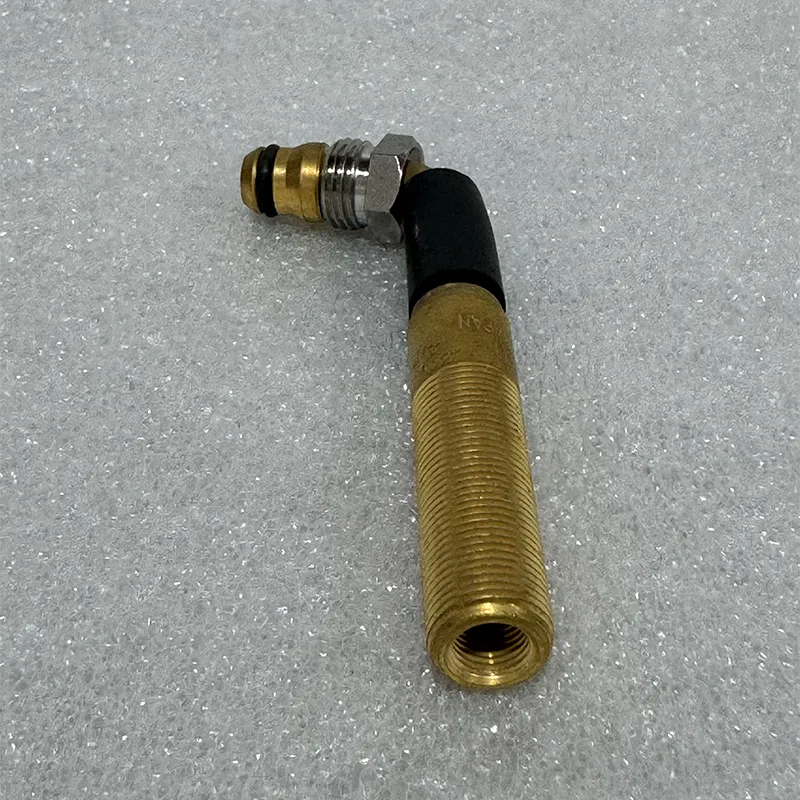 Original komatsu WA200-6 valve stem 09280-10130
 -
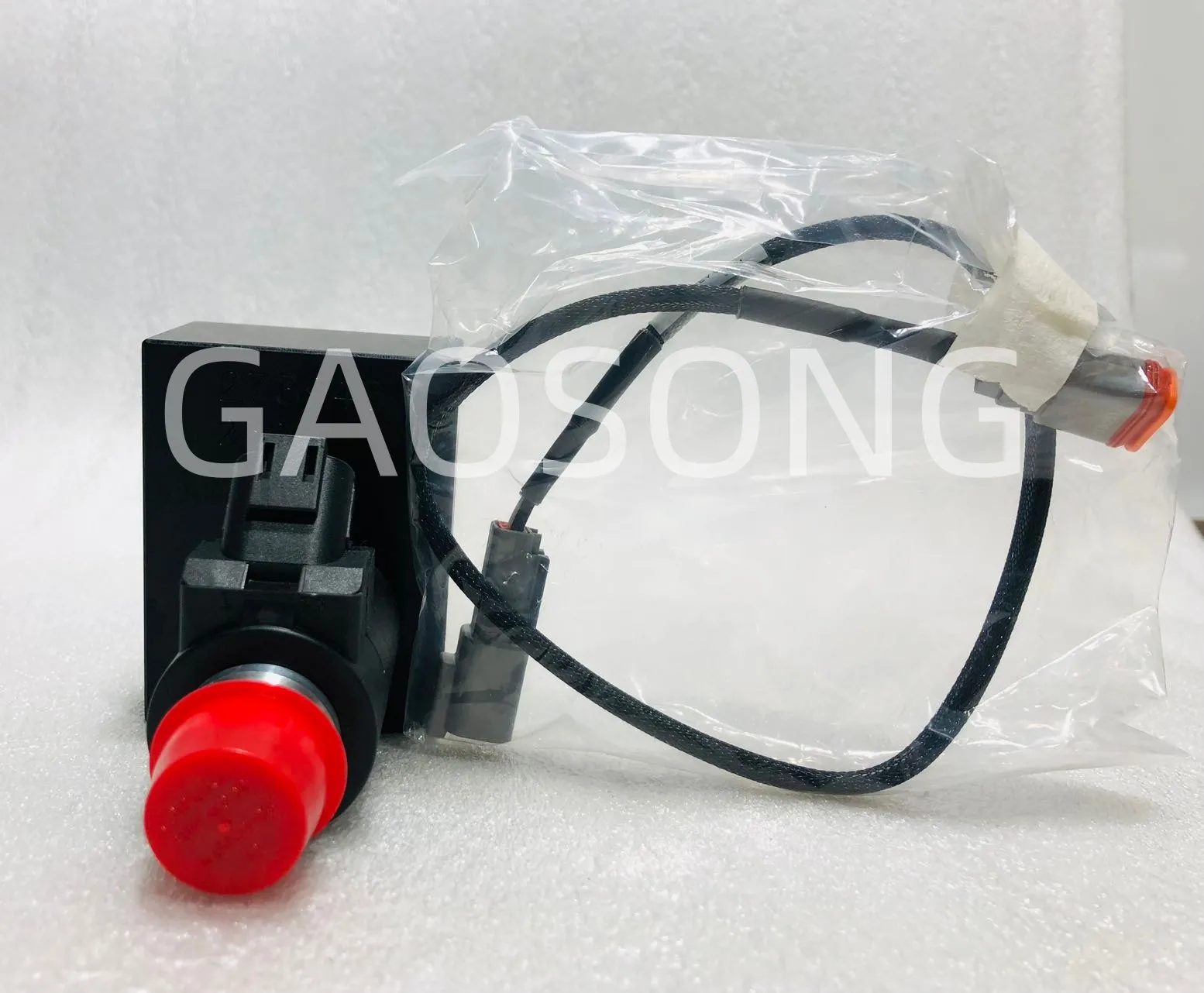 561-95-8A540 • VALVE ASSEMBLY,VENT-Komatsu Original Factory
 -
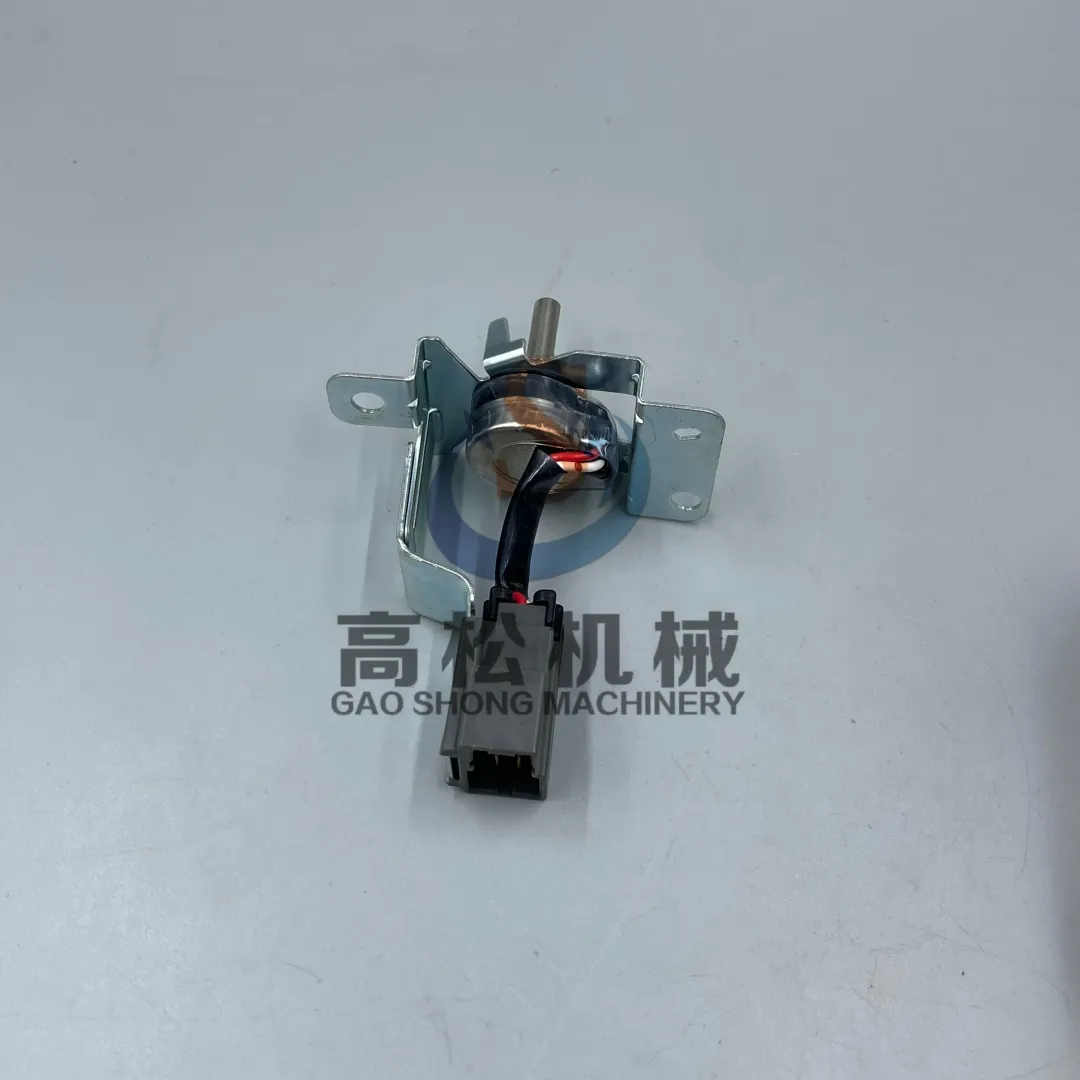 Komatsu original throttle knob 21T-26-11270 stop washer
 -
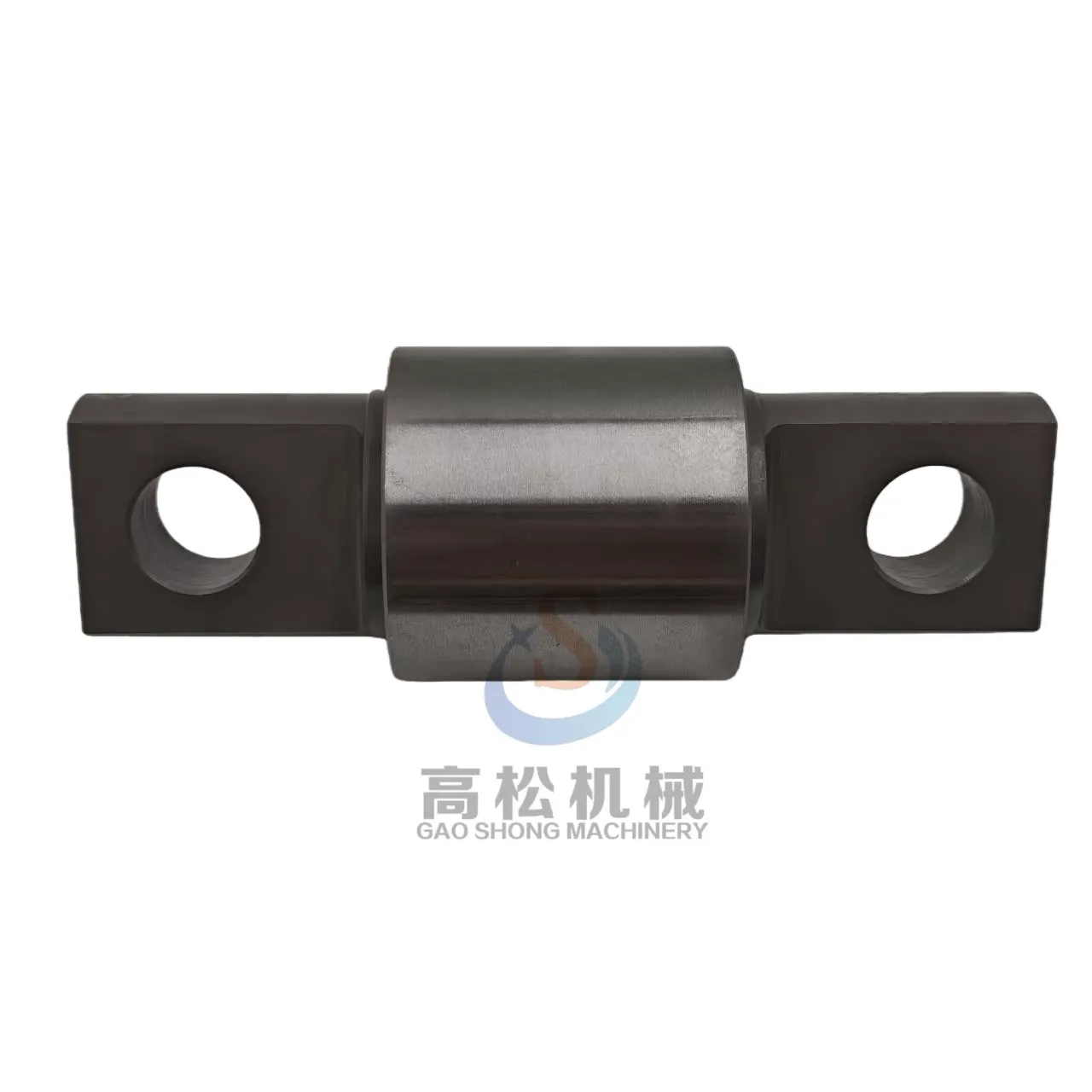 56B-16-11211 CUSHION HM350-2 HM350-2R HM400-3R HM400-2 HM400-1 FRONT DIFFERENTIAL MOUNTING
 -
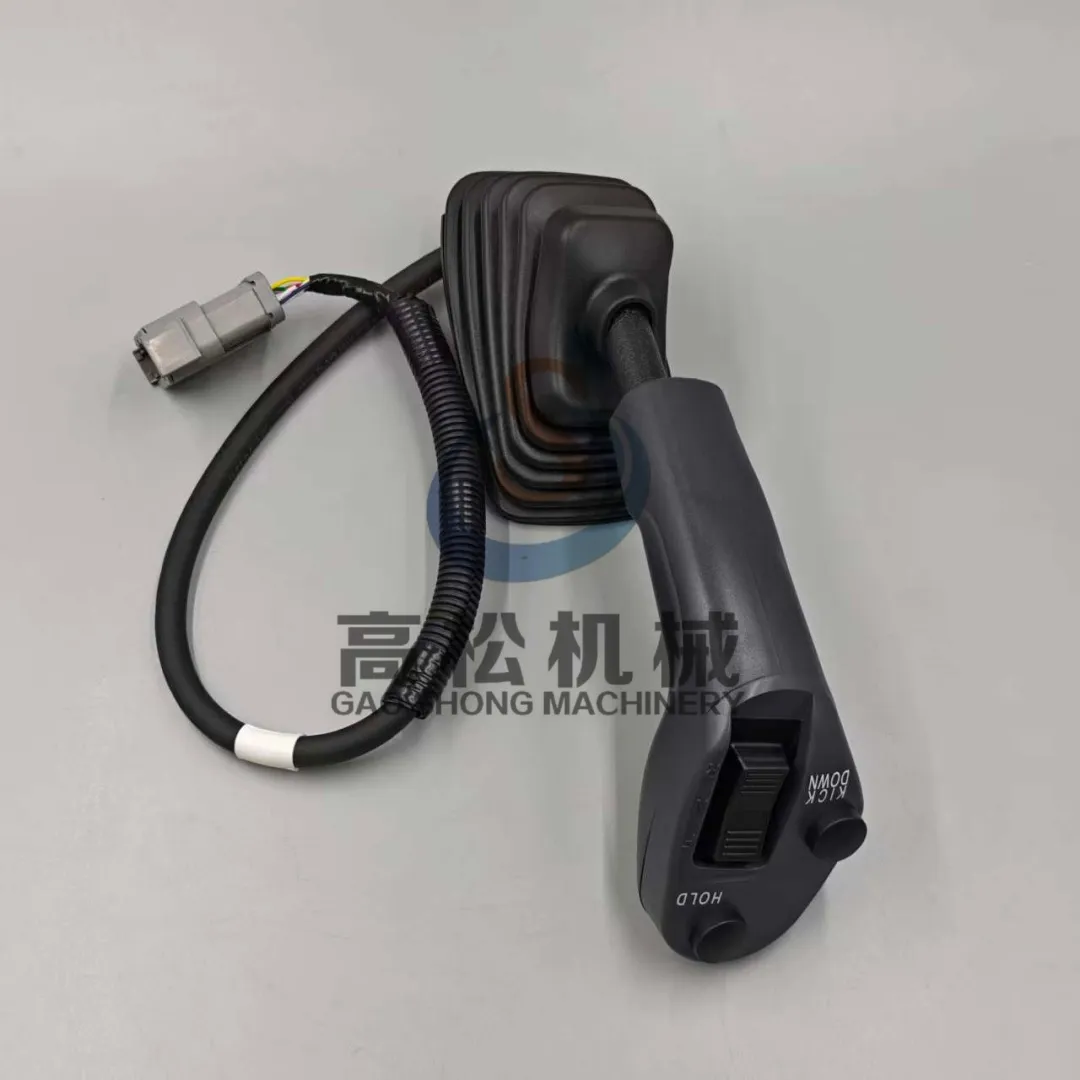 Original New Lever Assembly 423-V91-4144 Handle
 -
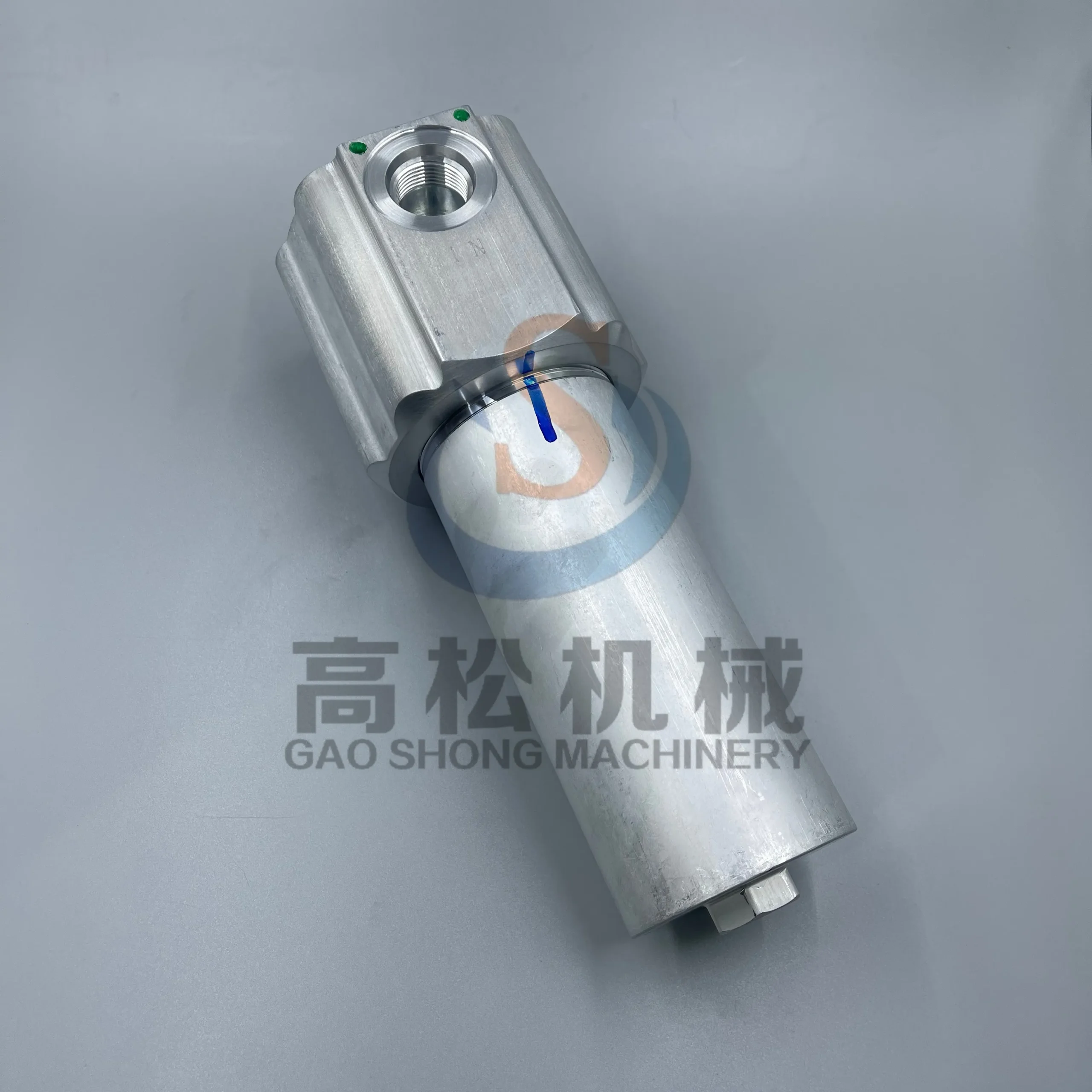 569-43-83911 Komatsu Filter Assembly
 -
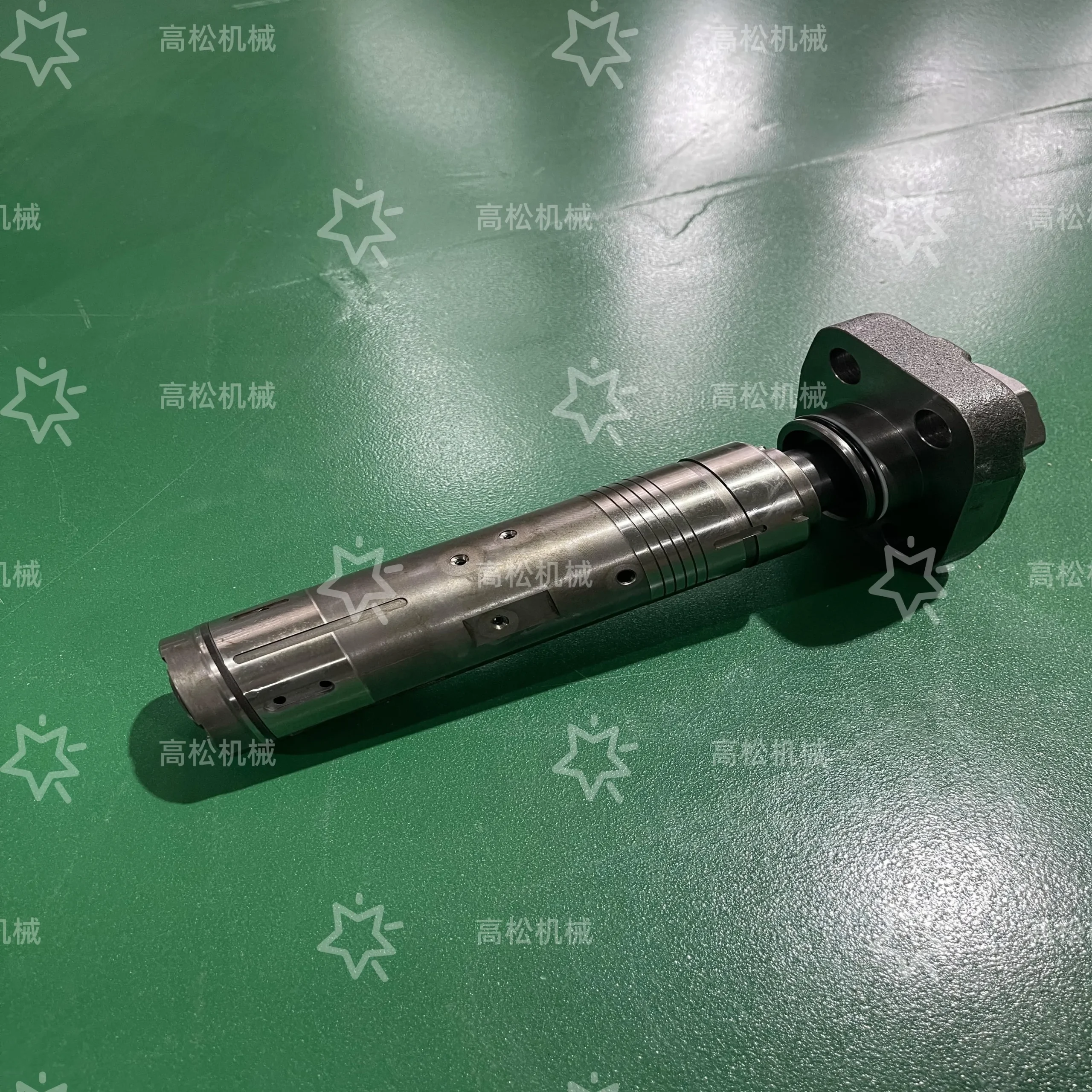 708-2H-03411 Hydraulic Pump PC Valve PC400 PC450 Servo Flow Regulation
 -
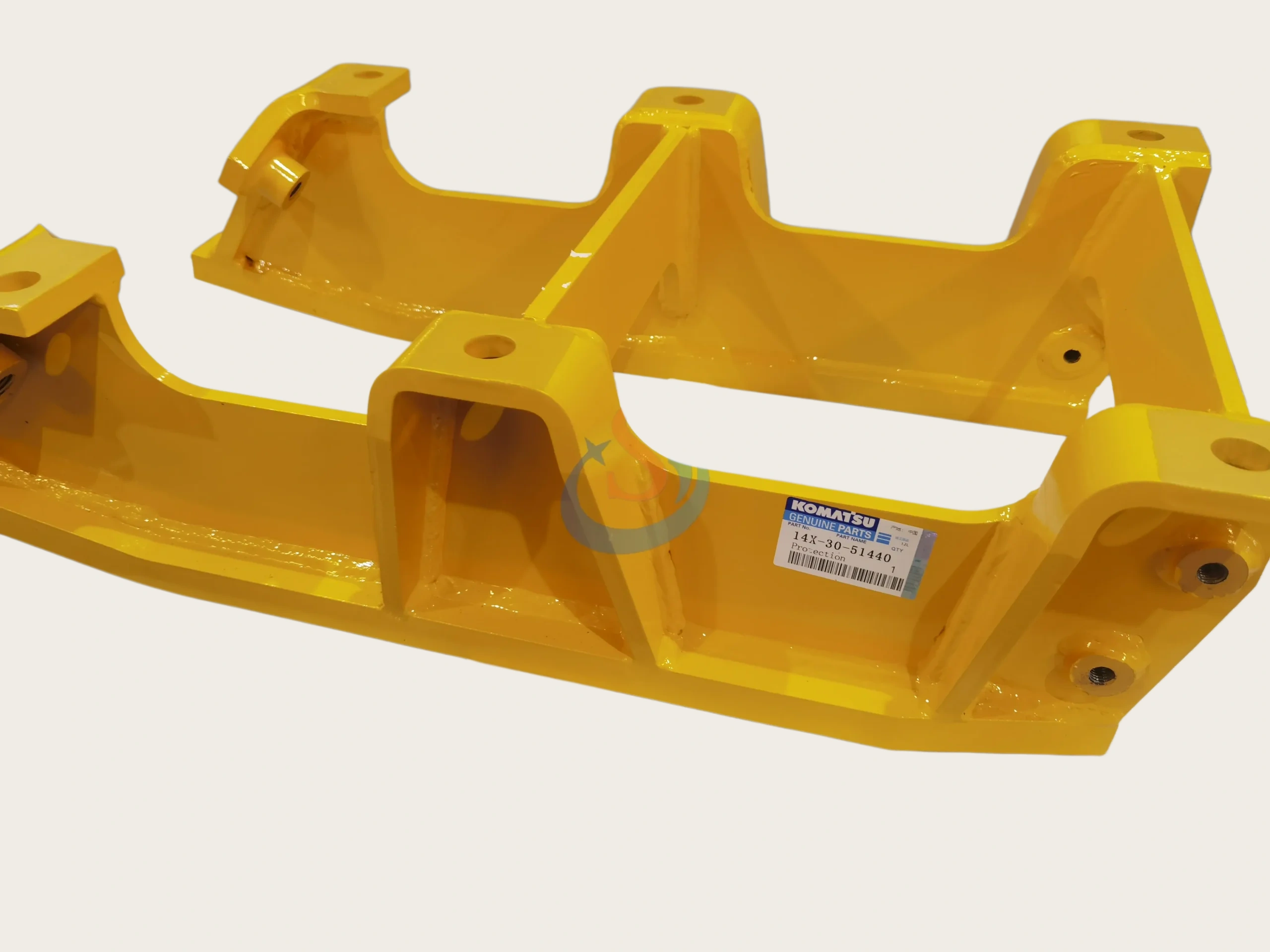 komatsu-part-14X-30-51440 Guard D65PX-16 D65PX-17 D65WX-18 D65EX-18E0 TRACK FRAME TRACK FRAME, (WITH POWER ANGLE POWER TILT DOZER, INSIDE FRAME)
 -
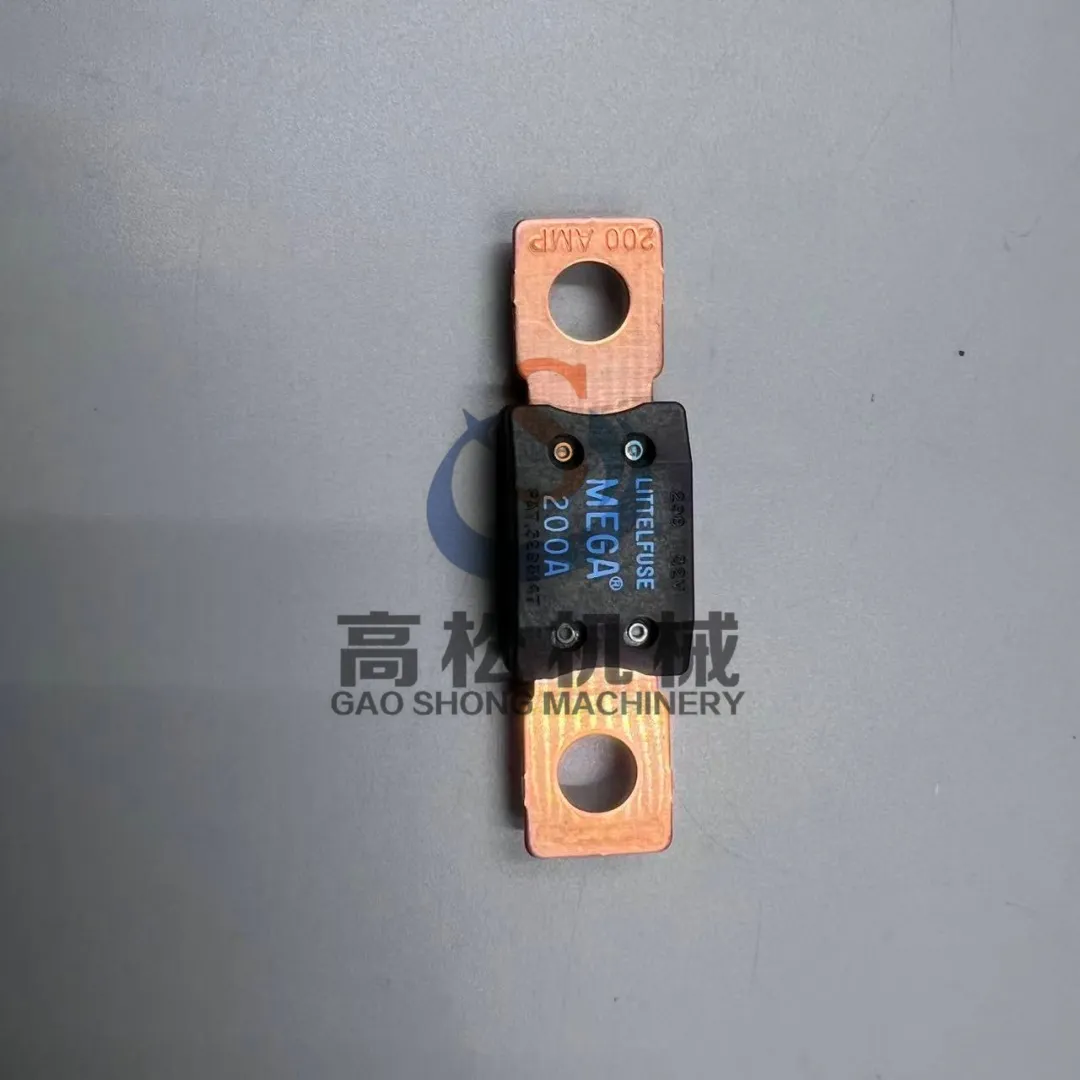 Komatsu 561-06-81610 Fuse
 -
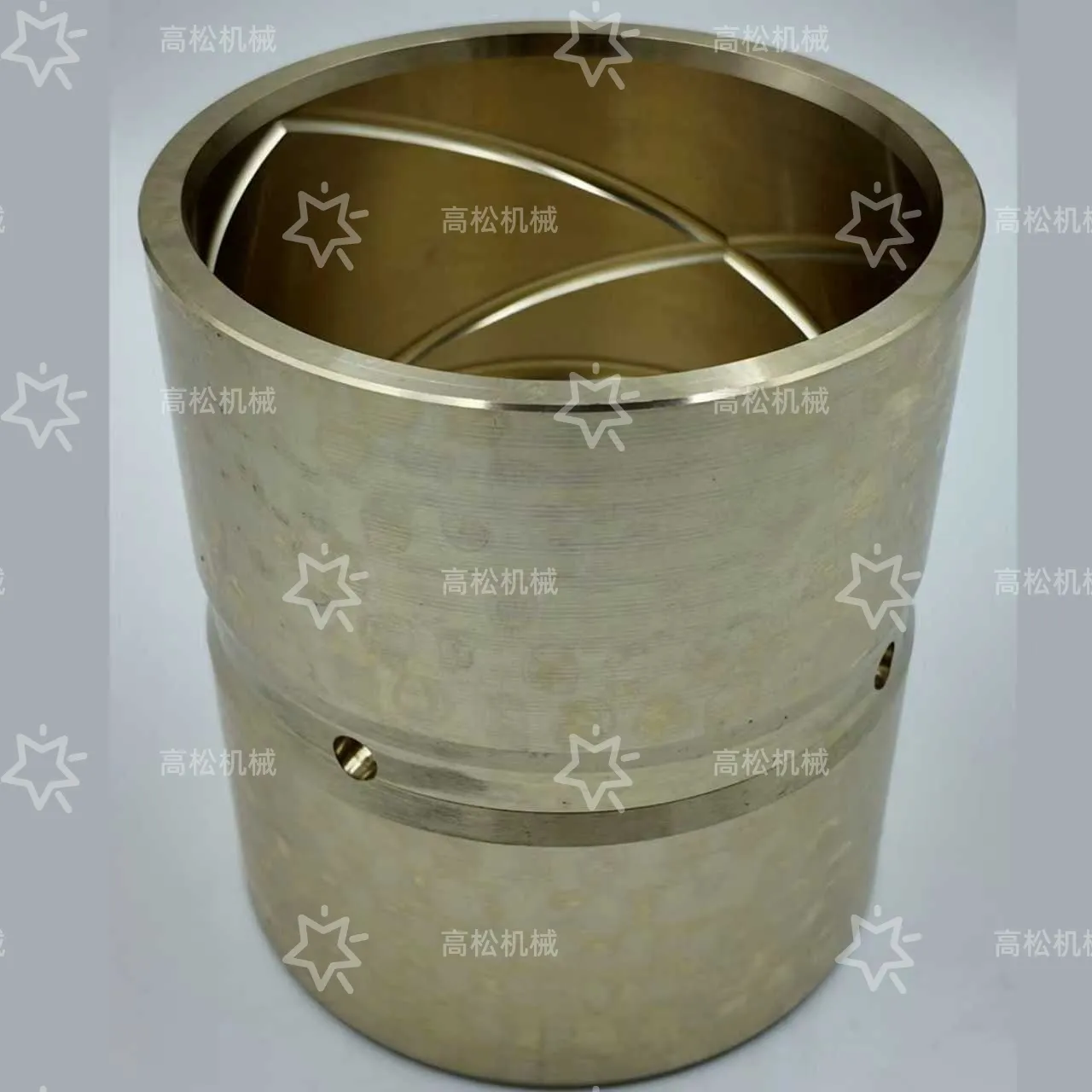 BUSHING 207-70-61610 for KOMATSU PC350-7 PC300LC-7 PC300-8 PC300LC-7L PC300-7
 -
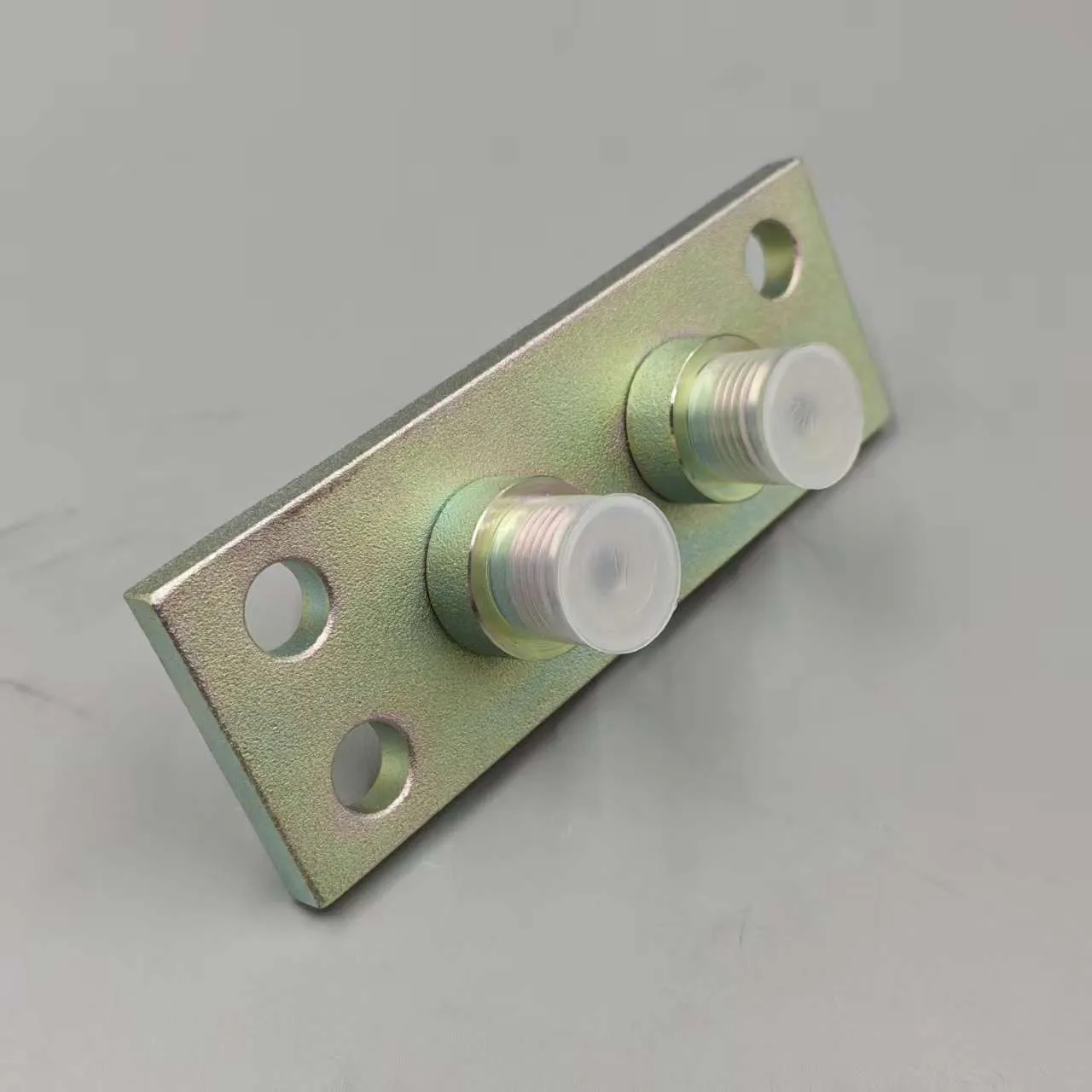 14Y-62-31411 BRACKET KOMATSU parts D60P, D65E, D65EX, D65P, D65PX, D65WX, D85E, D85ESS
 -
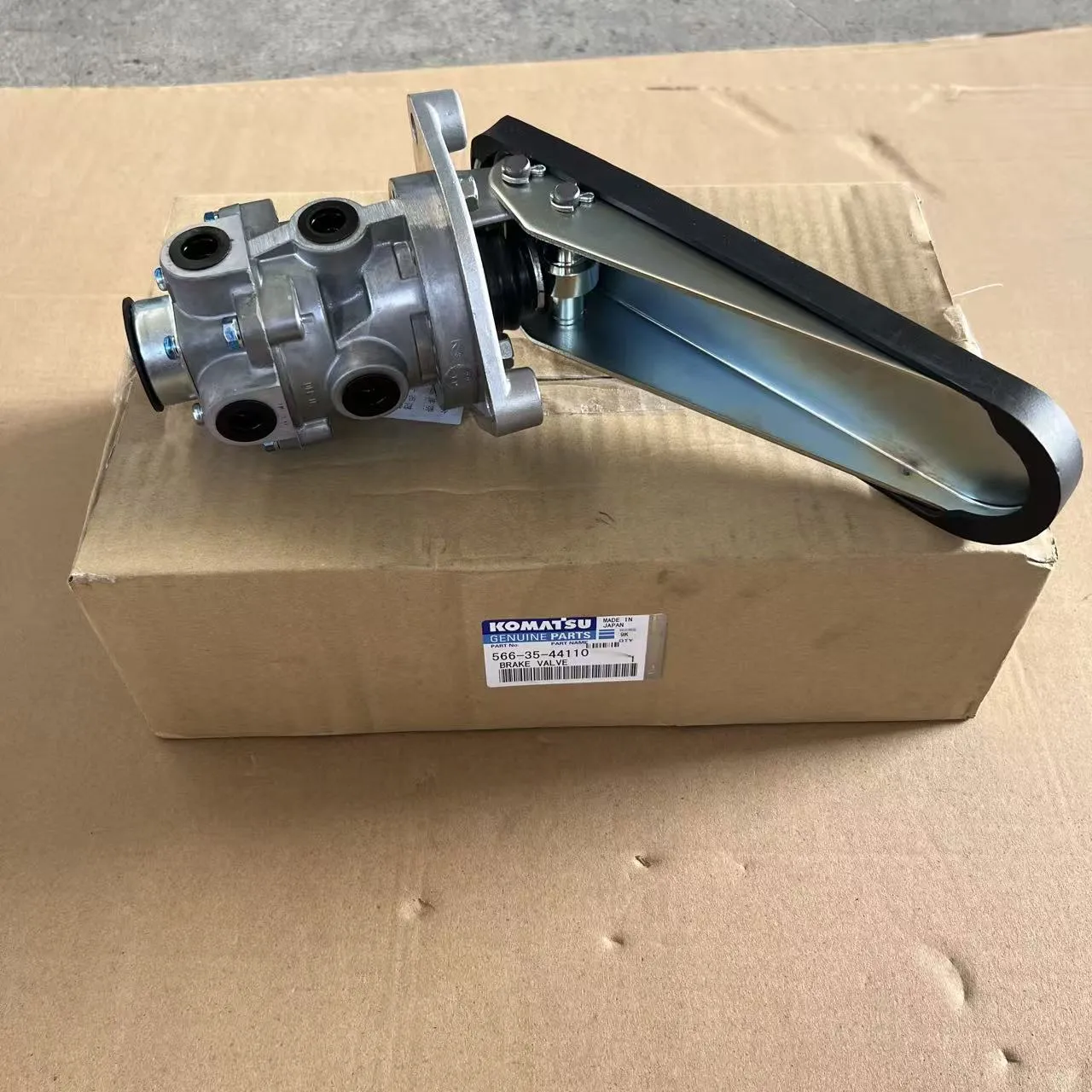 Komatsu Dump Truck Original HD785-5 Brake Valve 566-35-44110