
- Chinese
- French
- German
- Portuguese
- Spanish
- Russian
- Japanese
- Korean
- Arabic
- Irish
- Greek
- Turkish
- Italian
- Danish
- Romanian
- Indonesian
- Czech
- Afrikaans
- Swedish
- Polish
- Basque
- Catalan
- Esperanto
- Hindi
- Lao
- Albanian
- Amharic
- Armenian
- Azerbaijani
- Belarusian
- Bengali
- Bosnian
- Bulgarian
- Cebuano
- Chichewa
- Corsican
- Croatian
- Dutch
- Estonian
- Filipino
- Finnish
- Frisian
- Galician
- Georgian
- Gujarati
- Haitian
- Hausa
- Hawaiian
- Hebrew
- Hmong
- Hungarian
- Icelandic
- Igbo
- Javanese
- Kannada
- Kazakh
- Khmer
- Kurdish
- Kyrgyz
- Latin
- Latvian
- Lithuanian
- Luxembou..
- Macedonian
- Malagasy
- Malay
- Malayalam
- Maltese
- Maori
- Marathi
- Mongolian
- Burmese
- Nepali
- Norwegian
- Pashto
- Persian
- Punjabi
- Serbian
- Sesotho
- Sinhala
- Slovak
- Slovenian
- Somali
- Samoan
- Scots Gaelic
- Shona
- Sindhi
- Sundanese
- Swahili
- Tajik
- Tamil
- Telugu
- Thai
- Ukrainian
- Urdu
- Uzbek
- Vietnamese
- Welsh
- Xhosa
- Yiddish
- Yoruba
- Zulu
- Kinyarwanda
- Tatar
- Oriya
- Turkmen
- Uyghur






Komatsu relay
When you hear 'Komatsu relay', most guys in the shop immediately think of that little black box that clicks when something's wrong. That's the surface level. The real story is about system integrity, and how a genuine part versus a 'will-fit' can mean the difference between a 30-minute reset and a three-day downtime saga. I've seen too many operations treat these components as commodities, which is a costly mistake. It's not just about completing a circuit; it's about the entire machine's communication network. A faulty or subpar relay doesn't just fail; it can send garbage data to the controller, leading to misdiagnoses that send you down expensive rabbit holes. Let's talk about what that actually looks like on the ground.
The Core Misconception and Supply Chain Realities
The biggest error is assuming all 12V, 4-pin relays are created equal. They're not. The Komatsu relay is built to a specific vibration resistance, ingress protection (IP) rating, and electrical load profile that matches the duty cycle of, say, a PC360's hydraulic fan circuit. A generic auto parts store relay might handle the same initial load, but after 200 hours of constant cycling in a dusty, shaking environment, its contacts degrade differently. This is where the OEM specification isn't just marketing—it's a documented performance threshold.
This leads directly into the supply nightmare many face. For dealers in certain regions, waiting for a single relay through official channels can stall a critical machine. This gap is precisely where companies like Jining Gaosong Construction Machinery Co., Ltd. operate. They exist because the logistics of global parts distribution have hard limits. As an OEM product supplier within the Komatsu system, their role is to provide an authentic path for these components outside the main pipeline. It’s a nuanced position: they're not the primary factory, but they are a sanctioned source for genuine parts, which is a crucial distinction from the grey market.
I recall a situation in a mining operation where we had a D65 dozer throwing intermittent codes for the blade lift. We swapped the main pump solenoid, checked pressures—the works. The issue turned out to be a relay for the control voltage to the ECU. It wasn't dead; it was underperforming, providing 10.8V instead of a steady 12V when hot. The machine would work fine in the morning, then act up by noon. The local dealer was out of stock with a two-week lead time. We found the correct part number available through a third-party sales channel, specifically from a supplier like Gaosong, which listed it on their portal https://www.takematsumachinery.com. It got us running in two days. That's the practical value.
Failure Patterns and Diagnostic Pitfalls
Relays rarely fail catastrophically in a clean 'open circuit' manner. More common is a high-resistance path. You'll see voltage drop across the contacts when under load, which causes the downstream component—a solenoid, a fan motor—to operate sluggishly or overheat. On a modern Komatsu excavator, that sluggish solenoid can translate to poor hydraulic response, which the system logs as a 'pump pressure deviation' fault. If you don't measure the voltage at the solenoid coil during operation, you'll miss it entirely and start chasing pump issues.
Another subtle pattern is contact welding. In a high-inductive load circuit (like a motor), when the contacts try to break, an arc can weld them slightly. The relay might still 'click' audibly because the coil is de-energizing, but the circuit remains live. I've seen this keep a fuel pump running continuously, draining a battery overnight. The diagnostic clue was a warm relay housing long after key-off, which you only find by touch during a post-shutdown walk-around.
The takeaway here is that your multimeter's continuity test is insufficient. You need a dynamic test: energize the circuit and measure the voltage drop from the relay's load terminal to ground. If it's more than a few tenths of a volt under load, that relay is on borrowed time, even if it still clicks. This is the kind of hands-on check that separates a parts changer from a technician.
The Value of a Verified Third-Party Source
This is where the company model of Jining Gaosong makes sense. Their stated goal of helping to solve parts supply challenges in certain countries isn't fluffy corporate talk. It addresses the realpolitik of equipment maintenance outside major industrial hubs. When you're in a remote location and the dealer network is sparse, having access to a supplier that holds genuine OEM stock and can ship directly is a lifeline. Their website, Takematsu Machinery, functions as a critical lookup tool for part numbers and availability.
However, 'third-party' always raises eyebrows. The key is their position as an OEM product supplier within the Komatsu system. This implies a formal agreement. They aren't manufacturing copycat parts; they are sourcing and distributing genuine Komatsu components. For a maintenance manager, this means the relay you order should have the correct Komatsu part number, packaging, and performance specs. It should be indistinguishable from one coming from a dealer's shelf. That assurance is everything.
I've used similar channels for other components, like swing drive seals. The risk is always counterfeits. A good practice is to order one first, even if you need five. Compare it physically and electrically to a known-good unit you've removed. Check the mold markings, the spring tension on the contacts, the stamping on the metal. With a Komatsu relay, the quality of the plastic housing and the clarity of the internal schematic diagram are often dead giveaways. A legitimate supplier won't balk at this scrutiny.
Integration and System-Level Thinking
Never view a relay in isolation. It's a node in a network. On a Komatsu machine, that relay is likely controlled by a controller area network (CAN) signal from the main monitor or a separate ECU. Replacing a relay might solve the immediate fault, but you must ask: why did it fail? Was it simply end-of-life, or is there an underlying issue causing excessive current draw or voltage spikes? A new relay in a faulty circuit will just fail again, faster.
For example, a recurring failure of the relay for the air conditioner compressor clutch often points to a different root cause: a compressor beginning to seize, increasing its lock-rotor amperage dramatically every time it kicks in. This overloads the relay contacts, burning them out. Just slapping in a new relay from your supplier, even a genuine one, is a temporary fix. You need to measure the compressor clutch's in-rush current to rule out the downstream load.
This system view is what justifies the cost of the genuine part. The Komatsu engineering team has (theoretically) matched the relay's breaking capacity to the expected fault currents in that specific circuit. A cheaper relay might not safely interrupt a short-circuit, potentially leading to a wiring harness meltdown. It's an insurance policy. When you source from a known entity within the system, like the mentioned supplier, you're buying back into that engineered safety margin.
Practical Sourcing and Final Thoughts
So, what's the actionable advice? First, know your part numbers. Don't just know the relay for the AC. Know the Komatsu P/N etched on the side. Second, build a relationship with more than one source. Your primary dealer is first, but having a verified secondary source for genuine parts, such as a specialized third-party sales company, is prudent business continuity planning. A portal like https://www.takematsumachinery.com becomes a reference point for verification and availability checks.
Finally, inventory smartly. These relays aren't hugely expensive, but they're critical. For high-uptime machines, keeping one or two of each major relay type (main power, ECU, fuel pump) on the shelf, sourced from a trusted OEM-linked supplier, is cheap insurance. It turns a potential week-long downtime into a coffee-break fix.
The bottom line on Komatsu relays is this: they are precision electromechanical interfaces, not simple switches. Their failure modes are subtle and diagnostic-intensive. The supply chain for the real thing can be fragile, which creates a legitimate space for companies that can reliably bridge that gap with genuine components. It's about maintaining the machine's design intent, one click at a time.
Related Products
Related Products

Best Selling Products
Best Selling Products-
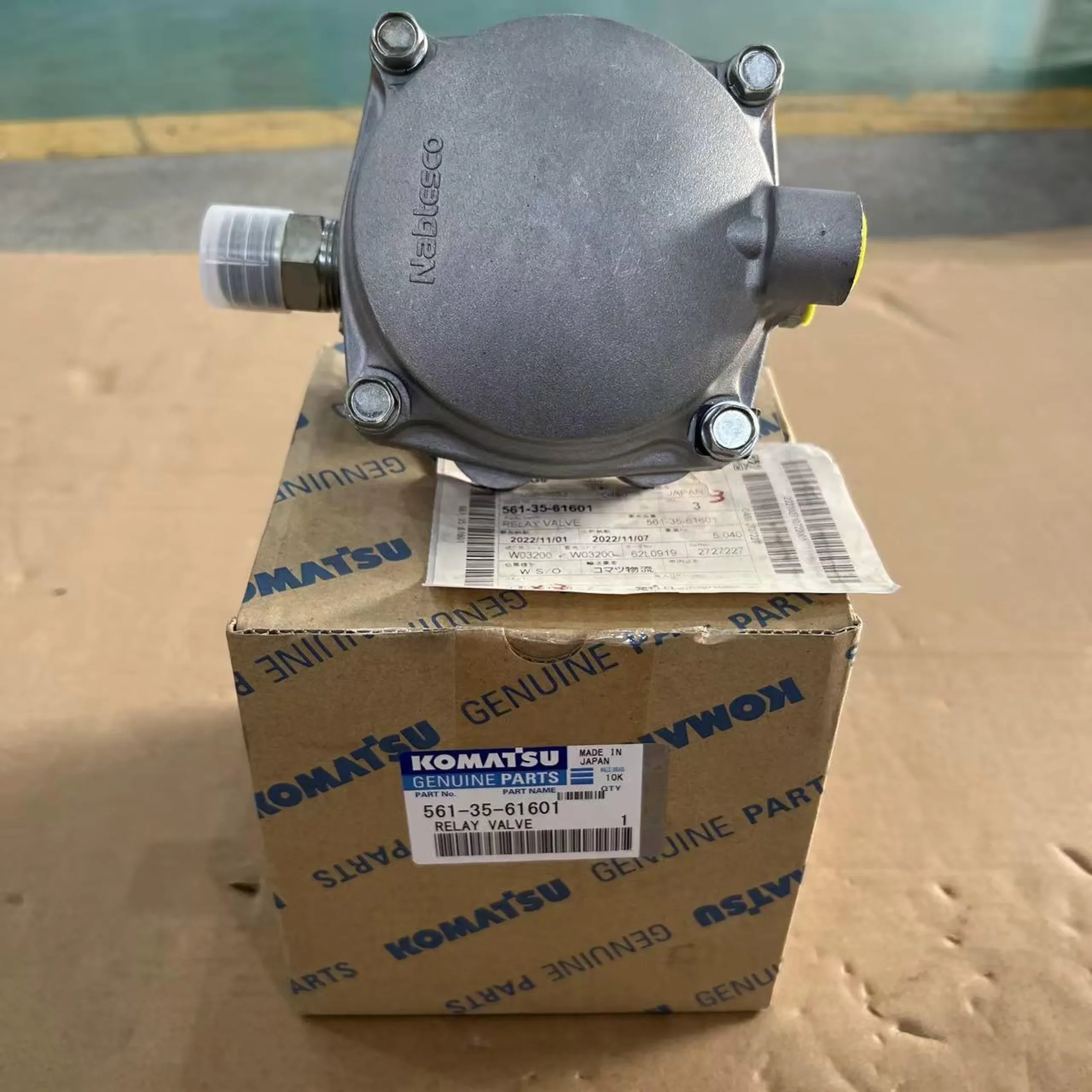 KOMATSU Relay Valve 561-35-61601 NIB
 -
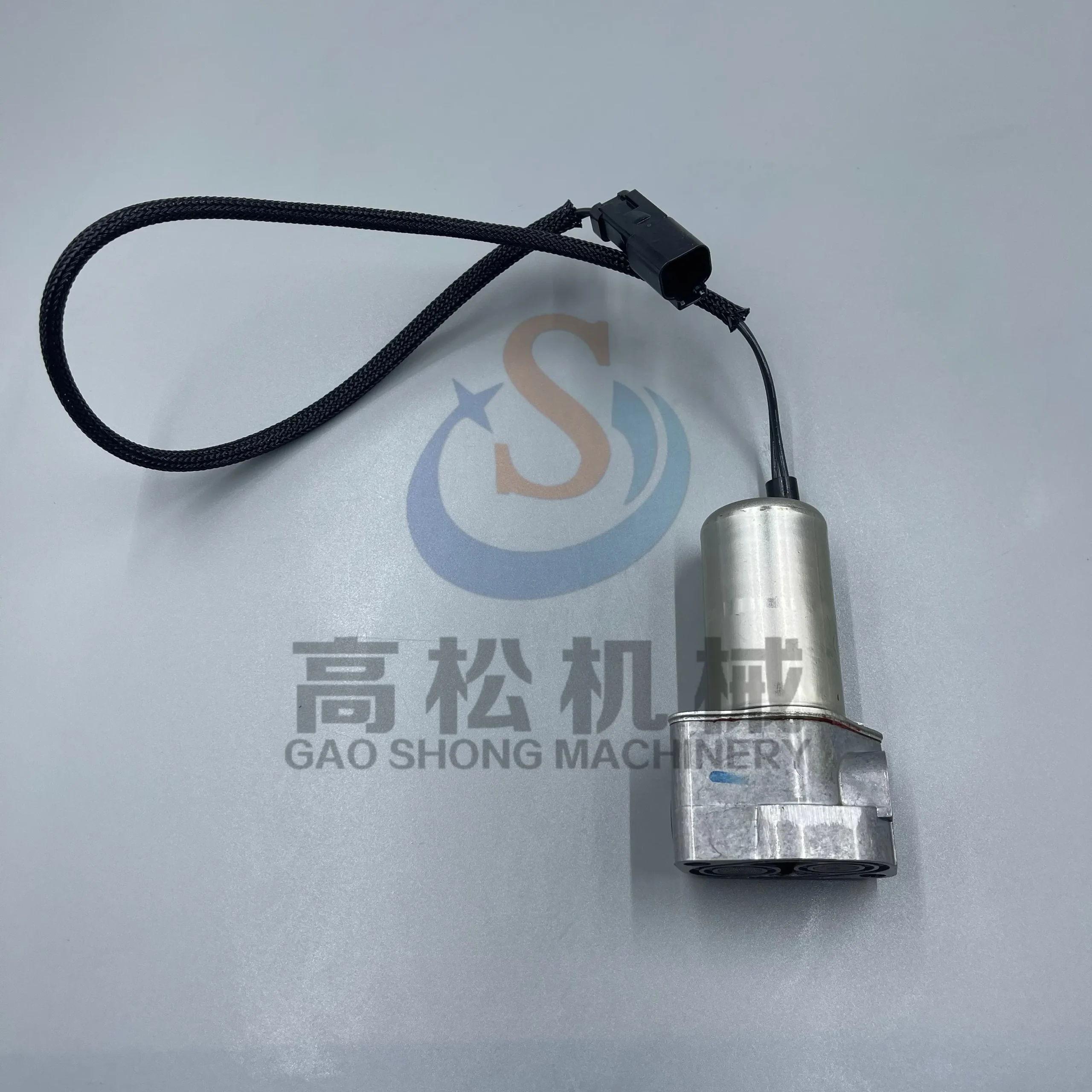 702-21-07620 SOLENOID VALVE (Komatsu)
 -
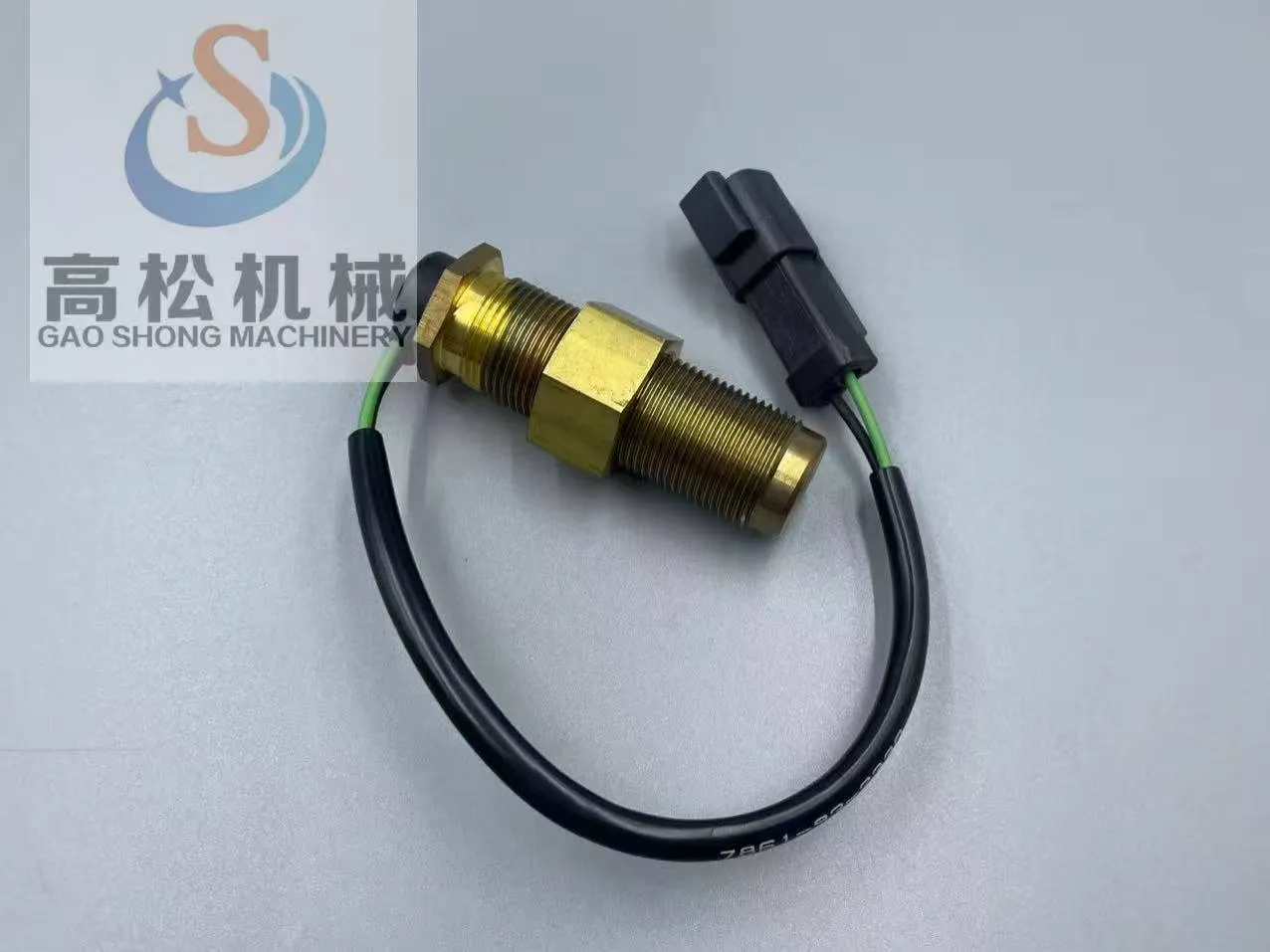 PC130-7 PC300-7 Engine Speed Sensor 7861-93-2330
 -
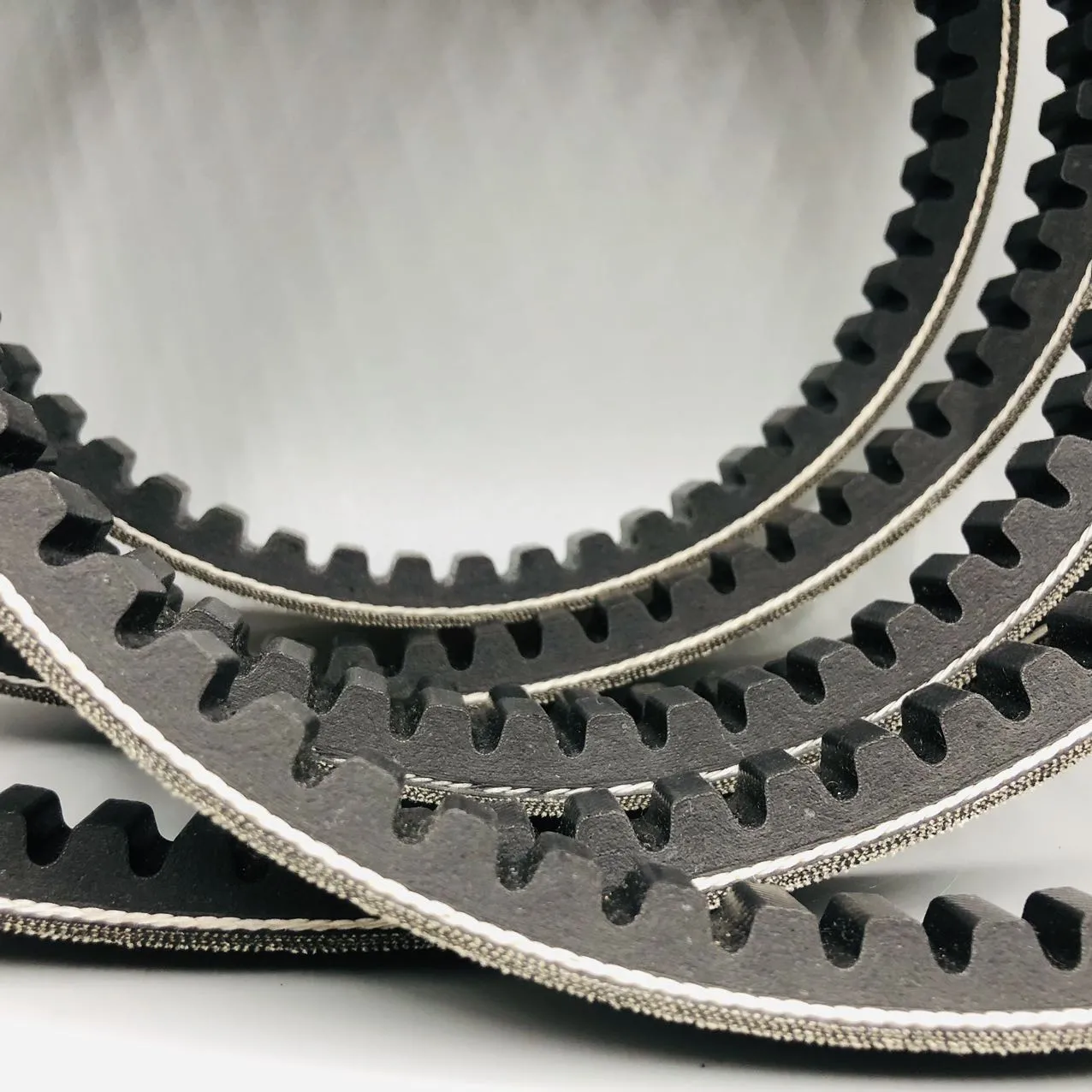 Komatsu mechanical belt6219-61-3420
 -
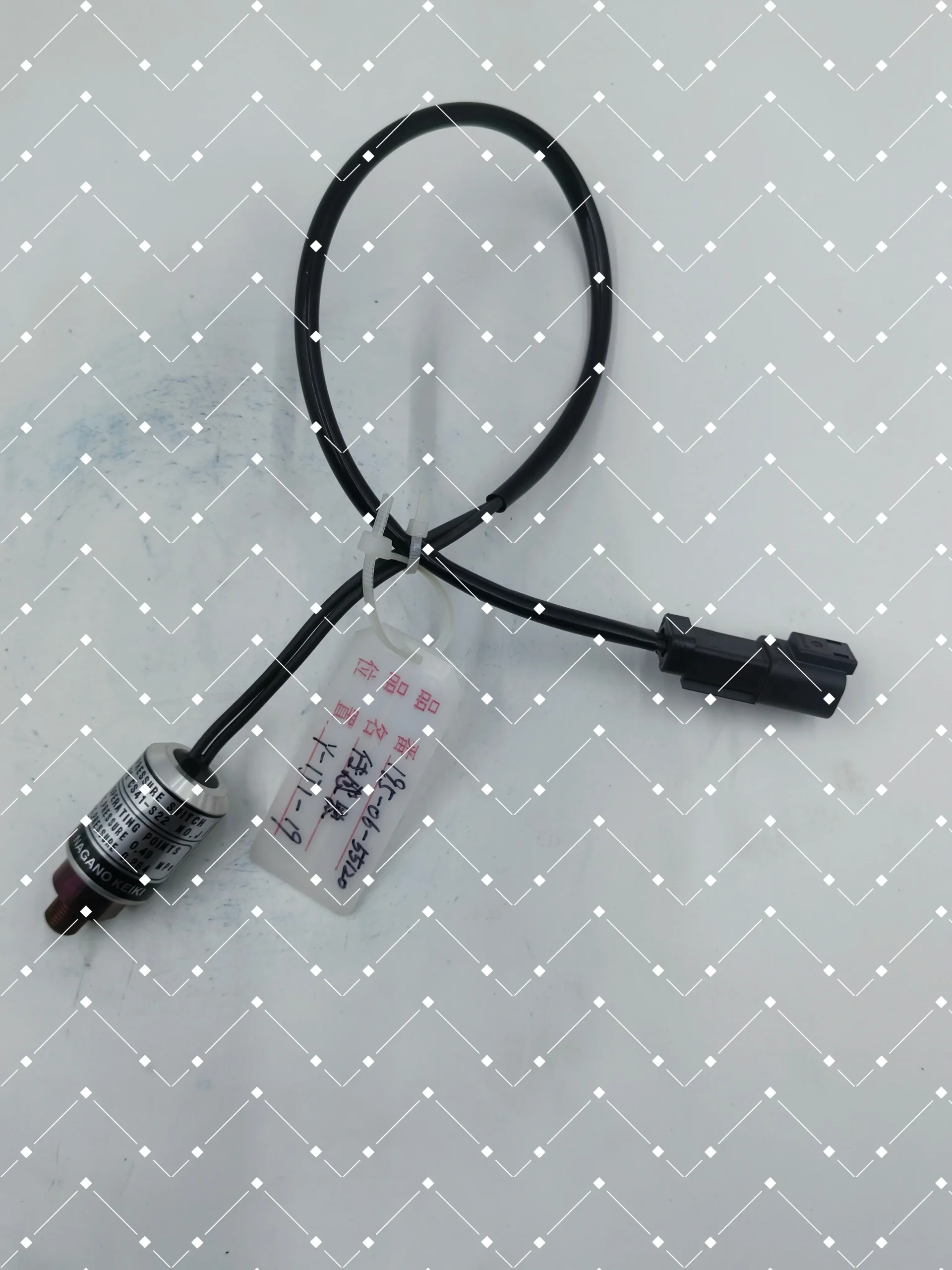 Komatsu 195-06-55120 Switch, price for original and… — Pricing.Parts
 -
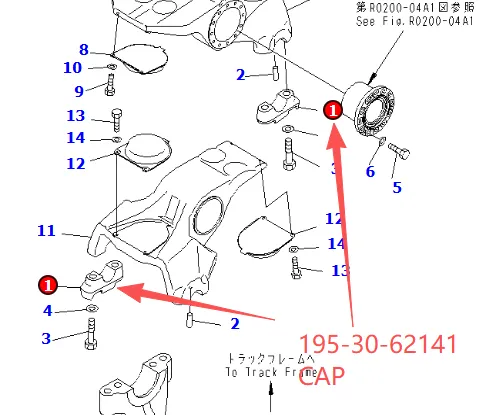 195-30-62141-CAP Komatsu Original Factory
 -
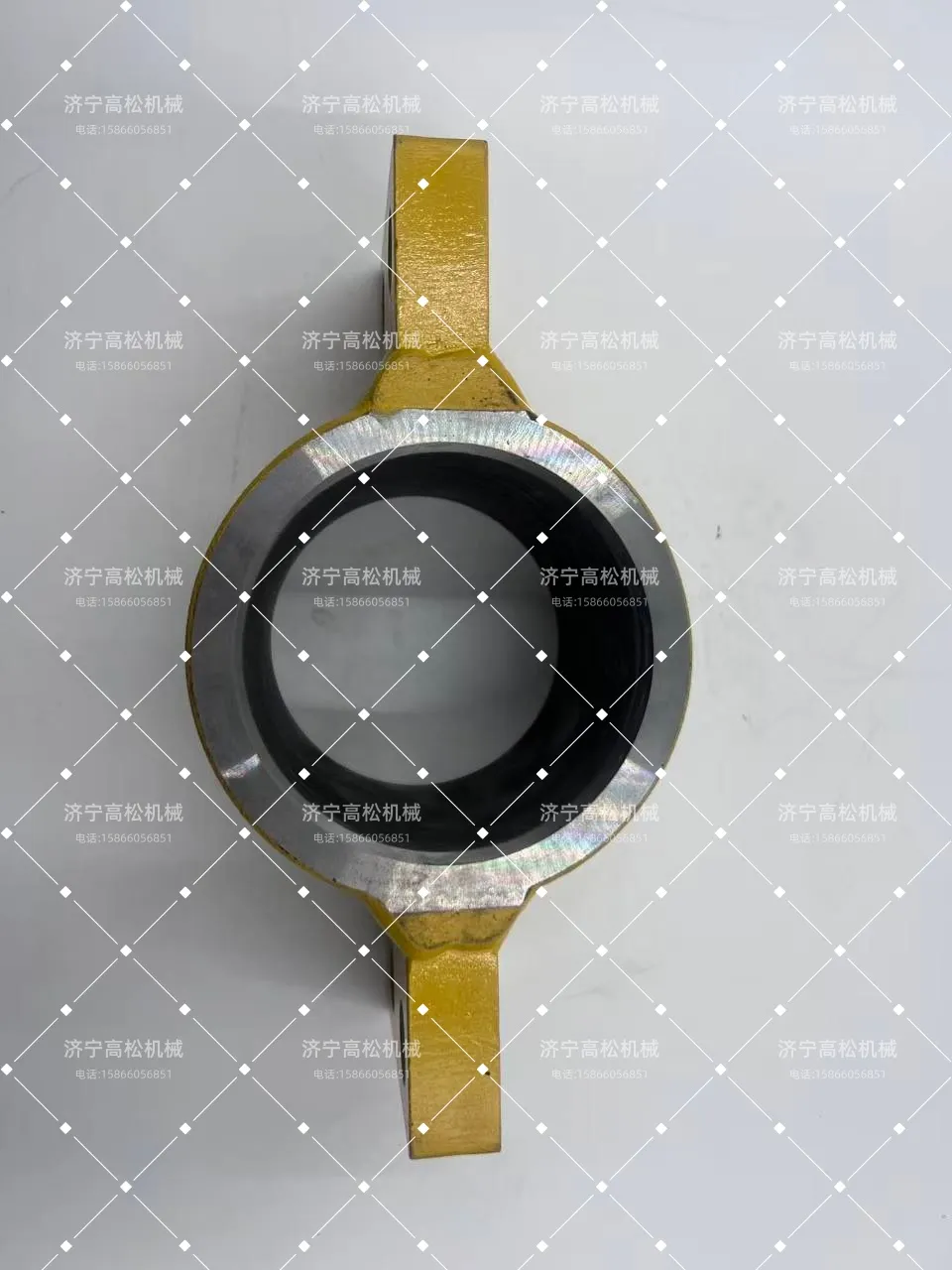 Komatsu Parçaları için İnşaatın Omurgası 566-14-41160 Braketi
 -
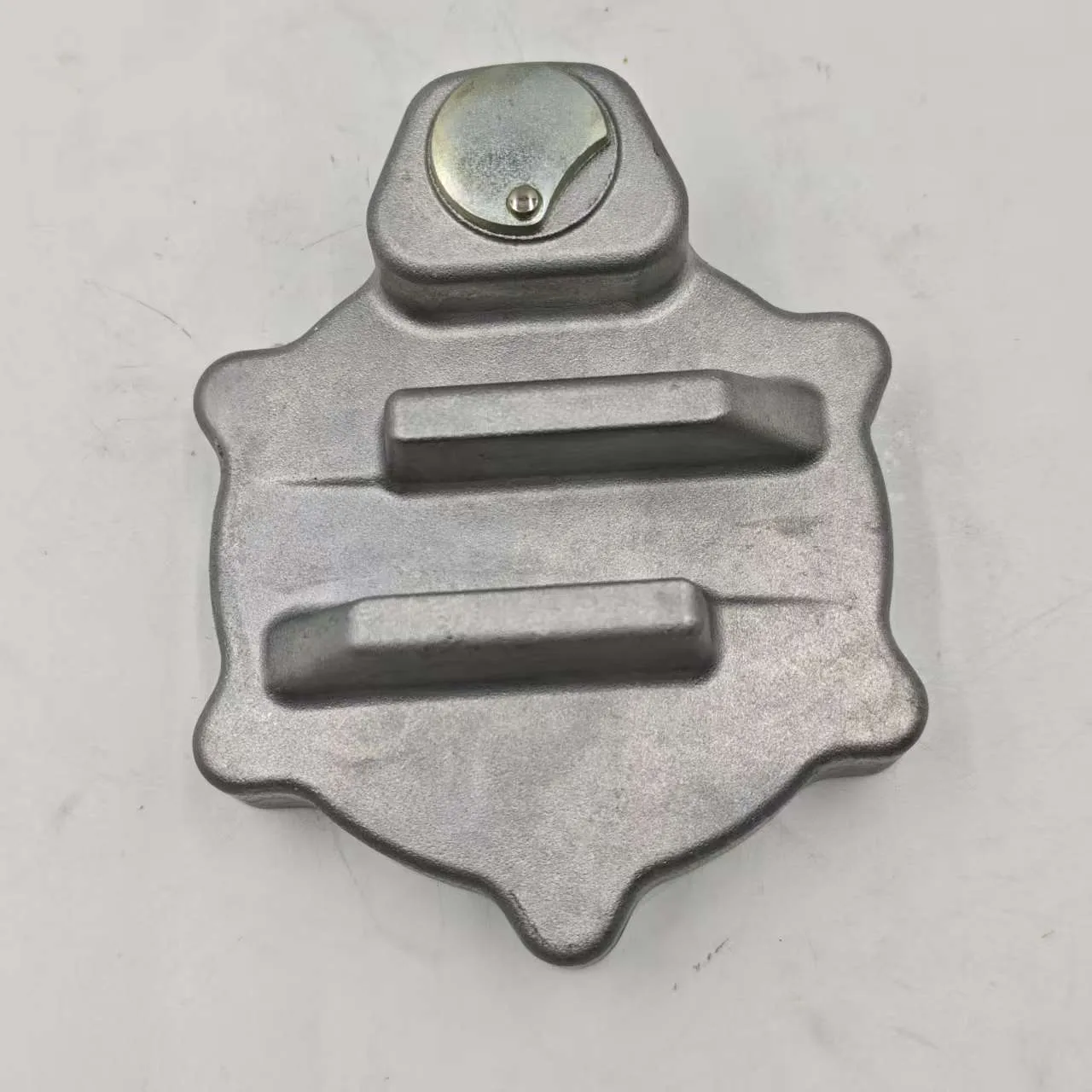 07053-10000 Cap-Radiator Fits KOMATSUU Models
 -
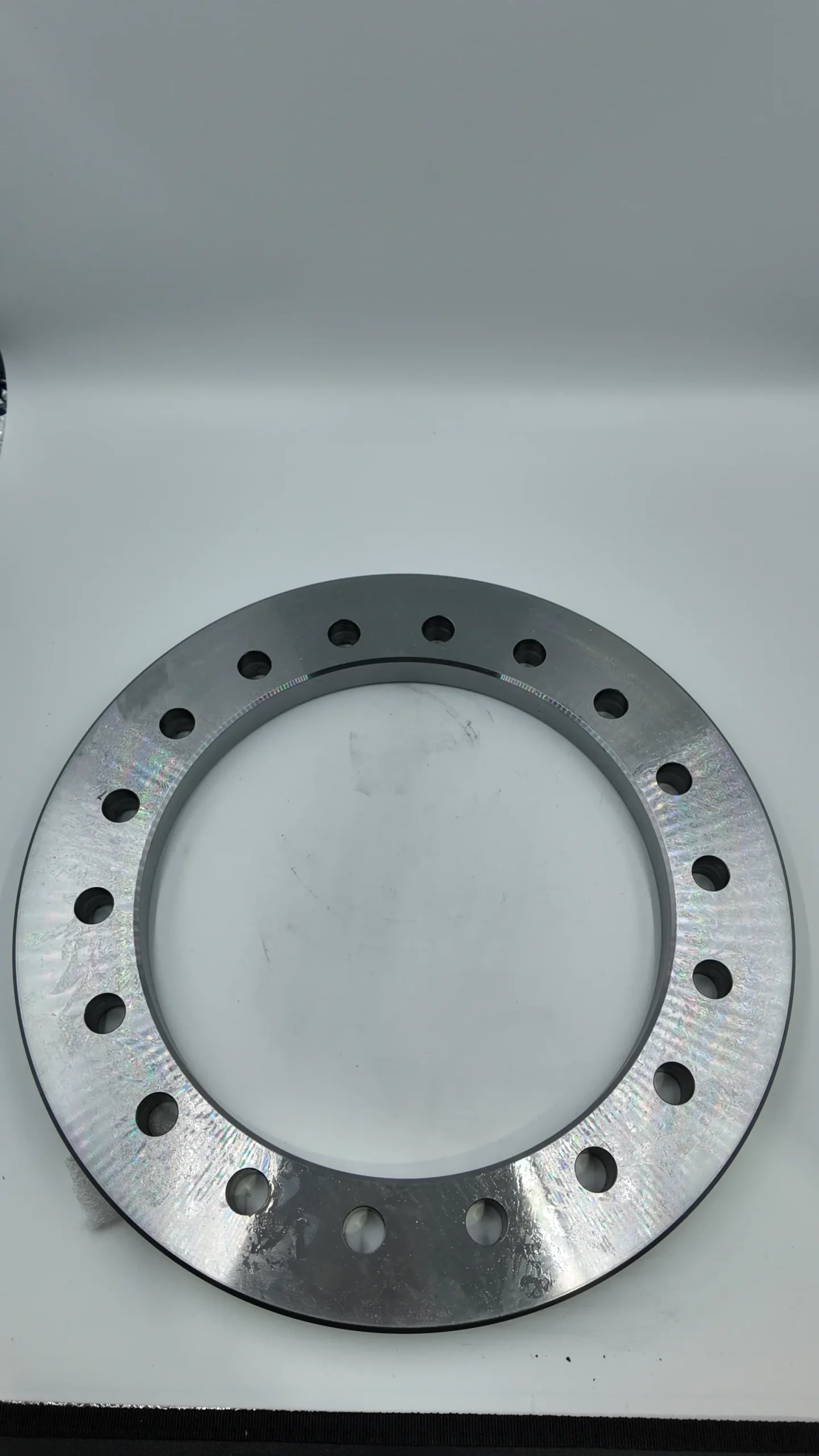 Komatsu Holder 195-27-31390
 -
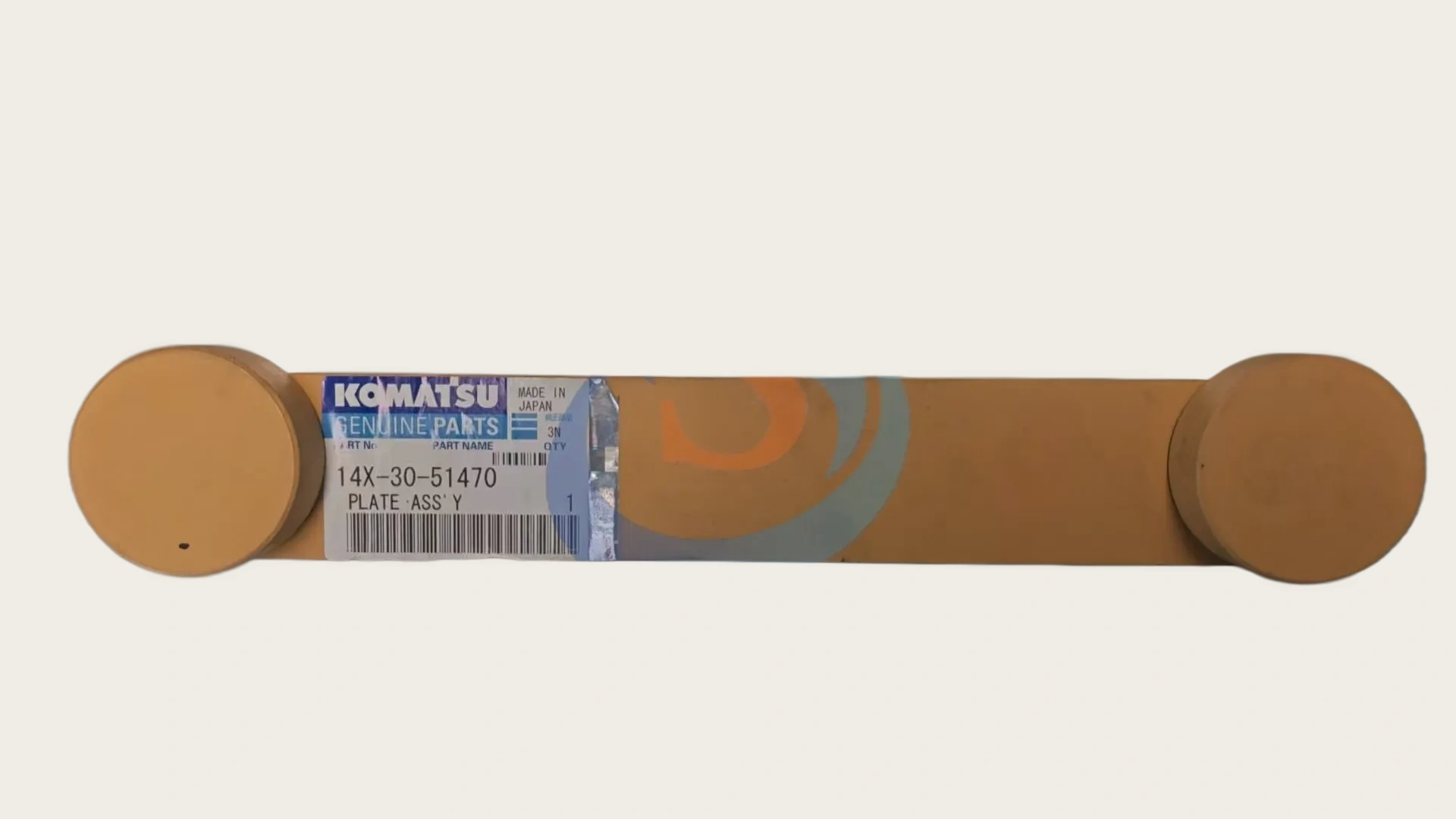 komatsu-part-14X-30-51470 Plate Assembly D65PX-16 D65WX-17 D65EXI-18 D65EX-18E0 FRONT IDLER
 -
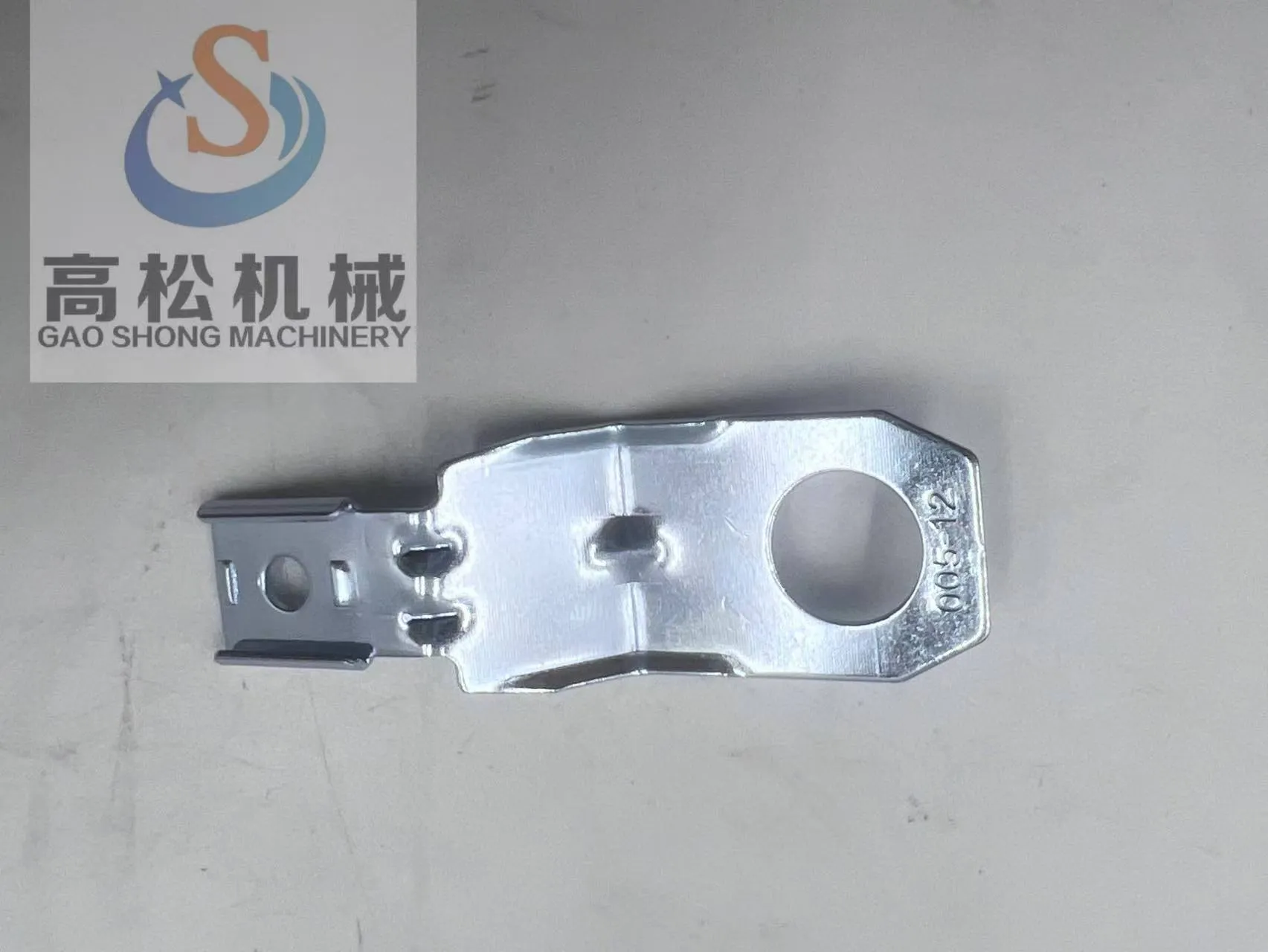 WA200-6 PC350-8 PC200-8用挖掘机接线夹08193-21012
 -
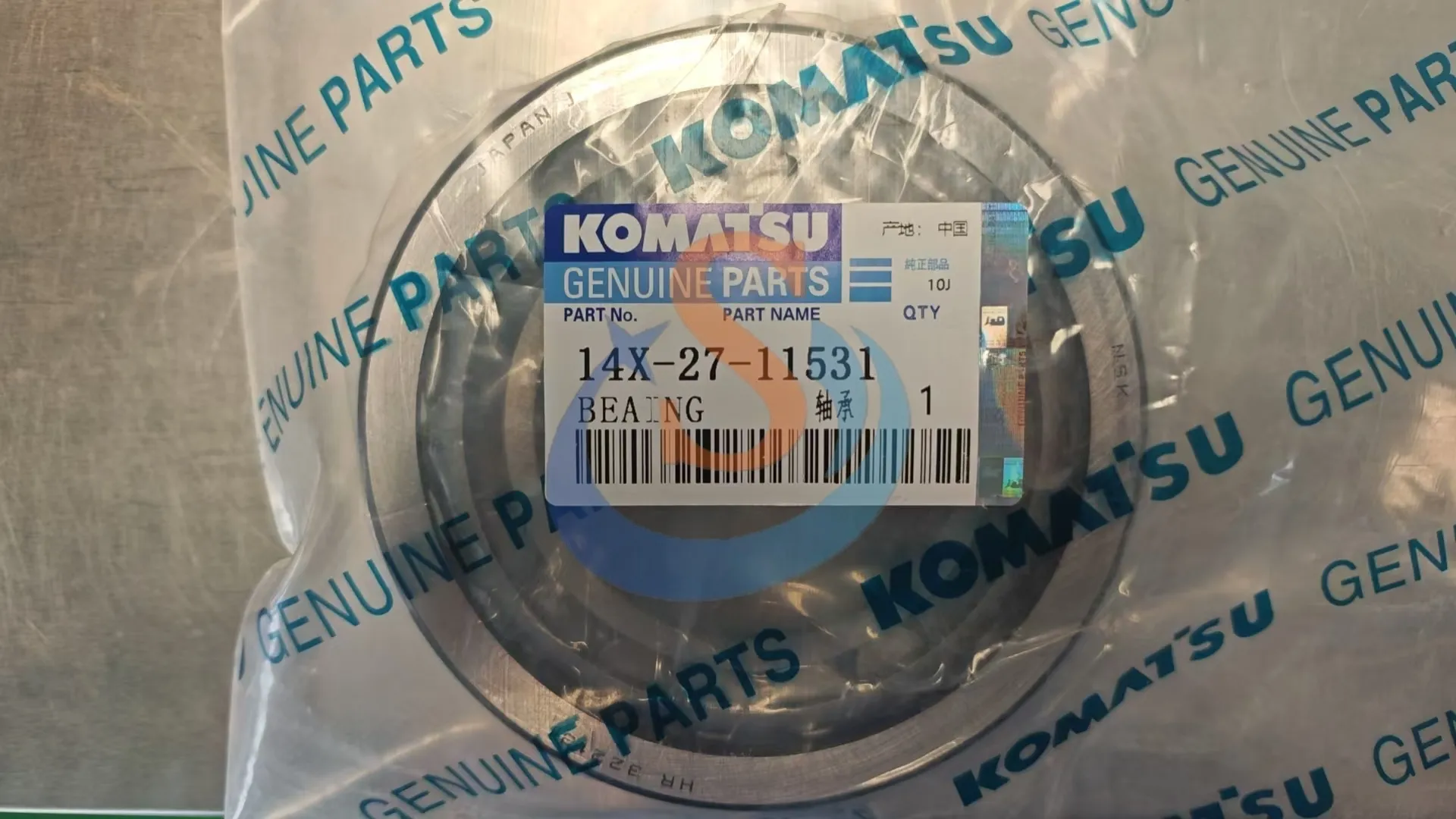 14X-27-11531,BEARING,D65P,D65EX,D65WX