
- Chinese
- French
- German
- Portuguese
- Spanish
- Russian
- Japanese
- Korean
- Arabic
- Irish
- Greek
- Turkish
- Italian
- Danish
- Romanian
- Indonesian
- Czech
- Afrikaans
- Swedish
- Polish
- Basque
- Catalan
- Esperanto
- Hindi
- Lao
- Albanian
- Amharic
- Armenian
- Azerbaijani
- Belarusian
- Bengali
- Bosnian
- Bulgarian
- Cebuano
- Chichewa
- Corsican
- Croatian
- Dutch
- Estonian
- Filipino
- Finnish
- Frisian
- Galician
- Georgian
- Gujarati
- Haitian
- Hausa
- Hawaiian
- Hebrew
- Hmong
- Hungarian
- Icelandic
- Igbo
- Javanese
- Kannada
- Kazakh
- Khmer
- Kurdish
- Kyrgyz
- Latin
- Latvian
- Lithuanian
- Luxembou..
- Macedonian
- Malagasy
- Malay
- Malayalam
- Maltese
- Maori
- Marathi
- Mongolian
- Burmese
- Nepali
- Norwegian
- Pashto
- Persian
- Punjabi
- Serbian
- Sesotho
- Sinhala
- Slovak
- Slovenian
- Somali
- Samoan
- Scots Gaelic
- Shona
- Sindhi
- Sundanese
- Swahili
- Tajik
- Tamil
- Telugu
- Thai
- Ukrainian
- Urdu
- Uzbek
- Vietnamese
- Welsh
- Xhosa
- Yiddish
- Yoruba
- Zulu
- Kinyarwanda
- Tatar
- Oriya
- Turkmen
- Uyghur






Komatsu radiator
When you hear 'Komatsu radiator', most guys immediately picture that big aluminum block at the front of an excavator. That's not wrong, but it's where a lot of the oversimplification starts. In my years dealing with parts supply, especially in markets where genuine Komatsu channels are thin, I've seen too many failures rooted in treating the radiator as just a commodity cooling component. The reality is more nuanced. It's a system within a system, and its performance—or failure—ties directly into hydraulic health, engine longevity, and ultimately, machine uptime. The common mistake? Assuming any radiator with the right bolt pattern and hose connections will do. That assumption has cost operations more in downstream damage than the part's price tag ever could.
The OEM Blueprint vs. Aftermarket Reality
Working with an entity like Jining Gaosong, which operates as an OEM product supplier within the Komatsu system, gives you a front-row seat to the specifications that get glossed over. A genuine Komatsu radiator isn't just about dimensions. It's about the specific alloy composition of the tubes and fins, designed for a balance between thermal conductivity and resistance to vibration-induced fatigue. The aftermarket ones? They often get the size right but the material science wrong. I've seen units where the fins are softer, leading to premature clogging in dusty environments because they bend and trap debris instead of allowing it to be blown through.
Then there's the tank design and the seal between the plastic tank and the aluminum core. Komatsu's OEM spec uses a specific gasket material and crimping process to handle the constant thermal cycling. We've had cases where a non-OEM radiator worked fine for six months, then developed a slow leak along the tank seam during a cold start in winter—the differential expansion rates were just off enough to cause failure. It's these subtle engineering tolerances that separate a part that fits from a part that functions reliably.
This is where the role of a third-party sales company like Gaosong becomes critical. They're not just selling a box; they're often providing the OEM-spec part in regions where the official distribution network can't reach or is prohibitively slow. Their website, takematsumachinery.com, positions them to solve these supply challenges. From my dealings, their value isn't in undercutting price, but in providing the correct technical solution—which often is the OEM-grade part—thereby preventing the cascade of issues a cheap radiator can cause.
Field Failures and the Diagnostic Rabbit Hole
Nothing teaches you more than a failure in the field. I recall a D61EXi dozer that kept running hot intermittently. The local mechanic swapped the thermostat, flushed the system, even replaced the water pump. The problem persisted. Finally, they pulled the Komatsu radiator. Visually, it looked intact. But a flow test revealed a partial blockage in about 30% of the tubes. It wasn't mud; it was a combination of degraded coolant inhibitors and scale that had built up unevenly, likely because a non-OEM coolant had been used previously and reacted with the core material.
The lesson wasn't just use the right coolant. It was that the radiator often becomes the symptom bearer for other sins. In this case, the root cause was a maintenance chemistry issue, but the radiator was the component that failed. Replacing it with a proper unit was step one, but without correcting the coolant protocol, the new one would have suffered the same fate. This is the kind of diagnostic loop you get pulled into.
Another common, and costly, misdiagnosis is blaming the radiator for overheating when the issue is actually a faulty fan clutch or shrouding that's been damaged and not replaced. You can have the best radiator in the world, but if the airflow across it is wrong, it's useless. I've wasted hours pressure-testing a perfect core only to find a $5 shroud clip missing, disrupting the entire air path. It forces you to look at the cooling package as a whole, not in isolation.
The Compatibility Mirage in Older Models
This is a big one, especially for older PC200-6 or PC300-7 models still running hard in emerging markets. The aftermarket catalogs will list one radiator part number for a range of machines. But within that model run, Komaita might have made subtle changes—the location of the transmission oil cooler lines, the bracket for the sight glass, or the fitting for the bleed line. The aftermarket part is often a best fit compromise.
I've been on the phone with a frustrated site manager who installed a new radiator only to find the lower transmission hose was 2 inches too short. The catalog said it fit. The box said it fit. But it didn't, because the variant on his machine had a different cooler configuration. The downtime cost for a custom hose and refill was more than the radiator itself. Companies that focus on solving parts supply challenges understand these nuances. They'll ask for the machine serial number, not just the model, to cross-reference the exact build specification. That level of detail is what separates a parts seller from a solutions provider.
It's also worth noting that for some of these legacy models, the genuine Komatsu part might be on a long backorder or discontinued. A reliable supplier in the Komatsu ecosystem might then offer a high-quality, approved alternative that meets the spec, which is a valid path. The key is transparency—knowing when you're getting an OEM part, an OEM-specified alternative, or a generic aftermarket piece.
Preventive Practices and the Clean Core Myth
Everyone knows you need to keep the radiator clean. But the standard blow it out with air advice can be incomplete, even damaging. If you use too high pressure, you can fold over the delicate fins, creating a worse airflow restriction. The right way is to use low pressure and blow from the engine side out, following the normal direction of airflow. For heavy mud or clay packing, sometimes a low-pressure water rinse is necessary, but you have to be careful not to drive debris deeper into the core.
A more overlooked aspect is checking the radiator's structural mounts. These things are heavy and subject to immense vibration. Cracks in the side brackets or worn isolators can let the radiator flex, which over time can work-harden the aluminum and lead to cracks at the inlet/outlet necks. It's a check that takes two minutes but is rarely on a standard PM list. I've added it to every inspection routine I design now.
Finally, the condition of the radiator is a great indicator of overall machine care. A core packed with chaff and dirt often points to neglected air pre-cleaners or missing seals elsewhere in the engine bay. It's a window into the maintenance culture of the operation. A consistently clean core doesn't happen by accident; it's the result of systematic care.
Supply Chain Realities and the Value of a Correct Part
Let's talk logistics. In certain countries, getting a genuine Komatsu part can be a 12-week ordeal through official channels. For a machine earning $5000 a day, that's a $420,000 problem. This is the gap that companies like Jining Gaosong Construction Machinery Co., Ltd. fill. Their model, as described, is to be an integrated supplier—leveraging their OEM production role to supply the correct parts, and acting as a third-party conduit to get them where they need to go, fast.
This isn't about bypassing dealers; it's about supplementing a strained global supply chain for critical wear items like radiators. The alternative for many operations is to turn to the local aftermarket shop, roll the dice on quality, and hope the machine holds up. Often, it doesn't. The financial calculus then shifts. Paying a premium for the right part with guaranteed compatibility and performance, even from a third-party sales channel, becomes the cheaper option when you factor in avoided downtime and collateral damage.
In the end, a Komatsu radiator is more than a part. It's a point of decision. You can view it as a simple heat exchanger to be sourced at the lowest cost, or you can view it as a precision-engineered component integral to the machine's health. The choice dictates not just the temperature on the gauge, but the total cost of ownership. From what I've seen on the ground, the operations that understand the latter are the ones that keep their machines running, and their profits, cool.
Related Products
Related Products

Best Selling Products
Best Selling Products-
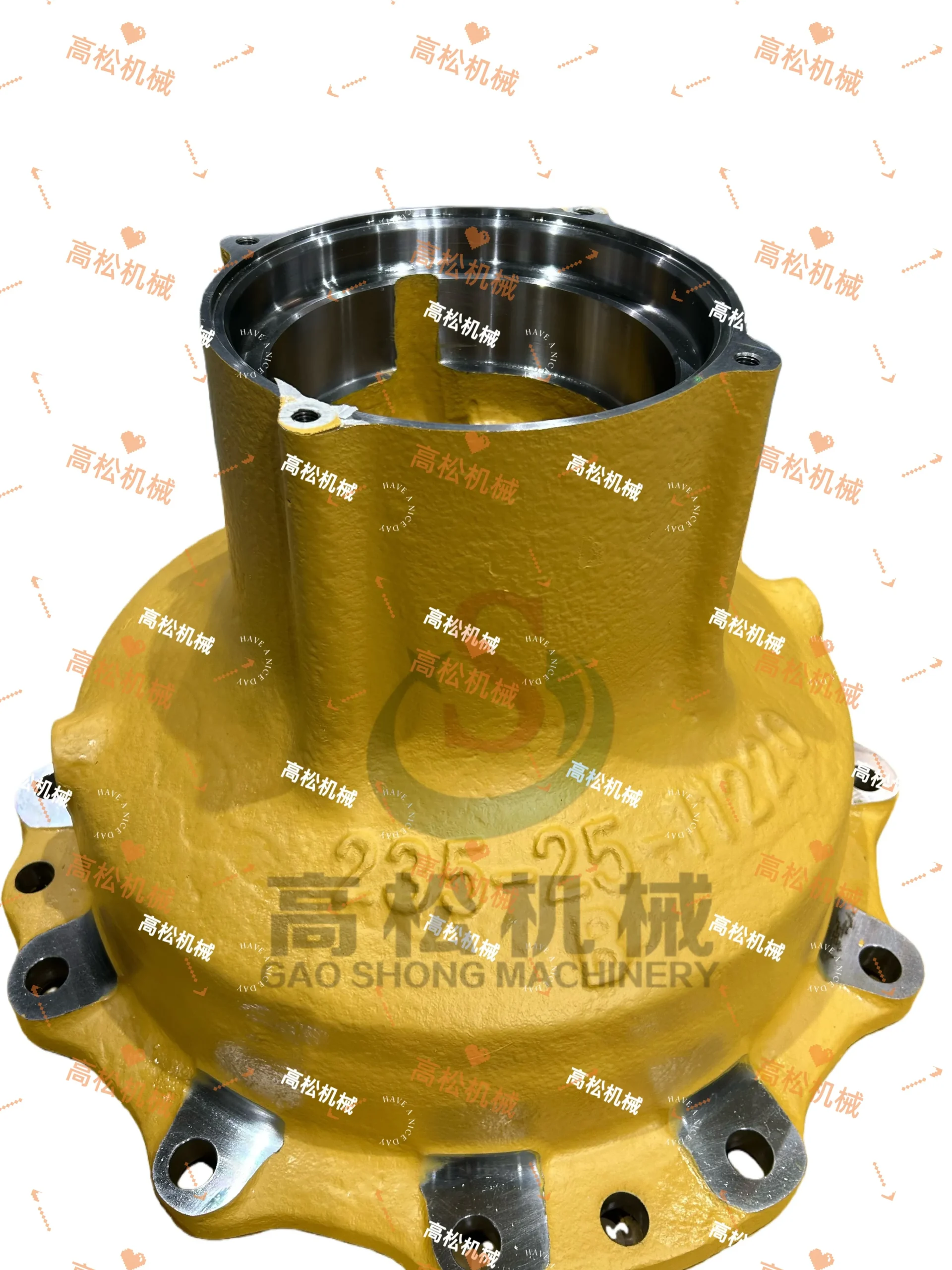 komatsu-part-235-25-11220 CAGE GD805A-1 GD825A-2 GD825A-2E0 TANDEM DRIVE GEAR AND CHAIN TANDEM DRIVE GEAR
 -
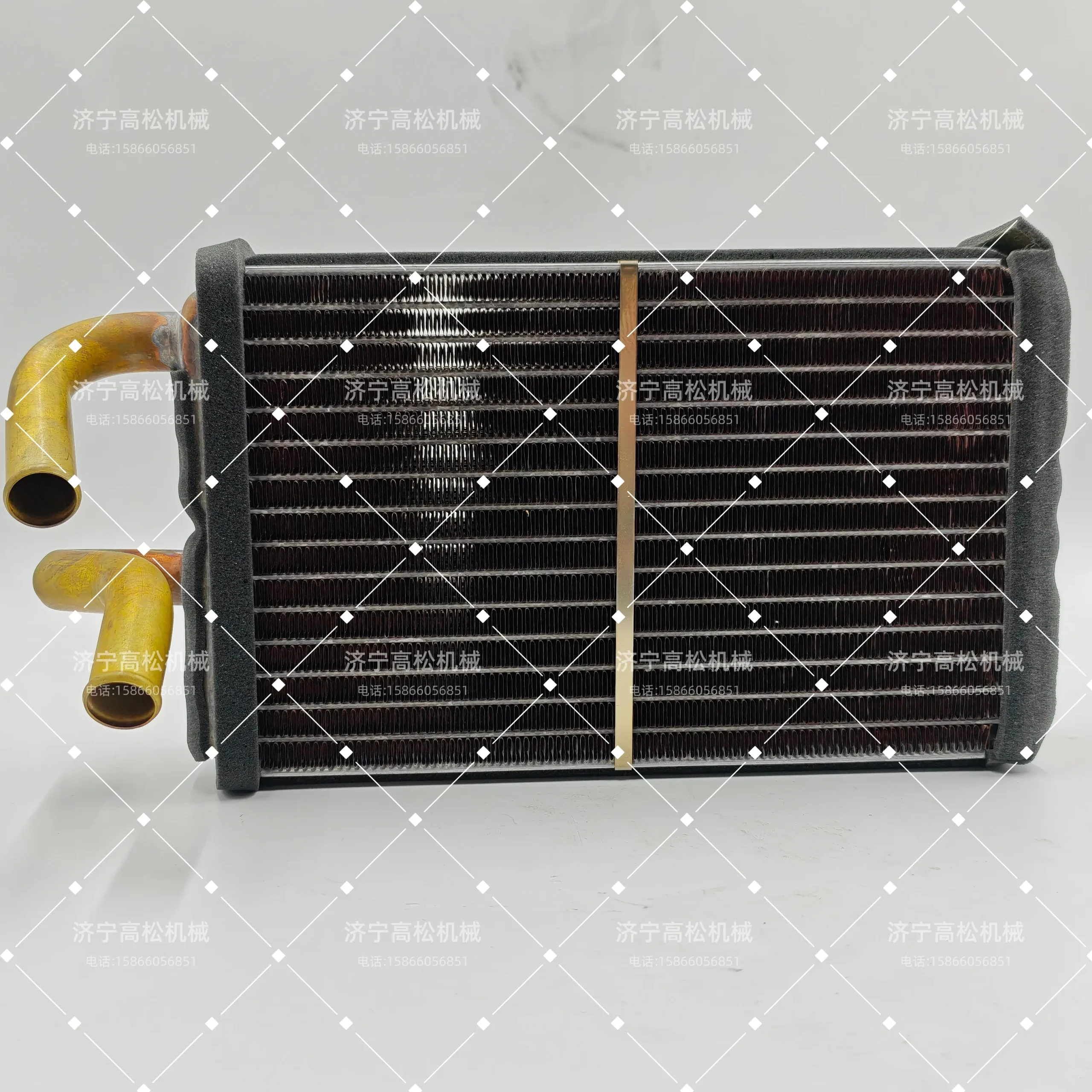 Genuine ND116410-9681 Unit Sub Assy for HD255, HD465, HD605
 -
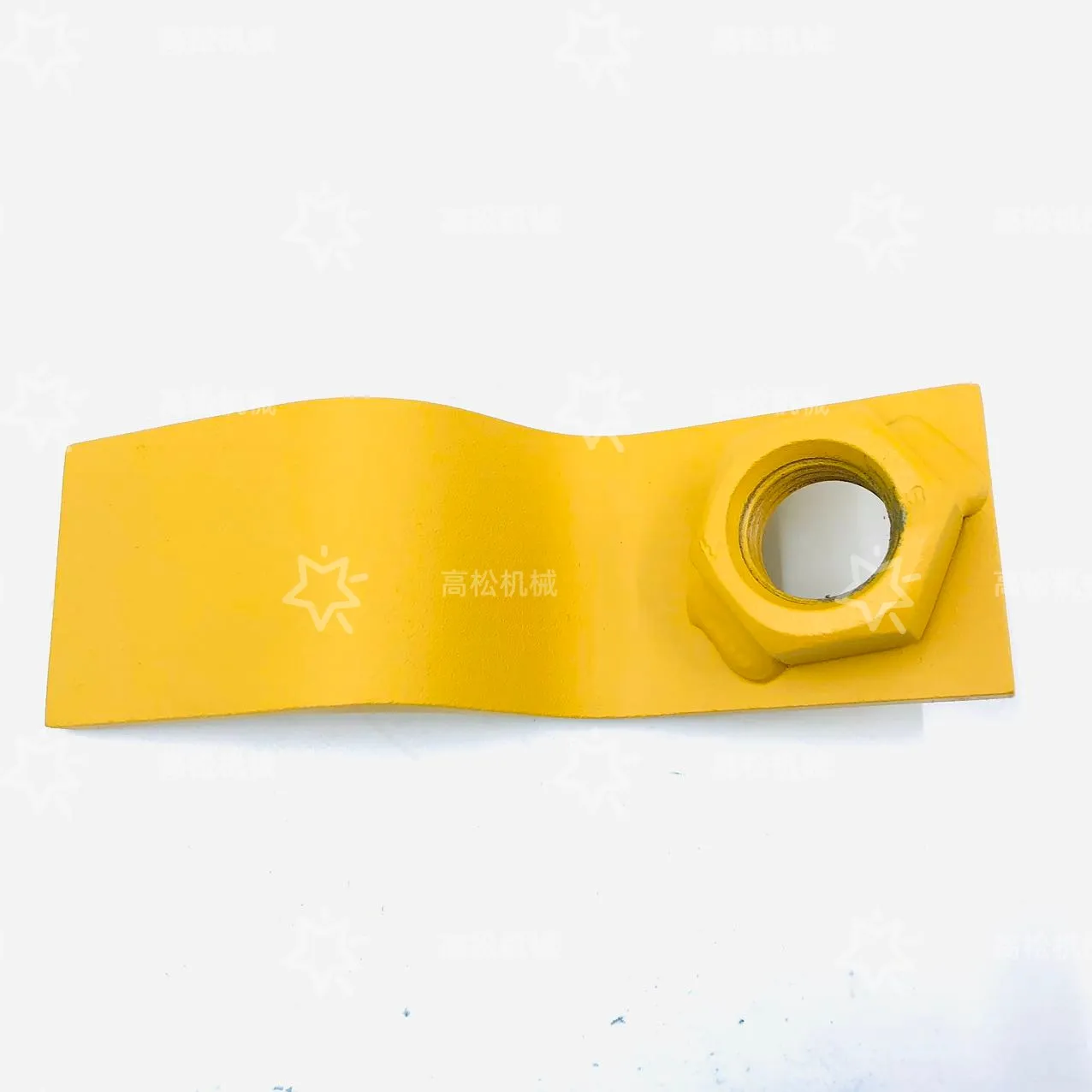 Hot Selling at Low Prices 21P-62-K1520 21M-62-11230 21T-01-67330 21U-62-34760 Underground Facilities
 -
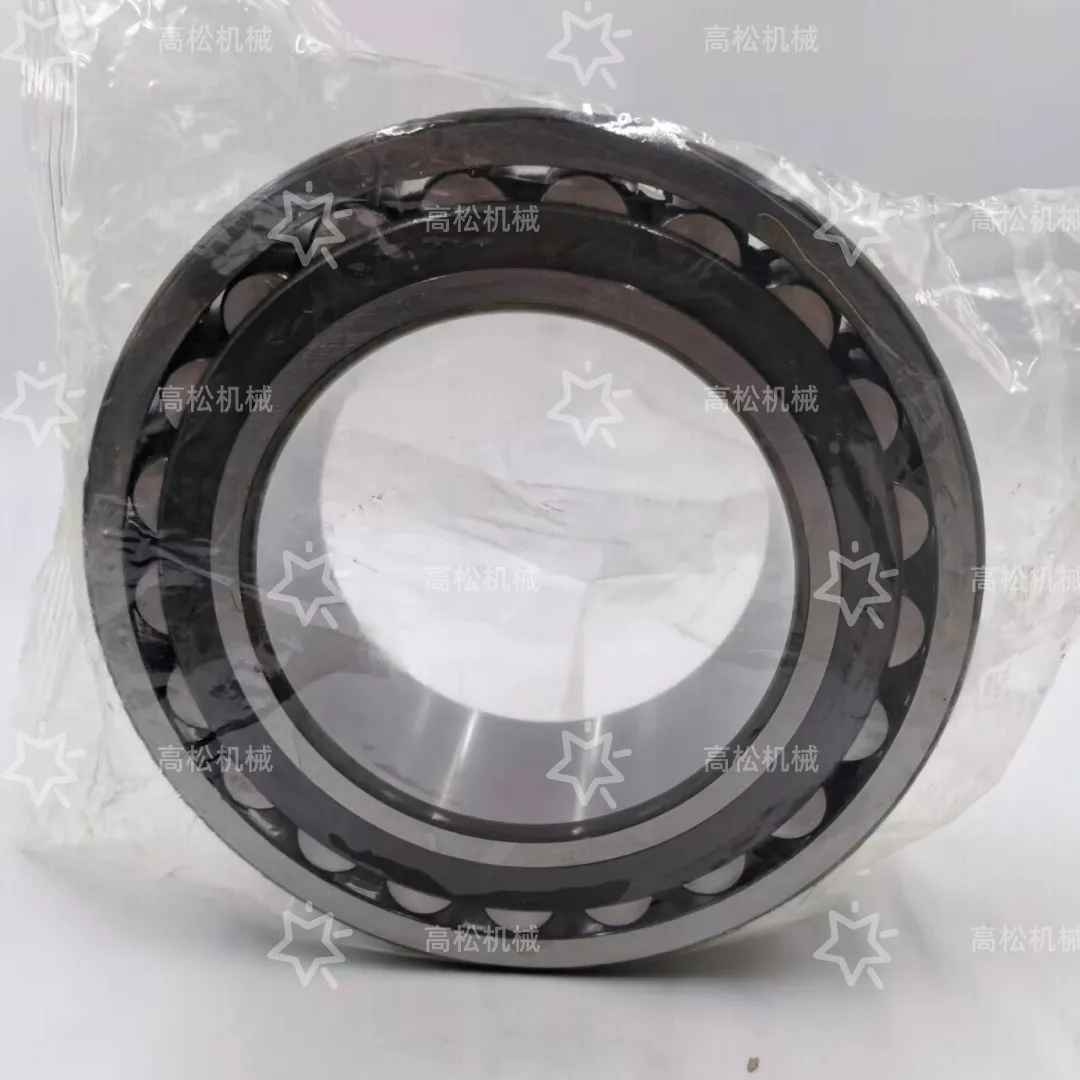 208-26-71530 2082671530 Bearing for Komatsu PC450 PC460 PC500 Excavator Swing Drive Bearing Reducer Bearing
 -
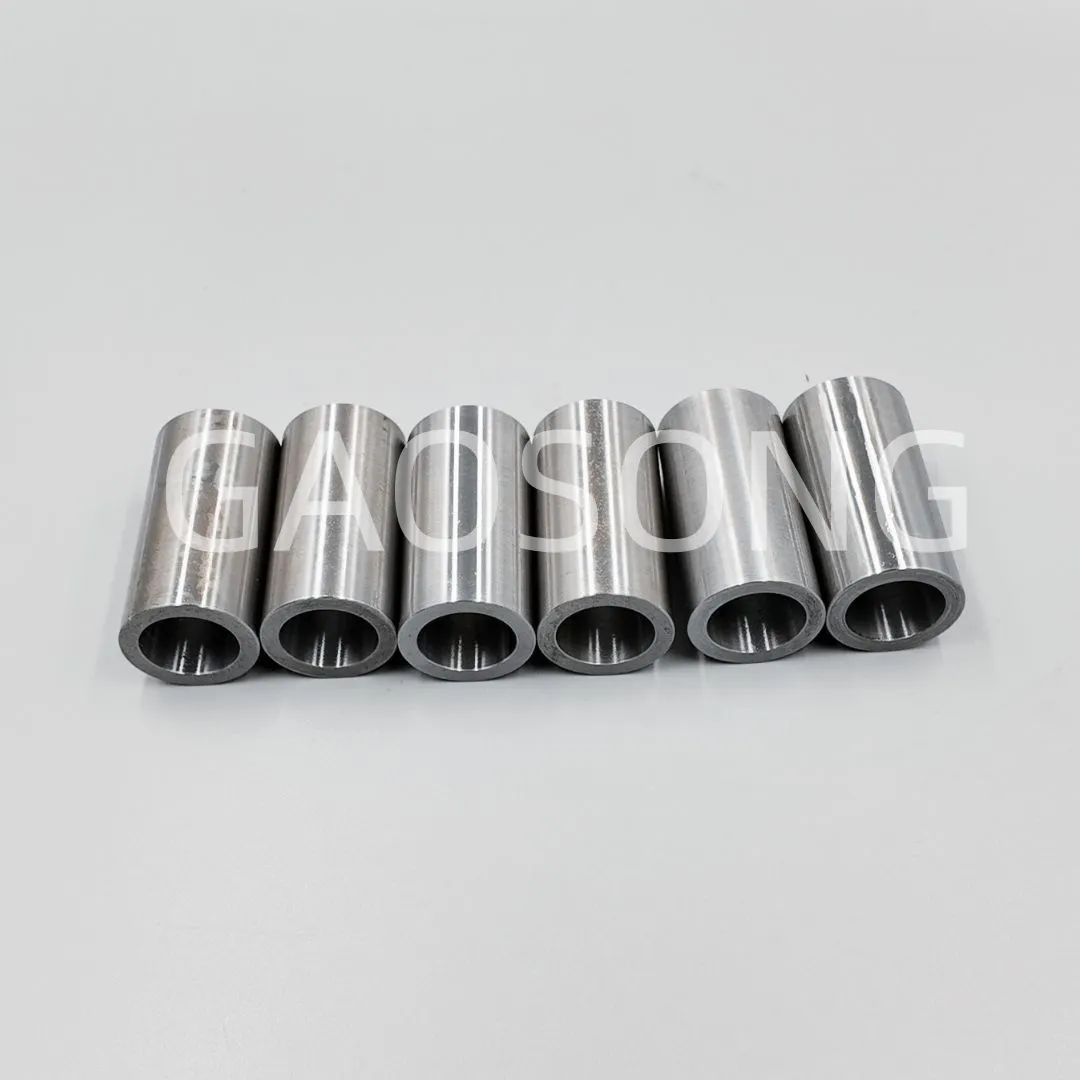 566-54-21910 BUSHING–Komatsu Original Factory
 -
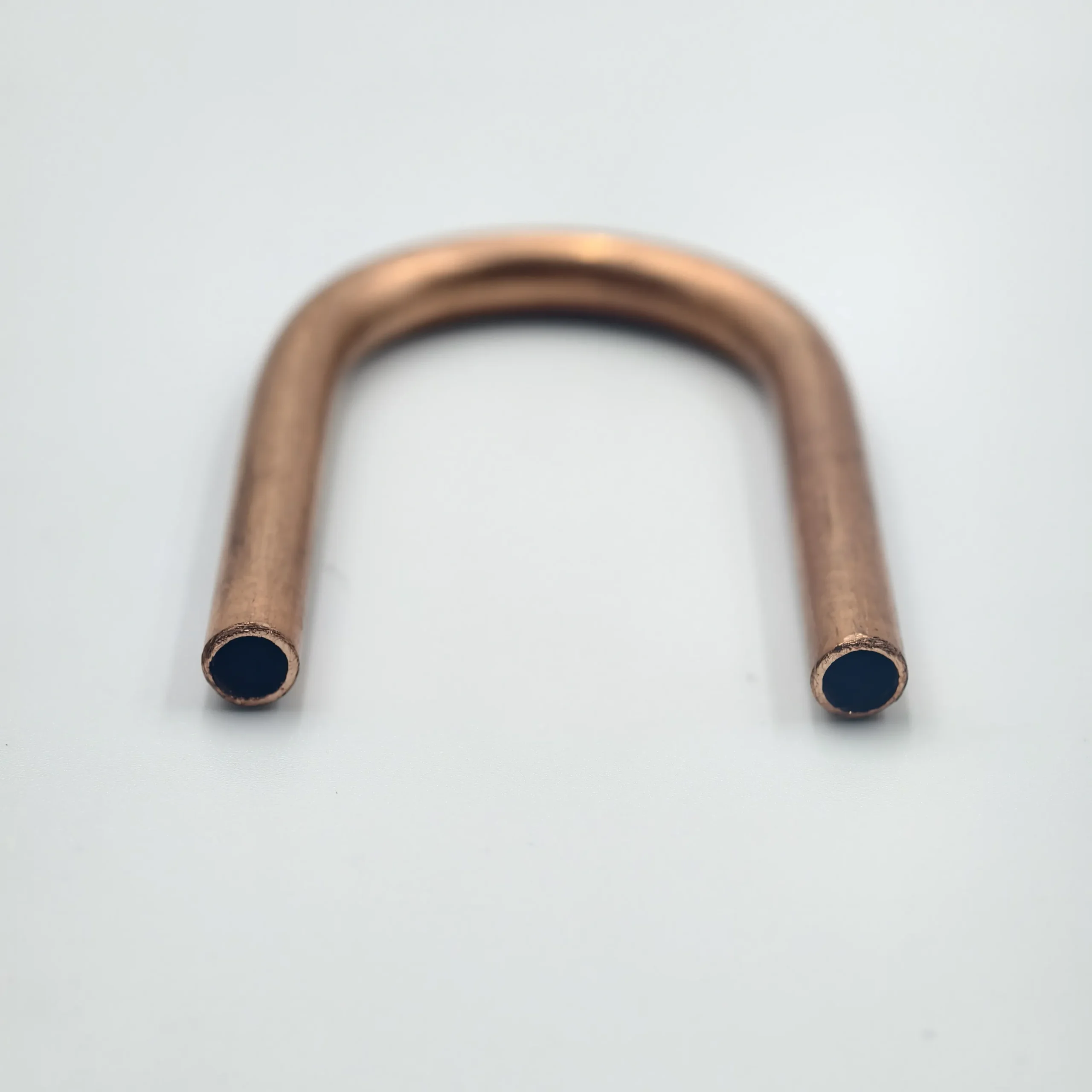 Komatsu 21N-03-32360 Connector, price for original… — Pricing.Parts
 -
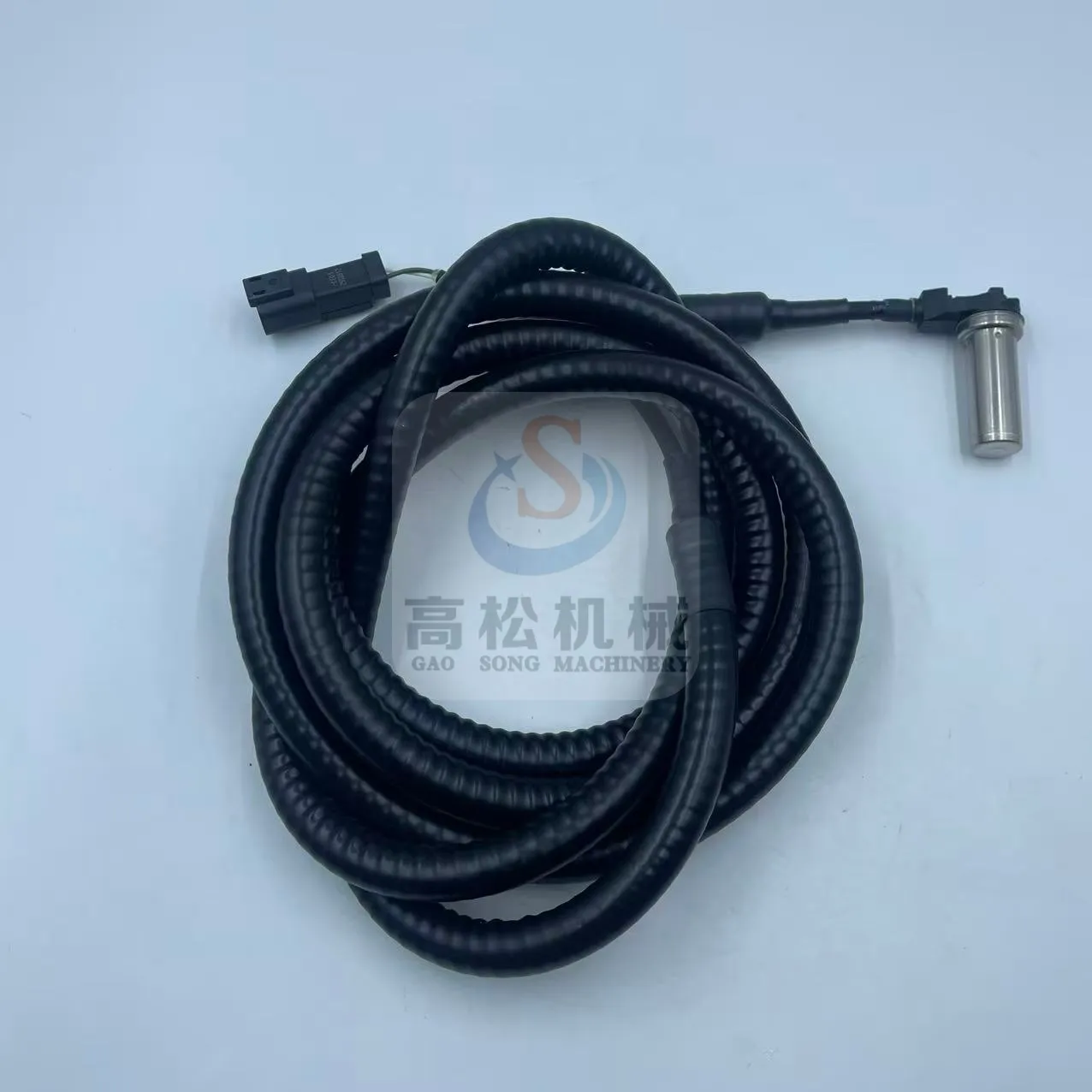 566-88-66143 sensor for Komatsu HD465-7
 -
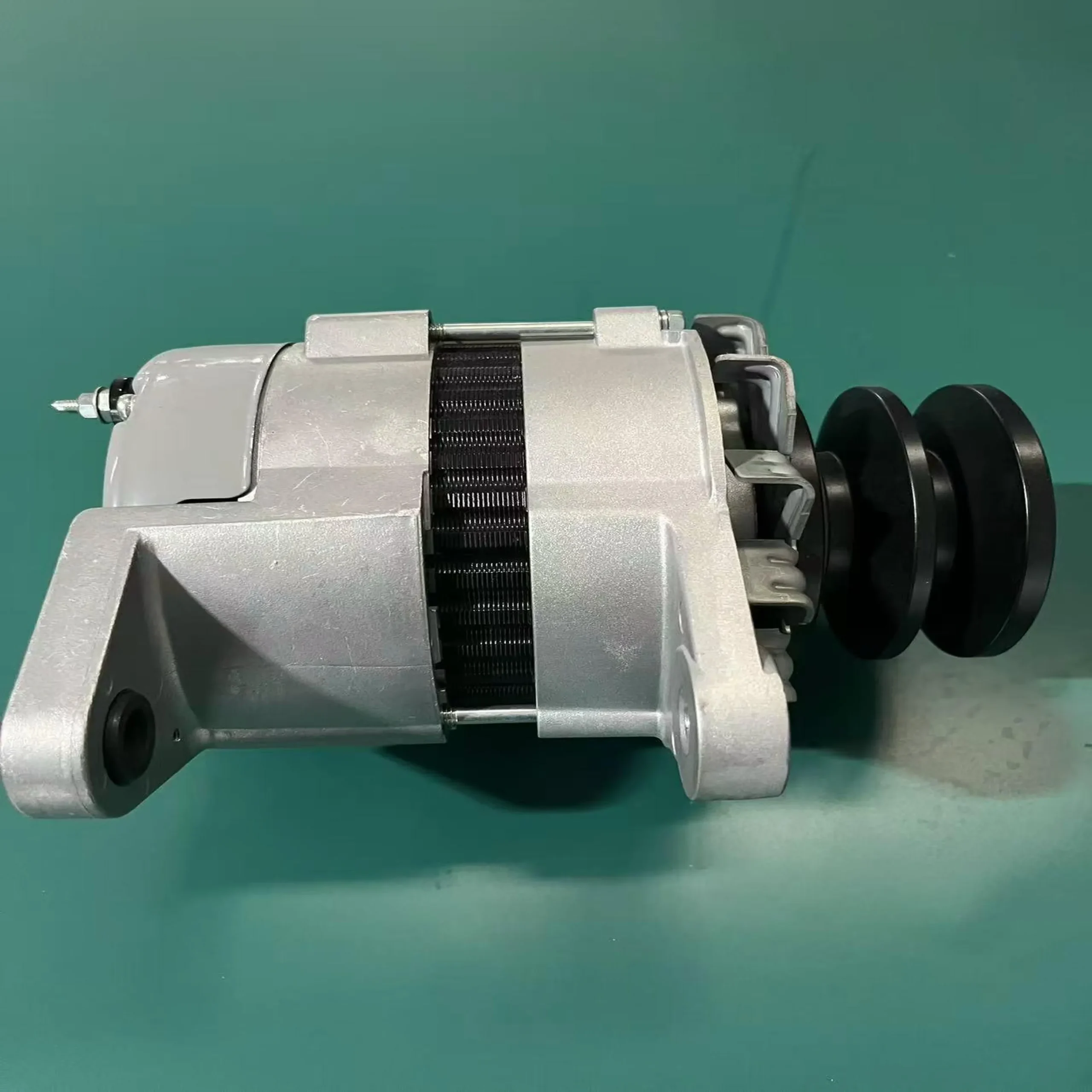 600-825-3151OEG Parts New Alternator Compatible With KOMATSU D65E Crawler & PC130 PC400 EXCAVATOR WA320 LOADER 6008253120, 6008253150, 6008253151, 6008253160, 6008253161, ANK0005, 40050015
 -
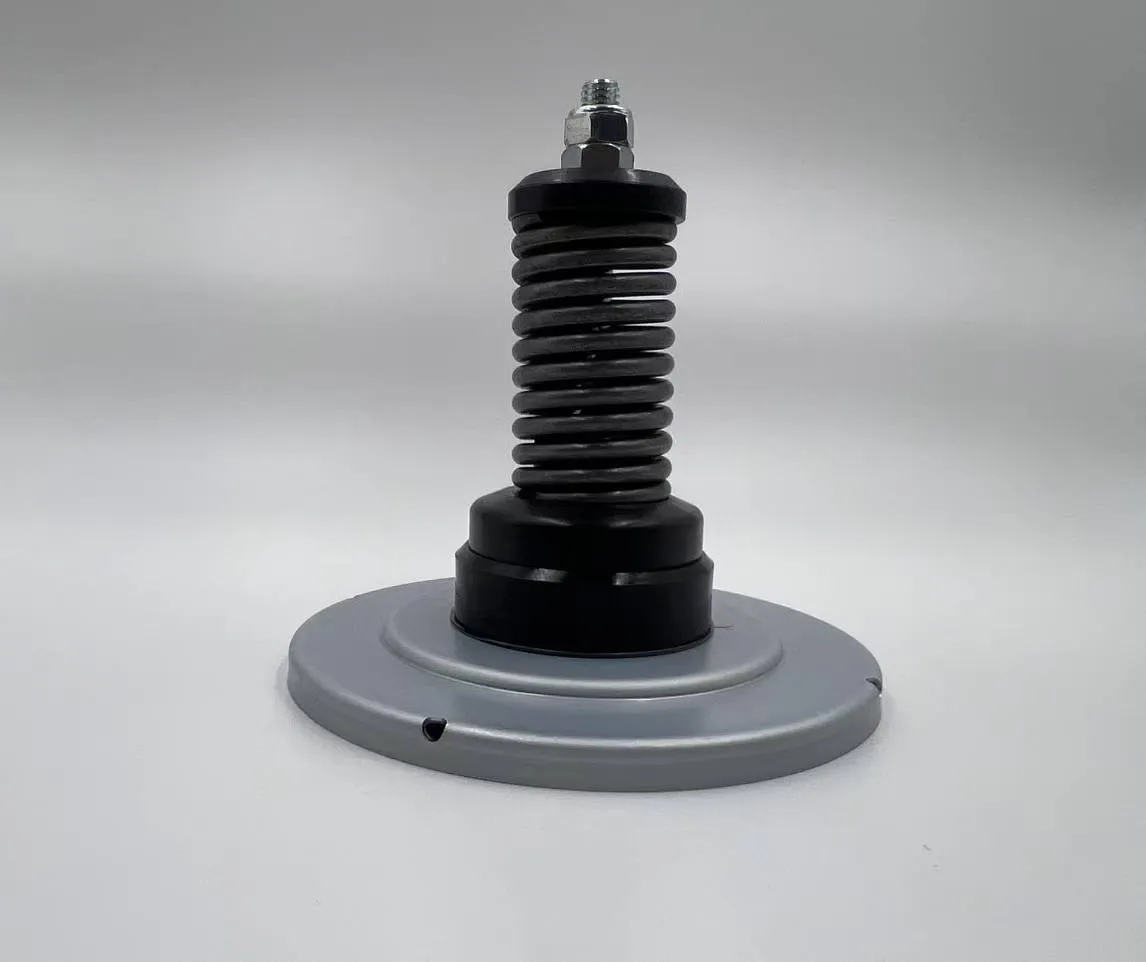 20Y-60-31450 Valve Assembly KOMATSU parts HB205, HB215, PC300, PC350
 -
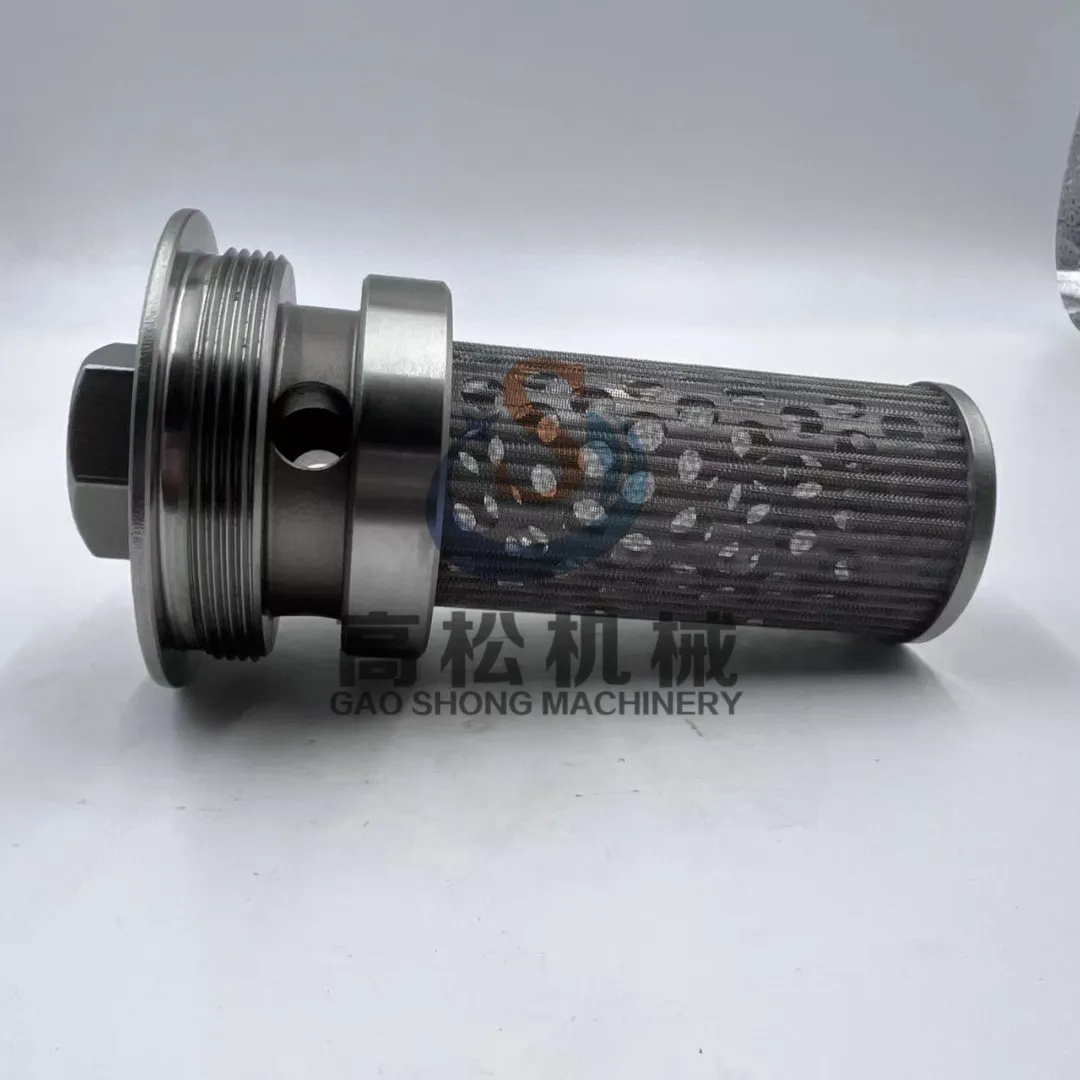 Komatsu 195-04-11150 Strainer 195041150
 -
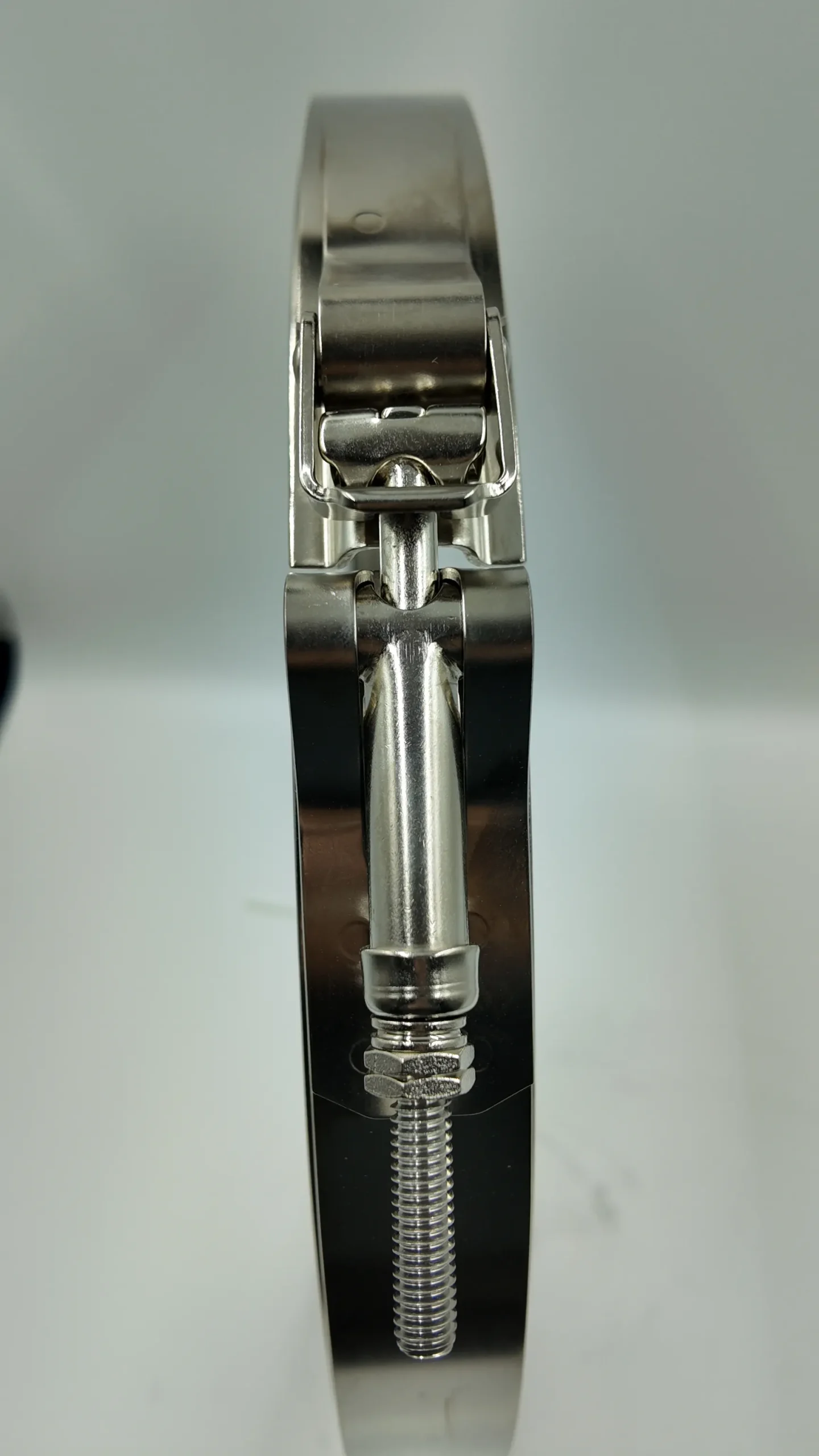 195-21-32821 COUPLING HEAVY DUTY Komatsu
 -
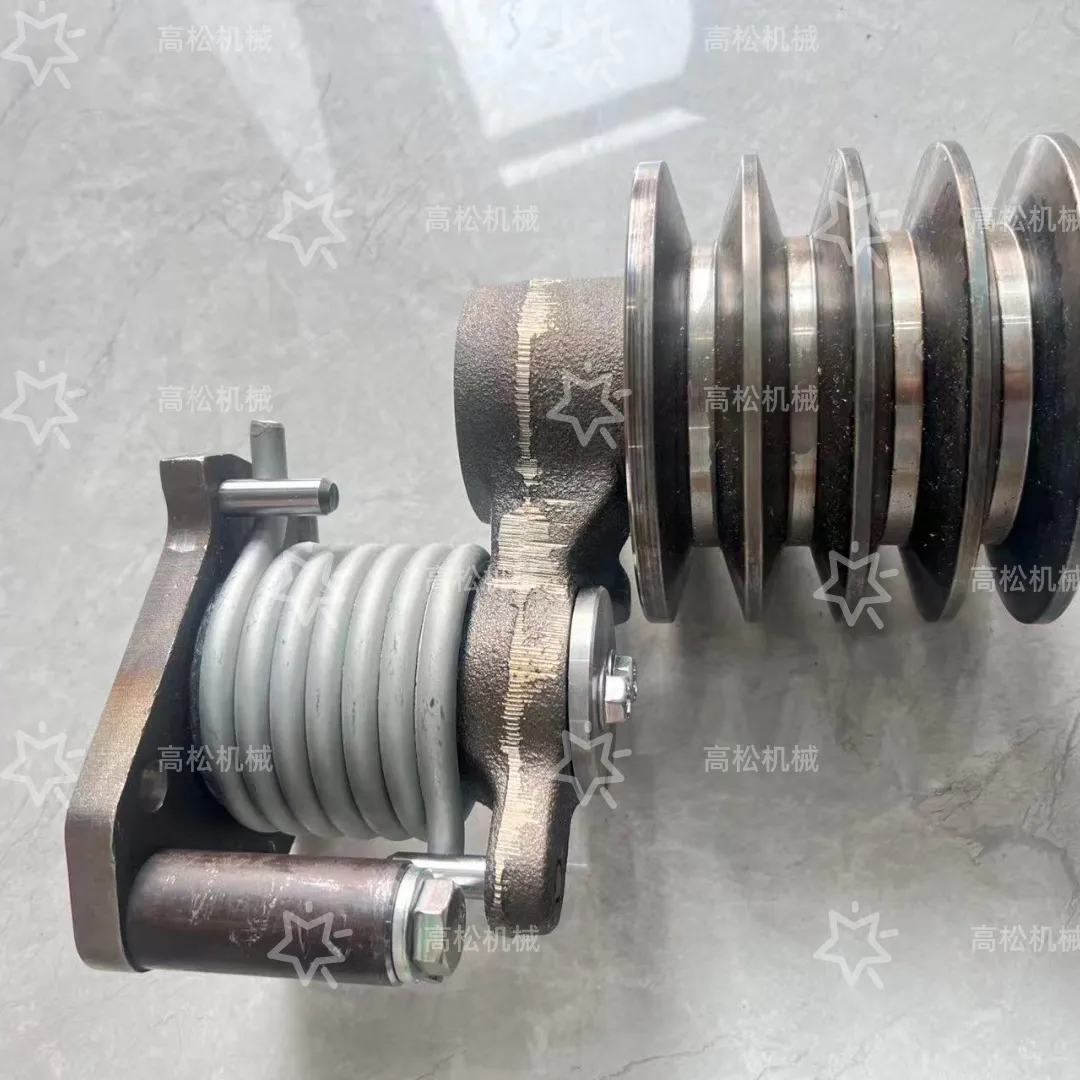 tension pulley ass’y 6240-61-4500 – komatsu