
- Chinese
- French
- German
- Portuguese
- Spanish
- Russian
- Japanese
- Korean
- Arabic
- Irish
- Greek
- Turkish
- Italian
- Danish
- Romanian
- Indonesian
- Czech
- Afrikaans
- Swedish
- Polish
- Basque
- Catalan
- Esperanto
- Hindi
- Lao
- Albanian
- Amharic
- Armenian
- Azerbaijani
- Belarusian
- Bengali
- Bosnian
- Bulgarian
- Cebuano
- Chichewa
- Corsican
- Croatian
- Dutch
- Estonian
- Filipino
- Finnish
- Frisian
- Galician
- Georgian
- Gujarati
- Haitian
- Hausa
- Hawaiian
- Hebrew
- Hmong
- Hungarian
- Icelandic
- Igbo
- Javanese
- Kannada
- Kazakh
- Khmer
- Kurdish
- Kyrgyz
- Latin
- Latvian
- Lithuanian
- Luxembou..
- Macedonian
- Malagasy
- Malay
- Malayalam
- Maltese
- Maori
- Marathi
- Mongolian
- Burmese
- Nepali
- Norwegian
- Pashto
- Persian
- Punjabi
- Serbian
- Sesotho
- Sinhala
- Slovak
- Slovenian
- Somali
- Samoan
- Scots Gaelic
- Shona
- Sindhi
- Sundanese
- Swahili
- Tajik
- Tamil
- Telugu
- Thai
- Ukrainian
- Urdu
- Uzbek
- Vietnamese
- Welsh
- Xhosa
- Yiddish
- Yoruba
- Zulu
- Kinyarwanda
- Tatar
- Oriya
- Turkmen
- Uyghur






komatsu press parts
When you hear 'Komatsu press parts,' most people immediately think of the massive stamping presses in Komatsu's own factories, or maybe the hydraulic presses used in their reman facilities. That's not wrong, but it's a bit narrow. In my line of work, sourcing and supplying these components, the term covers a much messier, more interesting ground. It's not just about the press machine itself; it's about the dies, the platens, the bolster plates, the guide bushings, the hydraulic cylinders specific to their pressing systems – the whole ecosystem that turns a blueprint into a forged or stamped component. A common pitfall is treating them like commodity items. They're not. The tolerance stack-up on a genuine Komatsu bolster plate for a 6000-ton press is a different world from a 'compatible' part. I've seen shops try to save money on a guide bushing, only to face catastrophic misalignment and downtime that cost ten times the part's price. That's where the real conversation starts.
The OEM Angle and the Third-Party Reality
Being an OEM product supplier within the Komatsu system, as we are at Jining Gaosong, means you have access to the technical data packs and the material specs that are often treated as state secrets. It's not just about having a drawing; it's knowing that for a particular Komatsu press part like a main gear for a forging press, the post-weld heat treatment cycle is what defines its service life. You can't shortcut that. We get the call when a national distributor's pipeline is clogged, or when a plant in, say, Southeast Asia has a press down and the lead time from Japan is 16 weeks. Our role is to bridge that gap with parts that don't compromise on the core engineering intent.
But here's the nuance: even as an OEM-linked supplier, you're not just slapping a Komatsu label on a box. For certain components, especially for older press models that Komatsu Japan might not actively support, we work with certified foundries and machine shops to reproduce the part. The key is certification traceability – the mill certs for the steel, the impact test reports. If you can't provide that paperwork chain, you're selling scrap metal, no matter how good the machining looks. I recall a case where we supplied a set of replacement tie rods for a Komatsu straight-side press. The client initially balked at the price, until we walked them through the material certs showing the specific low-alloy steel grade and the ultrasonic testing results for internal flaws. That's the unglamorous side of this business.
The third-party sales function, which our company also handles, is a different beast. This is where you solve supply challenges in regions where official channels are thin or prohibitively expensive. It's less about reproducing from original data and more about intelligent cross-referencing and vetting. You need to know that the seal kit for a Komatsu H1 series hydraulic press cylinder might have functional equivalents from other quality manufacturers, but the piston rod's surface finish has to be within a specific Ra range, or it'll eat the seal in months. It's a judgment call every time.
Where Things Go Wrong: The Pitfalls in the Field
Failure analysis is the best teacher. One vivid memory involves a client who sourced a set of press brake tools – punches and dies – from a local fabricator for their Komatsu press. They looked identical. But after three months of moderate use, the dies started developing micro-cracks. The issue? The fabricator used a standard D2 tool steel and hardened it to a universal 58-60 HRC. The Komatsu spec for that particular die, which we later pulled, called for a proprietary SDK11 steel with a differential hardening process: the body at one hardness, the cutting edge at another. The local part was too brittle for the shock loading. The press wasn't to blame; the press part was. That's a million-dollar lesson in material science.
Another frequent headache is the dimensionally correct part. We supplied what we thought was a perfect-match wear plate for a Komatsu press slide way. It installed fine, but within weeks, the lubrication grooves were clogging with way material. On closer inspection, the original part had a specific oil groove pattern and surface texture (a kind of plateau honing) that our reproduction missed. We machined the grooves but didn't account for the surface finish's role in oil retention and debris channeling. Had to re-engineer the whole finishing process. It's these tiny, almost invisible details that separate a functioning part from a reliable one.
Then there's the simple logistics of size. Some of these Komatsu press components, like a one-piece cast steel platen, can weigh 20 tons. Sourcing is one thing; handling, shipping, and installing it is another saga entirely. You're not just selling a part; you're often selling a logistics solution. I've spent days on the phone just arranging specialized transport and cranes for a single delivery. If that's not in your quote, you're losing money.
The Value of Specificity: Beyond Part Numbers
Anyone can read a part number. The skill is reading between the lines of the part number. A Komatsu part number like 20Y-63-XXXXX tells you the model family. But the suffix, the revision letter, that's where the story is. A dash A versus a dash C could mean a change in the sealing material for a hydraulic cylinder due to a change in the factory's standard hydraulic fluid ten years ago. If you supply the A revision to a machine that's been running on the newer fluid, you might get premature seal degradation. Our website, takematsumachinery.com, often gets inquiries with just the base number. Our first question is always: Can you send a photo of the nameplate on the press, and the old part if you have it? Context is everything.
This is where being embedded in the system helps. We sometimes get requests for parts for Komatsu presses that were originally sold into the Chinese or Korean market and have slight regional variations. The official global system might not even show them. But through our network, we can often track down the original equipment manufacturer (OEM) that built that sub-assembly under license for Komatsu and get the right component. It's detective work.
For us at Jining Gaosong, the company's positioning is exactly this bridge. We are an OEM product supplier within the Komatsu system, and we are also a third-party sales company for Komatsu. That dual role isn't a conflict; it's a necessity. It allows us to say, For this application, you need the genuine article, and here's why, or For this older system, here's a vetted, cost-effective alternative that won't fail on you. The goal is solving the parts supply challenge, not just moving boxes.
Practical Advice for Buyers
If you're procuring these parts, my blunt advice is this: start with the machine's service history. What failed? Why? Was it a fatigue failure, an impact, wear, or contamination? That dictates what you need to prioritize in the replacement. Don't just order a part; order the analysis if you can.
Always, always ask for material certifications and test reports. If a supplier hesitates, walk away. For critical load-bearing parts like pins, shafts, or platens, ask about the non-destructive testing (NDT) methods used – magnetic particle, dye penetrant, ultrasonic. A reputable supplier, like our operations aim to be, will have these ready or be able to specify them in the manufacturing order.
Finally, consider the total cost of ownership. The cheapest Komatsu press part is often the most expensive. Calculate the cost of press downtime per hour in your facility. Suddenly, paying a 30% premium for a part with full traceability and a guaranteed fit becomes an easy business decision. The press is the heart of the production line; you don't put questionable valves in a heart.
Looking Ahead: Obsolescence and Digital Threads
The big challenge looming for everyone in this space is obsolescence. Komatsu, like all manufacturers, eventually stops supporting older presses. The prints might get archived, the original cast patterns destroyed. Our value increasingly lies in reverse-engineering and qualifying replacements for these legacy systems. It's a careful process of measuring, analyzing, and selecting modern materials that can meet or exceed the original performance. It's not nostalgia; it's keeping critical capital equipment running for another decade.
There's also a slow move towards digital twins and predictive maintenance. Imagine a press where the key press parts have sensors monitoring stress or temperature. The data could predict failure before it happens and trigger an automatic order for a replacement. We're not there yet for most shops, but it's on the horizon. The supply chain will need to adapt to be more responsive, more data-driven.
For now, though, it remains a hands-on, gritty business. It's about grease-stained drawings, phone calls to retired engineers, and knowing that the success of your client's production run might hinge on the grain structure of a 40-ton steel block you helped source. It's never just a part. It's a piece of a much larger, moving system. And getting it right matters.
Related Products
Related Products

Best Selling Products
Best Selling Products-
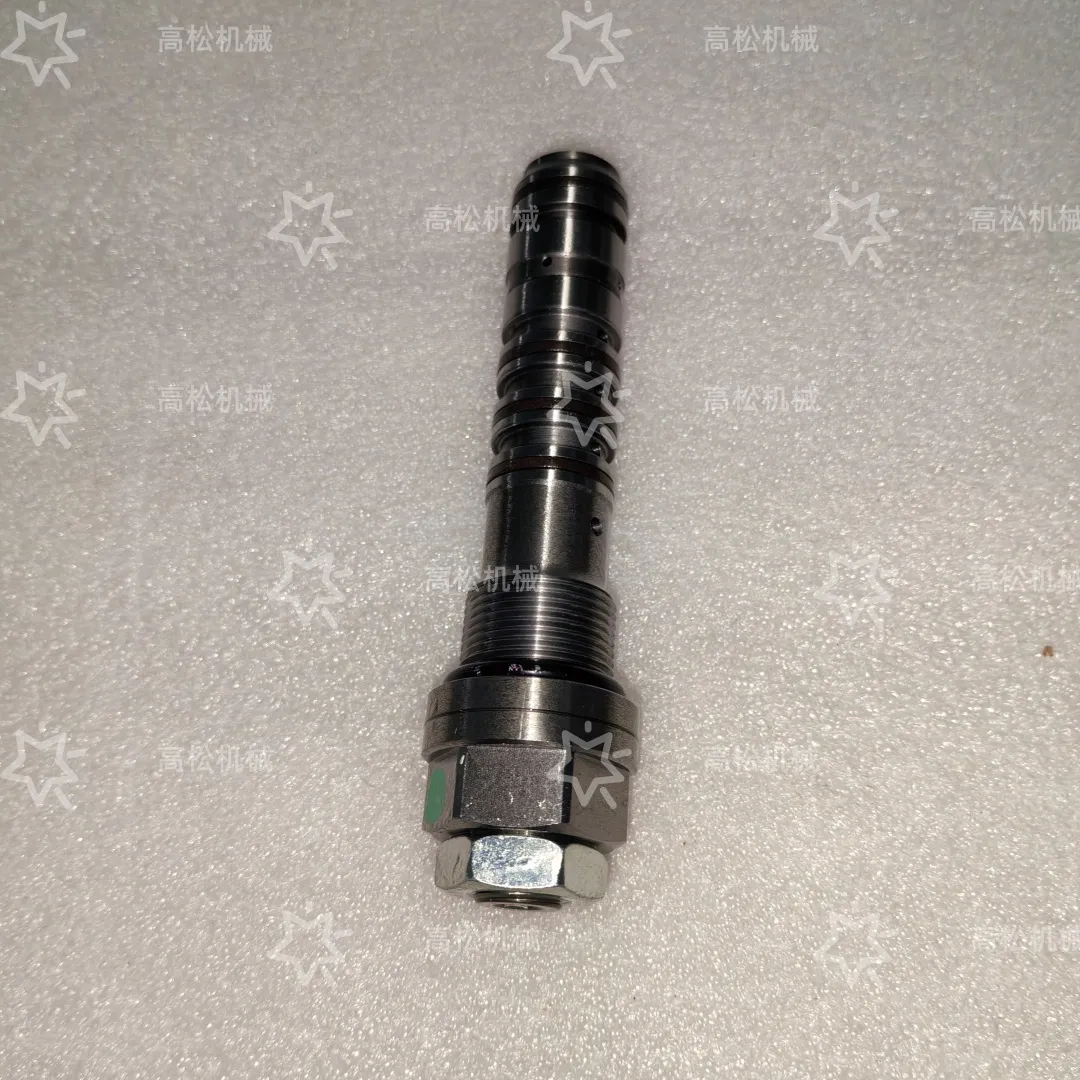 EXCAVATOR 708-2G-03720 7082G03720 VALVE ASSEMBLY 0.4KG for PC300 PC350 PC360 PC390 PC390LL CONSTRUCTION MACHINERY PARTS
 -
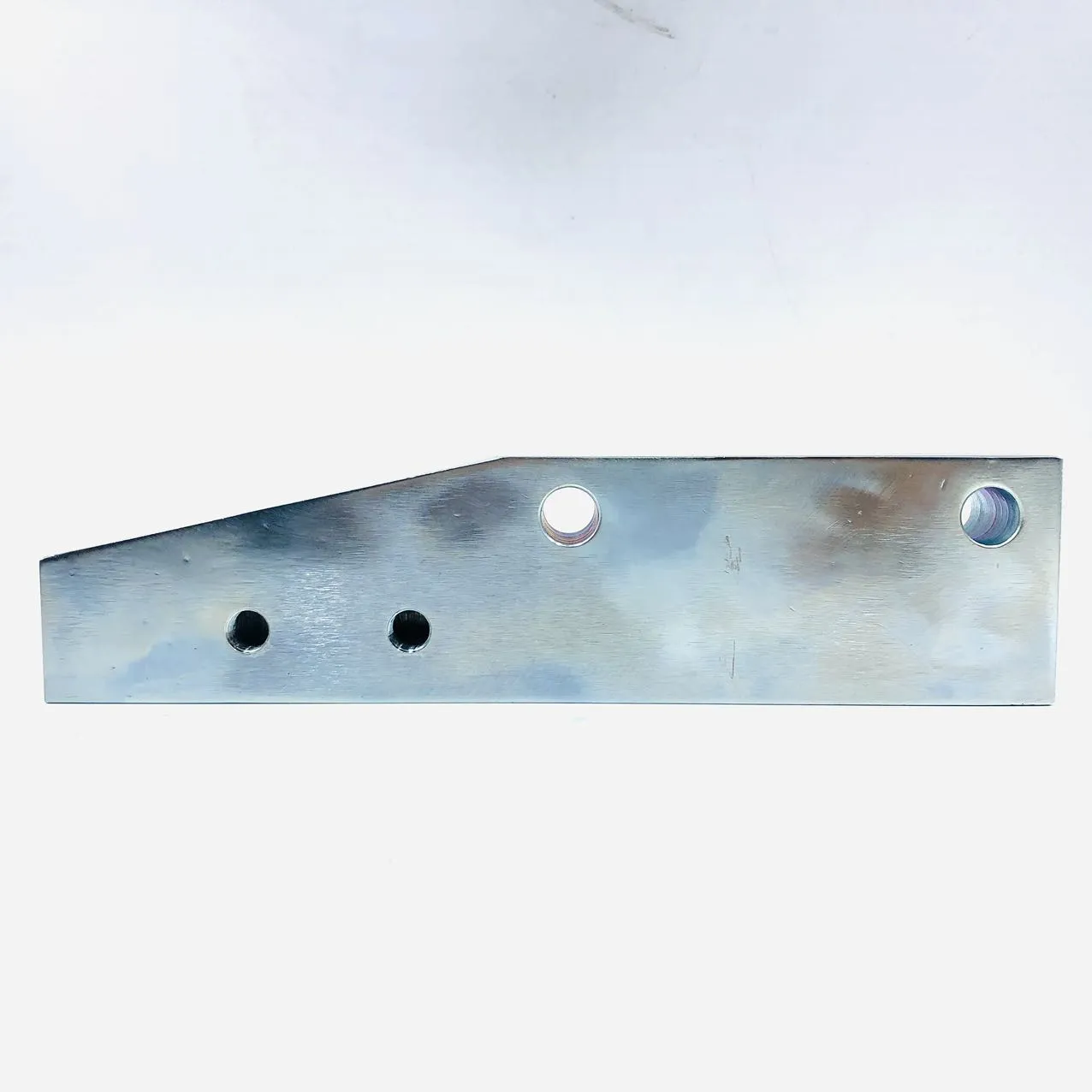 209-38-73281-BLOCK Komatsu Original Factory
 -
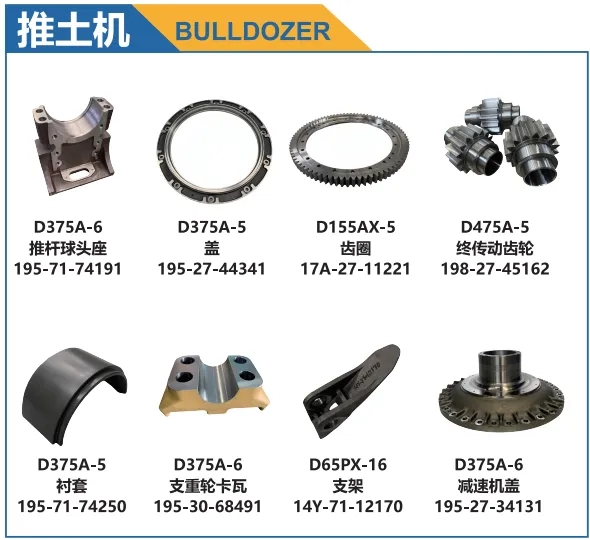 GAOSONG-Komatsu Full Range Parts Supply
 -
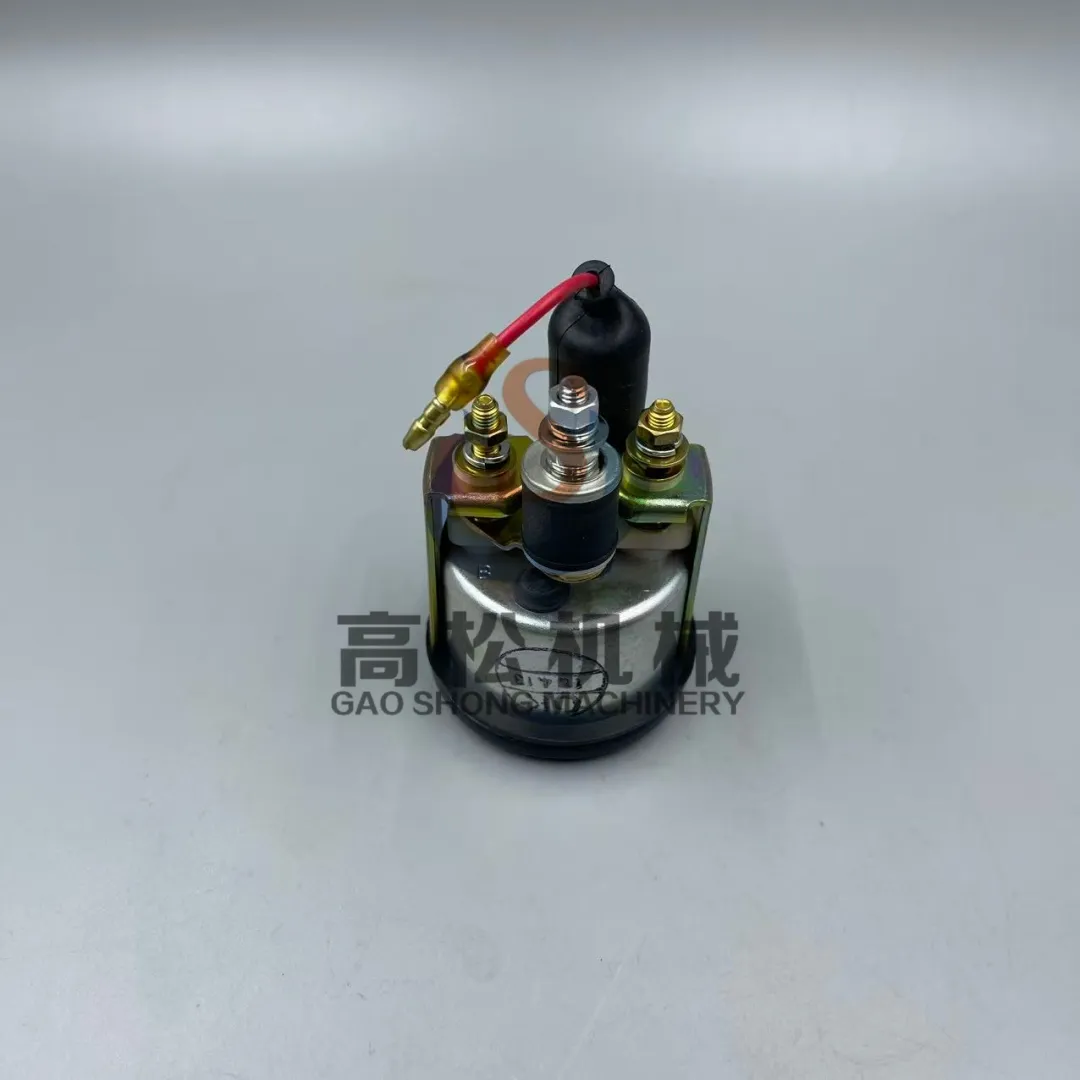 195-06-23110 – GAUGE, WATER TEMP 1950623110 fits KOMATSU
 -
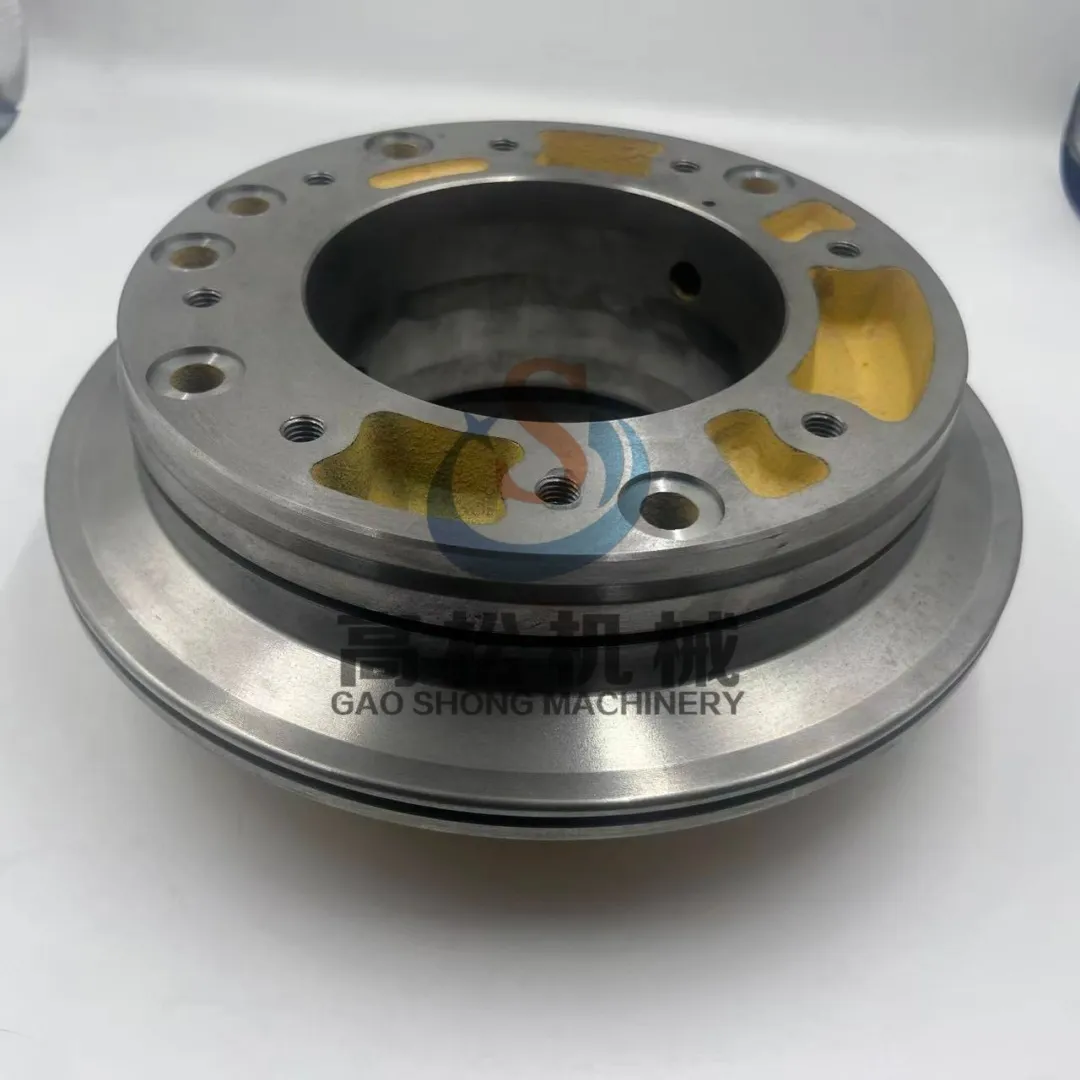 17A-22-11132 Cylinder (Komatsu)
 -
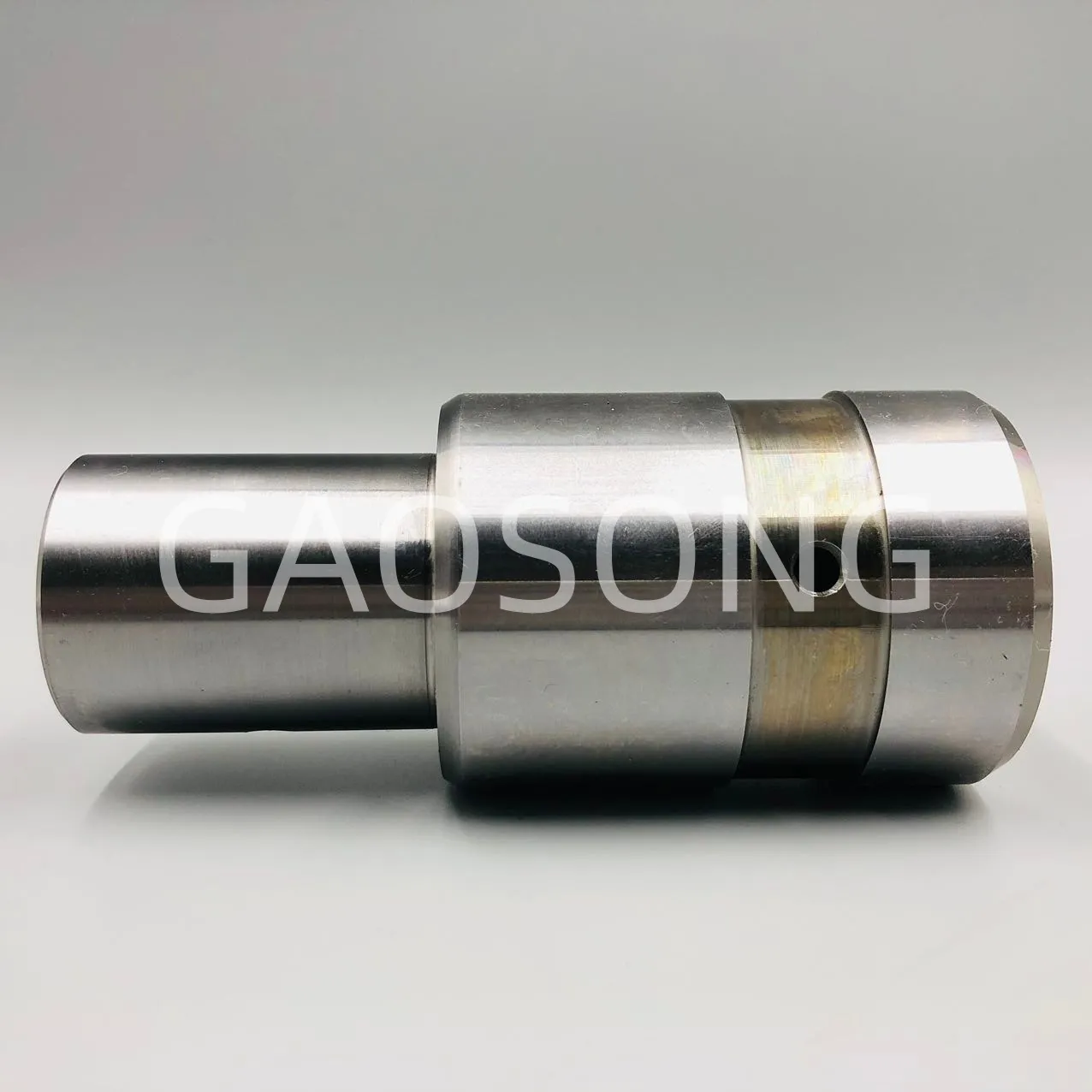 6240-61-4630 • SHAFT-Komatsu Original Factory
 -
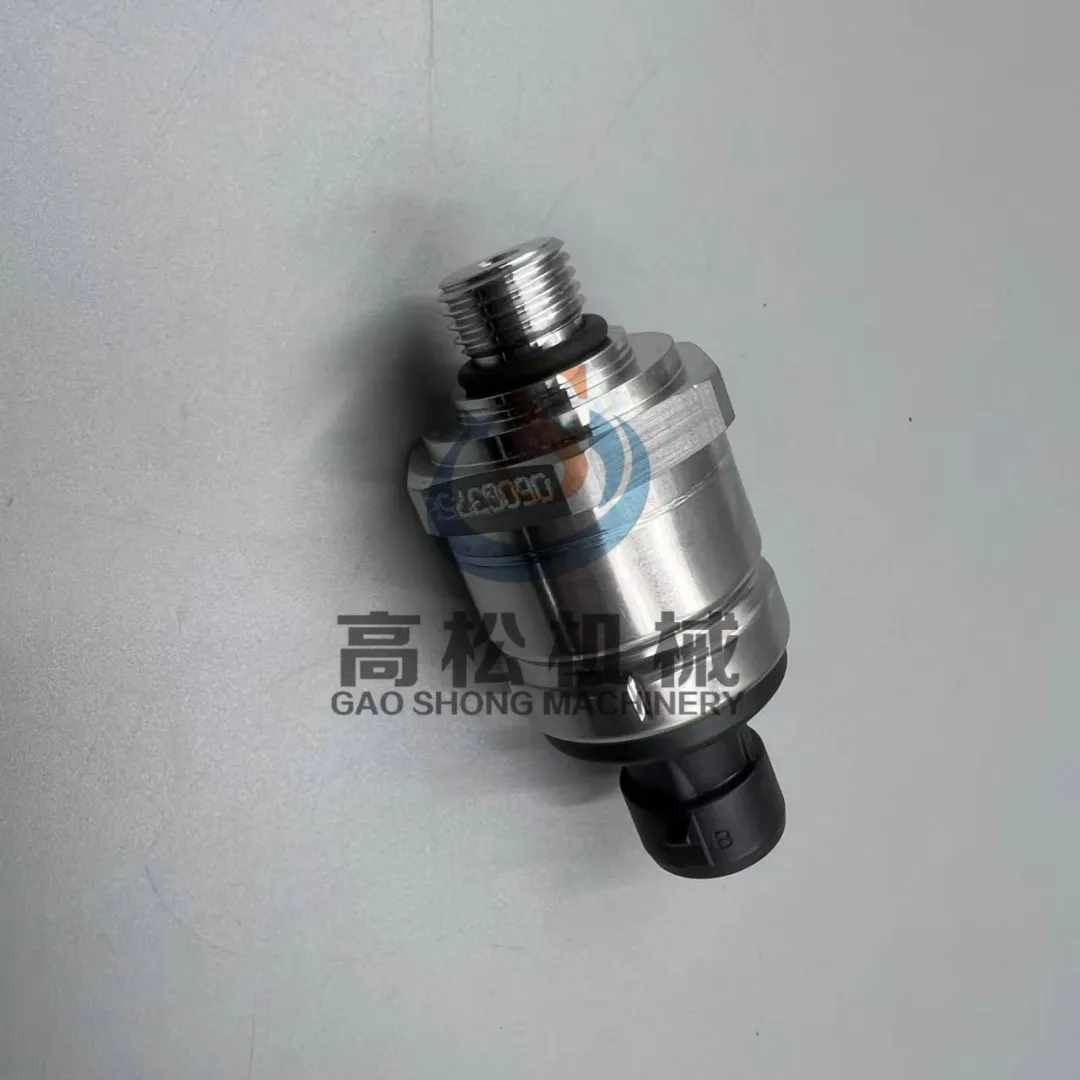 Pressure Sensor 6560-51-6200 6560-51-6201 6560-51-6202 for Komatsu WA600-3 Loader
 -
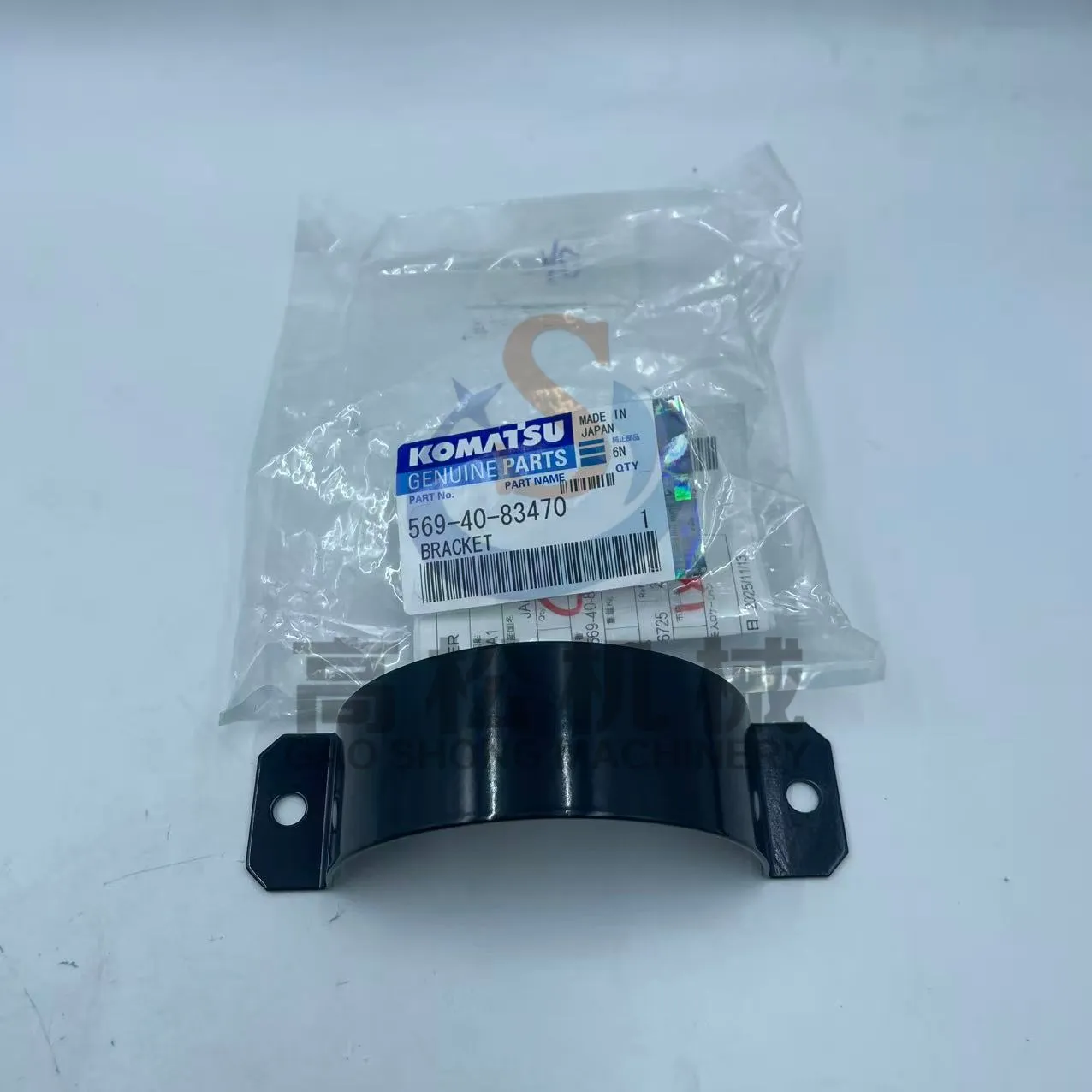 569-40-83470 Komatsu Bracket
 -
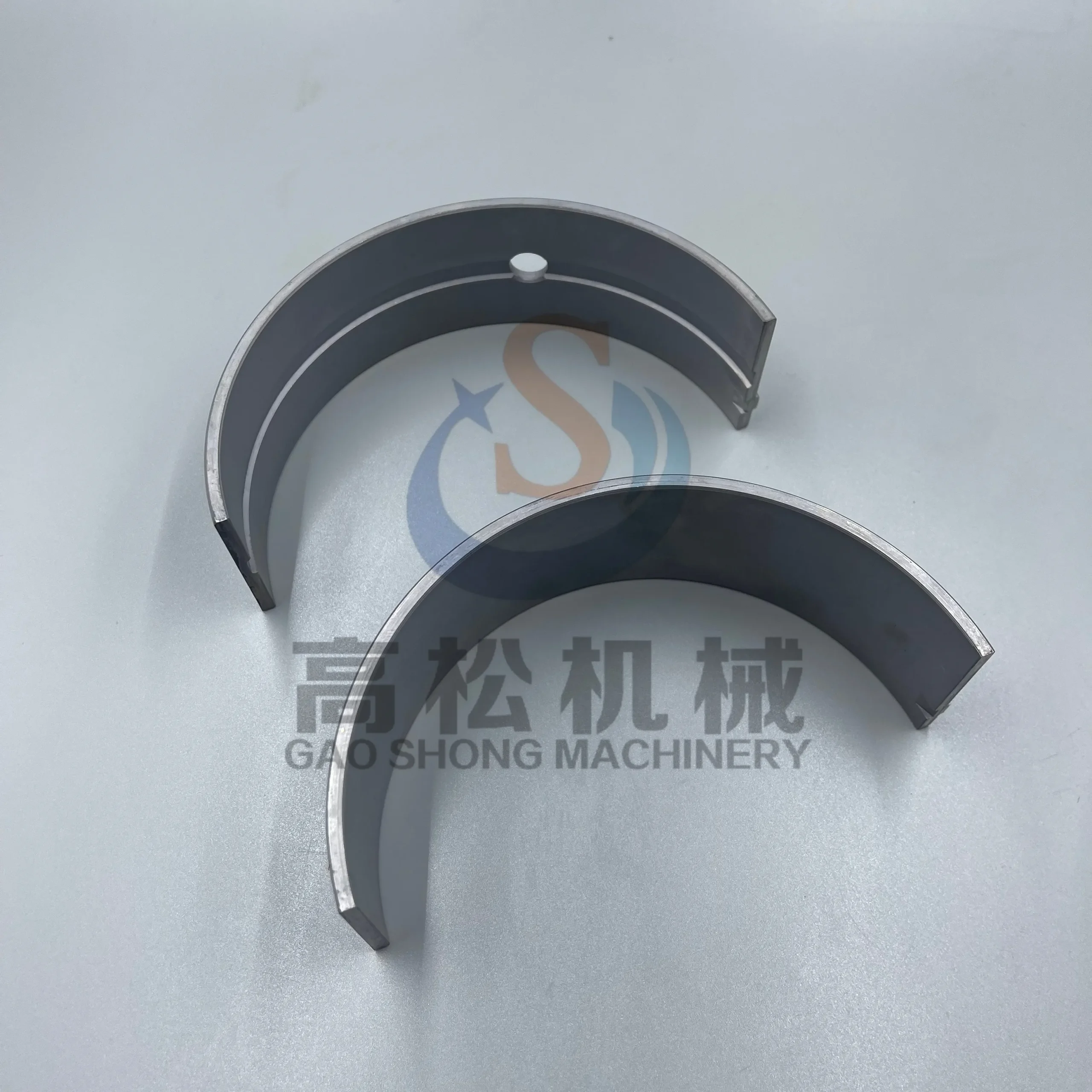 Engine 6162-23-8010 Metal Assembly
 -
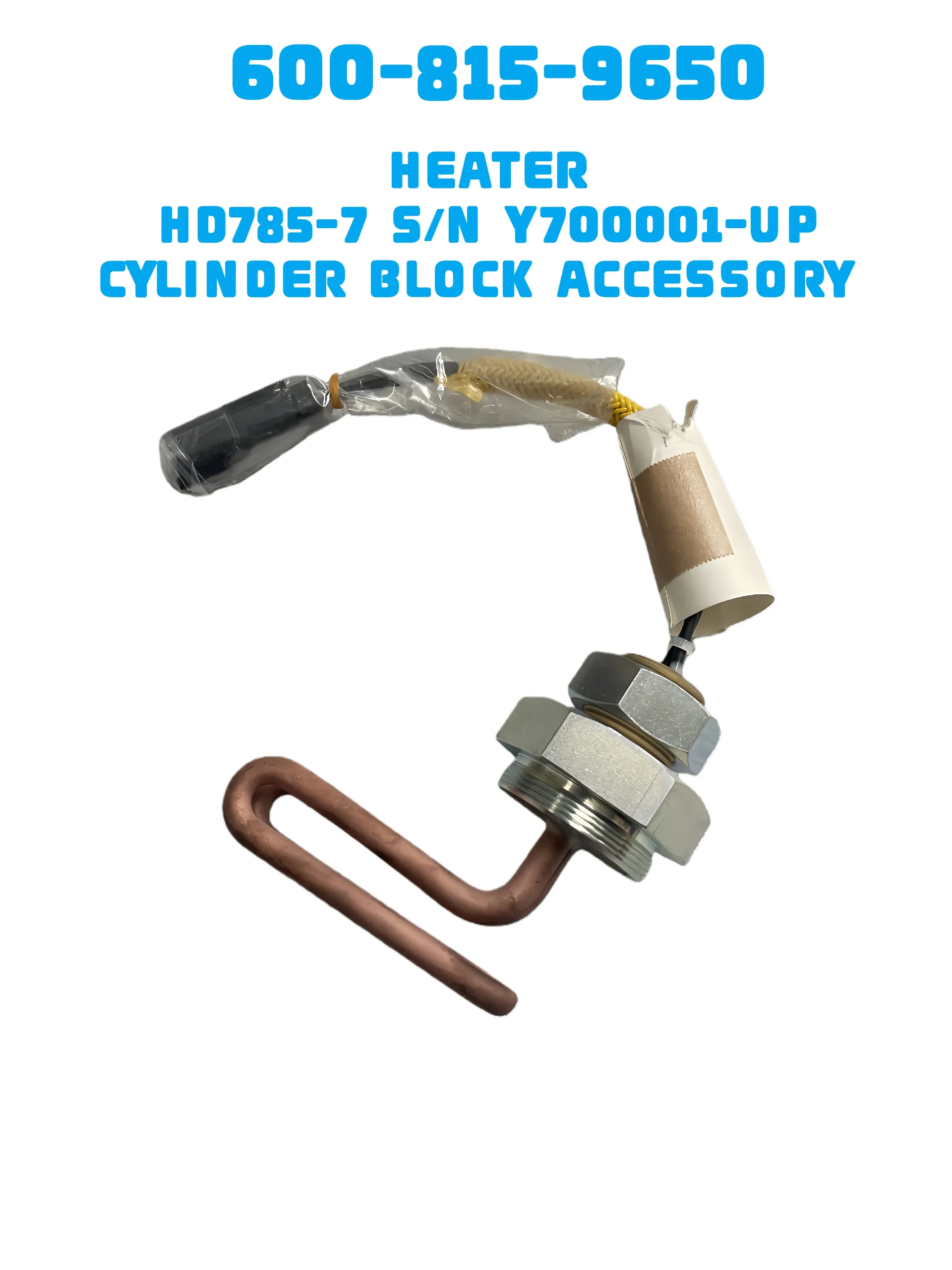 komatsu-part-600-815-9650 HEATER SAA12V140E-3B HD785-7 SAA12V140E-7 SAA12V140E-3D CYLINDER BLOCK ACCESSORY (OIL SENSOR¤ SWITCH AND WATER HEATER) OIL COOLER (COLD TERRAIN SPEC.) CYLINDER BLOCK ACCESSORY (FOR COLD AREA SPECIFICATION,ENGINE OIL PAN AND COOLANT HEATER) ENGINE OIL COOLER (FOR COLD AREA SPECIFICATION A (-30 DEG C),ENGINE OIL PAN AND COOLANT HEATER)
 -
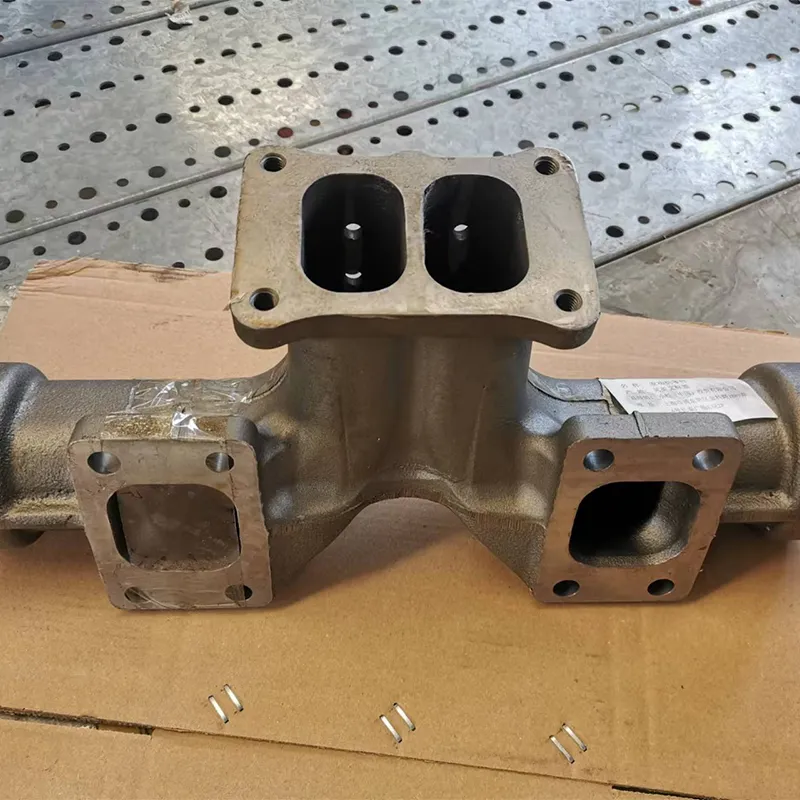 Original komatsu 6215-11-5182 HD785-7 Exhaust Manifold
 -
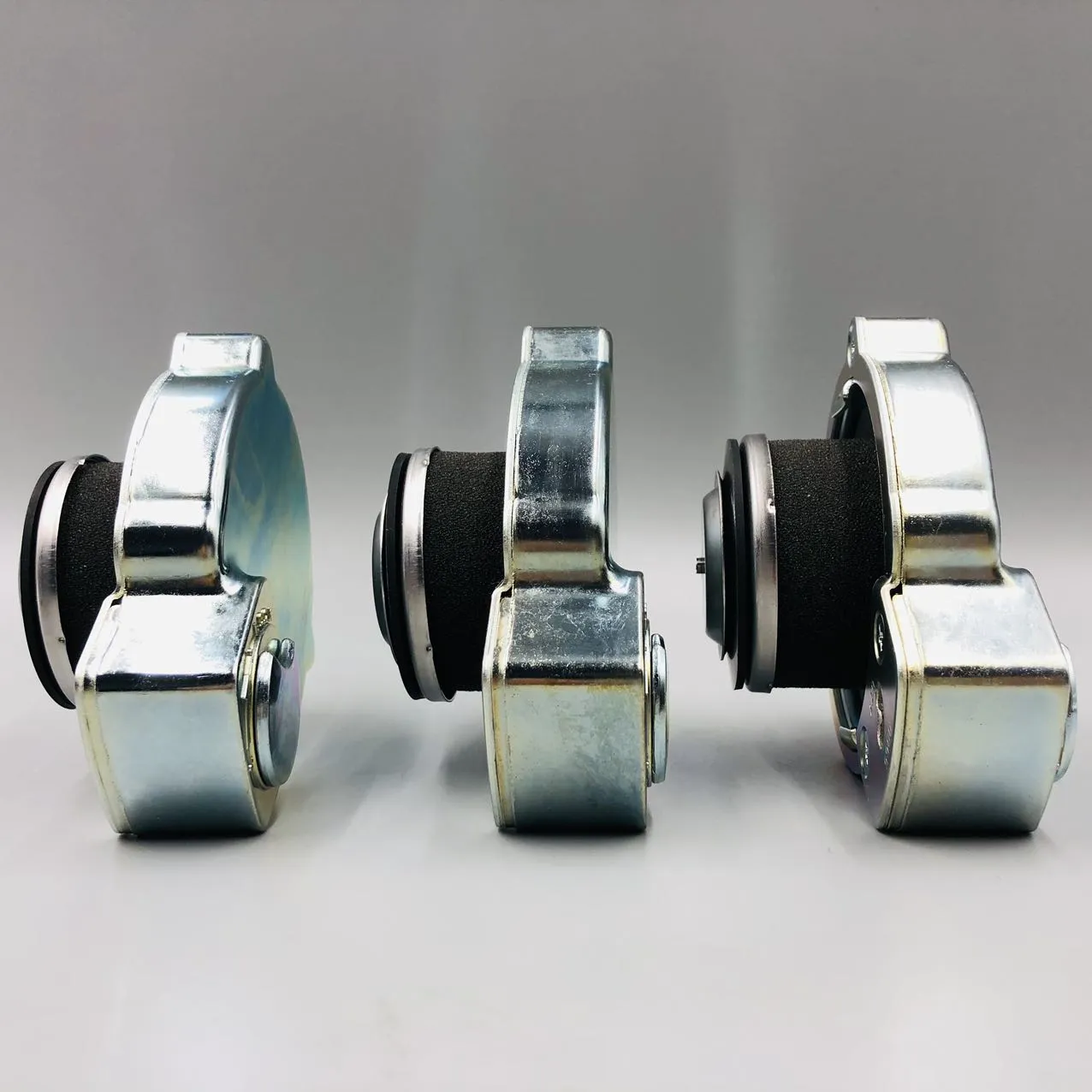 17A-60-11310Hydraulic oil cap assembly