
- Chinese
- French
- German
- Portuguese
- Spanish
- Russian
- Japanese
- Korean
- Arabic
- Irish
- Greek
- Turkish
- Italian
- Danish
- Romanian
- Indonesian
- Czech
- Afrikaans
- Swedish
- Polish
- Basque
- Catalan
- Esperanto
- Hindi
- Lao
- Albanian
- Amharic
- Armenian
- Azerbaijani
- Belarusian
- Bengali
- Bosnian
- Bulgarian
- Cebuano
- Chichewa
- Corsican
- Croatian
- Dutch
- Estonian
- Filipino
- Finnish
- Frisian
- Galician
- Georgian
- Gujarati
- Haitian
- Hausa
- Hawaiian
- Hebrew
- Hmong
- Hungarian
- Icelandic
- Igbo
- Javanese
- Kannada
- Kazakh
- Khmer
- Kurdish
- Kyrgyz
- Latin
- Latvian
- Lithuanian
- Luxembou..
- Macedonian
- Malagasy
- Malay
- Malayalam
- Maltese
- Maori
- Marathi
- Mongolian
- Burmese
- Nepali
- Norwegian
- Pashto
- Persian
- Punjabi
- Serbian
- Sesotho
- Sinhala
- Slovak
- Slovenian
- Somali
- Samoan
- Scots Gaelic
- Shona
- Sindhi
- Sundanese
- Swahili
- Tajik
- Tamil
- Telugu
- Thai
- Ukrainian
- Urdu
- Uzbek
- Vietnamese
- Welsh
- Xhosa
- Yiddish
- Yoruba
- Zulu
- Kinyarwanda
- Tatar
- Oriya
- Turkmen
- Uyghur






Komatsu pivot shaft
When you hear 'Komatsu pivot shaft', most guys in the yard think of that big, dumb pin holding the boom to the house. That's the first mistake. It's not just a pin; it's a precision load-bearing interface, and its failure is rarely about the shaft itself. It's about everything around it. I've seen too many mechanics blame the Komatsu pivot shaft for slop in the system, only to find the real culprit was the bushing wear pattern or a hairline crack in the mounting boss that no one thought to check. The shaft is often the victim, not the perpetrator.
More Than Just a Part Number
Ordering a replacement isn't as simple as pulling up a diagram and matching the shape. The material spec is critical. Is it the standard SCM440 or the induction-hardened variant for high-impact applications? I learned this the hard way on a PC360 project years back. We used a shaft that matched dimensionally from a third-party supplier, but the hardness was off by just a few points on the Rockwell scale. It seemed fine at installation, but within 800 hours, we had abnormal wear on the thrust washers. The shaft was technically 'fine', but it threw the entire pivot assembly's wear characteristics out of sync. That's the nuance you don't get from a catalog.
This is where having a source that understands the system, not just the part, matters. A company like Jining Gaosong Construction Machinery Co., Ltd. operates in an interesting space. As they note on their site https://www.takematsumachinery.com, they're both an OEM supplier within Komatsu's system and a third-party sales channel. That dual role means they've likely seen the official specs and the common field failures, giving them a practical view of what a part like the pivot shaft actually endures. They're positioned to help solve supply gaps, which is crucial, but the value is in knowing which version of a part solves the problem.
The devil is in the installation, too. Proper torque sequencing on the retaining bolts is preached but rarely practiced perfectly. Over-torquing can subtly distort the housing, creating a bind point. Under-torquing, and you get fretting corrosion. The manual has the sequence, but in a cramped, greasy field service scenario, it's tempting to just zip them down in a circle. I've done it and regretted it. The resulting uneven load path accelerated bushing wear on the pivot shaft we'd just installed, leading to a premature return of that familiar 'clunk'.
Failure Analysis from the Ground Up
When a shaft comes out for inspection, don't just look at the wear surfaces. Look at the grease passages. More often than not, a seized or excessively worn Komatsu pivot shaft tells a story of lubrication starvation. The zerk fitting might be taking grease, but is it reaching the critical interface between the shaft and the inner bushing? I've pulled shafts that looked scored and terrible, but the root cause was a blocked cross-drilled hole in the shaft itself, packed with hardened, contaminated grease from a previous, less-than-thorough rebuild.
Another subtle point: thermal cycling. In extreme environments, the differential expansion between the shaft (steel) and the housing (often cast steel or alloy) can momentarily alter clearances. If the initial clearance was at the tight end of the spec, this can lead to a temporary bind during peak operation temperatures. You'll hear a crew chief say the machine 'loosens up' after a half-hour of work. That's not a good thing. It means things were too tight cold. When sourcing, you need to know if the part is built to the nominal spec or to a specific tolerance range for such climates. A generic part won't account for this.
This is where the practical experience of a supplier that deals with global supply challenges, like the one mentioned earlier, becomes relevant. They aren't just moving boxes; they're often the ones getting the calls from frustrated site managers whose machine is down because a standard pivot shaft failed in an atypical condition. Their solution isn't always just the OEM part. Sometimes it's advising on a different material grade or a modified lubrication schedule based on what they've seen work elsewhere. Their role as a third-party sales company for Komatsu helps bridge the gap between factory-perfect specs and field-imperfect reality.
The Rebuild Trap and Fitment Nuances
Here's a common scenario: a shop rebuilds an assembly using a new OEM-spec pivot shaft and new aftermarket bushings. They press it all together, and it feels tight. They assume it's good. But if the bushing manufacturer's ID tolerance is on the low side, and the shaft's OD is on the high side of the OEM range, you've effectively created an interference fit where a sliding fit is required. The machine will feel stiff, generate excessive heat, and fail quickly. The blame goes to the 'OEM-spec shaft,' but it was a system incompatibility.
You need to measure. Every time. Mic the shaft, gauge the bushings after they're pressed in (as pressing can distort them slightly). This isn't academic; it's the difference between a 2,000-hour service life and a 5,000-hour one. I keep a log for critical components, noting the actual measured dimensions of the parts I install. Over time, you see patterns—which batch of parts from which supplier tends to run large or small.
For entities focused on solving parts supply challenges, this level of detail is gold. A supplier that can provide not just the part, but the common fitment data or known compatibility notes with major bushing brands, adds immense value. It turns a transaction into a troubleshooting partnership. When their website states they help solve parts supply challenges in certain countries, the unspoken part of that service is often this kind of technical guidance to prevent a quick re-failure.
Beyond the Excavator: Cross-Application Insights
The principles around the Komatsu pivot shaft apply across models, but the failure modes shift. On a large mining shovel, the axial loads are monstrous, and thrust washer design is paramount. On a mid-size wheel loader, the shaft sees more cyclical, off-center loading from the bucket racking motion. The wear pattern will be different. A shaft pulled from a PC200 might look worn in the center, while one from a WA320 might show more wear toward one end.
This is why simply looking up an interchangeable part number can be misleading. The part may fit, but it might be engineered for a different primary load profile. I recall a case where a shaft from a Komatsu dozer (where loads are more constant and in-line) was used in an excavator application. It failed from fatigue at the radius of a flange much faster than the excavator-specific part would have. The drawings looked nearly identical, but the grain structure and heat treatment of the forging were different.
This underscores the importance of sourcing from specialists who understand these lineages. An OEM-network supplier that also operates independently will have the diagrams to show the subtle differences between a 777F truck pivot pin and an excavator pivot shaft. They can flag that, Hey, this one fits, but it's from the D-series spec, and your machine is an E-series with the upgraded hydraulic pressure—you really need the later revision. That knowledge prevents costly downtime.
The Takeaway: A Systems Approach
So, the pivot shaft. It's a lesson in humility. You can't treat it as a standalone component. Its performance is dictated by the housing integrity, the companion bushings and washers, the lubrication quality and delivery, the installation procedure, and the specific duty cycle of the machine. Replacing it is a mechanical task, but diagnosing its failure and ensuring the longevity of the new one is an engineering exercise.
Having a reliable supply chain partner is half the battle. You need someone who can get the genuine Komatsu part when absolute specification adherence is non-negotiable, but who also has the breadth of experience to recommend a validated alternative or a procedural tweak when the situation demands it. In my book, that's the real value—a supplier that provides the component and the context.
In the end, respecting the complexity of something as seemingly simple as a Komatsu pivot shaft is what separates a parts changer from a mechanic. It's a load path, a wear surface, and a thermal conductor all in one. Get it right, and the machine forgets it's there. Get it wrong, and it reminds you every time the hydraulics cycle. The goal is silence.
Related Products
Related Products

Best Selling Products
Best Selling Products-
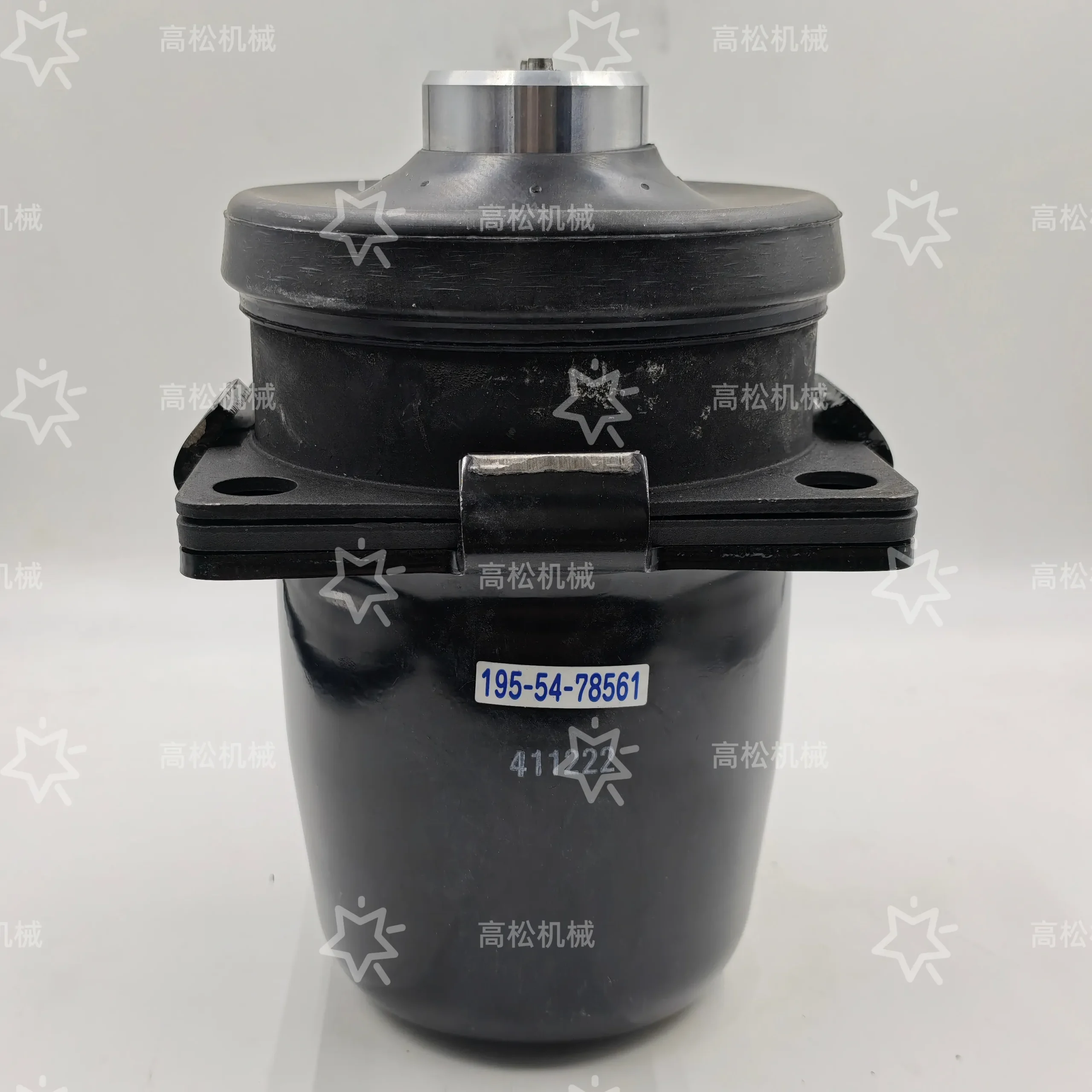 Komatsu D375 bulldozer buffer 195-54-78561
 -
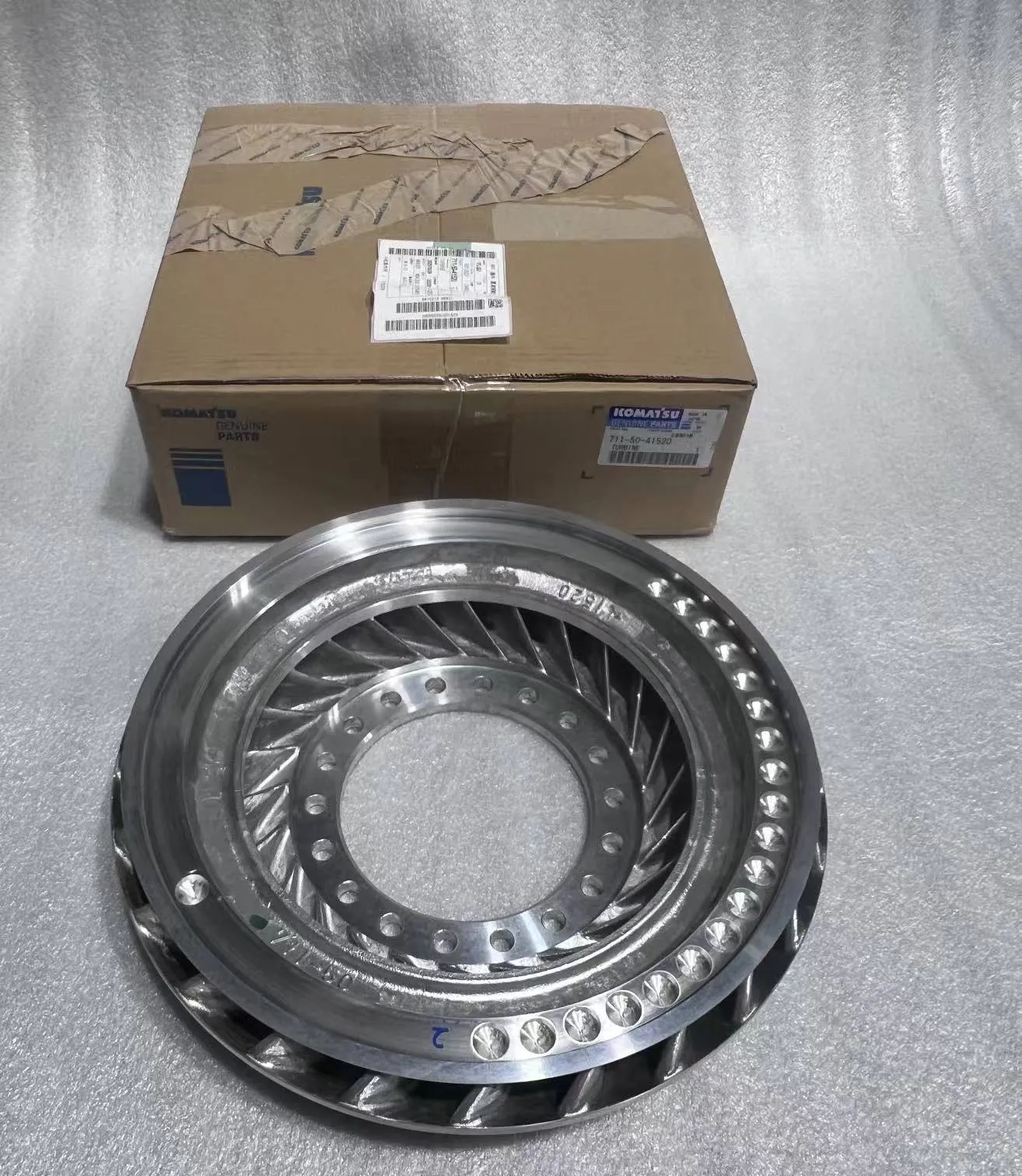 711-50-41520 Komatsu TURBINE
 -
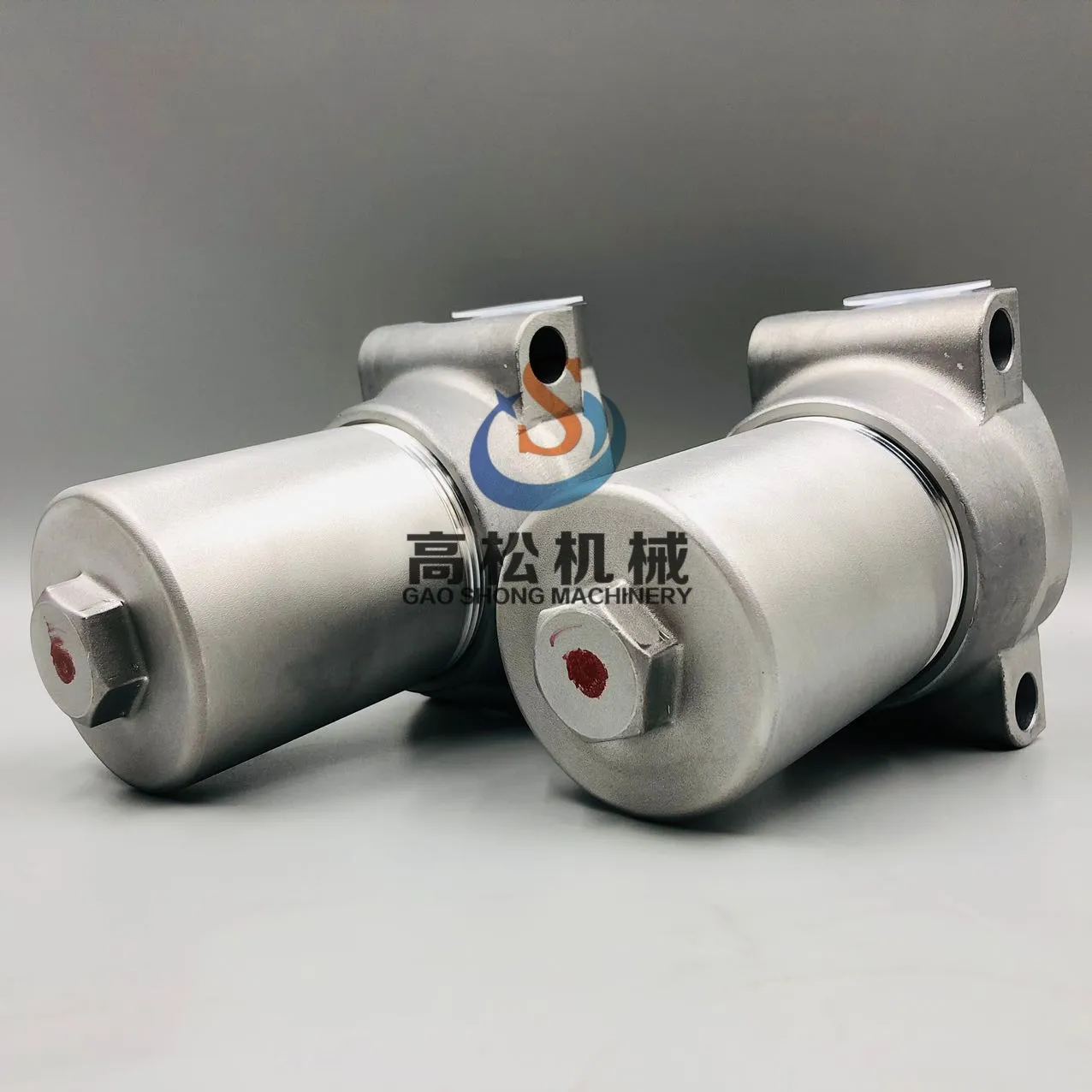 Komatsu Filter 20Y-62-51681 for Crawler excavator PC210LC-8 Filter Assembly 20Y-62-51681
 -
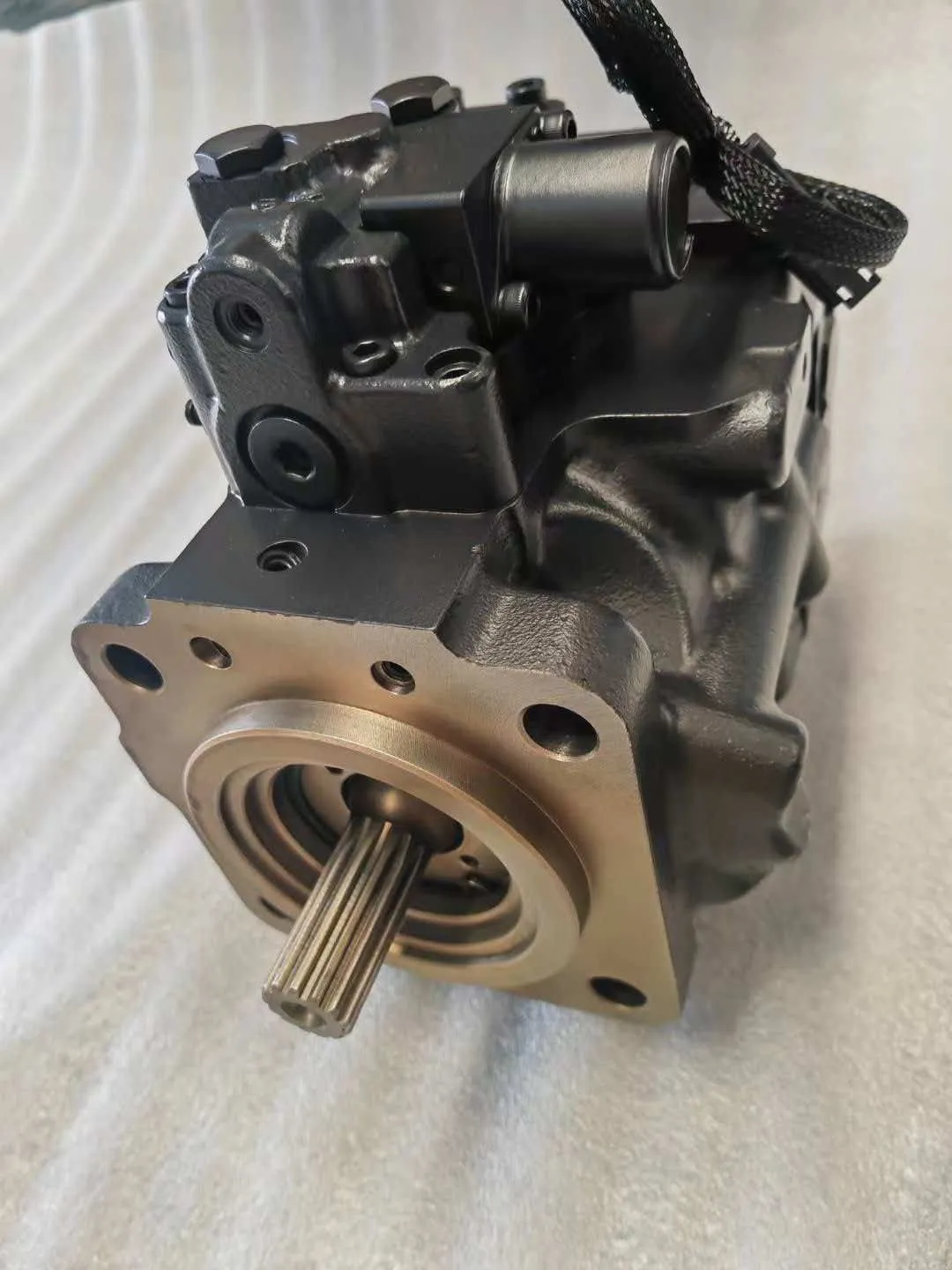 Compatible for Komatsu D61EX-16 D61PX-16 D65PX-17 D65EX-17 GD755-5R Bulldozer Fan Pump 708-1S-00460
 -
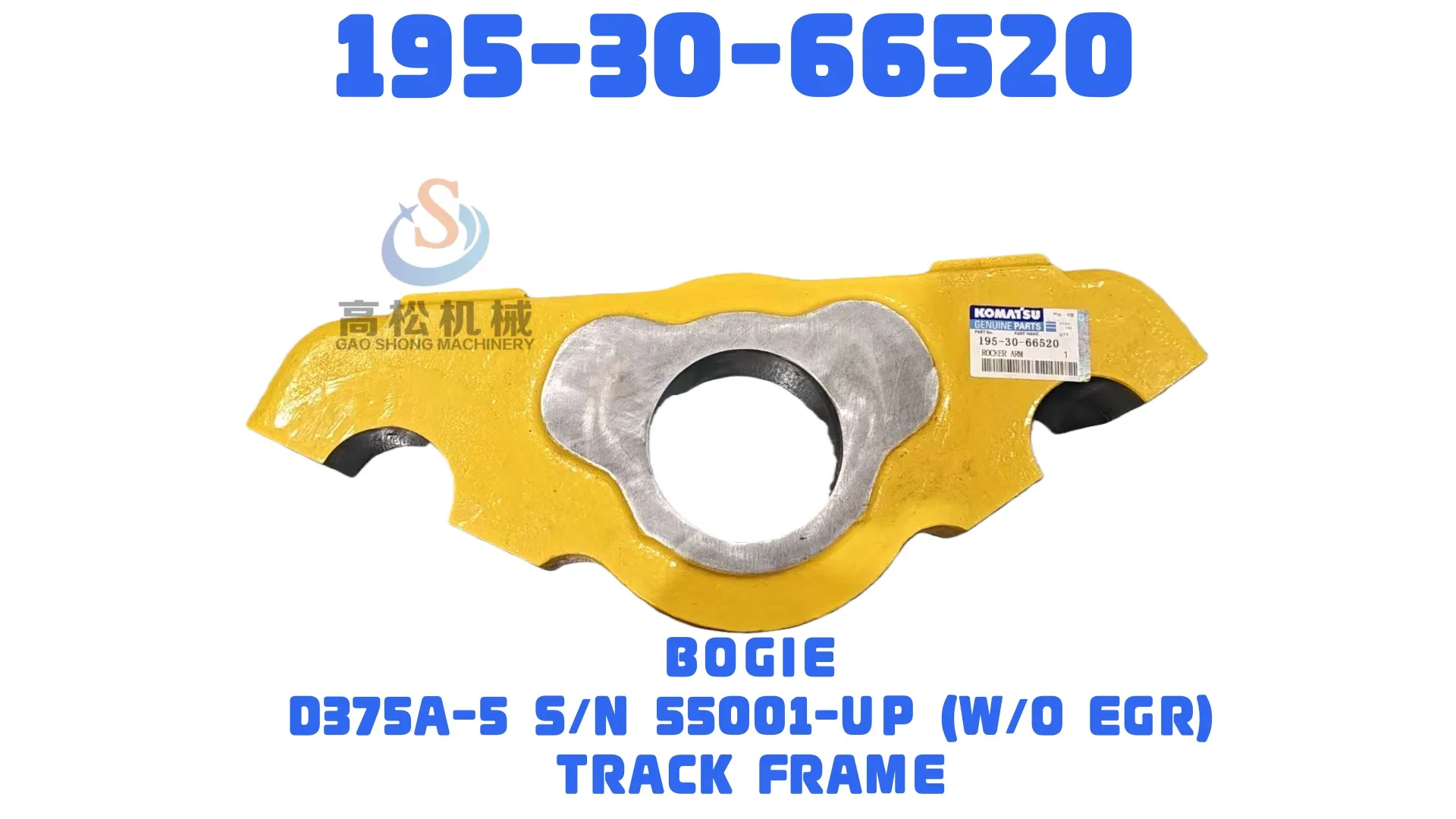 BOGIE 195-30-66520 D375A-5 D375A-6 TRACK FRAME Bogie, Minor D375A-6R TRACK FRAME, BOGIE
 -
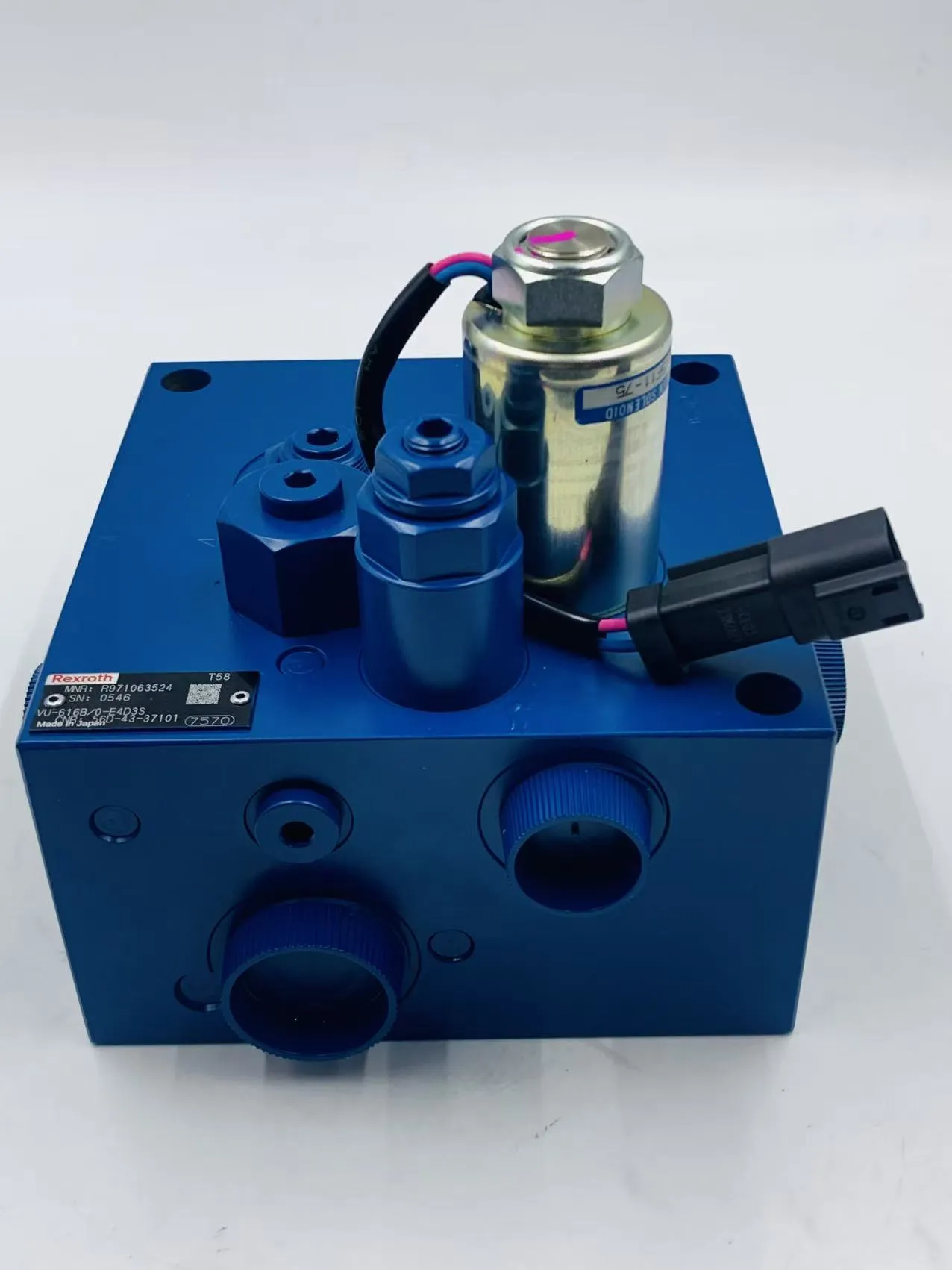 56D-43-37101 Valve Assembly, Charge for HM300 Komatsu Dump Truck Parts High Quality Original Factory
 -
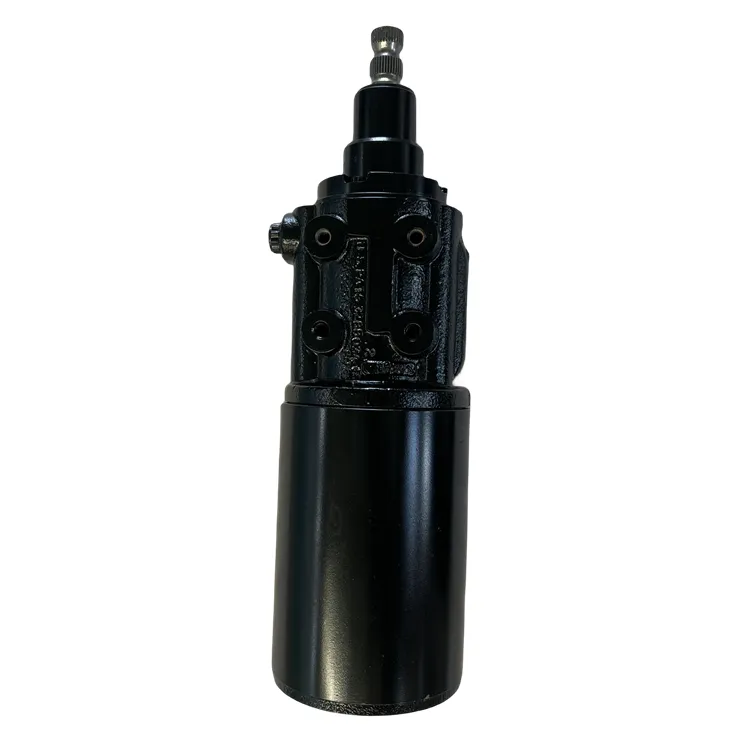 HD785-7 steering valve 561-40-83300
 -
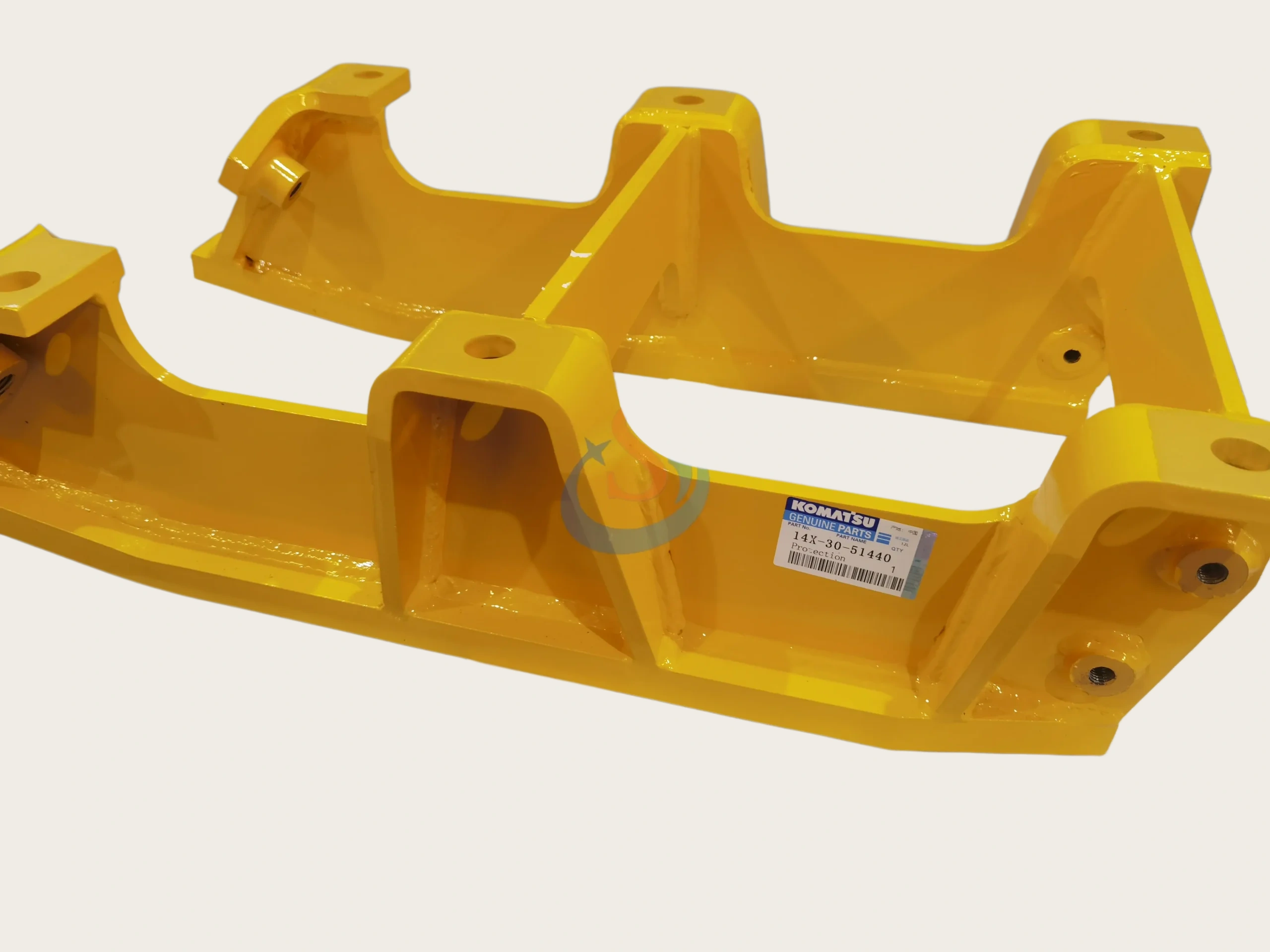 komatsu-part-14X-30-51440 Guard D65PX-16 D65PX-17 D65WX-18 D65EX-18E0 TRACK FRAME TRACK FRAME, (WITH POWER ANGLE POWER TILT DOZER, INSIDE FRAME)
 -
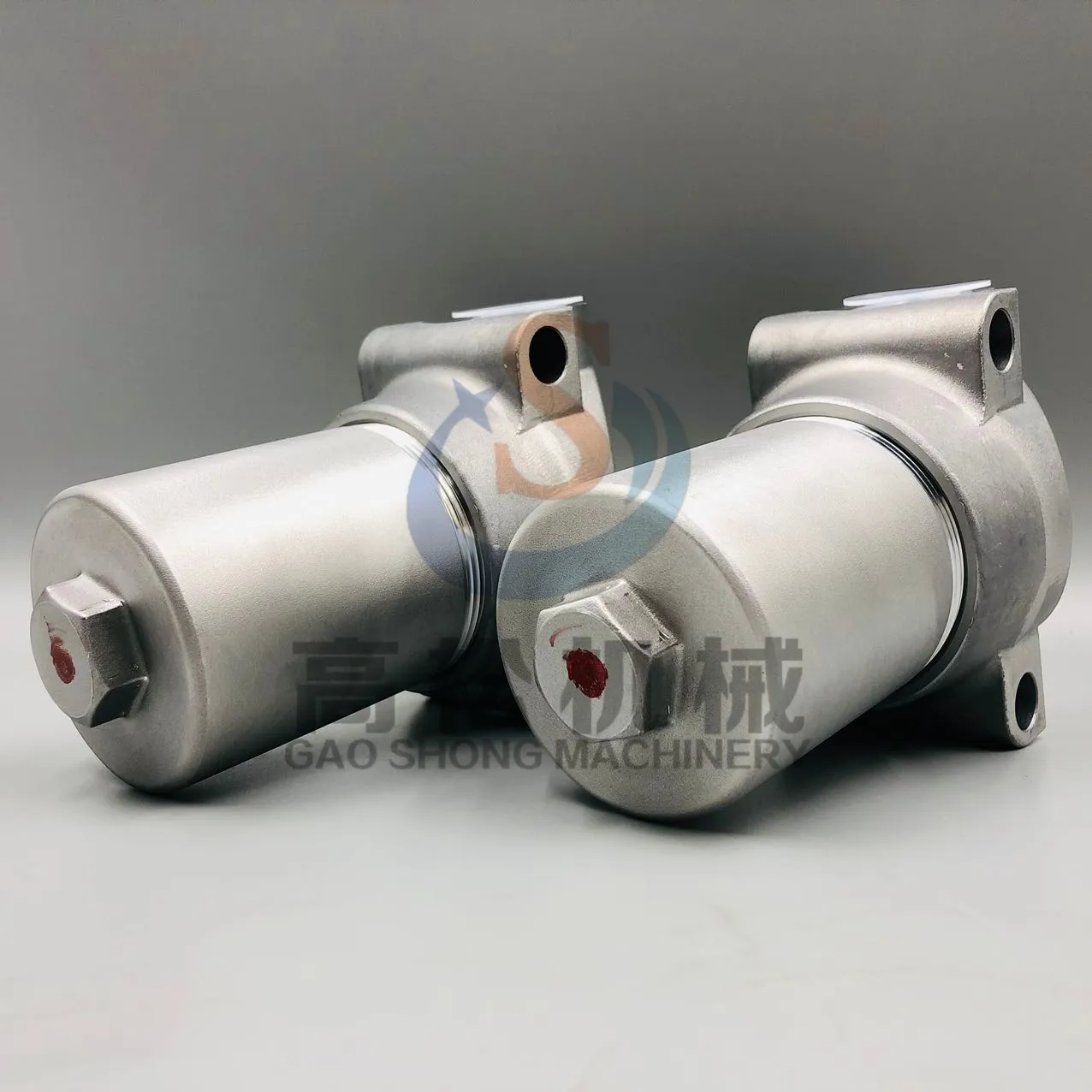 20Y-62-51681 Komatsu Filter Assembly
 -
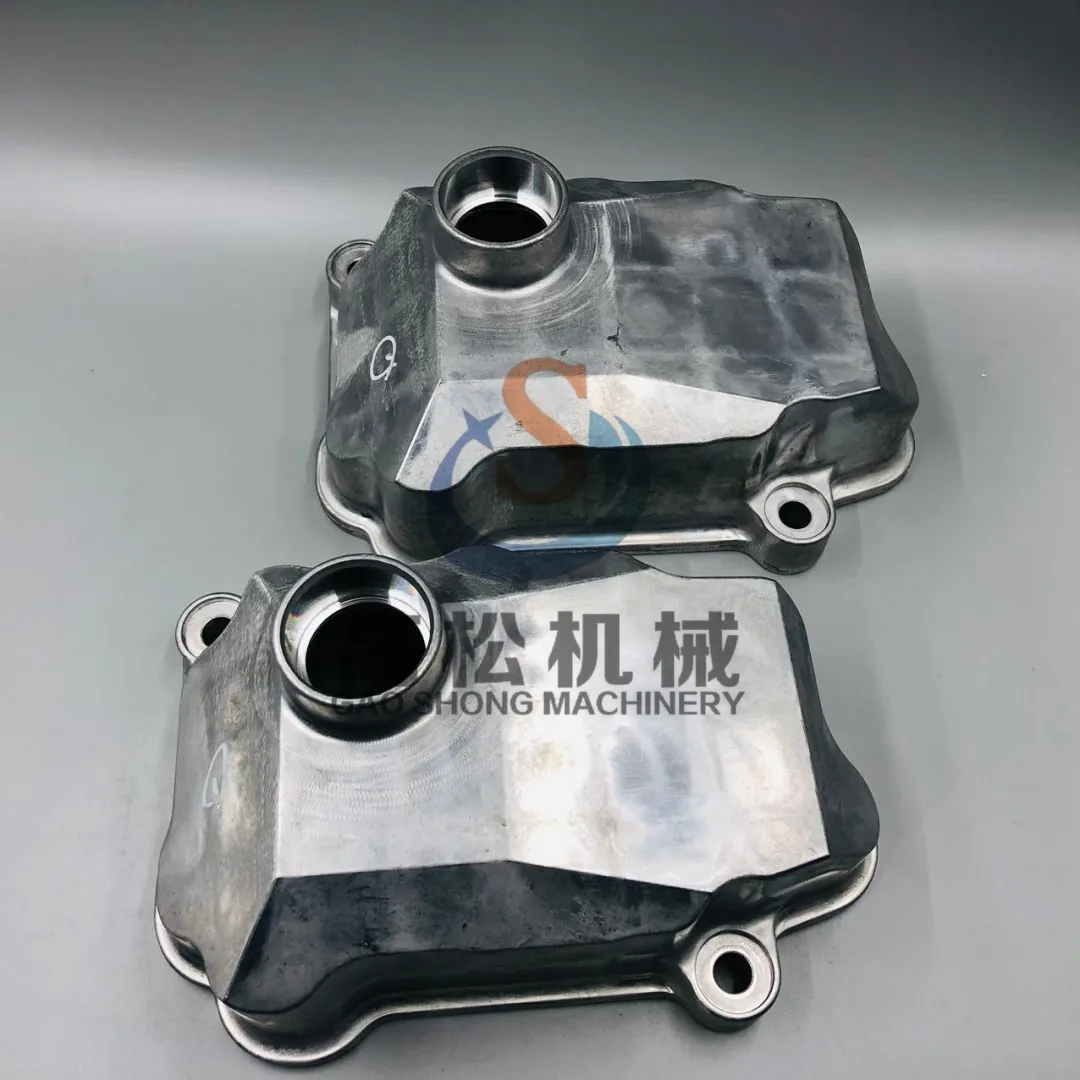 KOMATSU 6251-11-8150 COVER
 -
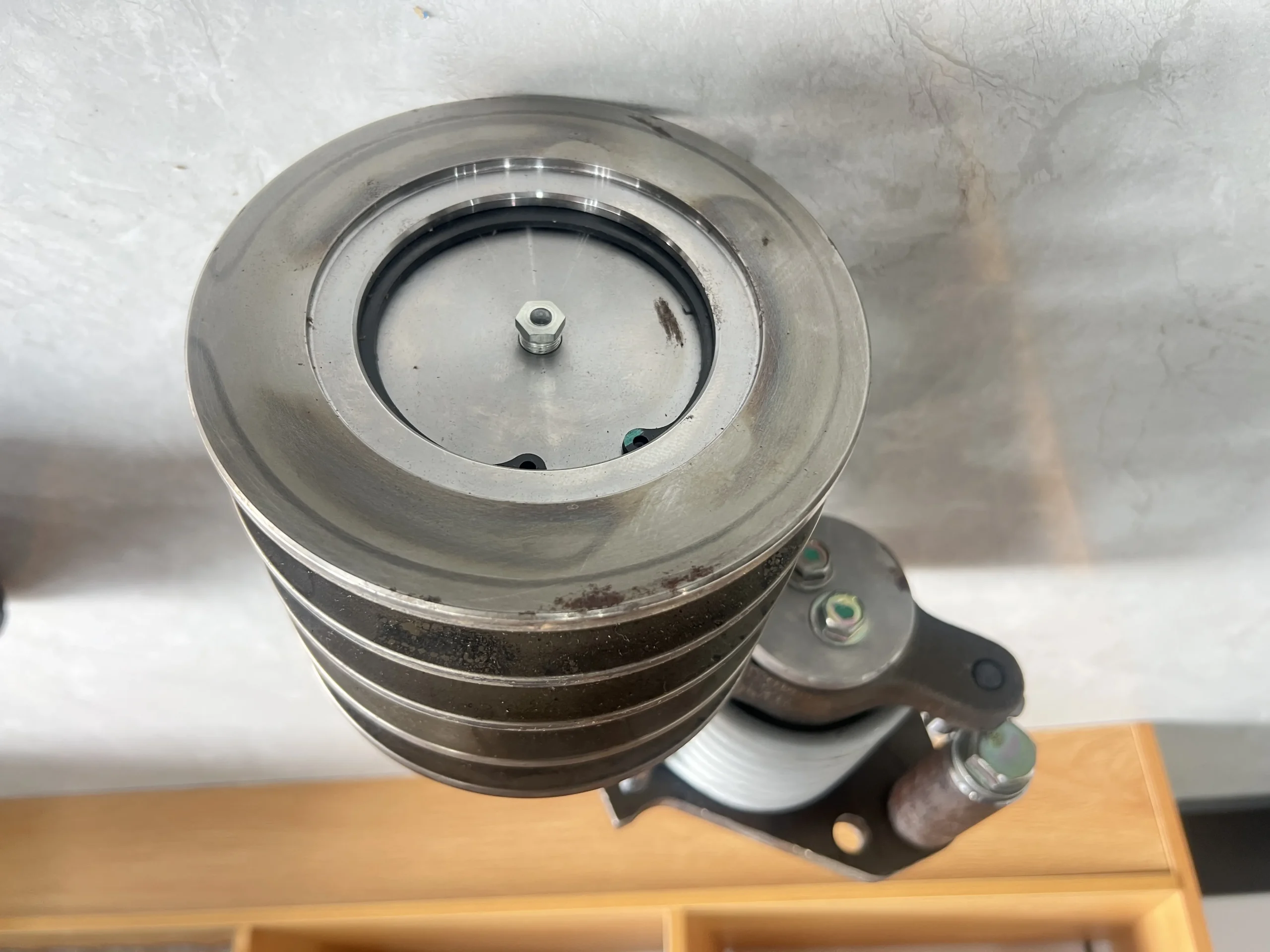 6240614500 TENSION PULLEY ASS’Y-Komatsu Original Factory
 -
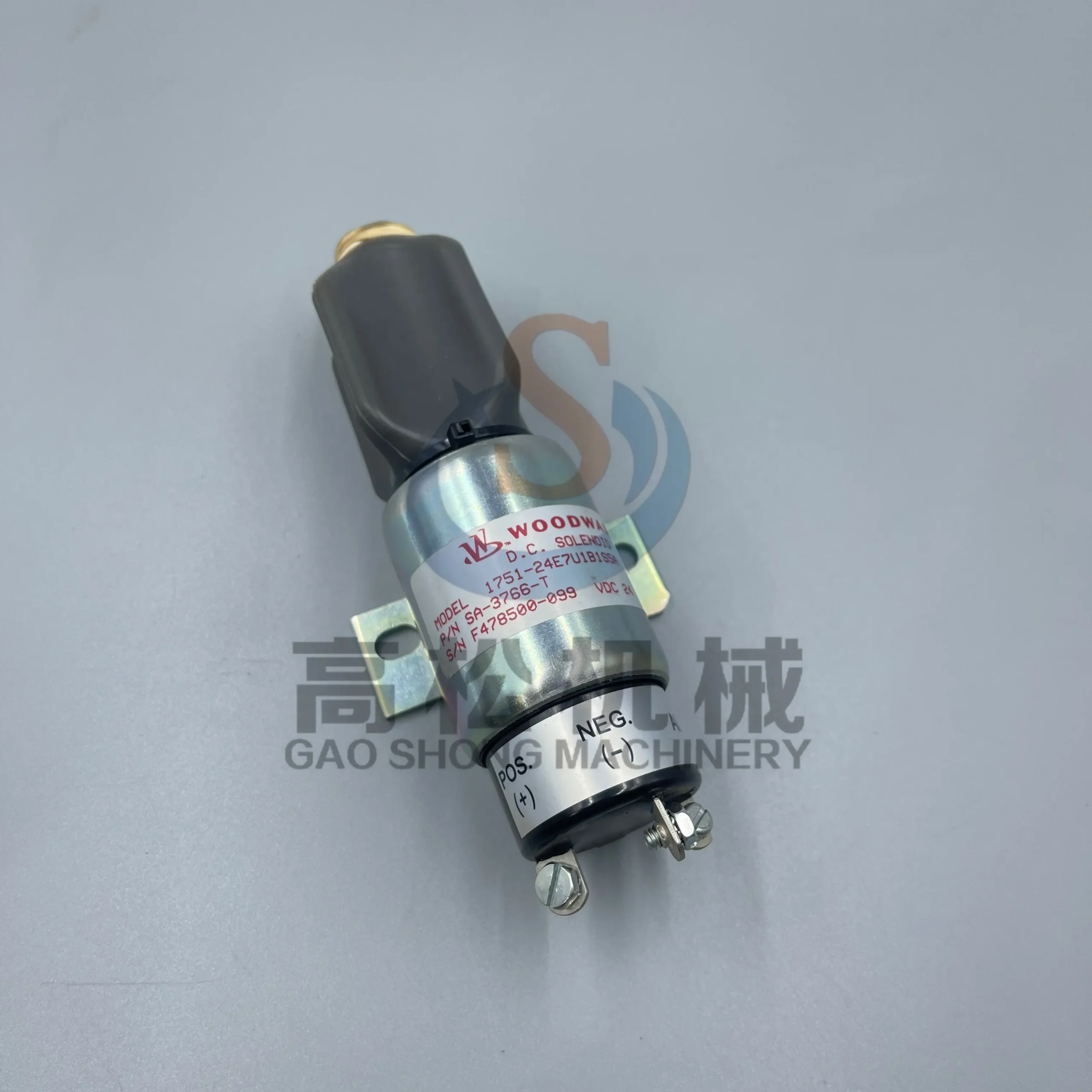 Stop Solenoid 600-815-7550