
- Chinese
- French
- German
- Portuguese
- Spanish
- Russian
- Japanese
- Korean
- Arabic
- Irish
- Greek
- Turkish
- Italian
- Danish
- Romanian
- Indonesian
- Czech
- Afrikaans
- Swedish
- Polish
- Basque
- Catalan
- Esperanto
- Hindi
- Lao
- Albanian
- Amharic
- Armenian
- Azerbaijani
- Belarusian
- Bengali
- Bosnian
- Bulgarian
- Cebuano
- Chichewa
- Corsican
- Croatian
- Dutch
- Estonian
- Filipino
- Finnish
- Frisian
- Galician
- Georgian
- Gujarati
- Haitian
- Hausa
- Hawaiian
- Hebrew
- Hmong
- Hungarian
- Icelandic
- Igbo
- Javanese
- Kannada
- Kazakh
- Khmer
- Kurdish
- Kyrgyz
- Latin
- Latvian
- Lithuanian
- Luxembou..
- Macedonian
- Malagasy
- Malay
- Malayalam
- Maltese
- Maori
- Marathi
- Mongolian
- Burmese
- Nepali
- Norwegian
- Pashto
- Persian
- Punjabi
- Serbian
- Sesotho
- Sinhala
- Slovak
- Slovenian
- Somali
- Samoan
- Scots Gaelic
- Shona
- Sindhi
- Sundanese
- Swahili
- Tajik
- Tamil
- Telugu
- Thai
- Ukrainian
- Urdu
- Uzbek
- Vietnamese
- Welsh
- Xhosa
- Yiddish
- Yoruba
- Zulu
- Kinyarwanda
- Tatar
- Oriya
- Turkmen
- Uyghur






Komatsu piston pump
When you hear 'Komatsu piston pump', most guys immediately picture that classic, robust unit on an excavator's main hydraulics. But that's where the first misconception lies. It's not just one pump; it's a lineage, with variations across decades and machine models that can trip you up if you're not careful. I've seen too many people order a pump for a PC200-8 thinking it's the same as the one on a -7, only to find the porting or the swashplate control is subtly different. The name 'Komatsu' gives a sense of monolithic reliability, which is largely true, but the devil is in the application-specific details.
The Core of the System and Its Real-World Wear
The heart of it is the axial piston design, variable displacement. What makes a Komatsu pump stand out isn't some secret alloy—it's the system integration. The pump is tuned to the specific valve block and the engine's torque curve. We learned this the hard way years ago. Replaced a failing pump on an old PC300 with a quality aftermarket unit. Performance was off, machine felt sluggish. After chasing our tails, we realized the aftermarket pump's flow curve at certain pressures didn't match the original Komatsu logic. The main control valve was expecting a certain response the new pump couldn't deliver. It wasn't a 'bad' pump, just a mismatched one. That's when you start respecting the Komatsu piston pump as a system component, not just a standalone part.
Common failure points? The usual suspects: the cylinder block and piston shoe wear, swashplate scoring. But on Komatsus, I pay extra attention to the servo piston and the control pressure lines. A small leak or a sticky servo can cause that infamous 'hunting' symptom—the machine surges and lags. It's easy to misdiagnose as a pump overhaul when it might just be a fifty-dollar seal kit on the servo cover. The charge pump pressure is critical too; if it's low, the main pump can't maintain displacement properly, leading to heat and cavitation.
I remember a job for a client who sourced a remanufactured pump from a general supplier. It failed within 400 hours. Tearing it down, the piston shoes showed abnormal pitting. The rebuilder had used a generic grade of bronze for the shoes that couldn't handle the specific side-loads in that Komatsu housing. It's these nuances. A genuine or a proper OEM-spec rebuild accounts for this. This is where a partner who understands the system, like Jining Gaosong Construction Machinery Co., Ltd., becomes valuable. As an OEM product supplier within the Komatsu system, they're positioned to know these build specs, not just sell a box that fits.
Navigating the Supply Chain Maze
This leads to the biggest headache today: supply. Waiting six months for a genuine pump from the main dealer isn't viable for a machine that's earning money. The aftermarket is flooded with options, from questionable copies to high-quality alternatives. The challenge is verification. I've had decent luck with some tier-one aftermarket brands, but you must cross-reference the exact part number series, not just the machine model. The suffix on the pump body casting matters.
This is the gap that third-party specialists fill. A company like the one mentioned, which you can find at https://www.takematsumachinery.com, operates in a specific niche. They're not just another parts shop. Their stated role as a third-party sales company for Komatsu, helping solve parts supply challenges in certain countries, rings true to the reality on the ground. They often have access to OEM-spec or genuine inventory channels that bypass the formal, slower pipelines. For a critical component like a Komatsu piston pump, that access can mean the difference between a machine down for weeks or days.
I don't endorse suppliers lightly, but the model makes sense. They understand that sometimes you need the exact Komatsu part, and other times, a fully vetted, system-compatible alternative will do. Their website intro isn't marketing fluff; solving parts supply challenges is exactly what contractors in regions with strained official distribution face. It's about having a credible source that understands the pedigree of the part they're selling.
On-Site Diagnostics: Pressure Tells the Story
Back to the iron. Let's talk about pressure testing. You can't diagnose a pump properly without gauges. The two key tests are the main relief pressure and the pump's flow at pressure. But there's a third, often overlooked: the pump control pressure. On many Komatsu models, there are two small hoses on the pump cover for the servo. Tapping in there shows you what the pump is being 'told' to do by the computer. I've seen cases where the pump was replaced needlessly because the tech didn't check this. The ECU was sending a erratic signal due to a bad sensor, making the pump swing wildly. The pump was just the obedient component failing from the abuse.
Another practical note: when you pull a pump, check the drive splines on the engine and the pump input shaft. We once installed a new pump only to have a horrible knocking sound. Turns out the original failure was caused by worn splines that we didn't inspect. The new pump's shaft rocked on the worn engine splines, destroying it in hours. A costly lesson. Always inspect the mating components.
Rebuild or Replace? A Cost-Benefit Calculus
The eternal question. For a late-model machine under warranty, it's a no-brainer: go genuine. For older workhorses, the calculus changes. A quality rebuild using OEM-spec kits can be 60% of the cost of new. But 'quality' is the key. A proper rebuild involves machining the housing to true the surfaces, not just slapping in new pistons. The valve plate needs to be resurfaced or replaced. The swashplate pivot bearings are often overlooked.
I tend to lean towards using a specialist rebuilder or a supplier that offers a validated exchange unit. It reduces downtime. Swapping the core is faster than sending yours out for a two-week rebuild. This is another area where the supply model of a company like Gaosong is relevant. If they are an OEM supplier within the system, they likely have access to exchange programs or cores that are rebuilt to correct standards, ensuring compatibility. It's about reducing risk.
There's also the scenario of upgrading. On some older models, the original pump might have a known weakness that was addressed in a later series. Sometimes, with the right mounting kit and control adjustments, you can upgrade. It's not common, but it's possible. It requires deep cross-reference knowledge—the kind a system insider would have.
The Human Factor and Concluding Thoughts
At the end of the day, the Komatsu piston pump is a masterpiece of hydraulic engineering, but it's not infallible. Its performance is tied to clean oil, proper filtration, and sensible operation. I've seen pumps killed by a failed case drain filter or by an operator constantly 'riding' the stroke at full power. Education matters as much as the part itself.
The landscape of parts supply is evolving. The traditional dealer-only model is being supplemented by authorized third-party channels that provide agility. For professionals in the field, this is a net positive. It introduces more options and competition, but also requires more discernment. You have to know your source. Is the part they're selling a true OEM-spec component? Do they understand the system it goes into? The website for Jining Gaosong Construction Machinery explicitly states they operate within the Komatsu system. That phrasing suggests a level of sanctioned access or specification adherence that separates them from the generic aftermarket. In this business, that distinction is everything when you're holding a $15,000 pump in your hands, trying to get a 50-ton machine back to work.
So, the next time you're troubleshooting a hydraulic issue, look beyond the pump itself. Think system, think supply chain, and partner with sources that demonstrate real system knowledge. It saves time, money, and a lot of frustration.
Related Products
Related Products

Best Selling Products
Best Selling Products-
 Hot Selling at Low Prices 21P-62-K1520 21M-62-11230 21T-01-67330 21U-62-34760 Underground Facilities
 -
 Seal Ring 195-15-39220 1951539220 For Komatsu Wheel Loaders WA500-6 WA700-1 Komatsu Dump Trucks HD985-5 HD785-7
 -
 419-43-27401 komatsu vavle-WA400/WA300
 -
 22F-60-21201 22F-60-31600 Solenoid Valve PC56-7 PC55MR-2
 -
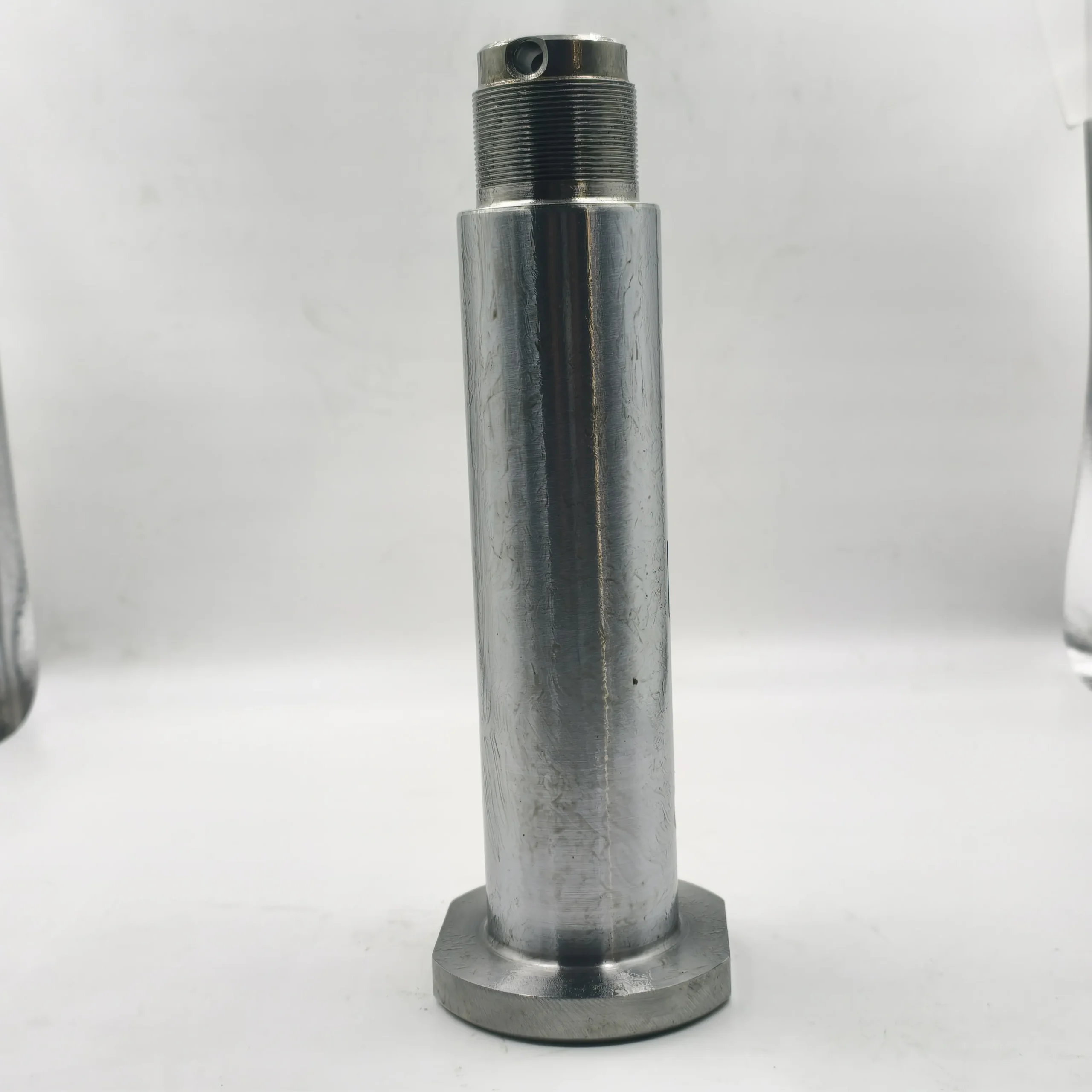 235-27-11330-PIN Komatsu Original Factory
 -
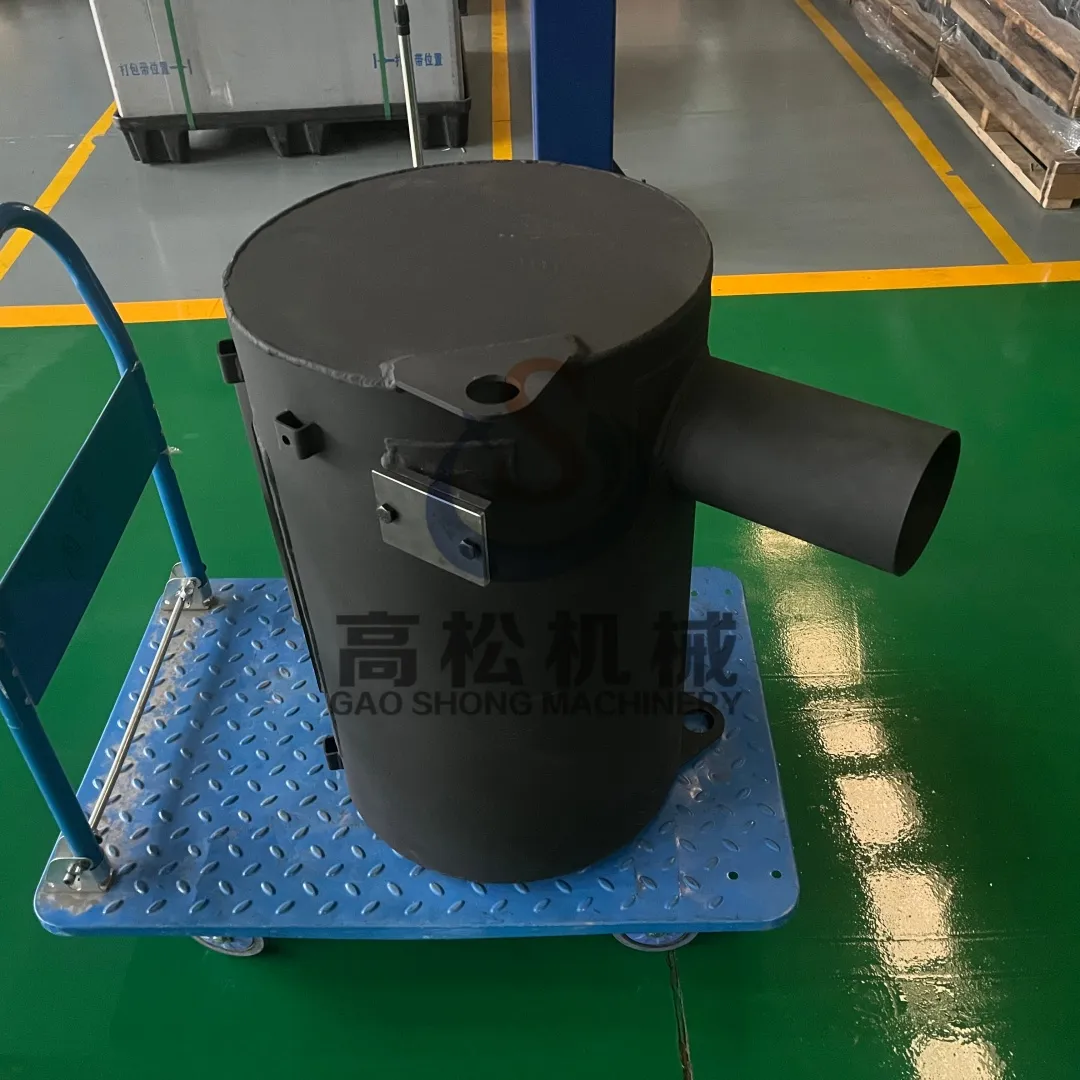 Muffler Silencer 6245-11-5500 for Komatsu Engine 6D170E-5 Excavator PC1250-8 PC1250-8R PC1250LC-8 PC1250SP-8 PC1250SP-8R
 -
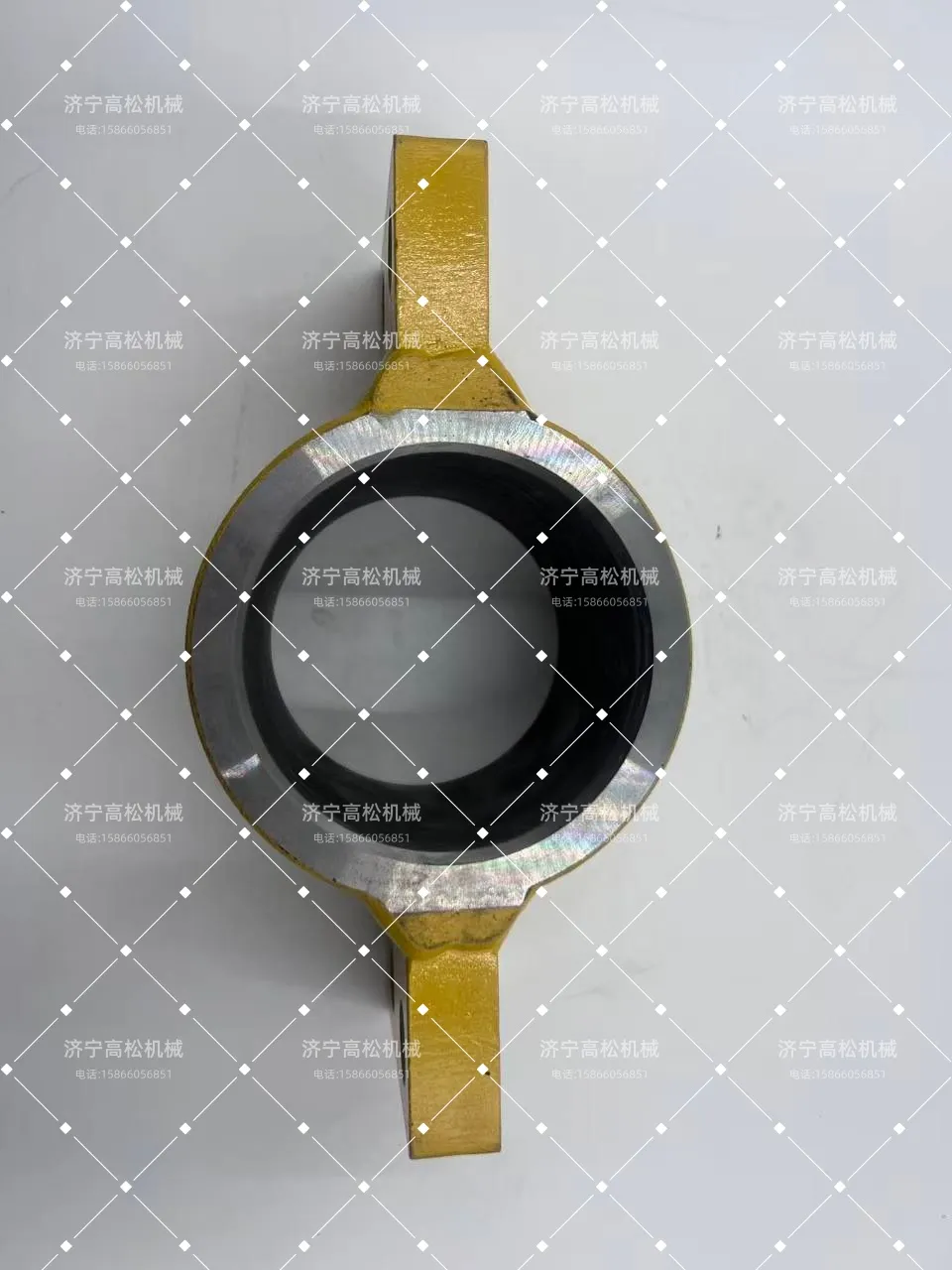 Komatsu Parçaları için İnşaatın Omurgası 566-14-41160 Braketi
 -
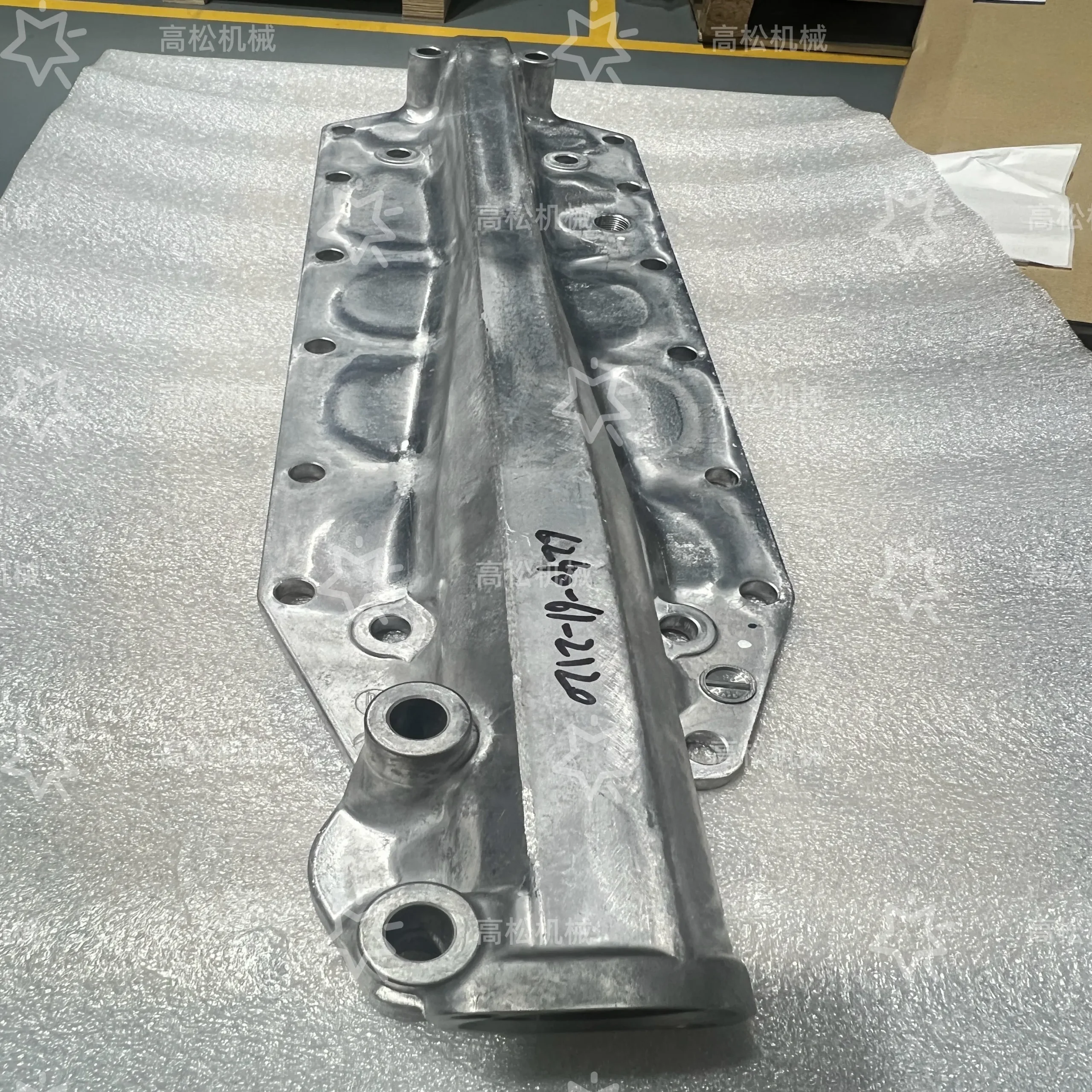 COVER 6240-61-2120 – KOMATSU Part catalog
 -
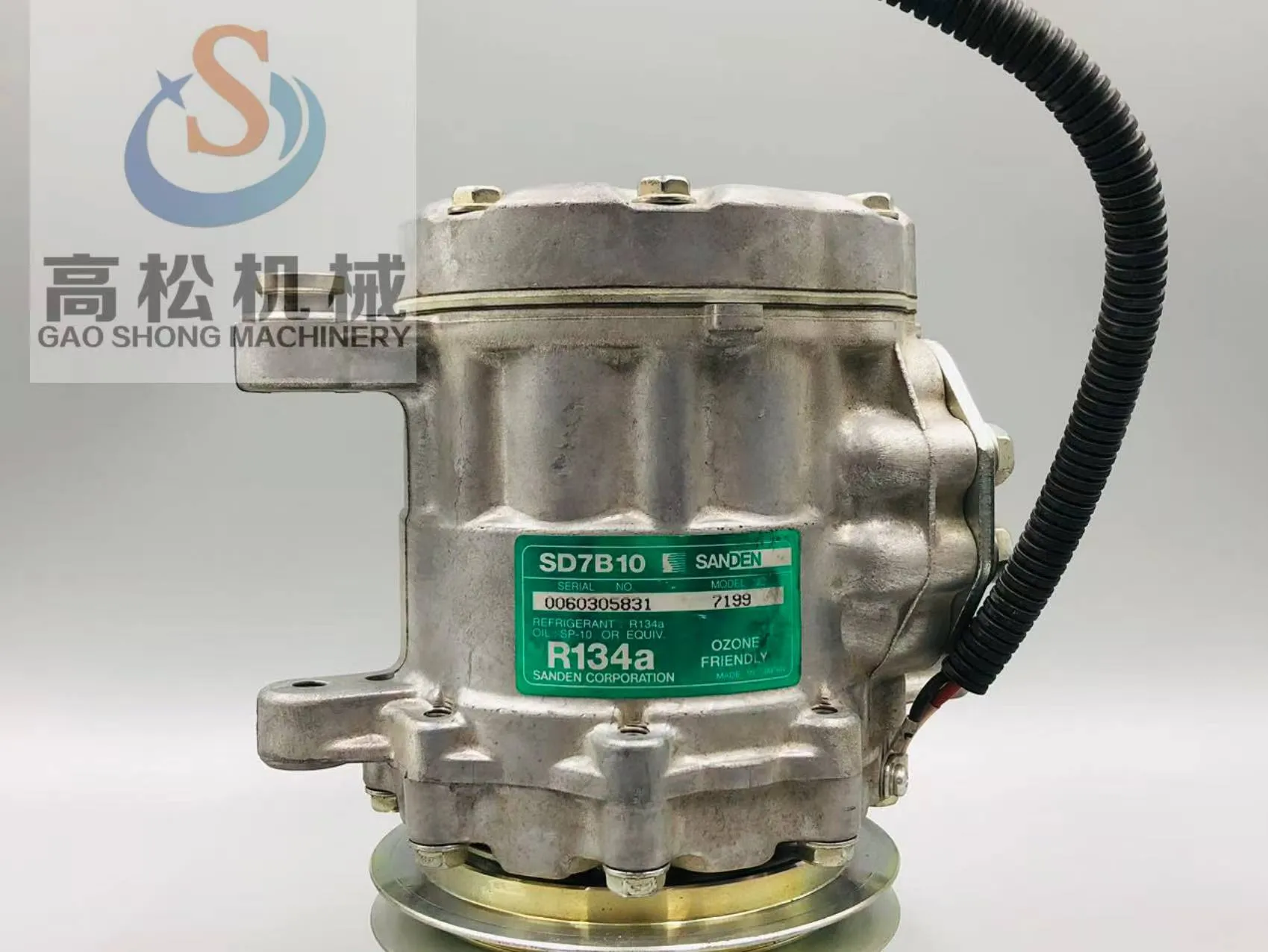 PC55MR PC56-7 Excavator Compressor PC45MR Air Conditioning 22L-979-2200 Compressor Ass’y
 -
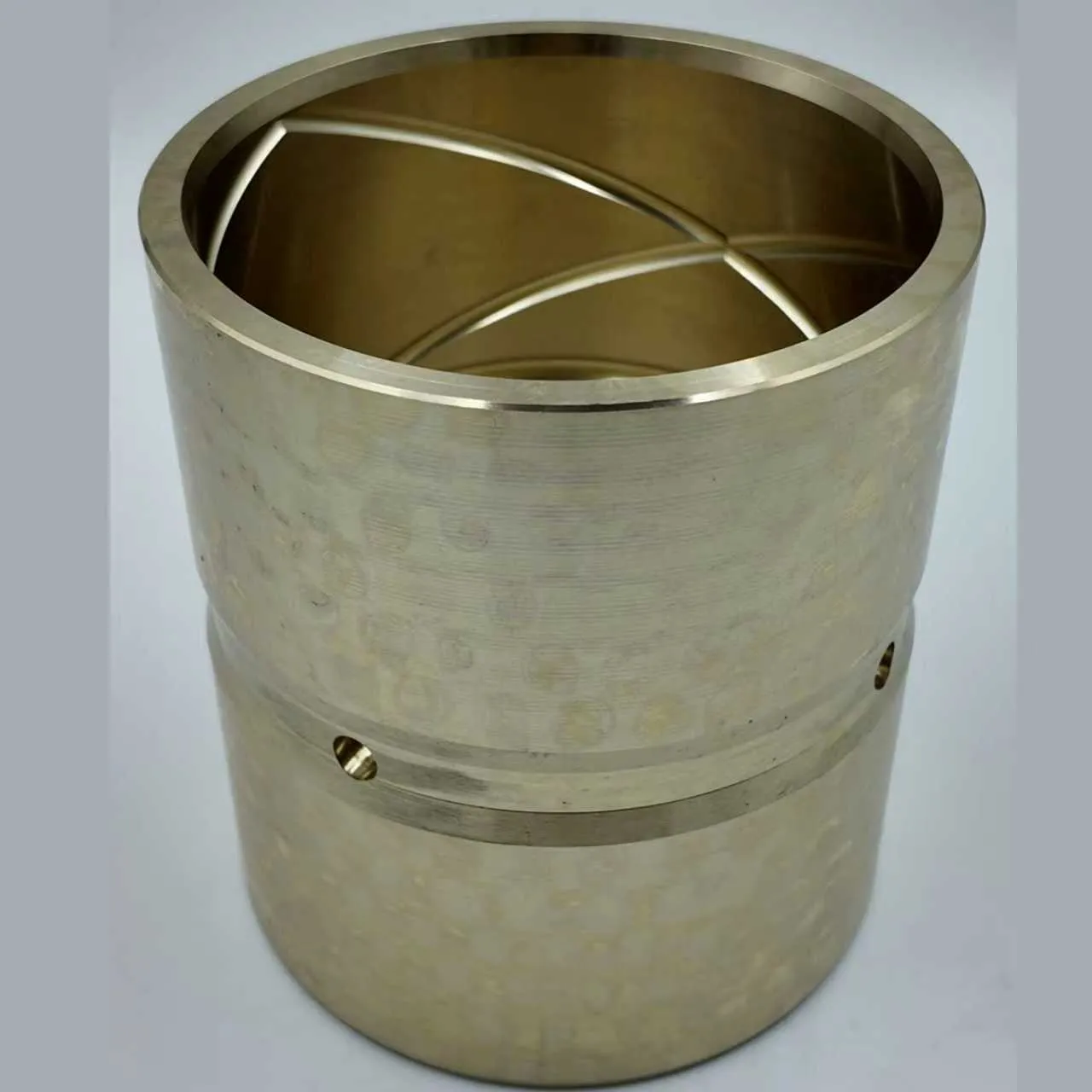 Bushing 207-70-61610 for Komatsu PC350-7 PC300LC-7 PC300-8 PC300LC-7L PC300-7
 -
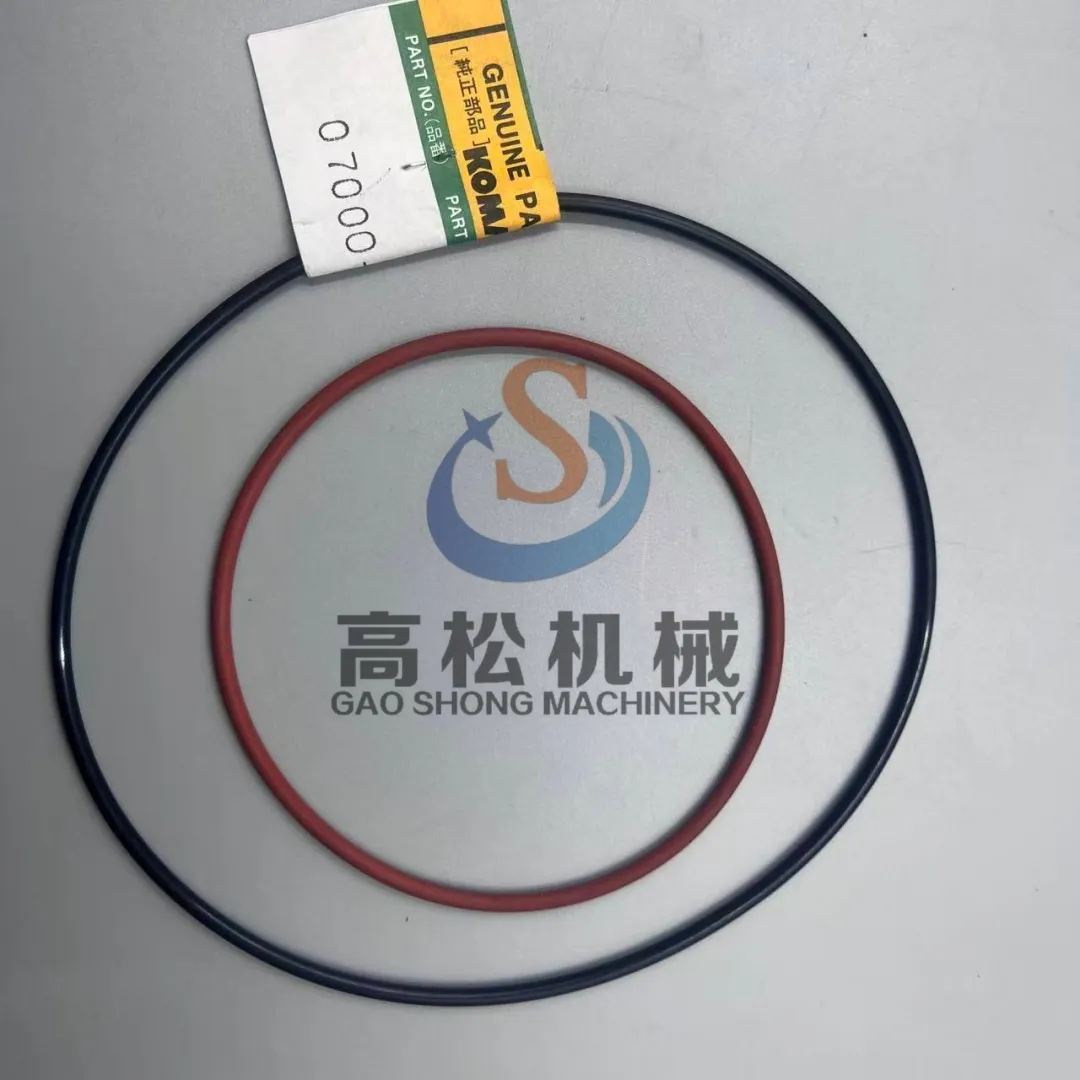 6241-K6-9900
 -
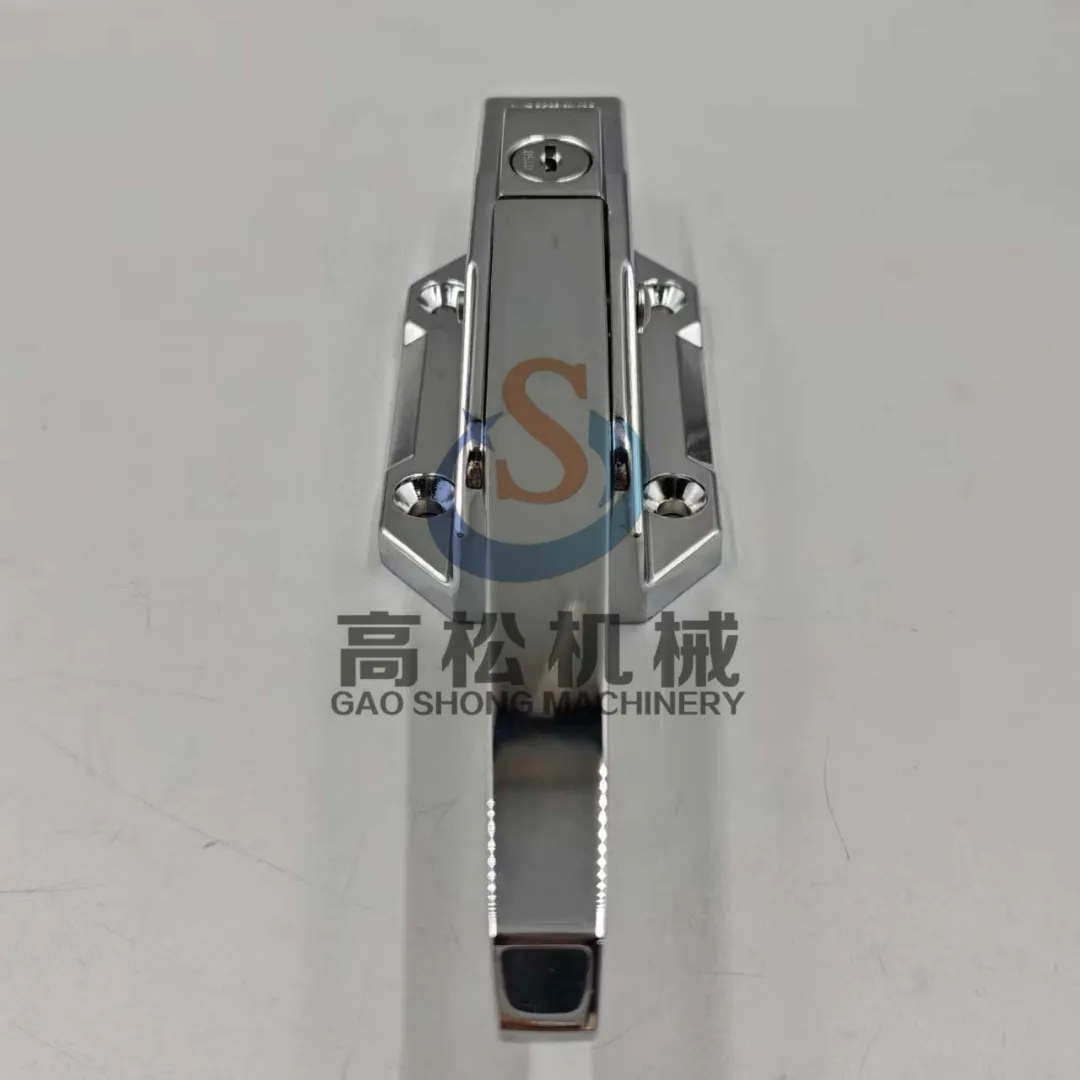 21T-54-35421 Komatsu Handle komatsu original