
- Chinese
- French
- German
- Portuguese
- Spanish
- Russian
- Japanese
- Korean
- Arabic
- Irish
- Greek
- Turkish
- Italian
- Danish
- Romanian
- Indonesian
- Czech
- Afrikaans
- Swedish
- Polish
- Basque
- Catalan
- Esperanto
- Hindi
- Lao
- Albanian
- Amharic
- Armenian
- Azerbaijani
- Belarusian
- Bengali
- Bosnian
- Bulgarian
- Cebuano
- Chichewa
- Corsican
- Croatian
- Dutch
- Estonian
- Filipino
- Finnish
- Frisian
- Galician
- Georgian
- Gujarati
- Haitian
- Hausa
- Hawaiian
- Hebrew
- Hmong
- Hungarian
- Icelandic
- Igbo
- Javanese
- Kannada
- Kazakh
- Khmer
- Kurdish
- Kyrgyz
- Latin
- Latvian
- Lithuanian
- Luxembou..
- Macedonian
- Malagasy
- Malay
- Malayalam
- Maltese
- Maori
- Marathi
- Mongolian
- Burmese
- Nepali
- Norwegian
- Pashto
- Persian
- Punjabi
- Serbian
- Sesotho
- Sinhala
- Slovak
- Slovenian
- Somali
- Samoan
- Scots Gaelic
- Shona
- Sindhi
- Sundanese
- Swahili
- Tajik
- Tamil
- Telugu
- Thai
- Ukrainian
- Urdu
- Uzbek
- Vietnamese
- Welsh
- Xhosa
- Yiddish
- Yoruba
- Zulu
- Kinyarwanda
- Tatar
- Oriya
- Turkmen
- Uyghur






Komatsu piston and liner kit
When you hear 'Komatsu piston and liner kit', the immediate thought for many is just a box of parts—pistons, rings, liners, maybe pins and circlips. But that's where the first mistake happens. It's not just a kit; it's a matched assembly with tolerances that matter more than most realize, especially when you're not dealing with a direct OEM channel. I've seen too many rebuilds fail because someone assumed a piston was just a piston.
The OEM Promise vs. On-Ground Reality
Officially, Komatsu designs these kits for specific engine series—think S6D or SAA6D—with every component engineered to work as a system. The piston crown shape, the liner honing pattern, the ring coating. They're a unit. But supply chain gaps in various regions create a messy middle ground. That's where companies operating within the Komatsu system but addressing these gaps become critical. I recall a situation where a mine in West Africa was down for weeks waiting for a kit for a PC700. The official pipeline was clogged. The solution came through a third-party supplier with genuine OEM access, which kept the machine running. It’s a nuanced space.
This is precisely the operational niche where a supplier like Jining Gaosong Construction Machinery Co., Ltd. positions itself. From what I've gathered and verified through industry channels, they function as an OEM product supplier within the Komatsu system. Their stated role—to help solve parts supply challenges in certain countries—isn't just marketing. It reflects a real, on-the-ground problem. Their website, https://www.takematsumachinery.com, is one of those points of contact. They aren't just a generic parts store; they are a conduit for genuine Komatsu parts in markets where the traditional distribution web has thin spots.
The key takeaway? The kit's provenance matters immensely. A true OEM-sourced kit, even through a third-party sales channel like this, should have traceable packaging, correct metallurgy, and, crucially, the right surface finishes. I've had the 'pleasure' of comparing a proper kit against a pattern part. The difference in the liner cross-hatching alone was telling—the pattern part wore in unevenly, leading to oil consumption issues within a few hundred hours.
Unpacking the Kit: What You're Really Assessing
Let's get tactile. When you open a kit for, say, a Komatsu excavator, you're doing an inspection before it even goes near the block. First, the liners. They should be dry-sleeve types, with a very specific flange protrusion measurement. I've used a dial gauge and a surface plate to check this; a few thou out and you risk head gasket integrity. The OEM kits are consistently within spec. Some aftermarket ones? You're doing your own quality control.
Then, the pistons. For Komatsu, look for the anti-friction skirt coating. It's a dark grey, almost graphite-like finish. It's not just paint; it's a functional coating that reduces scuffing during cold starts. I once saw a rebuild where this coating was missing—the supplier claimed it was 'equivalent.' It wasn't. The engine had a slight knock from piston slap until it warmed up, which it shouldn't on a modern design.
The rings are their own science. The top ring often has a molybdenum or chromium facing. You need to check the ring end gap in a dummy liner. This is basic, but I'm still amazed how many mechanics skip it, trusting the box. I never do. An end gap too tight guarantees seizure under load. Too wide, and you lose compression. The OEM kits give you a predictable, in-spec starting point. When sourcing from a specialized third-party, you're banking on them not breaking the OEM seal on that consistency.
Common Pitfalls and the Fitment Mirage
A major headache is the assumption of interchangeability. A piston and liner kit for a Komatsu D65EX might share a part number with a variant of a D85, but there can be subtle differences in piston bowl volume or ring land design. The computer says it fits, but the engine performance says otherwise. I learned this the hard way early on. We used a kit that was 'cross-referenced' correctly, but the compression ratio ended up slightly off, making the engine run hotter than designed. The problem wasn't catastrophic, but it wasn't optimal.
This is where the supplier's depth of knowledge is tested. A good supplier, especially one claiming OEM affiliation, should be able to flag these nuances. They should ask for the complete engine model and serial number, not just the machine model. If they don't, that's a red flag. The website for Jining Gaosong, for instance, lists them as a specialist within the Komatsu ecosystem. The expectation is that they understand these granular details, not just warehouse a catalog.
Another pitfall is the seal kit. A genuine Komatsu piston and liner kit sometimes includes specific gaskets or seals for that application. Aftermarket or reboxed kits often bundle generic seals. The consequence? Oil leaks from the liner O-ring seats or the lower seal. It's a small component that causes a major mess and rework.
The Economics of Trust and Downtime
Price is always a debate. The OEM kit, even through a third-party, commands a premium. The alternative is a non-OEM kit at half the price. The calculation isn't just part cost; it's total rebuild cost and machine availability. A failed kit means another teardown, more labor, more fluids, and, most expensively, more downtime. For a 400-ton mining truck, downtime costs thousands per hour. The math quickly favors the certainty of the genuine part.
This is the value proposition of a company like the one mentioned. They aren't selling on price alone; they're selling on reliability of supply and authenticity of the Komatsu piston and liner kit. For a fleet manager in a region with spotty OEM support, having a verified, direct channel for these critical components is a operational lifeline. It turns a potential week-long stoppage into a next-day air freight solution.
I've advised clients to build relationships with such suppliers before a crisis hits. Verify their credentials, maybe order a smaller, less critical part first. Check the packaging, the paperwork, the physical parts. Then, when you need that major engine kit, you have a trusted source. It's risk mitigation.
Final Thoughts: It's a System, Not a Commodity
Wrapping this up, the core idea is to stop thinking of the piston and liner kit as a commodity. It's a precision engine system. The success of a rebuild hinges on the integrity of every component in that box and the knowledge behind its supply chain. In markets where the main distributor is absent or slow, the role of authorized third-party suppliers becomes not just convenient, but essential.
Companies that fill this gap, like Jining Gaosong Construction Machinery, effectively become part of the extended, pragmatic OEM network. Their website is a portal, but the real test is in the transaction and the product that arrives. Does the kit have the correct Komatsu markings? Is the packaging intact and professional? Does the technical support exist if you have a pre-fitment question?
So next time you order one, look past the part number. Think about the engine it's going into, the hours you expect from the rebuild, and the cost of being wrong. Then choose your source accordingly. Sometimes, the longer, more assured path is the fastest one in the end.
Related Products
Related Products

Best Selling Products
Best Selling Products-
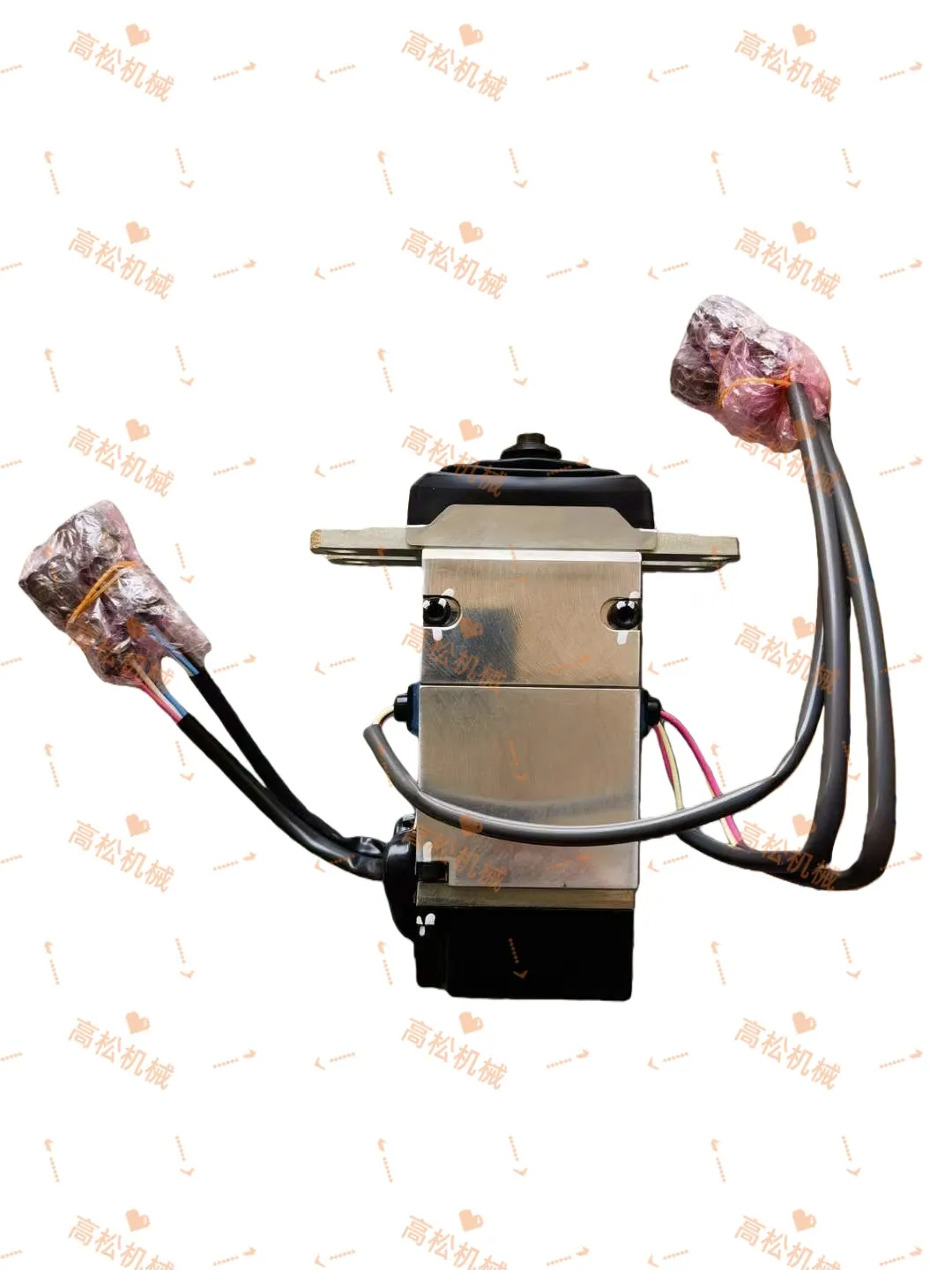 Komatsu Control lever 702-16-02144 for Wheel loader WA480-5H
 -
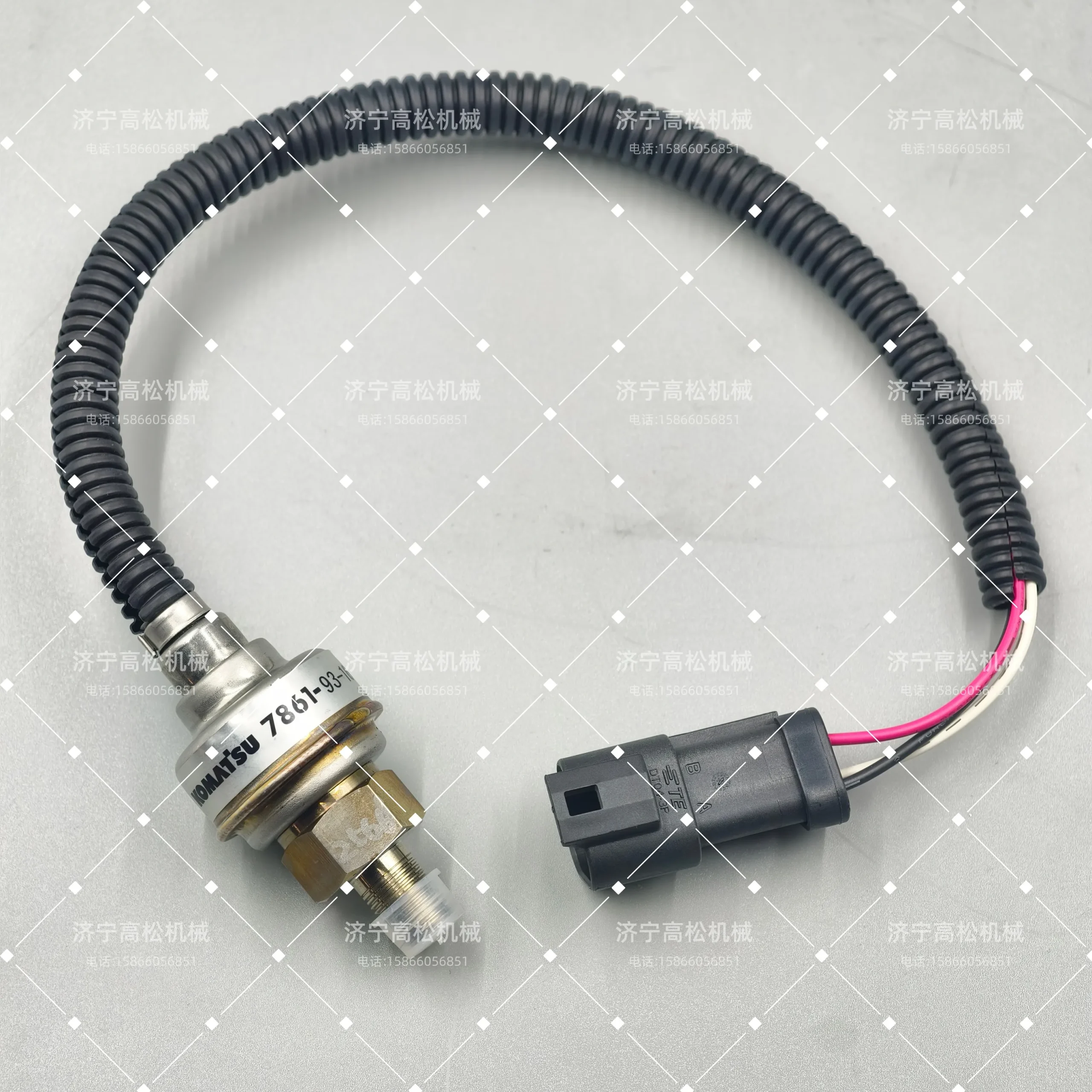 Construction Machinery Parts 7861-93-1670 for Komatsu Excavator…
 -
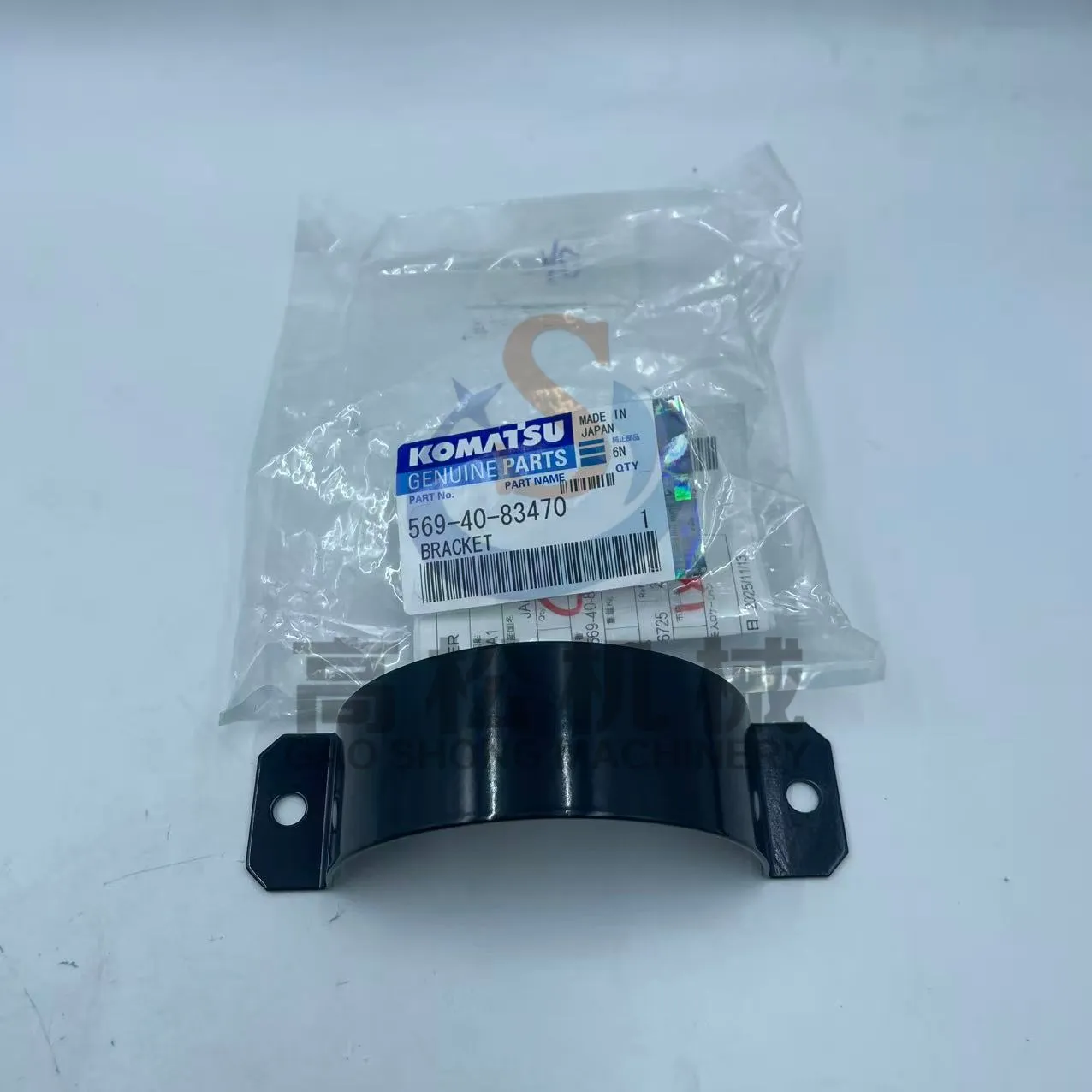 569-40-83470 Komatsu Bracket
 -
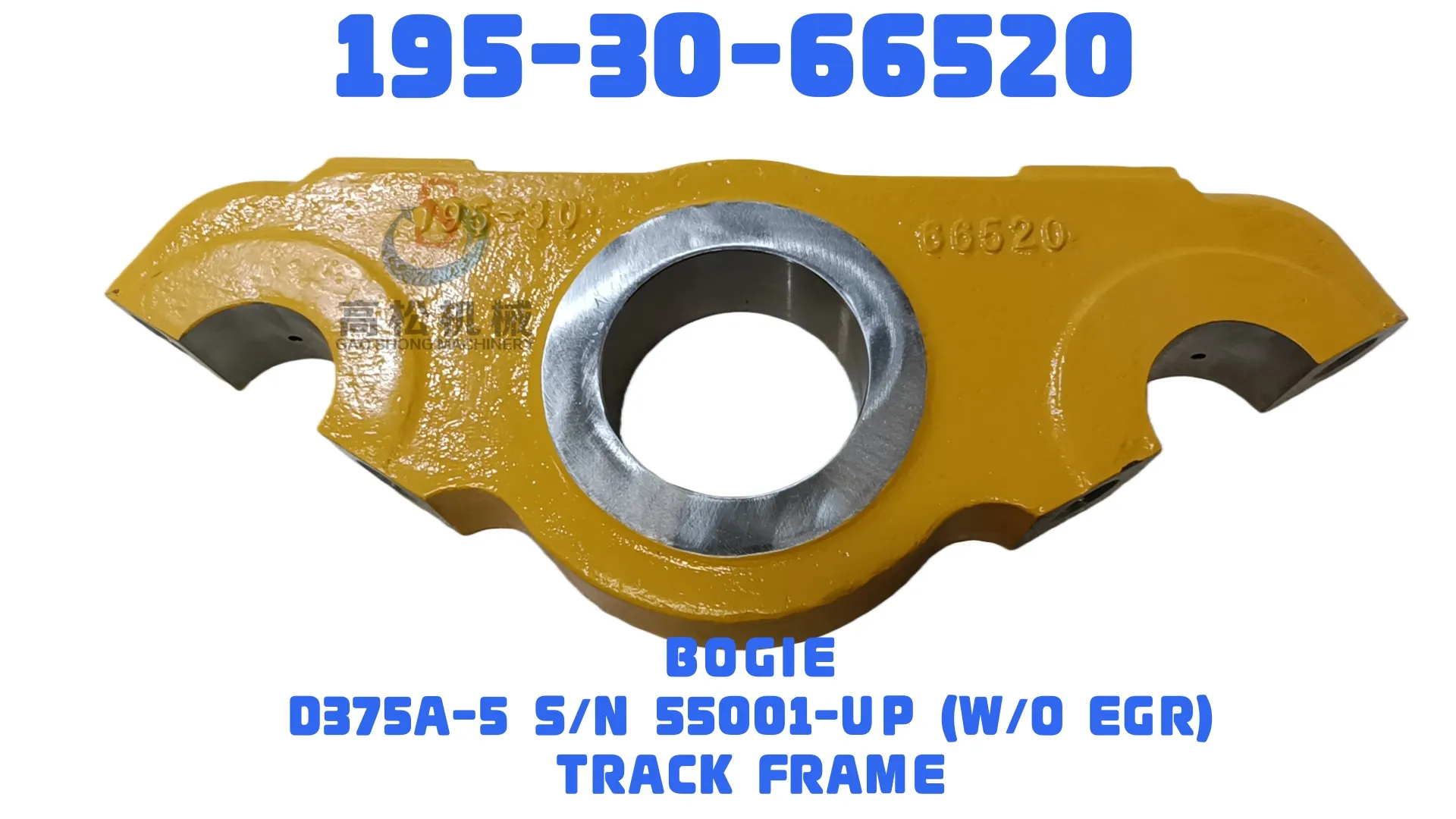 Komatsu Bogie Assembly, 195-30-66520 D375A-5 and D375A-5D TRACK FRAME, BOGIE
 -
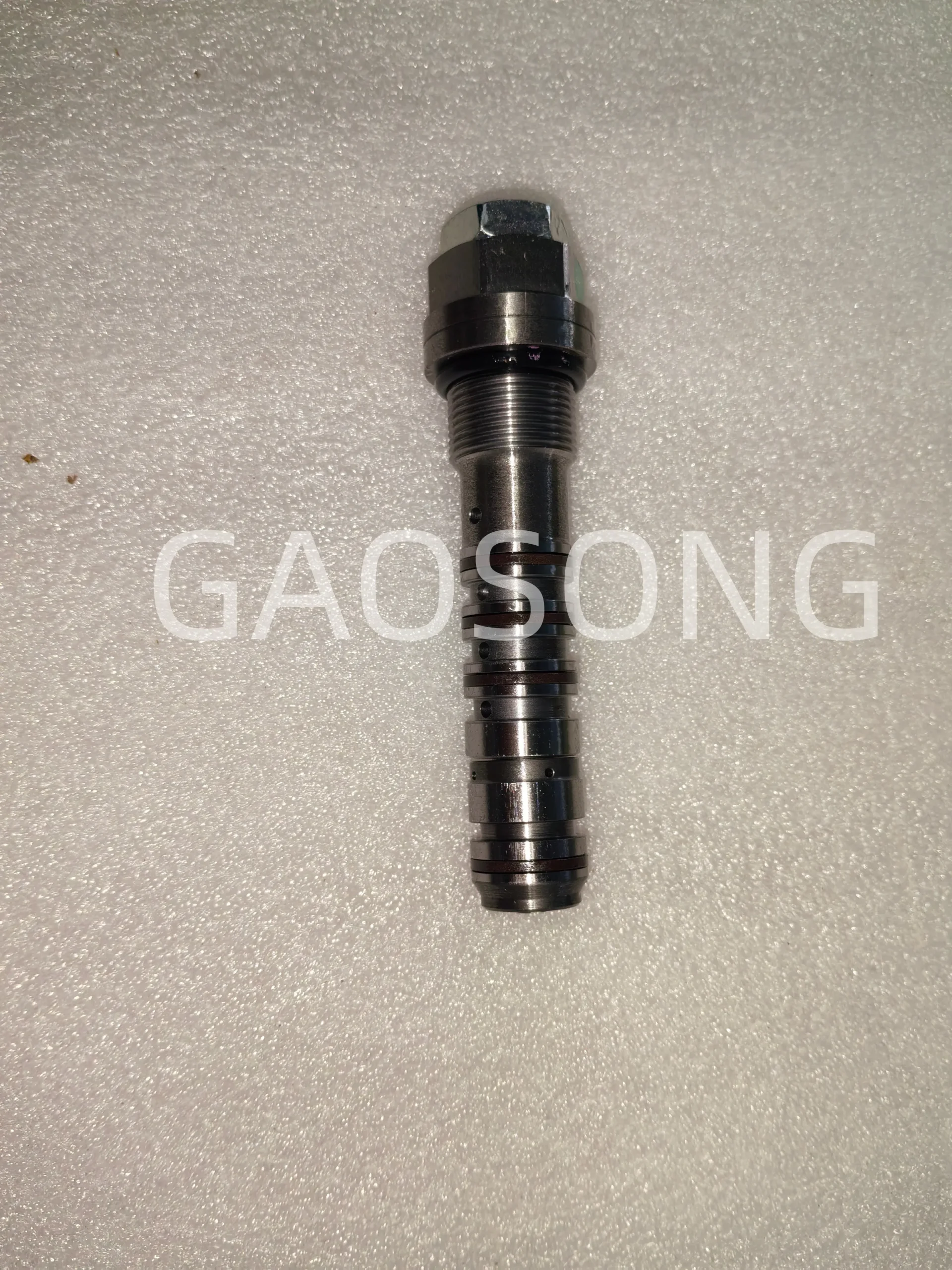 708-2G-03720 • Valve Assembly-Komatsu Original Factory
 -
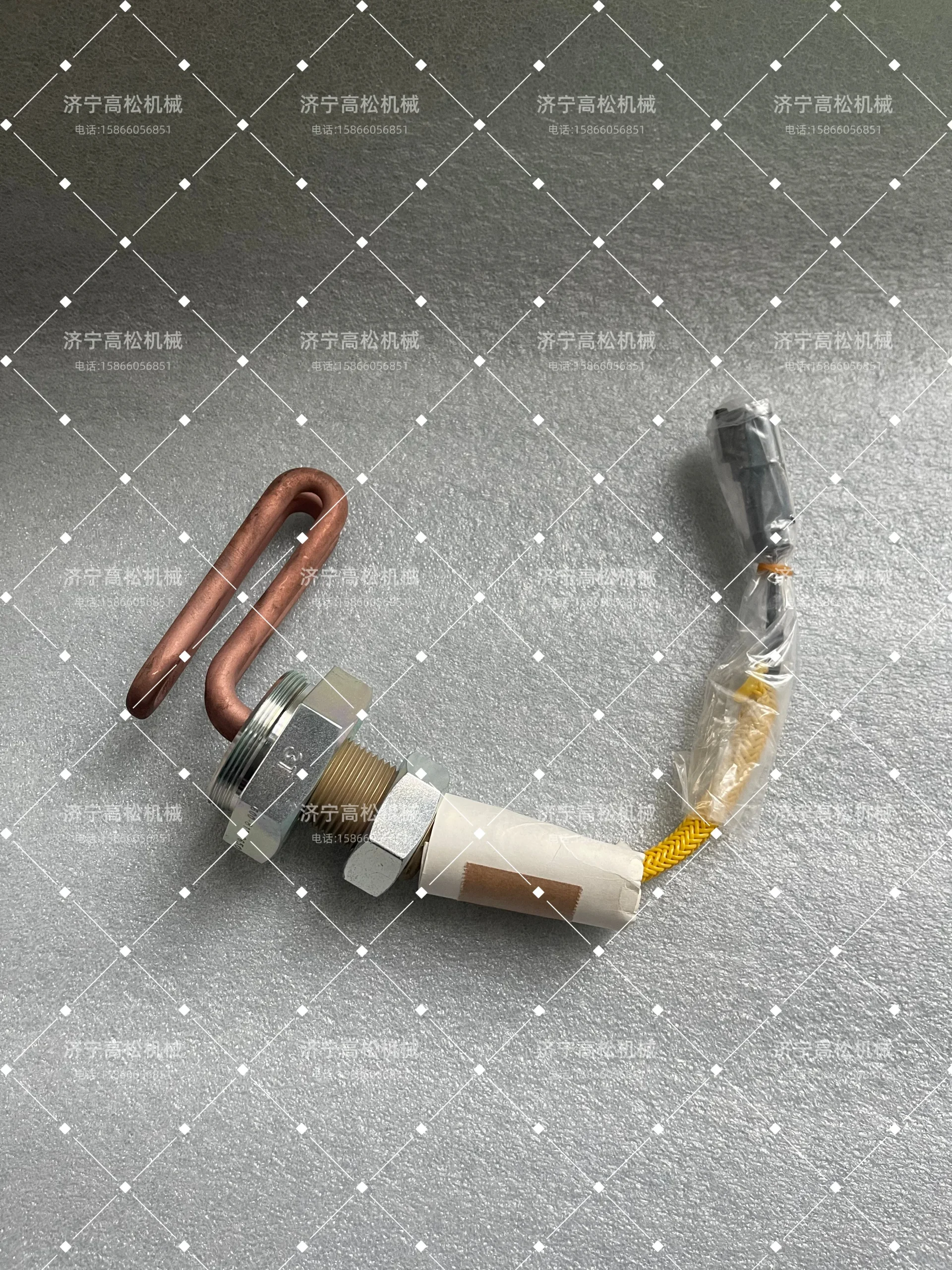 600-815-9650 – HEATER fits KOMATSU
 -
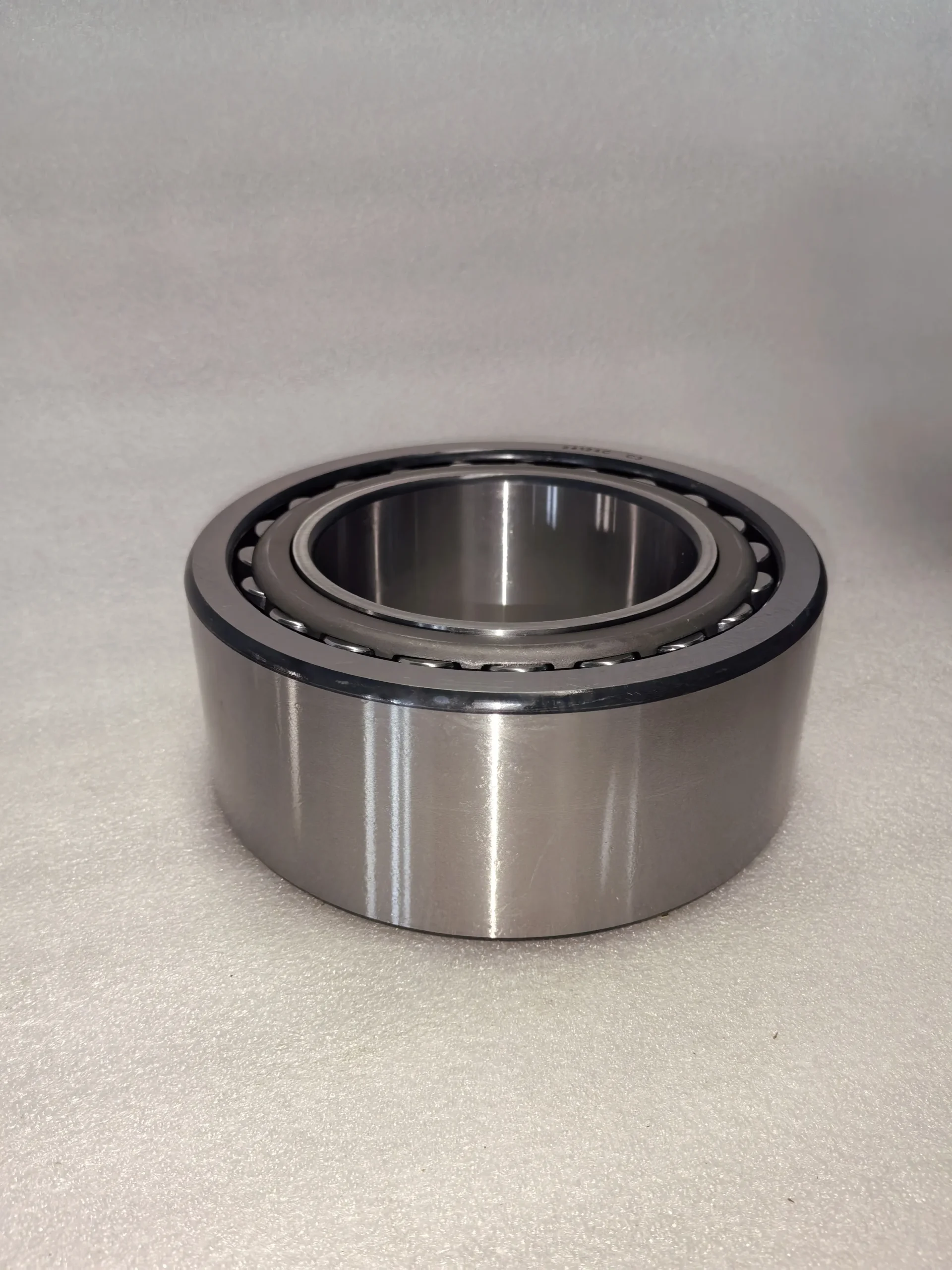 170-09-13250 Komatsu Bearing – Komatsu
 -
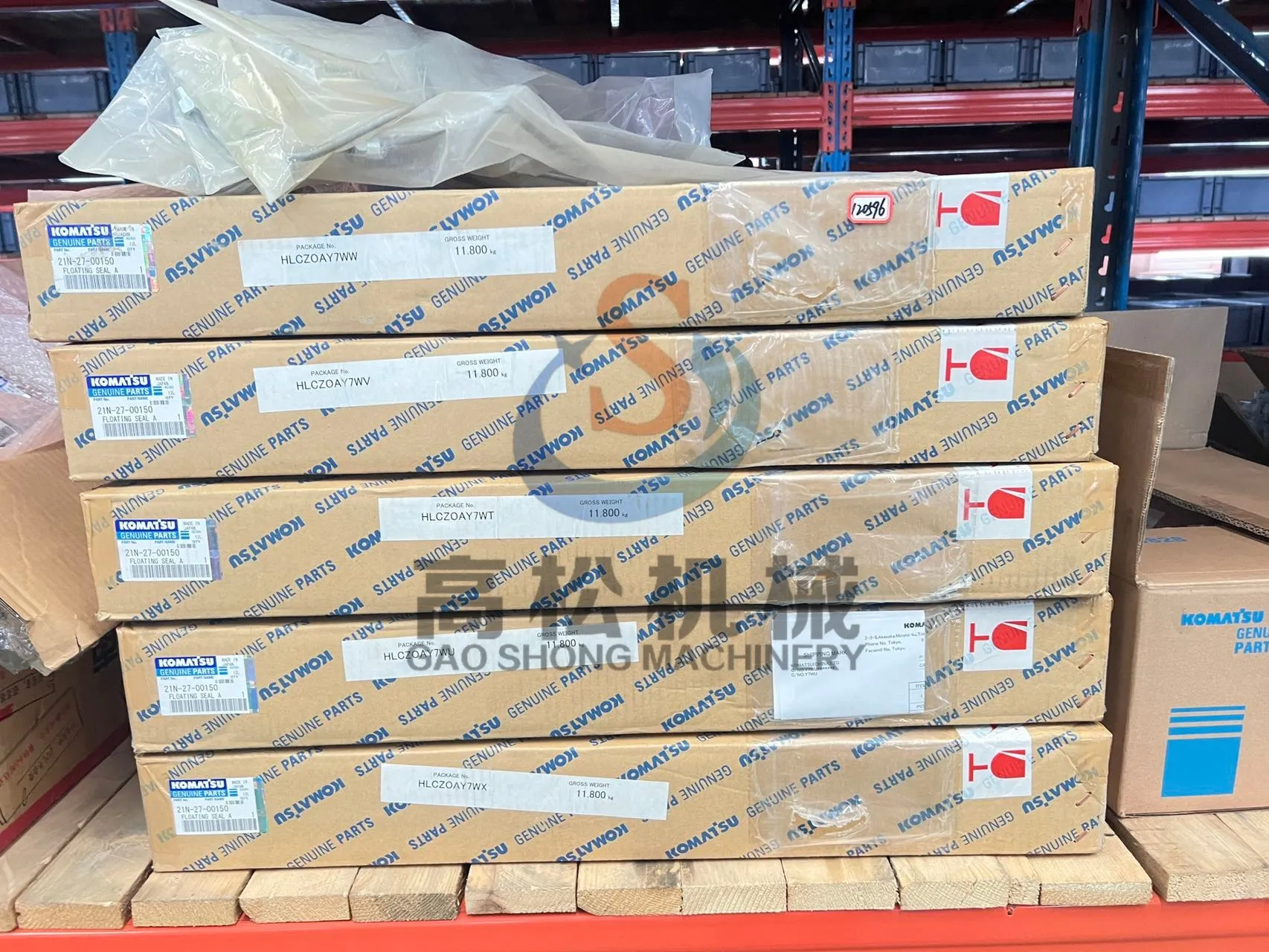 21N-27-00150 Komatsu Floating Seal Assembly
 -
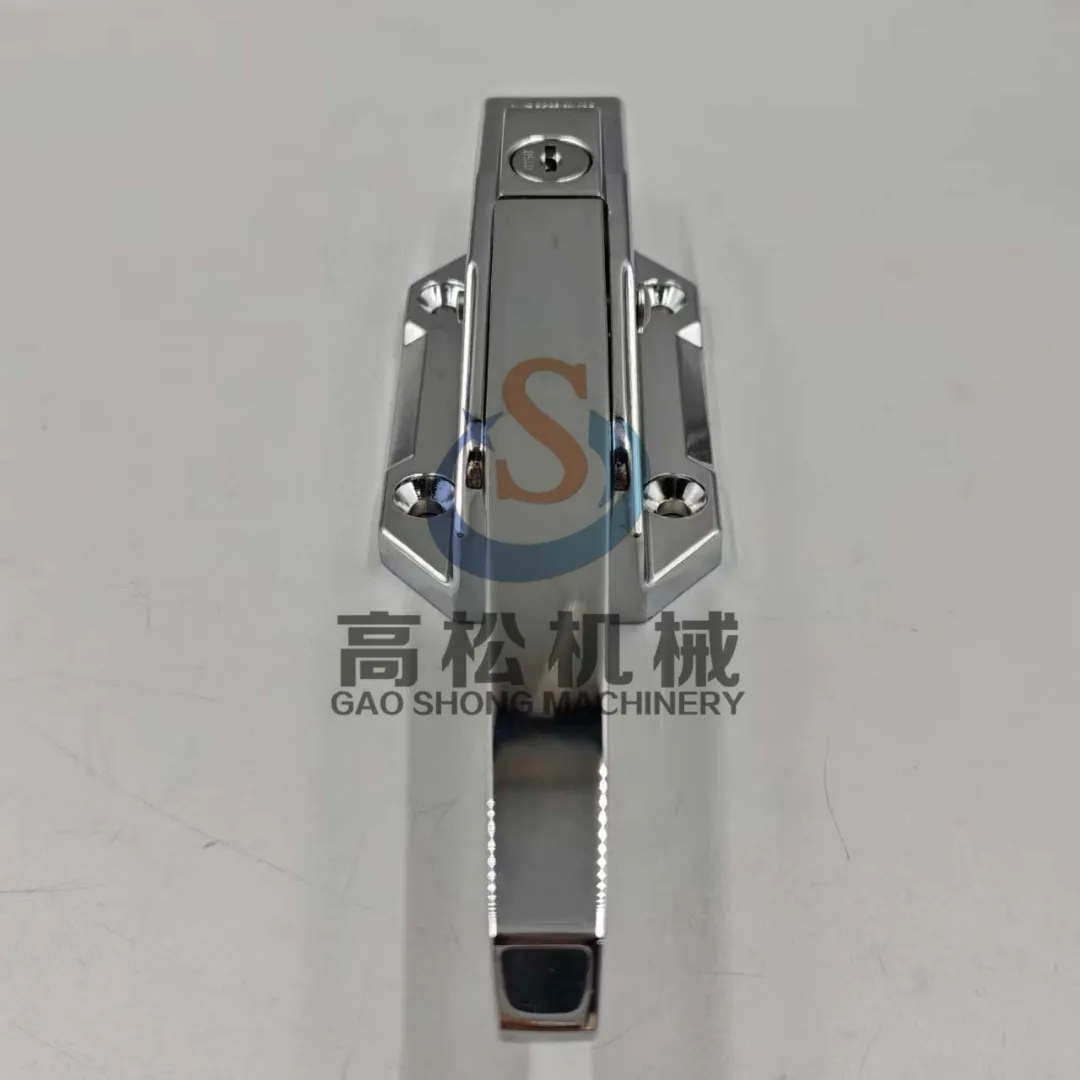 21T-54-35421 Komatsu Handle komatsu original
 -
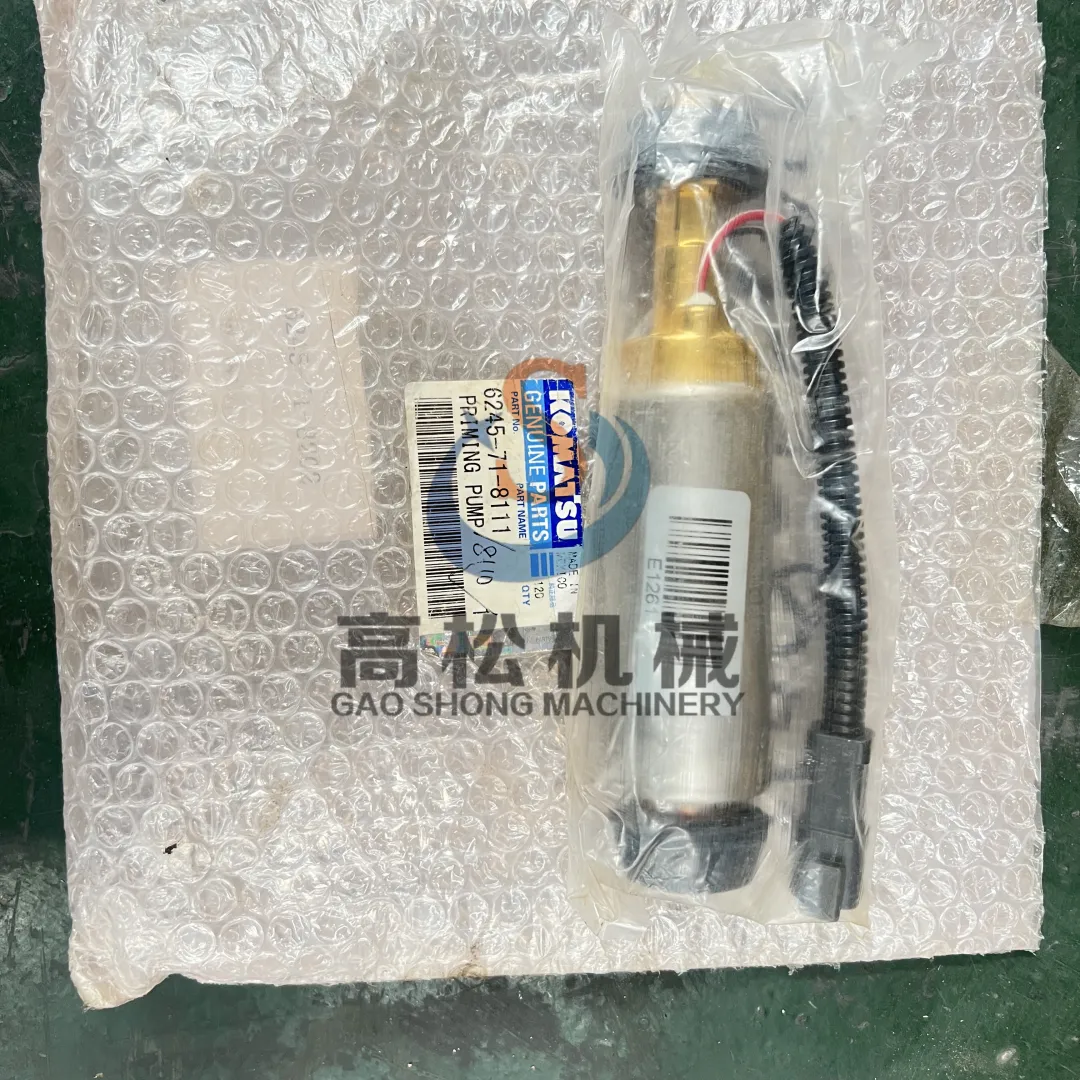 6245-71-8111 Komatsu Pump Assembly, Priming komatsu original
 -
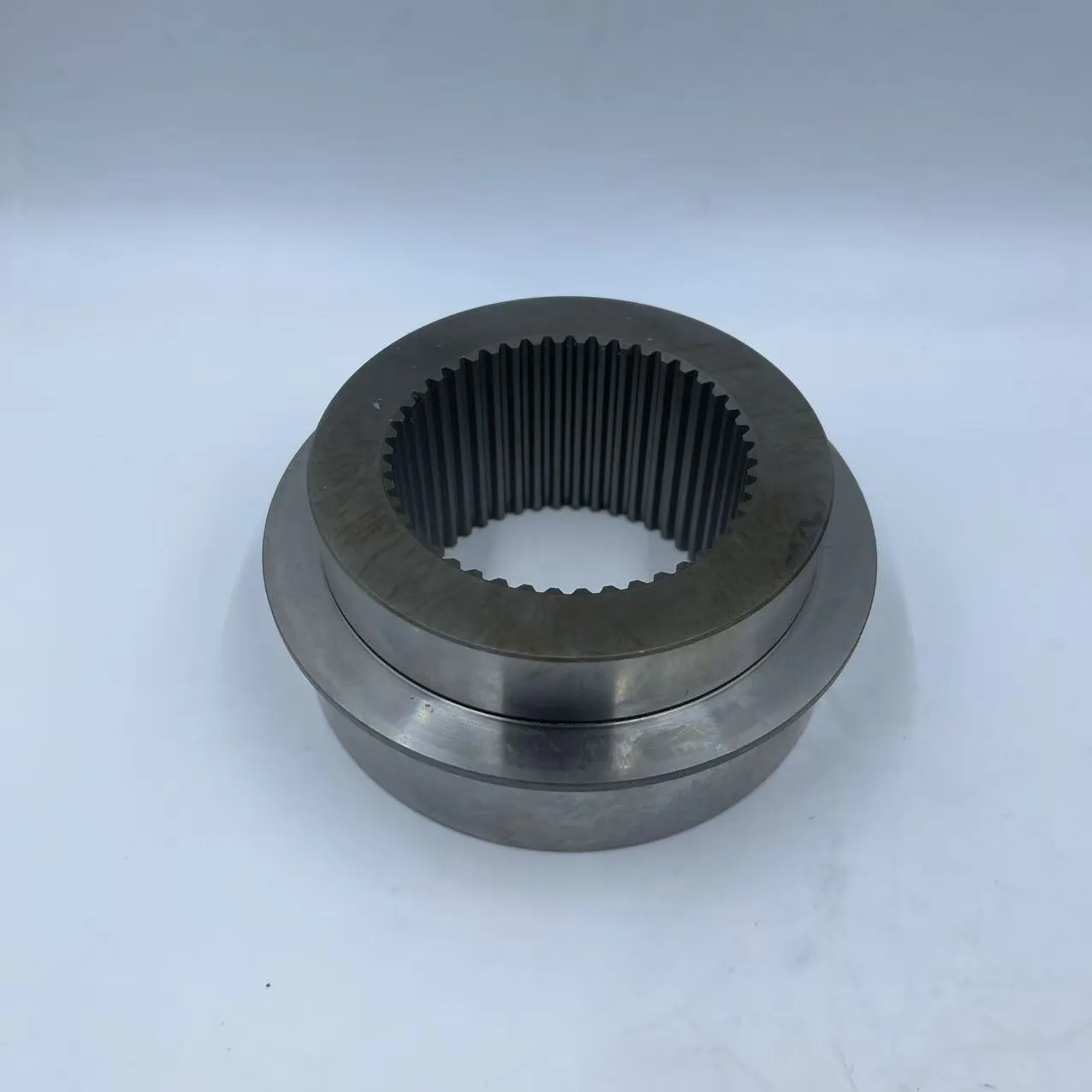 Standard D375A-5 Spacer 195-15-82570 for Komatsu Mining Equipment
 -
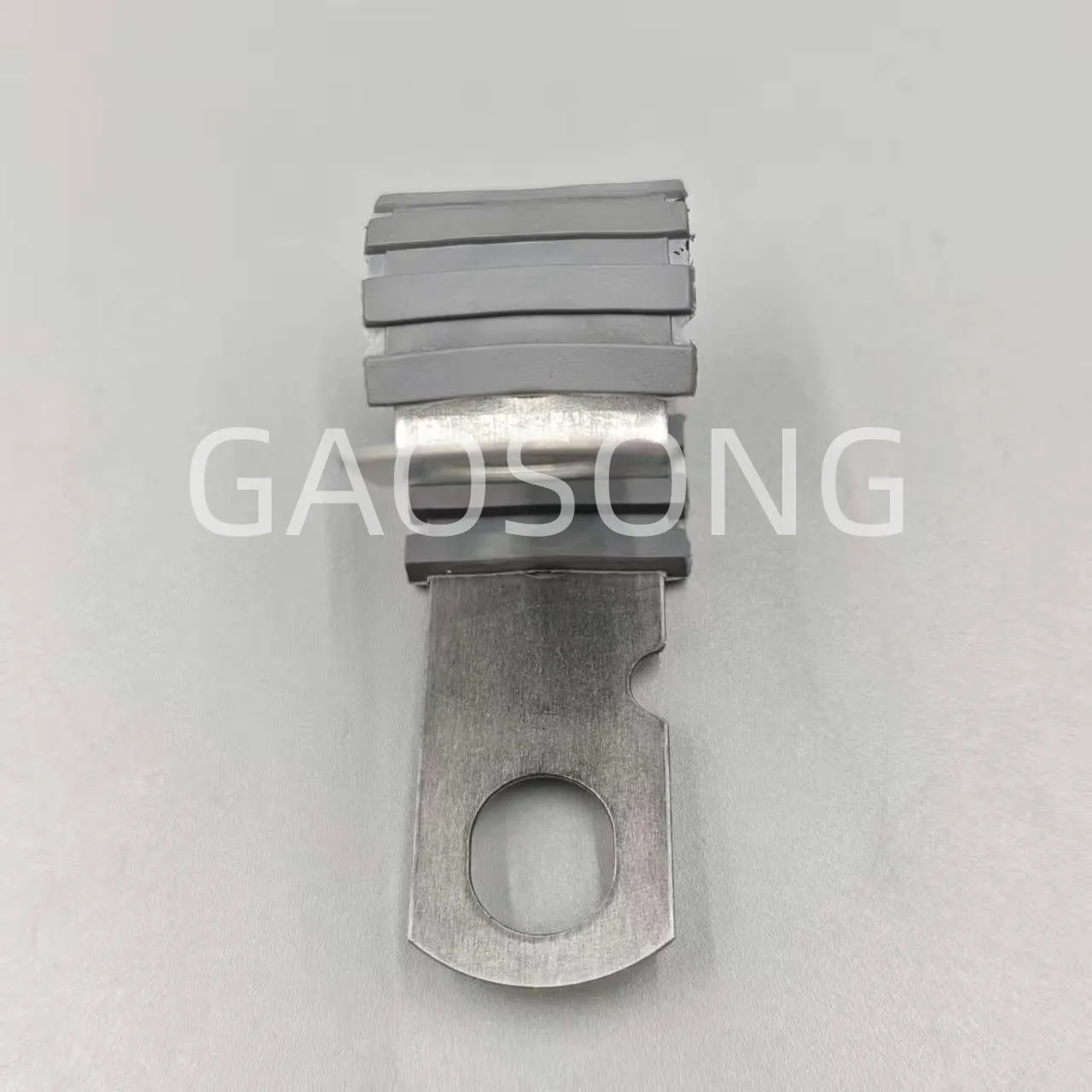 600-051-2180 CLIP-Komatsu Original Factory