
- Chinese
- French
- German
- Portuguese
- Spanish
- Russian
- Japanese
- Korean
- Arabic
- Irish
- Greek
- Turkish
- Italian
- Danish
- Romanian
- Indonesian
- Czech
- Afrikaans
- Swedish
- Polish
- Basque
- Catalan
- Esperanto
- Hindi
- Lao
- Albanian
- Amharic
- Armenian
- Azerbaijani
- Belarusian
- Bengali
- Bosnian
- Bulgarian
- Cebuano
- Chichewa
- Corsican
- Croatian
- Dutch
- Estonian
- Filipino
- Finnish
- Frisian
- Galician
- Georgian
- Gujarati
- Haitian
- Hausa
- Hawaiian
- Hebrew
- Hmong
- Hungarian
- Icelandic
- Igbo
- Javanese
- Kannada
- Kazakh
- Khmer
- Kurdish
- Kyrgyz
- Latin
- Latvian
- Lithuanian
- Luxembou..
- Macedonian
- Malagasy
- Malay
- Malayalam
- Maltese
- Maori
- Marathi
- Mongolian
- Burmese
- Nepali
- Norwegian
- Pashto
- Persian
- Punjabi
- Serbian
- Sesotho
- Sinhala
- Slovak
- Slovenian
- Somali
- Samoan
- Scots Gaelic
- Shona
- Sindhi
- Sundanese
- Swahili
- Tajik
- Tamil
- Telugu
- Thai
- Ukrainian
- Urdu
- Uzbek
- Vietnamese
- Welsh
- Xhosa
- Yiddish
- Yoruba
- Zulu
- Kinyarwanda
- Tatar
- Oriya
- Turkmen
- Uyghur






Komatsu piston
When you hear 'Komatsu piston,' what comes to mind? For most, it's just a replacement part, a chunk of metal you order when things go bang. But that's the surface. The real story is in the specs, the fit, and the quiet battle between genuine, OEM, and the flood of 'will-fit' alternatives that can make or break an engine rebuild. I've seen too many shops treat it as a commodity, only to learn the hard way that not all pistons are created equal, even if they share the same Komatsu part number prefix.
The OEM Reality and the Supply Gap
Here's the thing people miss. Komatsu's official supply chain is robust, but it's not omnipresent. In certain regions—think remote mining sites in parts of Africa or South America—getting a genuine part flown in can mean weeks of downtime. That's where the ecosystem of OEM suppliers within the Komatsu system becomes critical. These aren't copycats; they're licensed manufacturers producing to the exact material and engineering specifications. The piston from one of these suppliers, like Jining Gaosong Construction Machinery Co., Ltd., isn't a 'maybe.' It's the same forging, the same ring groove tolerances, the same thermal treatment. I've cross-sectioned them side-by-side. The grain structure tells the story.
This is the practical niche companies like Gaosong operate in. They're not just selling a part; they're solving a logistics blockade. Their role as a third-party sales channel for Komatsu parts is less about competition and more about capillary action, getting the spec-correct component into markets where the main pipeline is clogged or non-existent. You can find their portal at takematsumachinery.com. It's not flashy, which in this business is often a good sign. It suggests the focus is on the technical catalog and procurement, not marketing fluff.
The challenge, and where experience counts, is verification. Anyone can claim OEM status. The proof is in the documentation—material certifications, batch testing reports, and most importantly, the performance history in the field. I've used components sourced through such channels for rebuilds on PC200-8 and PC300 excavators. The tell? Not the initial install, but the oil analysis at 500-hour intervals. Wear metal rates stayed within the expected band for a genuine-grade component. That's the real test.
Material Science Isn't Just a Buzzword
Let's get specific about the Komatsu piston itself. It's not just aluminum. It's a hypereutectic aluminum-silicon alloy, with precise amounts of copper and nickel for strength at temperature. The skirt coating? That's a molybdenum disulfide or graphite-impregnated layer that's critical for the initial break-in. I've seen aftermarket pistons where this coating was either too thin or the wrong composition. Result? Scuffing within the first 50 hours of operation. A costly mistake that wipes out any savings from the cheaper part.
The crown design is another subtle art. The combustion bowl shape, valve reliefs, and even the slight asymmetry are engineered for Komatsu's specific fuel injection timing and swirl pattern. Using a generic piston that fits the bore can alter compression ratios and combustion characteristics. I recall a rebuild on a D61 dozer where the engine ran, but lacked its original torque curve. After chasing injectors and the pump, we pulled the head again. The replacement piston had a bowl volume 2cc larger than spec. It was enough. Lesson: mic everything, not just the outside diameter.
Then there's the pin bore. The precision here is microscopic. The piston pin is a press-fit in the connecting rod but a slip-fit in the piston. The clearance is controlled to allow thermal expansion without allowing knock. We once had a batch where the pin bore finish was too rough, leading to premature wear and a distinct double-knock at idle. It took us a while to isolate it to the piston itself, not the rod or the pin. Now, a simple but careful finger feel inside the bore is part of the pre-assembly check—low-tech but effective.
Failures That Teach More Than Manuals
Not every story is a success. Early on, lured by a steep discount, I tried a set of non-OEM spec pistons for a Komatsu S6D engine overhaul. They looked fine on the shelf. Post-rebuild, the engine started and ran smoothly... for about 300 hours. Then we saw a spike in coolant temperature and eventually, a loss of compression on one cylinder. Teardown revealed a hairline crack propagating from the edge of the combustion bowl to the top ring land. Metallurgy failure. The alloy couldn't handle the thermal cycling. The cost of the second rebuild, plus the downtime, dwarfed the initial savings. It was a brutal but necessary lesson in the value of provenance.
Another common pitfall is ignoring the rest of the kit. A perfect Komatsu piston is only as good as the rings it wears. They are a matched set. The ring end gap, the radial tension, the coating—all are calibrated. Mixing a genuine piston with aftermarket rings is a gamble. I've done it under time pressure, and the result was consistently higher oil consumption. Not catastrophic, but enough to annoy the owner and trigger top-up alarms. Now, we insist on the complete set from a trusted source, treating the piston, rings, and pin as a single system.
The On-Ground Logistics of a Piston
This is where theory meets mud. Getting the right part to a broken machine in a quarry or a mine site is half the battle. A company's value isn't just in manufacturing but in its logistics muscle. Can they get a set of D155AX pistons to a site in Indonesia with clear customs documentation? Can they provide the necessary compliance paperwork that proves the components aren't counterfeit? This operational layer is what separates a parts seller from a solutions provider. From what I've seen in their operational model, the entity behind takematsumachinery.com understands this. Their brief intro stating they help solve parts supply challenges in certain countries is an understated summary of a complex job.
It also creates a feedback loop. Field failures (rare, but they happen) get reported back through such channels much faster to the actual manufacturing floor than through the labyrinth of a global corporation. This can lead to running production changes—a tweak in the casting process, an update in the coating formula. I've witnessed this with a minor ring land design revision on a piston for the newer 4D95 engines. The change was communicated directly from the OEM supplier to major rebuild shops via technical bulletins, not a formal Komatsu service memo. It's agile.
So, you end up with a network. The official Komatsu distributor in a major city, the regional OEM supplier warehouse, and the on-site service truck holding a critical part. The piston moves through this network. The machine owner often doesn't care about the path, only the result: a machine that runs for another 10,000 hours. But for the mechanic and the procurement manager, knowing the path—and trusting every link in it—is everything.
Wrapping It Up: The Professional's Lens
So, after all this, what's my take? A Komatsu piston is a precision component with a long shadow. Its choice dictates reliability, cost-per-hour, and your reputation as a mechanic or fleet manager. The genuine part is the benchmark, but the OEM-supplied equivalent, when verified and sourced through credible channels, is not a compromise. It's a practical necessity for keeping the world's iron moving.
Companies operating as integrated parts of this system, like Jining Gaosong, fill a vital, unglamorous gap. They aren't replacing the brand; they're extending its reach. For professionals, the key is moving beyond the part number. It's about understanding the material specs, demanding proof of origin, and building relationships with suppliers who provide both the part and the peace of mind that comes with traceability and technical support.
In the end, the goal is simple: install the piston, fill the fluids, start the engine, and then forget about it. Because if you're thinking about that piston again anytime soon, something probably went wrong. And nine times out of ten, the root cause was decided the moment the part was pulled from the box, long before the wrench ever turned.
Related Products
Related Products

Best Selling Products
Best Selling Products-
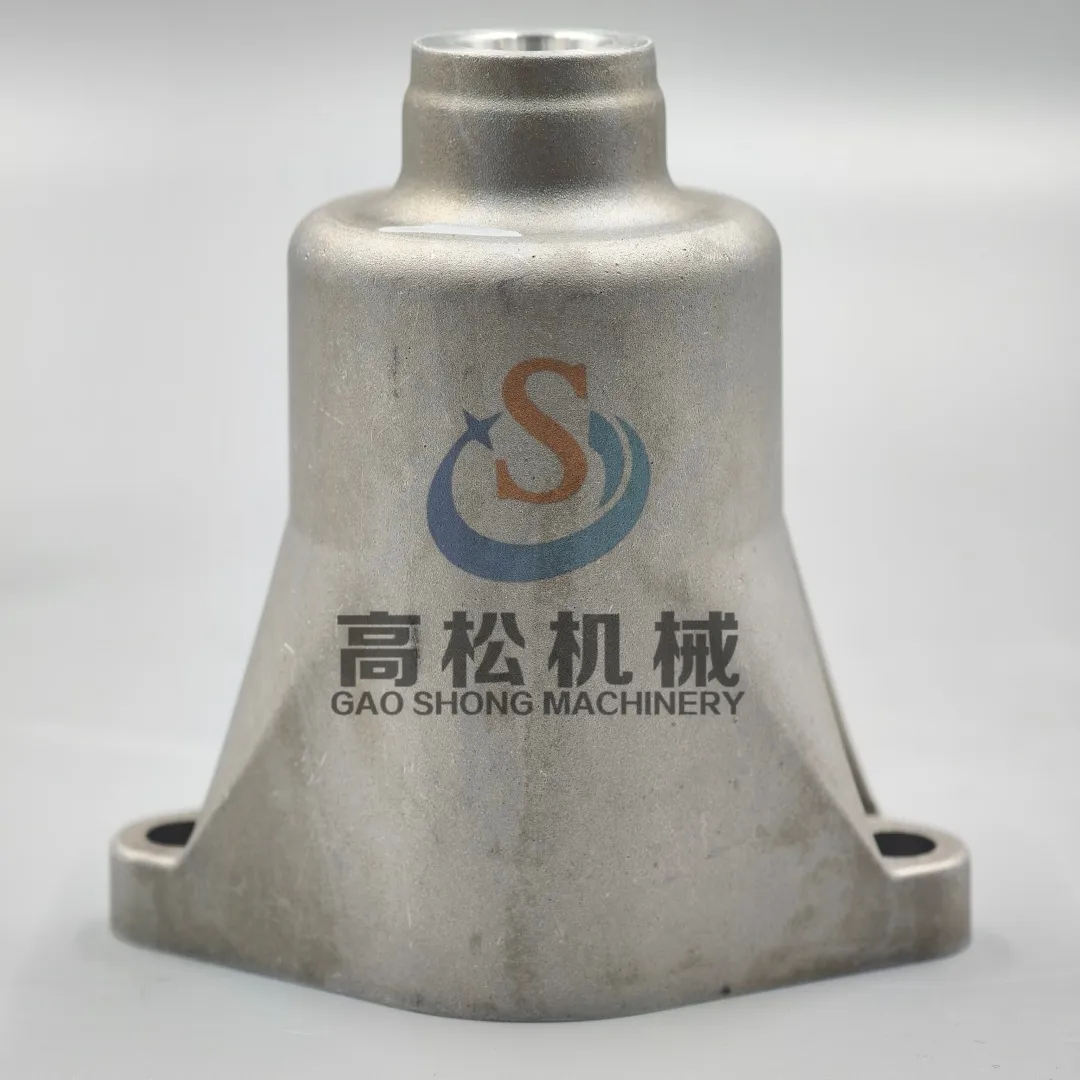 723-46-15111 Control Valve Case for Komatsu PC300 PC350 PC400 Excavator Diesel Fuel Cap Model Engine Parts
 -
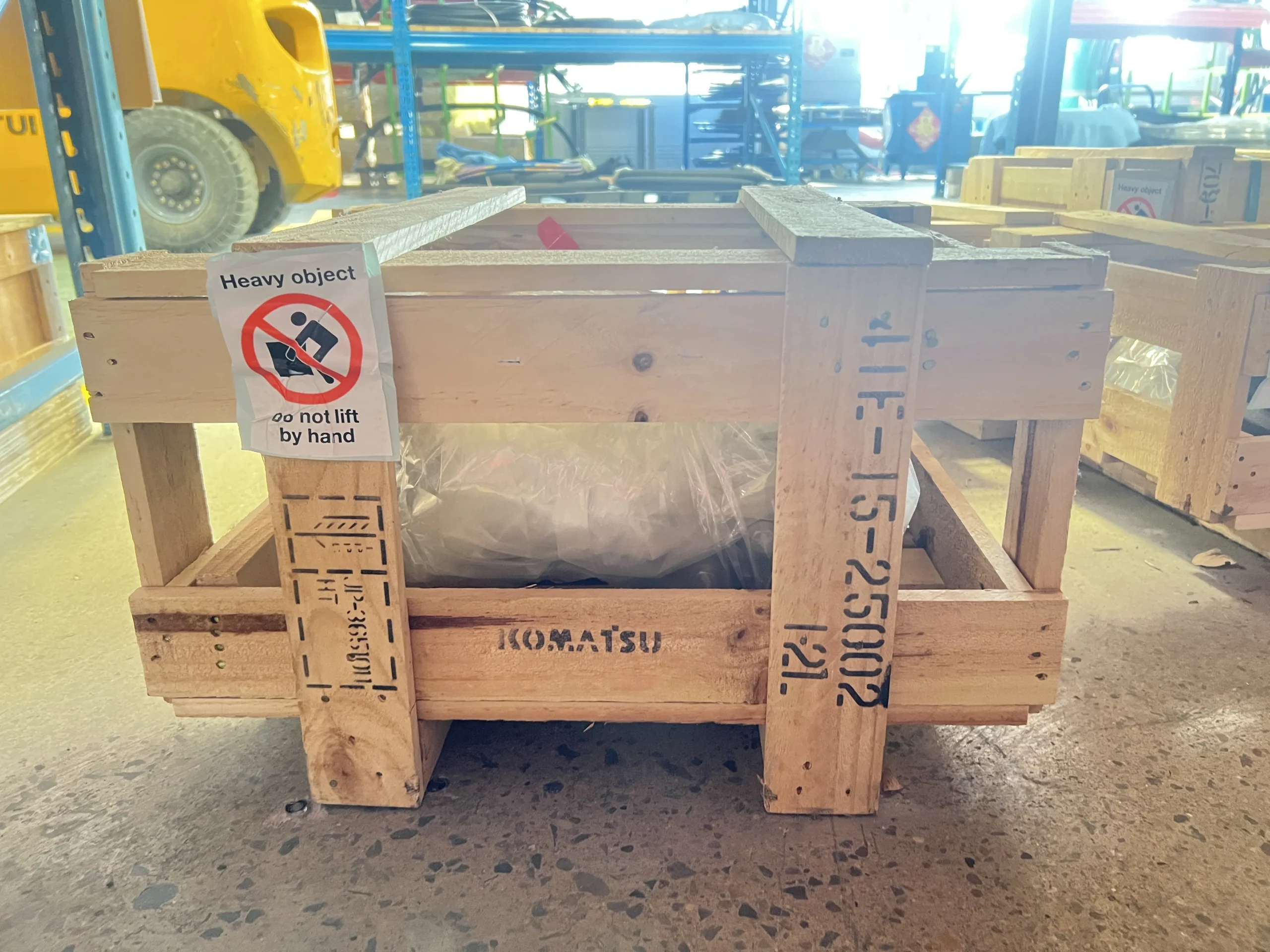 WD600-3 Control Valve Assembly 41E-15-25002
 -
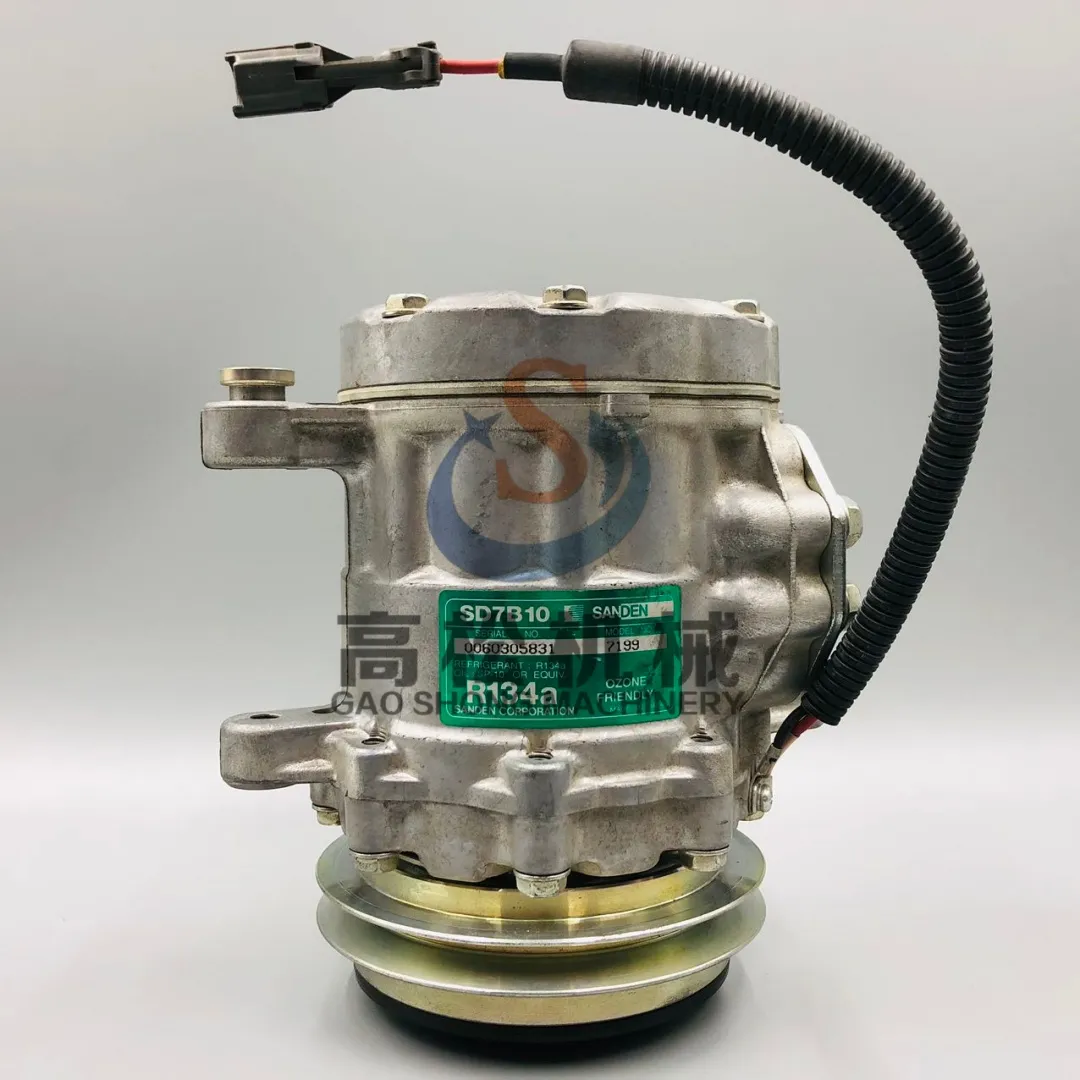 Disong 22L-979-2200 AIR CONDITIONER COMPRESSOR 22L-979-2200 for Excavator PC56-7
 -
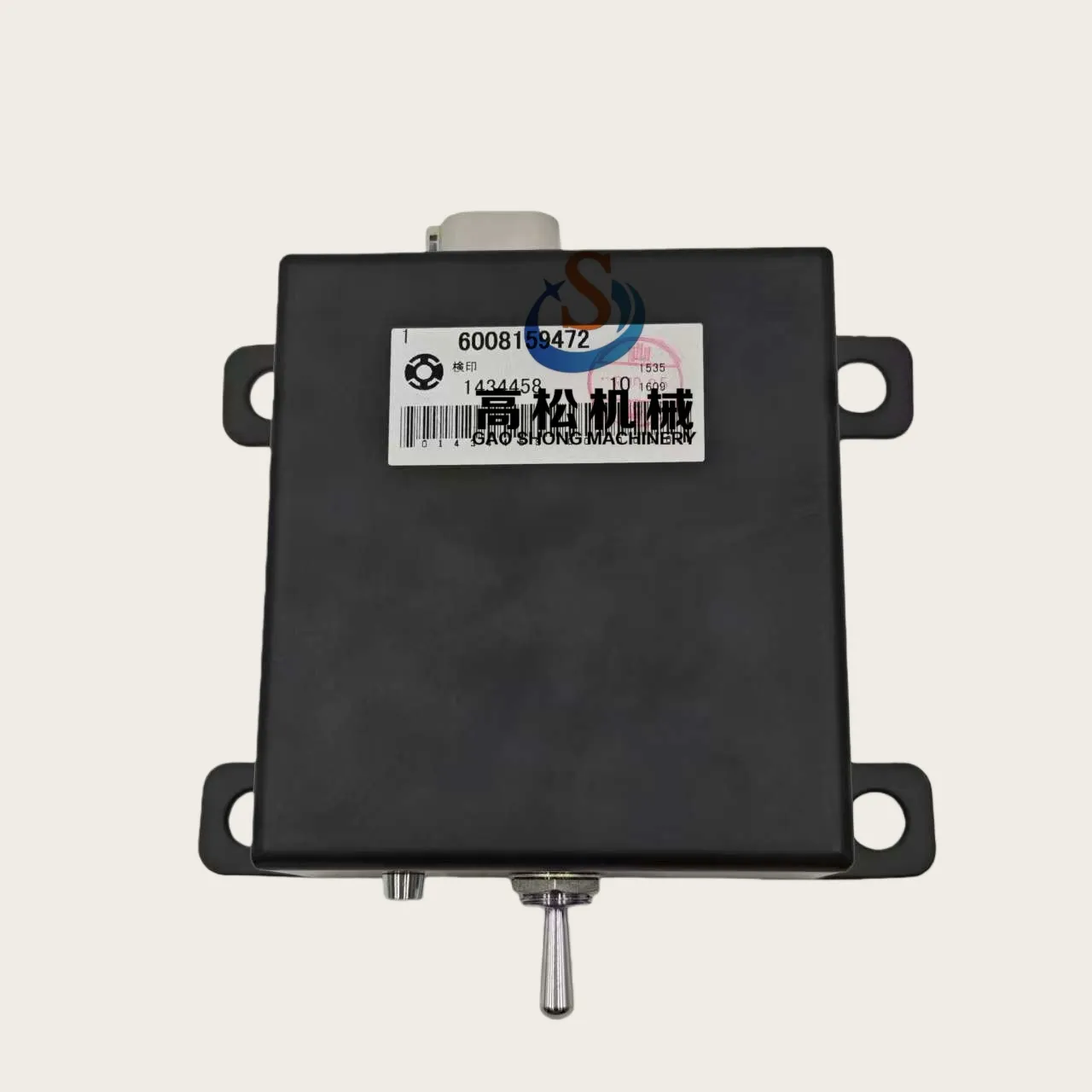 Switch 600-815-9472 D375A-6 WD600-6R HD605-7E1 HD465-7E1 HD785-7 SAA6D170E-5F ENGINE HOOD AND SIDE COVER GROUP, FUEL PRIMING PUMP SWITCH
 -
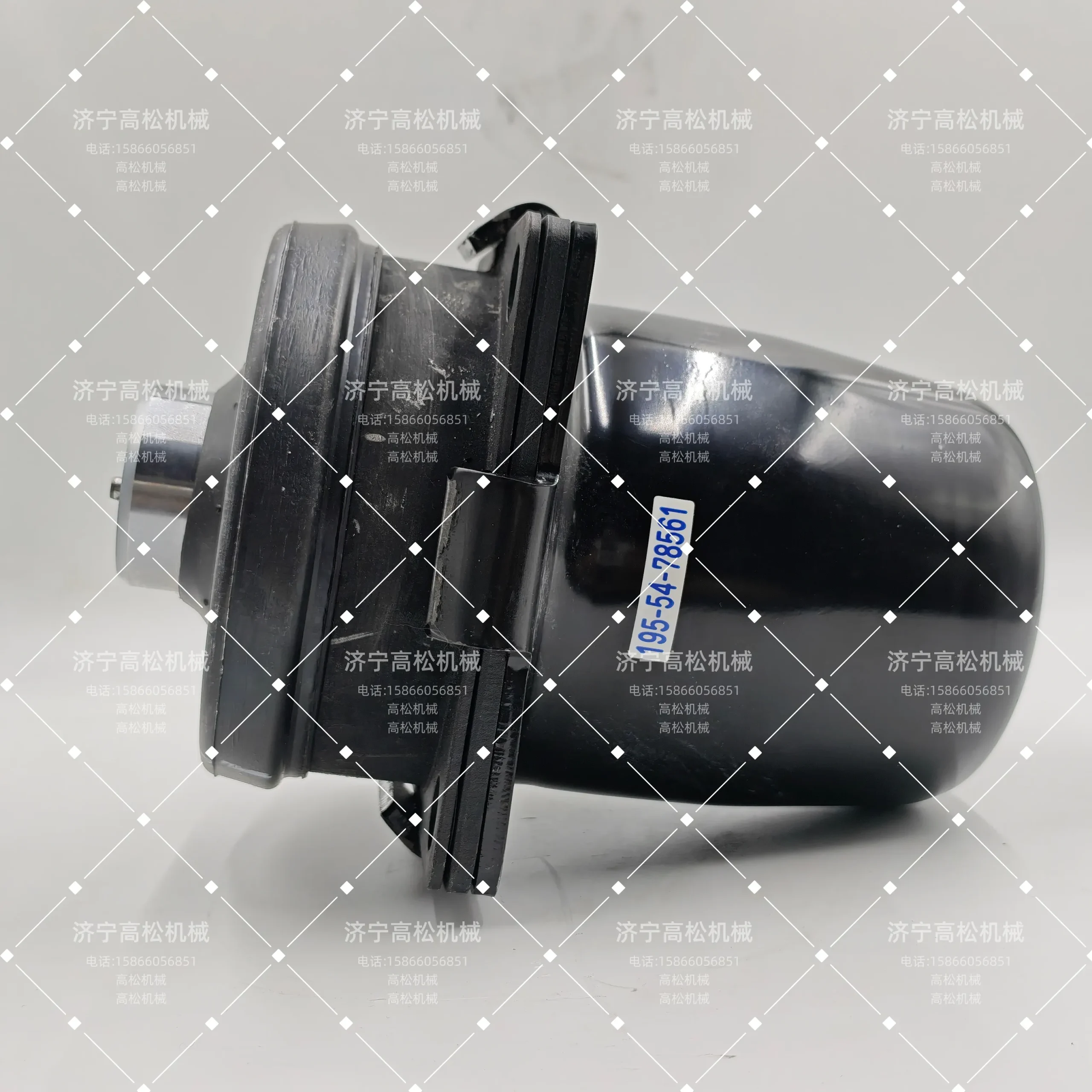 Komatsu Shock Absorbers 195-54-78412 195-54-78561 for D375A-6
 -
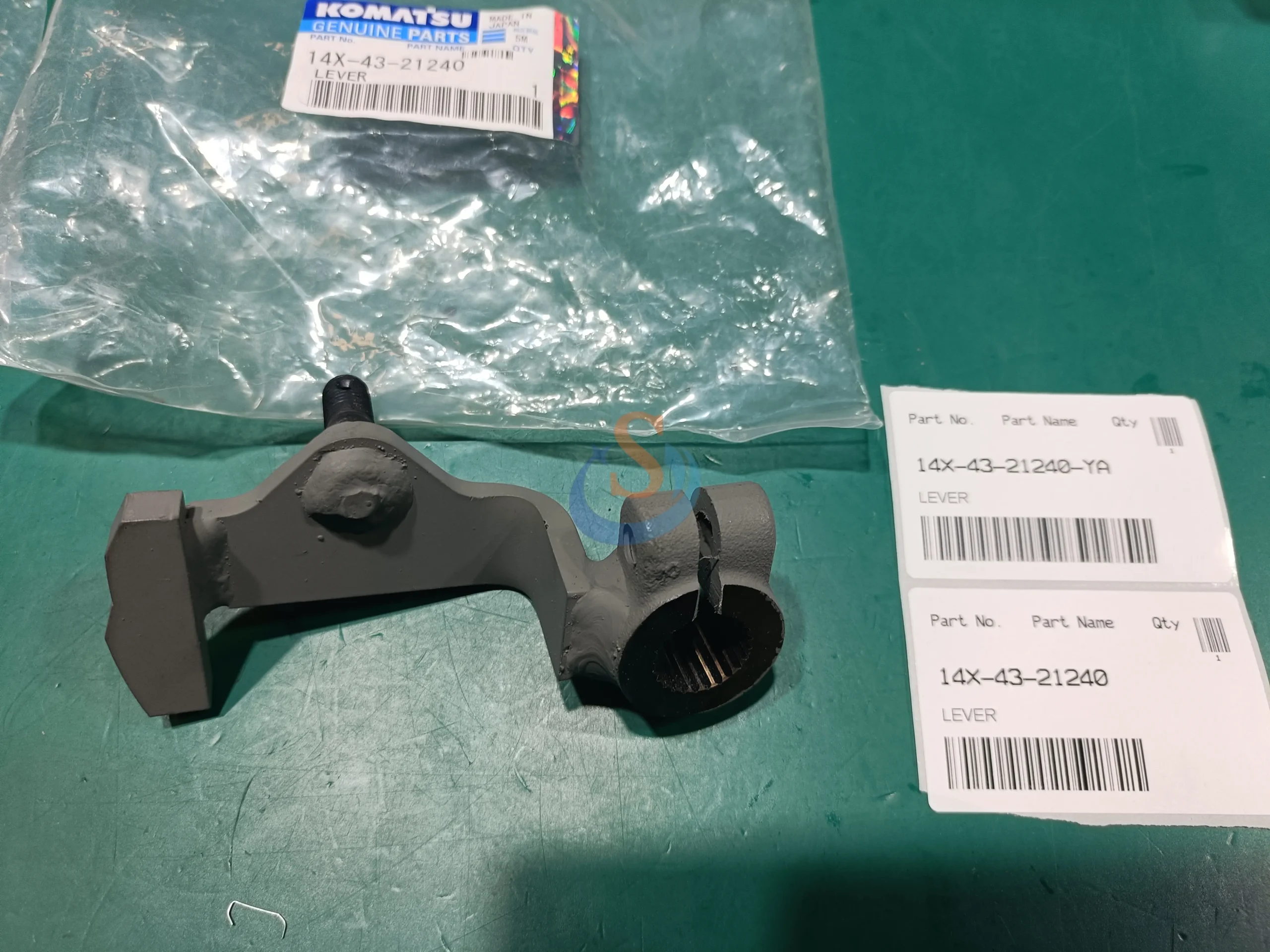 14X-43-21240,LEVER,D65P,D65E,D85E
 -
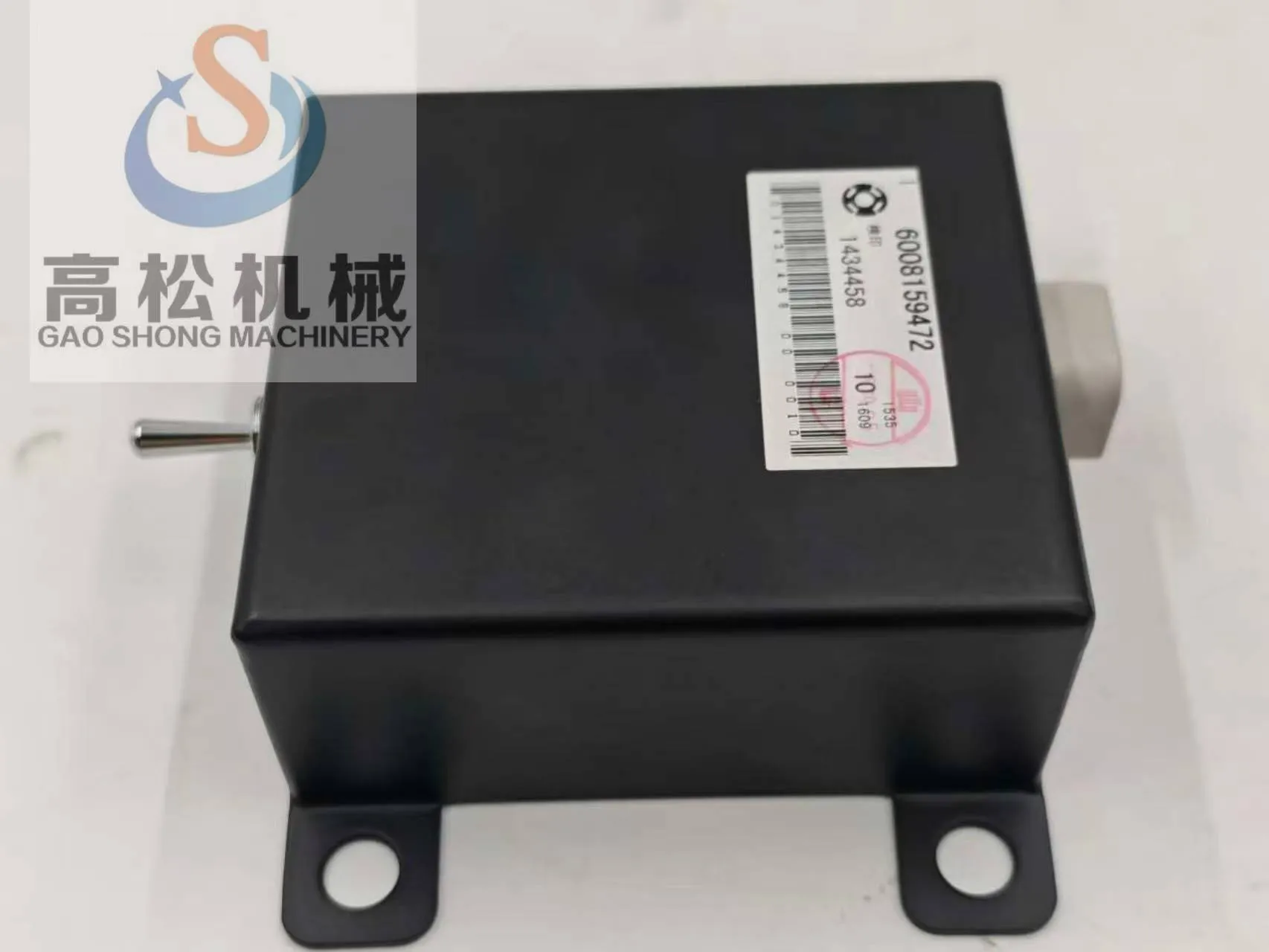 Original new switch 600-815-9472 for d375a-6 bulldozer komatsu pc1250sp-8r hd785-7 dump truck
 -
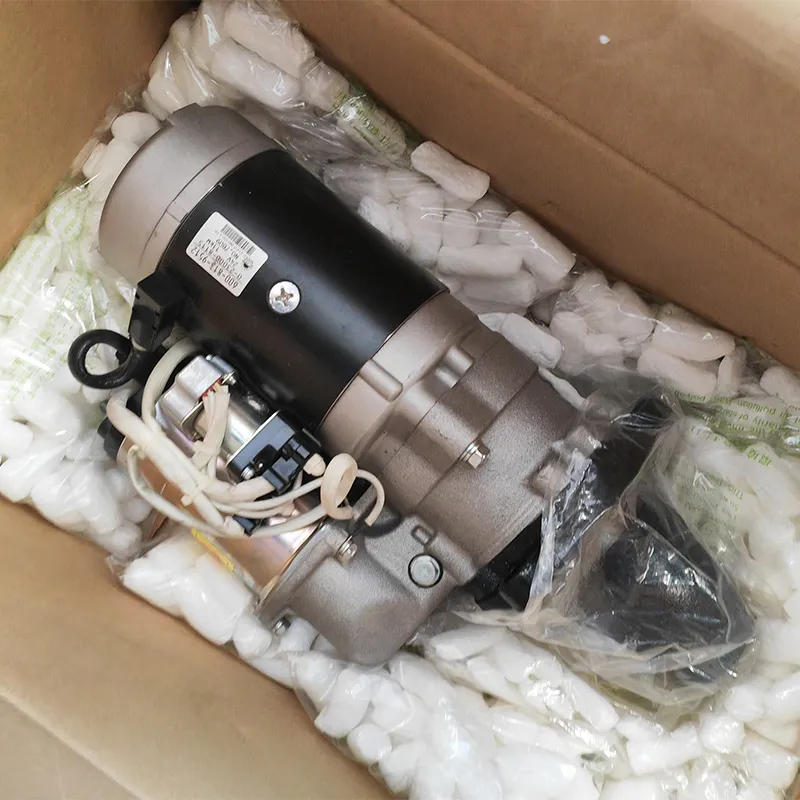 600-813-9512 Original komatsu Starter Motor for PC1250-8 D375-6 WA600-8
 -
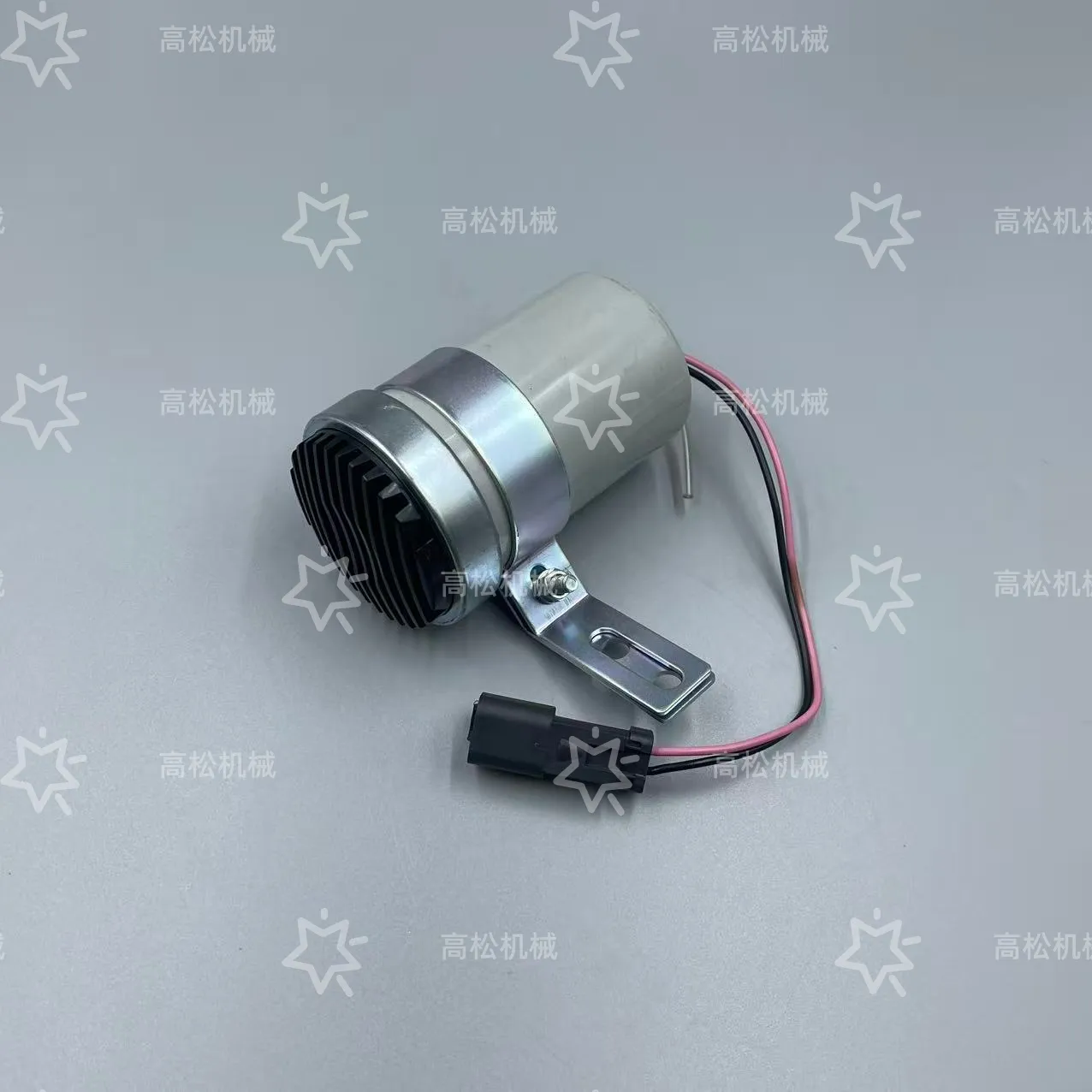 Komatsu Alarm 198-06-56570 for Bulldozer D65PX-15EO
 -
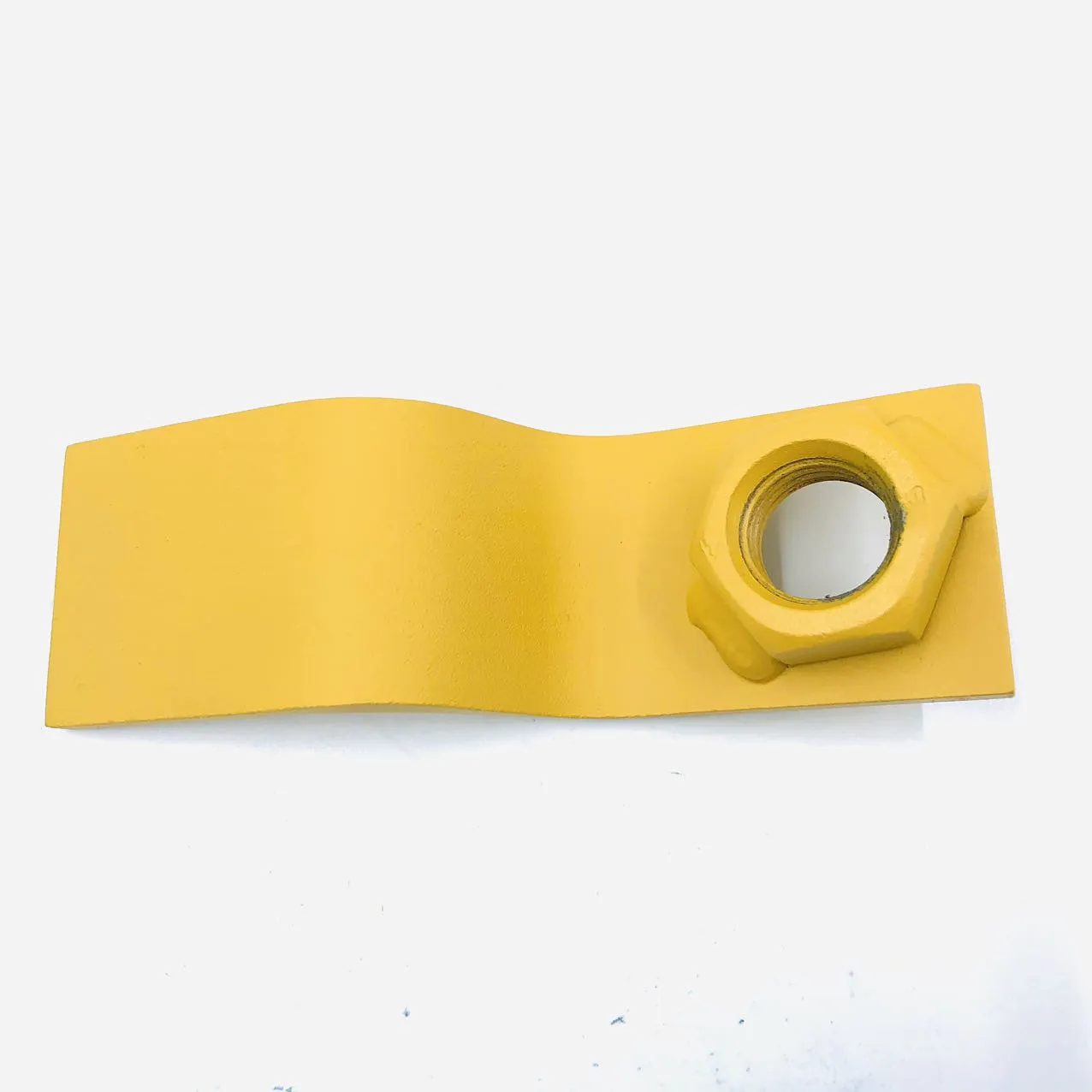 21T-00-67330 Plate -Komatsu.
 -
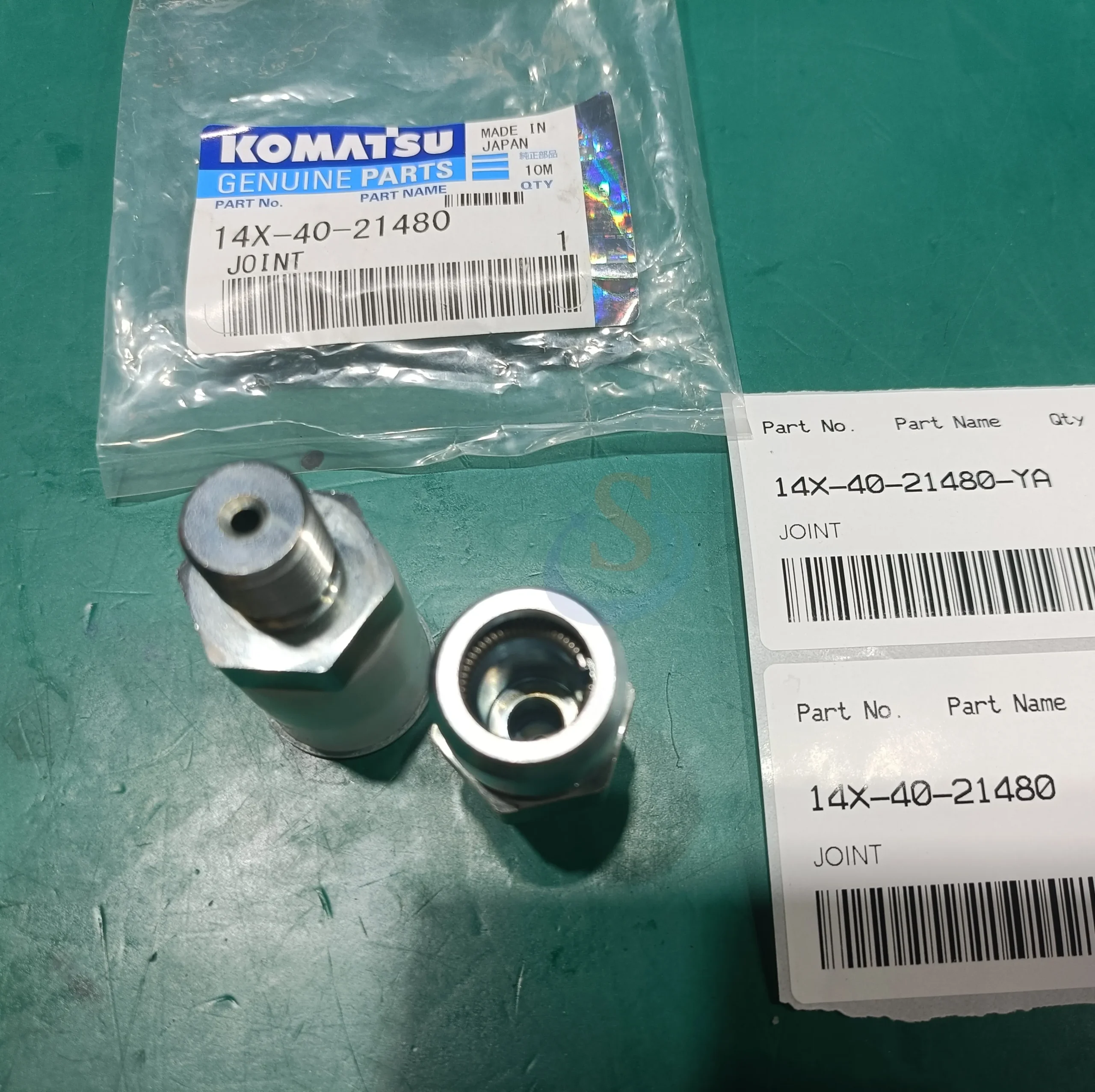 14X-40-21480,JOINT,D65P,D85E,D65E
 -
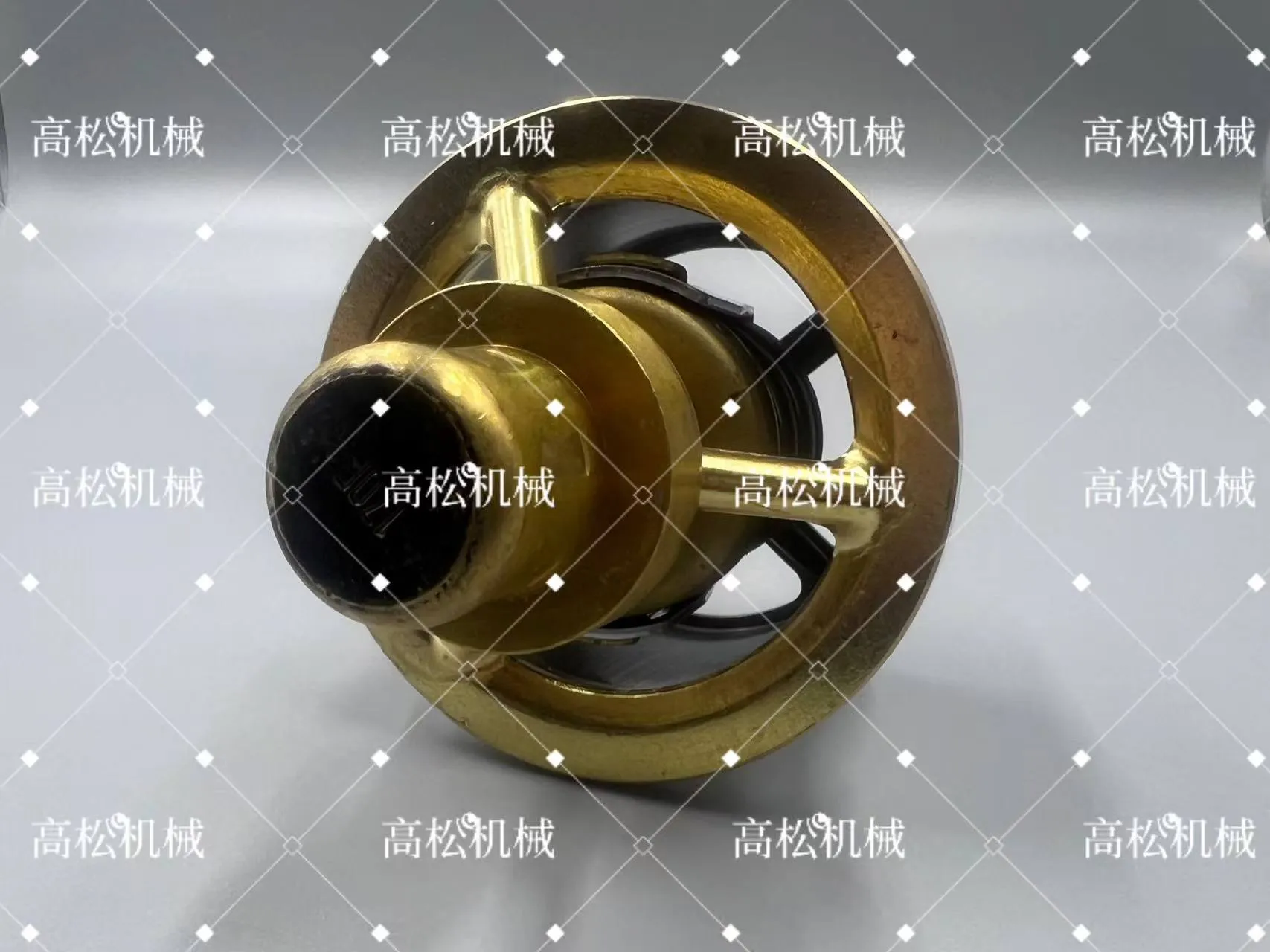 Metal motor thermostat 600-421-6630 for excavator, building machinery parts compatible with pc400-6