
- Chinese
- French
- German
- Portuguese
- Spanish
- Russian
- Japanese
- Korean
- Arabic
- Irish
- Greek
- Turkish
- Italian
- Danish
- Romanian
- Indonesian
- Czech
- Afrikaans
- Swedish
- Polish
- Basque
- Catalan
- Esperanto
- Hindi
- Lao
- Albanian
- Amharic
- Armenian
- Azerbaijani
- Belarusian
- Bengali
- Bosnian
- Bulgarian
- Cebuano
- Chichewa
- Corsican
- Croatian
- Dutch
- Estonian
- Filipino
- Finnish
- Frisian
- Galician
- Georgian
- Gujarati
- Haitian
- Hausa
- Hawaiian
- Hebrew
- Hmong
- Hungarian
- Icelandic
- Igbo
- Javanese
- Kannada
- Kazakh
- Khmer
- Kurdish
- Kyrgyz
- Latin
- Latvian
- Lithuanian
- Luxembou..
- Macedonian
- Malagasy
- Malay
- Malayalam
- Maltese
- Maori
- Marathi
- Mongolian
- Burmese
- Nepali
- Norwegian
- Pashto
- Persian
- Punjabi
- Serbian
- Sesotho
- Sinhala
- Slovak
- Slovenian
- Somali
- Samoan
- Scots Gaelic
- Shona
- Sindhi
- Sundanese
- Swahili
- Tajik
- Tamil
- Telugu
- Thai
- Ukrainian
- Urdu
- Uzbek
- Vietnamese
- Welsh
- Xhosa
- Yiddish
- Yoruba
- Zulu
- Kinyarwanda
- Tatar
- Oriya
- Turkmen
- Uyghur






Komatsu pilot pump
When you hear 'Komatsu pilot pump', most guys in the shop think of it as just another hydraulic component to swap out when the controls get sluggish. That's the first mistake. In my experience, it's the heart of the machine's feel—the difference between a smooth, precise operation and a jerky, frustrating day. I've seen too many mechanics blame the main pump or the valves first, wasting hours of diagnostic time. The pilot system, especially on older models like the PC200-8 or the D65EX, tells you a story about the entire machine's health. It's not just about pressure; it's about consistency, response, and how the machine talks back to the operator. If you've ever had a excavator that seems to have a mind of its own, drifting or being slow to respond, the pilot pump and its circuit are where you need to start listening.
The Real-World Failure Mode Most Manuals Miss
Textbooks will tell you to check for pressure drop. Sure, that's step one. But on a wet, muddy site, the failure is rarely that clean. I remember a PC300-6 where the complaint was 'weak left swing'. Pressure at the test port was within spec—just barely. The temptation was to go digging into the swing motor. But the real clue was in the nuance. The swing wasn't just weak; it was hesitant at the very start of the lever movement, then it would lurch. That pointed directly to the pilot system supplying the control valve for that function. It wasn't a dead pump; it was a pump that couldn't maintain a stable flow under initial load, likely from worn internal components creating internal leakage. That's something you only learn from feeling it, not just reading a gauge.
This is where sourcing gets critical. You can't just throw any replacement Komatsu pilot pump on there. The aftermarket is flooded with copies that look right but have different internal clearances or spring rates. I've tried them. They might get you through a week, but then the fine control goes, or they overheat the pilot oil. One time, we used a non-OEM pump on a D85 dozer. It met the pressure spec, but the operator immediately complained the blade control felt 'nervous'. The machine was technically working, but productivity dropped because the operator couldn't trust it for fine grading. We swapped it out for a proper part and the difference was night and day.
This is exactly the kind of problem that companies like Jining Gaosong Construction Machinery Co., Ltd. aim to solve. As an OEM product supplier within the Komatsu system, they understand that a part isn't just about dimensions; it's about performance within the entire integrated system. Their role, as they note on their site https://www.takematsumachinery.com, is to help solve parts supply challenges. In practice, that means providing access to components that meet the original performance envelope, not just the basic fit. When you're stuck waiting for a part for weeks, that's a real problem they address.
Diagnosis: Listening to the Machine's Whisper
Forget the fancy software for a second. The first diagnostic tool is the operator. A good operator can describe the symptom in a way that points the direction. It feels spongy is different from it's slow. Spongy often points to air in the pilot line or a pump cavitating, maybe from a restricted suction line from the tank. Slow and weak is more about pump wear or a relief valve issue. I always start by asking them to show me, to run the machine cold and then after it's hot. A pilot pump that works fine cold but fades when hot is a classic sign of increasing internal leakage as things expand.
Then you get your gauges. But don't just hook it up at the pump outlet. You need to tee into the pilot line going to a specific function, like the boom or travel, to see what's actually arriving at the valve. I've seen cases where pump output is good, but a cracked or degraded hose liner was acting like a restrictor, killing the flow under load. That pressure drop under load is key. A healthy system should hold relatively steady. If you see the needle dance or steadily drop when you move a lever, you're tracing the problem back—through the lines, past the filters, to the pump itself.
Another often-overlooked culprit is the pilot filter. It seems too simple, but on machines with thousands of hours, that filter can get loaded with debris from normal wear. The bypass might open, but then you're circulating fine metal particles through your entire pilot circuit, accelerating wear on the pump and every delicate spool in the control valves. It's a cascade failure. Changing the pilot filter and fluid is cheap insurance, but it's shocking how many PM services skip it or use a filter that doesn't meet the OEM micron rating.
The Sourcing Dilemma and a Practical Path
Here's the hard truth: for critical interface components like the pilot control system, the OEM part is usually worth the premium. But 'OEM' can mean different things. You have the part from Komatsu directly, and you have parts from certified OEM suppliers who manufacture to the exact same prints. The latter is often where you find the balance of reliability and availability. This is the space where a third-party sales company that specializes in Komatsu, like the mentioned Jining Gaosong Construction Machinery Co., Ltd., proves its value. They aren't just a generic parts warehouse; they are embedded in the Komatsu ecosystem. Their company description hits the nail on the head: they help solve parts supply challenges in certain countries. From my dealings with similar suppliers, this means they know which parts are chronically back-ordered and have established pipelines for reliable alternatives that won't let you down.
I learned this the hard way on a remote site. We had a PC360-7 with a failing pilot pump. The local dealer quoted a 45-day lead time. We were dead in the water. We found a 'compatible' pump locally. It failed in 80 hours. The downtime cost was astronomical. Finally, we connected with a specialist supplier who sourced a genuine OEM-spec pump from their network, and it was on site in 10 days. The machine ran for another 8000 hours without a hiccup. The lesson was about the supply chain intelligence as much as the part itself.
So, what's the practical takeaway? First, don't underestimate the Komatsu pilot pump as a source of vague, hard-to-diagnose issues. Second, diagnose systematically: operator feedback, thermal testing, and pressure checks under load at the function. Third, when replacing, prioritize quality and system compatibility over just price and immediate availability. Partnering with a knowledgeable supplier who understands the Komatsu system, like the one referenced, can save far more in avoided downtime than you'll ever save on a cheap part. It's about keeping the machine's feel, its personality, intact. Because when that pilot system is right, the operator and machine work as one. That's not just mechanics; that's productivity.
Related Products
Related Products

Best Selling Products
Best Selling Products-
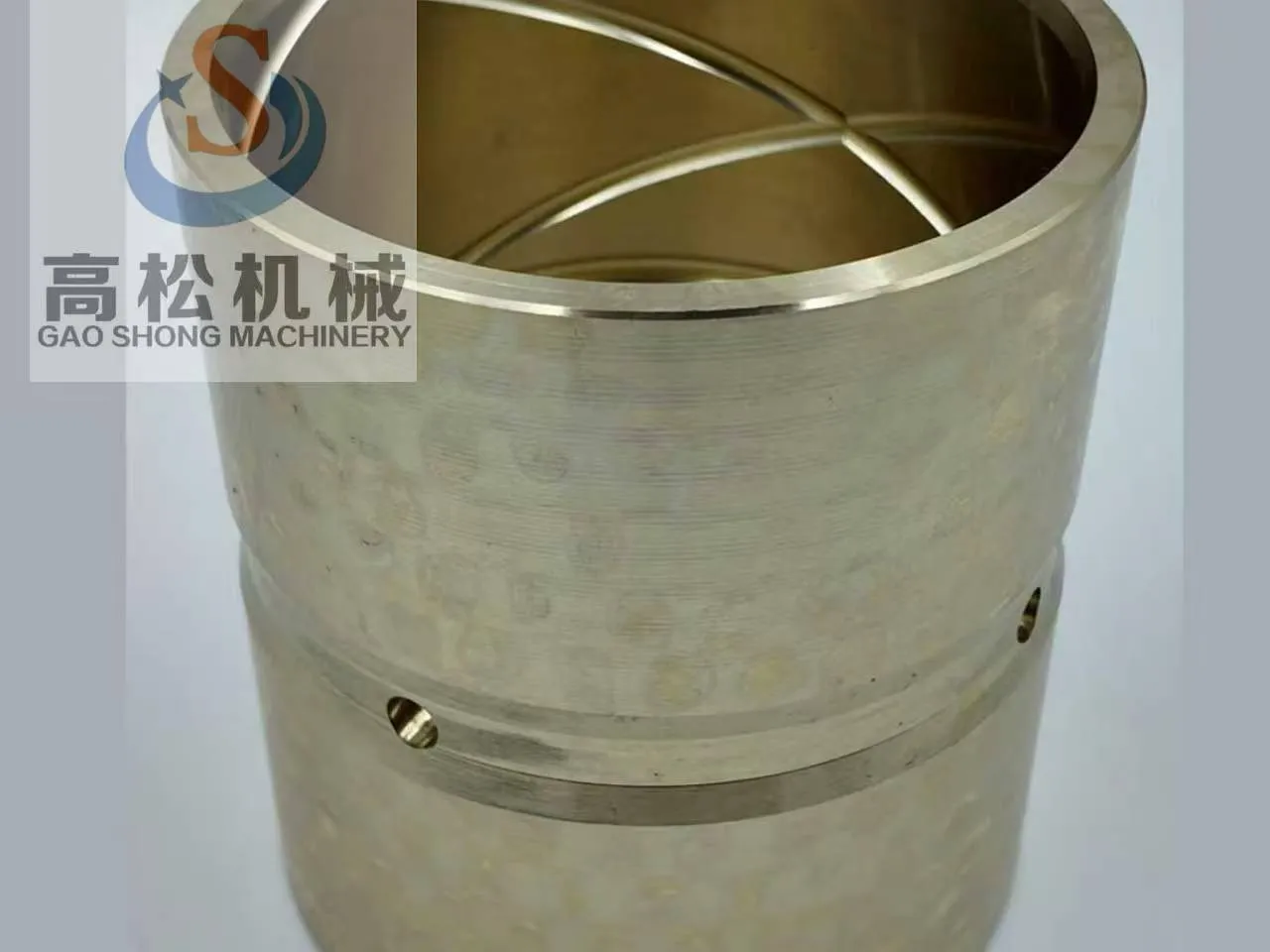 207-70-61610 Bushing For Excavator Komatsu PC300LC-7 PC300-8 PC300LC-7L PC300-7 PC350-7
 -
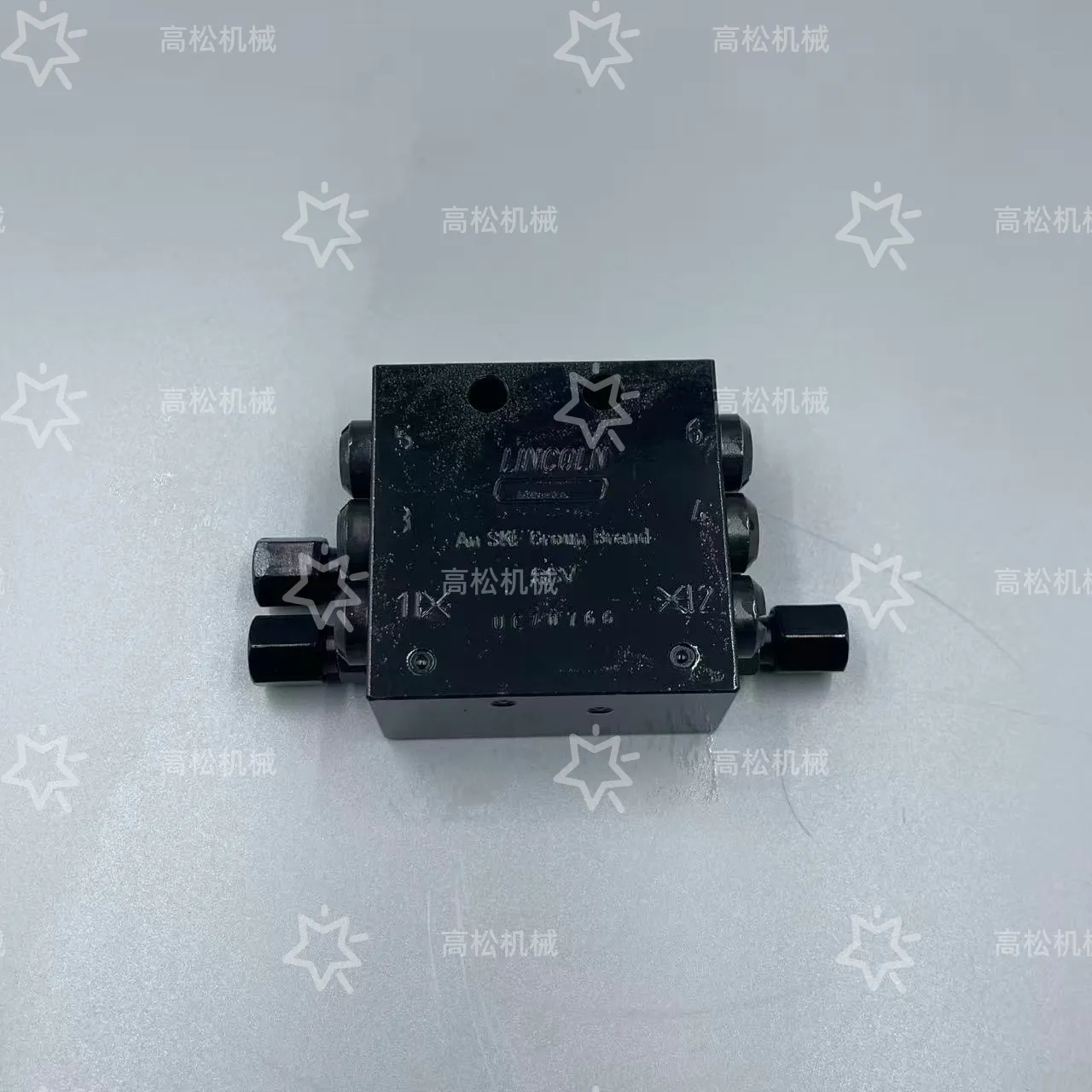 21T-68-67940 Komatsu Valve Assembly
 -
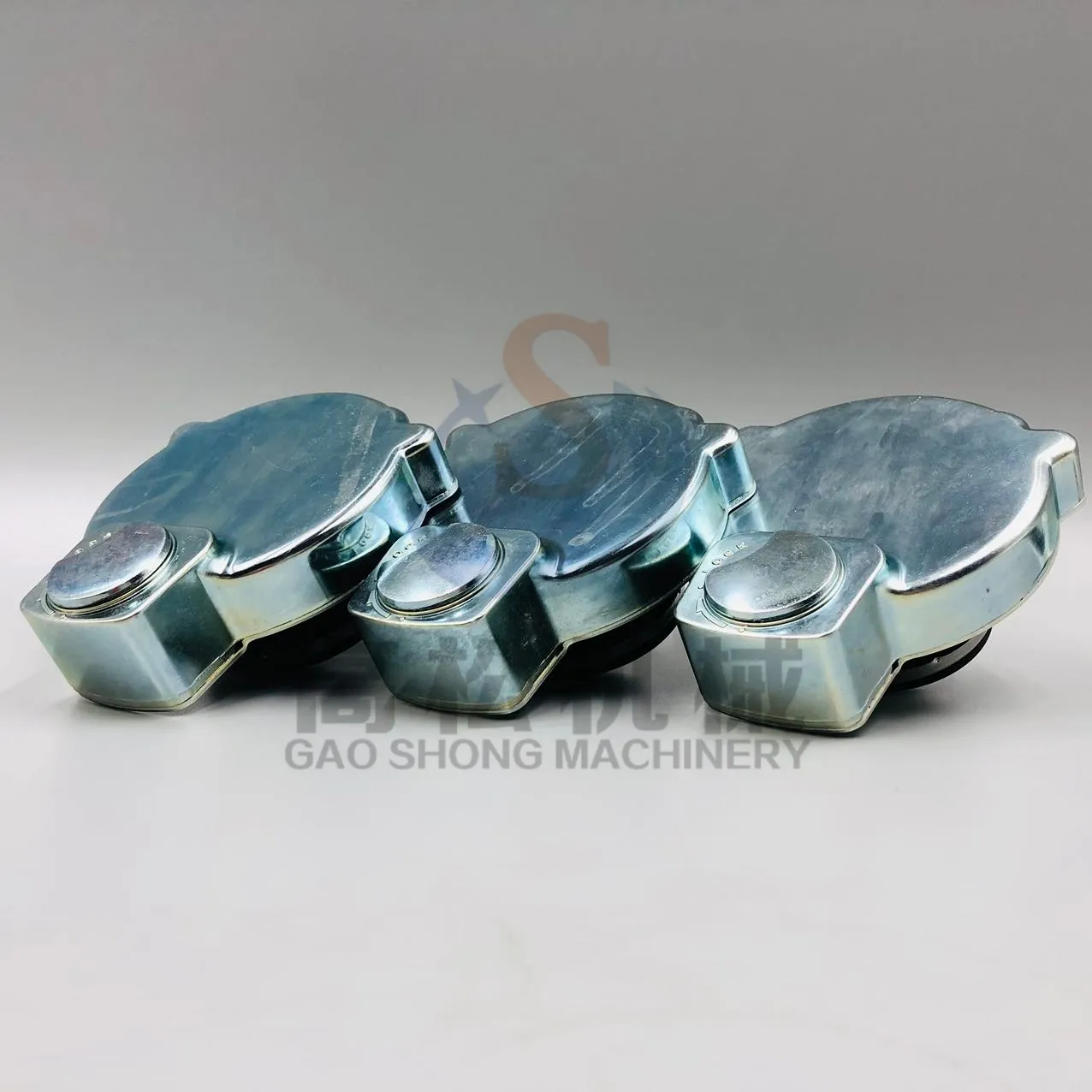 CAP ASS’Y 17A-60-11310 – KOMATSU
 -
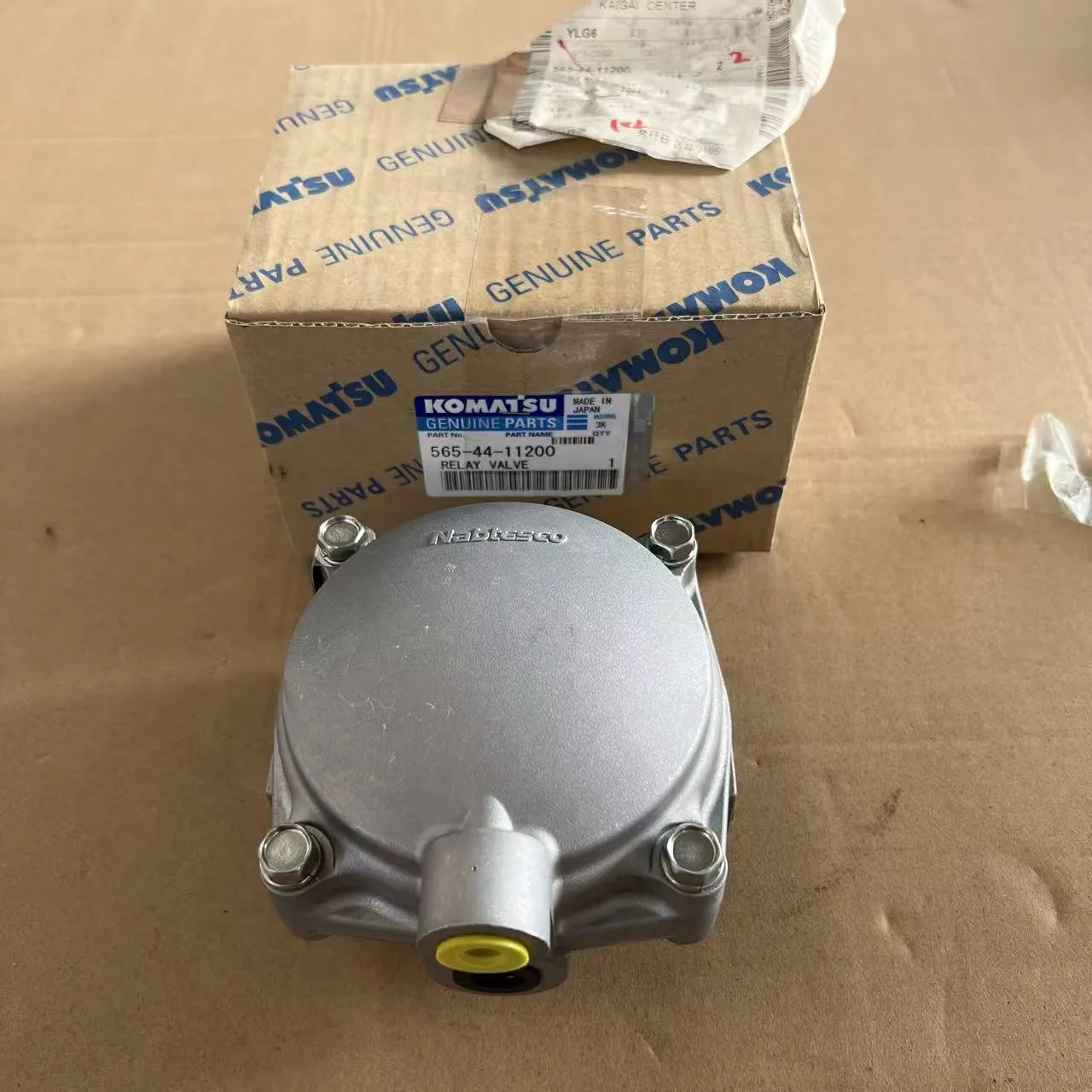 Komatsu (565-44-11200) VALVE ASS’Y, PARKING… — Pricing.Parts
 -
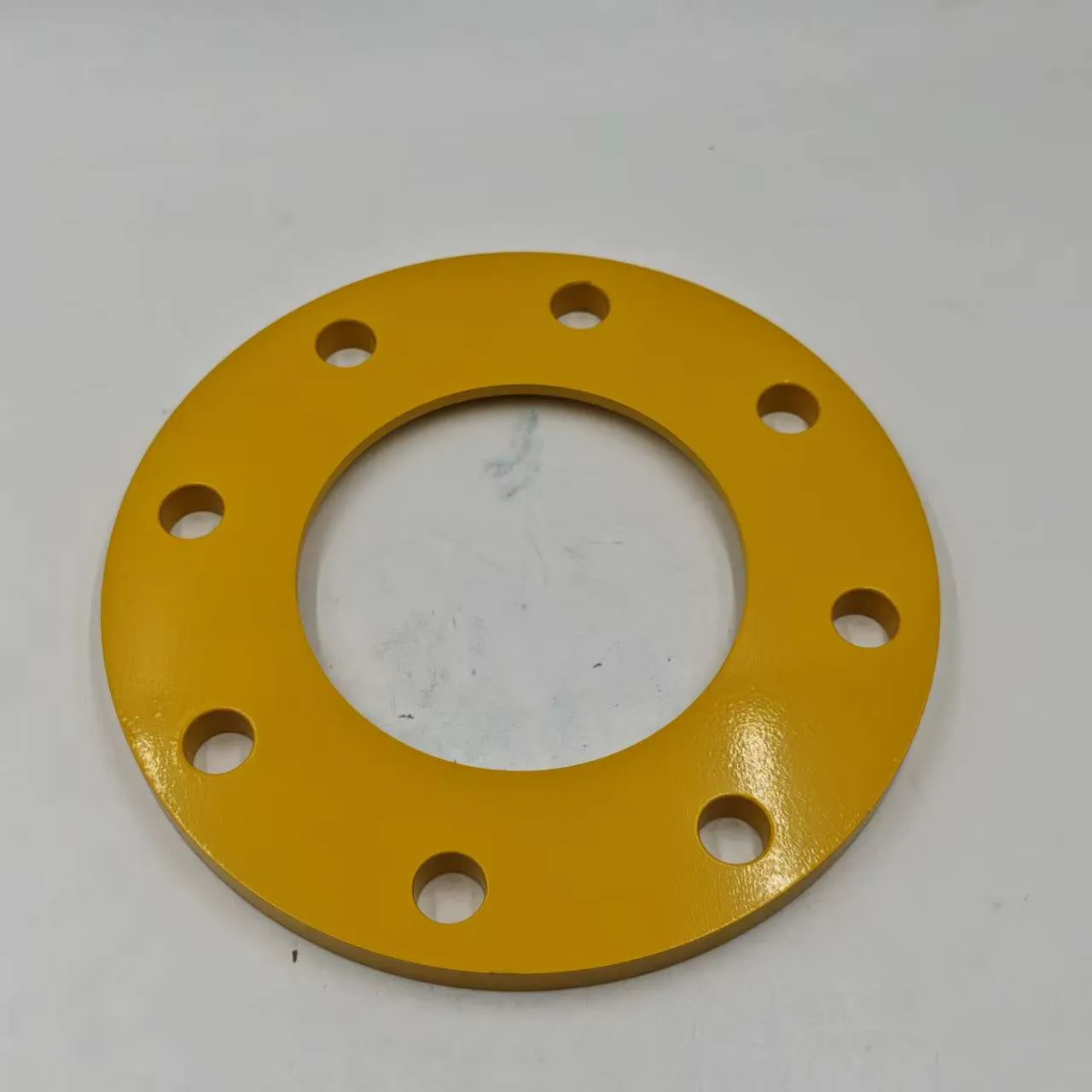 Komatsu 41E-70-15461 Plate
 -
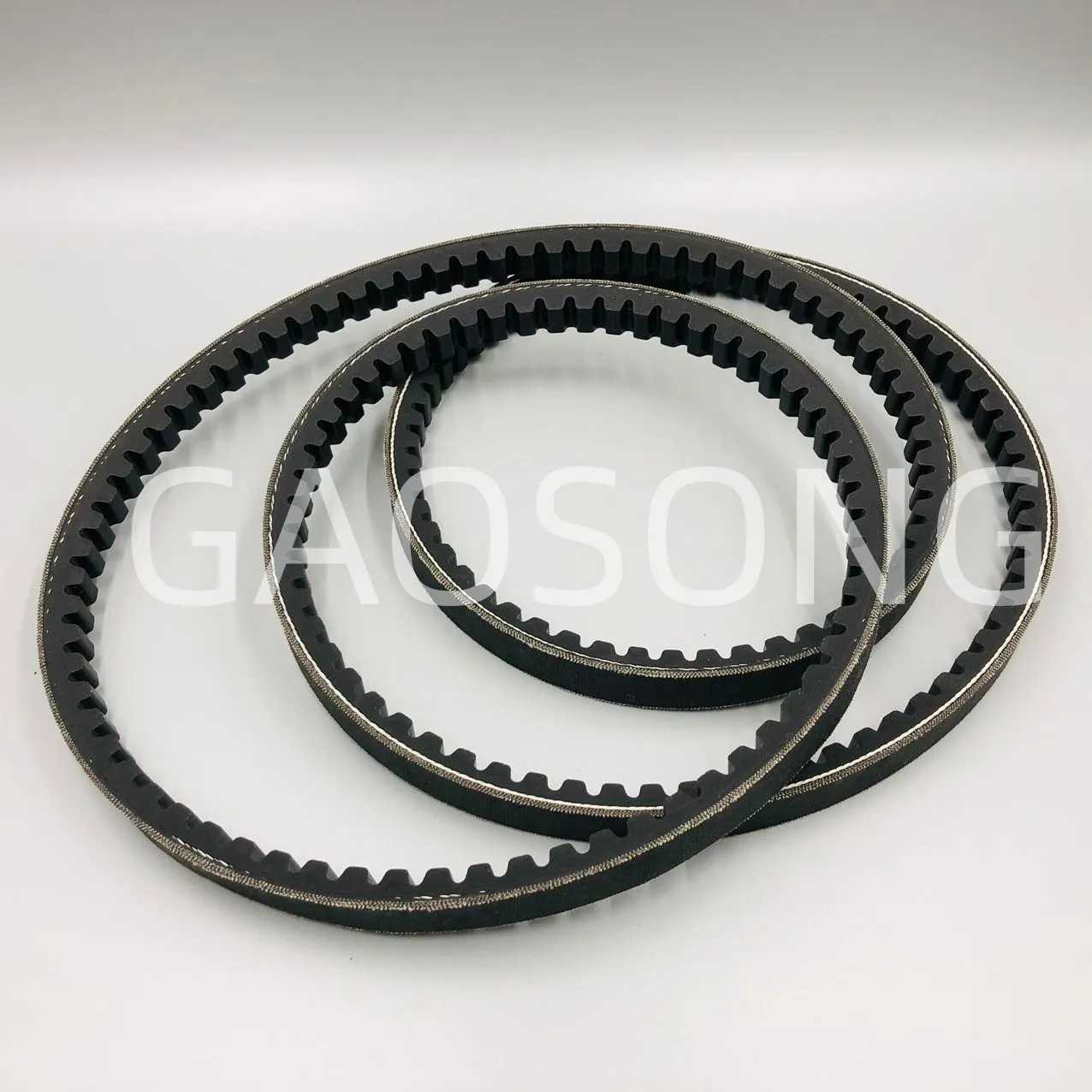 6219- 61- 3420 Komatsu factory belt
 -
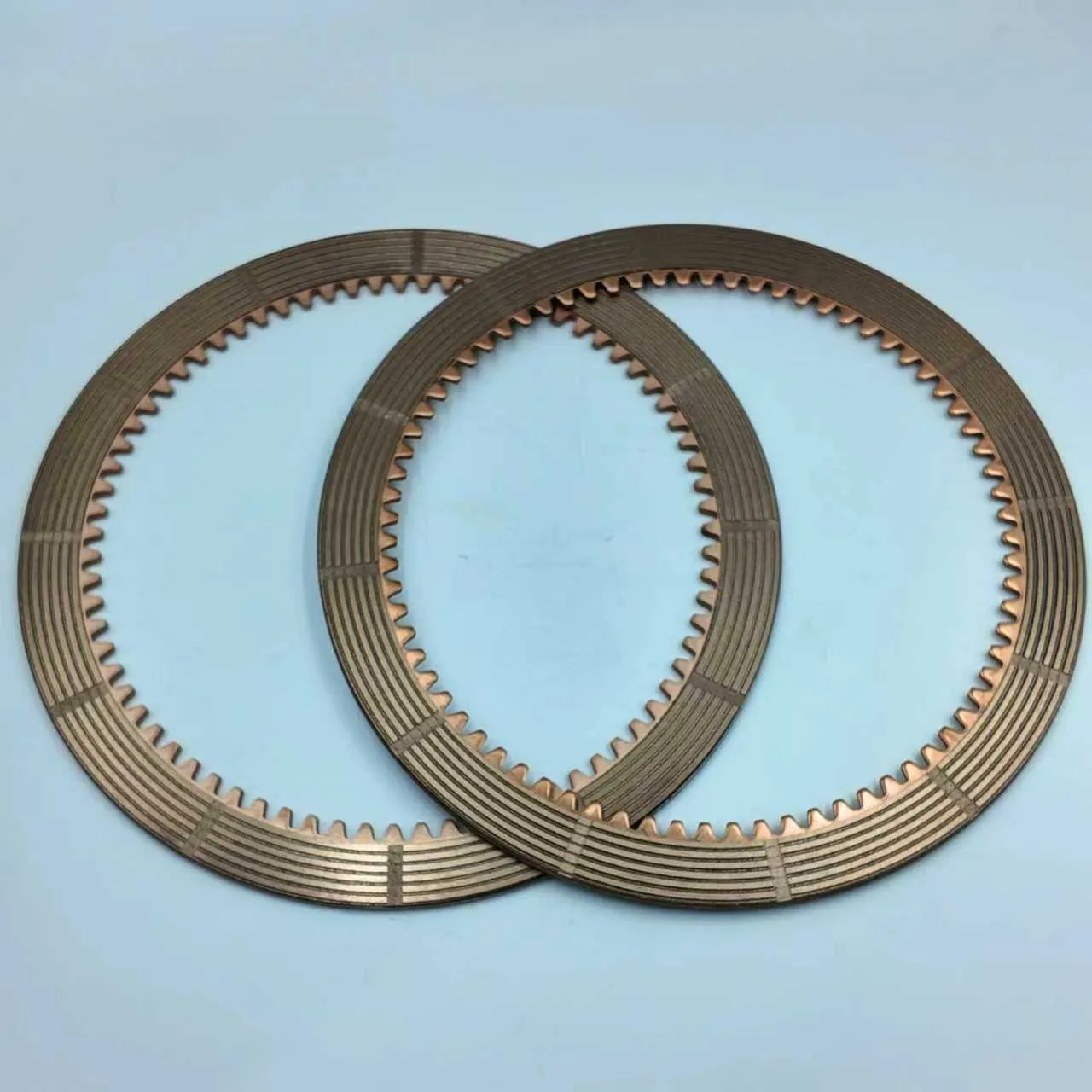 NEW 23S-15-12710 DISC TRANSMISSION (124-15-42710) FOR KOMATSU D41A-3
 -
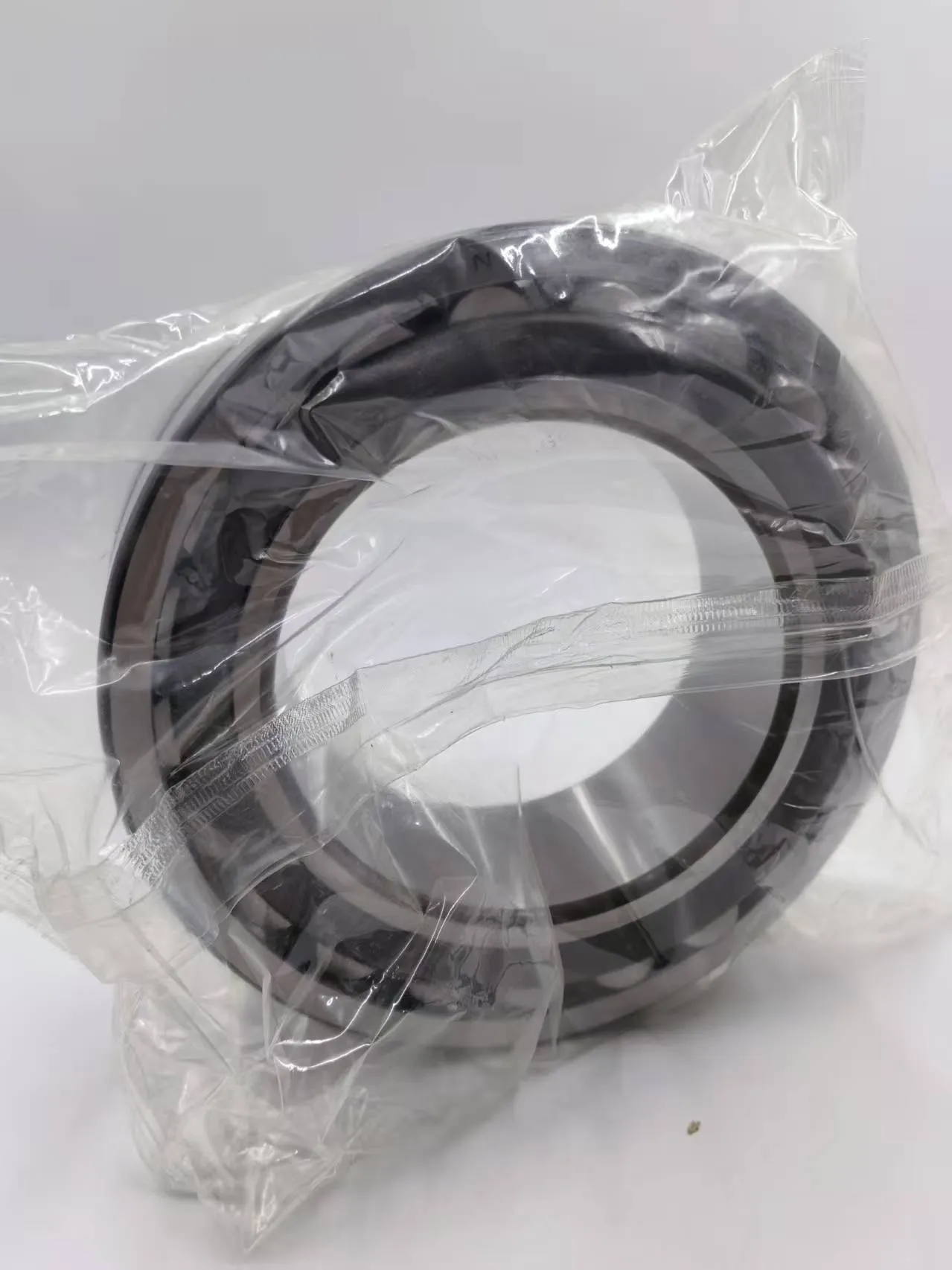 561-27-61960 for Komatsu HD785-5LC HD985-5
 -
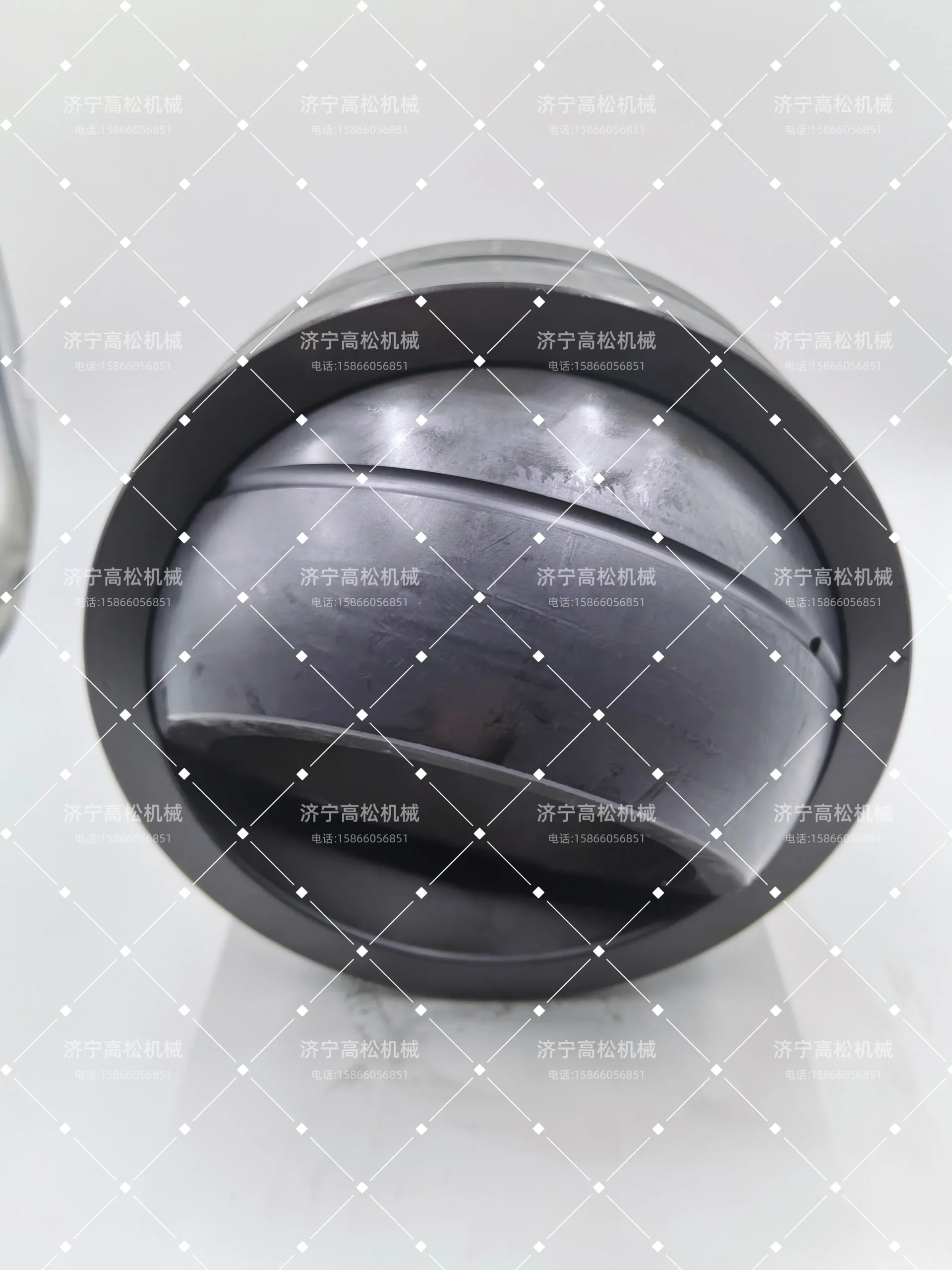 707-46-14010 Spherical Bearing for Komatsu Equipment…
 -
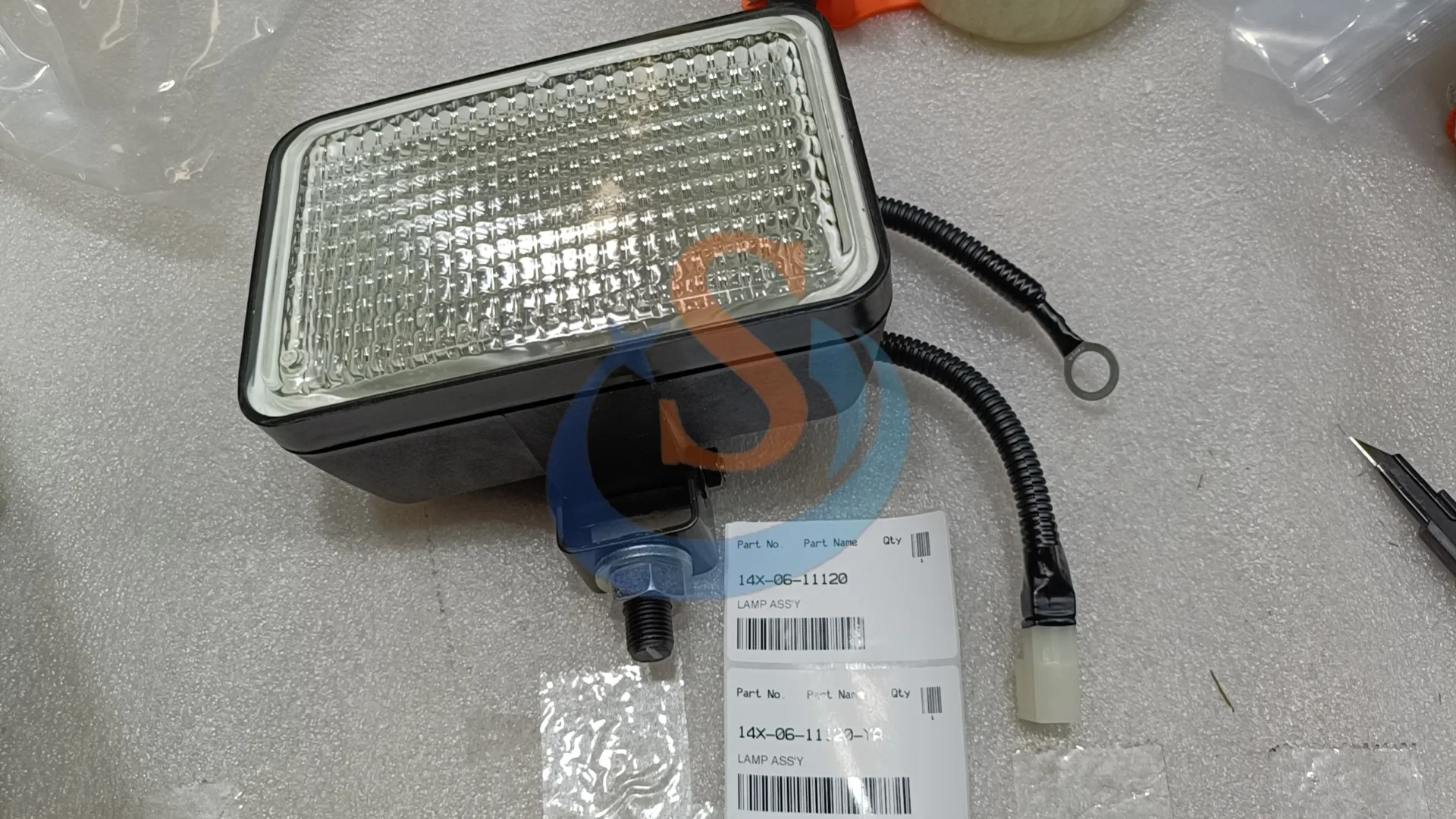 14X-06-11120 WORK LAMP ASS’Y D375A/D155A
 -
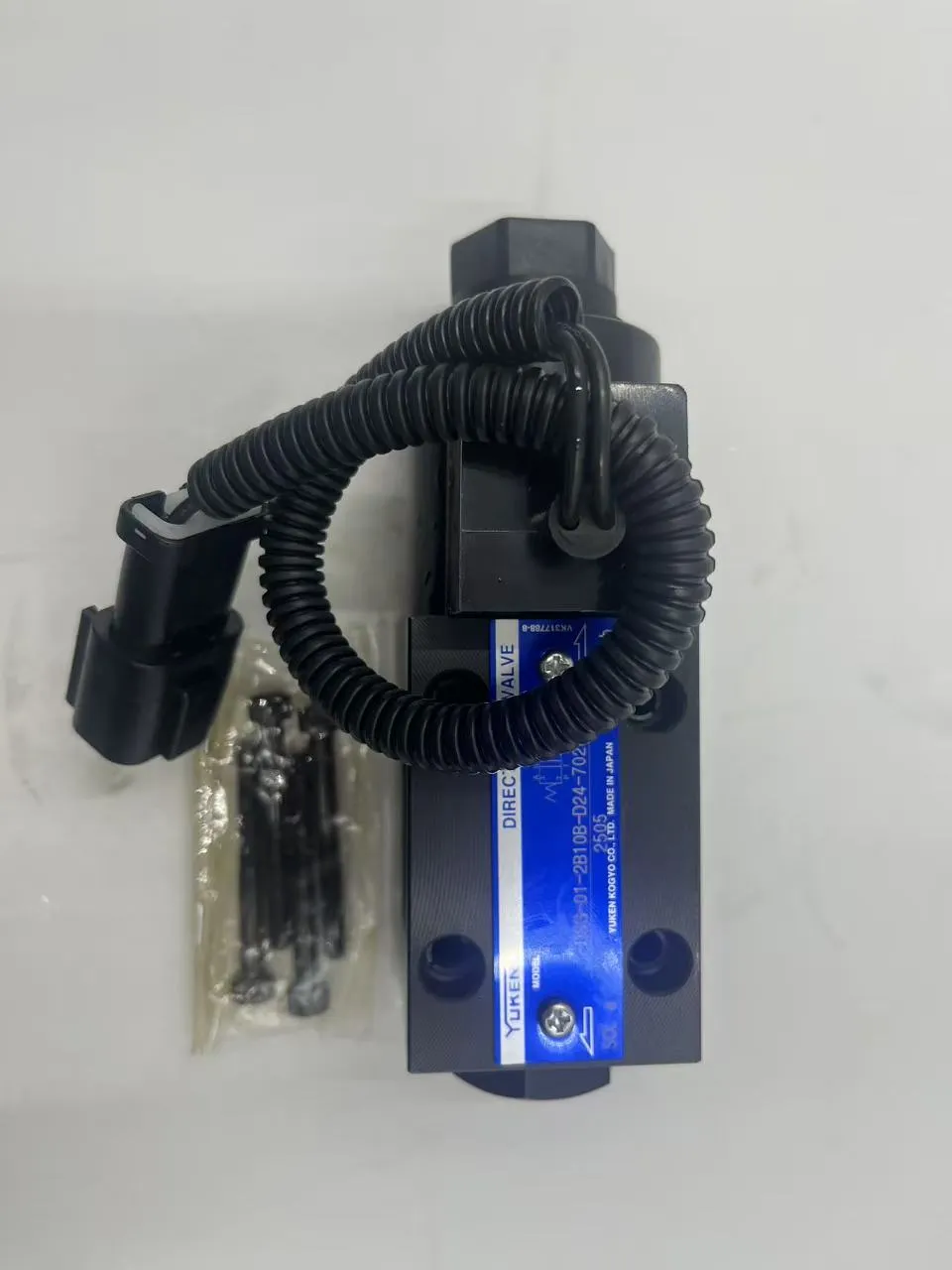 23W-60-28230 • VALVE ASS’Y-Komatsu Original Factory
 -
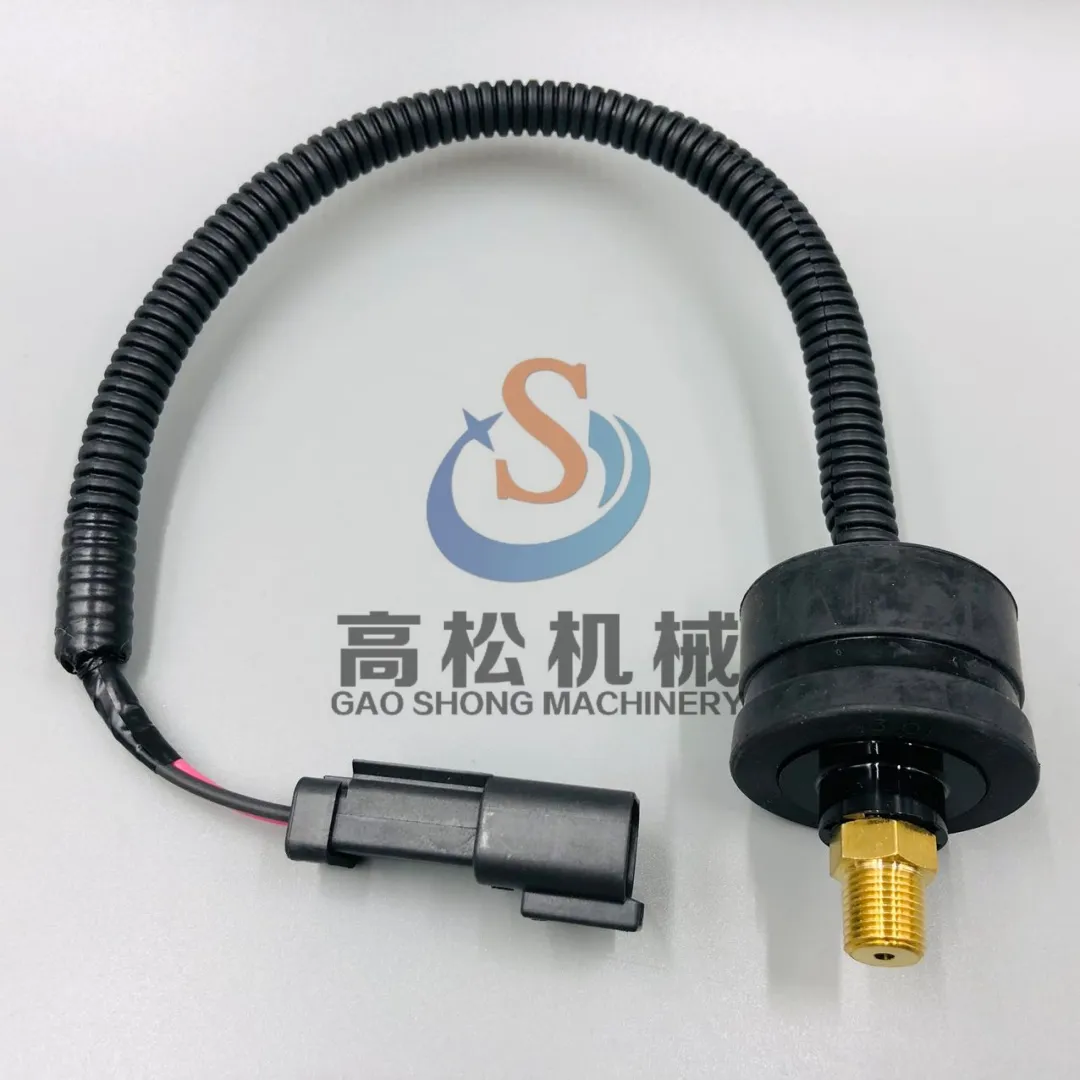 For Komatsu PC200 210 PC300 PC130-8 PC-8 air filter Pressure sensor 7861-93-1430