
- Chinese
- French
- German
- Portuguese
- Spanish
- Russian
- Japanese
- Korean
- Arabic
- Irish
- Greek
- Turkish
- Italian
- Danish
- Romanian
- Indonesian
- Czech
- Afrikaans
- Swedish
- Polish
- Basque
- Catalan
- Esperanto
- Hindi
- Lao
- Albanian
- Amharic
- Armenian
- Azerbaijani
- Belarusian
- Bengali
- Bosnian
- Bulgarian
- Cebuano
- Chichewa
- Corsican
- Croatian
- Dutch
- Estonian
- Filipino
- Finnish
- Frisian
- Galician
- Georgian
- Gujarati
- Haitian
- Hausa
- Hawaiian
- Hebrew
- Hmong
- Hungarian
- Icelandic
- Igbo
- Javanese
- Kannada
- Kazakh
- Khmer
- Kurdish
- Kyrgyz
- Latin
- Latvian
- Lithuanian
- Luxembou..
- Macedonian
- Malagasy
- Malay
- Malayalam
- Maltese
- Maori
- Marathi
- Mongolian
- Burmese
- Nepali
- Norwegian
- Pashto
- Persian
- Punjabi
- Serbian
- Sesotho
- Sinhala
- Slovak
- Slovenian
- Somali
- Samoan
- Scots Gaelic
- Shona
- Sindhi
- Sundanese
- Swahili
- Tajik
- Tamil
- Telugu
- Thai
- Ukrainian
- Urdu
- Uzbek
- Vietnamese
- Welsh
- Xhosa
- Yiddish
- Yoruba
- Zulu
- Kinyarwanda
- Tatar
- Oriya
- Turkmen
- Uyghur






Komatsu PC8000 parts
When someone searches for 'Komatsu PC8000 parts', they're usually in a bind. The machine is down, production is halted, and the clock is ticking. There's a common misconception that sourcing parts for a giant like the PC8000 is just a matter of calling the local dealer and waiting. In reality, it's a complex puzzle involving global logistics, compatibility checks, and often, tough financial decisions. Having been through this cycle more times than I can count, I've learned that the official channel isn't always the only—or even the fastest—answer, especially in regions where Komatsu's direct network has gaps. That's where the landscape gets interesting, and where companies positioning themselves as specialists within the ecosystem, like Jining Gaosong Construction Machinery Co., Ltd., come into play.
The Scale of the Problem: It's Not Just a Part
Let's be clear: the PC8000 isn't a compact excavator. We're talking about a 700+ ton mining shovel. The parts aren't items you casually stock on a shelf. A swing bearing, a propel gear, the massive hydraulic cylinders for the boom—these are monumental pieces of engineering. The lead time from Komatsu for some of these Komatsu PC8000 parts can stretch into months, not weeks. I recall a project in West Africa where we waited 14 weeks for a final drive assembly. The downtime cost was astronomical, far exceeding the part's price tag. That experience was a brutal lesson in supply chain vulnerability.
This is where the distinction between OEM and OEM-quality or aftermarket becomes critical. For non-safety-critical, non-wear items, alternatives might exist. But for something like the swing circle or the main hydraulic pump, you're flirting with disaster if you don't get the genuine article or a certified equivalent. The torque specs, metallurgy, and heat treatment are proprietary for a reason. I've seen cheaper pump rotors shatter within 200 hours because the material fatigue limits were off.
The website takematsumachinery.com frames this niche well. They state they are an OEM product supplier within the Komatsu system, which is a specific and valuable position. It suggests access to genuine Komatsu-sourced components, not just generic copies. For a mine manager, that phrasing carries weight—it implies traceability and compliance, which are non-negotiable for major structural and powertrain components.
The Third-Party Bridge: Filling the Gaps
Jining Gaosong's mention of being a third-party sales company for Komatsu, helping to solve parts supply challenges in certain countries speaks directly to the real-world bottleneck. Certain countries often means emerging mining regions or areas with complex import regulations. The official distributor network might be thin or non-existent there. A third-party actor with the right credentials can navigate local customs, handle bonded logistics, and essentially create a bridge between the factory and the remote site.
This isn't about undercutting the OEM on price for every single item. It's about solving the availability equation. Sometimes, it's about having a contact who can physically locate a specific Komatsu PC8000 gear assembly in a warehouse in Japan or Singapore and expedite its air freight. Their value is in leverage and logistics, not just a parts catalog. I've used similar services not because the dealer was unhelpful, but because their system was too rigid for an emergency. The third-party had the flexibility to bundle a shipment from multiple sources.
However, caution is paramount. The term third-party covers a vast spectrum. You must verify their OEM product supplier claim. Can they provide Komatsu part numbers, factory crate documentation, and material certificates? For a PC8000's computer modules or controller boards, this is absolutely essential. A mismatched or cloned controller can cause a cascade of electrical faults that take weeks to diagnose.
Practical Pitfalls: Beyond the Part Number
Even with a genuine part in hand, the job isn't done. Fitment on a machine this size is a project in itself. Take the bucket teeth and adapters (GETs). The PC8000 might have multiple bucket configurations over its life. The part number for a pin and adapter kit might be superseded or vary based on the serial number block. I once received a set of teeth that were for the PC8000, but they were for the older, narrower bucket profile. The supplier had the broad category right but missed the sub-specification. It cost us three days of re-shipping.
This is where a supplier's technical depth shows. The good ones will ask for your machine serial number and, if possible, the old part's casting numbers. They understand that Komatsu PC8000 parts logistics include pre-shipment verification. A company like Jining Gaosong, by being embedded in the system, should theoretically have access to Komatsu's technical bulletins and build specs, which helps avoid these costly mismatches.
Another pitfall is the while you're in there dilemma. Replacing a massive cylinder often means exposing other wear items—bushings, seals, hoses. If your parts supplier only deals in the big ticket items and can't quickly source the accompanying seals and O-rings, you're stuck waiting again. A full-service provider anticipates this and can offer the ancillary kit, even if it's from a high-quality aftermarket seal manufacturer they trust.
The Cost of Downtime vs. The Cost of the Part
This is the core calculus for any PC8000 owner. The part's invoice price is almost a secondary concern. The primary cost is hourly production loss. This changes the sourcing strategy completely. You might pay a 50% premium for air freight on a Komatsu PC8000 swing motor if it gets you running 5 weeks sooner. The math is straightforward: (Hourly Production Value) x (Hours Saved) >> (Freight Premium).
Reliable suppliers understand this economics-driven urgency. Their service is judged on mean time to delivery (MTTD), not just price per kilogram. A good partner will present options: We have one in Germany, it's more expensive but can ship tomorrow. The one from Japan is cheaper but takes 3 weeks. What's your downtime cost? This consultative approach is what separates a parts vendor from a strategic partner.
Jining Gaosong's model, as described, seems built for this. By operating as a conduit within the Komatsu system but outside its rigid regional frameworks, they can theoretically optimize for speed in these critical situations. Their challenge, like any third-party, is proving consistent reliability. One delayed shipment during a crisis erases trust built over ten successful orders.
Looking Ahead: Obsolescence and Remanufacturing
The PC8000 has been around for years. Some models are entering the phase where Komatsu may designate certain components as obsolete or non-stock. This is a looming nightmare for owners. Suddenly, a critical proprietary casting is no longer available new. What then?
This opens another frontier for specialized suppliers: facilitating remanufacturing or locating new-old-stock (NOS). A company with deep ties to the OEM network might have leads on unused stock sitting in a warehouse halfway across the world. Alternatively, they might partner with certified rebuild shops that can take your core, rebuild it to OEM specs, and provide a performance warranty. For components like torque converters, pumps, and even complete final drives, this is often a more viable long-term strategy than hunting for new parts.
The mention of solving parts supply challenges on their site hints at this broader capability. It's not just about selling a new part off a shelf; it's about providing a solution when the shelf is empty. For an aging PC8000 fleet, this aspect of support becomes as important as the supply of brand-new components. The real test is whether they can deliver on that promise when the part number is flagged red in the official system.
In the end, managing Komatsu PC8000 parts is a blend of technical knowledge, logistical hustle, and financial pragmatism. It's about knowing when to insist on a genuine Komatsu crate and when a certified alternative will do, all while keeping the monstrous cost of downtime at the forefront of every decision. The ecosystem needs capable bridges between the OEM and the end-user, especially in challenging markets. Whether a specific company fills that role effectively always comes down to their on-the-ground performance when the pressure is on and the machine is silent.
Related Products
Related Products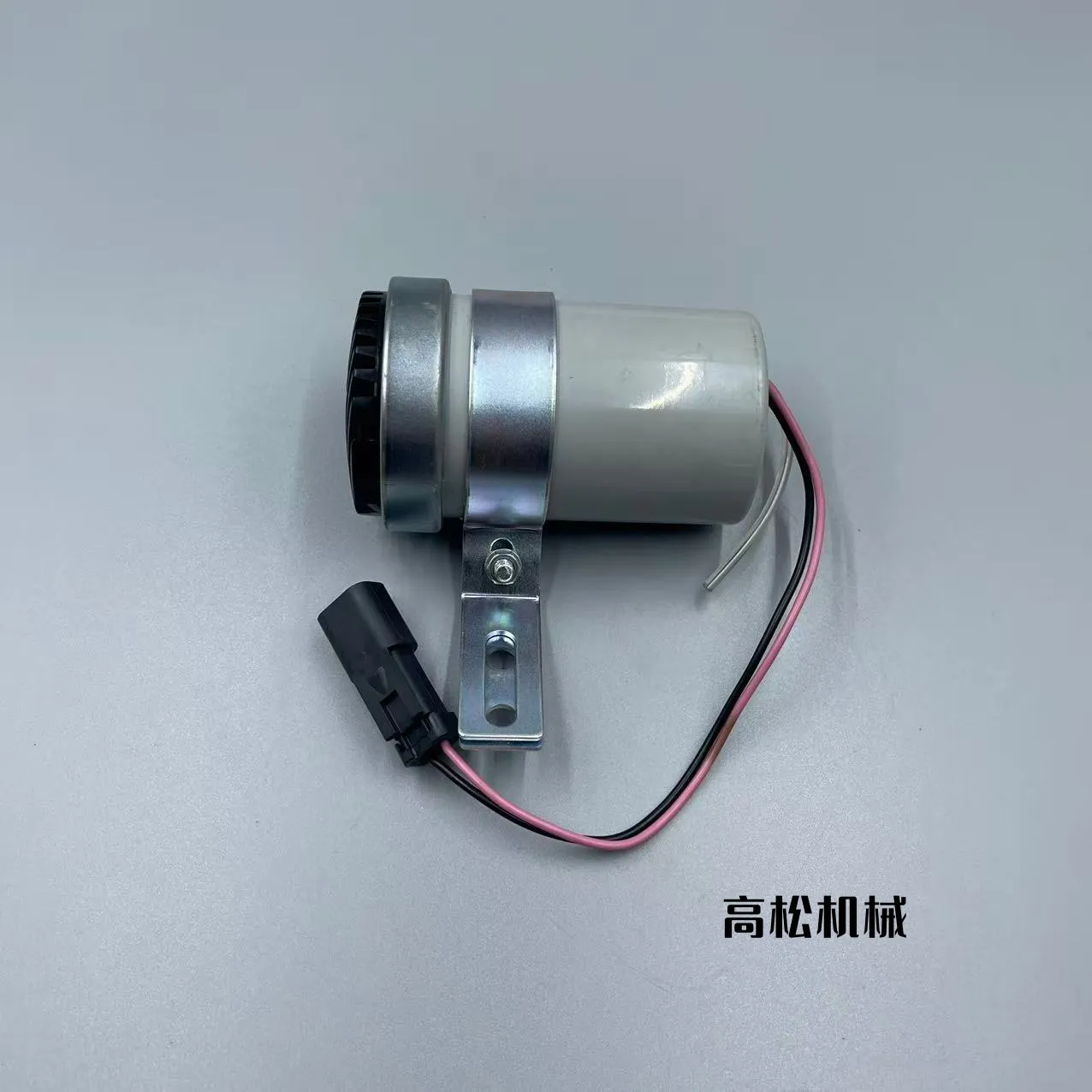
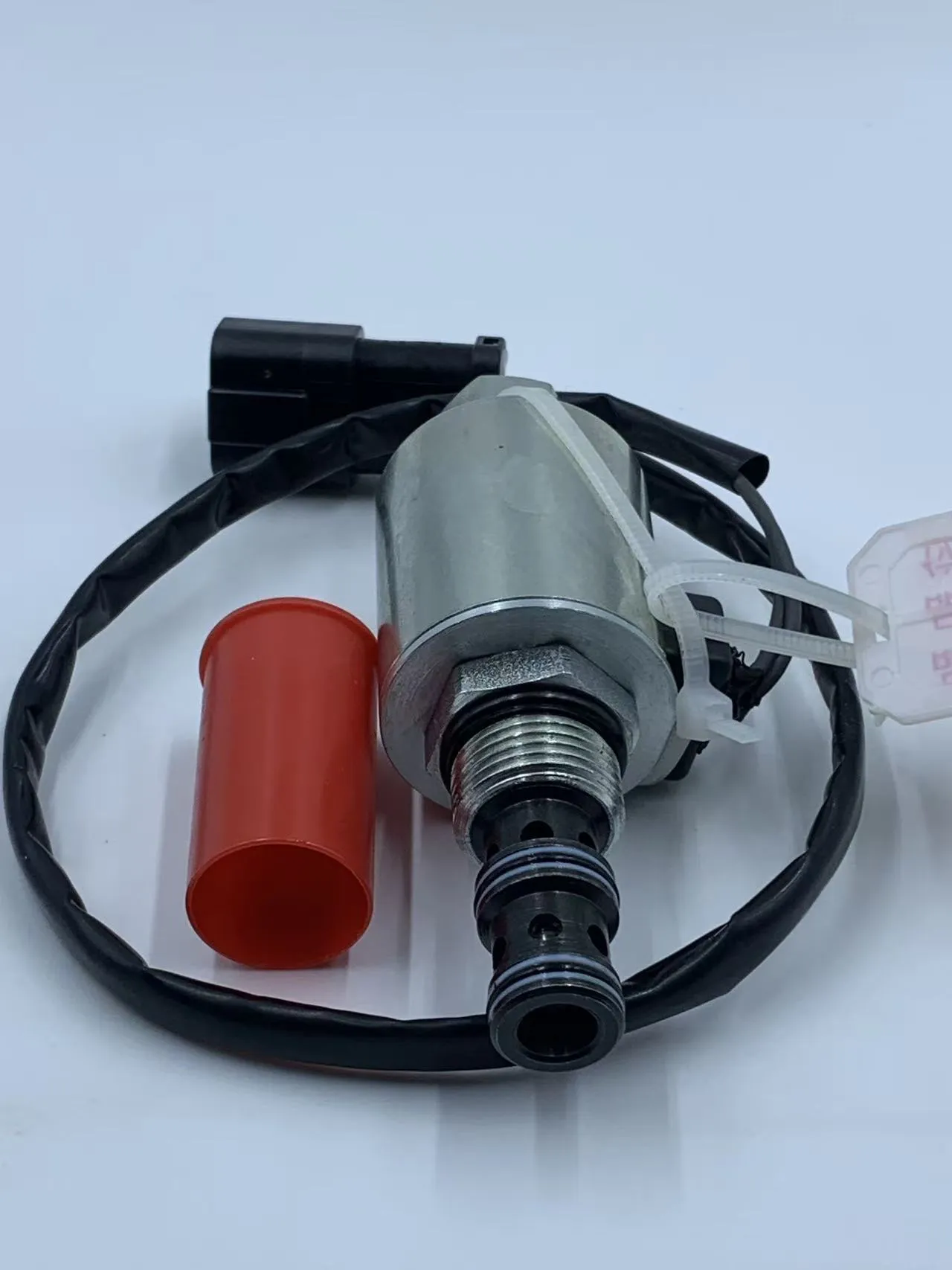
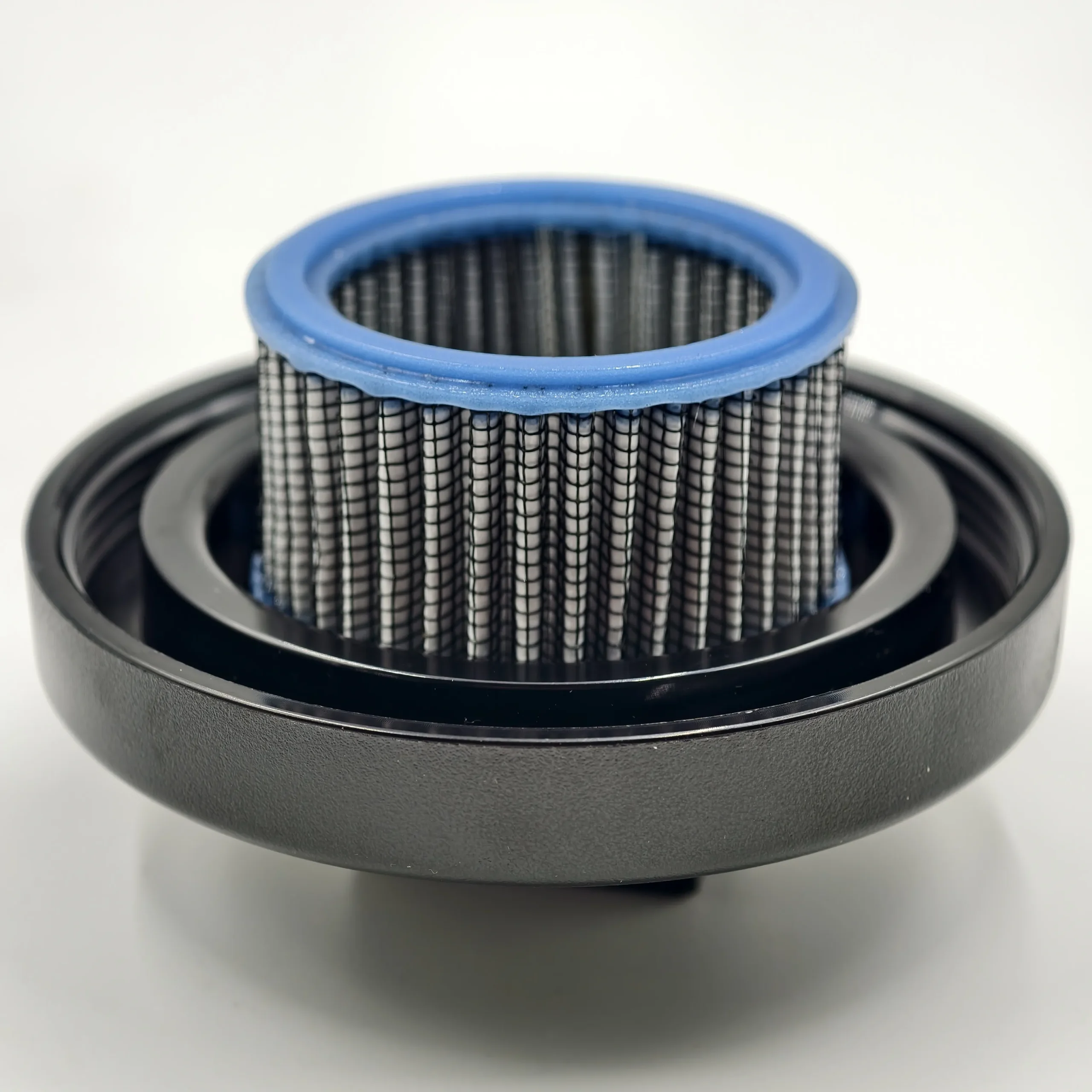
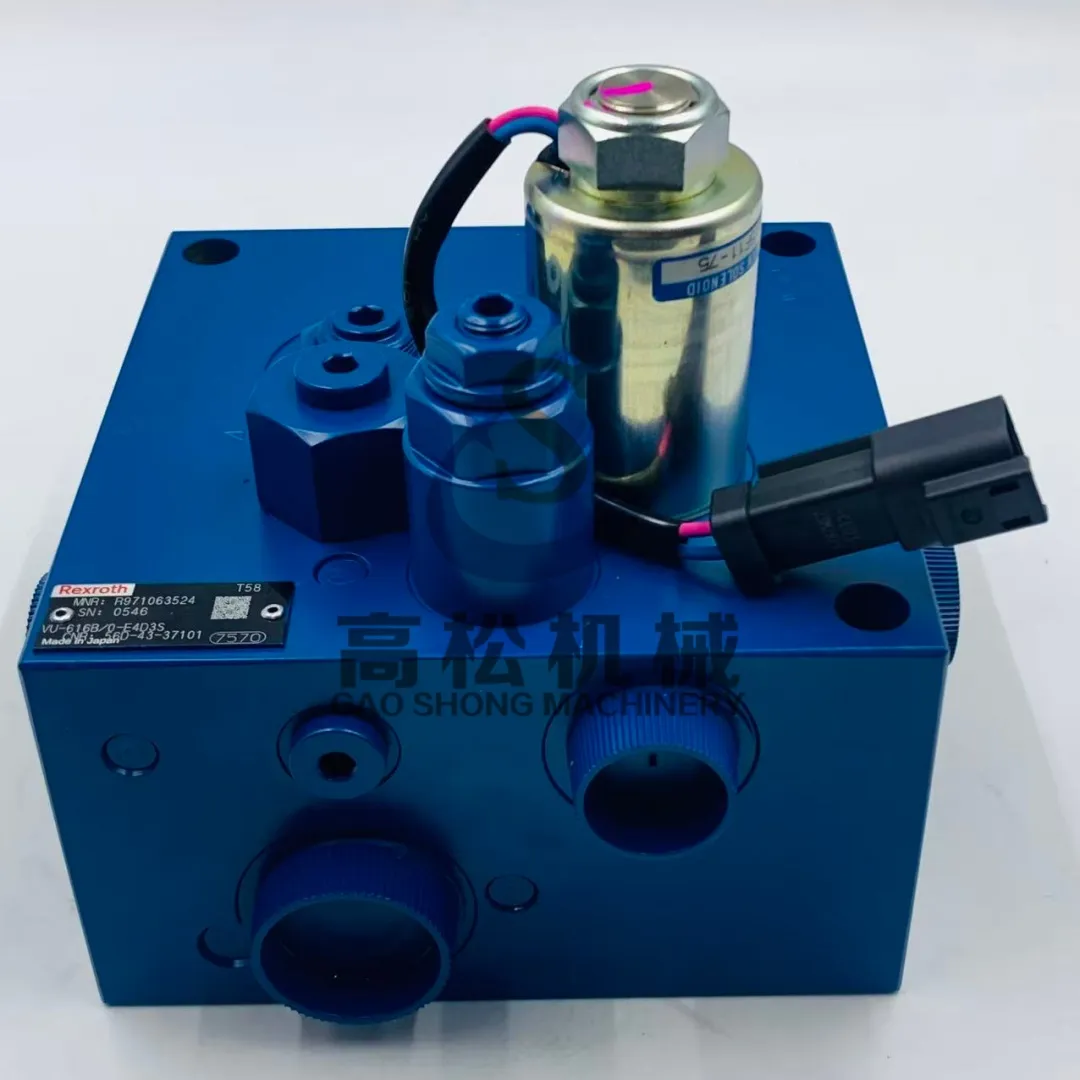

Best Selling Products
Best Selling Products-
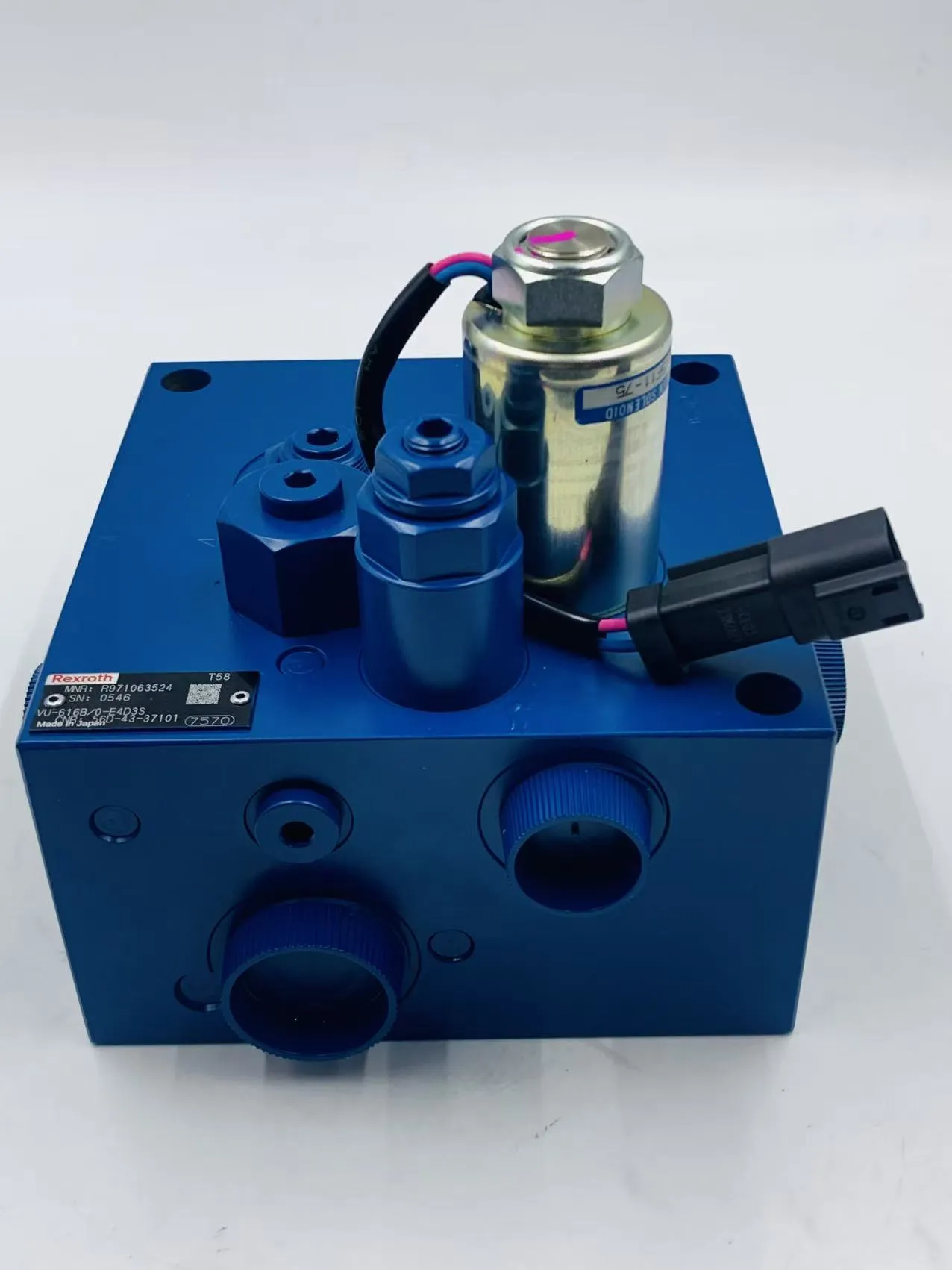 56D-43-37101 Valve Assembly, Charge for HM300 Komatsu Dump Truck Parts High Quality Original Factory
 -
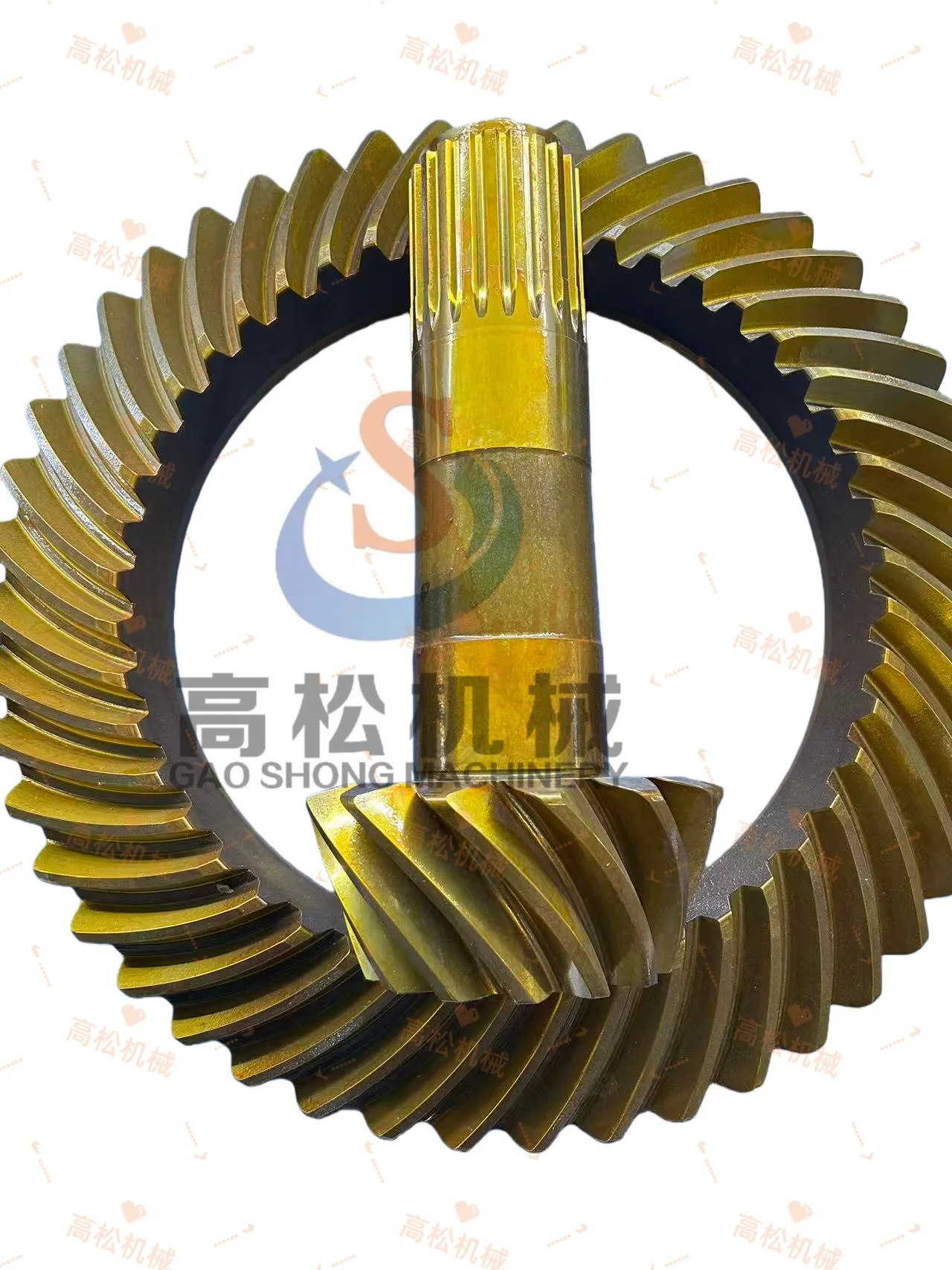 561-22-71207 561-22-71203 PINION GEAR ASS’Y HD785-7 REAR AXLE
 -
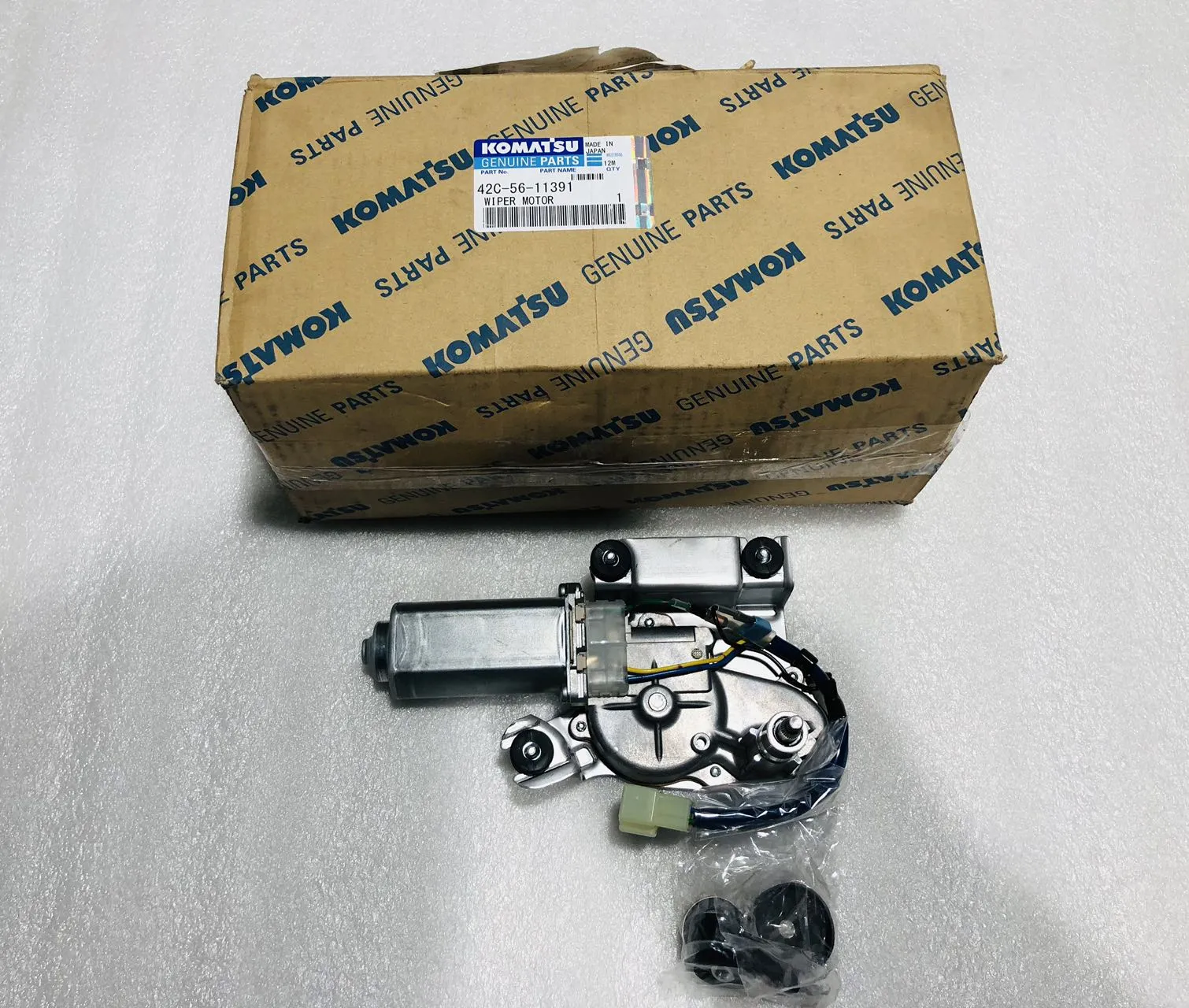
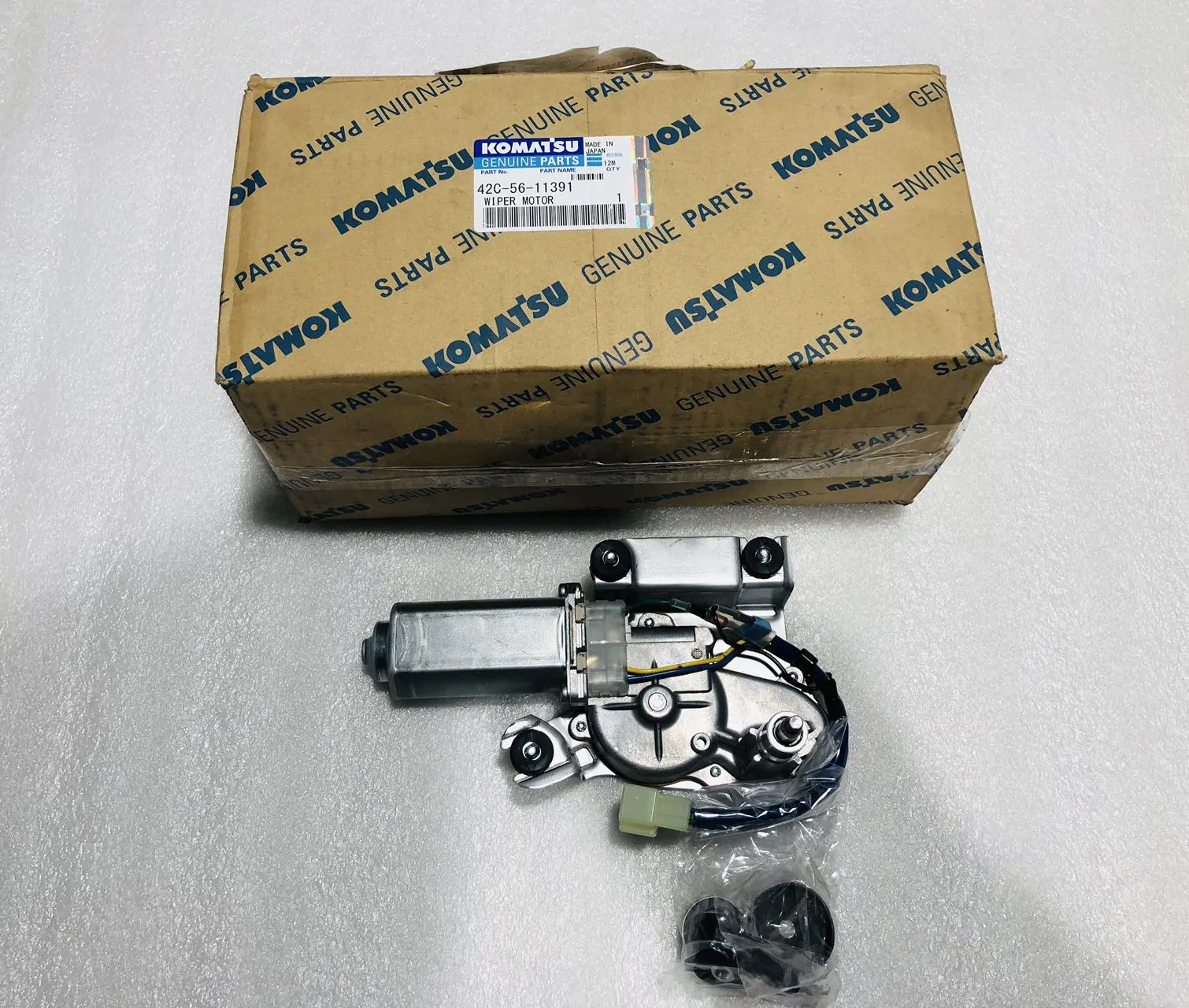 42C-56-11391Right windshield wiper motor assembly
 -
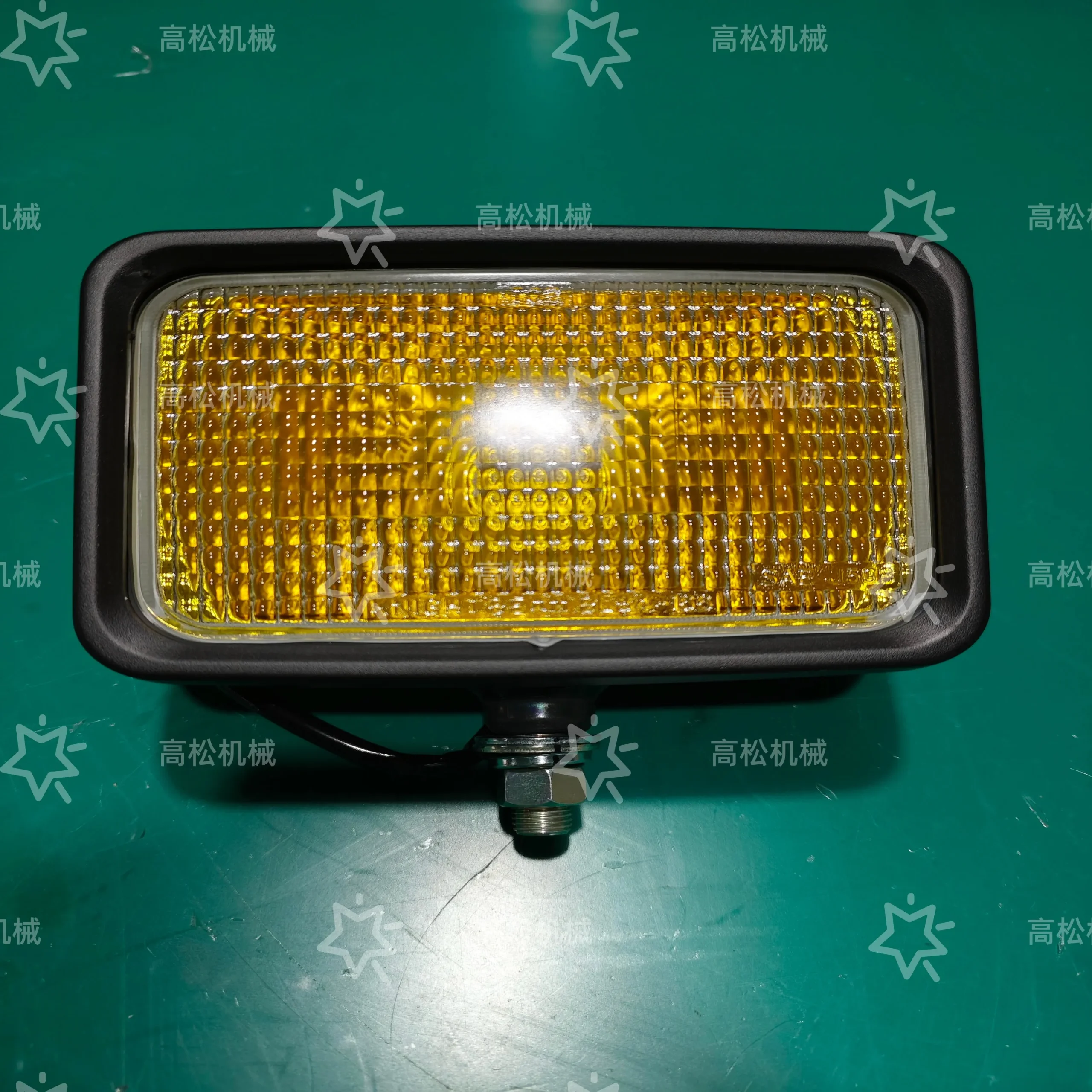 22T-06-24110Hd350 2 Front Light Lamp 22t 06 24110
 -
 14Y-21-13242 Chainsaw Drive Sprocket Kit Alloy Steel 7-Tooth for…
 -
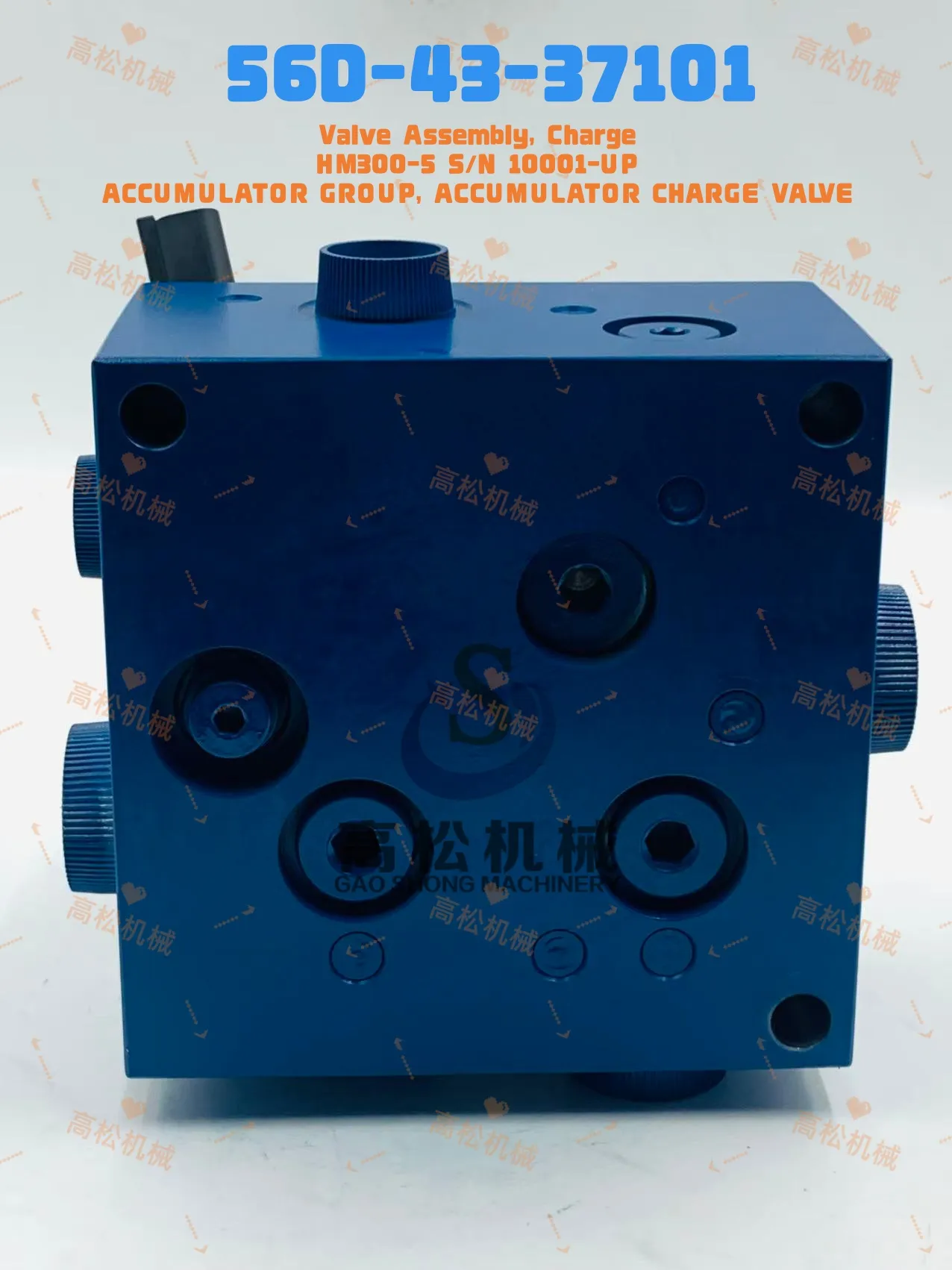 56D-43-37101 Valve Assembly, Charge for HM300 Komatsu Dump Truck Parts High Quality
 -
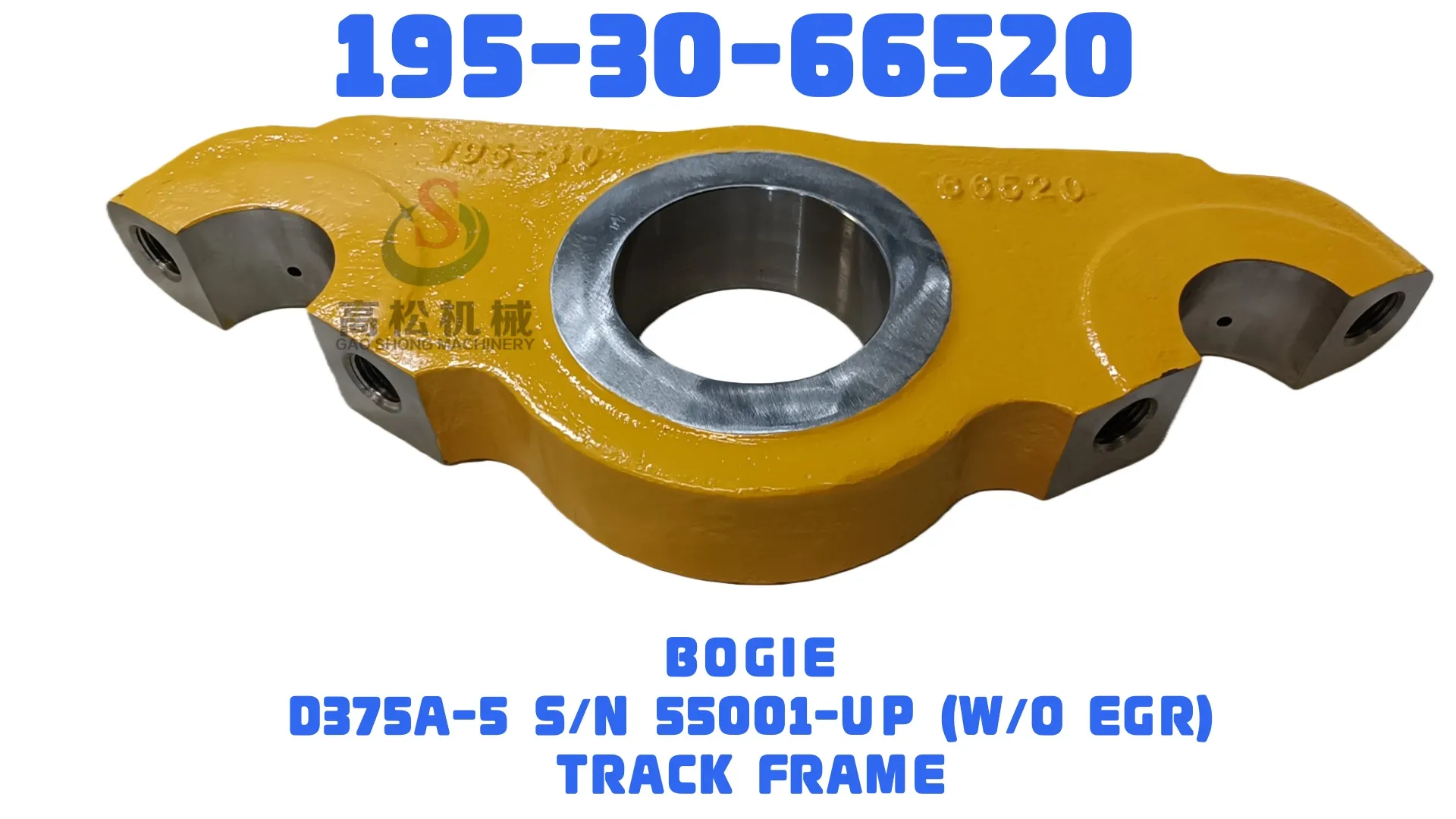 komatsu-part-195-30-66520 BOGIE D375A-5 D375A-5D D375A-6 D375A-6R TRACK FRAME TRACK FRAME, BOGIE
 -
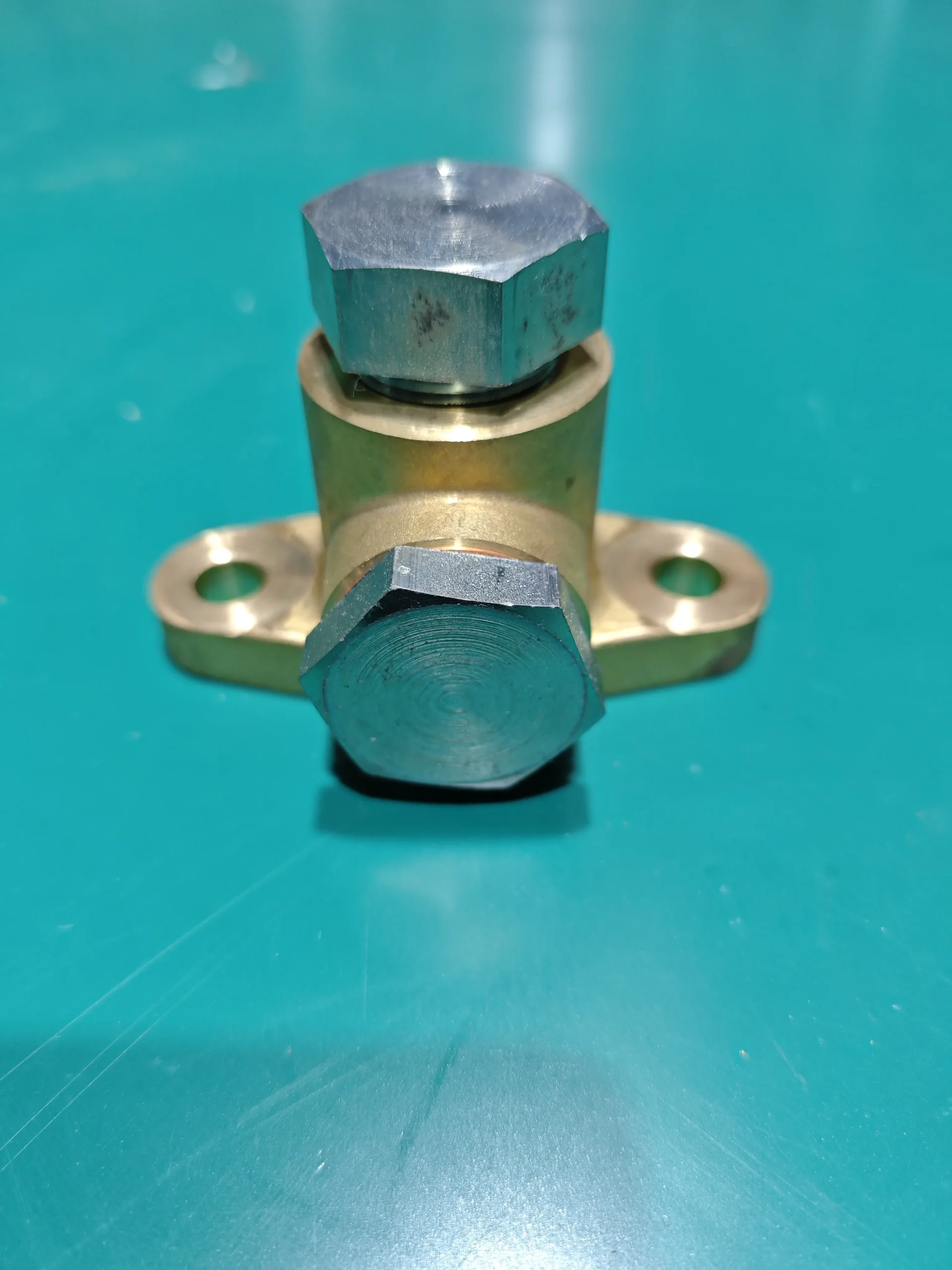 6693-22-5600 VALVE ASS’Y,OIL PAN DRAIN (Komatsu)
 -
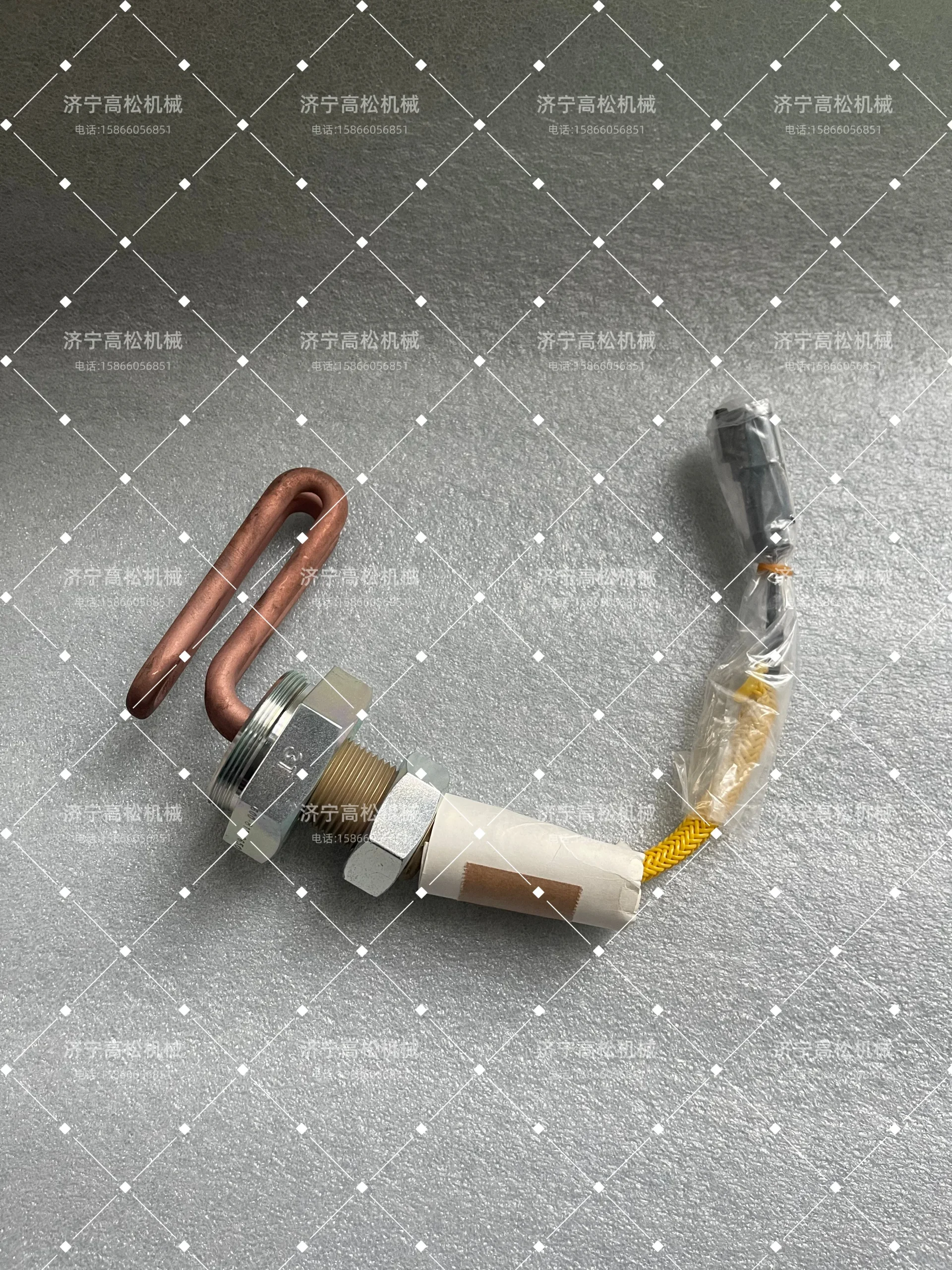 600-815-9650 – HEATER fits KOMATSU
 -
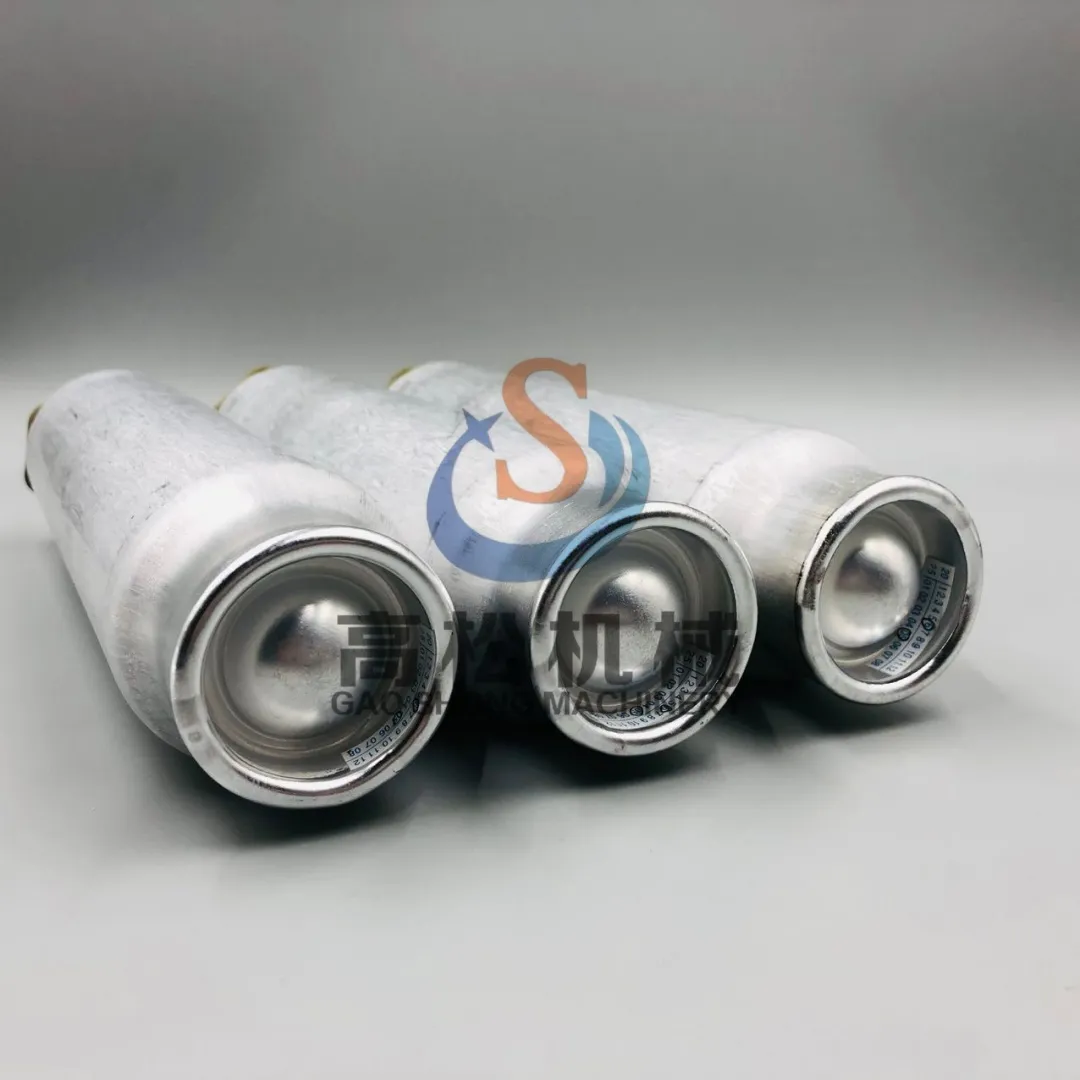 Receiver Drier 20Y-979-3120
 -
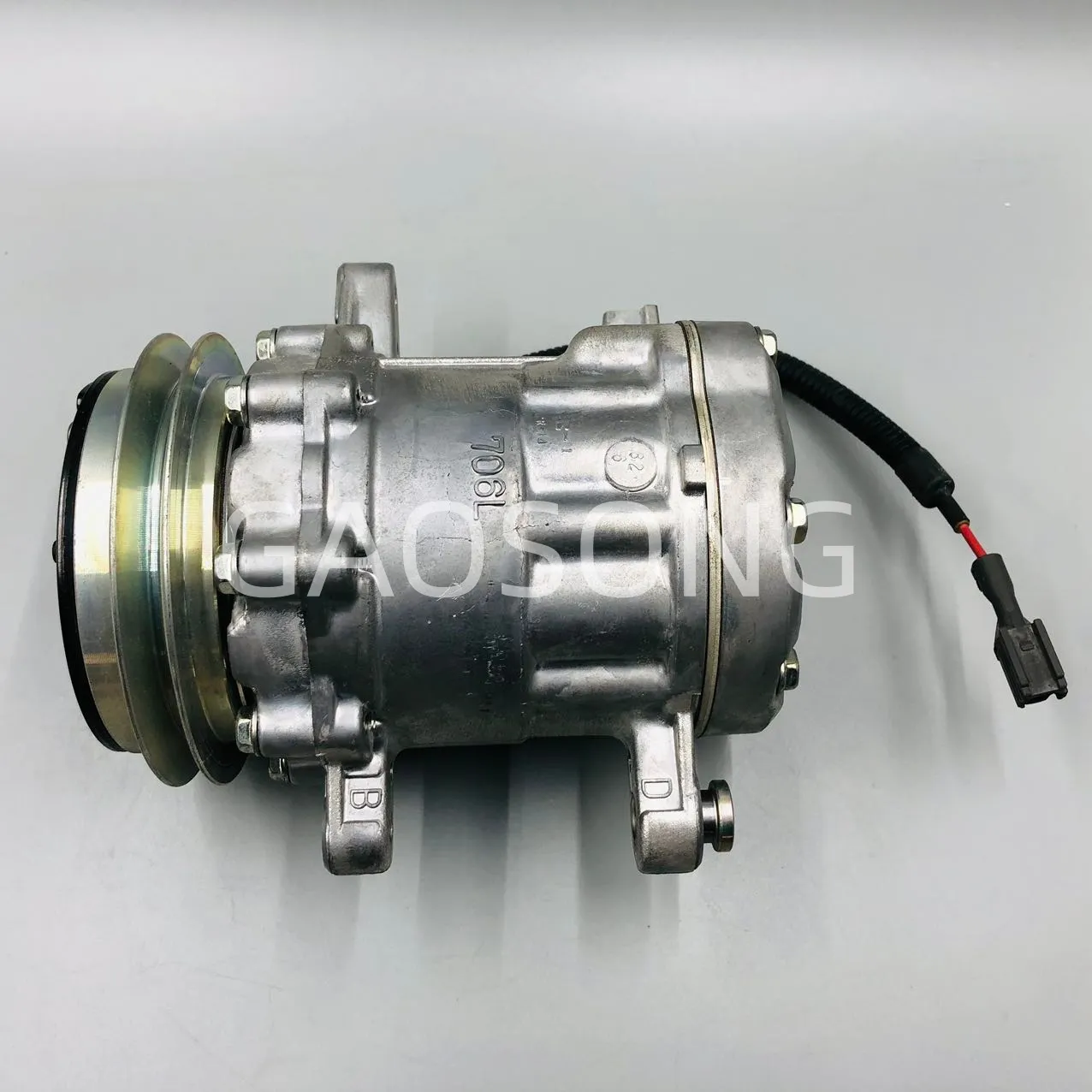 22L-979-2200 • COMPRESSOR-Komatsu Original Factory
 -
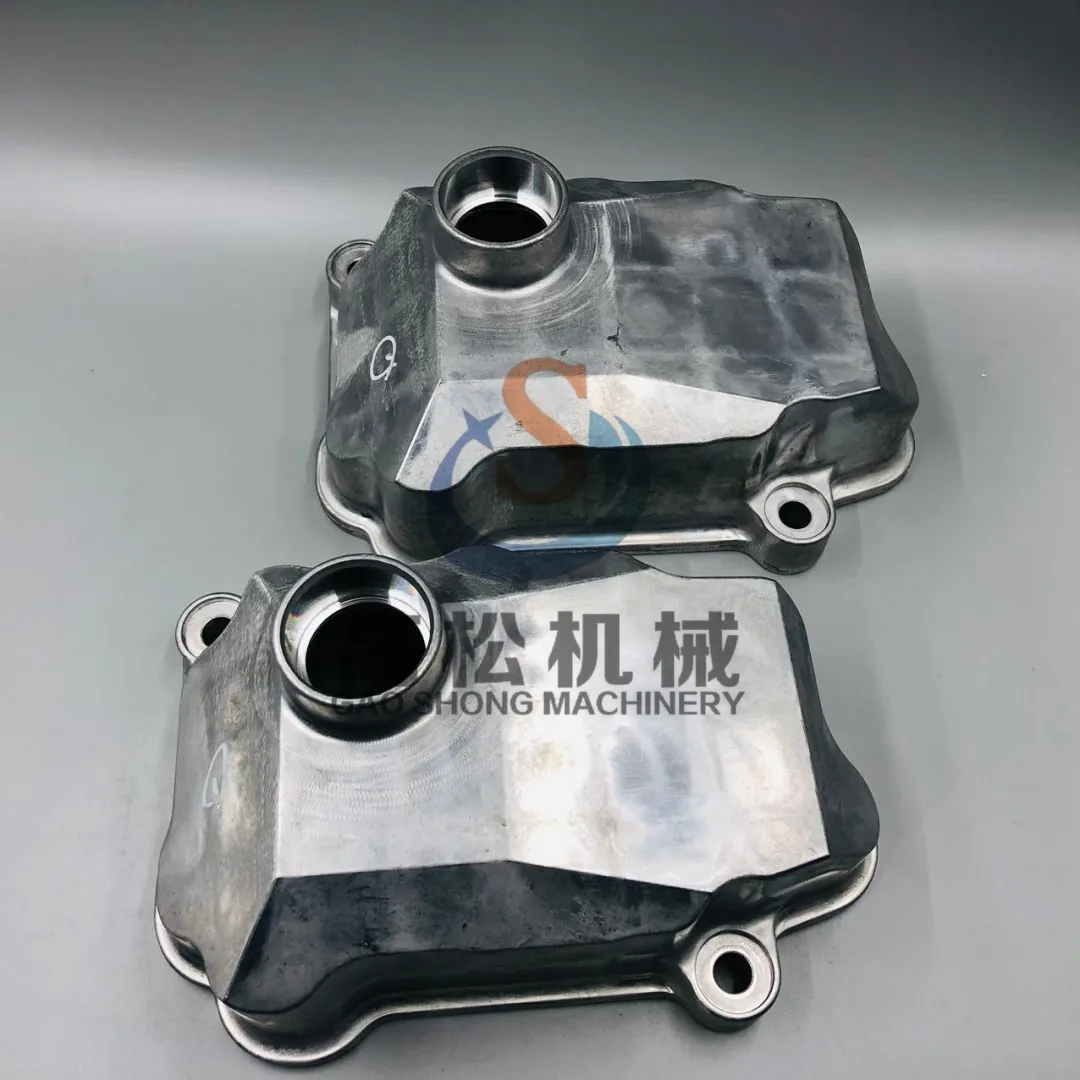 Komatsu SAA6D125E-5 Valve Cover | Part Number 6251-11-8150