
- Chinese
- French
- German
- Portuguese
- Spanish
- Russian
- Japanese
- Korean
- Arabic
- Irish
- Greek
- Turkish
- Italian
- Danish
- Romanian
- Indonesian
- Czech
- Afrikaans
- Swedish
- Polish
- Basque
- Catalan
- Esperanto
- Hindi
- Lao
- Albanian
- Amharic
- Armenian
- Azerbaijani
- Belarusian
- Bengali
- Bosnian
- Bulgarian
- Cebuano
- Chichewa
- Corsican
- Croatian
- Dutch
- Estonian
- Filipino
- Finnish
- Frisian
- Galician
- Georgian
- Gujarati
- Haitian
- Hausa
- Hawaiian
- Hebrew
- Hmong
- Hungarian
- Icelandic
- Igbo
- Javanese
- Kannada
- Kazakh
- Khmer
- Kurdish
- Kyrgyz
- Latin
- Latvian
- Lithuanian
- Luxembou..
- Macedonian
- Malagasy
- Malay
- Malayalam
- Maltese
- Maori
- Marathi
- Mongolian
- Burmese
- Nepali
- Norwegian
- Pashto
- Persian
- Punjabi
- Serbian
- Sesotho
- Sinhala
- Slovak
- Slovenian
- Somali
- Samoan
- Scots Gaelic
- Shona
- Sindhi
- Sundanese
- Swahili
- Tajik
- Tamil
- Telugu
- Thai
- Ukrainian
- Urdu
- Uzbek
- Vietnamese
- Welsh
- Xhosa
- Yiddish
- Yoruba
- Zulu
- Kinyarwanda
- Tatar
- Oriya
- Turkmen
- Uyghur





komatsu pc8000 engine
When you hear 'Komatsu PC8000 engine', most folks immediately jump to the SAA12V140E-3 spec—the 2610 kW monster. That's the headline, but it's only the start. The real story isn't in the brochure; it's in the field, dealing with the heat, the dust, and the relentless demand for uptime. A common pitfall is treating it like just another big diesel. It's not. The integration with the machine's entire hydraulic and control system is what defines its performance, or its headaches, depending on your maintenance foresight.
The Heart of the Beast and Its Real-World Pulse
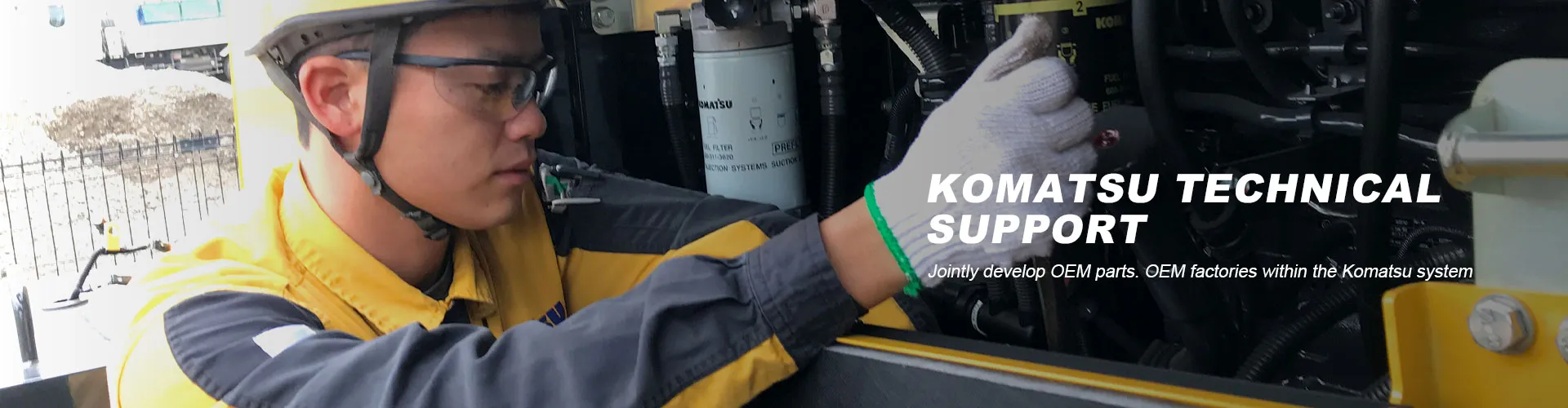
We supplied a complete Komatsu PC8000 engine assembly to a mining operation in West Africa last year. The initial focus was, understandably, on the core power unit. But the lesson came from the periphery. The customer's site had persistent issues with air filtration due to extreme silica dust. The standard cyclones weren't cutting it. We had to push for a custom multi-stage pre-cleaner solution, something not in the standard parts manual. This is where being more than just a parts vendor matters. Our role at Jining Gaosong Construction Machinery Co., Ltd. as an OEM supplier within Komatsu's system meant we could navigate the genuine parts catalog, but our third-party experience allowed us to integrate a robust, third-party filtration system that Komatsu's local distributor hadn't even proposed. The engine's health is only as good as what goes into it.
Cooling is another beast entirely. The PC8000's engine doesn't overheat in a vacuum. It's usually a cascade failure. We saw a case where a failing fan drive hydraulic pump led to insufficient radiator airflow. The temps crept up, the ECM derated the power, and production tanked. The site mechanics replaced every temperature sensor on the engine before tracing it back to hydraulic pressure. The point is, diagnosing this engine requires you to think in systems. You can't just isolate the Komatsu PC8000 power block. You have to consider the hydraulic oil cooler circuit, the aftercooler circuit, and the fan drive system as extensions of the engine itself.
Then there's fuel quality. Sounds basic, right? But with Tier 2/Tier 3 emissions engines like this, poor fuel is a silent killer. We've had engines with repeated injector failures. The customer swore they were using clean fuel. After a lot of back-and-forth, we insisted on testing fuel from the actual storage tanks on site. The water content and particulate levels were off the charts. The filtration on the machine's supply line wasn't enough. It led to a whole site-wide fuel management overhaul. Saving pennies on fuel filtration cost them over $80k in injectors and downtime. The engine is robust, but it's not forgiving of neglect.
Parts Paradox: OEM, Aftermarket, and the Supply Gap
This is where our specific position gets interesting. As an OEM product supplier within the Komatsu system, we have access to genuine parts pipelines. For critical rotating components—the turbocharger cartridge, the fuel injection pump, main bearings—you almost never want to compromise. The engineering tolerances and material specs are non-negotiable. We sourced a genuine SAA12V140 crankshaft for a rebuild in Chile, and the difference in balancing and surface hardening compared to a will-fit part was visibly apparent. It's not just about durability; it's about preventing harmonic vibrations that can shake other components to death.
However, the reality in many regions is that genuine parts are either prohibitively expensive or stuck in endless logistics chains. This is the parts supply challenges in certain countries we aim to solve. For example, things like engine mounting brackets, certain sensor harnesses, or even the massive heat exchangers. If a mine in a remote location is down for six weeks waiting for a shipped radiator core, that's catastrophic. We've worked with certified local fabricators to produce these ancillary components to Komatsu's original drawings and material specs, getting the machine back online in days. It's a pragmatic solution that requires deep technical knowledge to vet quality, something a pure third-party seller might not have.
I recall a failed attempt early on. A customer wanted to save cost on the engine's water pump. We found an aftermarket unit that looked identical on paper. It failed within 400 hours. The impeller material couldn't handle the coolant additives, and it cavitated, leading to overheating. We ate the cost and replaced it with a genuine unit. It was a hard lesson: some parts are married to the engine's design life cycle. You can't outsmart the original engineering on every component. Now, our approach is hybrid: OEM for the heart, validated alternatives for the limbs, but only after rigorous testing and approval. The team at Takematsu Machinery has gotten good at drawing that line.
Electronics and the Invisible Hand
Modern PC8000 engines are governed by a network of controllers. The Engine Control Module (ECM) is just one player. It talks to the transmission controller, the pump controllers, everything. A lot of engine problems are actually communication errors. We use Komatsu's official diagnostic software, but you'd be surprised how often a simple corroded connector in the J1939 CAN bus line causes a critical engine derate alarm. You need to be as much an electrician as a mechanic.
There's also the data side. These engines log everything. Fuel rate, injection timing, exhaust gas temps across each cylinder. The trick is getting that data and knowing what to do with it. We helped a site implement a basic telematics gateway to pull hourly reports. By trending exhaust gas temperatures, they spotted one cylinder running hot weeks before a power loss became noticeable. It turned out to be a slightly sticky intake valve guide, likely from dust ingestion. Predictive maintenance is possible, but it starts with respecting the data the Komatsu engine is already giving you.
Reprogramming or de-rating requests come up, especially in regions with less strict emissions enforcement. Some want to turn off the derate function when a sensor fails. We strongly advise against it. That derate is a protection, not a nuisance. Bypassing it to keep running at full power with a faulty coolant temp sensor is a surefire way to cook the cylinder heads. Our stance is to fix the root cause, not mask the symptom. It might lose a sale in the short term, but it preserves the machine's life—and our reputation.
Rebuilds and the Second Life
A complete Komatsu PC8000 engine overhaul is a monumental task. It's not just a rebuild; it's a forensic investigation. Why did it fail? Was it abrasive dust wear on the cylinder liners? Was there fuel dilution in the oil? We once opened an engine that had major bearing damage. The initial thought was oil starvation. But the oil analysis showed high sulfur content. The culprit turned out to be the site's bulk oil supplier accidentally delivering a different grade. The entire lubrication circuit had to be flushed, not just the engine replaced.
During rebuilds, component sourcing becomes critical. For a machine with a potentially 15-year life, some parts become obsolete. This is another niche we fill. We maintain an inventory of legacy components for models like the PC8000-6, bridging the gap between Komatsu's current stock and the needs of older fleets. It's not the flashy side of the business, but it's what keeps these capital assets producing.
The rebuild process itself has quirks. The torque sequence for the cylinder head bolts is a multi-stage, angular torque procedure. Missing the final angular turn by even a few degrees can lead to head gasket failure under load. It's these minute details that separate a successful rebuild from a costly repeat failure. There's no room for good enough.
Final Thoughts: It's a Partnership, Not a Transaction
So, when we talk about the Komatsu PC8000 engine, we're really talking about sustaining a massive piece of production infrastructure. It's not about selling a part. It's about understanding the operating environment, the maintenance culture, and the economic pressures of the site. Whether it's providing a genuine OEM fuel rail or engineering a workaround for a hard-to-get hydraulic line for the cooling system, the goal is the same: maximize uptime.
Our dual role as an OEM-linked supplier and an independent solver is key. We can leverage the Komatsu system's engineering rigor but apply it with the flexibility the real world demands. The engine is a masterpiece of mechanical engineering, but its longevity is determined by the ecosystem around it—from the air filter to the fuel tank to the technician with the wrench. That's the perspective you only get from being in the trenches with these machines, not just the parts catalog.
In the end, the spec sheet gives you horsepower and displacement. The field gives you the truth. And the truth is, keeping that PC8000 engine running is a continuous, collaborative effort between the machine, the mine, and a supplier who knows the difference between a quick fix and the right fix.
Related Products
Related Products
Best Selling Products
Best Selling Products-
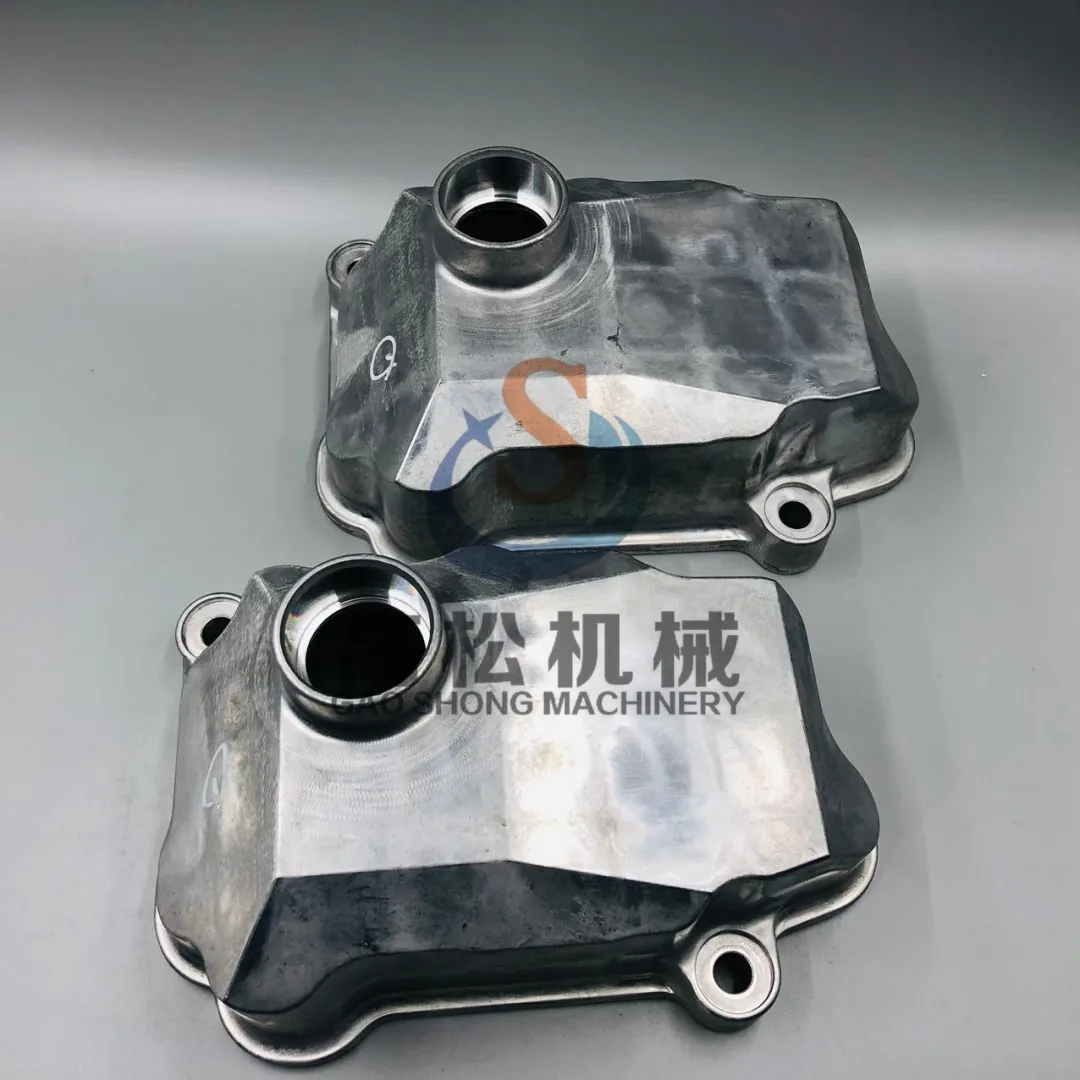 KOMATSU 6251-11-8150 COVER
 -
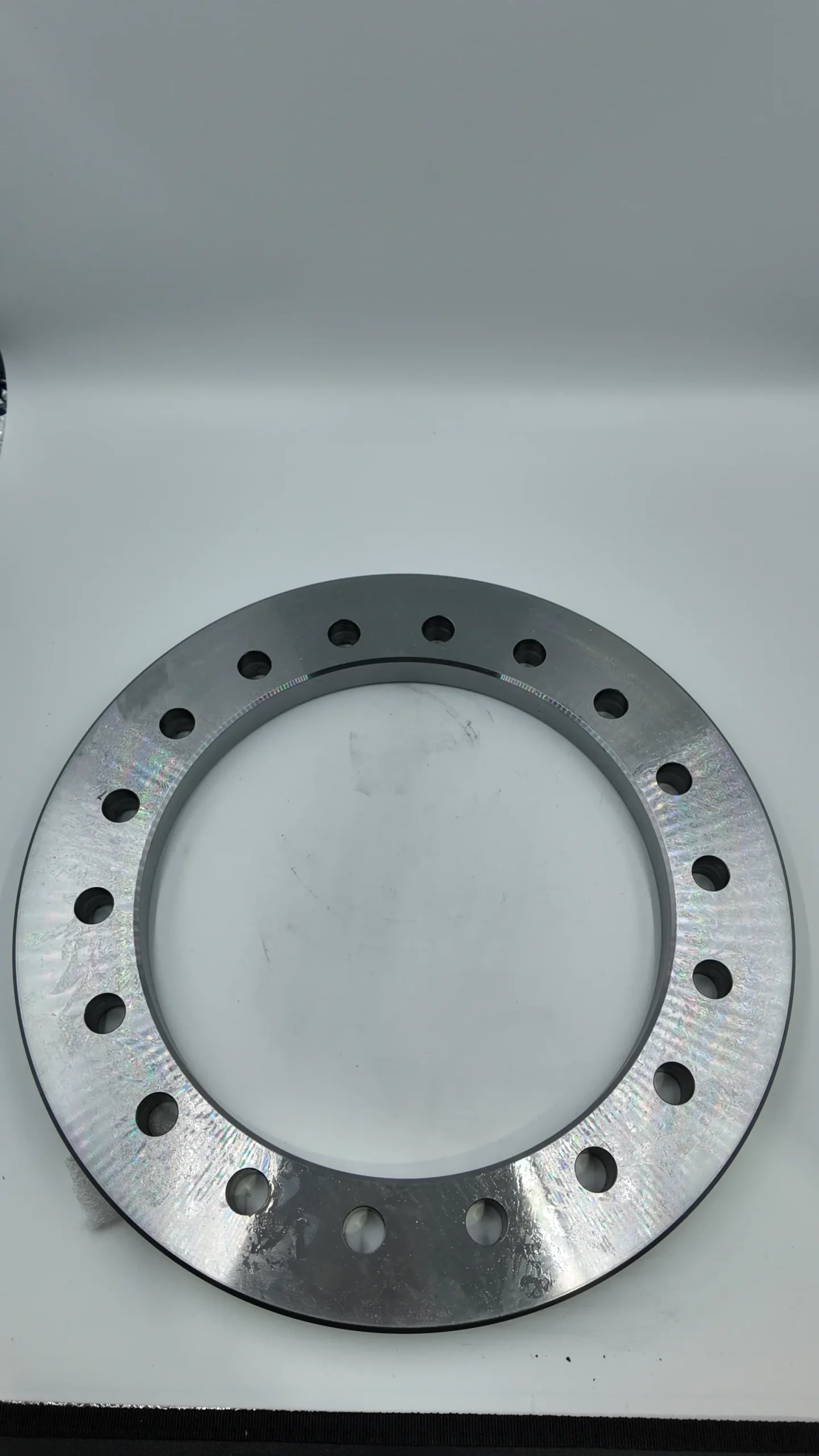 Komatsu Holder 195-27-31390
 -
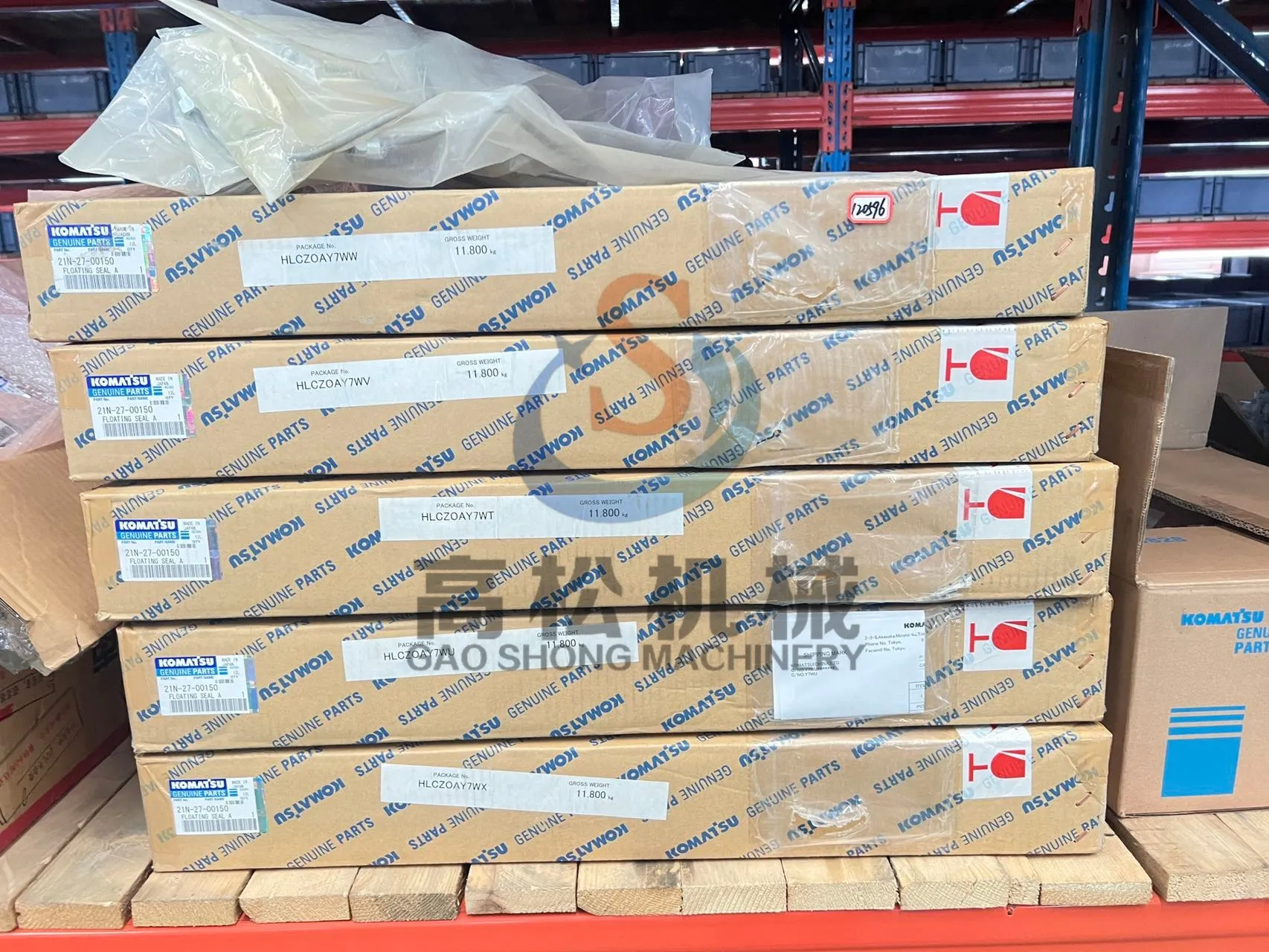 21N-27-00150 Komatsu Floating Seal Assembly
 -
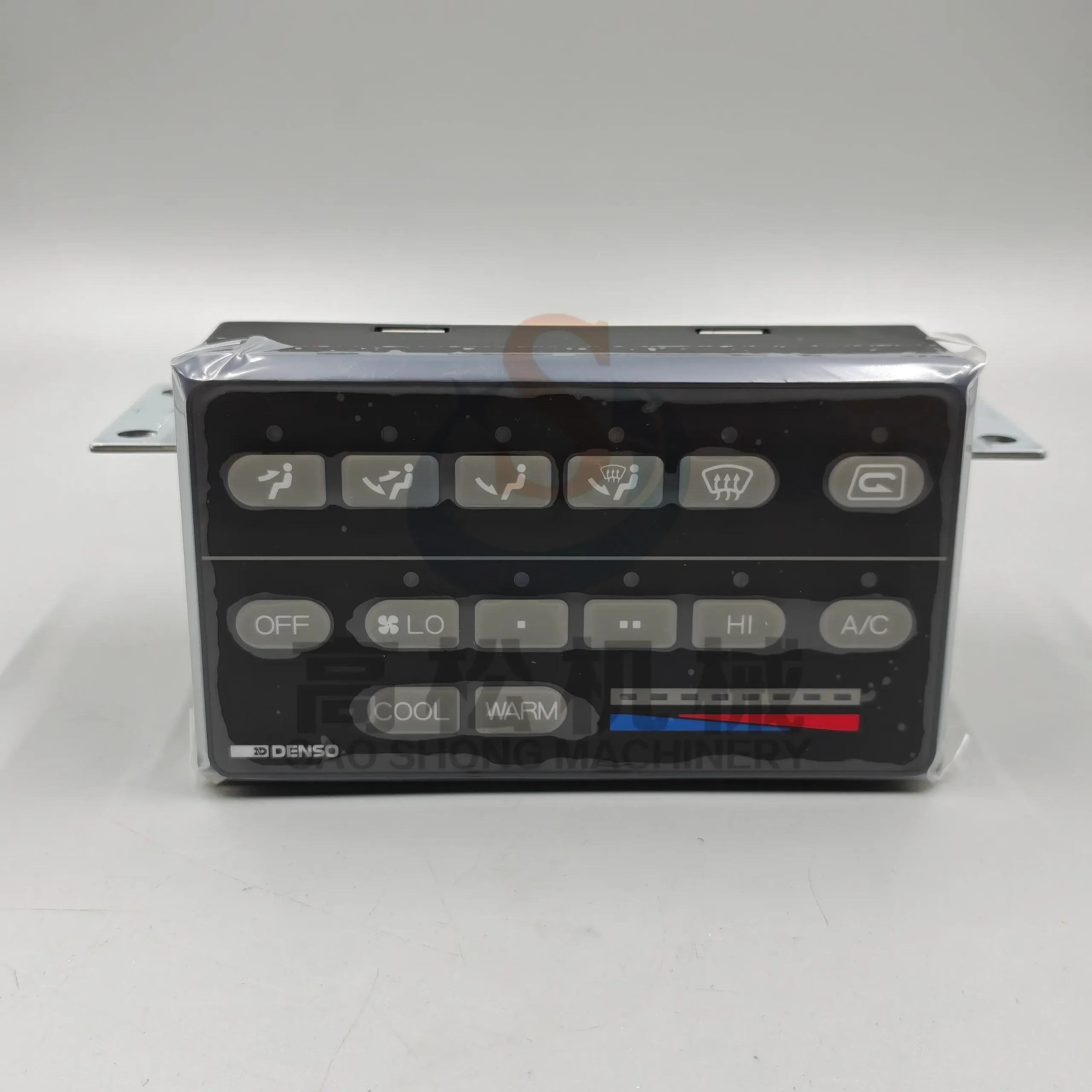 425-07-21121 Controller
 -
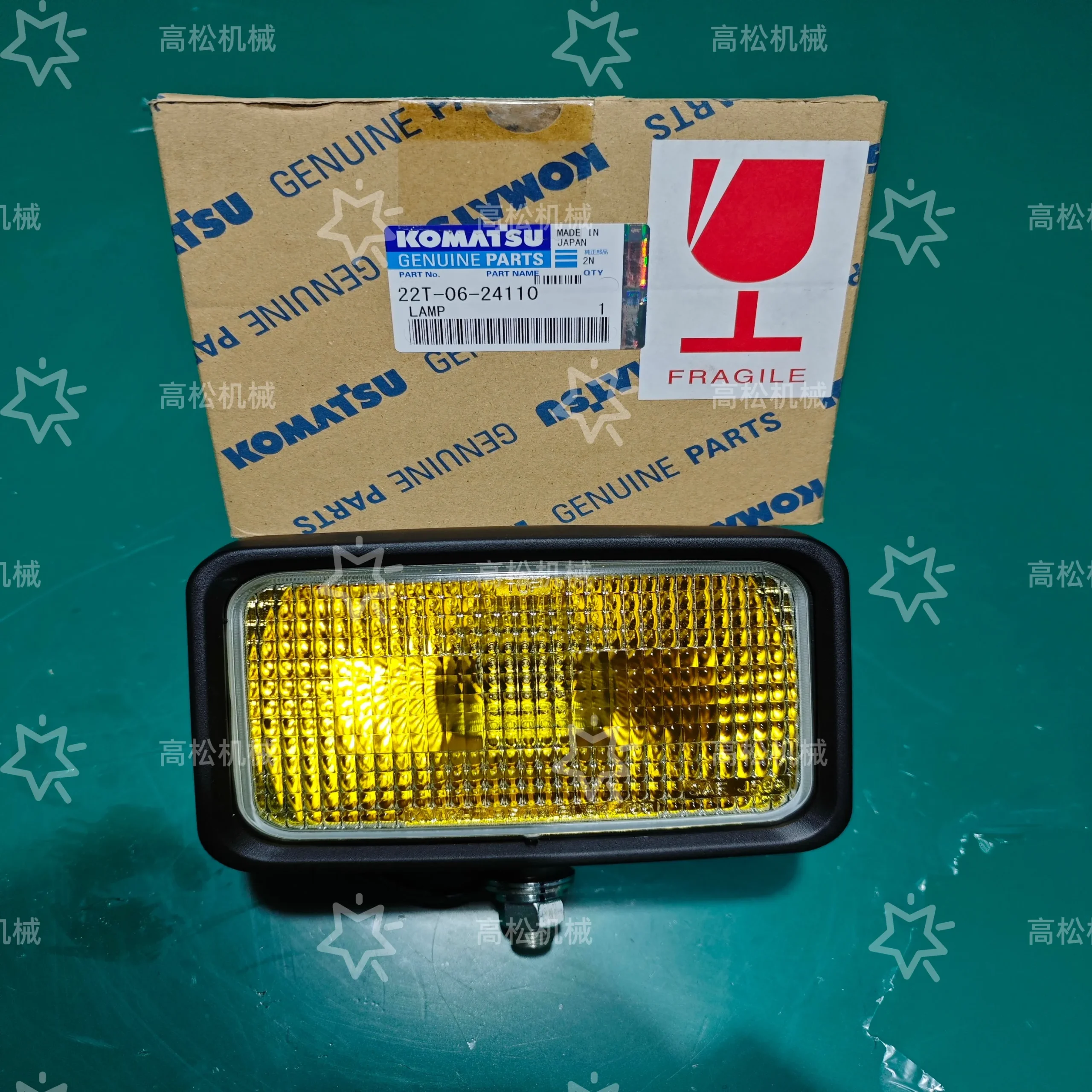 LAMP 22T-06-24110 – KOMATSU
 -
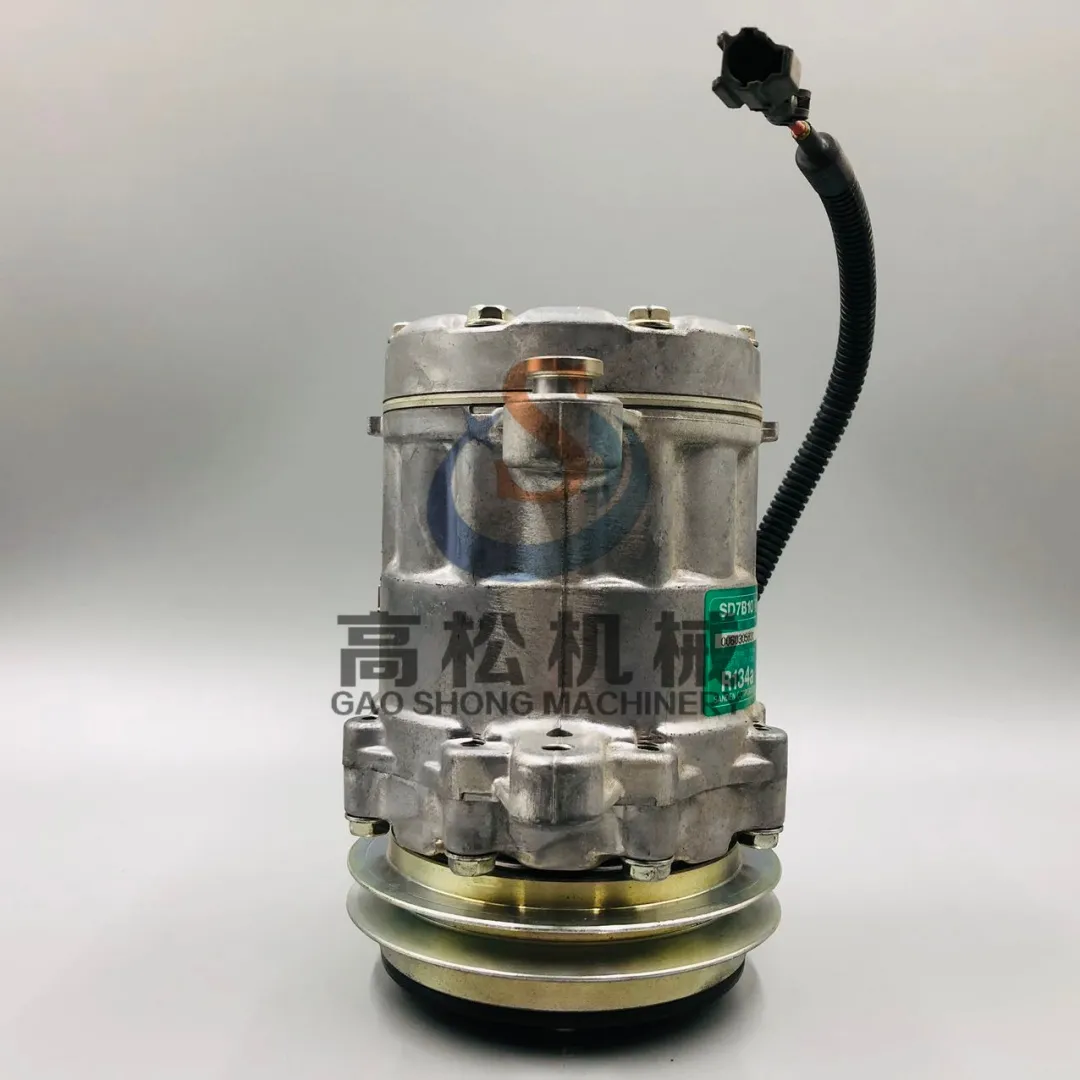 A/C Compressor 22L-979-2200 For Komatsu
 -
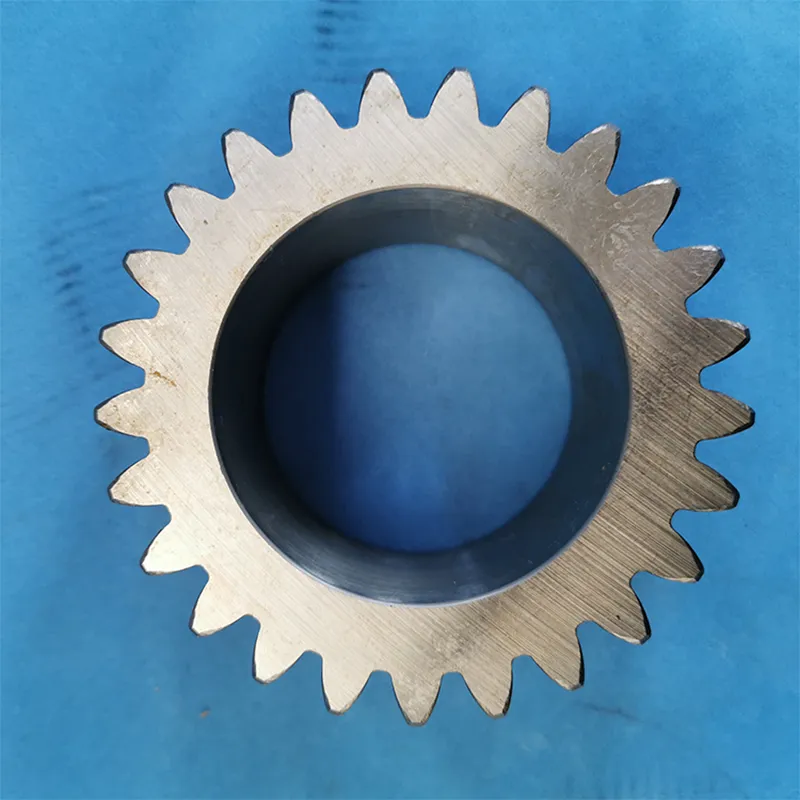 Komatsu original D155A-3 Valve Assembly 17A-49-21100
 -
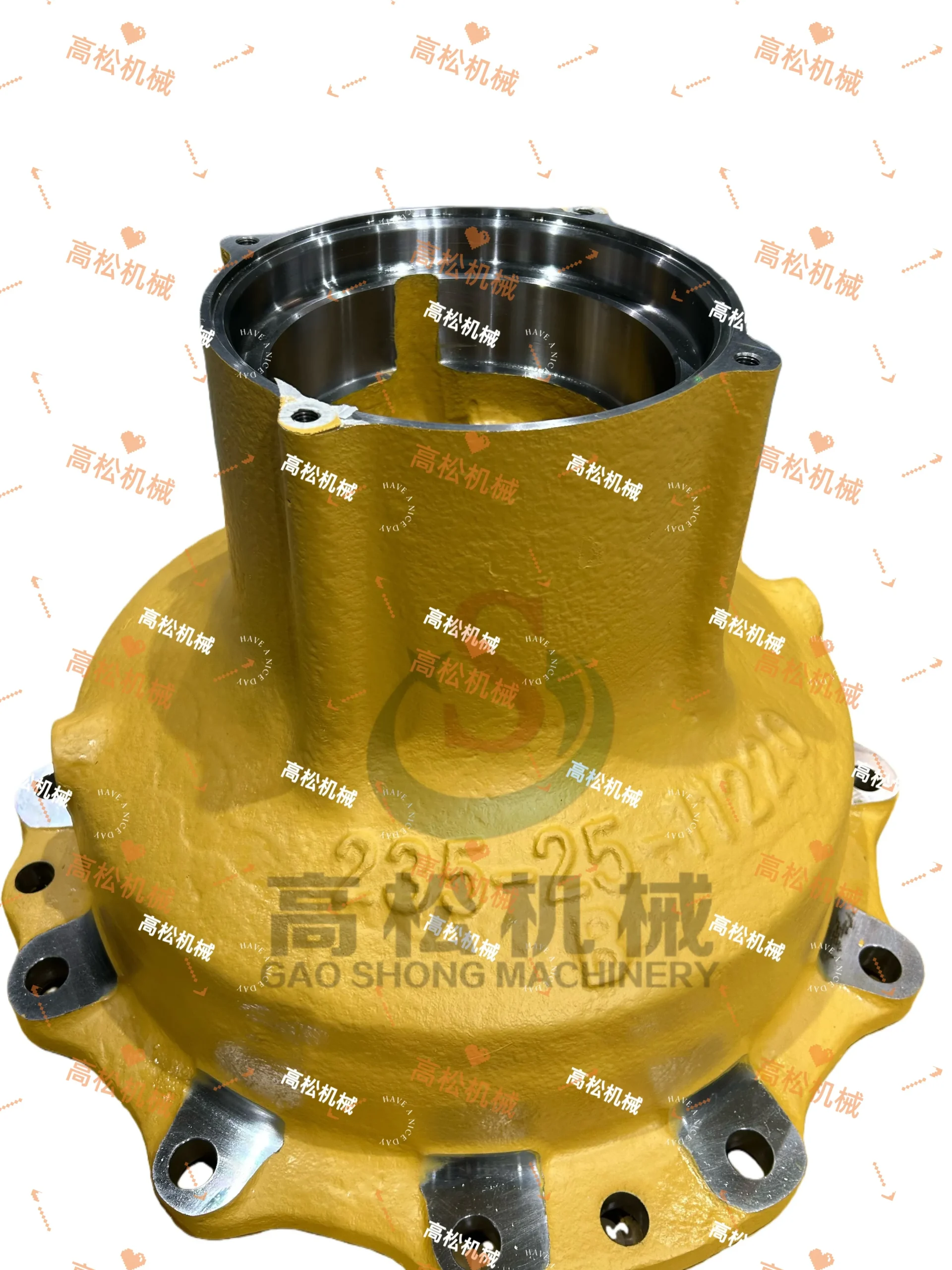 CAGE 235-25-11220 CAGE GD825A-2 S/N 11001-UP TANDEM DRIVE GEAR AND CHAIN
 -
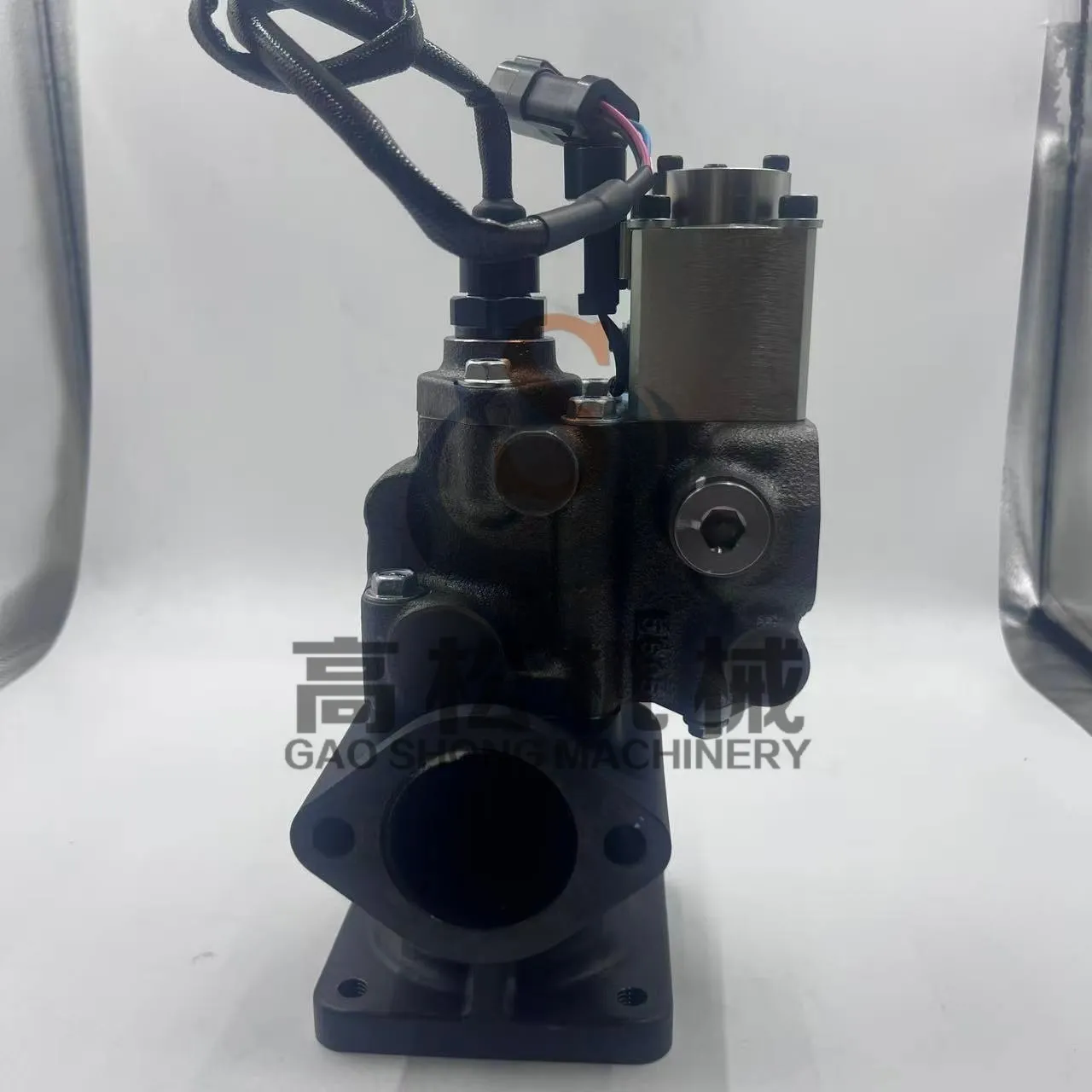 6261-41-9500 Komatsu Valve Assembly
 -
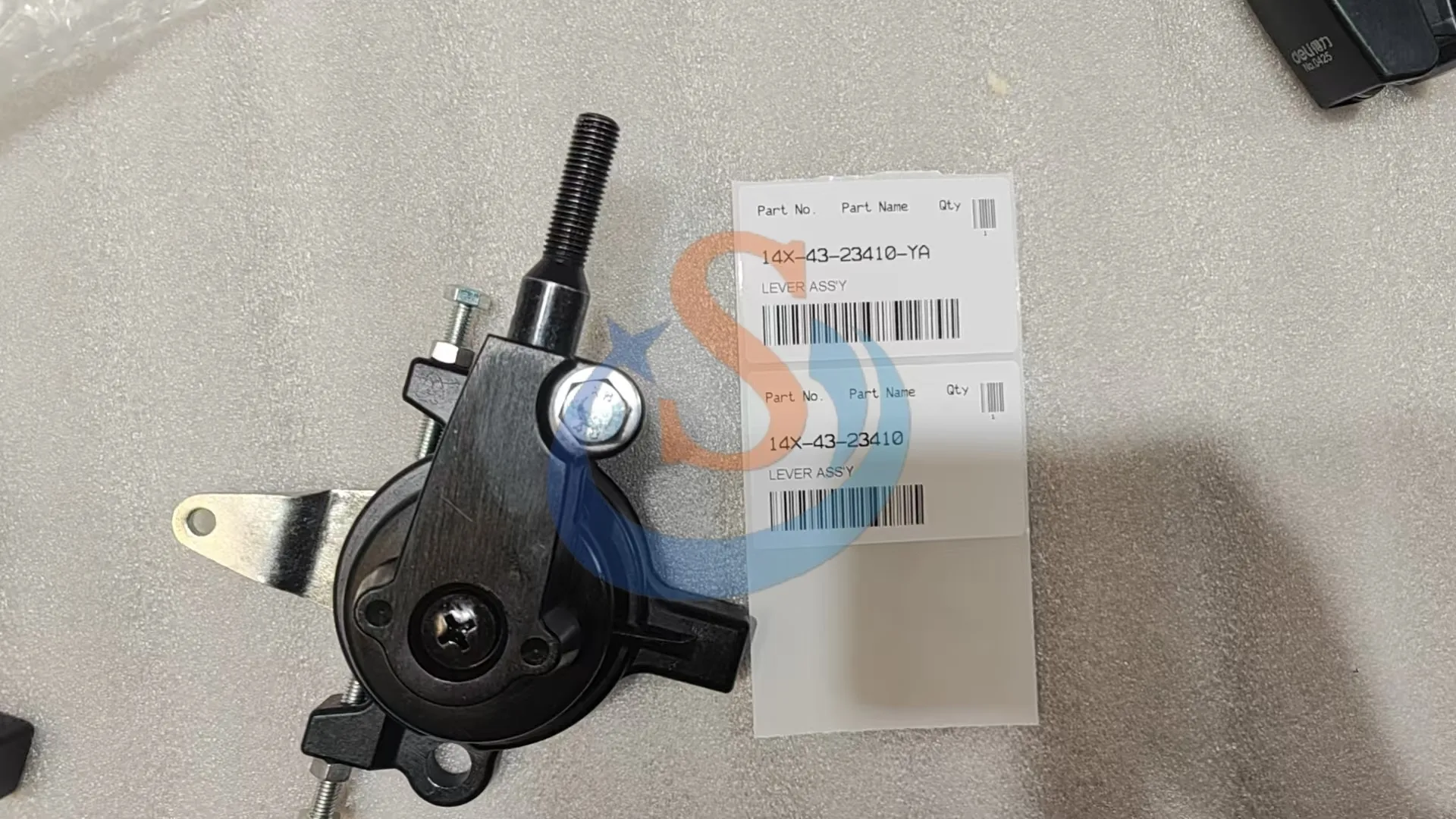 14X-43-23410,LEVER ASS’Y,D65PX,D85E,D65E
 -
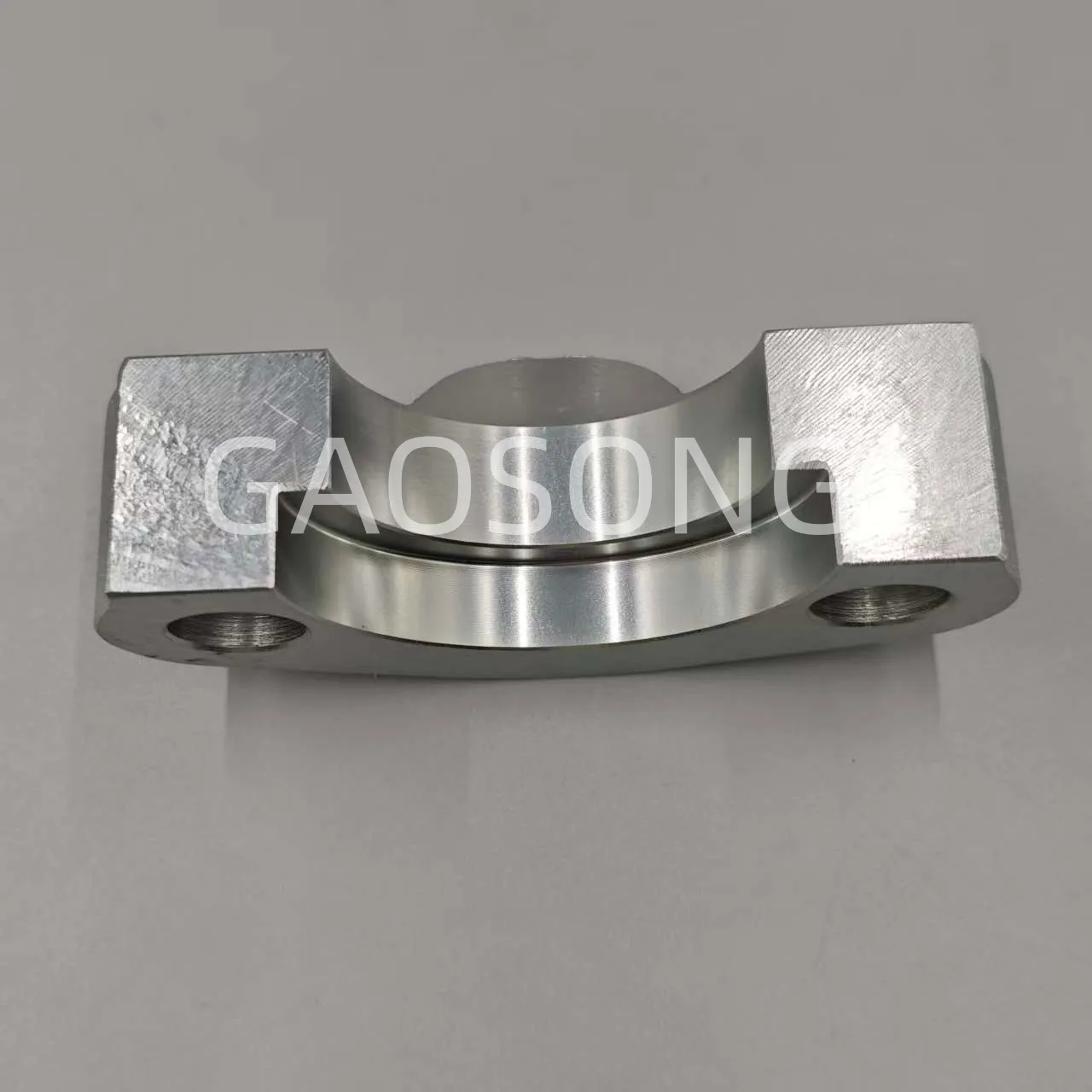 07371-51470 FLANGE-Komatsu Original Factory
 -
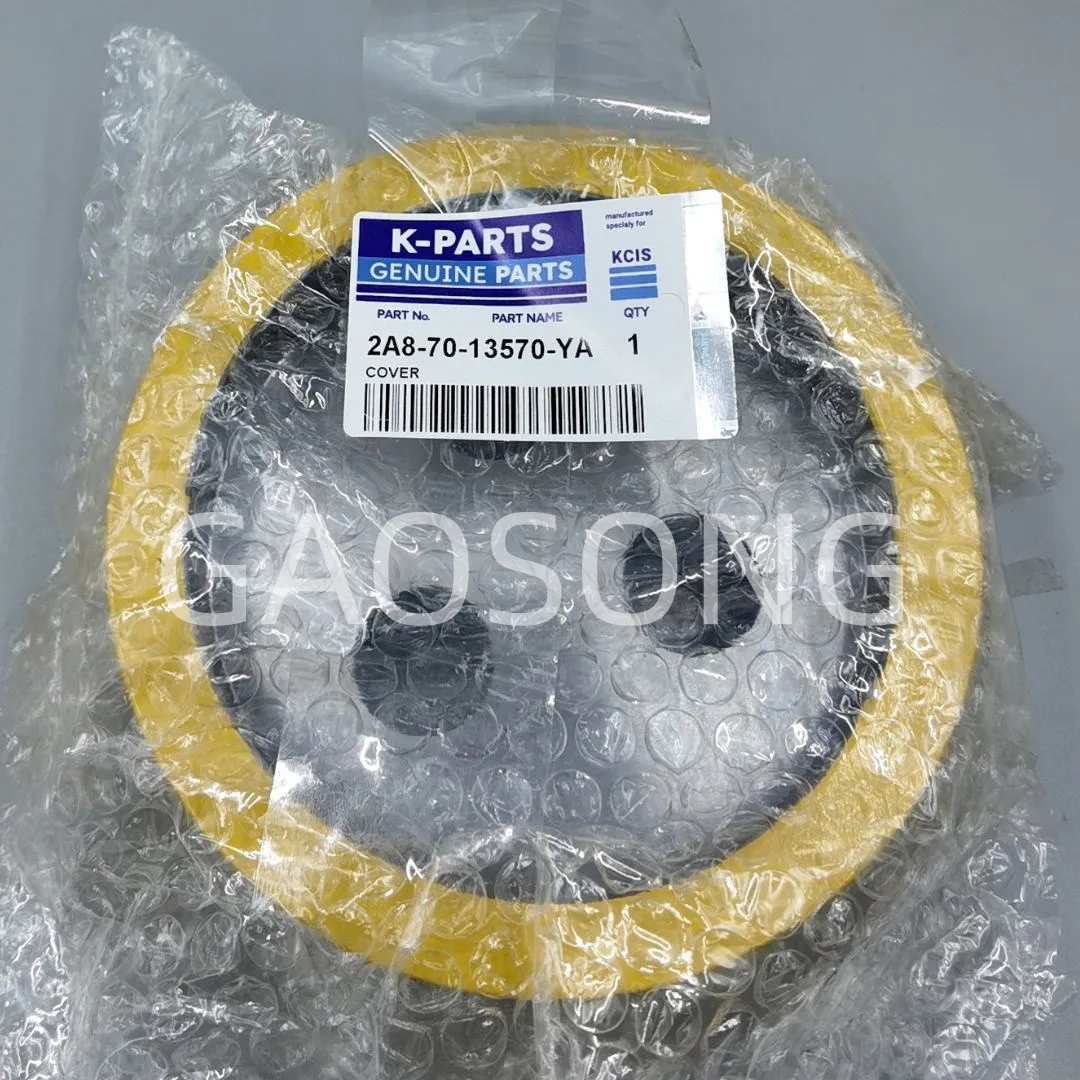 2A8-70-13570 Cover-Komatsu Original Factory