
- Chinese
- French
- German
- Portuguese
- Spanish
- Russian
- Japanese
- Korean
- Arabic
- Irish
- Greek
- Turkish
- Italian
- Danish
- Romanian
- Indonesian
- Czech
- Afrikaans
- Swedish
- Polish
- Basque
- Catalan
- Esperanto
- Hindi
- Lao
- Albanian
- Amharic
- Armenian
- Azerbaijani
- Belarusian
- Bengali
- Bosnian
- Bulgarian
- Cebuano
- Chichewa
- Corsican
- Croatian
- Dutch
- Estonian
- Filipino
- Finnish
- Frisian
- Galician
- Georgian
- Gujarati
- Haitian
- Hausa
- Hawaiian
- Hebrew
- Hmong
- Hungarian
- Icelandic
- Igbo
- Javanese
- Kannada
- Kazakh
- Khmer
- Kurdish
- Kyrgyz
- Latin
- Latvian
- Lithuanian
- Luxembou..
- Macedonian
- Malagasy
- Malay
- Malayalam
- Maltese
- Maori
- Marathi
- Mongolian
- Burmese
- Nepali
- Norwegian
- Pashto
- Persian
- Punjabi
- Serbian
- Sesotho
- Sinhala
- Slovak
- Slovenian
- Somali
- Samoan
- Scots Gaelic
- Shona
- Sindhi
- Sundanese
- Swahili
- Tajik
- Tamil
- Telugu
- Thai
- Ukrainian
- Urdu
- Uzbek
- Vietnamese
- Welsh
- Xhosa
- Yiddish
- Yoruba
- Zulu
- Kinyarwanda
- Tatar
- Oriya
- Turkmen
- Uyghur






komatsu pc78mr 6 parts
When you start digging into Komatsu PC78MR-6 parts, you immediately hit the industry's open secret: the official supply chain isn't always the answer, especially for older models or in regions Komatsu doesn't prioritize. Everyone talks about OEM quality, but on the ground, the conversation is about downtime costs versus part pedigree. The PC78MR-6, a solid mid-size machine, is now at that stage where genuine parts from Komatsu can have lead times that cripple a project. That's where the whole ecosystem of suppliers, especially those with formal ties to Komatsu, becomes critical. It's not just about finding a part; it's about finding a reliable source for a part that won't fail in six months.
The OEM vs. Aftermarket Dilemma in Practice
Let's be clear: for critical components like the main hydraulic pump or the controller, I'll always push for OEM-spec. But for the PC78MR-6, what is OEM-spec? Komatsu itself licenses designs. I've used suppliers who are part of the Komatsu system, like Jining Gaosong. Their pitch is they are an OEM product supplier within Komatsu's network. This isn't just marketing fluff. For parts like cylinder rods, pins, and bushings, they often come off the same production lines as the parts going into Komatsu's own boxes, but without the branding and the associated cost and logistics overhead.
The trap many fall into is equating third-party with inferior. A company like Jining Gaosong, which positions itself as both an OEM supplier and a third-party sales channel, exists precisely because of the gap in Komatsu's official distribution. They solve for specific countries where Komatsu's presence is thin. I sourced a swing bearing for a PC78MR-6 from them once. The genuine part was on a 12-week backorder from Japan. Theirs was available, with documentation tracing back to a Komatsu-approved factory in Asia. It worked. The machine is still running. That experience changed my sourcing checklist.
You develop a feel for what you can and can't risk. I'd never gamble on an aftermarket ECU. But for undercarriage components, wear plates, or even a complete arm assembly? If the supplier has the pedigree and can provide material certifications, the value proposition shifts dramatically. The key is transparency. A good supplier won't hide the origin; they'll explain it.
Case Point: The Hydraulic Valve Bank Saga
Here's a real scenario. A client's PC78MR-6 had a slow, creeping drift in the arm function. Diagnostics pointed to the main control valve. The official Komatsu dealer quoted a staggering price for the whole valve bank assembly, with a 90-day lead time. Teardown showed only one specific spool valve was worn. Sourcing just that spool from Komatsu was impossible—they only sell the assembly.
This is where a specialized parts solution comes in. We reached out to several channels, including the company behind takematsumachinery.com. Their model is interesting. As they state, they help solve parts supply challenges in certain countries. They didn't have a genuine spool. Instead, they offered a remanufactured unit, built to OEM specifications using the original housing. The cost was 40% of the new assembly, and it shipped in a week.
The installation was straightforward, but the real test was performance. We pressure-tested it, cycled it for hours. The drift was gone. That was two years ago. The lesson wasn't that aftermarket is better. The lesson was that for a machine like the PC78MR-6, you need a network that operates in the pragmatic space between official only and the wild west of no-name parts. Suppliers who understand the Komatsu system from the inside can navigate this space effectively.
Identifying Reliable Sources Beyond the Catalog
So how do you vet a company like Jining Gaosong Construction Machinery Co., Ltd.? It goes beyond a website. First, I look for specificity. Can they provide part numbers for the PC78MR-6 that match Komatsu's numbering system? Can they break down a component? For instance, not just a boom, but can they supply the specific linkage pins (like the 20Y-70-11310) or the bushing kit for the arm? Their website should be a starting point, not the final word.
Second, communication is telling. When I inquire, I ask technical, detailed questions. Is this pin induction-hardened to the same depth as the original? What is the Brinell hardness of this bucket tooth adapter? A supplier with real ties to OEM production can usually answer these questions or get the specs quickly. A generic parts trader will give you vague assurances.
Finally, I always ask for a sample or start with a low-risk, high-wear item. Something like a track chain link or a set of filters. You test the quality, the packaging, the paperwork, and the logistics. If they can deliver a simple part efficiently and it meets spec, you build from there. This company's stated role as a third-party sales company for Komatsu suggests they should have this level of technical competency, but you have to verify it project by project.
Common Pitfalls and the Good Enough Compromise
One major pitfall is assuming all parts for the PC78MR-6 are interchangeable across its dash-number variants. The -6 has specific updates from the -5, especially in the electronic control system. A throttle motor or sensor might look identical but have a different calibration. A professional supplier will catch this. A less experienced one will send the wrong part, costing you more downtime.
Then there's the good enough compromise. For example, seal kits. An OEM seal kit for the excavator's travel motors is expensive. High-quality, metric-sized seals from a reputable manufacturer like NOK or Parker can often be used, but it requires a mechanic who can match sizes and materials, not just part numbers. Sometimes, using a supplier who provides these kit alternatives is smarter than waiting for the official kit, but it requires knowledge and confidence.
I've had failures, too. Early on, I used a cheaper, non-OEM-spec swing gear for a PC78MR. It lasted about 800 hours before showing significant wear. The genuine part, when we finally installed it, went over 3000. The cost savings were obliterated by the second repair bill. That experience cemented my rule: for gears, bearings, and any component with high dynamic loads, never deviate from the OEM specification, even if it comes from a licensed third-party.
Wrapping It Up: A Pragmatic Parts Strategy
Managing Komatsu PC78MR-6 parts inventory isn't about brand loyalty alone; it's about operational continuity. You need a tiered strategy. Tier 1: Critical, load-bearing, and electronic components—source from Komatsu or verified OEM-system suppliers with full traceability. Tier 2: High-wear items like pins, bushings, buckets, and hoses—this is where a partner like an OEM-product supplier within the Komatsu system offers the best balance of speed, cost, and reliability.
The value of a company operating as both an OEM supplier and a third-party sales arm is flexibility. They can often get you the genuine article when you absolutely need it, but also provide a certified, cost-effective alternative when the situation allows. Their entire business, as Takematsu Machinery's site indicates, is built on solving the supply challenges that Komatsu's primary network sometimes creates.
In the end, it comes down to relationships and verified performance. The PC78MR-6 is a workhorse. Keeping it running doesn't always mean opening the official parts book. It means having a shortlist of go-to experts who understand the machine, the system it came from, and the practical realities of keeping it in the field. That list, for me, includes suppliers who bridge the gap between the factory and the jobsite.
Related Products
Related Products

Best Selling Products
Best Selling Products-
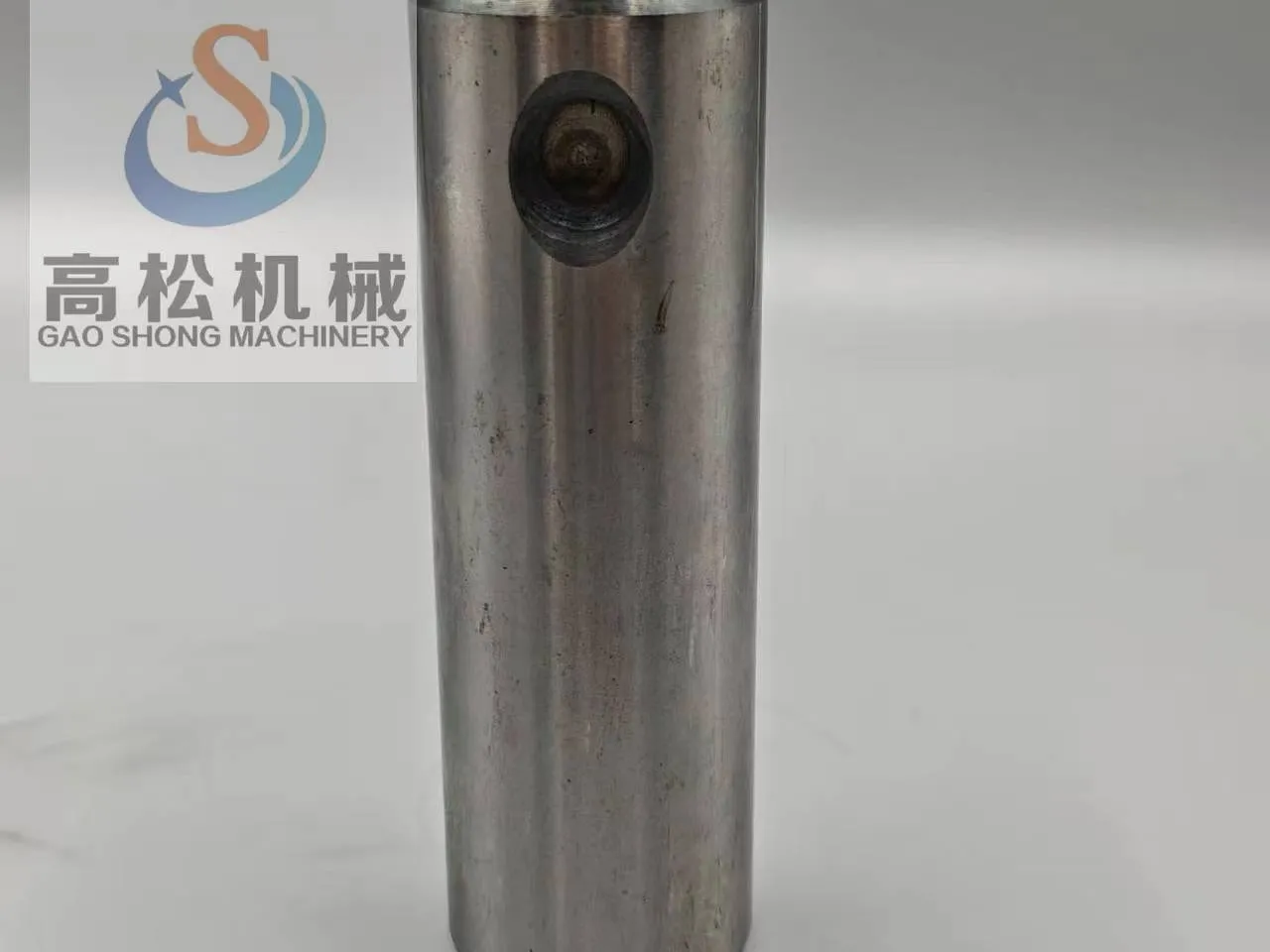 Komatsu Pin, 20Y-27-31160 Komatsu Sales, 20Y-27-31160
 -
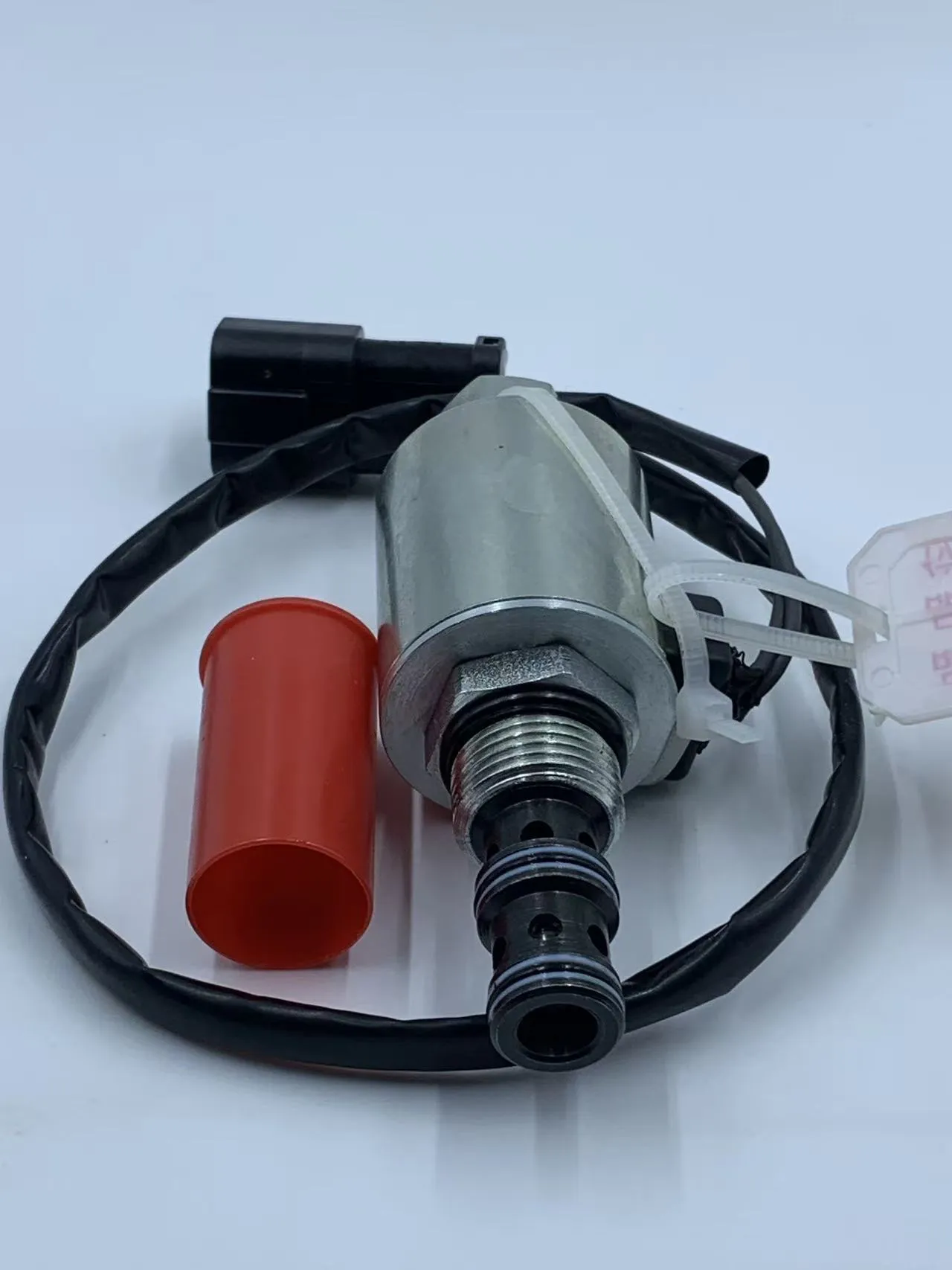 20Y6011713 excavator solenoid valve construction machinery parts suitable for Komatsu PC200-7 20Y-60-11713
 -
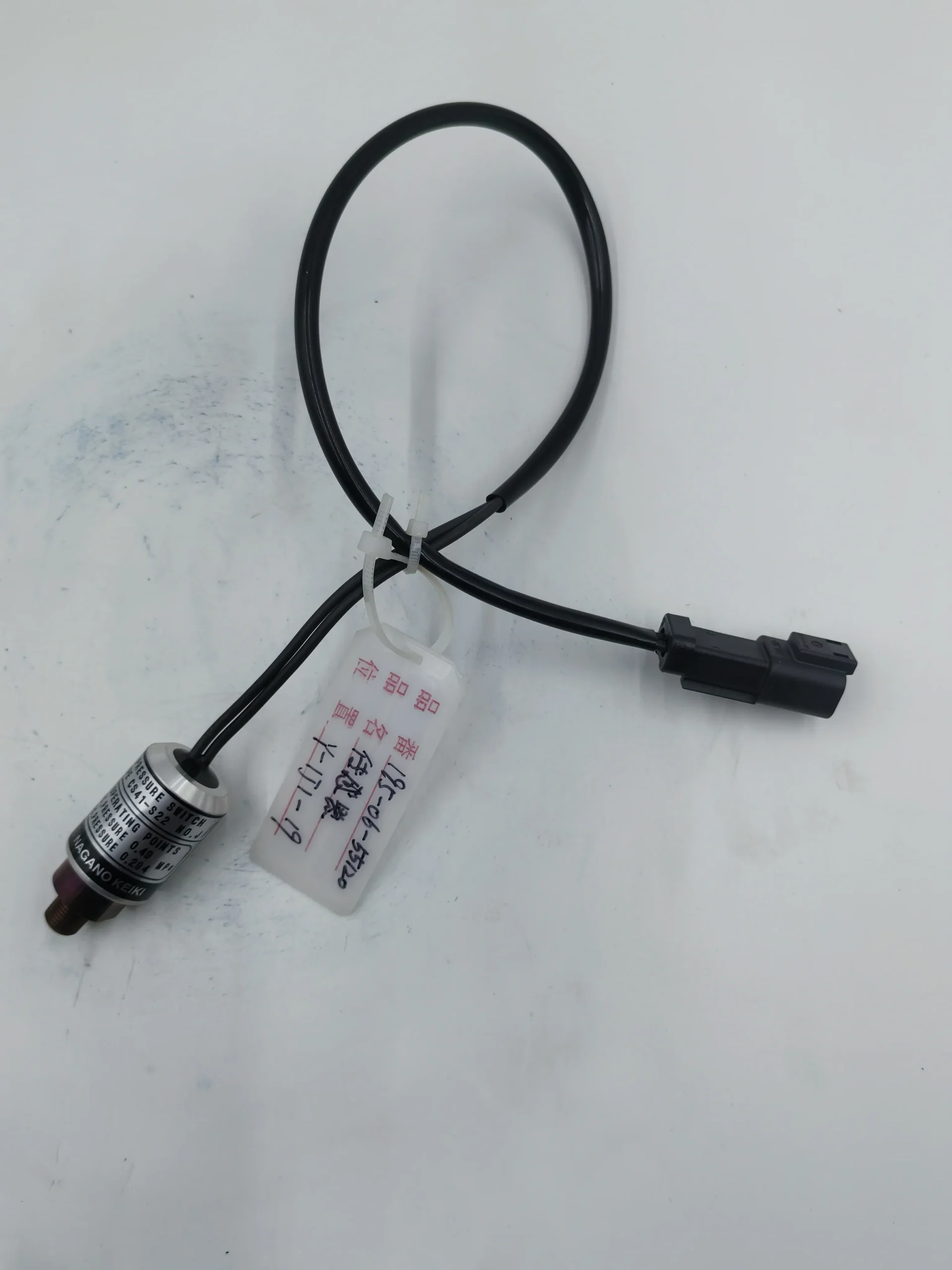 Electrical Parts 195-06-55120 Switch
 -
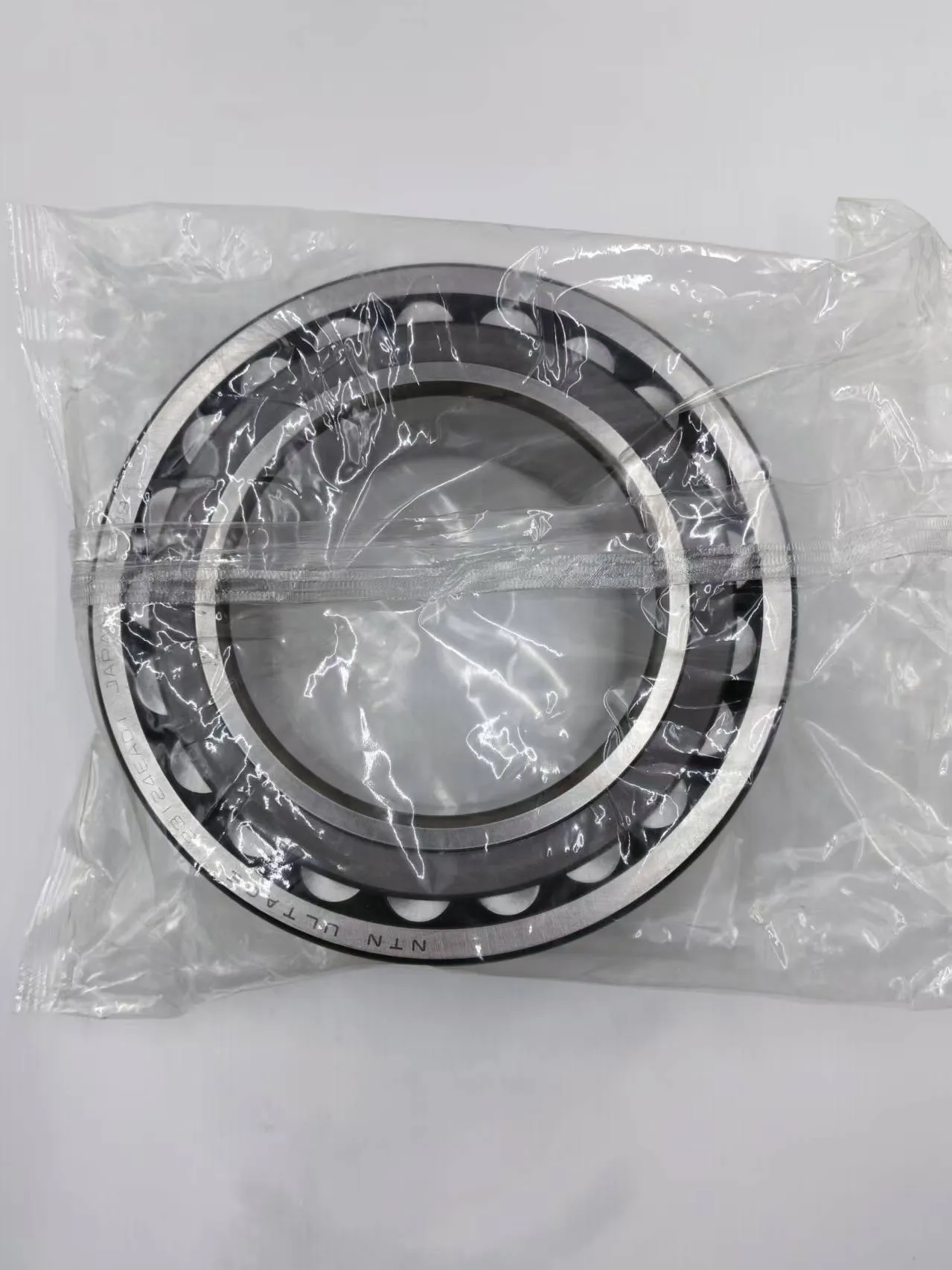 208-26-71530 Bearing for Komatsu PC450 PC460 PC500 Excavator Swing Drive Bearing Reducer Bearing
 -
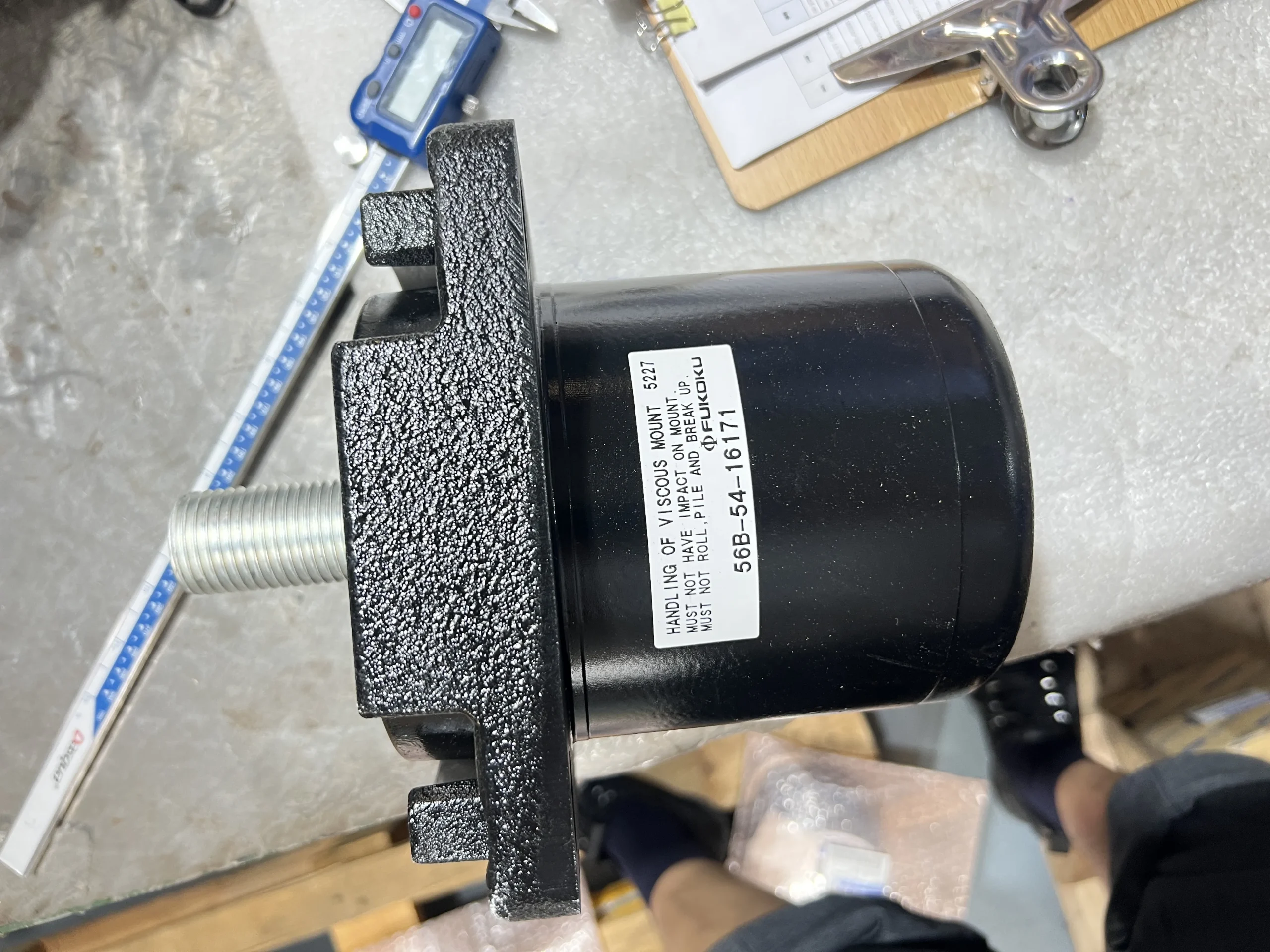 56B-54-16171 Cabin Mount
 -
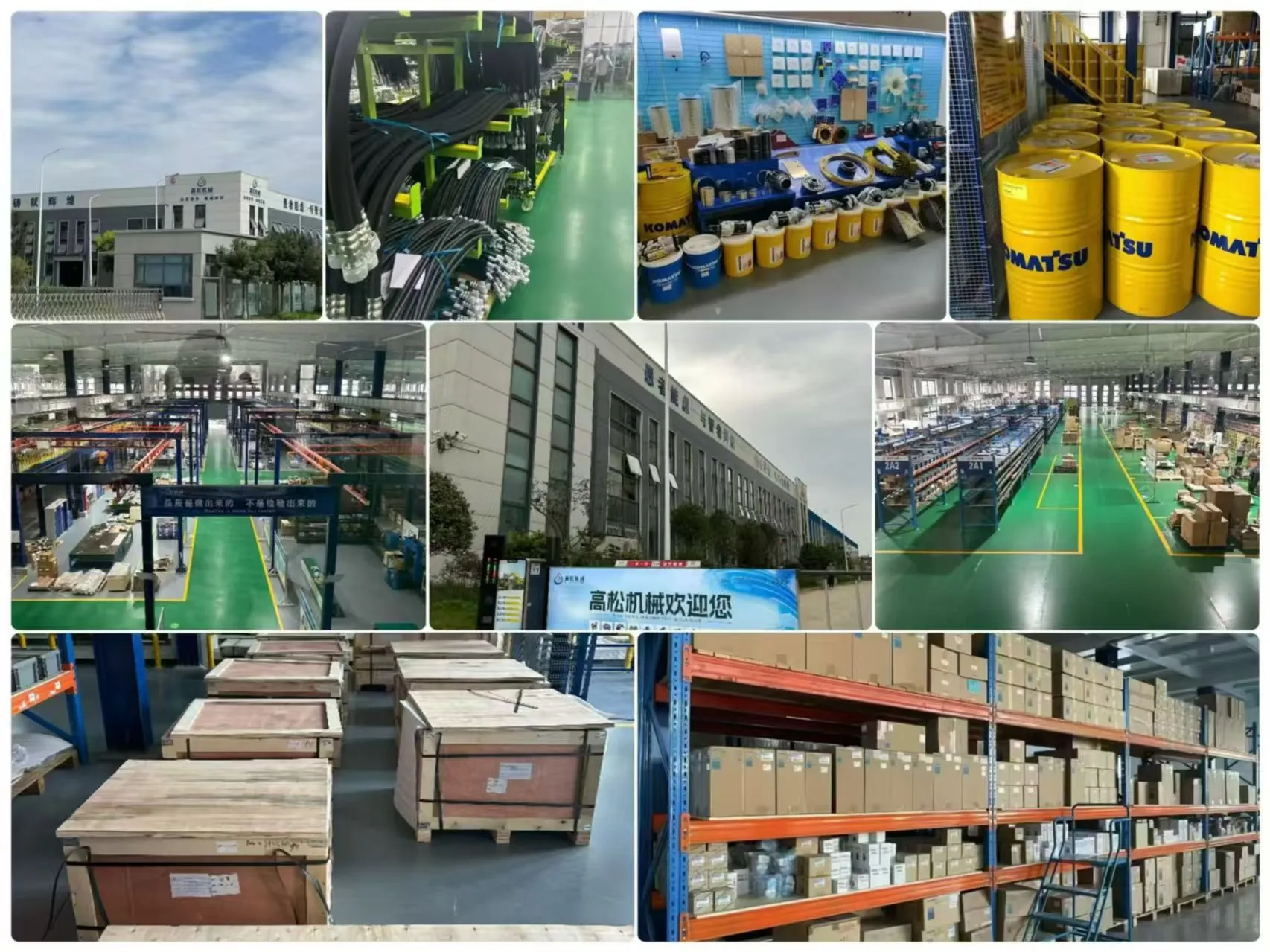 6240-61-2120 Cover for Engine SAA6D170E-3F-8 Parts – Komatsu
 -
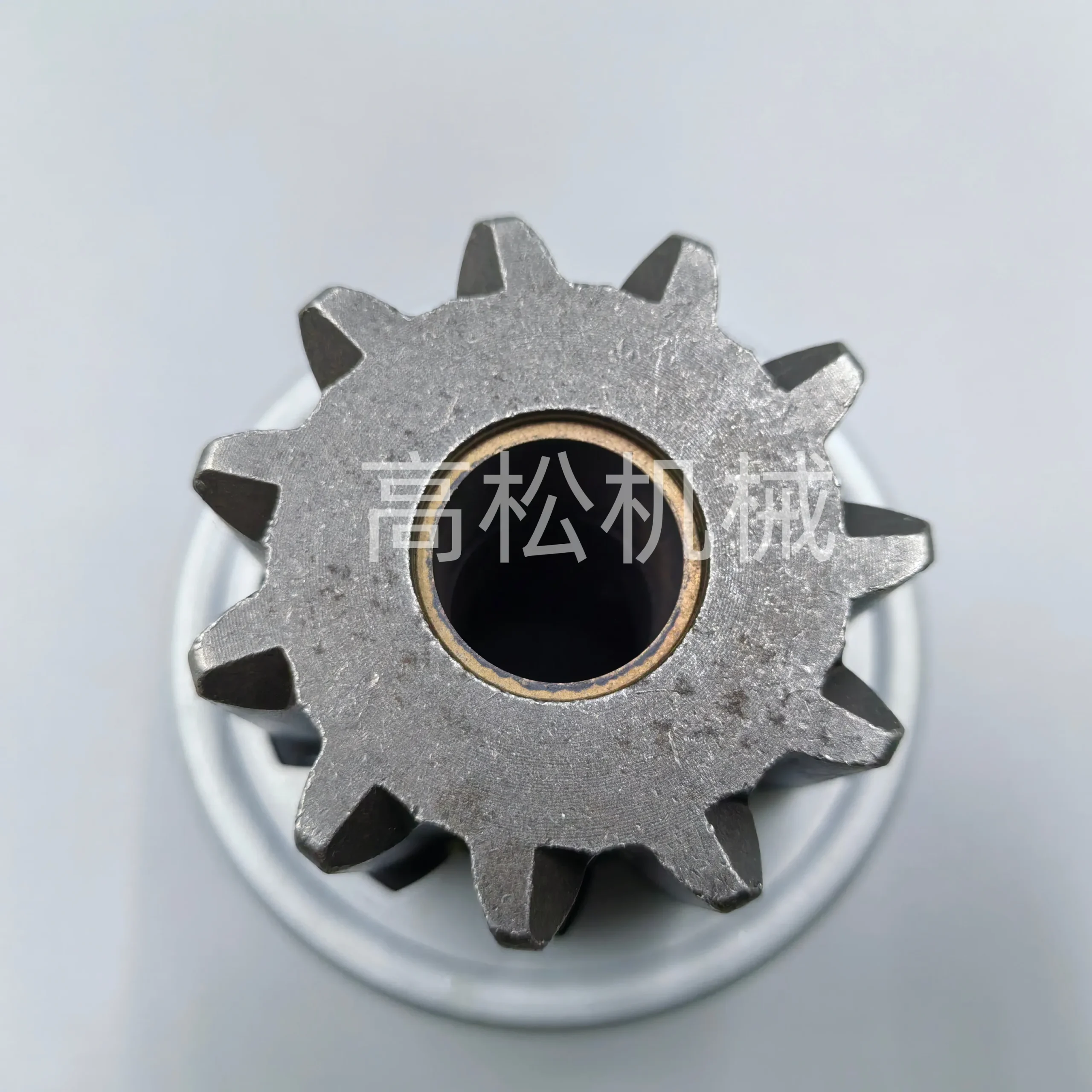 KD0-23500-1024 • CLUTCH ASS’Y-Komatsu Original Factory
 -
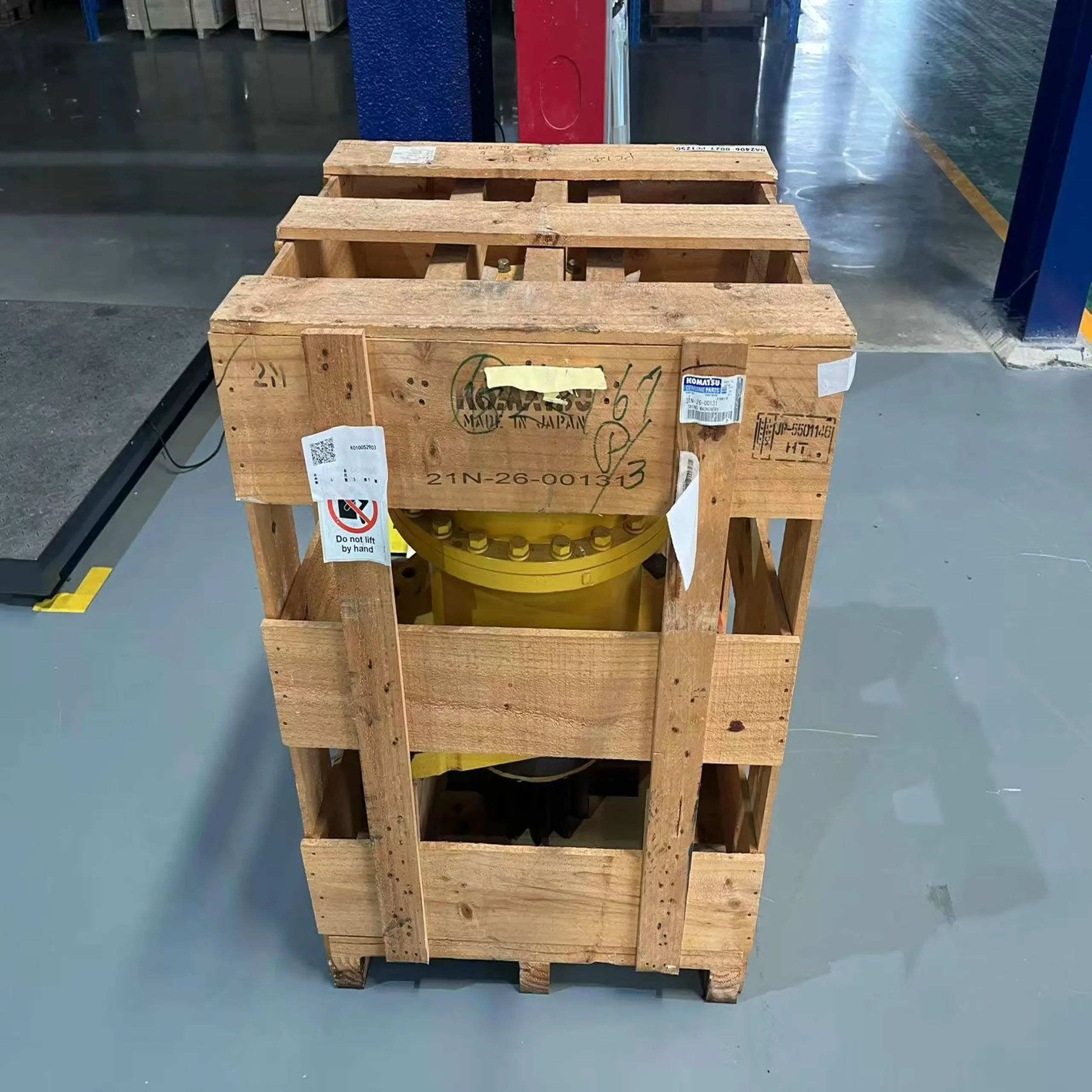 21N-26-00131 Rotary reducer, suitable for PC1250-11 #komatsu #komatsuparts #PC1250 #komatsurotaryreducer
 -
 Komatsu56D-15-19810 Seal, Dust
 -
 WA480-6 engine water pump 6251-61-1101
 -
 Komatsu KD0-23700-0130 REAR BRACKET… — Pricing.Parts
 -
 KOMATSUWIPERMOTOR23B-951-2610
Related Search
Related Search- komatsu spare parts online
- OEM AND ORIGINAL KOMATSU WIRING HARNESS 426-06-33272
- 566-50-6A410
- OEM AND ORIGINAL KOMATSU VALVE 709-62-12101
- komatsu 930e engine
- Komatsu parts dealer
- OEM AND ORIGINAL KOMATSU STEERING VALVE 235-40-14101
- OEM AND ORIGINAL KOMATSU BEARING 566-22-12190
- OEM AND ORIGINAL KOMATSU COLUMN ASSY 569-40-83300
- Komatsu seal kit